An Old Friend Just Got Murdered
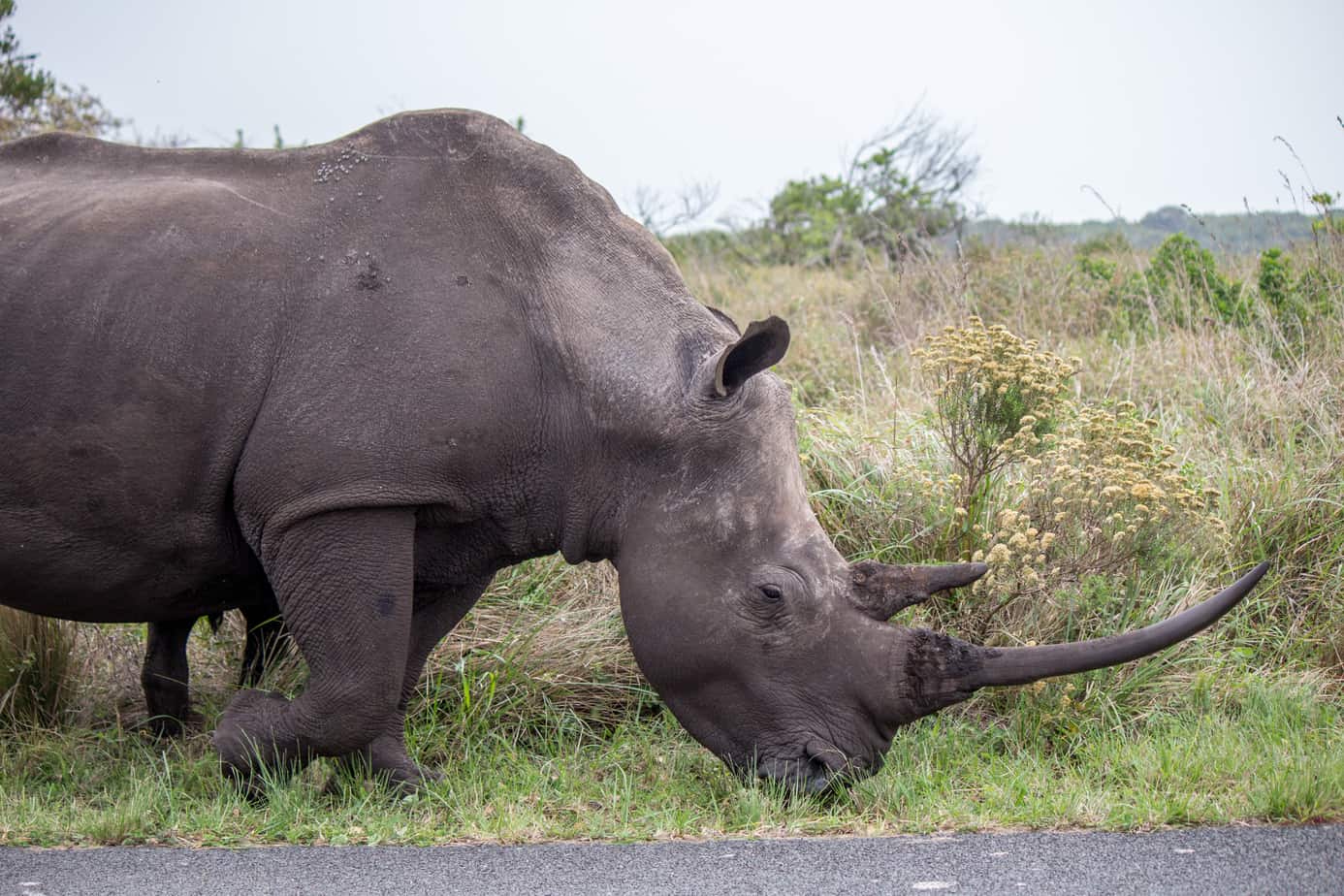
Sadly, what made her beautiful was also their biggest threat. I always knew that she would be a prime target for poachers, but I had hopes that the secluded Eastern Shores of the iSimangaliso would be a safe haven for her and her family. With probably hundreds of visitors every day, multiple nighttime safaris every night, rough sea on one side and a croc-infested river on the other, I always hoped that no poachers would come here. A false hope it turns out, and now a very special animal and her two young ones are dead. For nothing. Shot and killed, and horns removed. It was barbaric and all so pointless.
Last year, in 2014, more than 1,200 rhinos were killed in South Africa alone, and over 1,000 the year before. As of the end of August, the numbers were 749 for this year, and it is bound to be a lot more now. Every one of these had a life, a family, and a role to play in the ecosystem. In Africa, there are 20,000 white rhinos left, and only 5,000 black rhinos. The dream of one day taking my own grandchildren to Africa to see rhinos in the wild is slowly fading away.
I personally know people out there risking their lives every day to save these animals. People that patrol the African wilderness every day and every night, in both sunshine and rain, just so that my future dream might yet become a reality. These are real life heroes. But more often than not, they are understaffed, get little to no money and way too little recognition for the work they do. And I know what they are up against. Rhino poachers are not your everyday poor father with not enough to support his family, contrary to what a lot of people believe. They are highly trained military personnel, with military weapons, tactics and equipment. They work efficiently. With the help of helicopters, they are quick in and quick out. It is a war going on out there in the wilderness that the public never sees. Besides losing our wildlife, we are also losing people, on both sides.
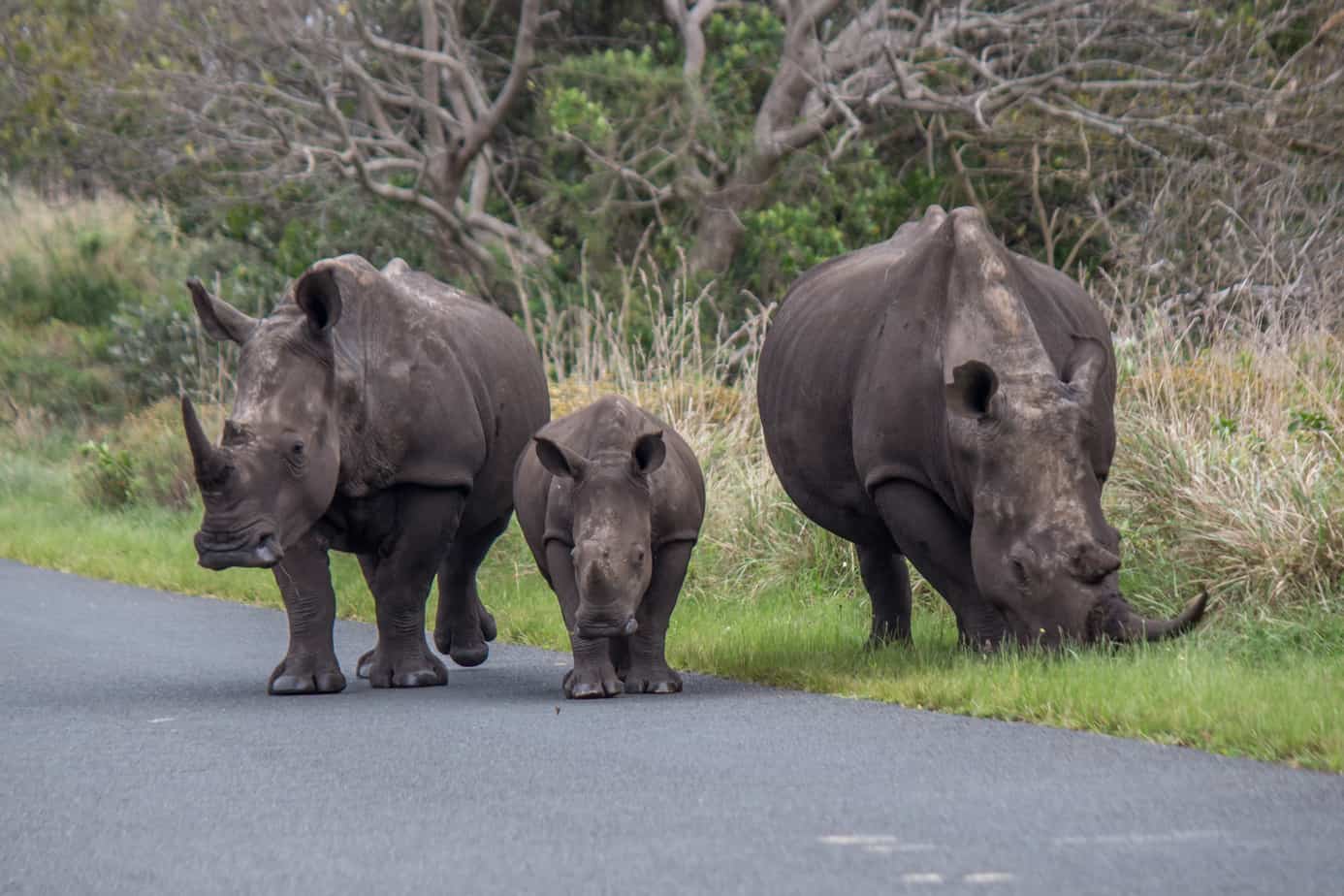
To alleviate the pressure on the rhinos, a lot of people propose that we legalize the trade in rhino horns and then flood the market with tons and tons of old horns piled away gathering dust. I personally do not think this will work. Those horns might take away the pressure on the rhinos at first, but not for long. Such a tactic, I believe, will reduce the price and increase the demand exponentially. The stockpiles will deplete rapidly, and when they are gone, the poaching might become worse than ever. They tried a similar tactic with the elephants and ivory, and that was exactly what happened. There are no easy solutions to this problem, and many alternatives have already been proposed, tried and tested. Poisoning the horns (without hurting the rhino), rendering them worthless, have worked for some parks and reserves, but it is very expensive and a cumbersome technique. Other reserves have unmanned drones to help them out, and a few send rhinos to other reserves, and even countries, where they are deemed safer.
I reluctantly believe that, as long as Africa remains an impoverished continent, prone to corruption and conflict, the poaching will continue. If someone are caught and sentenced, someone else will take their place. There is too much money in it for someone not to be involved. In Africa, I see no lasting solution but to heal the continent itself, and that might take more time than we have. The only solution, as I see it, is to greatly reduce or completely remove the demand. The only way to do so is through educating the people of China and Vietnam, and other countries were such products are used, and putting pressure on their governments. They need to understand that they are contributing to a war where both people and wildlife are killed in barbaric ways, and that whenever they use rhino horn products, they have blood on their hands.
Even though it seems hopeless, we can all help, no matter where we are. One can start by sharing articles like this, write one’s own, or simply tell friends and family about the situation. Knowledge is power. If one wants to contribute directly, through donations for example, savetherhino.org is a very good place to start. Together we can make a difference.
Independent field journal
Did you enjoy this story?
Voluntary support helps cover the website and continued work on the field journal and species archive.
Support Wildlife VagabondThe content will remain freely available.