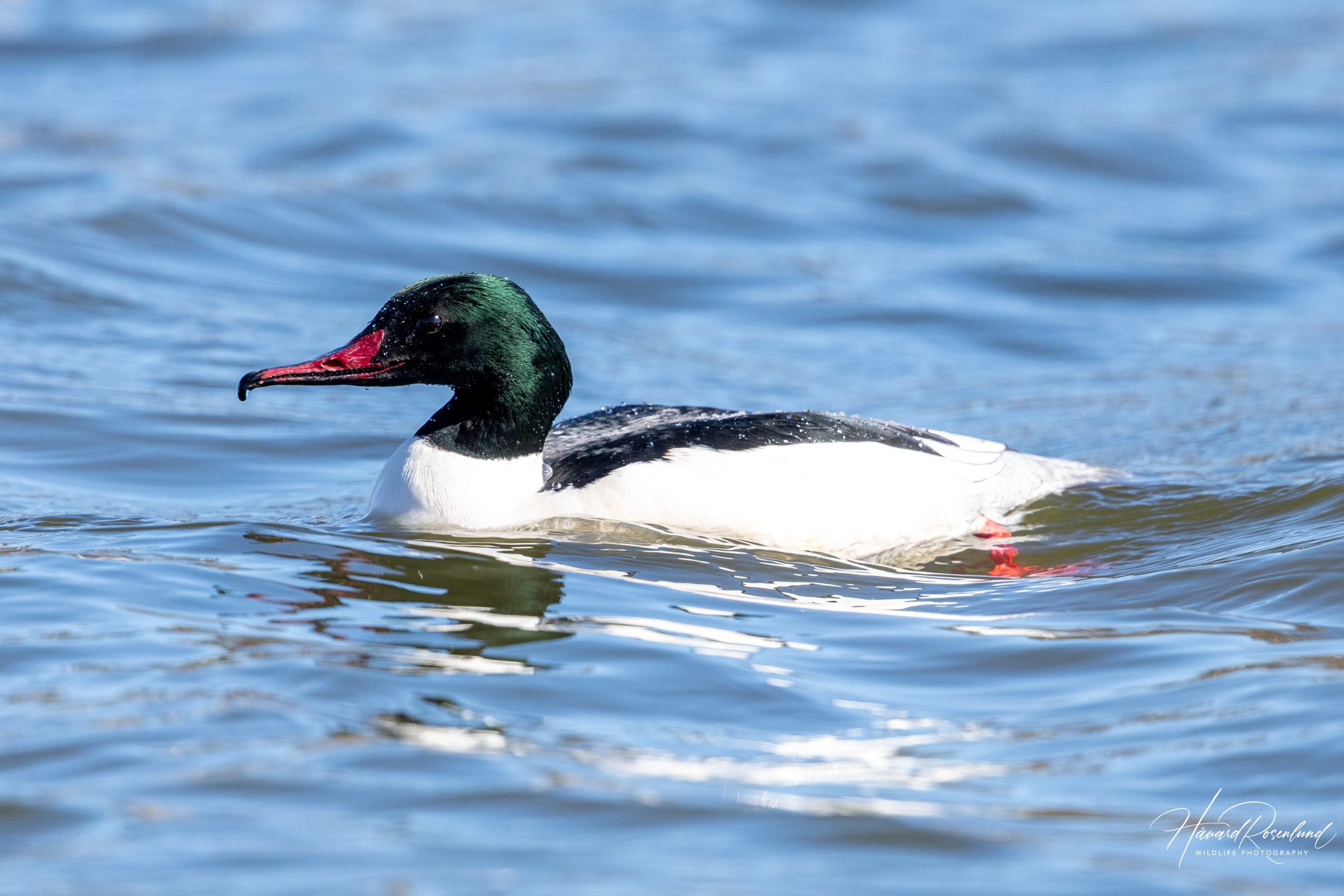
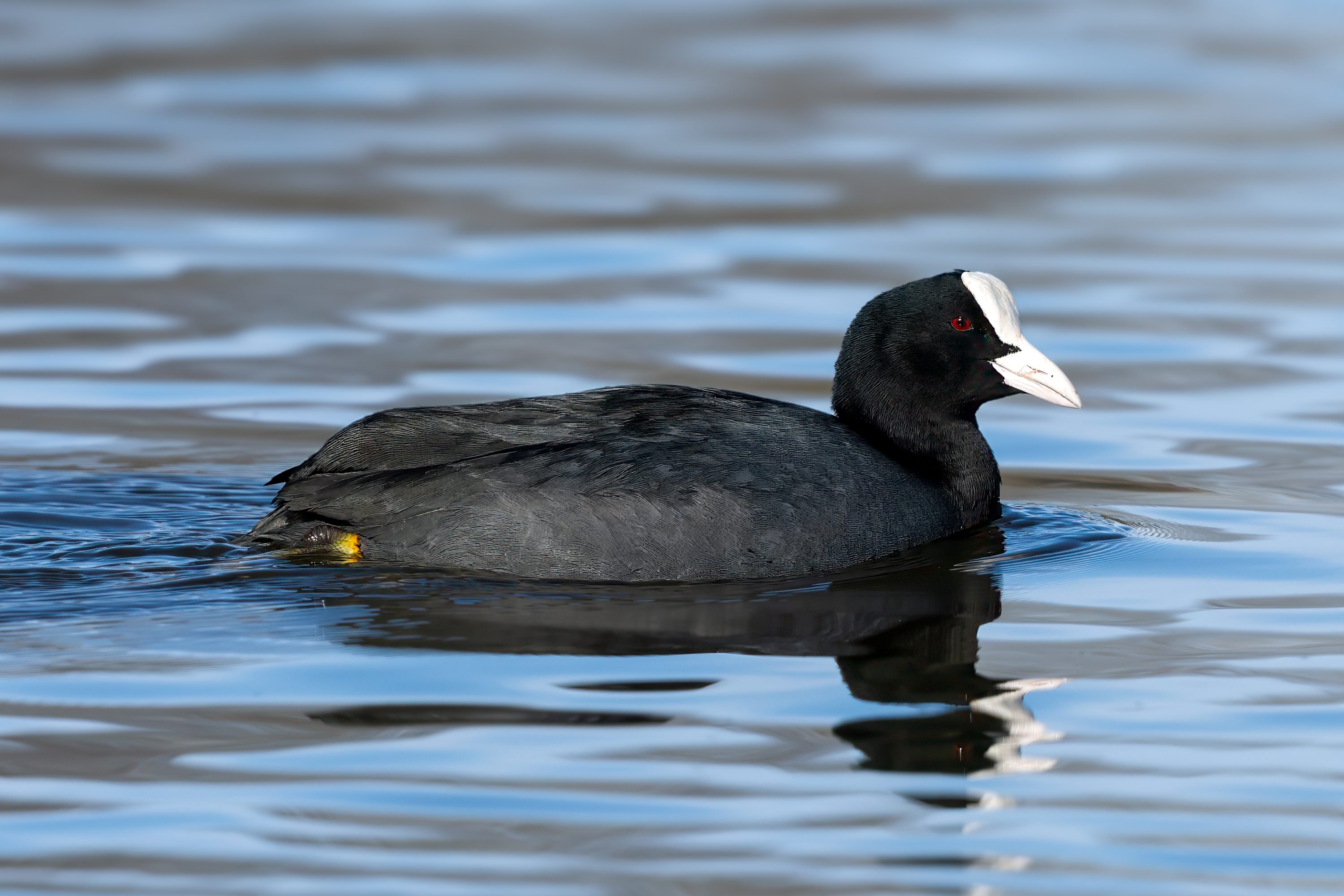
A photographic journey through the gear
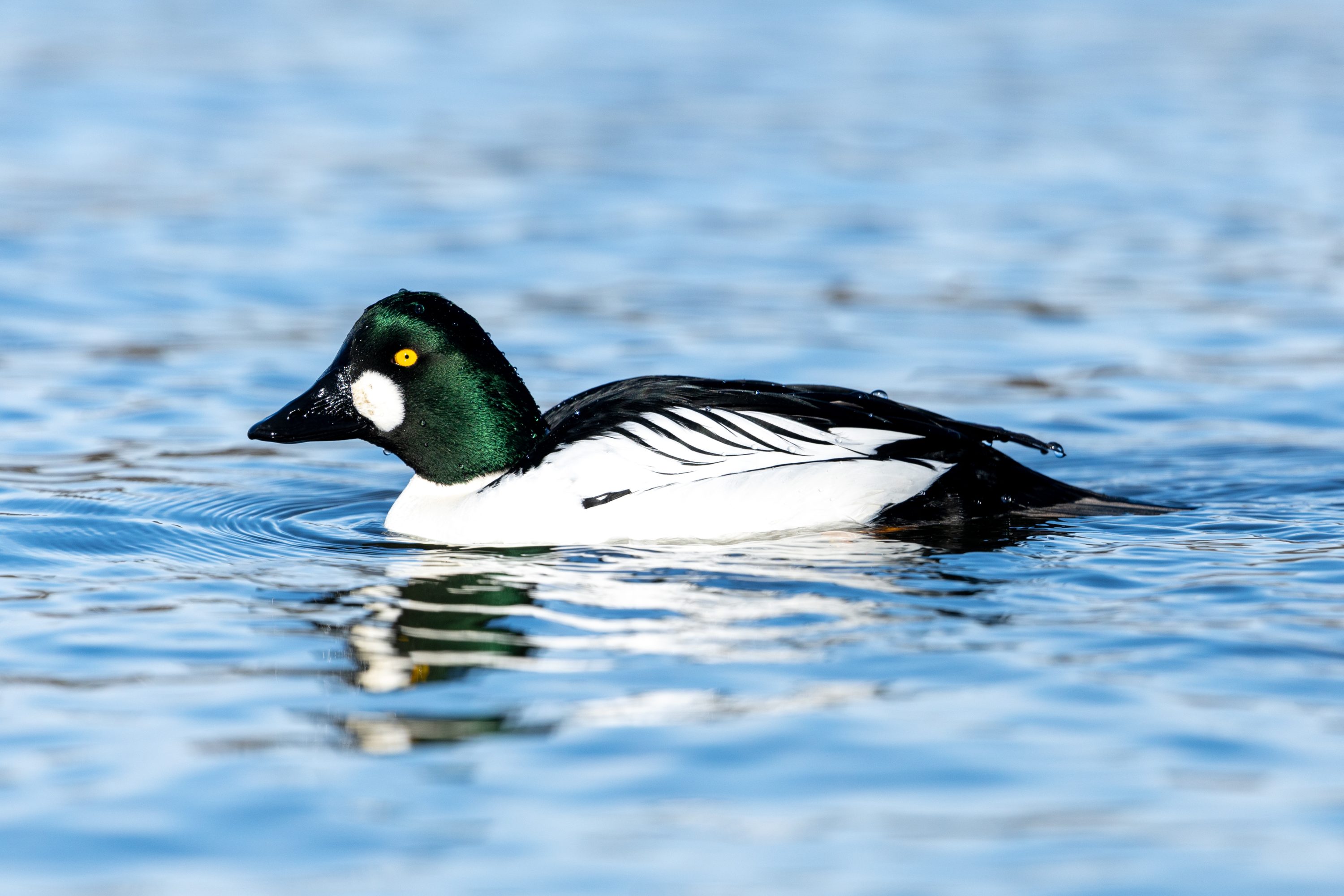
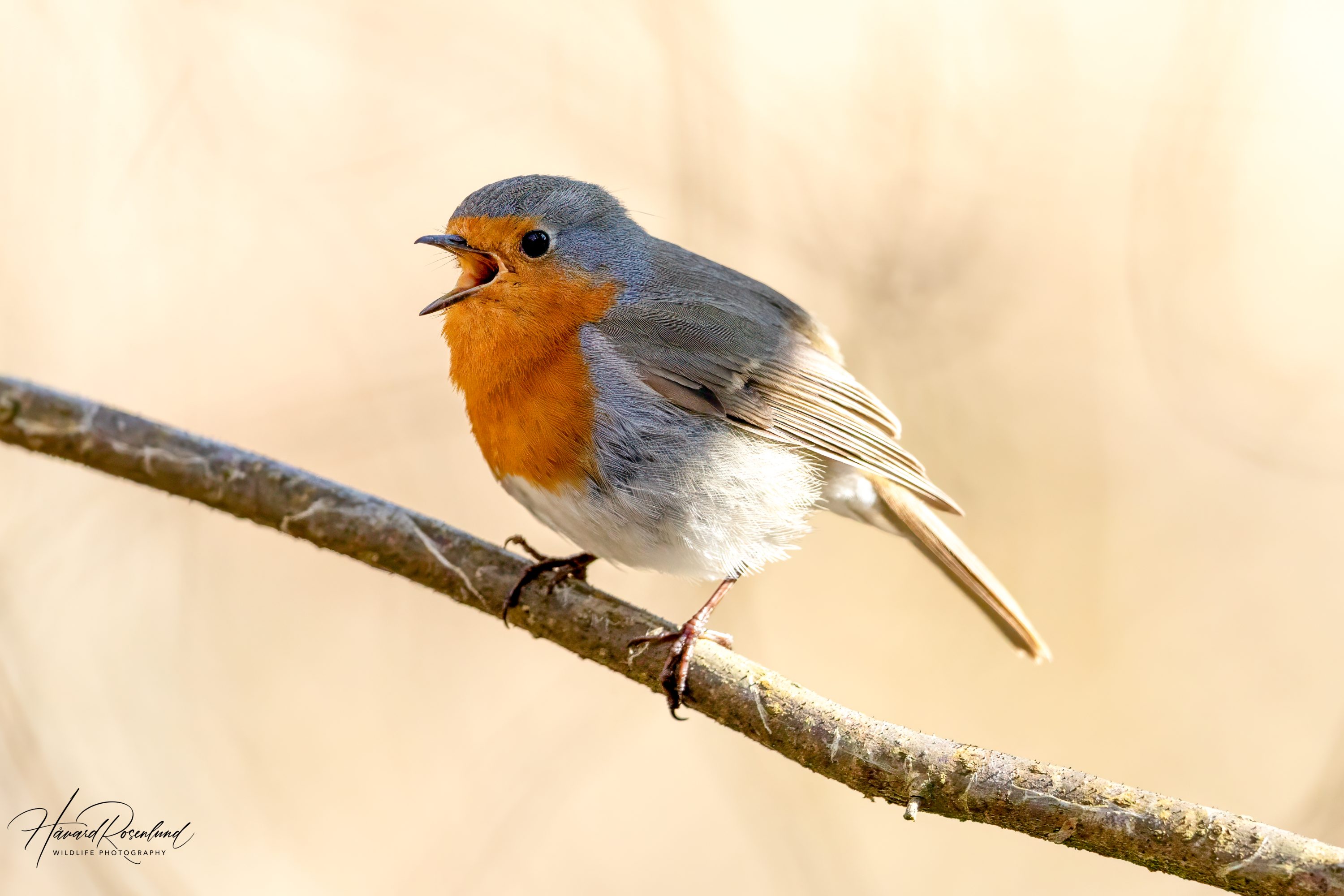
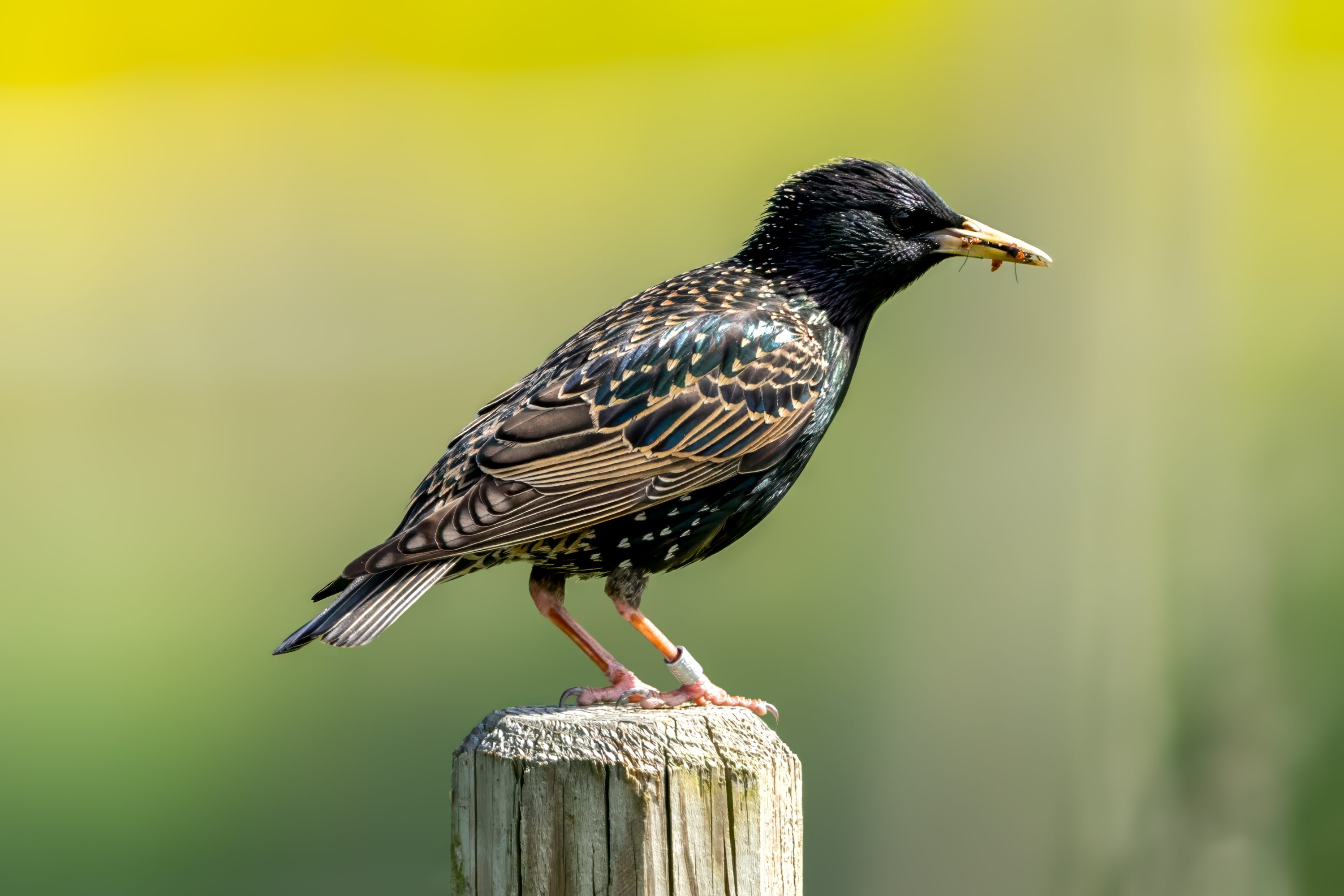
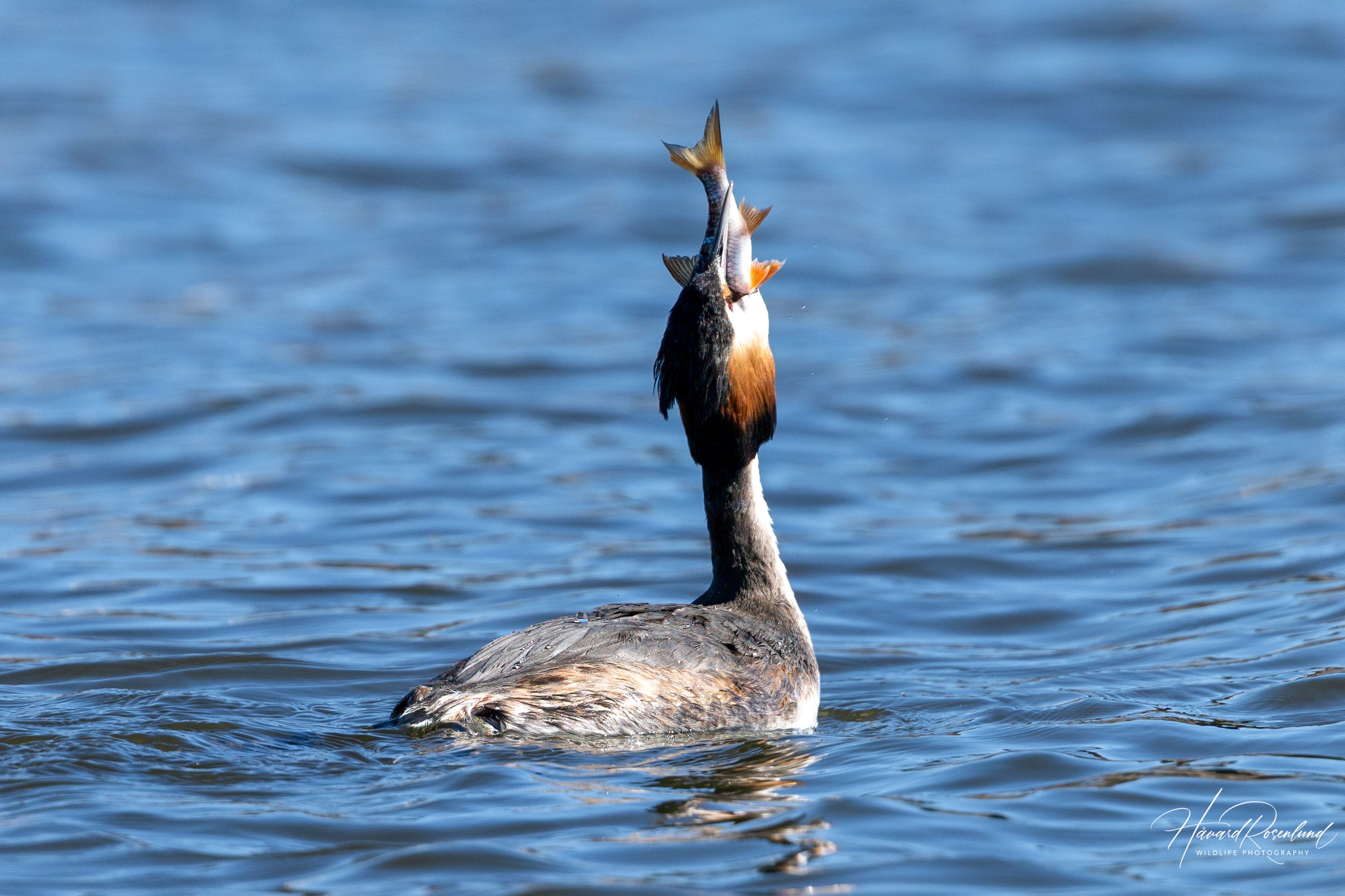
Choose a period to see the equipment, what changed and a selection of photographs made with it.
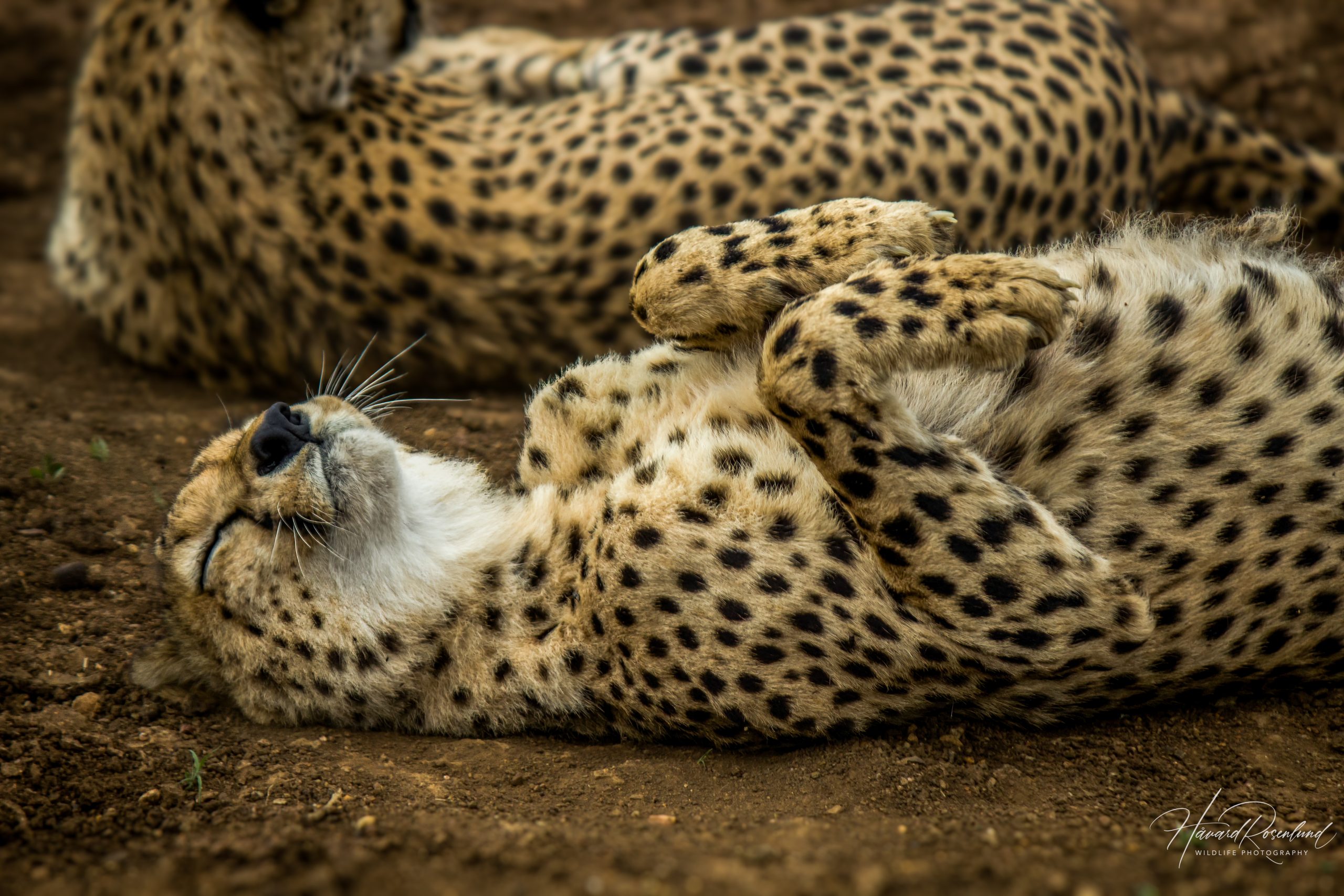
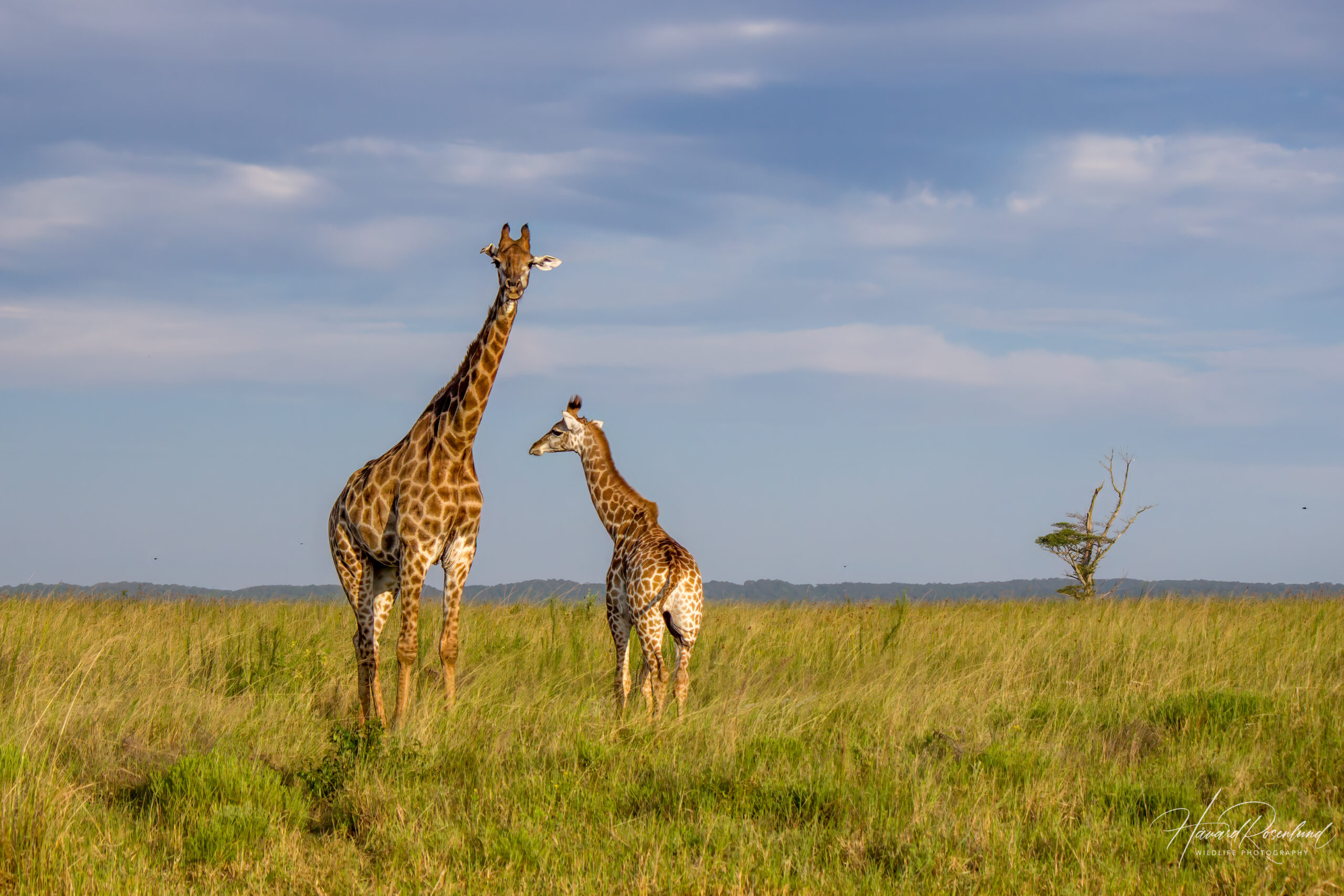
The South Africa years
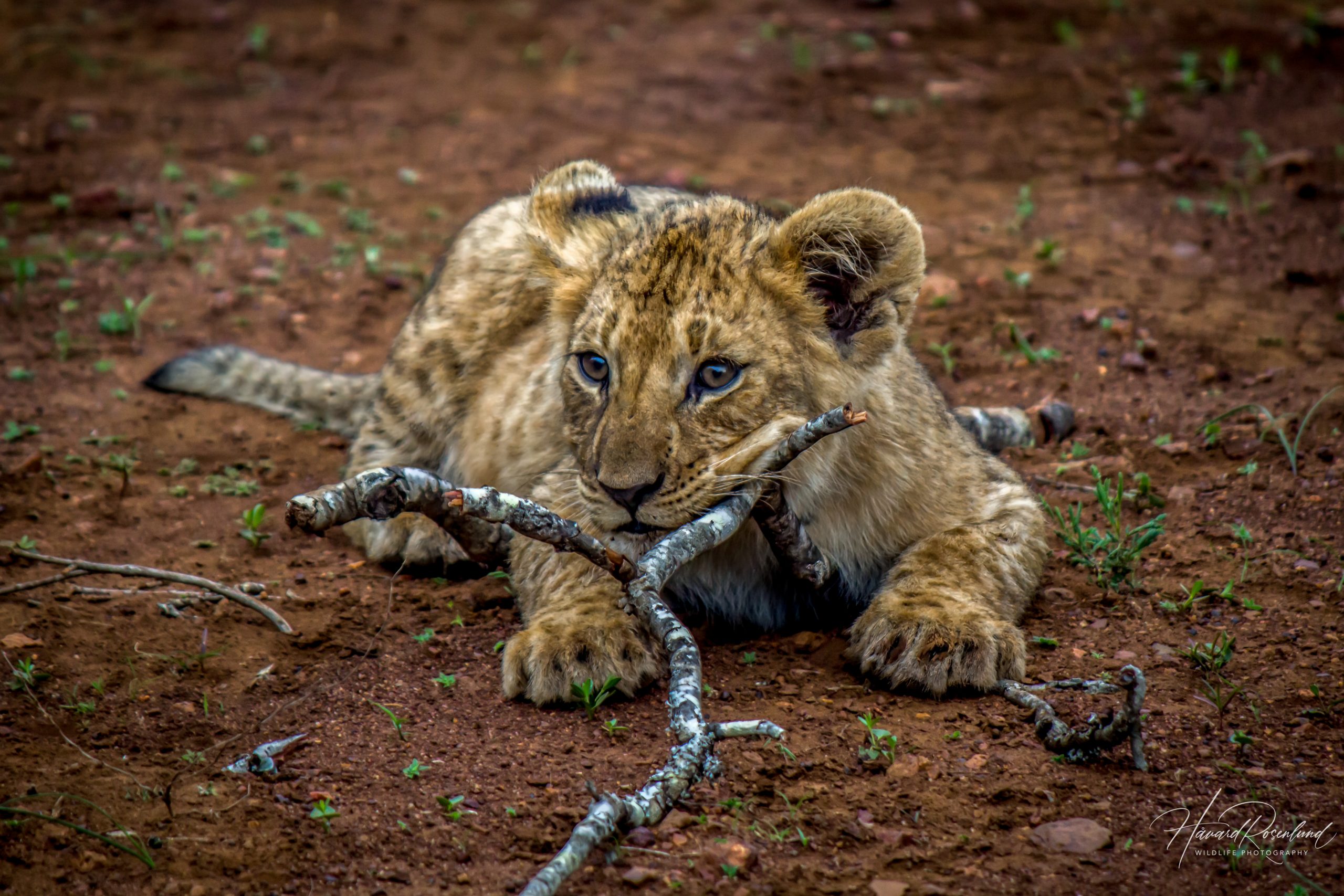
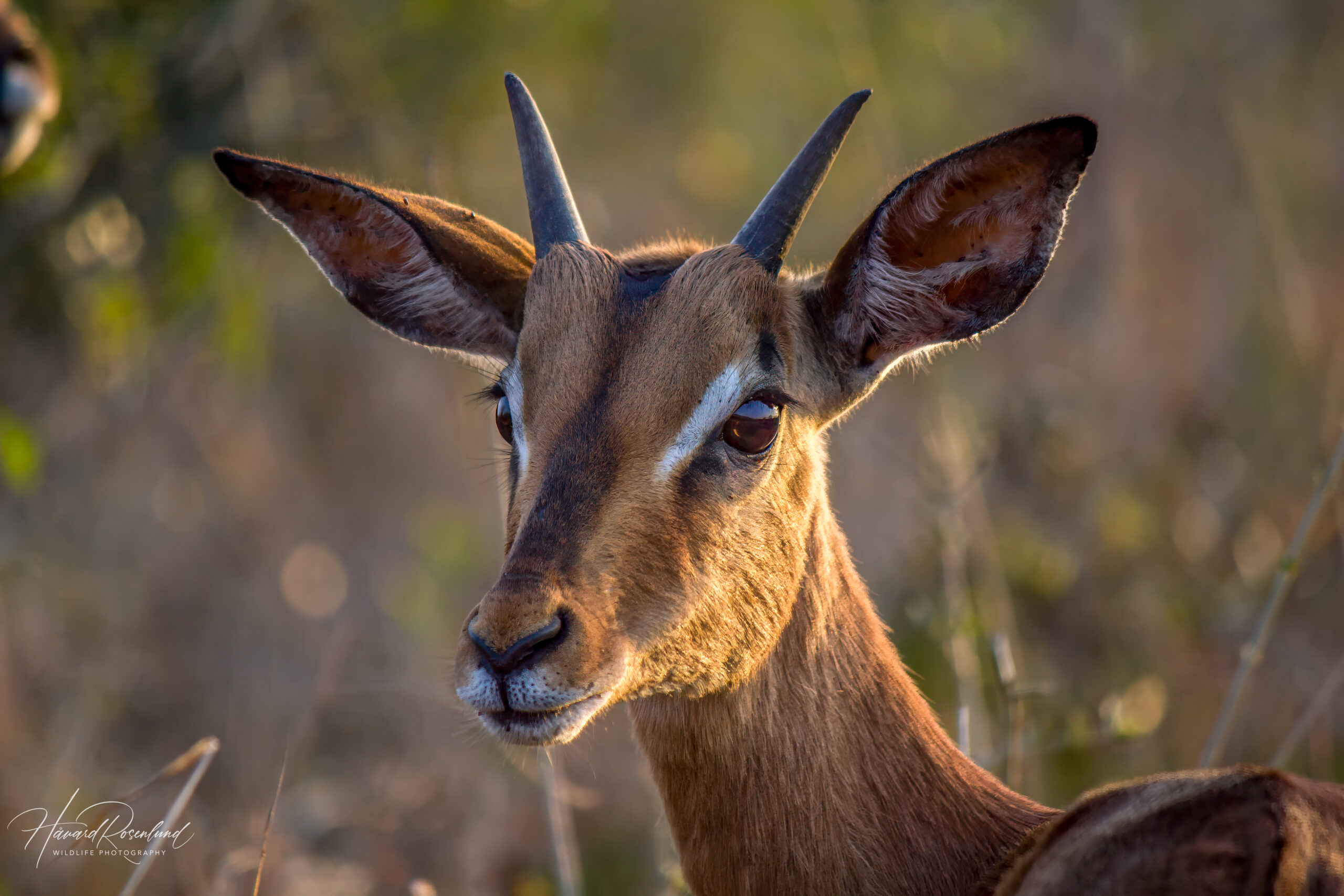
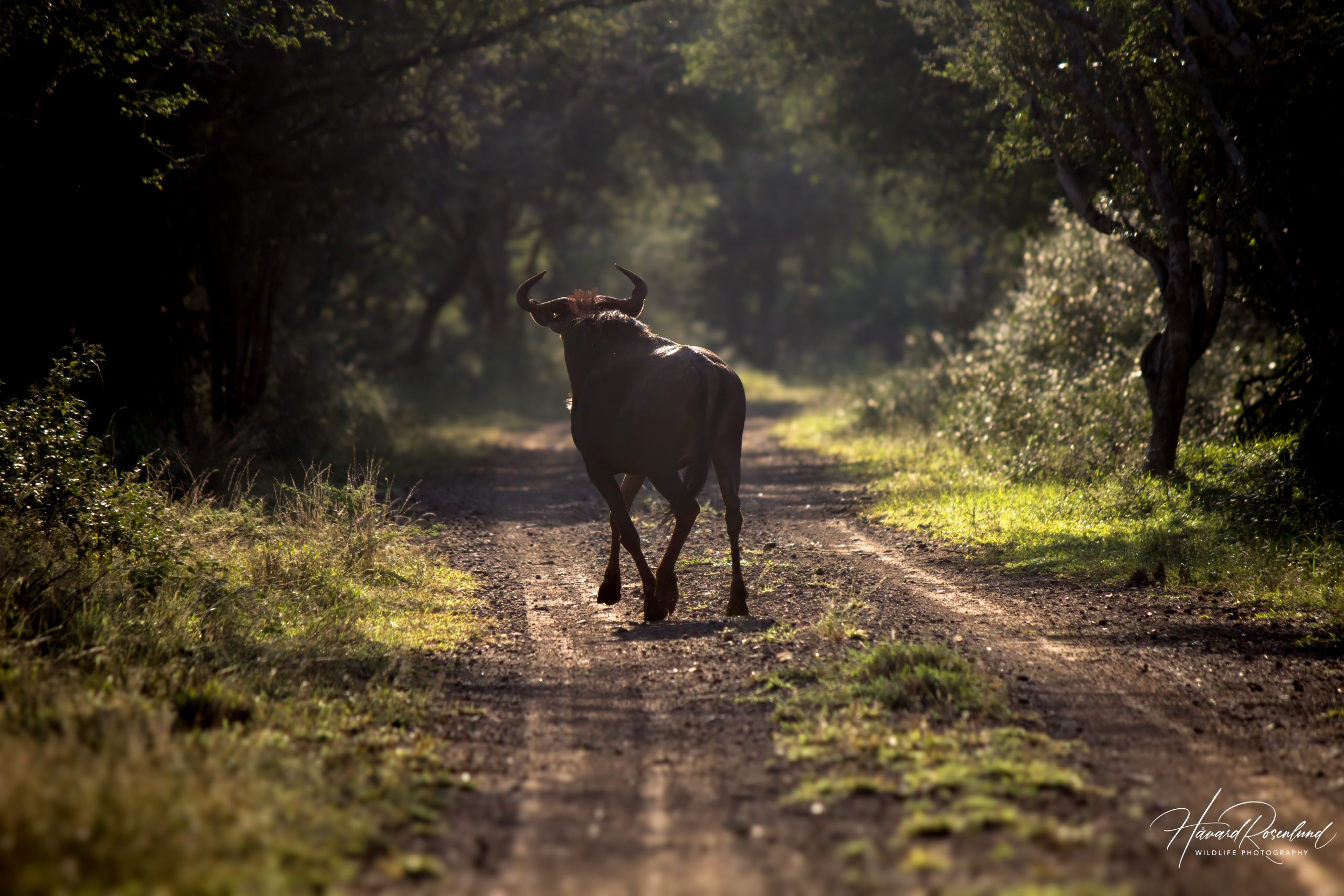
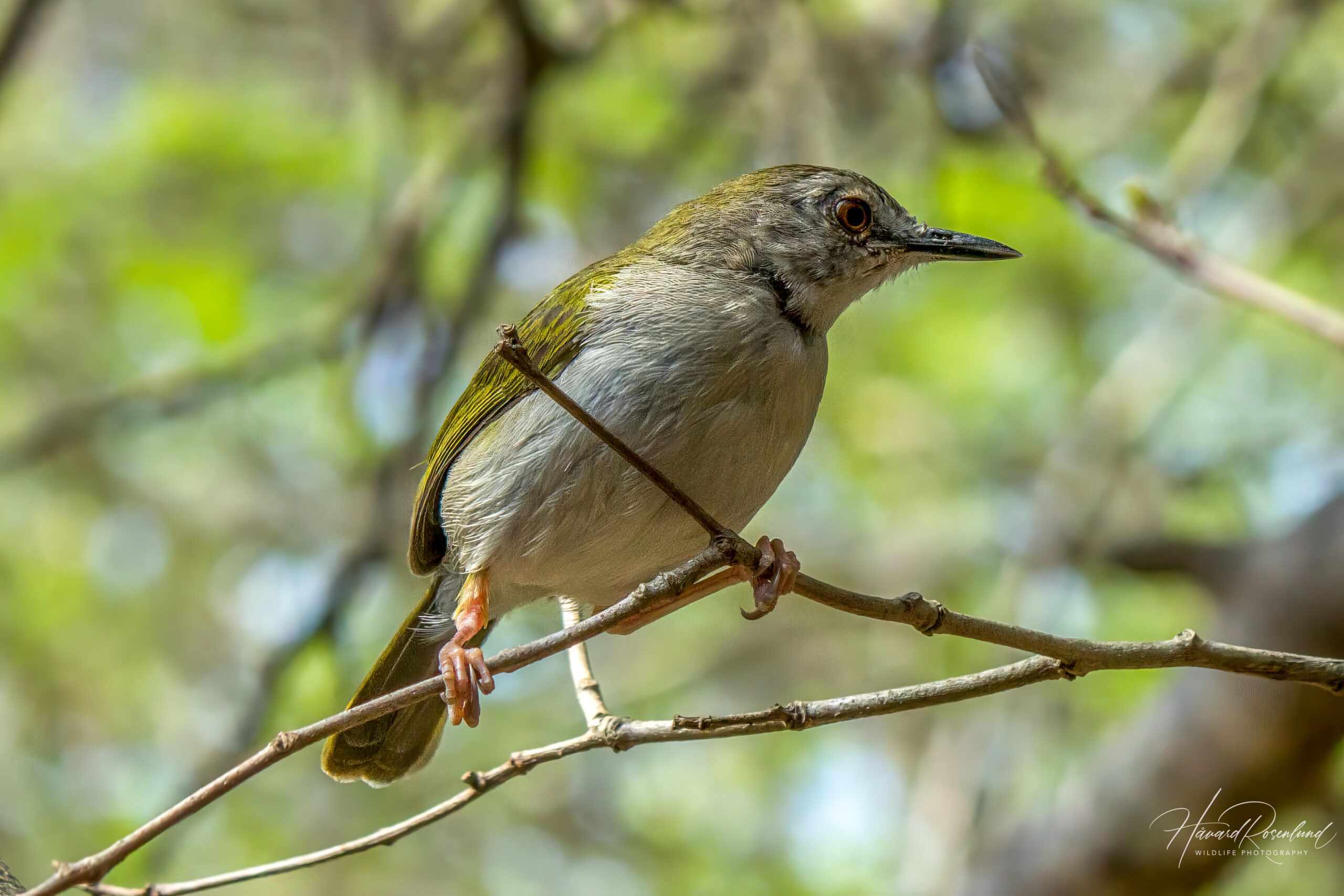
A simple camera, an affordable telephoto and almost two years surrounded by African wildlife. This combination started both the obsession with photography and the earliest versions of Wildlife Vagabond.
The Canon 600D and 55–250mm lens were a birthday gift before I left for South Africa. The kit was far from professional, but good enough that the camera was rarely allowed to rest.
Limited reach and weaker low-light performance became frustrating, especially as my interest in birds grew. At the same time, those limits forced me to learn light, distance, animal behaviour and patience.
Back to Norway
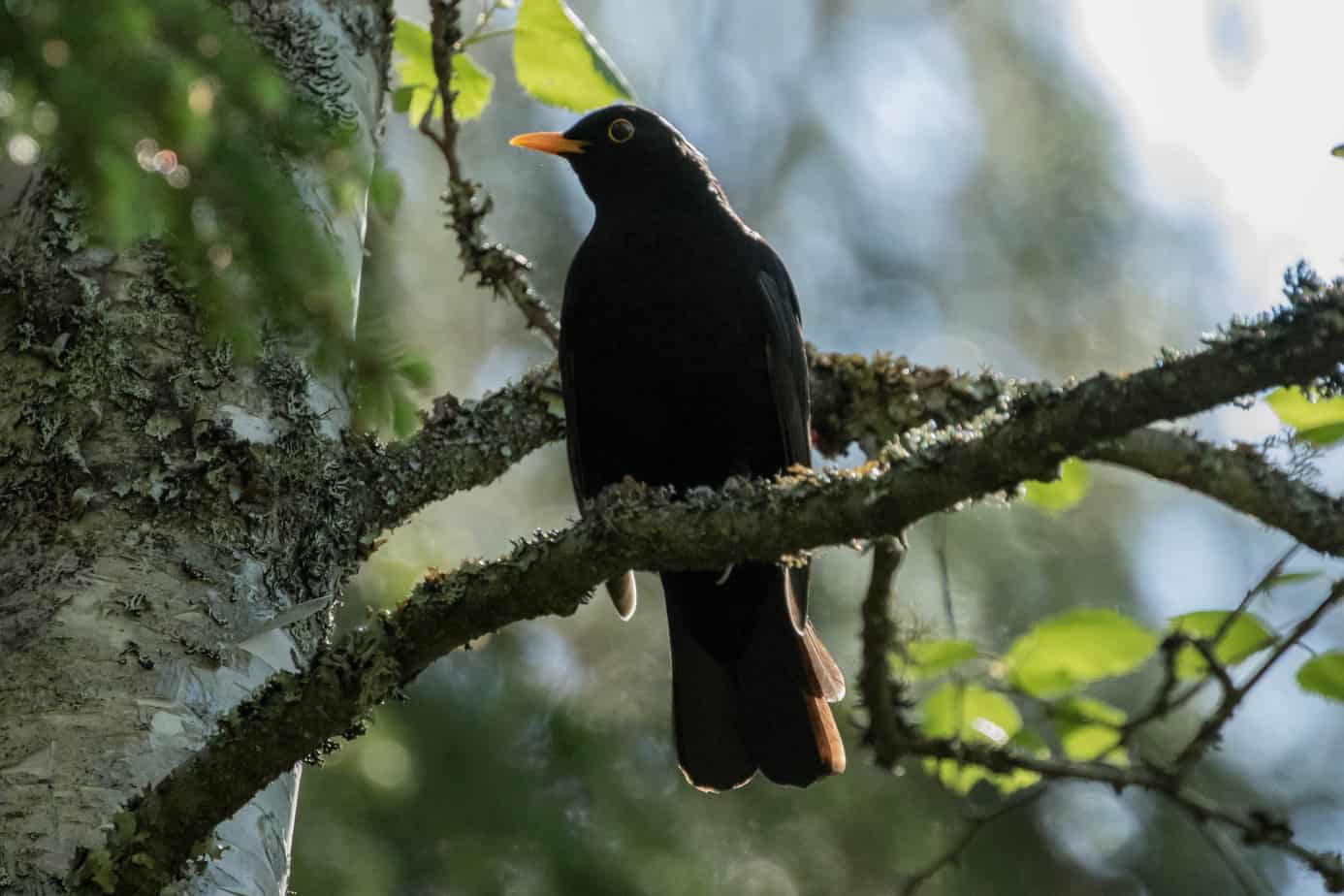
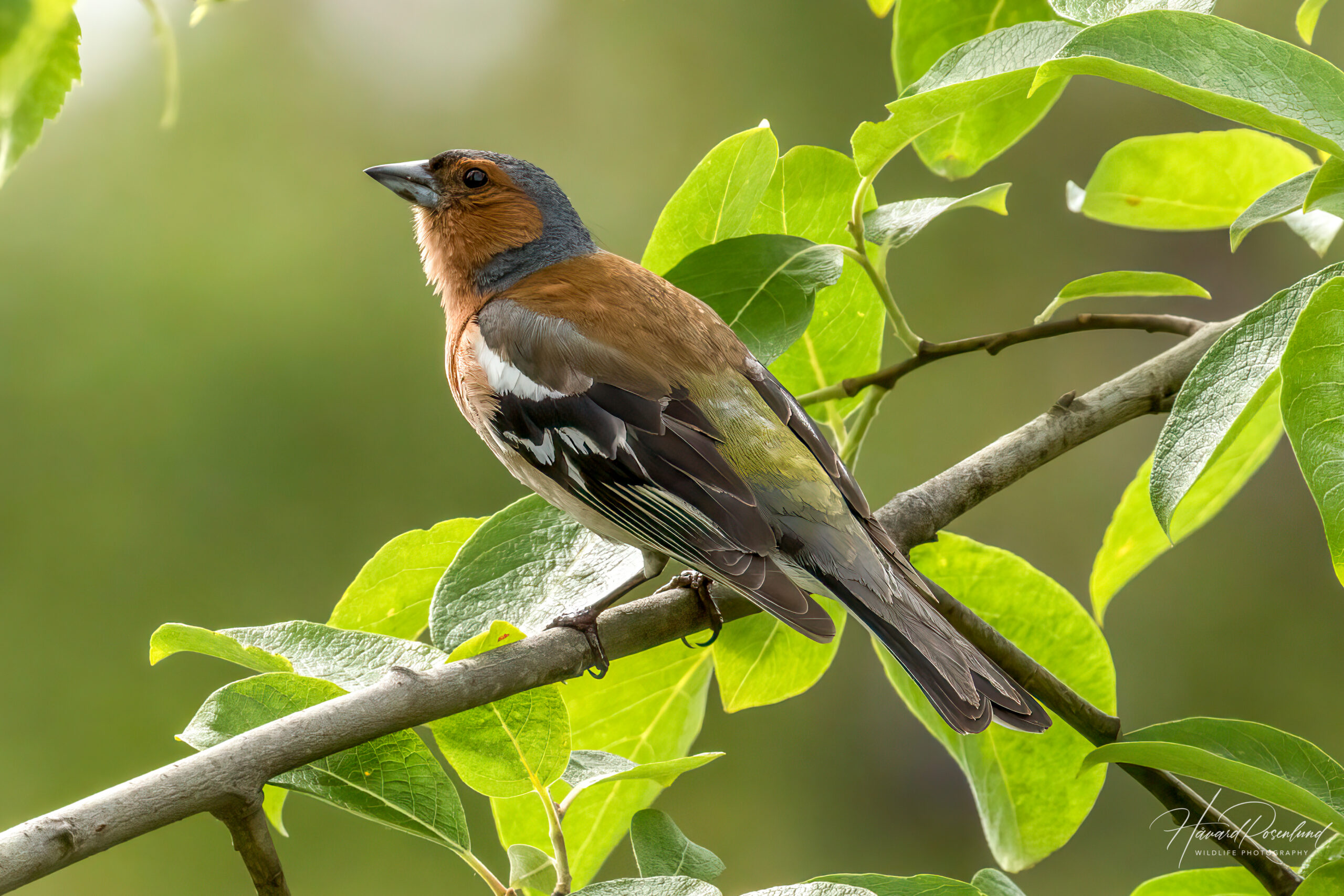
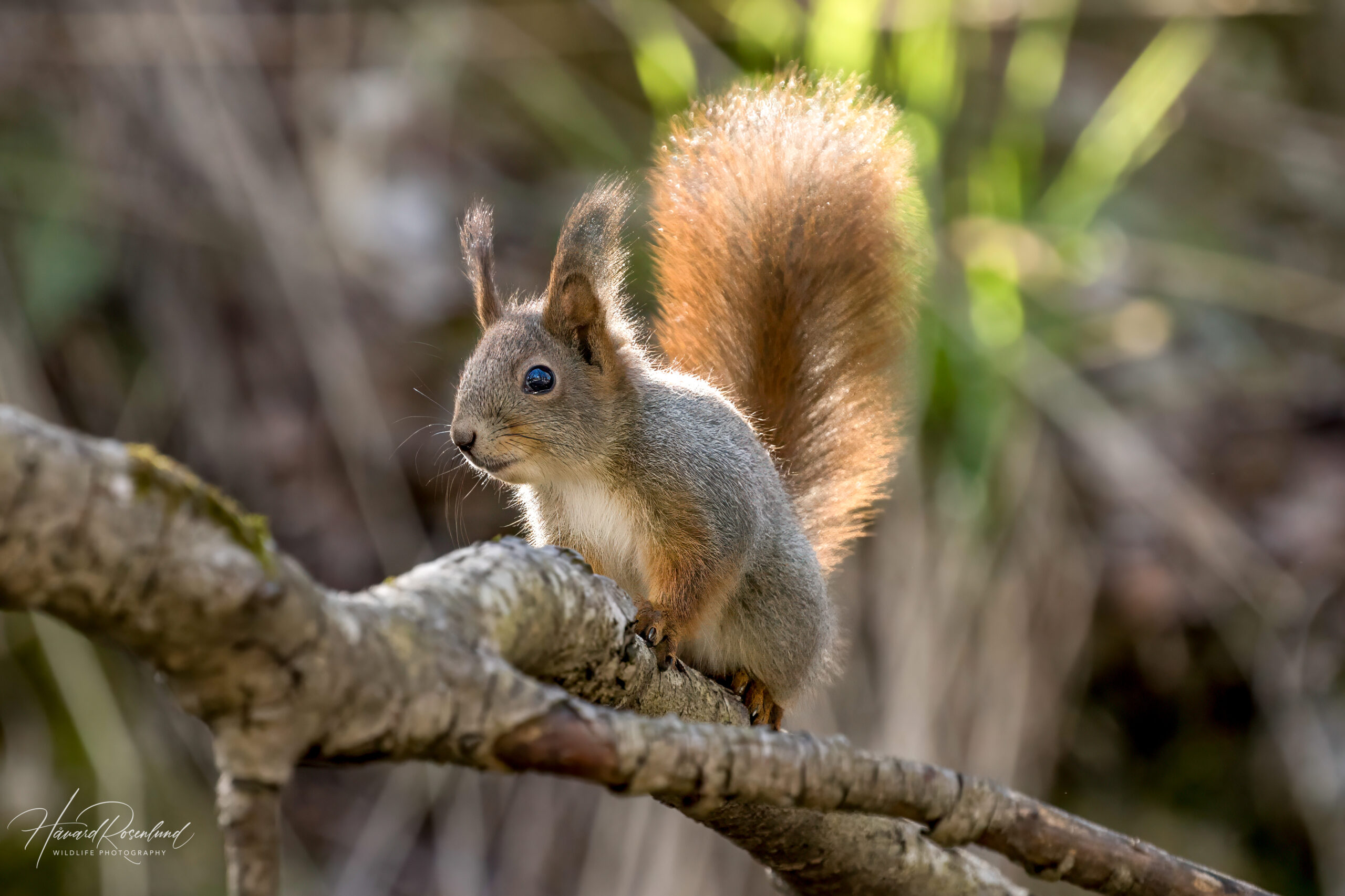
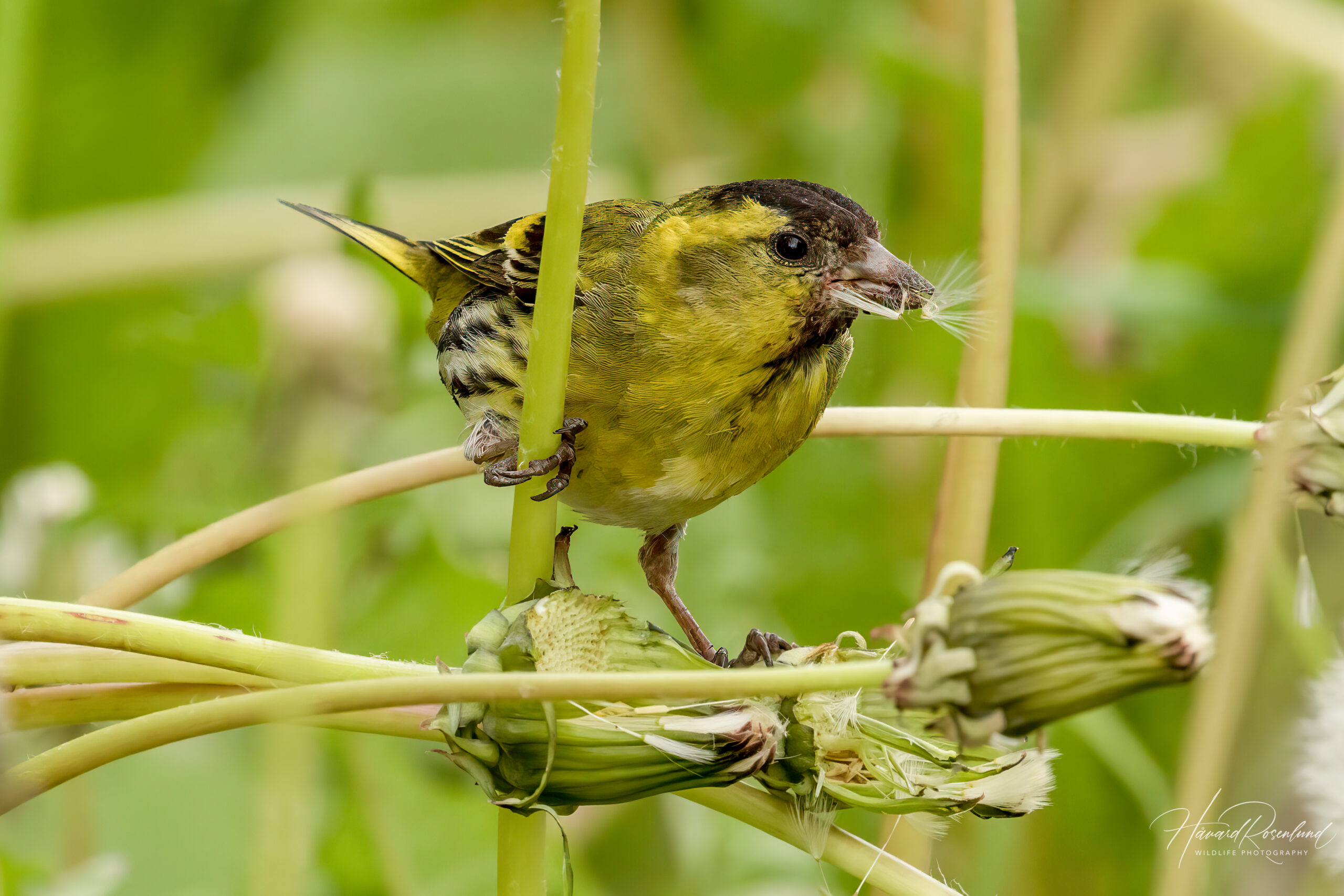
A faster camera and a far more flexible lens made bird photography in Norway possible at an entirely different level.
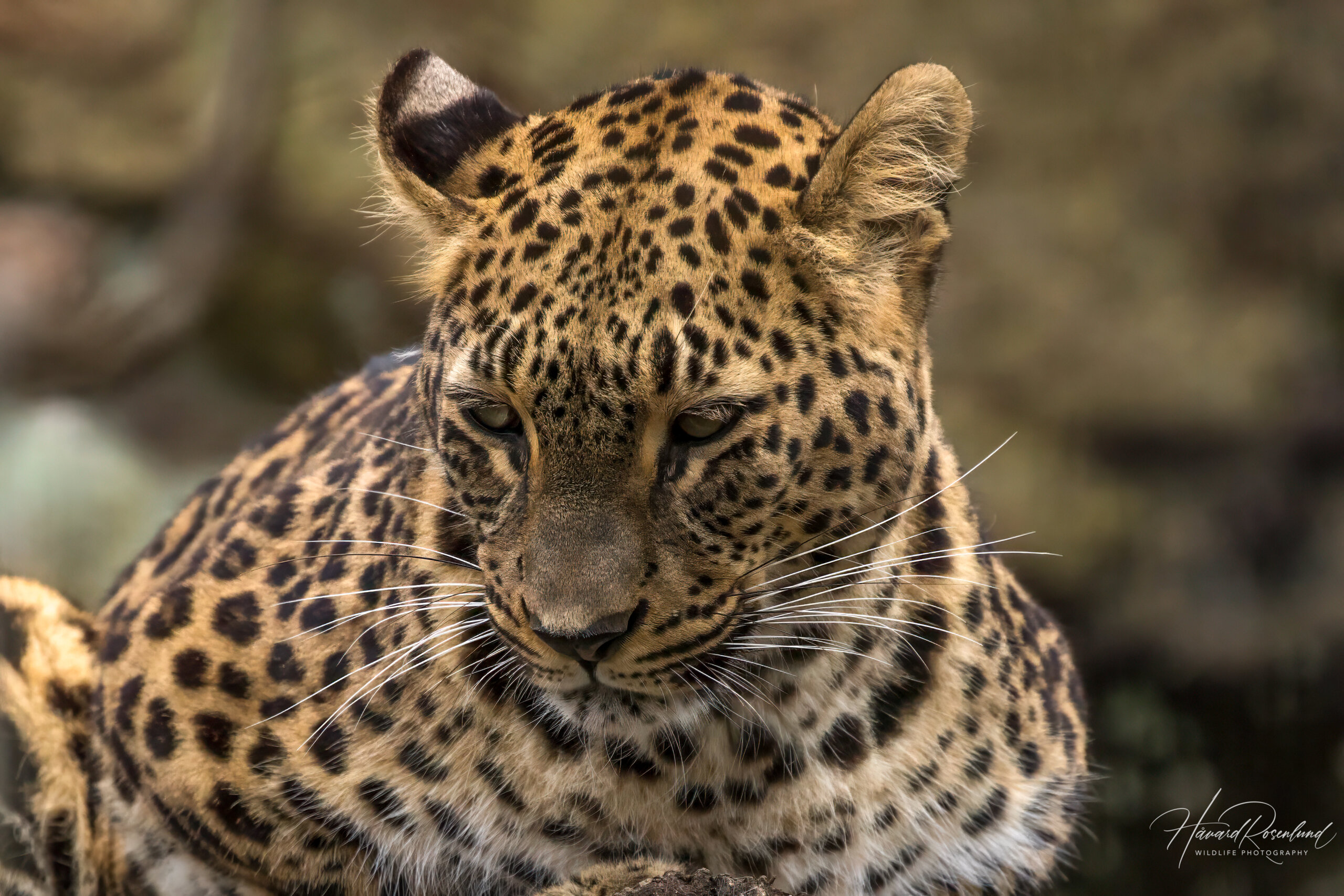
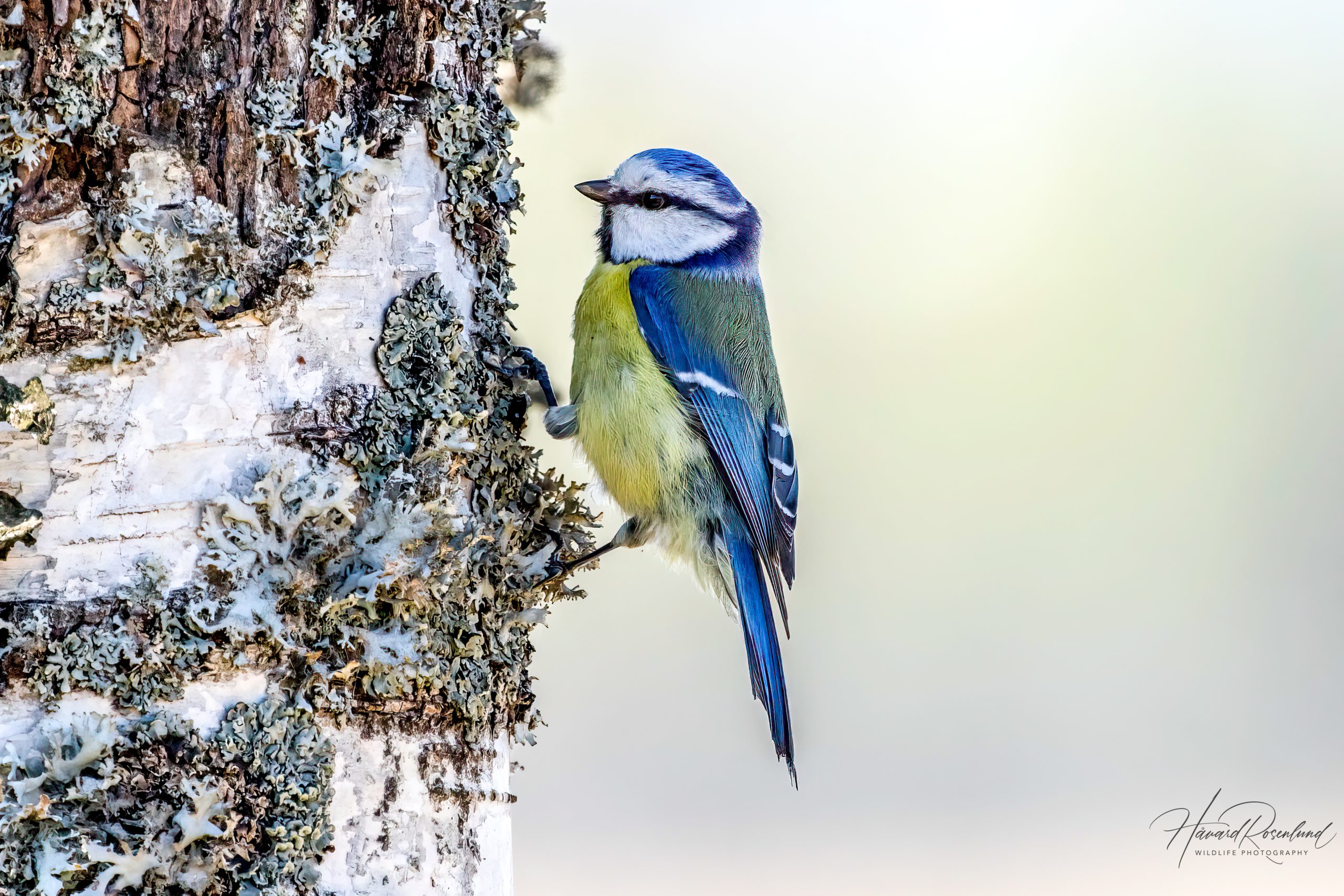
The 7D Mark II brought better autofocus, faster bursts and a tougher body. Its APS-C sensor also gave a field of view equivalent to 640mm when the 100–400mm was fully extended.
The 100–400mm II was the real game changer: flexible enough for safari, yet long enough for birds back home. Eventually, low light and the desire for softer backgrounds became the new limitations.
The professional leap
The 1DX Mark II and 500mm f/4 transformed what I could extract from poor light, fast animals and small subjects at a distance.
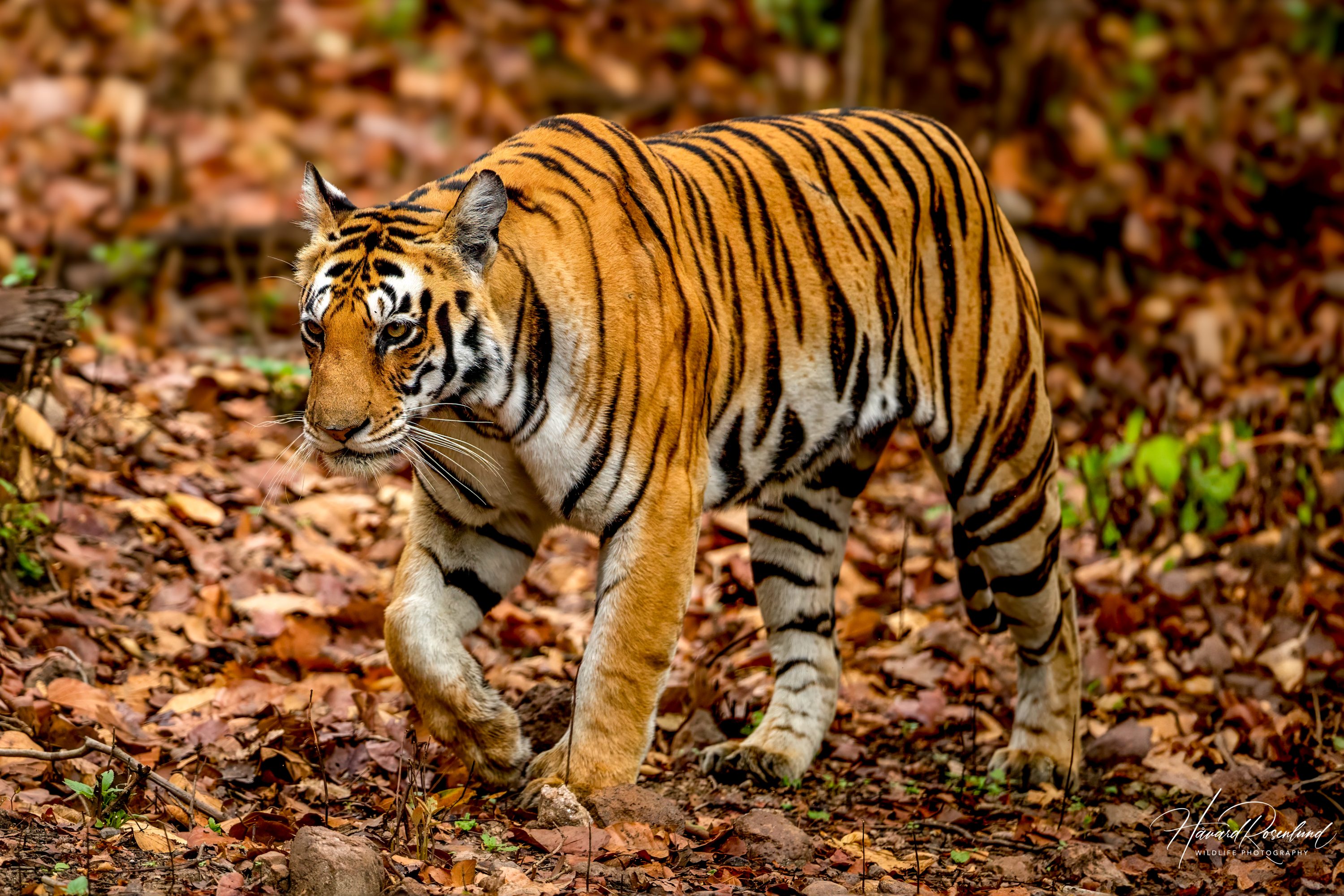
The 1DX Mark II delivered full-frame files that tolerated heavy cropping, excellent high-ISO performance and autofocus that kept up with rapidly moving wildlife.
The EF 500mm f/4L IS II supplied the sharpness, subject separation and reach I had always wanted. The 1.4x extender turned it into a 700mm setup whenever the situation demanded it.
Such a heavy system also needed proper support: a Sirui tripod, Benro gimbal and an F-Stop Tilopa with a configurable camera insert.
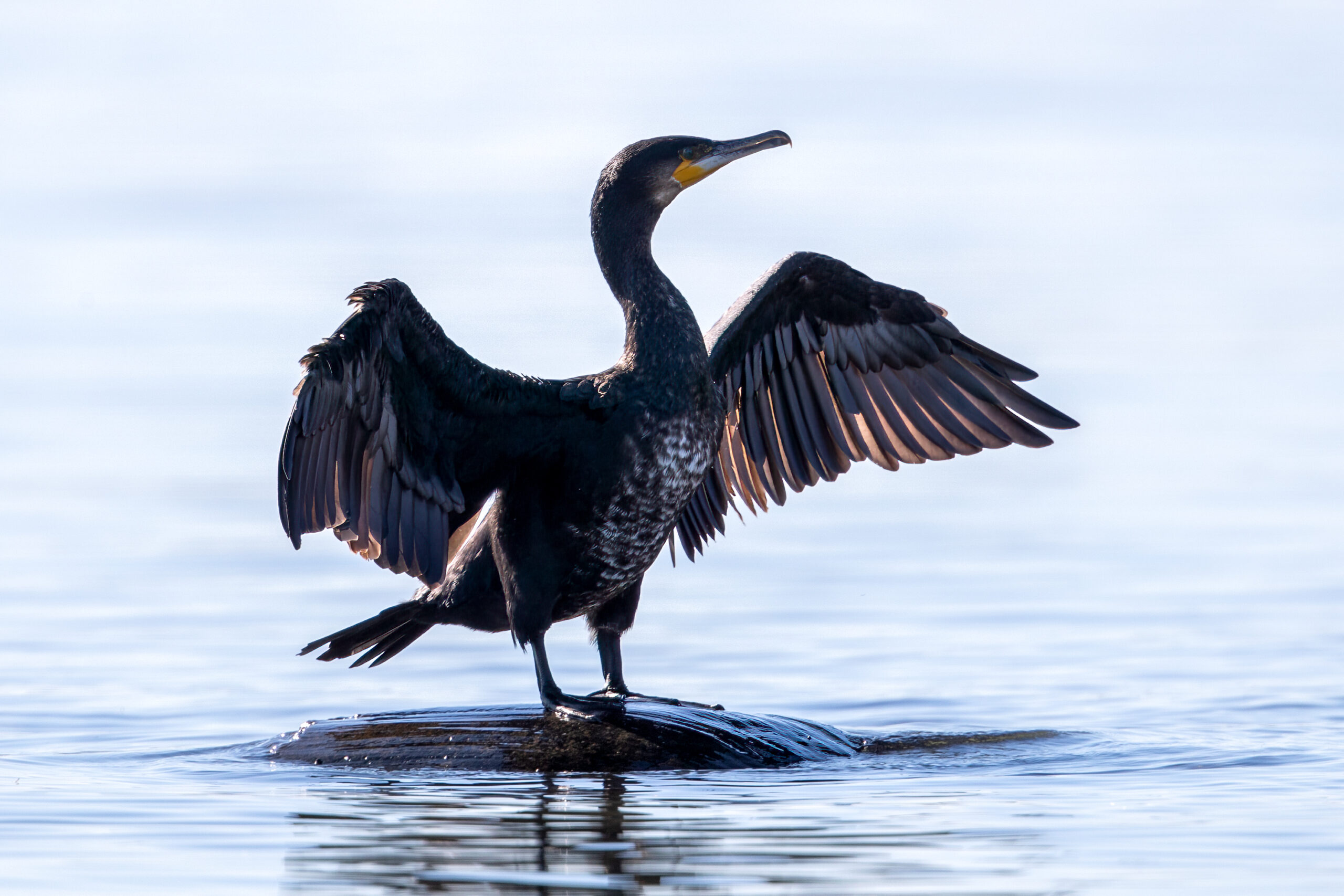
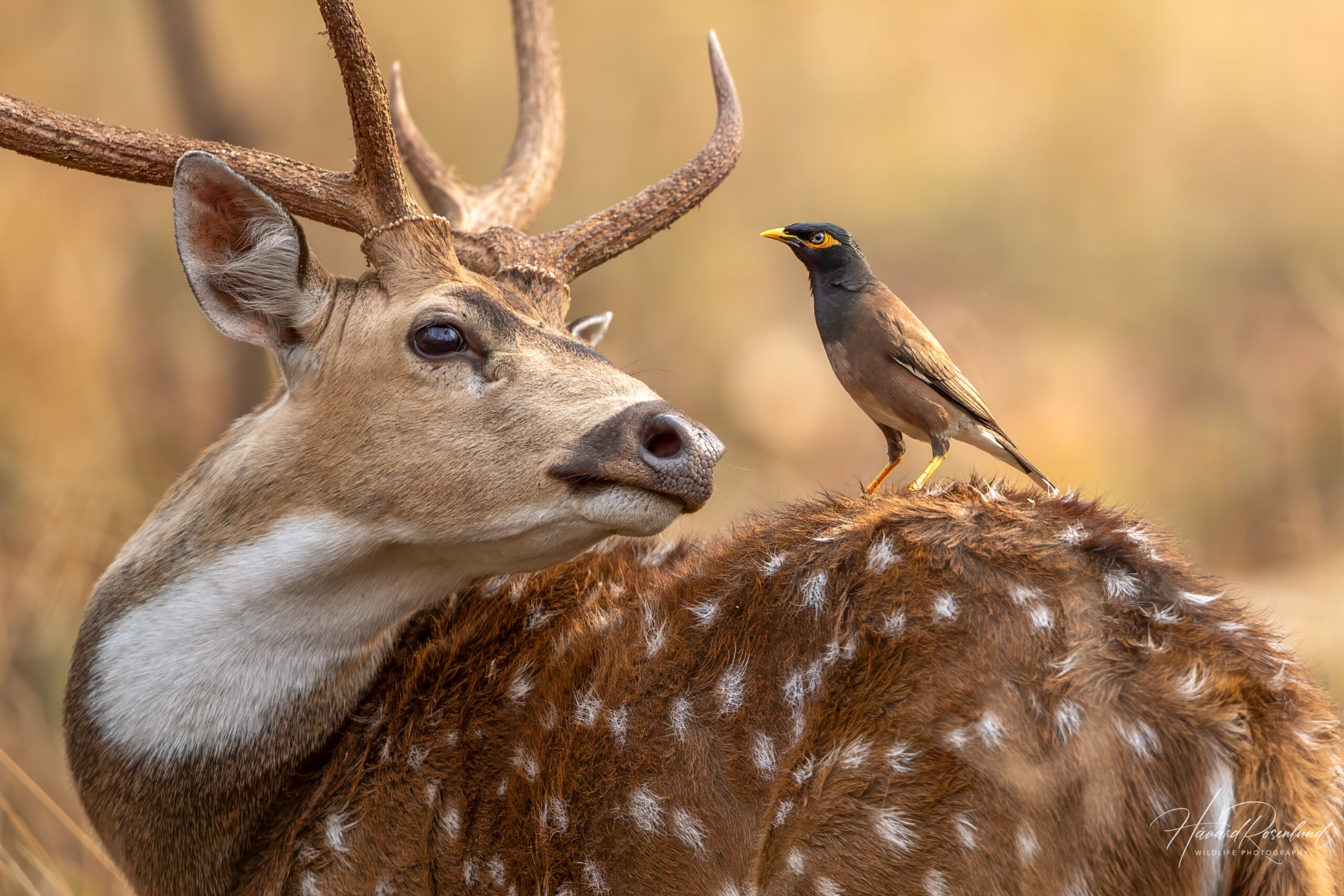
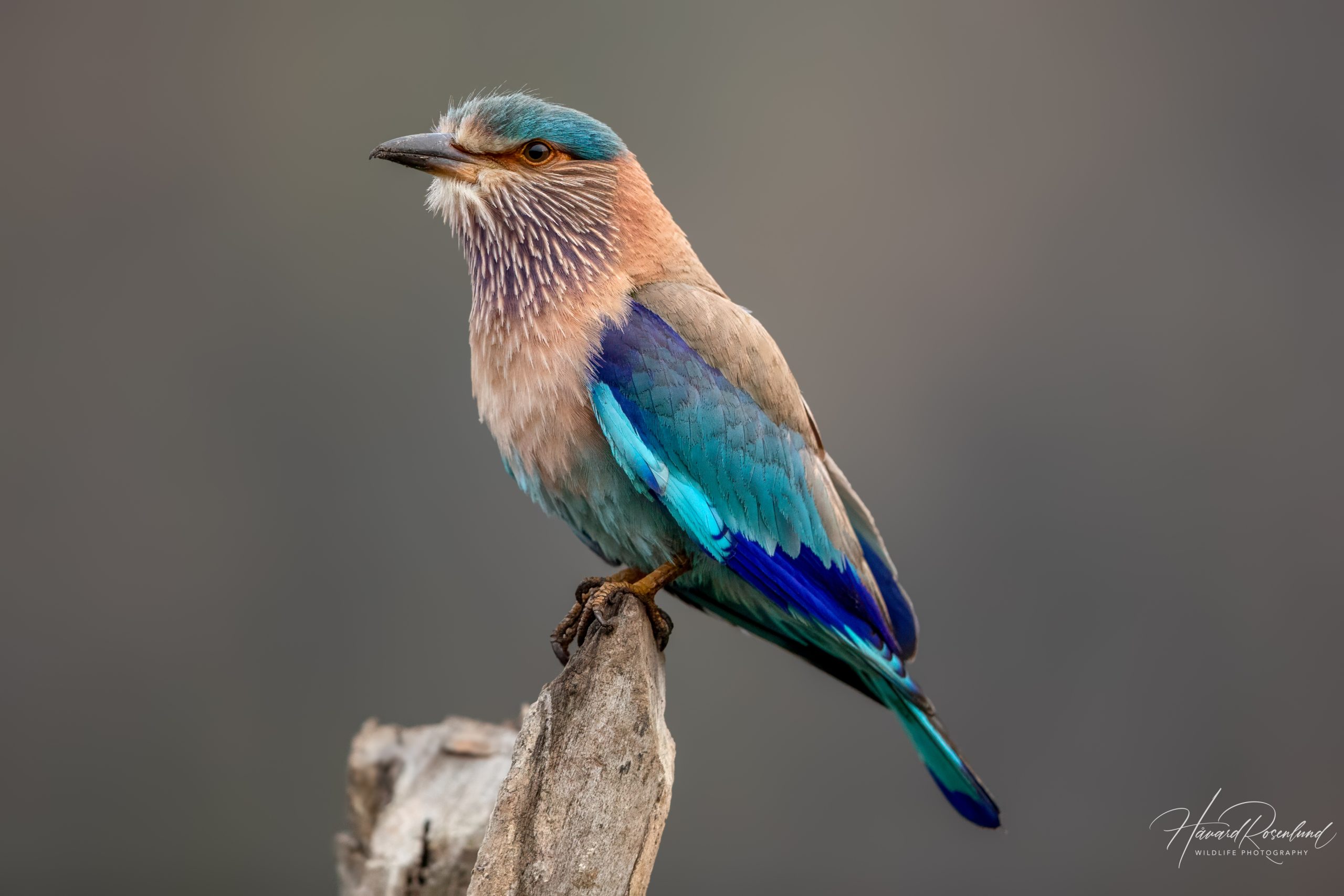
The mirrorless flagship
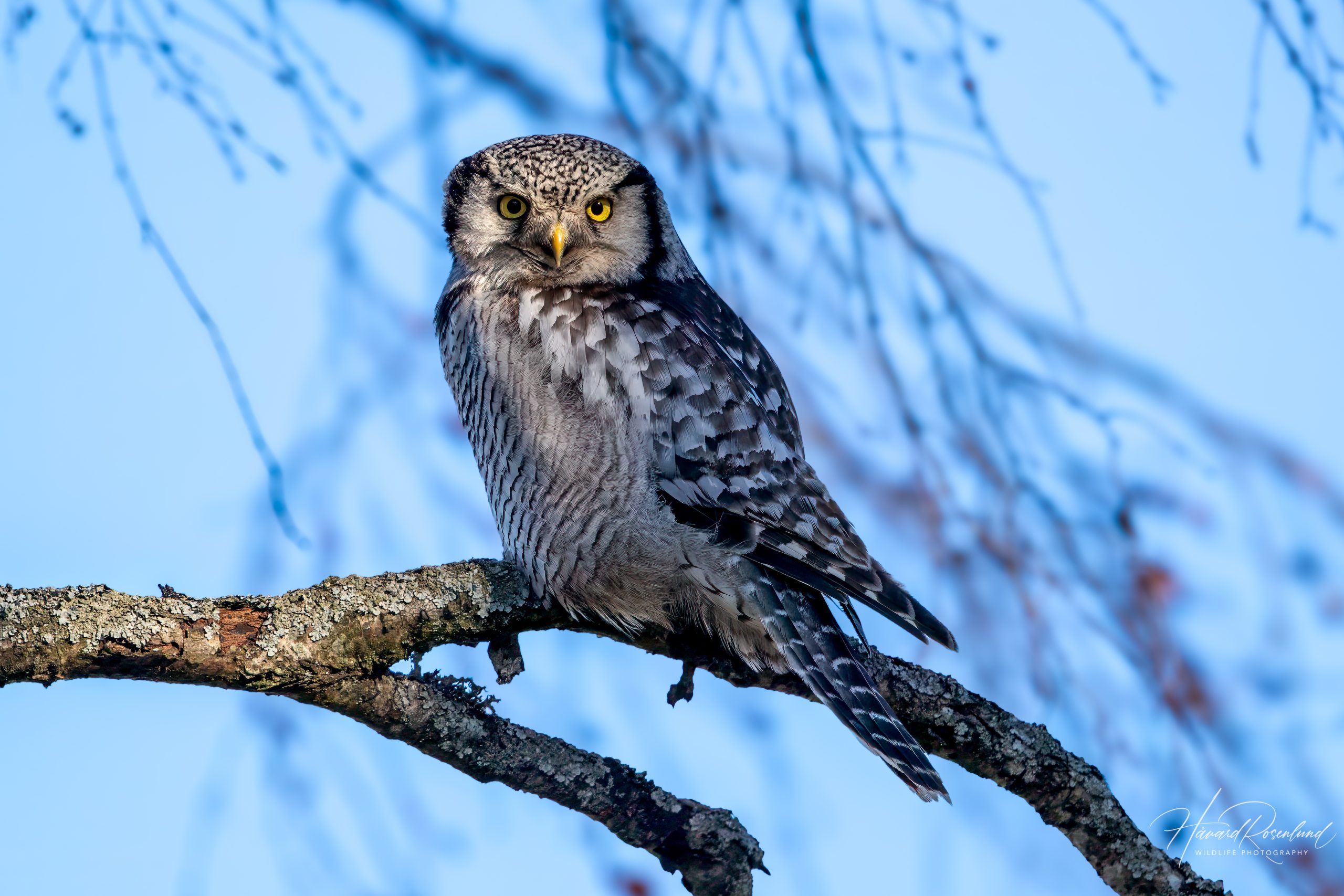
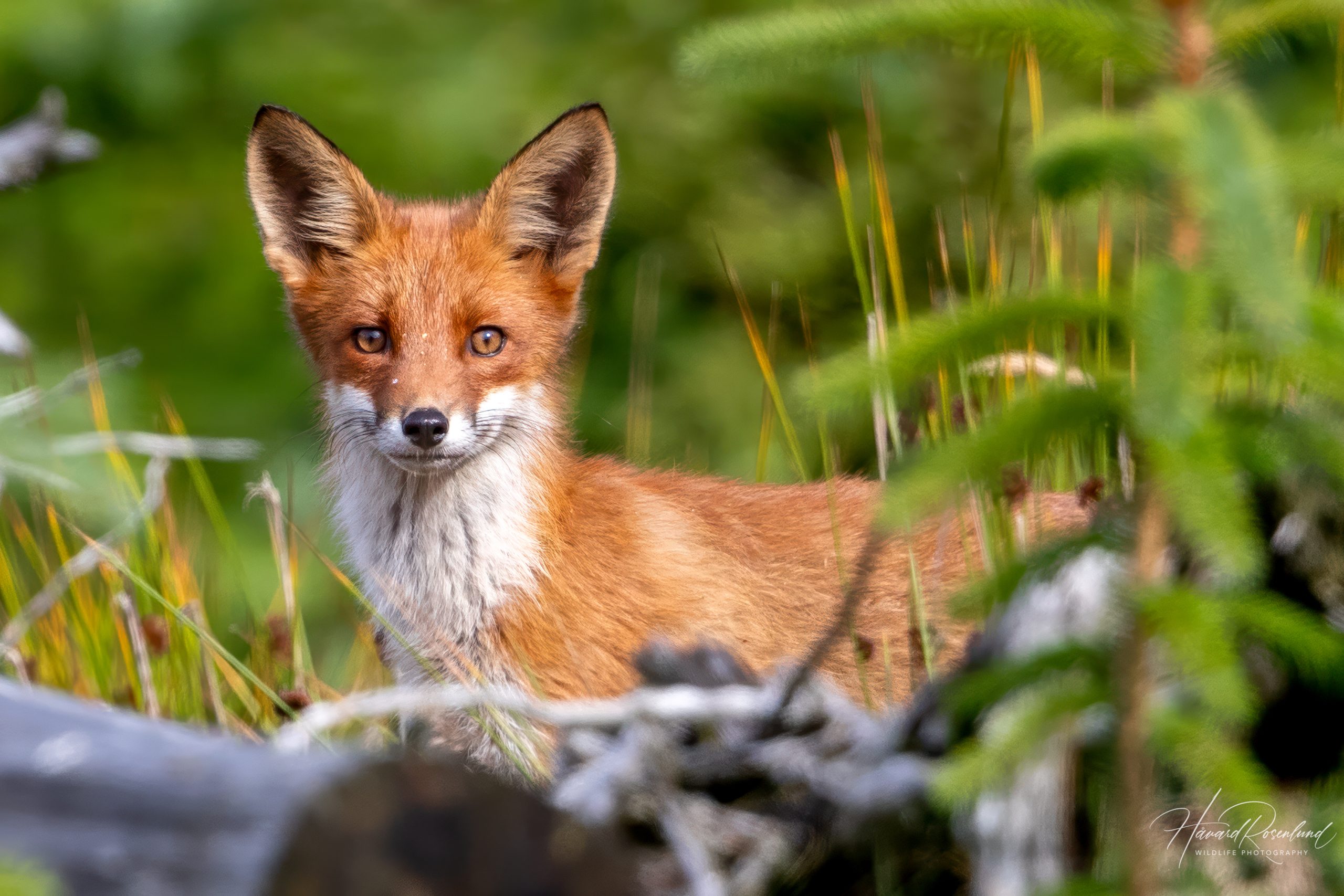
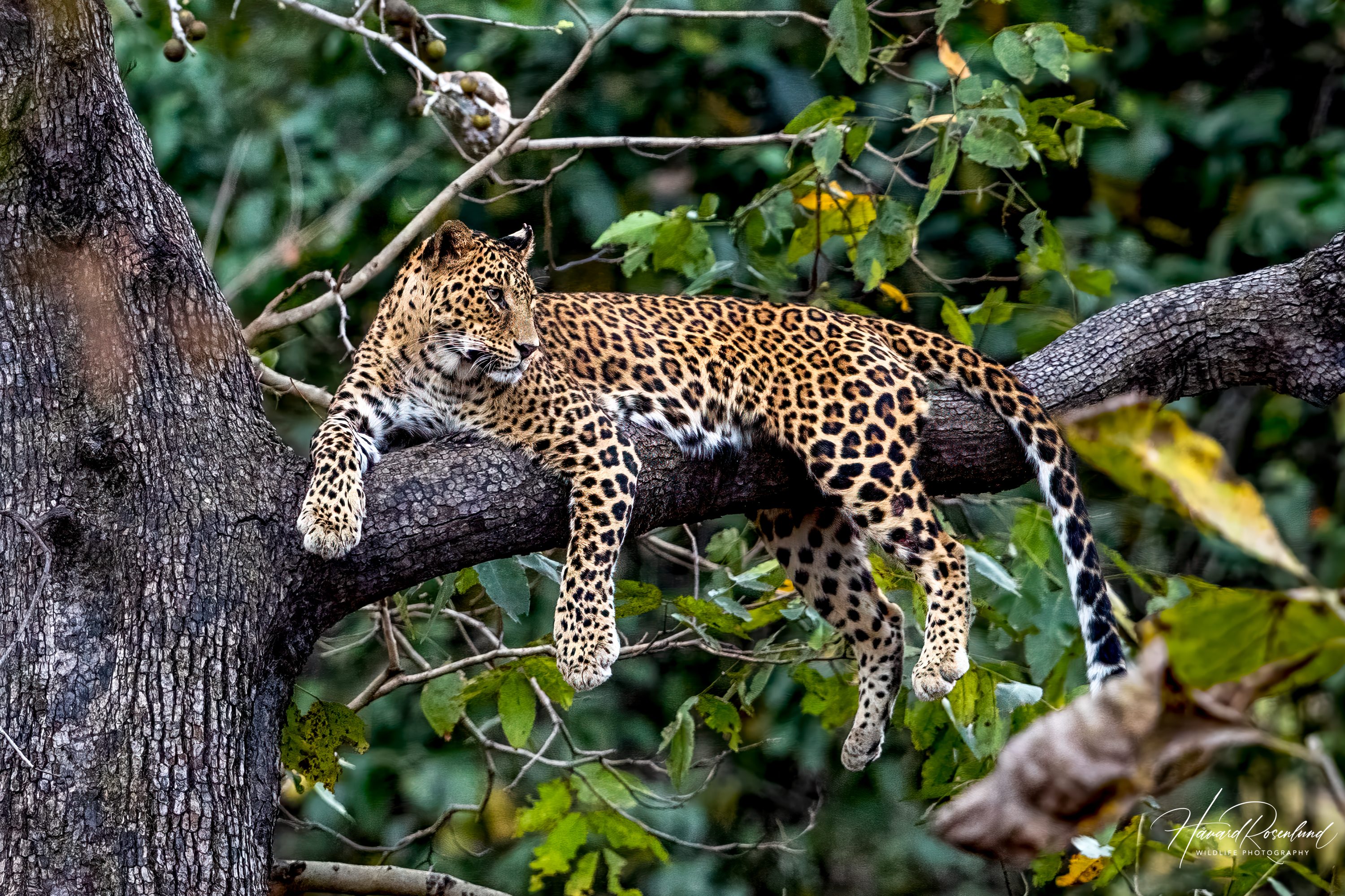
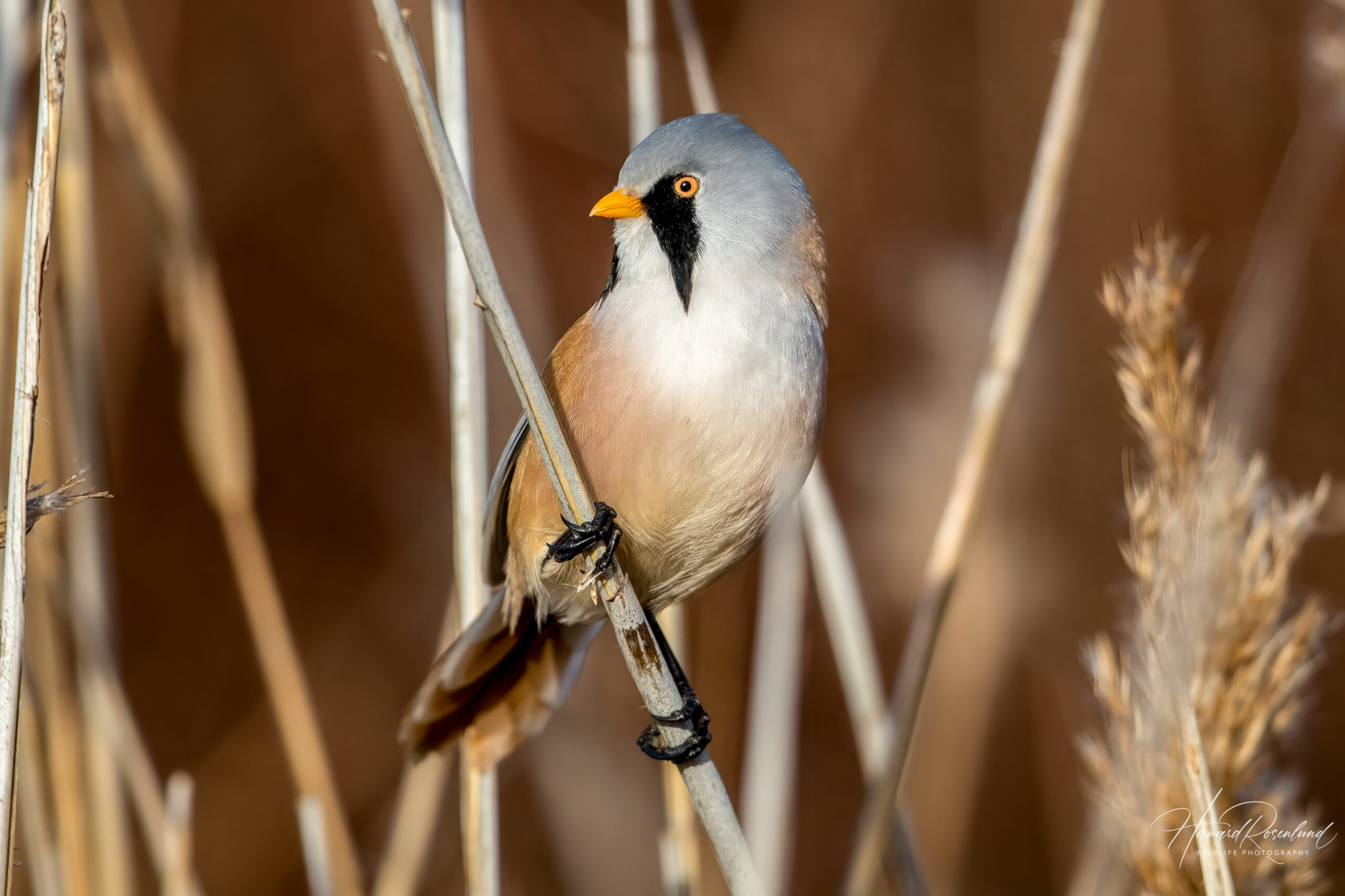
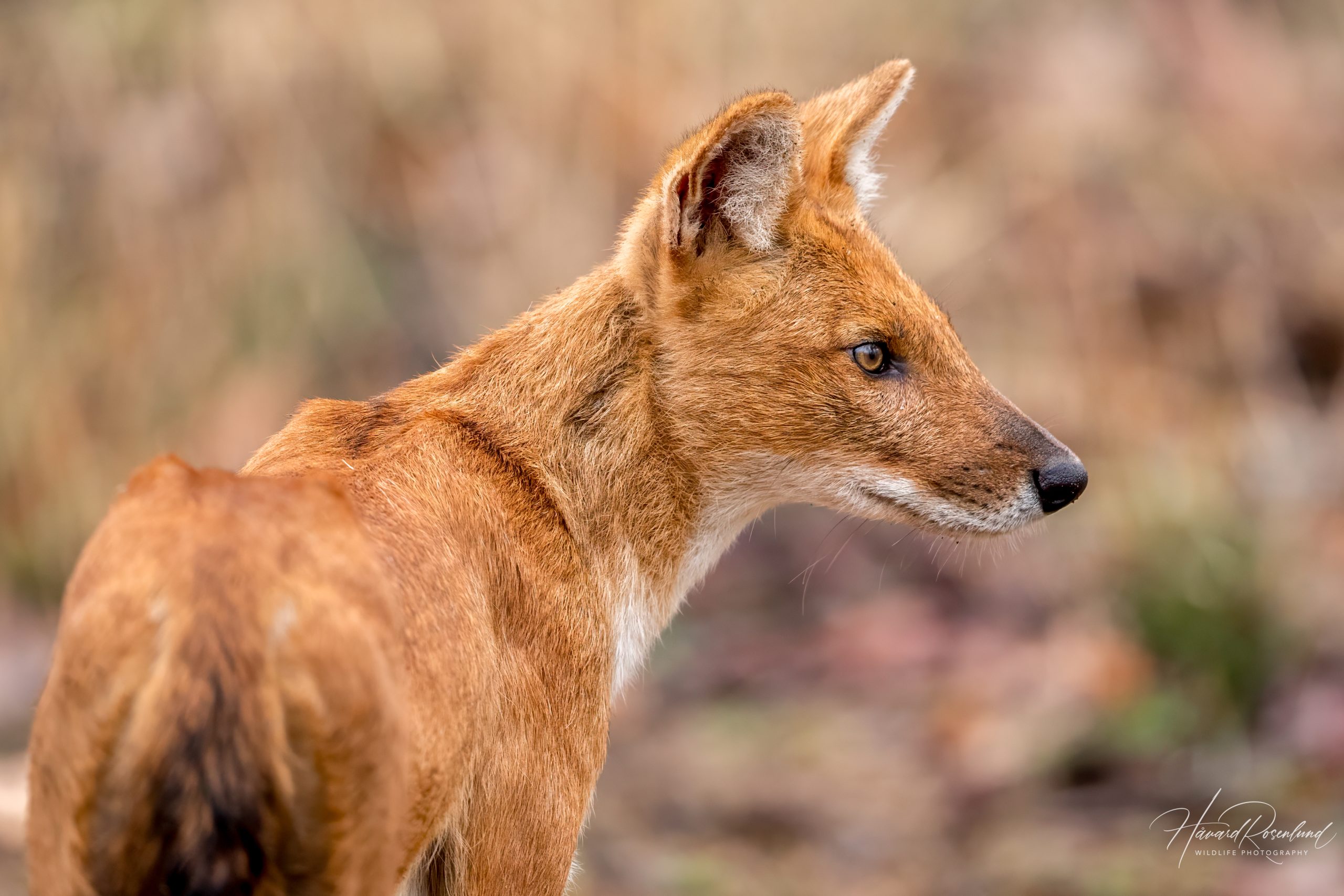
The R1 became a genuine game changer: autofocus and eye detection lock onto wildlife quickly and reliably, pre-capture saves moments from just before the shutter is pressed, and the camera performs remarkably well as the light fades.
The move to mirrorless did not mean abandoning the 500mm lens that remains the centre of the system. The trusty EF 100–400mm II from the 7D period also remains part of the kit as a lighter, more flexible option when subjects come close or luggage has to stay manageable.
It was during the field test in Brazil that the difference became truly obvious. Autofocus and eye detection found and held the eyes through fast movement and difficult situations, while pre-capture recorded action that had already begun by the time I reacted. Together with the strong low-light performance, this changed how many demanding moments I actually brought home.
For now, the gallery shows six representative R1 photographs from Norway in 2026. The Brazil section will grow as those images are selected and processed.