
A lifelong search for the wild
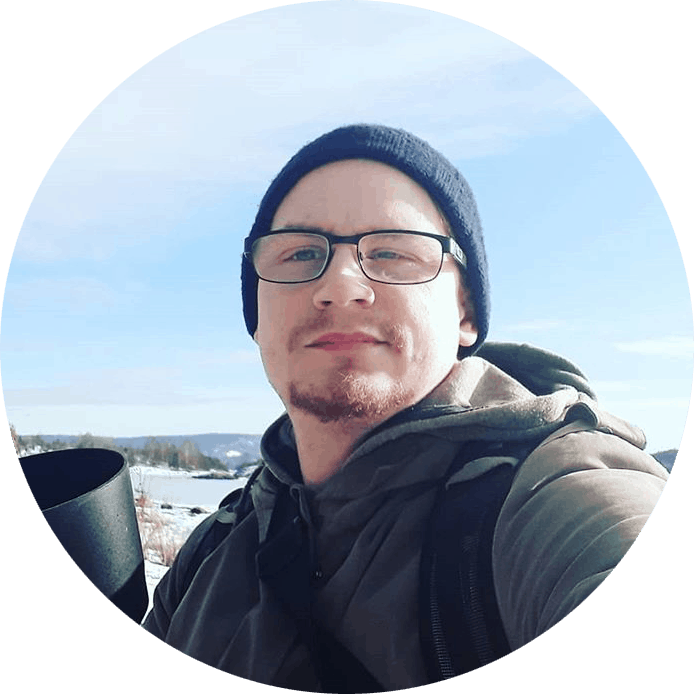
I’m Håvard Rosenlund. I’m a biologist, teacher and wildlife photographer, and Wildlife Vagabond is my personal field archive for an interest that has followed me for as long as I can remember: wild animals, the places they live and the endless search for the next species to experience and photograph.
What is now a website filled with species, observations, maps, destinations, research and stories began long before I owned a proper camera. It began with a boy who wanted to know which animals existed out there in the world, and who preferably wanted to see them all.
The collection started long before the website
As a child, I bought booklets and binders filled with animal stickers and fact sheets from around the world. I collected, sorted, read and dreamt of creating a collection of my own one day. My first written word was apparently “tiger”, and I drew big cats long before I knew they would one day become animals I would actually meet in the wild.
Africa sat at the very top of the wish list, and The Lion King probably deserves some of the blame. But the fascination was never only about the large and spectacular animals. I loved the diversity itself: the fact that the world was full of species with different shapes, lives, adaptations and stories. It is essentially the same curiosity that still drives Wildlife Vagabond today.
What used to be binders in a childhood bedroom has gradually become a digital field archive. The difference is that I now try to fill the collection with animals I have encountered and photographed myself.
Africa made it real
My fascination with nature led me to study biology at NTNU in Trondheim. Through my Master’s degree I eventually reached the place I had dreamt about since childhood: the Serengeti in Tanzania, where I carried out fieldwork on elephants. Each day felt a little unreal: driving through the Serengeti meant moving through landscapes that could have been lifted straight from The Lion King, with the Pride Lands seemingly brought to life around us. Suddenly, animals I had only known from books and documentaries were part of everyday life.
I later moved on to South Africa. I volunteered on a lion project at Thanda Private Game Reserve and then worked on a PhD research project on leopards, with fieldwork connected to Tembe Elephant Park and Ndumo Game Reserve in KwaZulu-Natal. Working with Africa’s big cats felt like another childhood dream made real, and those years taught me as much about life in the bush and what fieldwork really demands as they did about the animals themselves. During those years, I lived in St Lucia, a small town surrounded by the magnificent iSimangaliso Wetland Park, and the whole area came to feel like a second home.
My time in Africa gave me much more than academic experience. It taught me how different nature feels when you have time to live in it, read the tracks, recognise the sounds and return to the same animals and landscapes again and again. That sense of closeness is still what I look for when I travel.
I don’t think the goal is ever to finish. There will always be another species, a better photograph, a new place or a question I have not yet thought to ask.
From big cats to little birds
Before I left for South Africa I received a Canon 600D and a simple telephoto lens as a birthday gift. The early photographs probably contained more enthusiasm than finesse, but the camera changed the way I experienced wildlife. One day at Thanda in 2012 gave me several moments that truly hooked me on wildlife photography: first with cheetahs, and later that same drive with playful lion cubs in front of the lens. I began learning more, trying more and spending an increasing amount of time attempting to come home with a better photograph than the last.
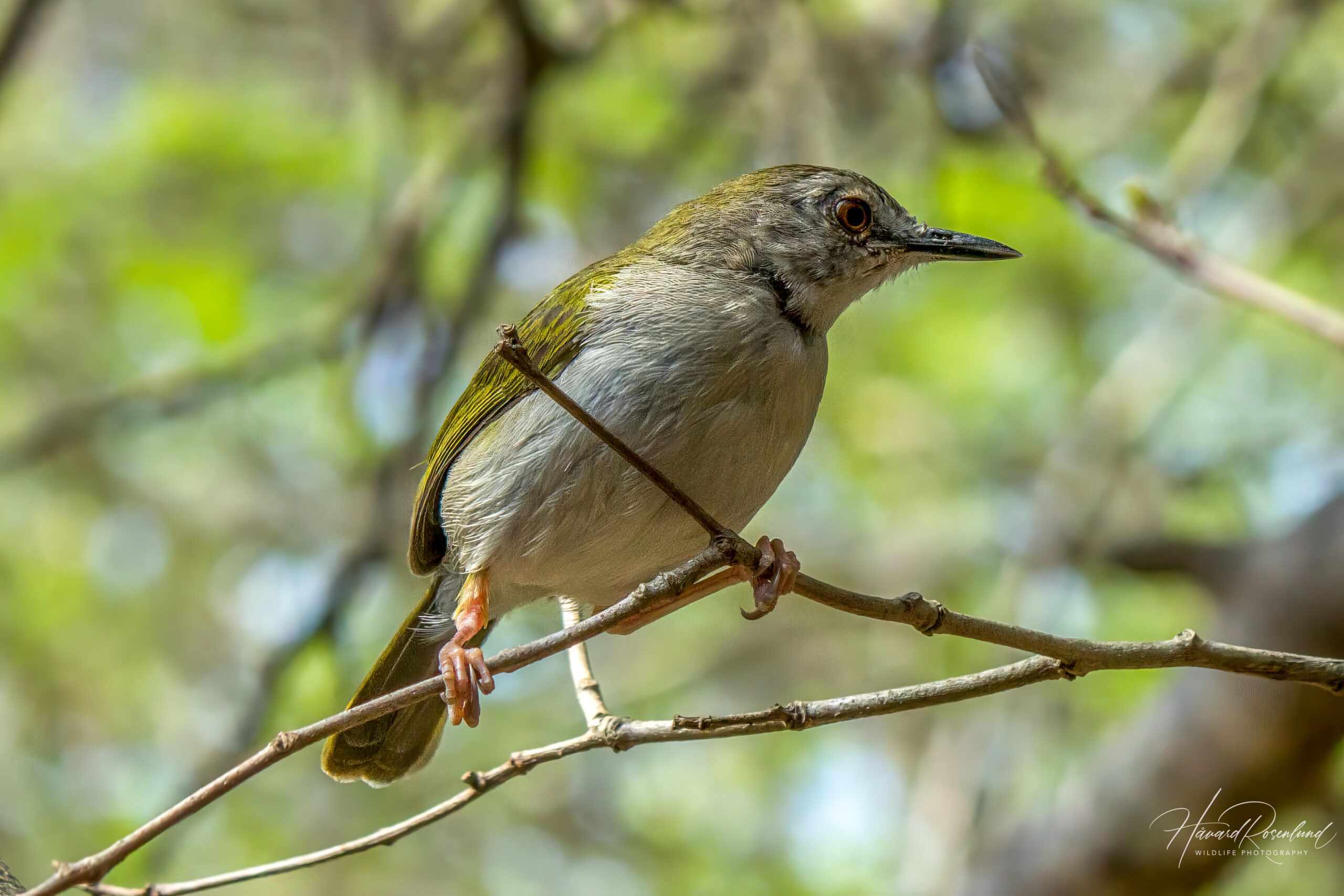
At first, mammals and the larger birds, particularly raptors, received most of my attention. In Tembe, in August 2014, just a few months before leaving South Africa, I started the first, much simpler version of Wildlife Vagabond. Only a few weeks into this little project of mine, a tiny, unassuming bird appeared in the grass in front of me, a green-backed camaroptera. It let me get close because my movements were flushing small insects for it to eat. I identified it using my field guide afterwards, added the photographs to the new website, and it became the first bird species I wrote about there. After that, there was no going back. Suddenly every bird was interesting, including the small brown ones most people drive straight past.
When I moved back to Norway, lions and elephants were no longer readily available. Birds therefore became a natural focus, and at the same time they broadened the way I looked at wildlife. A great moment in nature does not have to involve a large predator five metres away. It can just as easily be an owl on a cold winter day, a wader in perfect light or a species I have never seen before appearing beside the road.
The biologist and teacher come into the field too
I teach biology as part of my daily work, and it is difficult to switch off the biology brain when I am out with a camera. I can see a muntjac in India and start thinking about convergent evolution and why it reminds me of African duikers and South American brocket deer. I can stop for an apparently anonymous bird and end up reading through its taxonomy, migration and social behaviour when I get home.
That is why Wildlife Vagabond has never been only a photography portfolio. I want the species pages to tell you something about the animal behind the image: how it lives, which adaptations it has, how it fits into its ecosystem and which challenges it faces. Teaching also shapes how I write. Scientific accuracy matters, but the knowledge should remain understandable and interesting to people who do not work with biology every day.
That is also why the news archive eventually found a place on Wildlife Vagabond. As a biologist and teacher, I like keeping up with new research, especially when it concerns species I have encountered and photographed myself. The news stories became a way of collecting some of what I would be reading anyway, while allowing the species archive to keep pace as our knowledge of those animals develops.
I like a high nerd factor, but not for its own sake. The aim is for a strong photograph to spark curiosity, and for the text to make it a little harder to see the species as “just another animal” the next time you encounter it.
A personal archive, not a complete encyclopedia
Wildlife Vagabond is built around species I have seen and photographed myself. That means the archive is deliberately incomplete. Thousands of species are missing, and that is part of the point. Every new page represents a real encounter in the field, a place, a date, a photograph and a story that can be added to the rest of the collection.
Not every image is a portfolio photograph. Some species have only given me a brief glimpse or a documentary shot, but they still earn a place when the encounter or the species matters enough. At other times I may spend hours, days or years trying to get the photograph I actually want. For me, the documentation and the experience itself have always mattered as much as technical perfection.
That is why the site connects photographs, species facts, observations, research, range maps and destinations. I want you to be able to move from an image to the species, from the species to the place where I encountered it, and onwards to the other animals that share the same landscape. It is my collection, but the aim is for other people to be able to explore the natural world through it too.
Three moments that say a lot about the journey
Some encounters stay with you because they changed what you were looking for, or reminded you why you keep looking.
The little bird that changed everything
The green-backed camaroptera that brought small birds into the same species quest that had previously been dominated by mammals and larger birds.
The leopard at the last chance
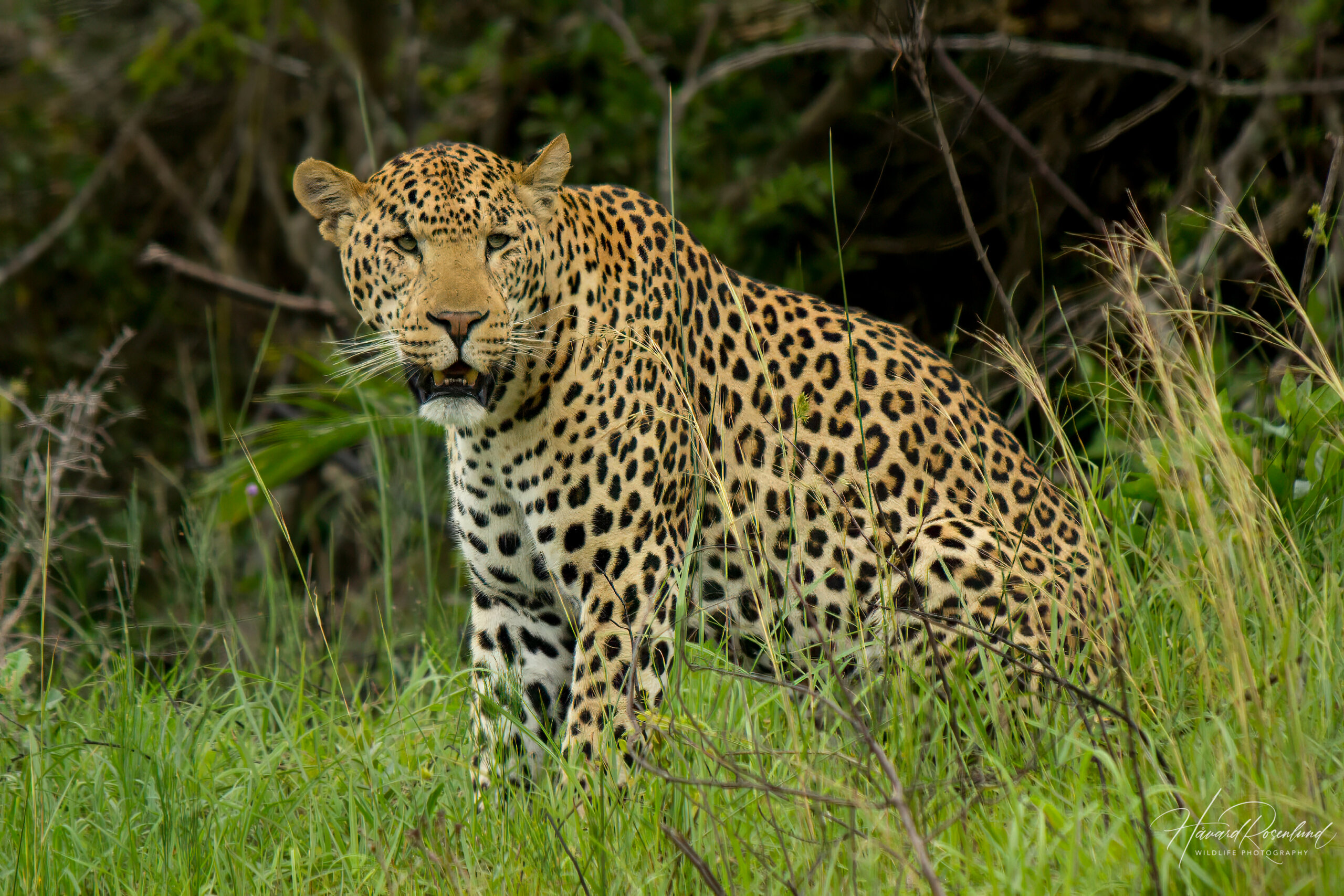
After roughly a year and a half of leopard work without a single field encounter, I finally had a proper daylight moment with the species right at the end of my time in St Lucia.
A childhood dream made real
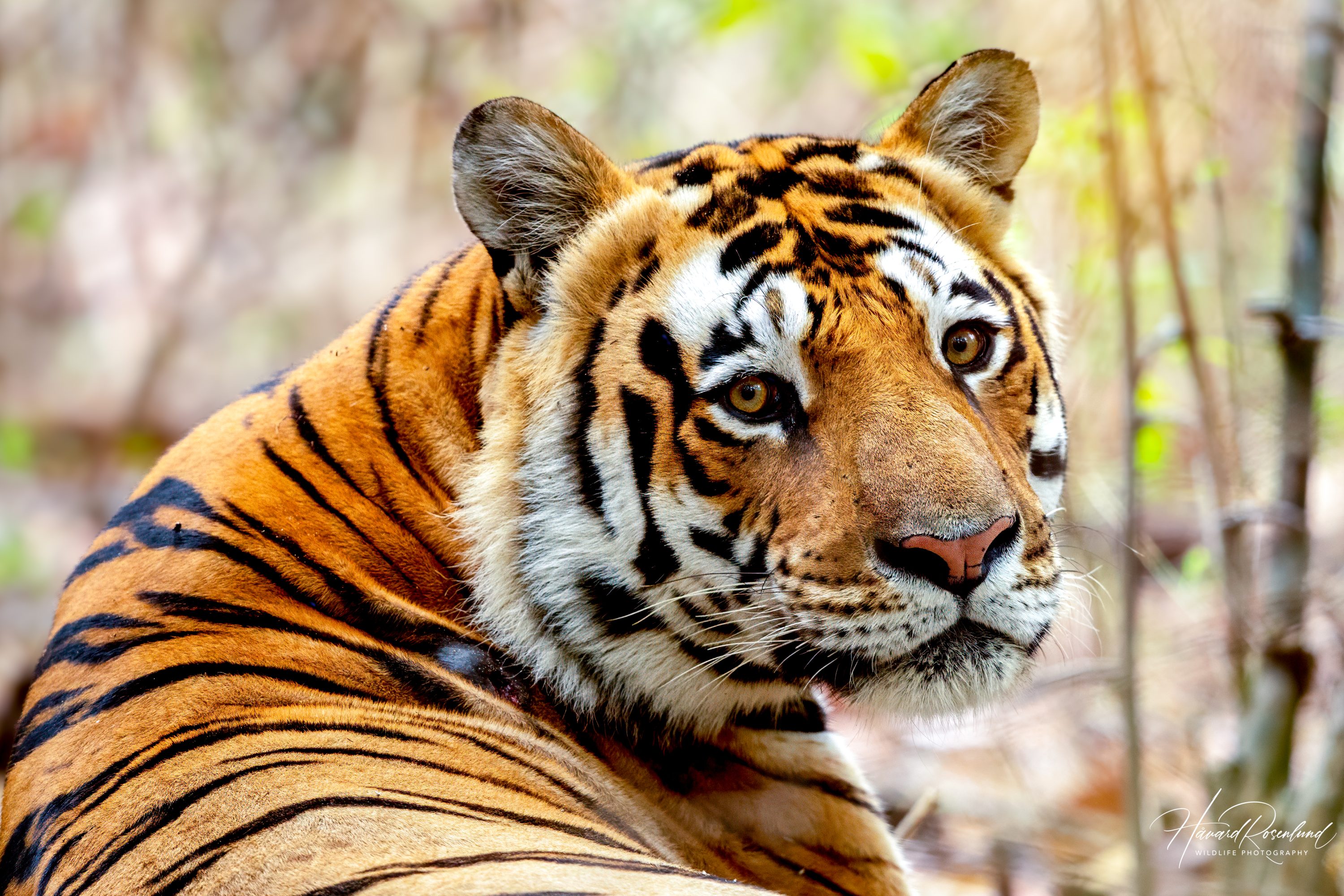
Tiger had been with me since childhood. Meeting the species in the wild in India made an old dream tangible, while reminding me that there would always be more species and stories beyond it.
There is always something more out there
Wildlife Vagabond keeps growing with my travels. New species are added, old pages become better, the maps fill with new observations and the field journal gains new stories. The project is now also beginning to grow beyond the website through Wildlife Vagabond Tours, from guided day trips here in Norway to safaris and wildlife journeys around the world. It feels like a natural continuation of what I already do: travel, find the animals, spend time in the field and share the experiences and knowledge that come from it.
I do not know how many species the collection will eventually contain, or which places will matter most ten or twenty years from now. That uncertainty is one of the best things about the whole project. It is not a list to be completed and closed, but a reason to remain curious.
If you enjoy wild animals, maps, photographs from the field, biological details and slightly excessive species lists, you are in the right place. Welcome along for the ride.