
Wildlife Vagabond Tours
Guided Birding at Fornebu
A varied half-day birding walk through coastal woodland, wetlands, open areas and bird-rich bays just west of Oslo.
Fornebu is one of the Oslo area's most varied places for birding, with coastal woodland, reedbeds, sheltered bays, open grassland and parkland within a relatively compact area. The route changes with the season and current bird activity, with particular attention to migration periods when the mix can change from one visit to the next.
I guide as both a birder and a nature photographer. You do not need to be a photographer yourself, but my photographic background means I naturally pay attention to light, working distance, backgrounds and situations that can give good photographic opportunities without disturbing the birds.
Different times of year
Seasonal options
March–May
Spring migration
One of the strongest periods, with returning songbirds, geese, ducks and waders moving through the coastal wetlands.
May–July
Breeding season
Reedbeds, coastal woodland and open areas are active with breeding birds and song.
August–October
Autumn migration
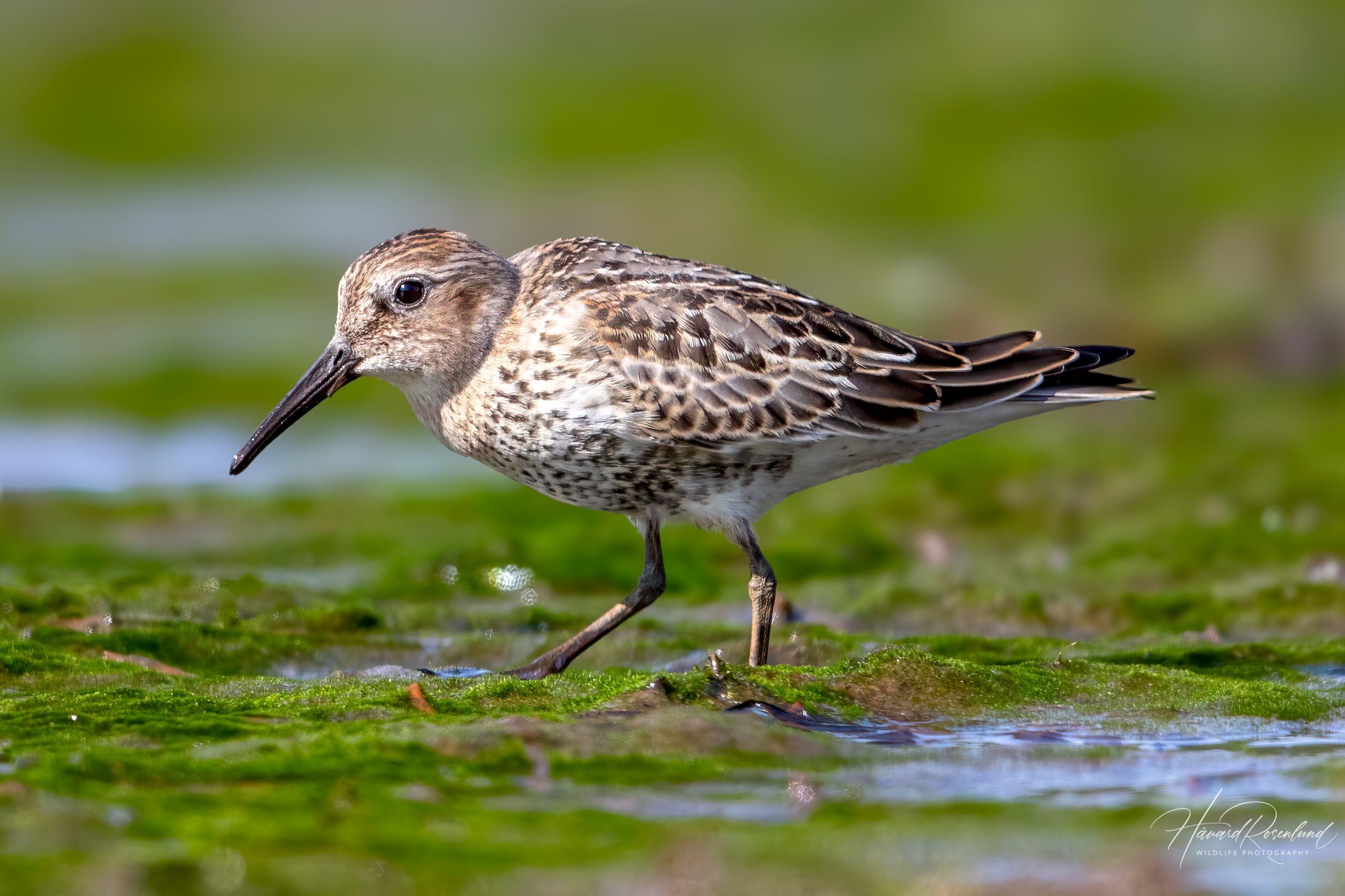
A constantly changing period when the bays and shorelines can attract waders and the scrub holds moving passerines.
November–February
Winter birding
Quieter overall, but the coast remains productive and certain reedbed and waterbird species become especially interesting.
From my own visits
My experience from the area
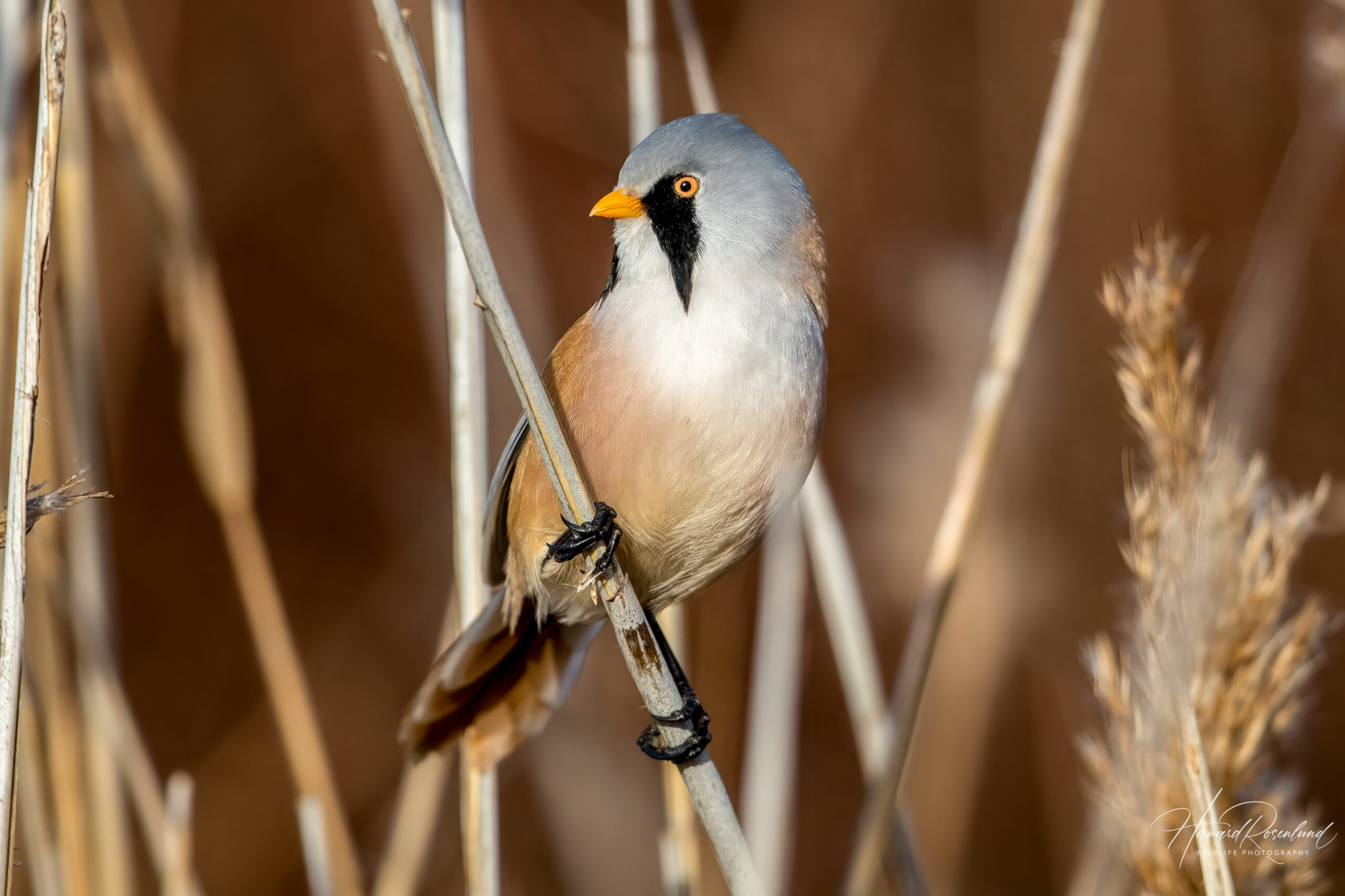
Fornebu is one of the places around Oslo I have used most for bird photography. I first started visiting regularly in 2019 and have returned through different seasons, so I know how much the character of the area can change between migration, breeding season and winter. Some of my most memorable local finds and photographic encounters have come here, including red-breasted goose, grasshopper warbler and bearded reedling. The route on a guided day is therefore chosen around the conditions rather than following one fixed circuit.
What to expect
We move at a relaxed birding pace through the habitats that are most promising on the day. Depending on season and conditions, that can mean the coastal forest and shore at Lilleøya and Storøykilen, the reedbeds around Storøya and Koksabukta, or the more open habitats around Nansenparken.
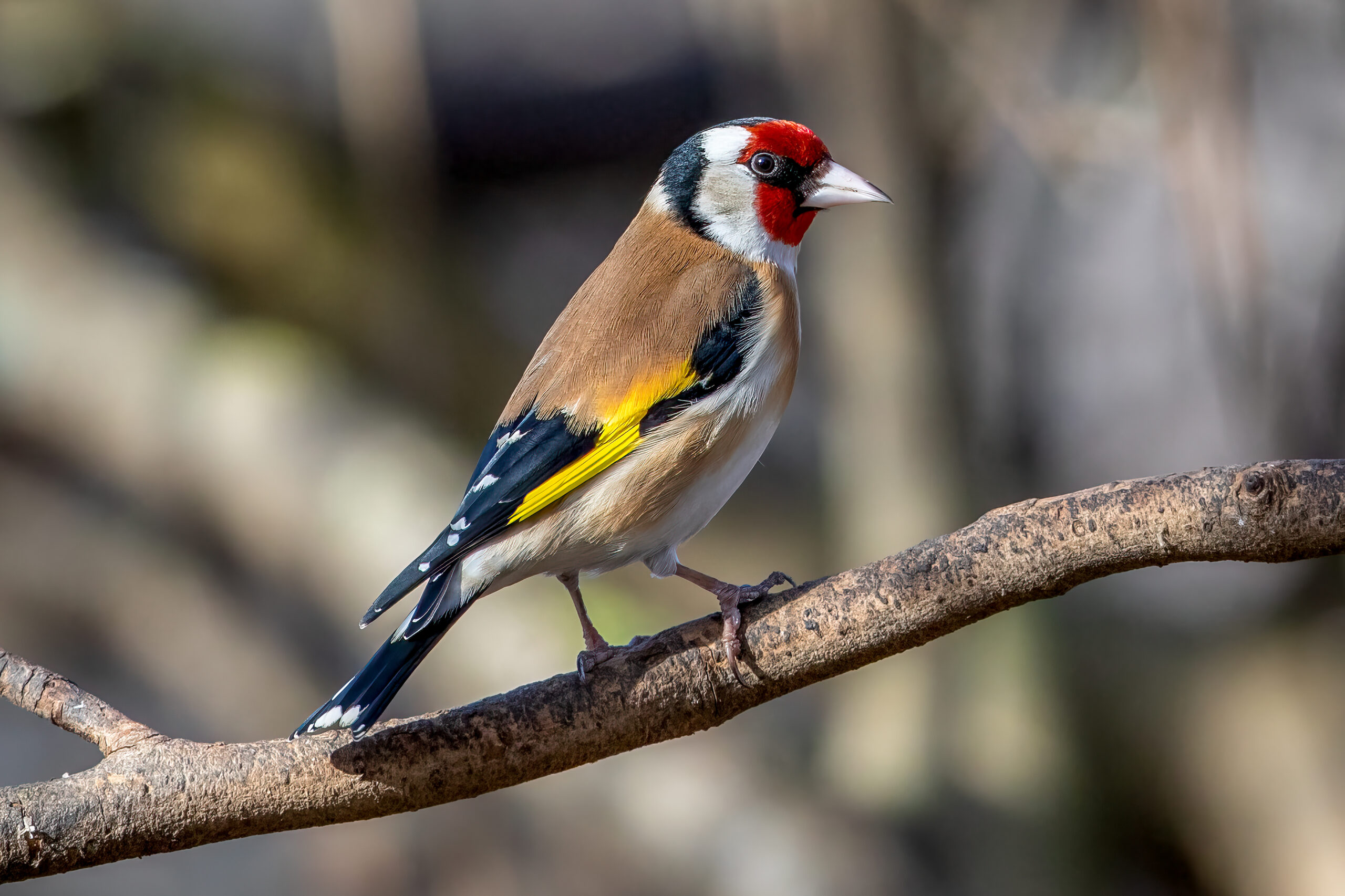
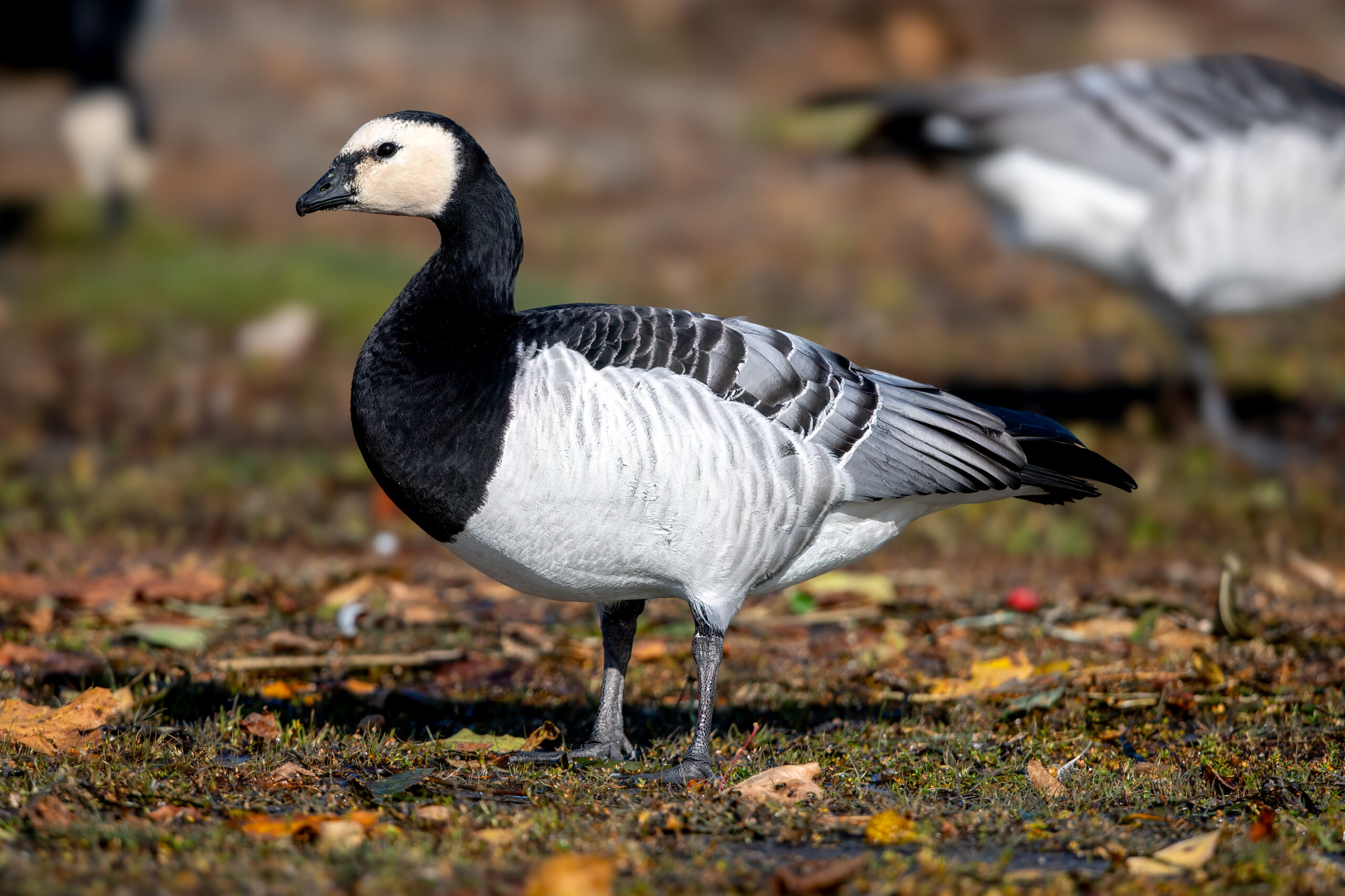
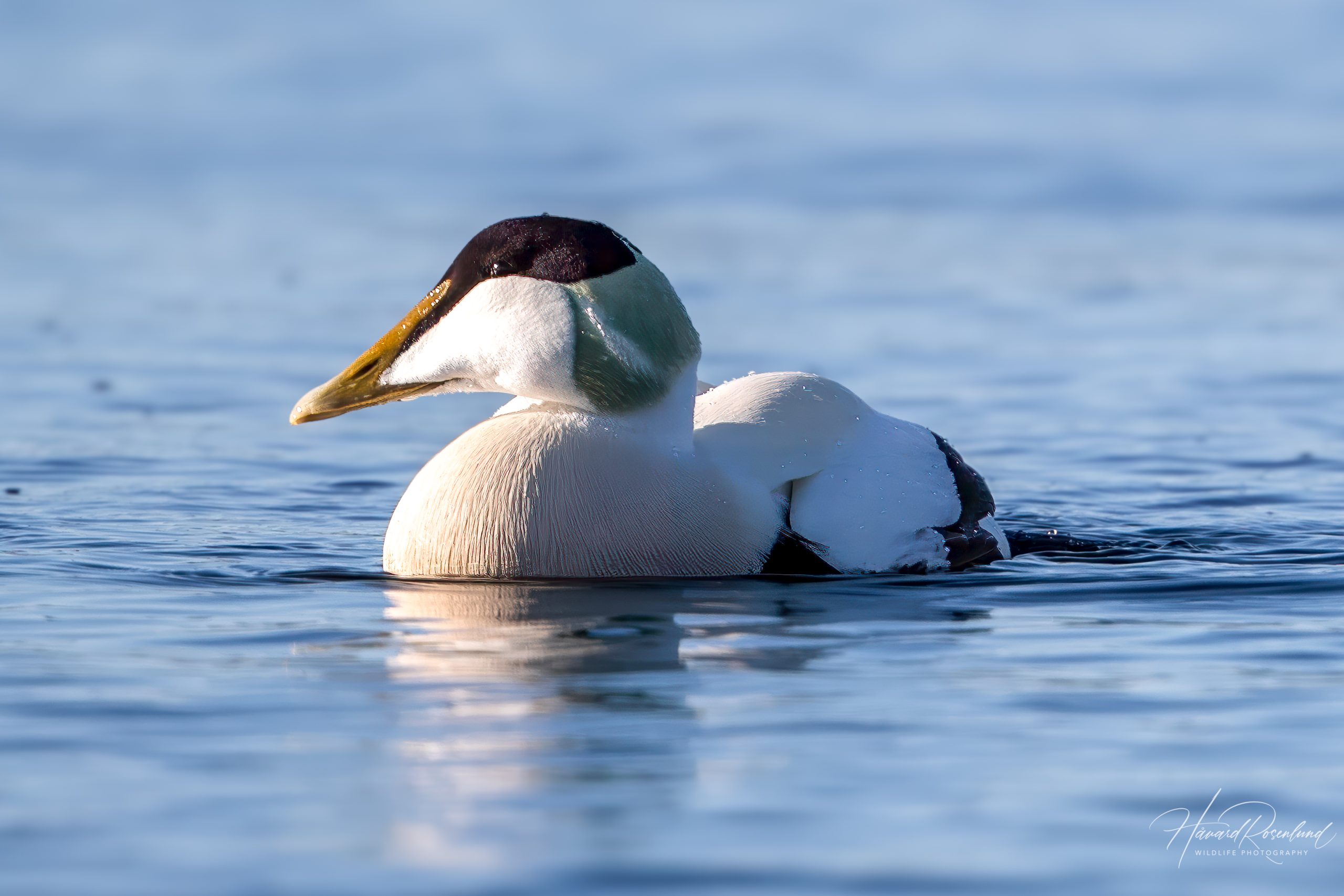
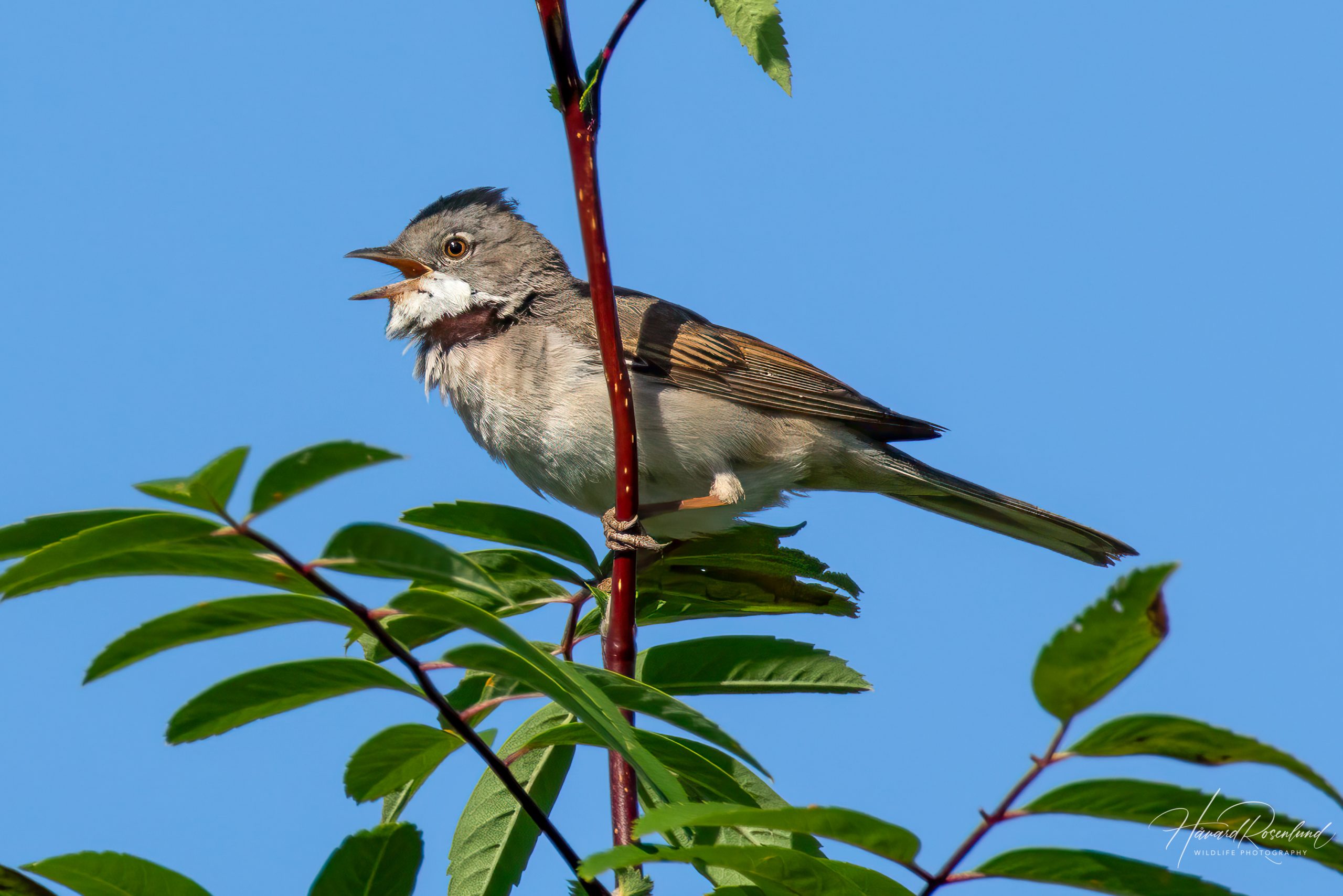
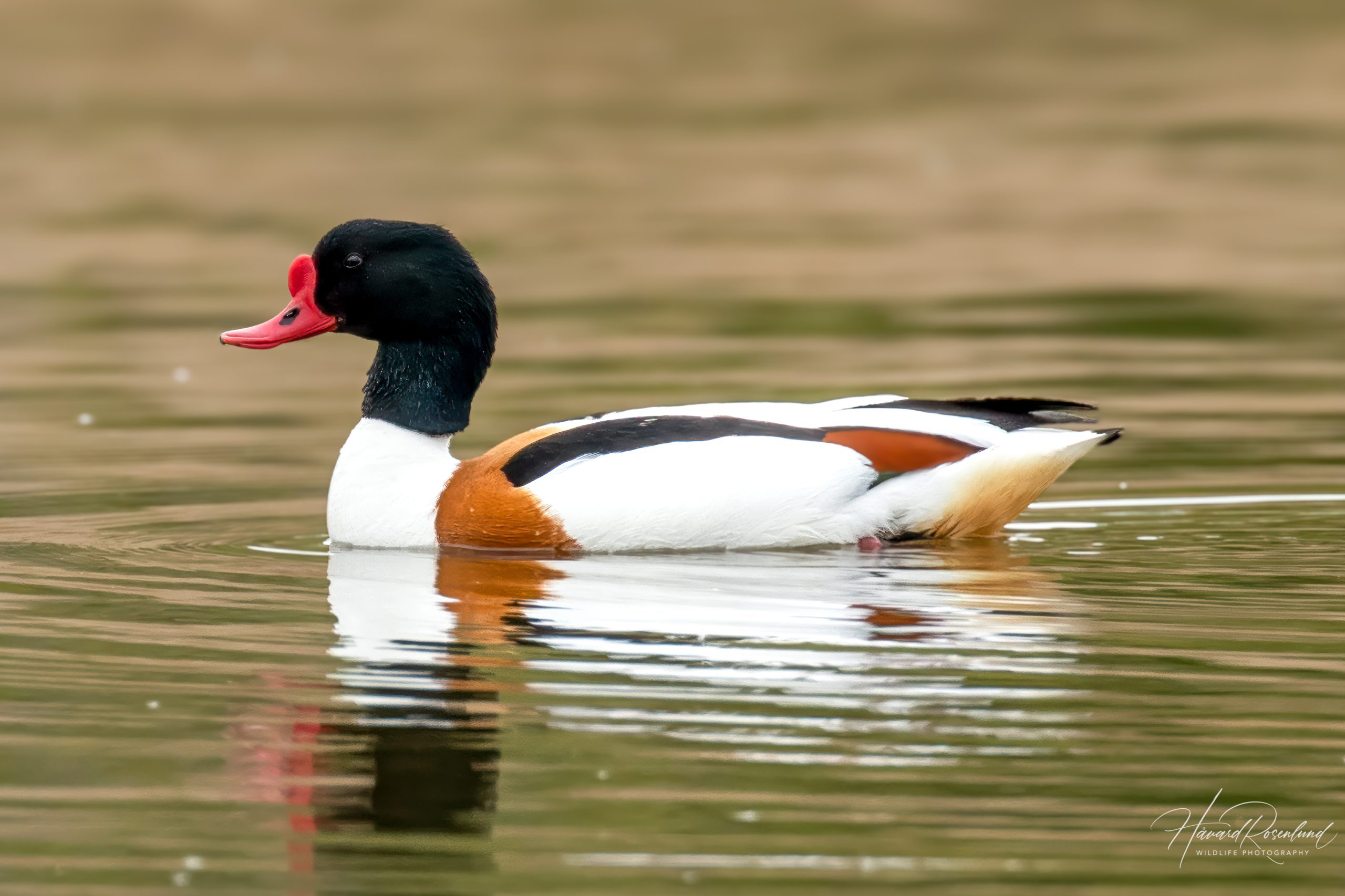
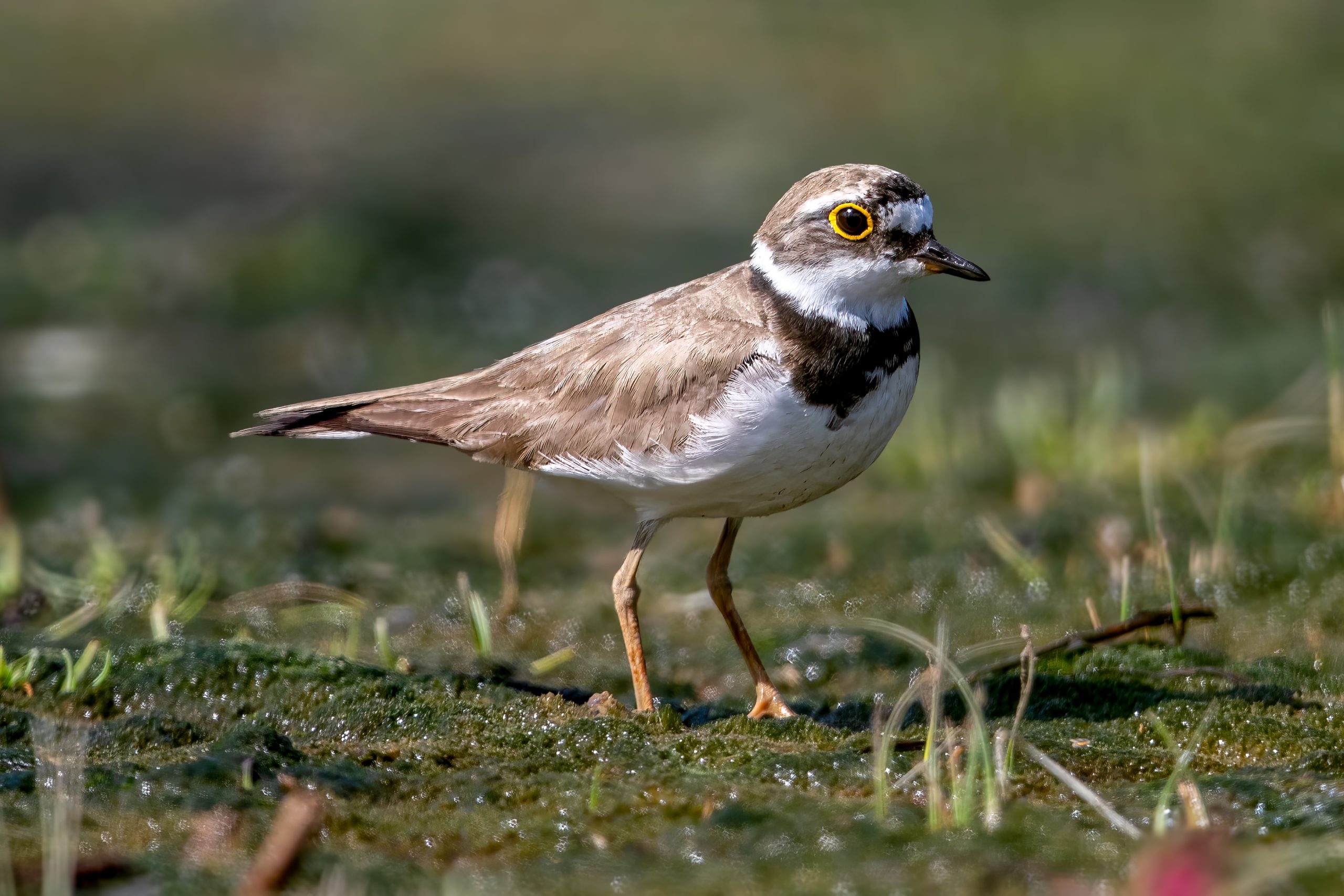
Fornebu regularly offers waterbirds, waders, gulls, terns, woodland birds and a good variety of passerines. Spring and autumn are especially dynamic, and one of the attractions of the area is that less expected migrants and occasional rarities can appear among the more familiar birds. Roe deer and other wildlife can also add something extra to a morning out.
As a nature photographer I also keep an eye on light, backgrounds and good working angles, and I am happy to share practical photography advice where relevant. The route stays flexible: if one area is clearly more active, we spend more time there.
Meeting point and route
The exact meeting point is confirmed for each departure and may vary slightly with the route chosen. Fornebu is easy to reach by public transport from central Oslo. The walk uses established paths and coastal trails, with frequent stops for birding and photography.
What to bring
Bring your own binoculars and/or a camera with a telephoto lens or zoom that gives useful reach for birds at a respectful distance. You do not need a camera to get the full experience. Dress for the weather and wear comfortable footwear suitable for paths that may be wet or muddy after rain. Bring your own food and drink. I also recommend a good bird app on your phone, such as Merlin Bird ID for identification and sound support and eBird for keeping a species list.
Included and not included
Included:
Guided birding with Håvard Rosenlund (Wildlife Vagabond), seasonal interpretation of the birds and habitats we encounter, and photography advice where relevant.
Not included:
Transport to and from the meeting point, food and drinks, and personal binoculars or camera equipment.
Responsible birding
We keep a respectful distance from nesting, resting and feeding birds, follow local access rules and seasonal restrictions, and never prioritise a photograph or sighting over the welfare of wildlife.