
Wildlife Vagabond Tours
Guided Birding at Østensjøvannet
A seasonal half-day birding walk around one of Oslo's richest urban wetlands.
Østensjøvannet combines open water, reedbeds, woodland edges and parkland within Oslo, making it a rewarding place to bird through much of the year. On this guided walk we move at birding pace, stopping at the best viewpoints and listening as much as looking. I am a nature photographer, and that also shapes the way I guide: as well as finding and identifying birds, we pay attention to light, distance, backgrounds and situations that can produce strong wildlife photographs. You do not need to be a photographer, however – the tour is just as suitable if you only bring binoculars. The exact focus changes with the season: spring migration and breeding activity, summer reedbed birds, autumn movement or the smaller but often interesting winter community.
Different times of year
Seasonal options
March–May
Spring migration
One of the liveliest periods, as migrants return and resident birds move into breeding condition.
May–July
Breeding season
Reedbeds, open water and woodland edges are full of song and breeding activity.
August–October
Autumn migration
A changing mix of waterbirds and passerines passes through as migration builds.
November–February
Winter birding
Quieter overall, but open water and inflows can concentrate birds and produce excellent close observation opportunities.
From my own visits
My experience from the area
I have visited Østensjøvannet several times for birding and photography, and I use my own observations from the area when shaping the route and seasonal focus. Conditions and bird activity change quickly through the year, so the aim is not to rush around the lake, but to spend time where the birds are actually active on the day.
What to expect
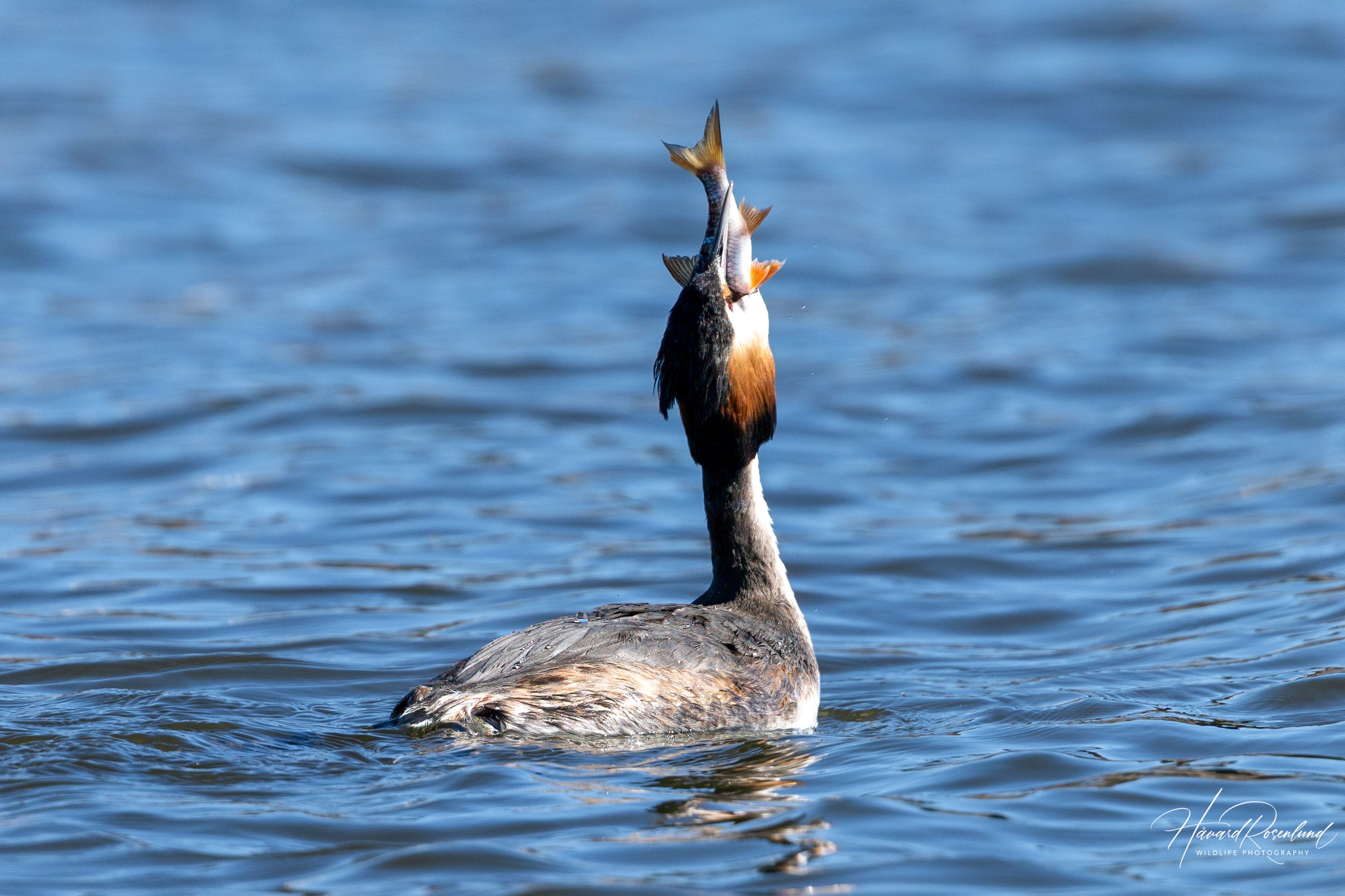
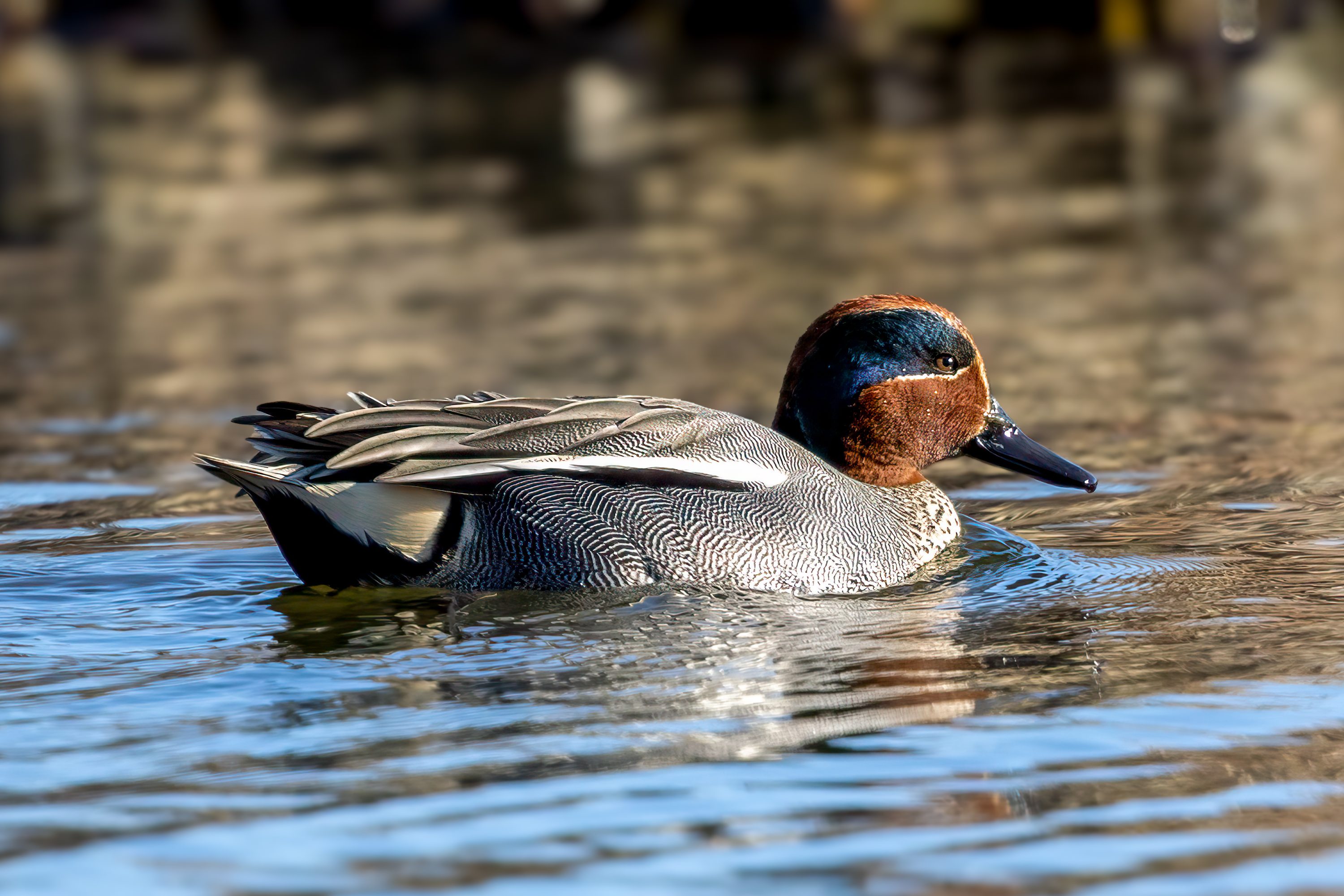
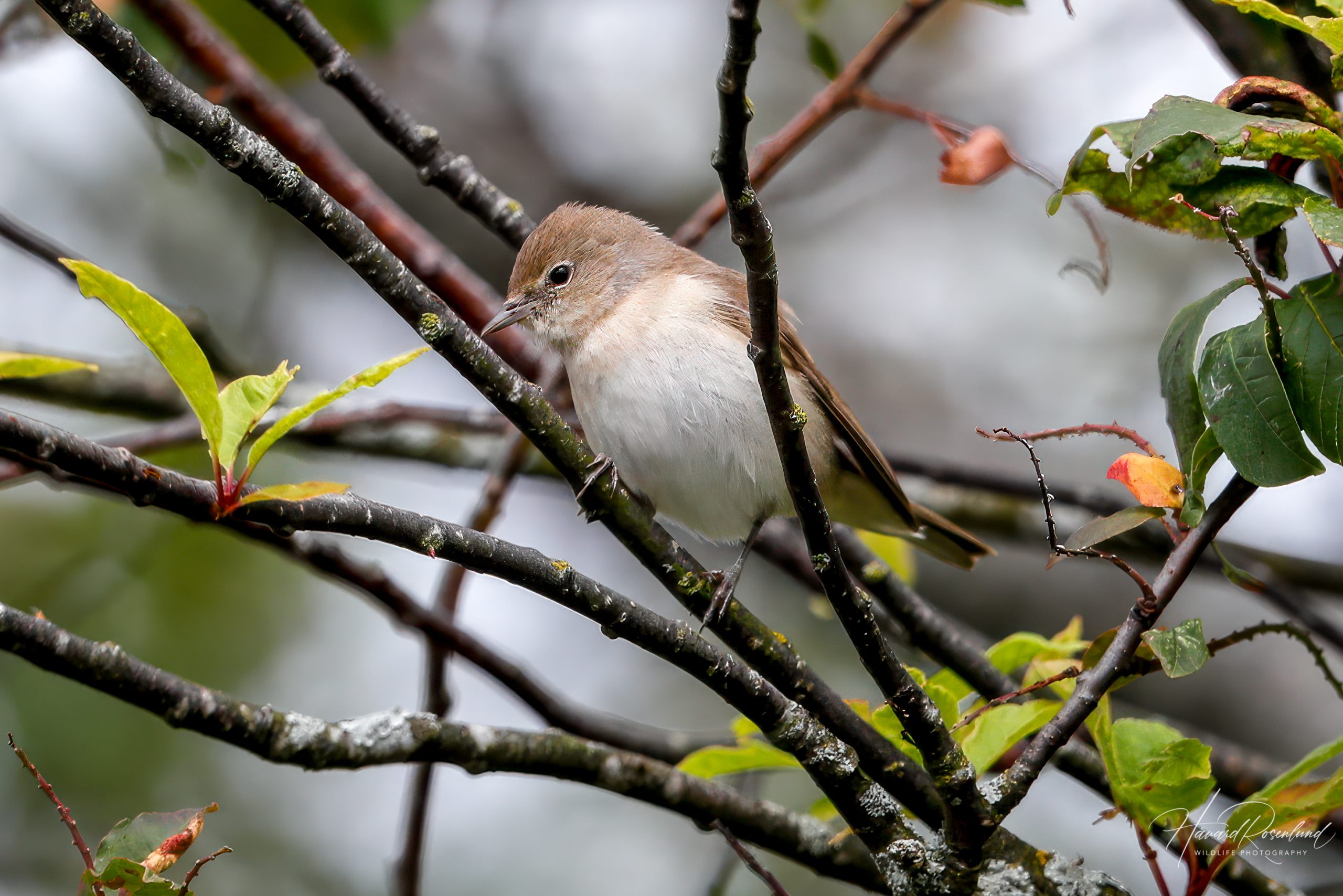
We bird at a relaxed pace around the lake and its surrounding habitats, stopping at the reedbeds, open-water viewpoints, woodland edges and the bird hide when conditions make them worthwhile. Østensjøvannet supports a good mix of ducks and other waterbirds, rails, gulls and terns, herons, cormorants and passerines along the vegetated edges. Great crested grebe is one of the area's clearest character species through much of the ice-free season, while birds such as Eurasian coot, grey heron and a changing mix of ducks often form part of the regular background.
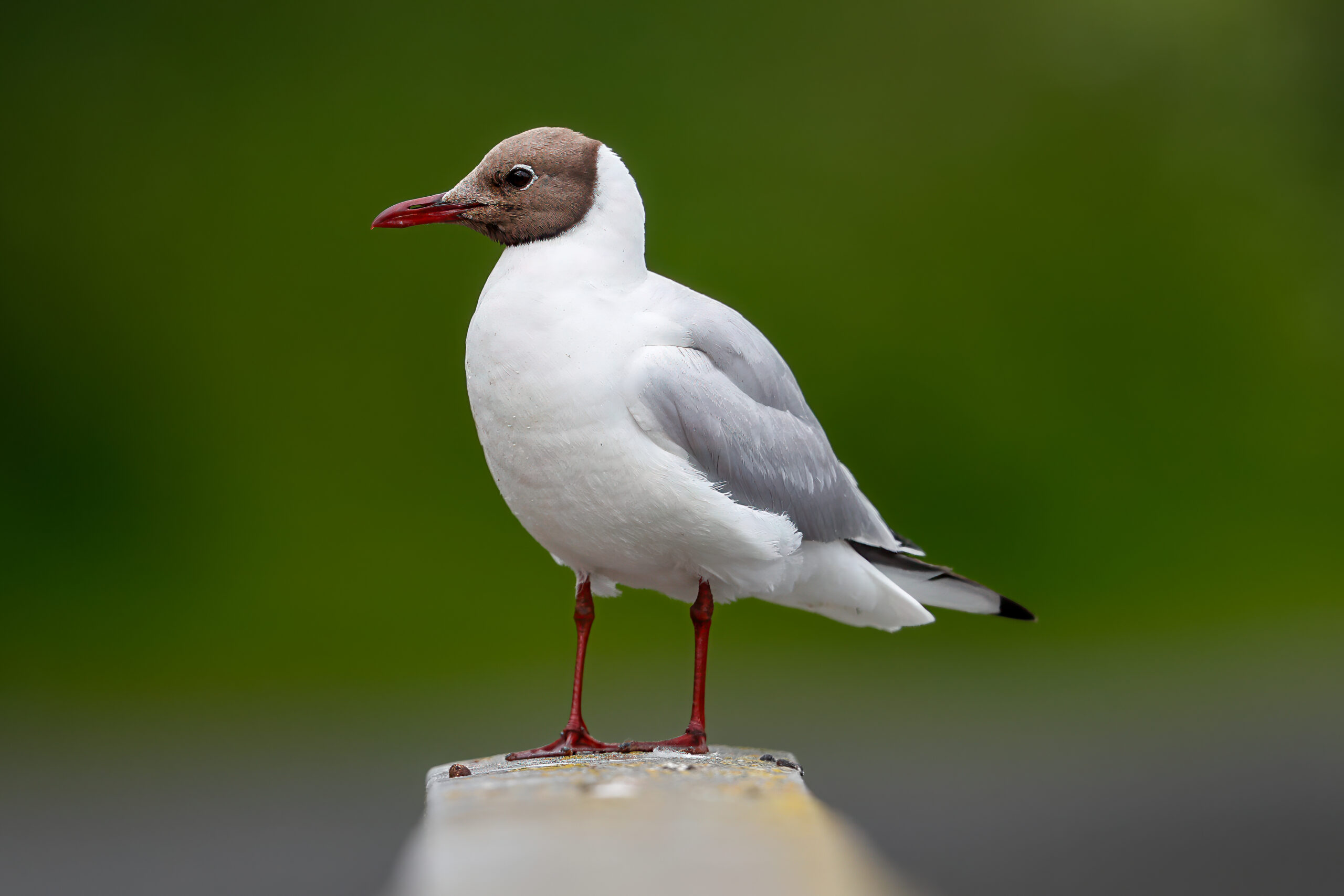
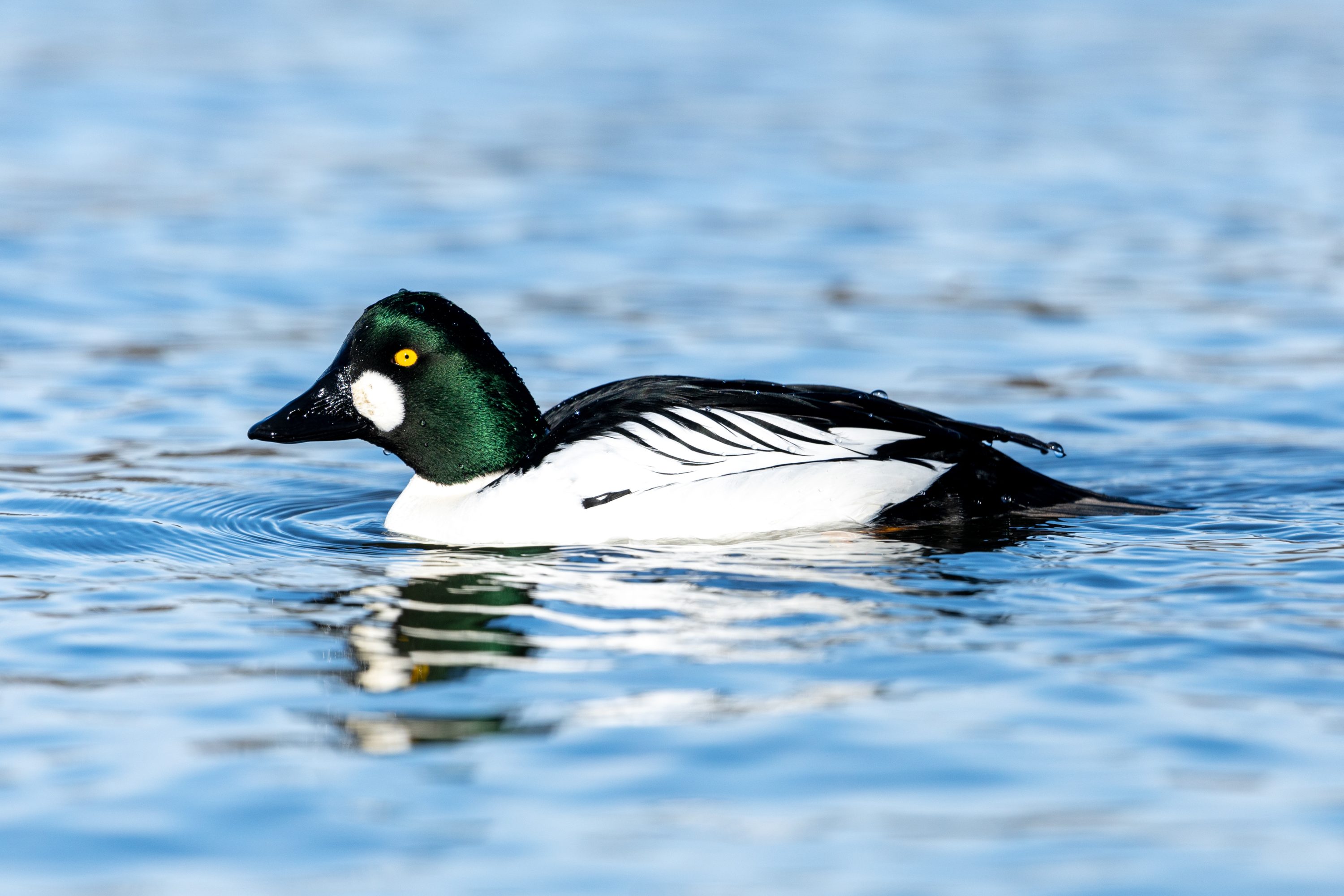
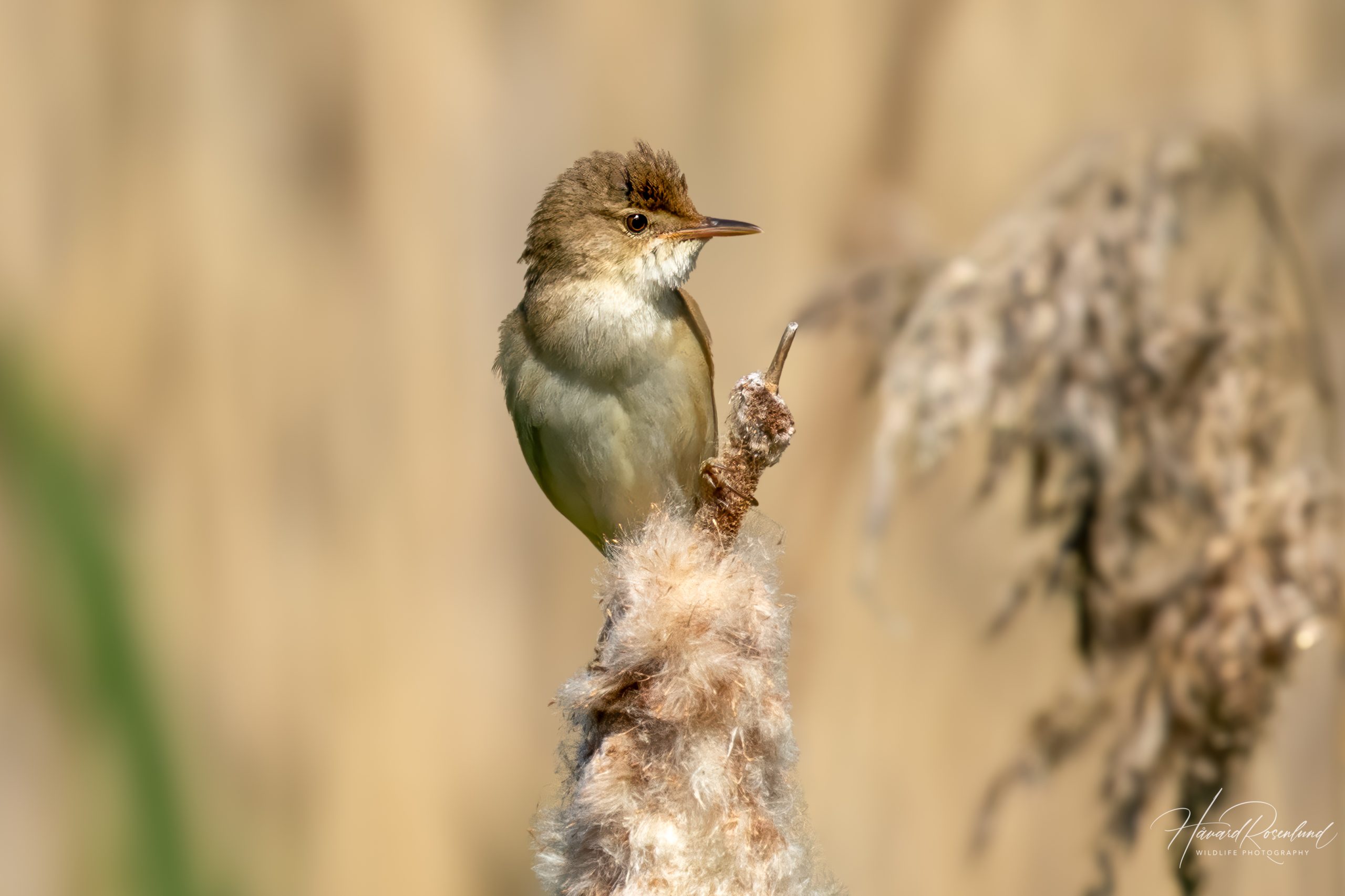
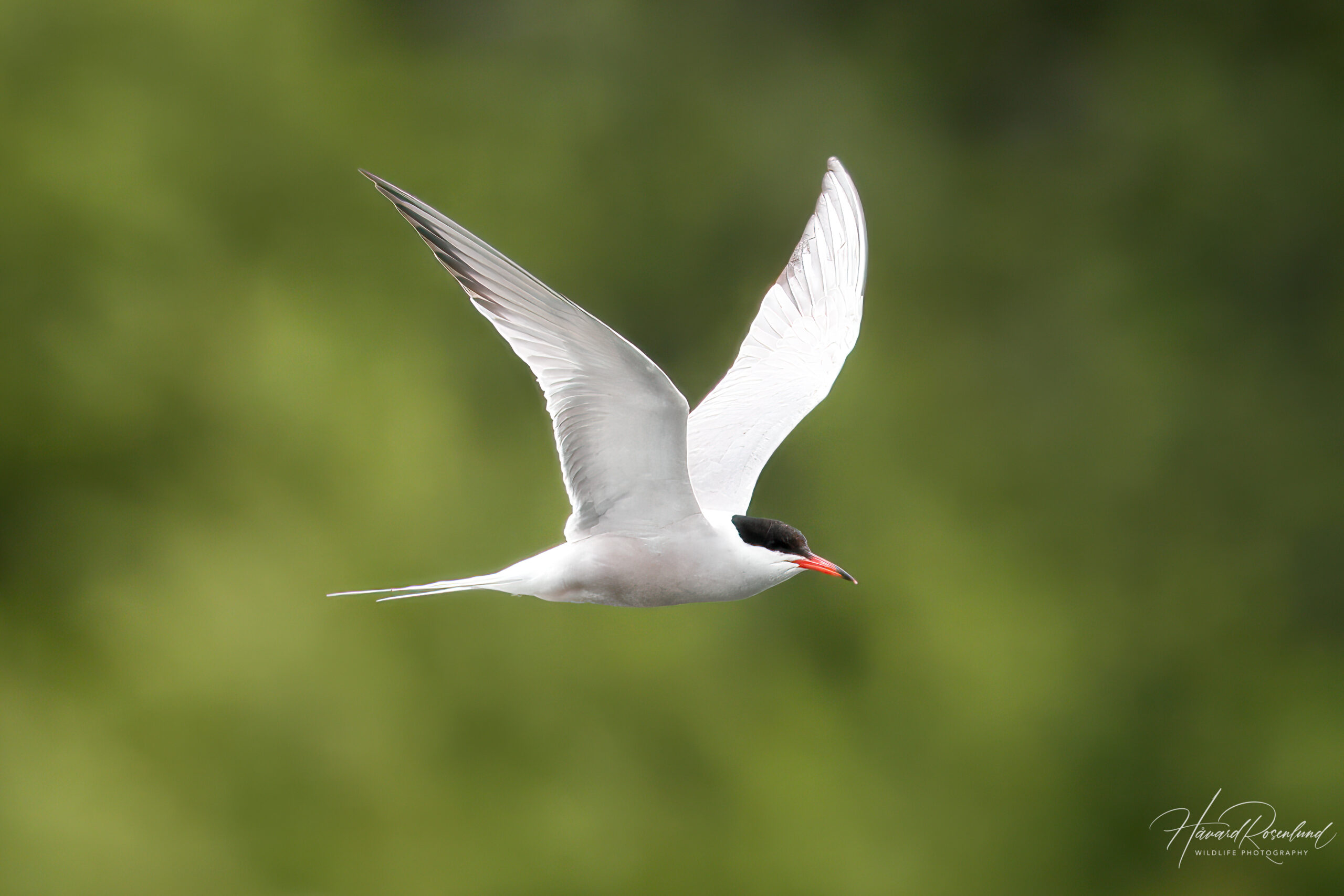
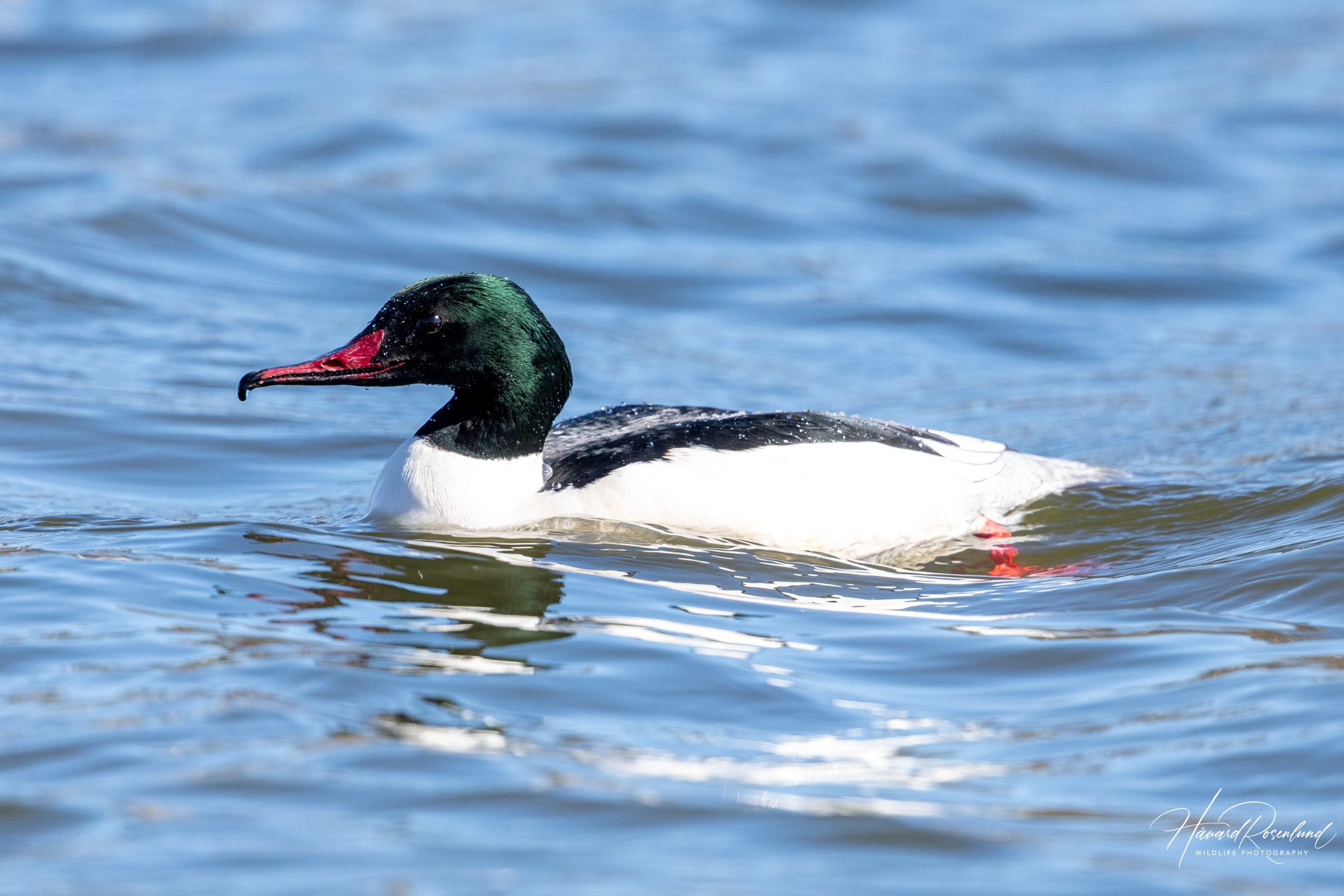
Part of what makes Østensjøvannet exciting is how quickly the mix can change. Spring and autumn migration can bring shifting numbers of ducks, geese and passerines, and raptors regularly pass overhead. During the breeding season the black-headed gull colony becomes especially conspicuous, while common reed warbler and common tern are typical from late spring into summer. In winter, open water can hold common goldeneye and common merganser, with birds such as smew or water rail appearing in some winters. The lake can also produce less expected visitors, so we keep watching for more than just the regular species.
As a nature photographer, I also pay attention to light, backgrounds, working distance and useful shooting angles, and I am happy to share photography advice when the situation allows. You do not need a camera to get the full experience from the tour. The route is flexible rather than rigid: if one part of the reserve is particularly active, we spend more time there.
Meeting point and route
The exact meeting point is confirmed for each departure and can vary slightly with season and route. Østensjøvannet is easy to reach by public transport from central Oslo. The tour is primarily on established paths, with regular stops for observation and photography.
What to bring
Bring your own binoculars and/or camera with a telephoto lens or zoom that gives you useful reach for photographing birds at a respectful distance. You do not need a camera to get the full experience from the tour. Dress for the weather and wear comfortable footwear suitable for paths that can be wet after rain. Bring your own food and drink for the tour. I also recommend having a good bird app on your phone, for example Merlin Bird ID for identification and sound support, and eBird for keeping a species list. If you already prefer another birding app, that is of course perfectly fine.
Included and not included
Included:
Guided birding with Håvard Rosenlund (Wildlife Vagabond), seasonal interpretation of the birds and habitats we encounter, and photography advice where relevant.
Not included:
Transport to and from the meeting point, food and drinks, and personal binoculars or camera equipment.
Responsible birding
We keep a respectful distance from nesting, resting and feeding birds, follow reserve rules and any seasonal access restrictions, and never prioritise a photograph or sighting over the welfare of the birds.