
Tiger
Panthera tigris
At a glance
Habitat
- Tropical and temperate forests, grasslands, mangroves and other habitats with cover, water and abundant prey
Diet
- Mainly large ungulates such as deer, wild pigs and bovids
Activity
- Flexible; often crepuscular or nocturnal, but also active by day
Size
- Length: 150–230 cm body; 90–110 cm tail Weight: 75–325 kg
Range
- Fragmented populations across South, Southeast and East Asia, with breeding populations in ten countries
Description
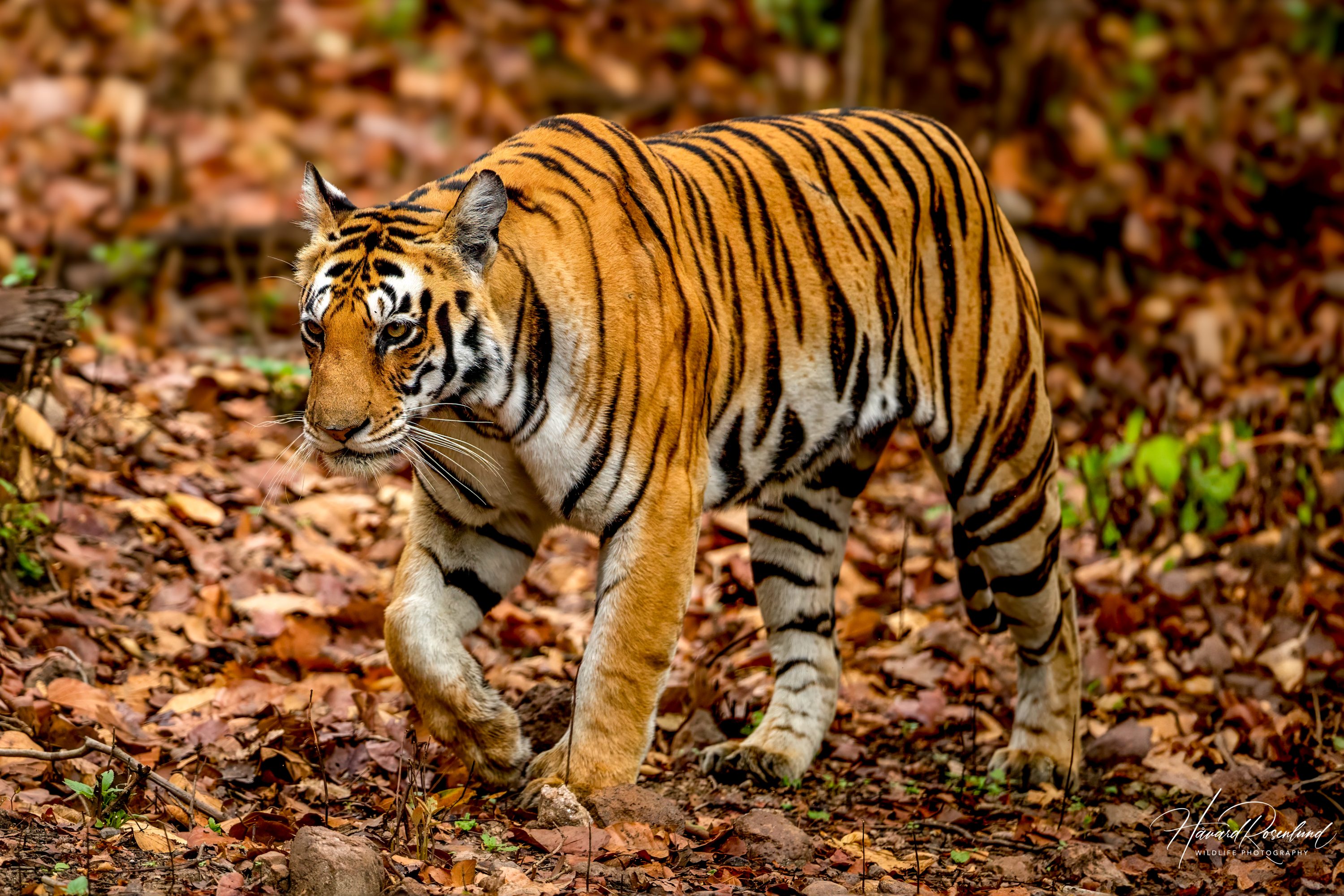
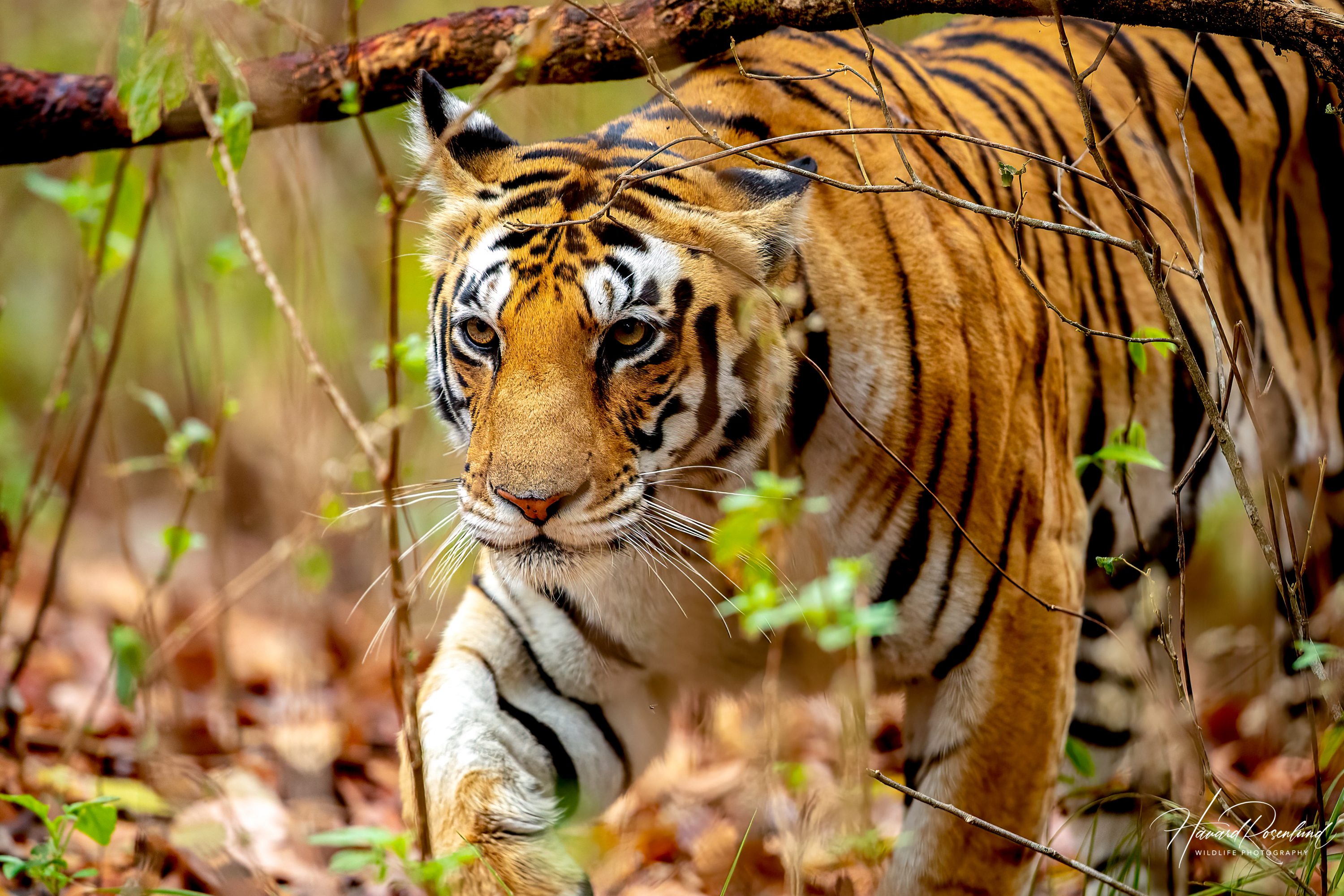
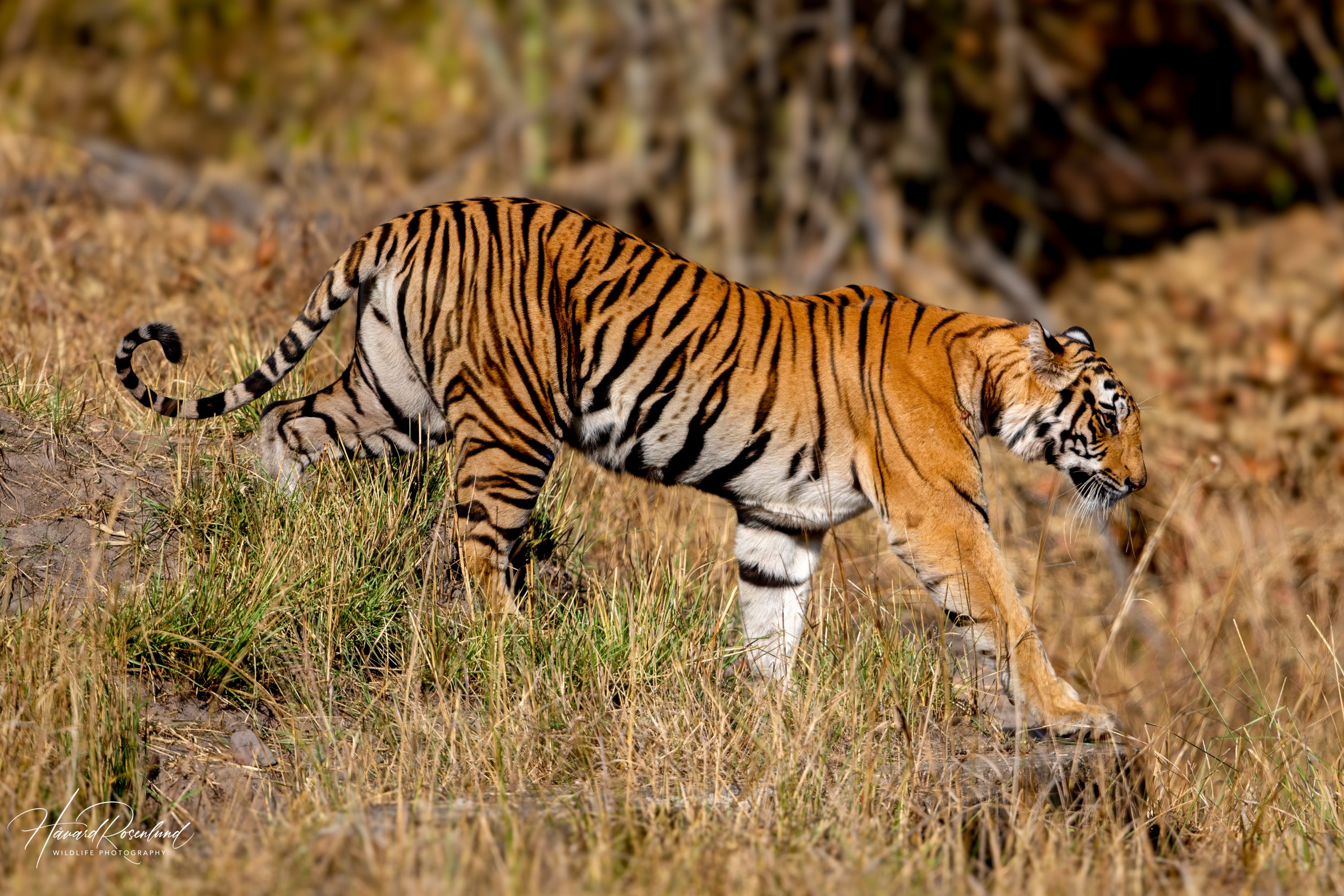
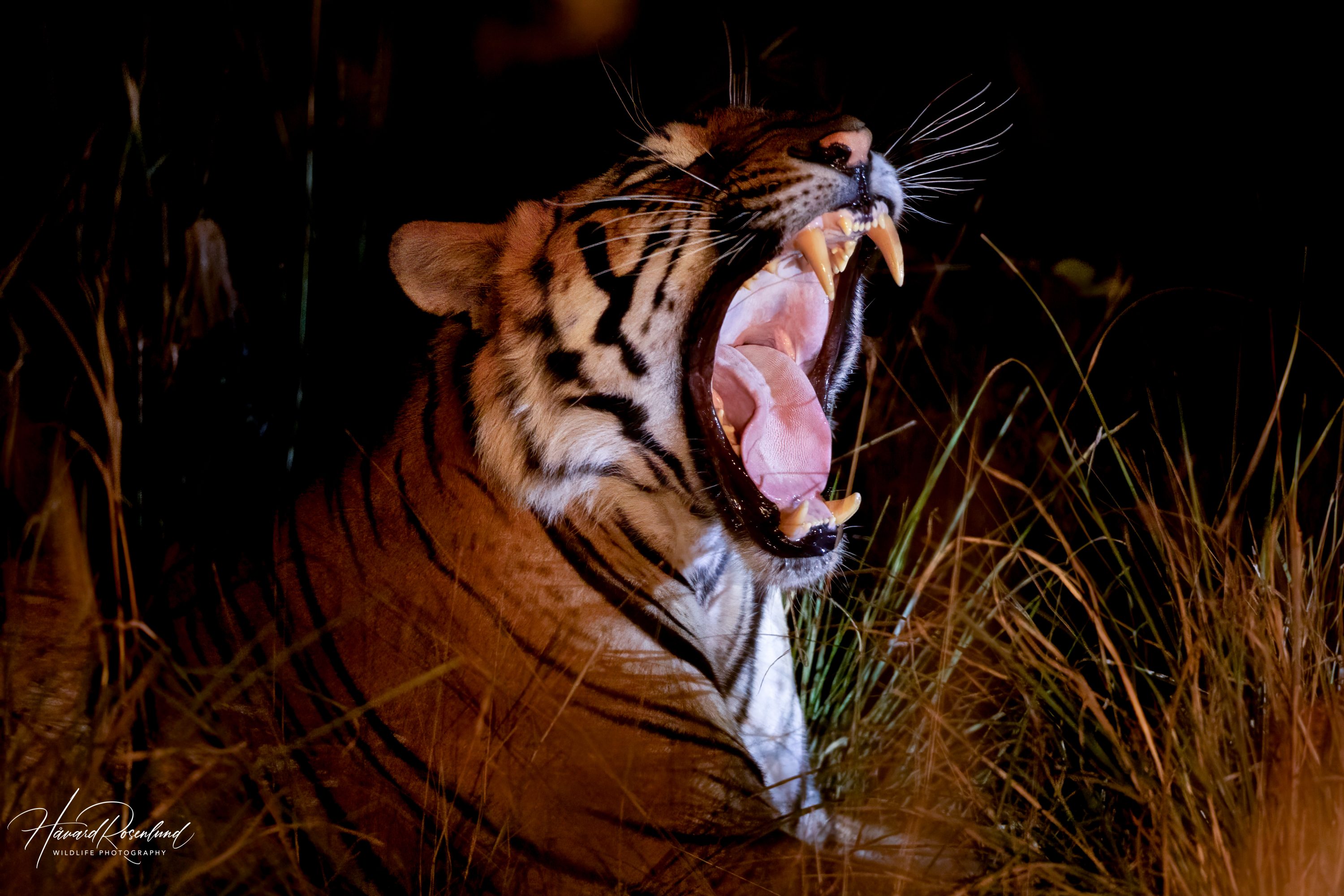
The tiger (Panthera tigris) is, overall, the largest living cat, although large lions can exceed smaller tigers. Adult tigers are roughly 150–230 cm in head-and-body length, with a 90–110 cm tail and a weight of about 75–325 kg. Males are usually substantially larger than females, but there are major geographic differences.
Bengal tigers and Amur tigers (also known as Siberian tigers) include populations with the largest individuals, while Sumatran tigers are distinctly smaller. Adult male Bengal tigers commonly weigh about 180–258 kg and Sumatran males roughly 100–140 kg. Size varies mainly with prey availability, age and individual condition and can therefore differ substantially both within and between populations.
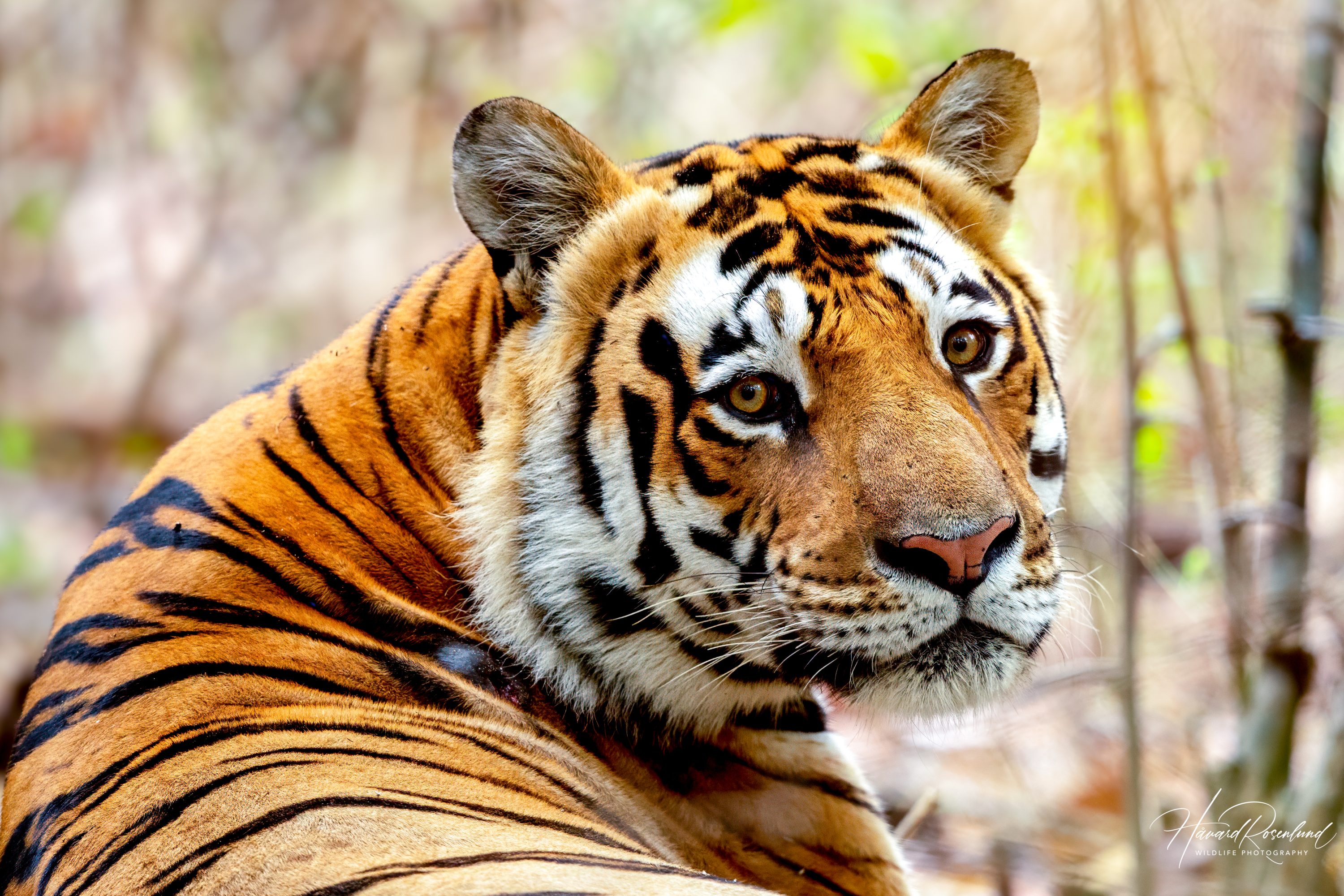
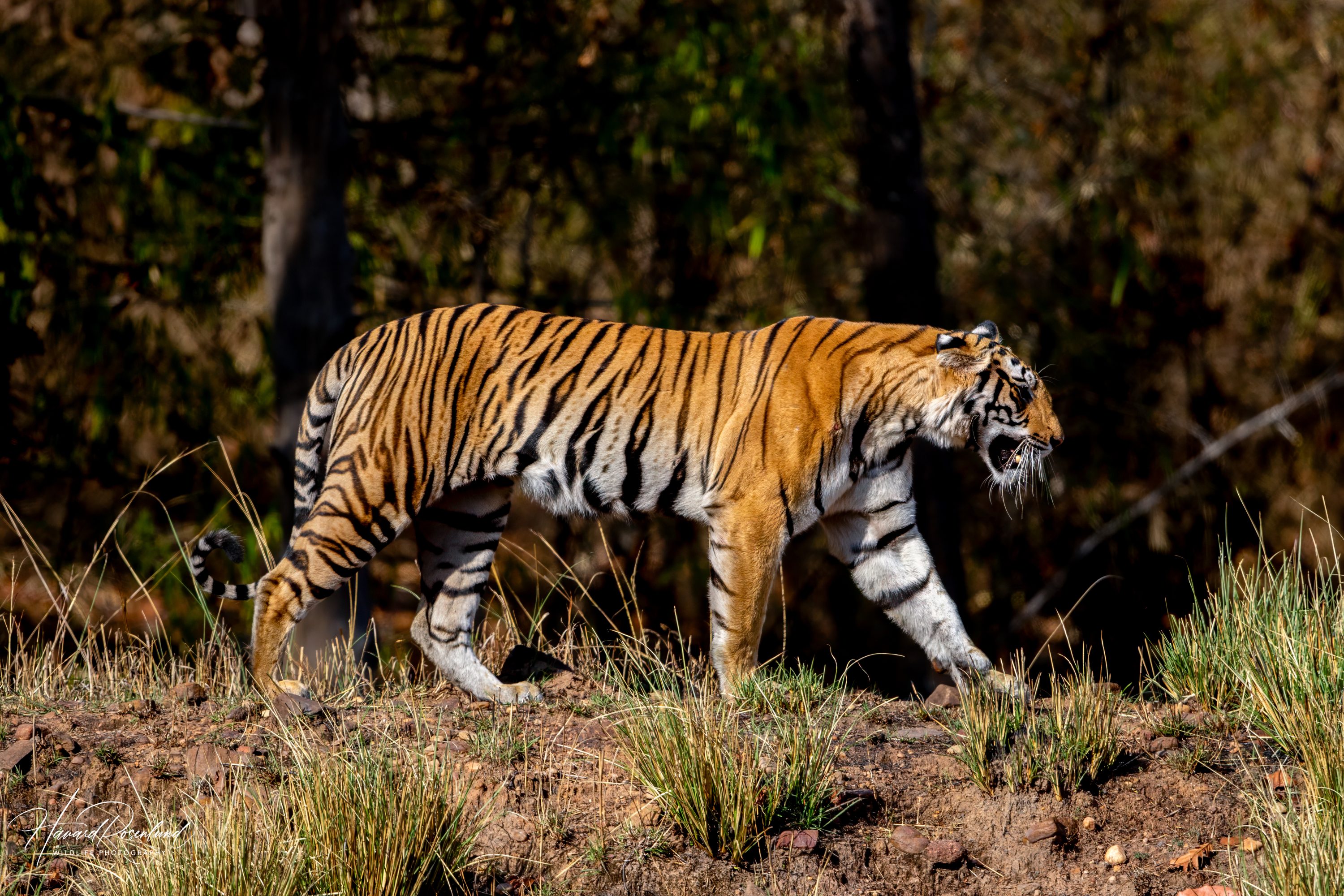
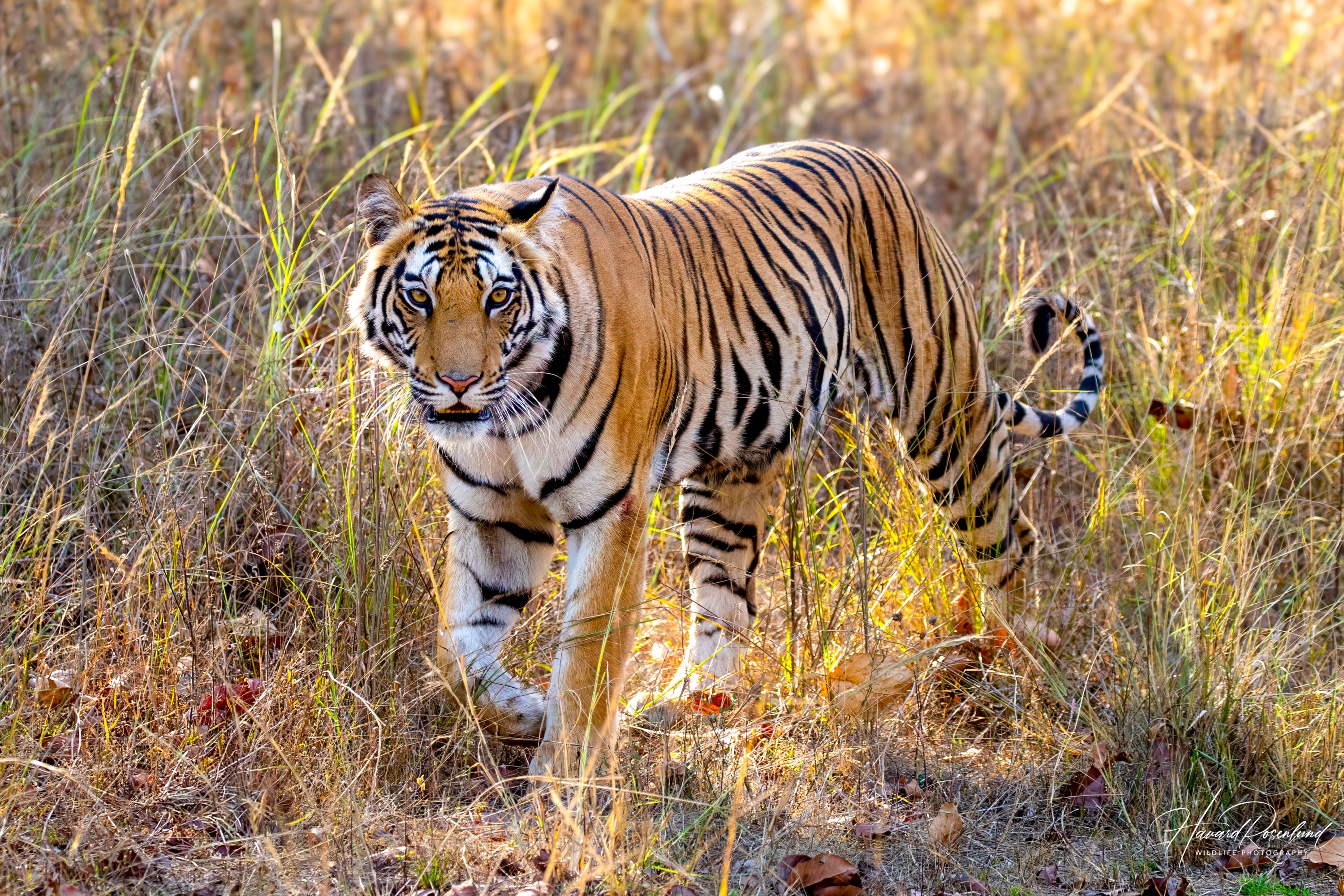
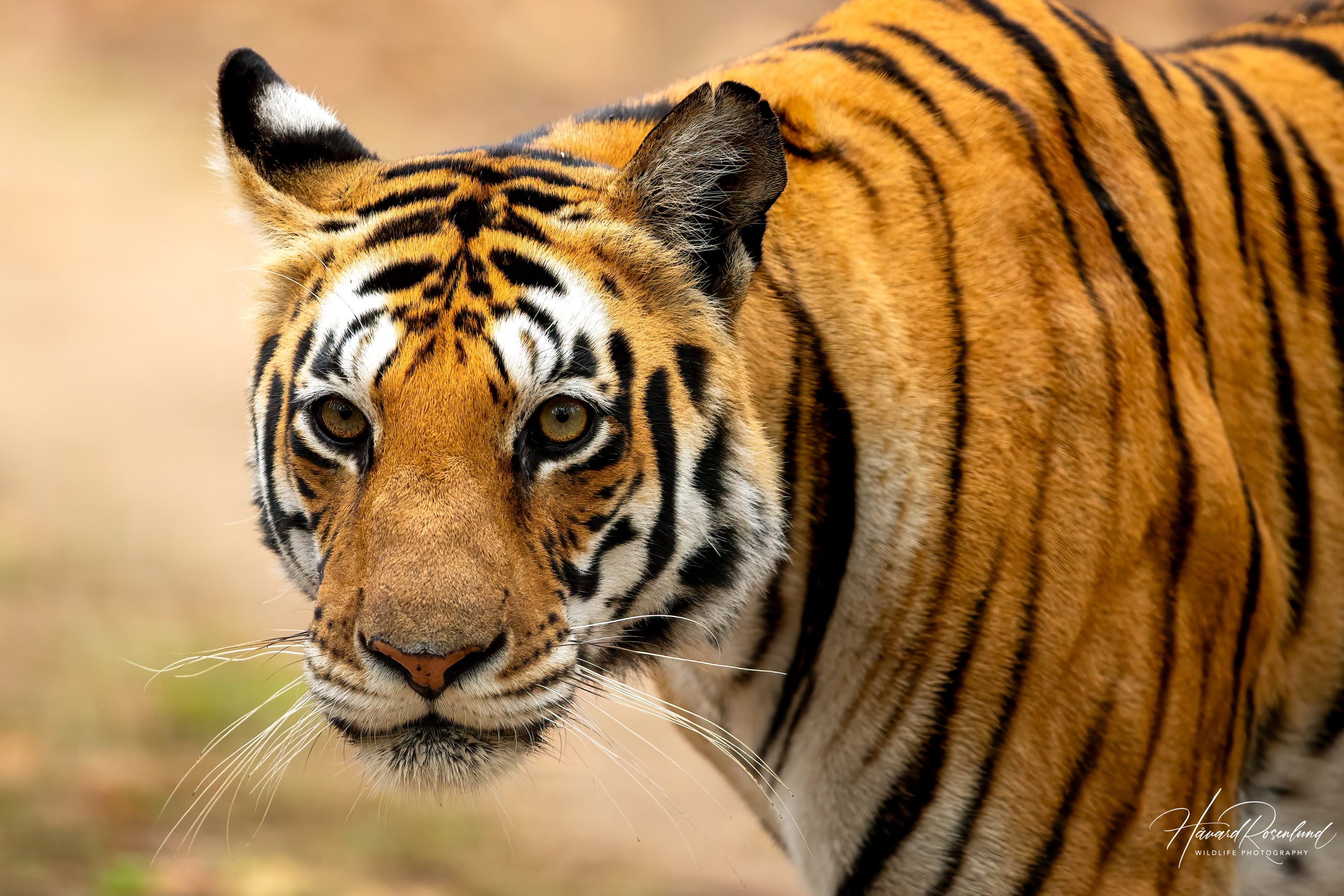
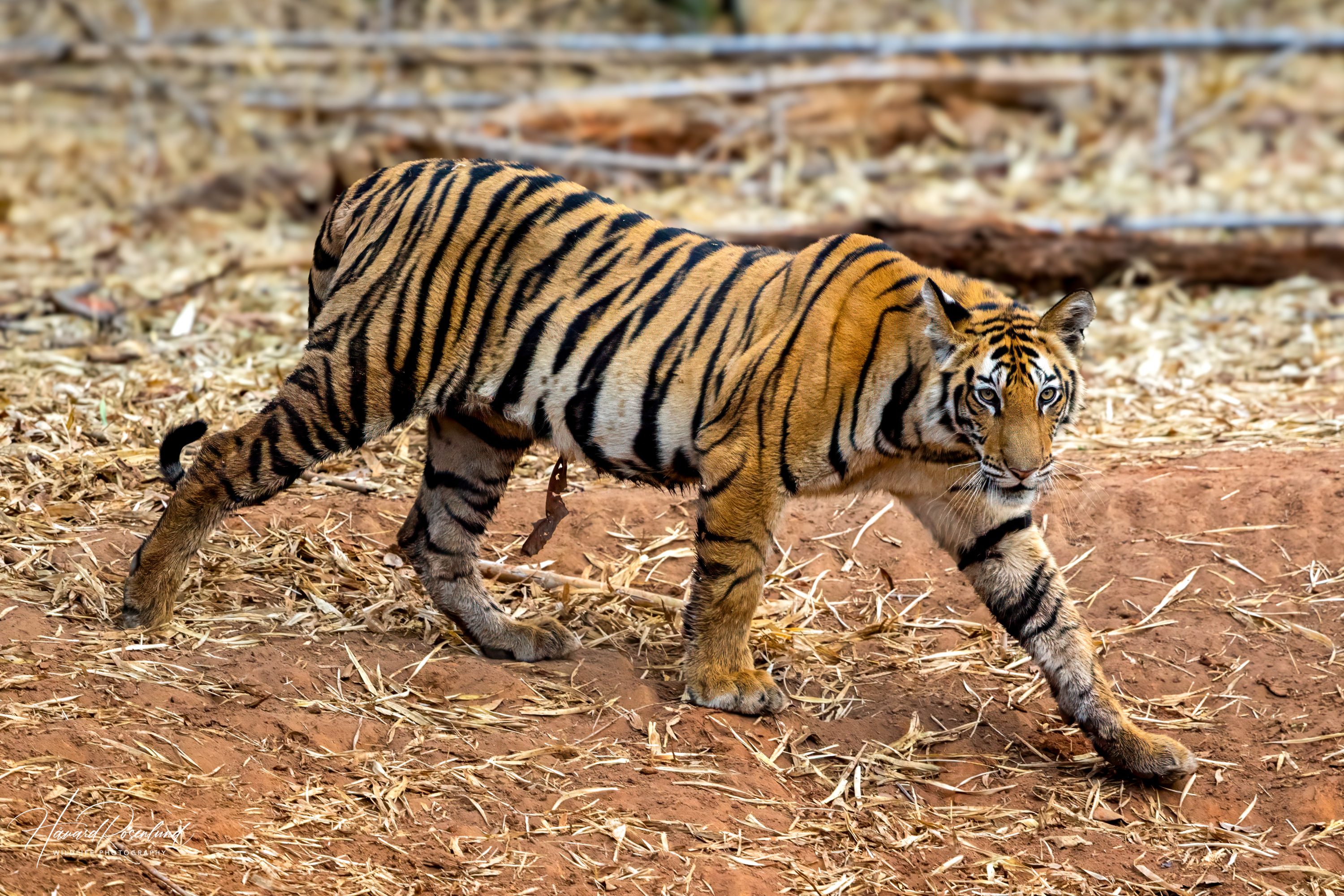
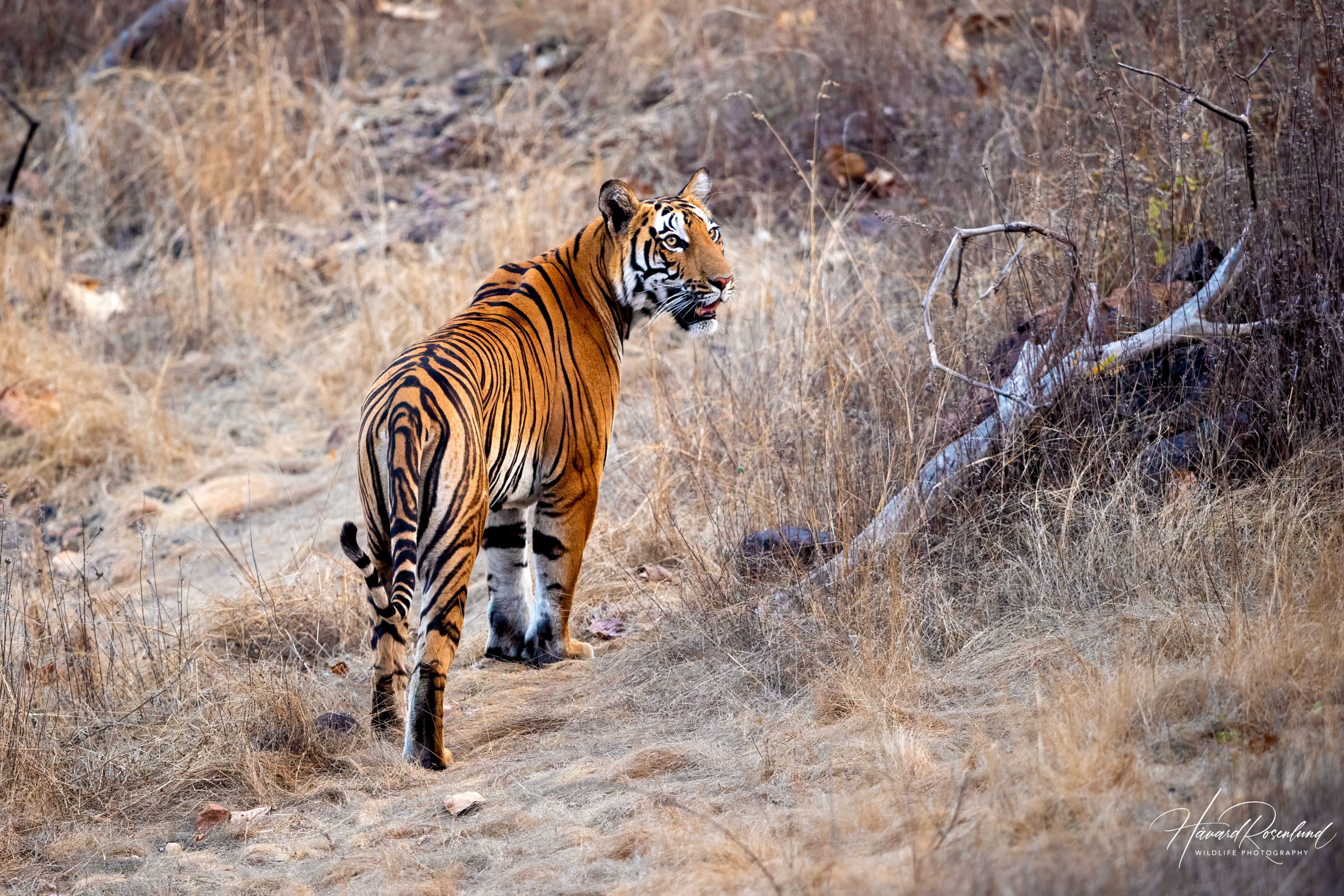
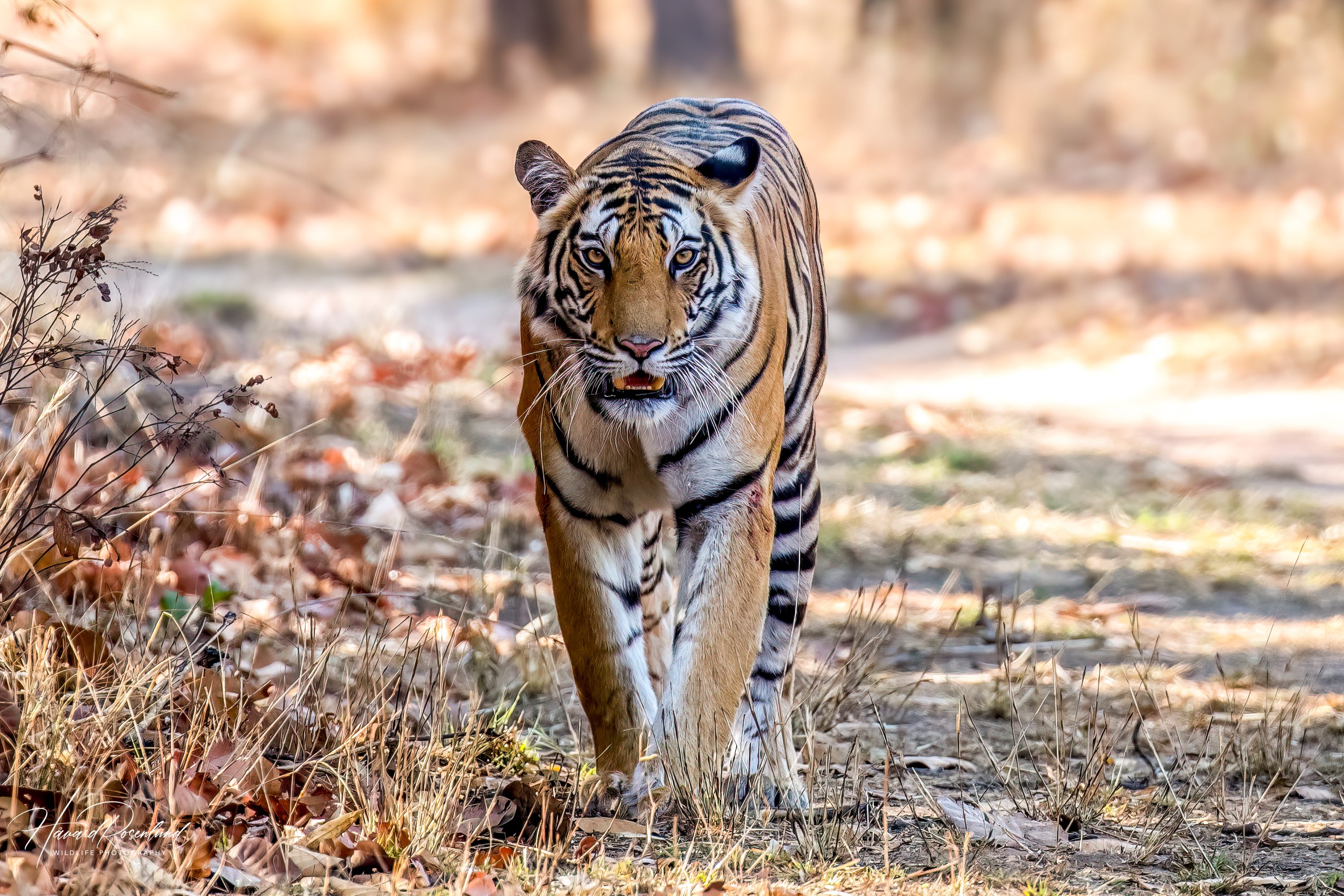
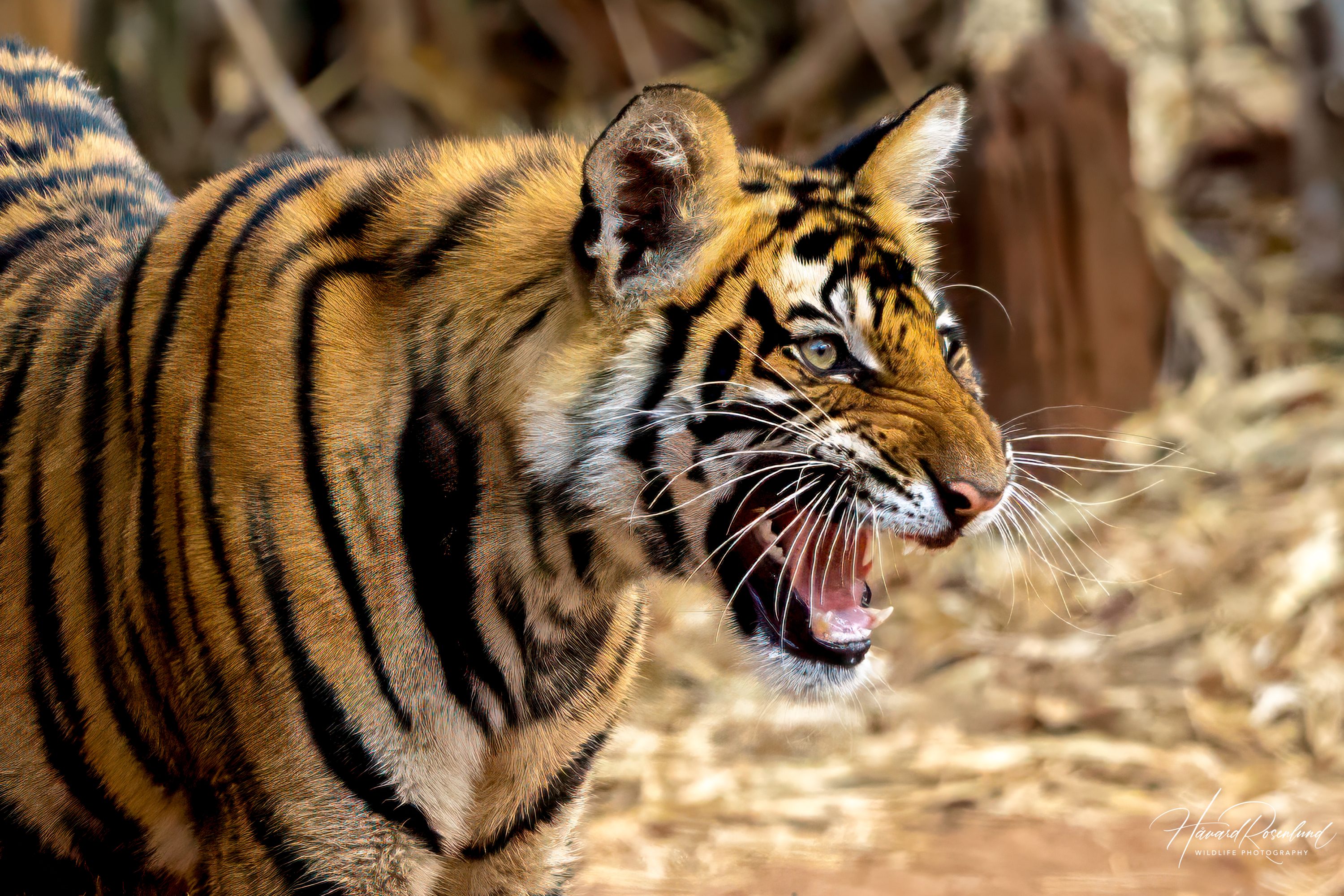
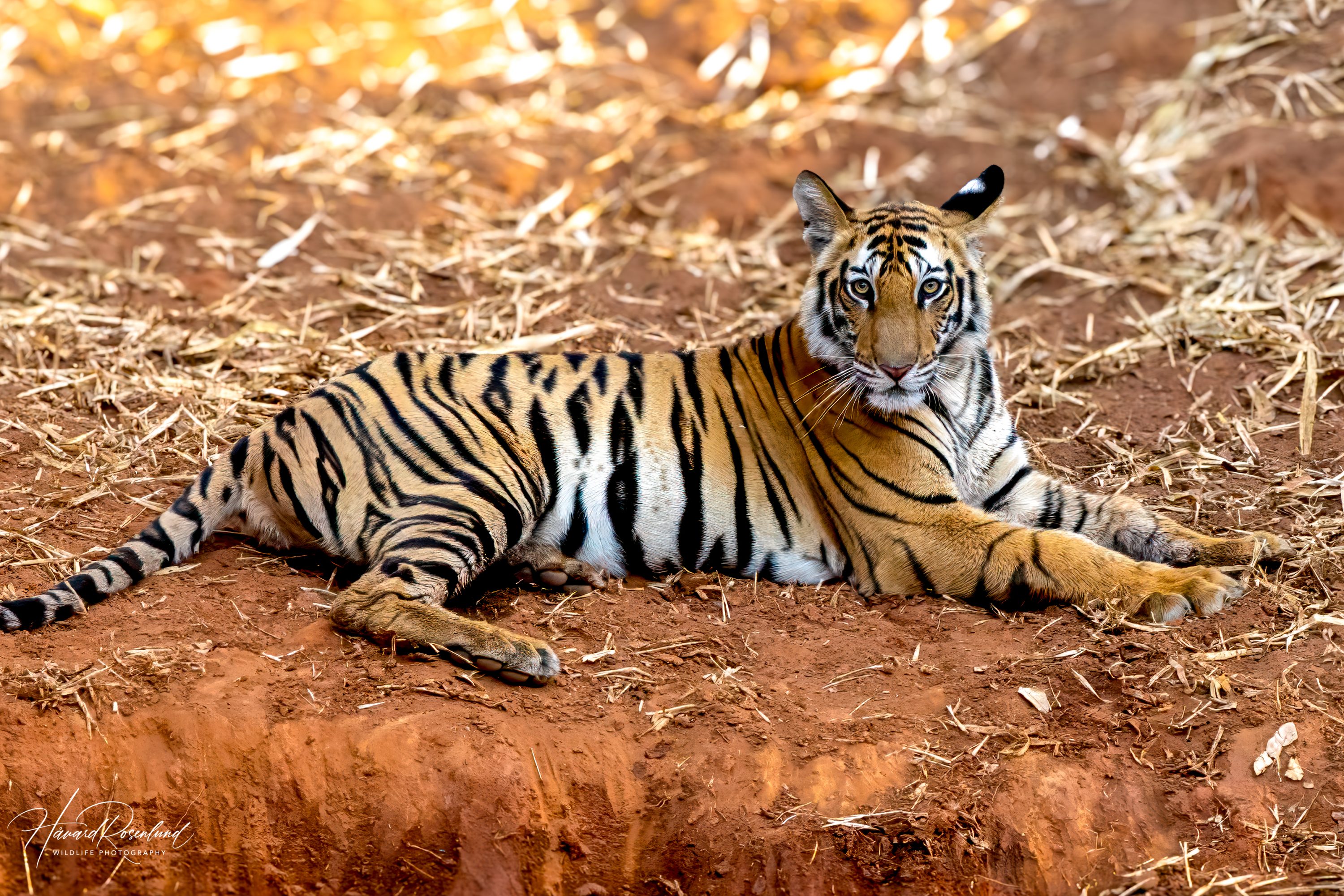
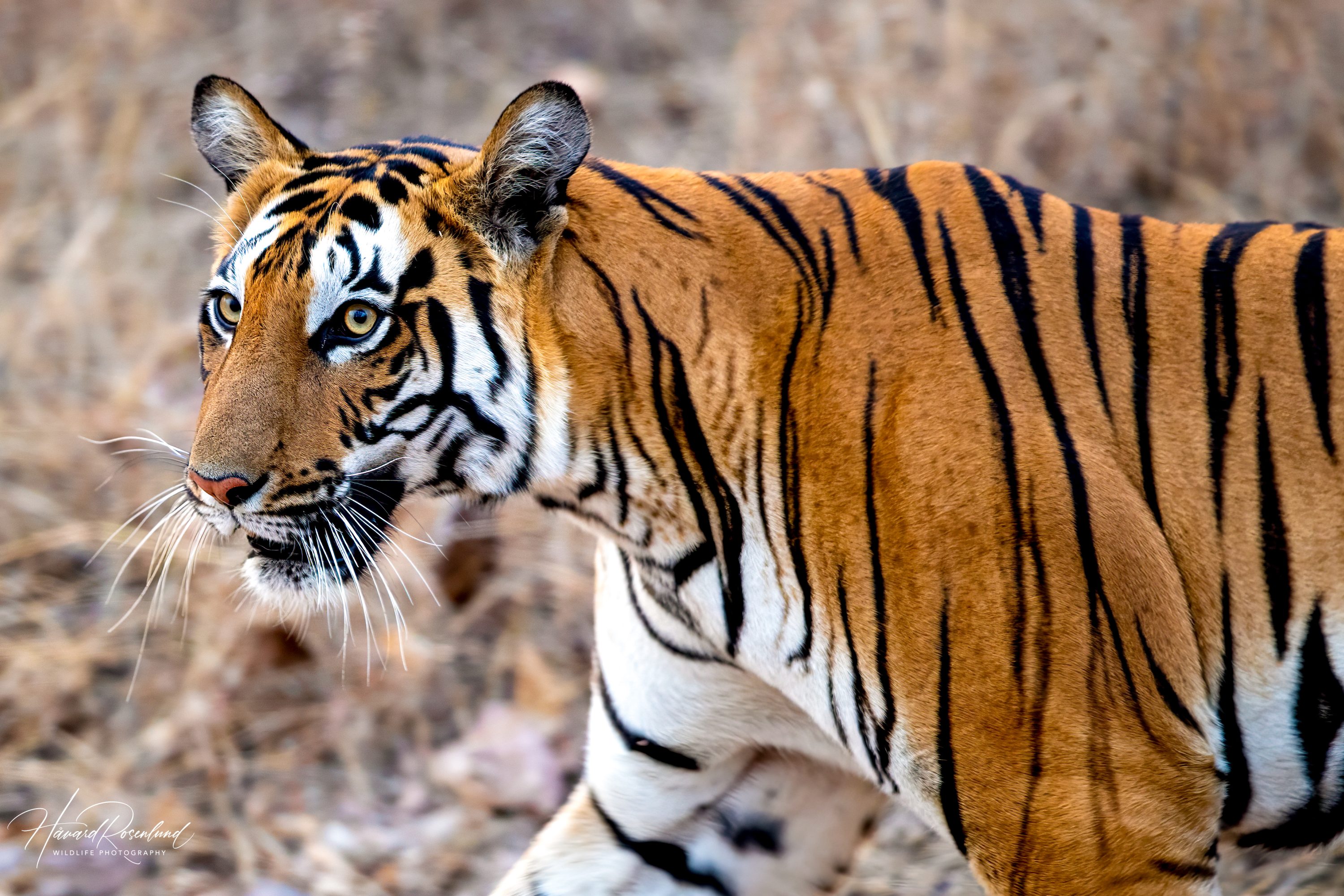
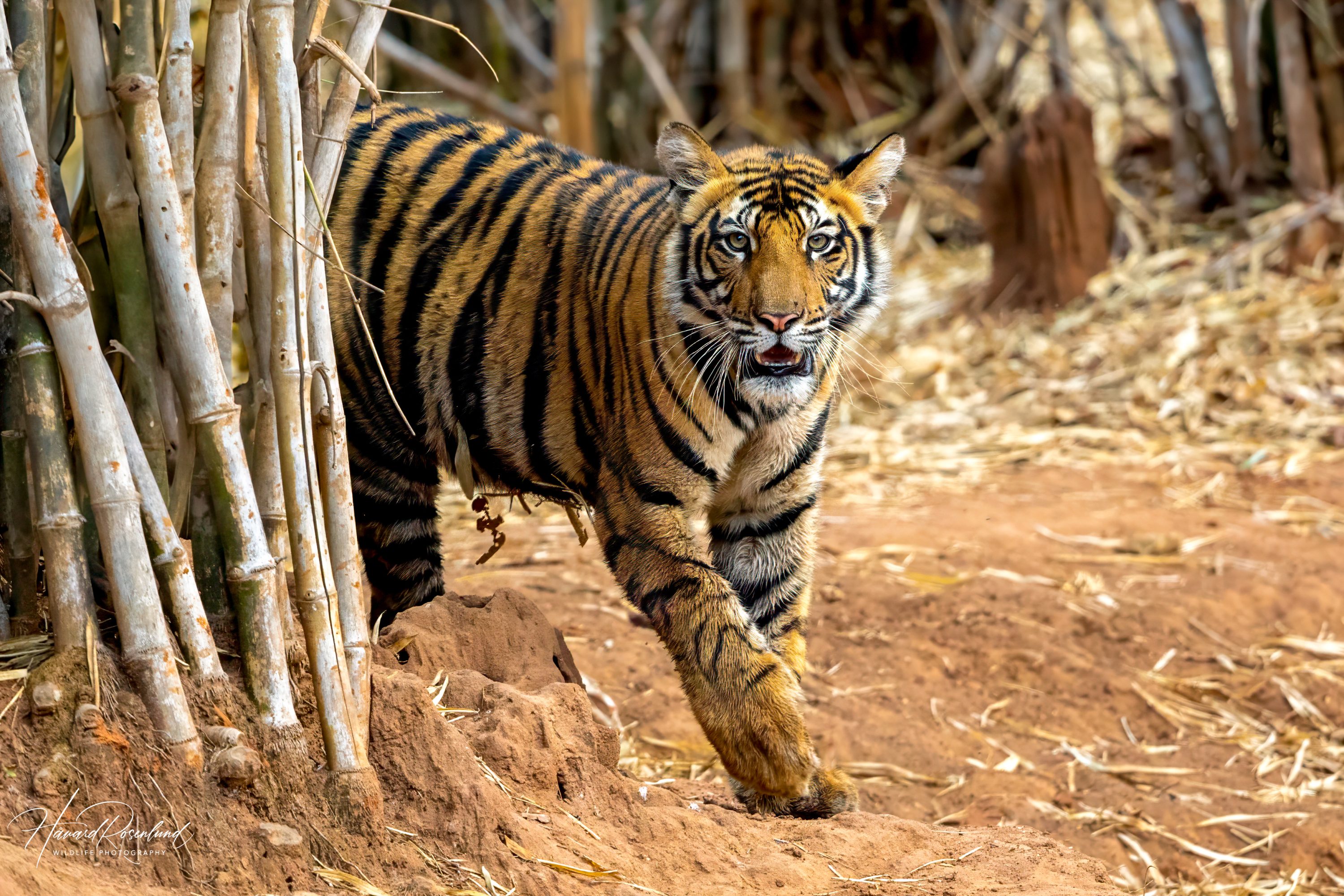
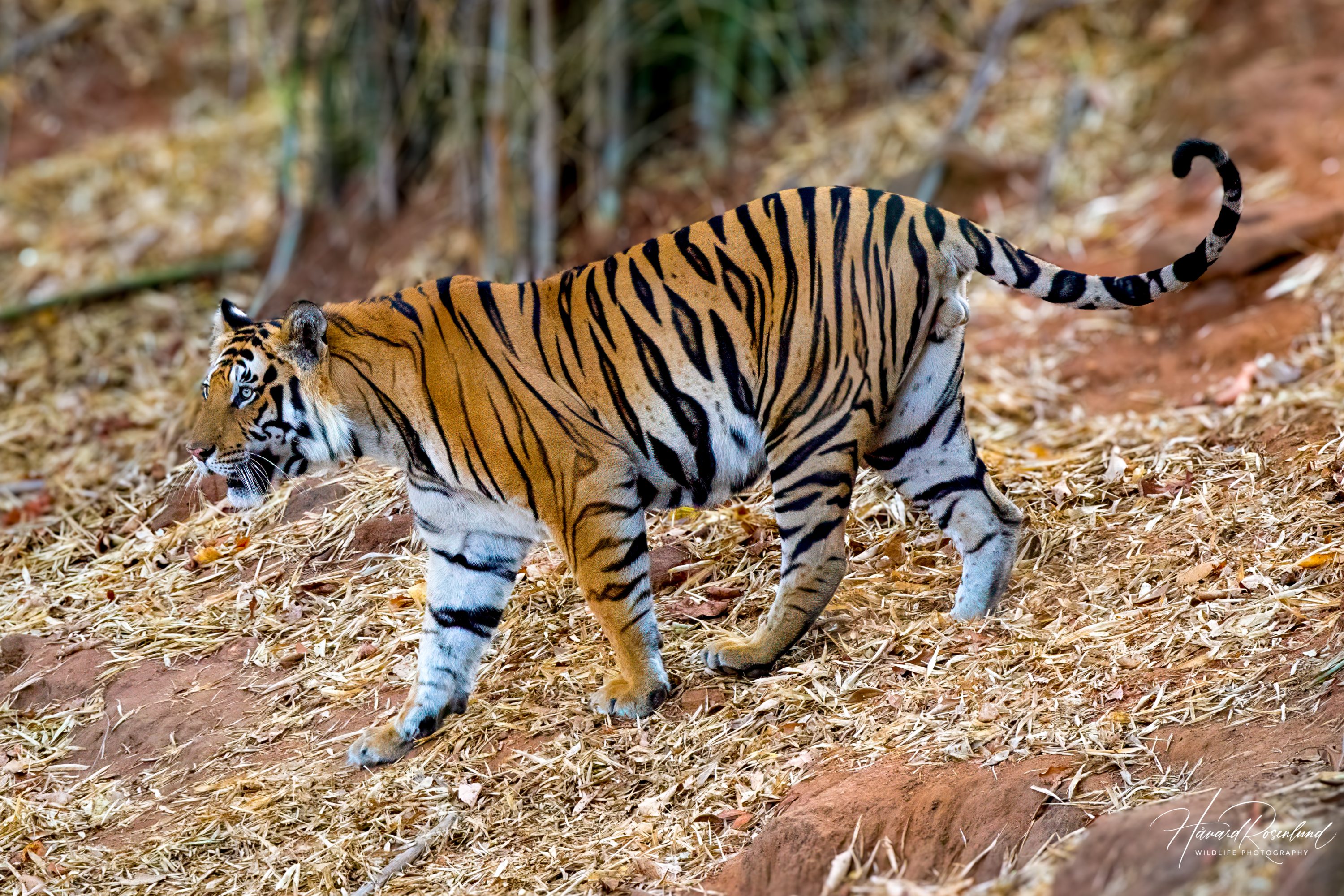
The coat varies from reddish orange to yellow ochre with black stripes and pale underparts, and appearance also differs geographically. Sumatran tigers are usually darker orange and more densely striped than mainland tigers, while the Amur tiger develops a conspicuously longer and denser winter coat in the cold forests of the Russian Far East and northeastern China. Every tiger has a unique stripe pattern, allowing individuals to be identified in camera-trap studies. White tigers are a rare colour variant rather than albinos; the last documented white tiger in the wild was shot in India in 1958.
Taxonomy
Tiger subspecies classification remains under review. A major revision published in 2017 grouped tigers into two subspecies: the mainland form Panthera tigris tigris and the Sunda form Panthera tigris sondaica, which now survives only on Sumatra. Under this treatment the extinct Caspian tiger falls within the mainland group, while the extinct Javan and Bali tigers belong to the Sunda group.
Genetic data still show distinct differences among the six traditionally recognised living subspecies, but some parts of the tiger's range have been studied much more thoroughly than others. The taxonomy therefore remains under review. Names such as Bengal, Amur or Siberian, Indochinese, Malayan, South China and Sumatran tiger remain useful geographic and conservation labels even where they are not treated as separate subspecies under this two-subspecies model.
Habitat
Tigers occupy an exceptionally broad range of habitats, from tropical evergreen and dry deciduous forests to grasslands along rivers and floodplains, mangrove swamps and snow-covered temperate forests of the Russian Far East. Bengal tigers alone range from floodplains and forests of the Indian subcontinent to the mangrove islands of the Sundarbans, while Sumatran tigers live in tropical rainforest and swamp forest and Amur tigers in cold temperate forests of eastern Russia and northeastern China.
These contrasts are reflected in both appearance and ecology. The long winter coat of Amur tigers is an adaptation to prolonged cold and snow, while the darker, more densely striped Sumatran form lives in humid tropical forest. Across regions, the exact vegetation type matters less than whether the landscape provides enough cover, water and large prey and allows tigers to rest, reproduce and move between secure areas.
Diet
Large ungulates form the core of the tiger's diet across most of the range. Deer, wild pigs and bovids are especially important, but the dominant prey species differ greatly between regions. In India, chital (Axis axis), sambar (Rusa unicolor), wild pig (Sus scrofa) and gaur (Bos gaurus) are important; in the Amur tiger's range, wild pig, sika deer (Cervus nippon) and Siberian roe deer (Capreolus pygargus) are central, while Sumatran tigers depend heavily on the deer and pig species available in tropical forest.
Smaller mammals, primates, birds, reptiles, amphibians and fish are taken opportunistically when large prey are scarce or an easy opportunity arises. Tigers are powerful enough to kill animals far heavier than themselves: Bengal tigers occasionally take adult gaur, among the largest wild bovids in the world. A large carcass can feed a tiger for several days, whereas smaller deer and pigs are consumed much more quickly.
Hunting
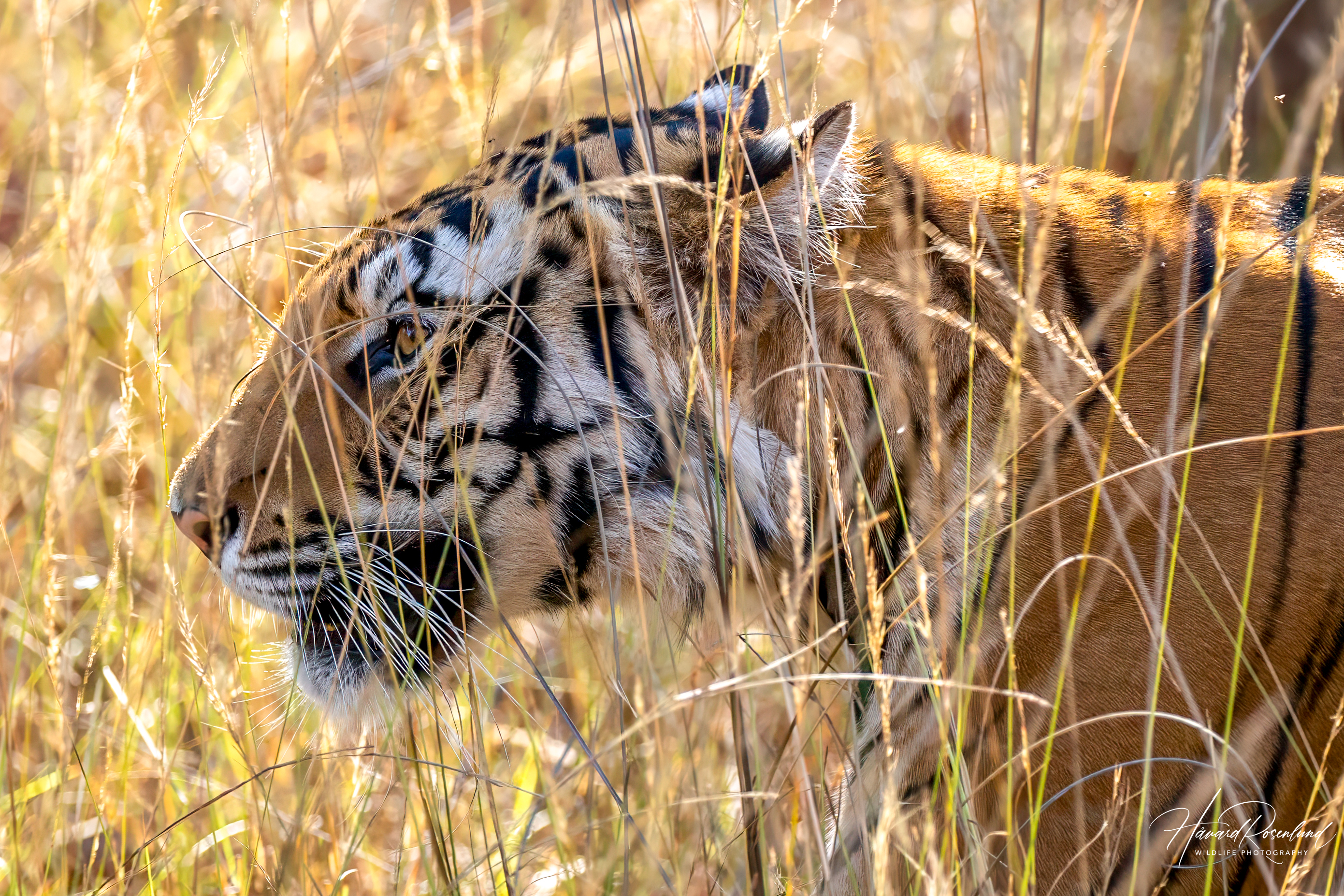
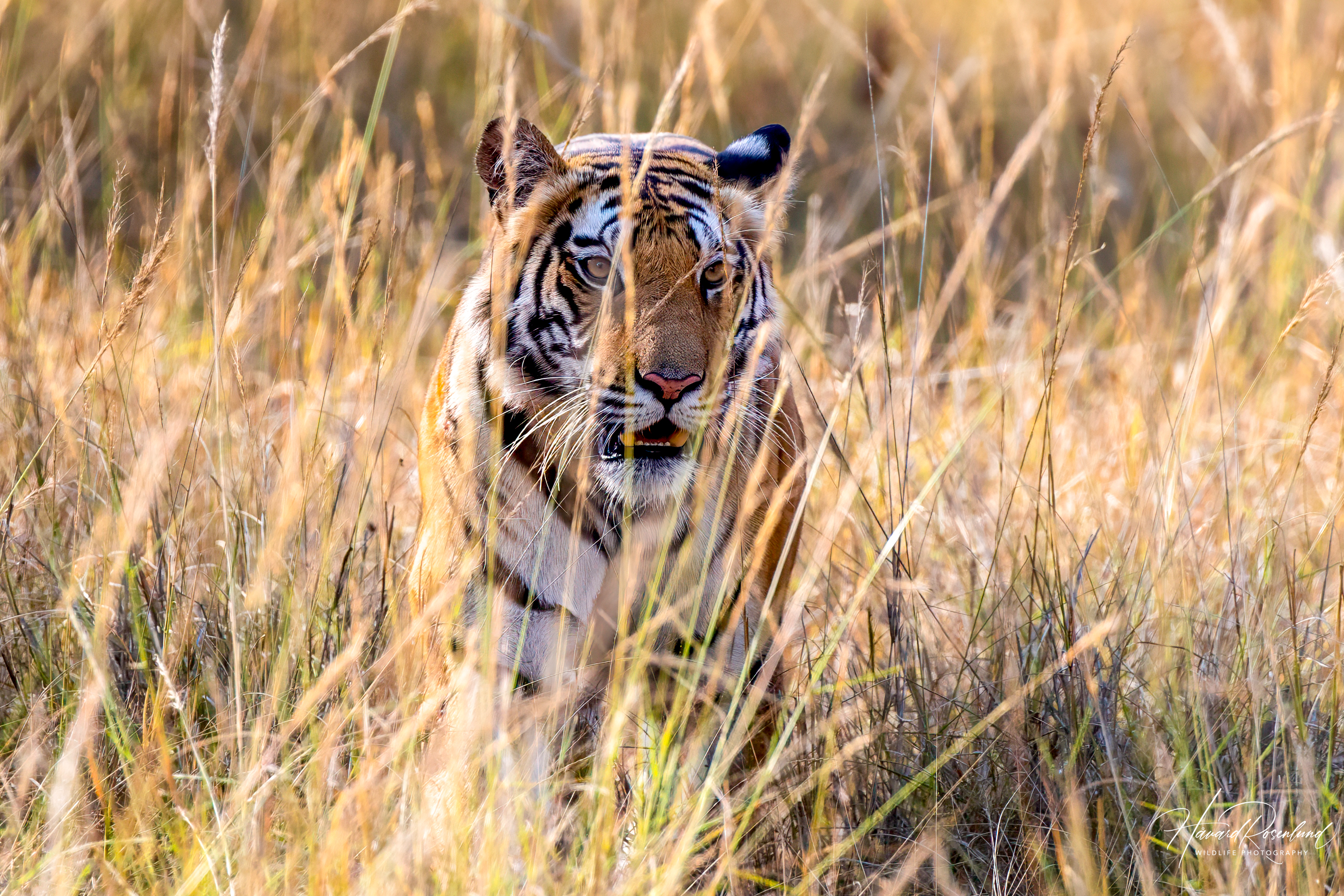
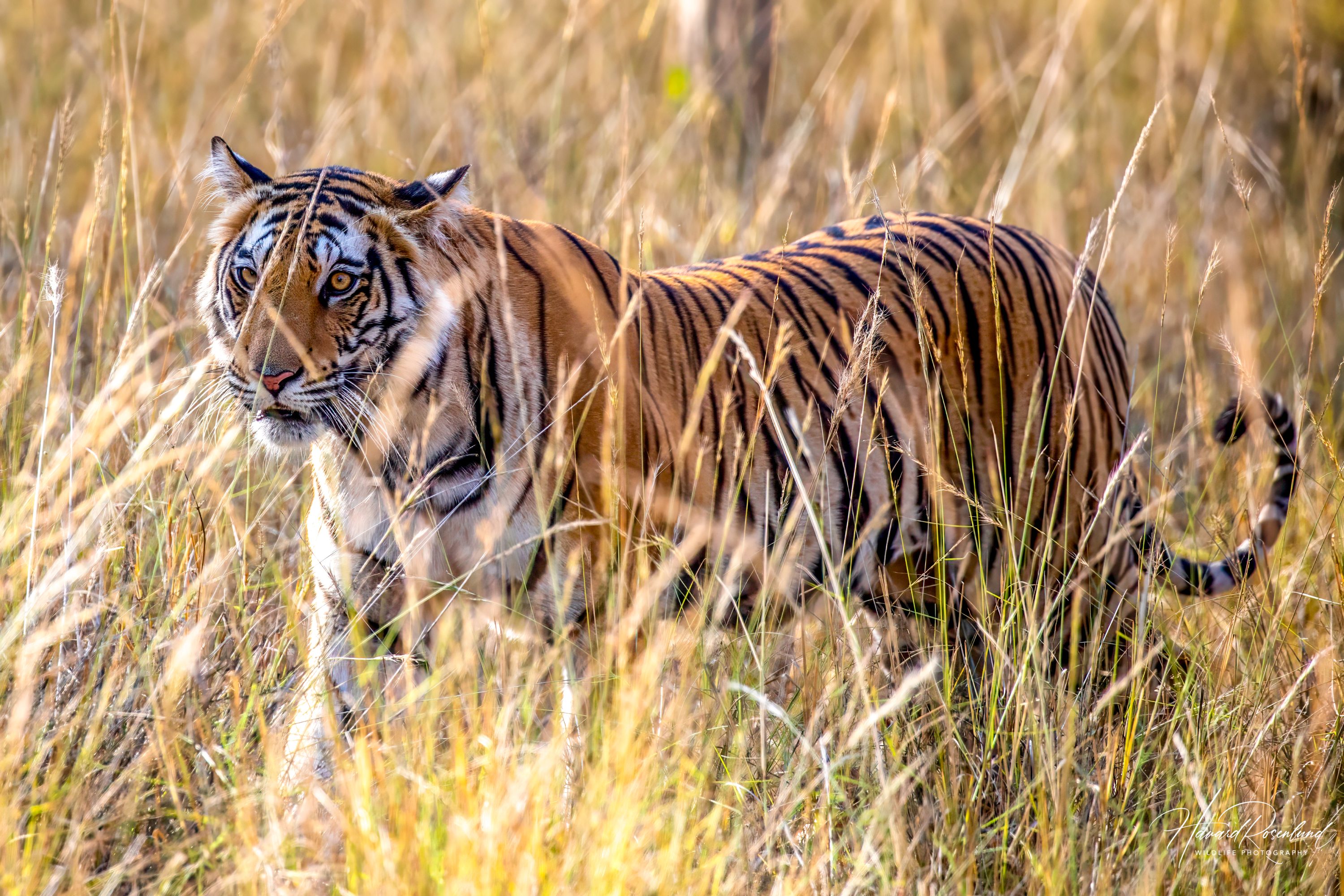
Tigers are primarily ambush predators. They use vegetation, terrain and sometimes water to approach closely before launching a short, explosive attack. Dense forest and tall grass are therefore important not only as habitat but as cover that allows a tiger to get close enough before striking.
The approach itself can be remarkably flexible. A tiger may stalk through dense vegetation, circle into a favourable wind or even use water to get closer without being seen. Longer pursuits do occur, especially if prey is already weakened or poorly positioned, but tigers are best adapted to sudden attacks at short range.
After a successful kill, a tiger often drags the carcass into cover, feeds on it for several days and returns repeatedly until little remains. It will also scavenge or take over a kill from another predator when the opportunity arises.
Behaviour
Adult tigers are territorial and usually solitary. Scent marks, scrapes, tracks and vocalisations allow neighbours to signal presence and reproductive status without unnecessary direct encounters. Females often tolerate more overlap with related females than adult males tolerate with other males.
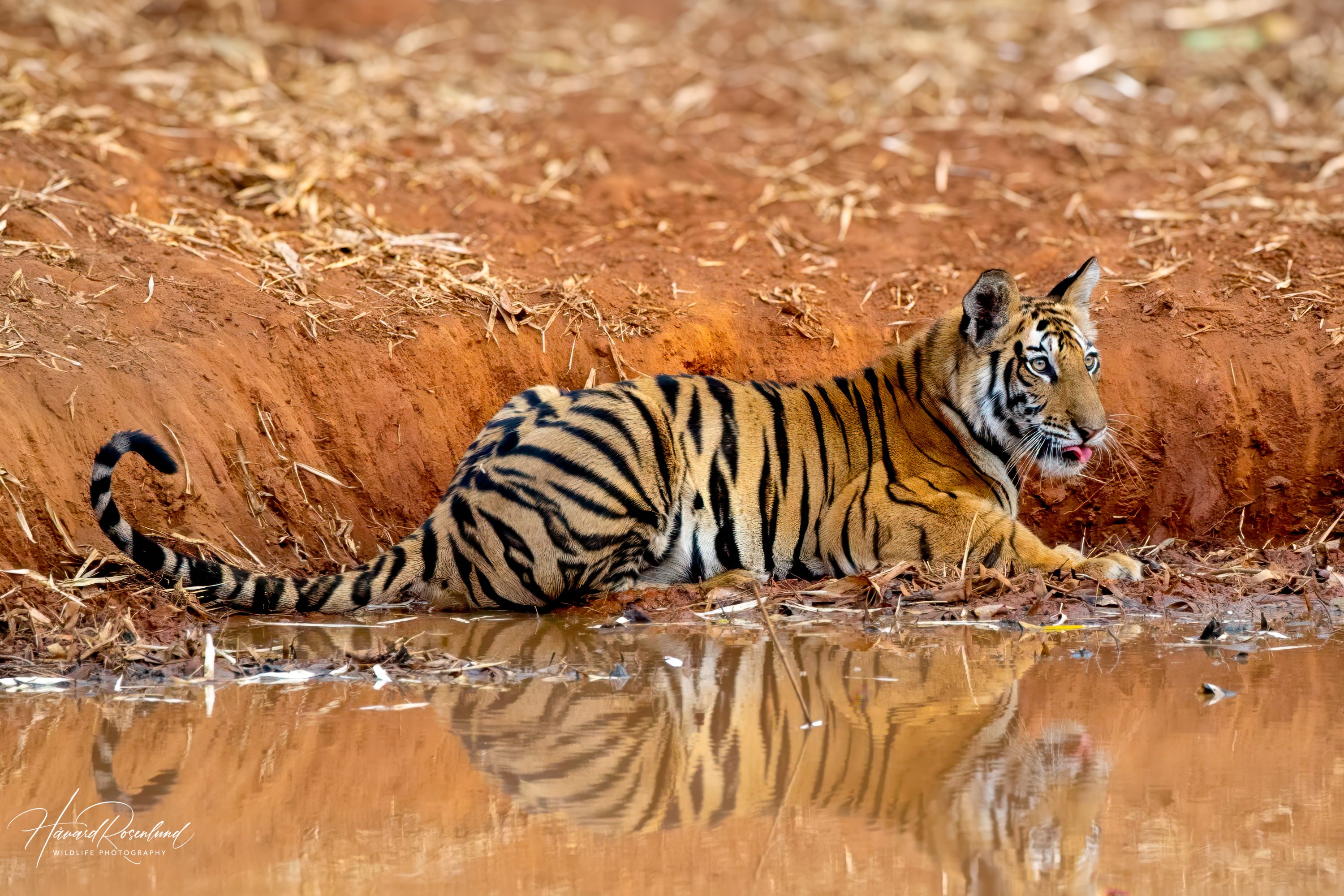
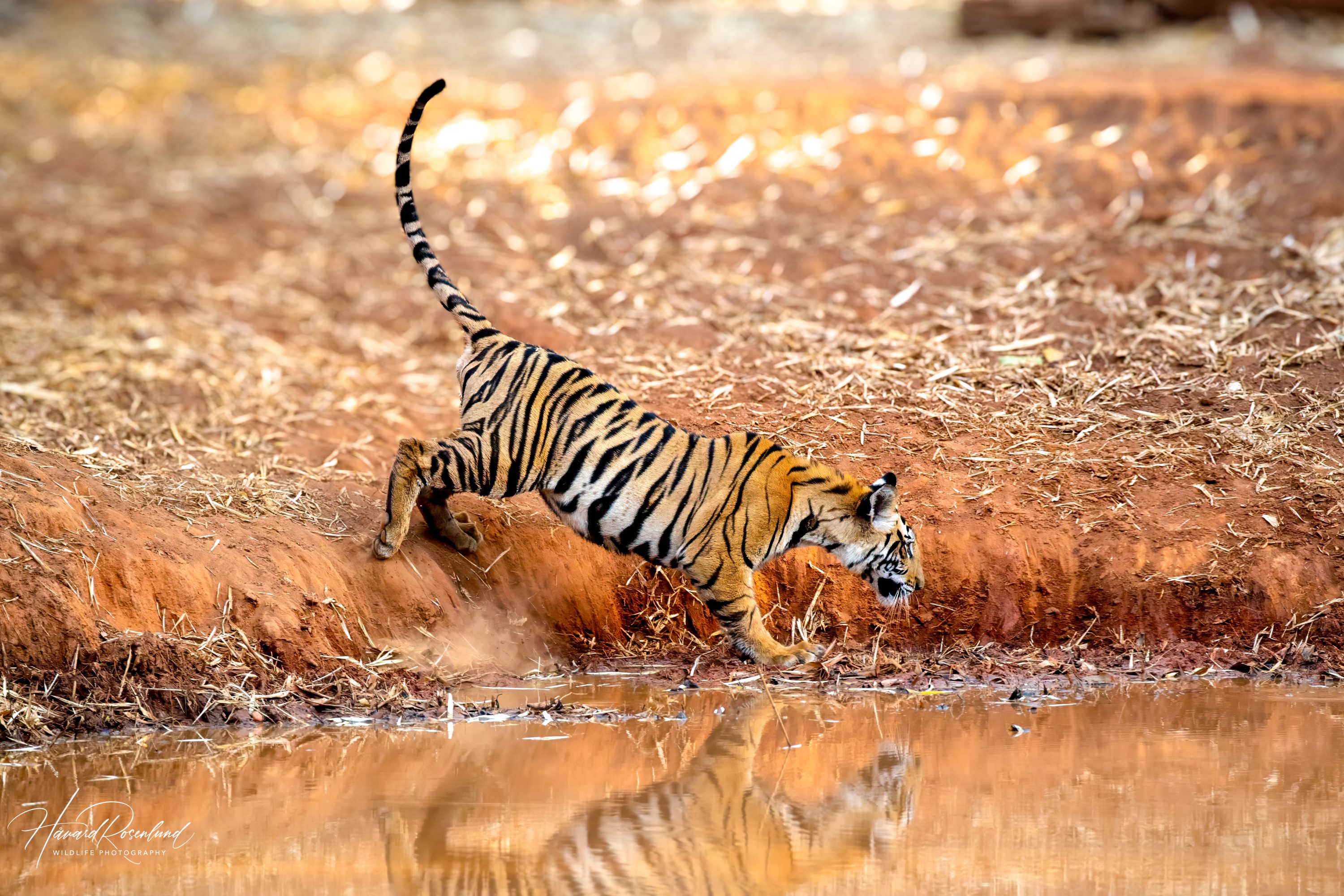
Activity patterns are flexible. Tigers are often most active at dusk, at night and early in the morning, especially where human activity is high, but they can move at any time of day. In protected areas where people are not perceived as a direct threat, individuals may regularly use roads and open tracks even in daylight. Tigers are also strong swimmers and readily cross rivers and channels; in warm regions they may rest in water for long periods.
Home ranges
Female tigers maintain home ranges that provide sufficient prey, water and safe places to raise cubs, while males use larger areas that can overlap those of one or more females. The contrast between regions can be enormous because prey density and distribution determine how much space a tiger needs.
In prey-rich Chitwan National Park in Nepal, female home ranges of about 10–39 km² and male ranges of 30–105 km² have been recorded. This is similar to the pattern in prey-rich reserves of central India, where territories can be remarkably small. In sharp contrast, a study published in 2010 from Sikhote-Alin in the Russian Far East found average home ranges of around 390 km² for female Amur tigers and 1,385 km² for males. These enormous ranges, typical of the northern population, reflect a landscape where ungulates are much less abundant and more seasonally distributed.
Young tigers eventually leave their mother's range and must find space of their own. Males usually disperse farther than females and may move through heavily human-modified landscapes. Secure habitat corridors are therefore essential for dispersal and genetic exchange between breeding populations.
Interspecific competition
Tigers share much of their range with other large carnivores, especially leopards (Panthera pardus) and dholes (Cuon alpinus). All three depend heavily on ungulates, but can coexist by differing to some degree in prey size, habitat use, activity and which parts of the landscape they use.
The tiger is usually the dominant competitor. Leopards may shift towards smaller prey, denser cover, edge habitats or different activity periods where tiger density is high, while dholes may alter both pack size and space use in response to tigers. Direct competition also occurs around carcasses, and tigers may take kills from both dholes and leopards.
The relationship is strongly shaped by prey abundance. Where large prey are plentiful, the species can overlap extensively; where food is scarcer, competition increases and leopards and dholes more often change their behaviour or avoid parts of a tiger's range.
Reproduction
Reproduction can occur throughout the year, although timing differs among regions. Gestation lasts about 103 days and litters contain one to five cubs. Long-term studies from Chitwan found that females produced their first litter at an average age of about 3.4 years, while males began reproducing at about 4.8 years on average, illustrating the relatively slow life history of such a large carnivore.
Cubs are born blind and completely dependent on their mother. Their eyes open after roughly one to two weeks. At around six weeks they can begin eating small amounts of meat while still nursing, and weaning is usually completed at about six months. They gradually follow their mother more as they grow.
Young tigers usually become independent at around 18–28 months and must then establish home ranges of their own. Infanticide—when an incoming male kills cubs that are not his—is an important cause of cub mortality in some populations. Floods, fire, accidents and other causes also contribute.
The video below shows two roughly eight-month-old female cubs playing around a waterhole in Bandhavgarh National Park while their mother rested in dense vegetation nearby. Play develops coordination and stalking and attack skills that later become important in hunting.
Cultural significance
The tiger has been a powerful symbol in Asian art, religion and folklore for centuries. India declared the Bengal tiger its national animal in 1972, and the tiger is also the national animal of Bangladesh. Its cultural importance therefore extends far beyond conservation and is closely tied to national identity in parts of South Asia.
In Hindu art, the goddess Durga is often shown riding a tiger, where the animal expresses formidable divine power. In Chinese culture, the tiger is one of the twelve zodiac animals and has long symbolised strength, courage and protection; in historical art it also appears as a king of beasts and a guardian against evil forces. These traditions have made the tiger one of Asia's most recognisable animal symbols.
Relationship with humans
Tigers and people share landscapes across much of Asia. Tigers usually avoid people when they can, but occasionally take livestock and, much more rarely, humans. Conflict is greatest where dispersing young animals move through villages, farmland and transport corridors or where livestock are easily available.
Conflicts can be reduced through rapid response, better livestock protection, fair compensation and safe movement corridors. Such measures reduce the risk that encounters between tigers and people end in retaliatory killing.
The relationship between tigers and people also has a long history of targeted hunting and persecution. Historical hunting and bounty records indicate that more than 80,000 tigers were killed across the Indian subcontinent between 1875 and 1925. Together with extensive habitat change, this contributed to the dramatic decline that later made the tiger one of Asia's most important conservation symbols.
India also shows that tigers can persist in landscapes with many people when protected areas with healthy tiger populations remain connected to other suitable habitat. A study published in 2025, based on two decades of national monitoring, found that the area where tigers were recorded had expanded by about 30%. Tigers remained strongest in prey-rich protected areas but also spread into connected landscapes shared with tens of millions of people. Populations recovered least in areas affected by extensive land-use change, armed conflict and poverty, where effective protection was harder to maintain.
Voluntary relocation of villages from important core areas remains part of tiger management in some Indian reserves. Families that choose to relocate are entitled to compensation and support in establishing themselves elsewhere. During my visits to tiger reserves in India in 2023, such measures and the relationship between tiger conservation and local communities were a visible part of reserve management.
Status
The tiger is classified as endangered on the IUCN Red List. The 2022 assessment estimated 3,726–5,578 tigers excluding cubs, with a mean estimate of about 3,140 mature individuals. Breeding tiger populations remain in ten countries. Over the past three generations the species has lost more than half of its occupied range, and IUCN estimates that the population has fallen by more than 50%.
The IUCN Green Status assesses how far a species is from full recovery across its natural range. The tiger is classified as Critically Depleted, with a Species Recovery Score of only 14%. This shows both that past conservation has prevented a much greater loss and that the tiger is still far from recovering its former ecological role across its range.
Threats
Poaching and illegal trade remain major threats, together with habitat loss and fragmentation and declines in wild prey. Roads, railways, settlements, logging and agricultural expansion can separate tiger populations and make it harder for dispersing tigers to reach other areas and establish new territories.
Small, isolated populations lose genetic diversity more easily and face a greater risk of local extinction. Tigers are also killed in retaliation after livestock losses or dangerous encounters, especially where conflict between people and tigers is poorly managed.
Conservation
Project Tiger was launched in India in April 1973 with nine tiger reserves. A national count at the time estimated about 1,827 tigers. The figure is not directly comparable with modern estimates because the methods were very different, but the programme laid the foundation for India's modern reserve network and national tiger management.
Today, India holds the world's largest national tiger population. The All India Tiger Estimation for 2022 gave a mean estimate of 3,682 tigers, with a range of 3,167–3,925, up from 2,967 in 2018. India now has 58 tiger reserves, but a substantial proportion of the country's tigers live outside reserve boundaries. Protecting corridors, forests and other suitable habitat outside reserves is therefore as important as protecting the reserves themselves.
Recovery is highly uneven across the tiger's range. Populations have grown or returned in parts of India, Nepal, Bhutan, China and Russia, while several populations in Southeast Asia remain extremely small or have disappeared entirely. The recovery of the Amur tiger in the Russian Far East, followed by renewed expansion into northeastern China, is one of the clearest regional success stories, although the population still depends on large connected forests, healthy prey populations and effective anti-poaching enforcement. Other priorities include protecting breeding females, rebuilding wild prey populations, suppressing illegal trade, maintaining connections between populations so tigers can disperse and genes can continue to flow between them, and reducing conflict with local communities.
Kazakhstan is now carrying out one of the most ambitious reintroduction programmes by returning tigers to the Ili–Balkhash region, where the Caspian tiger disappeared during the twentieth century. Two tigers from a Dutch conservation centre arrived in 2024, and four wild-caught Amur tigers from Russia arrived in 2026. On 31 July 2026, the female Amur tiger Ümit was released into the wild at Ile-Balkhash, becoming the first free-ranging tiger in Kazakhstan in more than 70 years. She is being monitored with a GPS/GSM collar and camera traps. The male Amur remains under evaluation for later release, while the two cubs Turan and Ussuri are kept in a separate area with minimal human contact. The Dutch pair Bogdana and Kuma remain part of the breeding programme. The project is possible because genetic studies show that the extinct Caspian tiger was very closely related to the living Amur tiger population.
Conservation organizations



Image gallery
Loading map and observations…
Have you seen this species?
Independent species archive
Did you find this species page useful?
Wildlife Vagabond is independently built and maintained. Voluntary support helps cover hosting, maps, data storage and continued improvements to the species archive.
Support Wildlife VagabondSpecies content will remain freely available.
References
- Driscoll, C. A., Yamaguchi, N., Bar-Gal, G. K., Roca, A. L., Luo, S., Macdonald, D. W., & O'Brien, S. J. (2009). Mitochondrial Phylogeography Illuminates the Origin of the Extinct Caspian Tiger and Its Relationship to the Amur Tiger. PLoS ONE, 4(1), e4125. https://doi.org/10.1371/journal.pone.0004125
- Goodrich, J. M., Miquelle, D. G., Smirnov, E. N., Kerley, L. L., Quigley, H. B., & Hornocker, M. G. (2010). Spatial structure of Amur (Siberian) tigers (Panthera tigris altaica) on Sikhote-Alin Biosphere Zapovednik, Russia. Journal of Mammalogy, 91(3), 737-748. https://doi.org/10.1644/09-MAMM-A-293.1
- Gour, D. S., Bhagavatula, J., Bhavanishankar, M., Reddy, P. A., Gupta, J. A., Sarkar, M. S., Hussain, S. M., Harika, S., Gulia, R., & Shivaji, S. (2013). Philopatry and Dispersal Patterns in Tiger (Panthera tigris). PLoS ONE, 8(7), e66956. https://doi.org/10.1371/journal.pone.0066956
- Government of Bangladesh. (n.d.). Bangladesh Tiger Action Plan 2018–2027. https://bfis.bforest.gov.bd/library/wp-content/uploads/2018/10/Bangladesh-Tiger-Action-Plan_2018-2027.pdf
- Government of India. (2025). Census on tigers, elephants and lions. https://www.pib.gov.in/PressReleasePage.aspx?PRID=2147750&lang=2®=48
- Government of India. (n.d.). Tiger as India's national animal. https://www.pib.gov.in/PressReleasePage.aspx?PRID=2290233&lang=1®=48
- Government of Kazakhstan. (2026). Amur tigers delivered to Ile-Balkhash for reintroduction. https://www.gov.kz/memleket/entities/ecogeo/press/news/details/1229555?lang=ru
- International Union for Conservation of Nature. (2022). Panthera tigris. The IUCN Red List of Threatened Species. https://www.iucnredlist.org/species/15955/214862019
- IUCN SSC Cat Specialist Group. (n.d.). Tiger Panthera tigris: current taxonomy, status, ecology and conservation. https://www.catsg.org/living-species-tiger
- Jhala, Y. V., Mungi, N. A., Gopal, R., & Qureshi, Q. (2025). Tiger recovery amid people and poverty. Science, 387(6733), 505-510. https://doi.org/10.1126/science.adk4827
- Karanth, K. U., Nichols, J. D., Kumar, N. S., Link, W. A., & Hines, J. E. (2004). Tigers and their prey: Predicting carnivore densities from prey abundance. Proceedings of the National Academy of Sciences, 101(14), 4854-4858. https://doi.org/10.1073/pnas.0306210101
- Karanth, K. U., Srivathsa, A., Vasudev, D., Puri, M., Parameshwaran, R., & Kumar, N. S. (2017). Spatio-temporal interactions facilitate large carnivore sympatry across a resource gradient. Proceedings of the Royal Society B: Biological Sciences, 284(1848), 20161860. https://doi.org/10.1098/rspb.2016.1860
- Kerley, L. L., Mukhacheva, A. S., Matyukhina, D. S., Salmanova, E., Salkina, G. P., & Miquelle, D. G. (2015). A comparison of food habits and prey preference of Amur tiger (Panthera tigris altaica) at three sites in the Russian Far East. Integrative Zoology, 10(4), 354-364. https://doi.org/10.1111/1749-4877.12135
- Linkie, M., & Ridout, M. S. (2011). Assessing tiger–prey interactions in Sumatran rainforests. Journal of Zoology, 284(3), 224-229. https://doi.org/10.1111/j.1469-7998.2011.00801.x
- Mondol, S., Karanth, K. U., & Ramakrishnan, U. (2009). Why the Indian Subcontinent Holds the Key to Global Tiger Recovery. PLoS Genetics, 5(8), e1000585. https://doi.org/10.1371/journal.pgen.1000585
- Mongabay. (2026). Kazakhstan releases first tiger into the wild in 70 years. https://news.mongabay.com/short-article/2026/08/kazakhstan-releases-first-tiger-into-the-wild-in-70-years/
- National Tiger Conservation Authority. (n.d.). Project Tiger: history and tiger-reserve network. https://ntca.gov.in/about-us/
- National Tiger Conservation Authority. (n.d.). Tiger monitoring and conservation outside tiger reserves. https://ntca.gov.in/faqs/
- National Tiger Conservation Authority. (n.d.). Voluntary Village Relocation Program. https://ntca.gov.in/a/voluntary-village-relocation/
- Smithsonian Institution. (2017). A revised taxonomy of the Felidae. Cat News Special Issue 11. https://repository.si.edu/handle/10088/32616
- Smithsonian Institution. (n.d.). The Art and Science of Tigers. https://www.si.edu/spotlight/tigers
- Smithsonian National Museum of Asian Art. (n.d.). Tiger symbolism in Chinese culture. https://asia.si.edu/interactives/stories/stories/frances-li/index.html
- Smithsonian’s National Zoo and Conservation Biology Institute. (n.d.). Smithsonian National Zoo. Tiger: reproduction, development and natural history. https://nationalzoo.si.edu/animals/tiger
- The Metropolitan Museum of Art. (n.d.). Durga astride a tiger. https://www.metmuseum.org/art/collection/search/22747
- WildCats Conservation Alliance. (n.d.). Conservation of Amur tiger and Amur leopard. https://conservewildcats.org/
- Wildlife Institute of India. (n.d.). Status of Tigers, Co-predators and Prey in India 2022. https://v1.wii.gov.in/tiger_reports
- World Wildlife Fund. (2025). Tiger restoration in Kazakhstan. https://www.worldwildlife.org/news/stories/two-tigers-settle-into-winter-in-a-new-home/