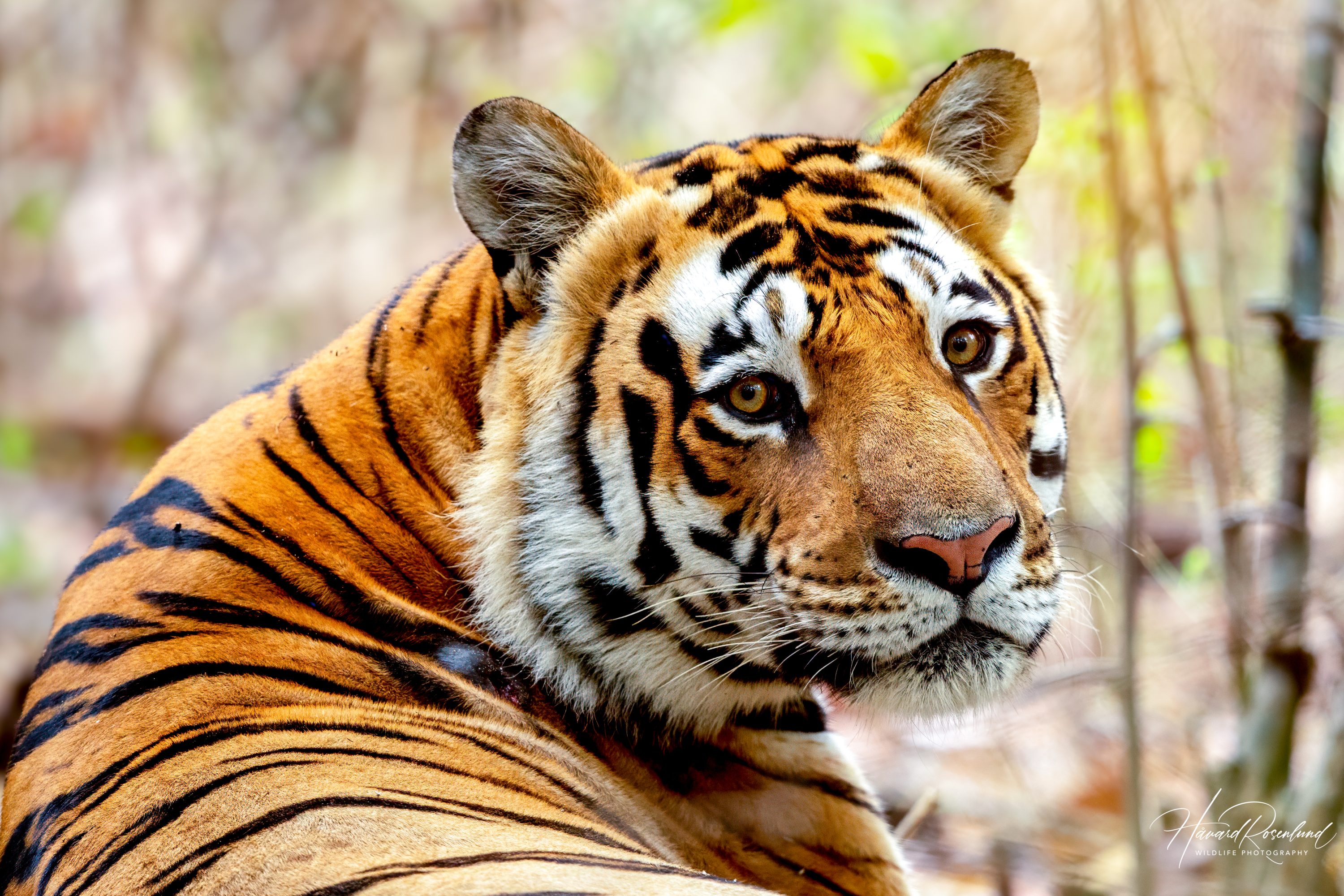
Chasing Stripes – A Quest for India’s Wild Tigers
In this article
To make a long story short, I decided (for some reason) that I couldn’t write a post about my trip to India until I had gotten the rest of my website up to speed in terms of content from previous trips and photography experiences. And that ended up being a lot (I mean A LOT) of content. Next to my full-time job as a teacher, this all just dragged on for quite some time until this very moment. Finally, my website is up to snuff, and I’m ready to tell you about my incredible journey to India!
The Tour Operator – Chinkara Journeys
We were lucky to have Saurabh as our tour leader and guide throughout our stay (I believe he has other guides running tours for him now and then). He is a top notch professional, extremely knowledgeable, has a great sense of humor, and to my luck, is a highly competent photographer and a massive birder. He gave me lots of tips on photography throughout the journey (this was my first serious outing with my equipment), and he had us stop every time he heard or saw a new bird or animal we hadn’t seen before. For me, who tries to get good photos of as many species (mainly mammals, birds and reptiles) as I possibly can when travelling, I had hit the jackpot!
Not only was he the perfect guide, his choices of accommodation was also top notch! It was set up in a very smart way, as we felt each accommodation was a step up from the one previous, even though none of them were less than great. And the food! The food was fantastic! I’ve always enjoyed Indian food, but nothing beats Indian food prepared with local ingredients in India. That in itself is almost worth a second trip!
For anyone doing a trip to India, be sure to check out his website, as he has plenty of different tours, both cultural and for wildlife. I cannot recommend him and his company enough! And if tigers are what you want, he is basically a guarantee you’ll see one (even though he would never say that).
Now, let me finally tell you about the most amazing wildlife adventure of my life (thus far)!
Bandhavgarh
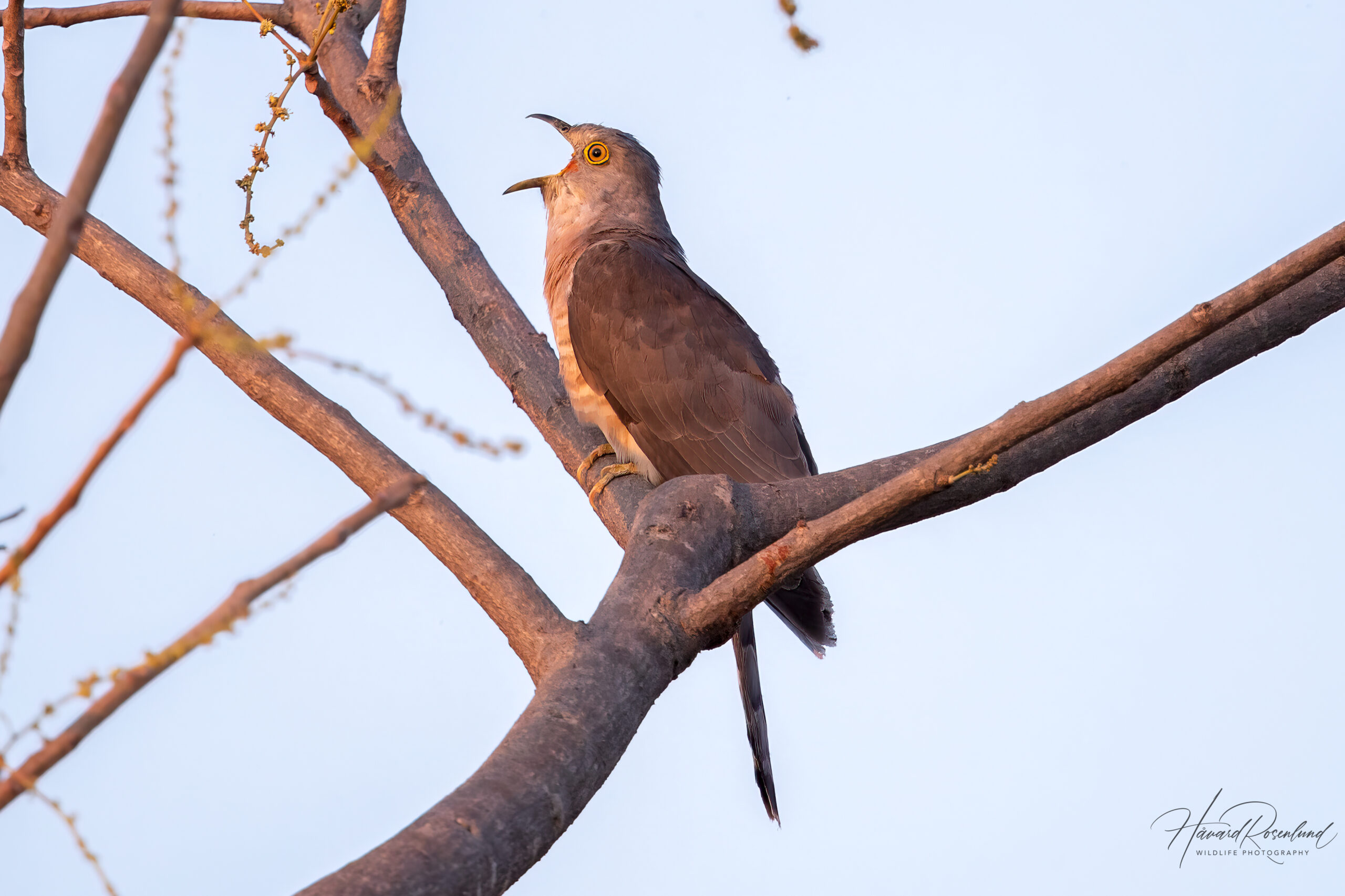
After we settled in, had dinner, and got some important info, Saurabh took Andrew, Anna, and myself out for a short birding excursion just outside of the resort premises. This was going to be a sign of what’s to come. In a short span of time, and without walking too far, I had managed to photograph a whooping 28 species! Not all great photos, but at least some good ones (like one of the common hawk-cuckoo, which would become a species we’d recognize quite well by its sound by the end of our stay). Just to top it off, a couple of golden jackals walked by around the time we headed back inside.
As you probably already know, luck was on my side this time around, and I did see tigers on this trip, but what really astonished me was how quickly it happened! We hadn’t gone far at all when we came across our very first tiger. It was a male tiger laying flat in tall grass behind some trees. To be honest, I still do not know if I actually saw him through all the vegetation, or if I just pretended to see him, but he was certainly there (as others there had seen him). It was nice having found a tiger, but it wasn’t exactly the sighting I had hoped for. Our driver and guide for the day decided to search for other (and hopefully more visible) tigers elsewhere.
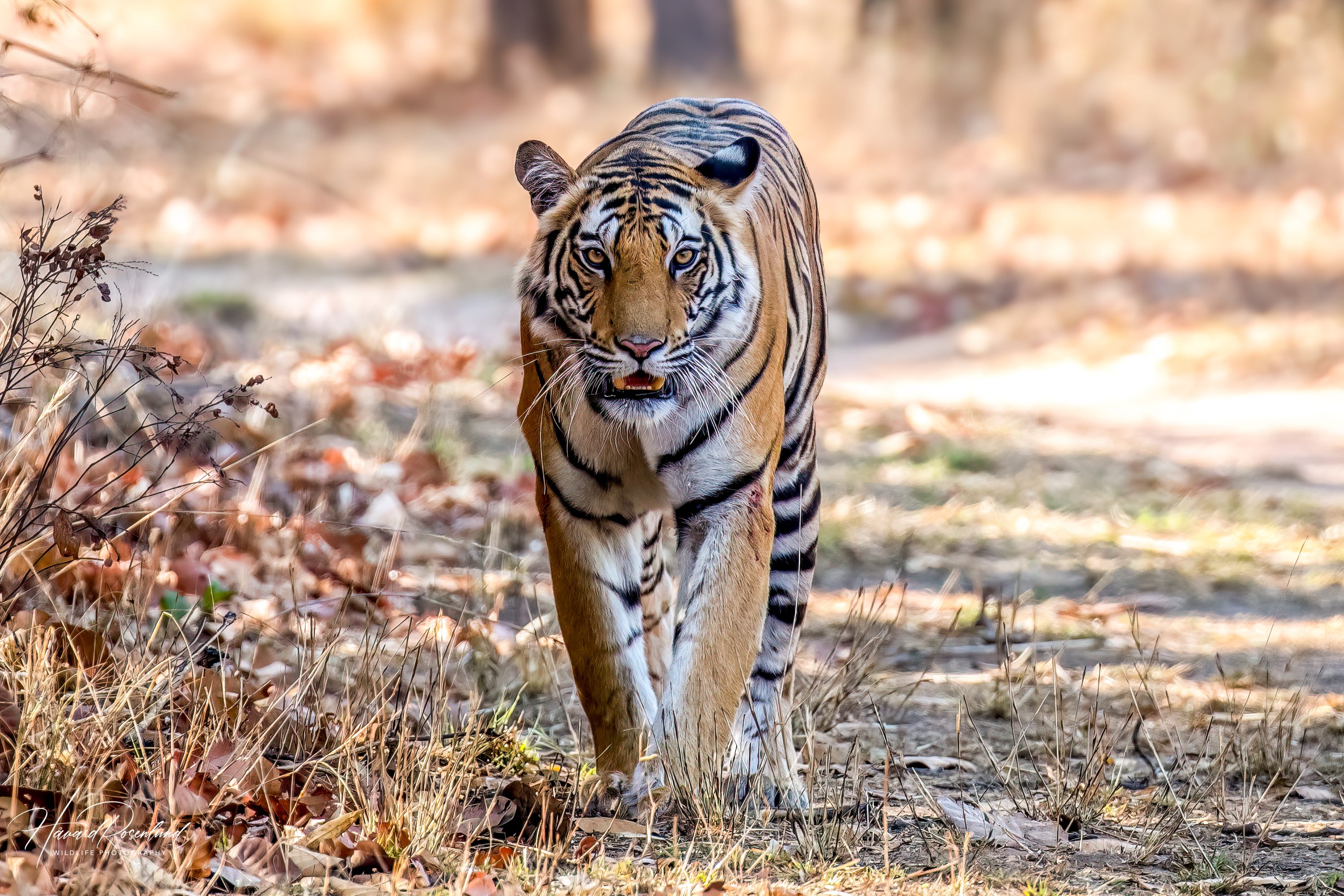
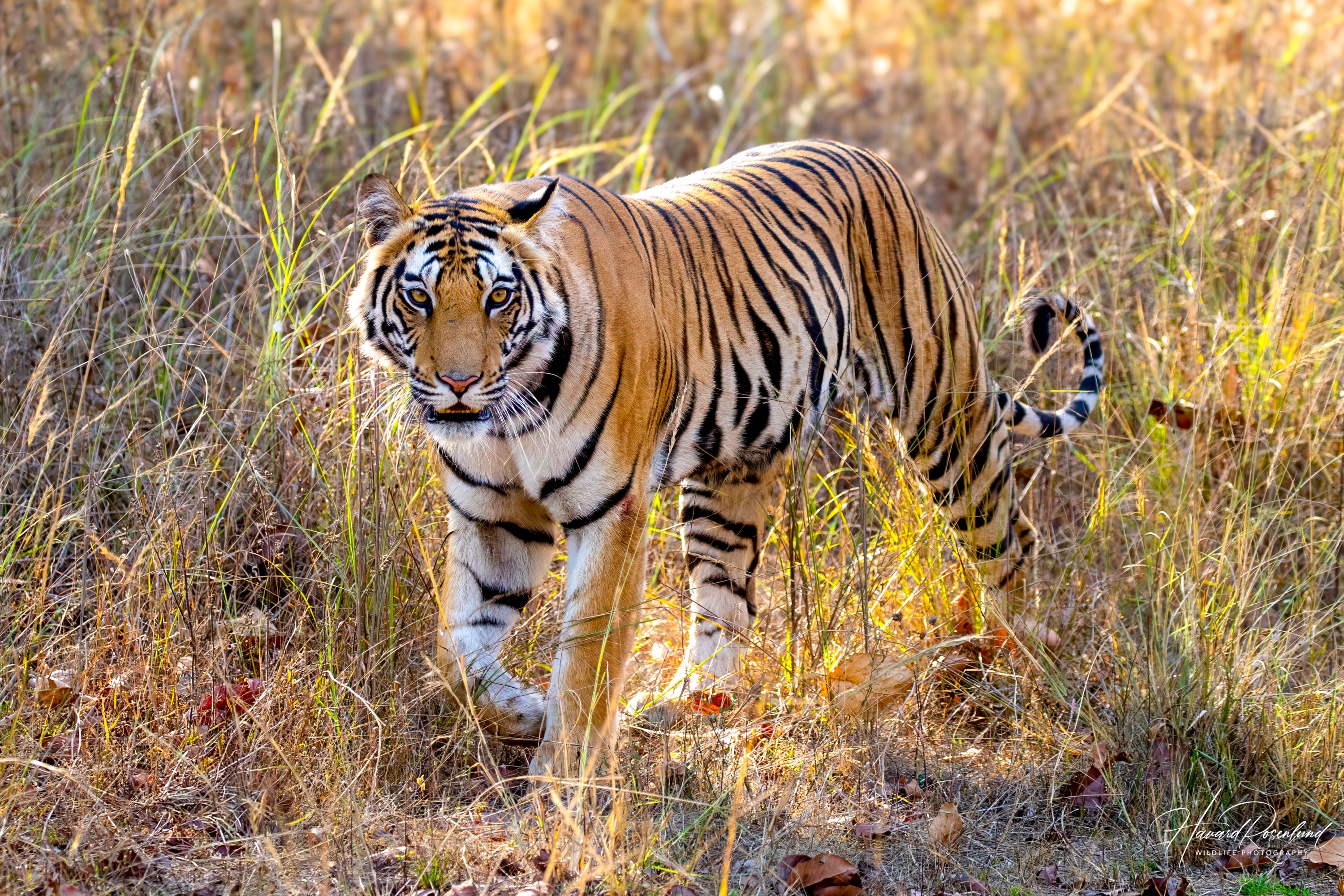
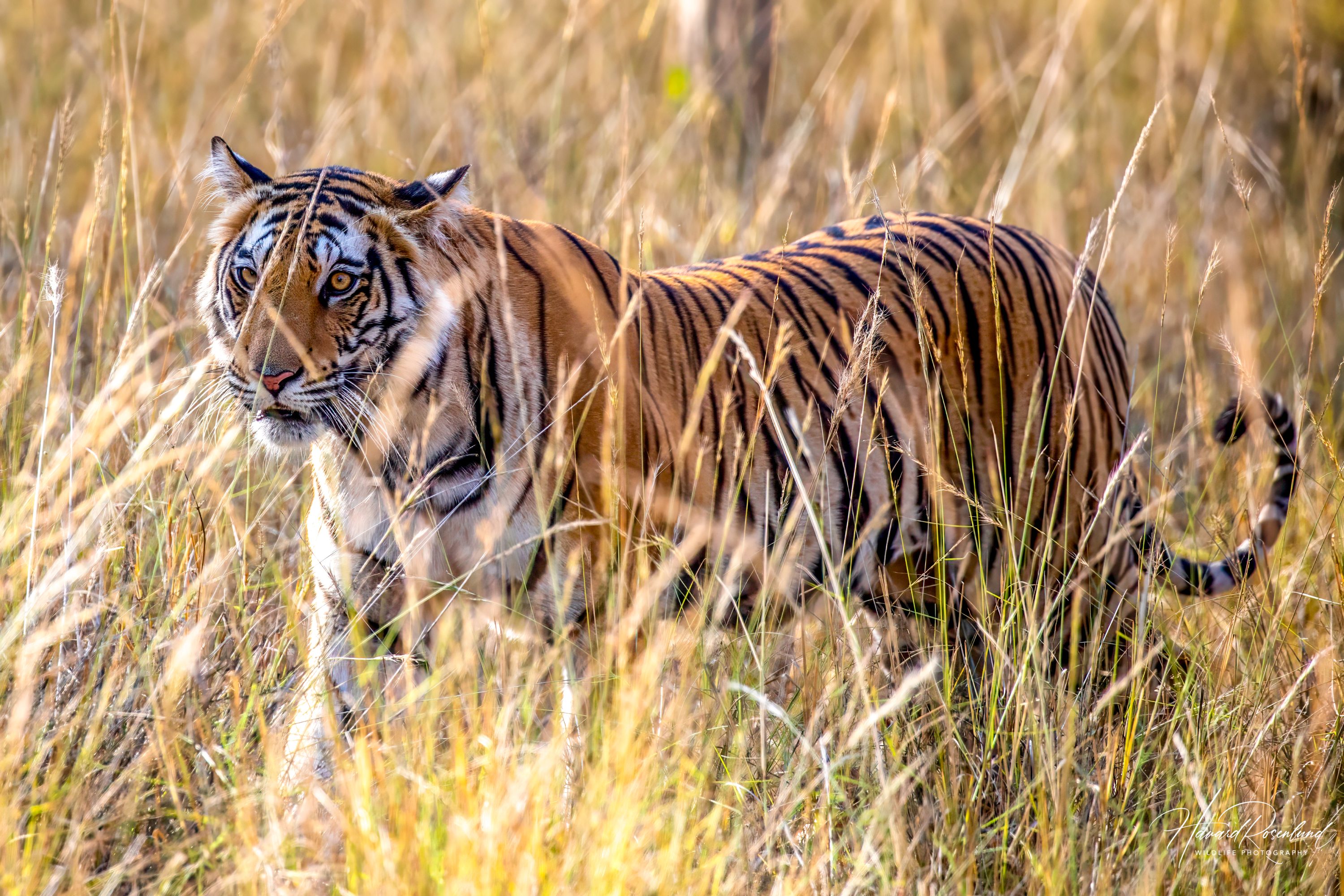
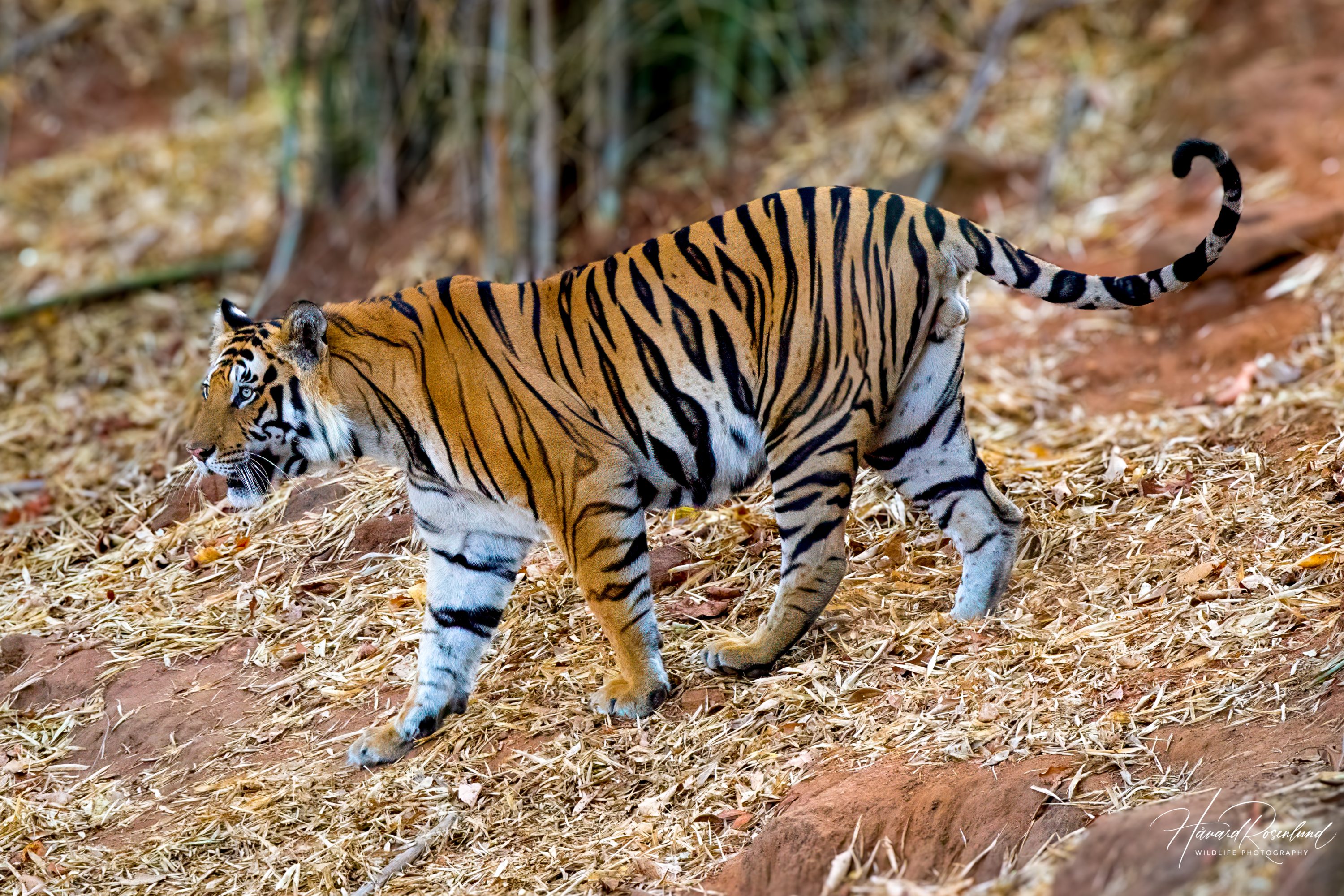
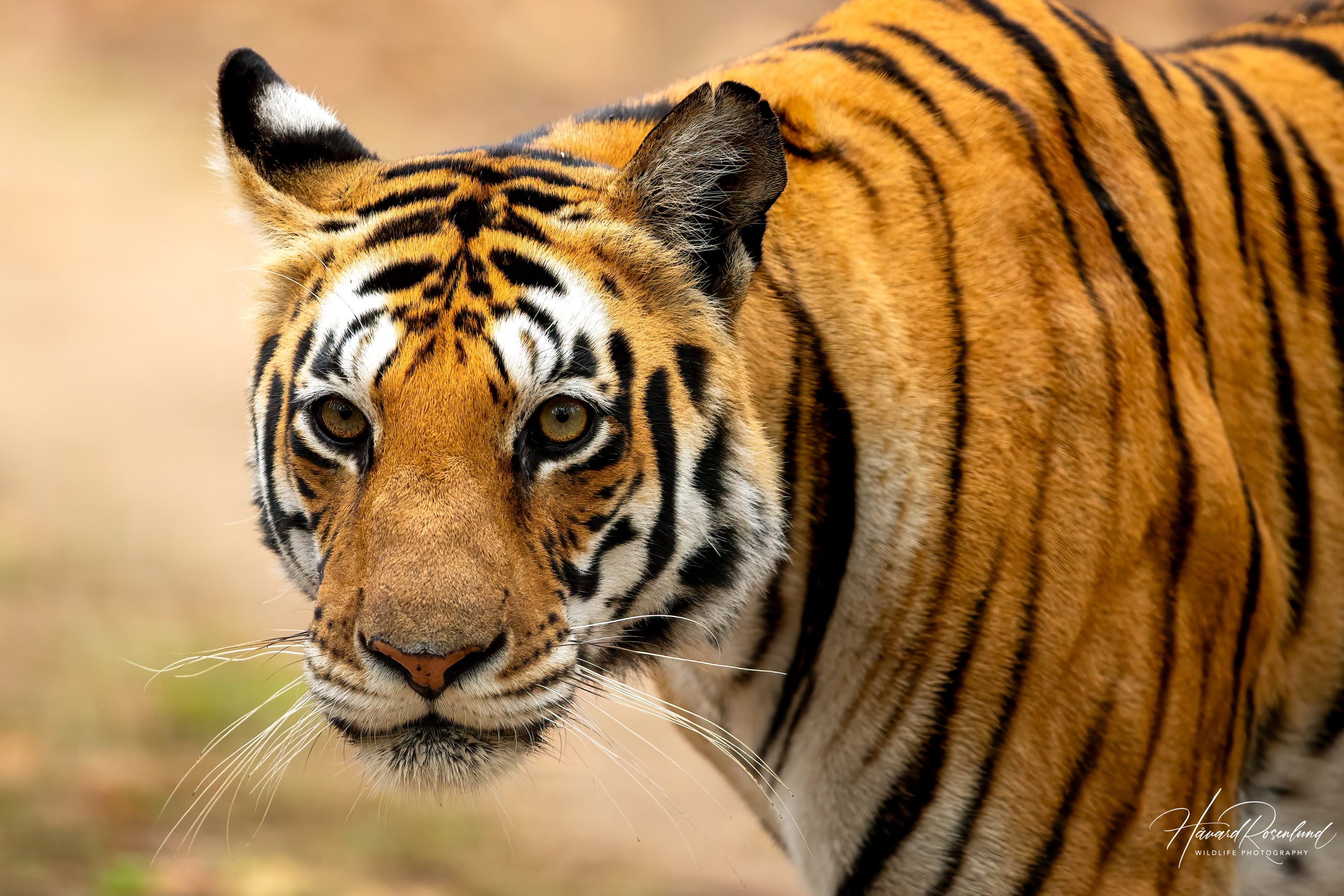
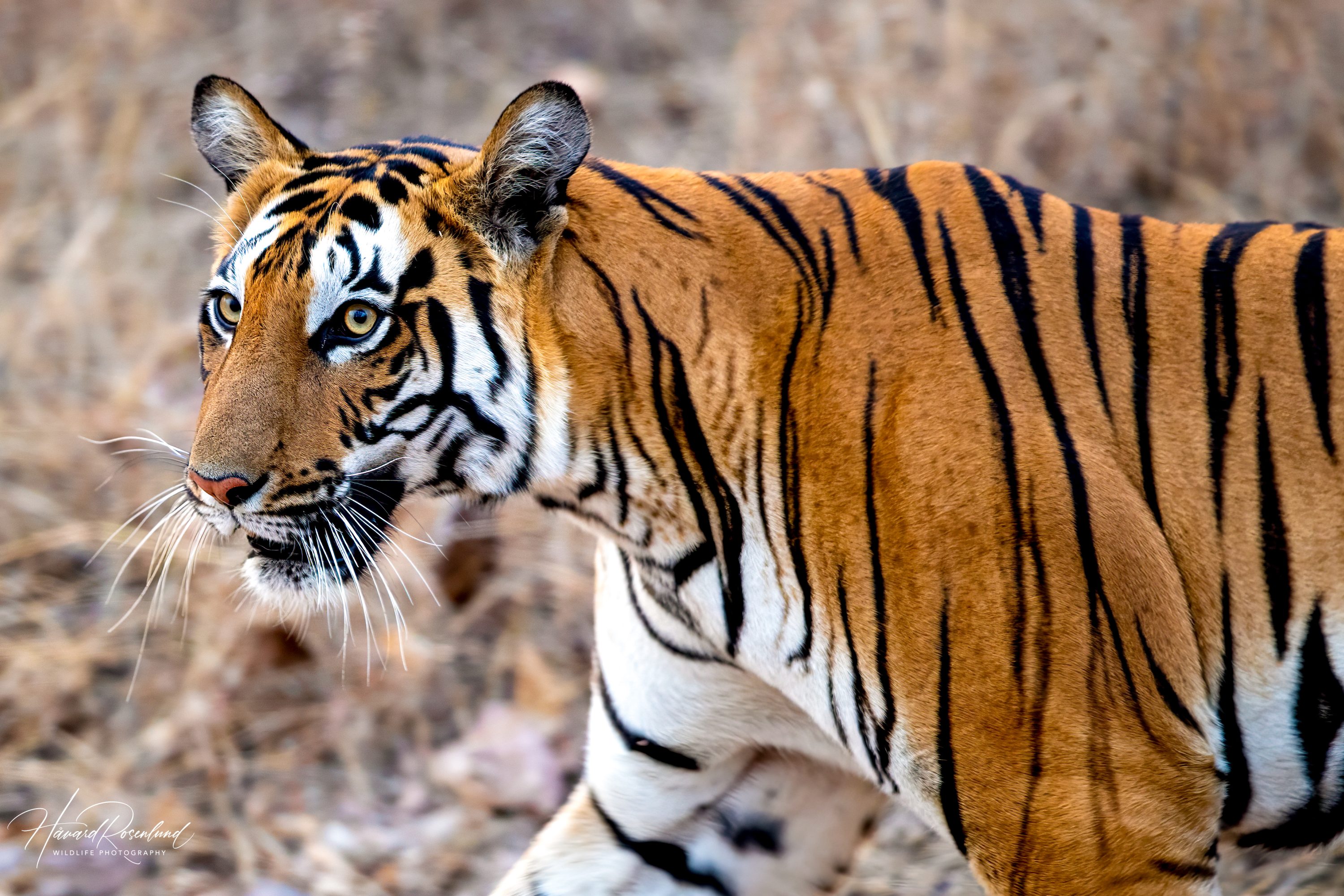
A bit further into the reserve we came across a few safari vehicles moving slowly towards us, as if they were driving in front of something behind them. We then turned a corner and were suddenly face to face with a female tiger walking down the road! I remember losing my breath in that moment. I began shaking as I fumbled to get my camera up and ready for some photos. Luckily, I managed to snap a few shots of her as she looked straight at us. It was an incredible moment, and one I had dreamt of for as long as I can remember (did I mention that my first written word as a child was “tiger”? Well, that’s how much this animal meant to me!). Our driver began backing up to give her space as she continued her walk towards us. Then he suddenly stopped and parked the car. The beautiful big cat then walked off into the grass next to the road and walked straight past us, just a few meters away. I took as many photos as I could, not knowing if I would ever experience a moment like this again.
As she disappeared into the grass, our driver turned our vehicle around and sped down towards a water hole and then parked next to it saying “she will come here”. And so we waited at the perfect spot. Just as he had said, she came out of the grass, walked along a ridge before heading down to the water. She then looked around before heading off into some very tall grass and disappeared. This time for good. I was shaking afterwards! I could tell that both Tracey and myself (it was only the two of us in the vehicle) was amazed by what had just happened, and were filled with emotions. A part of me felt like crying out of sheer joy, but it had been an explosive sighting and I felt more shell-shocked than anything else. It took a bit of time before I managed to land and get back to my senses. What an incredible start to this journey!
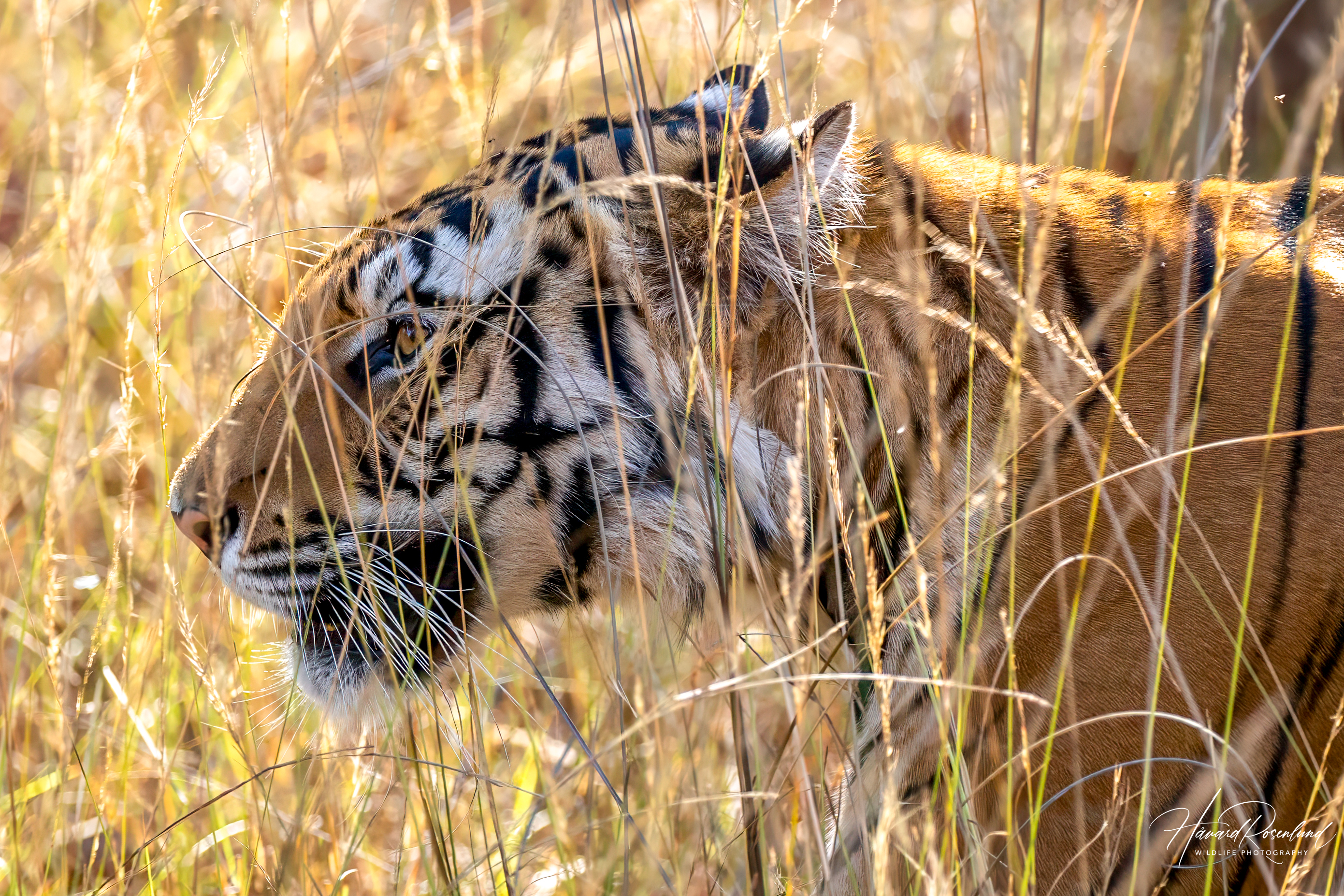
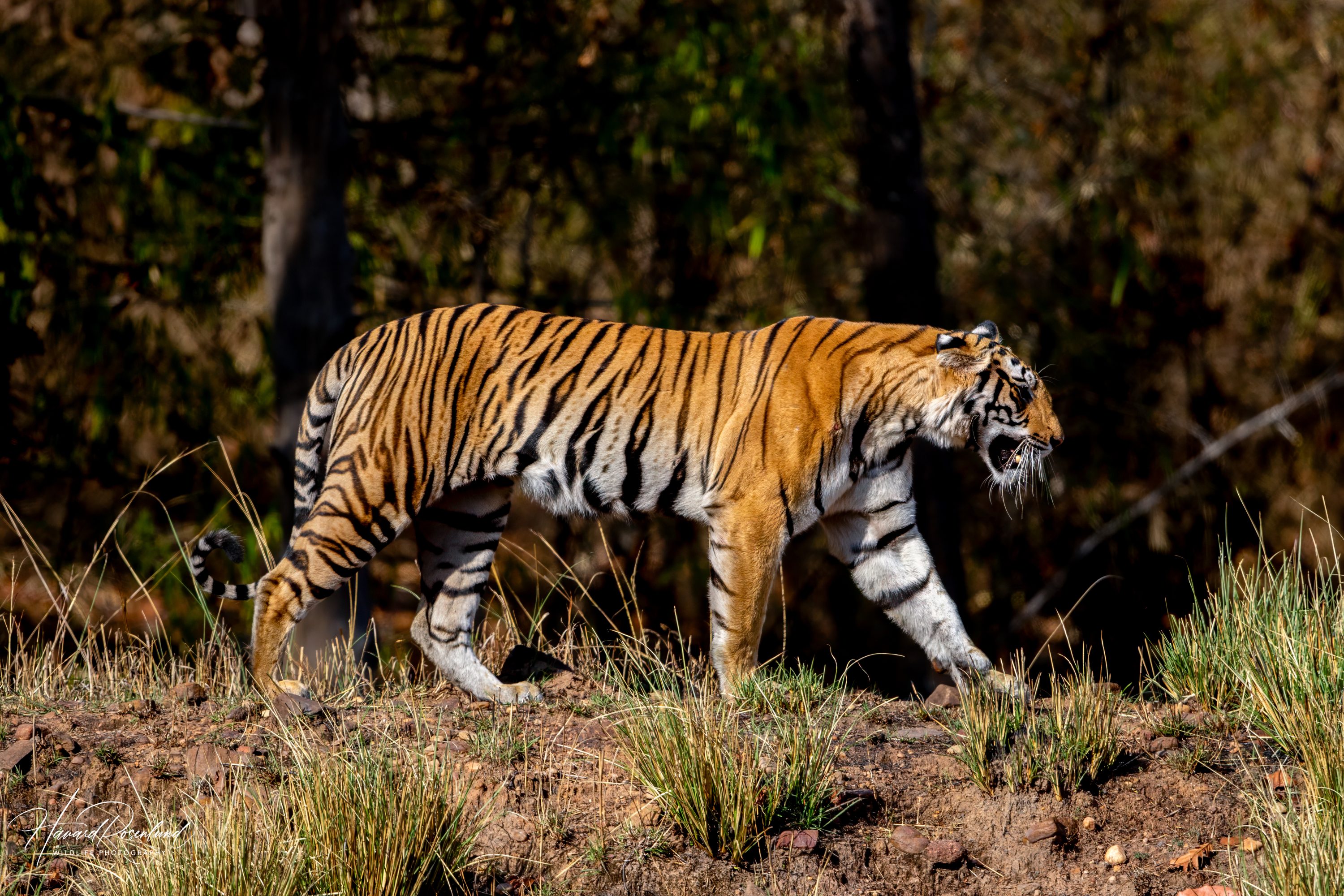
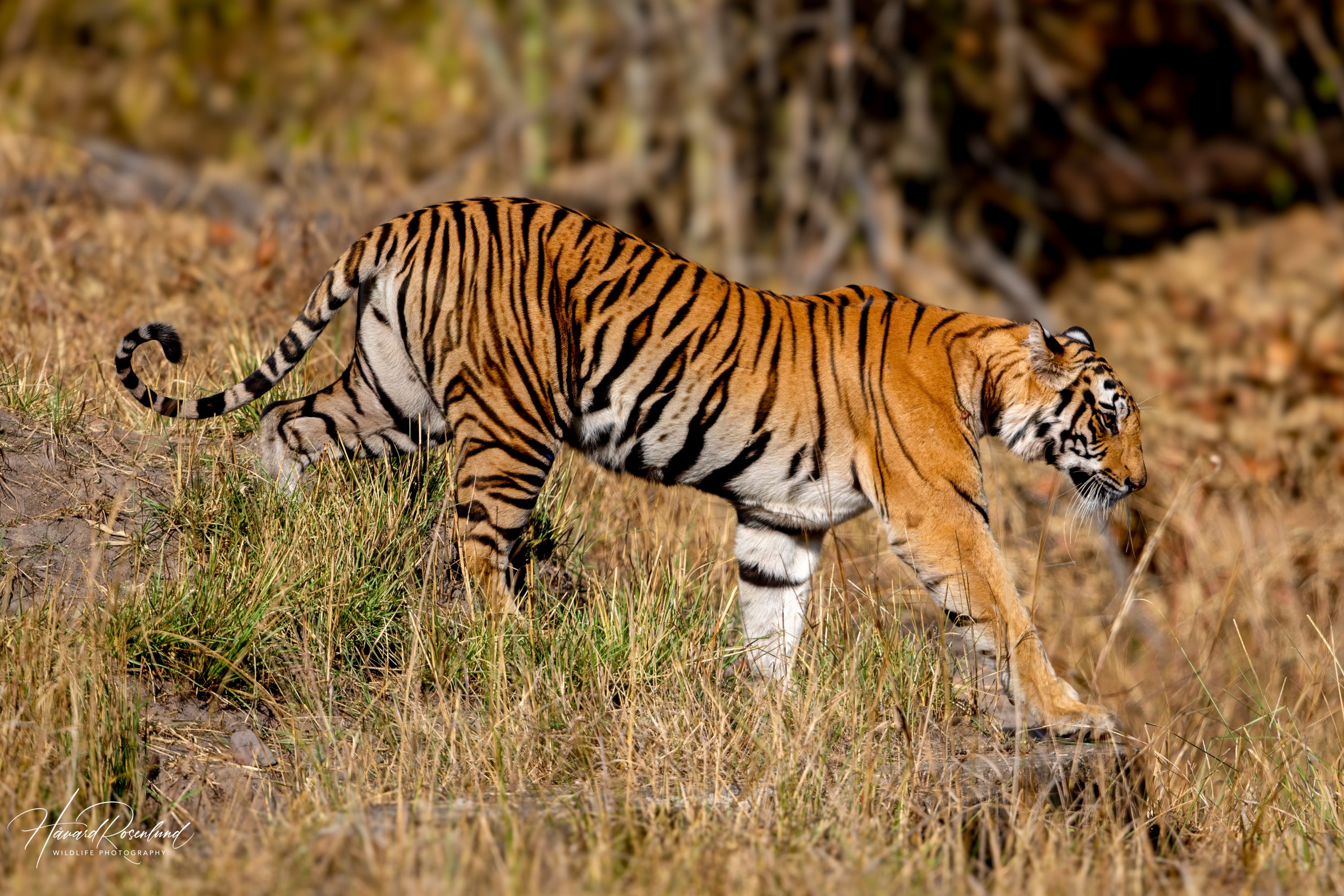
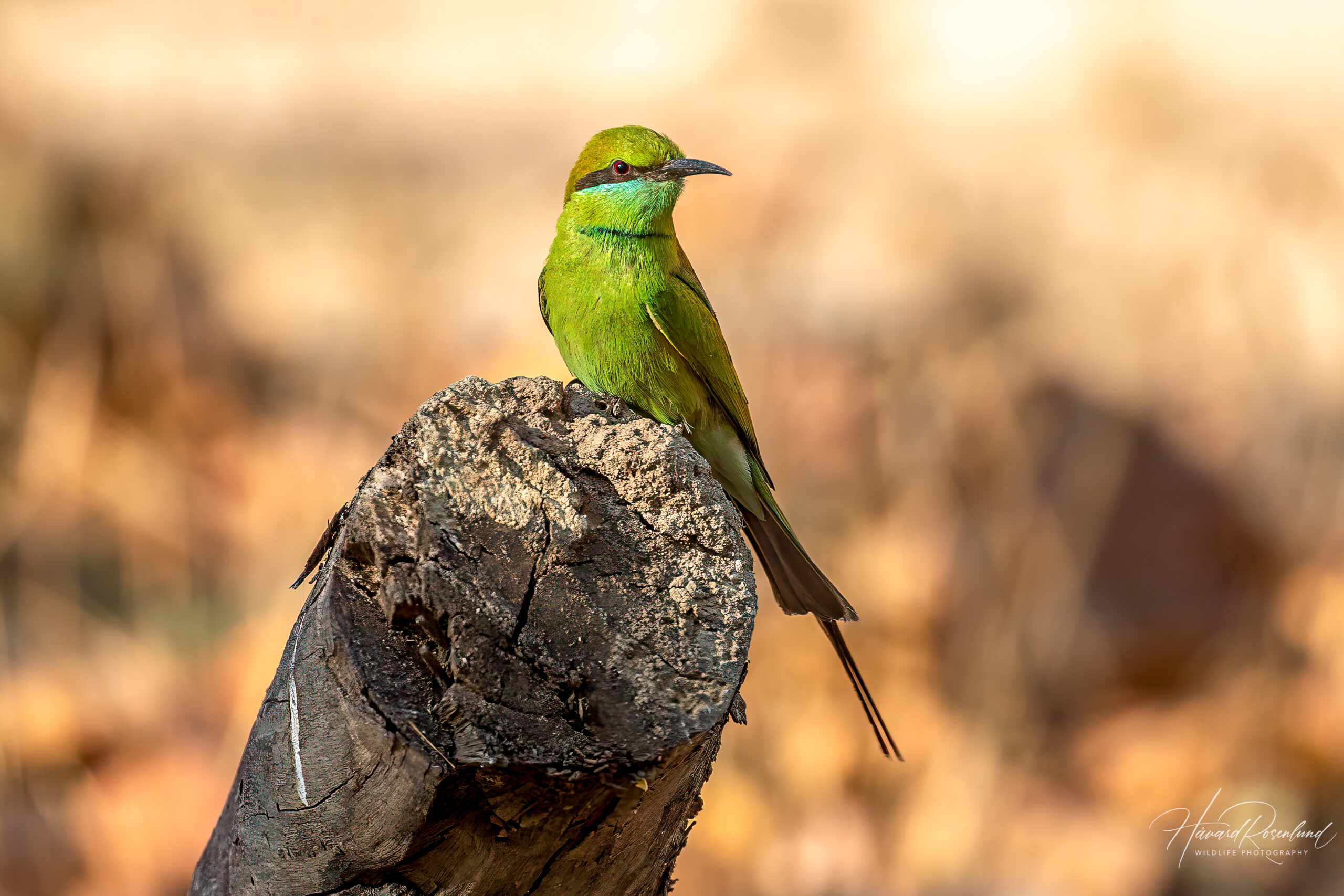
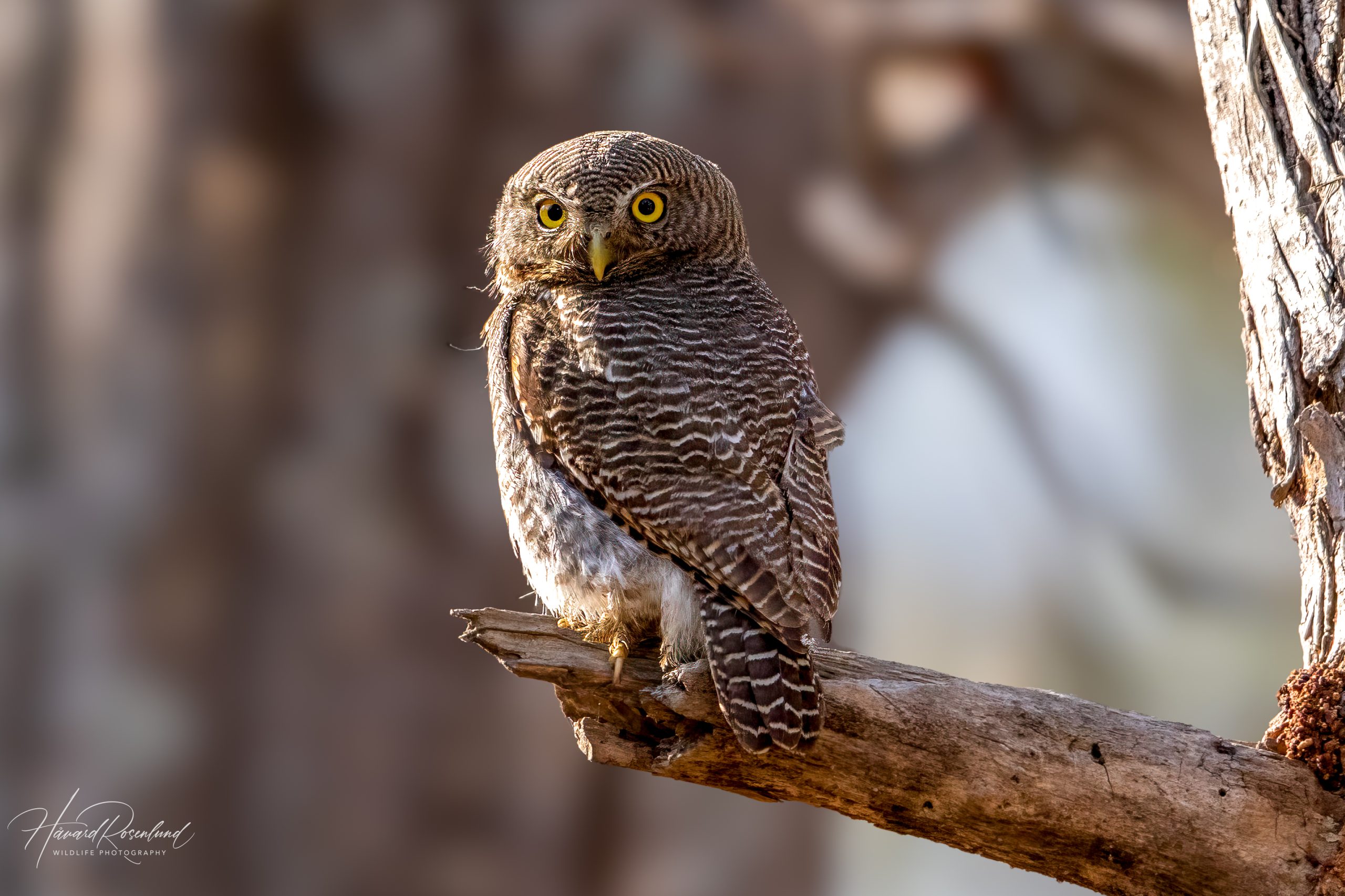
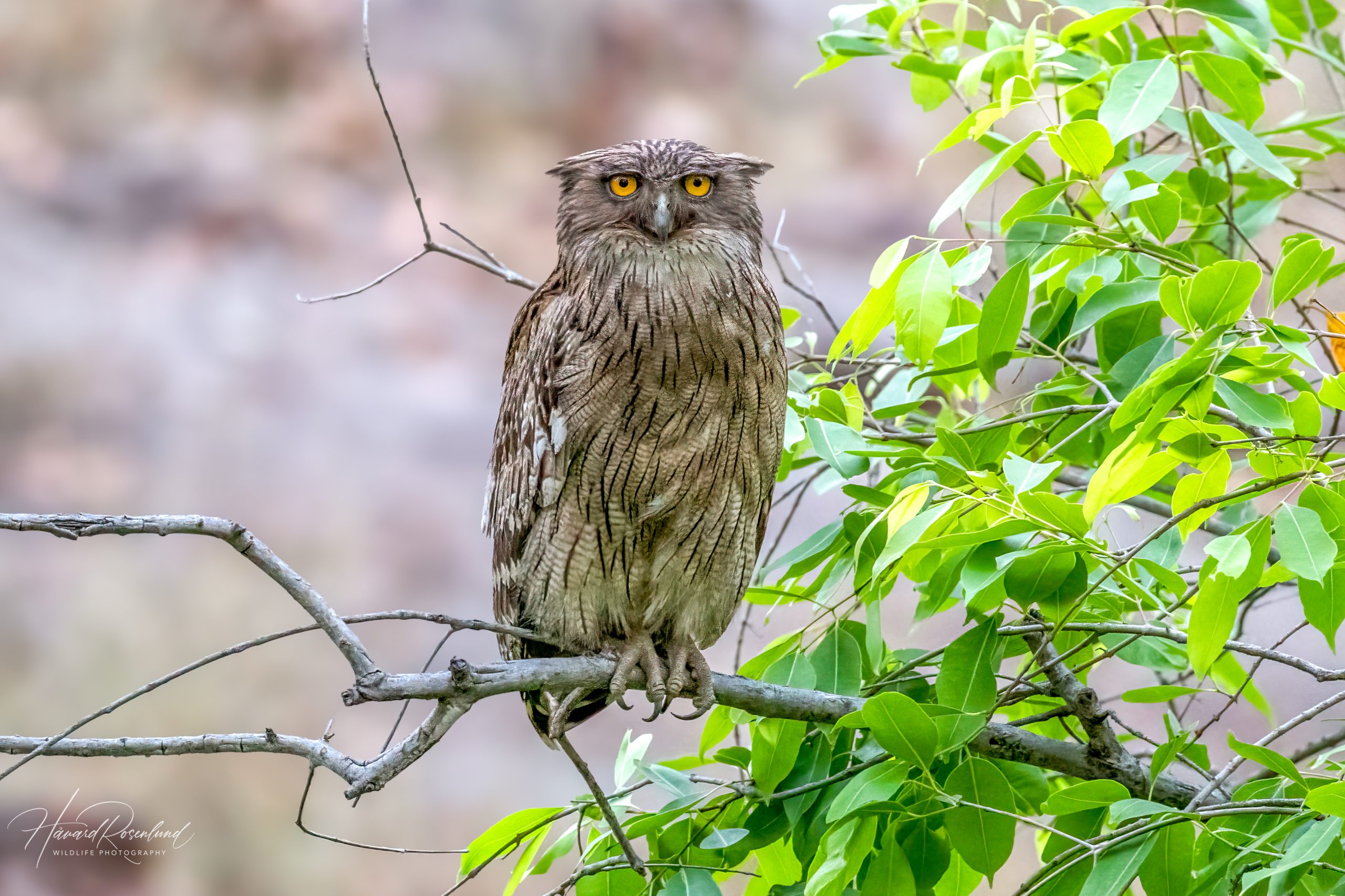
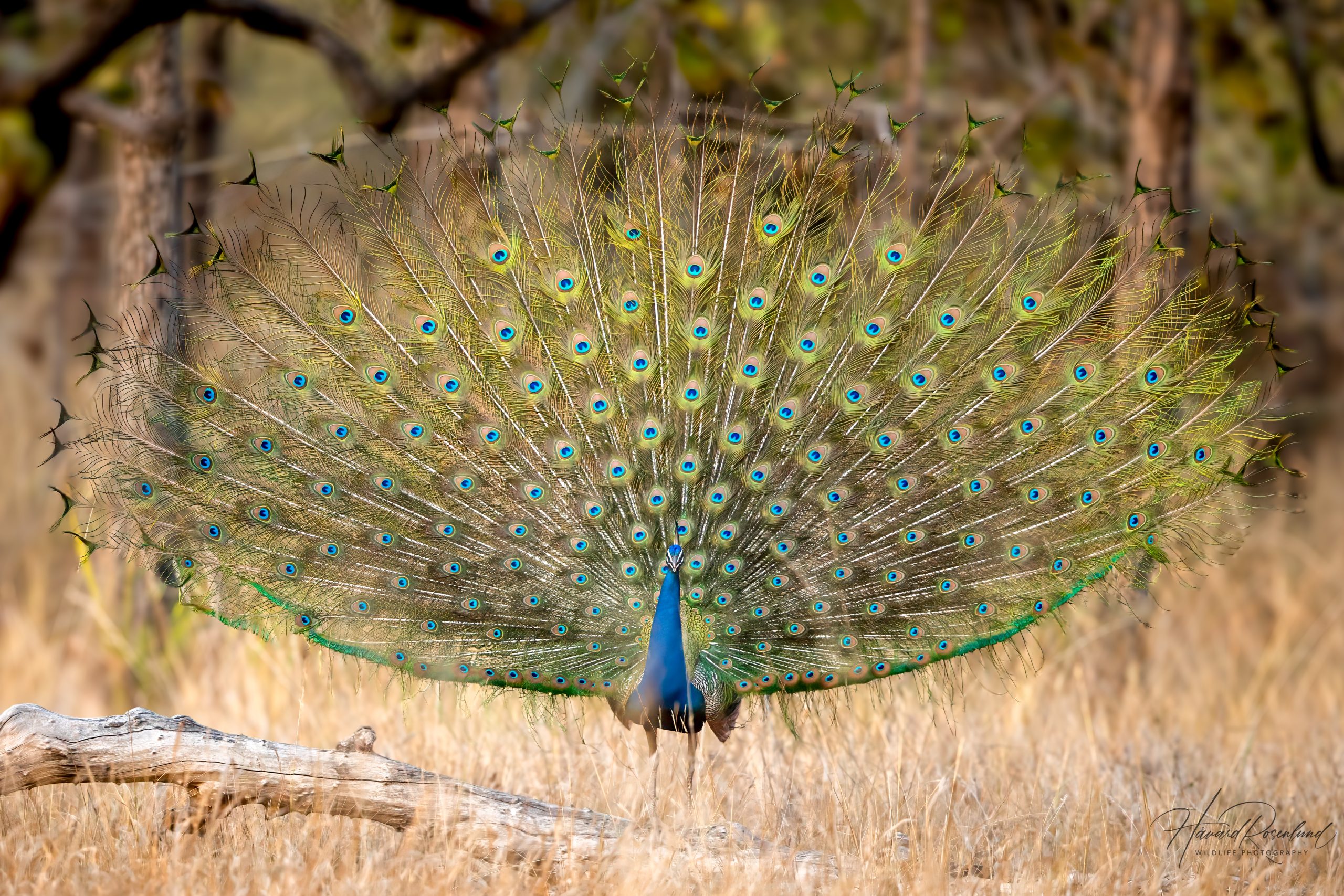
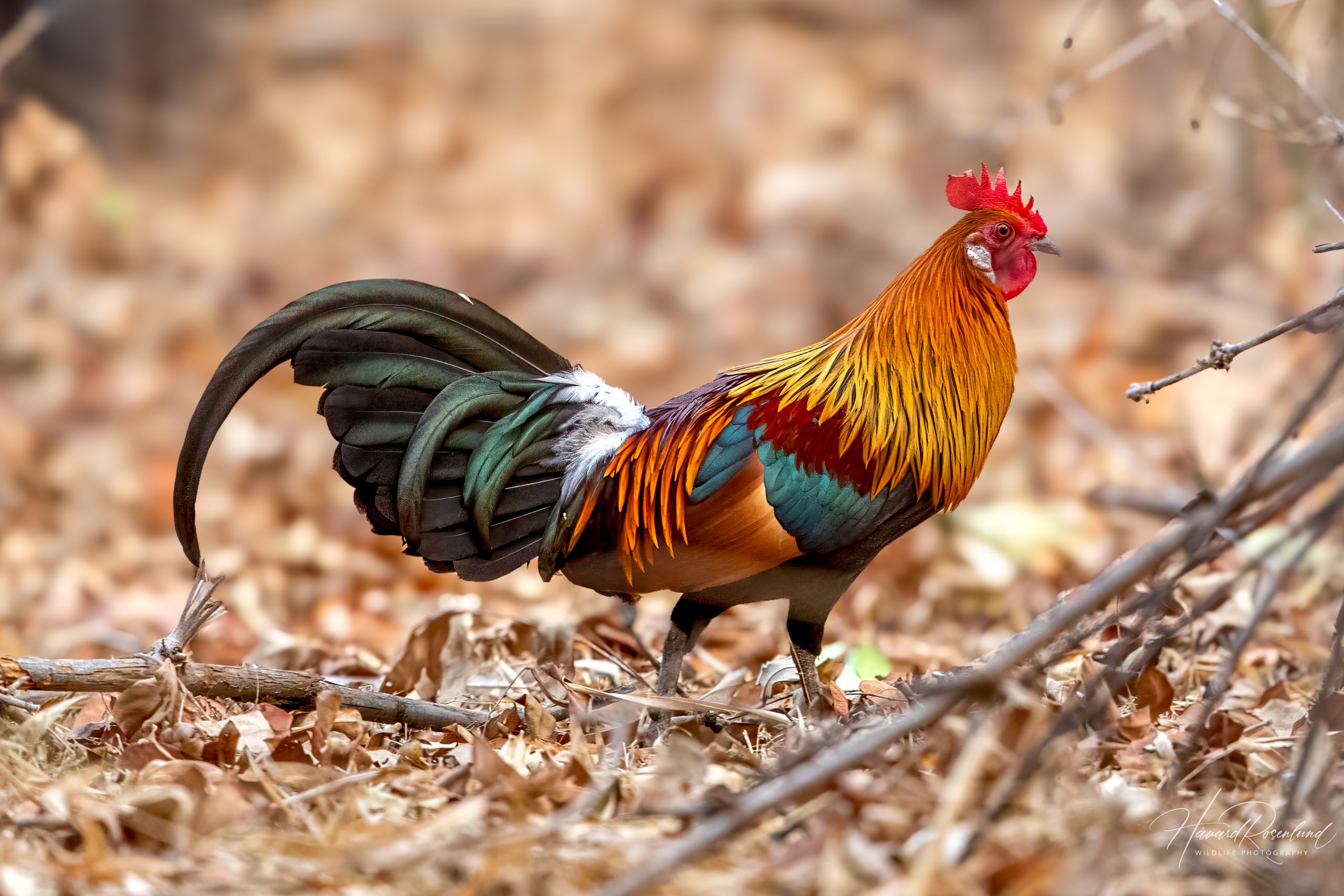
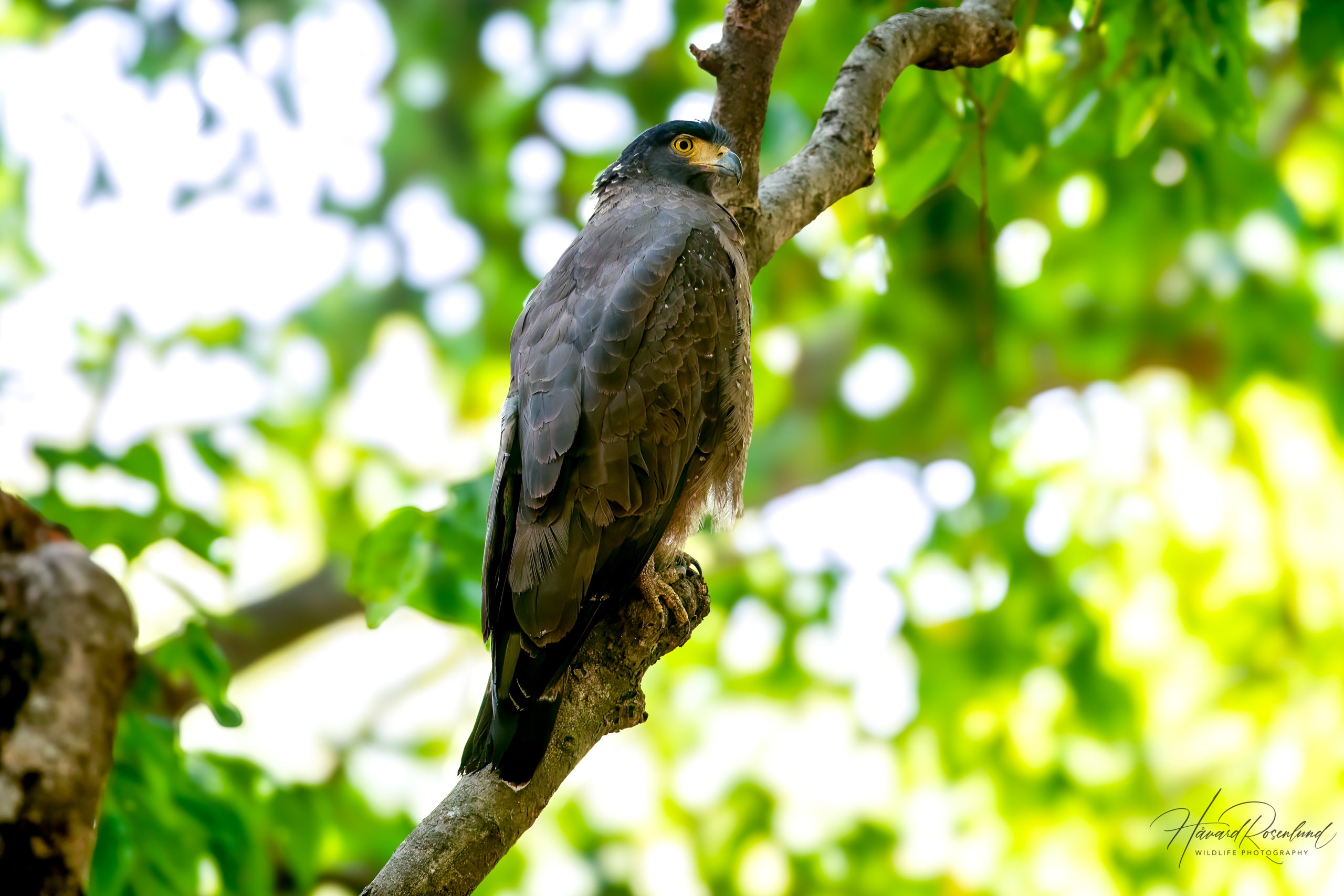
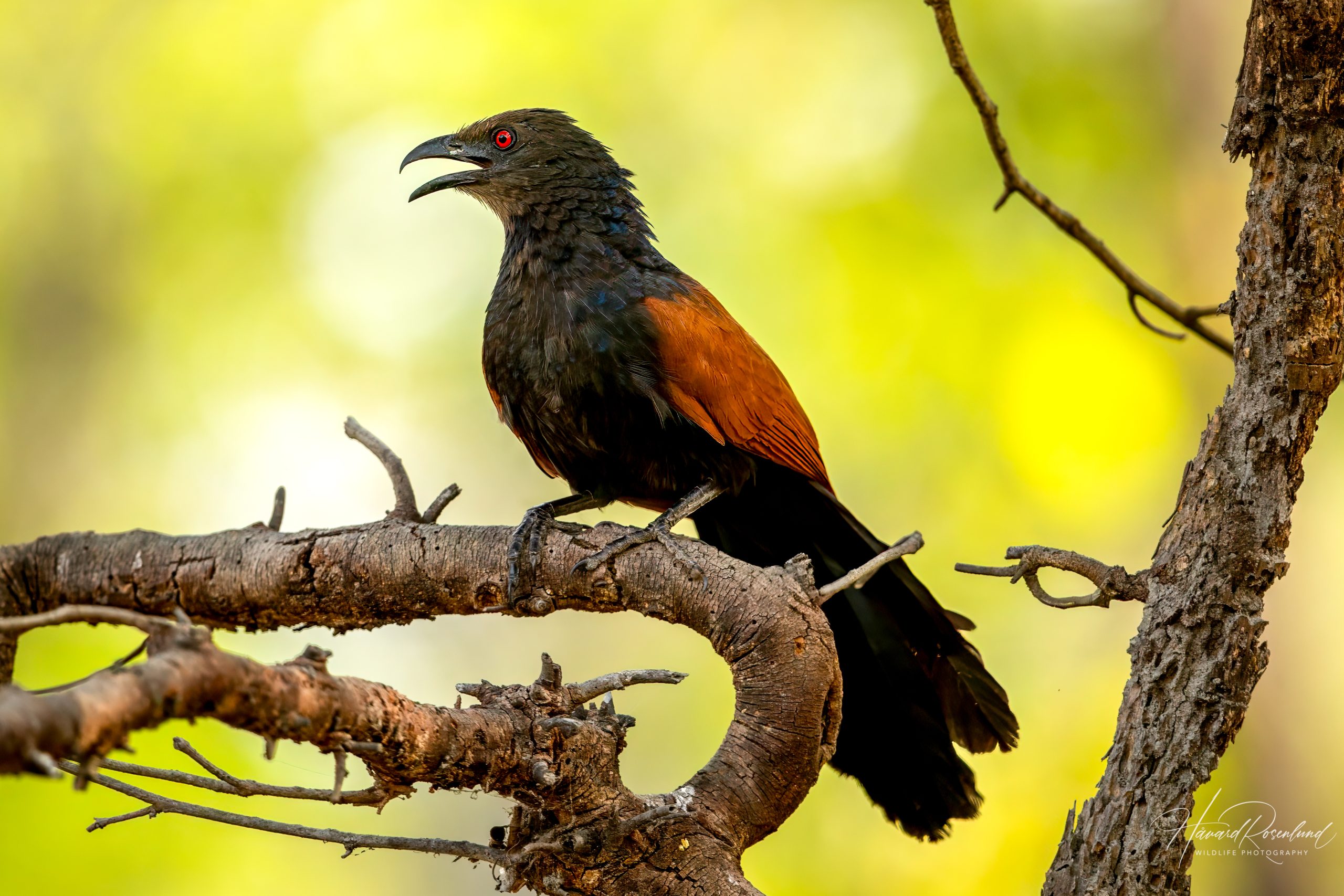
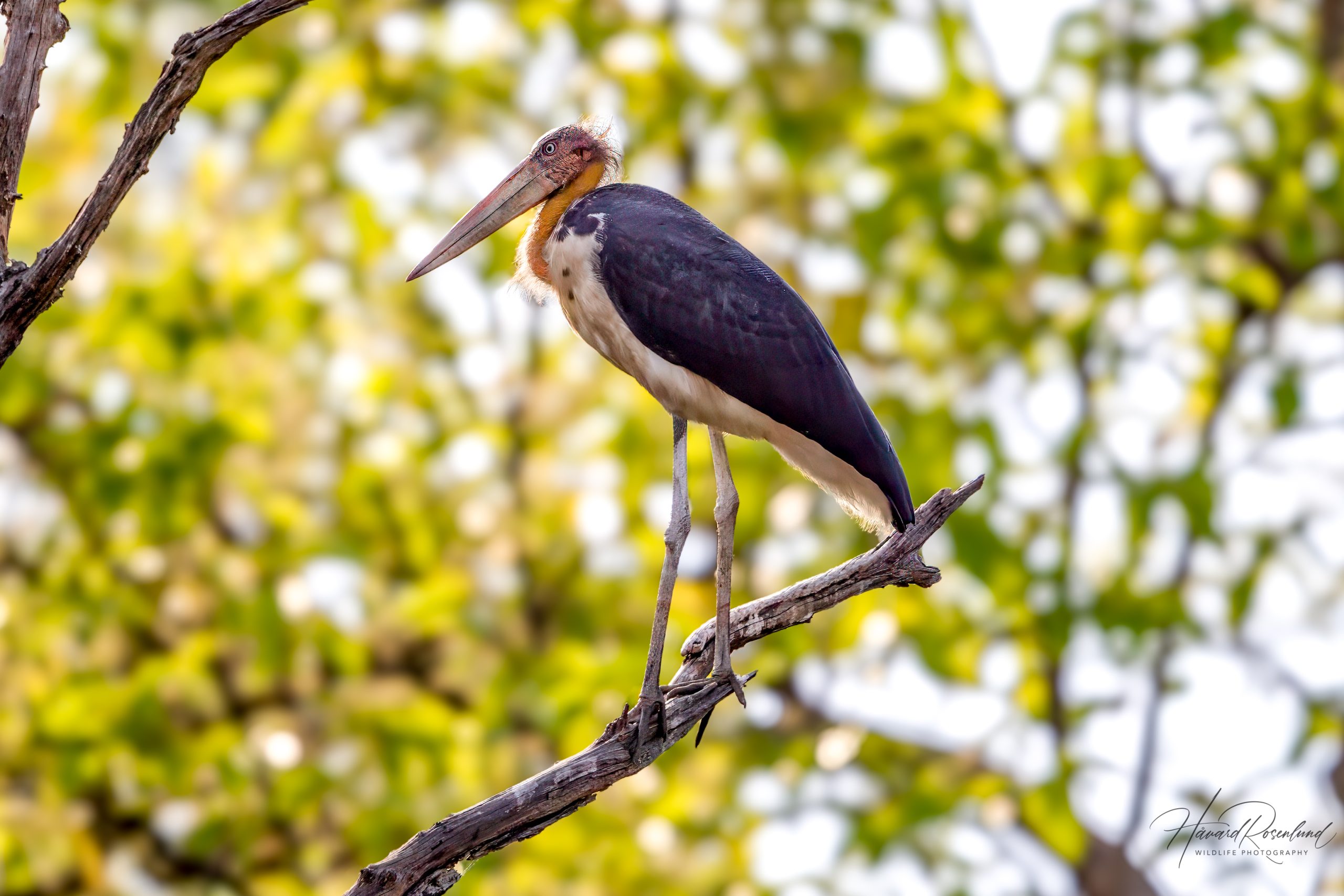
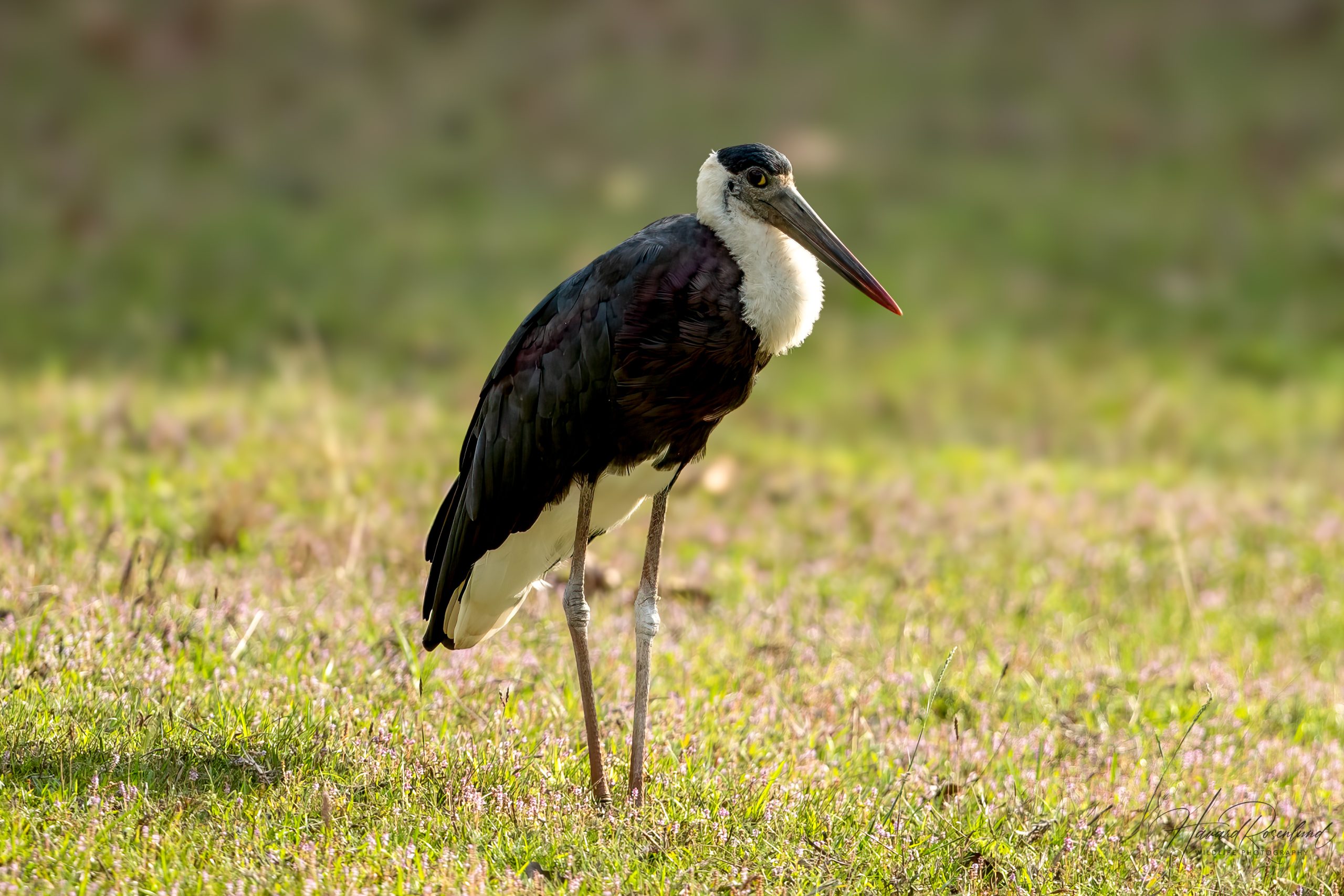
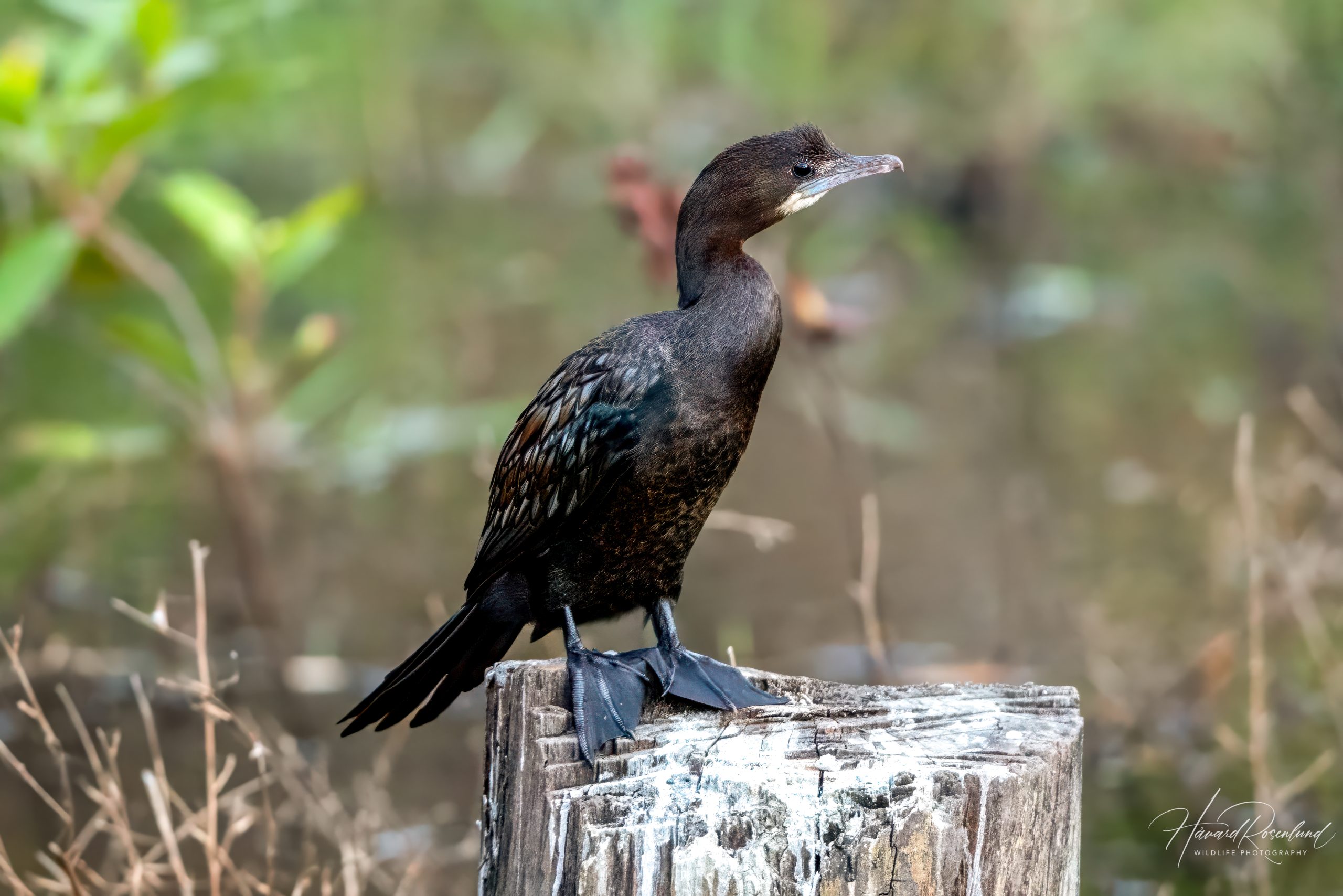
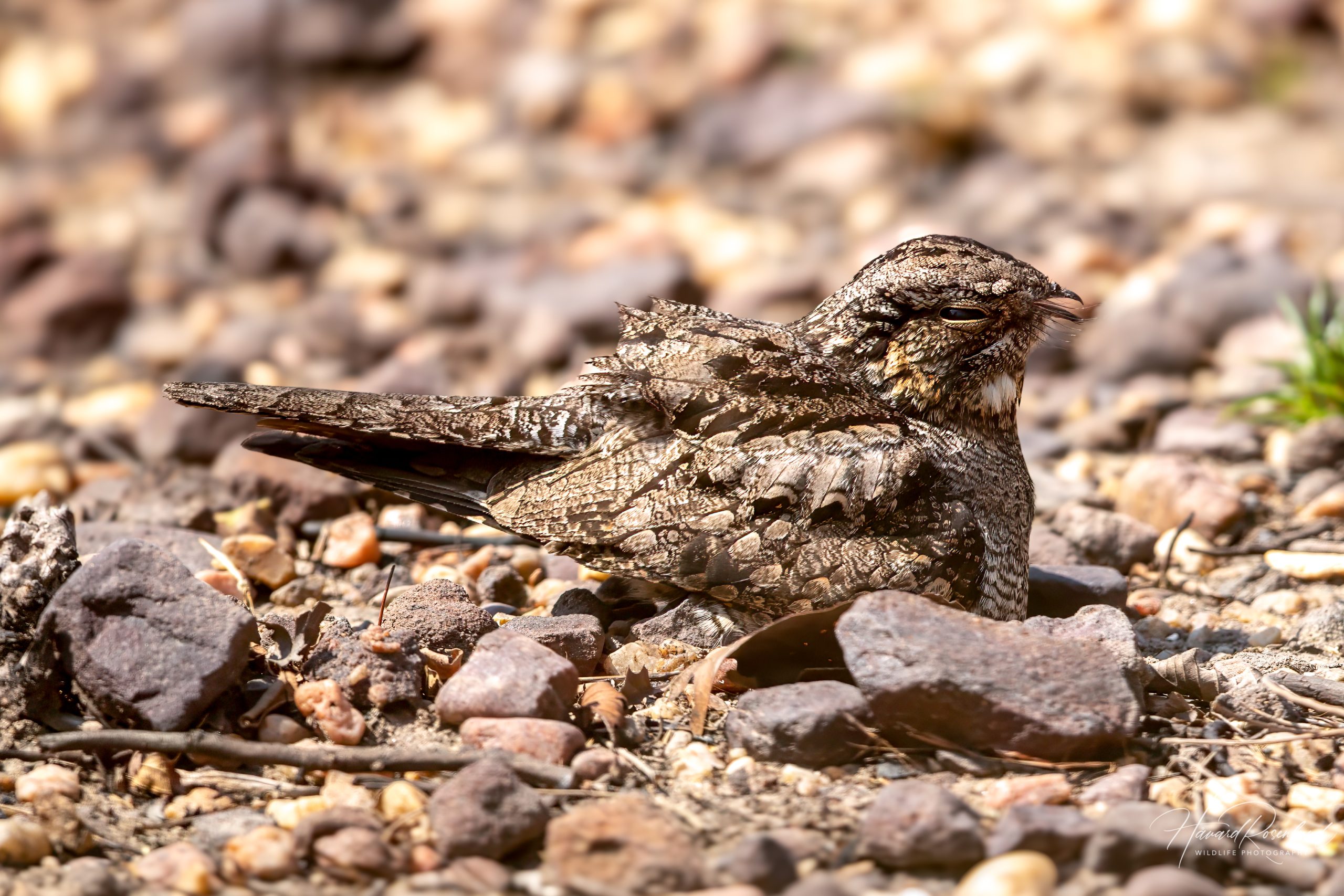
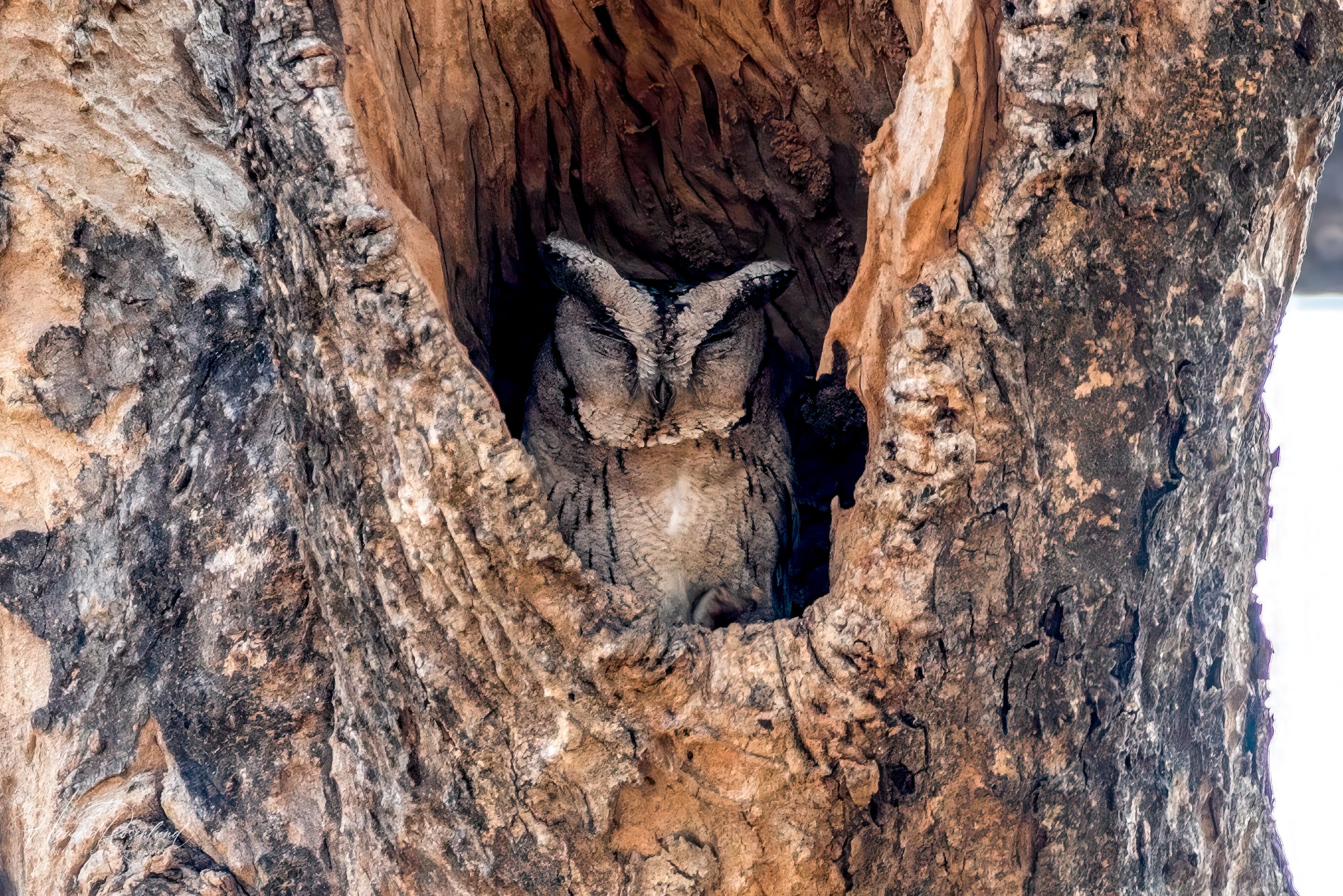
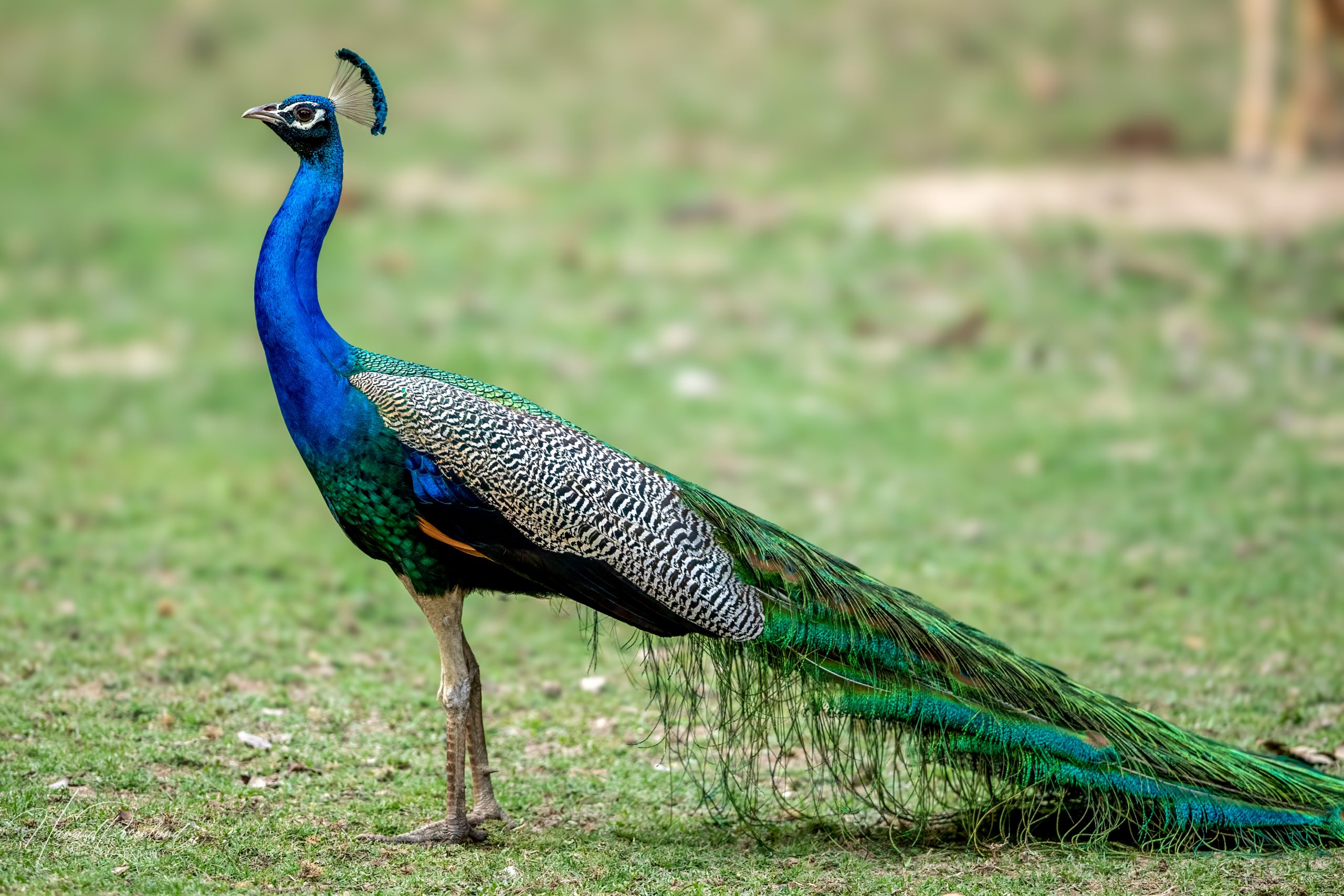
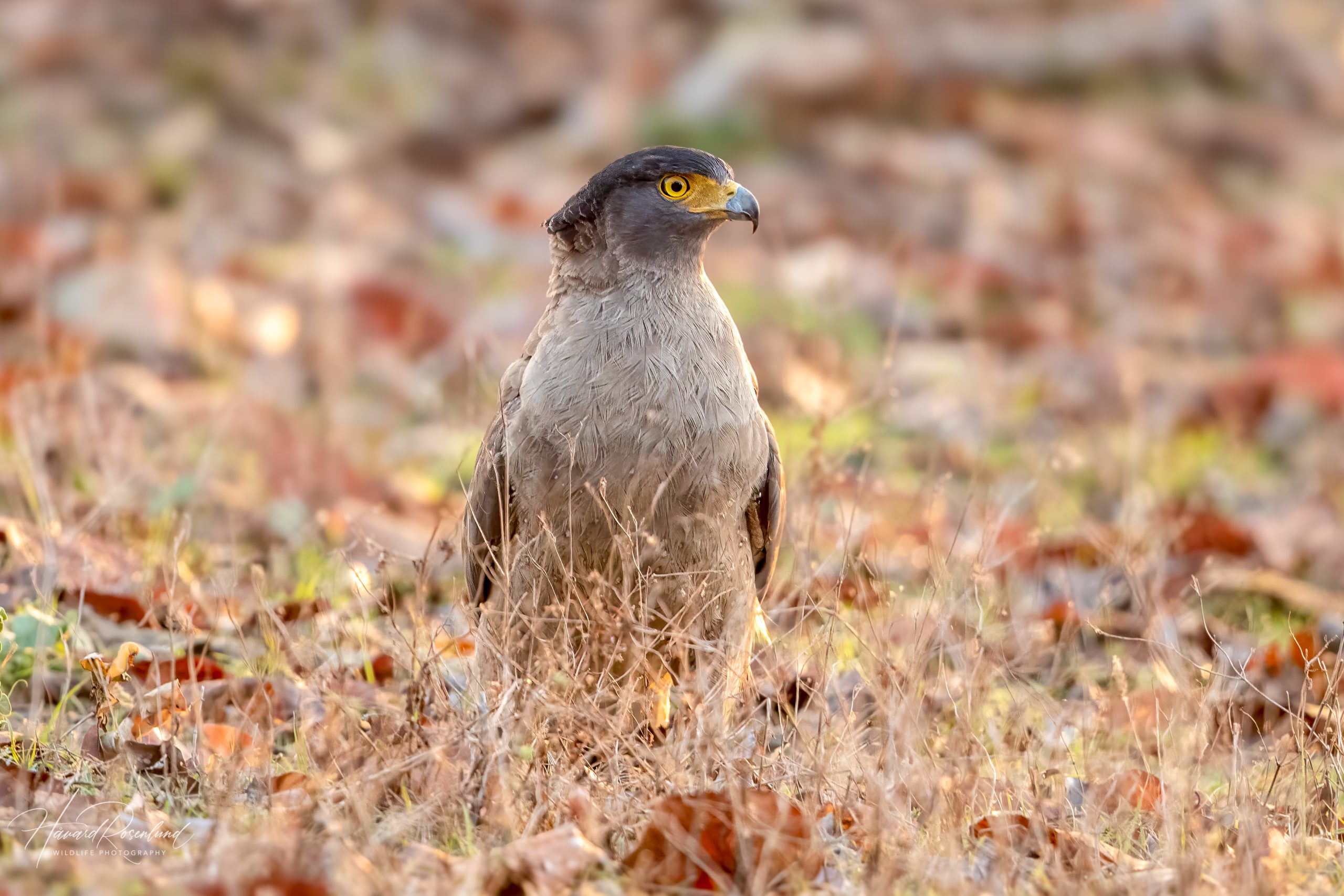
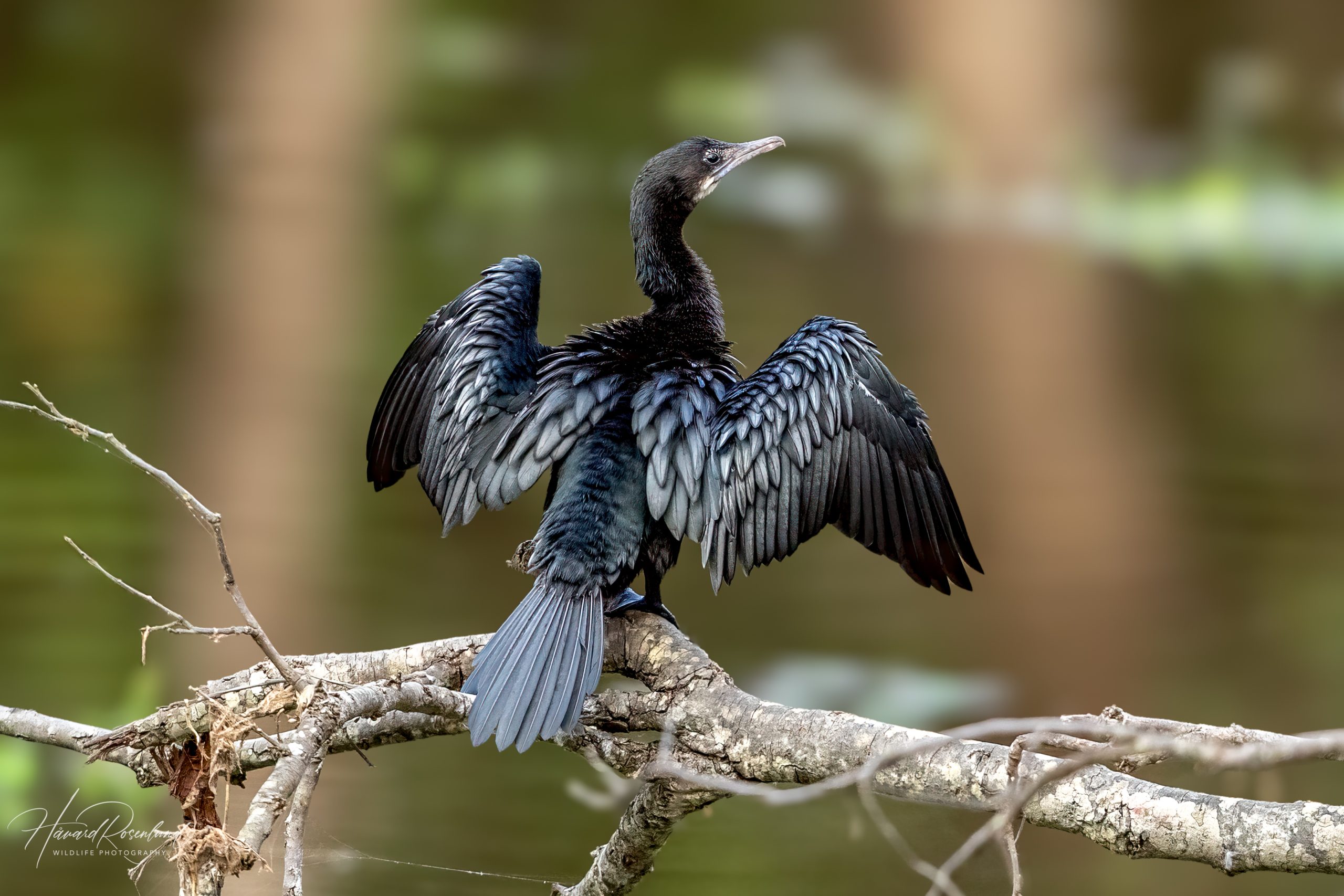
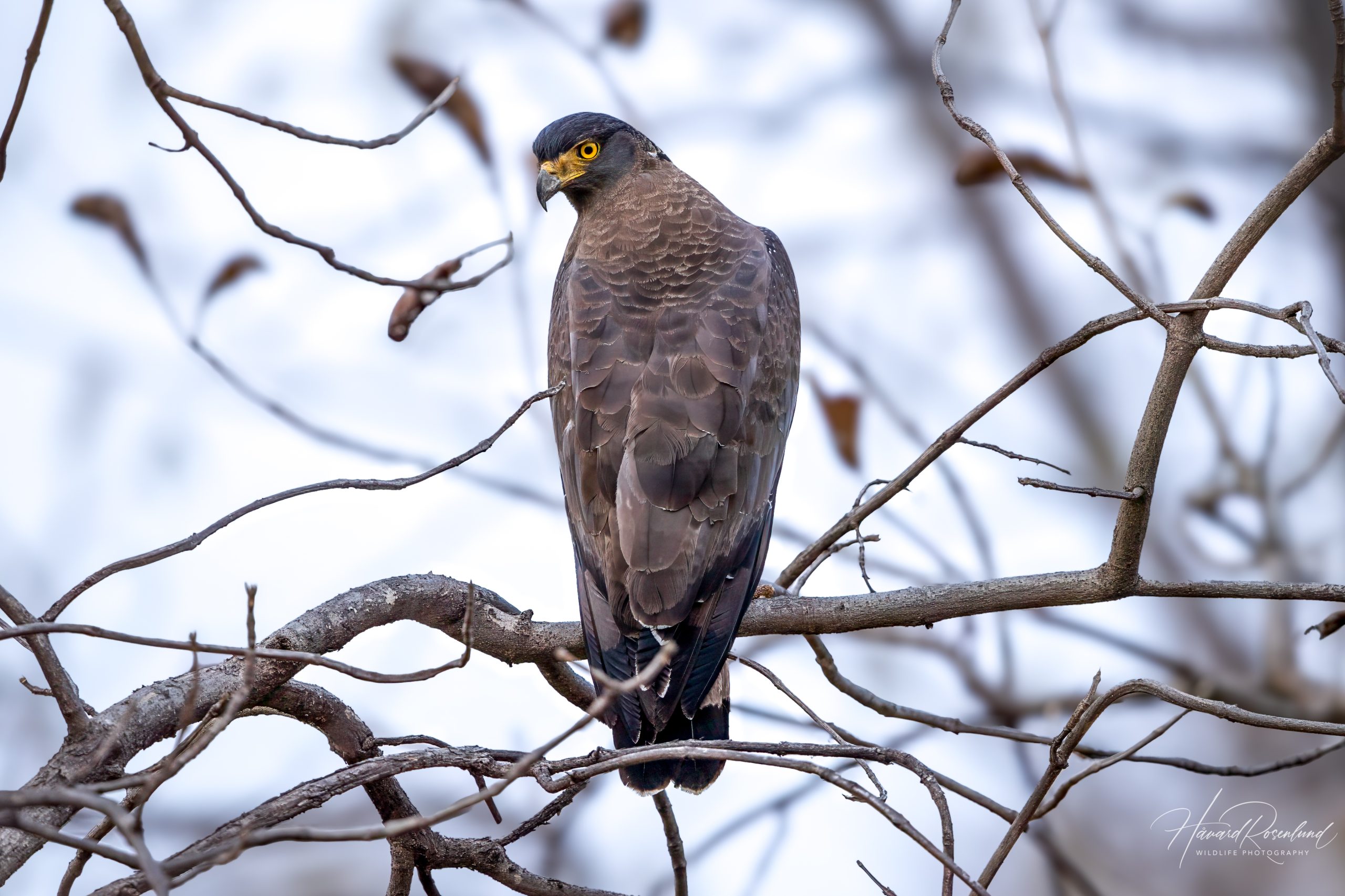
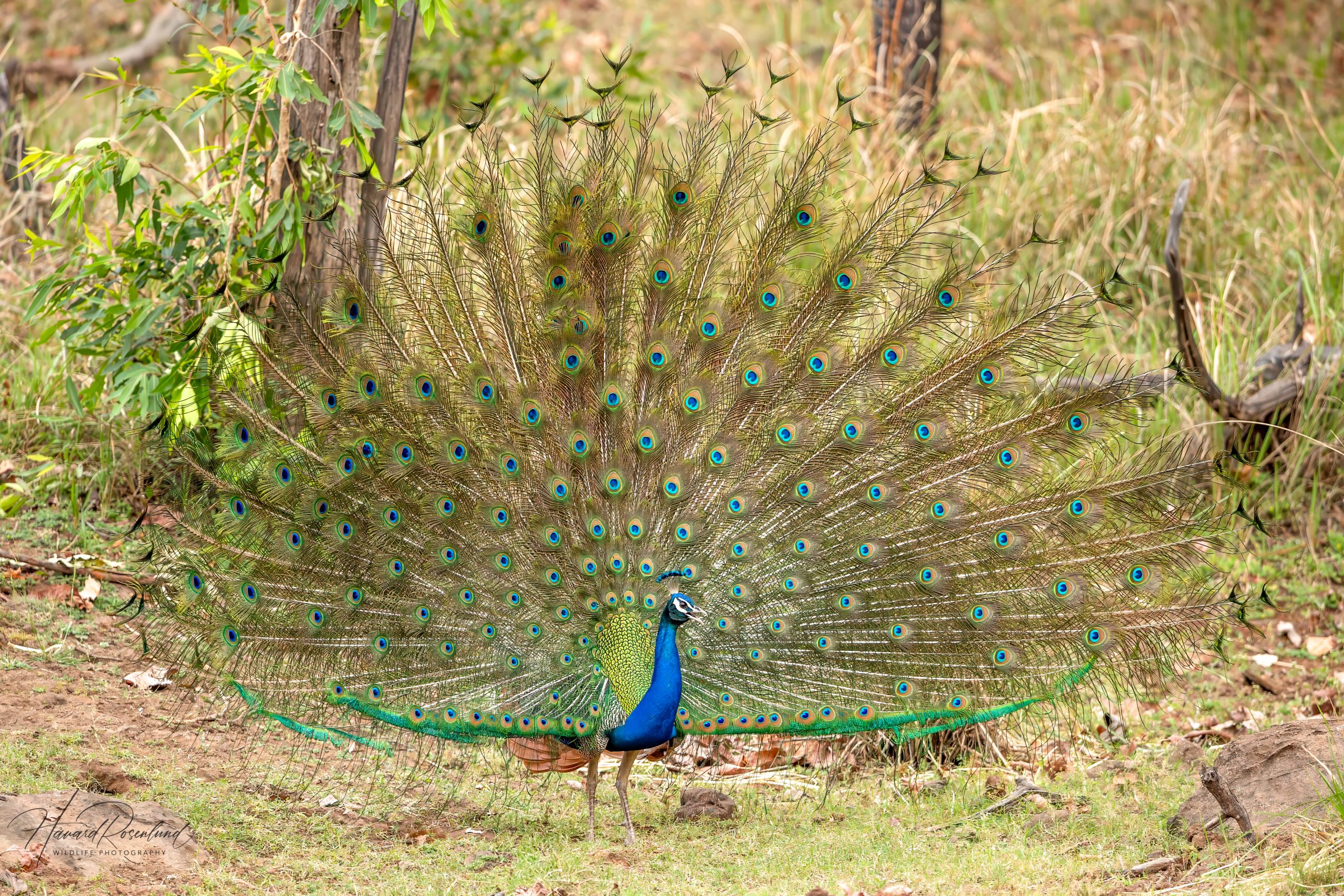
During the drives on our second day we also got to focus more on the birds. And there was one bird we kept seeing all over the place; the beautiful Indian peafowl. It was breeding season, and males kept displaying their tail feathers to attract females. It was quite the spectacle, and it was such an incredible bonus to have this happening at the same time that I was here looking for tigers. A few other birding highlights from the second day included red junglefowl (the progenitor of modern-day chickens), crested serpent-eagle, greater coucal, lesser adjutant, Asian woolly-necked stork, little cormorant, jungle nightjar, Indian scops-owl, and another brown fish-owl.
Kanha
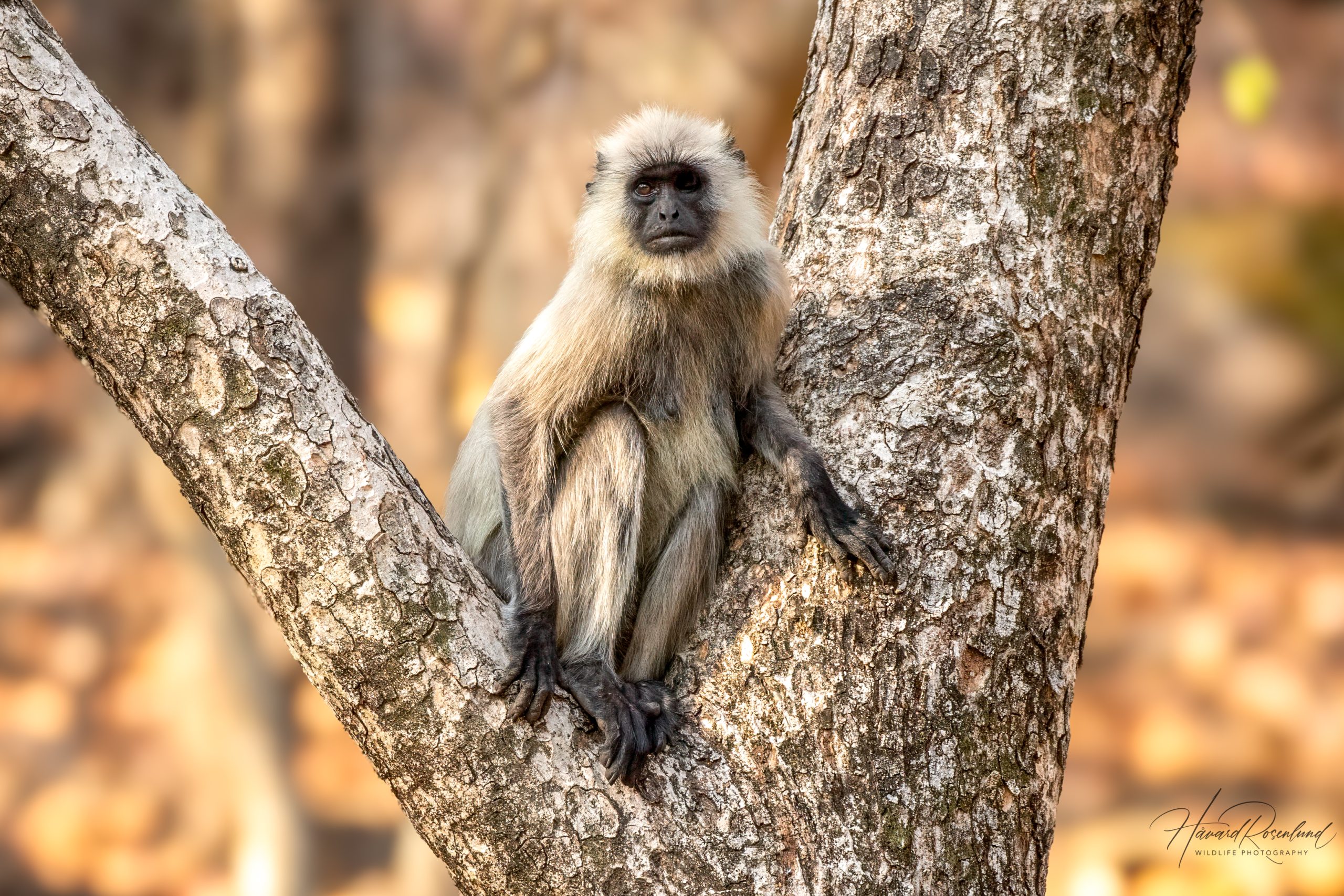
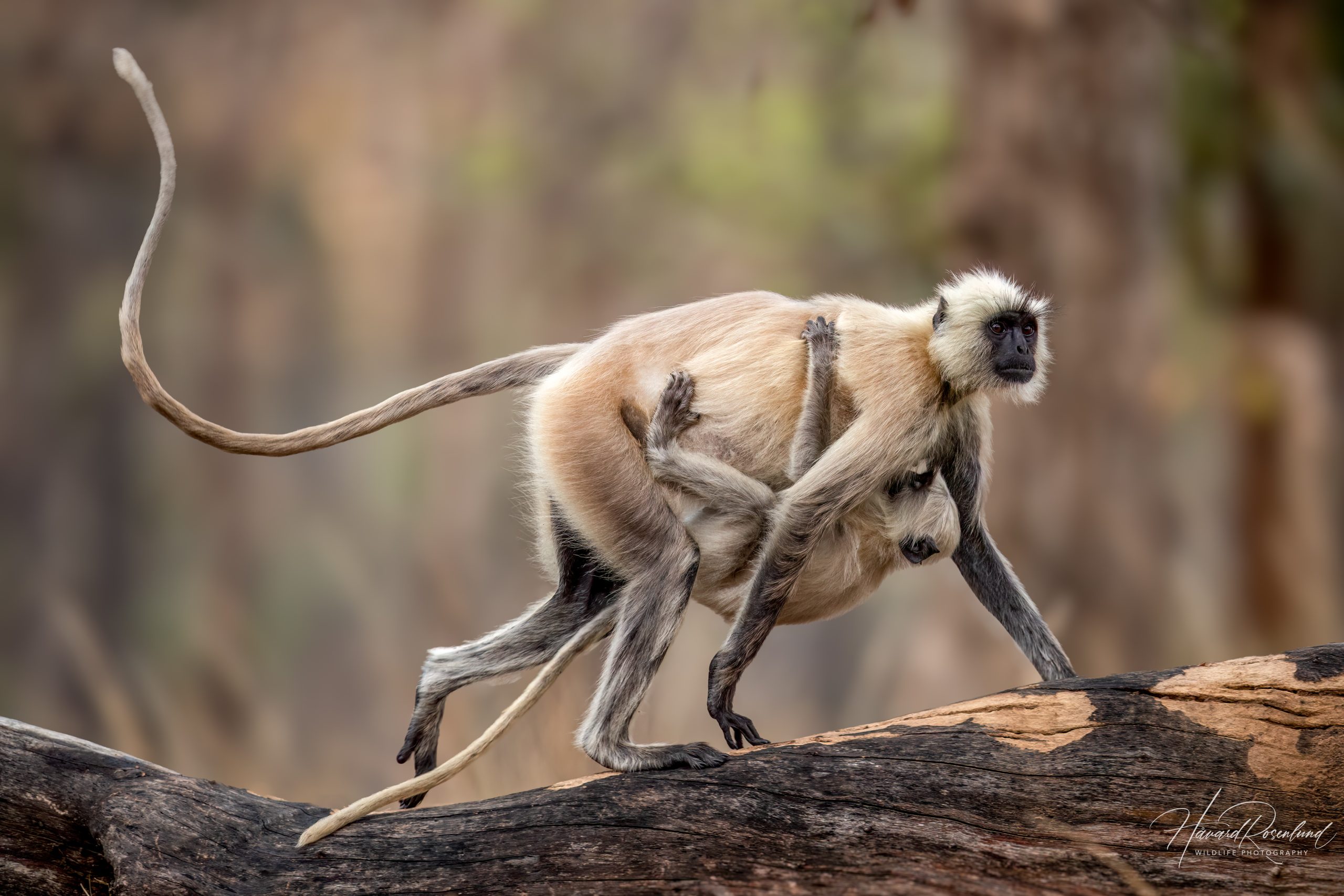
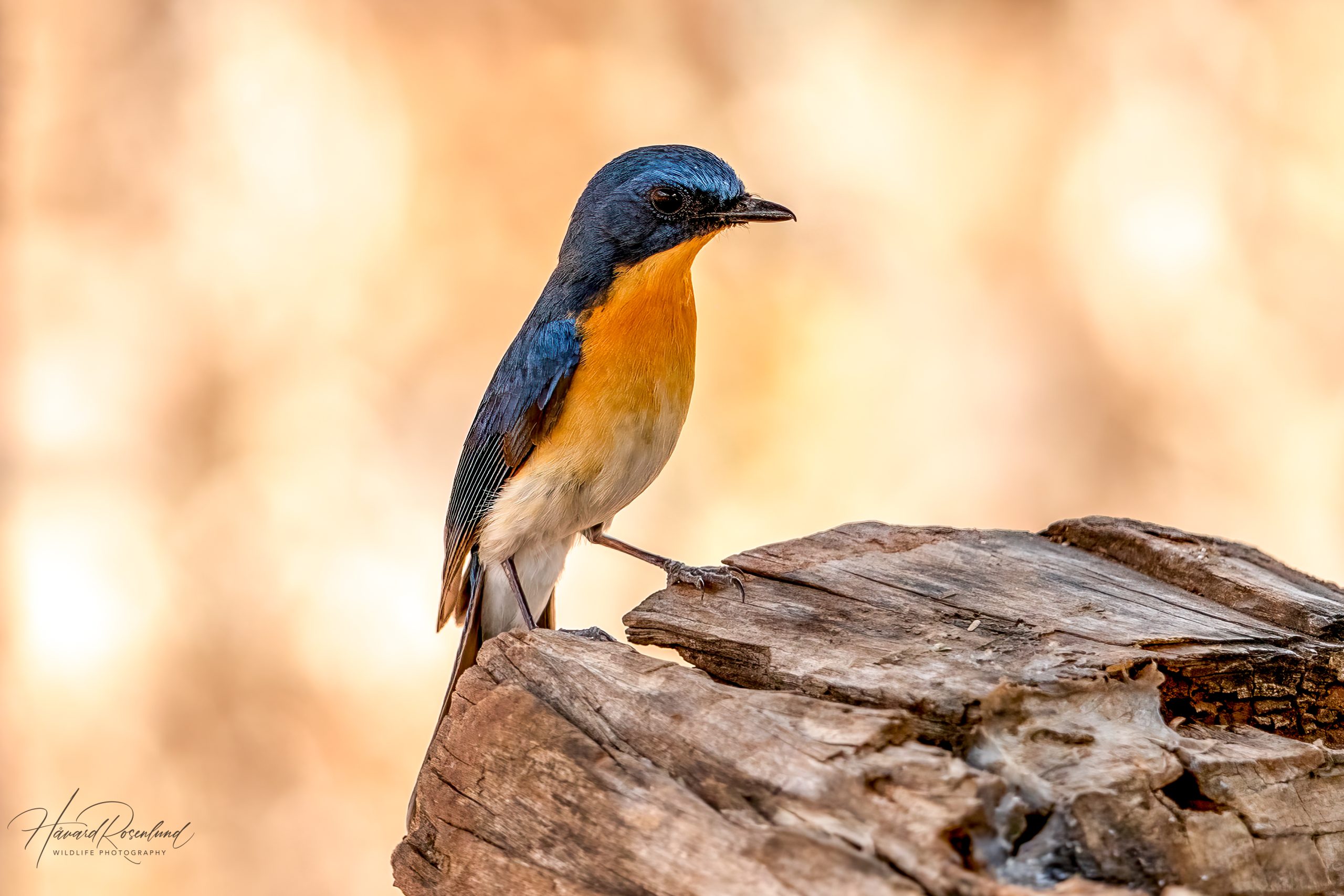
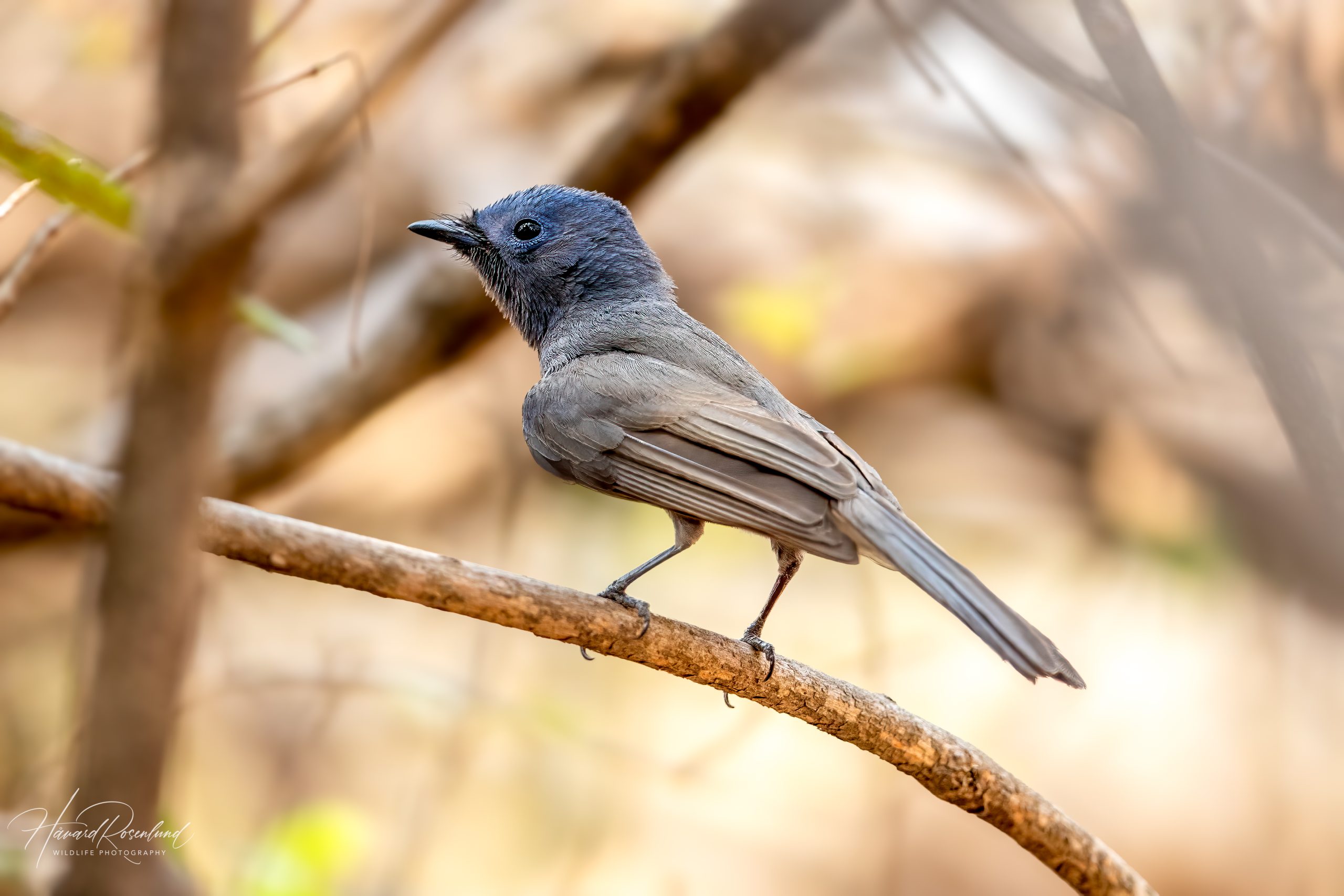
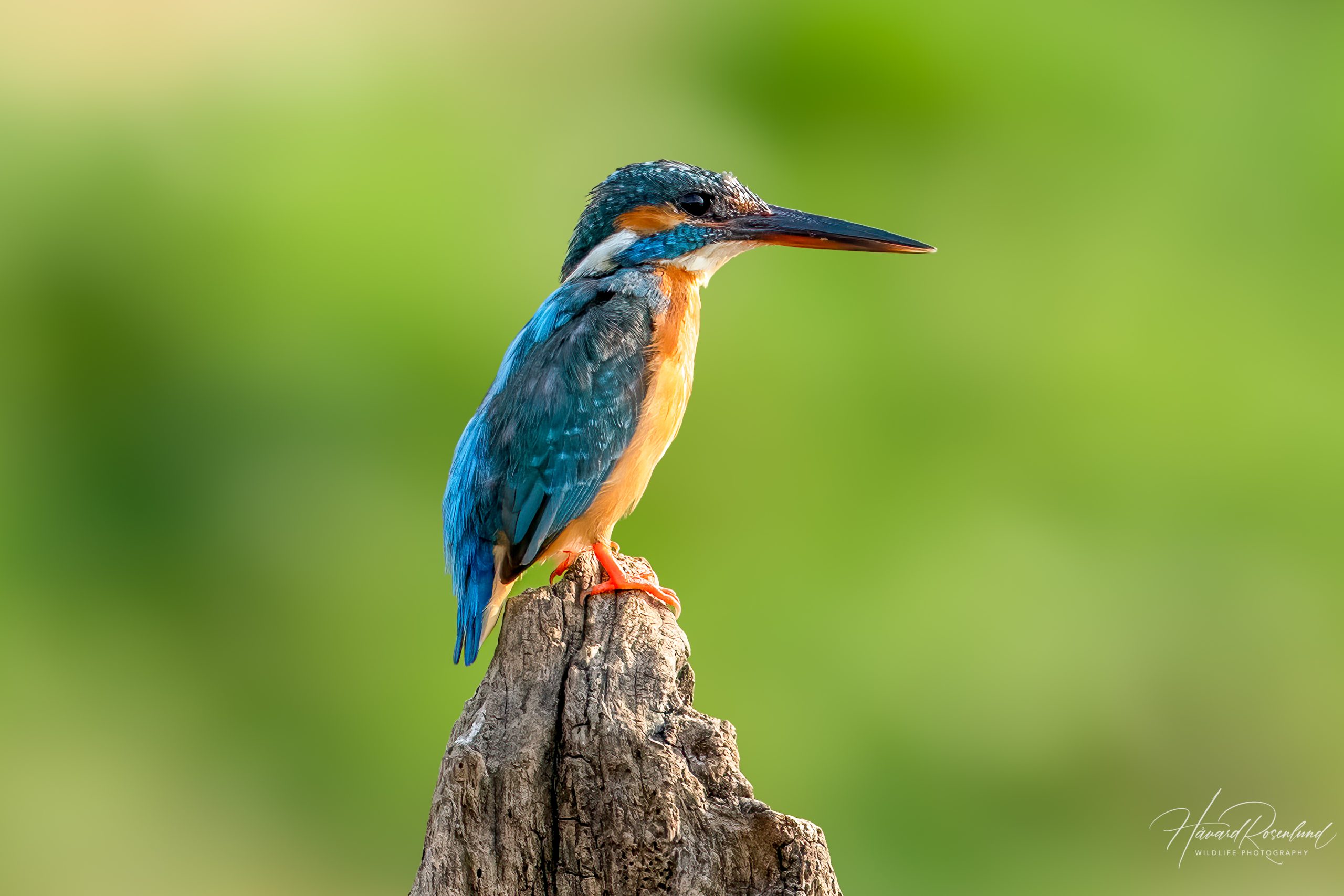
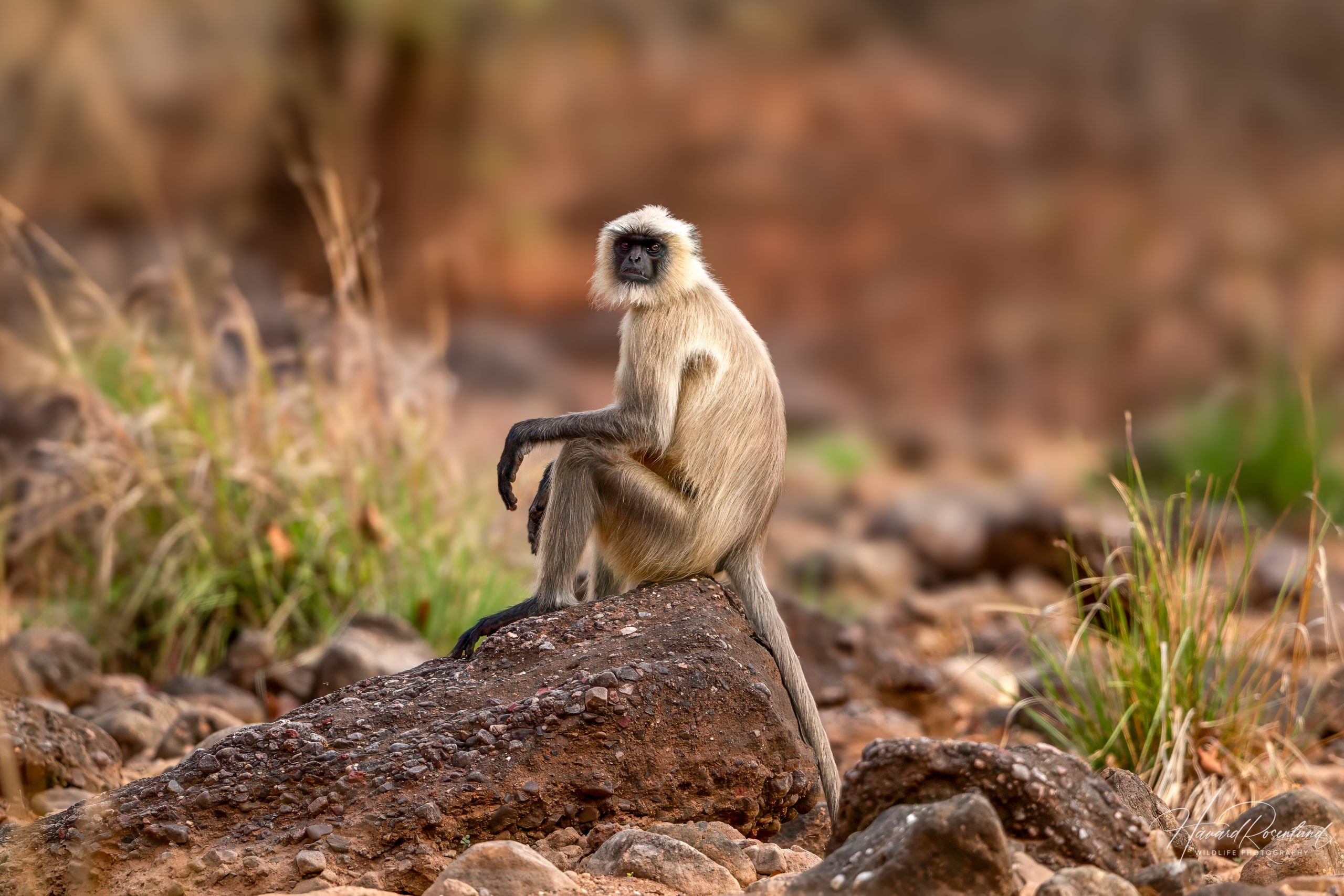
Many who know me know that I am terrible at photographing anything but wildlife (not that I am bad at it, I just never do it), so I didn’t take photos of the area itself, but I did lots of walks in and around the camp to find and photograph birds when we had spare time on our hands. I got lots of species this way, with some highlights being Tickell’s blue flycatcher, black-hooded oriole, coppersmith barbet, common kingfisher, and black-naped monarch. A family group of langurs also passed through the camp now and then, providing opportunities for some nice shots.
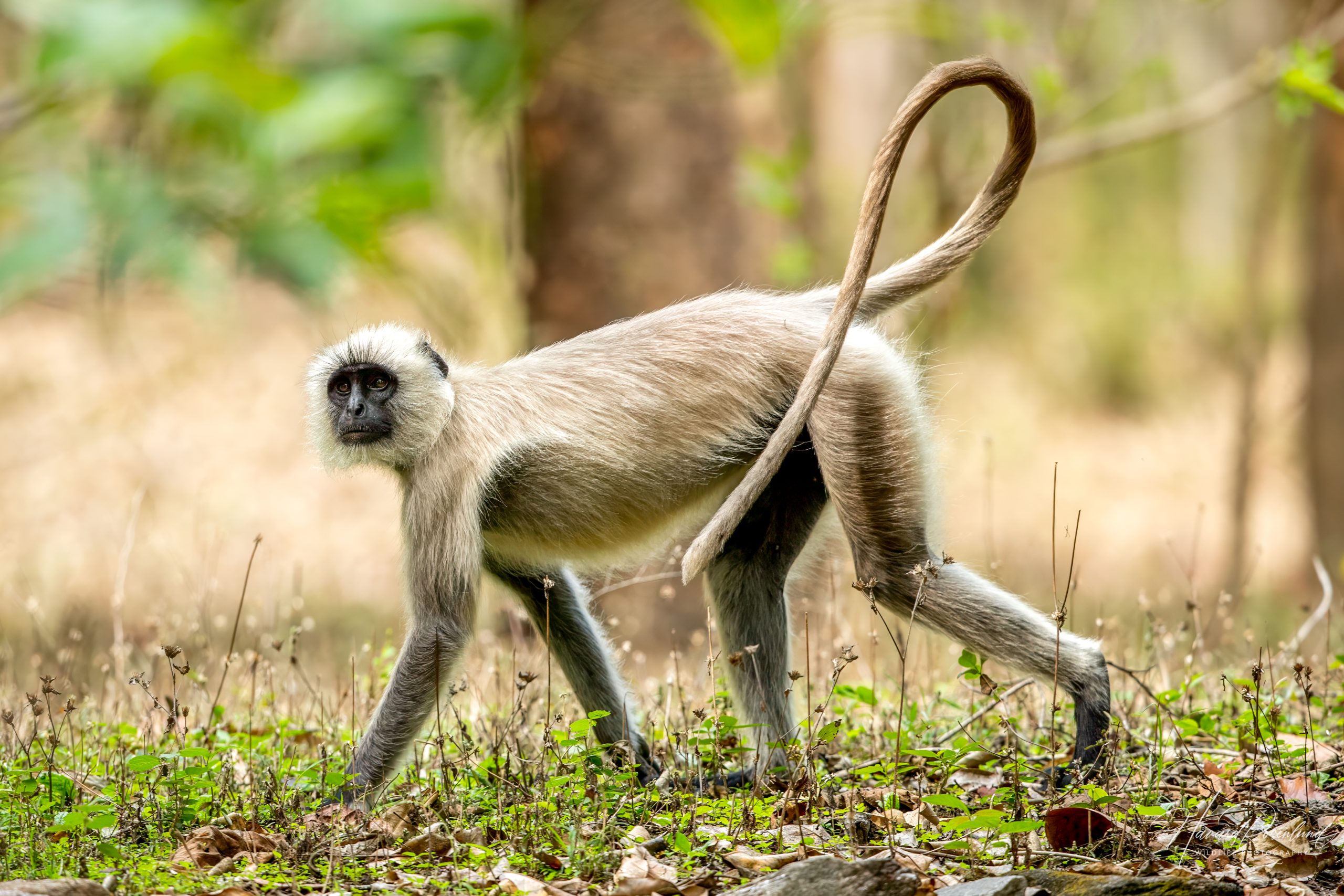
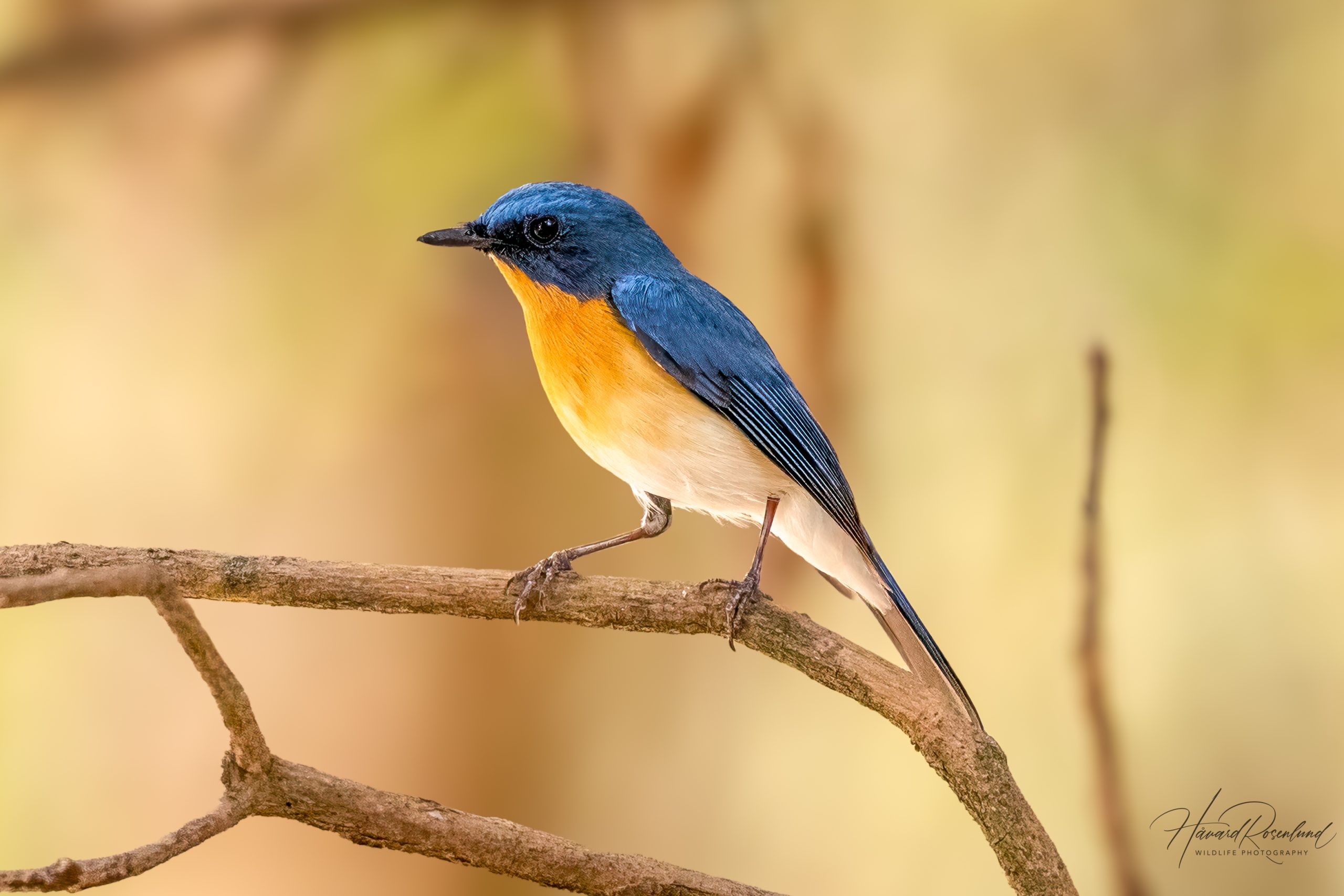
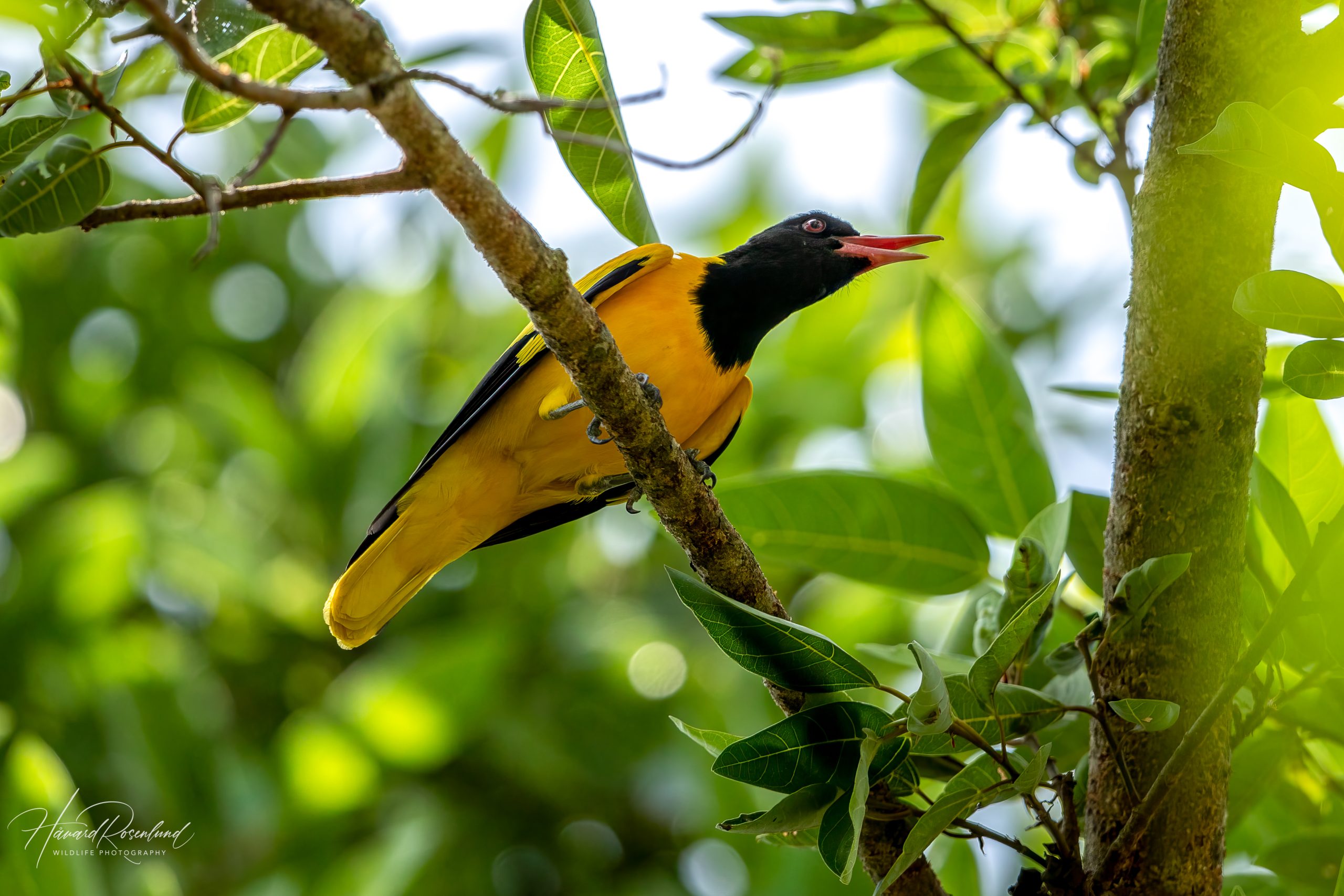
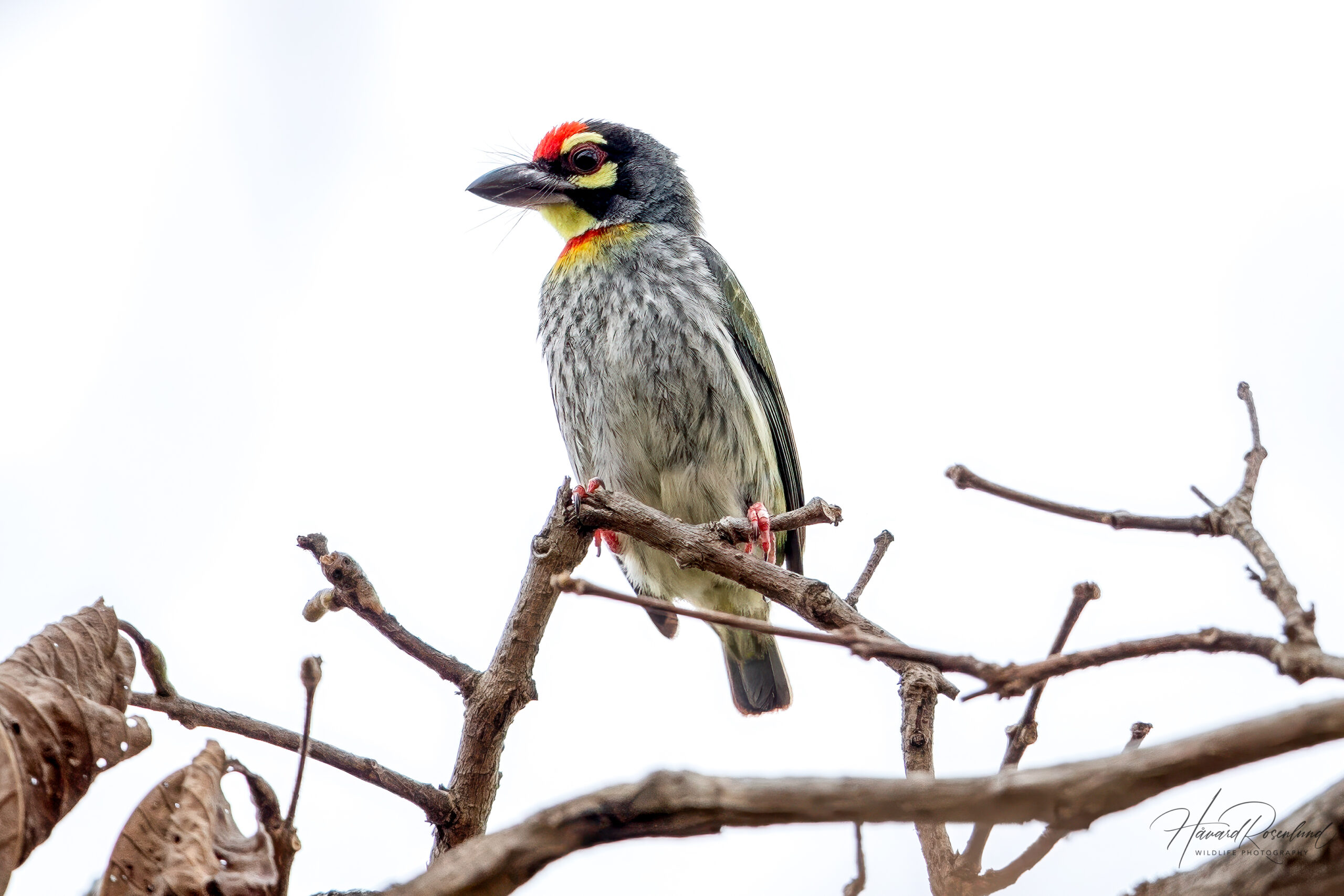
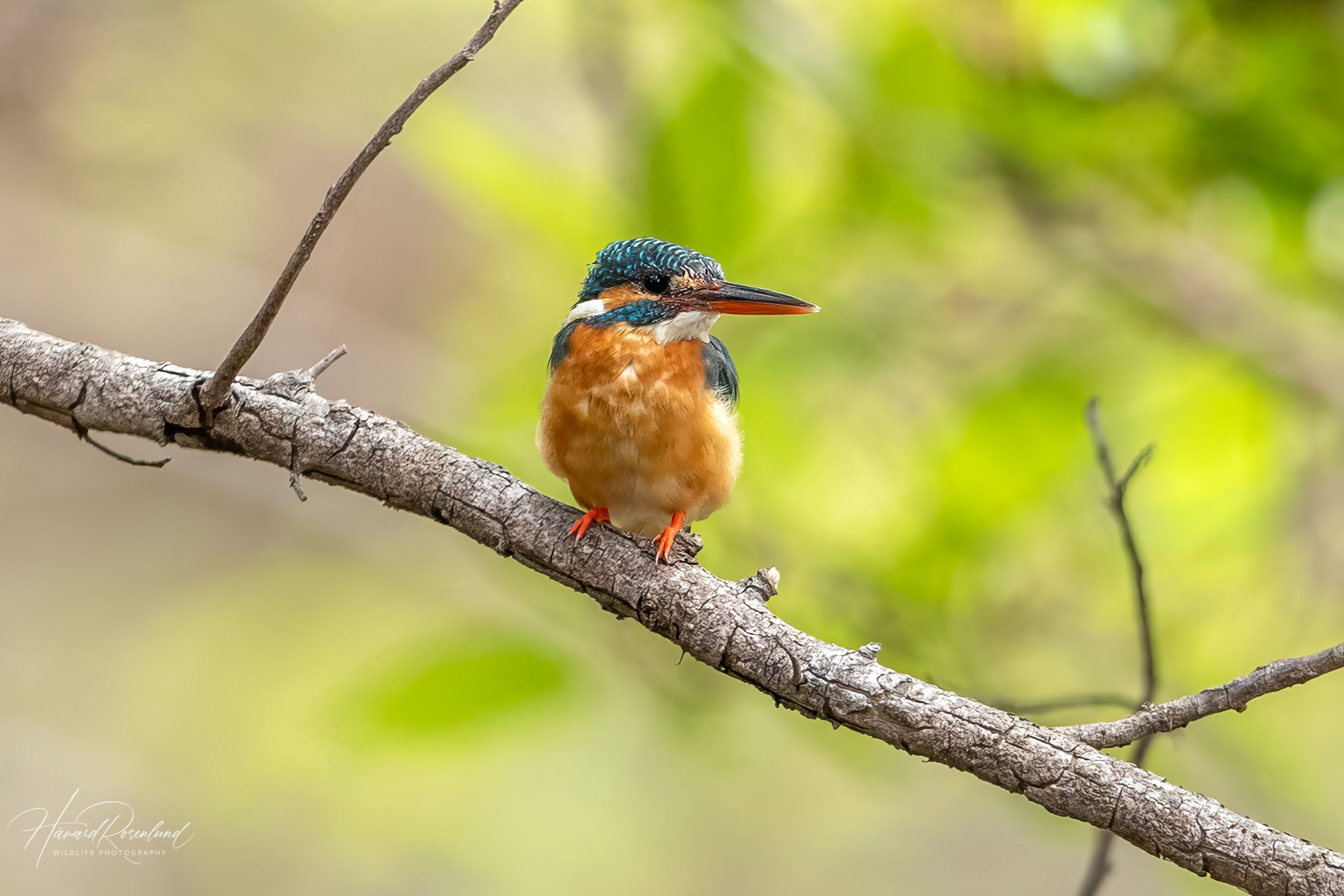
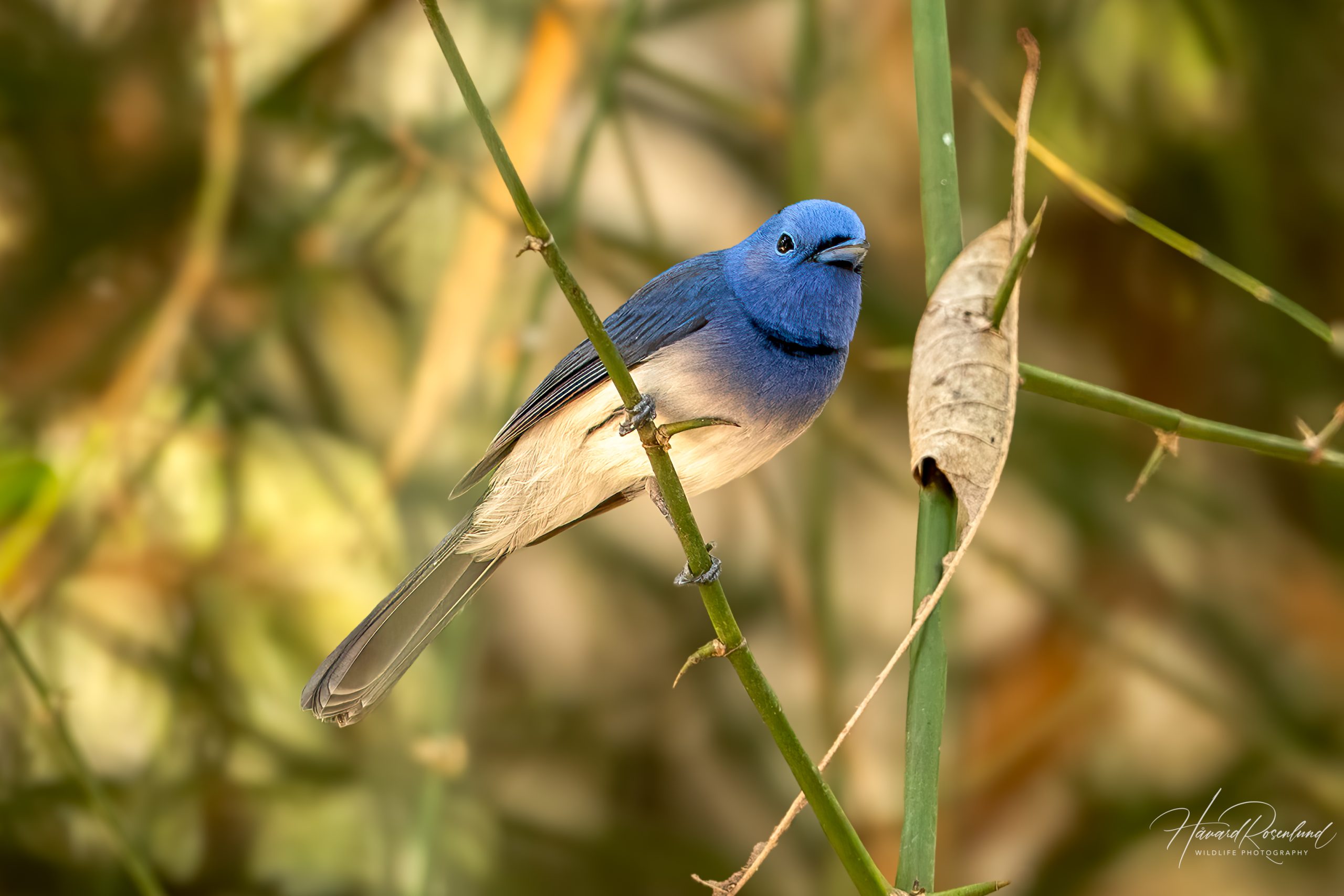
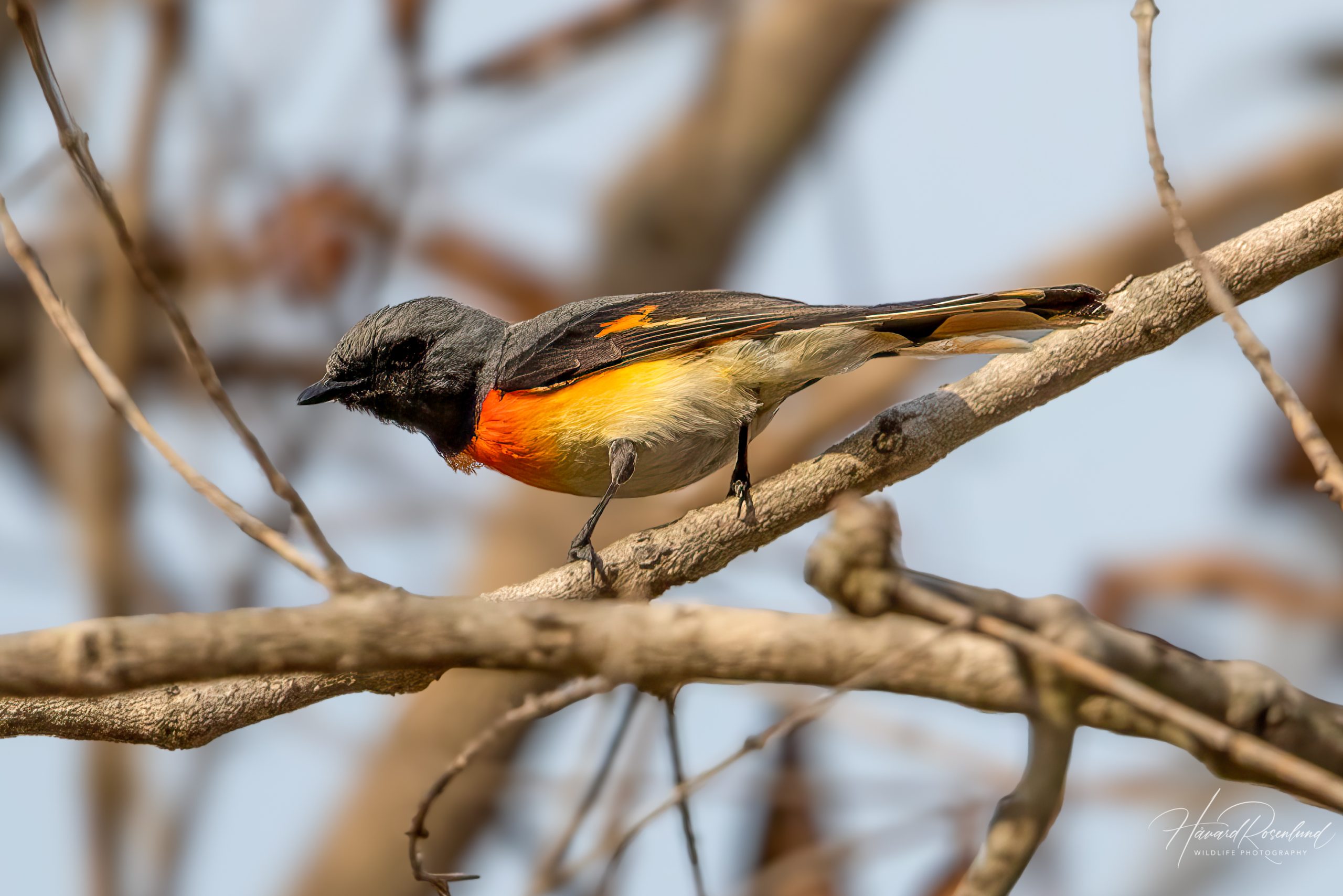
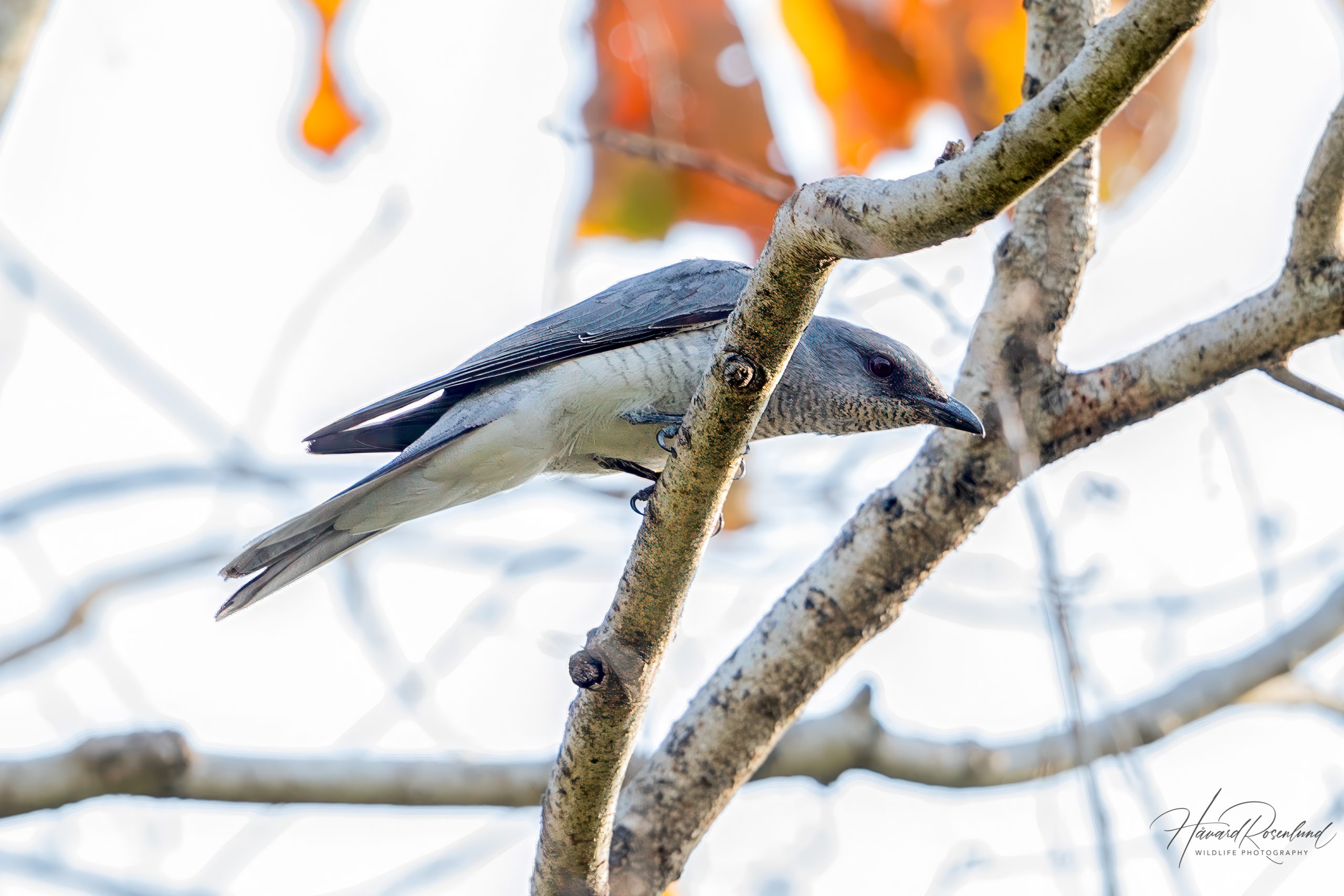
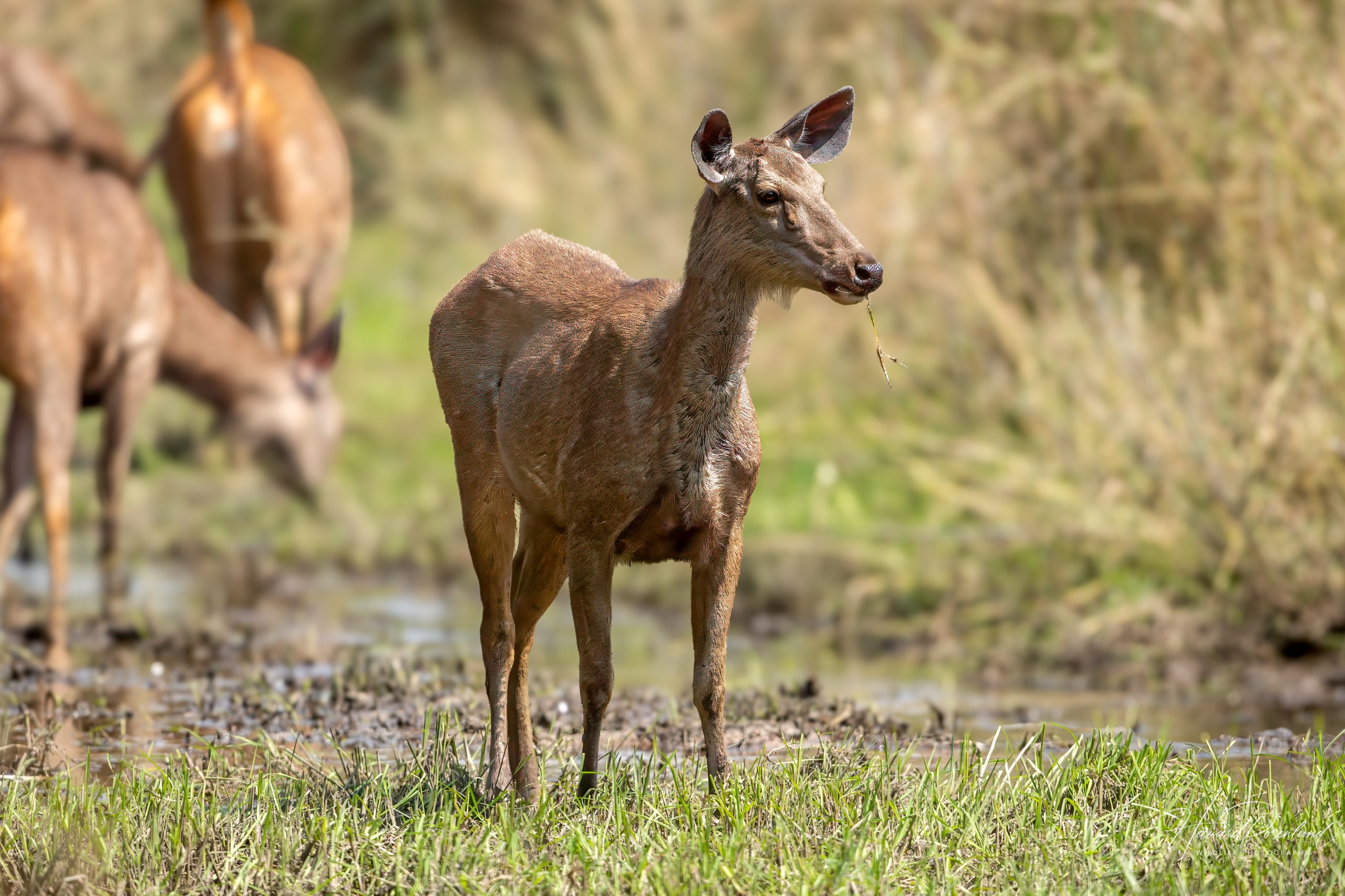
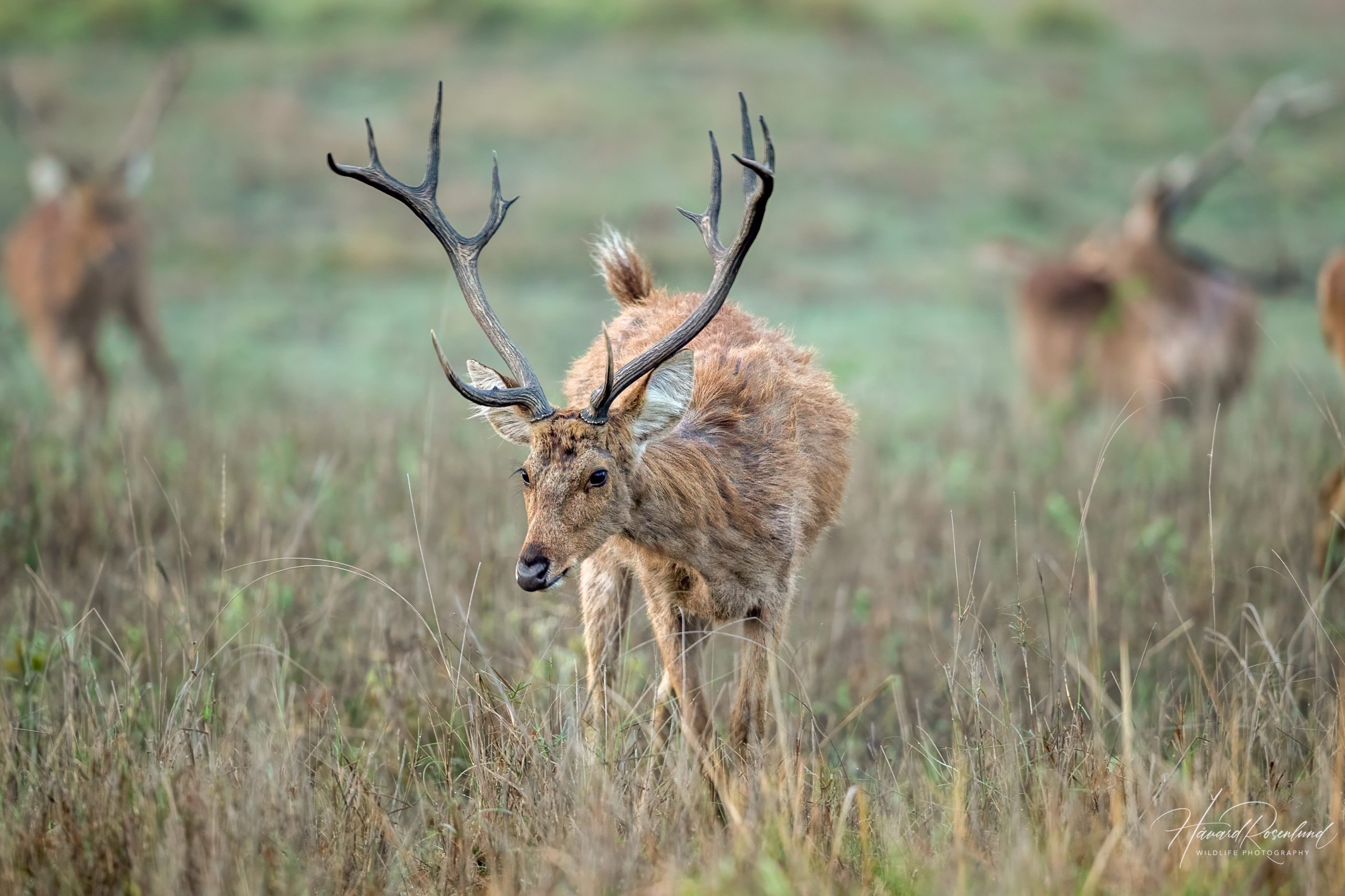
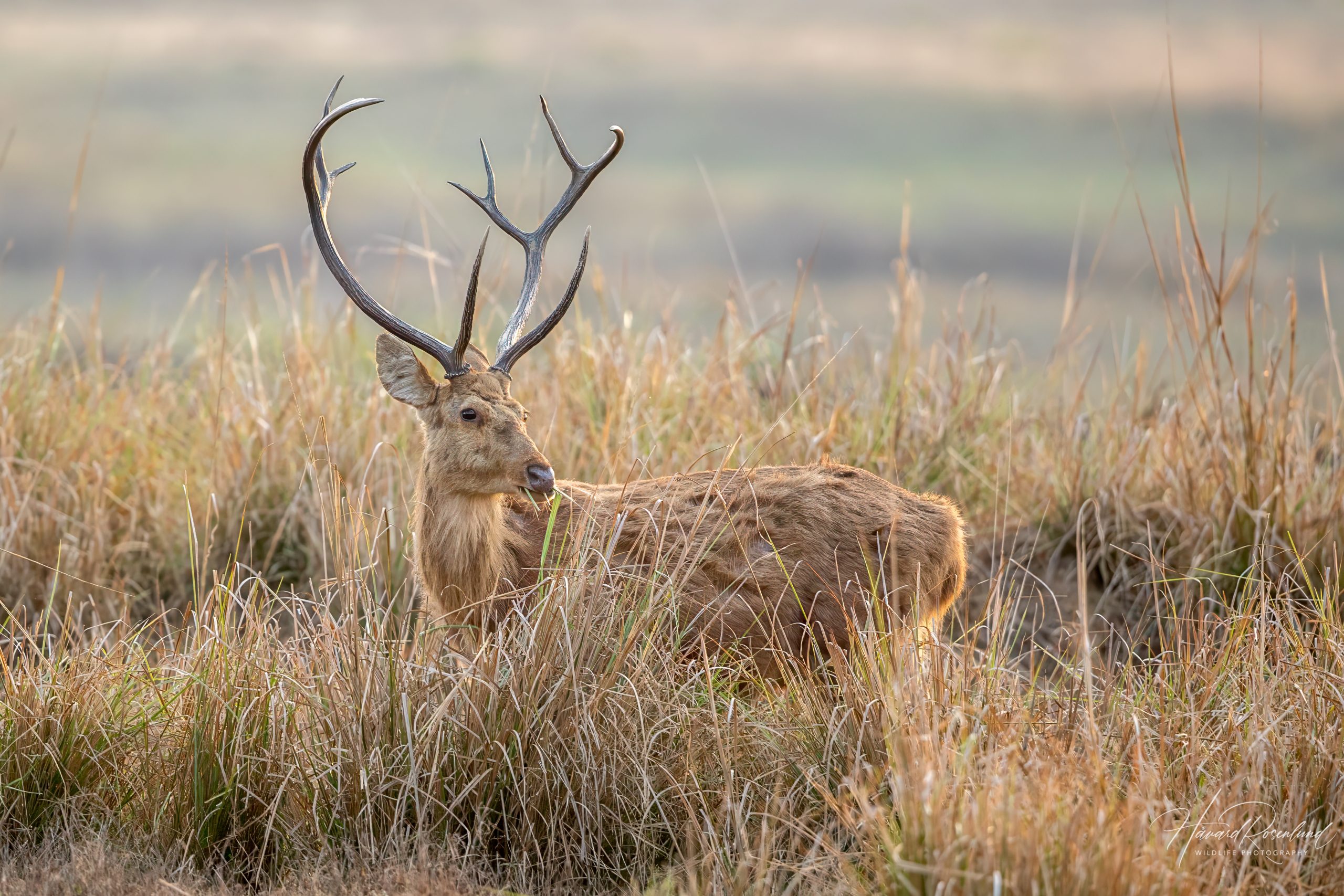
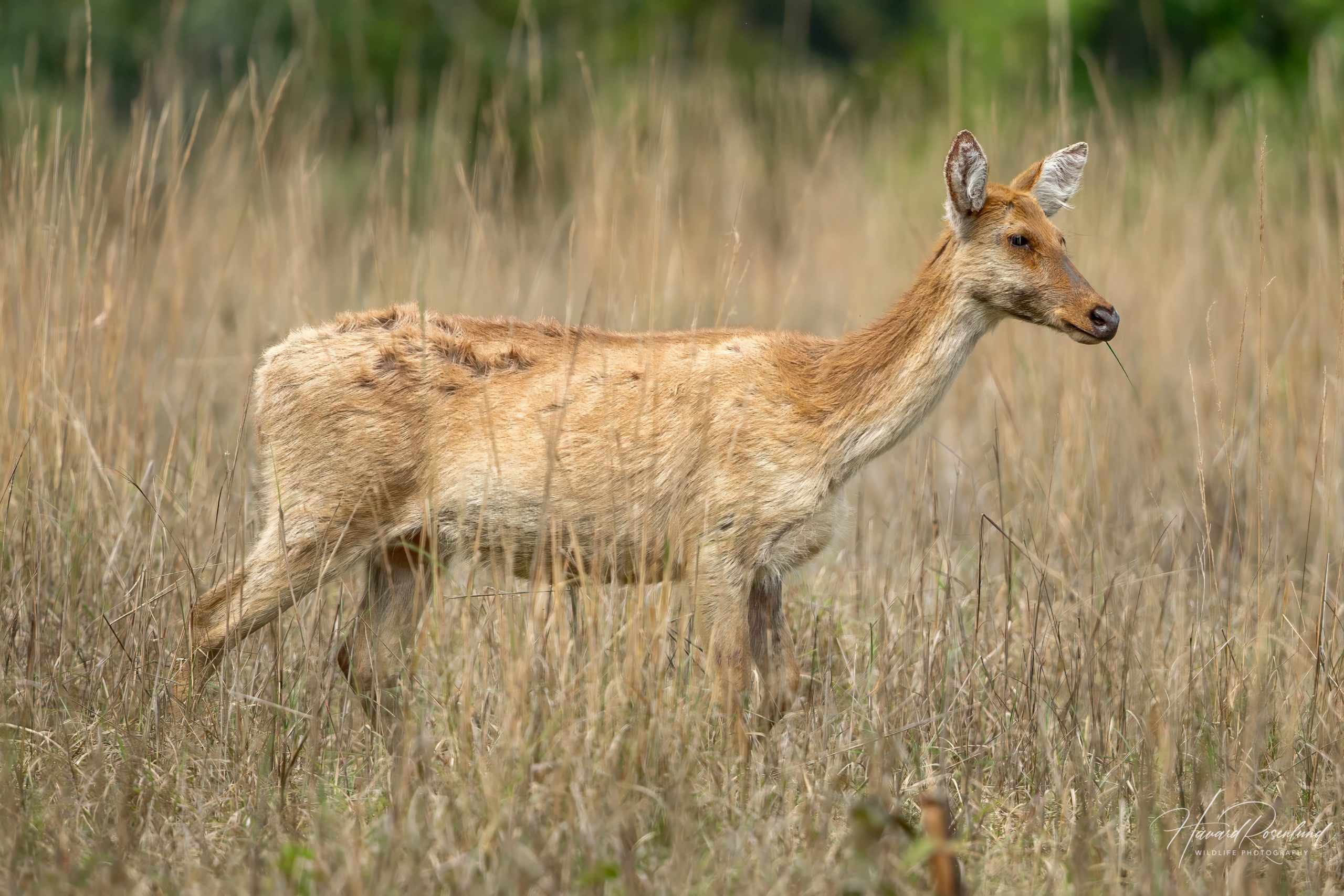
Because we had seen so many tigers in Bandhavgarh, we could now spend more time focusing on other wildlife. I was looking forward to seeing and photographing the highly endangered barasingha, also known as swamp deer, which is found almost nowhere else in the world. And, just like the tiger in Bandhavgarh, the barasingha was among the first species we saw inside the park! We didn’t see too many of them, just a few sightings on each drive, and I never really got the perfect photo, but at least I got a few nice ones.
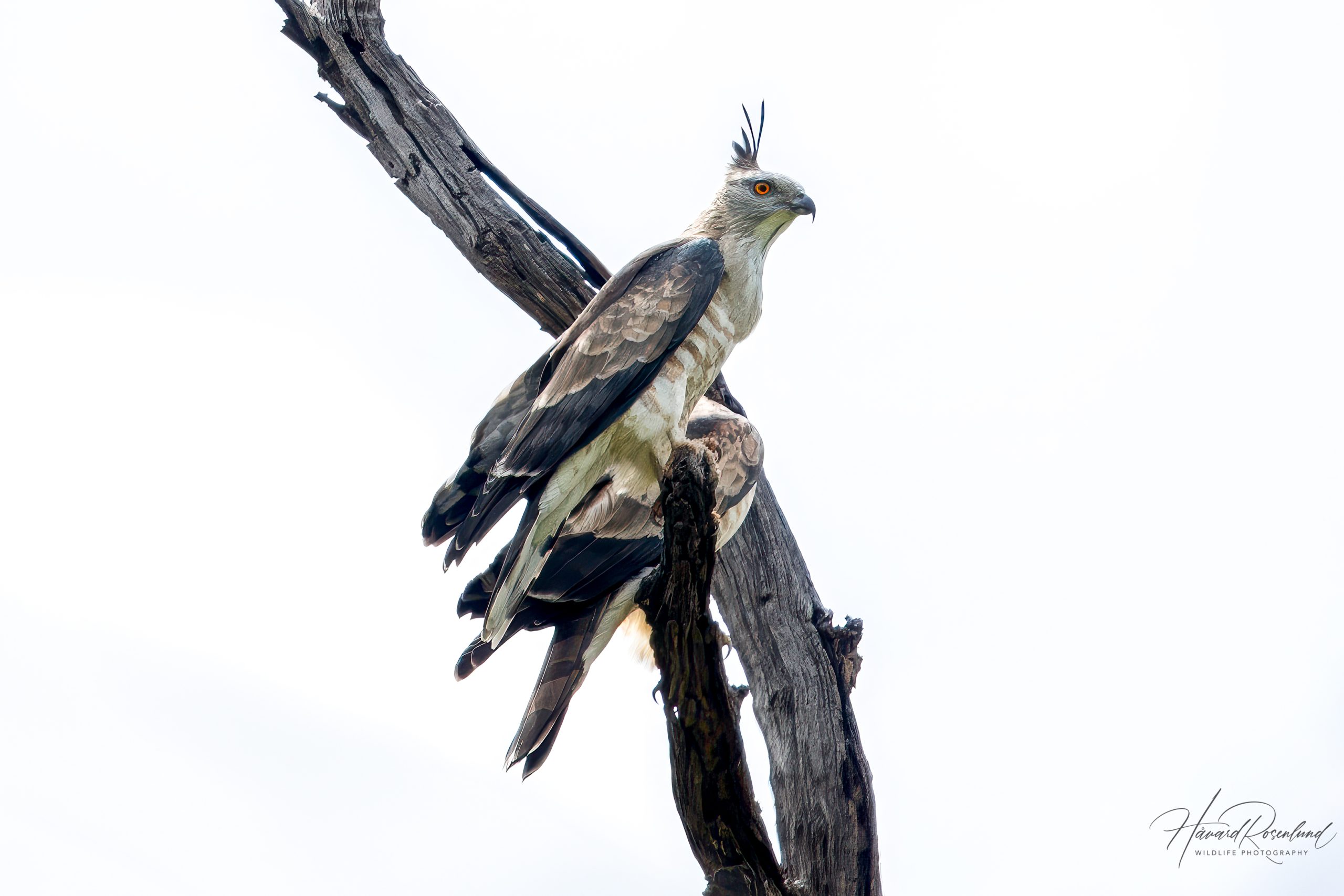
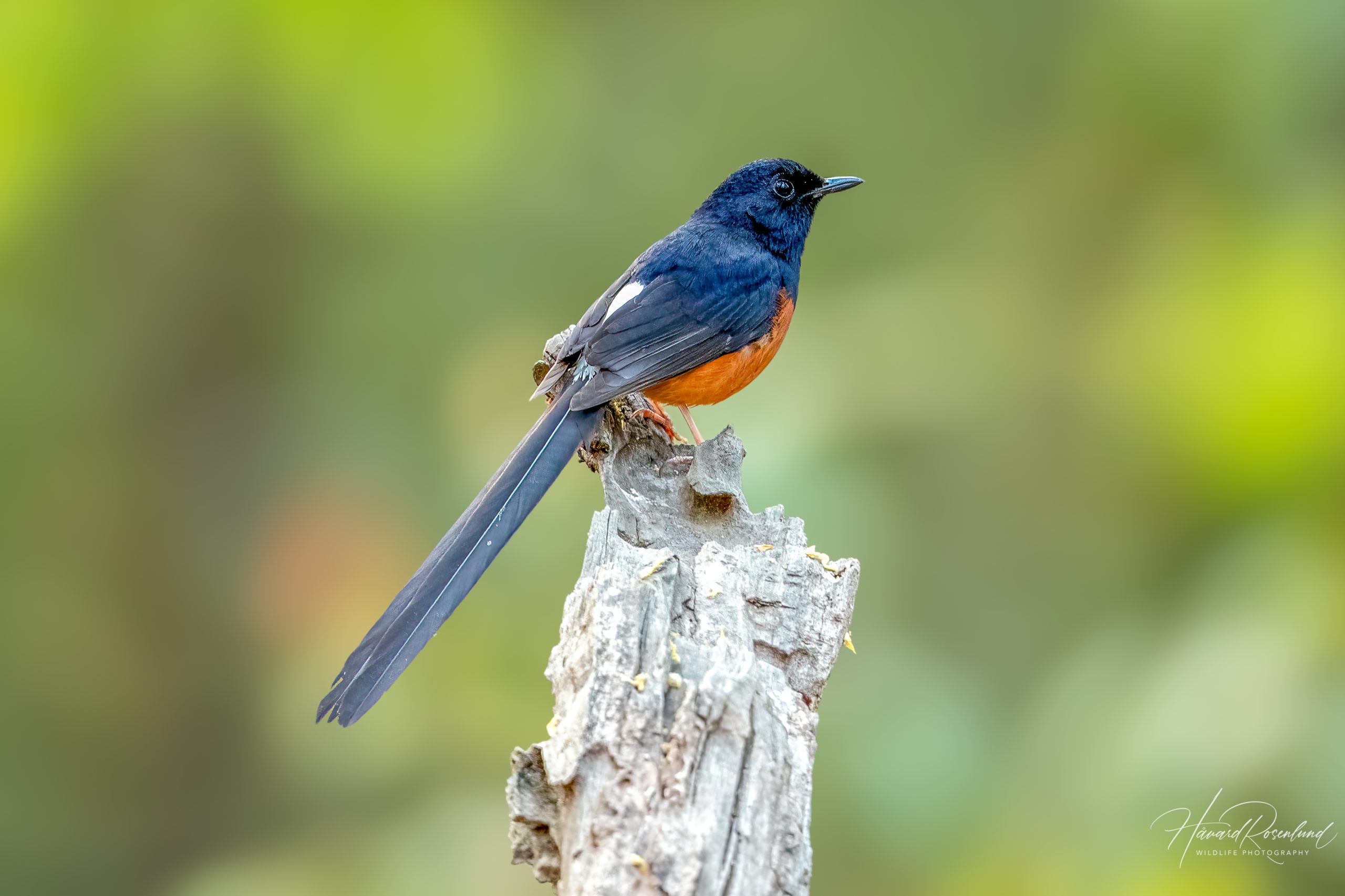
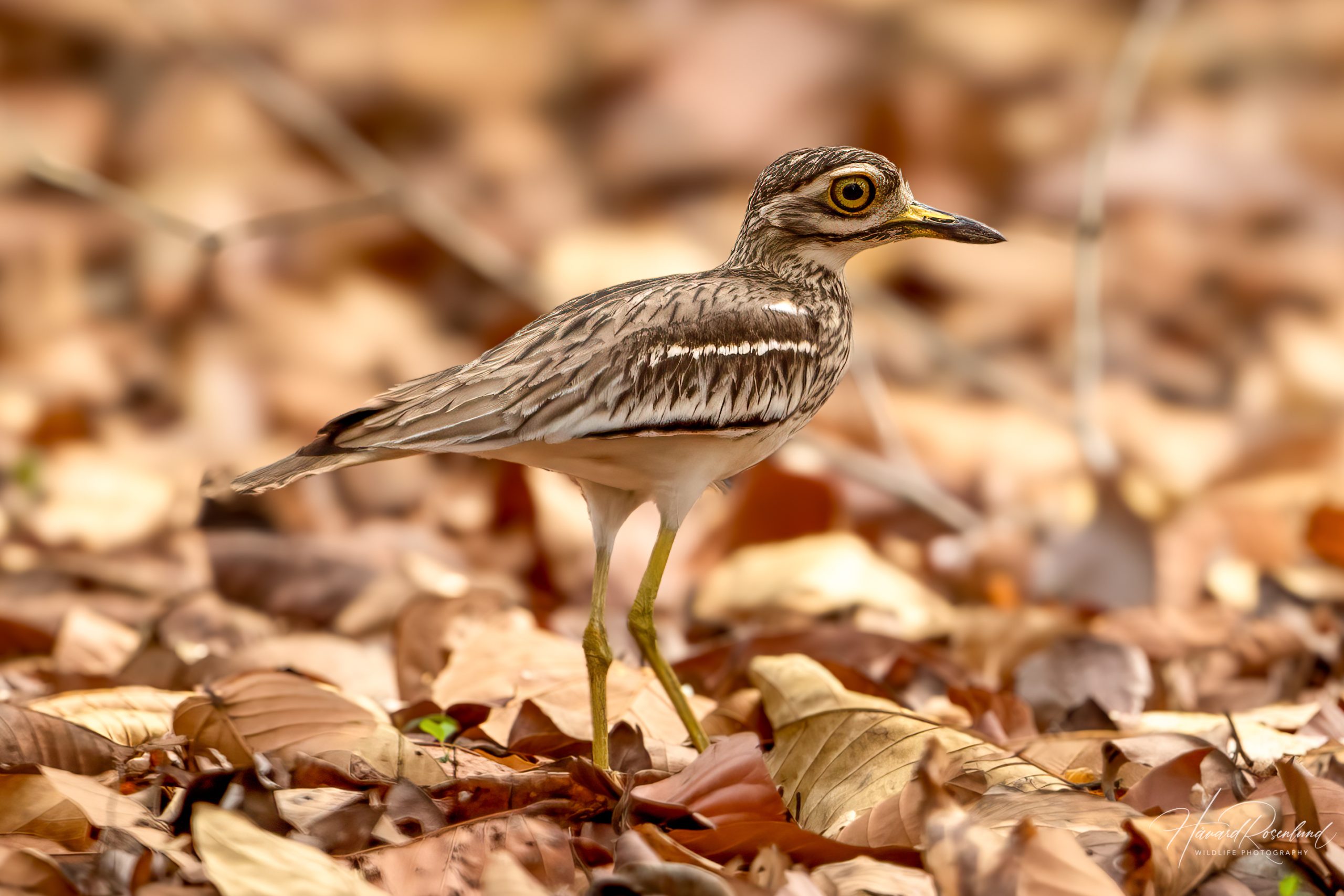
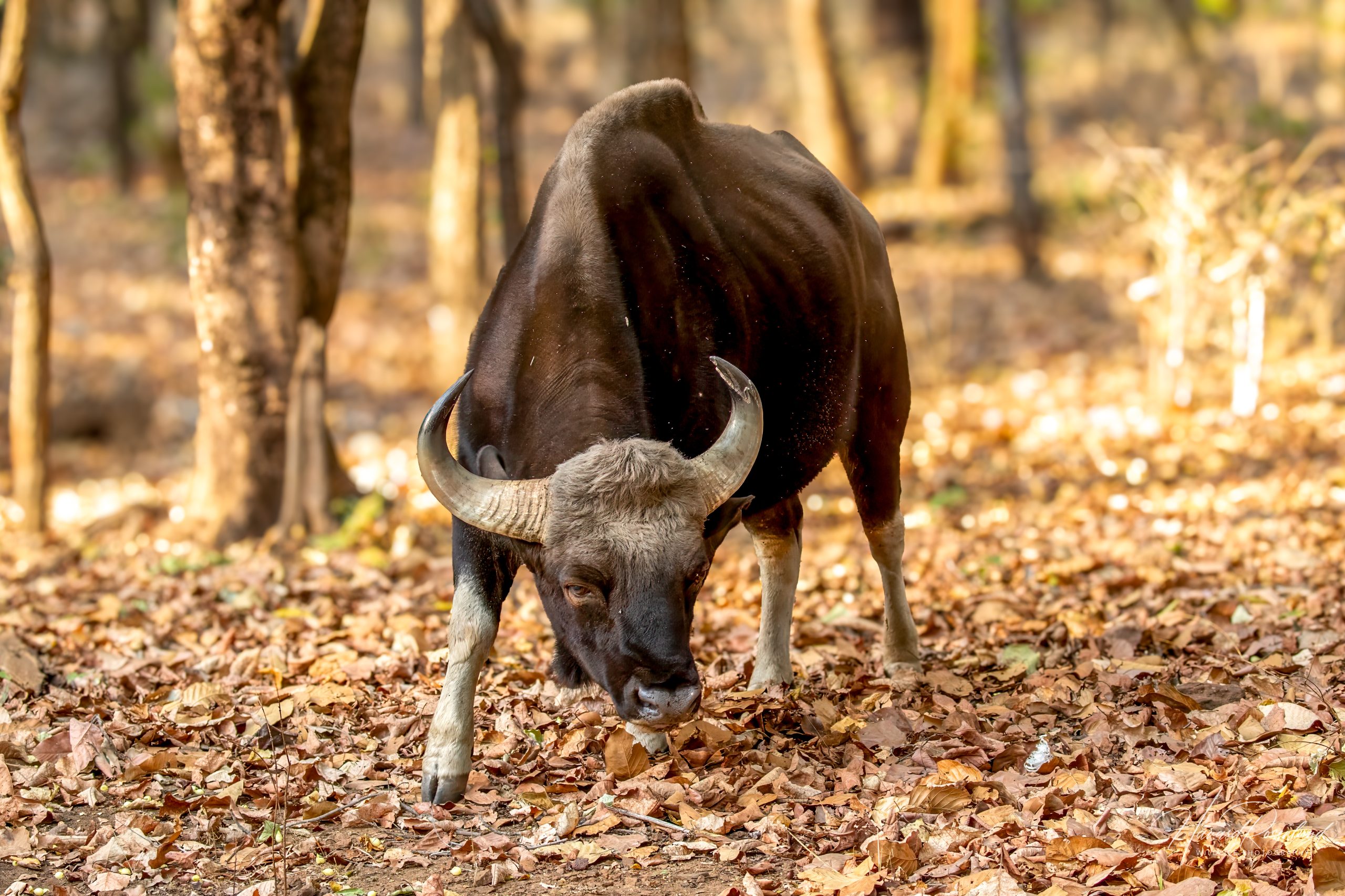
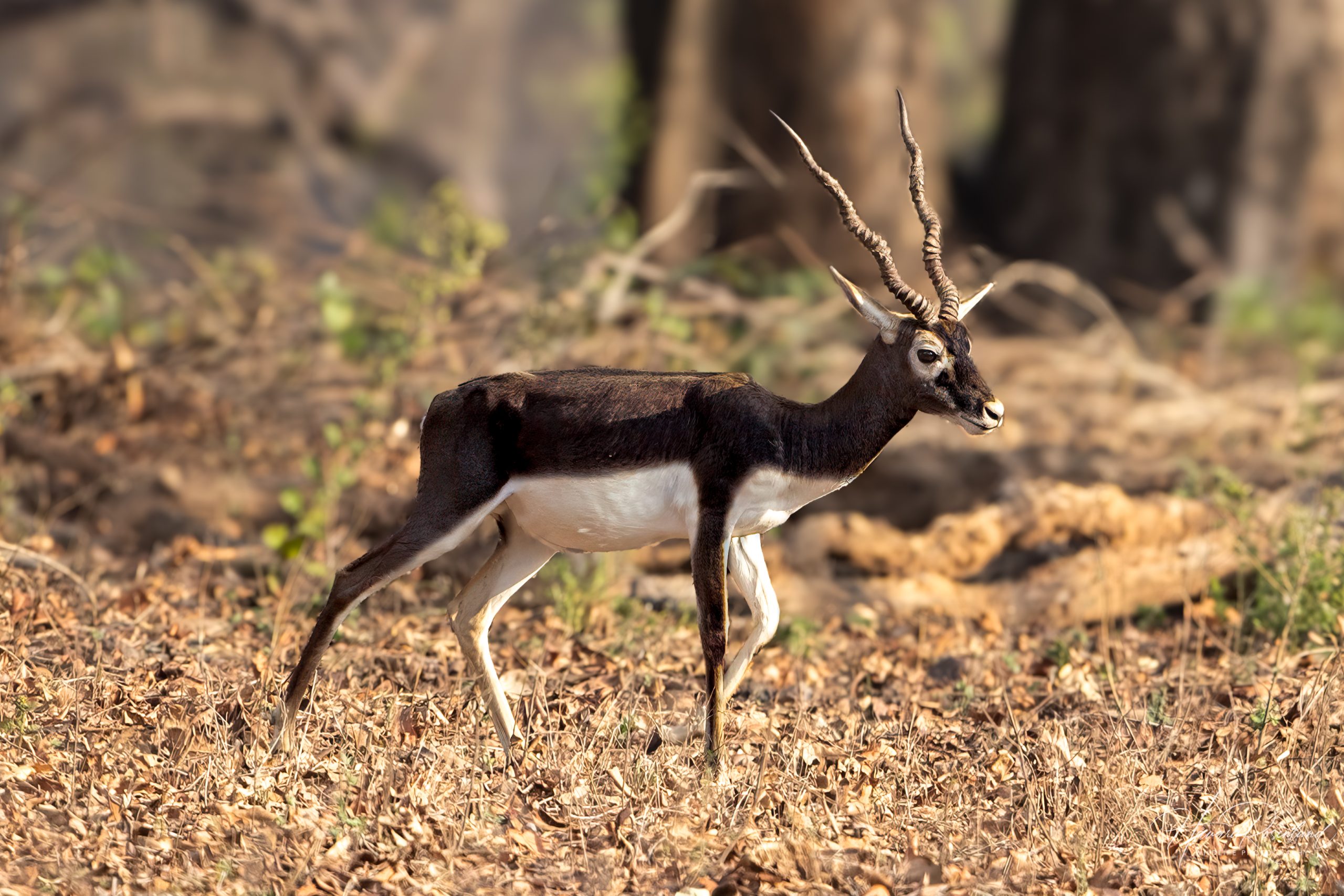
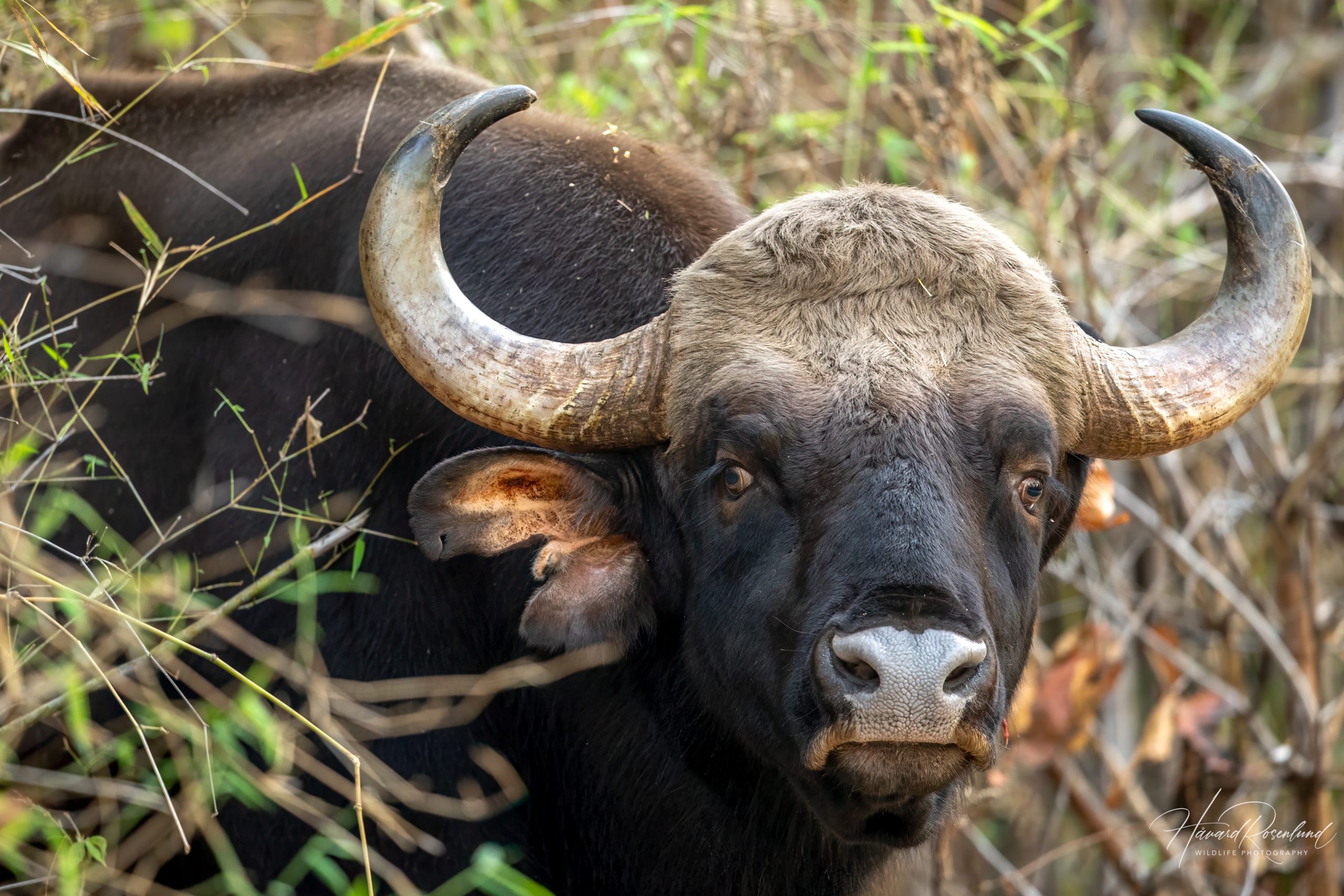
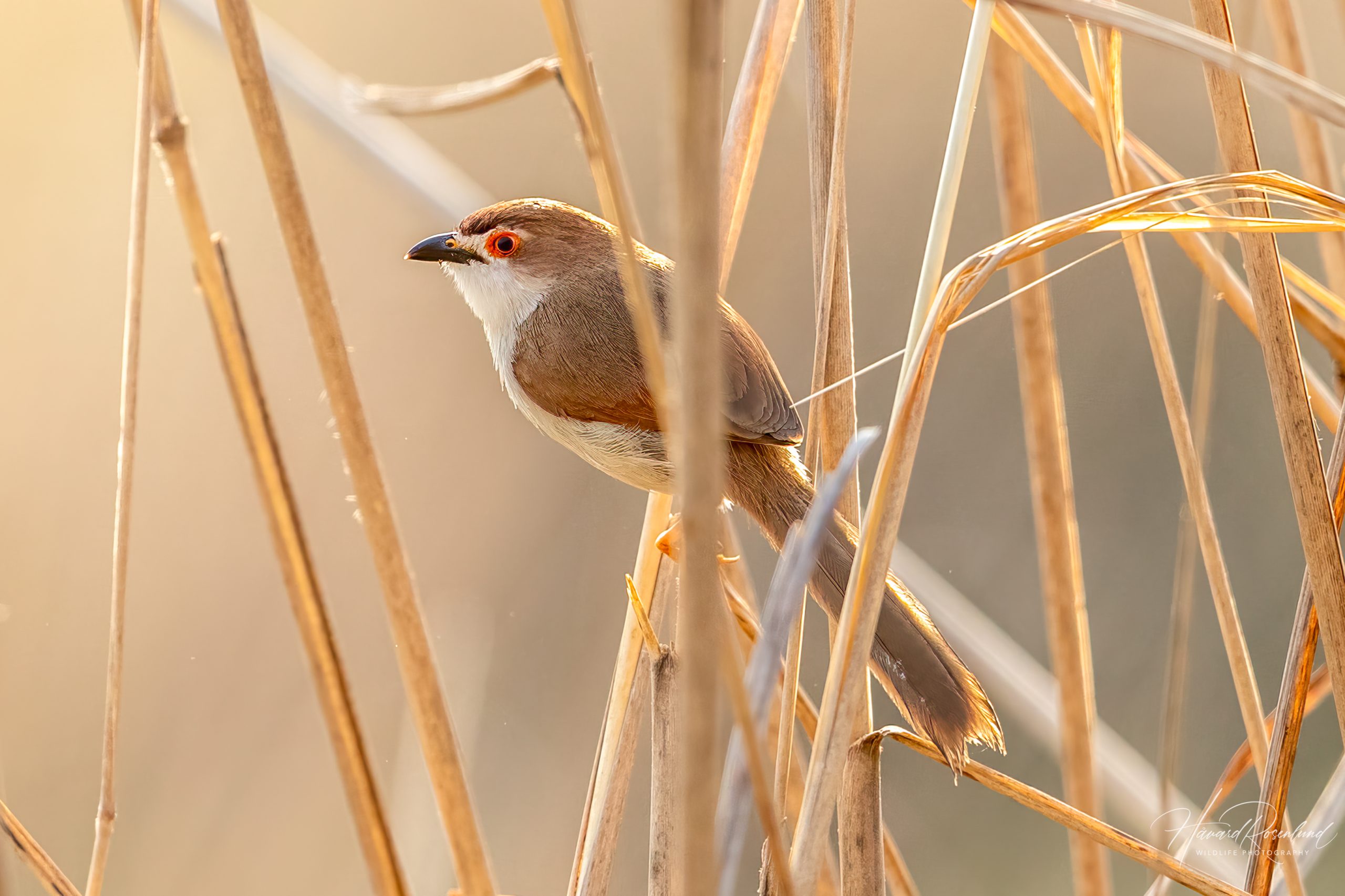
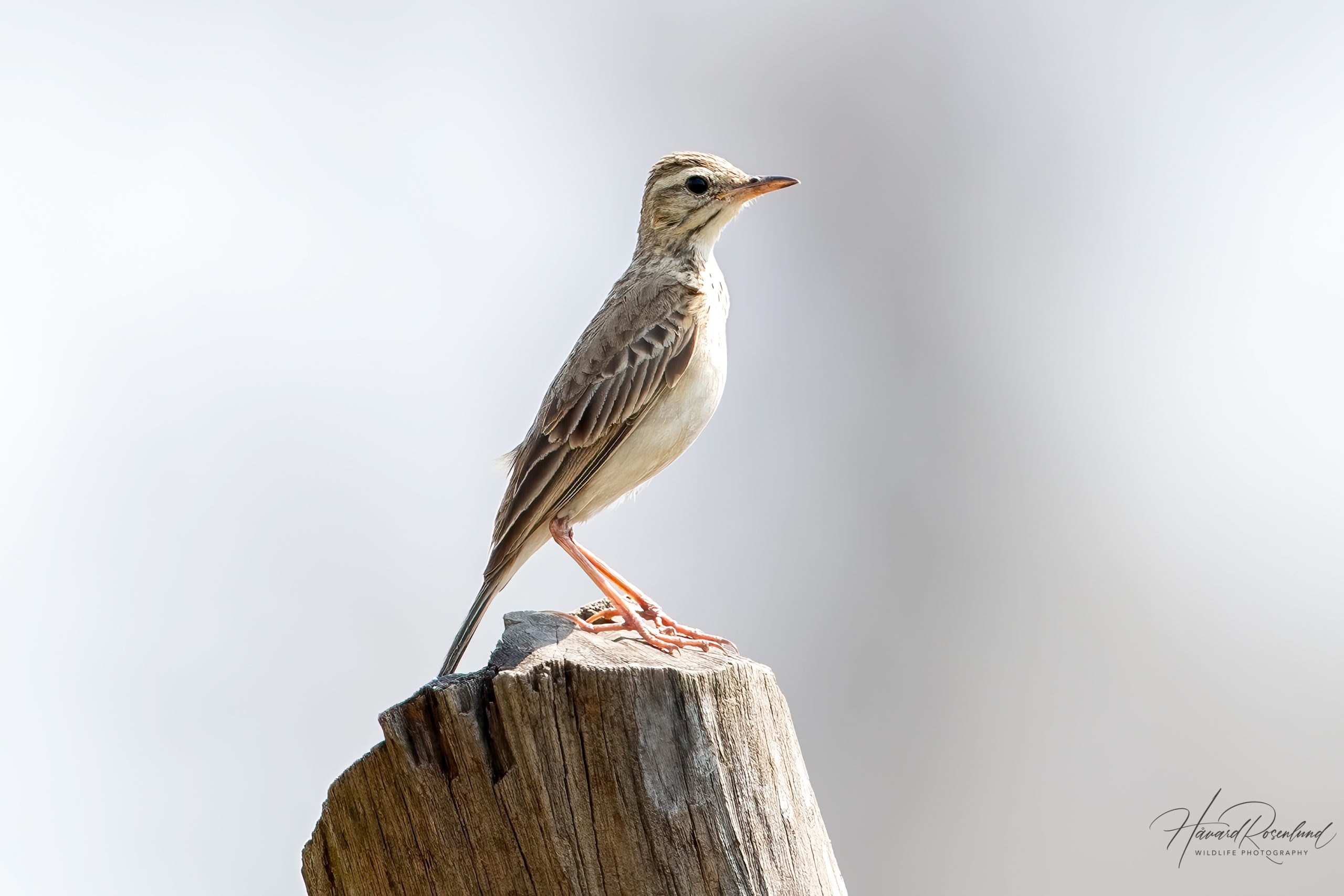
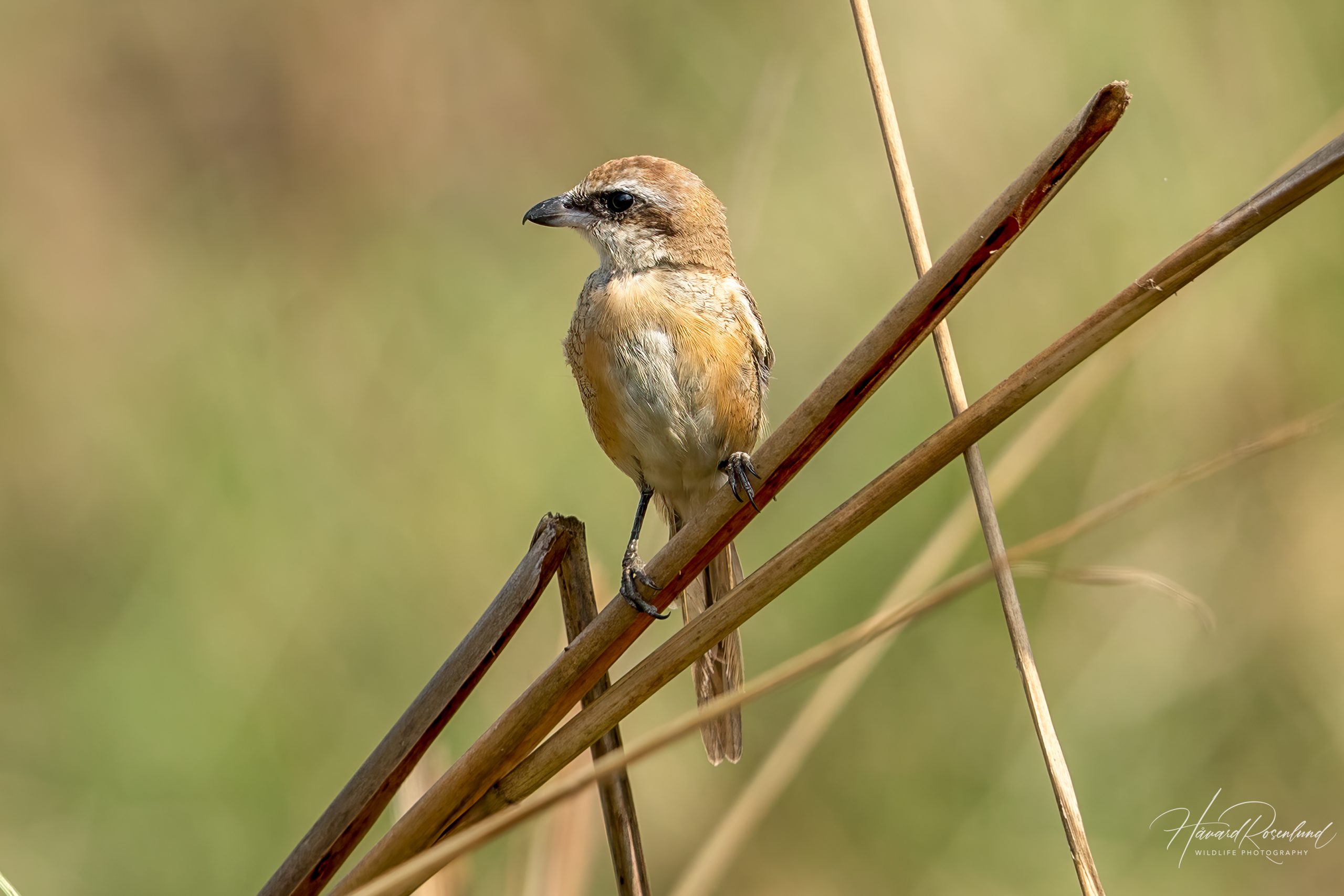
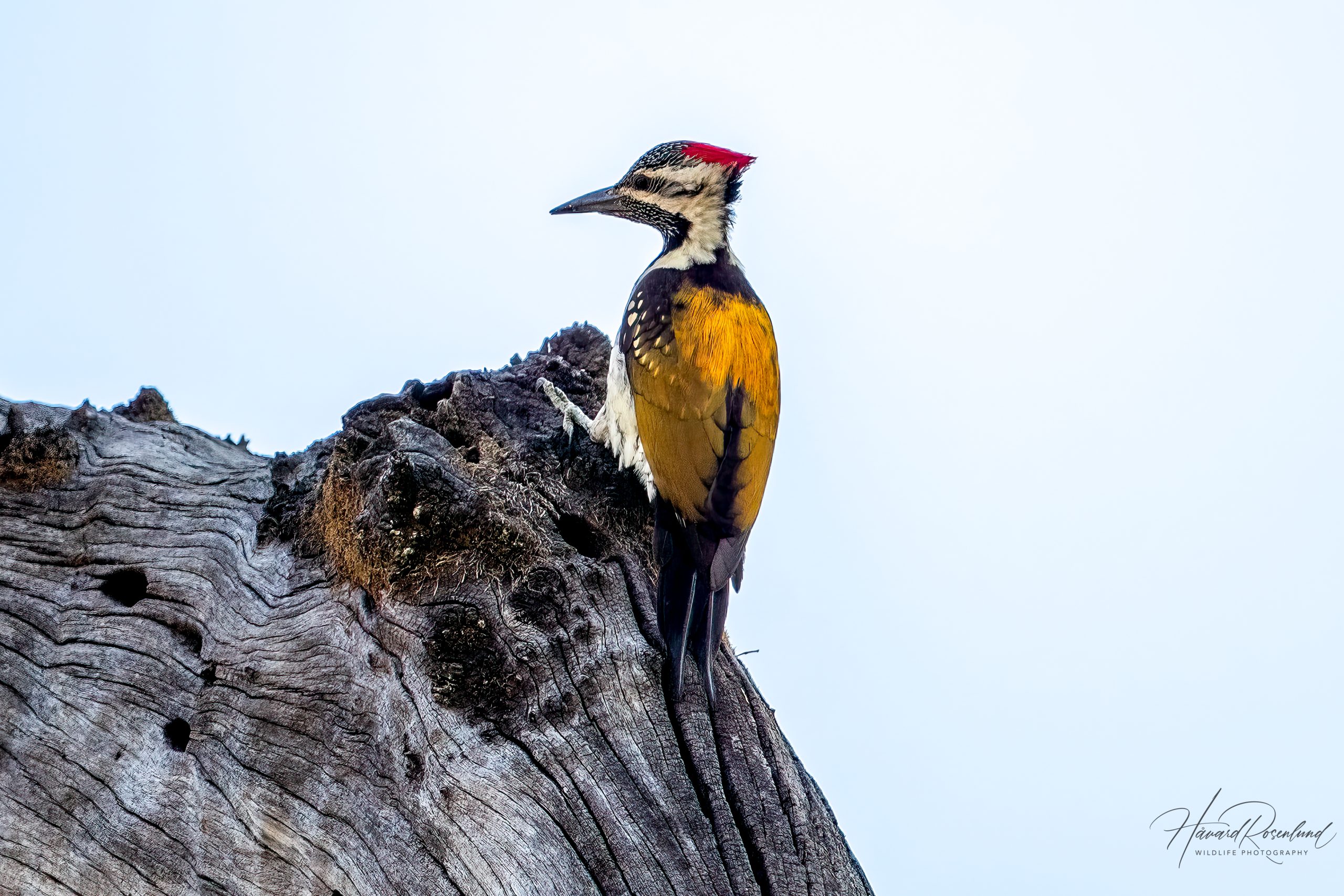
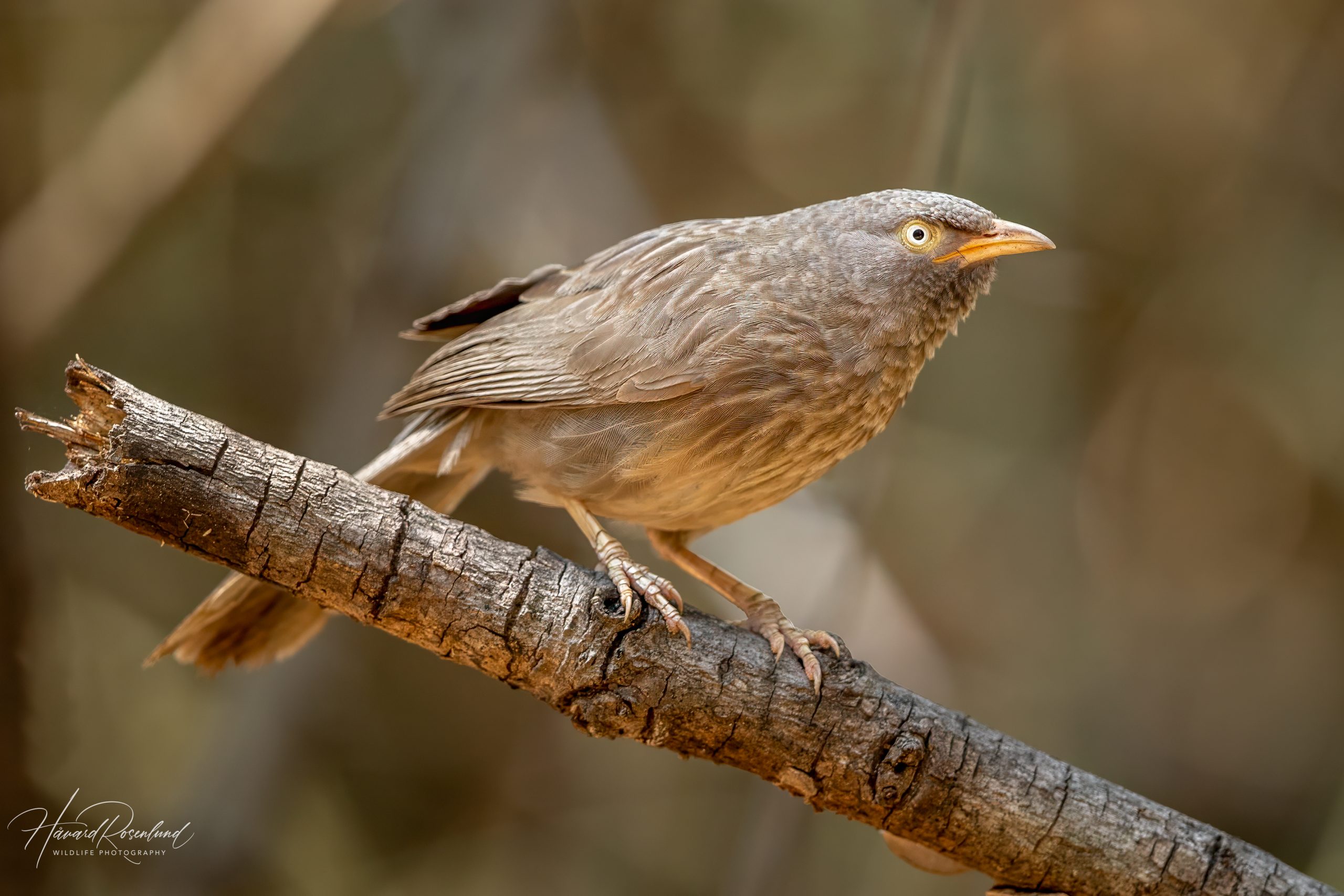
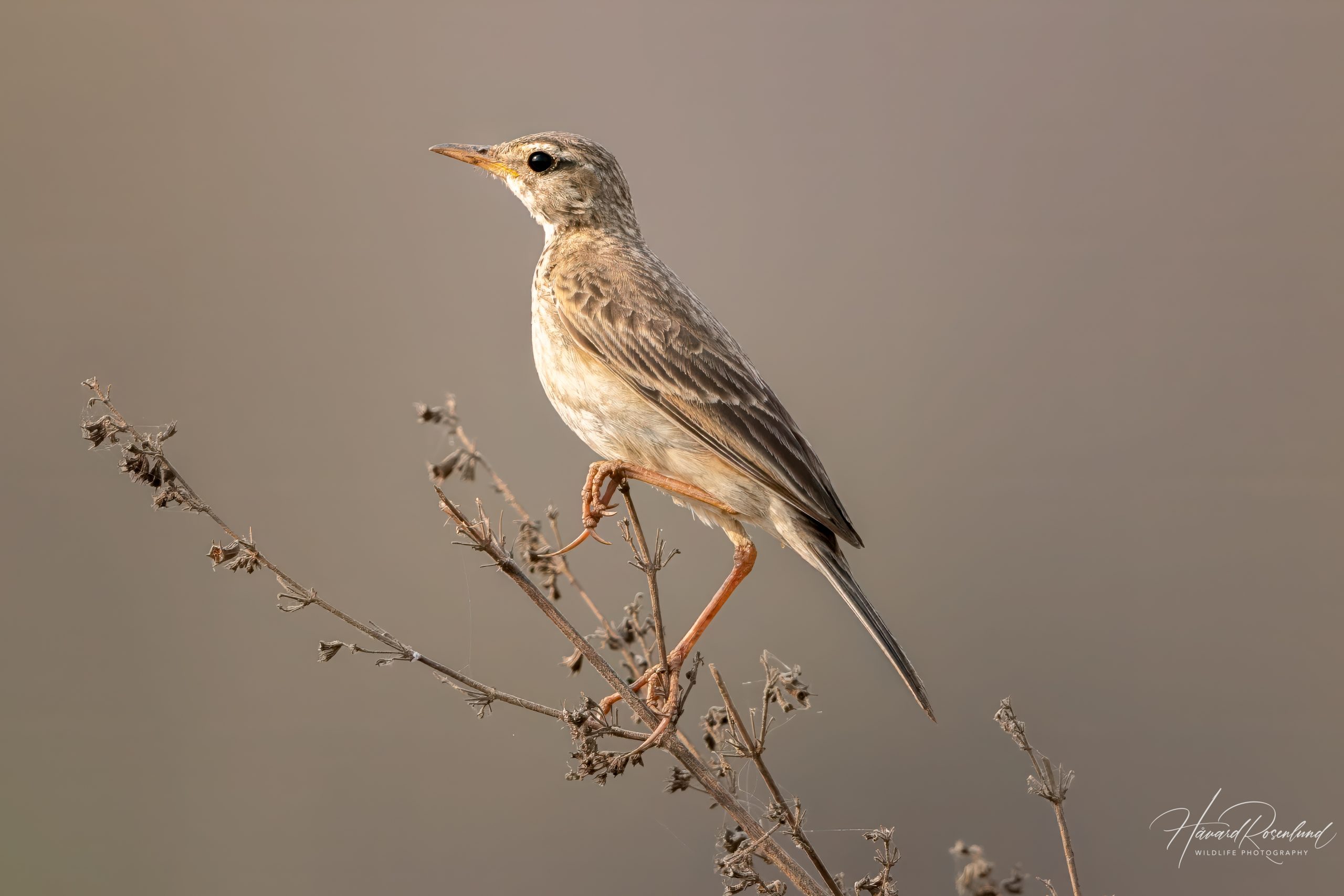
On our second morning safari at Kanha we went a lot further into the park, and ended up at a massive grassland area. It almost felt like we had entered a totally different park altogether. Tigers weren’t as common to see here, but there were lots of wildlife around, with large herds of gaur being particularly visible. Saurabh had us focusing on finding various grassland species of birds, which was more than fine by me, and we were also looking for one animal that I had really hoped to see on this trip, the beautiful blackbuck, an antelope with magnificent screw-like horns. Upon entering the grasslands, we did see a herd of blackbuck in the distance, but they were too far away. After spending some time birding, getting species such as yellow-eyed babbler, paddyfield pipit, brown shrike, black-rumped flameback, and crested serpent-eagle, we happened upon a second herd of blackbuck, and this time they were close enough to photograph! I got my one photo of a beautiful male (the females are brown and lack the horns), and another species got ticked off my list!
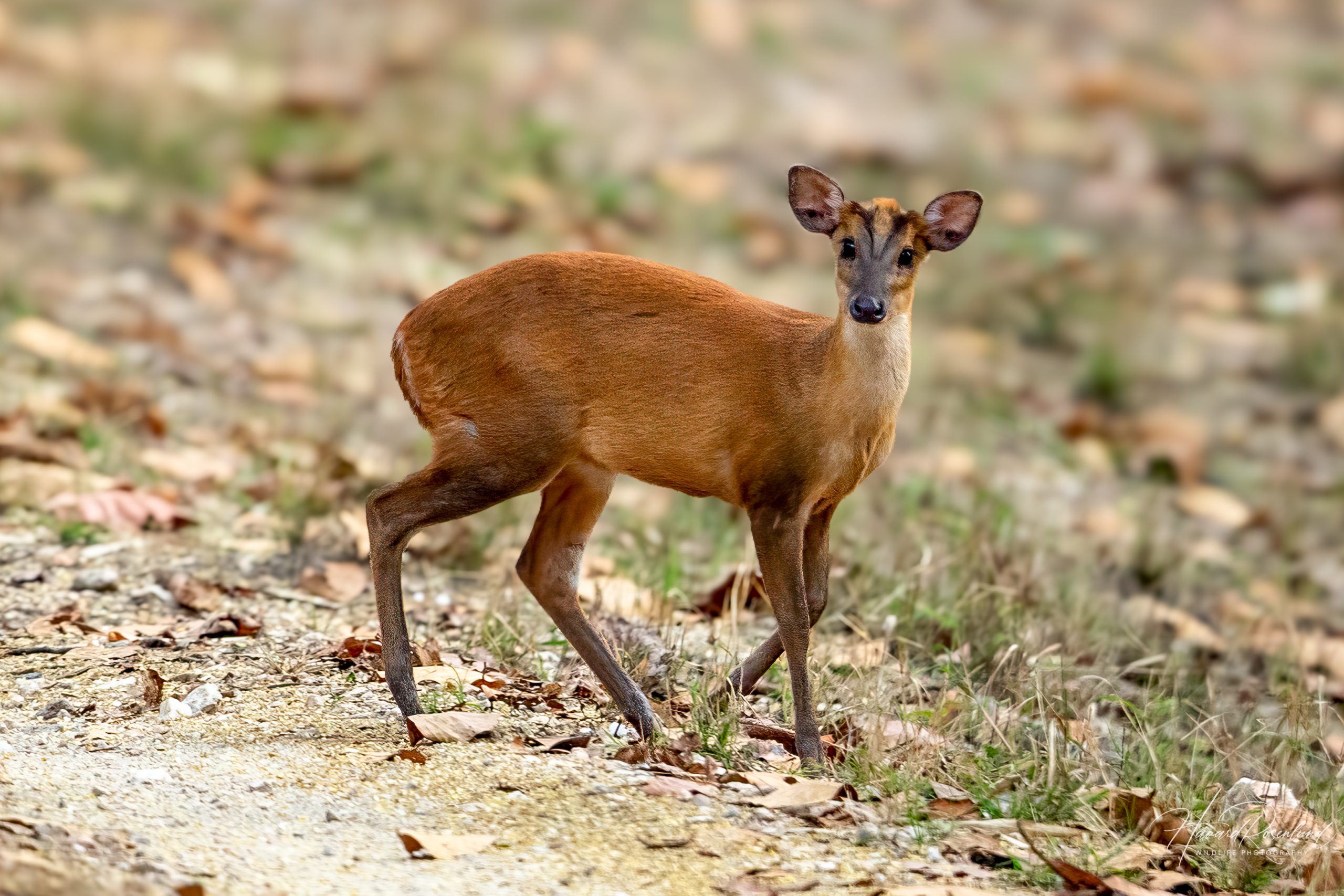
We also came across other interesting species on this drive; among which was another species I had hoped to get decent photos of, the northern red muntjac. This is a small species of deer, where the male has tiny antlers and a couple of sharp canine teeth. To me, it looked very similar to the red forest duikers of South Africa, but the two are not closely related and belong to different families (muntjacs belong to the deer family, and the duikers to the bovid family). They probably utilize very similar ecological niches, and their similarities are probably a consequence of convergent evolution. Just your typical musings from a biology teacher!
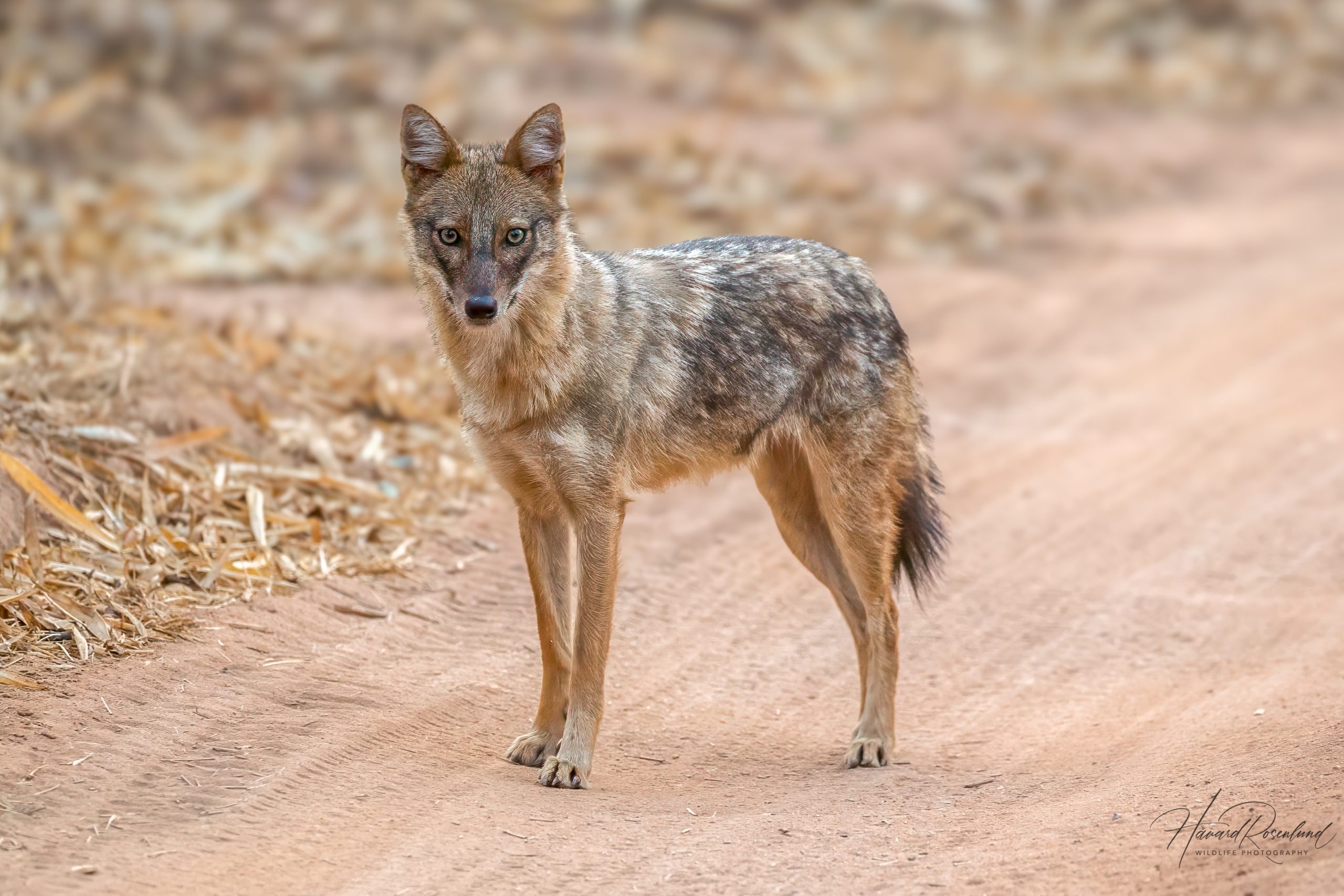
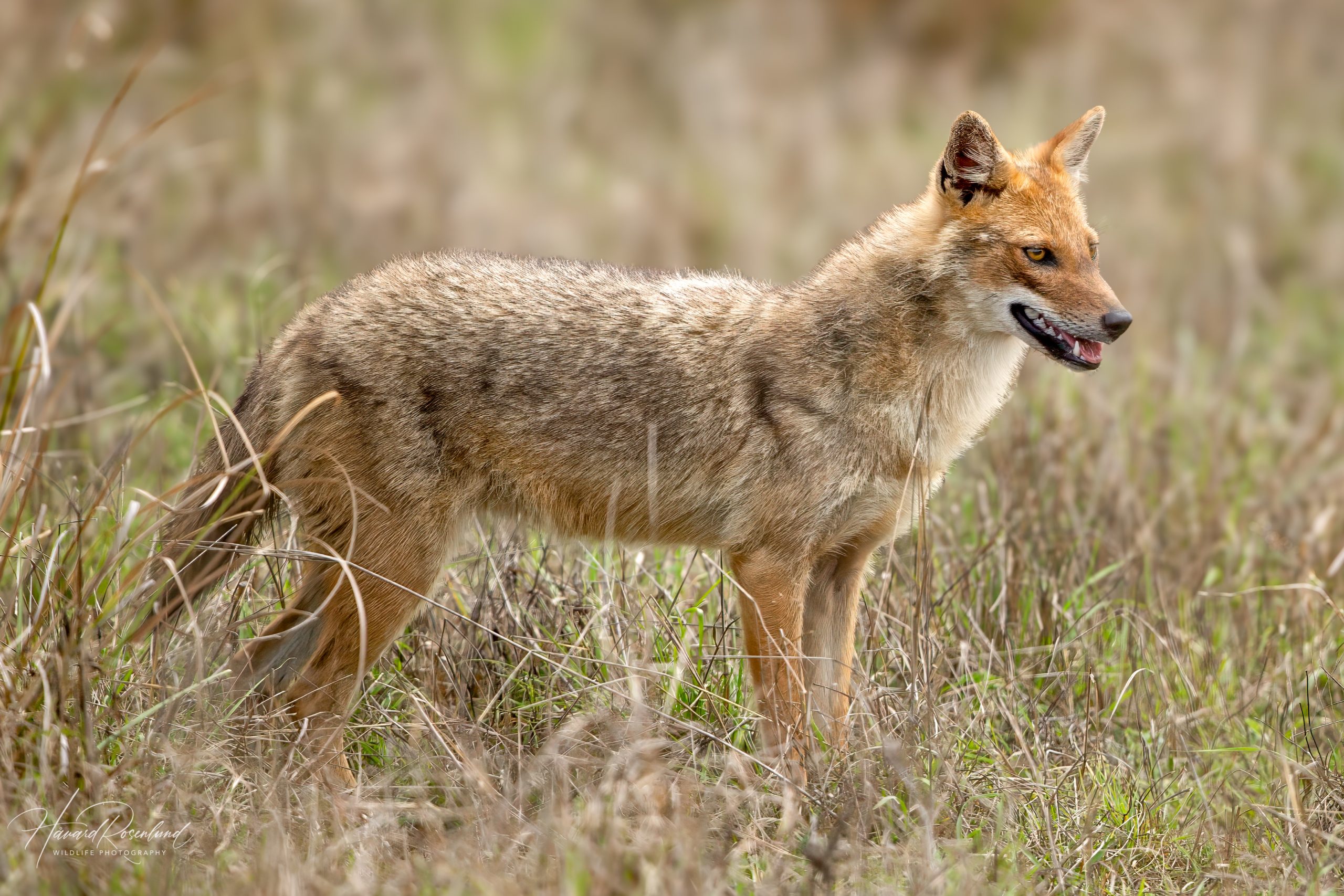
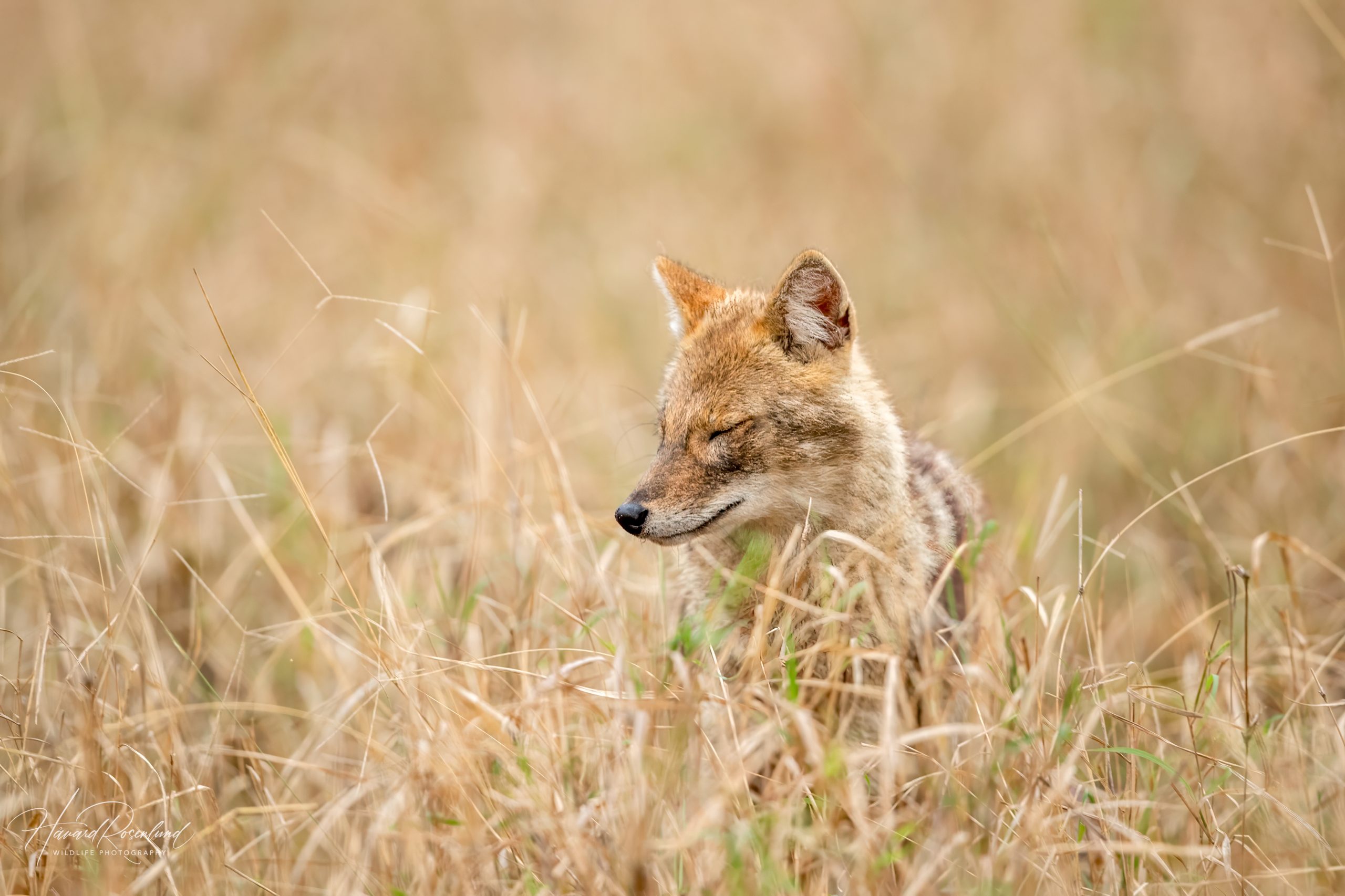
I also need to mention another species that was very prominent at Kanha, the golden jackal. During our days here, we had at least seven different jackal sightings, and many of them quite close to the vehicle. As someone who loves mammalian carnivores more than any other type of animal, this was very cool to me! They look like miniature wolves, and are quite charismatic, and to any American reading this, they are pretty much the Eurasian equivalent of the coyote.
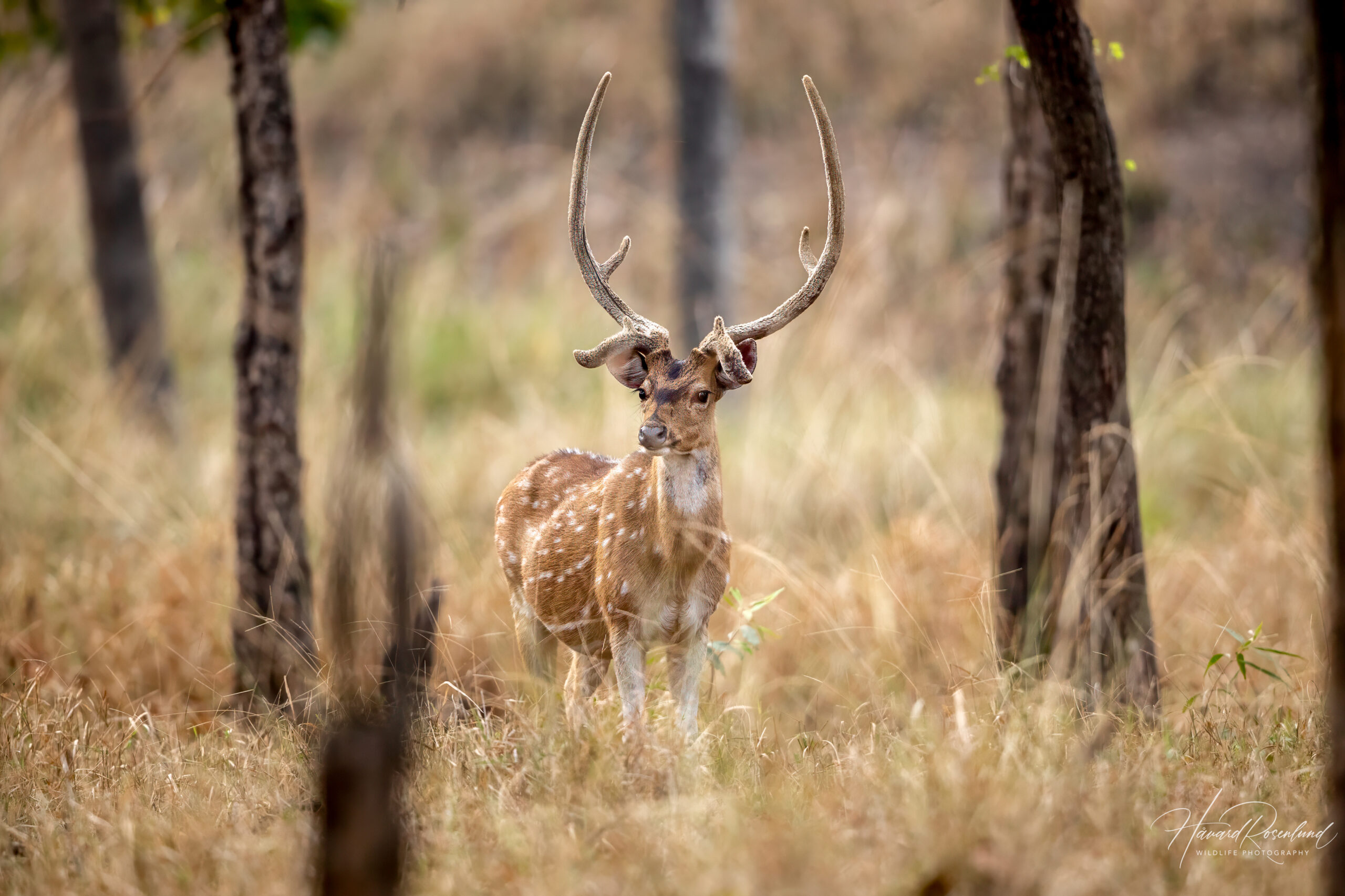
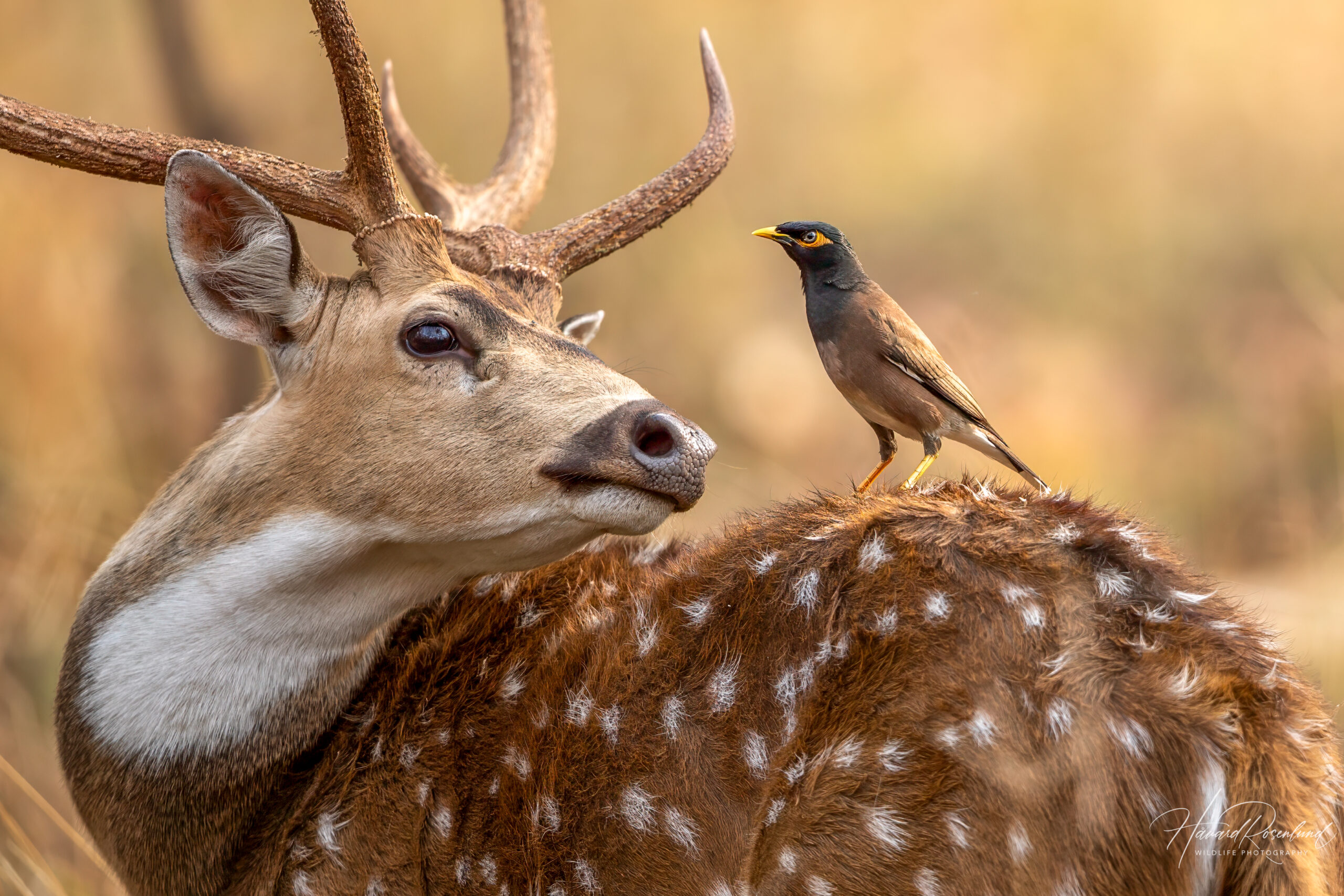
Here are some of the mammals we got to see on our second day at Kanha, with the jackal, blackbuck, and muntjac taking up the top three positions, and gaur, chital and Indian palm squirrel at the bottom:
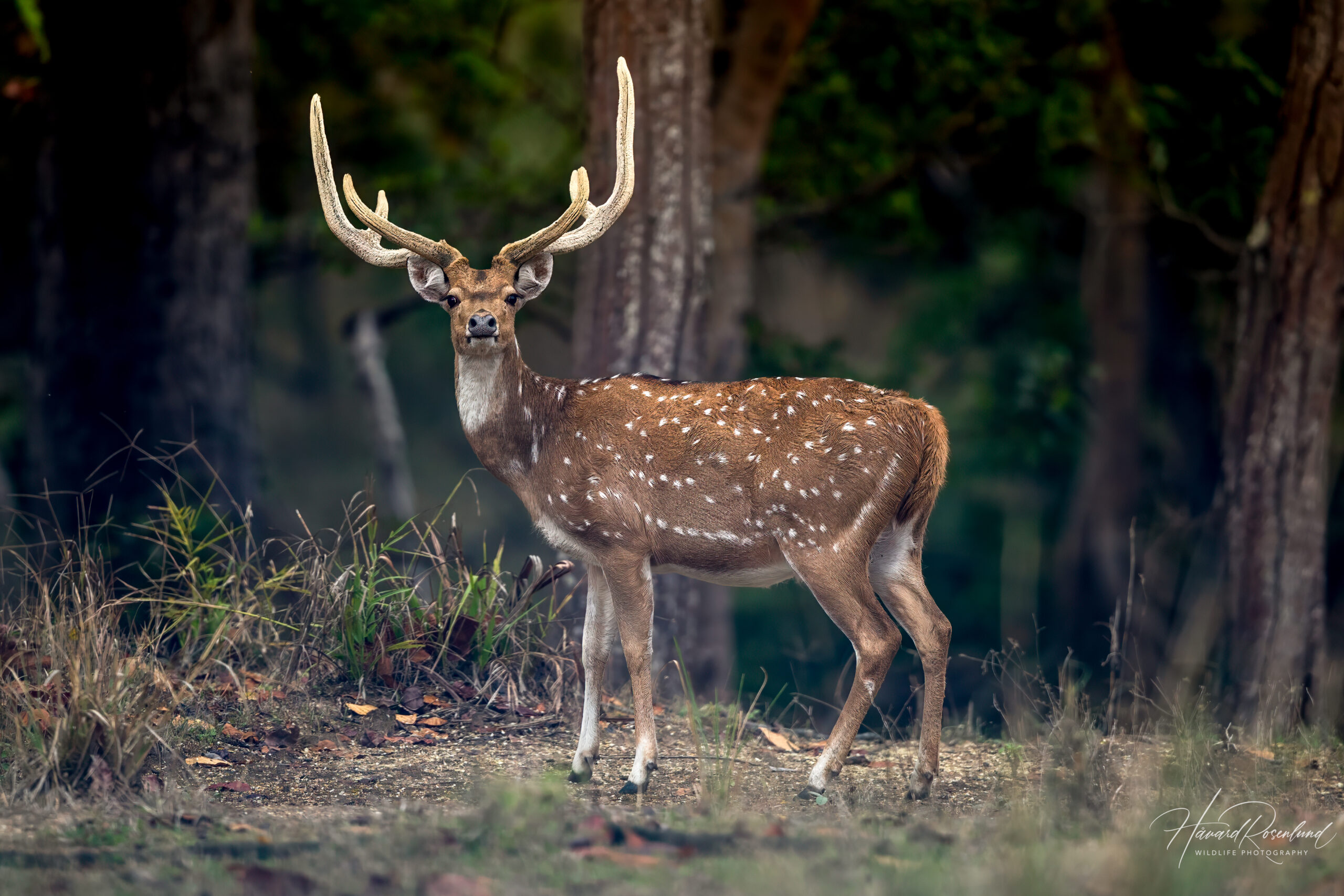
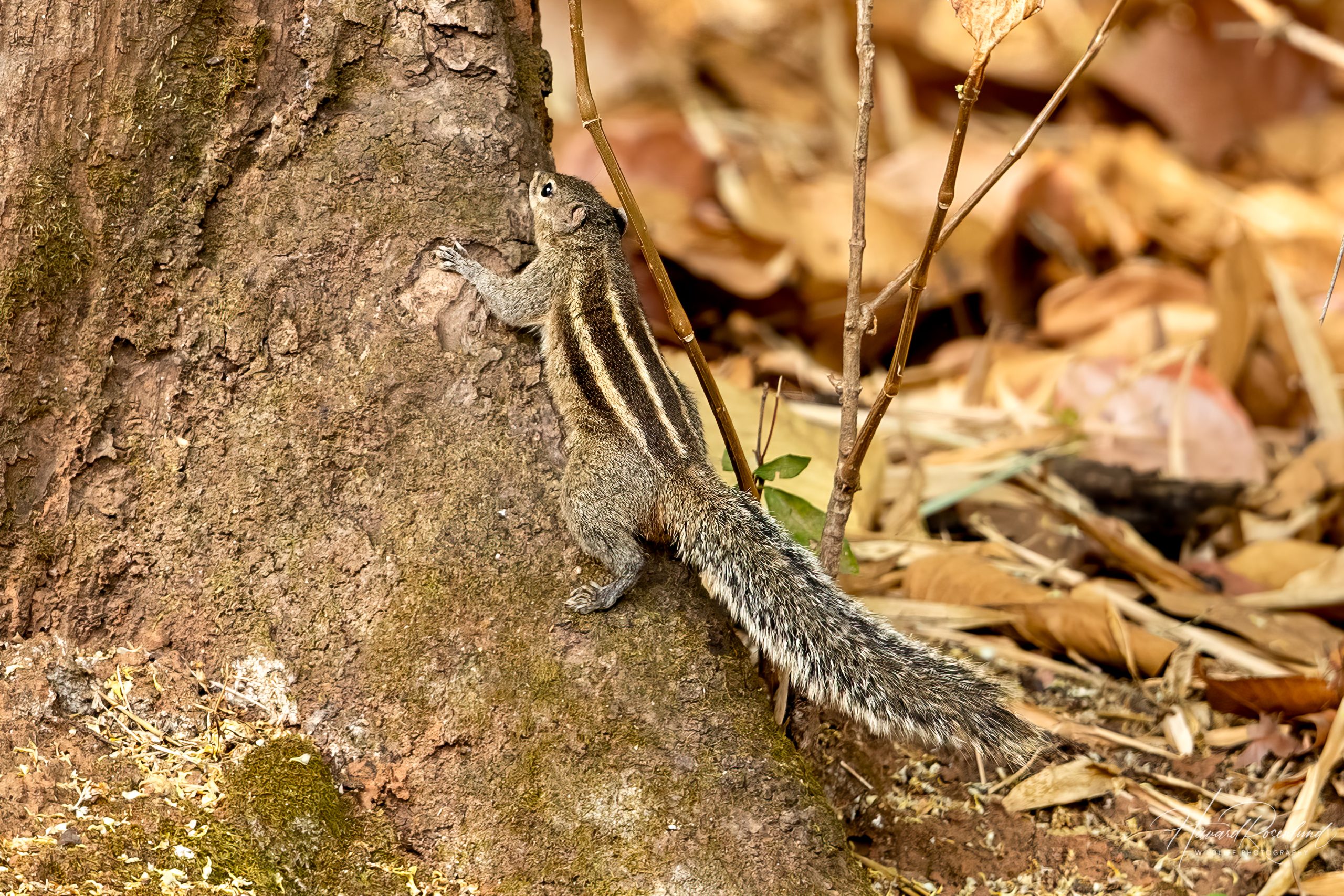
After a bit of driving we ended up at a section with dense forest. There were several other safari vehicles about, and they all seemed to drive in different directions, as if looking for something but not knowing where to start. Apparently a male tiger was on the prowl, and they were all trying to figure out where he was. We joined the search, and went from one area to the next, stopping and listening at each location. Suddenly we heard roaring from deep within the forest. The tiger was on the move, and he sounded angry. Supposedly another male tiger was somewhere in the forest nearby with a female. They were mating, and this guy was not happy about it. With intermittent rain, distant thunder, and the roaring of an angry tiger, the atmosphere was tense and suspenseful.
We slowly drove our car forward and parked near a pathway into the forest. Many of the other vehicles did the same. For a moment it was dead quiet, except for the occasional rumbling of thunder, and no one said a word. A faint roaring began again, but each roar now got louder than the one previous. The tiger was moving again, and he was closing in on our position. Suddenly we heard the scream of a man behind us, and we all turned quickly, believing the tiger had attacked a person on a car behind us. A tourist had lost his balance and fallen off his safari vehicle. His guide quickly got him back inside. Just moments later, a massive male tiger appeared out of the forest in front of us. He looked at us casually as he crossed the road and disappeared as quickly as he had emerged. What an incredible moment, and one that I will never forget. The atmosphere, the tension, and the brief appearance of the king of the jungle himself. And… I managed to get him on camera!
We had already seen the carcass of a chital the previous day, which was killed by a pack of dhole, so we knew they were around. And on this particular morning we also got fresh tracks of a sloth bear. It gave us hope that this might be the day for at least one of the two. As the morning went on, we didn’t stop for much. We kept our focus on the search for something special. After a few hours of driving, our hopes of finding one of these elusive carnivores faded and we instead got the focus back on the main characters of this journey, the tigers. At least they were not shy or hard to come by, at least not for us.
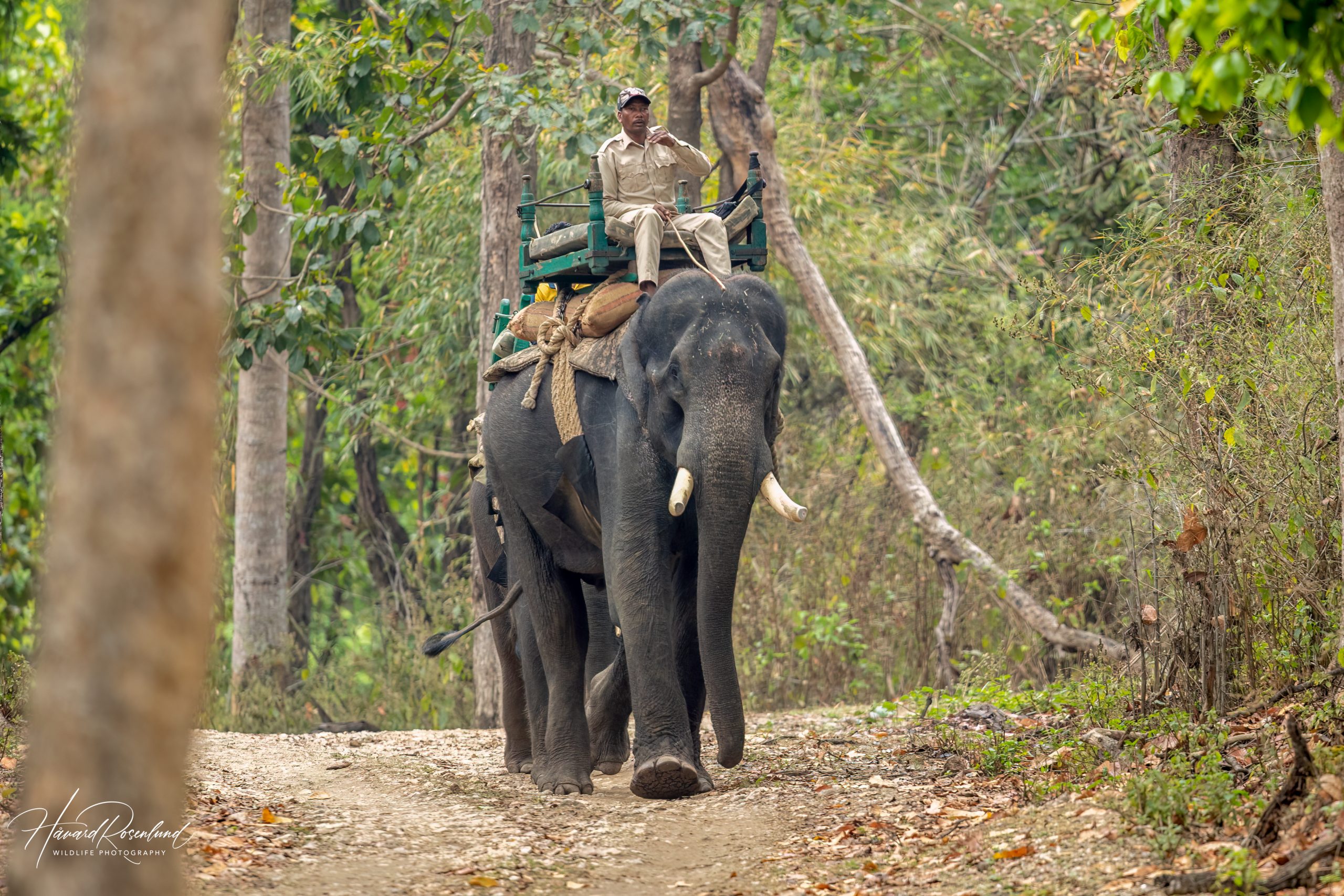
A shift in focus was the right thing to do, as it didn’t take long before we got word of a male tiger sleeping near the side of the road somewhere close. As we found him, there were lots of cars around as usual. He was laying down flat sleeping with his back towards us, not bothered at all by the crowd on the road right behind him. As we were about to leave him (he wasn’t the most interesting subject to photograph), a pair of elephants suddenly appeared up the road. There are no wild elephants in Kanha, so these were domesticated elephants with park rangers riding on top of them. The tiger had a wound on his side from a battle with another tiger, and the rangers had come to get a closer look at it.
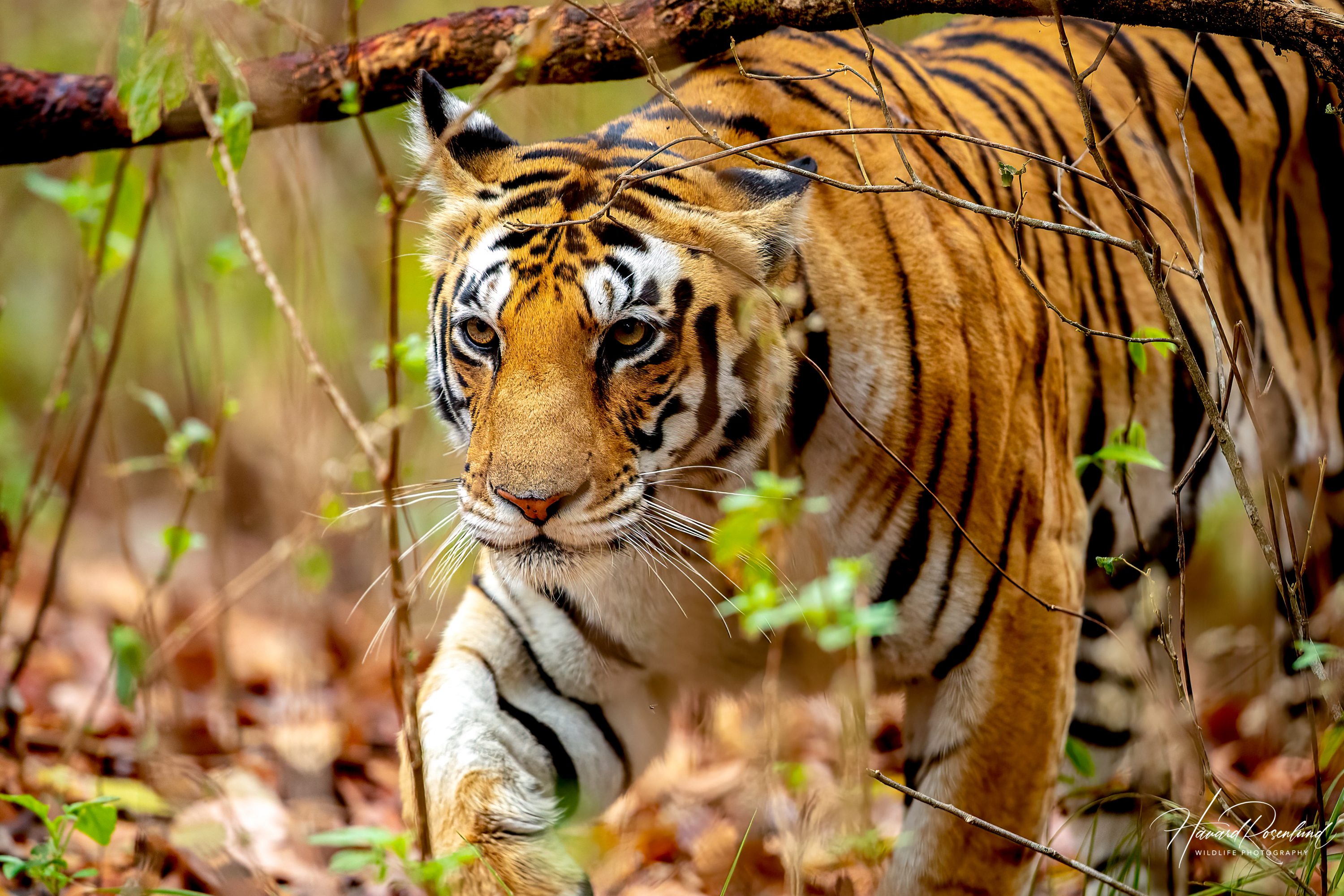
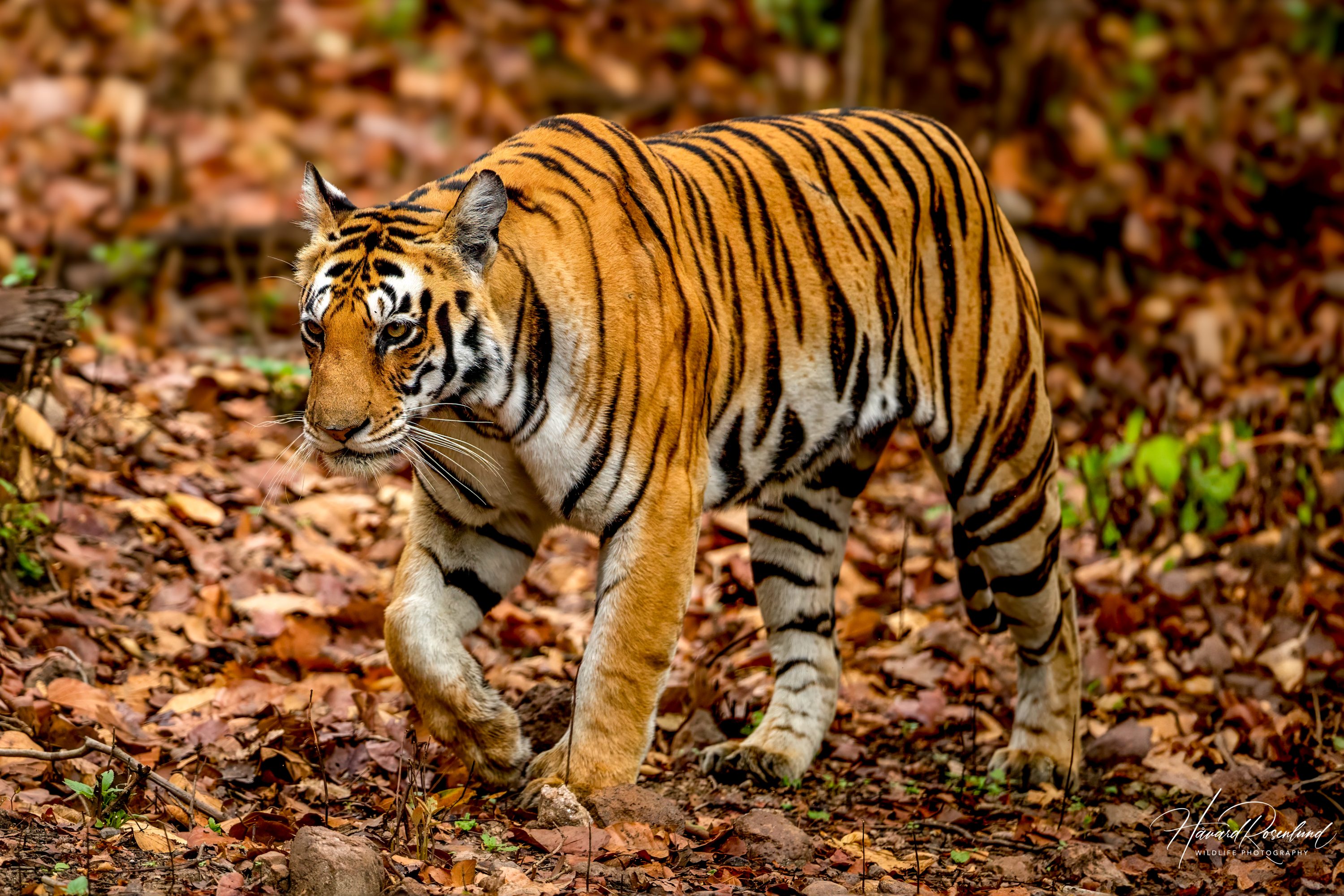
As we got there, there weren’t that many cars around. She was laying flat in the grass a bit of a distance from the road. No more exciting than the male earlier. But we had time before we had to be out of the park, and the gate was close, so we decided to just sit there for a bit. Then, after a while, she suddenly stood up and began walking. She was heading straight for the road, but not in our direction. Our driver knew were she would enter the road, and drove fast to get there so we could watch her come out. We were put in perfect position as we watched her move through the jungle towards us, and I got some nice photos of her navigating the dense vegetation. When she finally entered the road, she was right there next to us. She then crossed the road, and as she did she looked straight into my lens, providing me with another fantastic photo! Maybe it was the noisy shutter of my camera that caught her attention? I also got a few great shots of her walking amongst the dry leaves on the other side. She eventually found another path and disappeared into the forest. Another incredible sighting, and almost on par with that first female on our very first drive in Bandhavgarh. What an end to our safaris at Kanha!
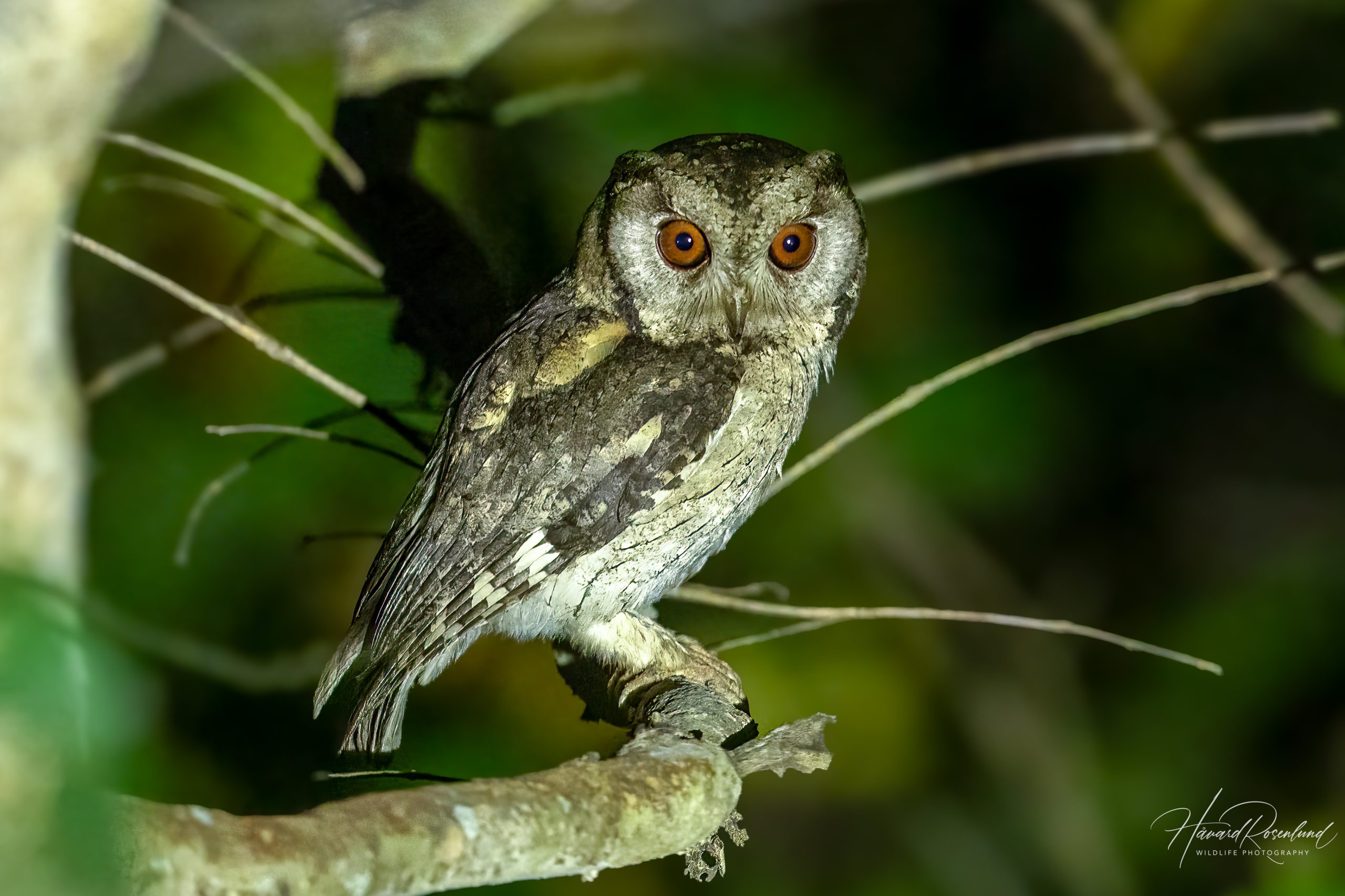
We headed out after dinner, and it was me, Saurabh, Catherene, Raja (I think), and one more employee at their resort. Because night drives aren’t allowed inside the national park, we went to a different area (part of the buffer zone). As we arrived, we got a couple of spotlights out and began searching for glowing eyes in the darkness, which meant we had found an animal. At first we got a few chital and a muntjac, but after a short while we came across an Indian scops-owl very close to the road. It just sat there posing for us, and we got lots of photographs. An amazing start to the drive!
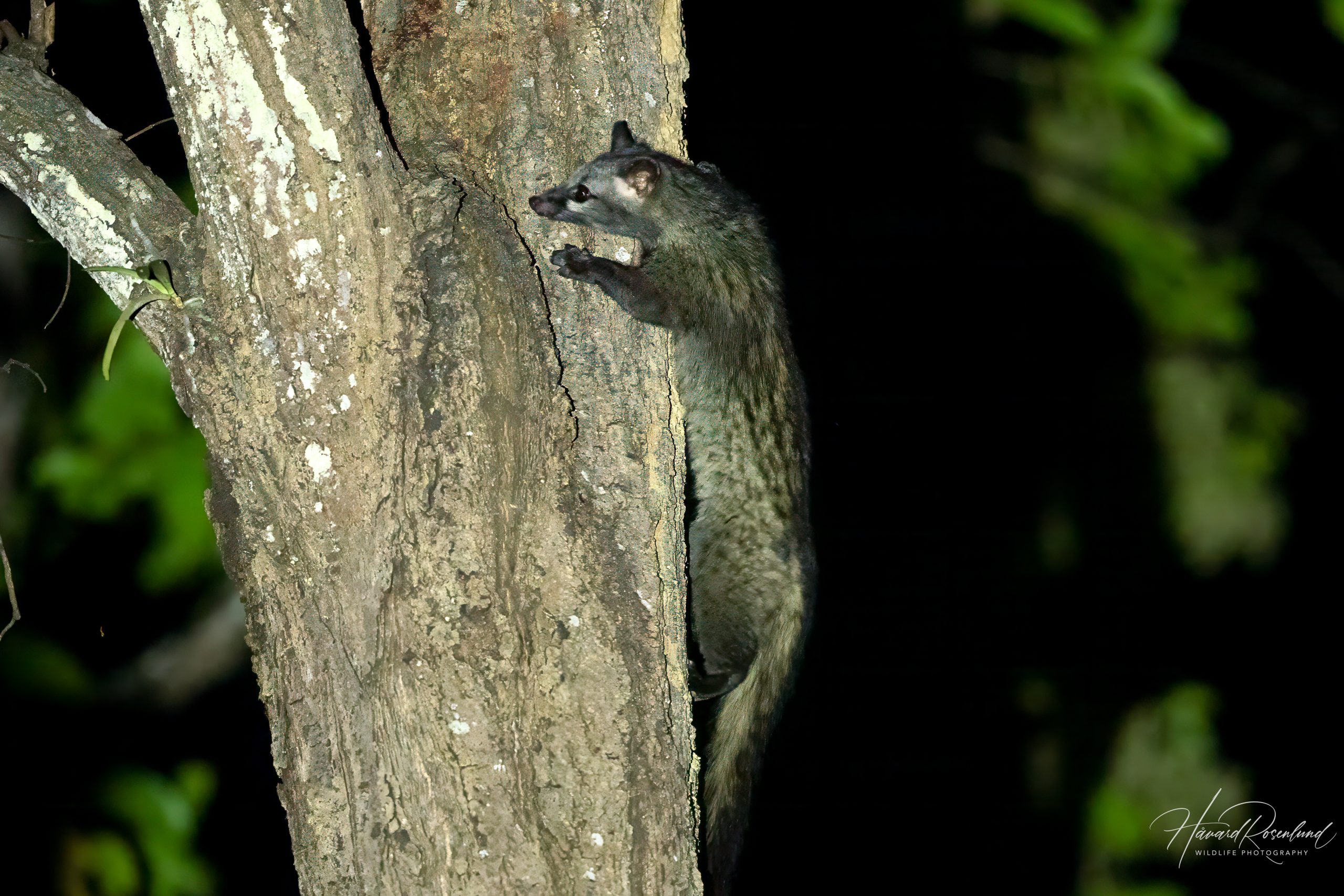
As we continued, Saurabh managed to find a species I had secretly been hoping for up in a tree; an Asian palm civet! A small nocturnal carnivore distantly related to cats, and very similar to the genets I often found on night drives in South Africa. I even managed to get a decent shot before it disappeared further up the tree. Exactly the type of sighting I was hoping for!
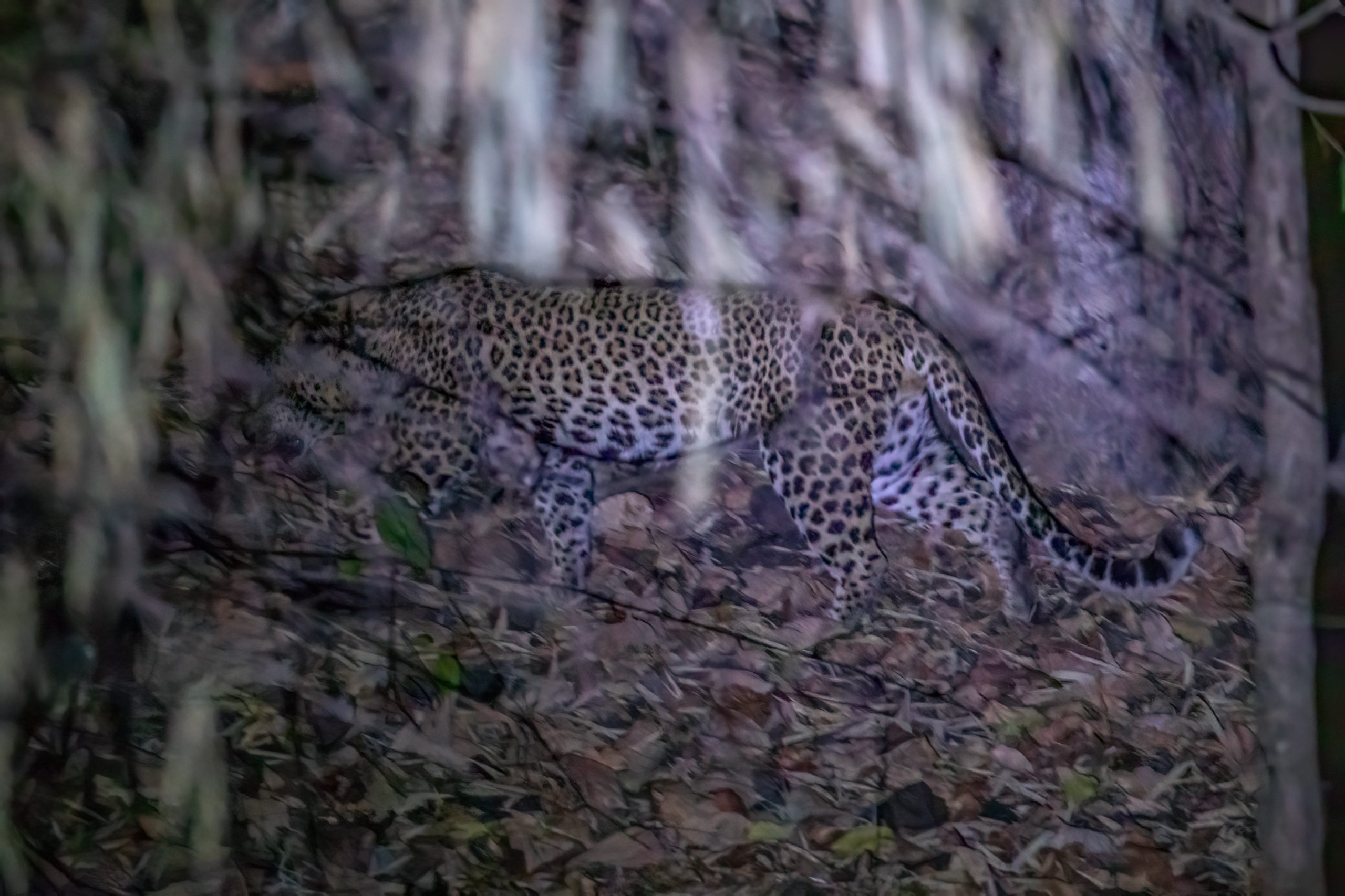
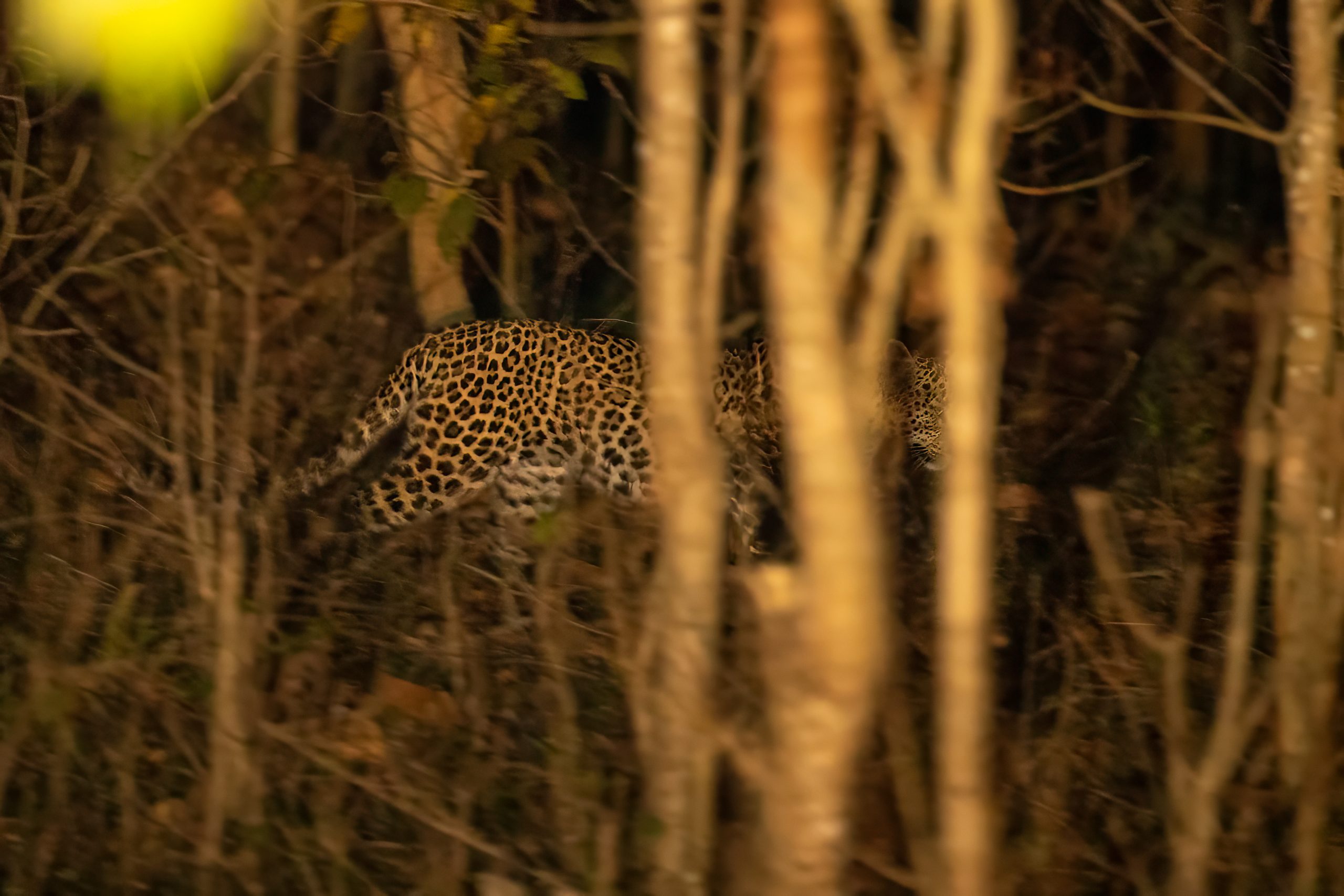
We were continuing onwards in the darkness when one of the guys in vehicle exclaimed “leopard!” in a hushed voice. And lo and behold, a leopard was moving between the trees! It quickly disappeared into denser forest. We tried to follow and anticipate were it would go, but we lost it. I got a photo of it as evidence at least, just as I did with the leopard at Bandhvagarh. But having seen two leopards after just a few days was crazy to me. As many of you know, I did research on leopards in South Africa for about 18 months, where I mostly used camera traps to collect data. During that time, I never got to see any of the leopards that I worked on, as they were extremely shy and elusive in those areas. When it came to leopards, I felt I had bad luck, and never really thought I’d see them in India. I had a faint hope, but me being me, I wasn’t counting on it. So, having seen two, even though briefly and at night, was very special to me!
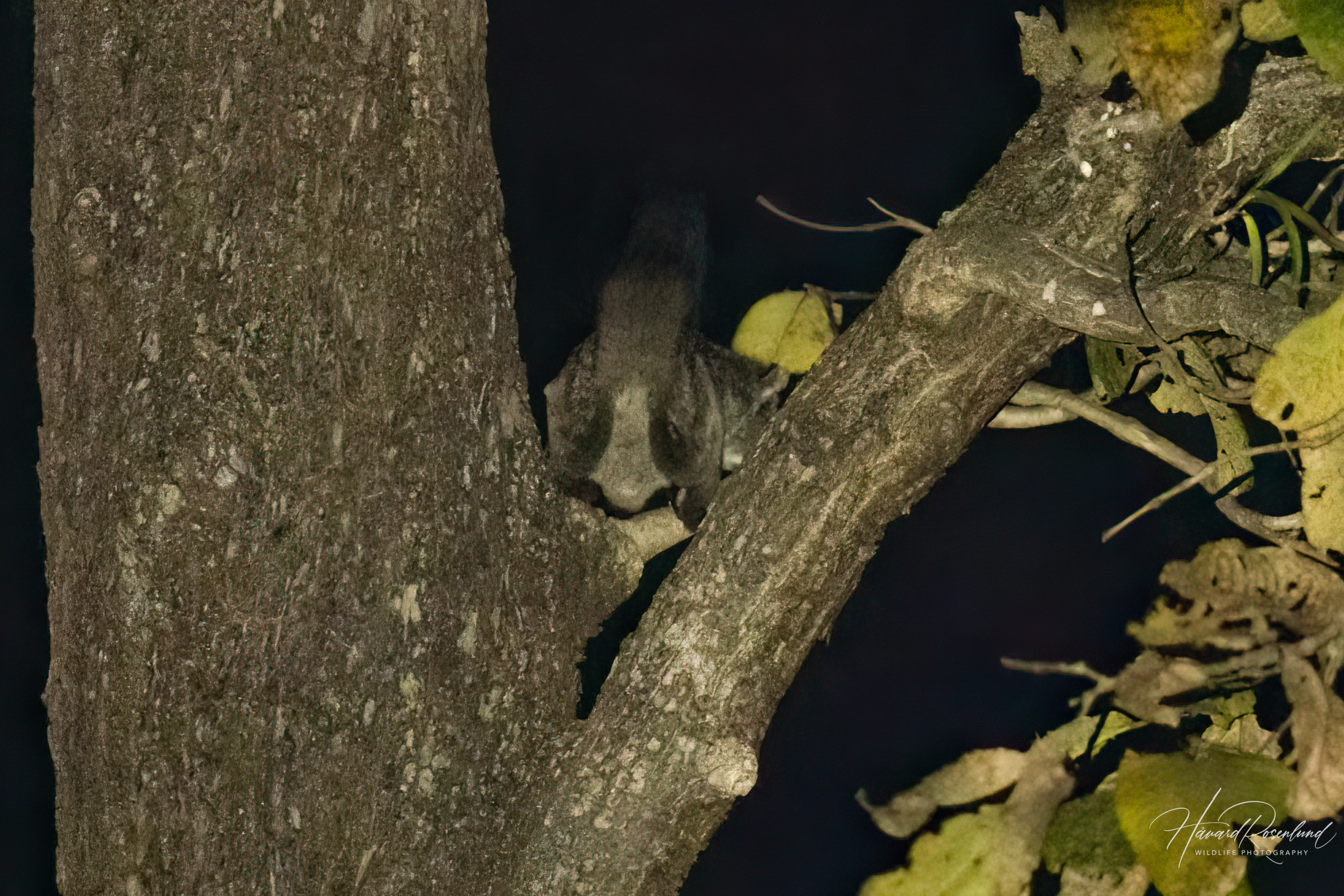
Now, back to the night drive. As we tried to find the leopard, we almost drove over an Indian hare, which was another new species for me (but one I’d get better photos of later on). We eventually found an open area and stopped to listen and look around. Maybe we’d see the leopard come back out of the forest again. As we sat there, Catherene caught something small high up in a tree with her spotlight. It was definitely a mammal of some sort, but no one managed to see exactly what it was. And then it suddenly jumped off the tree and flew! Or to be more precise, it glided! It was a flying squirrel! Everyone in the car went absolutely crazy! Apparently, flying squirrels are among the rarest of the rare animals in the Indian jungle, and they are strictly nocturnal. Everyone just sat there in awe, watching it glide from tree to tree (some of us literally said “aawww” each time it glided). The rarity and specialness of that moment was really evident to me, as I sat there with all these experienced local guides and experts who were just mesmerized by this incredible animal. Just to cement the magic of the moment, we were also surrounded by fireflies, who were lighting up the area around us. As we headed back, it was clear to me that I had been part of a very special night drive that even the experts would remember for a long time! Another incredible end to another incredible stay. Next morning we were heading to Pench.
Pench
As stated, we were there for safaris, and for our first evening, Saurabh had a special treat for us. He is a man with lots of connections, and seemed to know a lot of people most places we went. And here at Pench, he has a friend that could provide us with an experience a bit out of the ordinary. He was taking us out on another night drive, but not a typical one. We were actually heading away from Pench and the wilderness, and instead to a nearby village very close to the highway. It seemed a bit weird sitting in a safari vehicle as we drove across the busy highway, and then through narrow roads past various shops and restaurants closed for the night. But we were on the hunt for something special this night, something that we could only find here and not in the park itself. Wolves!
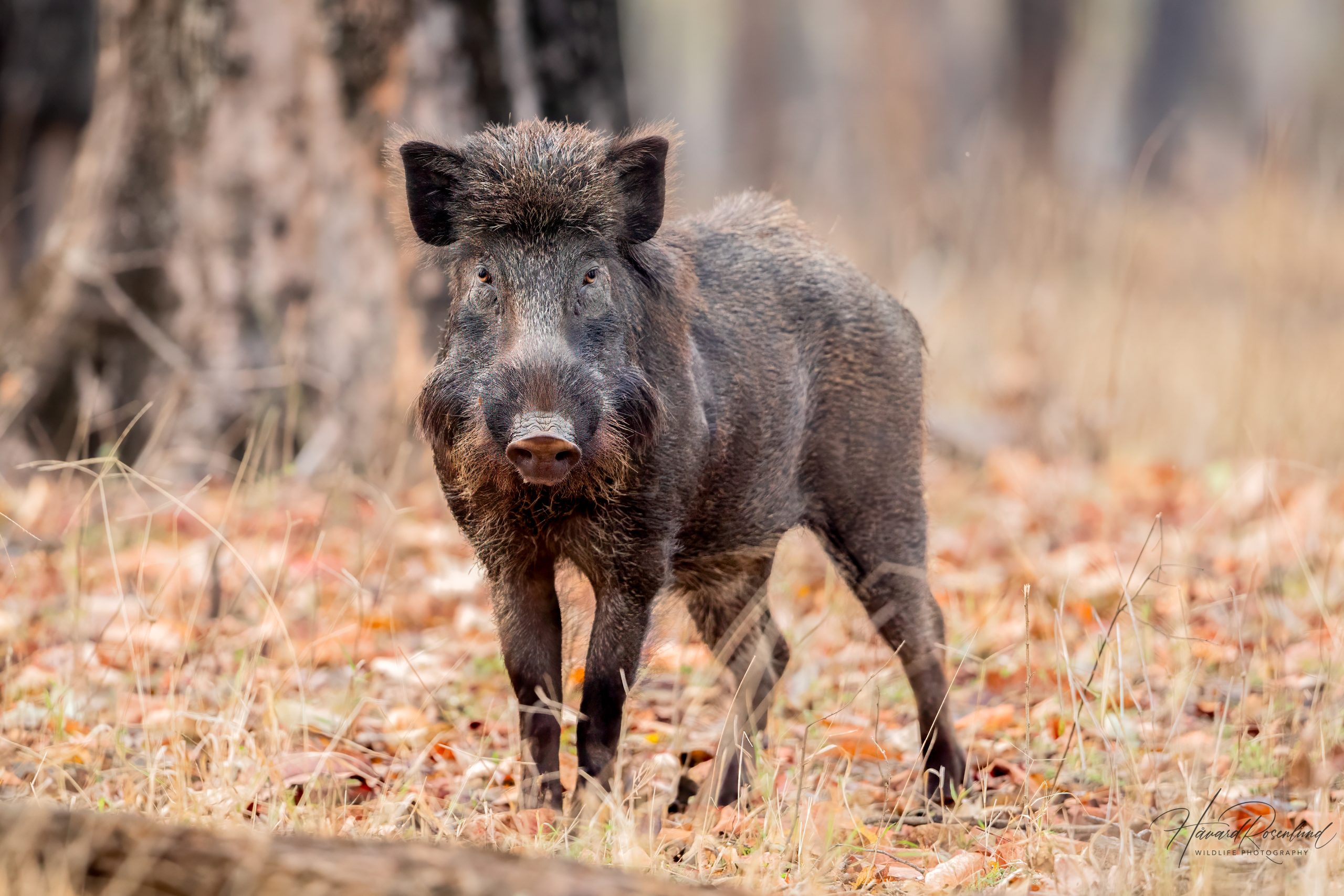
The wolves could not be found in the streets, of course, but in the nearby fields just beyond. Saurabh’s friend was an expert on these wolves. We headed into the fields with spotlights on, and looked for anything that moved. As soon as we got into the fields beyond the houses, we found a herd of Indian boar rummaging around. As is with many animals, they looked a lot scarier at night. We didn’t stick with them, however, as we had bigger fish to fry.
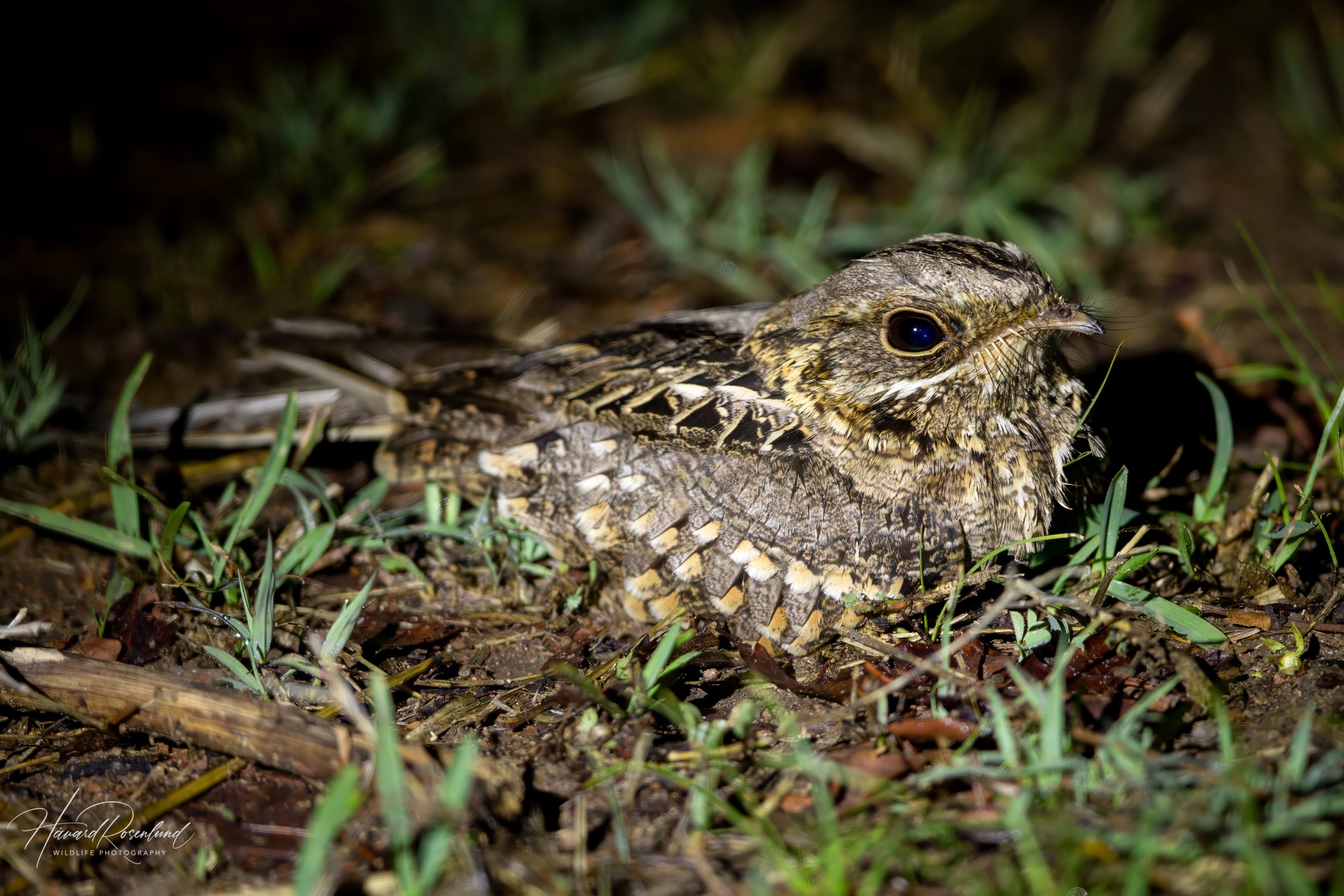
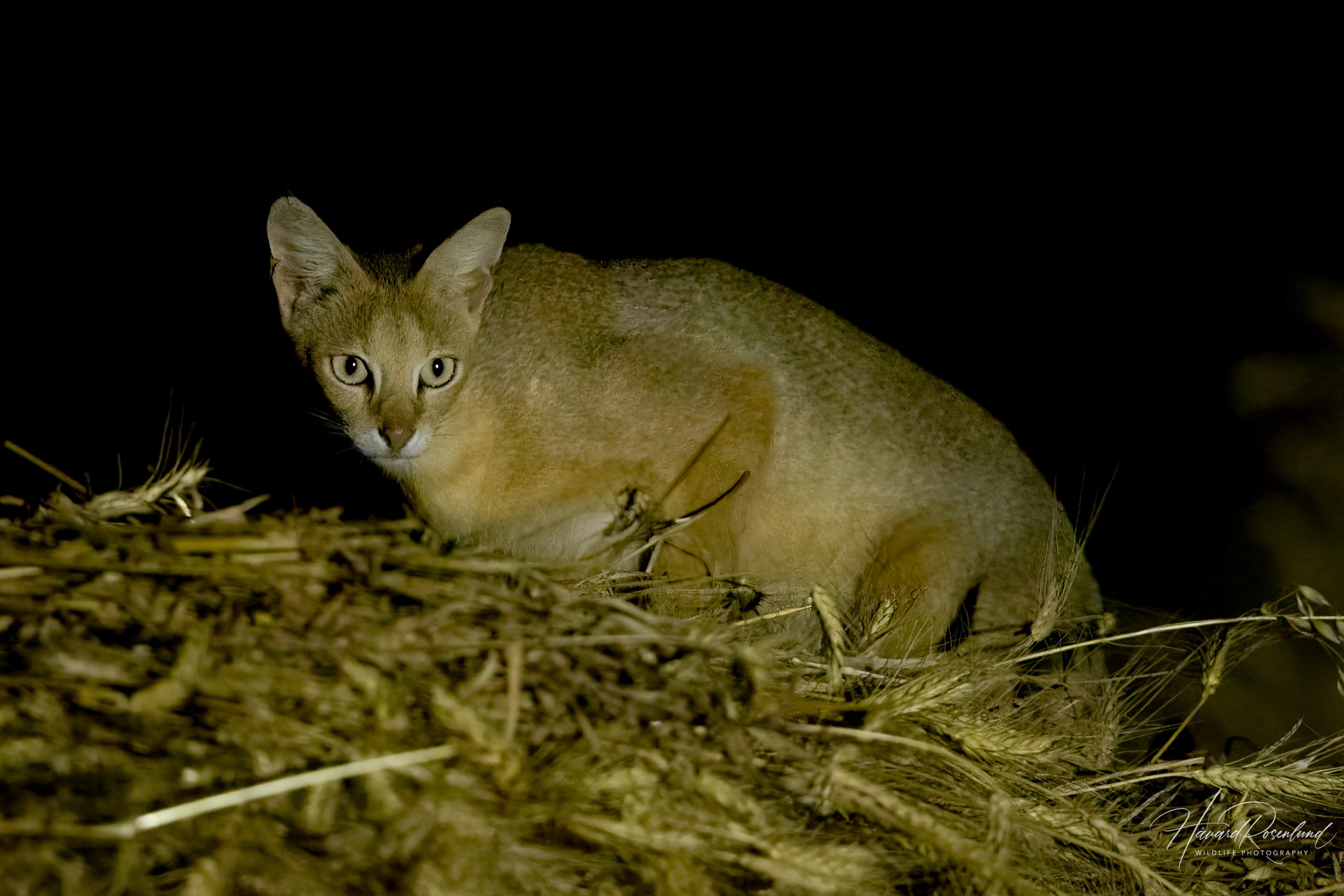
It was clear that we were headed to a particular place, and on our way there we managed to find a few nocturnal species not easily seen during the day. The first species was an Indian nightjar just sitting still in the middle of an open field, providing us with a great photo opportunity. A few Indian hares jumped around in the area as well. One of the spotlights then found a pair of bright eyes staring back at us further afield. A carnivore, no doubt, but too small to be a wolf. As we looked closer, we saw it was a cat! A jungle cat to be precise. One of the smaller wild cats, but larger than a house cat. It is typically found near farmlands and villages such as this, but mostly at night. The smaller cat species are much harder to come by than the larger cats, so I was very happy with that one!
We eventually reached our destination somewhere out in the fields, but still very close to the homes of people. It was a carcass placed in the middle of an open area. A carcass to attract the wolves! To increase our chances of seeing them, we had to turn the spotlights off. We then sat in total darkness and waited. Now and then, Saurabh or his friend would turn a spotlight on to see if anything was there, and then immediately turn if off again if nothing was present. We sat there all quiet, and I could feel my heart rate increase in anticipation. Then, when one of the spotlights went on, what looked like a huge jackal ran from the light and into darkness and disappeared. It was a wolf! I saw it, but very briefly, and there was no time for a photograph. We waited in the hope it would return, but soon an actual jackal turned up instead. This was bad news, as it meant the wolf was gone. Otherwise the jackal wouldn’t have dared to show itself.
Now I just want to get a couple of facts out of the way. The Indian wolf is the same species as the one we have in the Northern Hemisphere (like in Norway), but it is a different subspecies, meaning there are distinct differences. Indian wolves are smaller and scrawnier, and do not live in large packs like other wolves. They are also more likely to scavenge for food, hence why a carcass would be a good way to attract one. The Indian wolf is also quite rare in India, and found less in national parks than tigers and other large carnivores (which would compete with and kill wolves). It is also highly endangered.
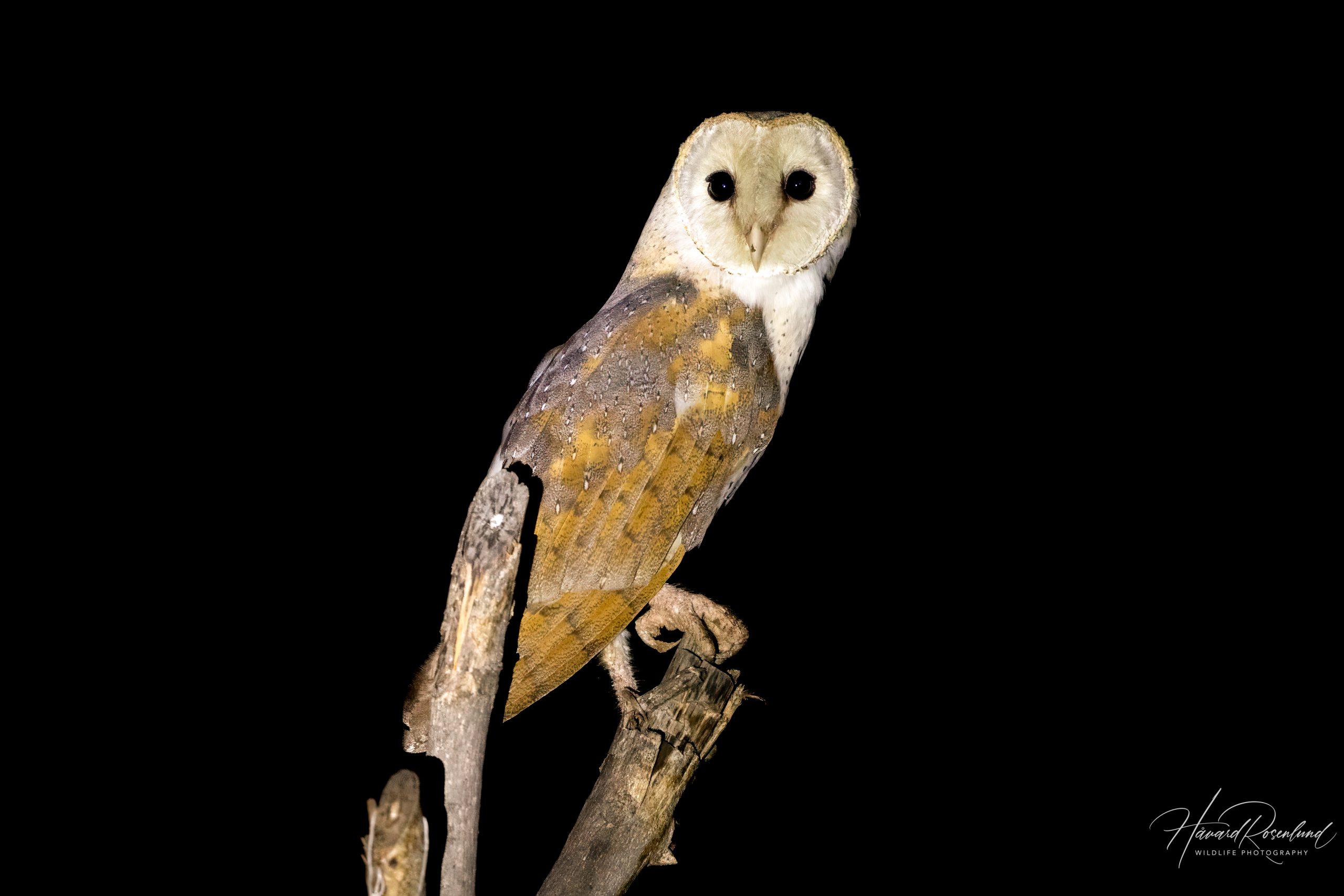
It was awesome having seen a wolf, but I was still a bit disappointed that it didn’t stick around for a few photographs. As we headed back, Saurabh wanted to end the drive by taking us to a specific location in the middle of the village. It was a massive tree right next to a house, but in the tree were hundreds of egrets! There were cattle egrets, little egrets, and great egrets, and all of them roosting here for the night. It was quite the view! And as we went to leave, a barn owl suddenly flew by. We followed it and found it perched a top of a dead tree in a back alley. Another new species for me, and I got nice photos to boot!
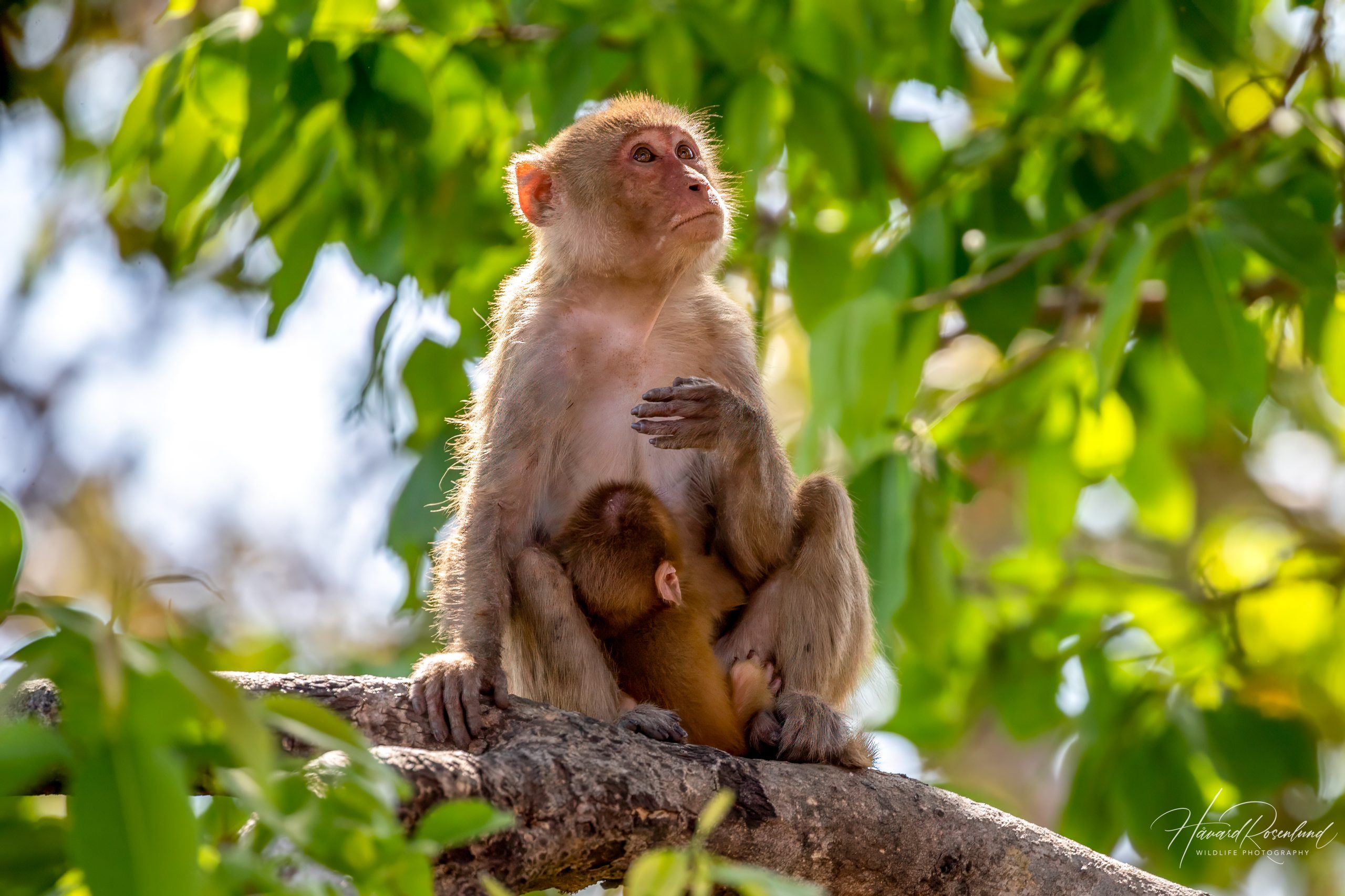
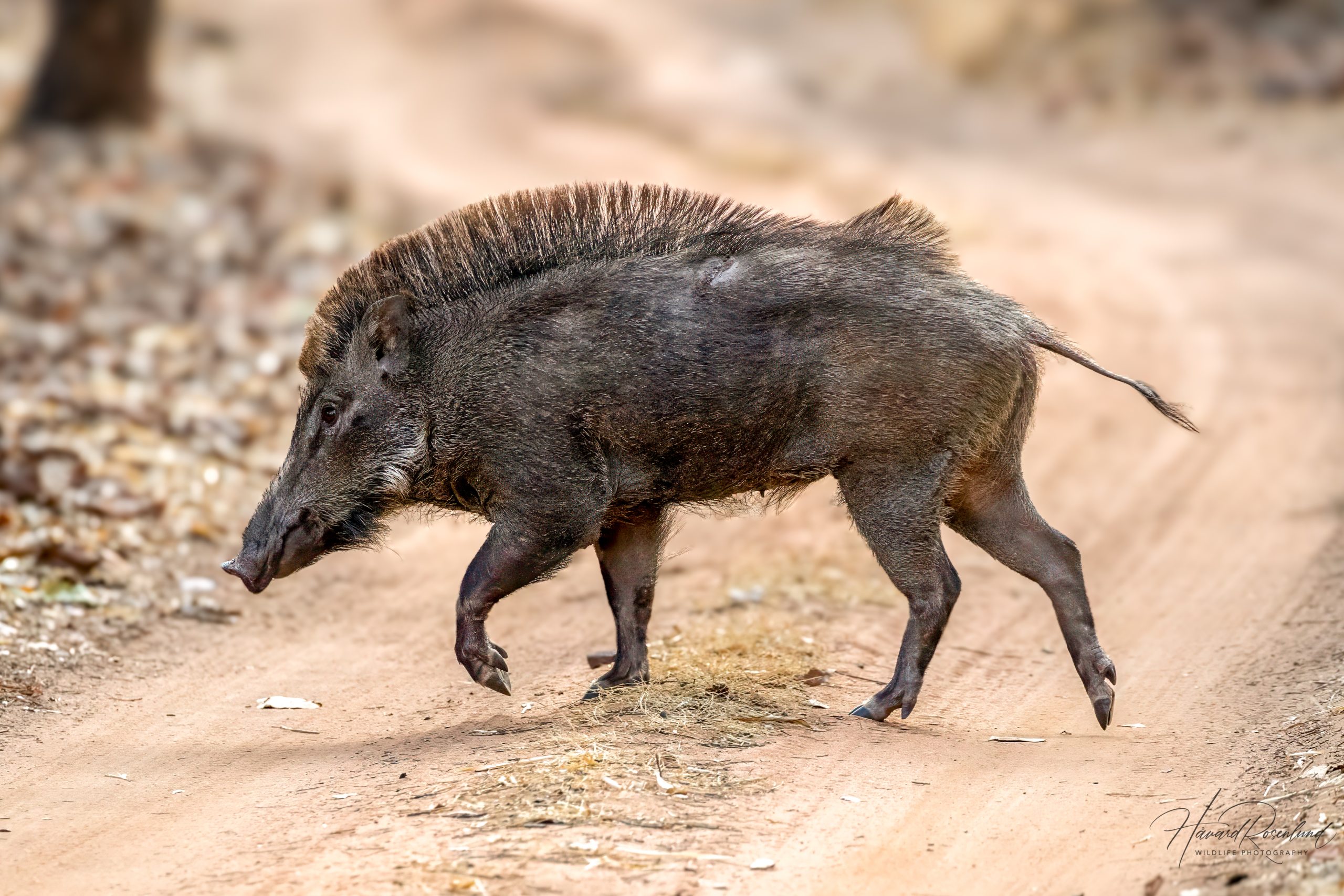
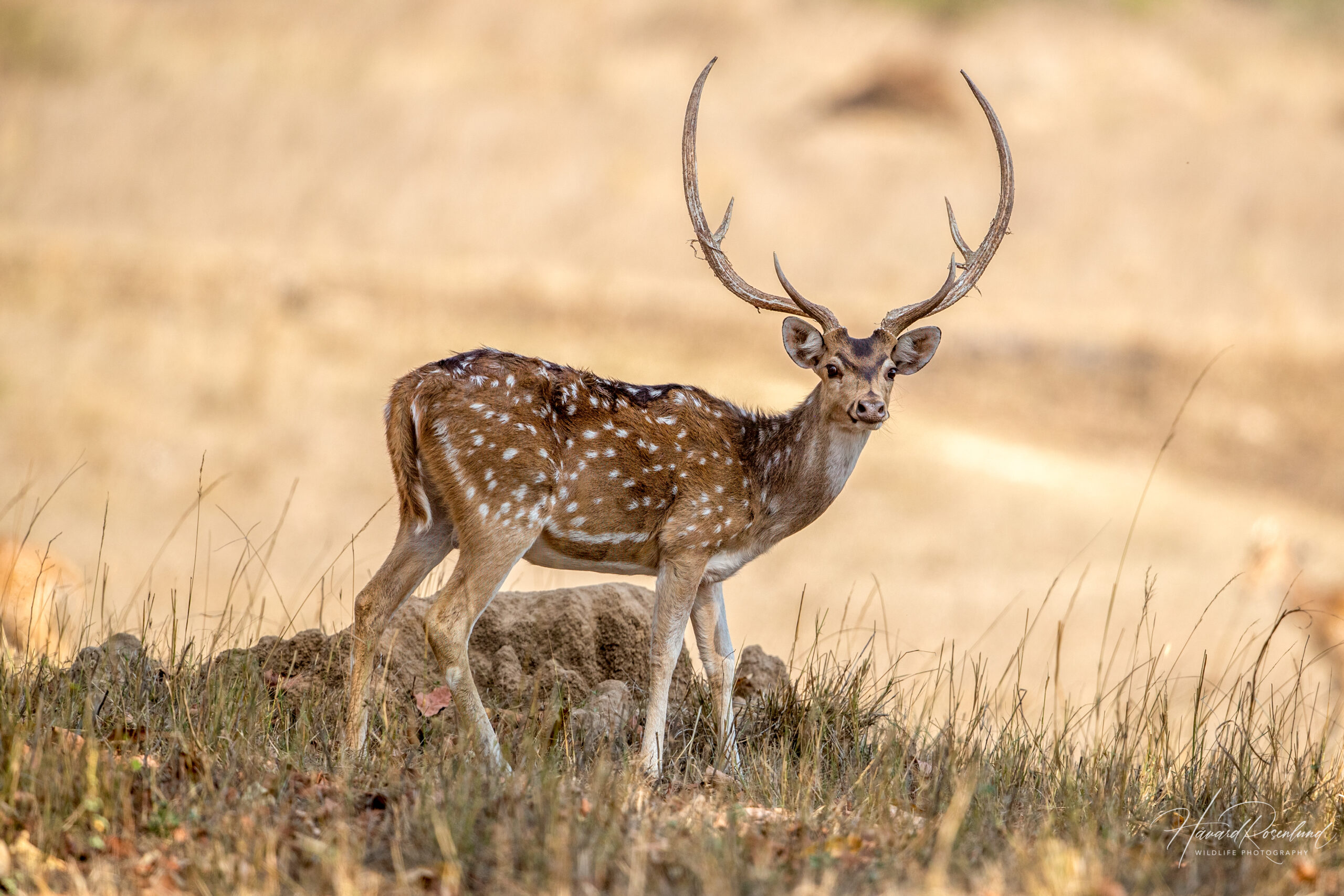
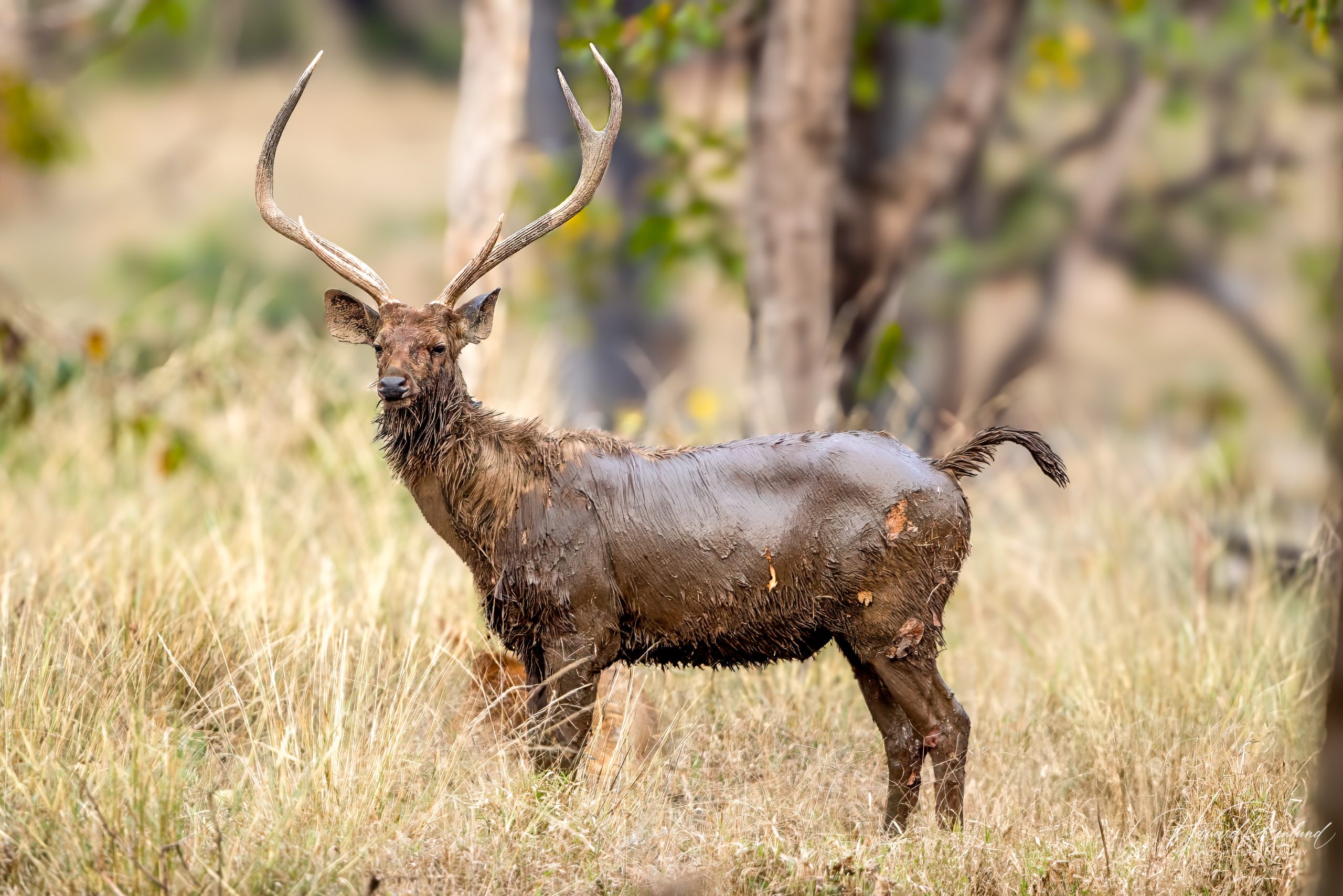
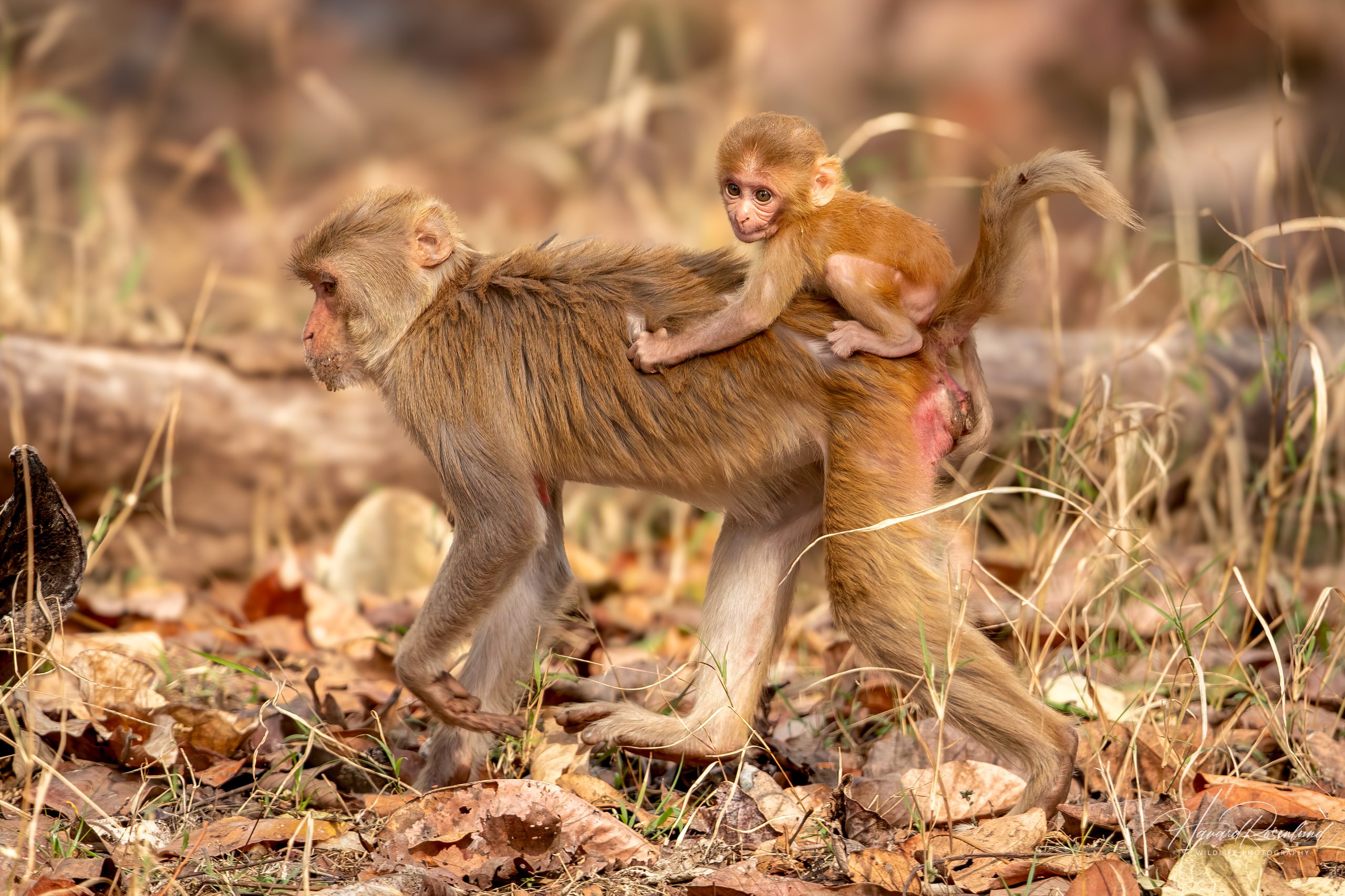
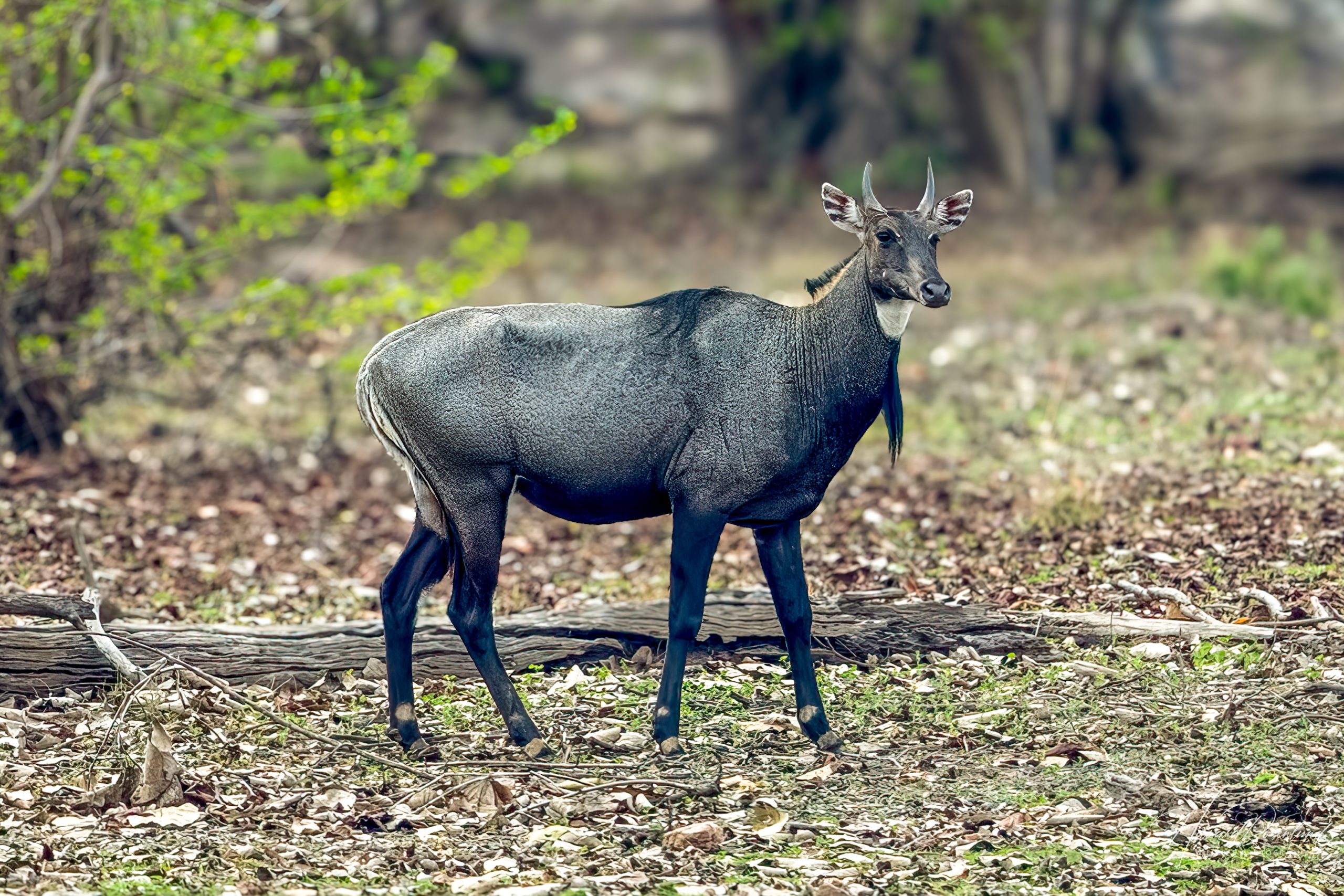
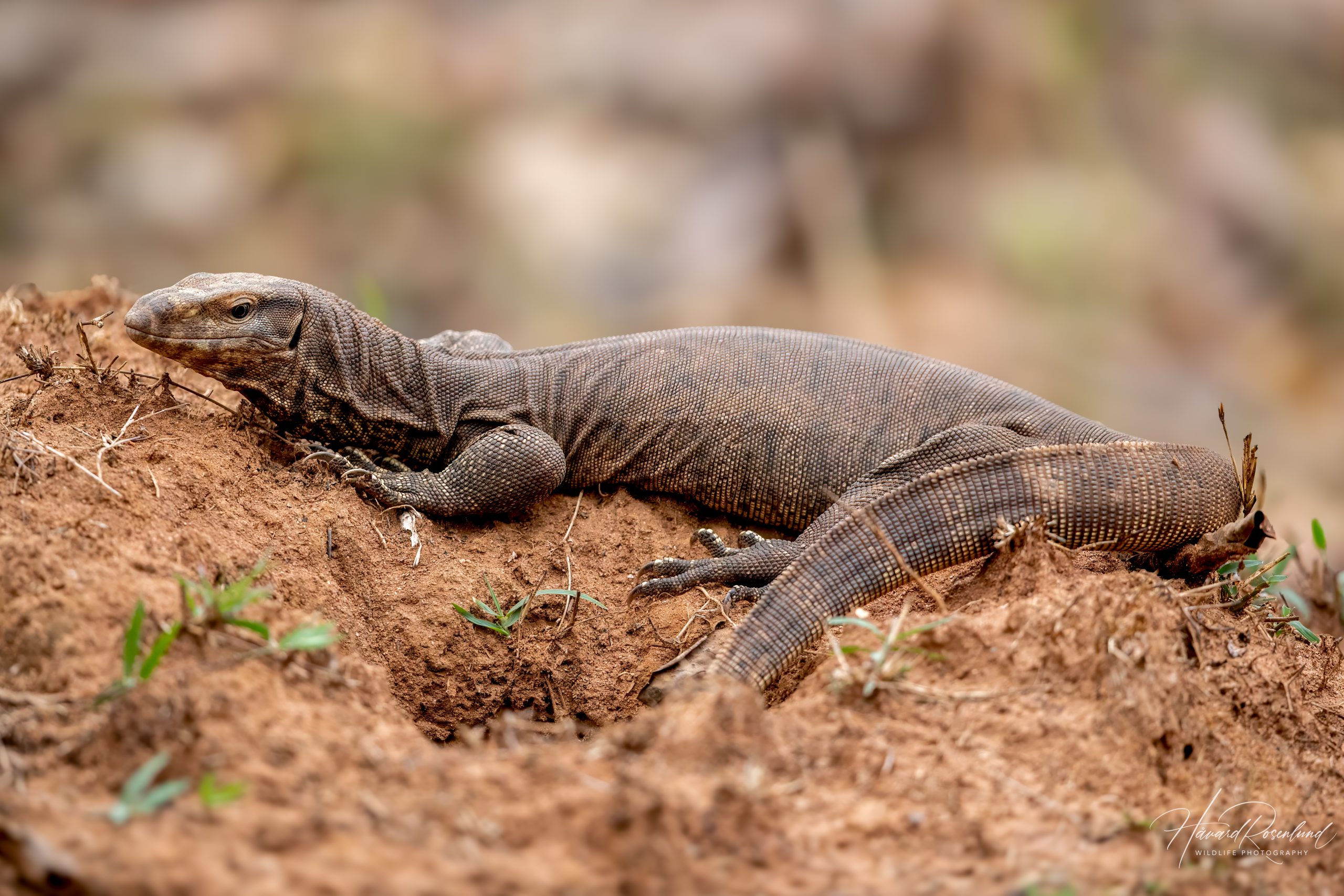
Even if it wasn’t as attractive as Kanha, it was still very different than both of the previous parks, and had its own distinct feel to it. Being open is also a positive when looking for wildlife, as animals can be easier to spot. And it was wildlife everywhere! We seldom got far without seeing another wild animal. Most of the animals we saw, however, were chital, langurs, and Indian peafowl, and quite often together in larger groups. They benefited from each others presence due to the safety of many lookouts. Other species we saw were gaur, wild board, sambar deer, rhesus macaque, golden jackal, and a new species I had also hoped to see, the weird-looking nilgai. Nilgais are large bull-like antelopes, closely related to the elands and kudus of Africa. I wish I got better photos of it, though (it was a bit far away). Maybe next time! I also got a photo of one of the few reptiles we saw, the Bengal monitor lizard, which I think is awesome!
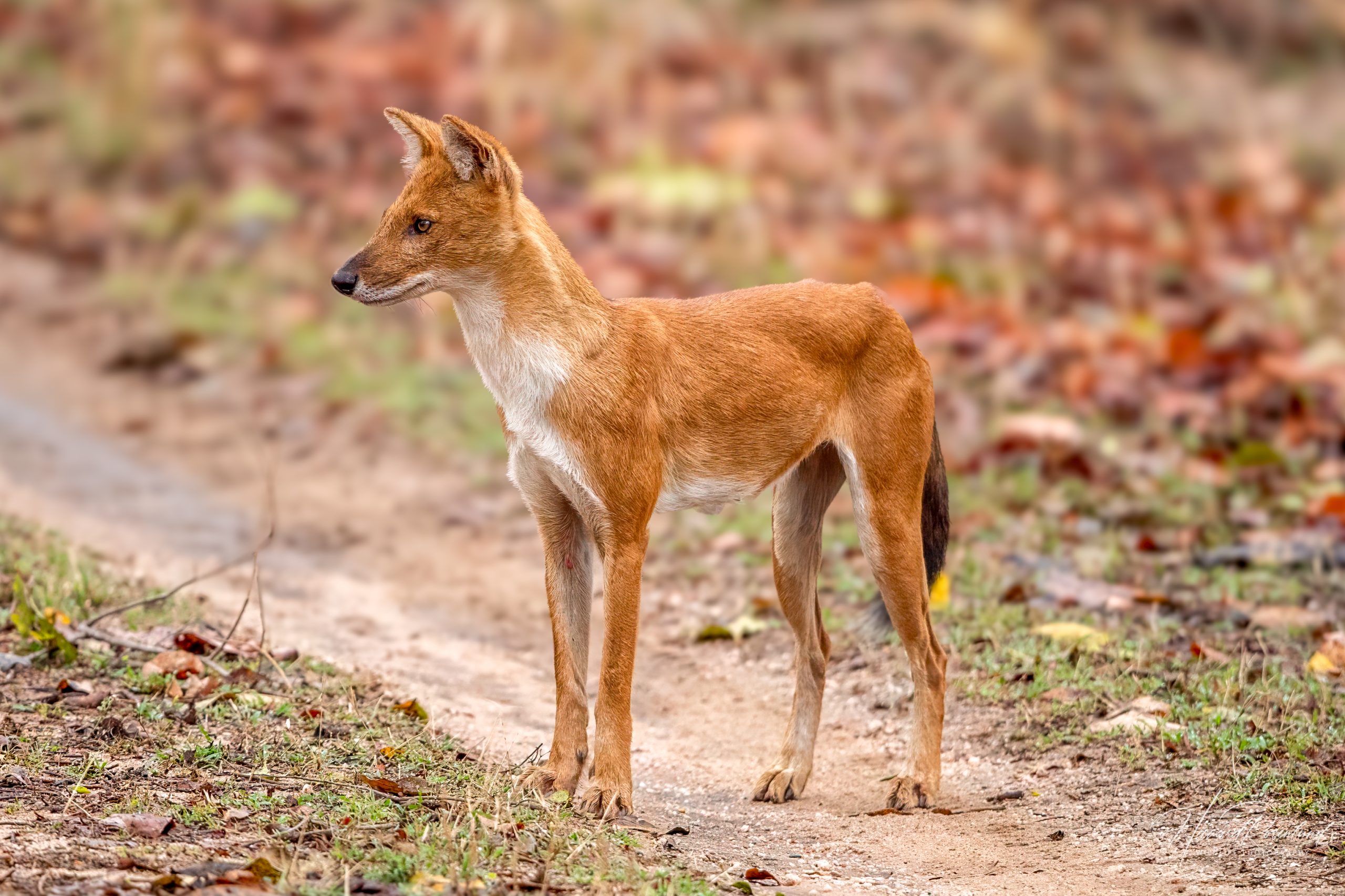
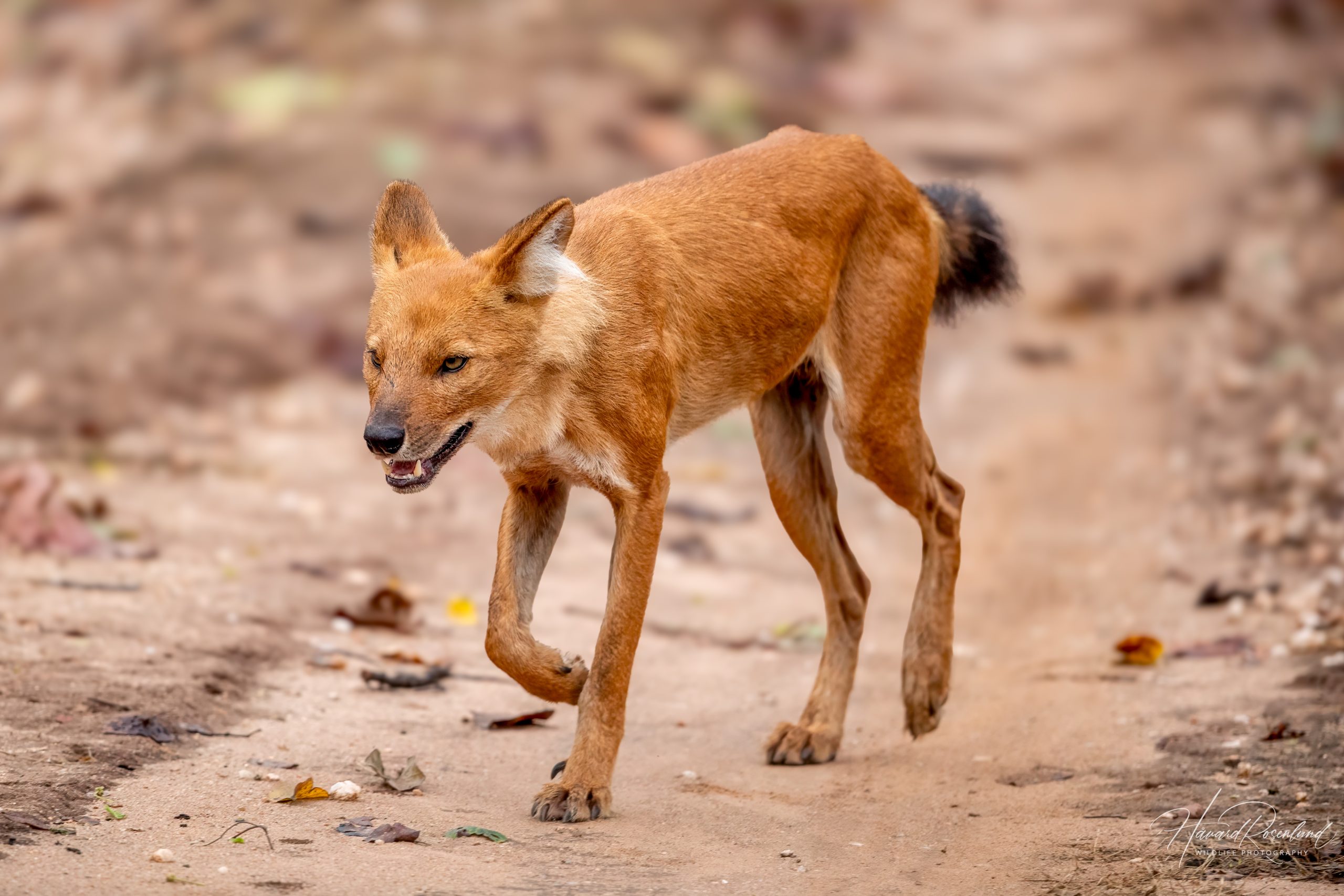
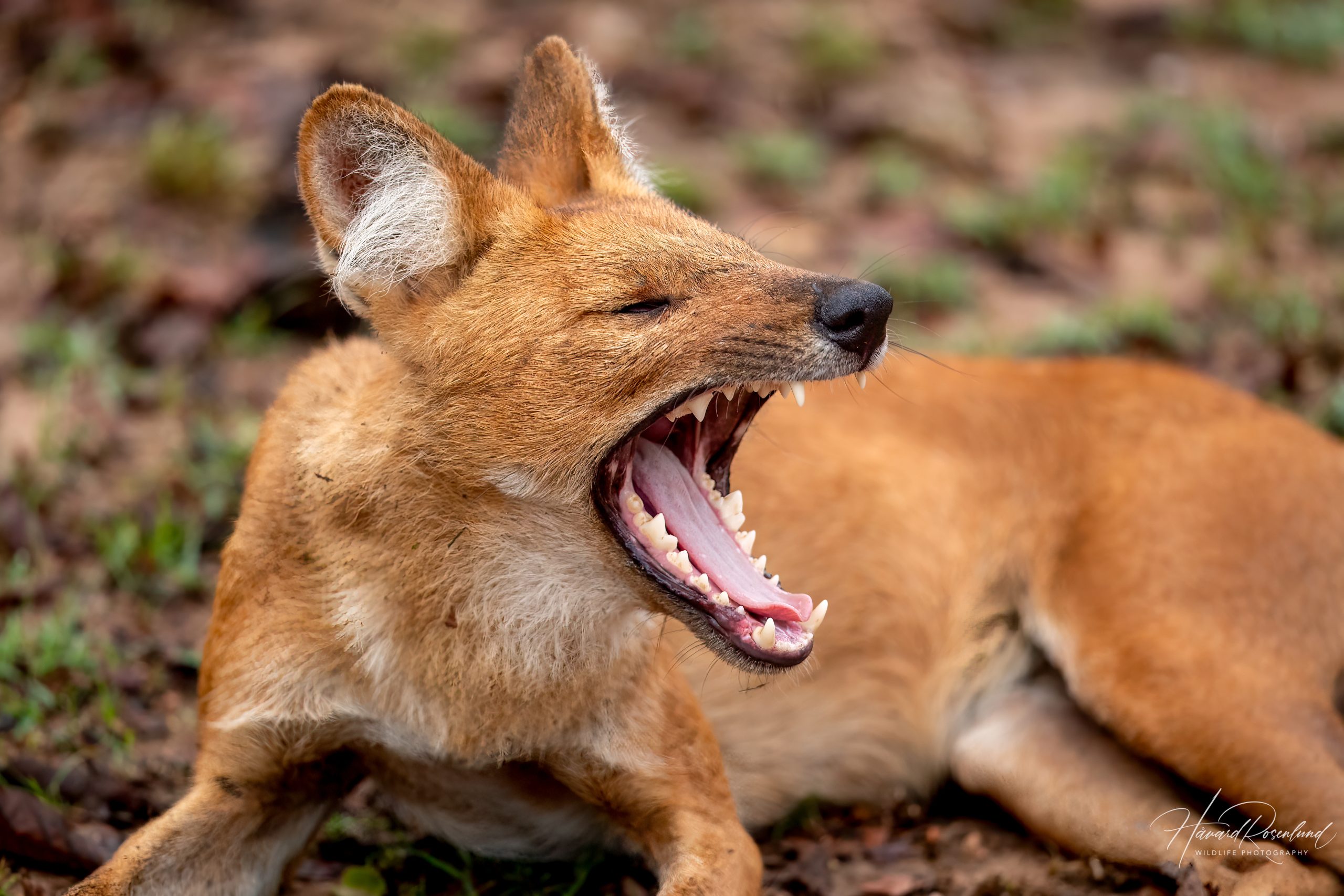
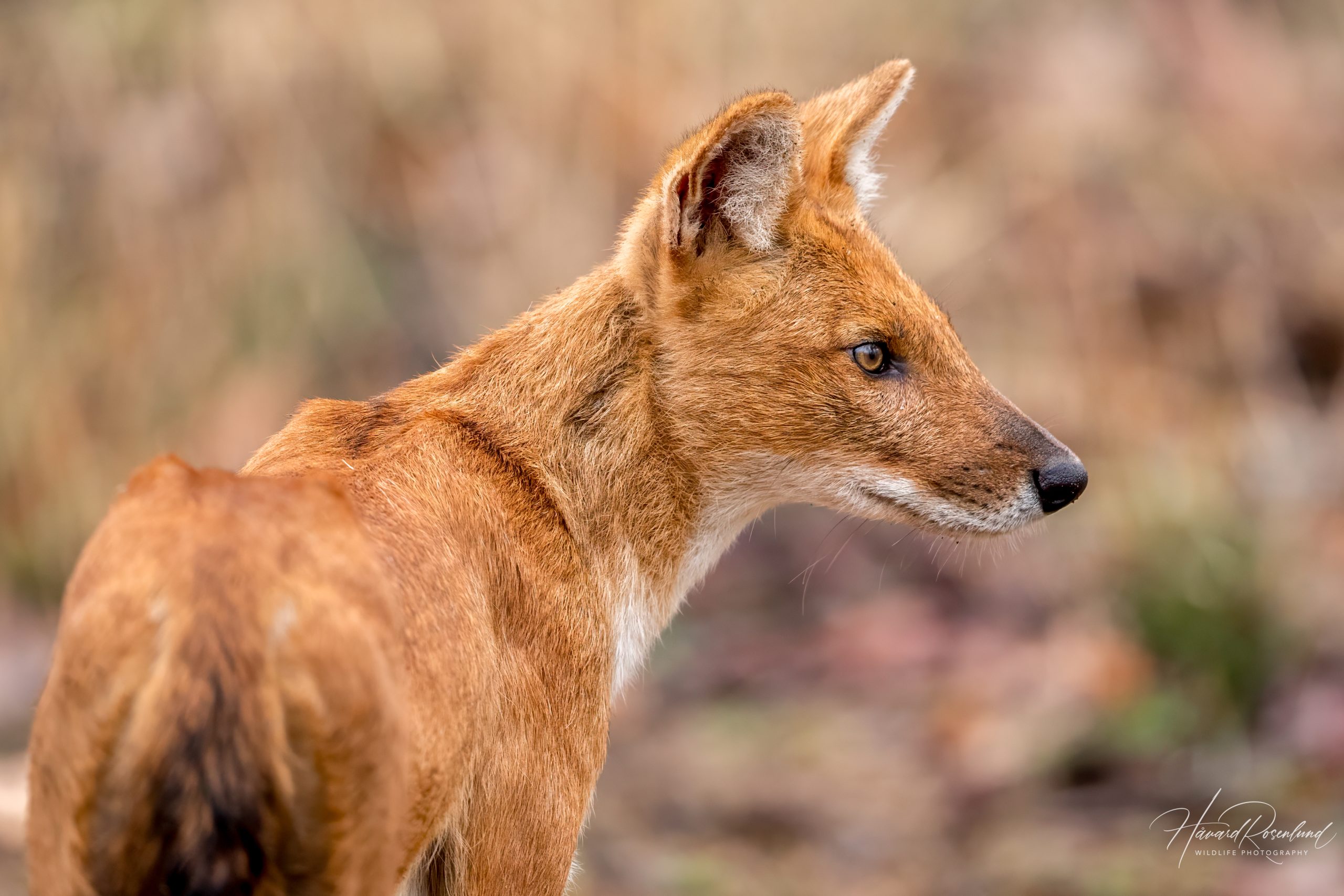
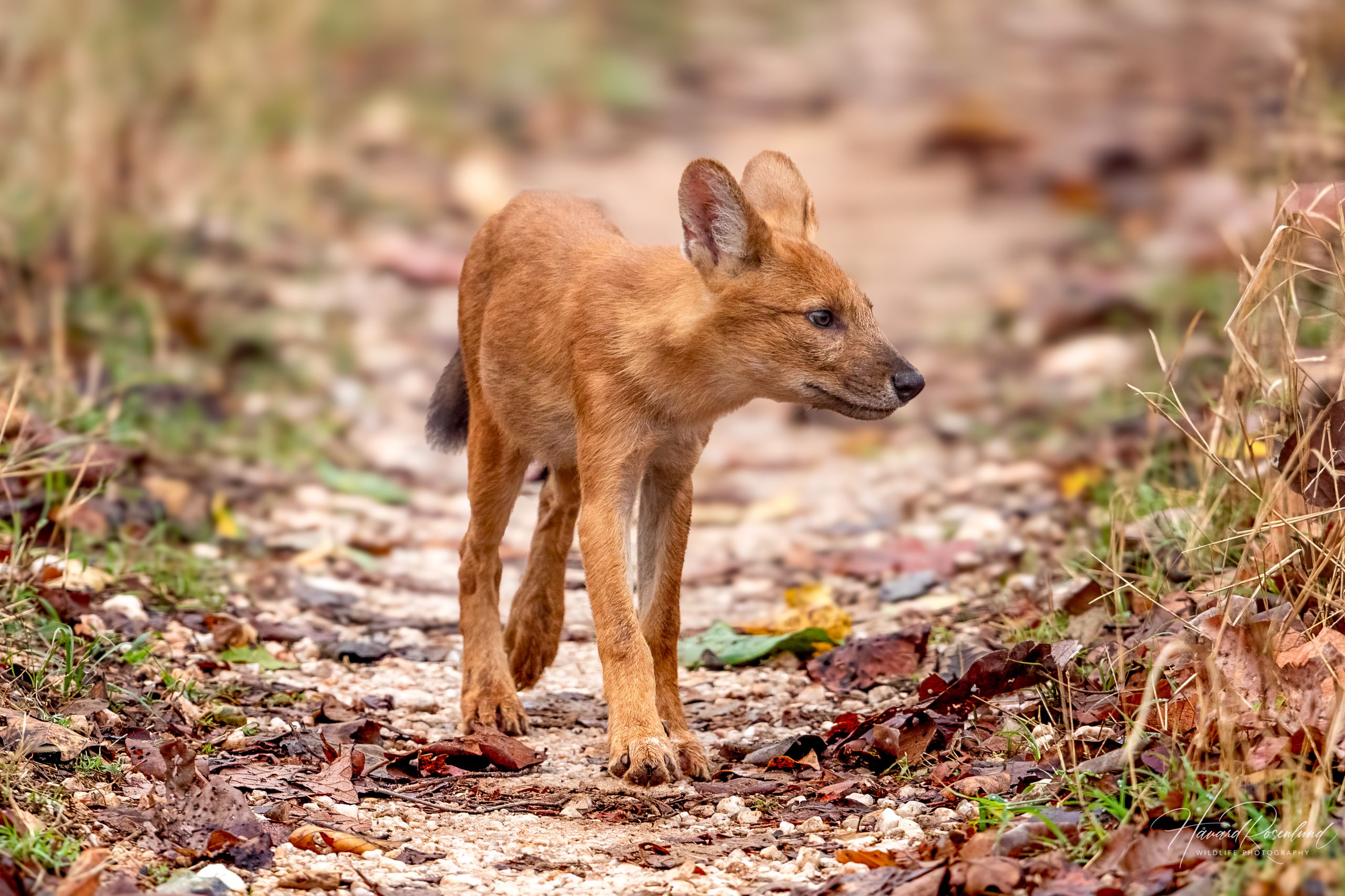
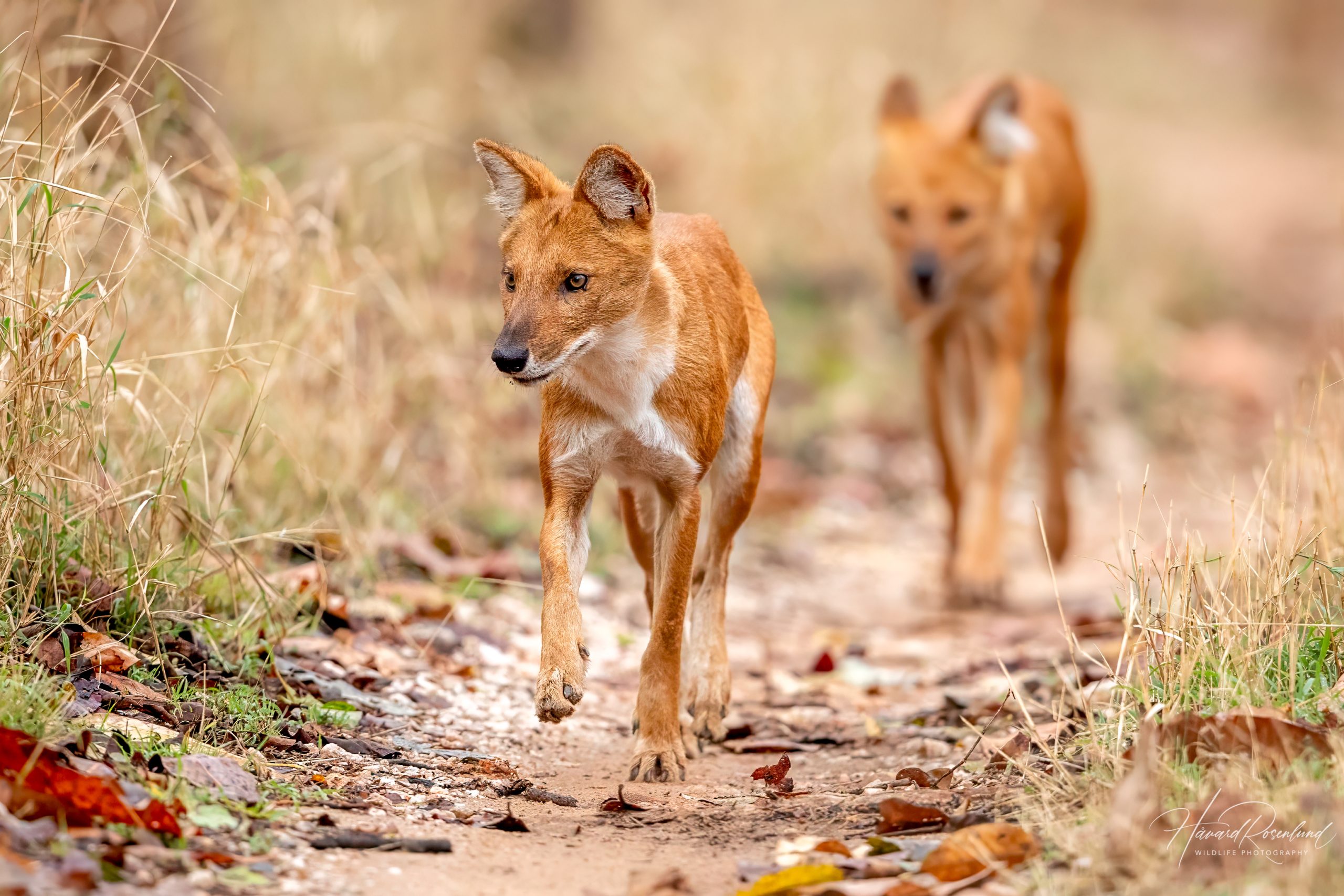
The dholes were not shy at all, and ran back and forth along the road. They would run ahead a bit, then settle down for a few minutes, then run a bit further again before settling in the grass once more, and we got to tag along! They were very active as they played with each other, rolled around in the grass, and ran around. Their behavior reminded me a lot of the African wild dogs I was lucky to see a few times in South Africa, with lots of activity and playful behavior. Dogs will be dogs, I guess! Everything happened within meters of our car, as they didn’t seem bothered by us at all. We were also the only vehicle there, making this observation even more special and intimate. I couldn’t believe the luck I was having on this trip, but little did I know it was even more to come!
As she walked up from the trench, she continued up the side of a hill parallel to the road, and we had a great view of her as she navigated the rough terrain. Based on my own experience, I knew exactly how rare this was. I just had to make the most of it, and took photos non-stop! In contrast to what a lot of people believe, I still manage to be present and in awe, even when taking photos. To me it is the combination of both the experience and getting the good shots that makes a sighting special, and I was not going to let this opportunity go to waste.
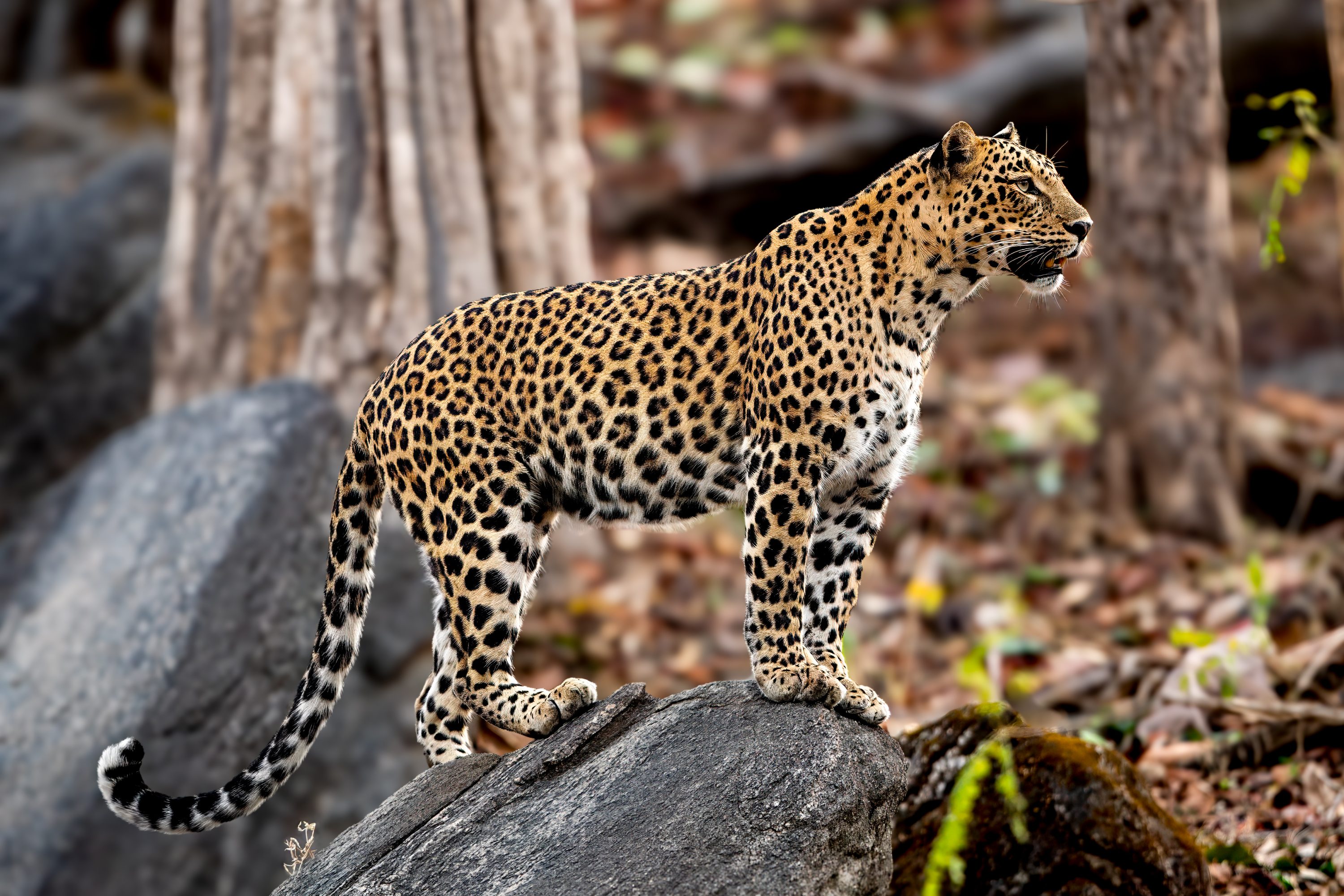
The leopard continued up the hill, before she suddenly changed her direction to cross the road, and then went up the rocky hill were we had first looked for her. I got a few nice shots as she crossed, and then we drove ahead of her to get a better angle. She went up and down over the rocks and it was hard to get a good photograph, until she jumped onto a larger rock and stopped to look around. Seeing that female leopard, in all her majestic beauty, just standing there, posing on that rock for everyone to see, was an incredible moment. I got my photos of her, but then I just stopped and looked at her standing there. I had a massive lump in my throat and actual tears came to my eyes (I do not cry easily). I spent 18 months in South Africa, doing research on these fantastic cats, being out every morning hoping and dreaming for a moment like this to happen, but it never did. And now, in India, 9 years later, it finally happened! I don’t think anyone in that car knew how much this meant to me, as I do not show emotions like this all to well, but inside I was a complete mess.
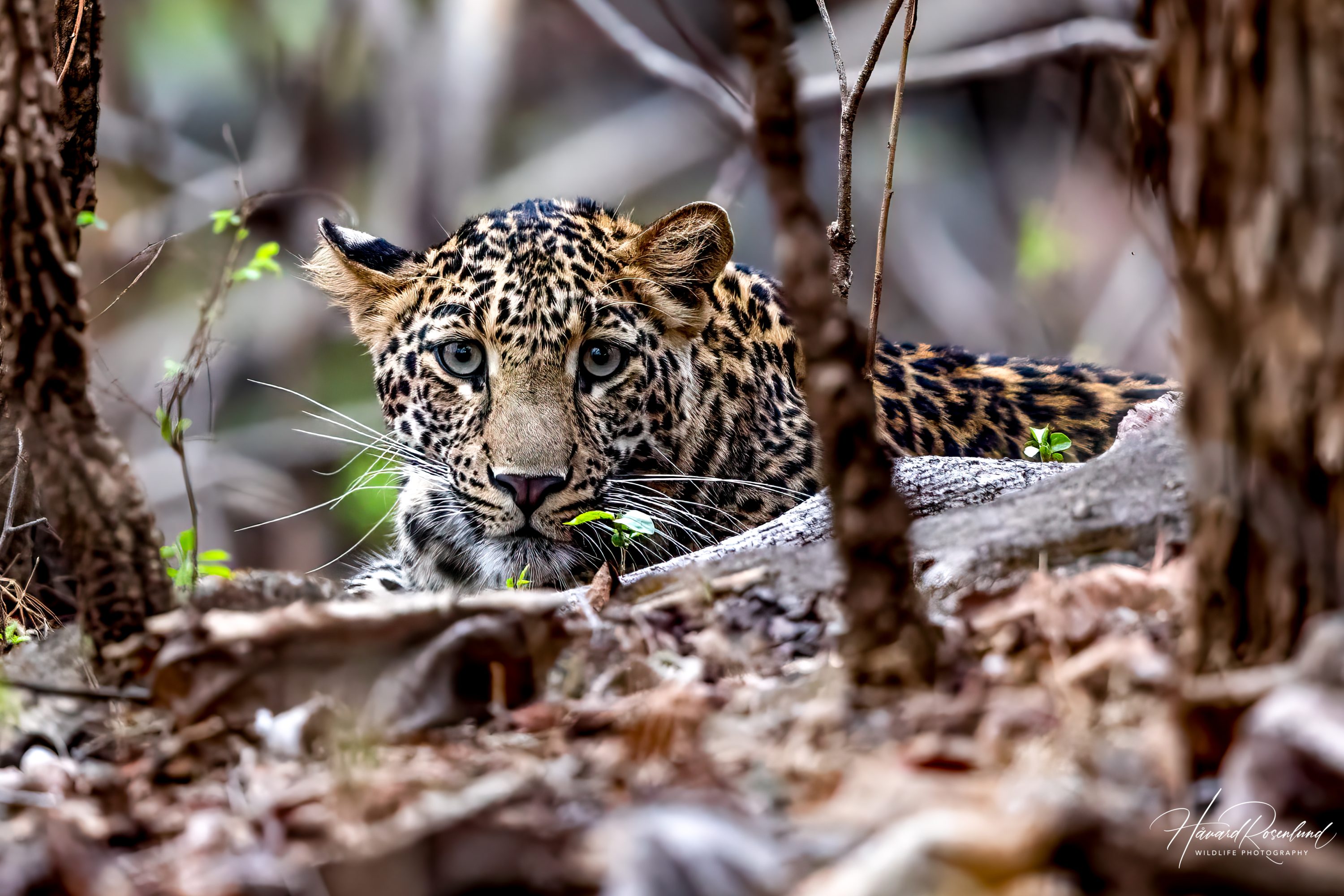
After the leopard left the rock, she went up the hill, and suddenly we saw that she was not alone! Waiting for her among the rocks were three cubs! How could this sighting get even better!? I had never seen leopard cubs before! I was at a loss for words. The four of them stayed up there for a while, and the cubs moved around a bit and I got many photos of them in various actions. The whole sighting felt unreal to me. I am glad I have the photos to remind me that it actually happened. After a while, the mother stood up and went down the hill to cross the road again. Her cubs followed, one by one, but a couple of them were nervous with all the cars around. We all sat still, trying no to spook them as they crossed. When there was one cub left, I remember Saurabh say “get ready” for us to be ready with our cameras, and I stood up slowly to get a better angle for a photo. The cub crossed, and I got a few more photos. To my regret, however, I had unknowingly stood up in front of Andy who was also trying to photograph the cub. He got annoyed with me, and I felt really bad for having ruined someone else’s moment. That moment still hurts a bit, as I would never do such a thing on purpose knowingly. I’m sorry, Andy! We then left the little leap of leopards (which is the correct term for a group of leopards), and went for a late breakfast.
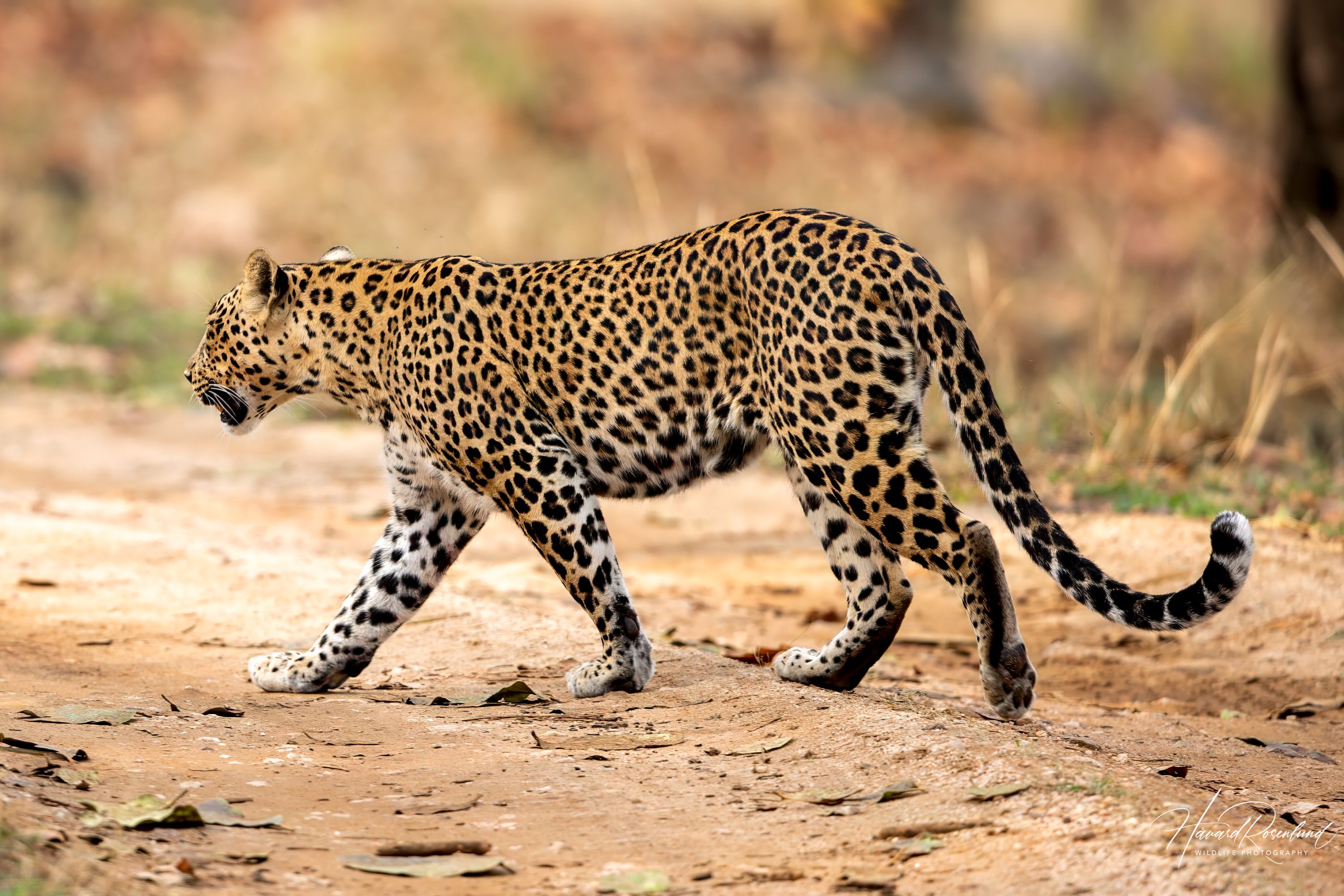
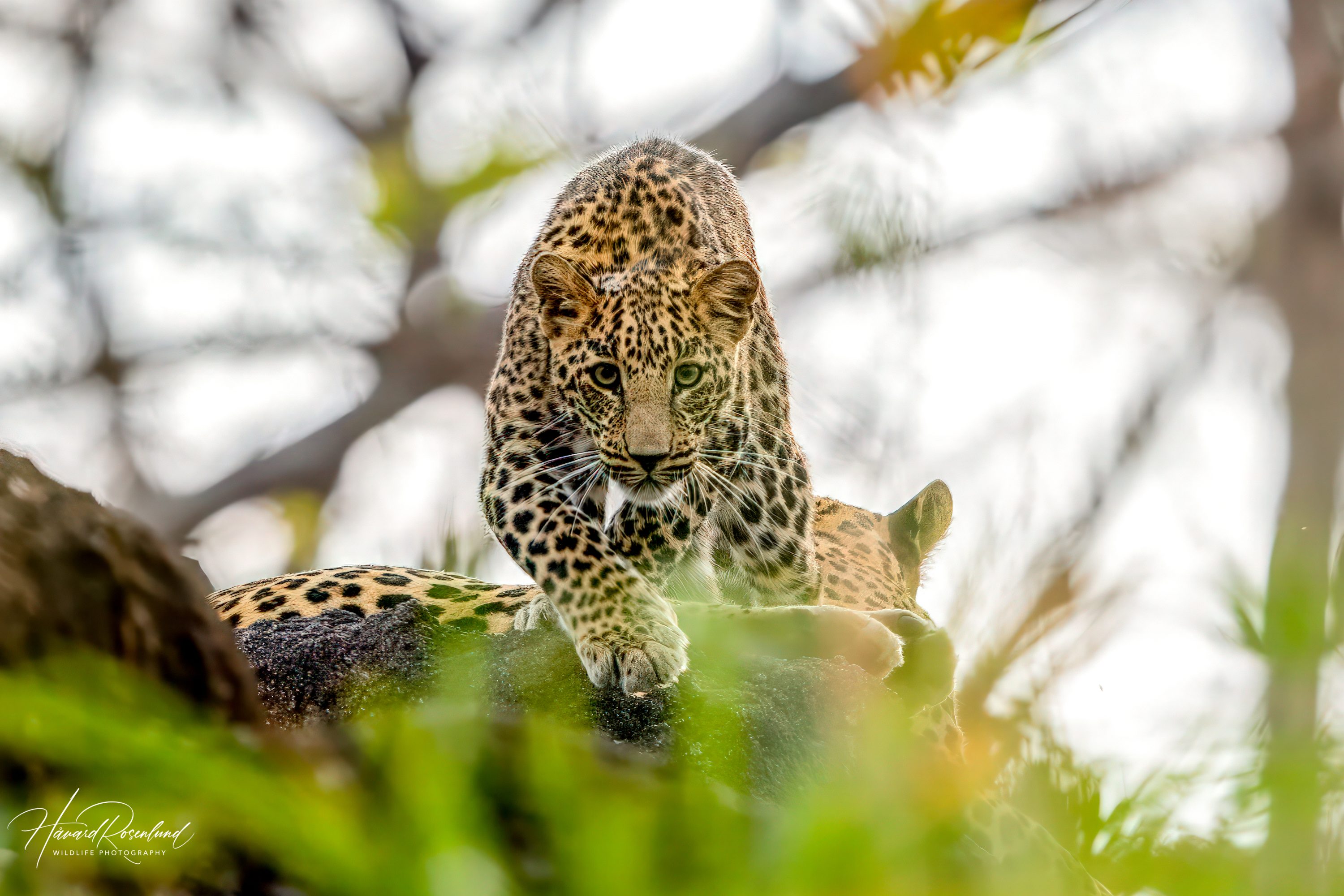
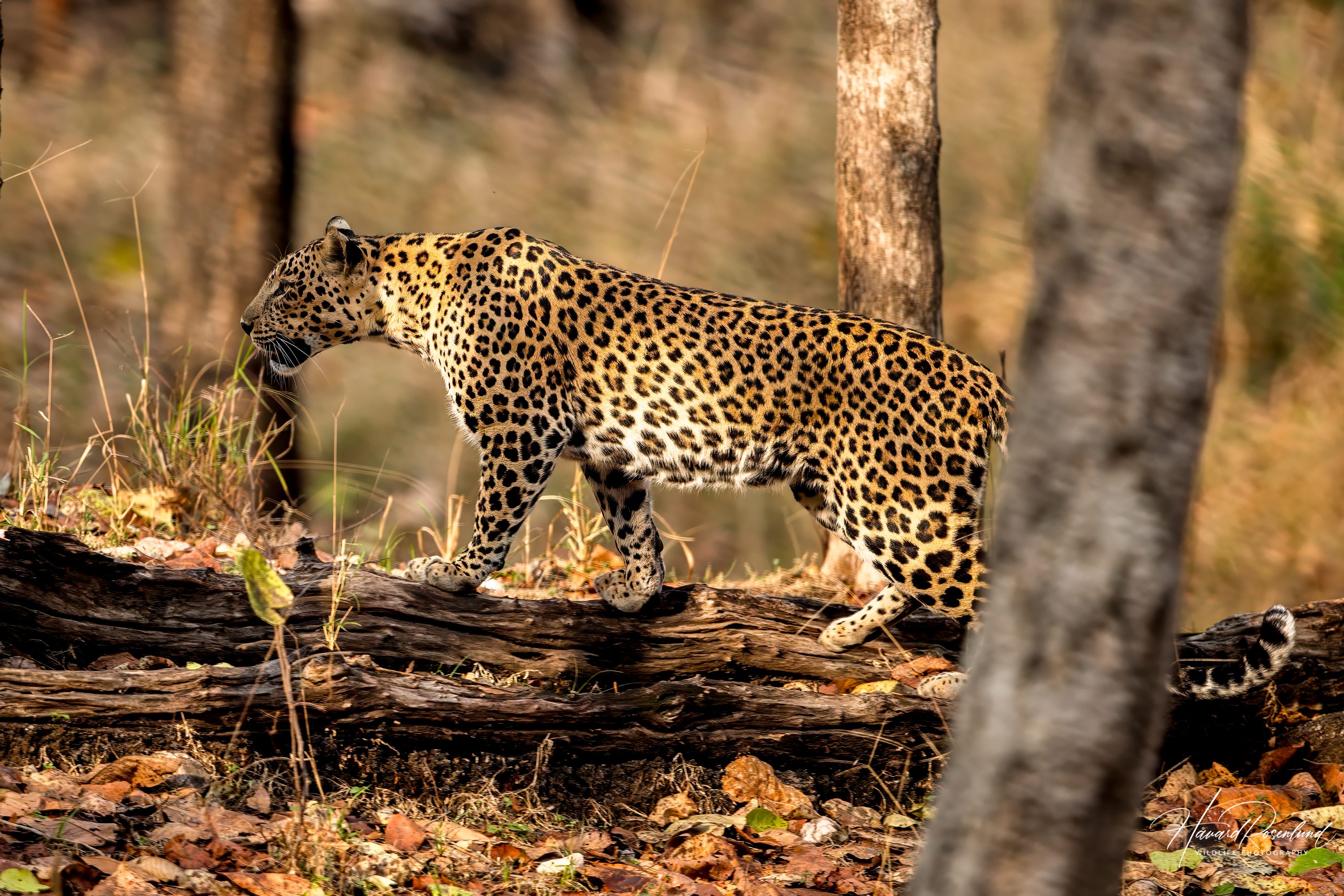
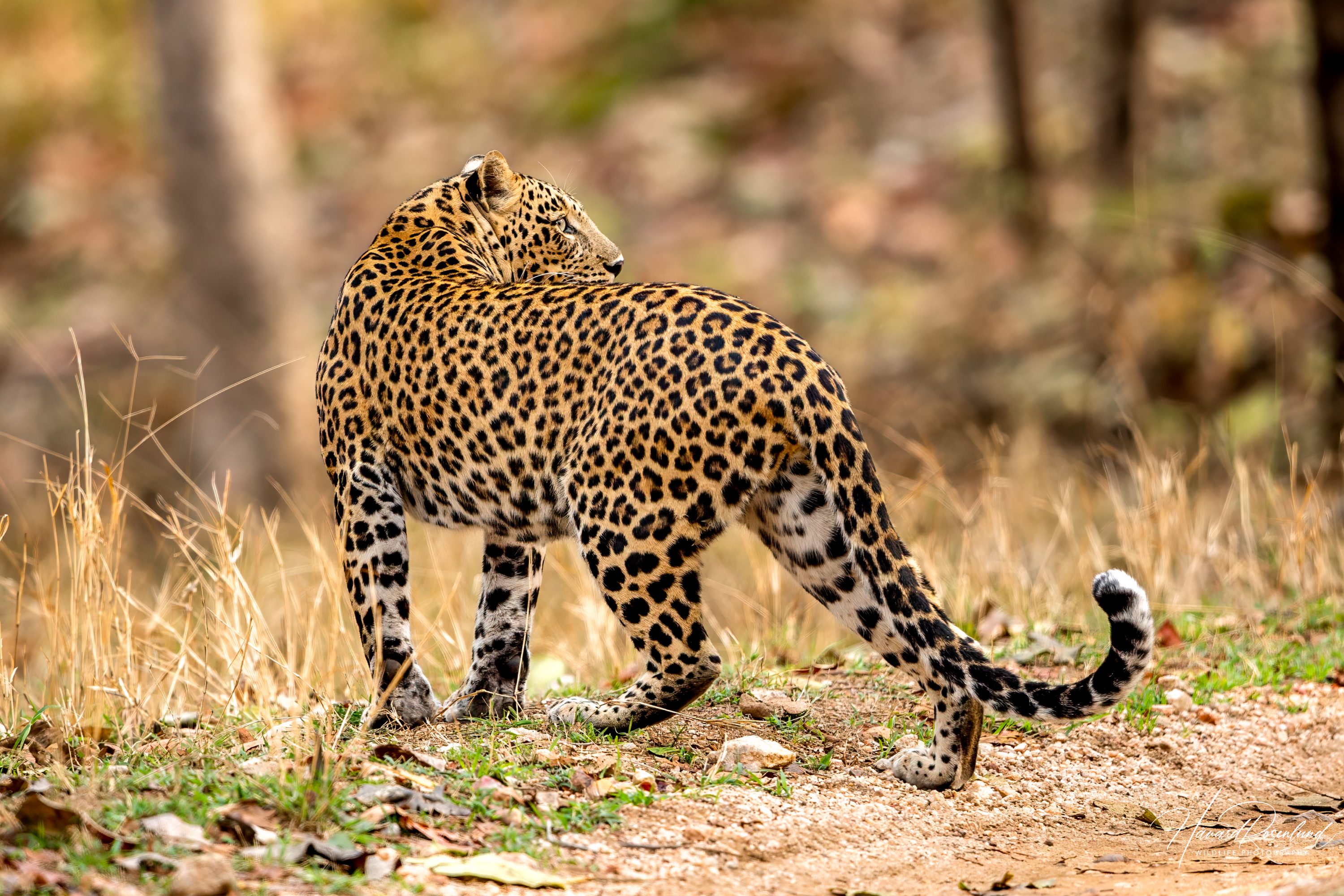
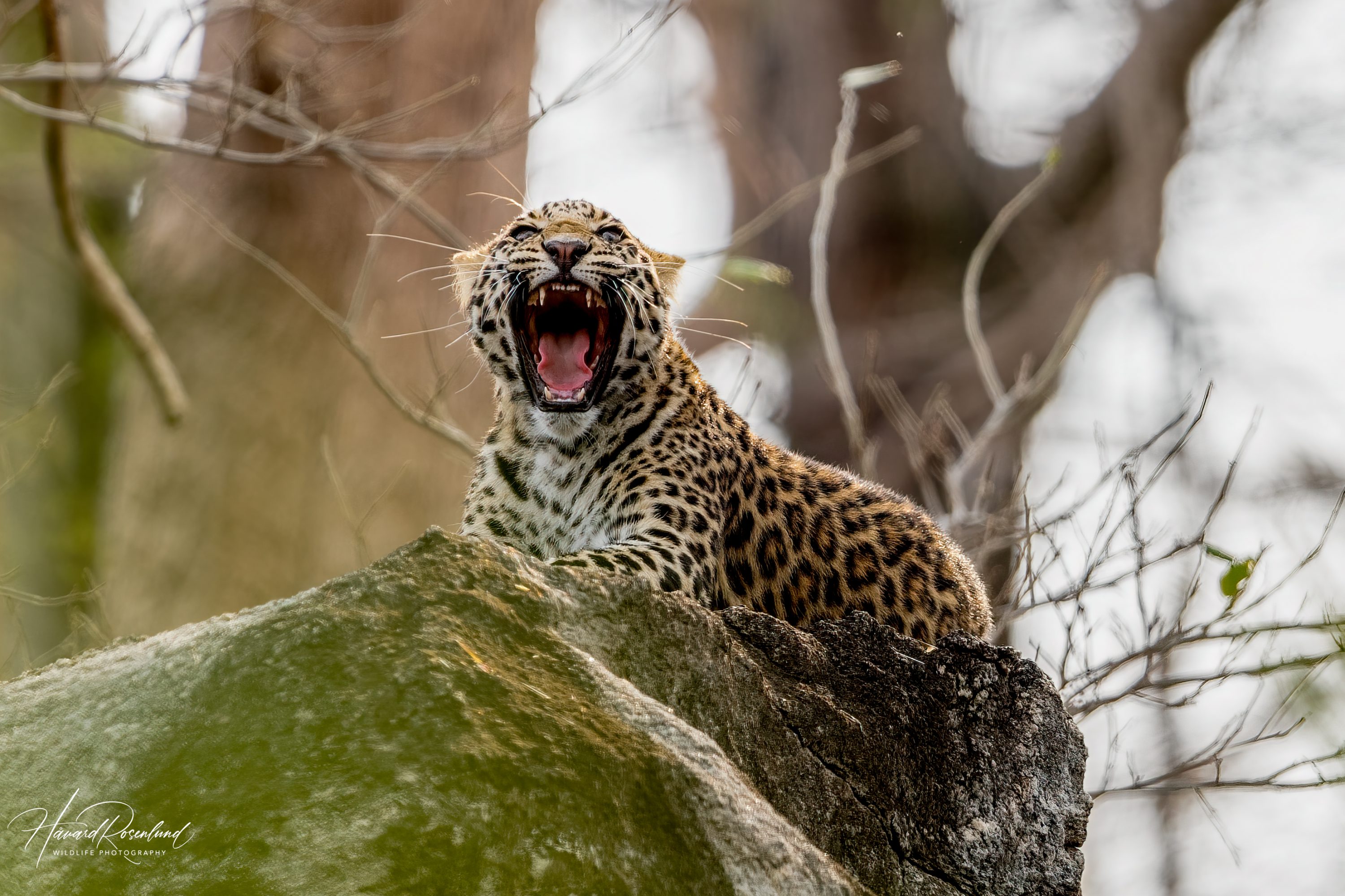
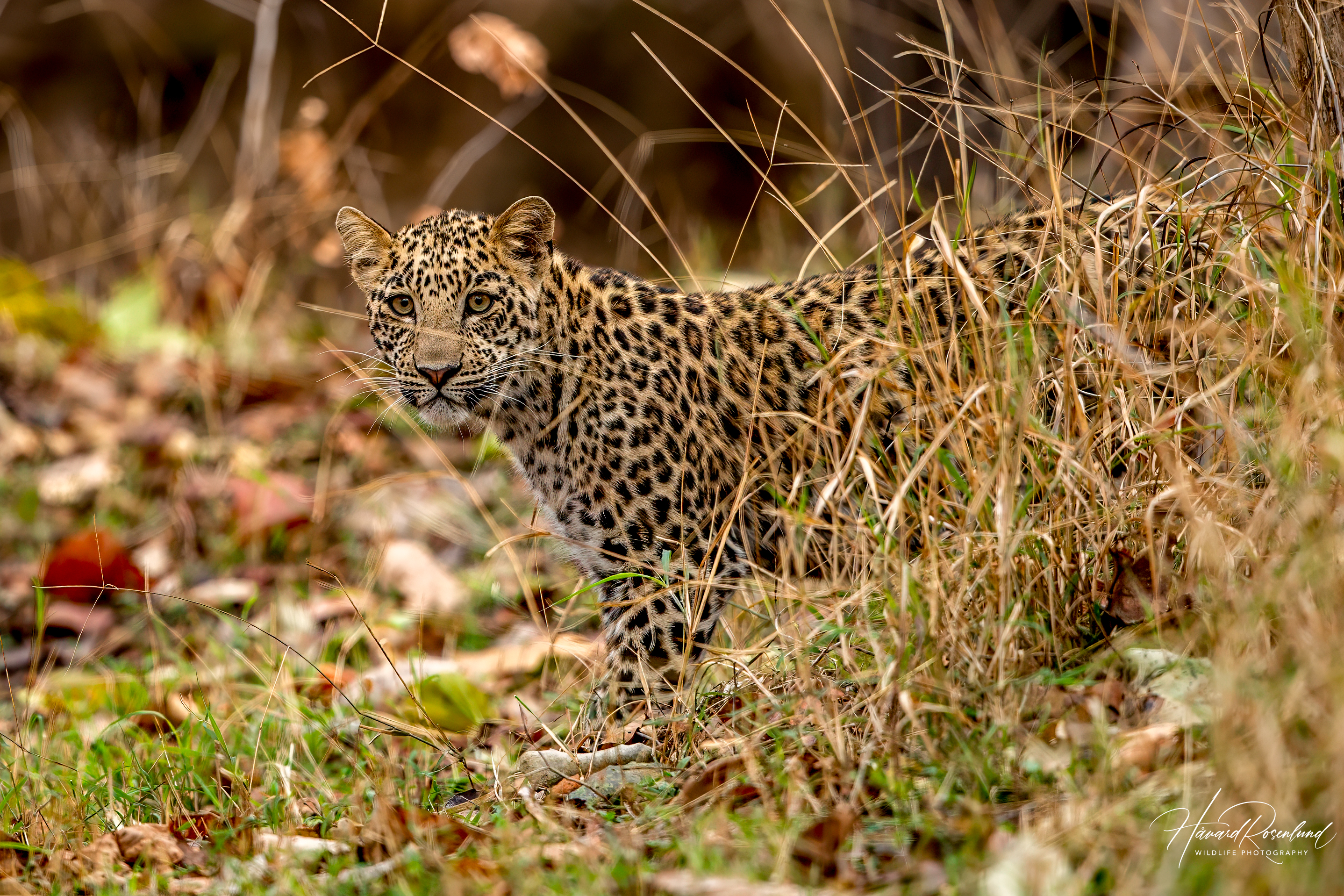
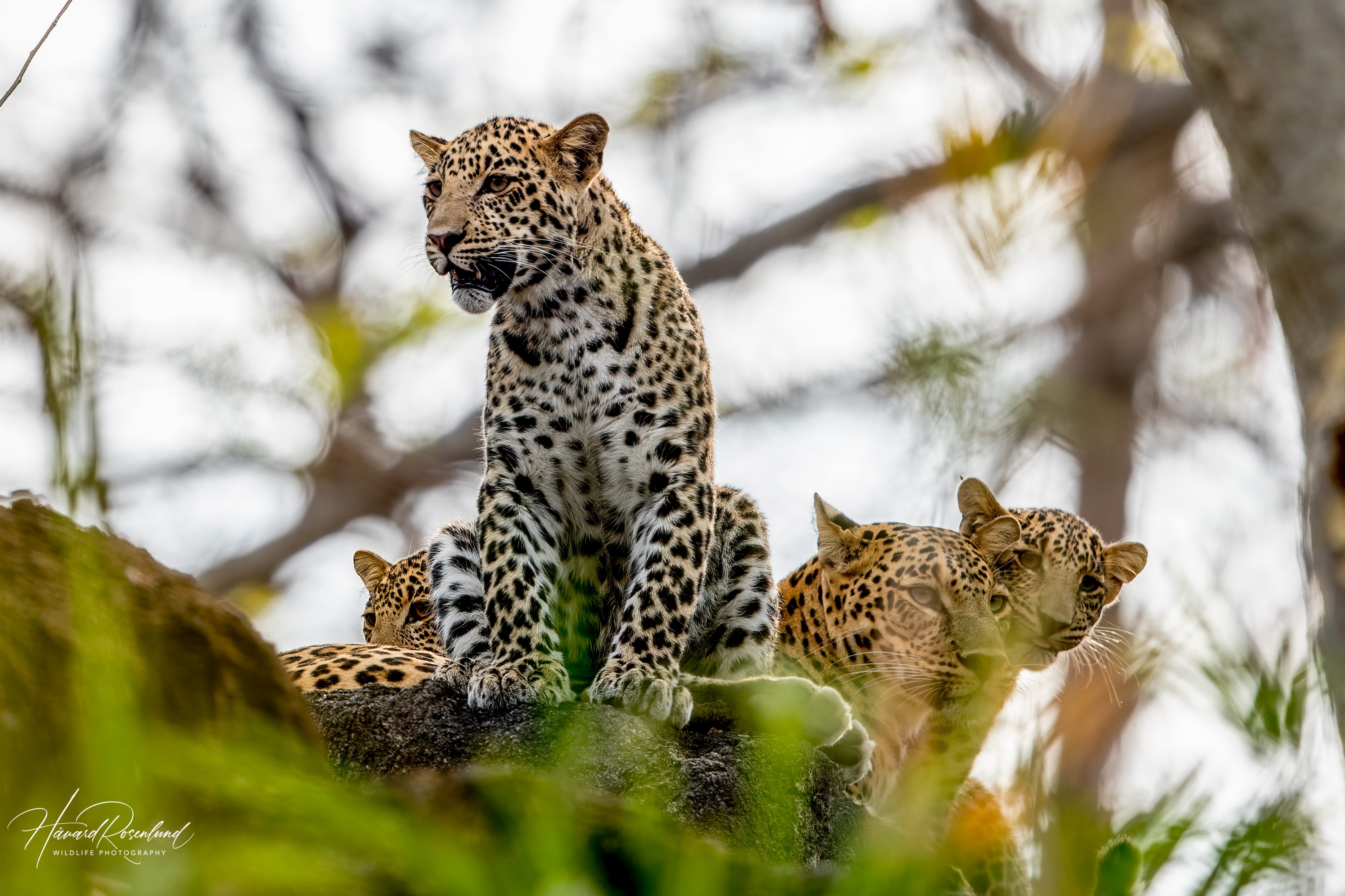
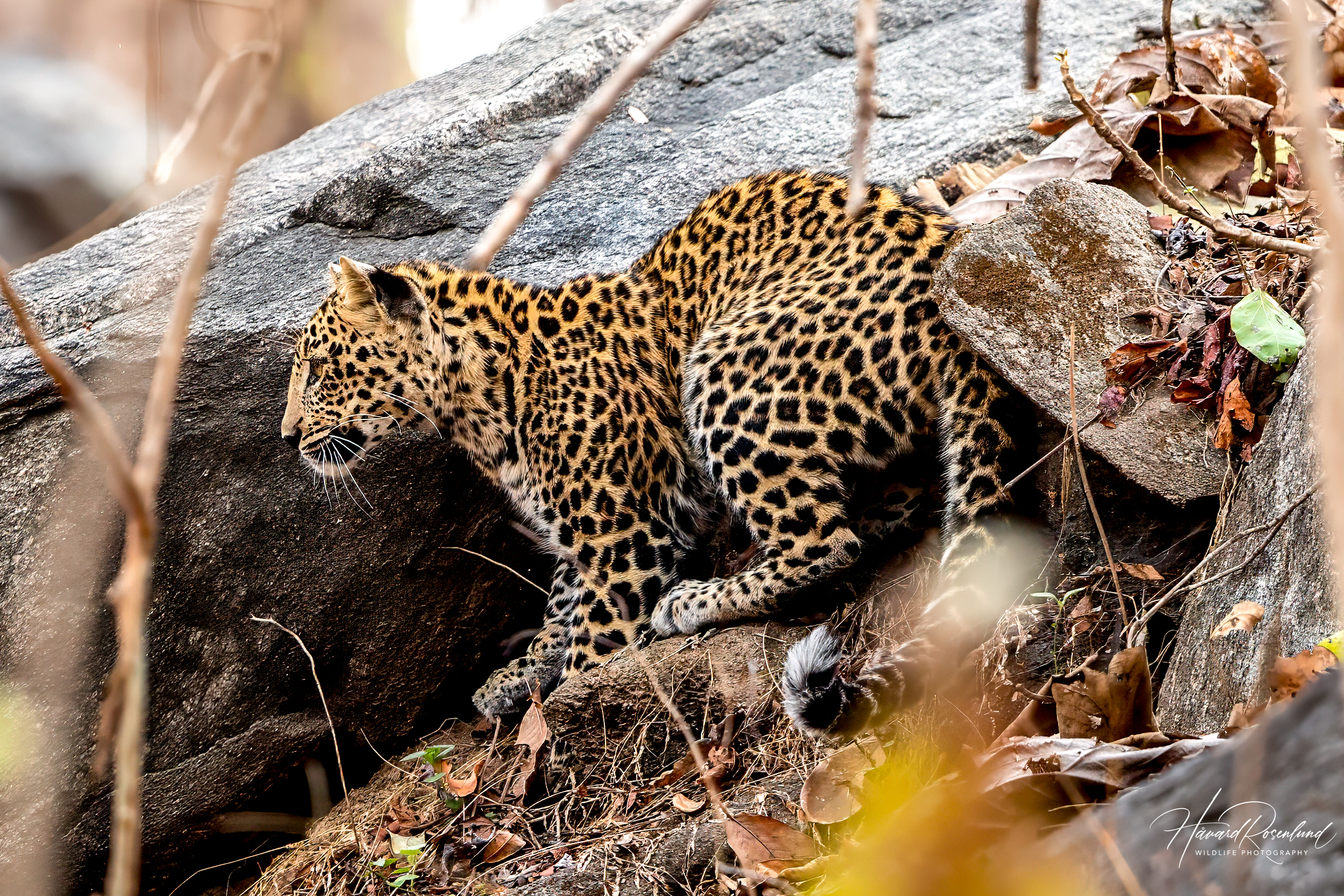
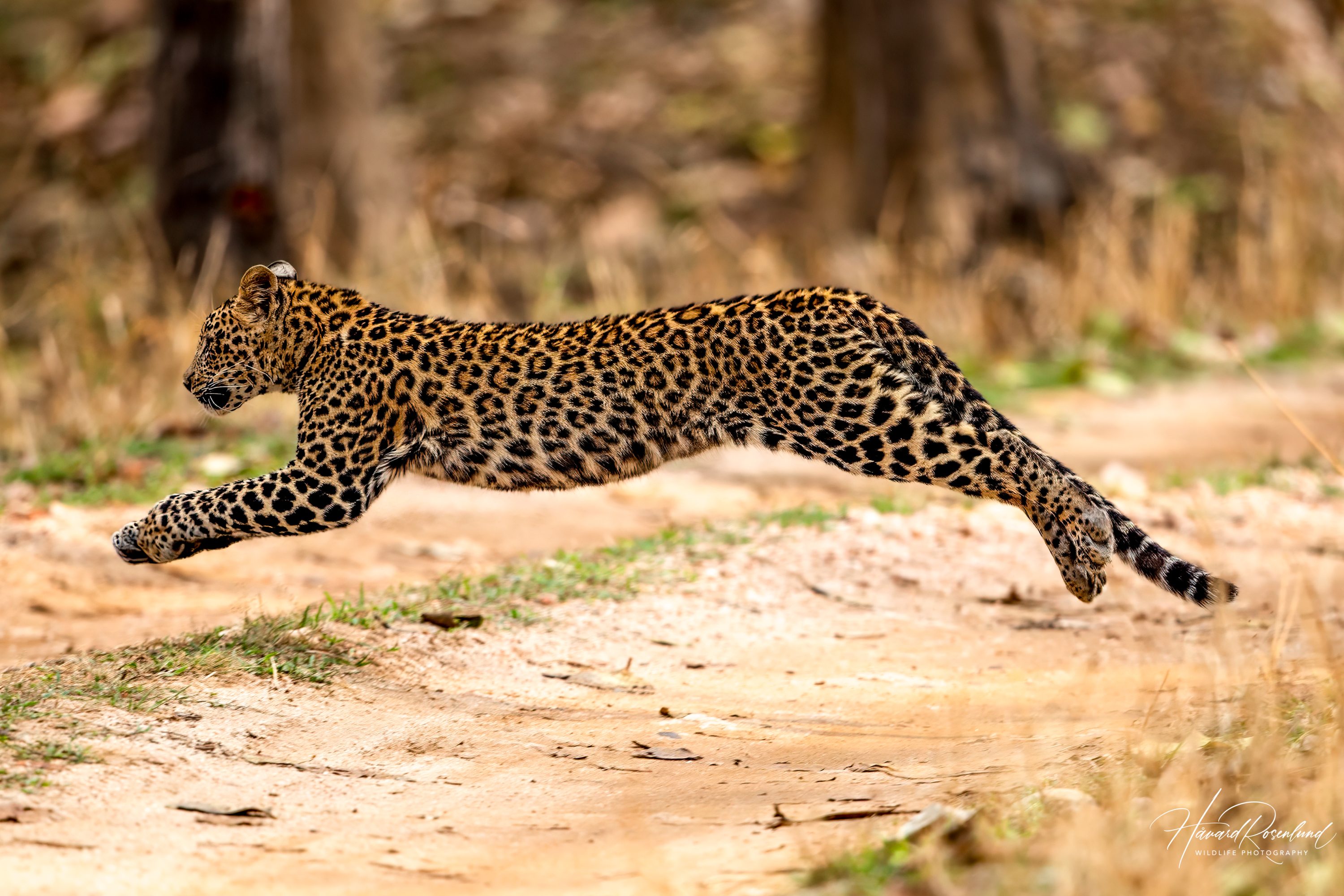
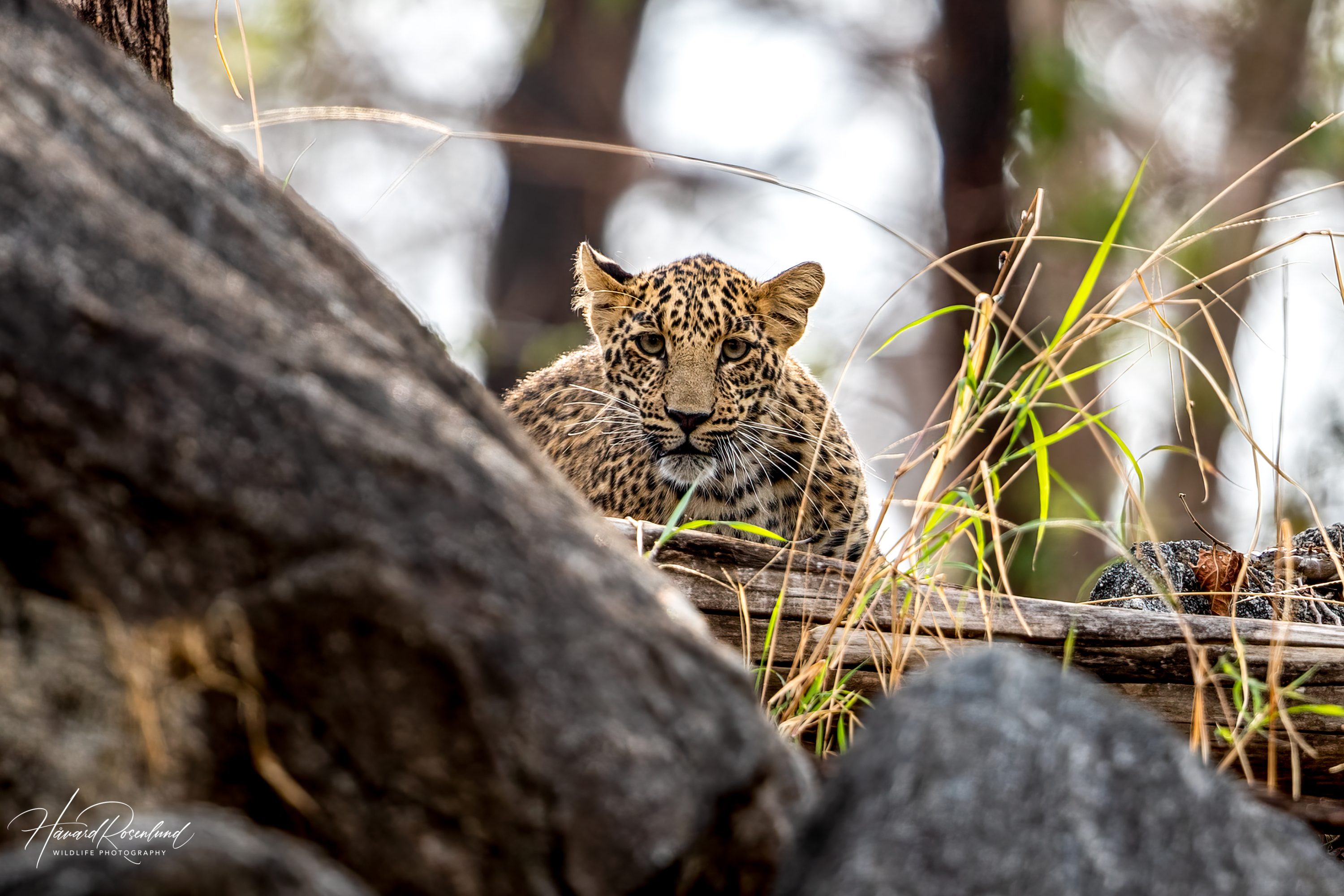
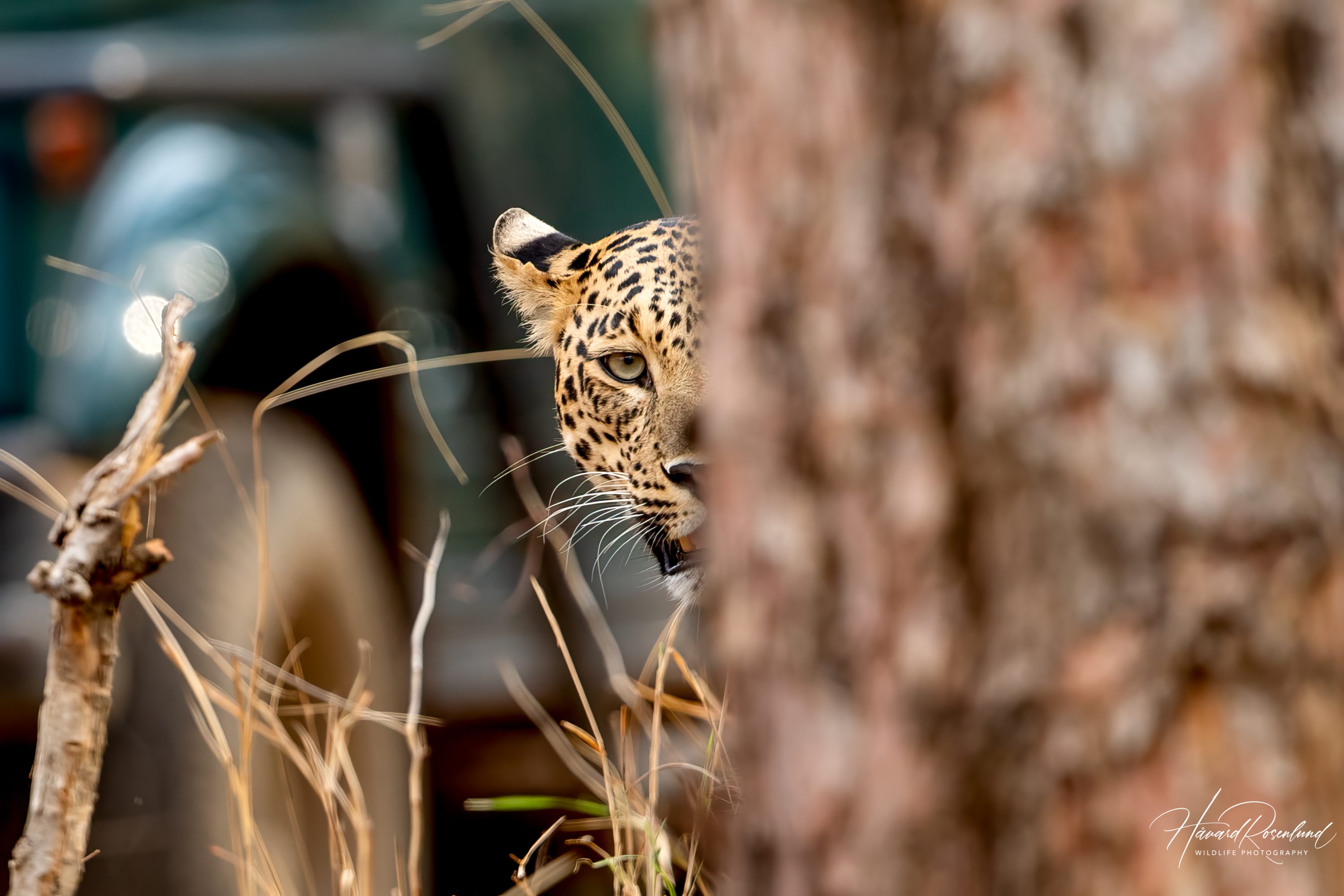
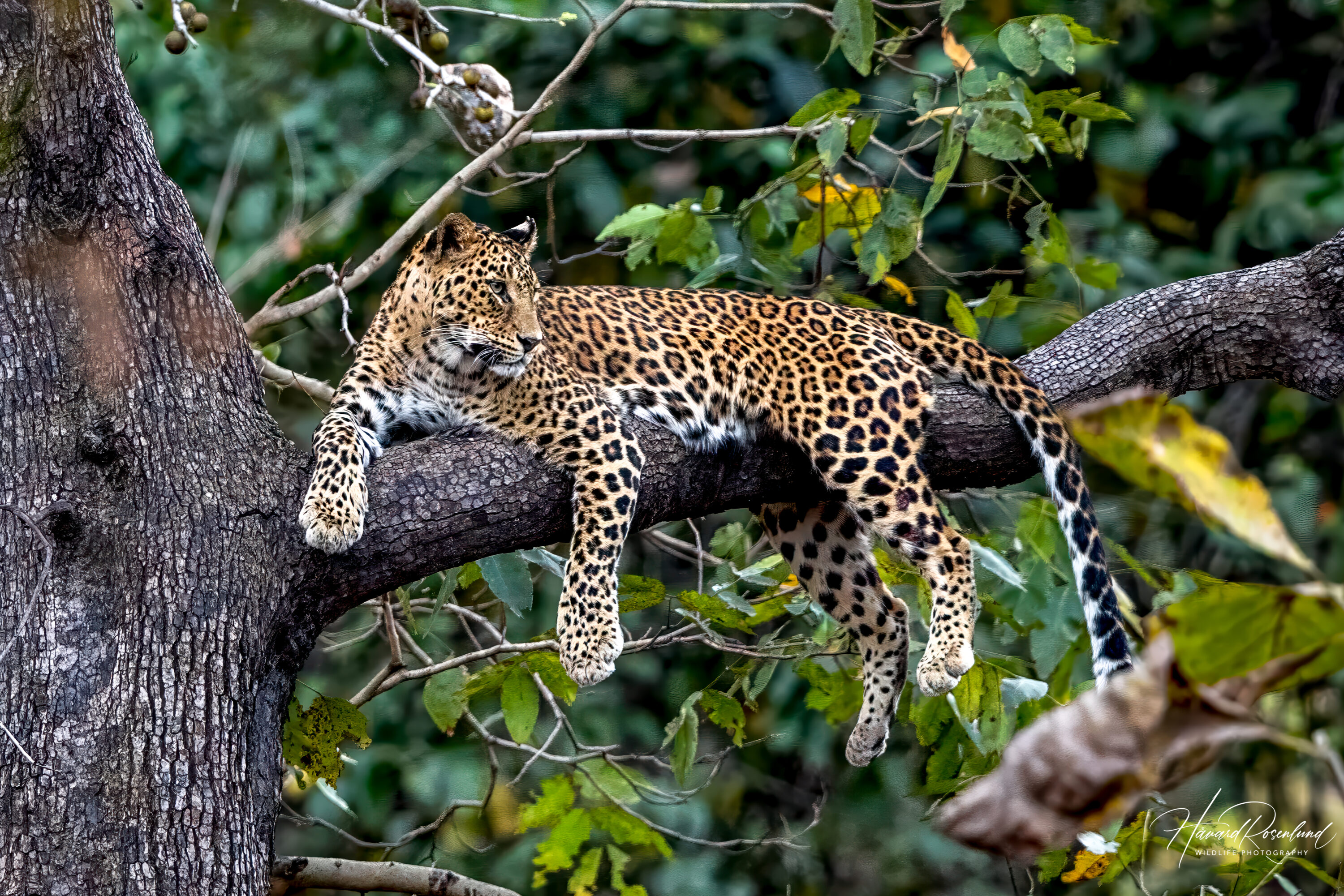
As we got back into Pench for an afternoon drive later that day, we were hoping for our first tiger for this park, and for a sloth bear, as that was the one species we hadn’t seen yet (but still very unlikely). In the beginning we didn’t see much other than what we had seen already, with a massive sambar and a nilgai as standout sightings (both shown in photos earlier), but as we got to the area were we had seen that leopard in a tree far away, a bunch of cars were now parked by the road. Wouldn’t you believe that the leopard was still there! It was still in a tree, but this time a lot closer. Another dream of mine got fulfilled, as I finally got a decent photo of a leopard in a tree! After a while we realized it wasn’t alone, as we noticed the top of the head of another leopard in the grass just underneath the tree. Apparently it was a breeding pair, with the female up in the tree and the male down below. This day was just insane! How was this even possible?
Satpura
Now, a bit about the accommodation. We stayed at a resort called Reni Pani Jungle Lodge, which is placed deep in the forest (at least it felt that way). And this was the finest accommodation of them all! It had the high-end luxury of Pench Jungle Camp (or maybe even slightly more luxurious), combined with the more intimate and exclusive feel of Shergarh at Kanha. The staff was very nice and welcoming, and the daily manager (at least I think he was – and I can’t seem to remember his name) even joined us for a few safaris. My room was, well, a lot more than a room! I had a small house to myself it felt like. With a spacious bedroom on the ground floor, a large bathroom downstairs, and an outside terrace upstairs. It was definitely a step up from the other accommodations in that regard! The food was also fantastic here, and maybe slightly better than the others if I remember correctly. As it turned out, Saurabh also used to work at this resort before he began his own company, so he knew this place very well.
One thing I enjoyed about Satpura was the diverse safari offerings, as we took part in three very different safaris. We did the standard morning and evening safari inside Satpura National Park, we did late evening to night drives in a buffer zone close to Reni Pani, and a boat safari for birding on the Denwa River, a river bordering the national park. Already the first day, after arrival and some food, we went out on our first late evening/night drive in the buffer zone. To get there, we had to drive past a couple of small villages. As we entered the buffer zone we also met people from the village harvesting something inside (can’t remember what), which is allowed in a buffer zone but not in the national park itself.
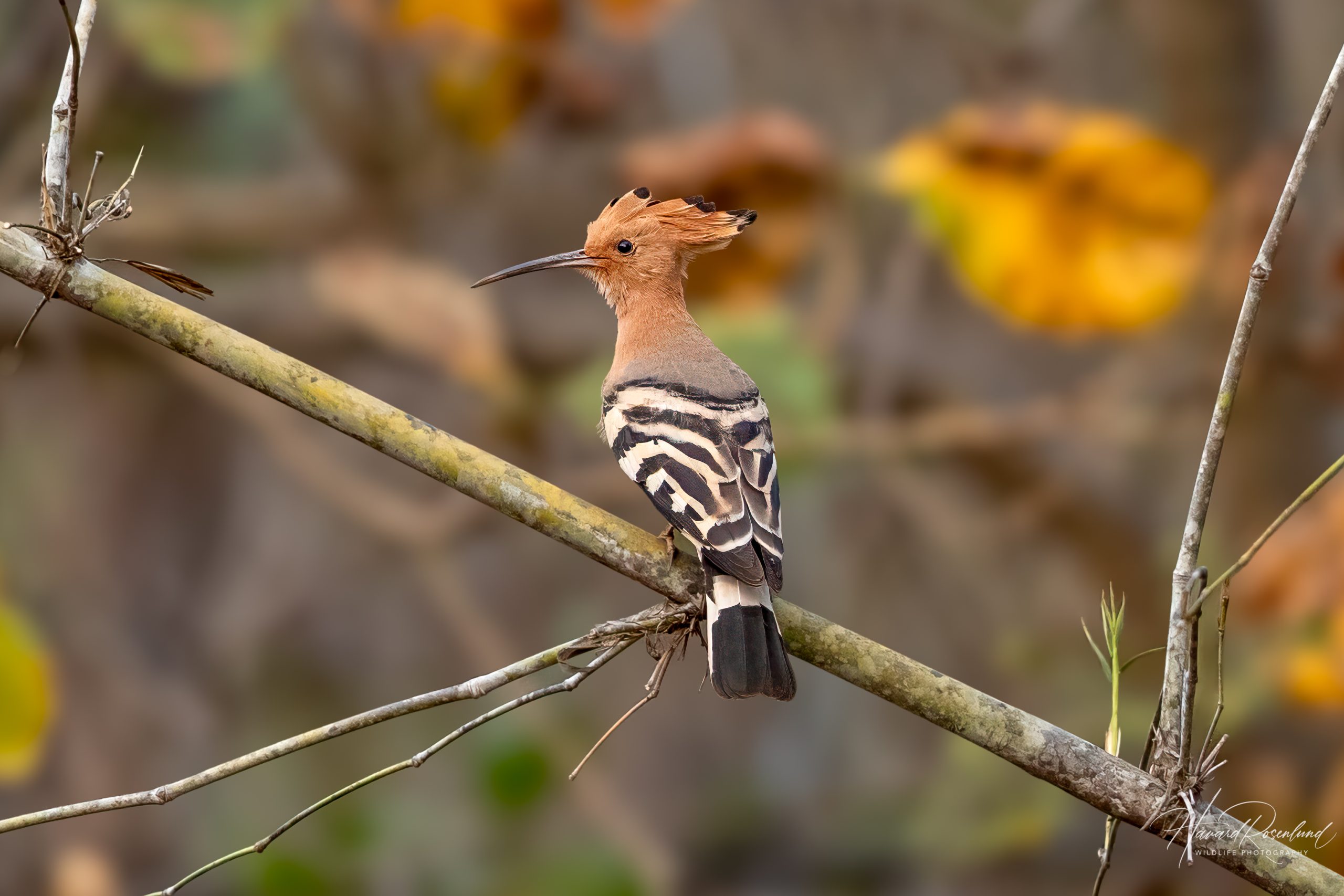
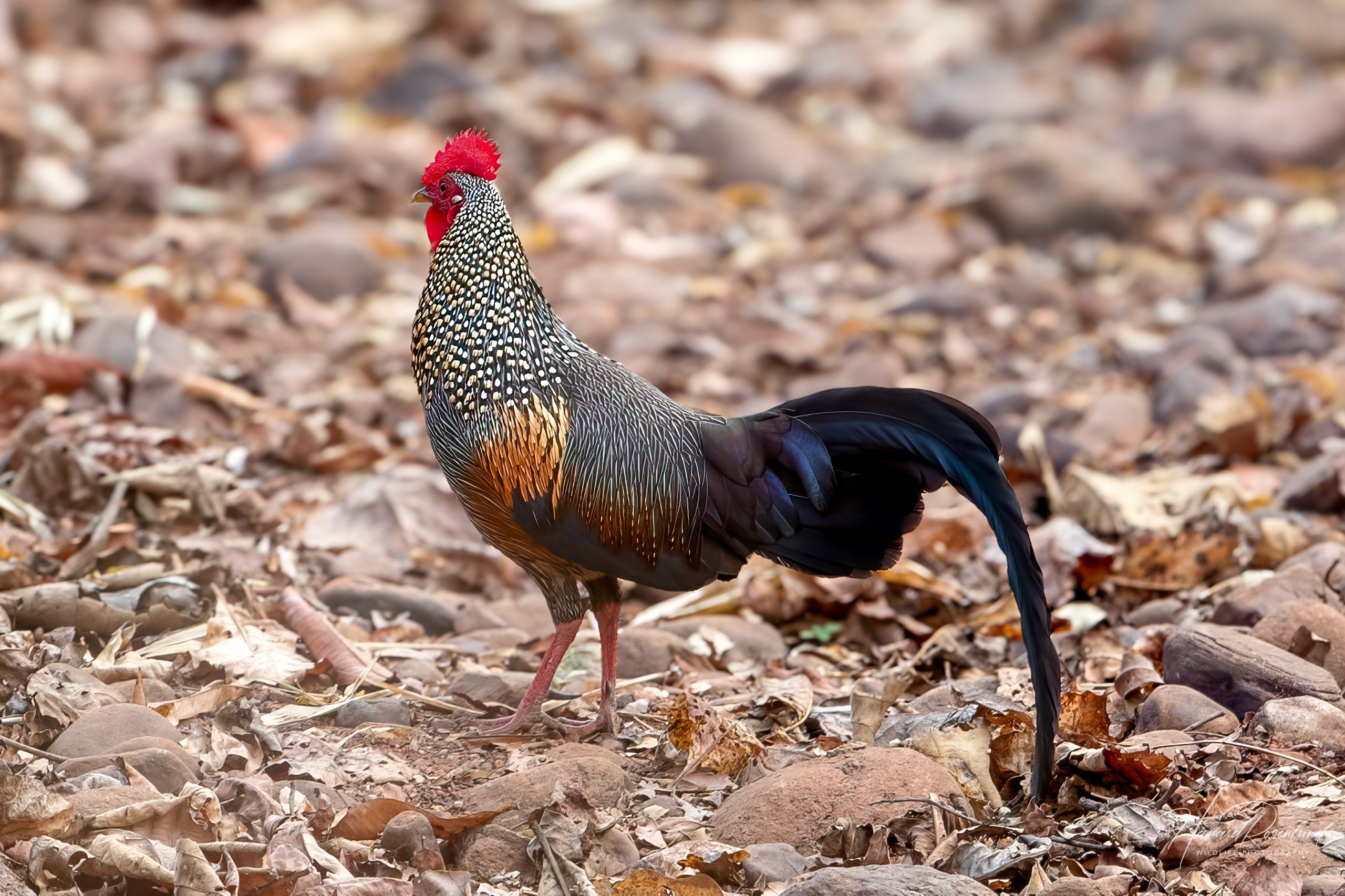
Even though this drive wasn’t inside a national park, it certainly felt like we were in one, as this was a large wilderness area, with forests, steep hills, dried up riverbeds, and even some grassland areas. Because we had seen so much already, we didn’t really stop for species we had seen before, unless it was a species I wanted better photos of. One brand new species we saw was the grey junglefowl, but similar to its relative the red junglefowl, it was very hard to photograph. Before it went dark, we came across my very first and only Eurasian hoopoe, a species of bird I thought I’d see a lot more of on this trip, but at least I got one, and I also managed to get a decent photo.
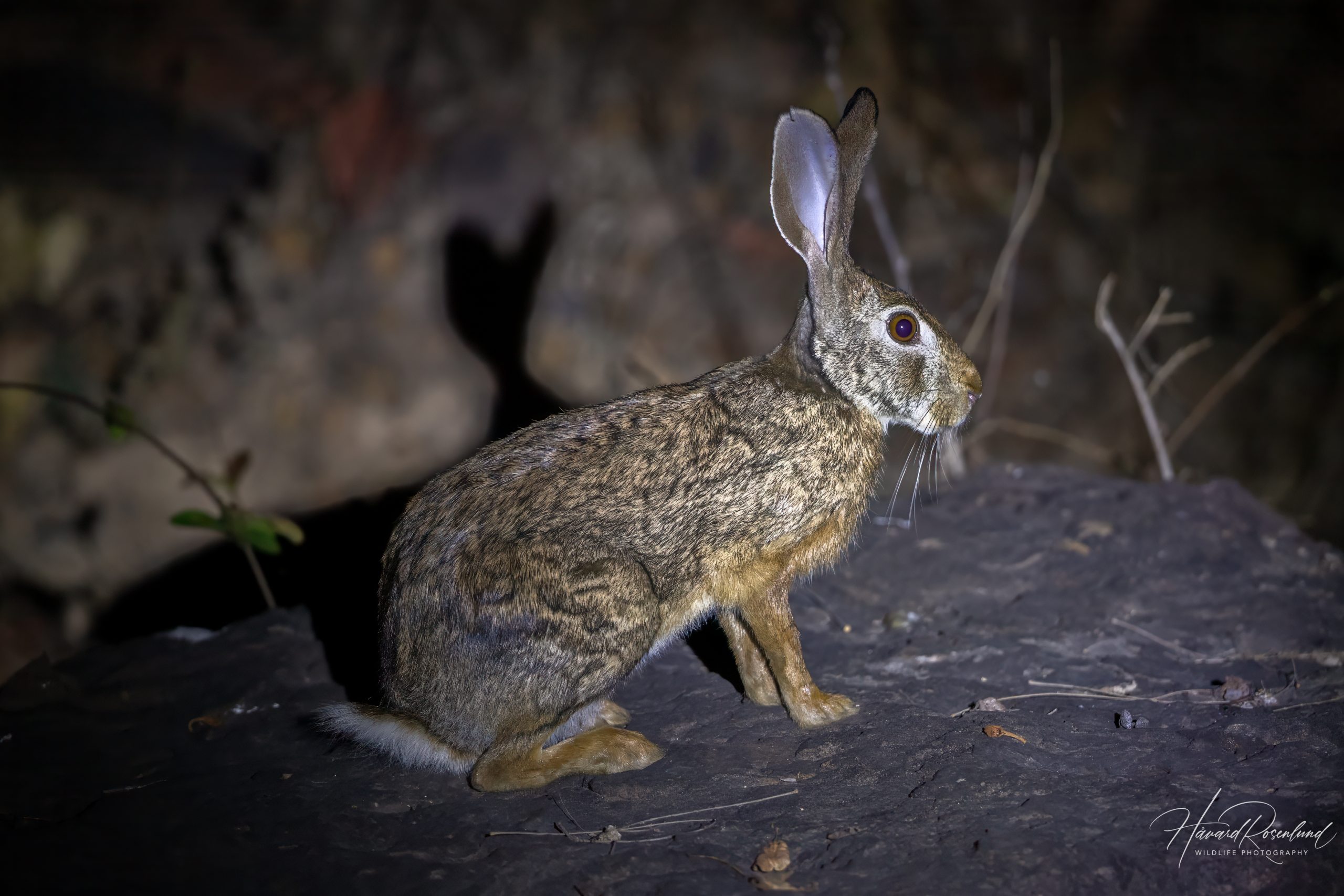
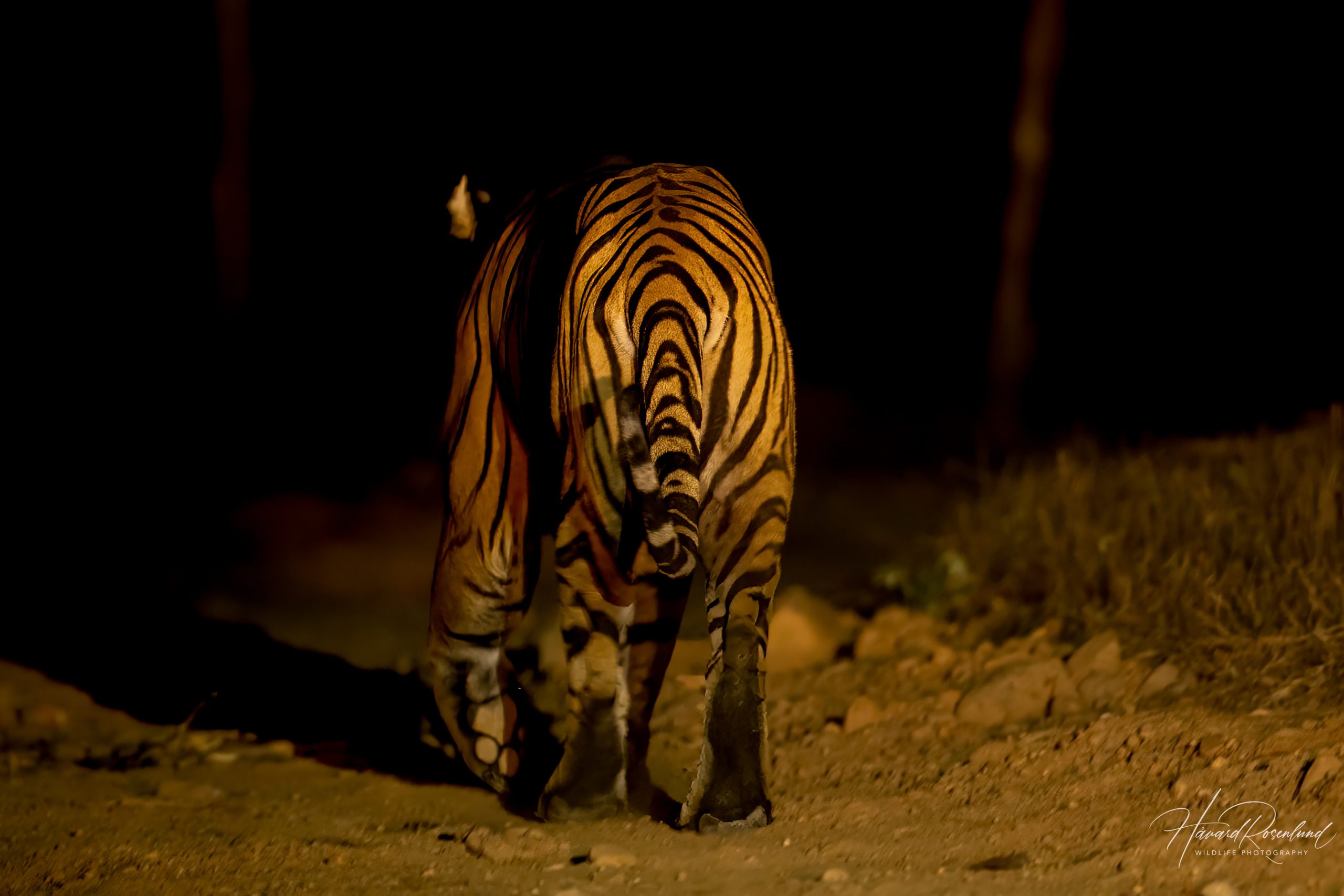
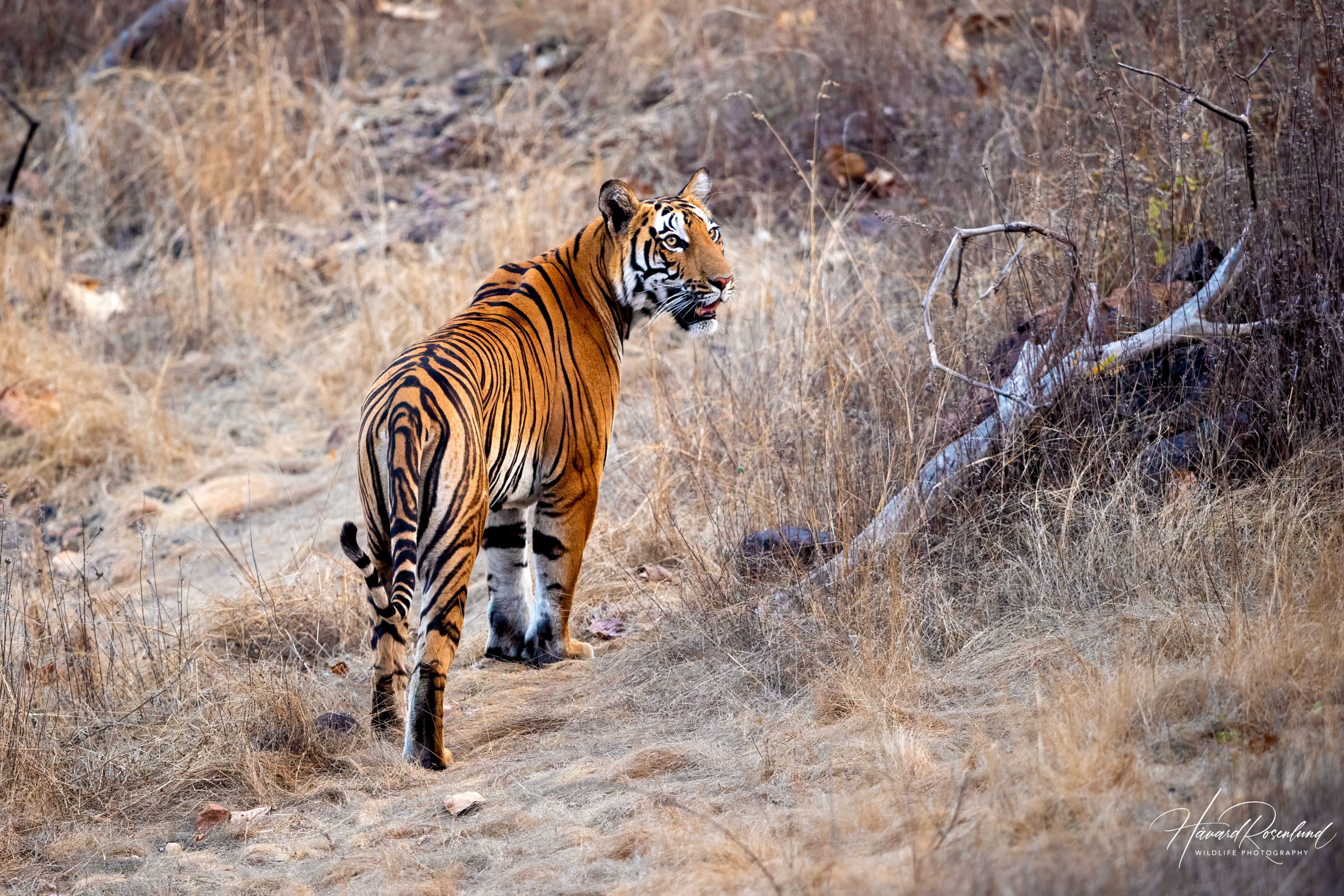
When it got dark, the drive became a lot more exciting (I love my night drives!). There were nightjars flying about, and I finally got a good photo of an Indian hare. As we continued further inside, the backside of a massive striped cat suddenly appeared in the spotlights in front of us. A huge male tiger was walking along the road! And we weren’t even supposed to see tigers in this place! We followed him from a short distance as he kept walking. He only stopped a couple of times to mark his territory. It felt very different seeing a tiger at night. This was his time and domain, and we were uninvited guests with poor senses, and easy prey if he wanted to. He didn’t seem to mind us following him, however. Which was a good thing. After we had followed him for a bit, he decided to follow a path into the forest, and we left him there and headed for the exit.
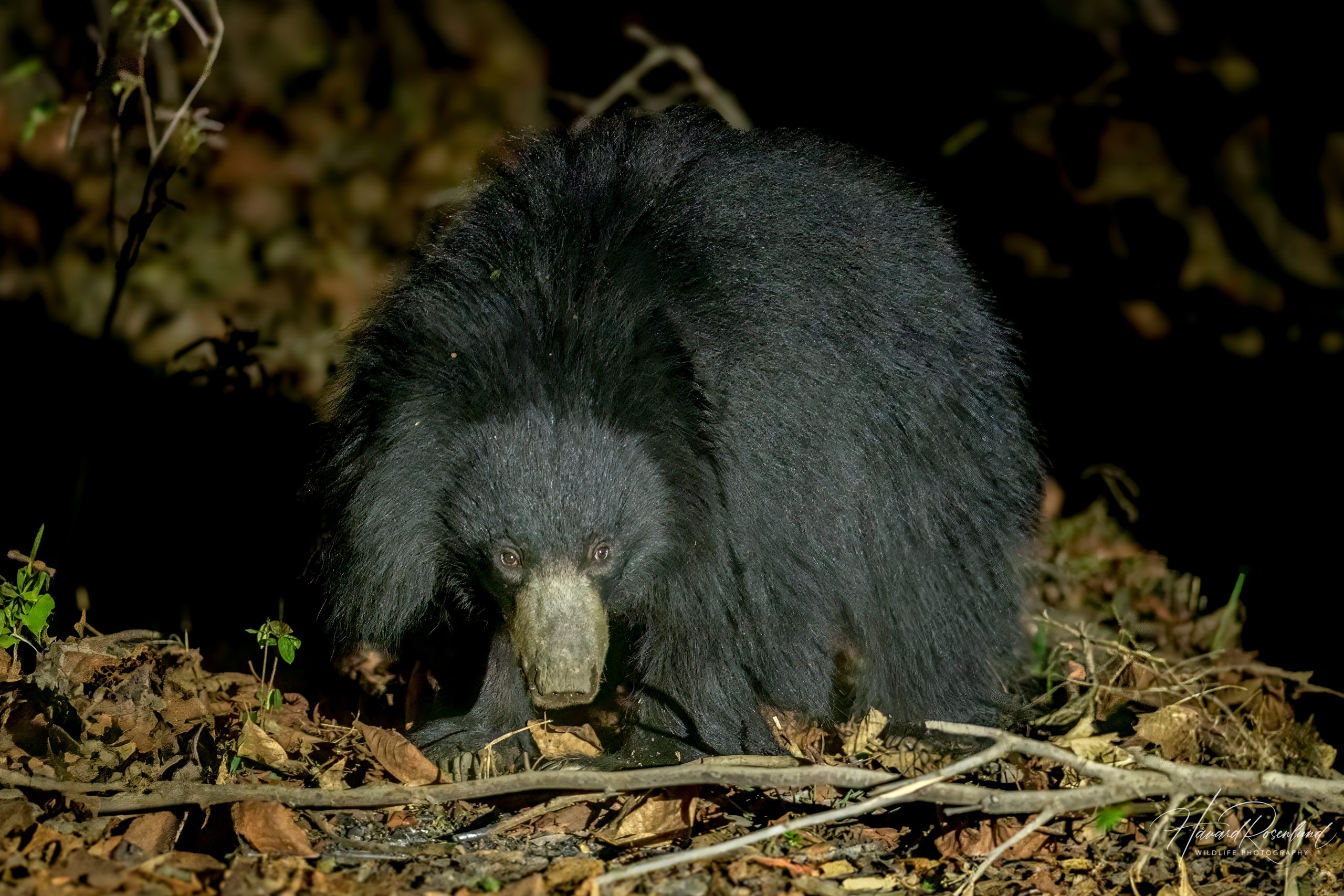
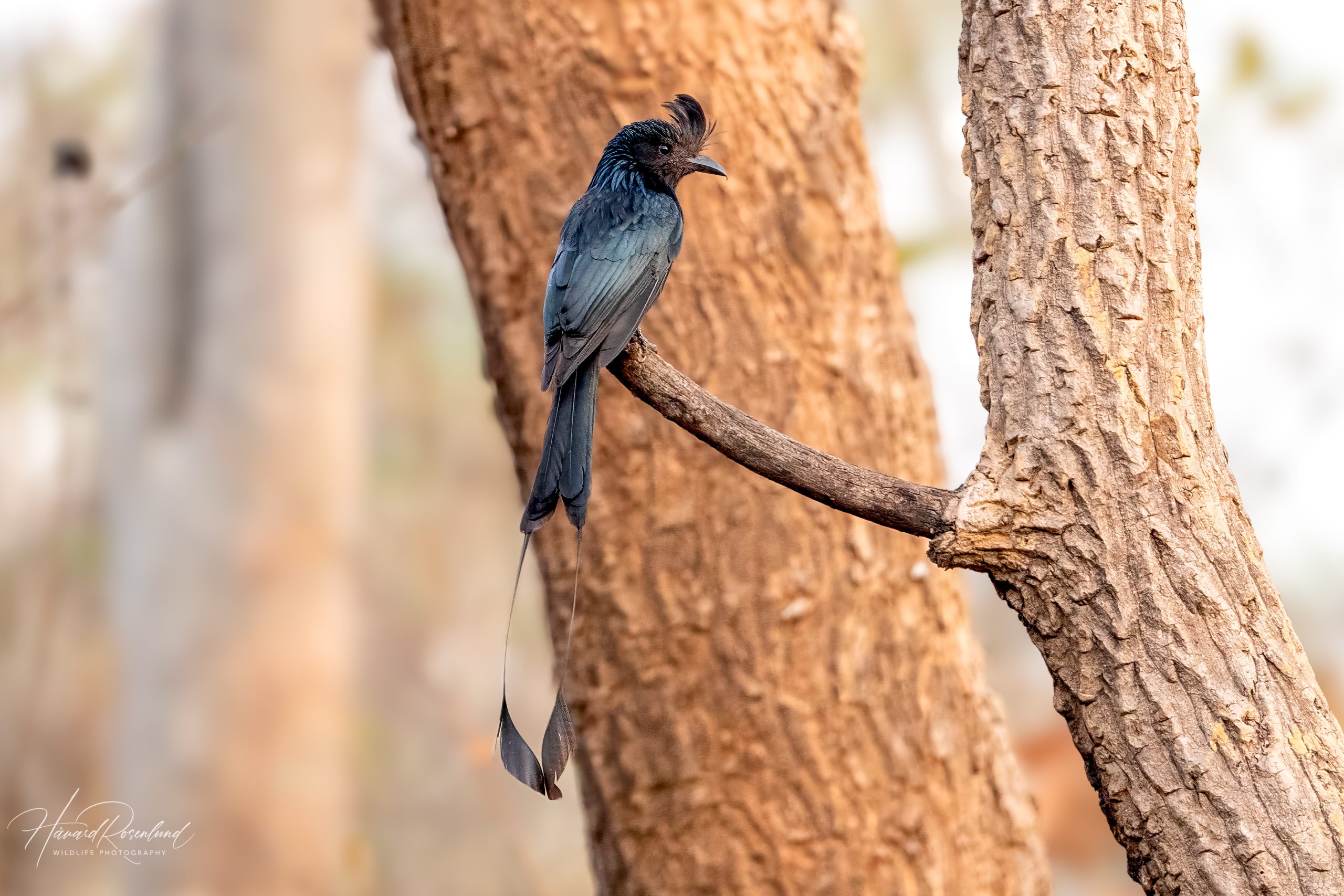
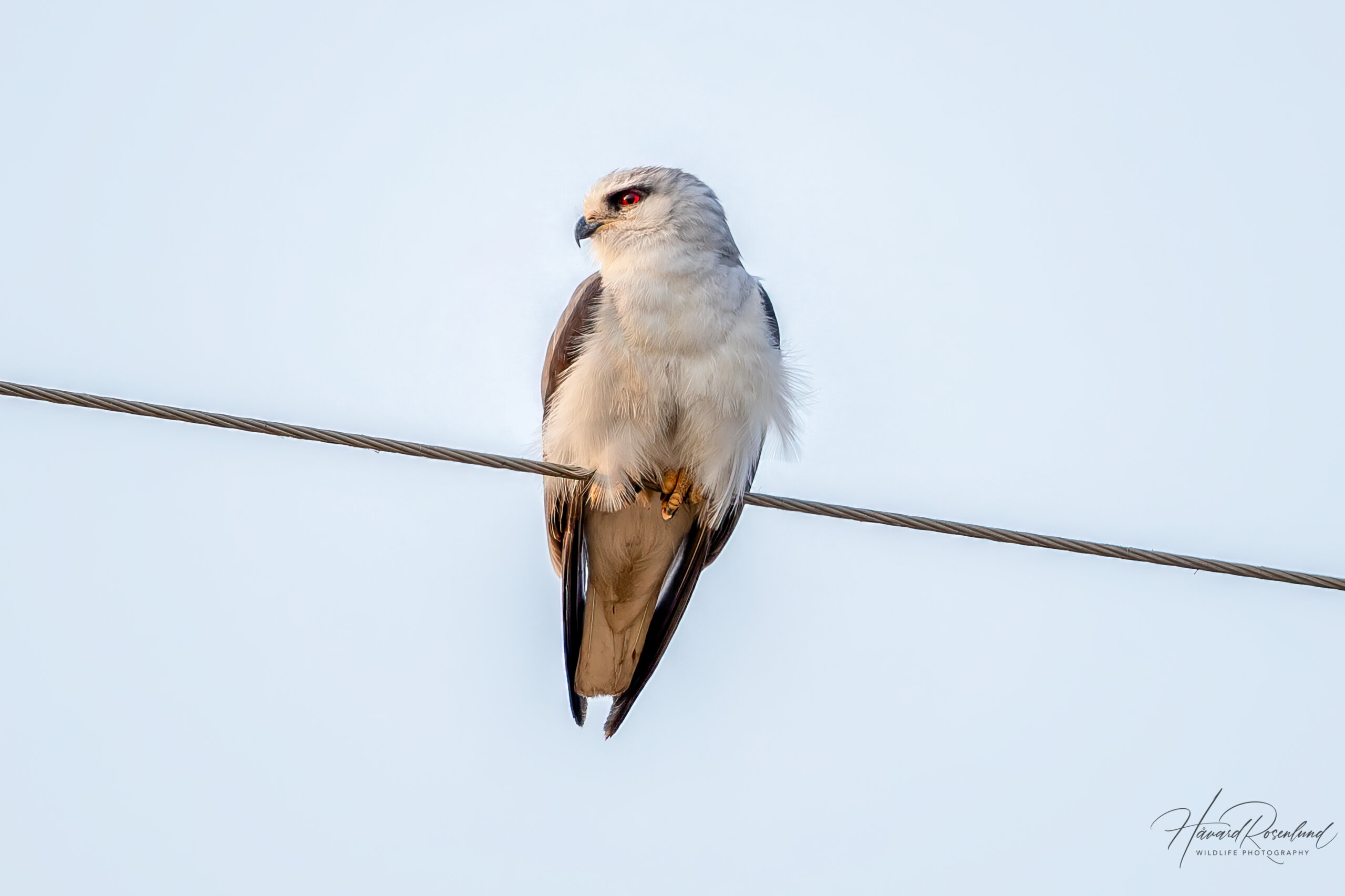
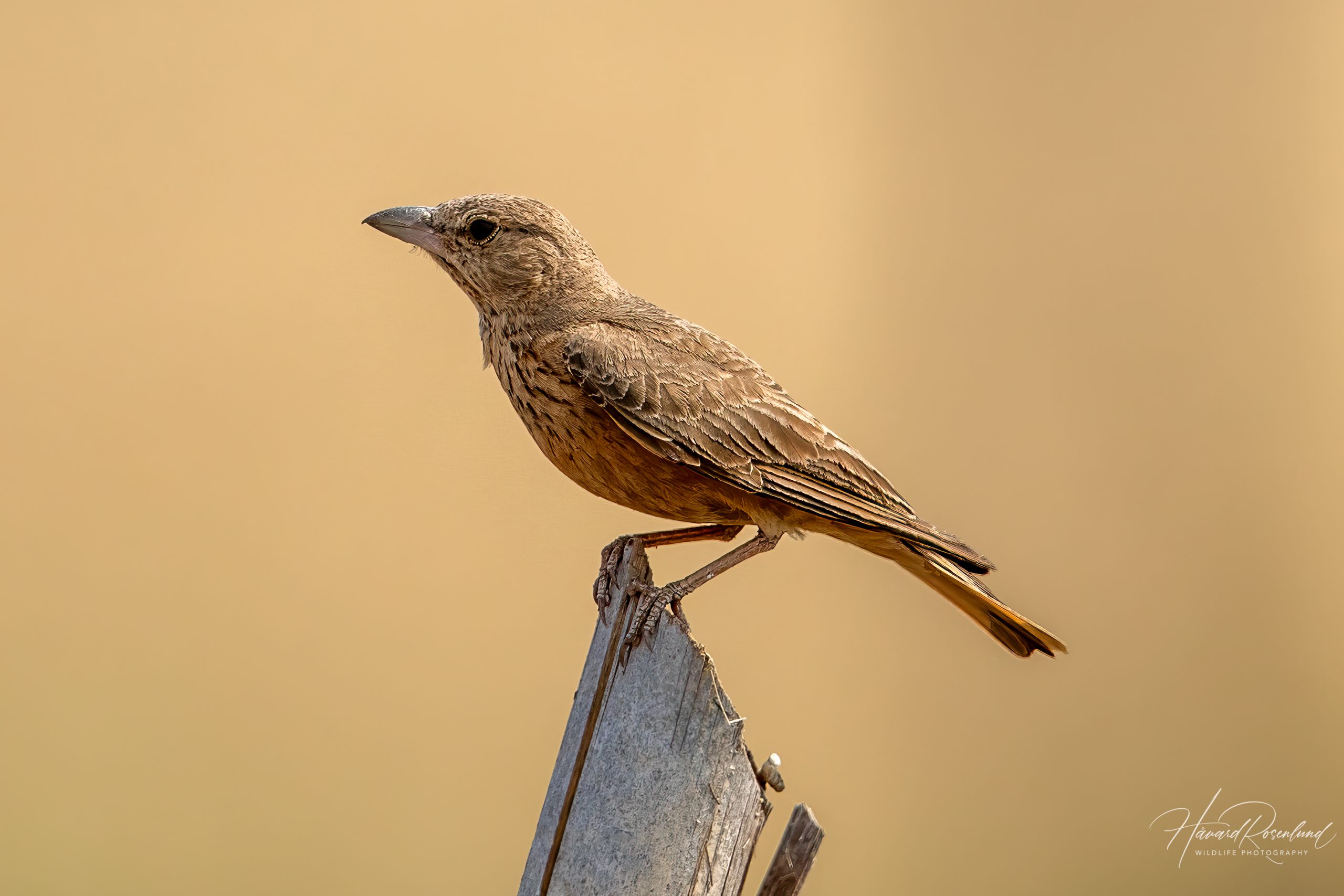
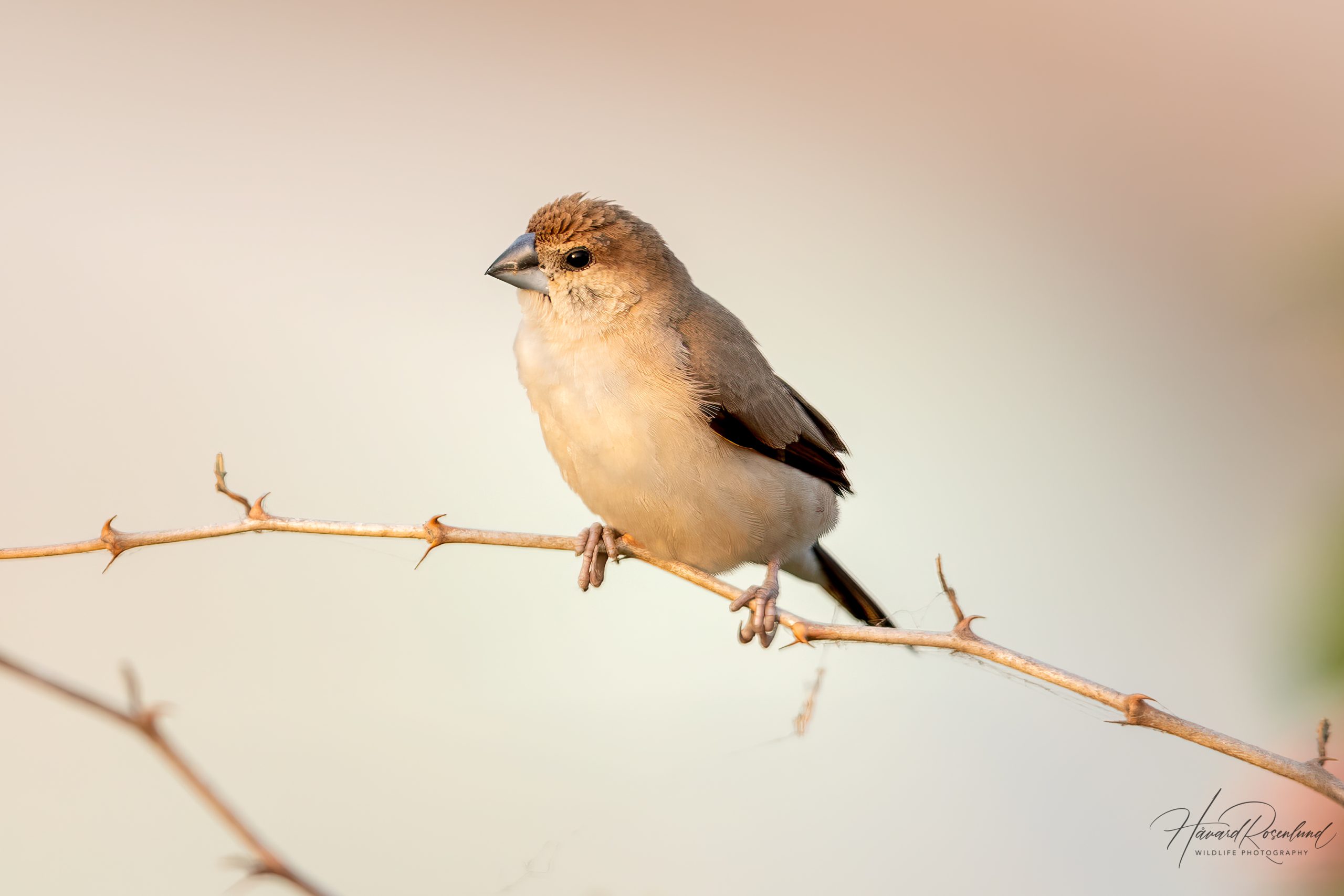
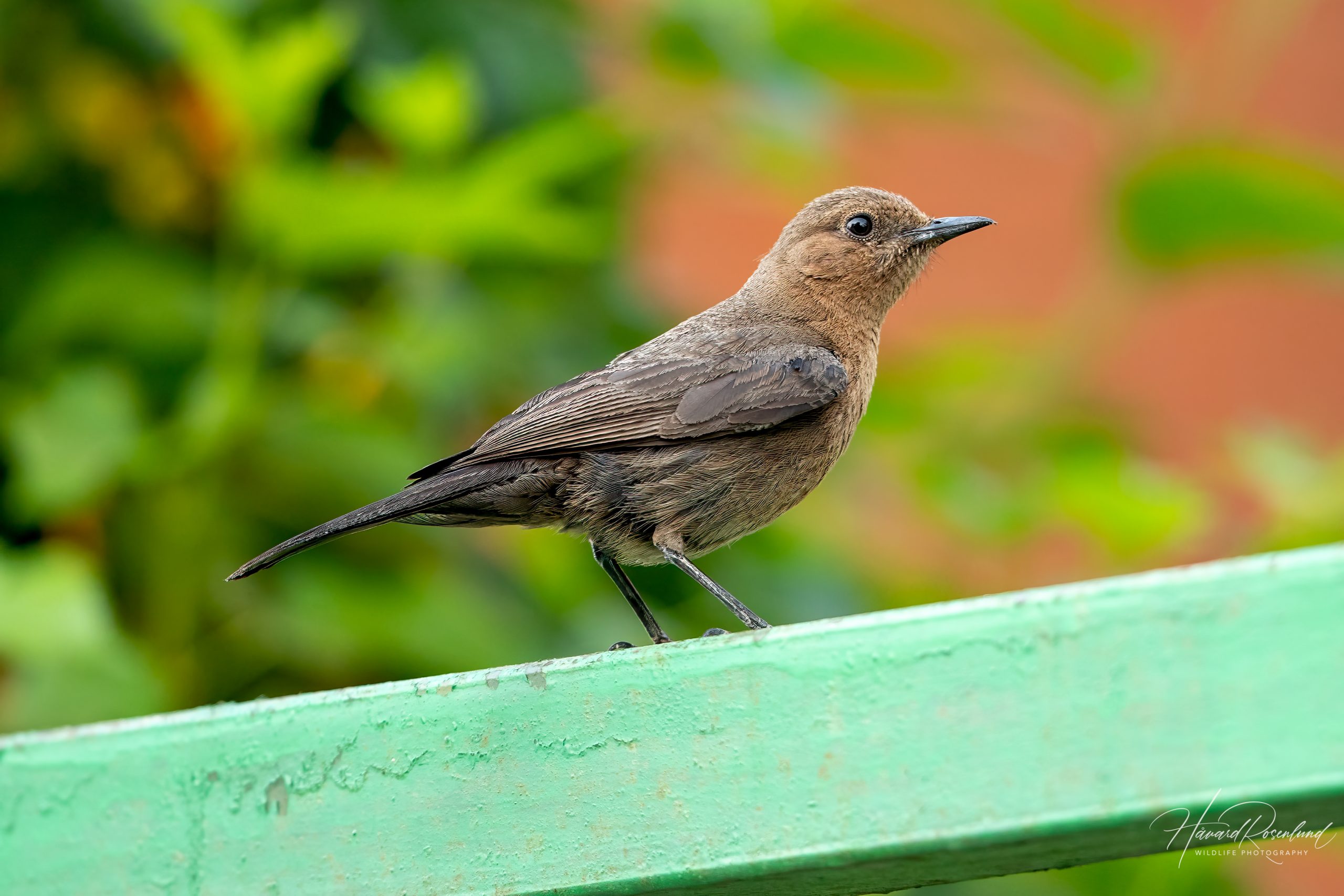
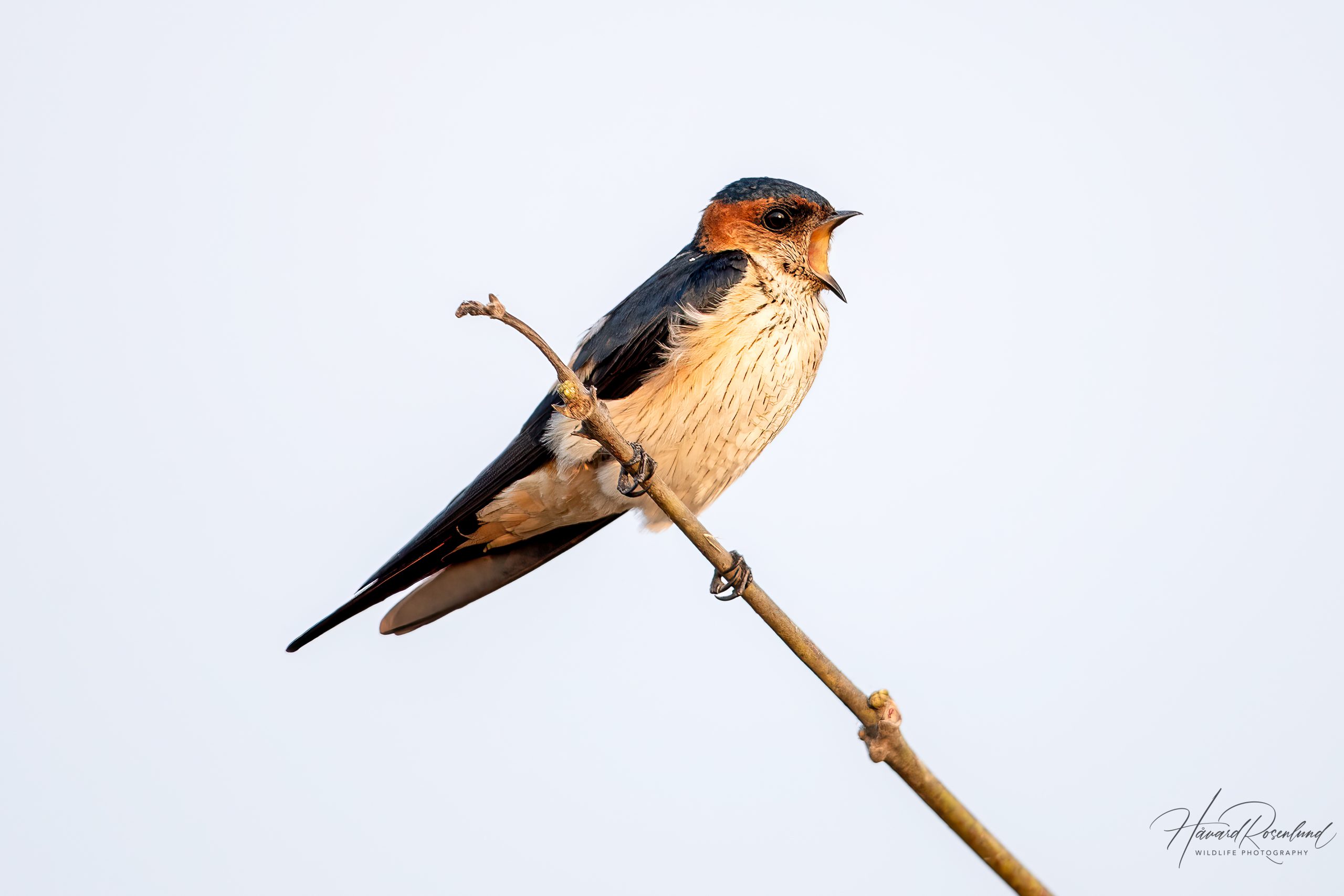
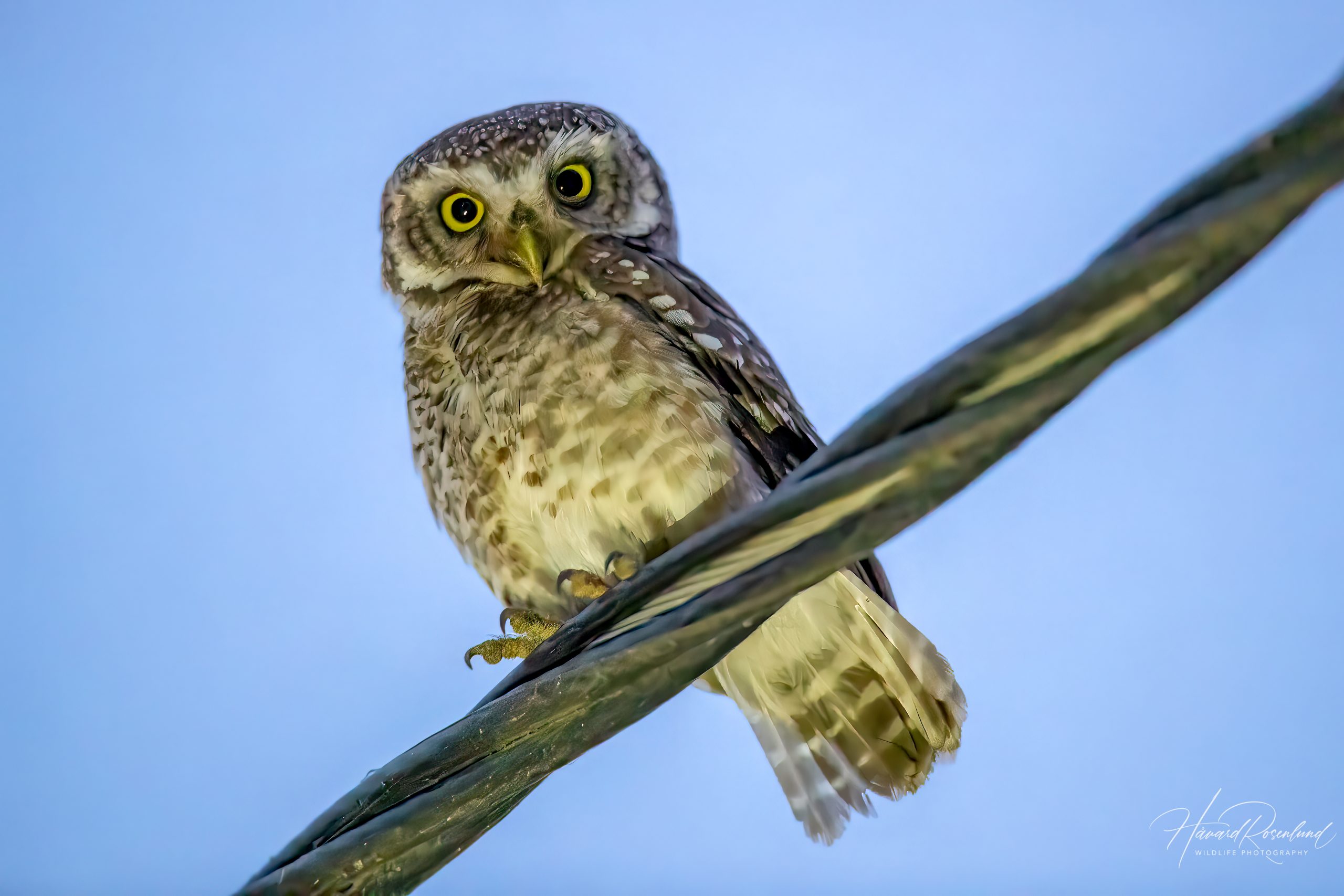
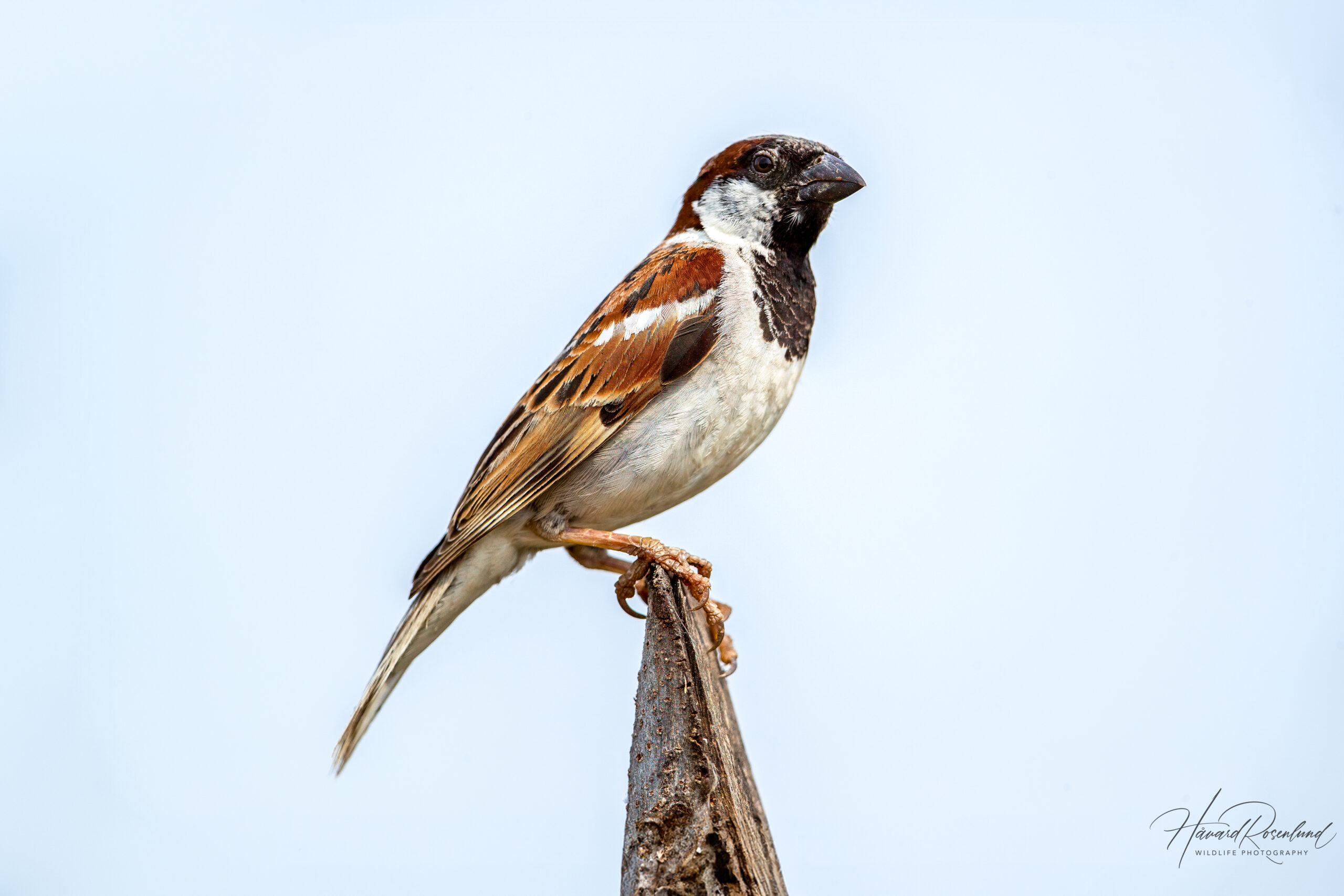
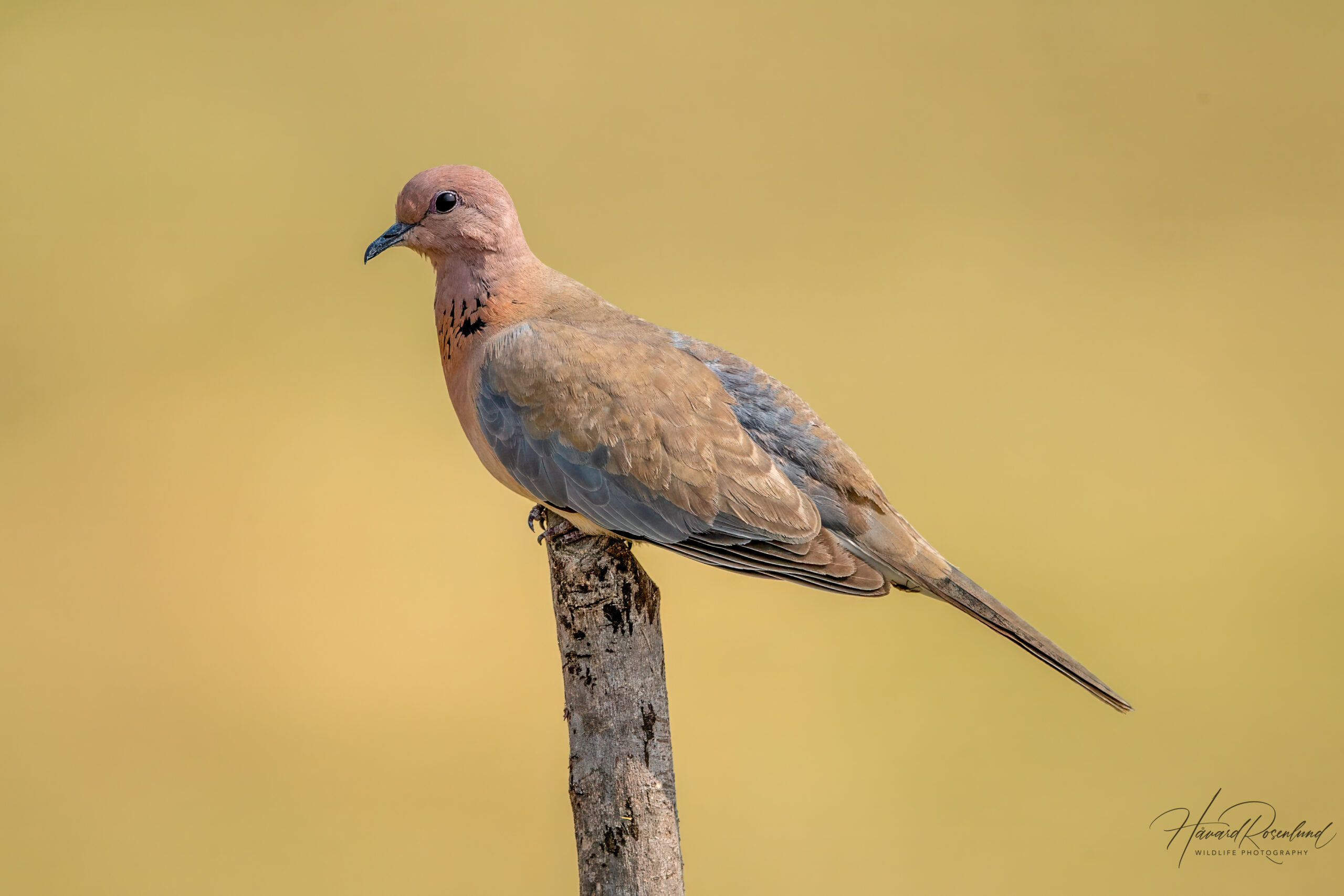
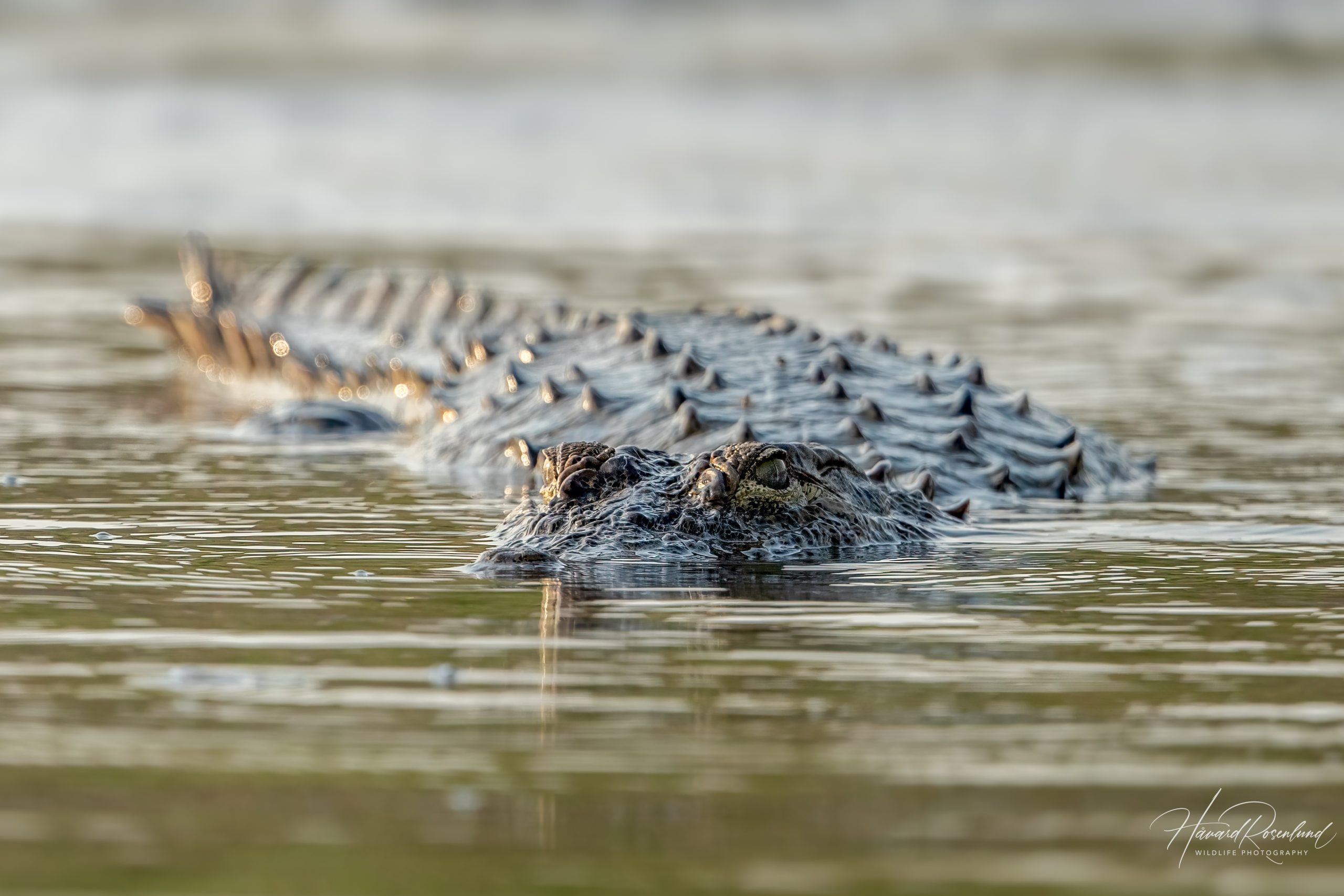
Satpura was very different from the other three parks, and it’s almost hard to describe it. It was large and extremely varied, with dense forests, open grasslands and meadows, as well as steep hills and rocky areas. It was also a lot more lush and green, compared to the drier Bandhvagarh and Pench. The buffer zone of the night before was in a similar vein to Satpura, but drier. Now that I had seen all four parks, Satpura might come out on top as the one with the most interesting and varied landscape, but I think I enjoyed the feel of Kanha just a tad bit more. My preference for Kanha might also be the result of the fantastic drives we had there, as Satpura didn’t provide us with the most spectacular sightings (not including the buffer zone).
We did two drives here, one morning drive on the 12th of April, and an evening drive on the 13th. We saw a lot of similar wildlife on both of these drives, so I’ll combine the two here when I go through what we saw and experienced. First of all, we did not see any large carnivores here. We were close to finding a tiger once, as we, and other safari vehicles, tried to find it based on alarm calls from other wildlife, but it never got out in the open for us to see it. That didn’t bother me at all, as we had seen a lot already, and I was more than happy to look for other wildlife that we had seen less of, and of course, getting some last few shots of various birds we came across.
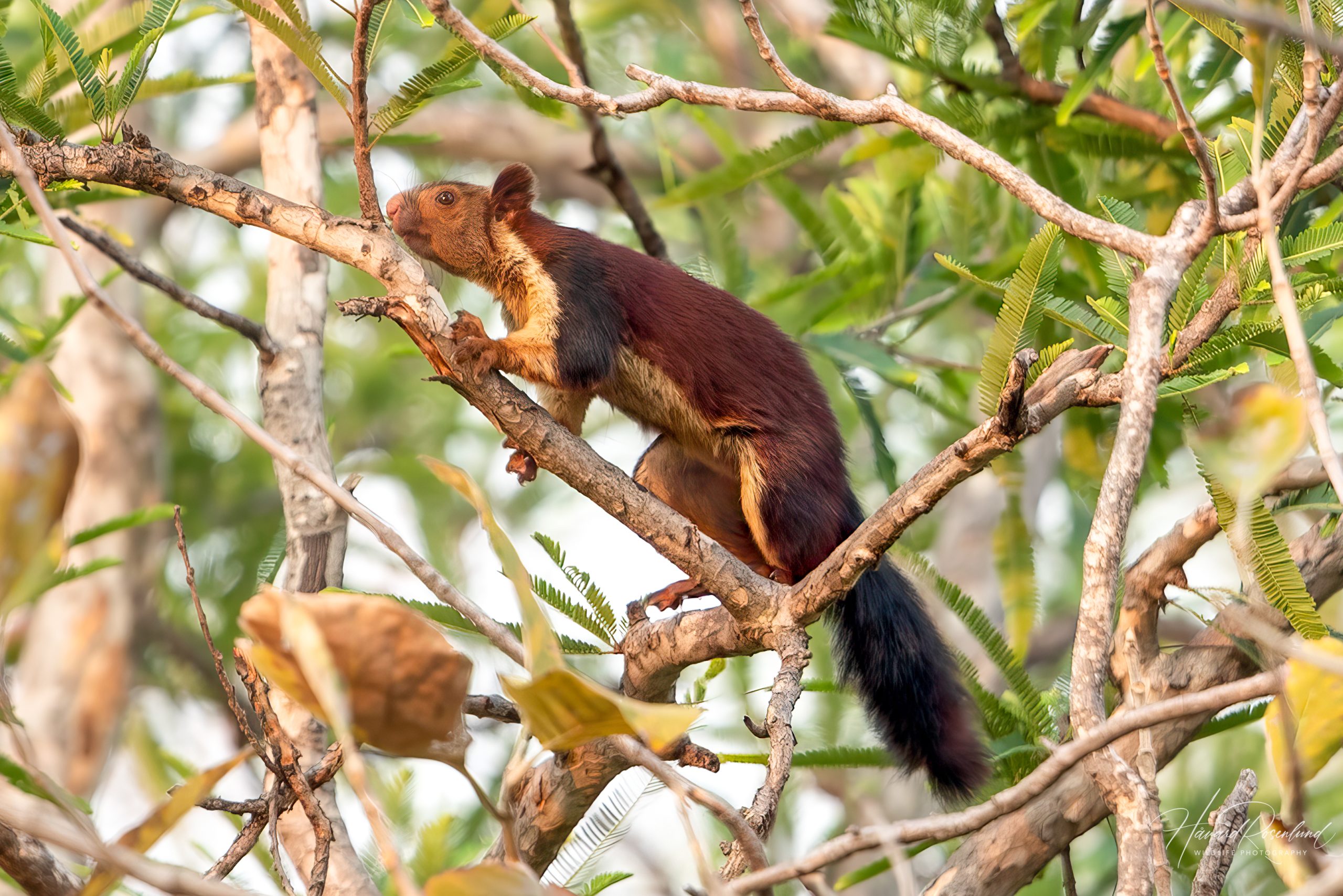
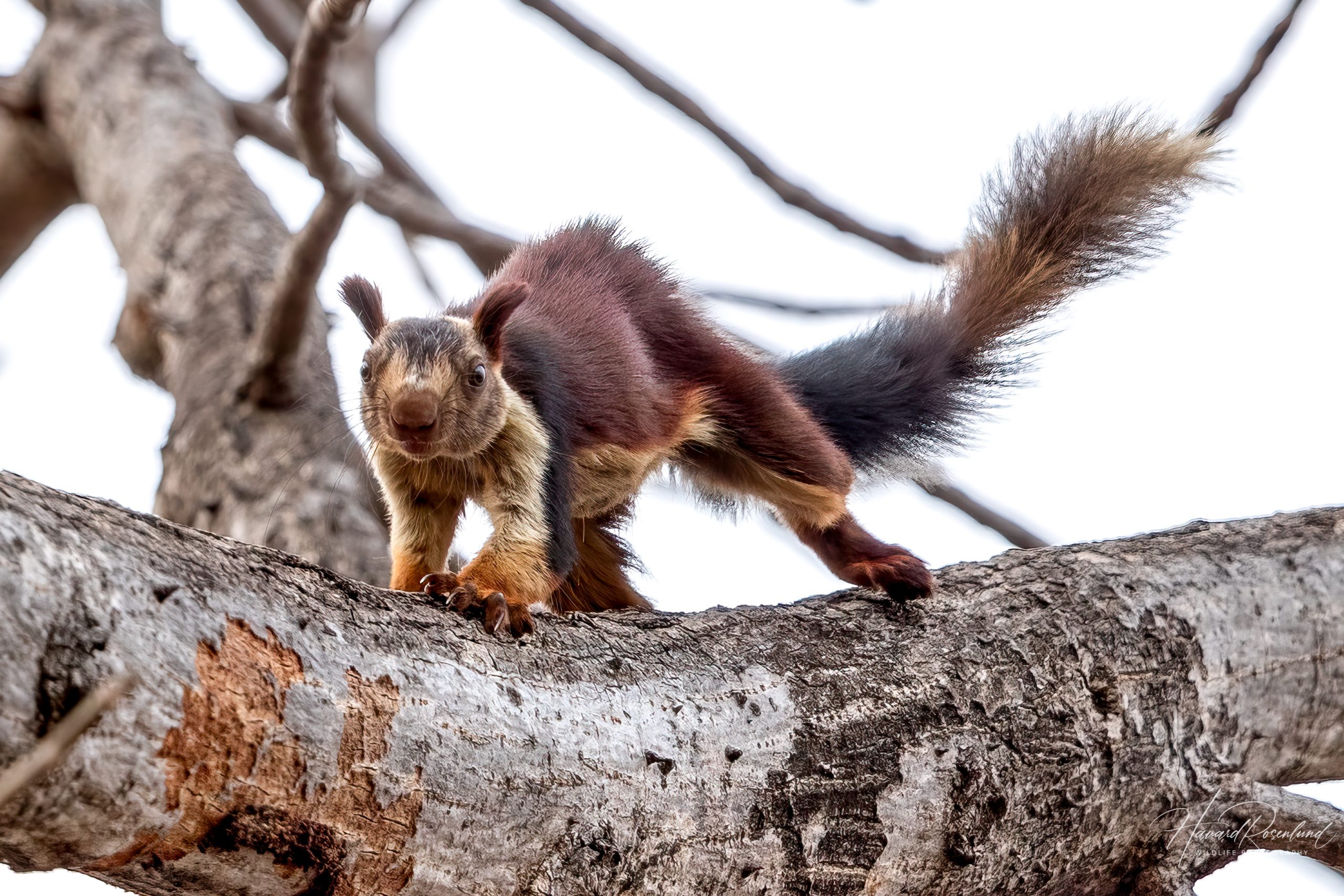
For me, these two safaris became drives to try and tie things up, and I had a wish list for Saurabh of animals I still wanted better photos of. And he tried his best to help me succeed! If I remember correctly, I wanted better photos of a big gaur bull, a sambar stag, a nilgai bull, a grey junglefowl, and a sloth bear during the day. I also wanted to see and hopefully get decent photos of the Indian giant squirrel, which was only found here. I knew the sloth bear was a tall order, and it would be down to sheer luck, but the others were more likely to be granted. There were lots of gaur and sambar in this park (a lot more sambar than chital, for once – as chital had been the dominant deer in the other three parks). Nilgai was present, but harder to come by. Grey junglefowl was common, and we’d see them regularly, but they were extremely skittish and were often gone into dense vegetation before I even managed to get my camera ready. As for the squirrel? Well, I just had to cross my fingers for that one!
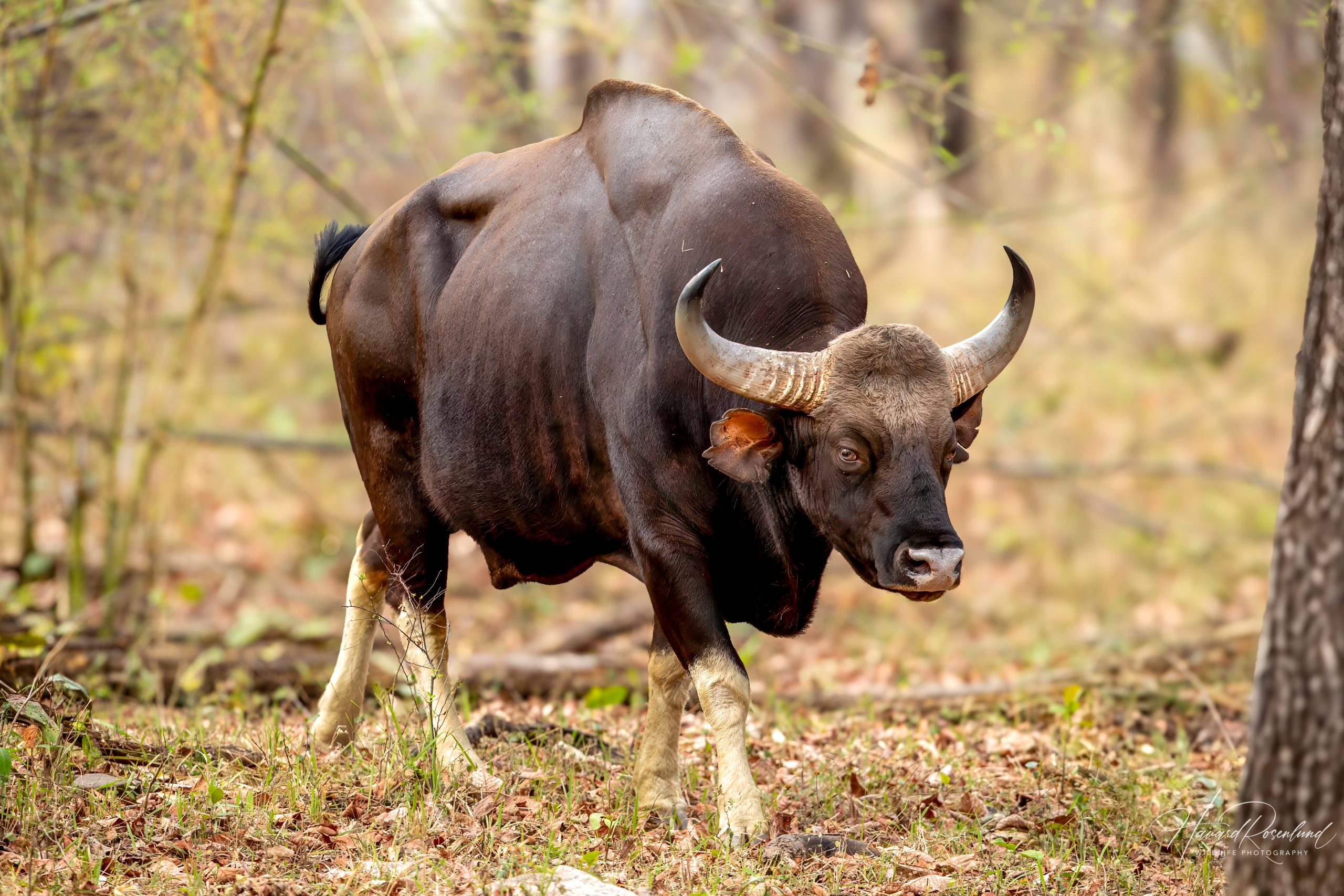
So, how did it actually turn out? As stated, there were lots of gaur around, and on our second drive we came across a large herd in the forest. There was one massive bull there, and he was walking through the forest towards a water hole. Our driver managed to get us into a perfect position to watch him approach the water for a drink, and I managed to get my photos! I was very happy with that one! We also came across sambar multiple times. Of the ones we saw, none were stags with decent antlers, however, so that one was a bust. The nilgai? We saw one group of females behind lots of vegetation, and one male too far in the distance, so another bust. Daytime sloth bear? That was never really happening. The grey junglefowl didn’t cooperate either, even though Saurabh really tried his best to help me on that one! That leaves the Indian giant squirrel. On the first drive we did manage to find one, and I got ok photos, but it was a bit far away. On our second and last drive, we came across another one a lot closer, and I got my photos! Not the perfect lighting on it, but decent enough! I did get plenty of different birds as well, so overall, I was very happy!
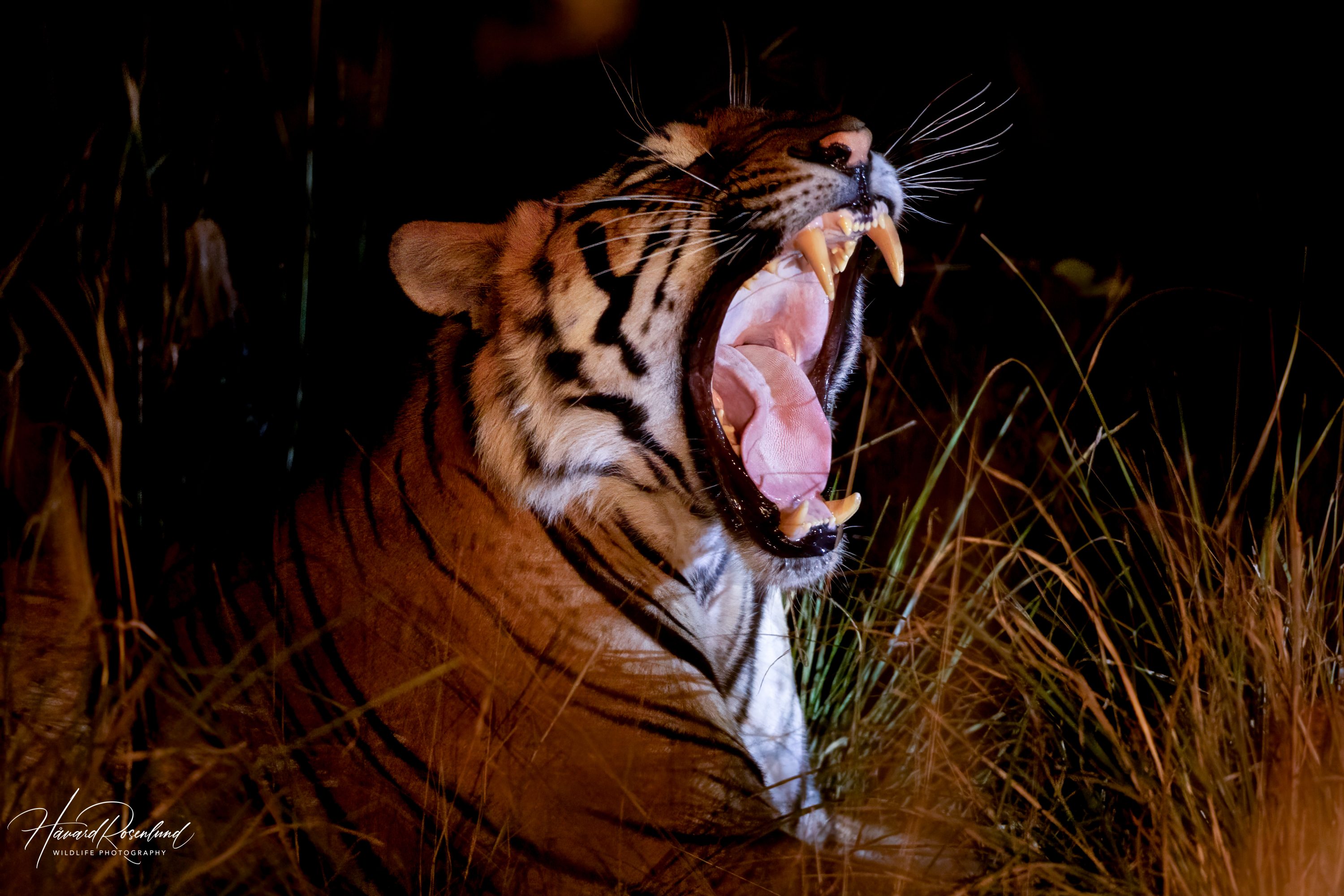
It was pitch black and we could not see anything aside from our torches and spotlights. We knew the tiger was up the hill somewhere, but we had no idea where he had gone from there. A part of me was skeptical about going up after him. What if we got him annoyed? Still, our driver took the chance and went up the hill after him. When we got up, the male tiger was right there in front of us. He had laid down in the grass to relax. Safari vehicles are totally open, with no roof or sides (only an arm rest), which is awesome for photography, but now that I sat on the seat furthest in front on the right side, I felt extremely exposed. I have been in this situation before with lions in Africa, and I never really felt scared, even the few times it happened at night. Sitting here in the middle of the night with a massive tiger just a few meters in front of me and no barriers between us, however, really had my nerves going! This tiger was just a different beast compared to anything I had experienced before! We were also told, afterwards, that this tiger was the reason we hadn’t seen that many sloth bears. Apparently, this tiger had killed and eaten them!
Another vehicle eventually came in from the side, and now we were two cars watching him and shining lights in his eyes. Nocturnal animals, such as cats, are really not that bothered by lights, and he didn’t seem to care one bit. The tiger kept yawning now and then, and I began taking pictures of him in the hopes of catching him with is mouth open wide. My camera shutter is quite noisy, and every time I took a series of photos, I could see his ears twitching. It was a bit unnerving. Then he did another yawn, and I was ready to smash that shutter button to get that photo. I got what I hoped for, but it seemed my shutter was his final straw and he suddenly got up on all four. He first looked my way, and my heart nearly jumped out of its chest. He then began walking. There was a gap between the two cars, large enough for him to pass, and it was right next to me. If he went that way, he would be within one meter from me! Luckily, he went on the outside of the other car and onto the nearby road. Our driver was quick to react and managed to get on the road just behind him. We followed him for quite some time. I was done taking photos, and now I just sat there and watched him in awe. My nerves hadn’t really settled yet, and a part of me just wanted the tiger to get off the road and leave us so I could relax again. Eventually, that is what he did.
That big male tiger was our final tiger for the trip, and what a perfect way to end this tiger journey! I ended up with 15 tiger sightings in total, and quite a few of them were really good! It was also nice to get some fear factor in from that last one, as it increased my reverence and respect for these animals even more! They really are the kings and queens of the jungle, and not to be messed with! However, they are just a bit too present and easy to find, just like the lions in Africa, for them to overtake the leopard as my favorite cat to see in the wild, but they come in as a close second!
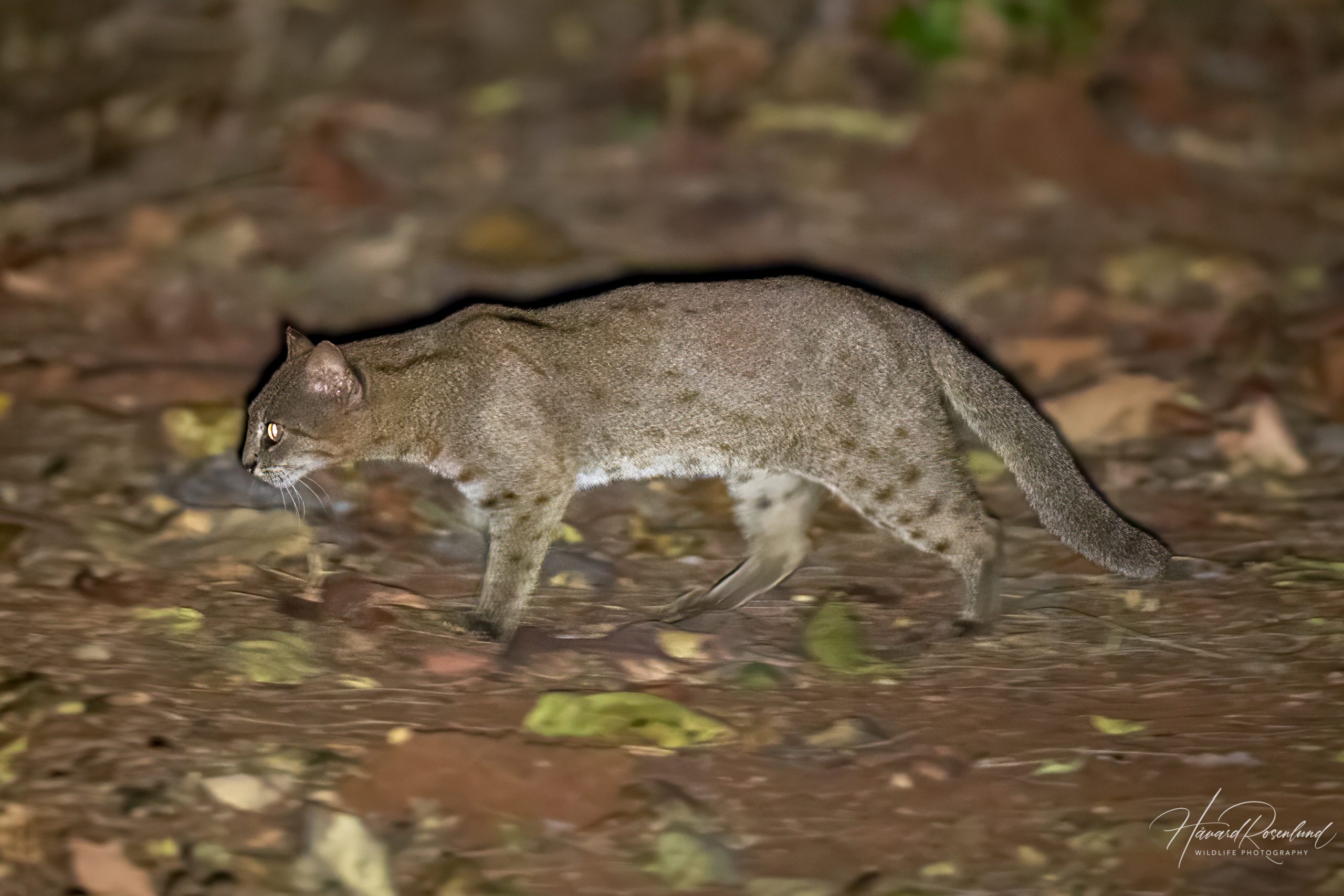
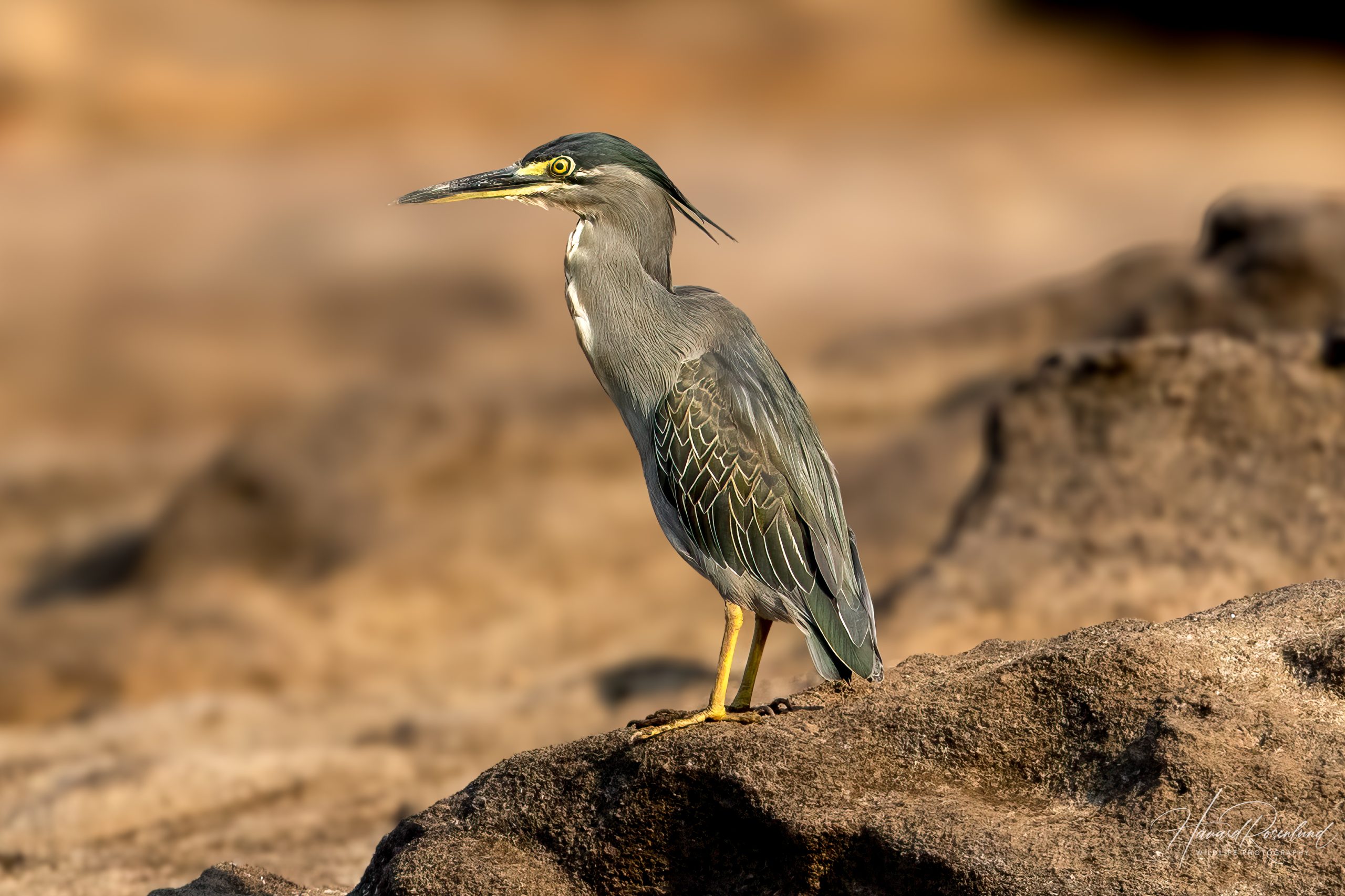
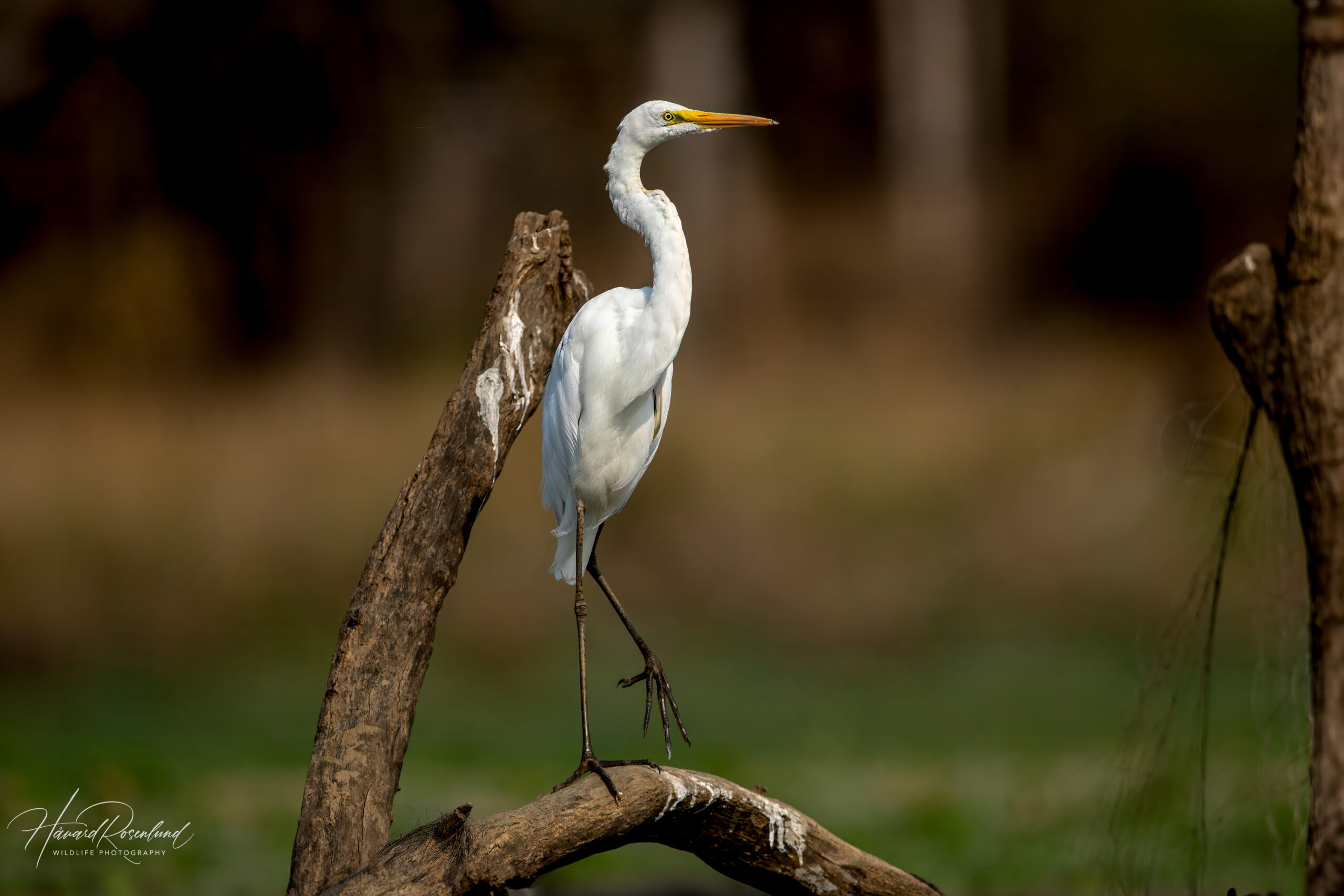
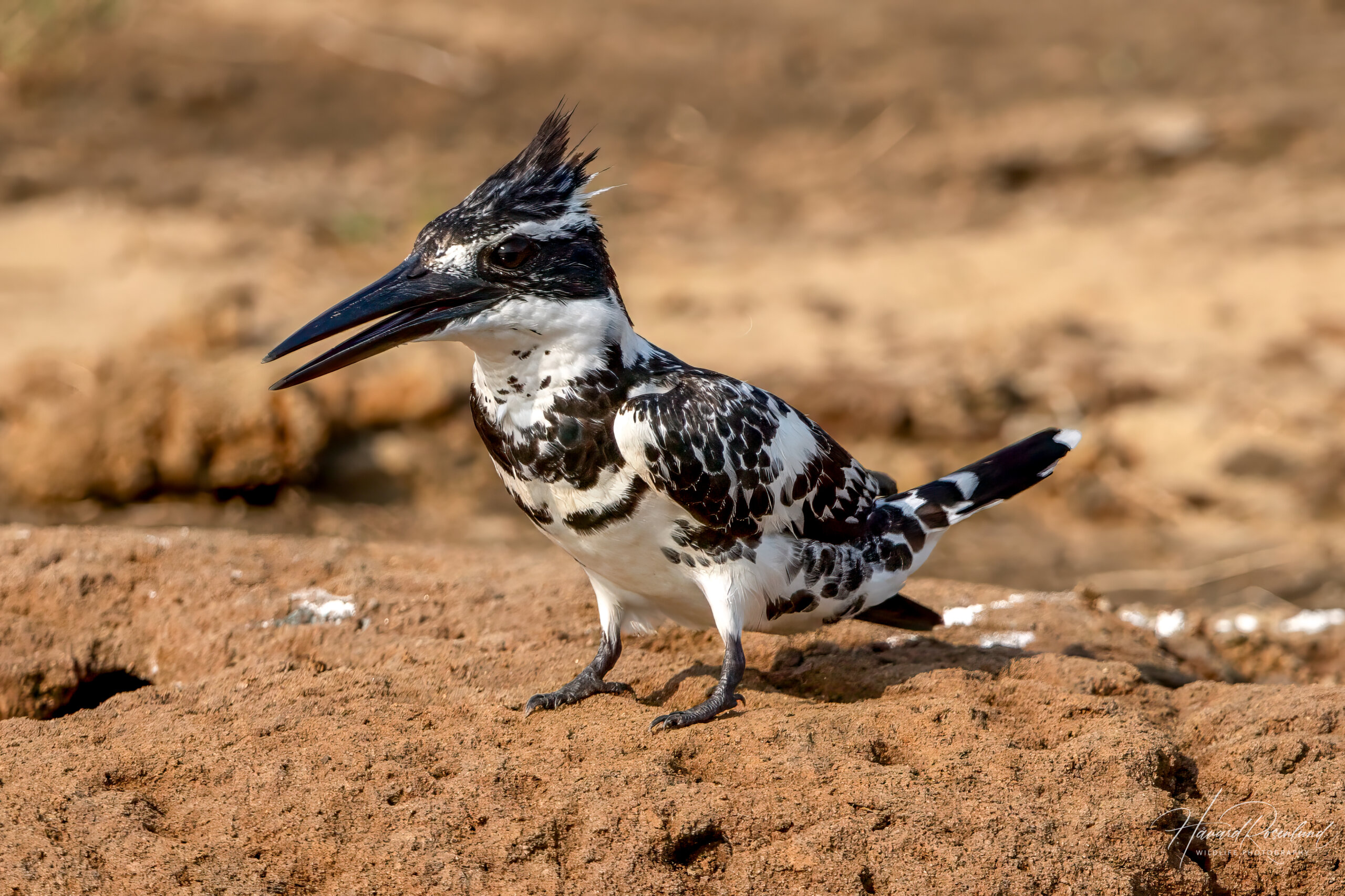
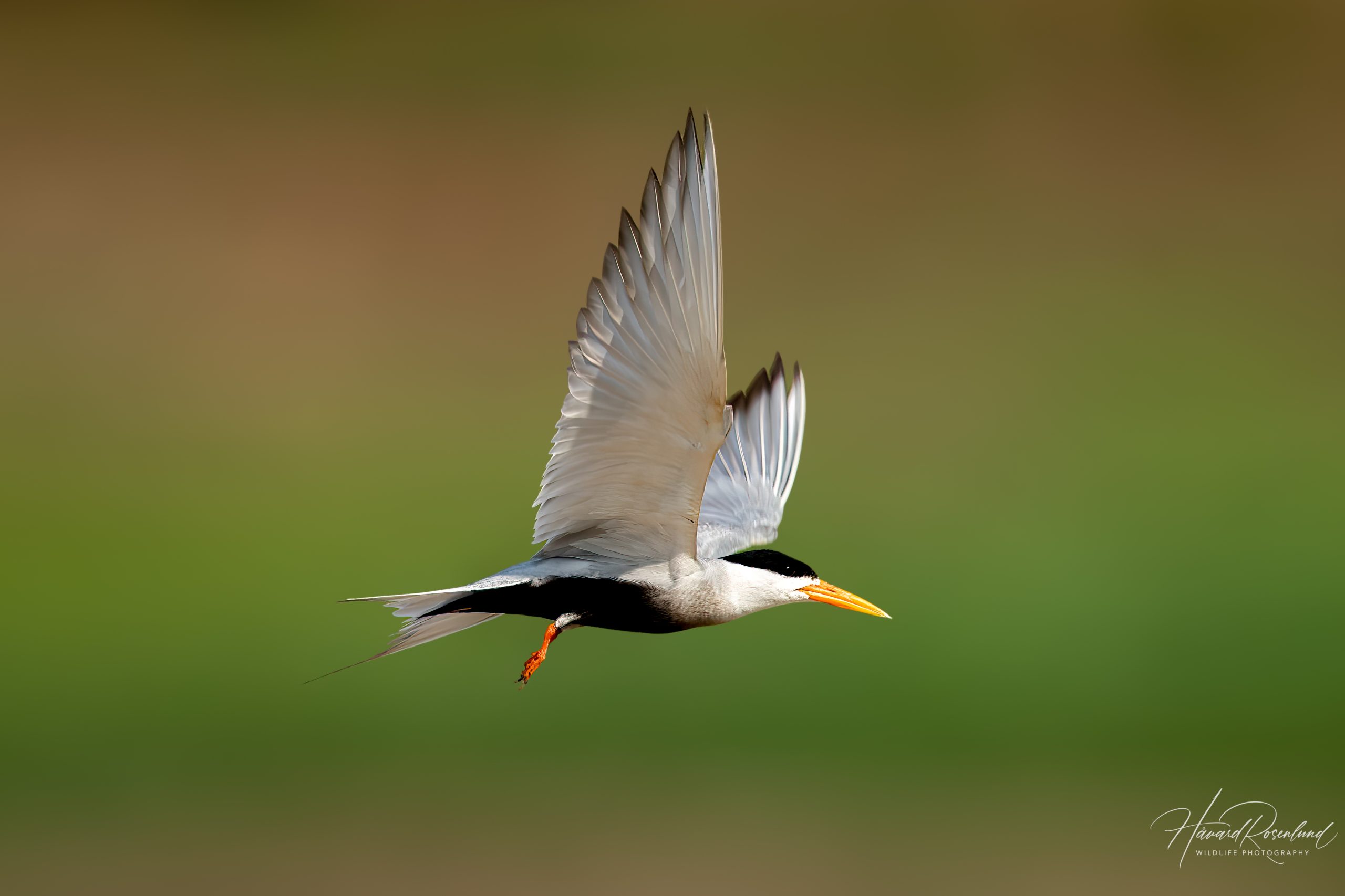
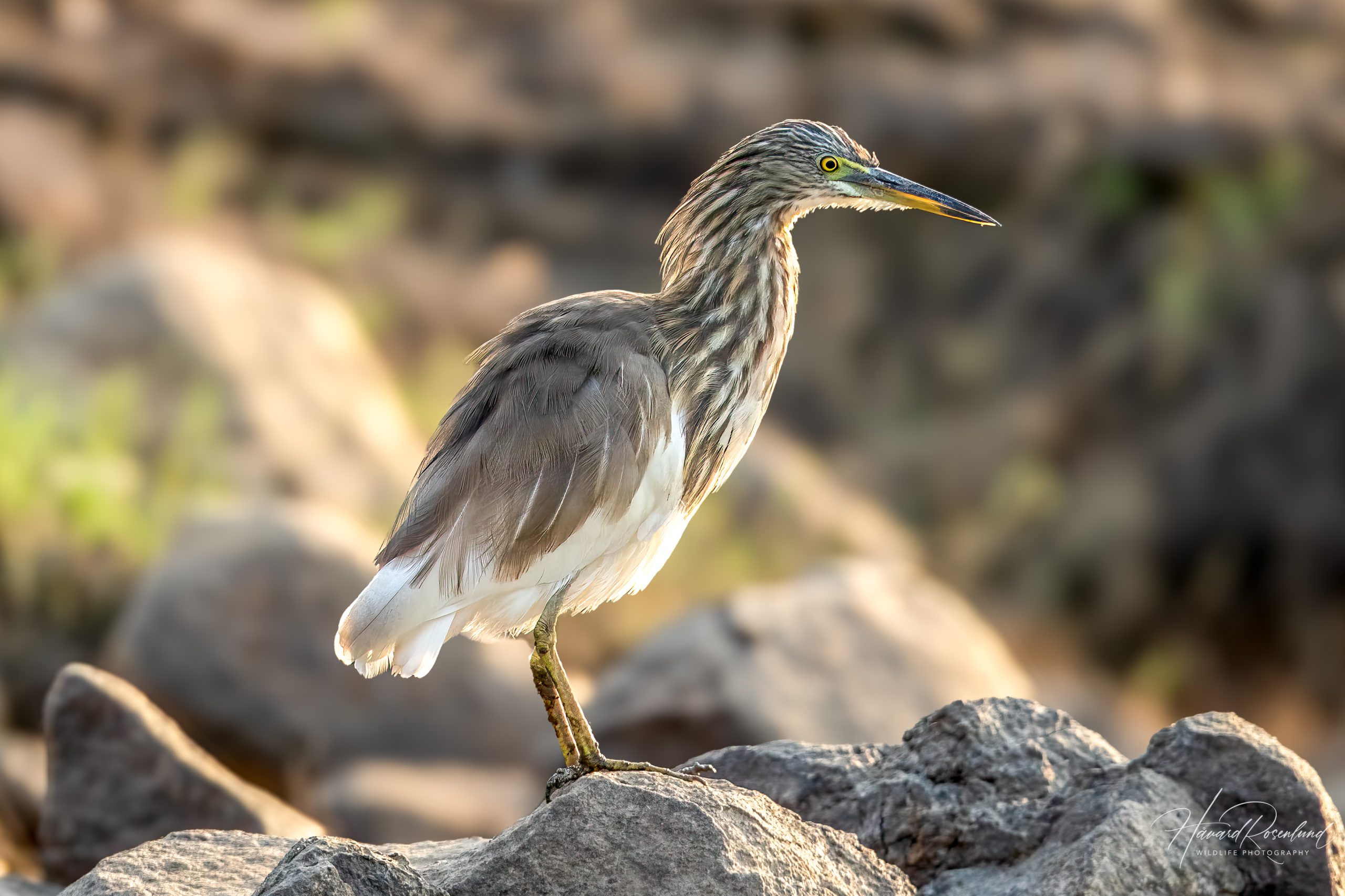
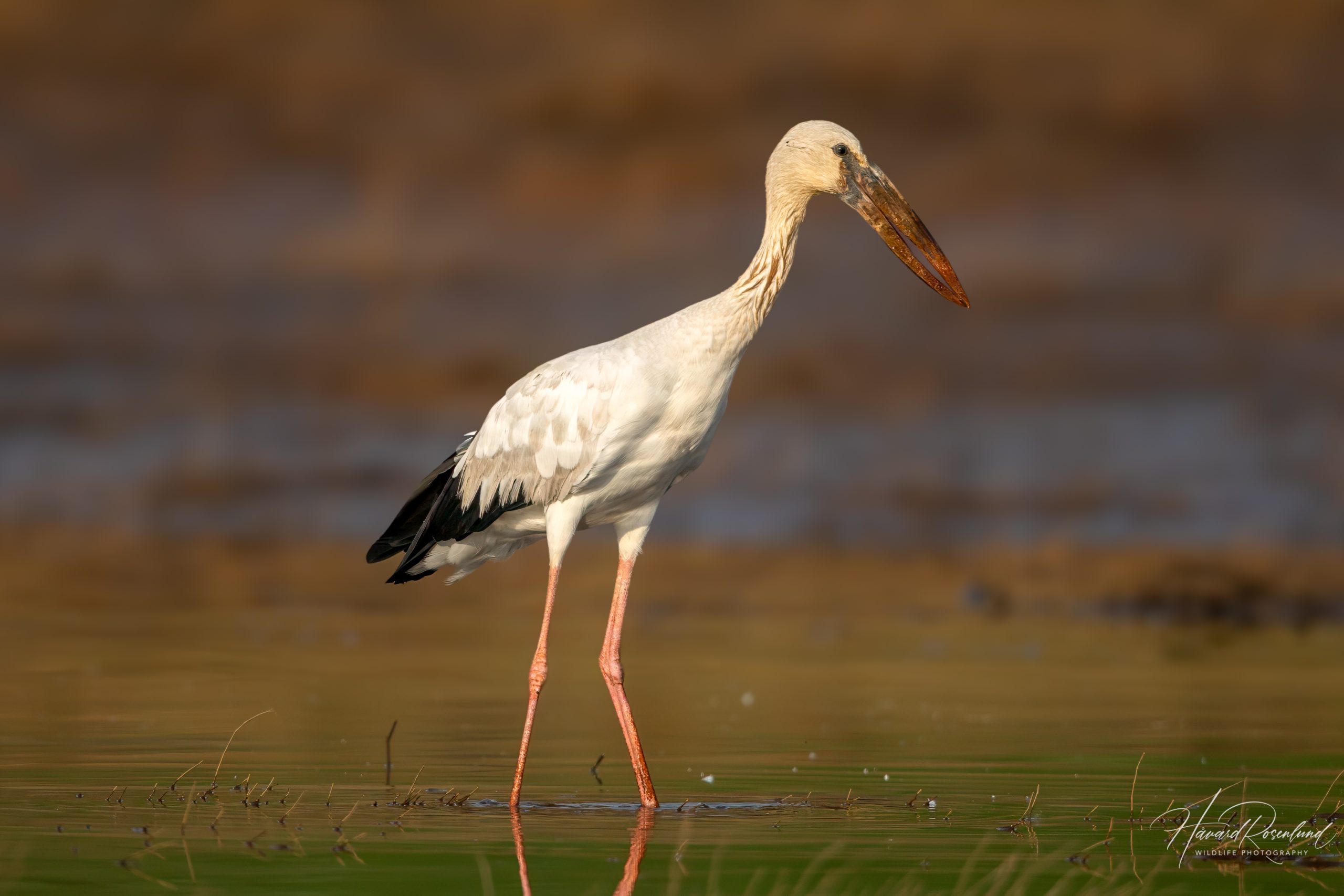
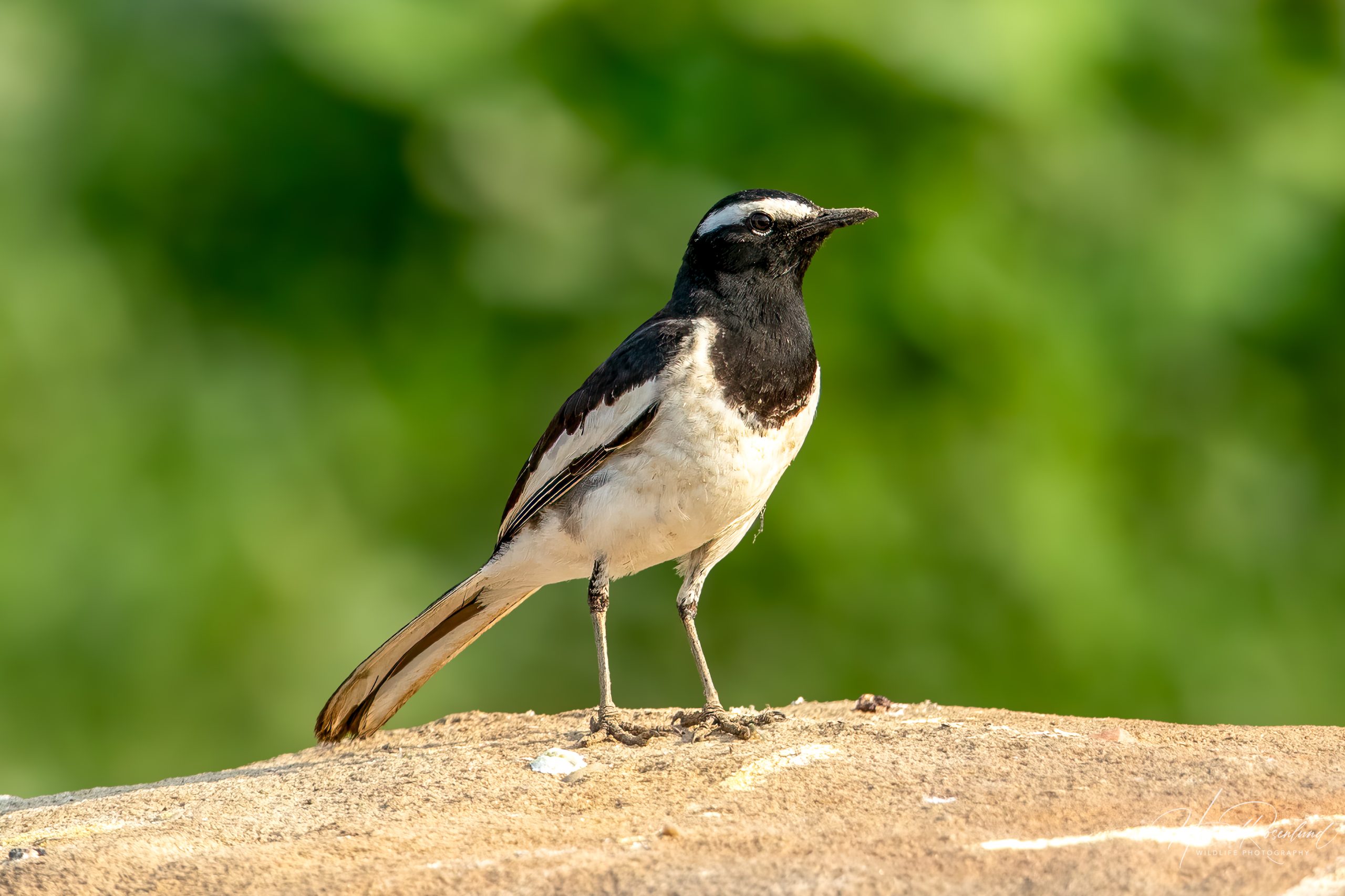
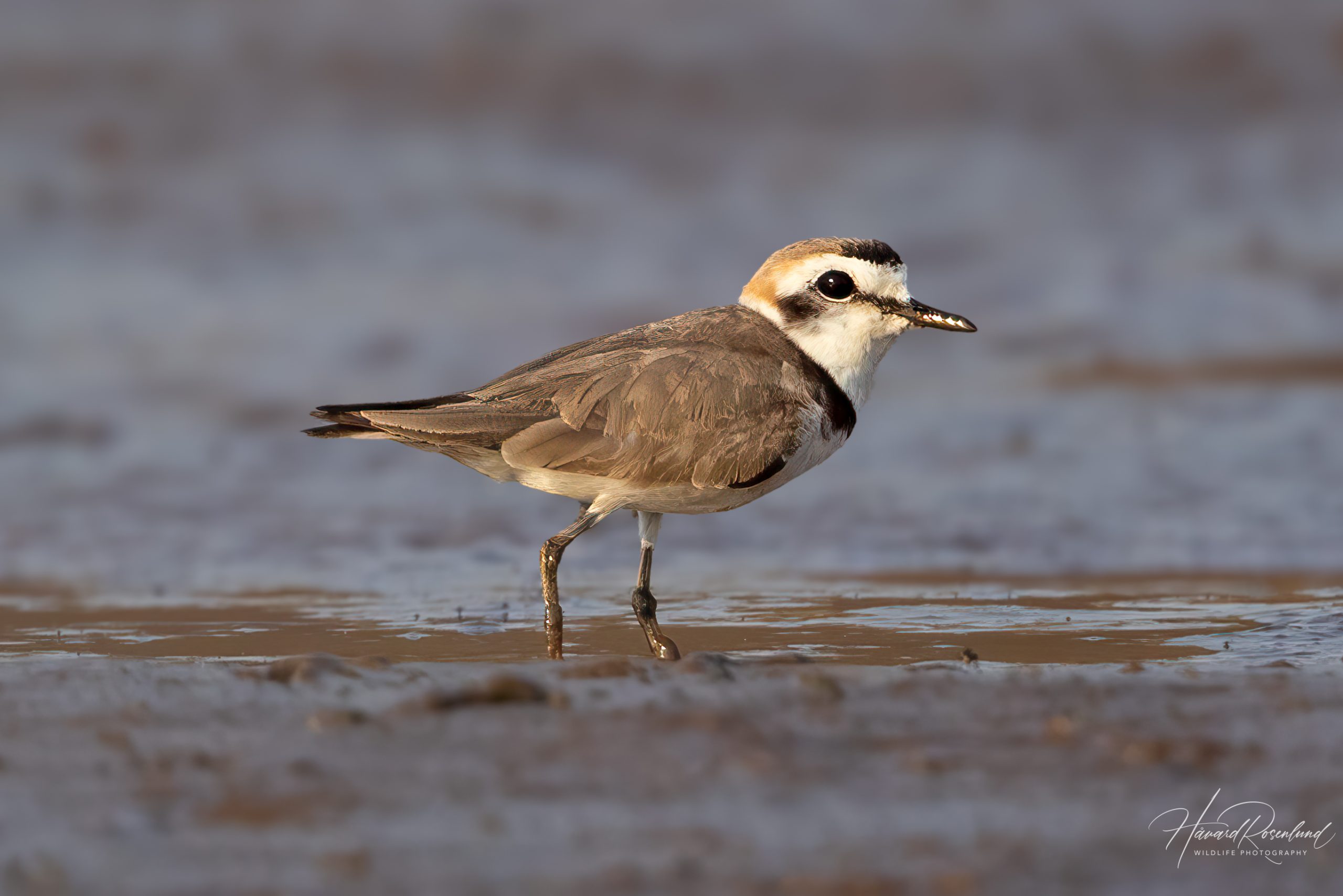
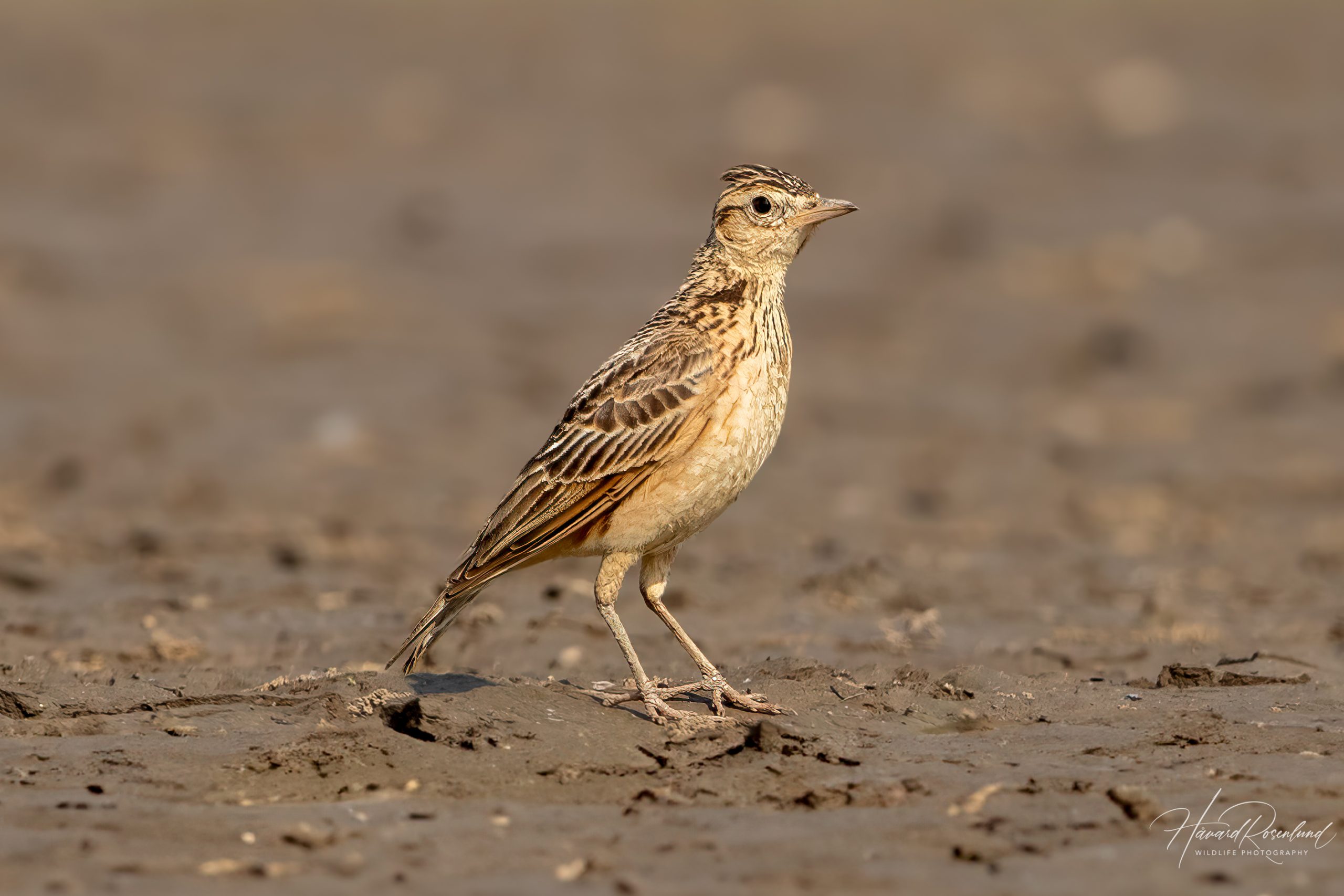
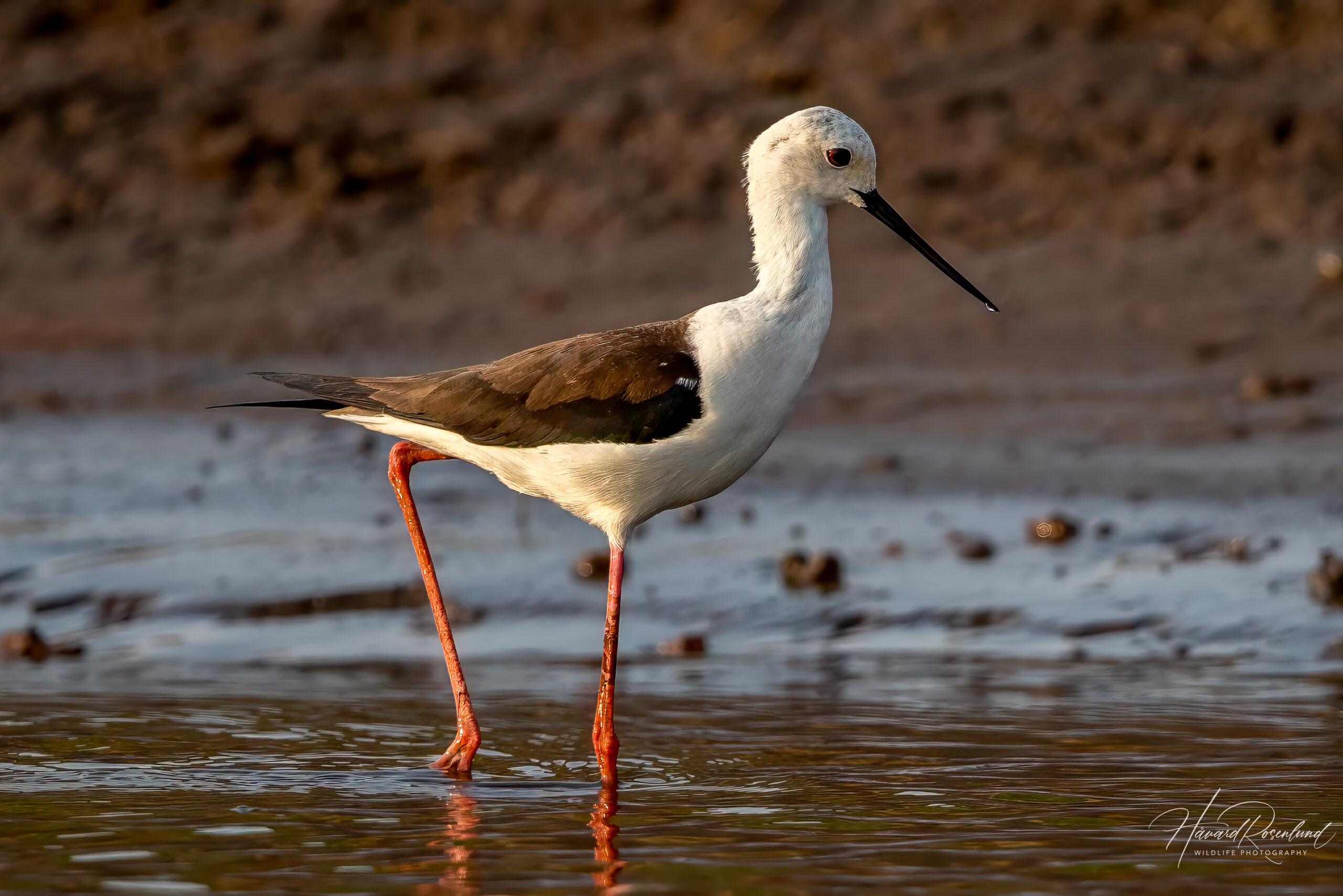
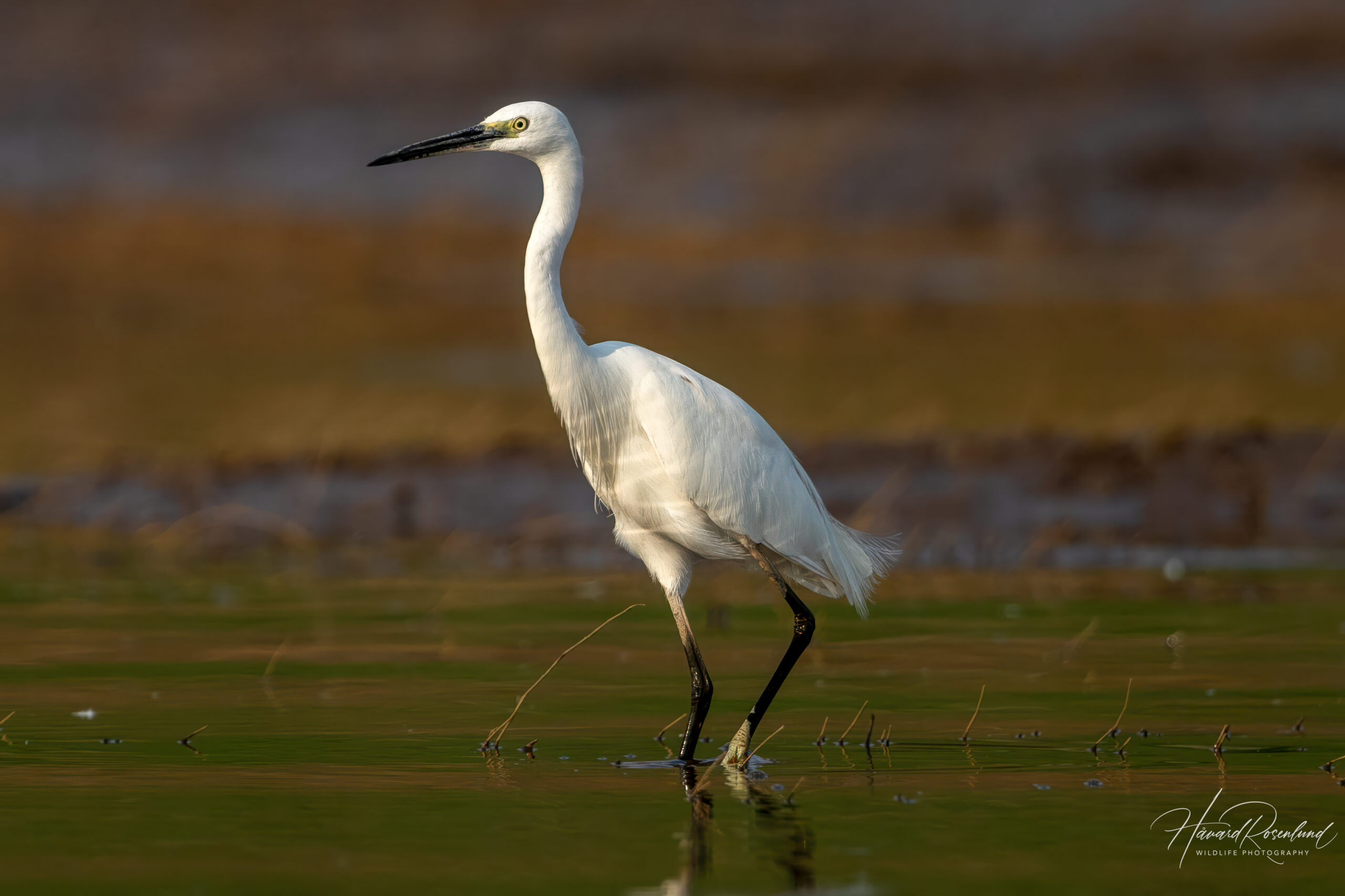
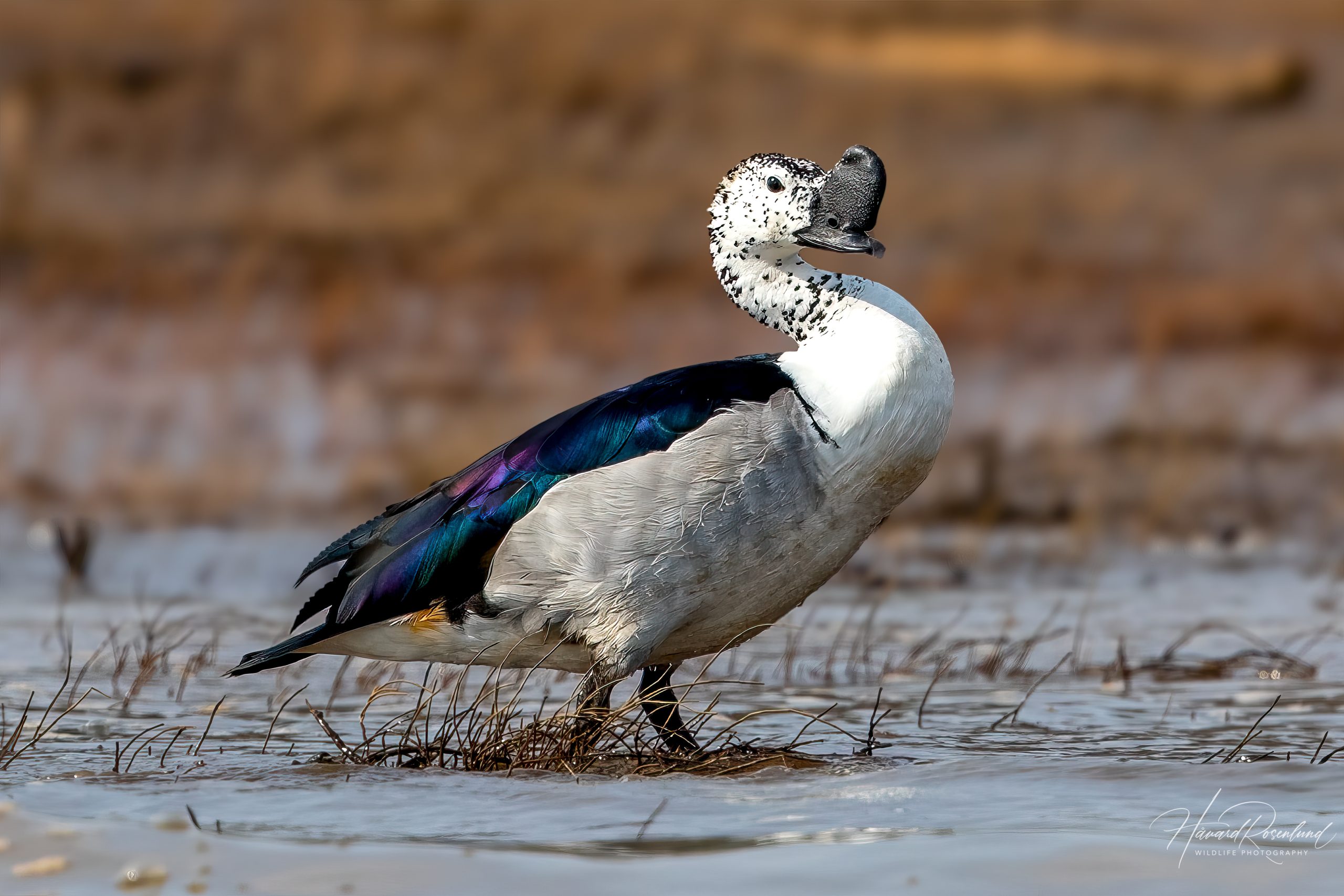
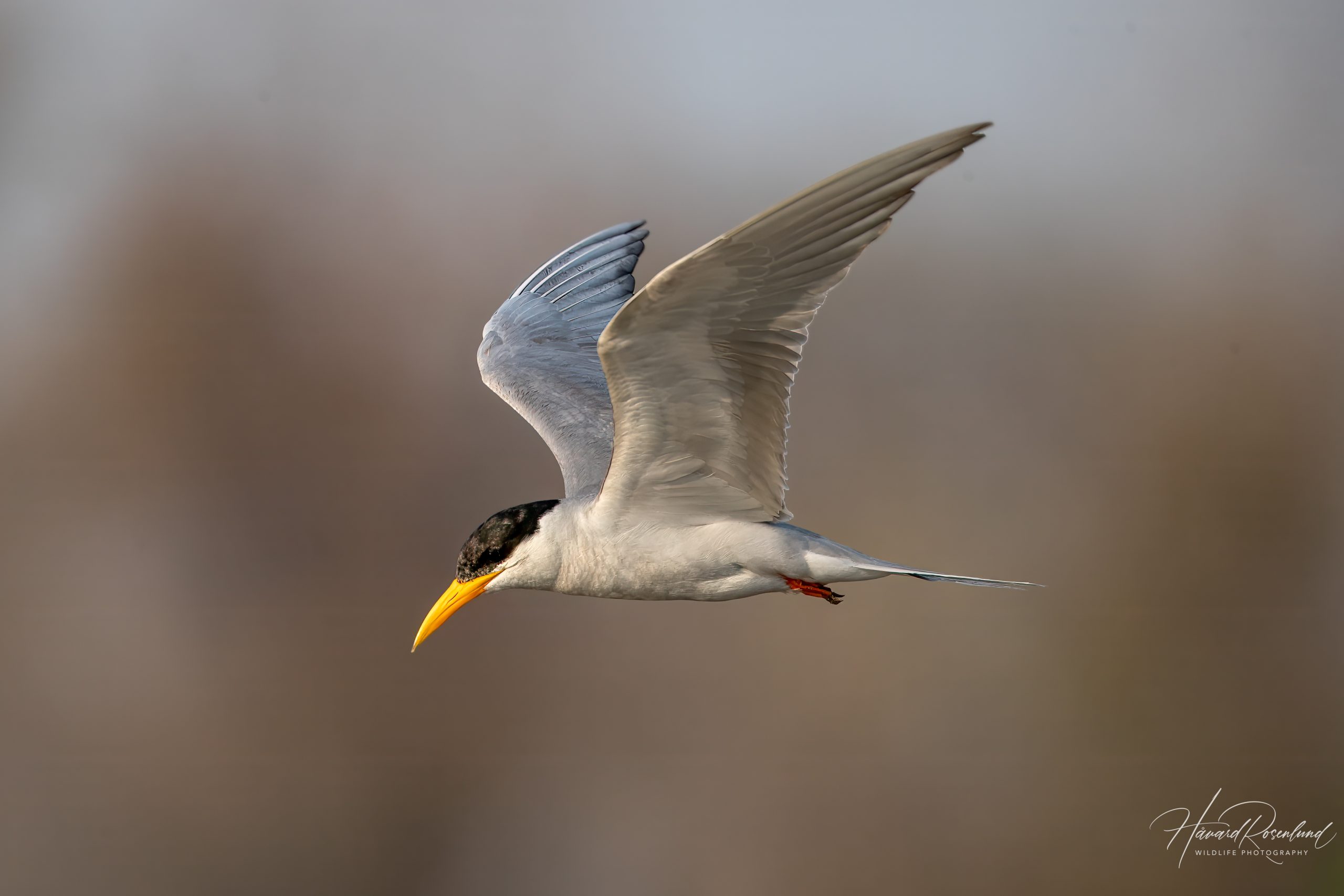
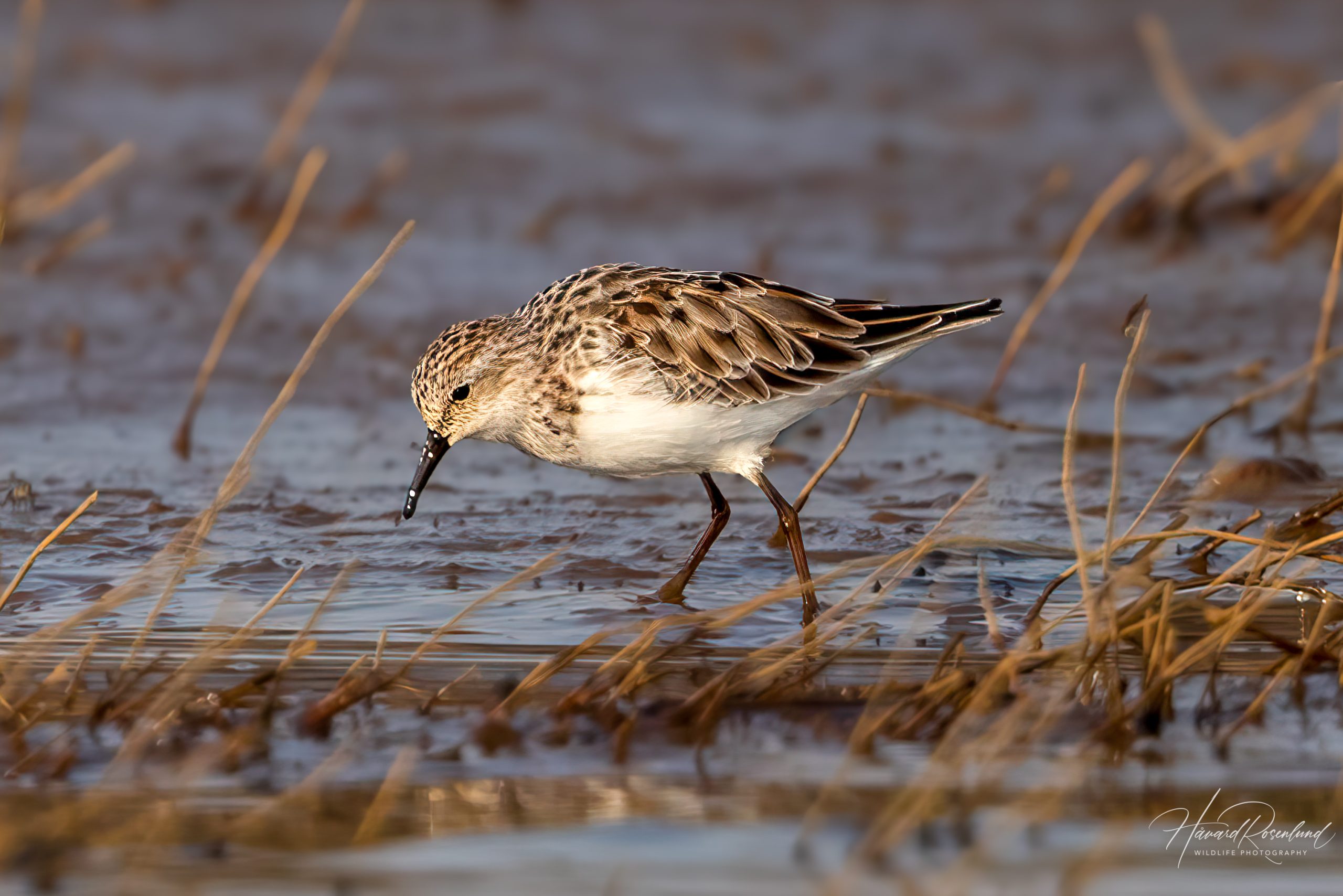
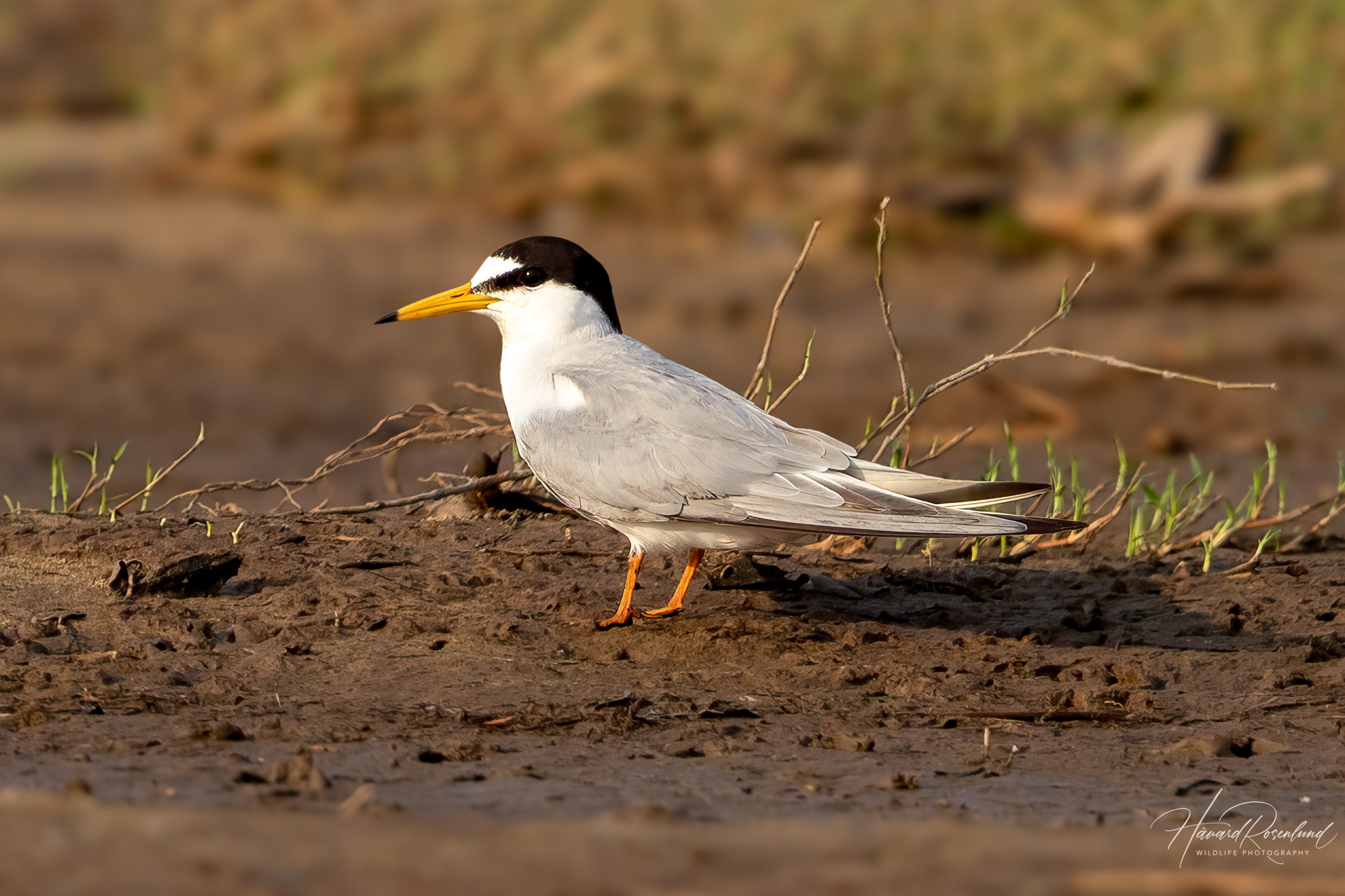
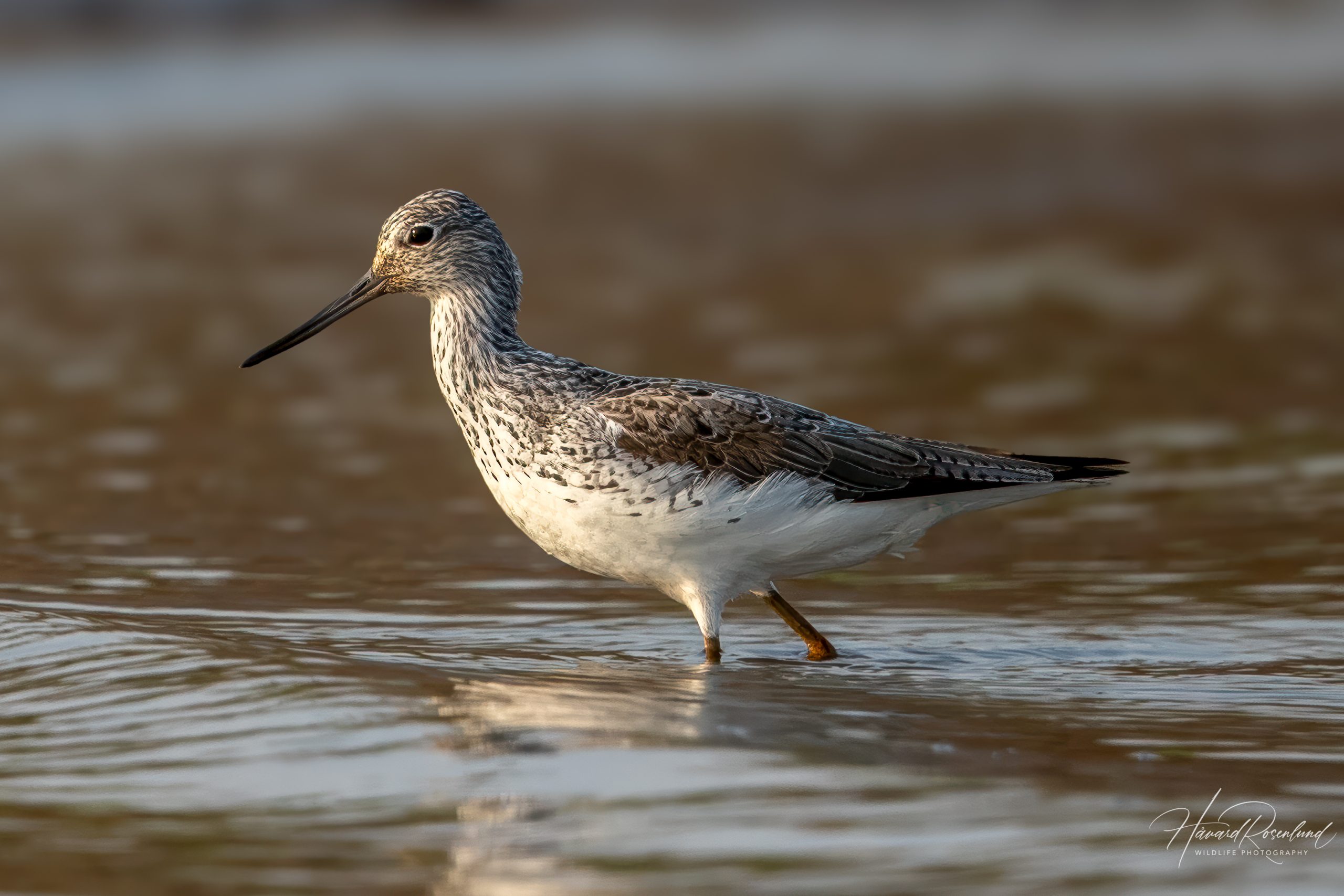
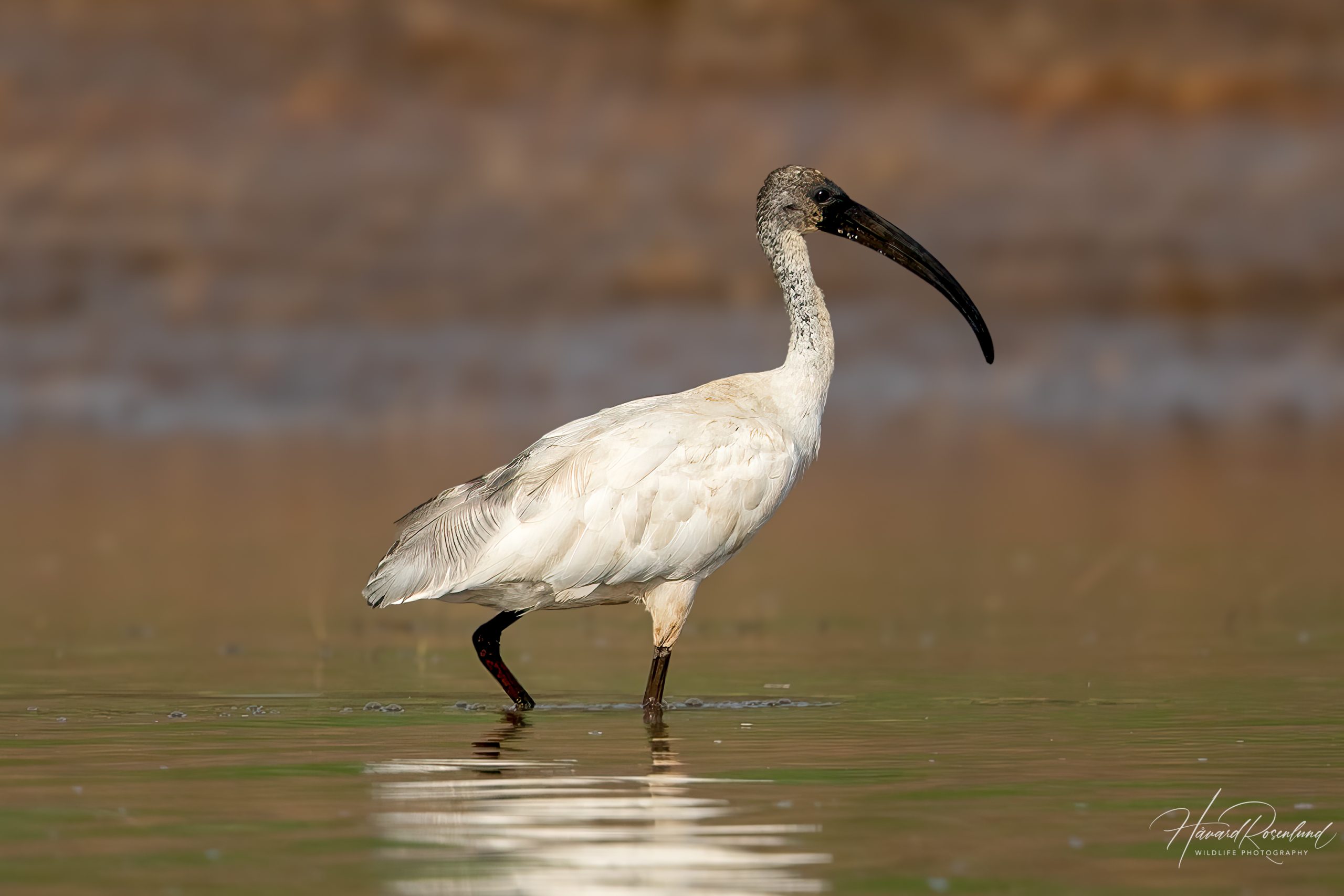
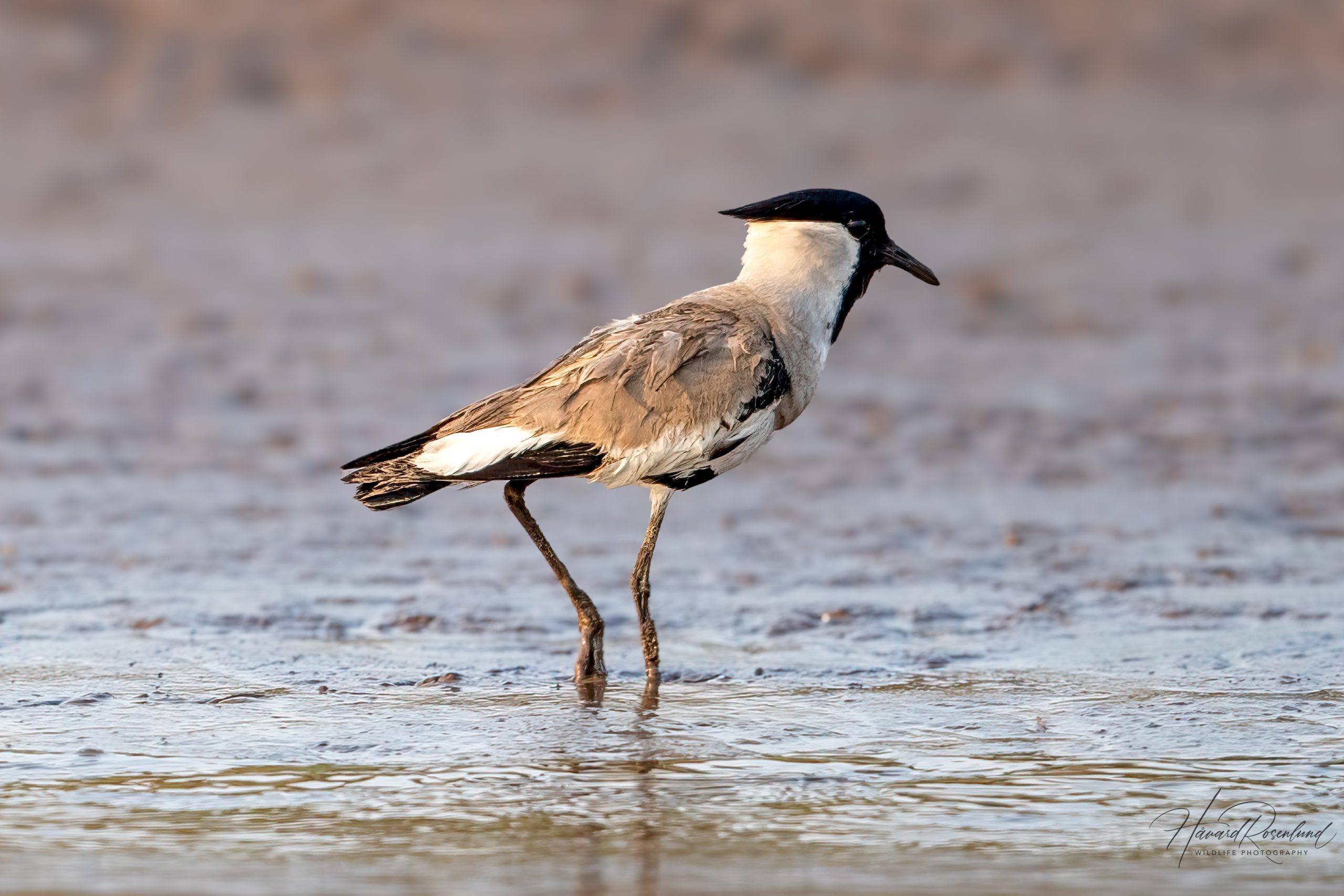
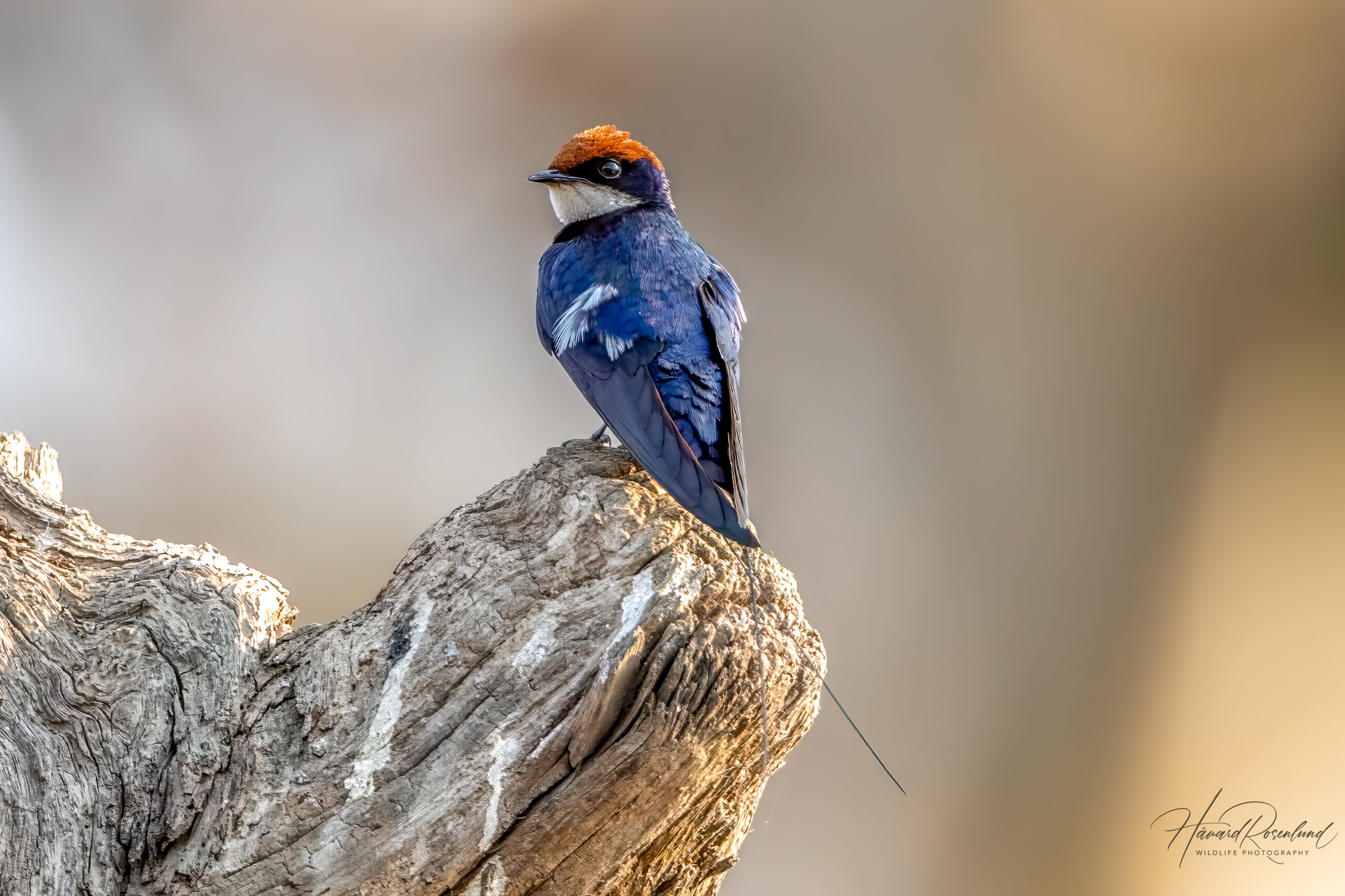
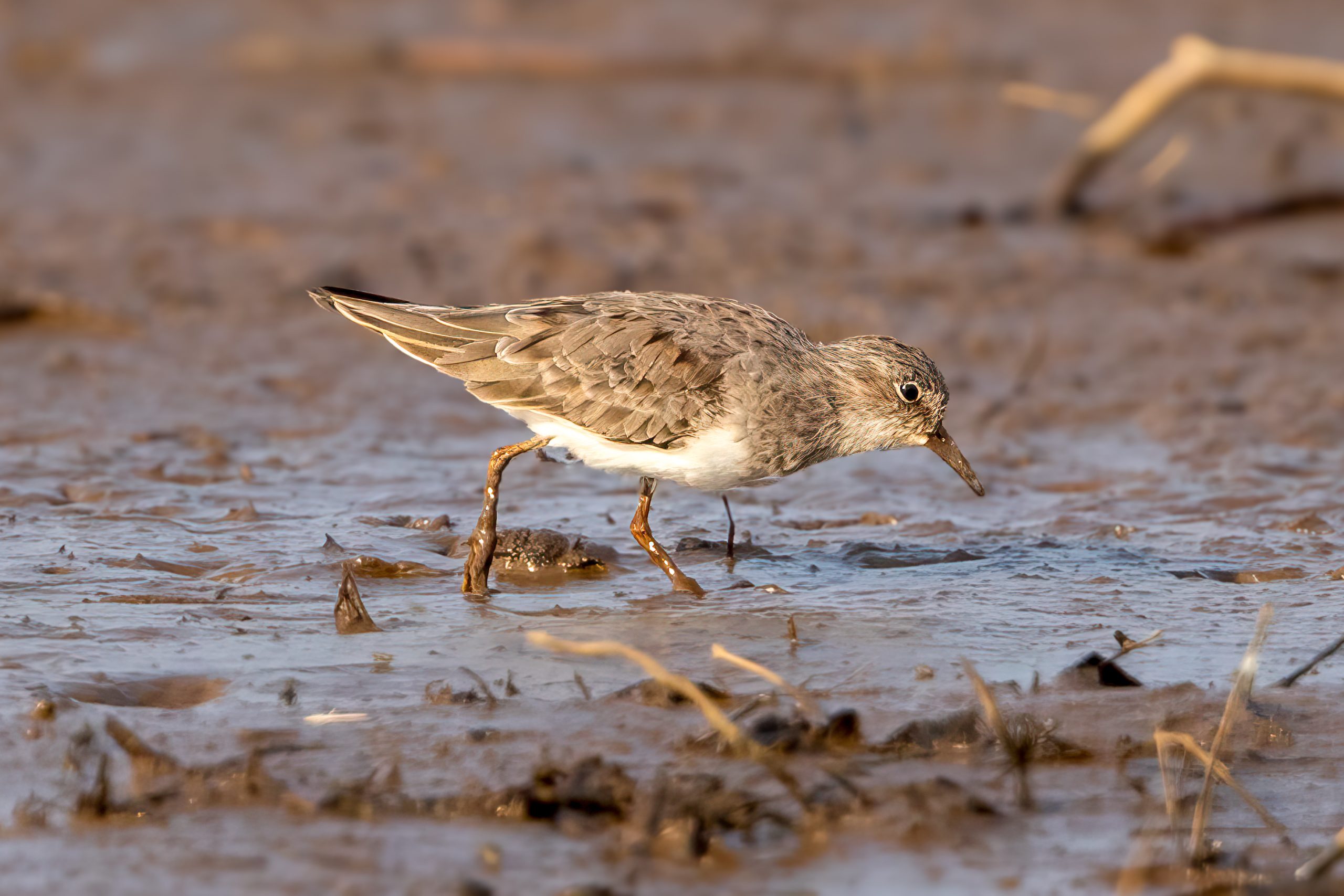
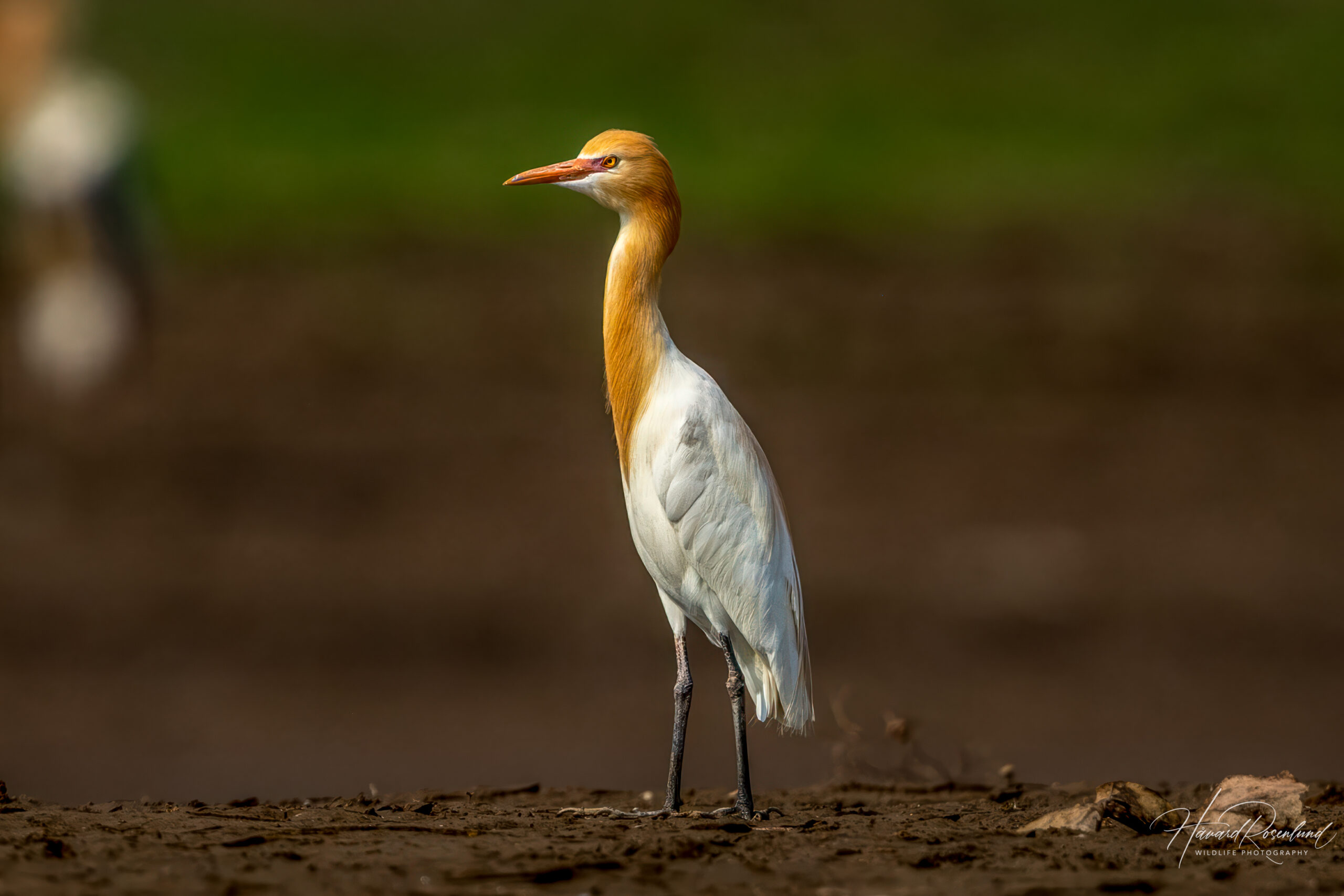
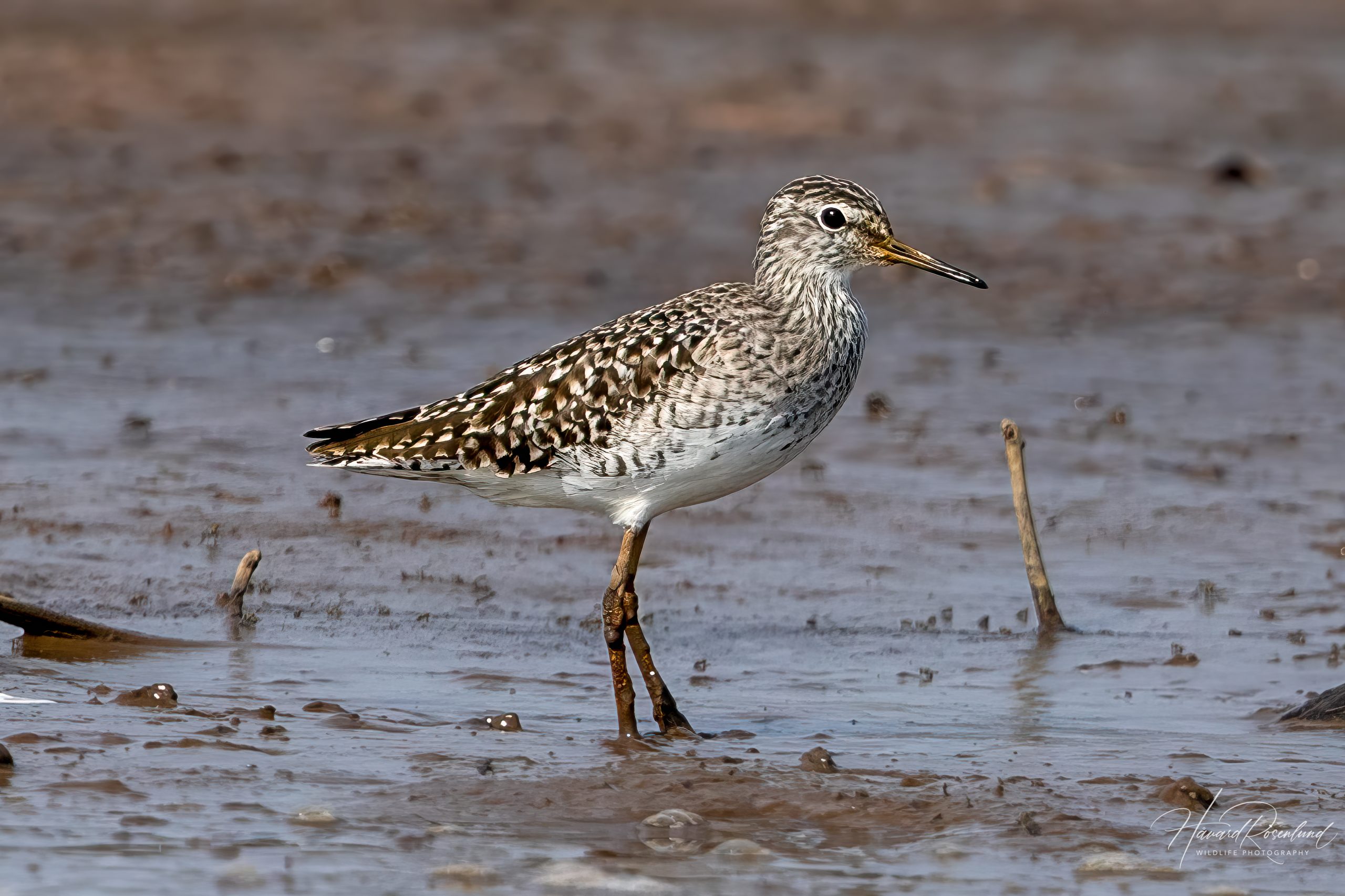
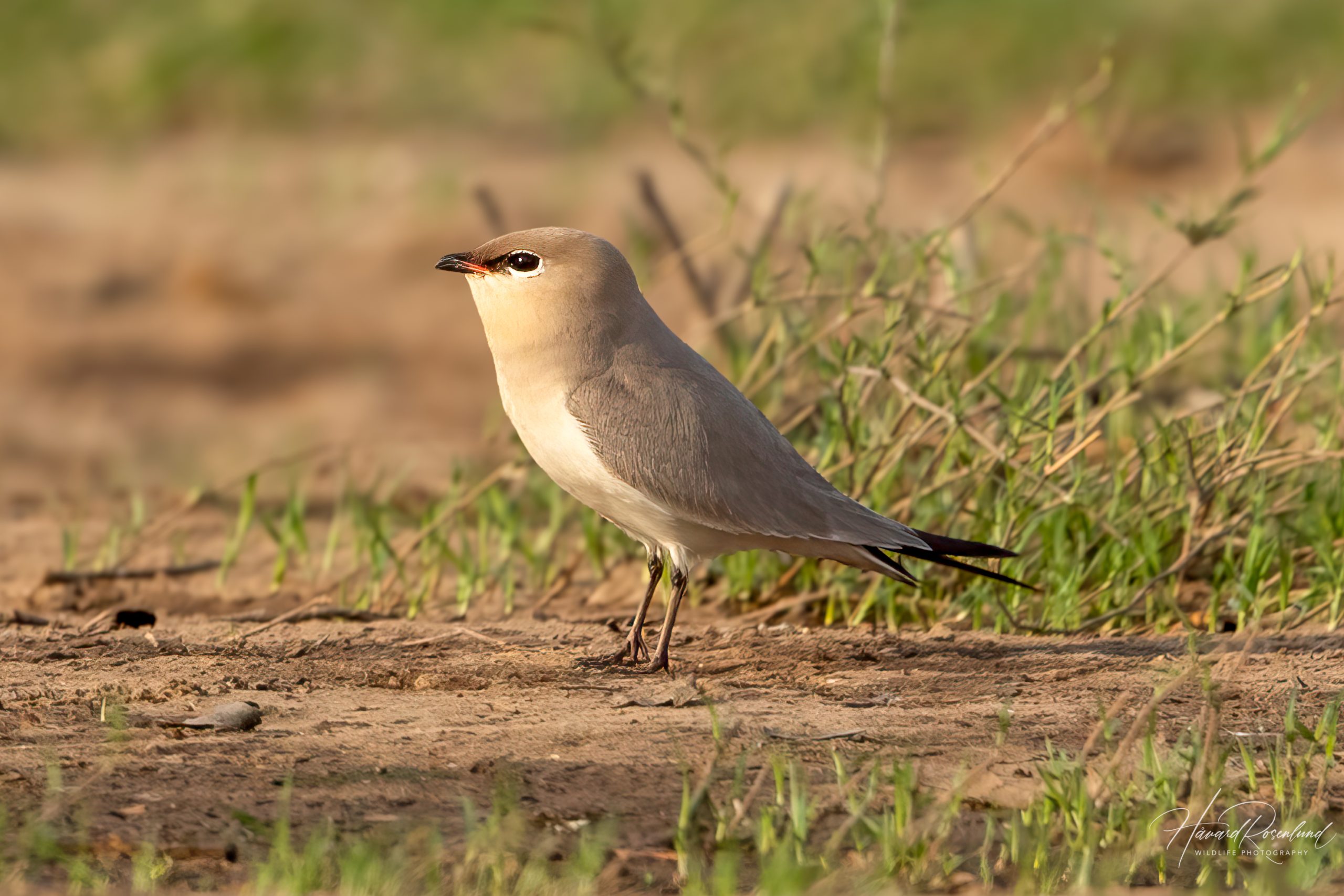
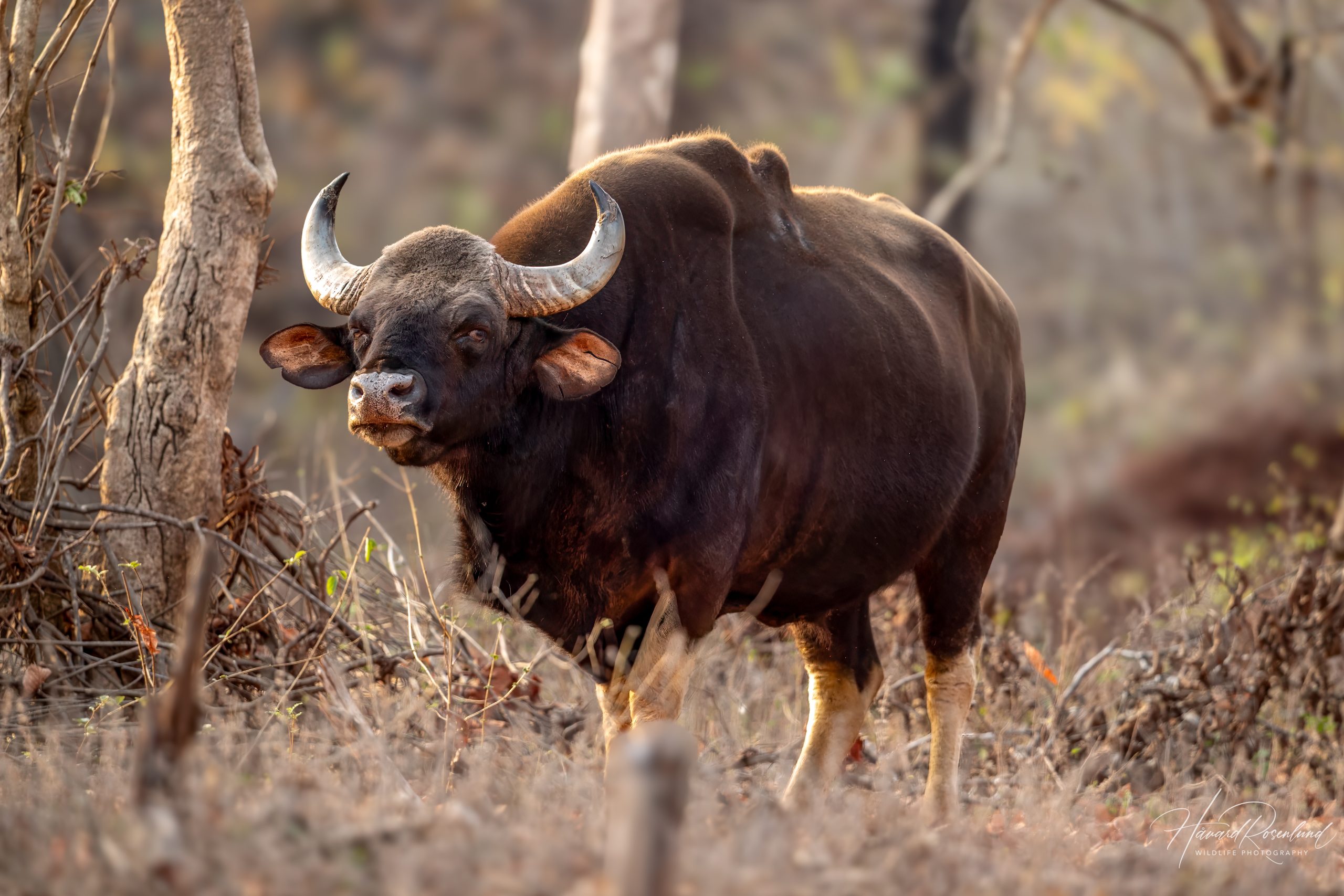
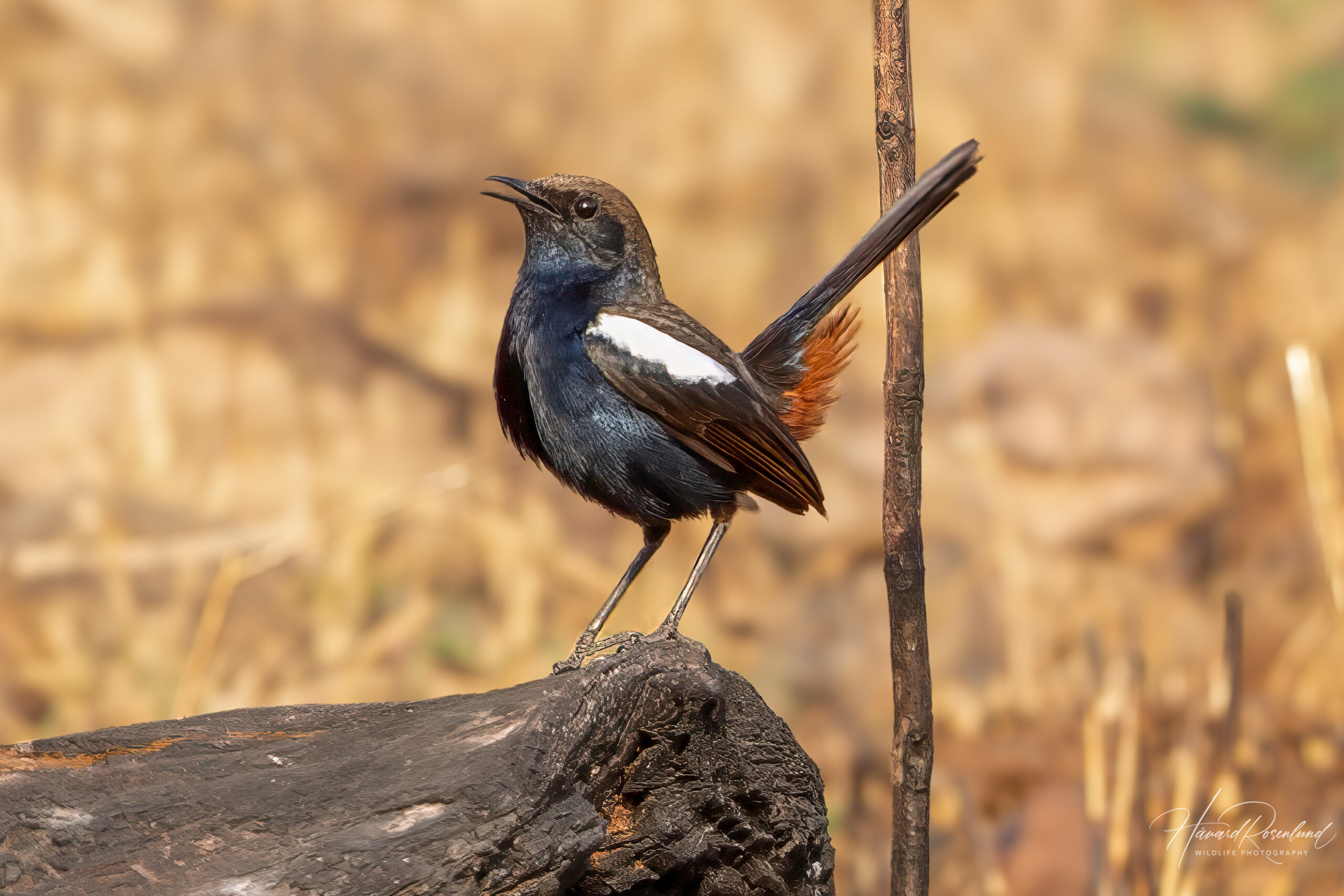
Total number of species photographed: 190
Number of bird species photographed: 154
Number of mammal species photographed: 25
Number of reptile species photographed: 4
The rest was 1 amphibian, and 6 insects photographed – this is wildlife I do not really focus on.
To me that was an incredible amount of species, and more than I could have ever dreamt of!
If you want to have a more detailed look at what species I saw and read about them, see the final section below for a list and links to fact pages.
If you want to see the complete species list and all the observations, have a look at this iNatrualist page.
I of course need to thank my tour companions for all the laughs and great talks. I was very lucky that I ended up with you guys! Andy and Anna, thanks for being just as interested in the birds as me! It made all the difference! And thank you, Andy, for your tips on birding trips! I haven’t gone yet, but I already have the bird guide to Lesvos you recommended, and will definitely visit at some point! A special thank you to Tracey, who was my partner in crime throughout this journey. We always shared safari vehicle when the cars didn’t fit all of us (which meant you had to put up with my birding alone), and we had long talks about everything and anything on the long drives between the parks. You were exactly the kind of supportive and understanding person I needed with me, with lots of wise counsel whenever it was called for.
Last, but not least, a huge thank you to Saurabh for taking us through two incredible weeks! You went far and beyond to make this trip the best it could ever be, for each and everyone of us. With your experience, humor and professionality, you steered us perfectly through all four parks, and it would have been impossible for me to find and photograph all those species without your knowledge and guidance! I hope to see you again for another adventure in India someday (I still have that snow leopard to photograph)!
List of species
Birds: Non-passerines
Barbets
Coppersmith Barbet
(Psilopogon haemacephalus)
Cormorants & Allies
Little Cormorant
(Microcarbo niger)
Cranes, Rails & Allies
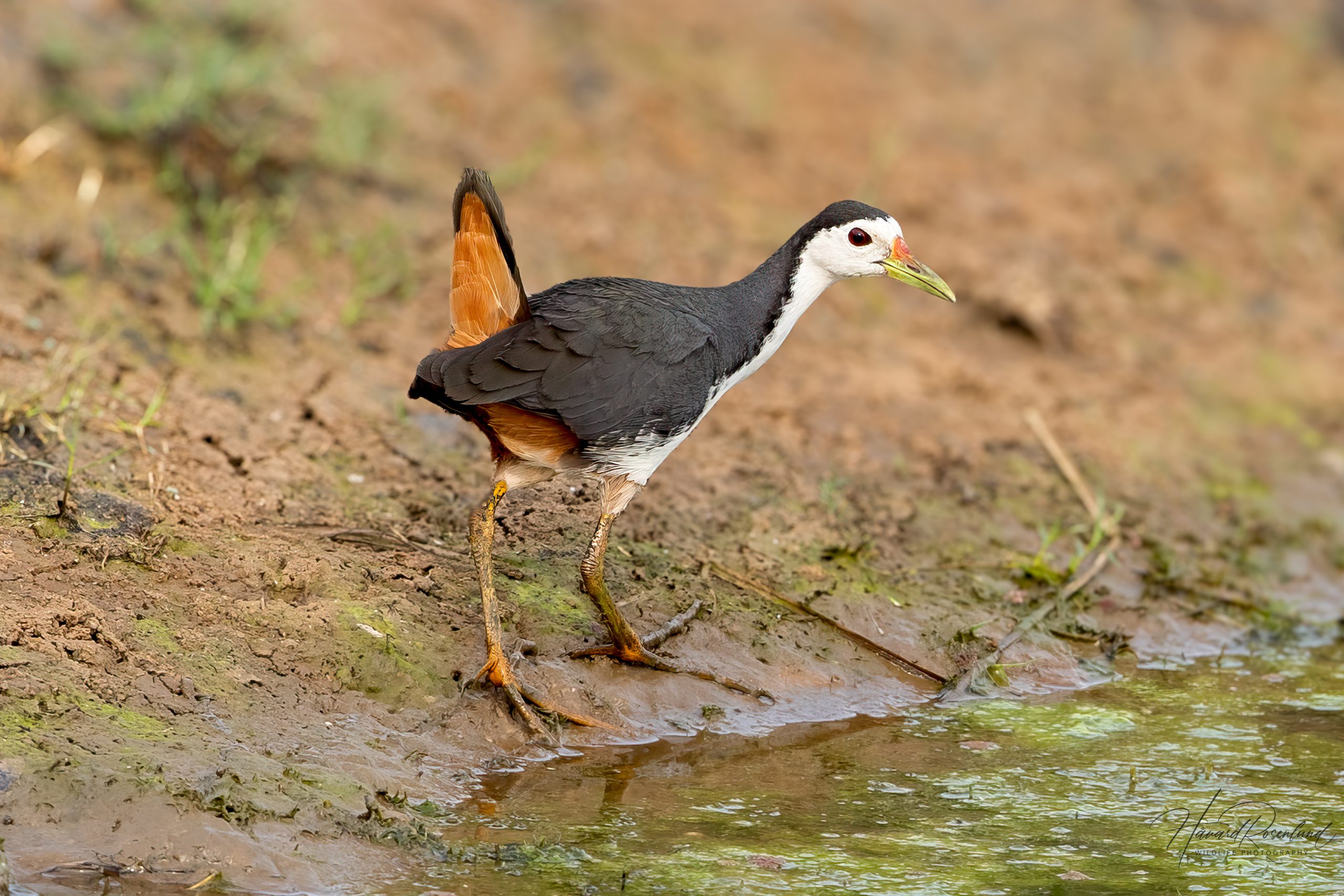
White-breasted Waterhen
(Amaurornis phoenicurus)
Cuckoos
Common Hawk-Cuckoo
(Hierococcyx varius)
Greater Coucal
(Centropus sinensis)
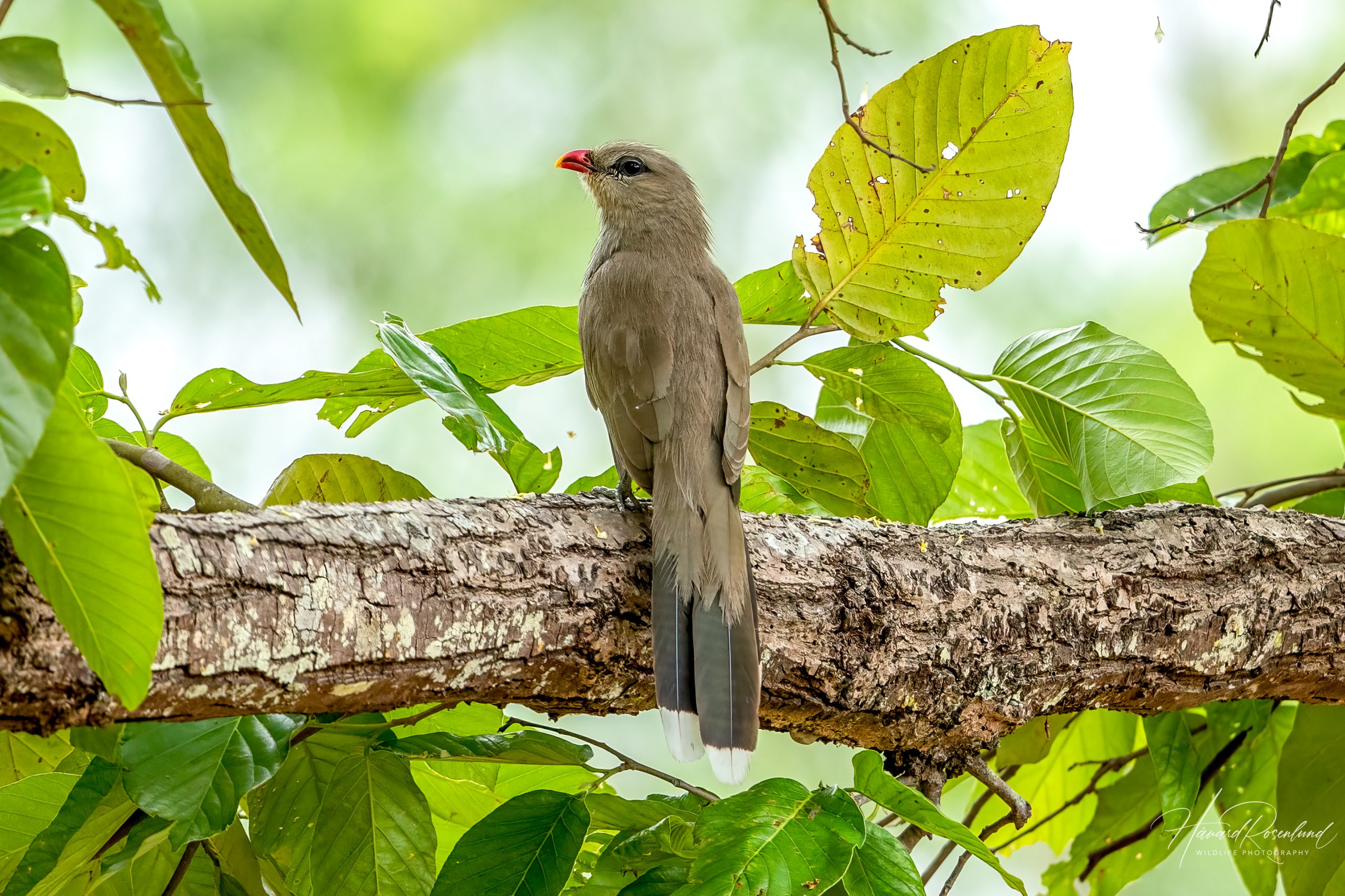
Sirkeer Malkoha
(Taccocua leschenaultii)
Gulls & Allies
Black-bellied Tern
(Sterna acuticauda)
Little Tern
(Sternula albifrons)
River Tern
(Sterna aurantia)
Small Pratincole
(Glareola lactea)
Hawks, eagles, kites & allies
Black-winged Kite
(Elanus caeruleus)
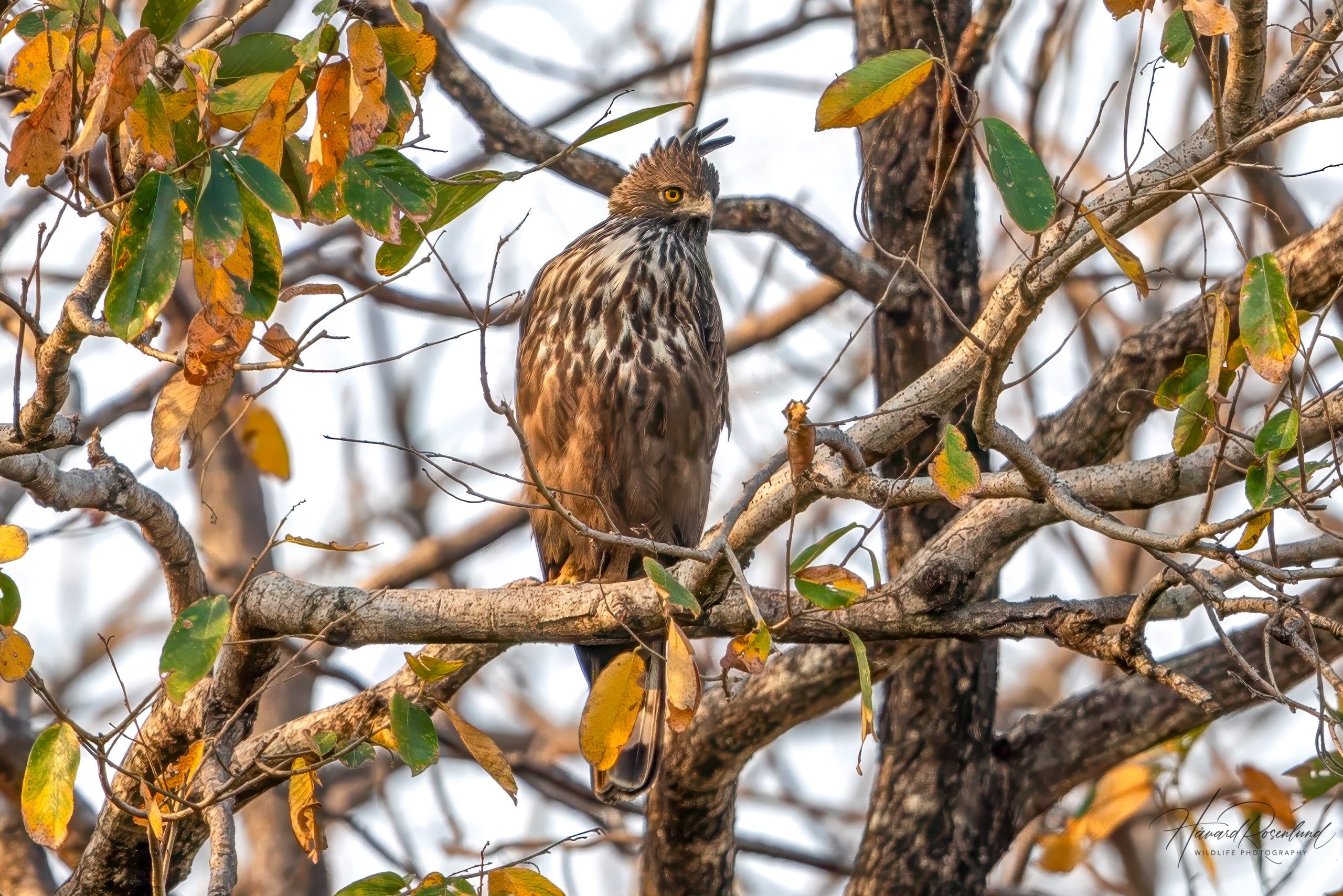
Changeable Hawk-Eagle
(Nisaetus cirrhatus)
Crested Serpent-Eagle
(Spilornis cheela)
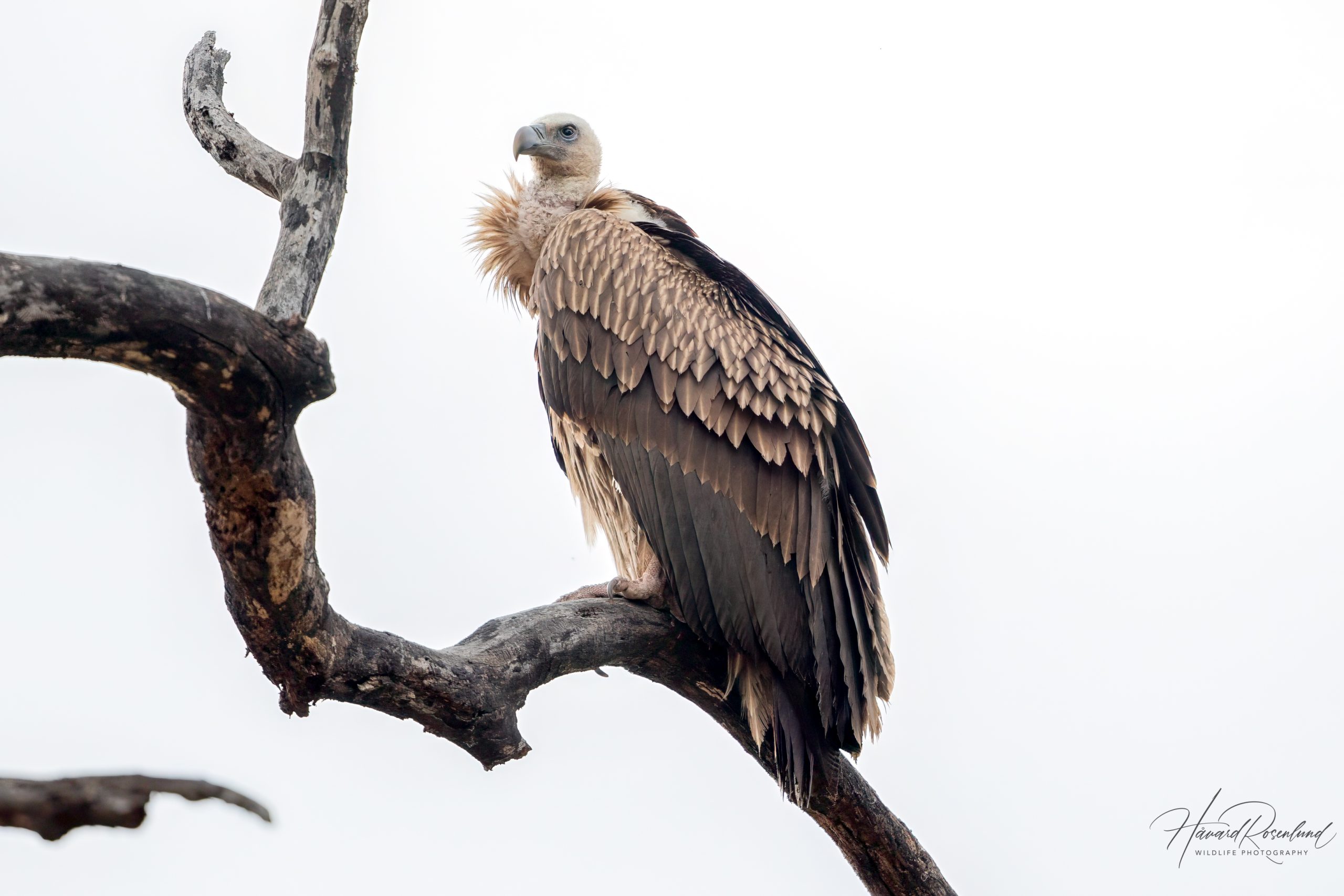
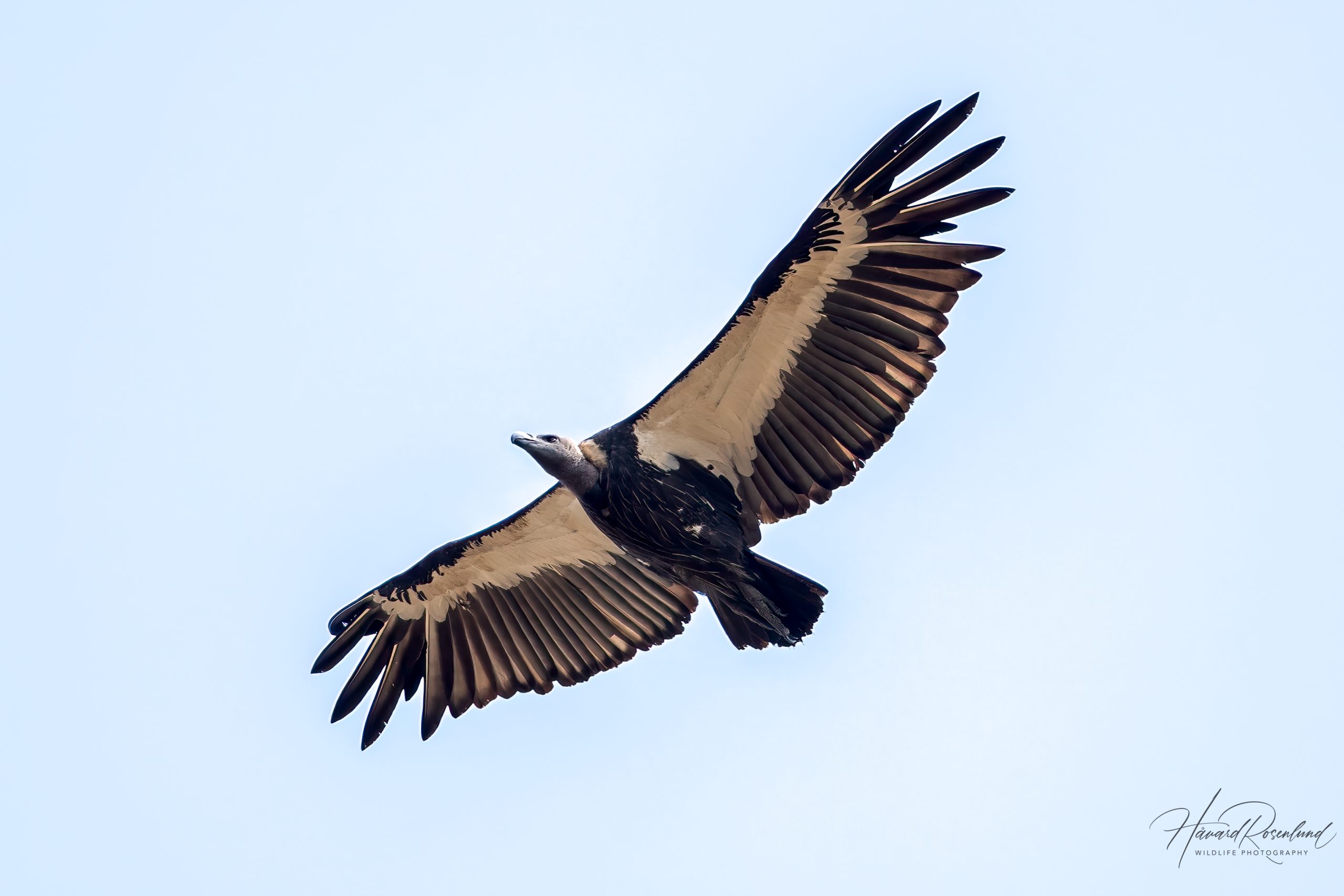
Himalayan Griffon
(Gyps himalayensis)
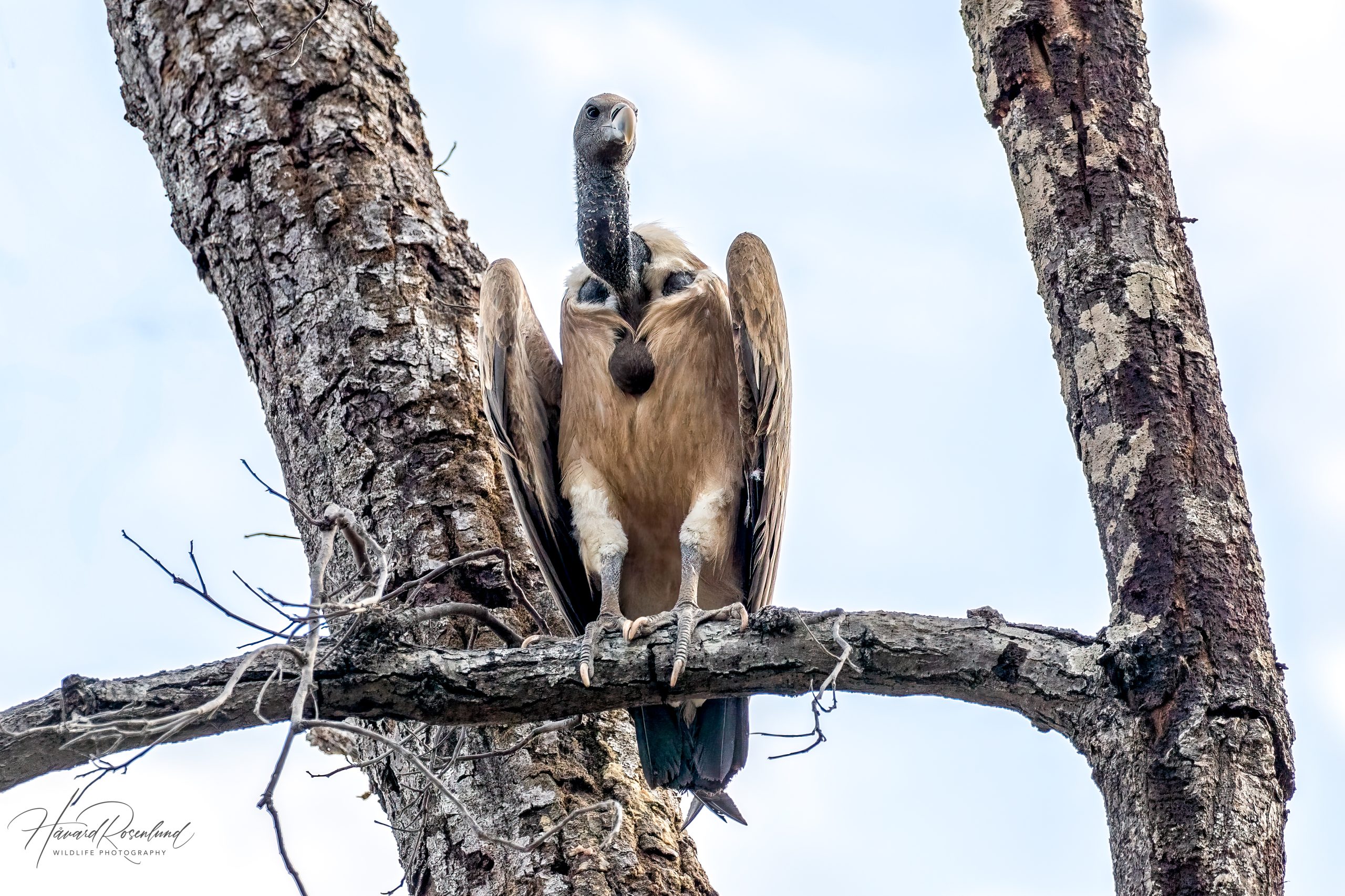
Indian Vulture
(Gyps indicus)
Jerdon's Baza
(Aviceda jerdoni)
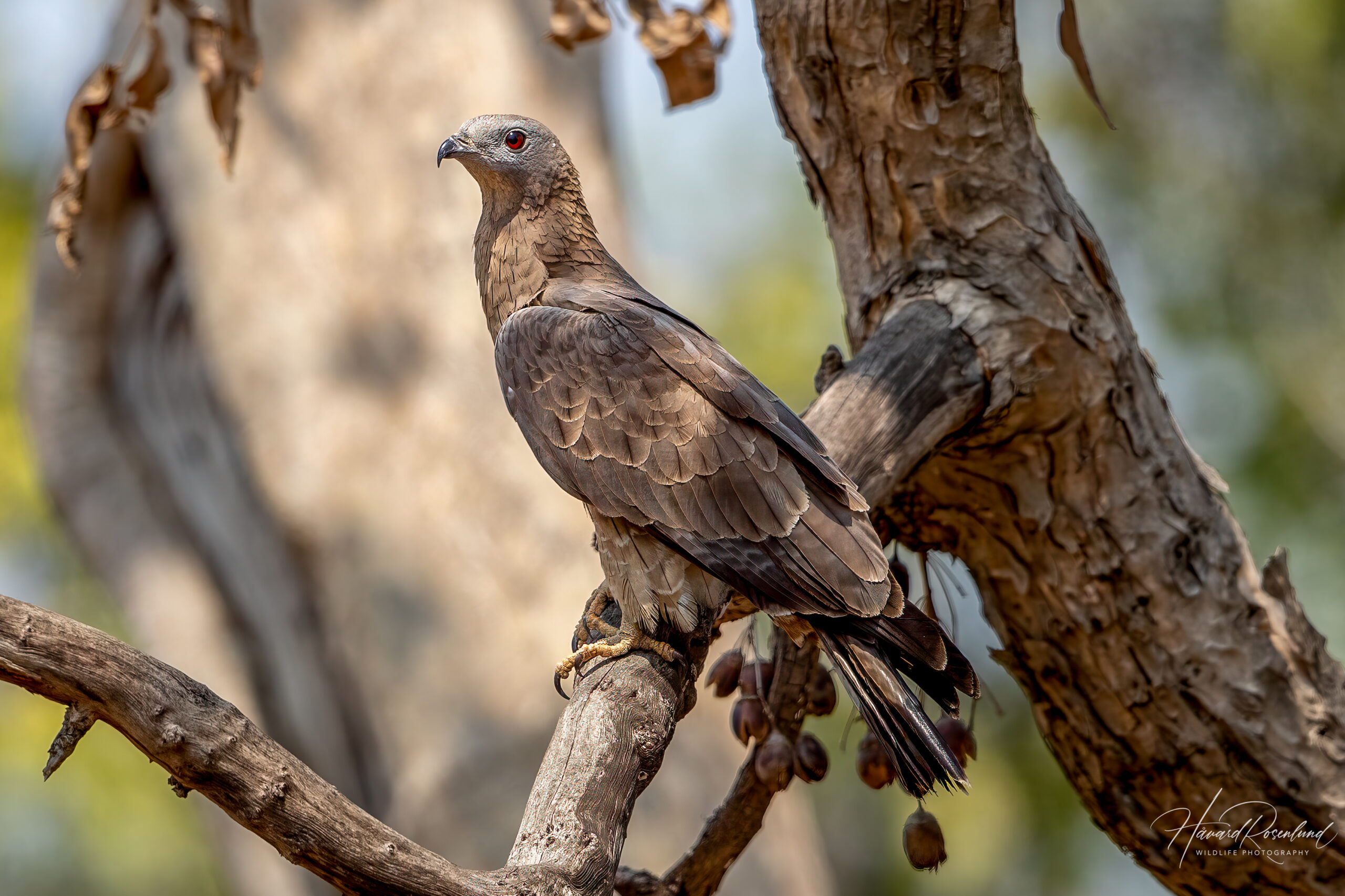
Oriental Honey-Buzzard
(Pernis ptilorhynchus)
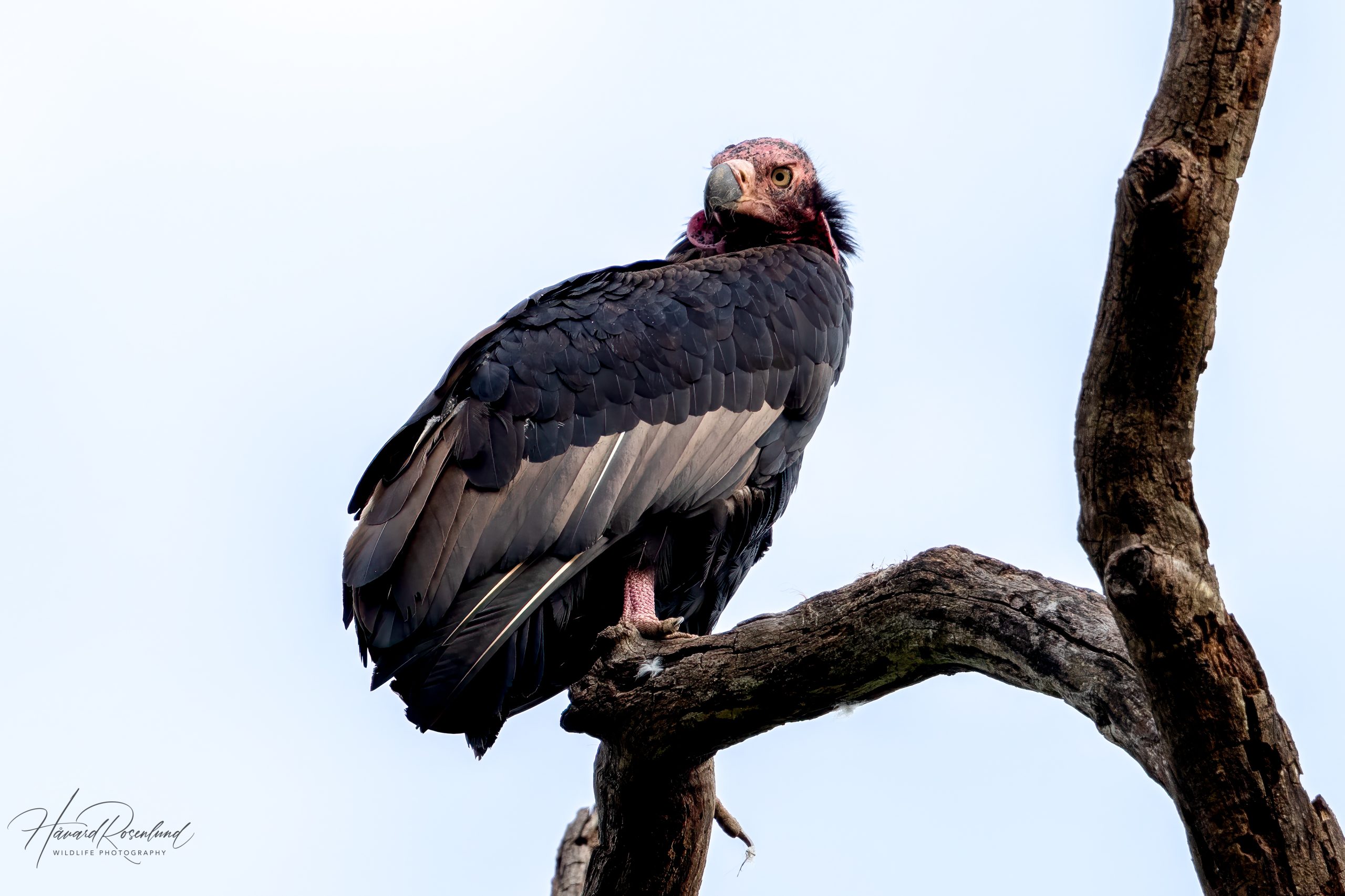
Red-headed Vulture
(Sarcogyps calvus)
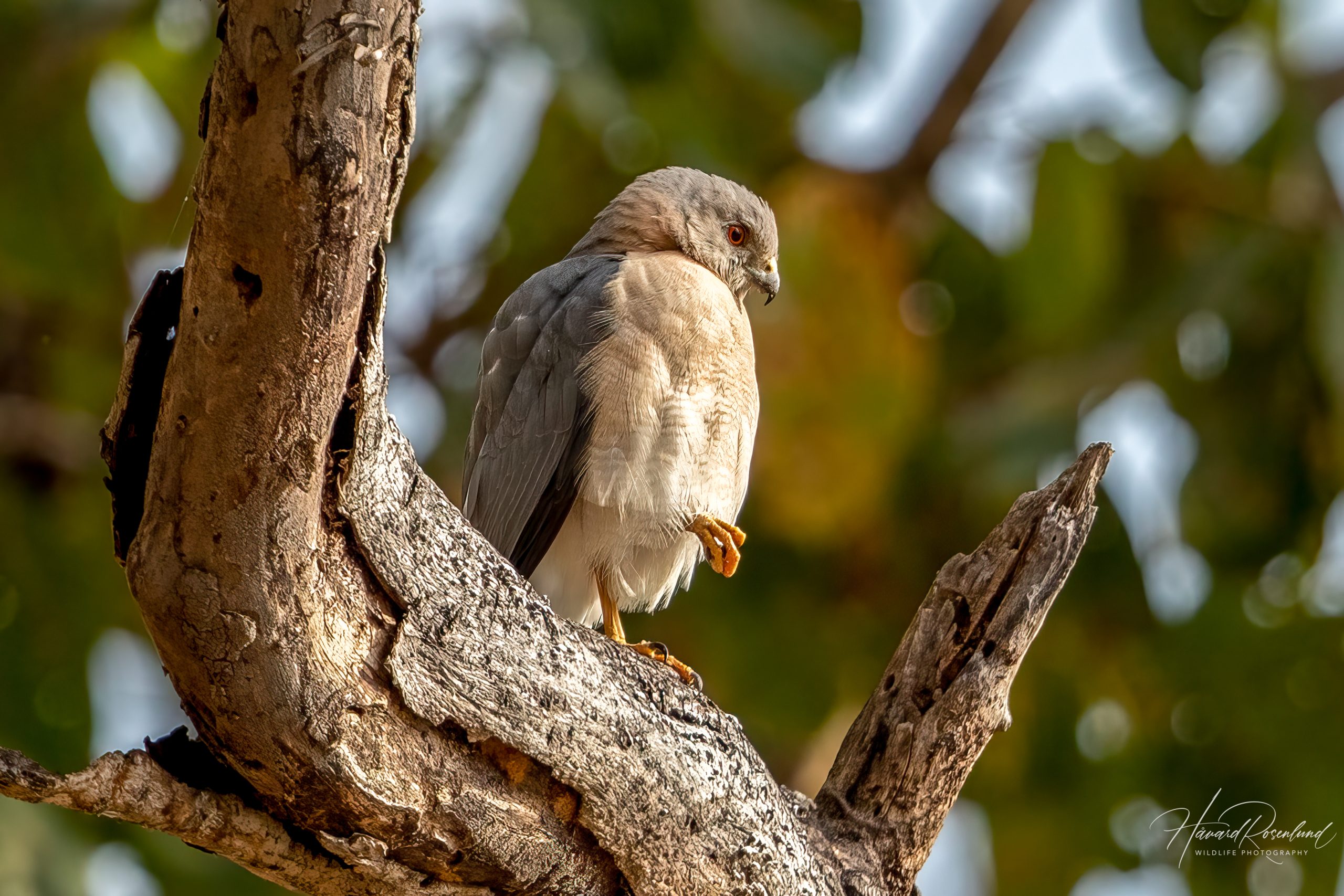
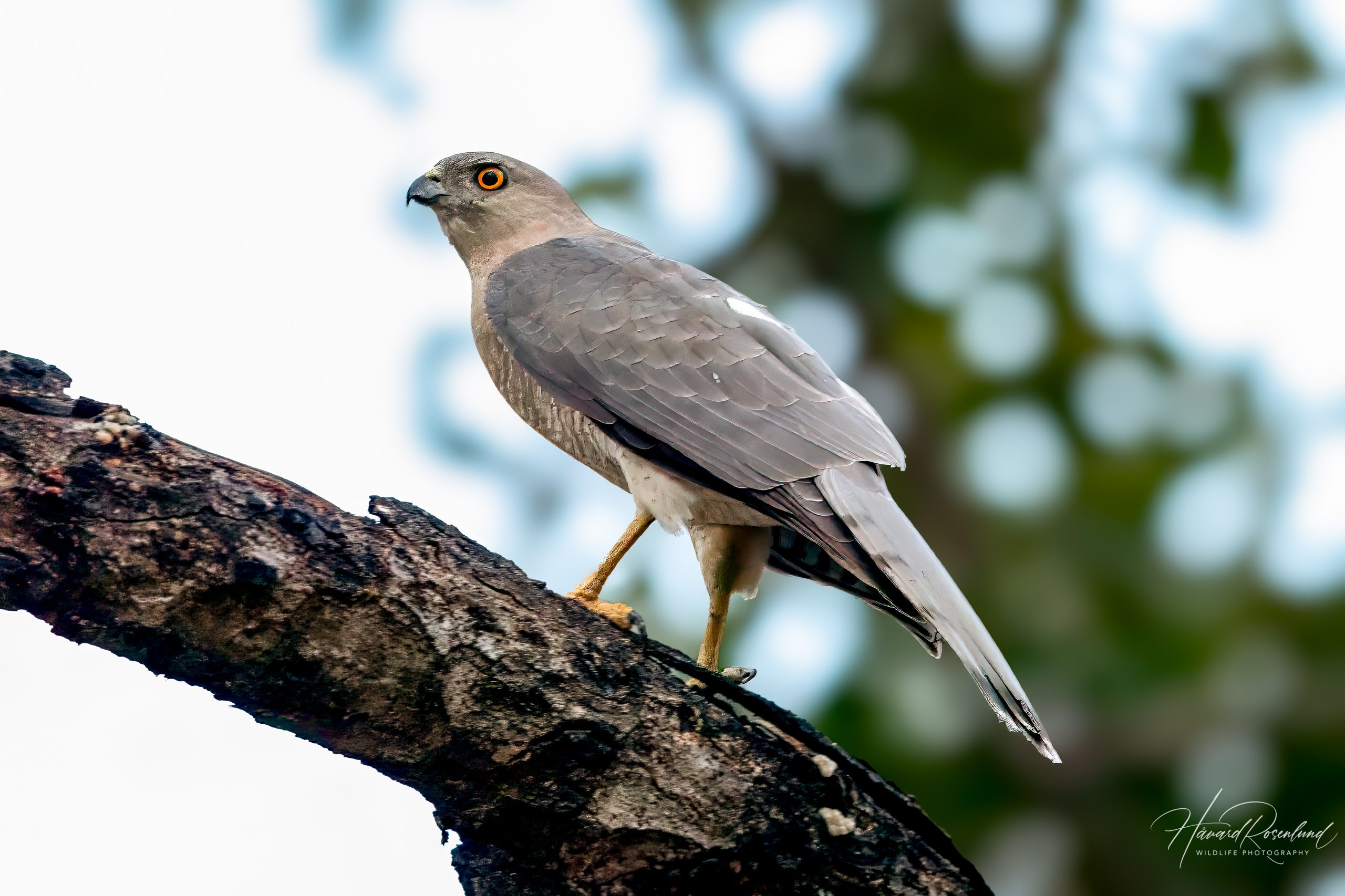
Shikra
(Accipiter badius)
White-rumped Vulture
(Gyps bengalensis)
Herons & Allies
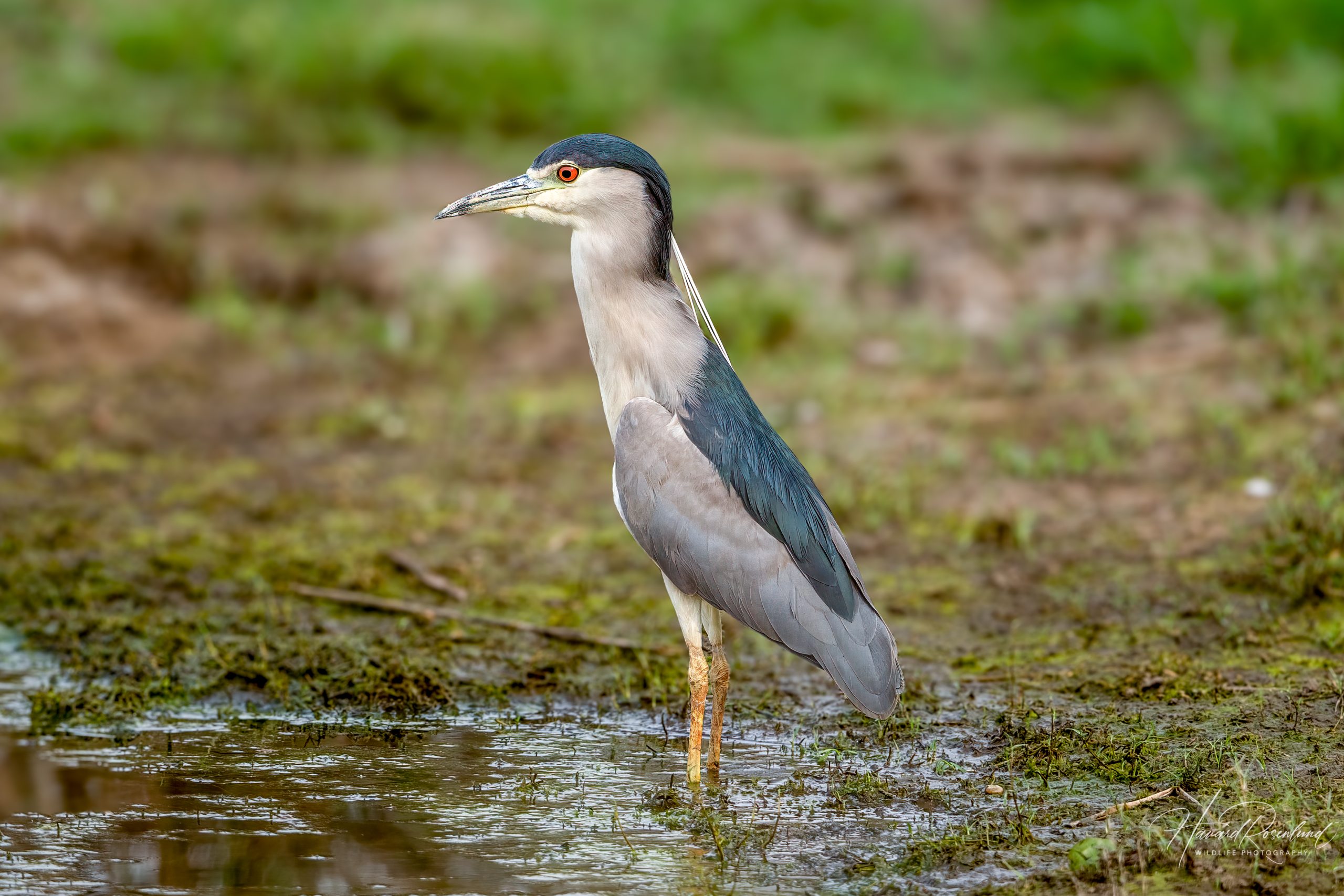
Black-crowned Night Heron
(Nycticorax nycticorax)
Black-headed Ibis
(Threskiornis melanocephalus)
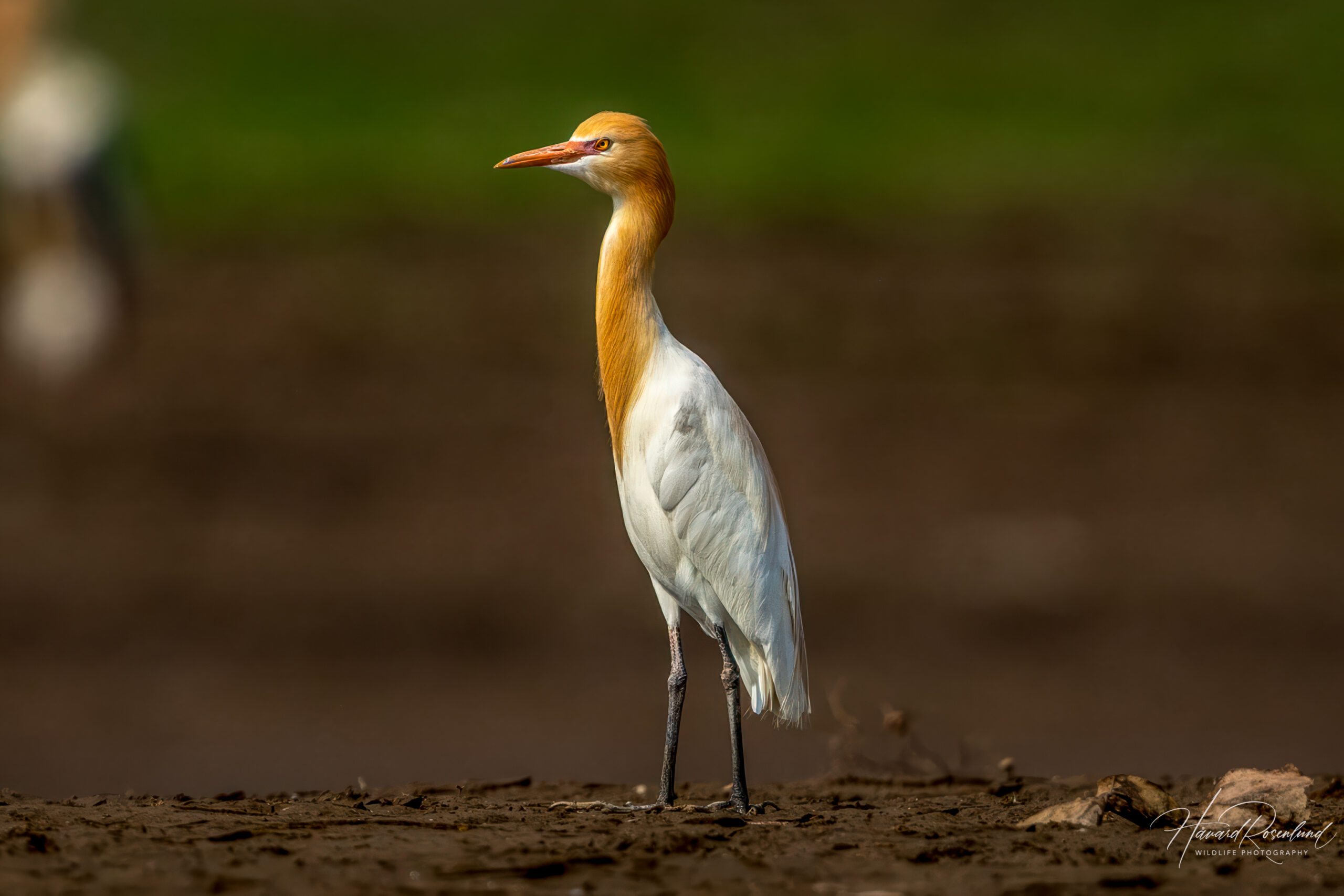
Eastern Cattle Egret
(Bubulcus coromandus)
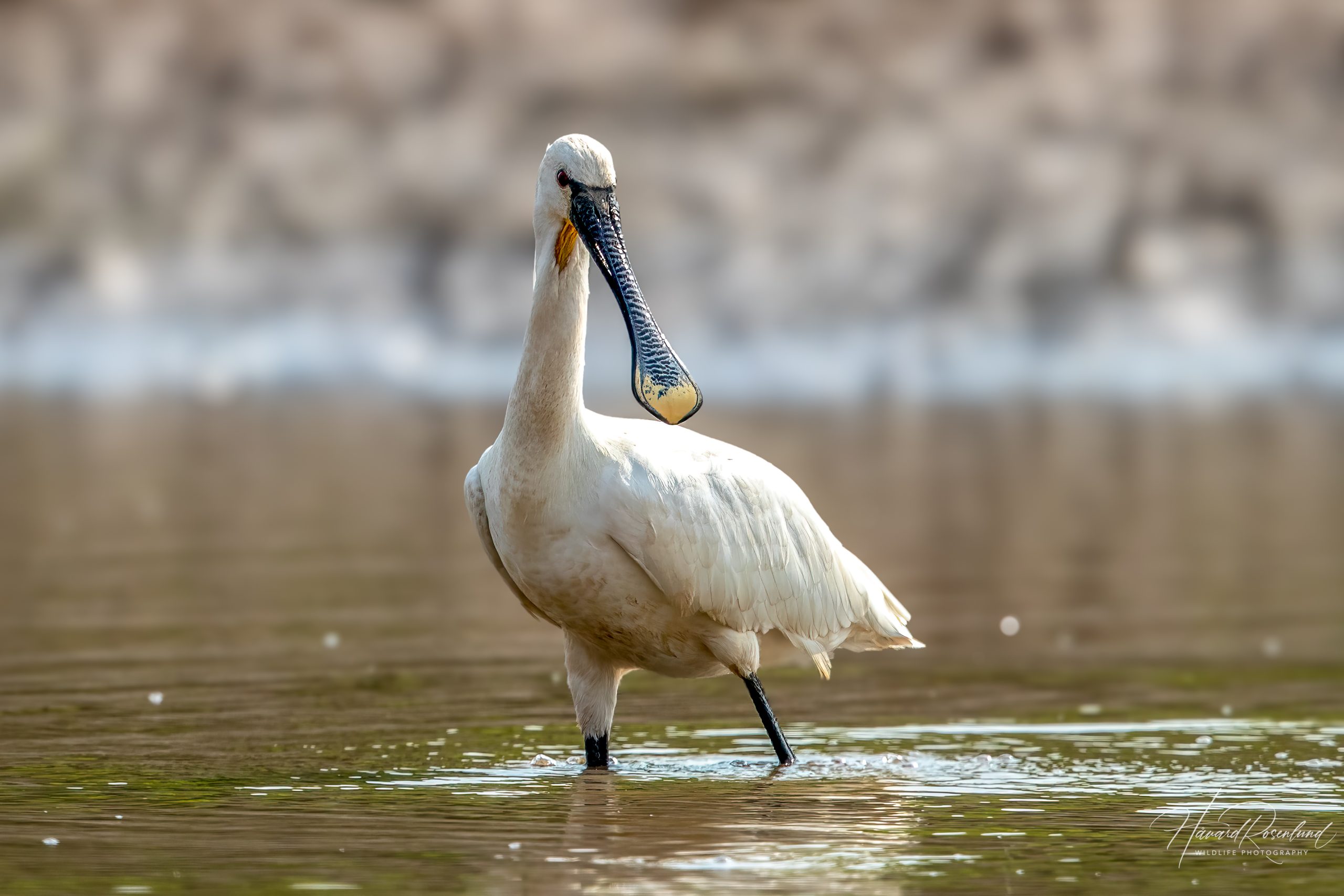
Eurasian Spoonbill
(Platalea leucorodia)
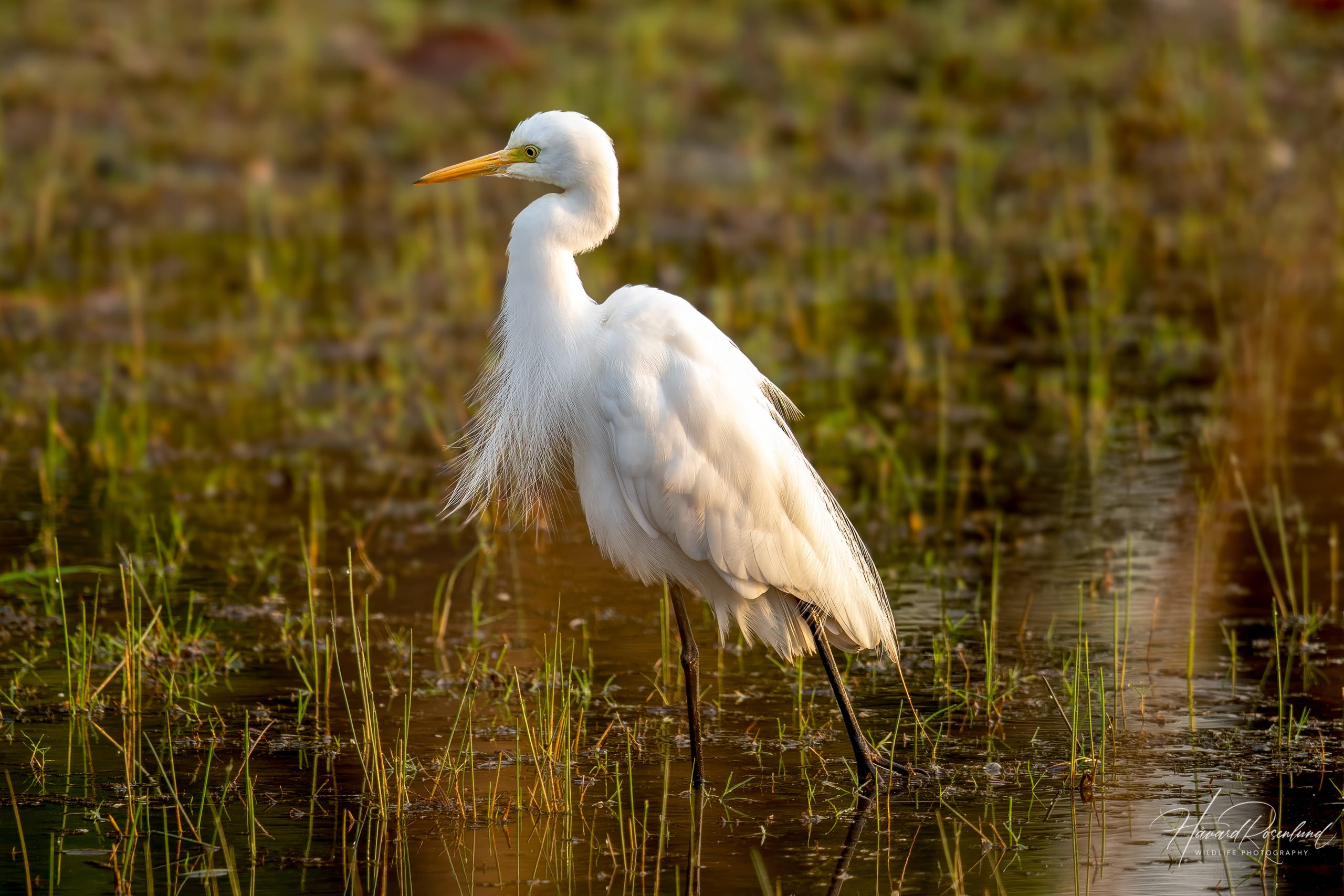
Great Egret
(Ardea alba)
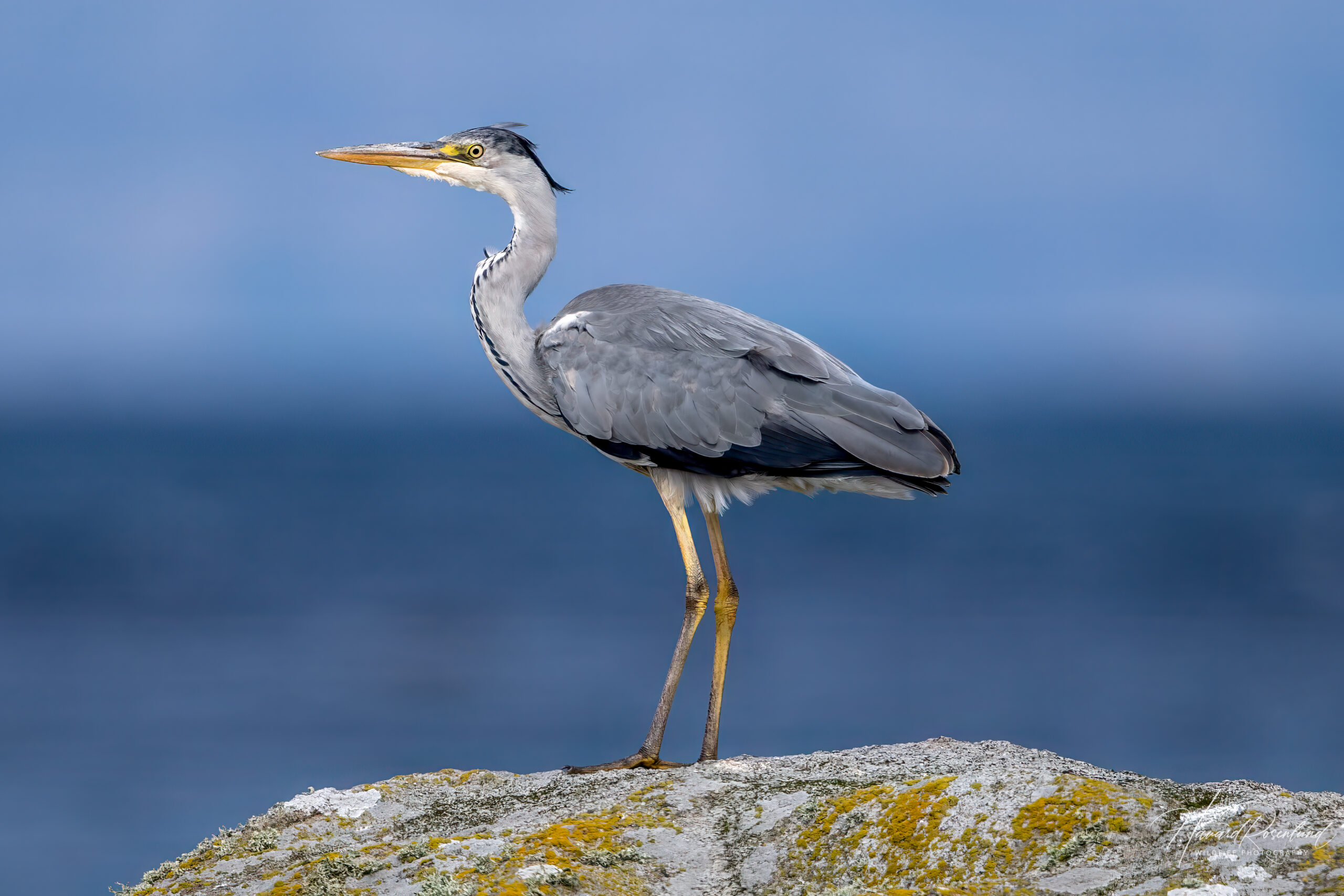
Grey Heron
(Ardea cinerea)
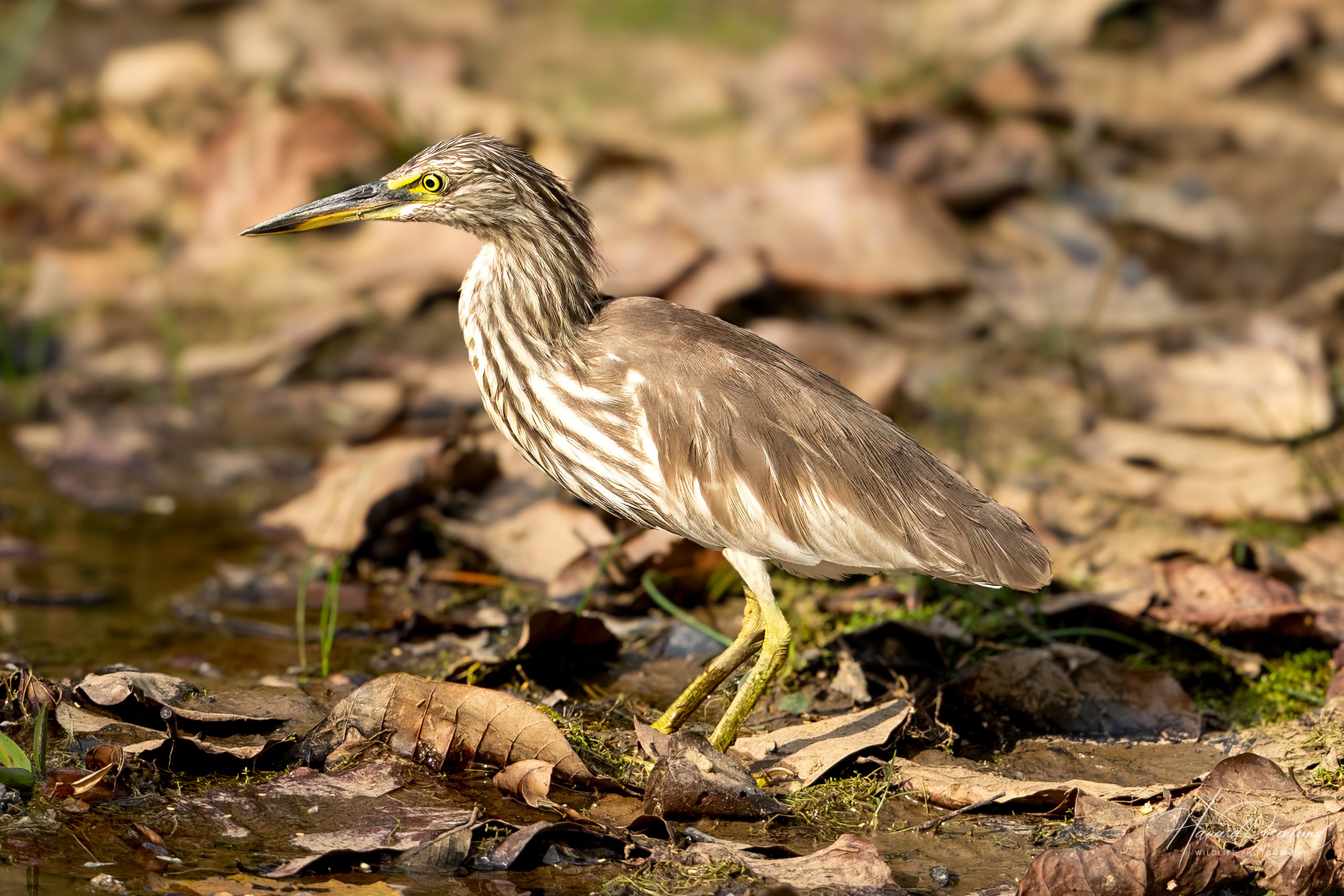
Indian Pond Heron
(Ardeola grayii)
Little Egret
(Egretta garzetta)
Medium Egret
(Ardea intermedia)
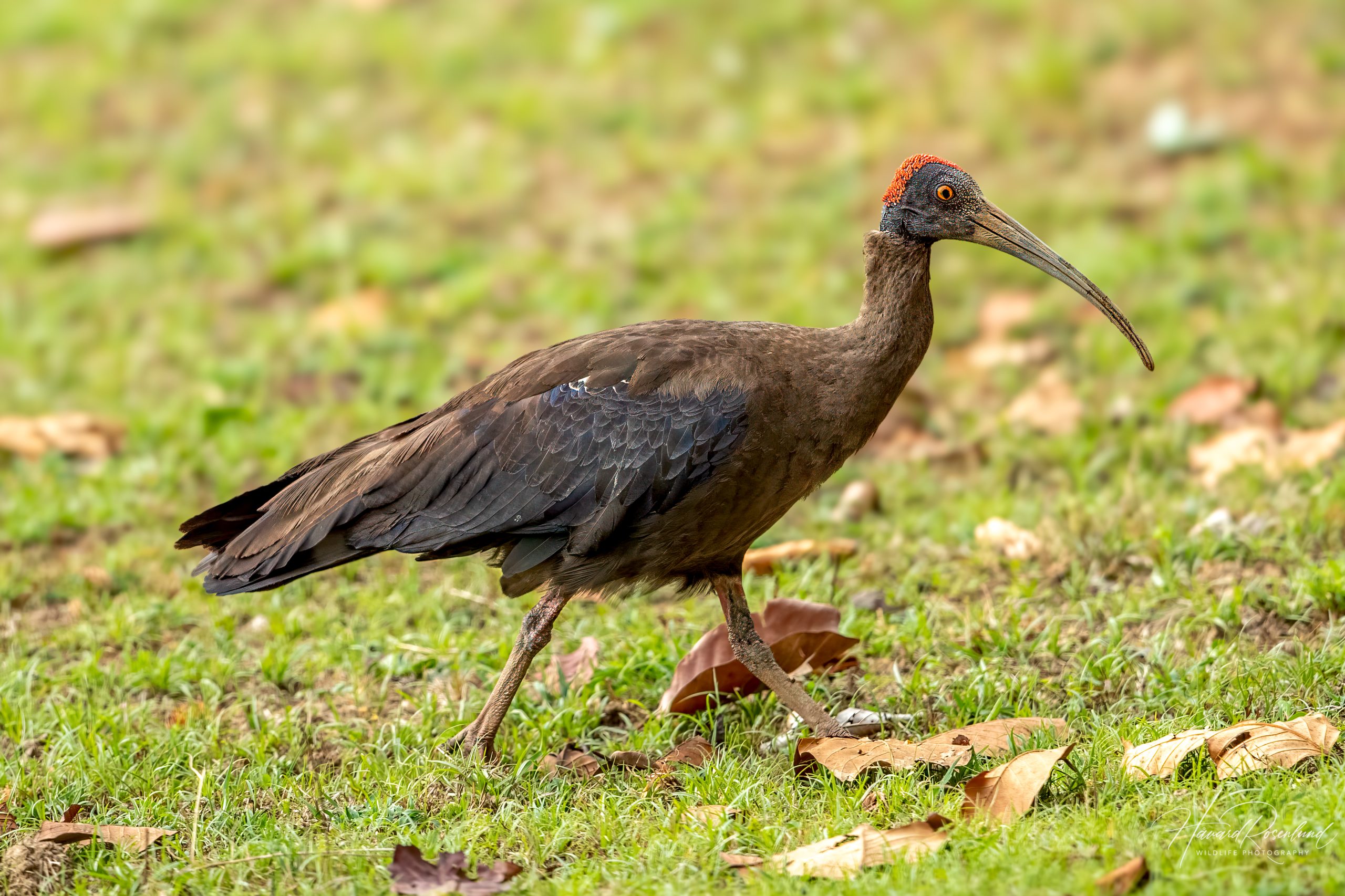
Red-naped Ibis
(Pseudibis papillosa)
Striated Heron
(Butorides striata)
Hornbills & Hoopoes
Eurasian Hoopoe
(Upupa epops)
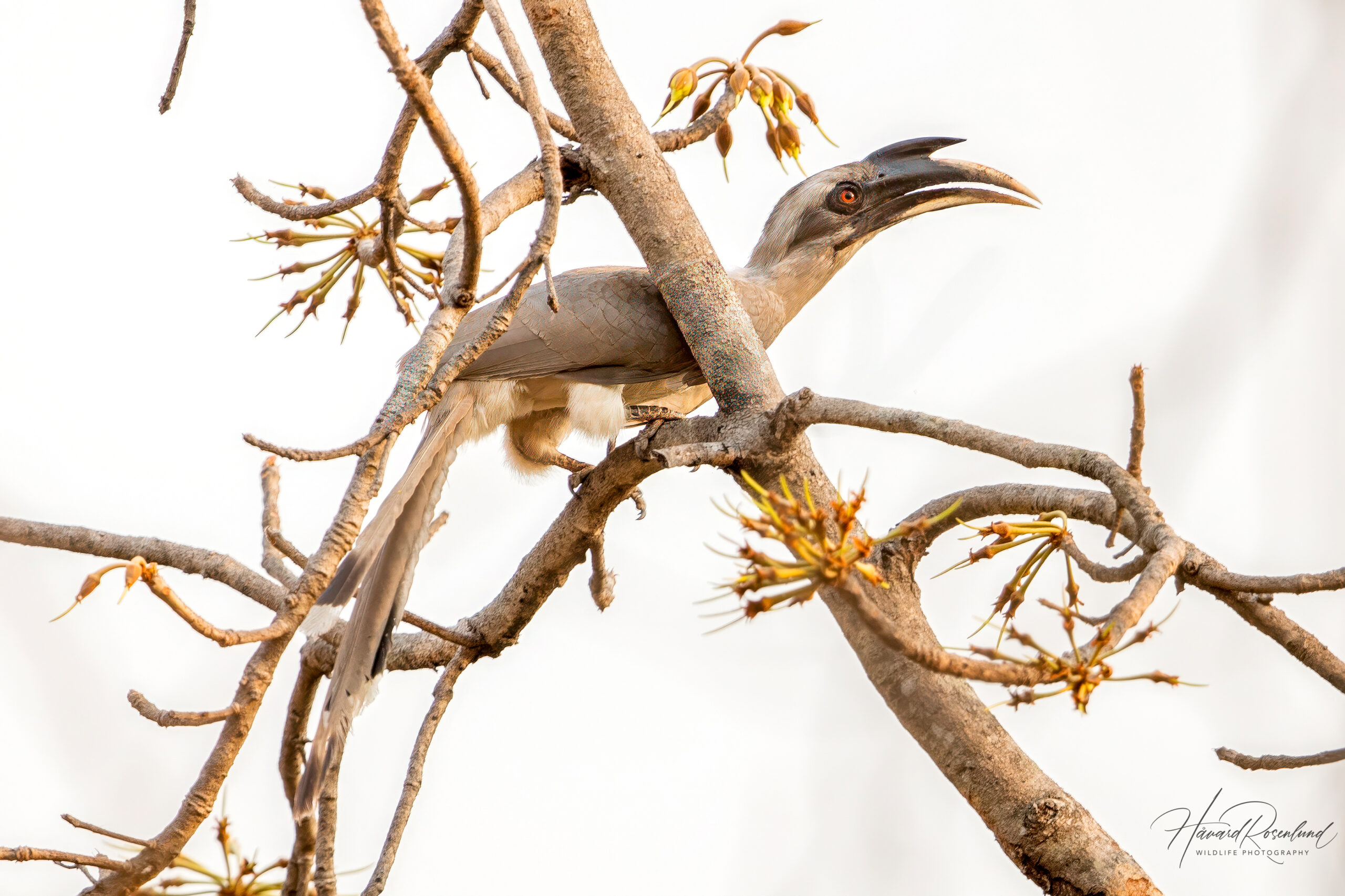
Indian Grey Hornbill
(Ocyceros birostris)
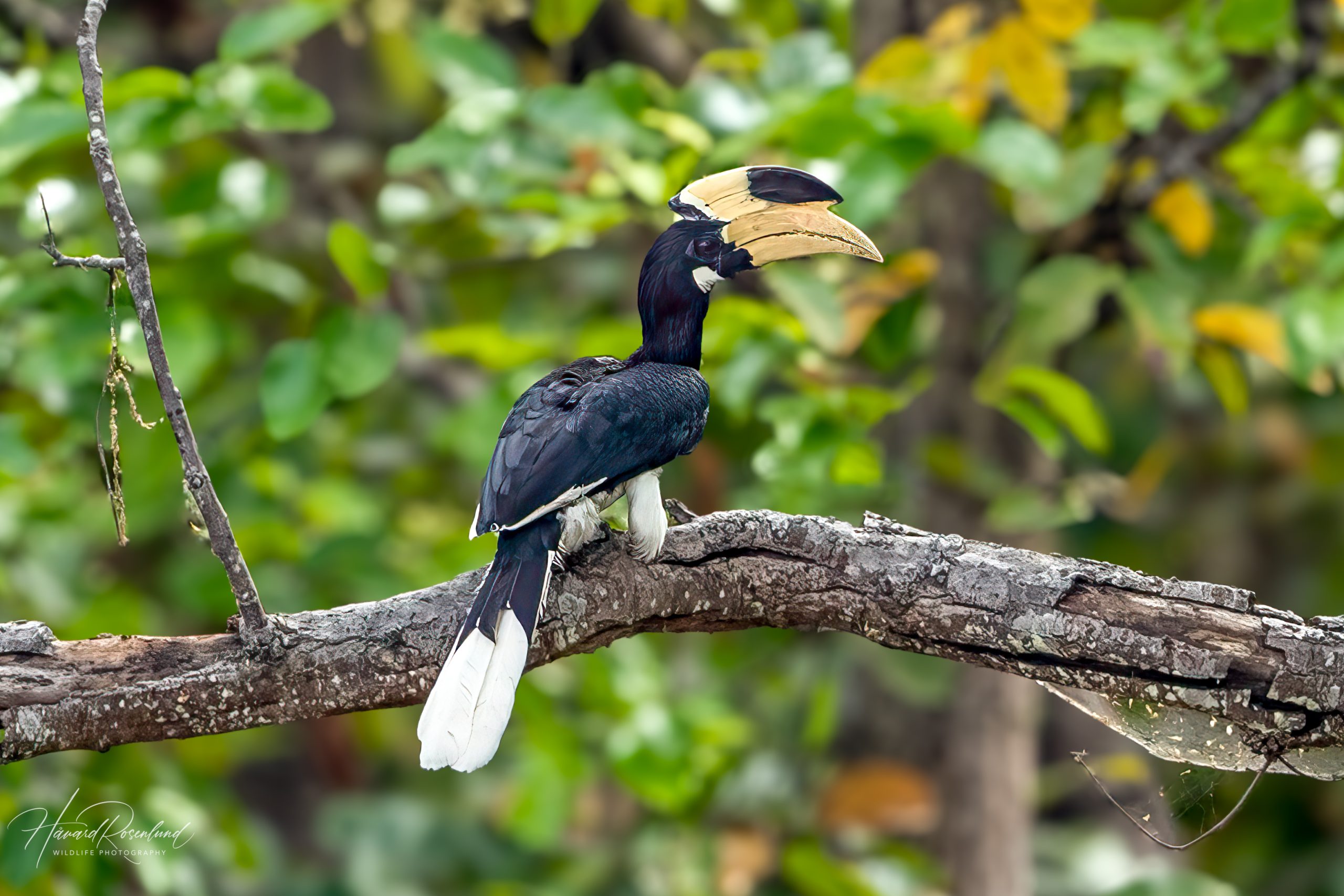
Malabar Pied Hornbill
(Anthracoceros coronatus)
Kingfishers, bee-eaters, rollers & allies
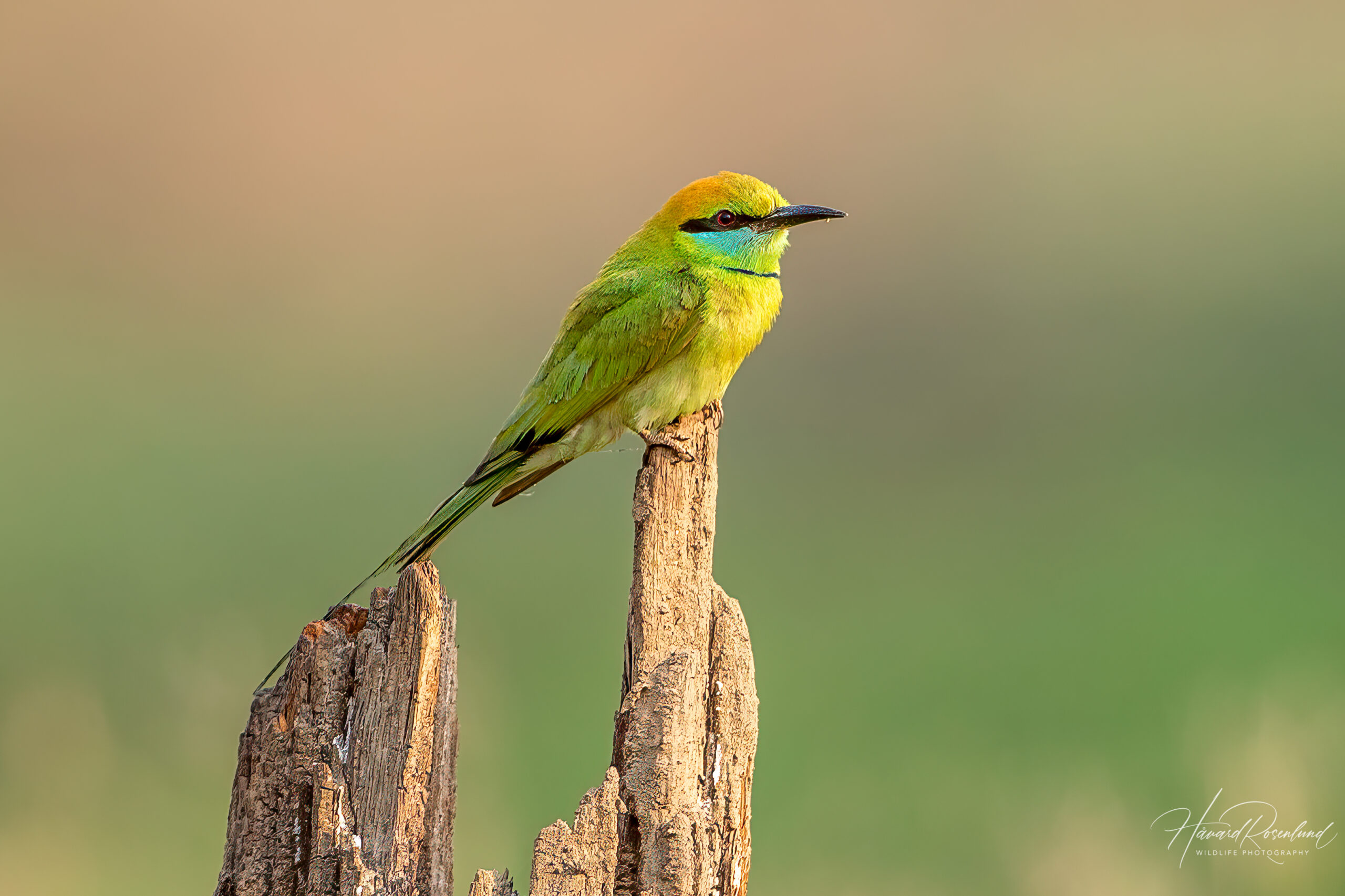
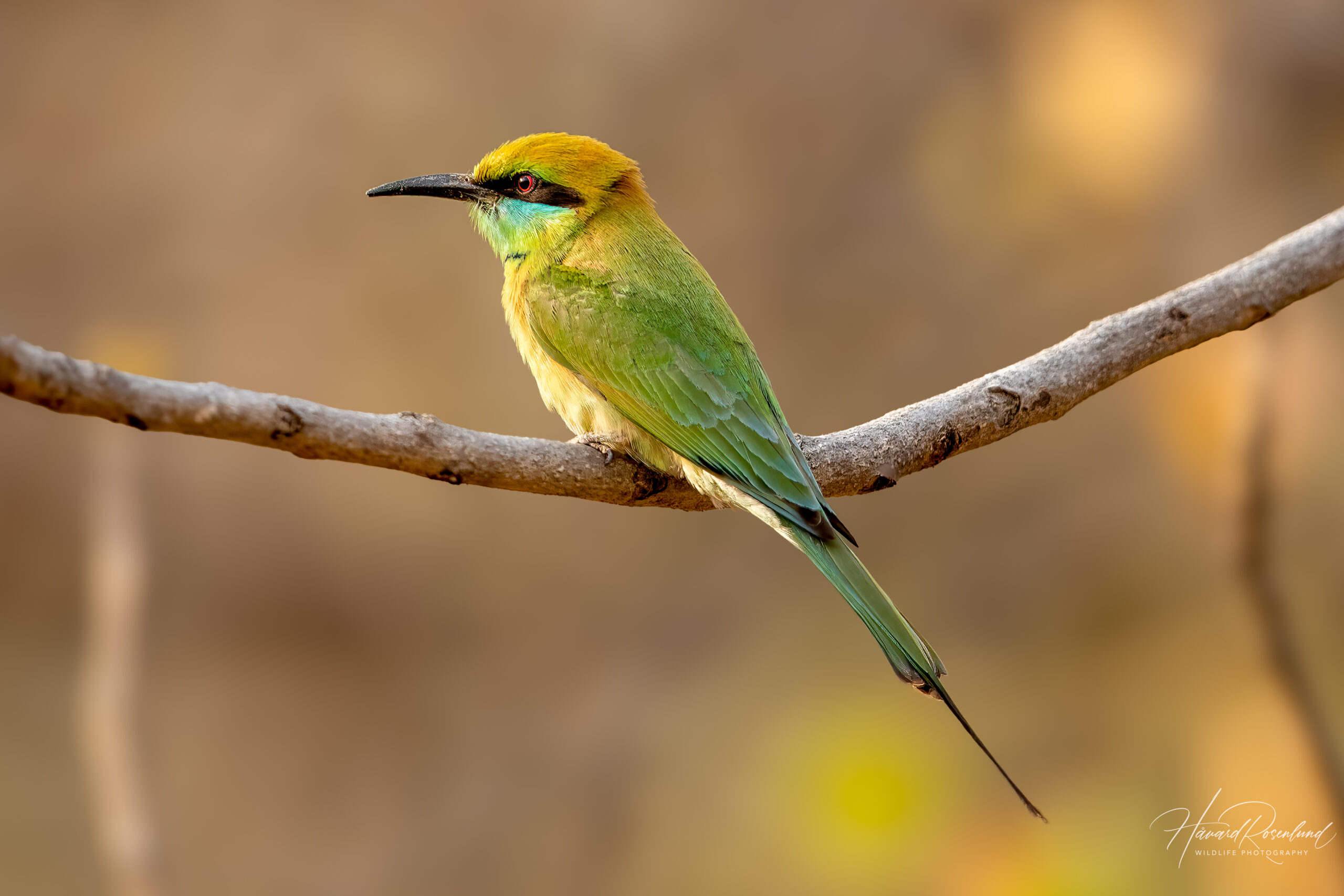
Asian Green Bee-eater
(Merops orientalis)
Common Kingfisher
(Alcedo atthis)
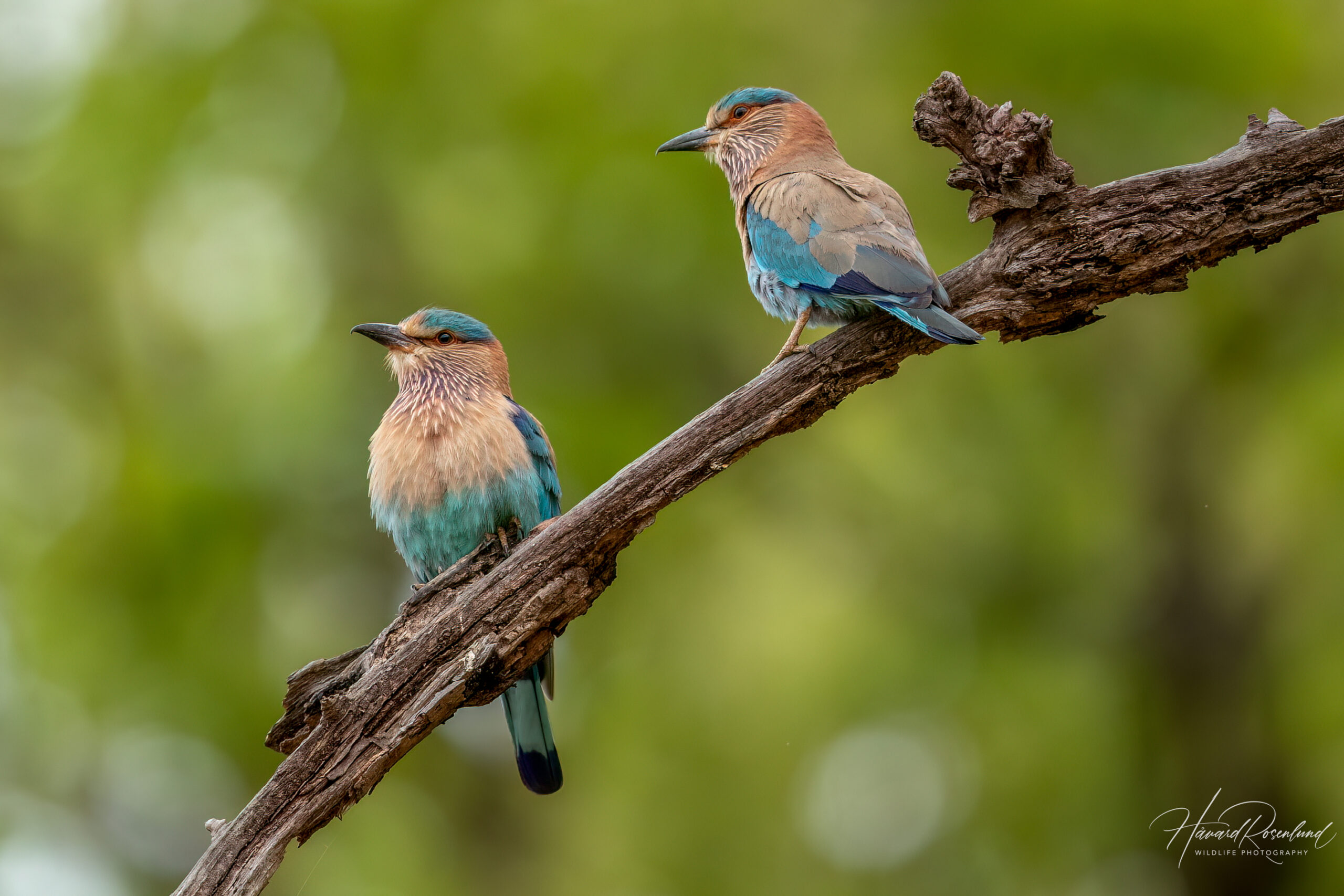
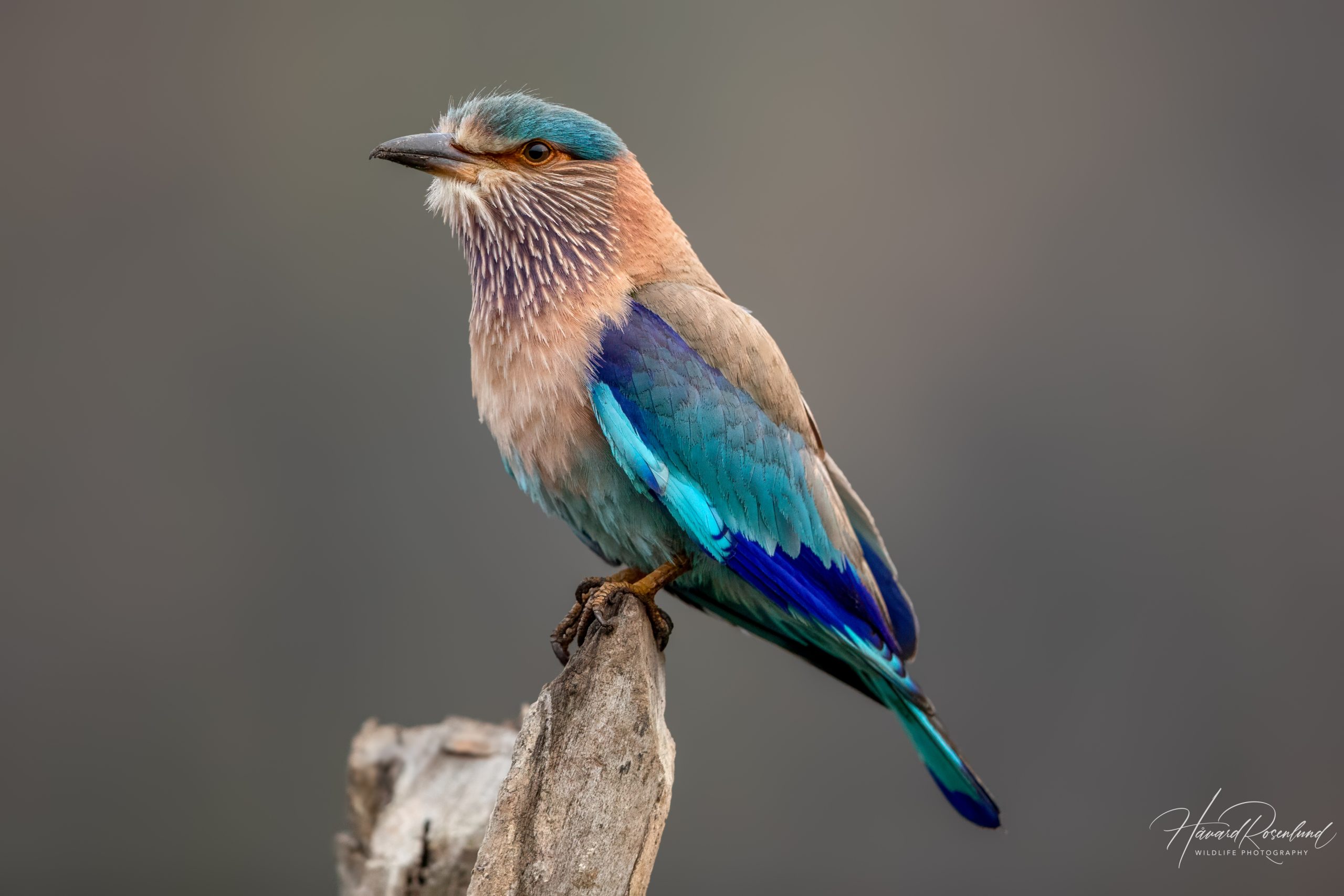
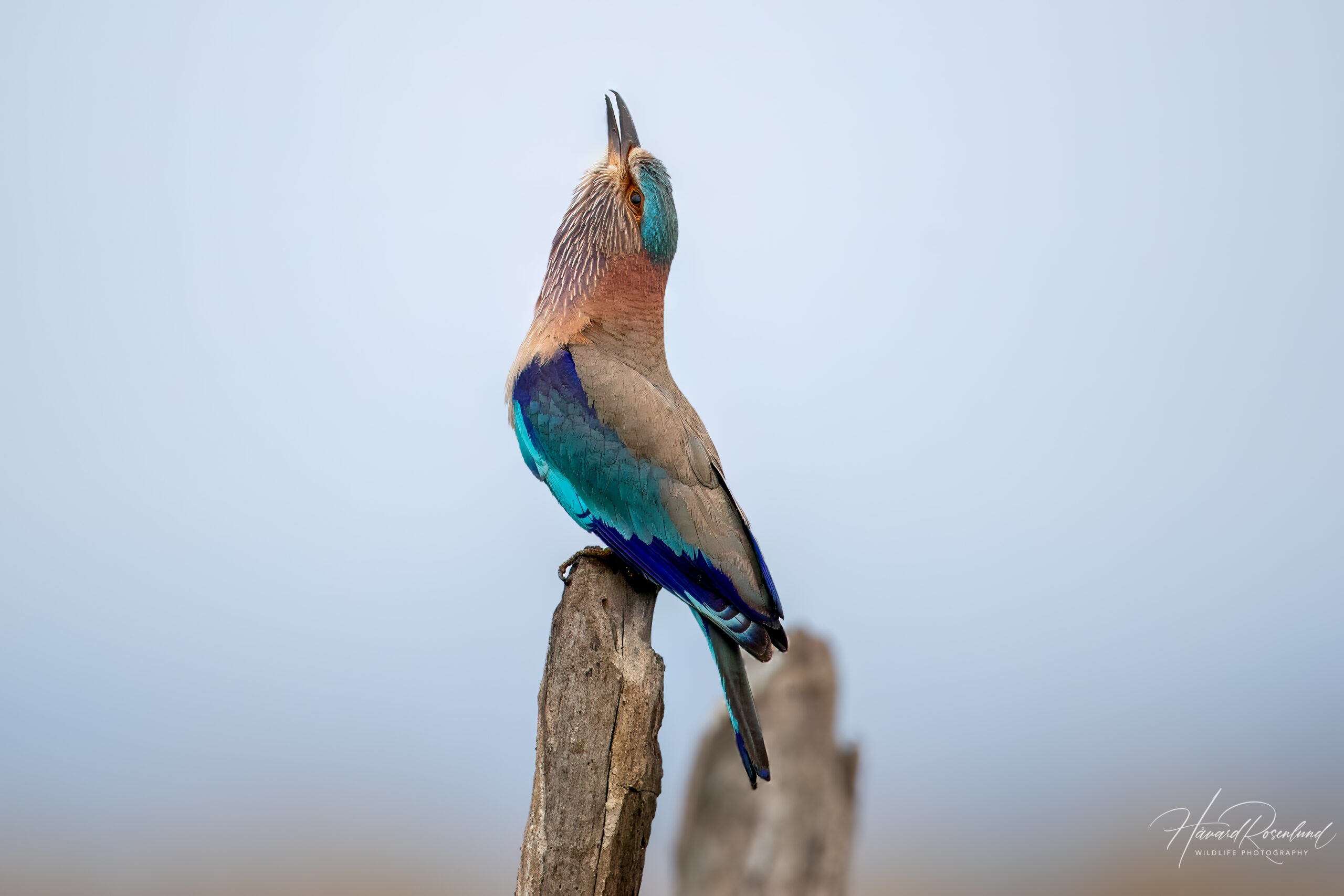
Indian Roller
(Coracias benghalensis)
Pied Kingfisher
(Ceryle rudis)
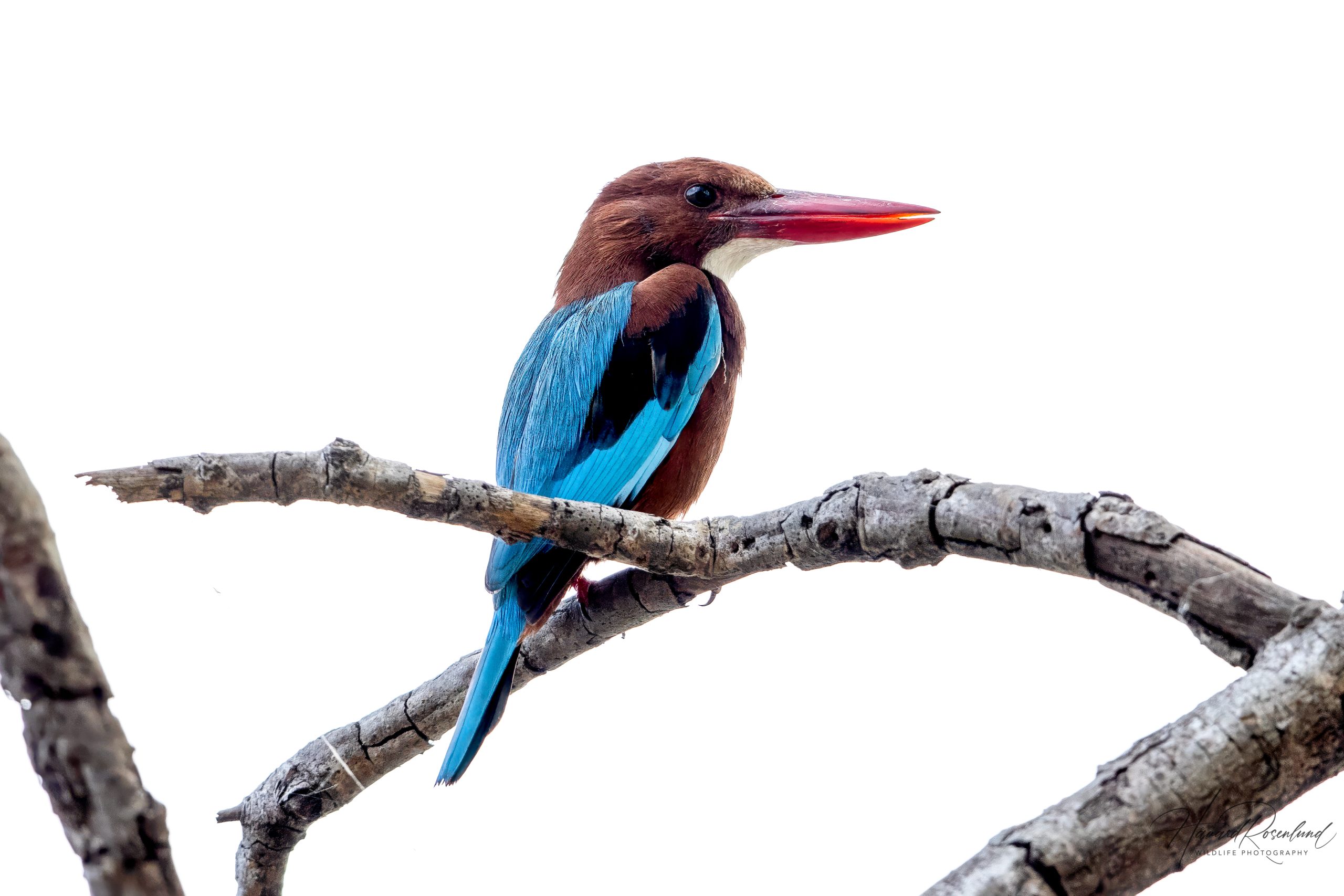
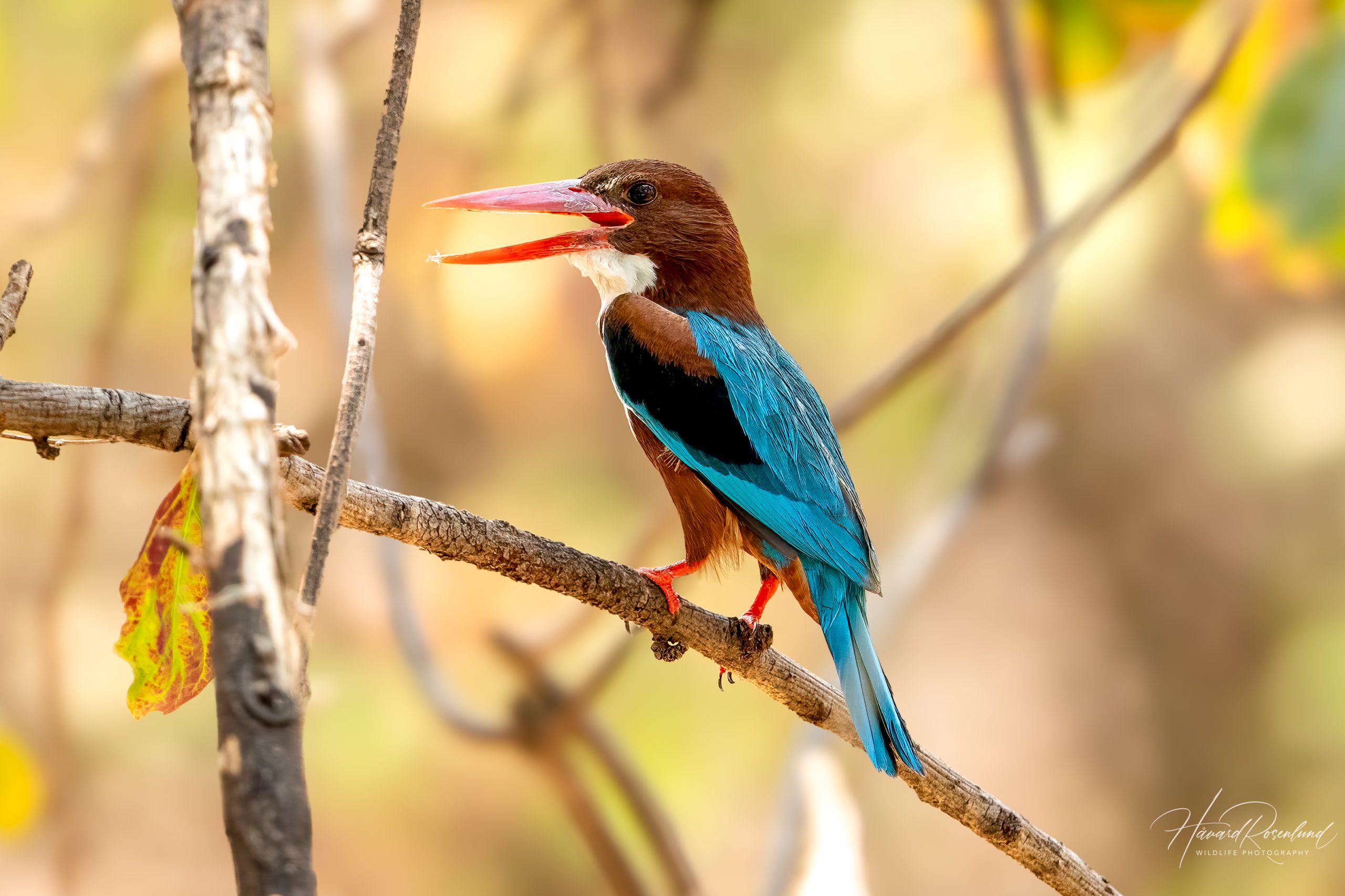
White-throated Kingfisher
(Halcyon smyrnensis)
Landfowl
Grey Junglefowl
(Gallus sonneratii)
Indian Peafowl
(Pavo cristatus)
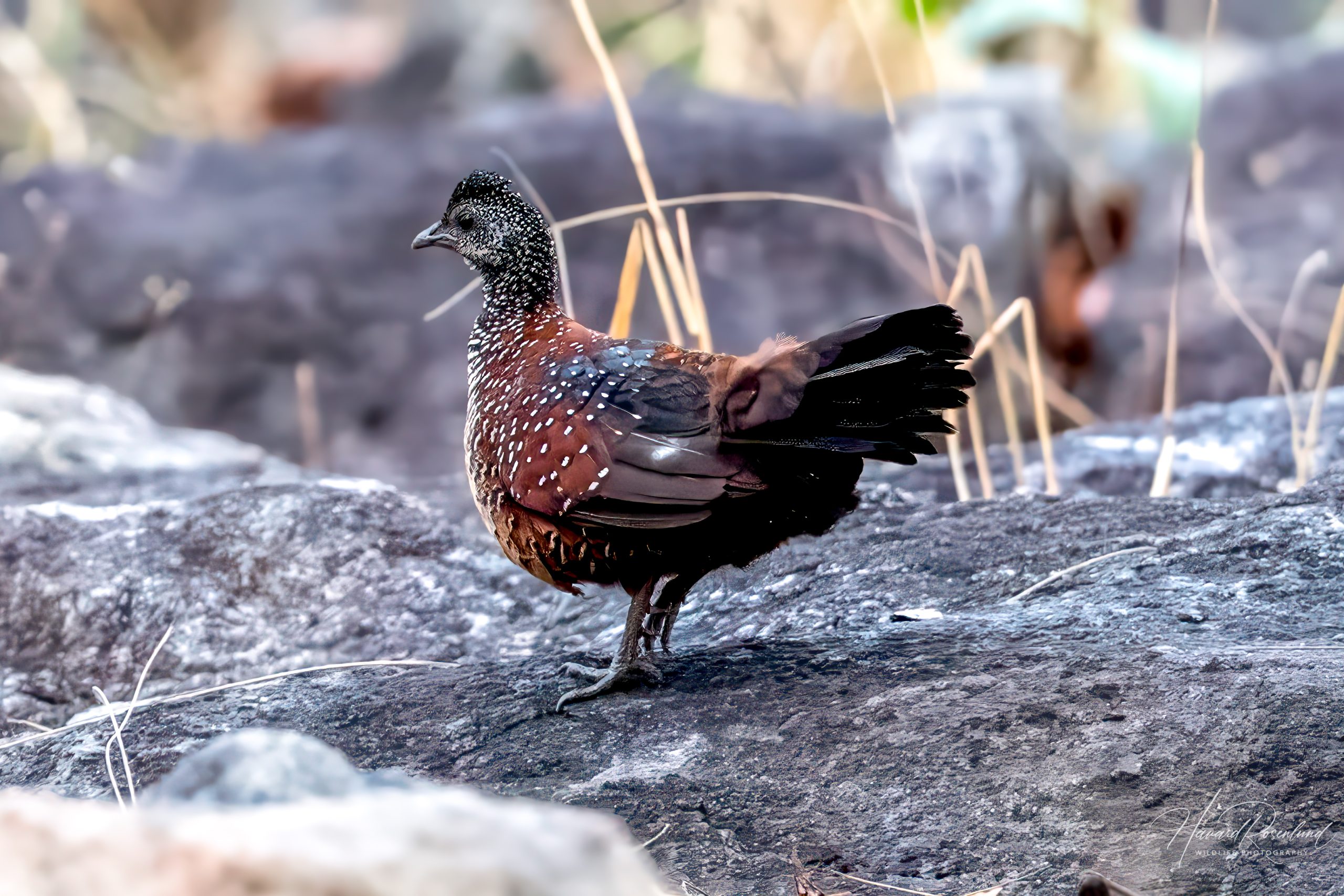
Painted Spurfowl
(Galloperdix lunulata)
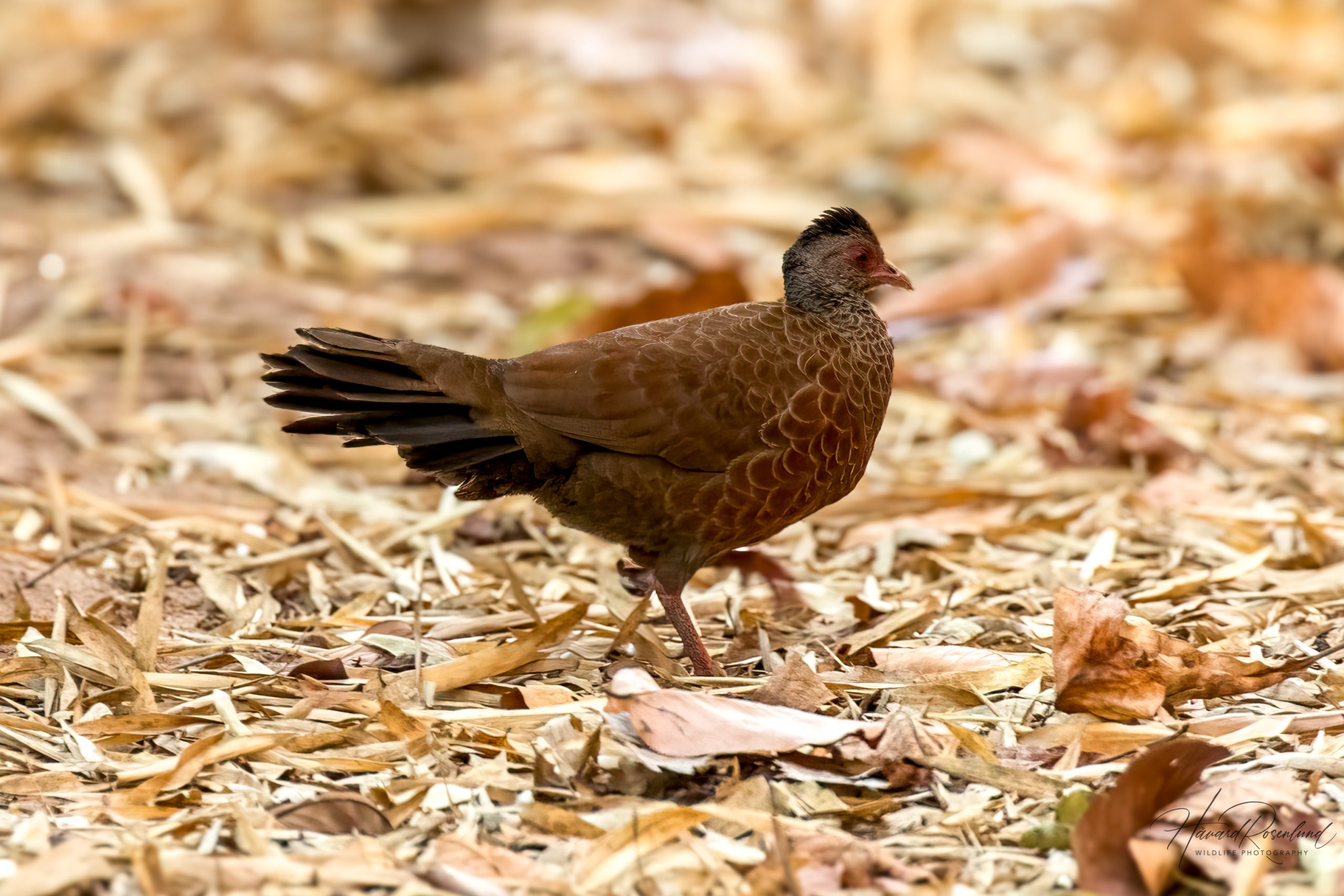
Red Junglefowl
(Gallus gallus)
Red Spurfowl
(Galloperdix spadicea)
Nightjars
Indian Nightjar
(Caprimulgus asiaticus)
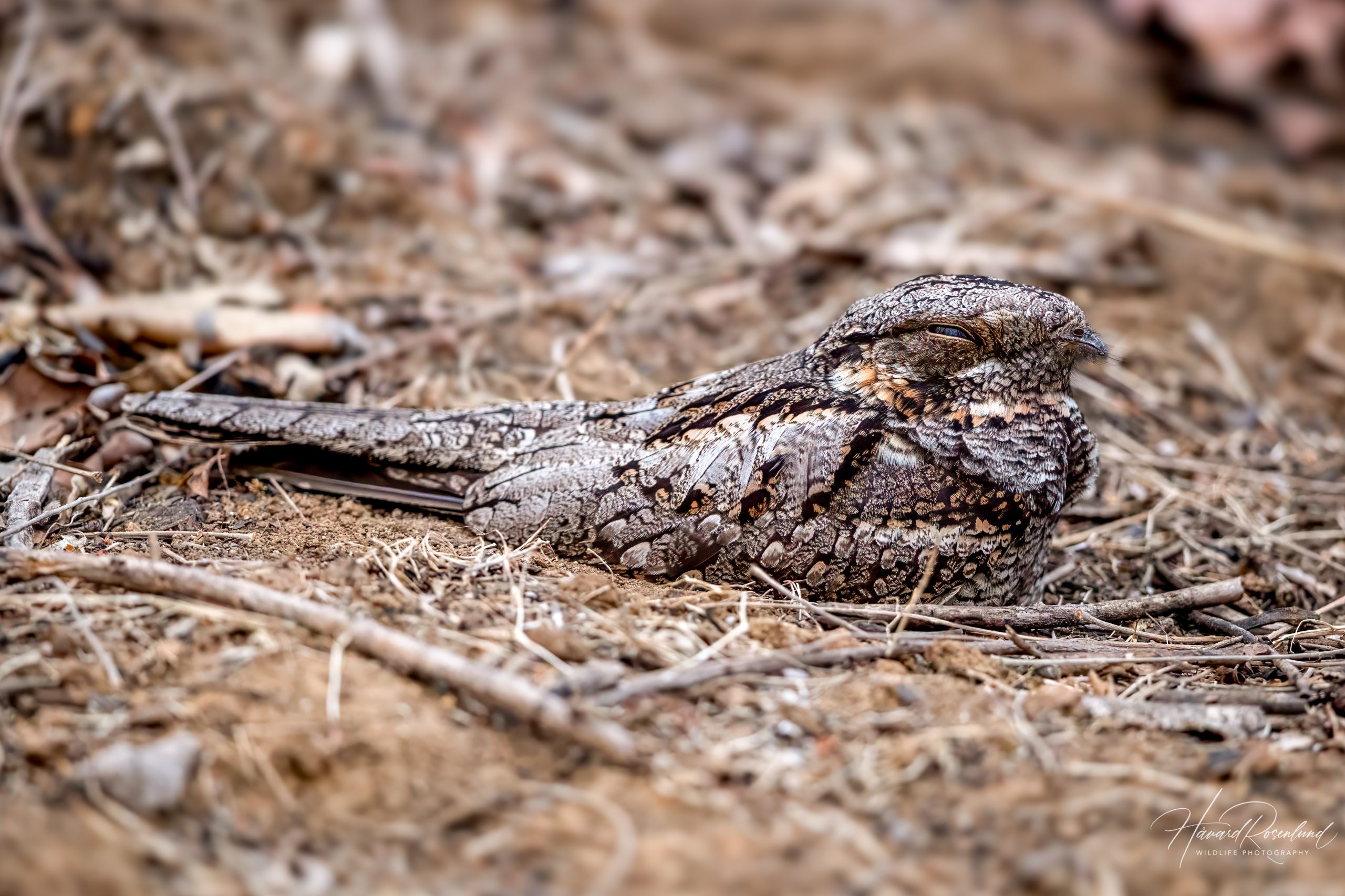
Jungle Nightjar
(Caprimulgus indicus)
Owls
Barn Owl
(Tyto alba)
Brown Fish-Owl
(Ketupa zeylonensis)
Indian Scops-Owl
(Otus bakkamoena)
Jungle Owlet
(Glaucidium radiatum)
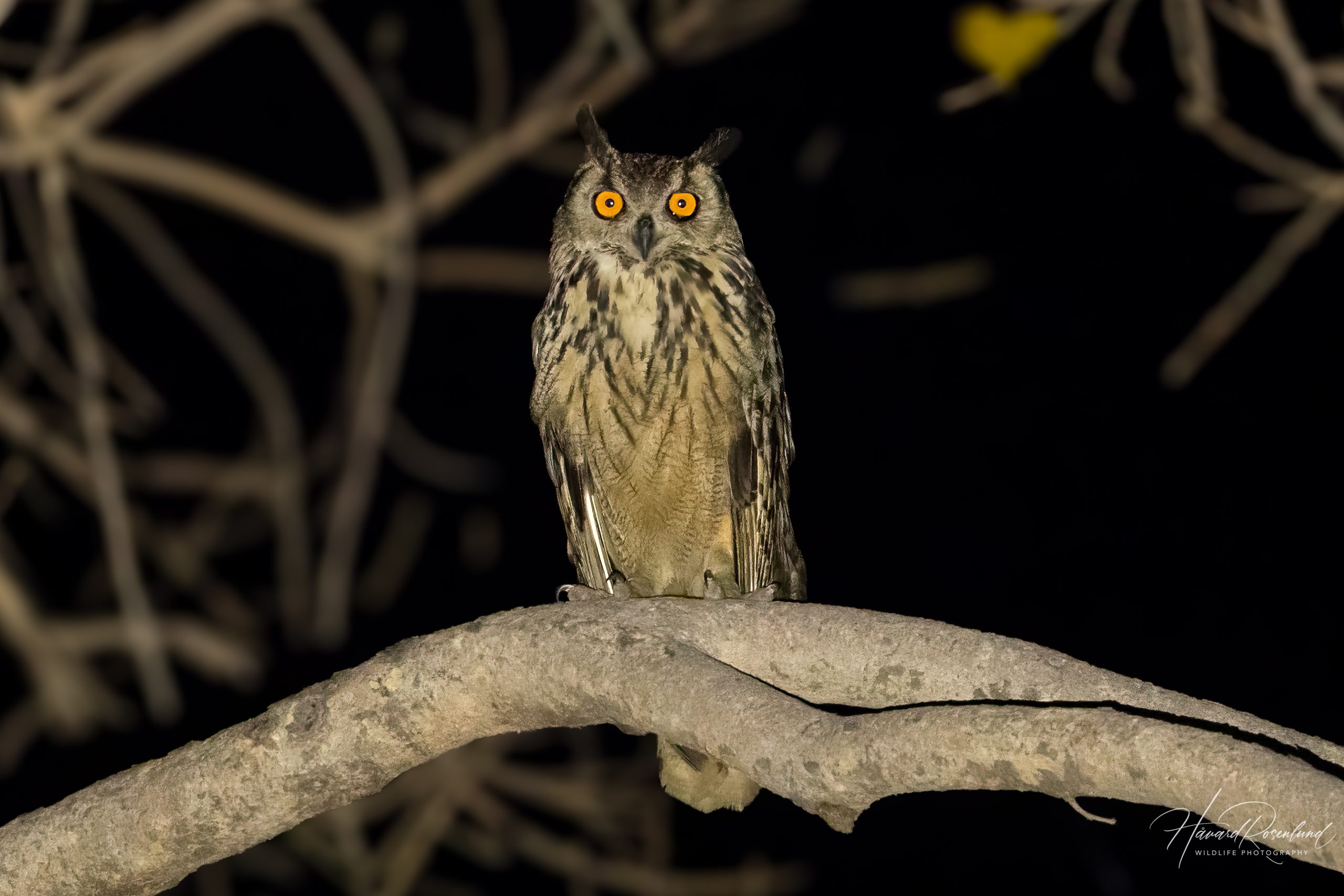
Rock Eagle-Owl
(Bubo bengalensis)
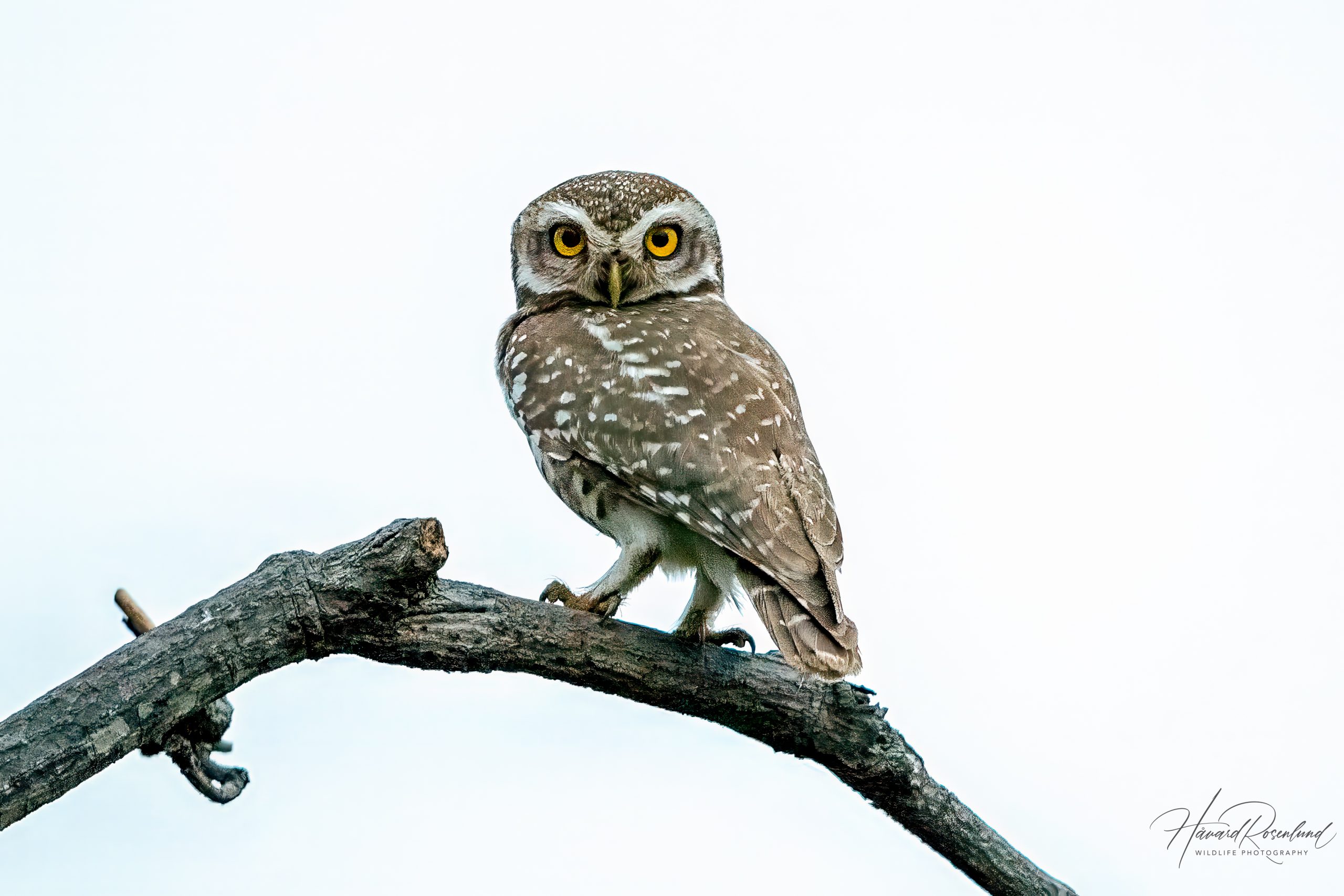
Spotted Owlet
(Athene brama)
Parrots
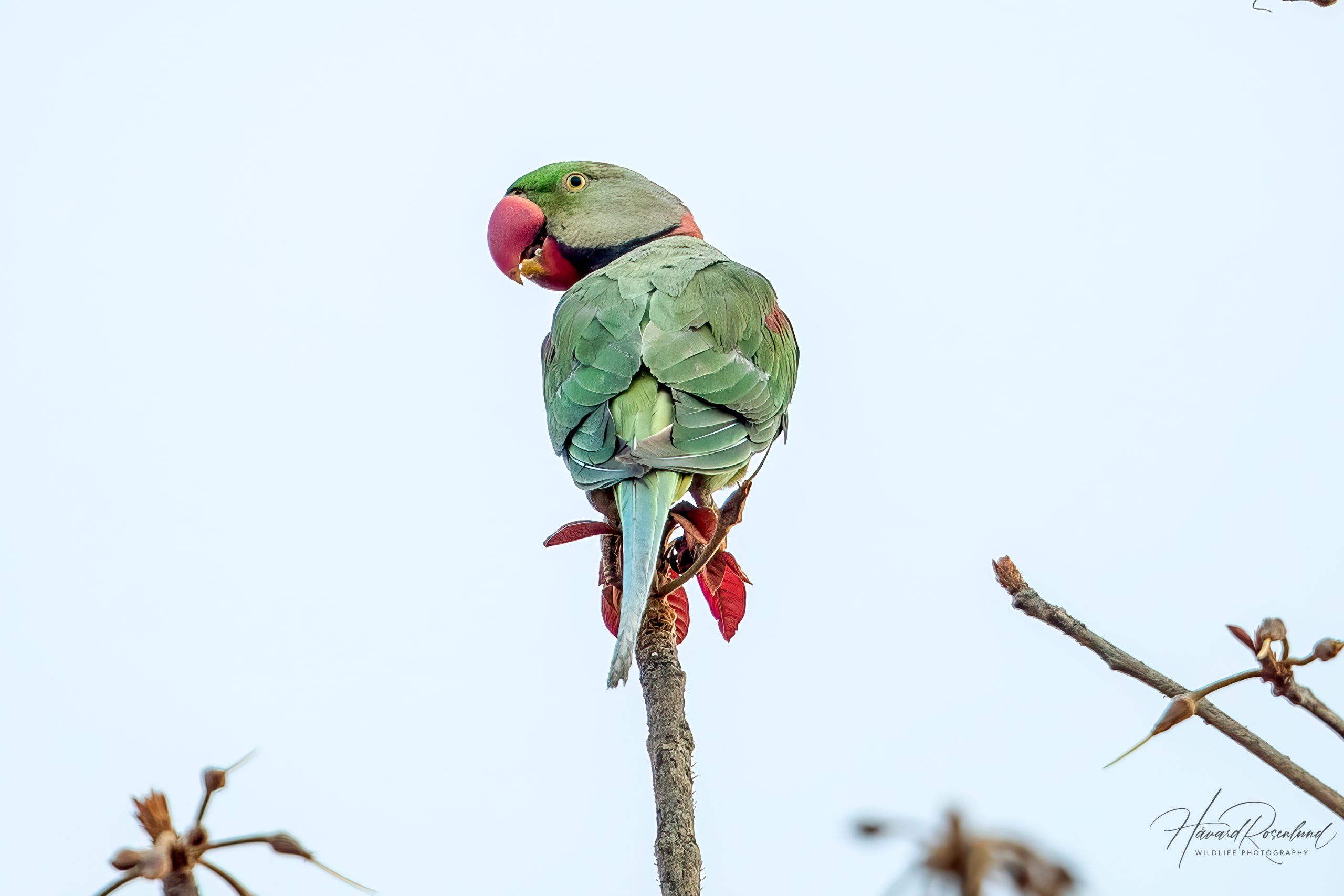
Alexandrine Parakeet
(Psittacula eupatria)
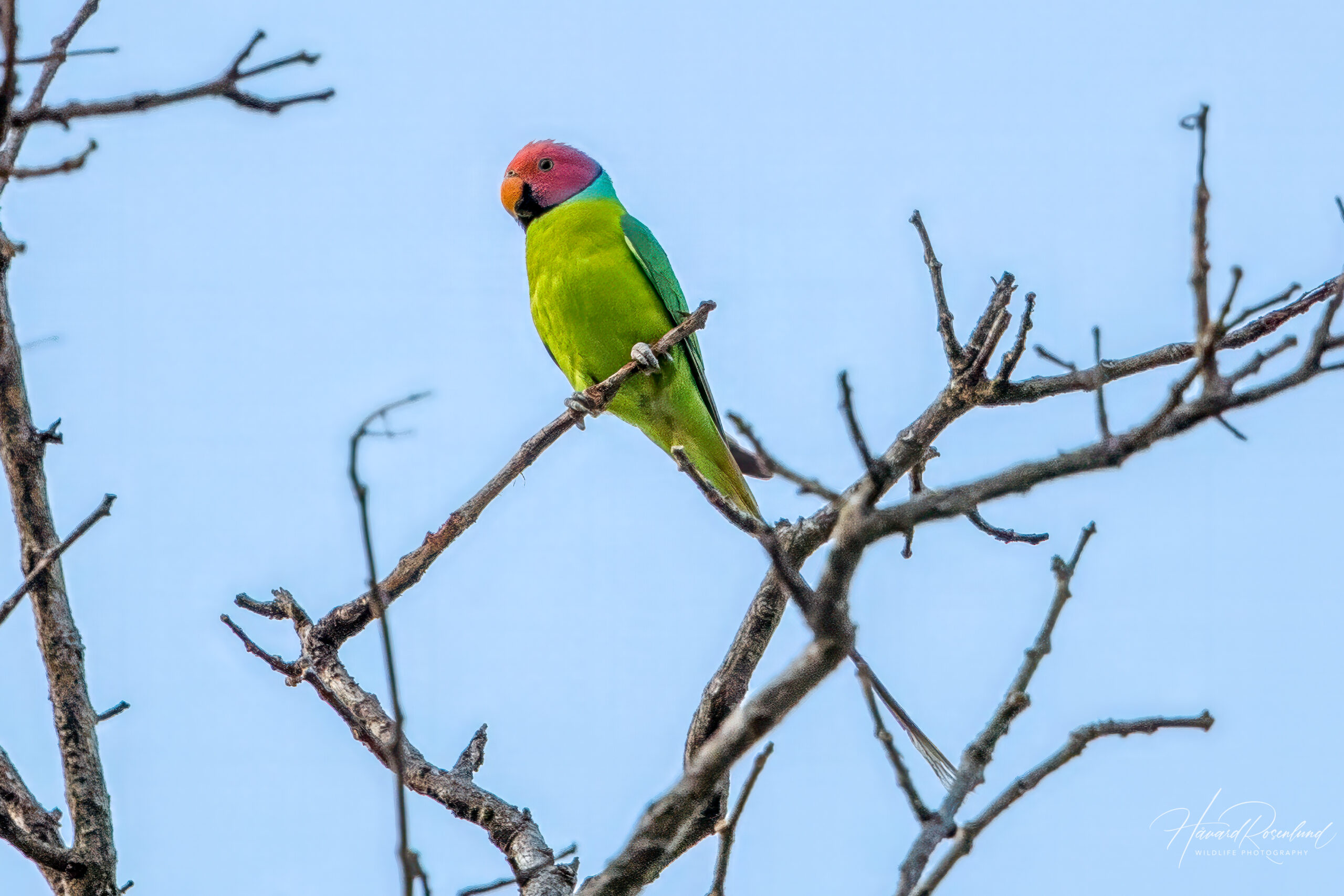
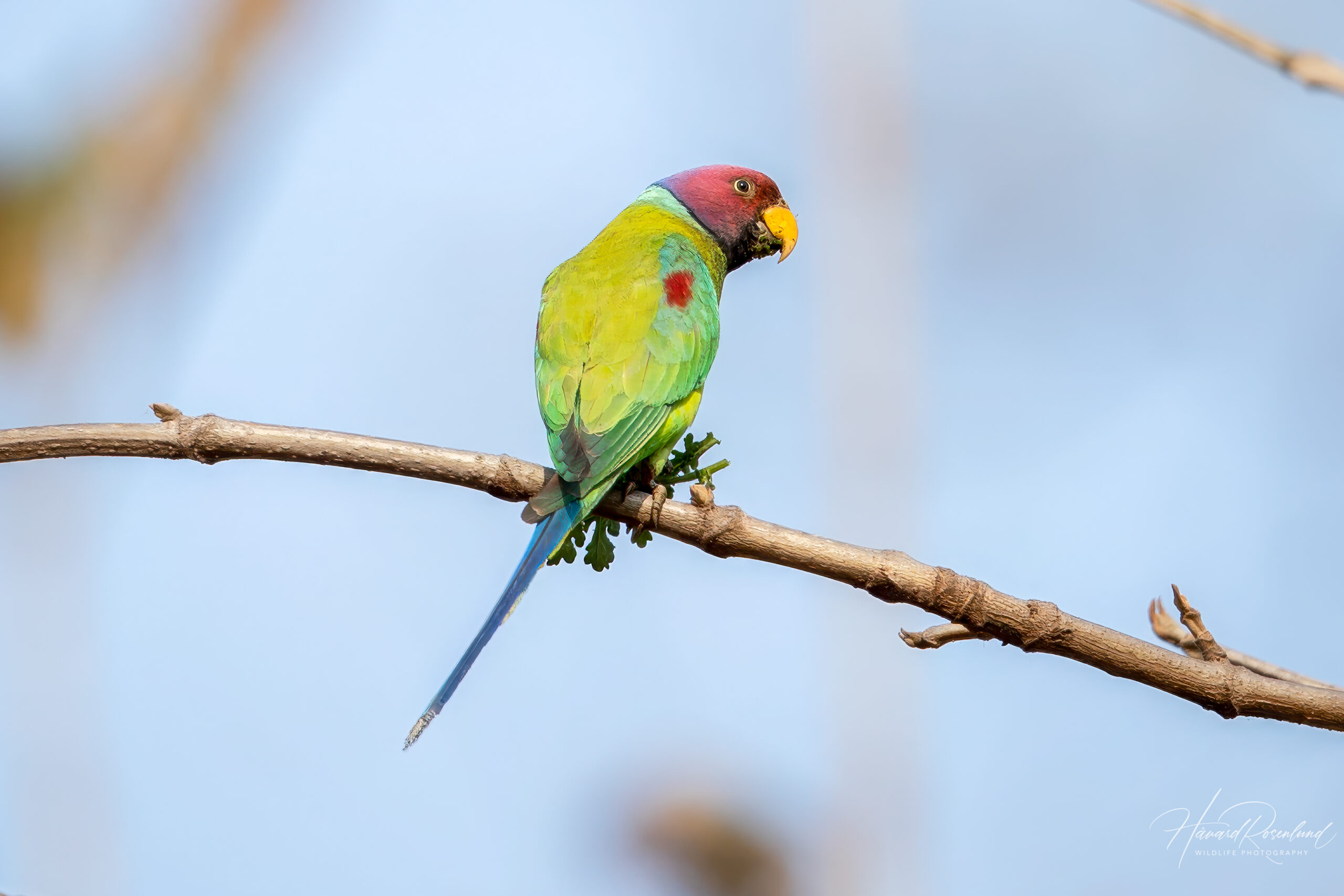
Plum-headed Parakeet
(Psittacula cyanocephala)
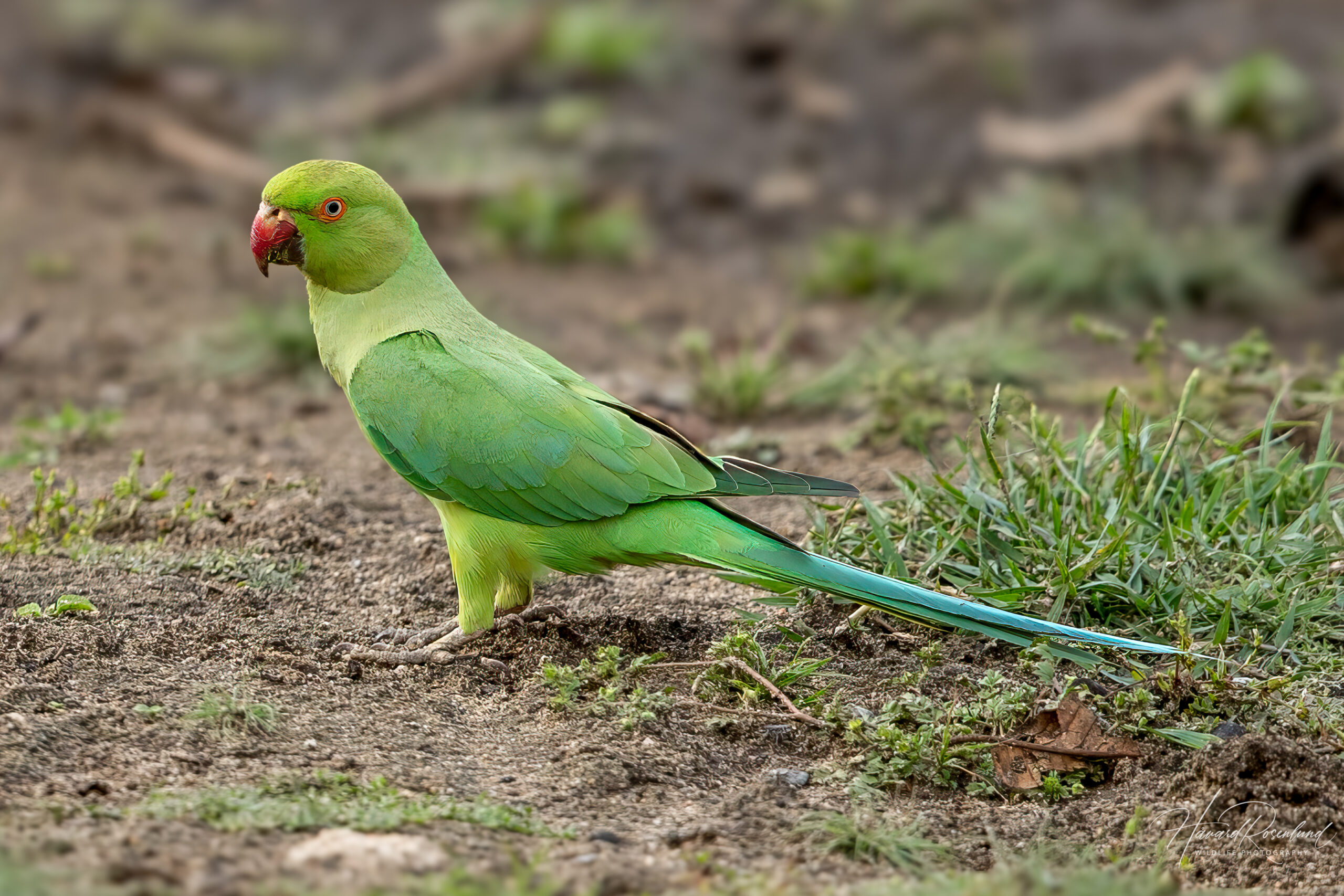
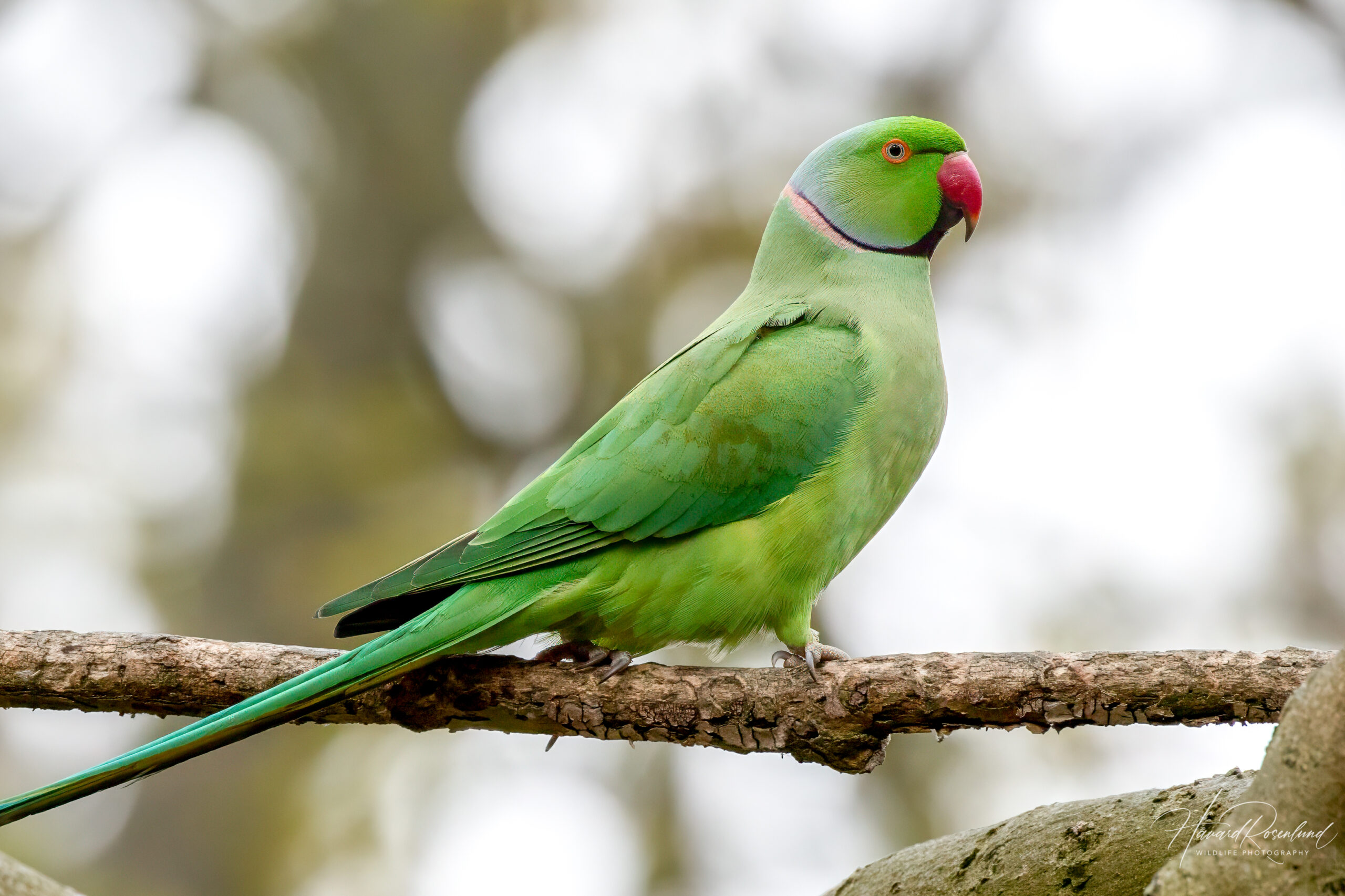
Rose-ringed Parakeet
(Psittacula krameri)
Pigeons & Doves
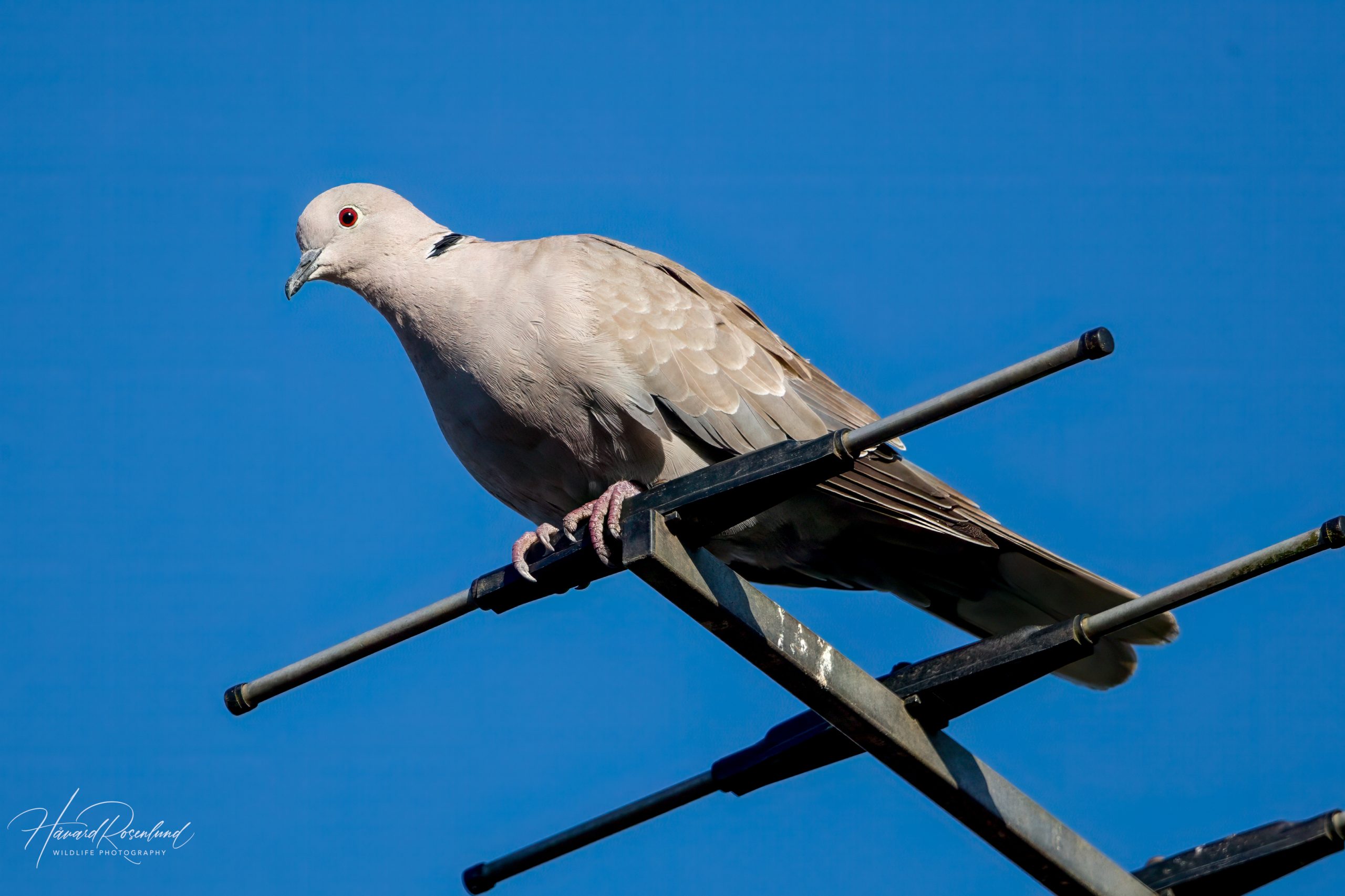
Eurasian Collared Dove
(Streptopelia decaocto)
Laughing Dove
(Spilopelia senegalensis)
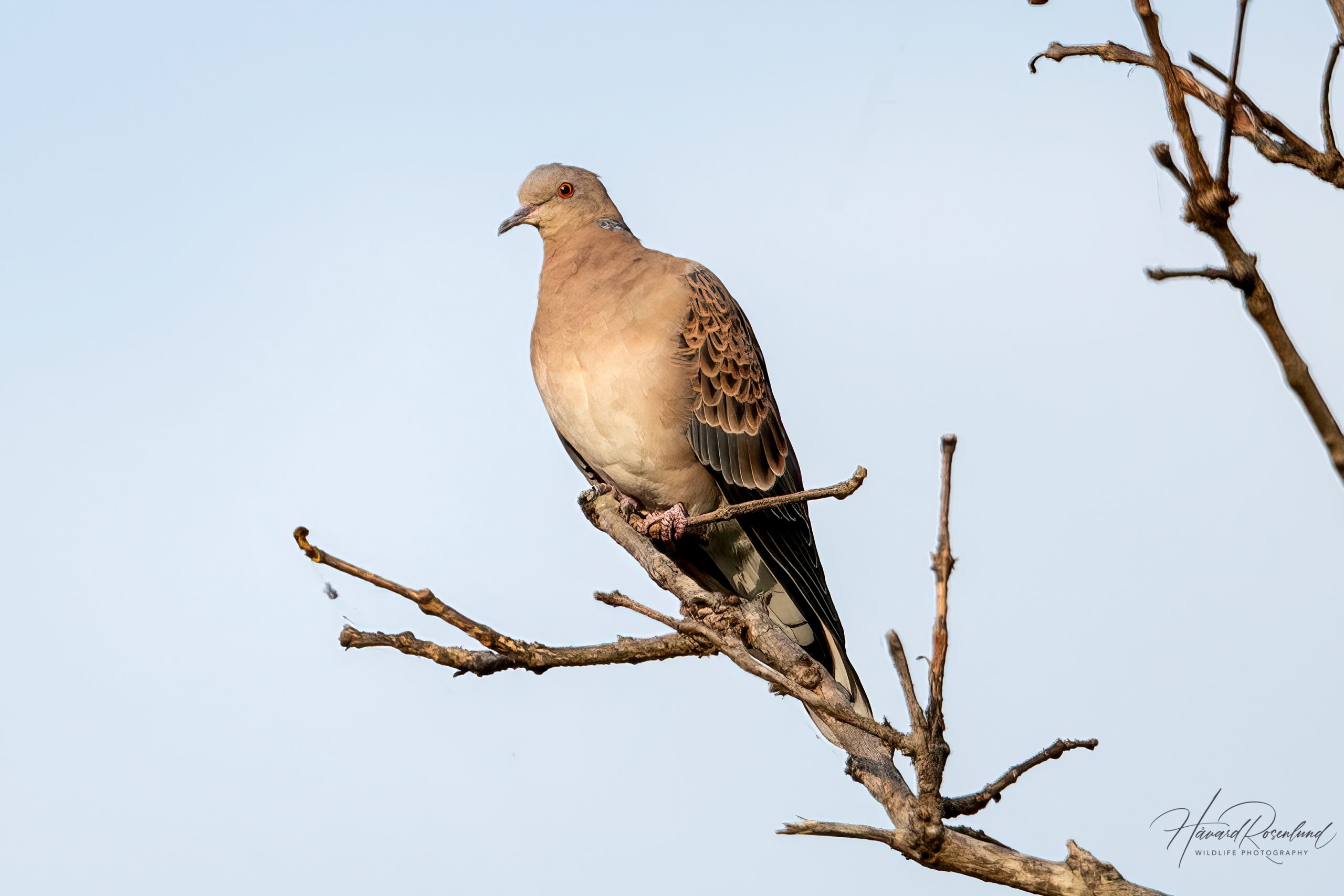
Oriental Turtle Dove
(Streptopelia orientalis)
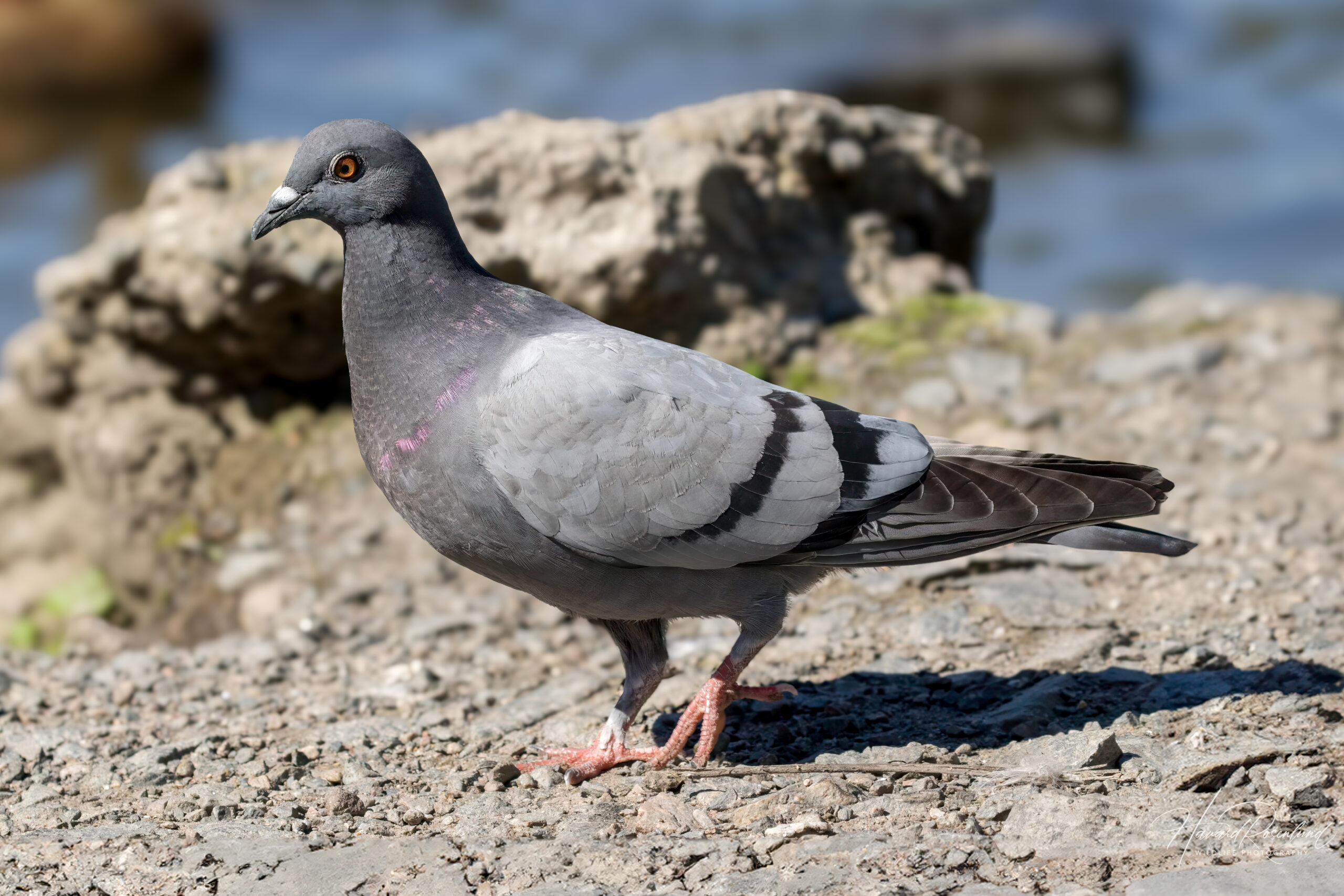
Rock Dove
(Columba livia)
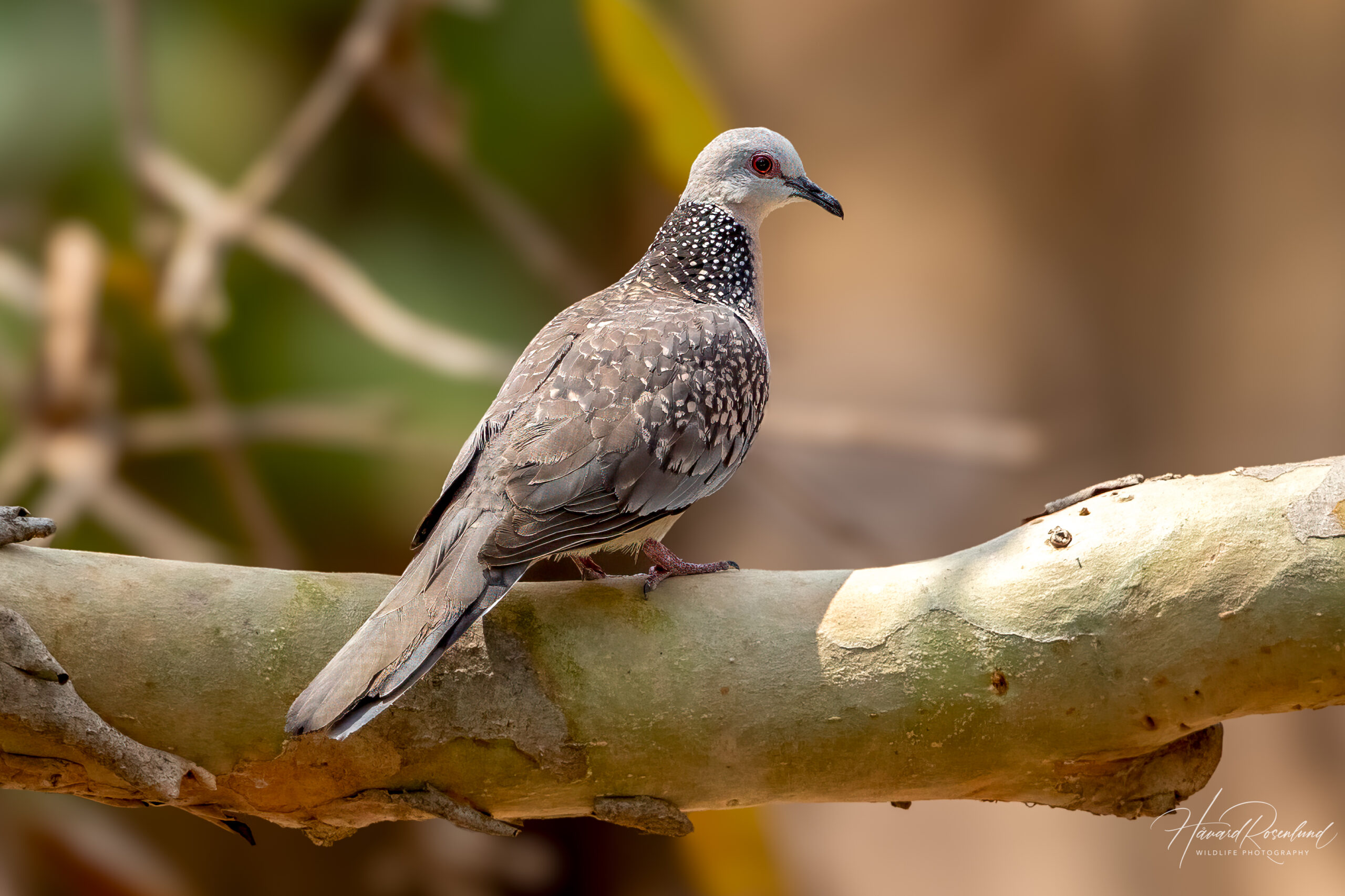
Spotted Dove
(Spilopelia chinensis)
Yellow-footed Green-Pigeon
(Treron phoenicopterus)
Storks
Asian Openbill
(Anastomus oscitans)
Asian Woolly-necked Stork
(Ciconia episcopus)
Lesser Adjutant
(Leptoptilos javanicus)
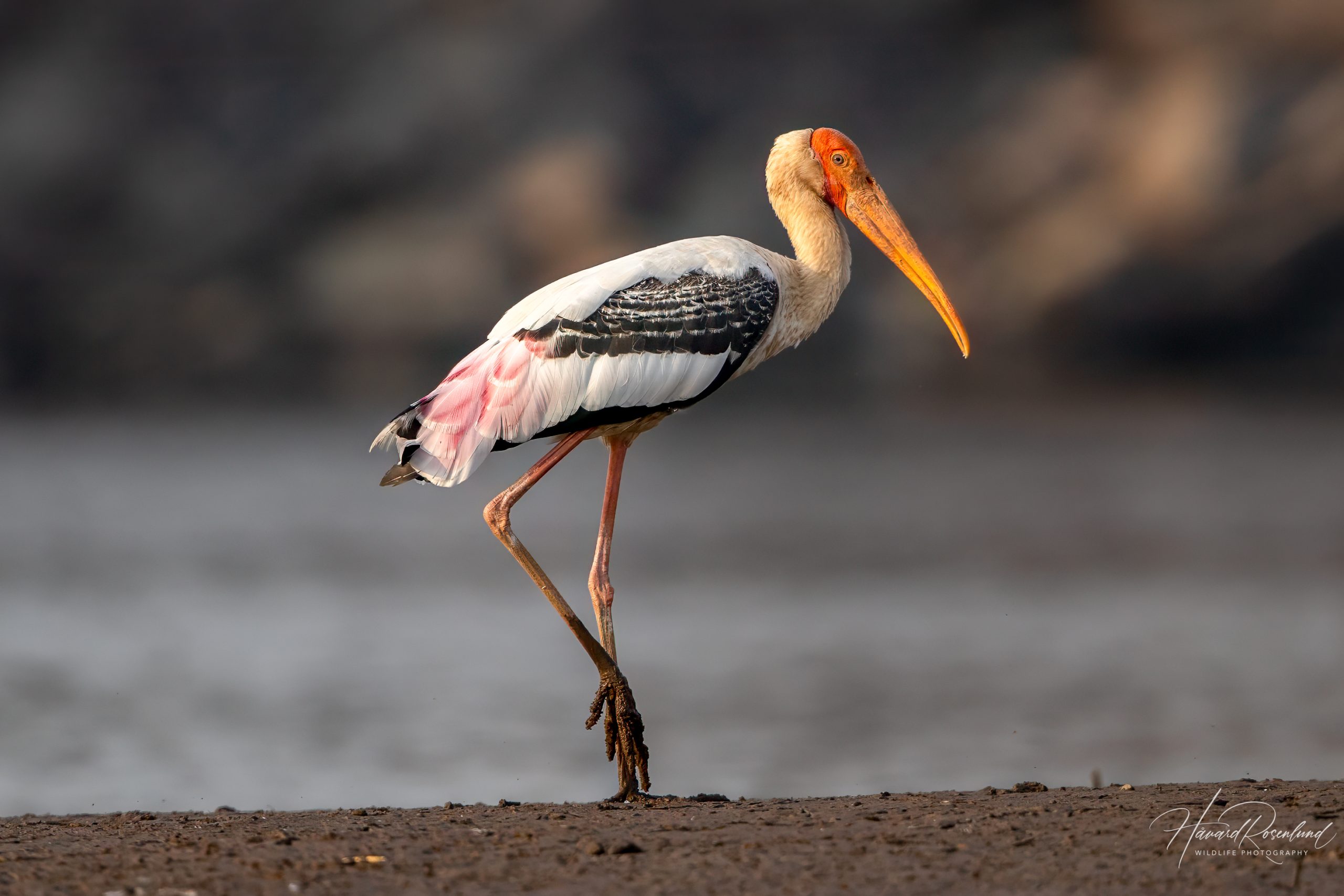
Painted Stork
(Mycteria leucocephala)
Swifts & Treeswifts
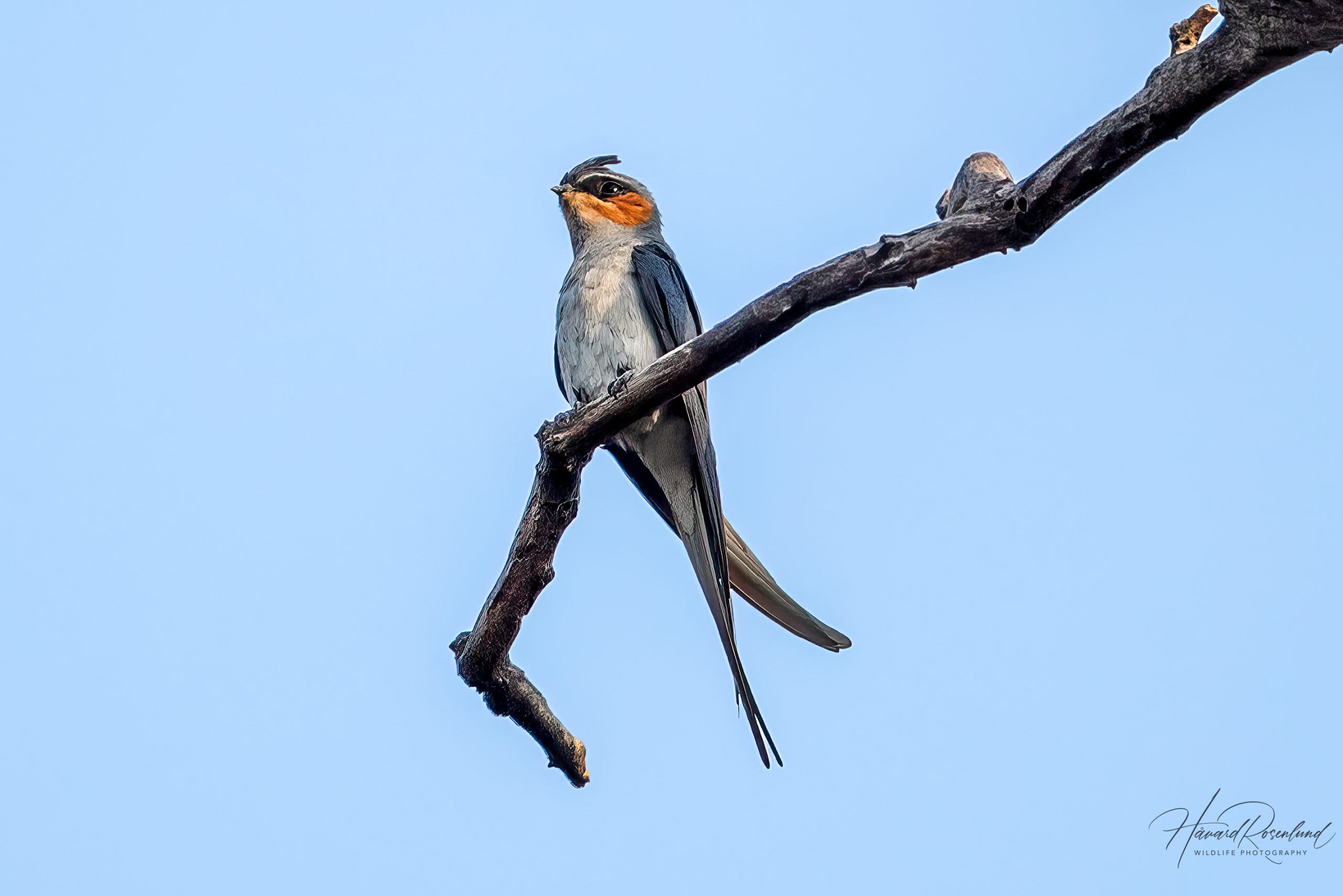
Crested Treeswift
(Hemiprocne coronata)
Waders & Shorebirds
Black-winged Stilt
(Himantopus himantopus)
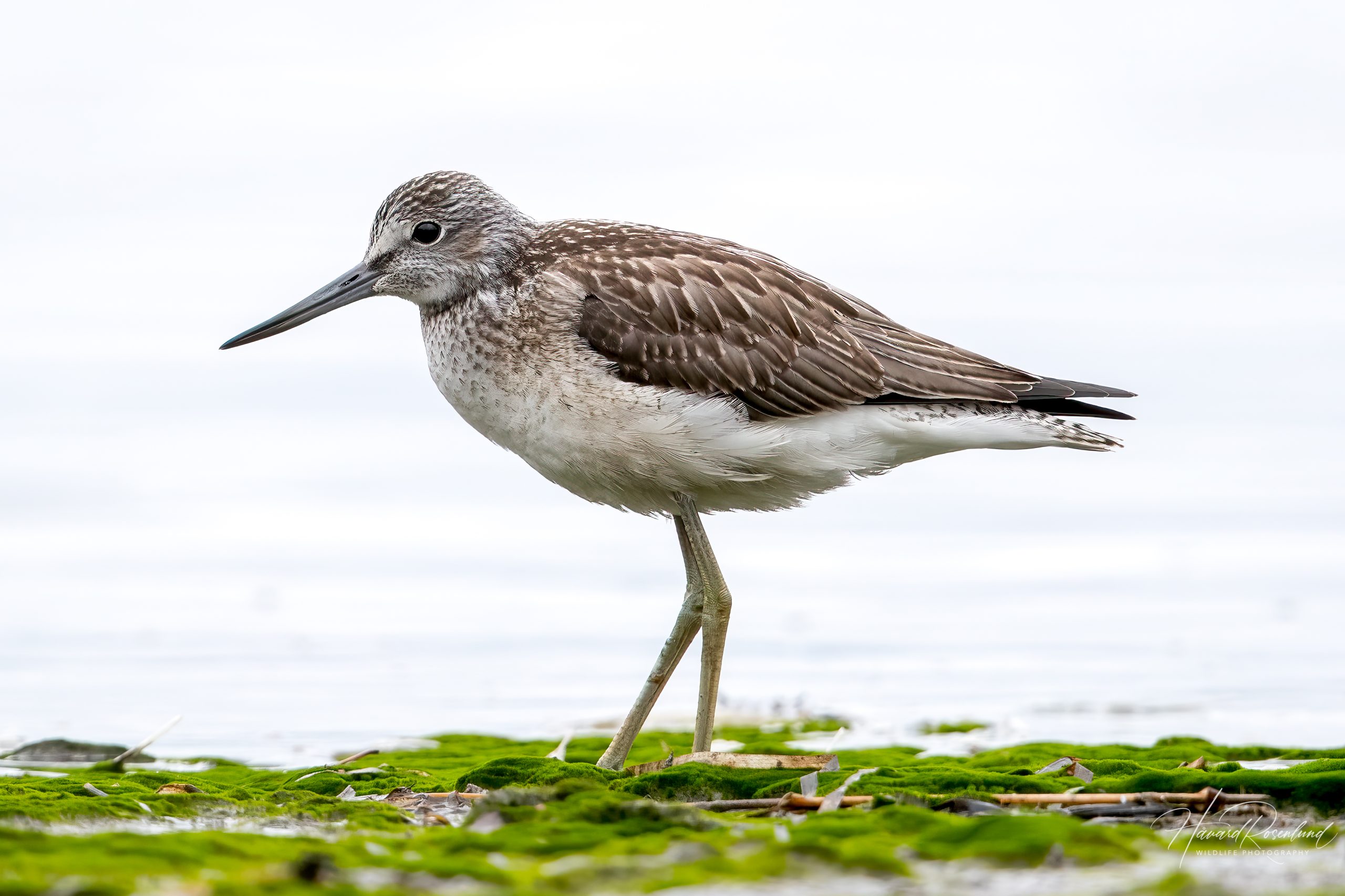
Common Greenshank
(Tringa nebularia)
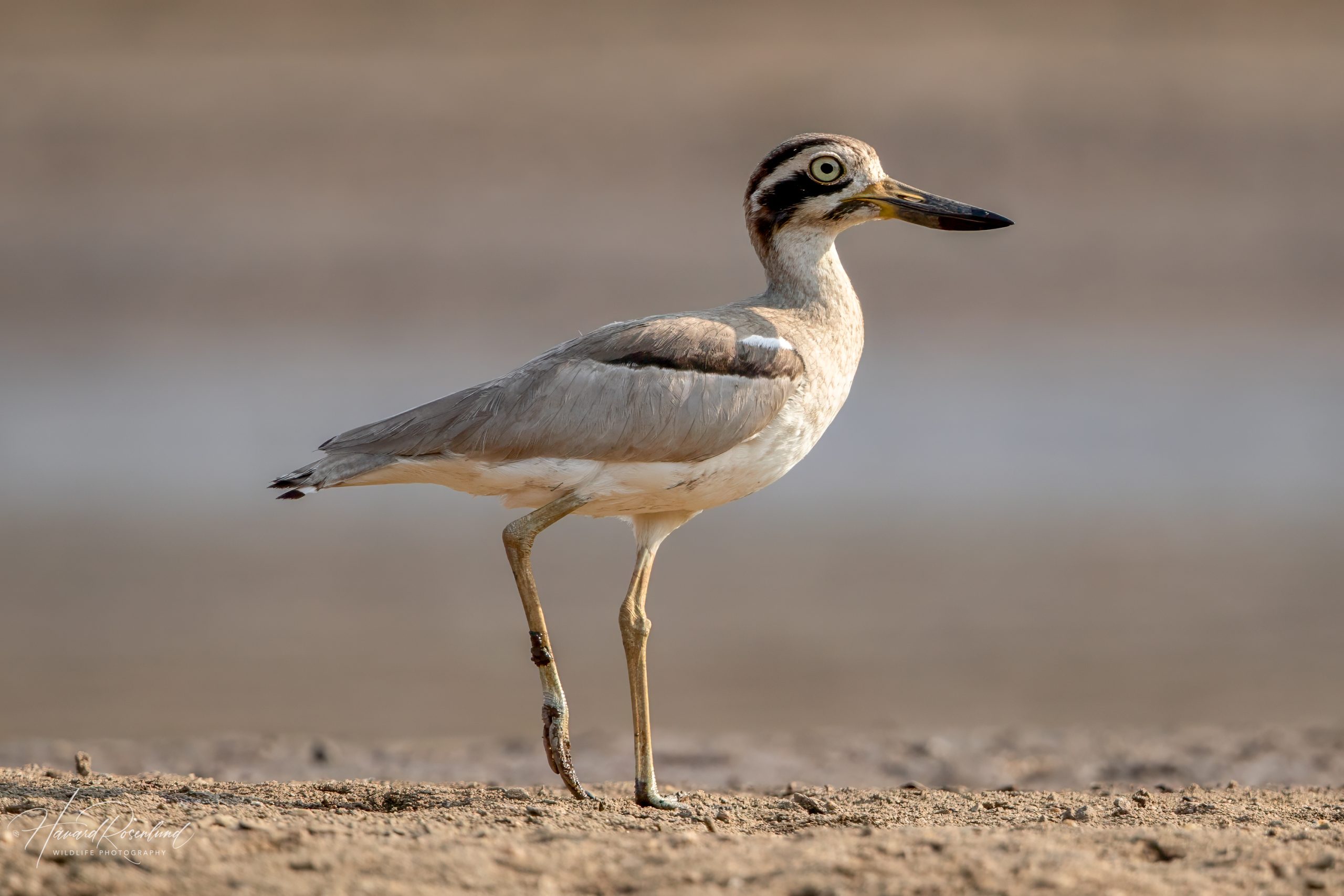
Great Thick-knee
(Esacus recurvirostris)
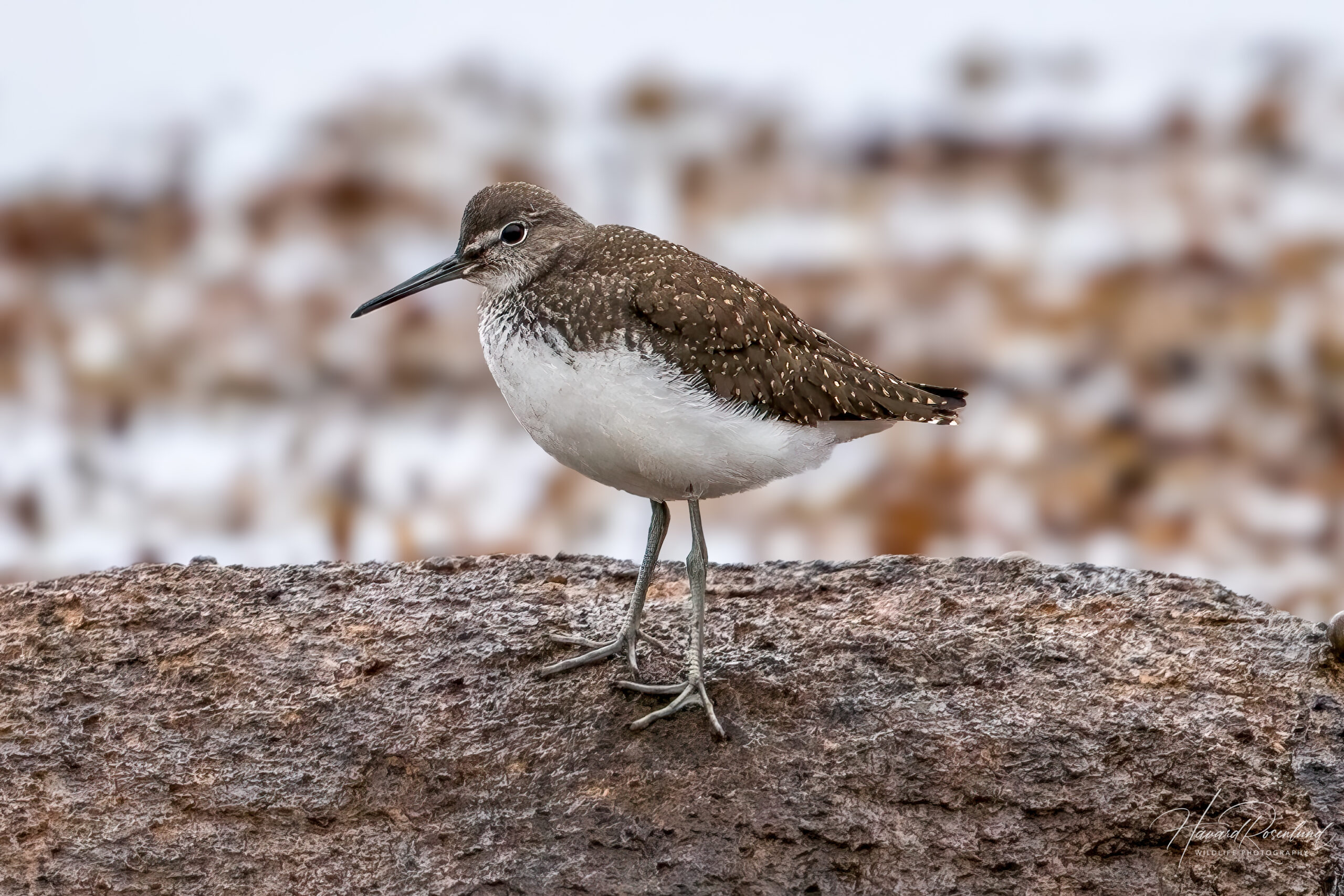
Green Sandpiper
(Tringa ochropus)
Indian Thick-knee
(Burhinus indicus)
Kentish Plover
(Anarhynchus alexandrinus)
Little Ringed Plover
(Charadrius dubius)
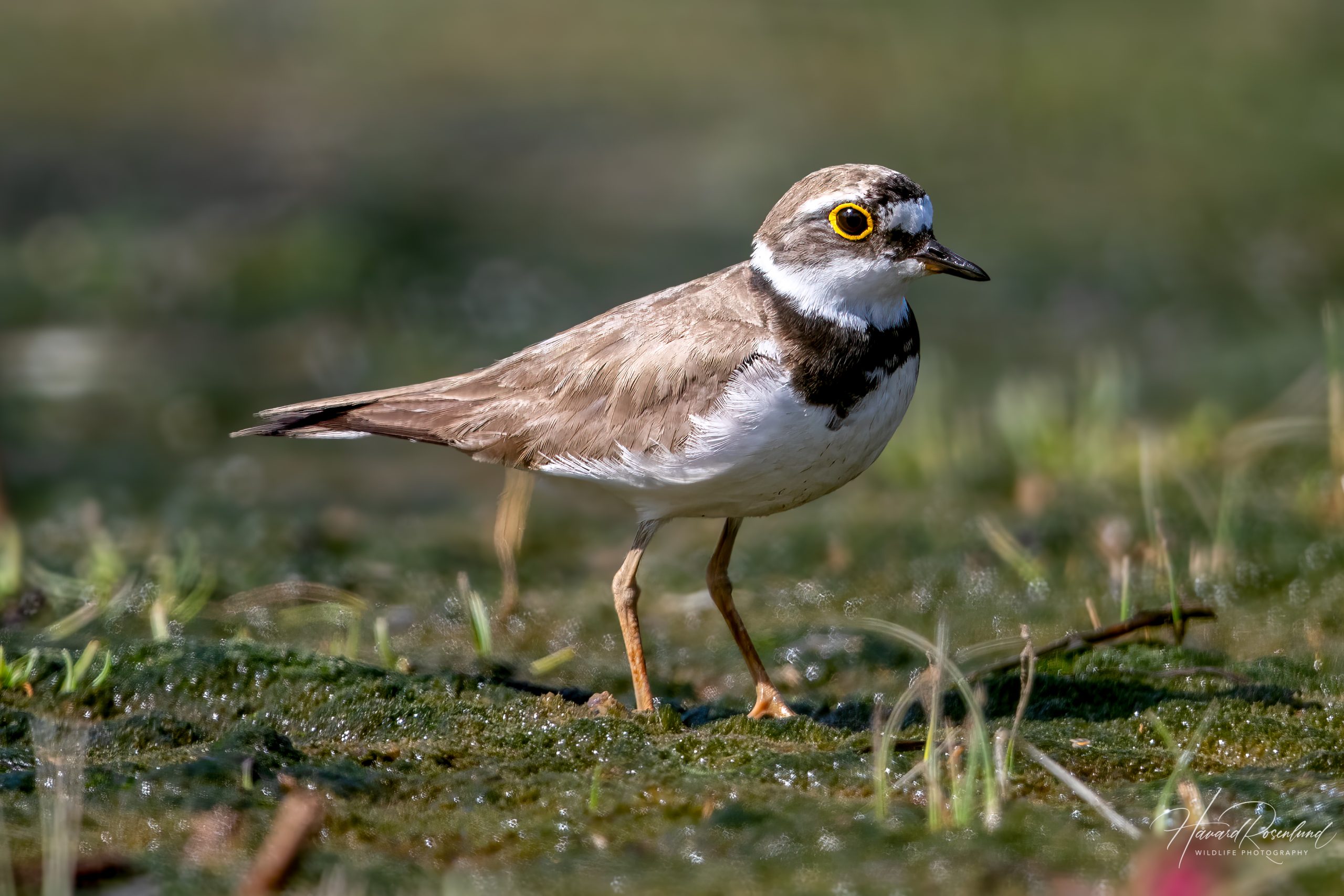
Little Stint
(Calidris minuta)
Red-wattled Lapwing
(Vanellus indicus)
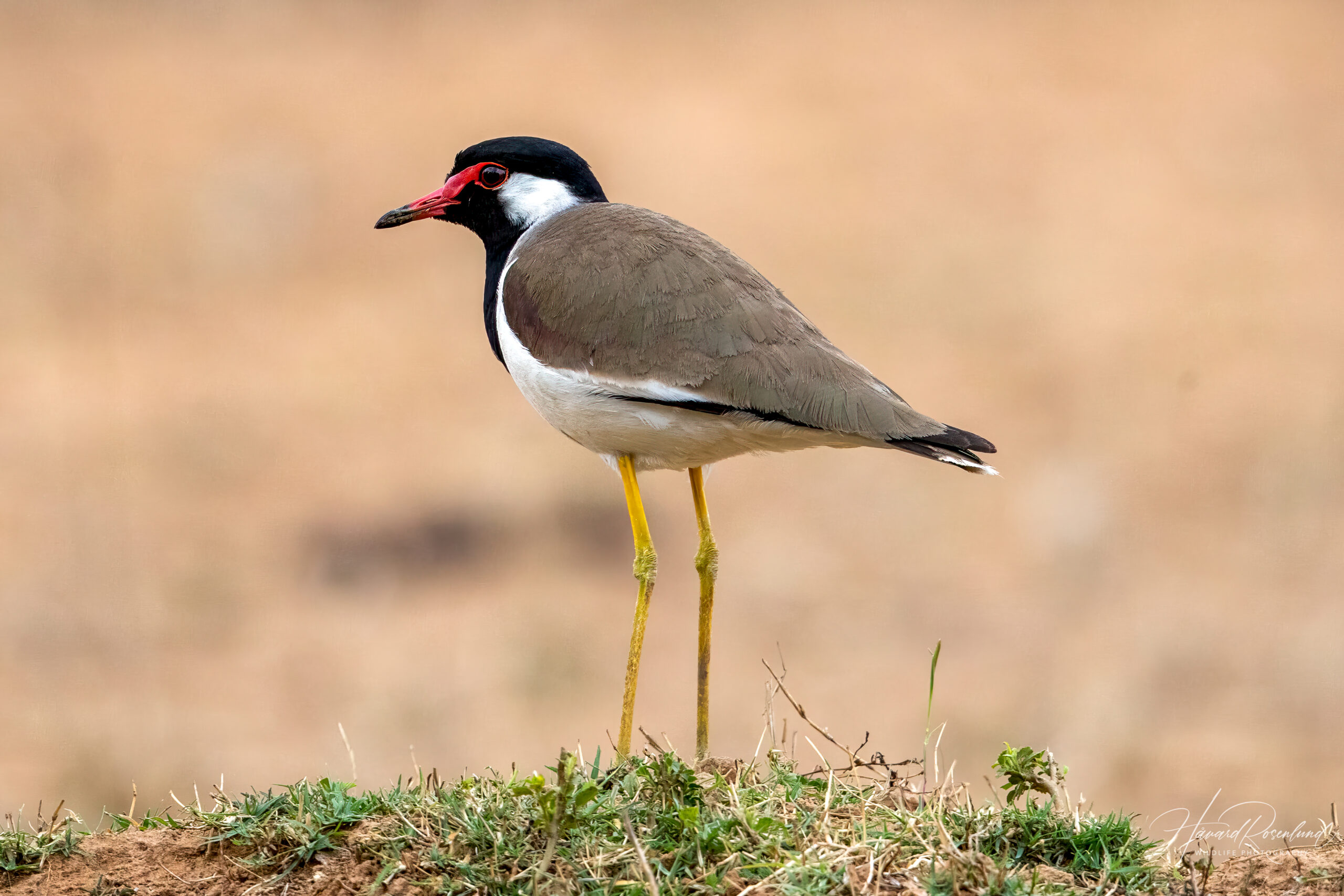
River Lapwing
(Vanellus duvaucelii)
Temminck's Stint
(Calidris temminckii)
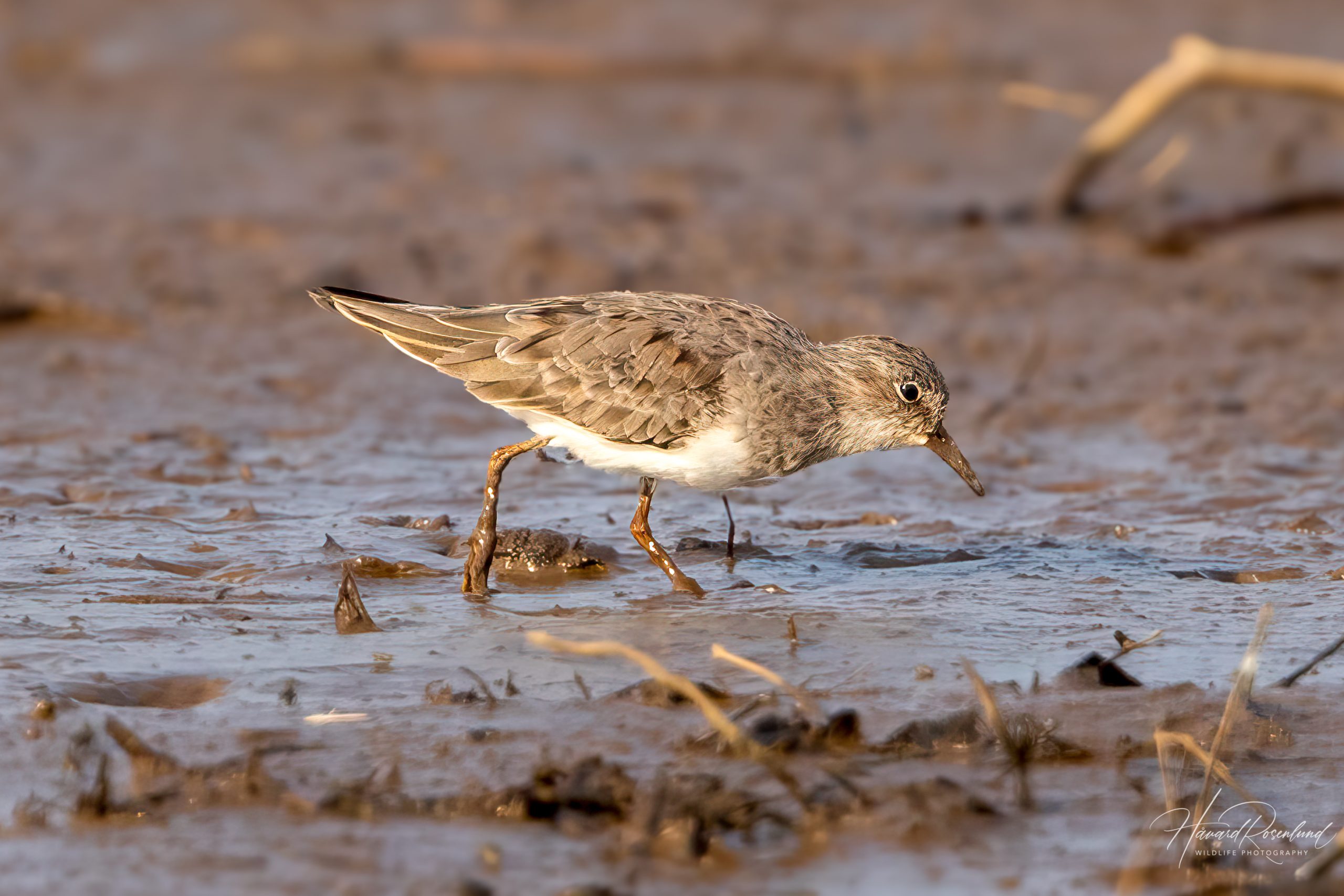
Wood Sandpiper
(Tringa glareola)
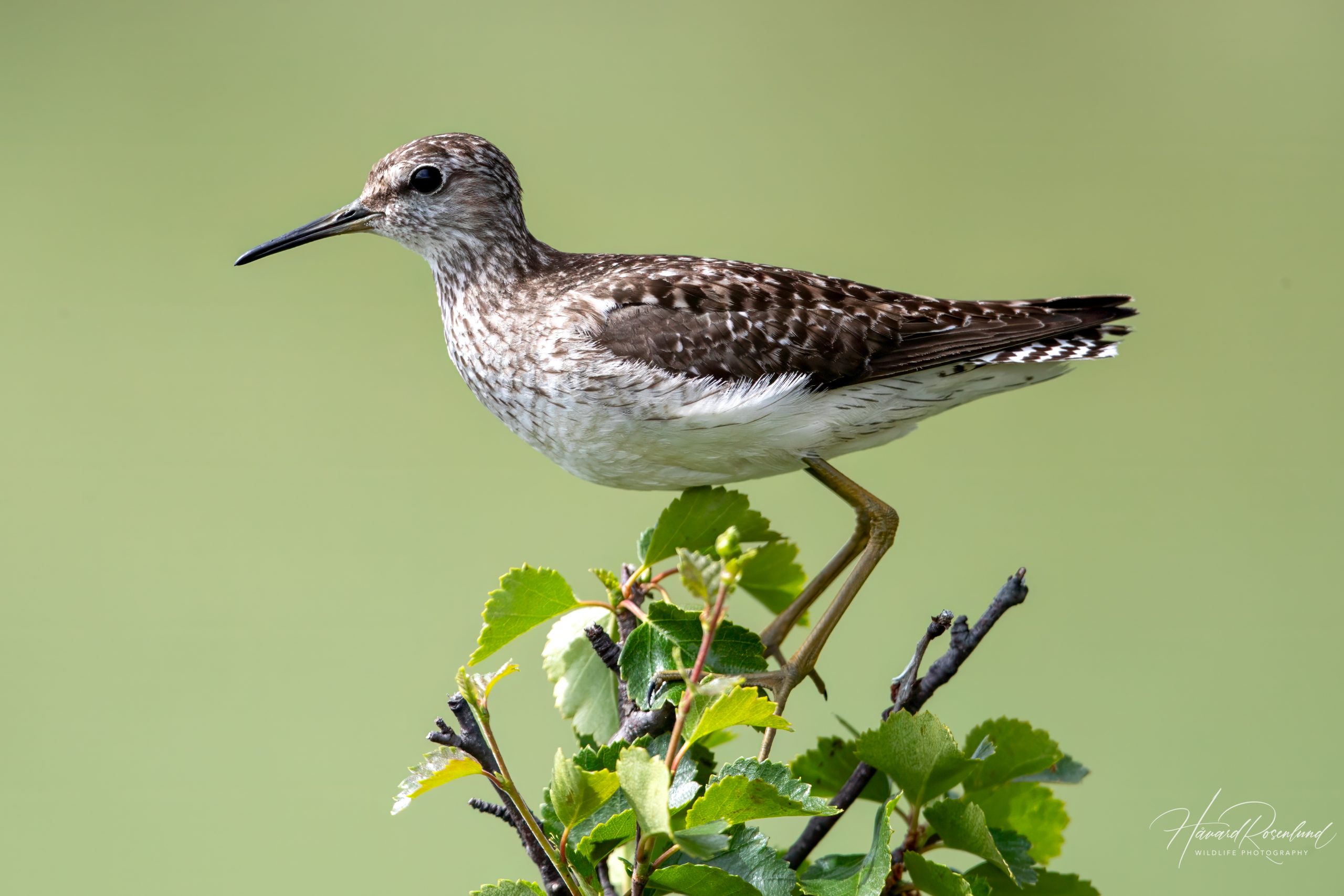
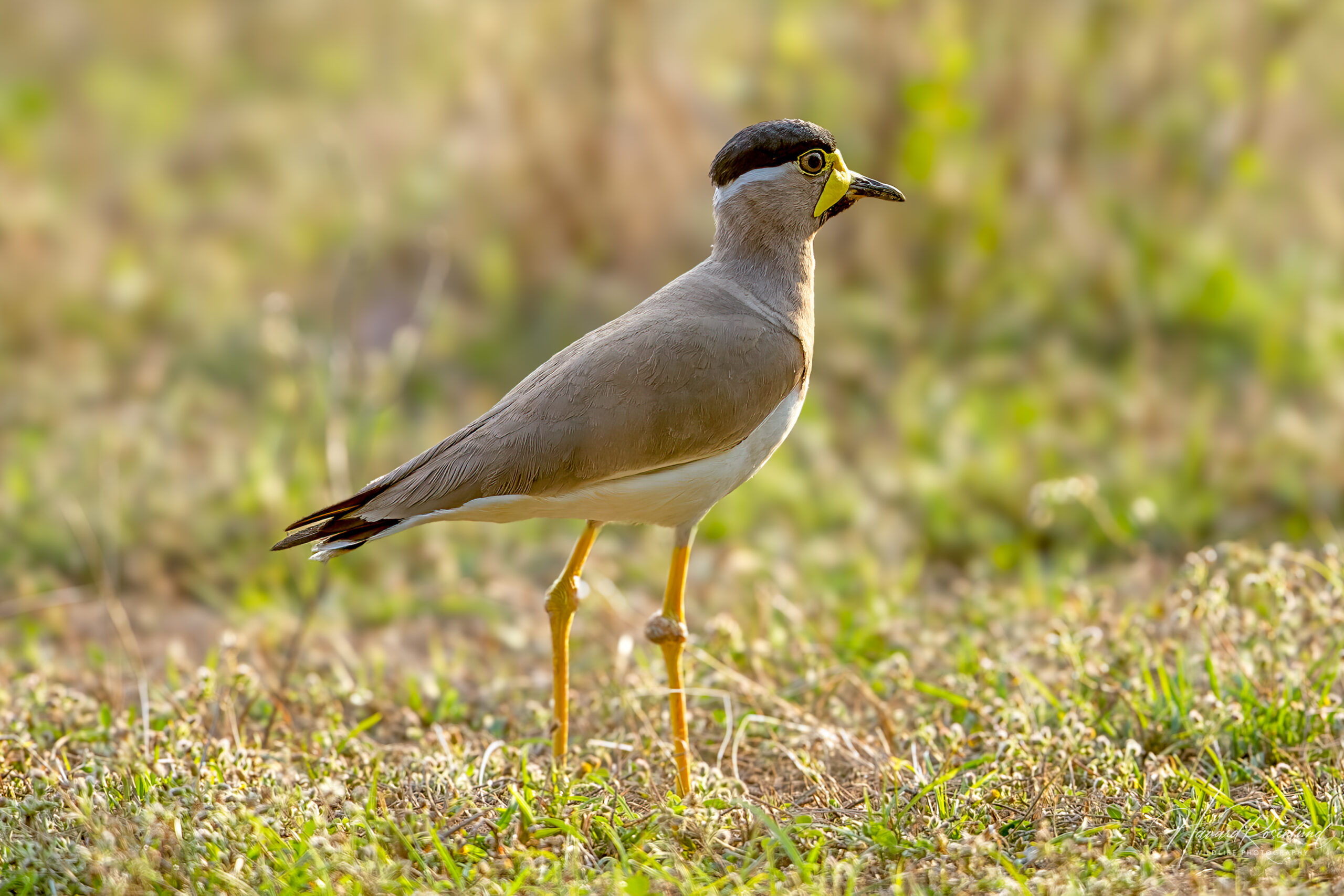
Yellow-wattled Lapwing
(Vanellus malabaricus)
Waterfowl
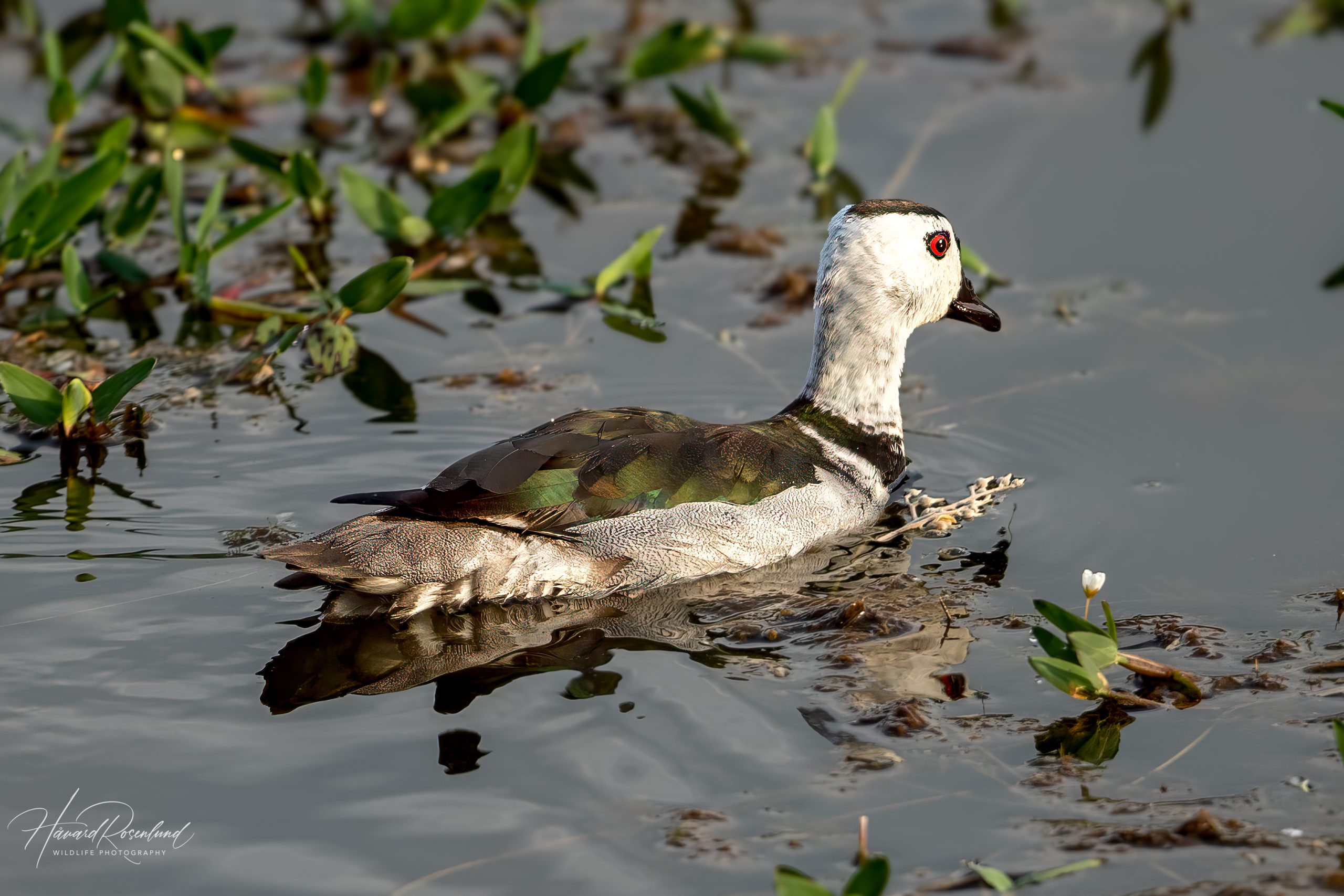
Cotton Pygmy-Goose
(Nettapus coromandelianus)
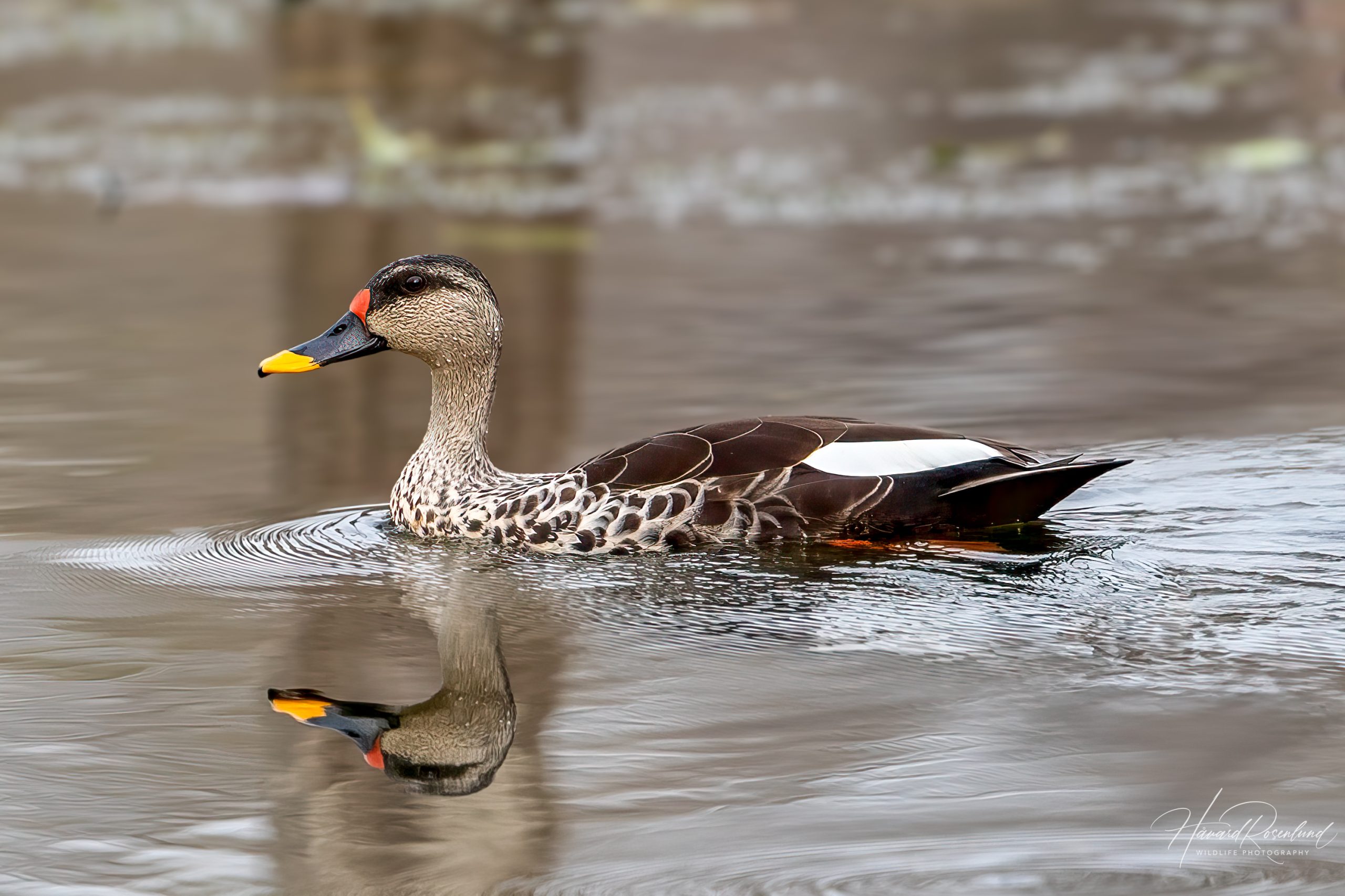
Indian Spot-billed Duck
(Anas poecilorhyncha)
Knob-billed Duck
(Sarkidiornis melanotos)
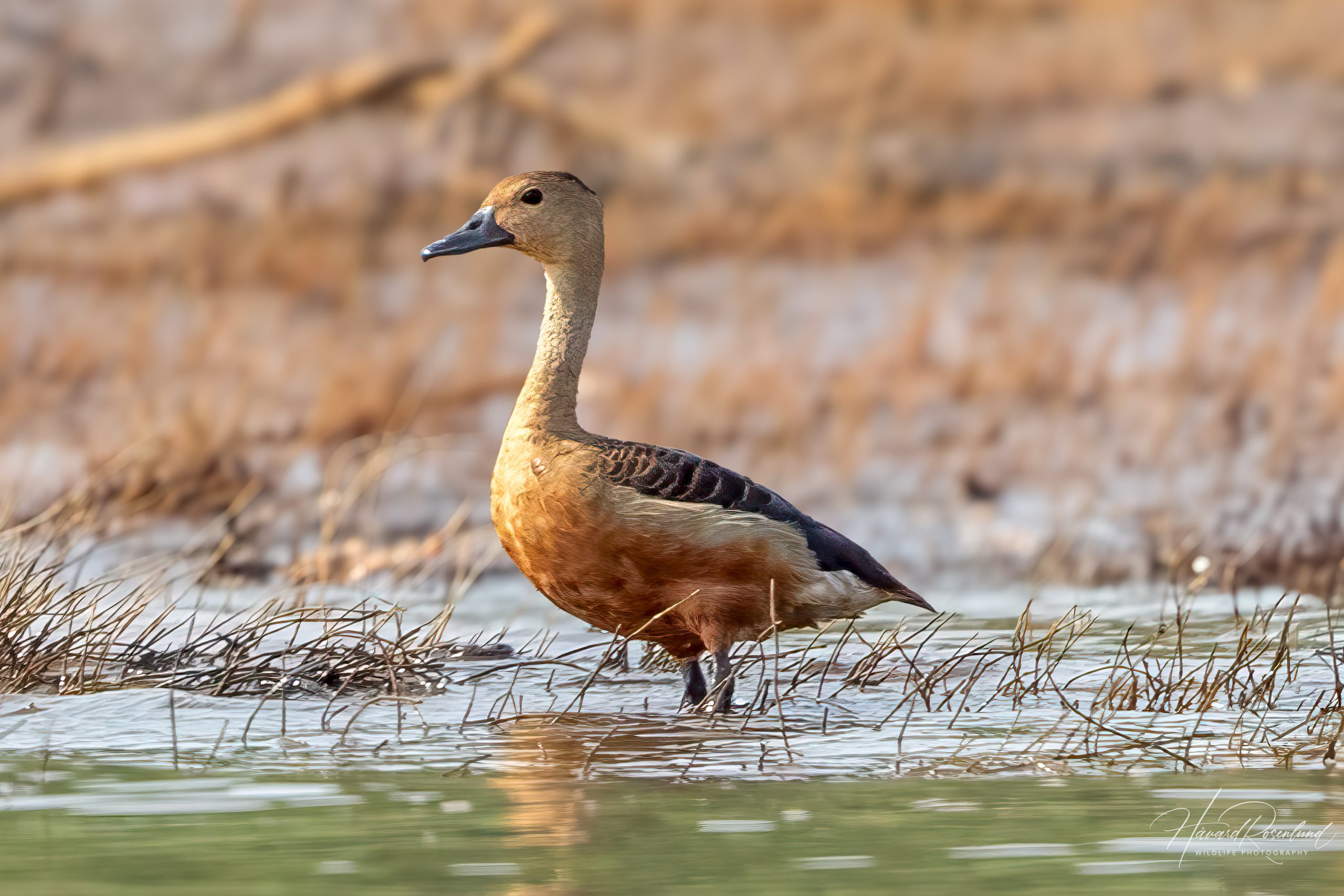
Lesser Whistling-Duck
(Dendrocygna javanica)
Woodpeckers
Black-rumped Flameback
(Dinopium benghalense)
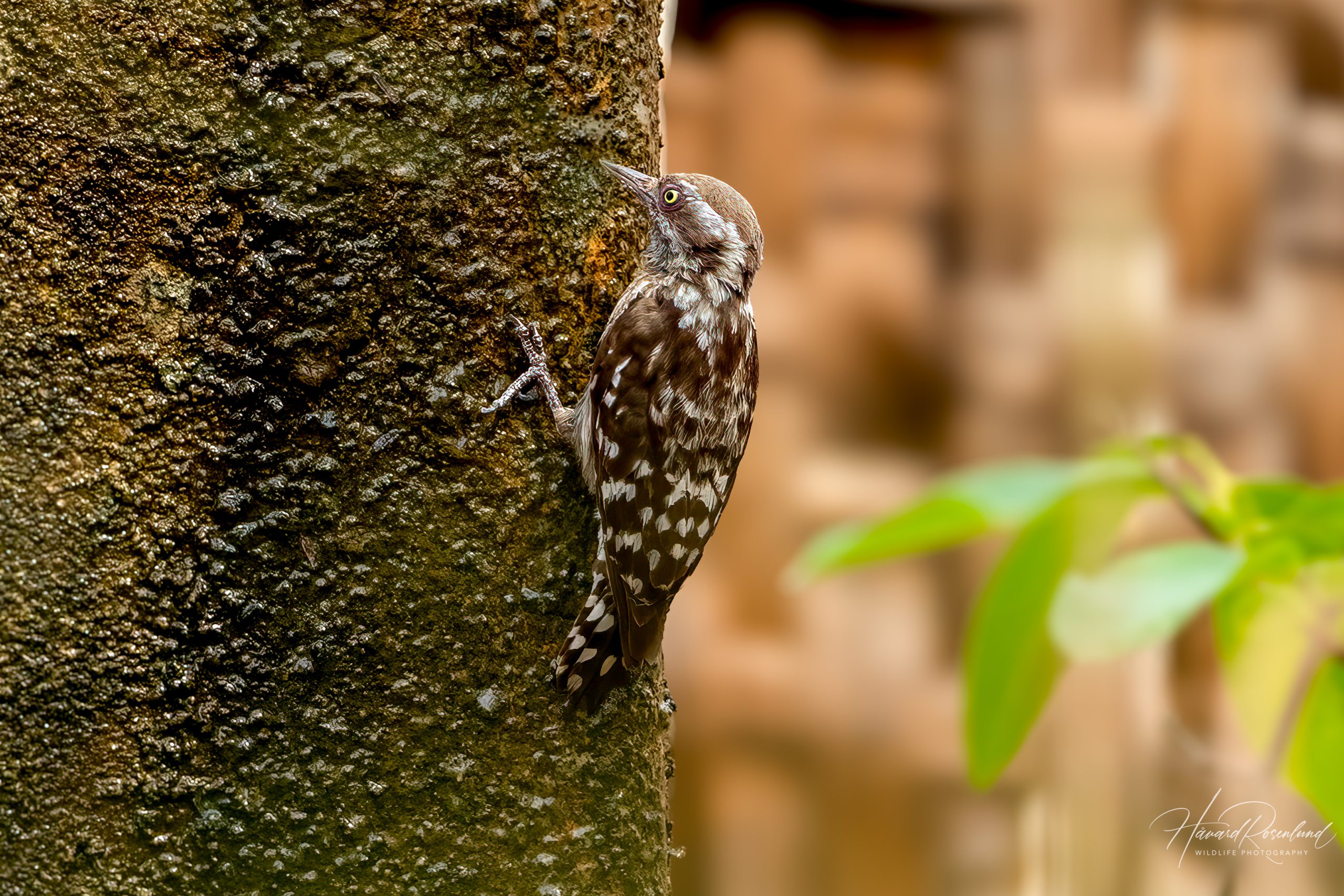
Brown-capped Pygmy Woodpecker
(Yungipicus nanus)
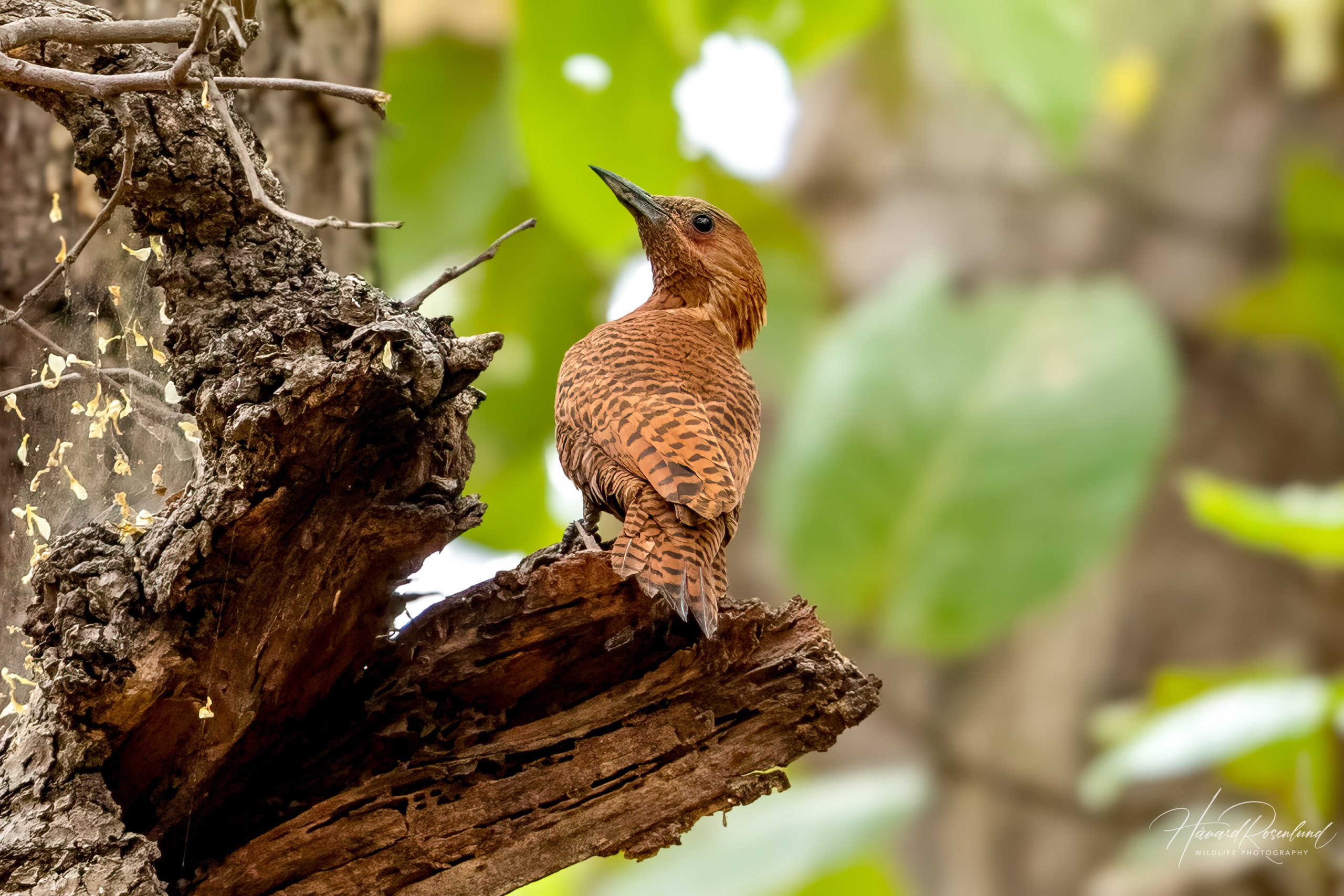
Rufous Woodpecker
(Micropternus brachyurus)
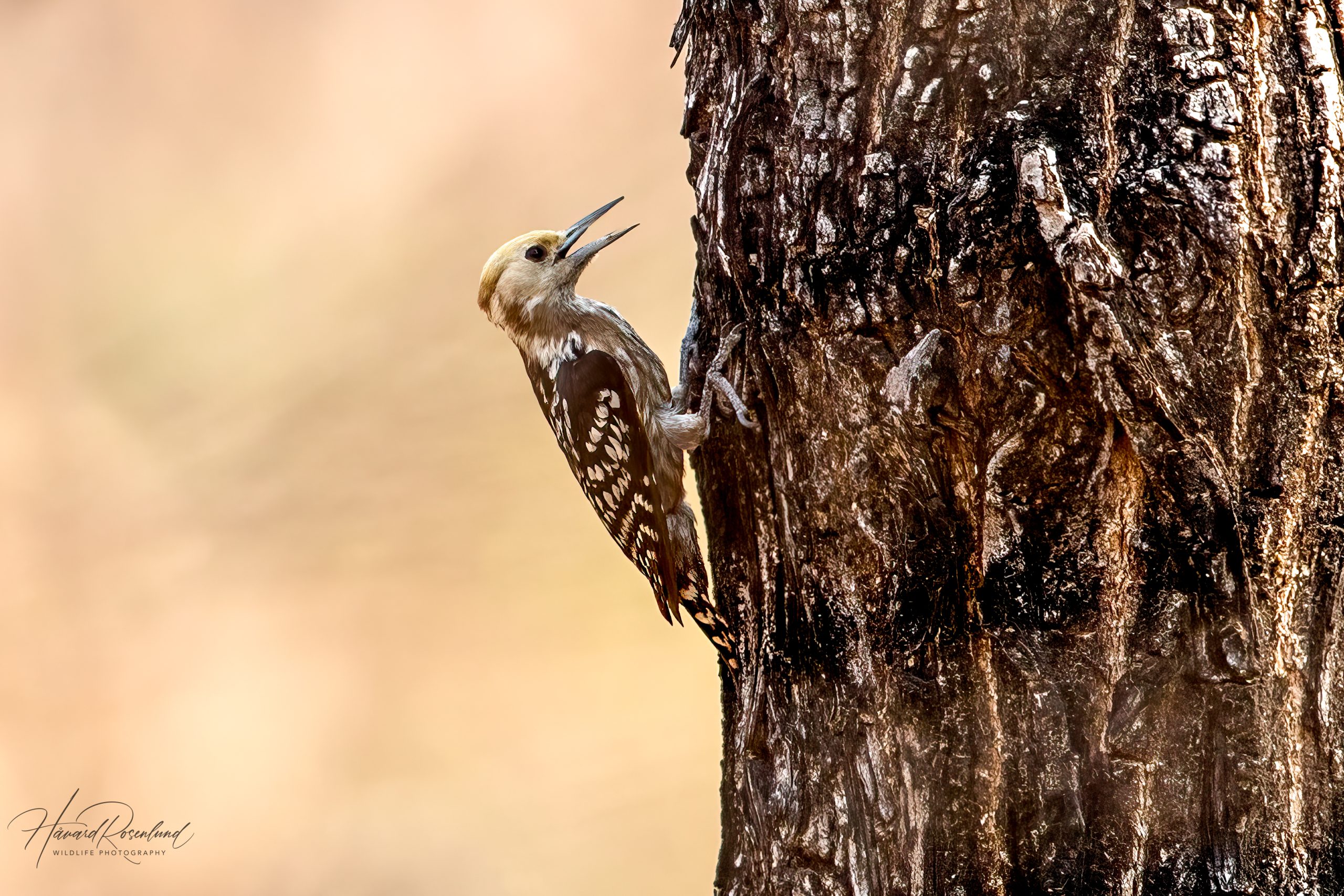
Yellow-crowned Woodpecker
(Leiopicus mahrattensis)
Birds: Passerines
Corvids
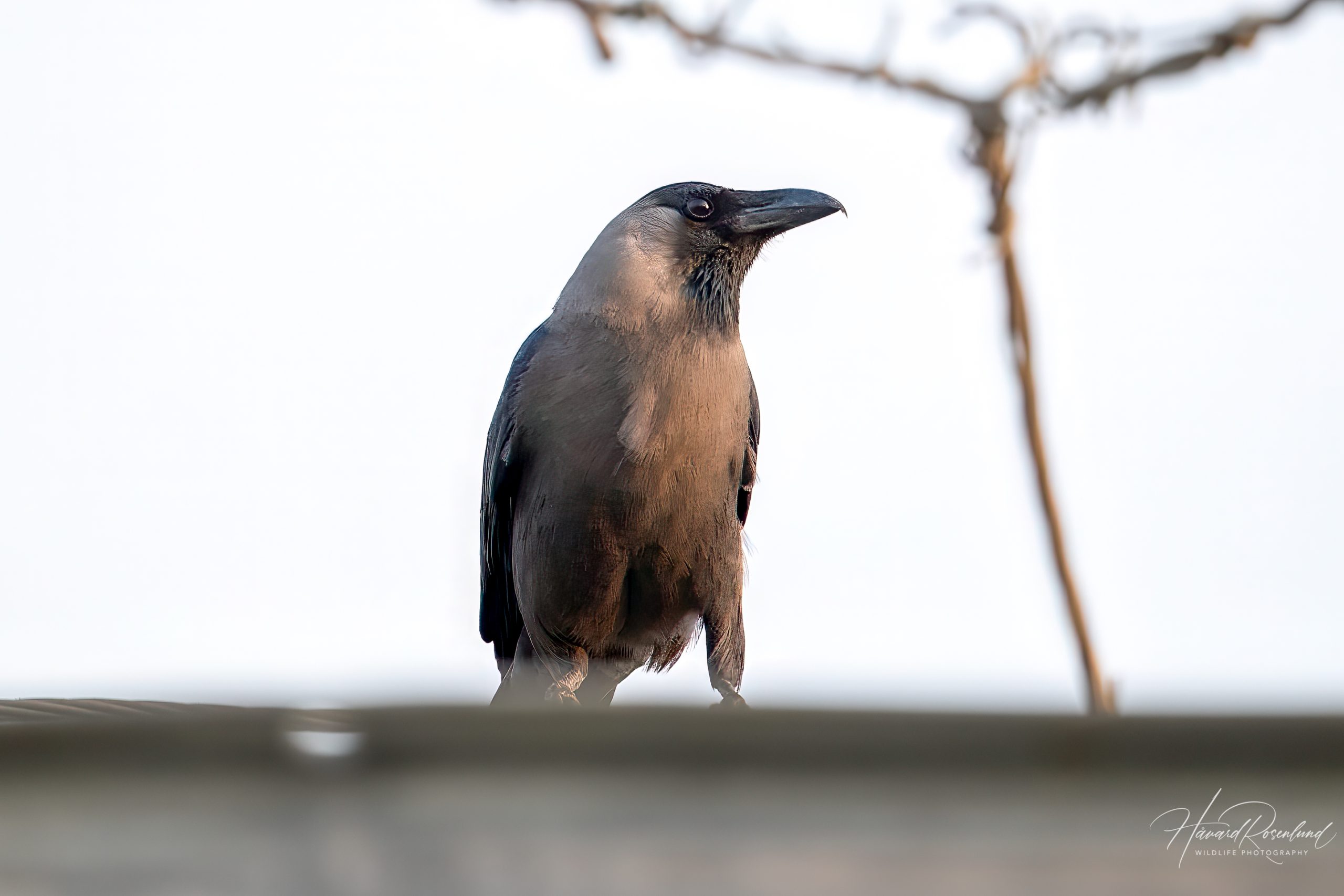
House Crow
(Corvus splendens)
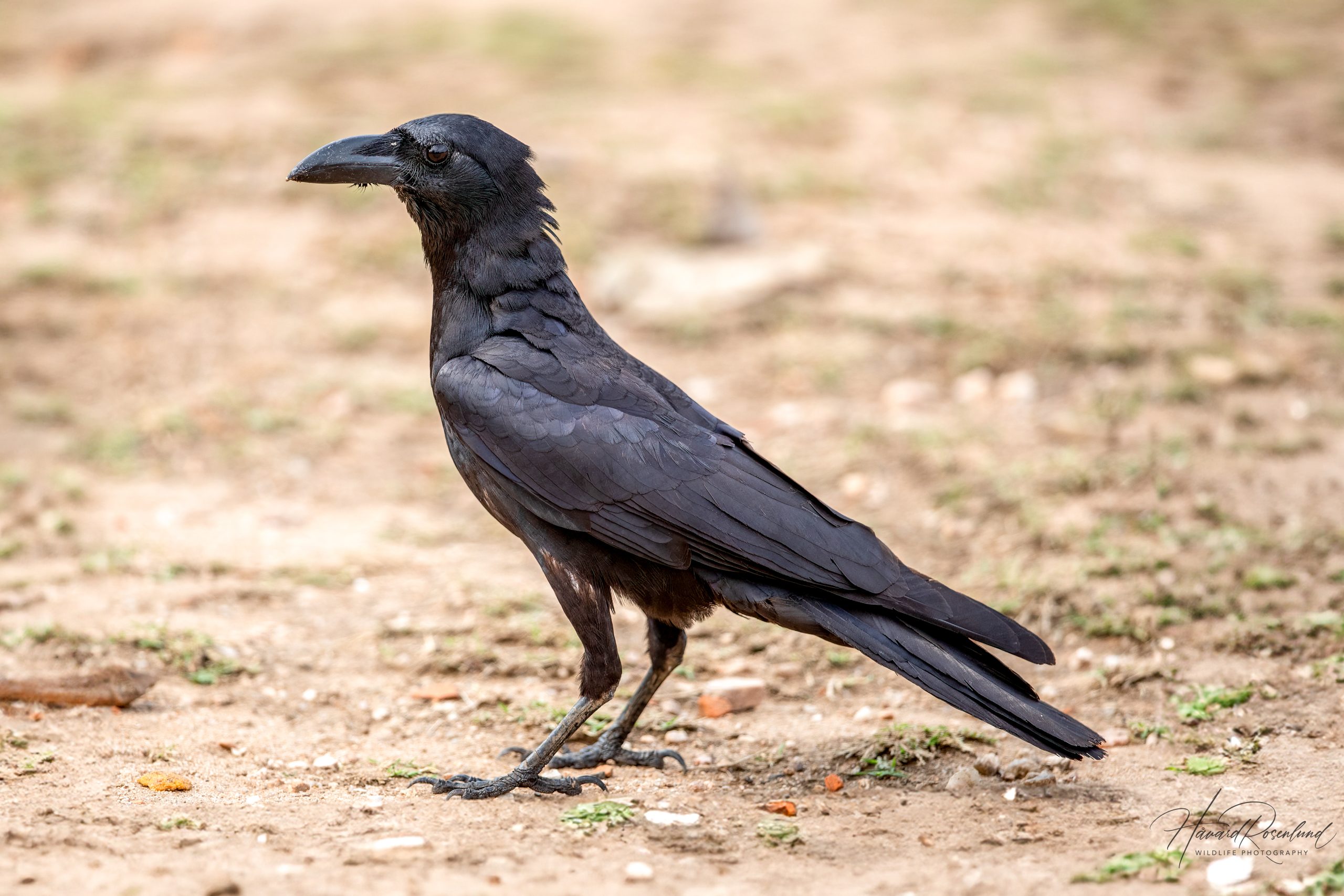
Large-billed Crow
(Corvus macrorhynchos)
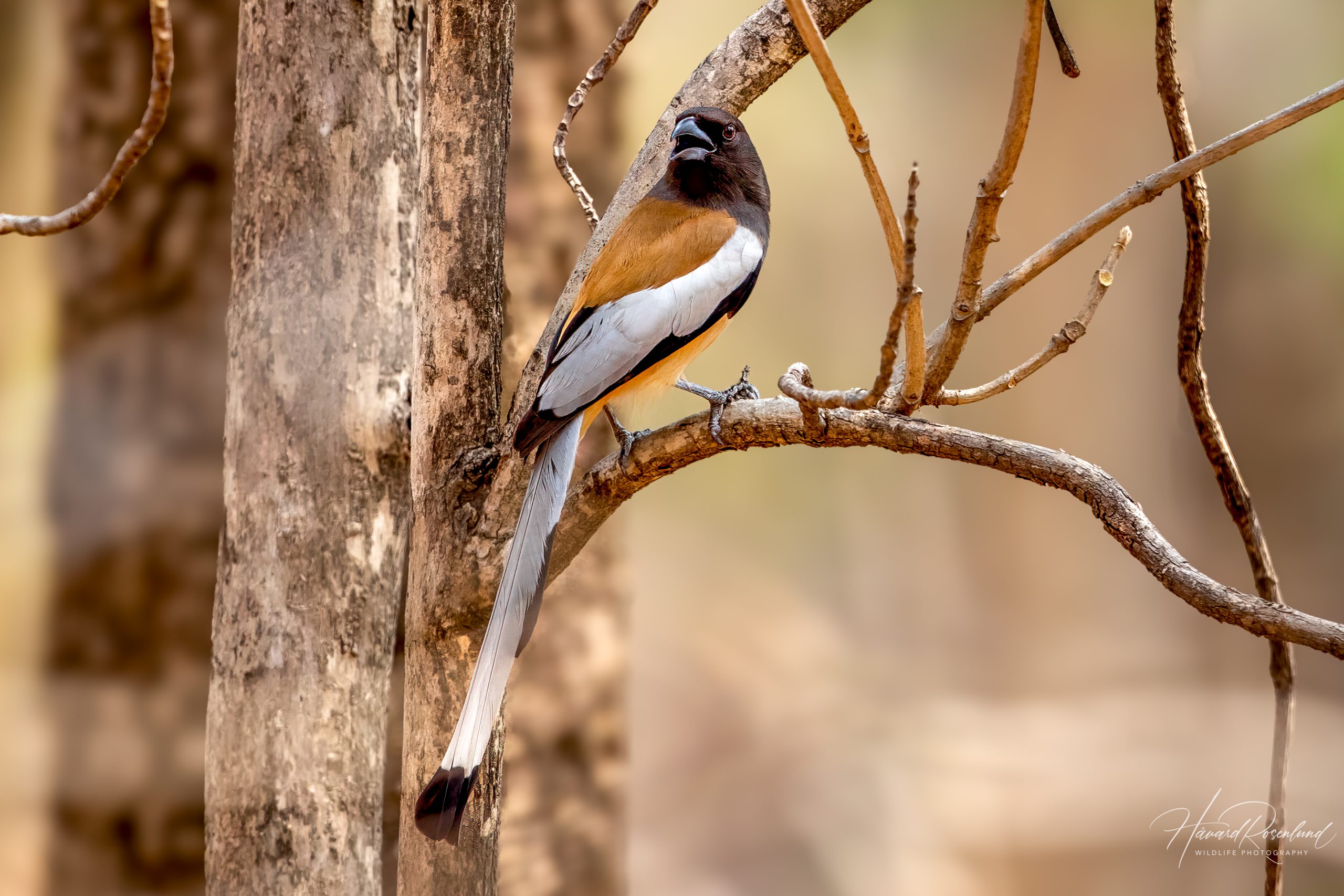
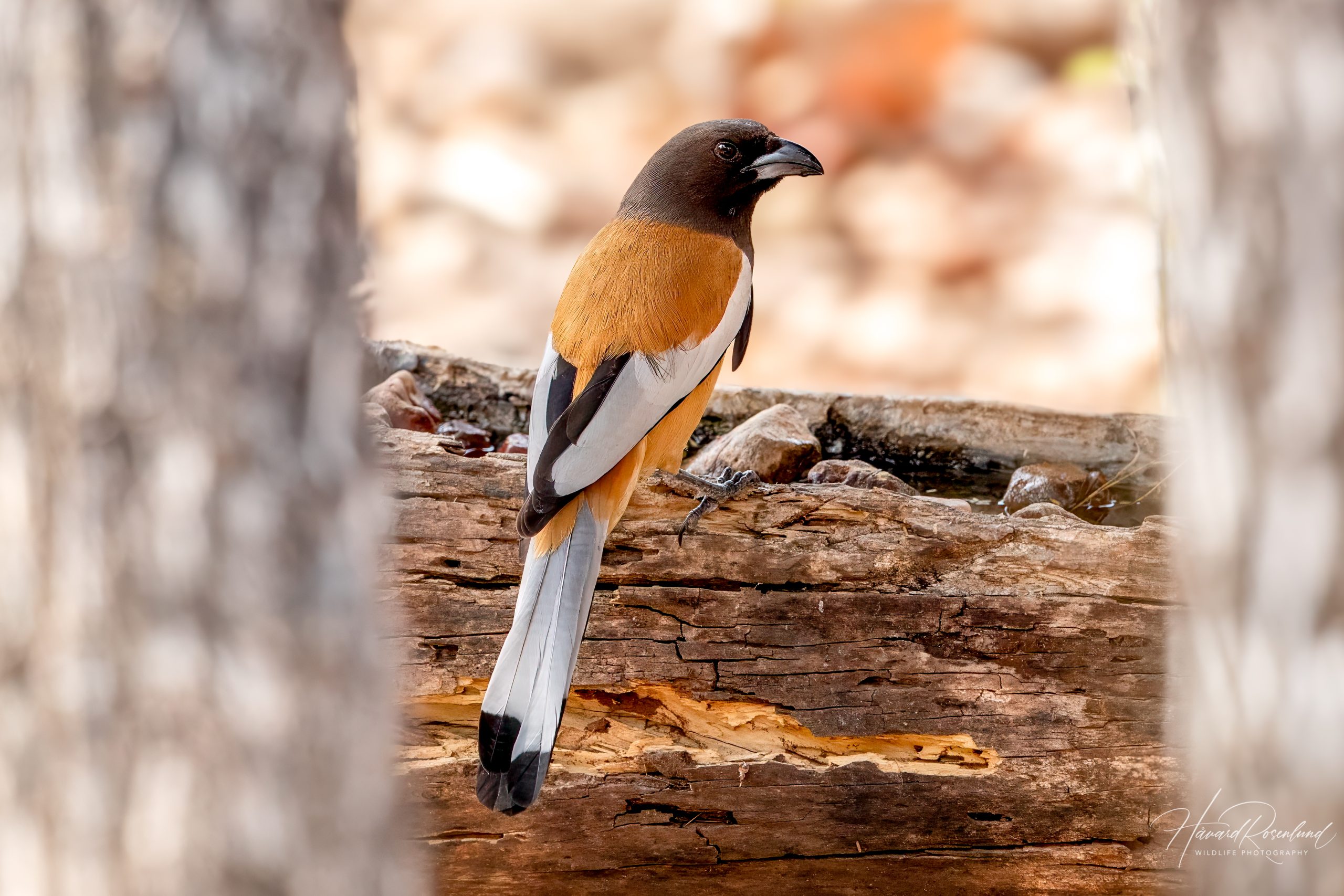
Rufous Treepie
(Dendrocitta vagabunda)
Cuckooshrikes
Black-winged Cuckooshrike
(Lalage melaschistos)
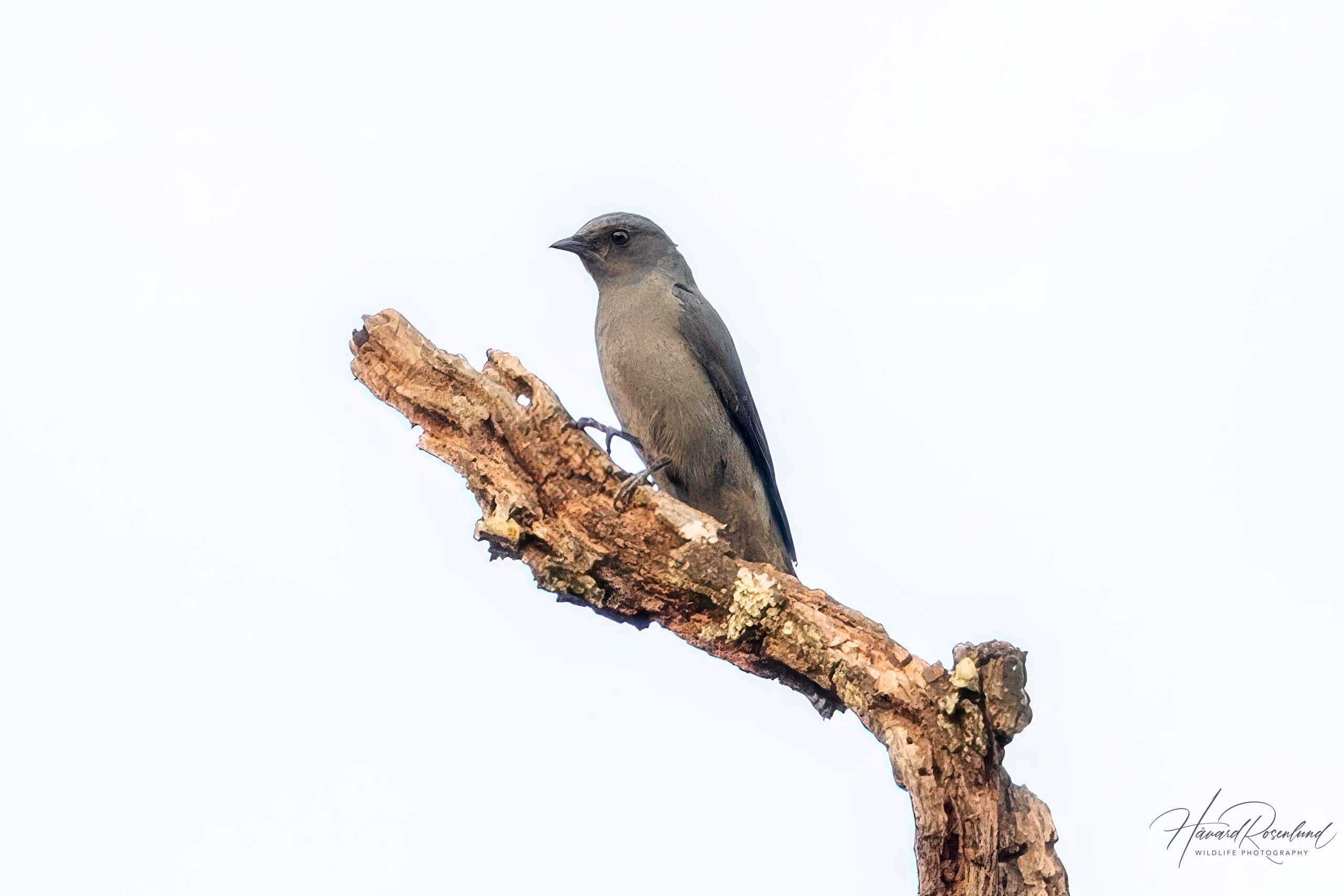
Large Cuckooshrike
(Coracina macei)
Small Minivet
(Pericrocotus cinnamomeus)
Drongos & Fantails
Ashy Drongo
(Dicrurus leucophaeus)
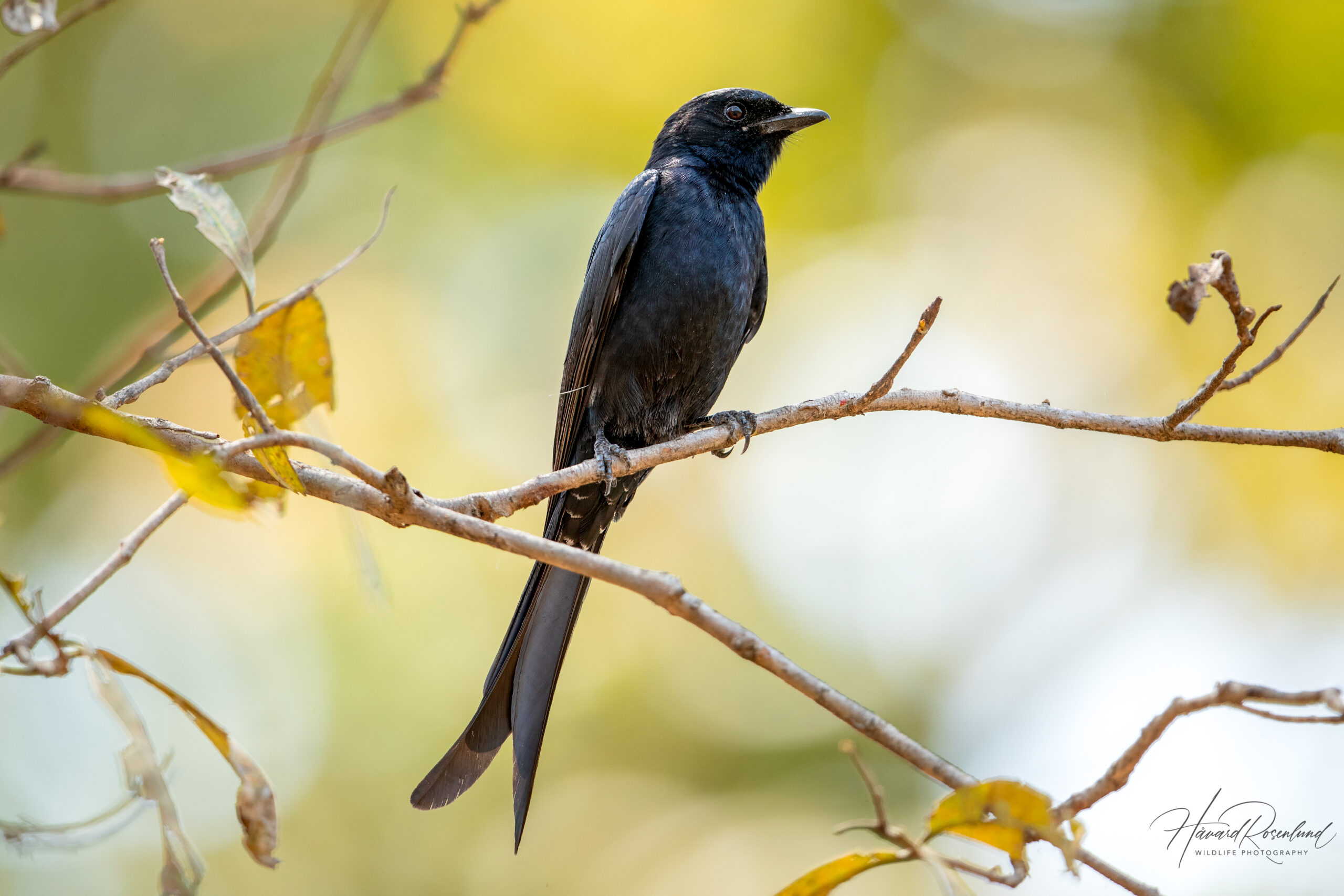
Black Drongo
(Dicrurus macrocercus)
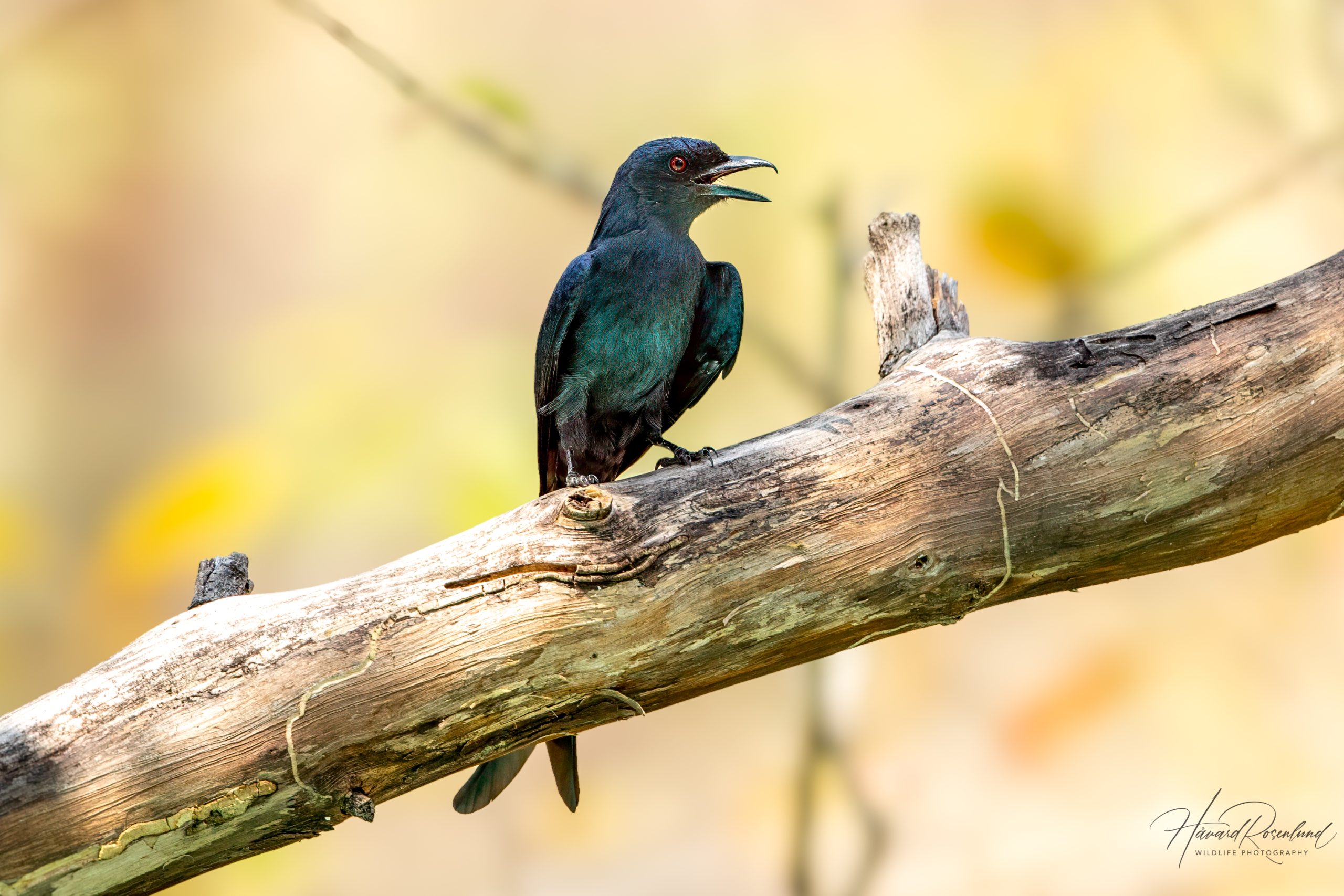
Greater Racket-tailed Drongo
(Dicrurus paradiseus)
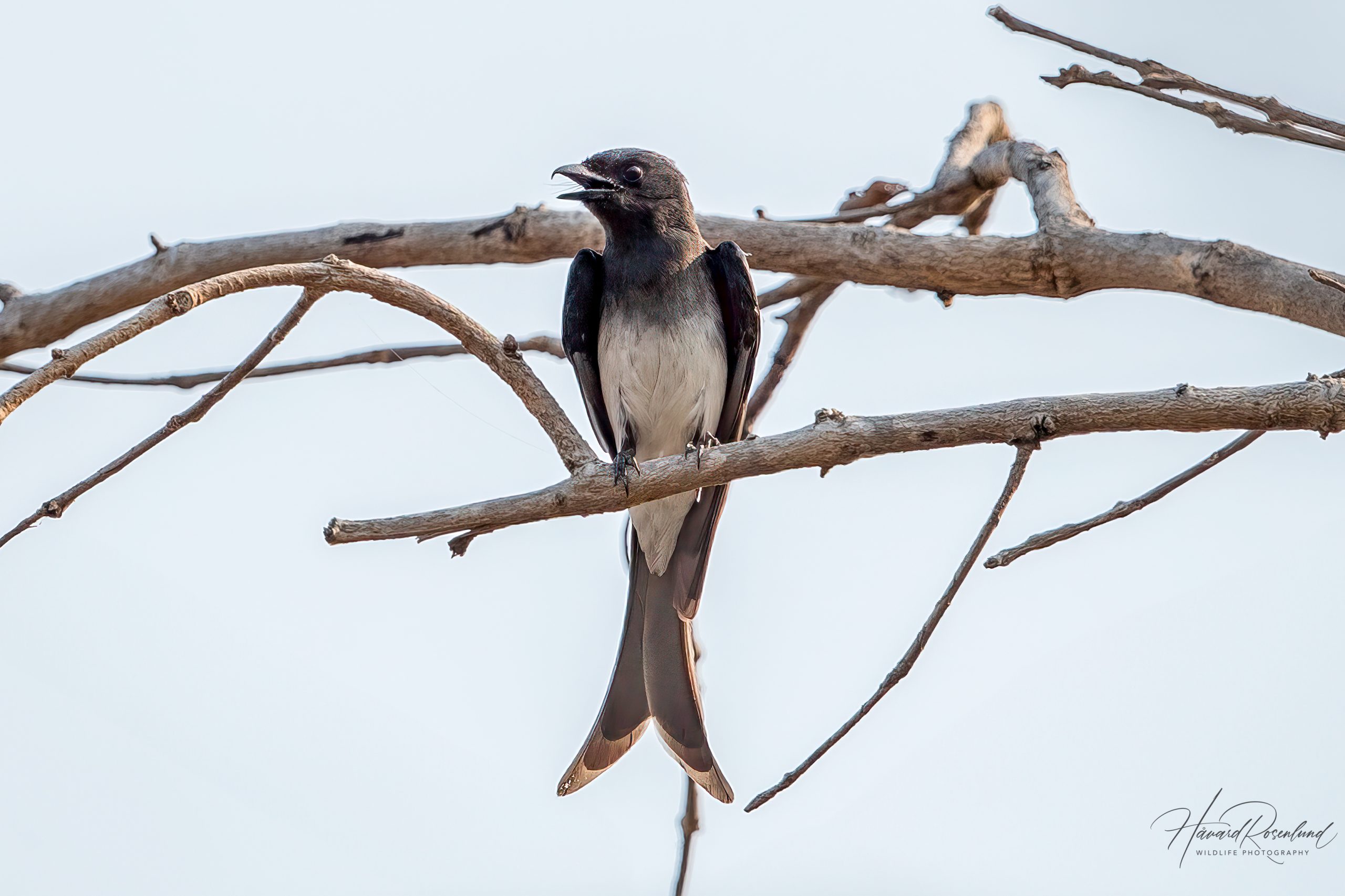
White-bellied Drongo
(Dicrurus caerulescens)
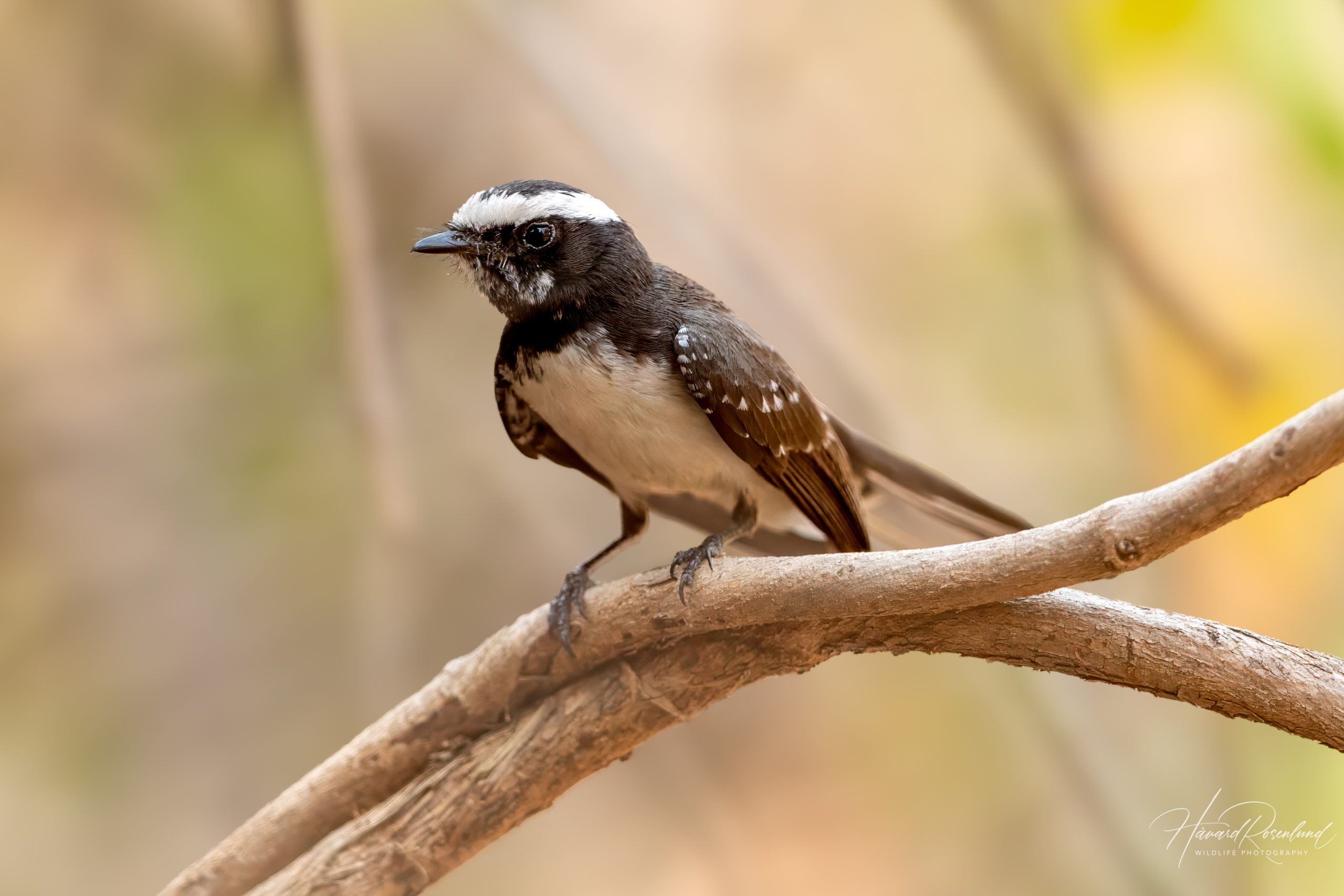
White-browed Fantail
(Rhipidura aureola)
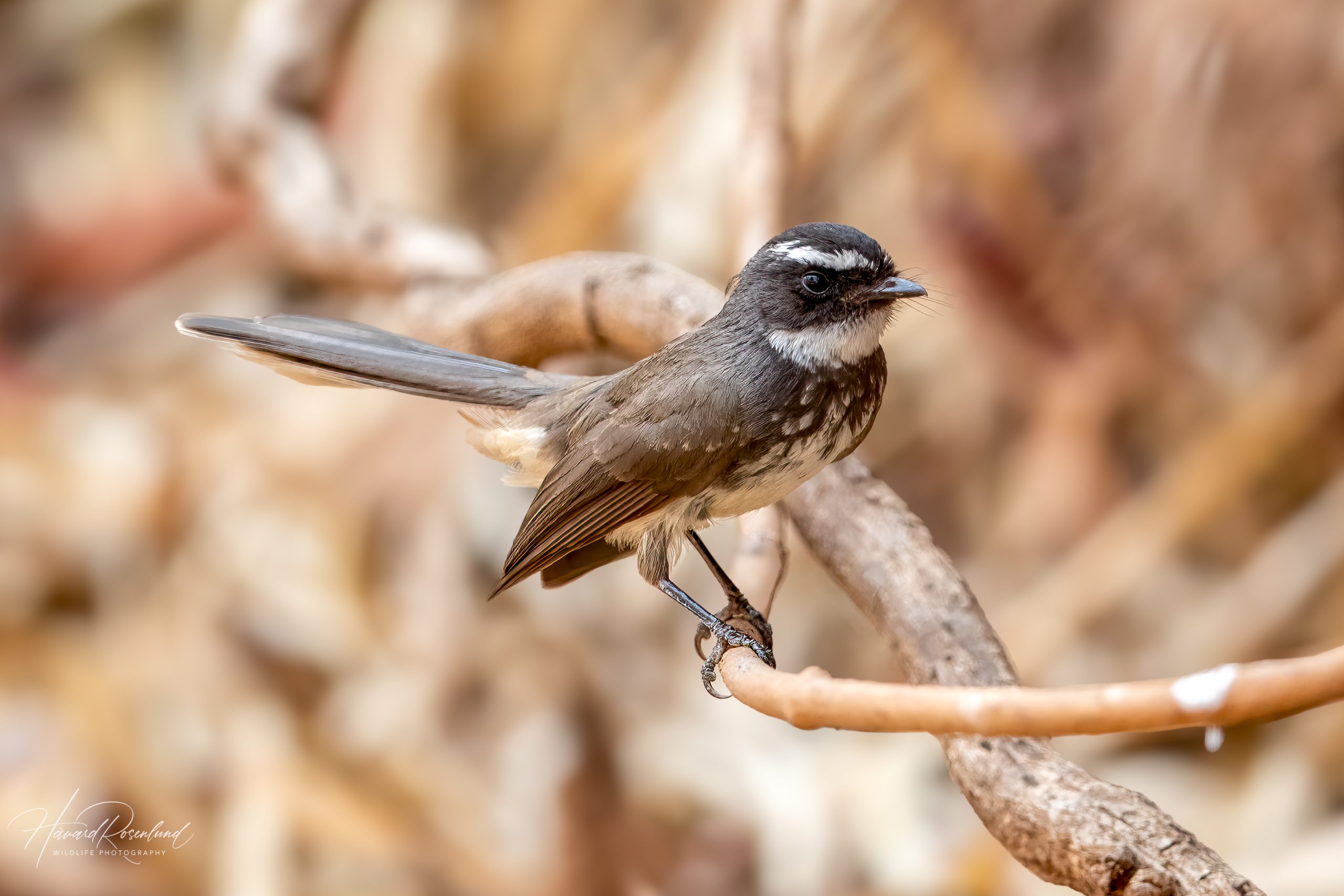
White-spotted Fantail
(Rhipidura albogularis)
Flowerpeckers
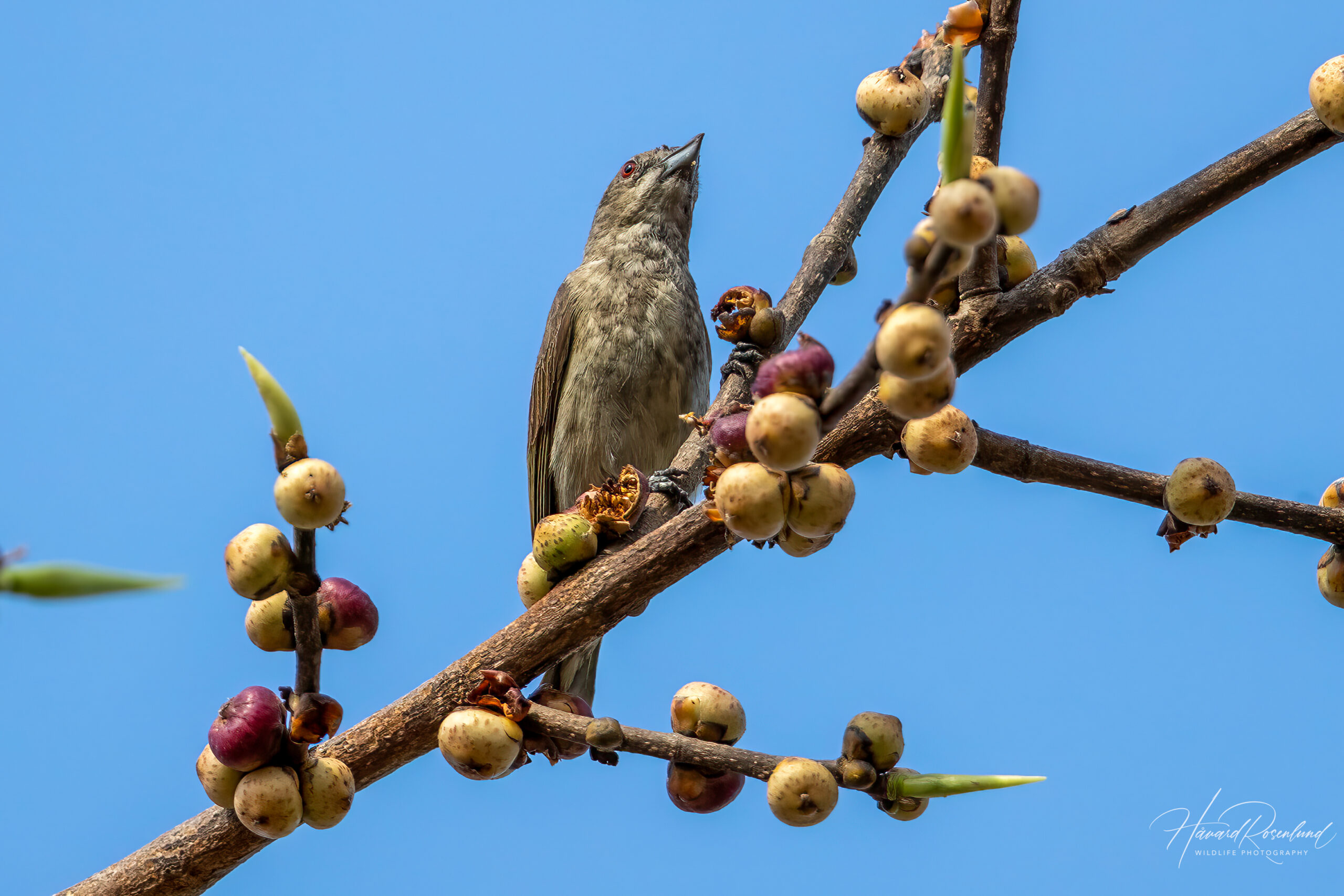
Thick-billed Flowerpecker
(Pachyglossa agilis)
Monarchs
Black-naped Monarch
(Hypothymis azurea)
Old World Flycatchers & Allies
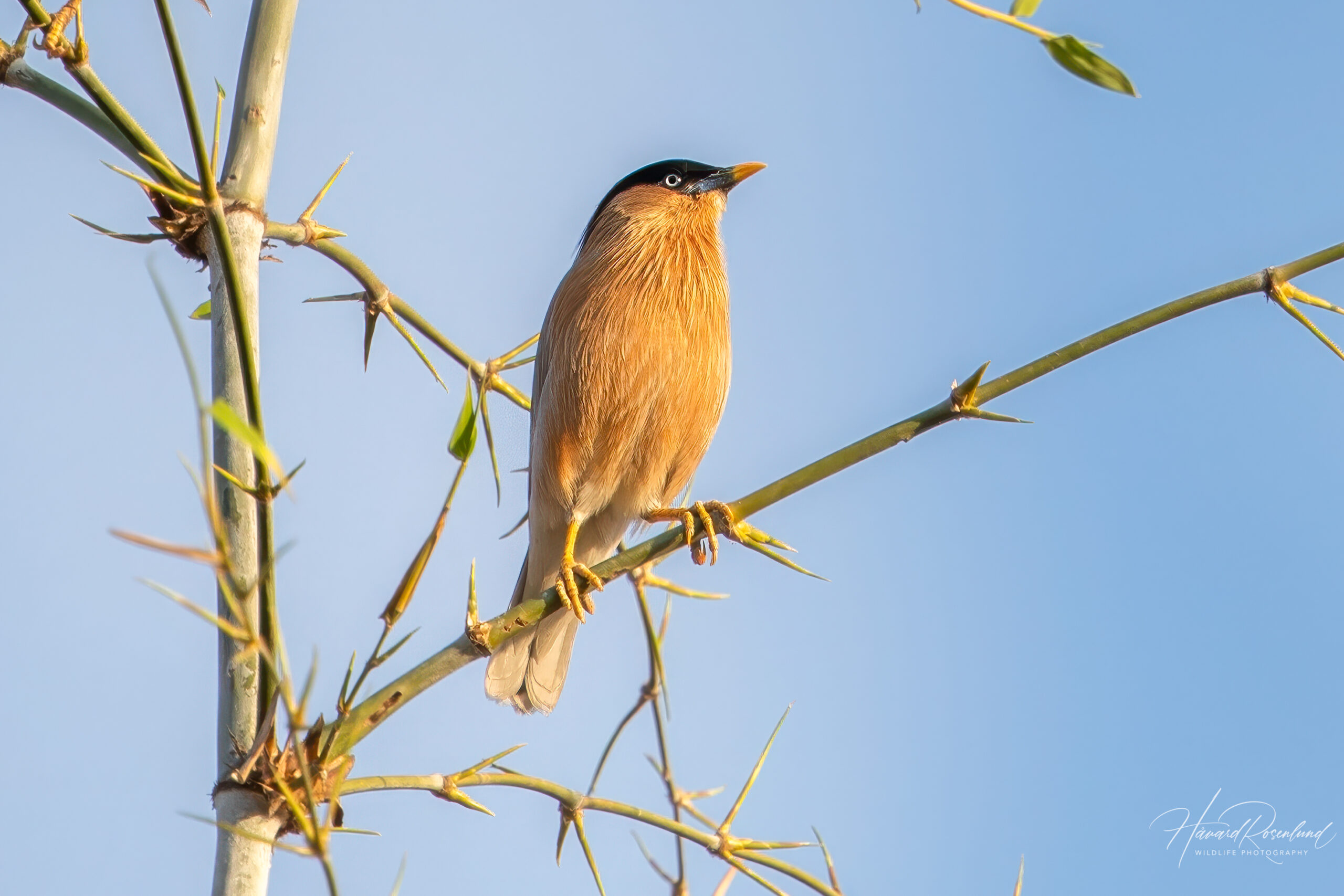
Brahminy Starling
(Sturnia pagodarum)
Brown Rock Chat
(Oenanthe fusca)
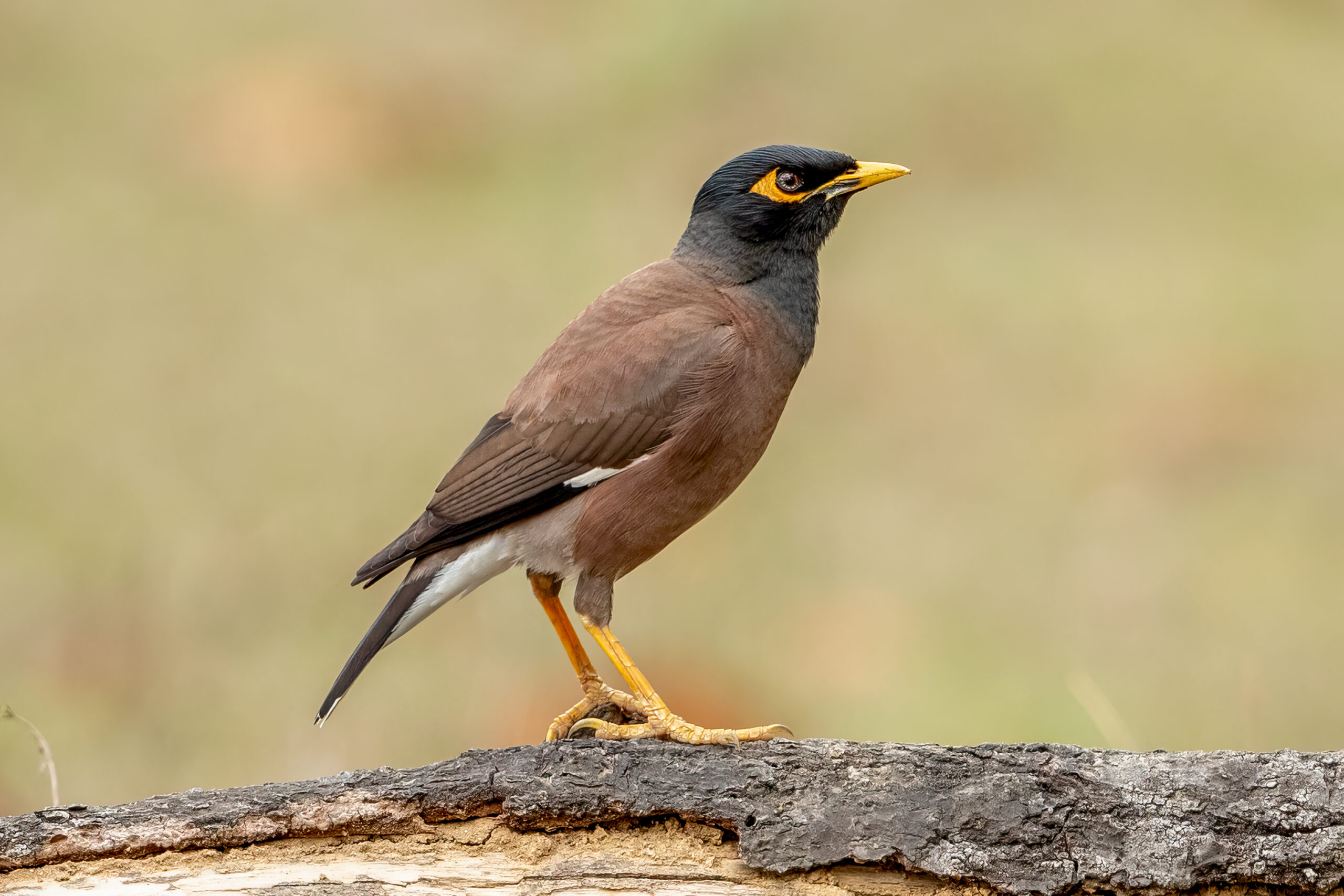
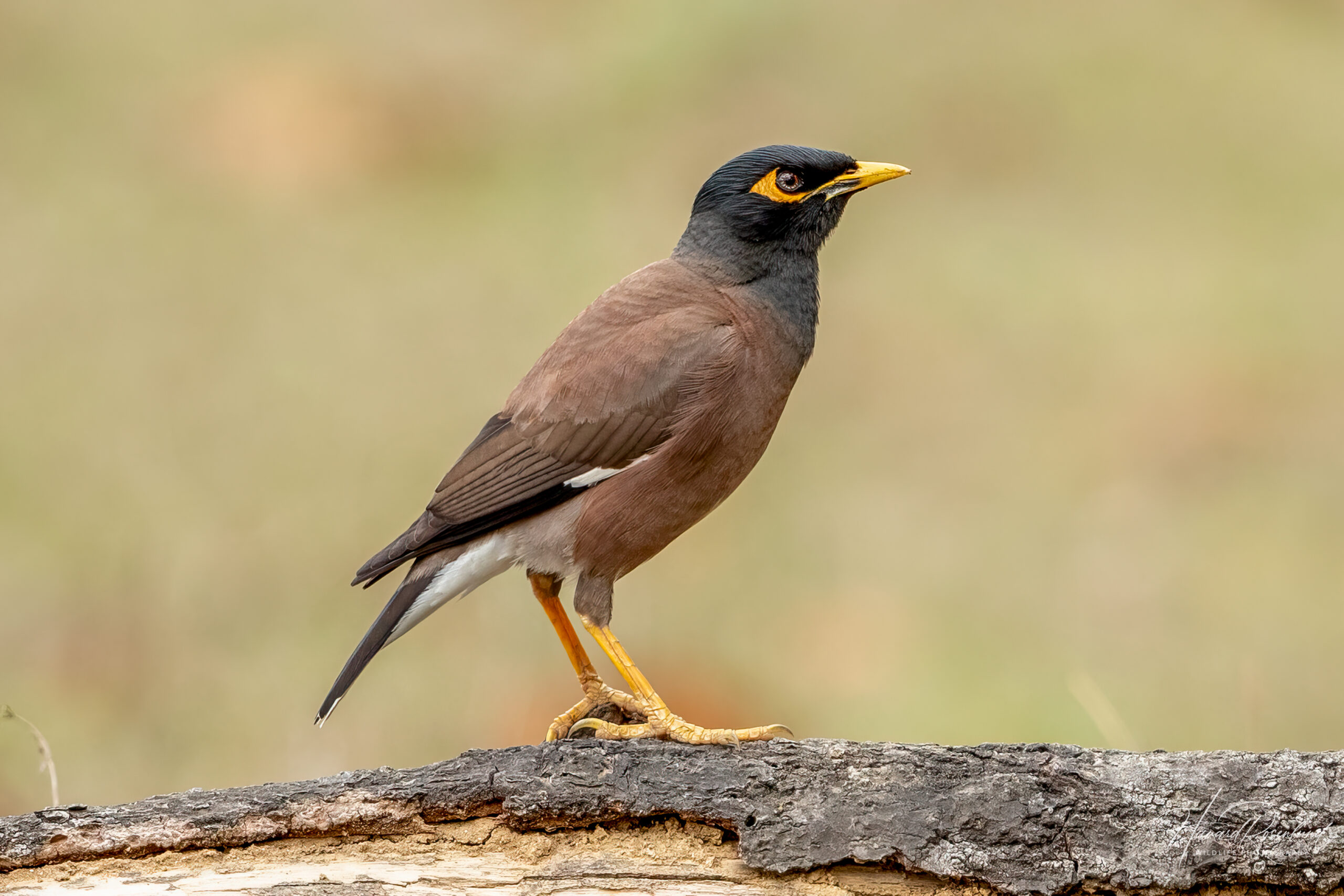
Common Myna
(Acridotheres tristis)
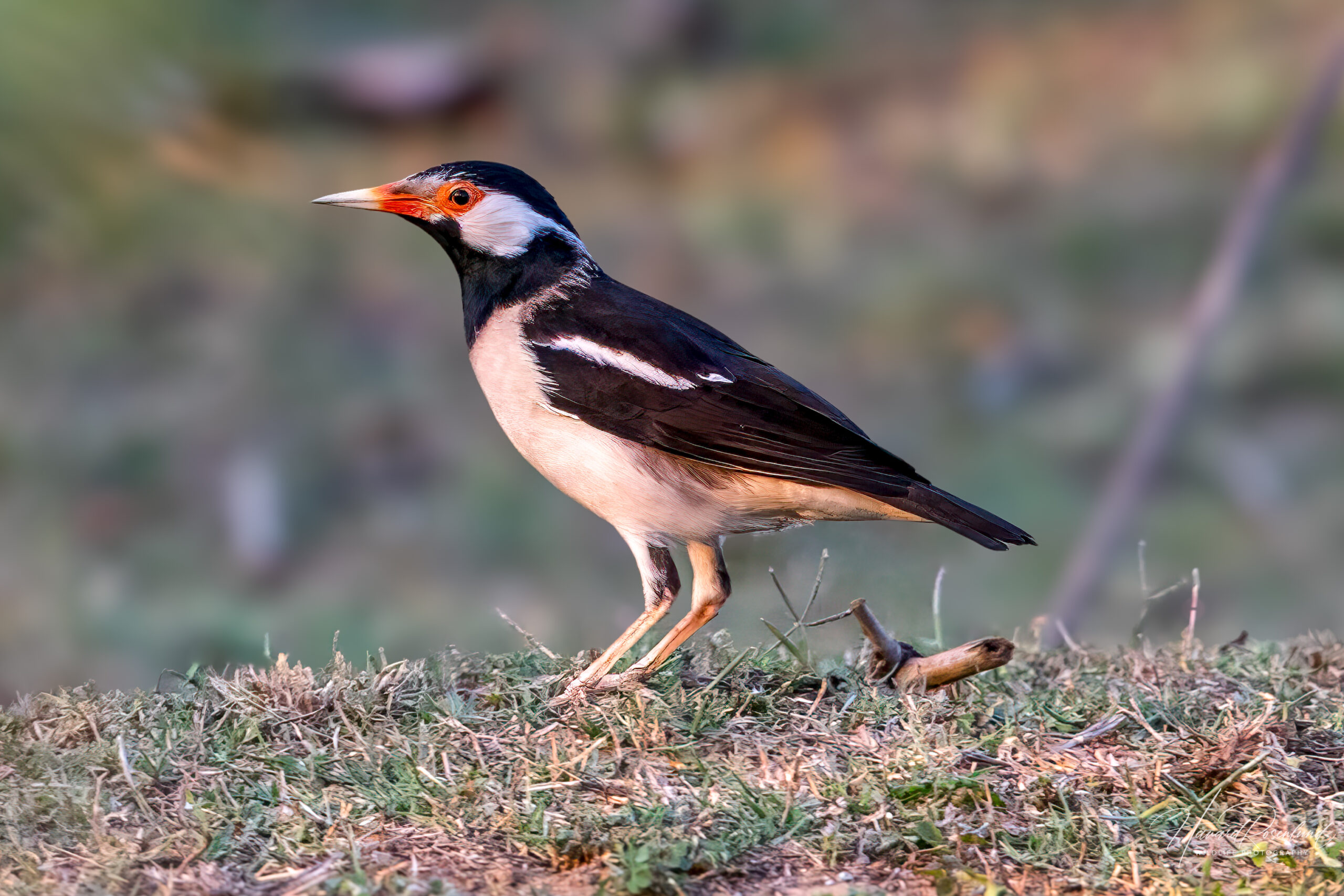
Indian Pied Myna
(Gracupica contra)
Indian Robin
(Copsychus fulicatus)
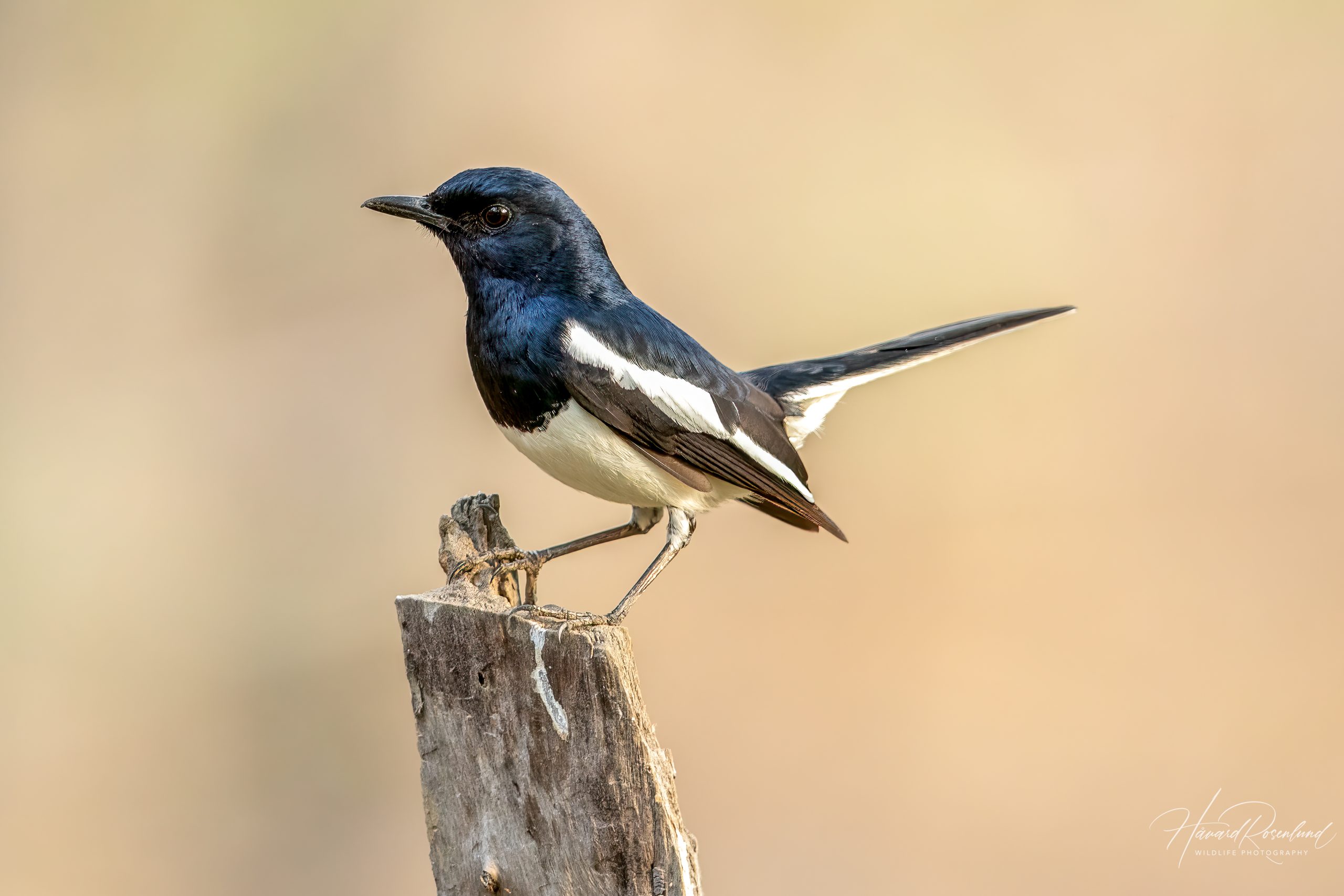
Oriental Magpie-Robin
(Copsychus saularis)
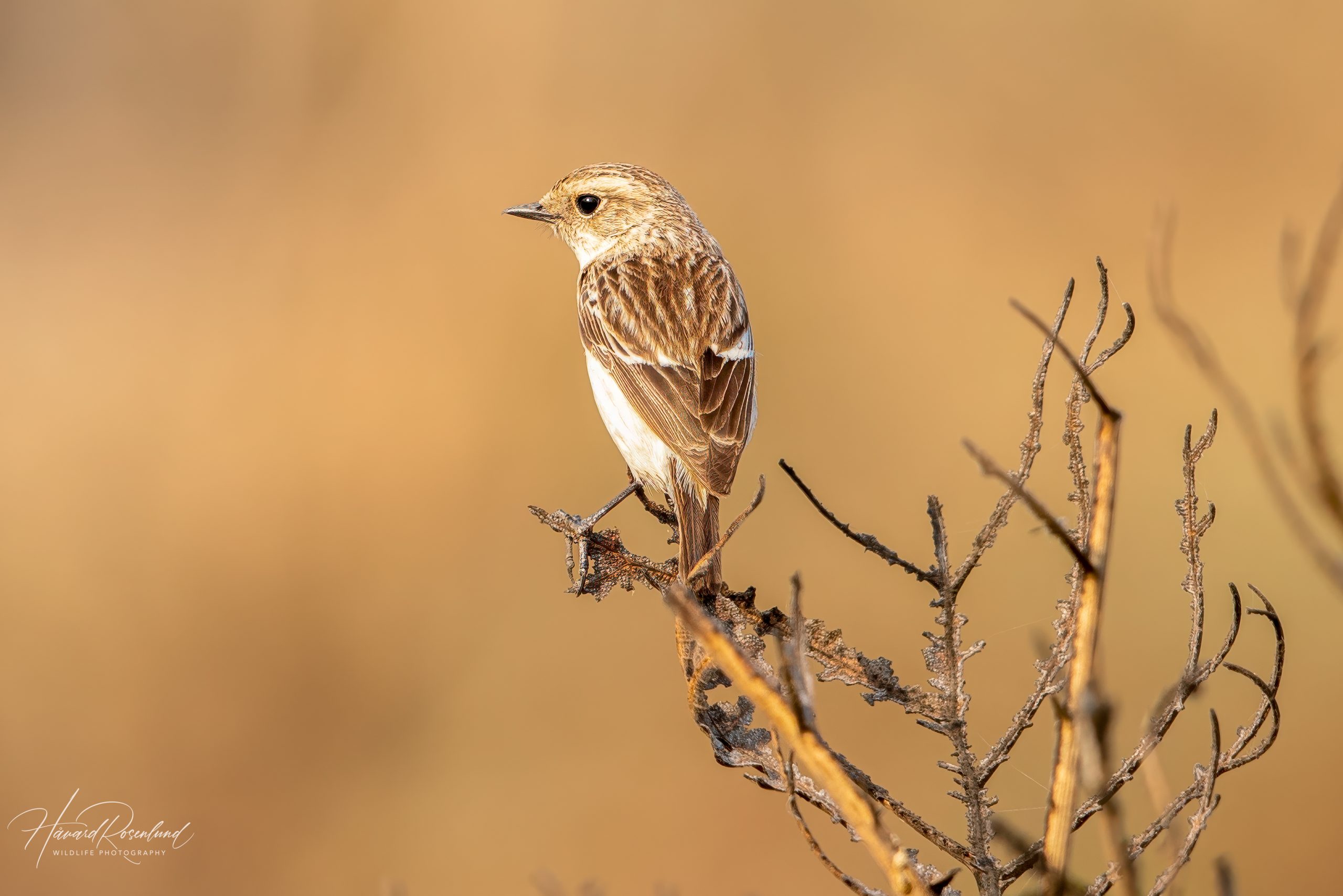
Siberian Stonechat
(Saxicola maurus)
Tickell's Blue Flycatcher
(Cyornis tickelliae)
White-rumped Shama
(Copsychus malabaricus)
Old World Orioles
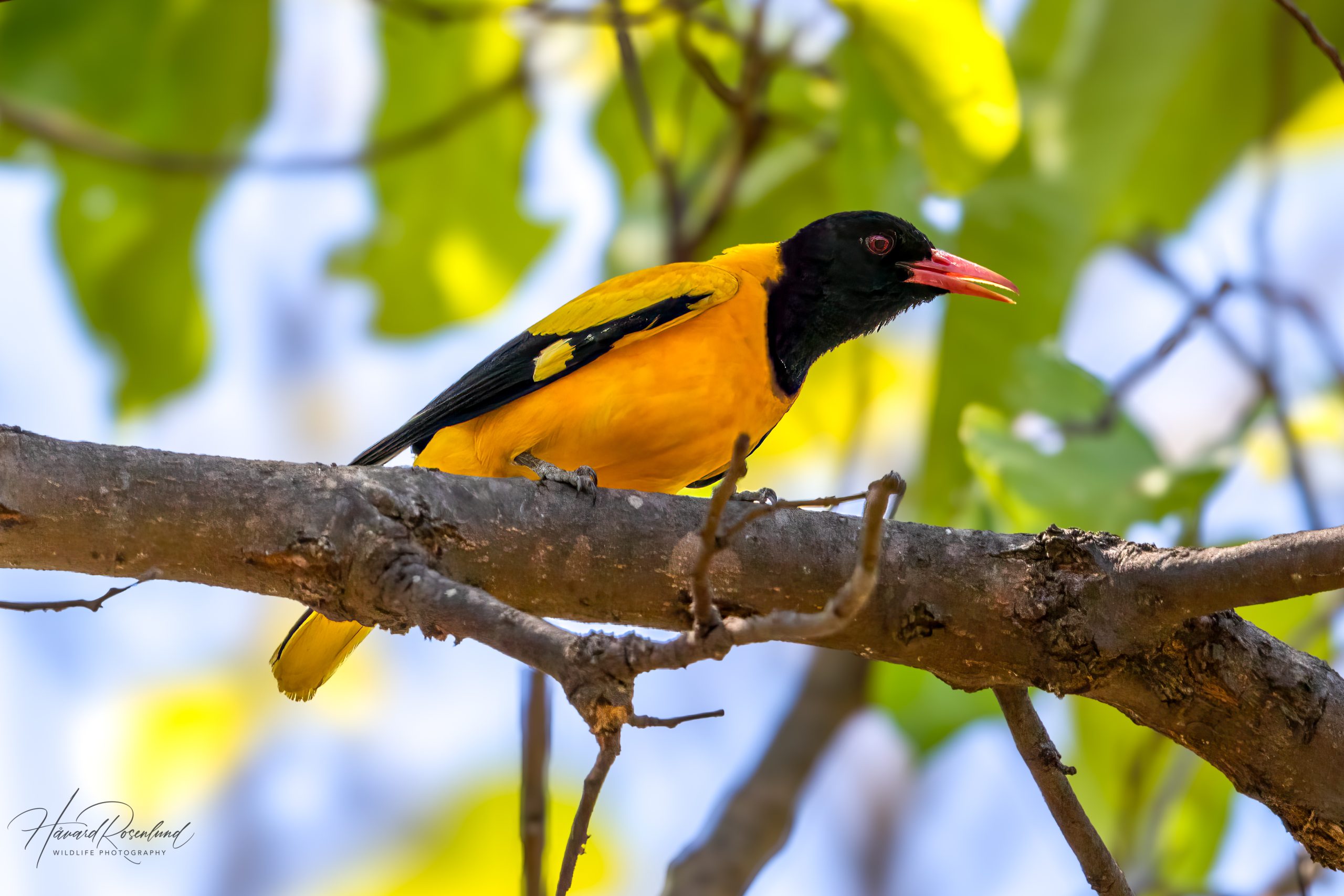
Black-hooded Oriole
(Oriolus xanthornus)
Old World Warblers & Allies
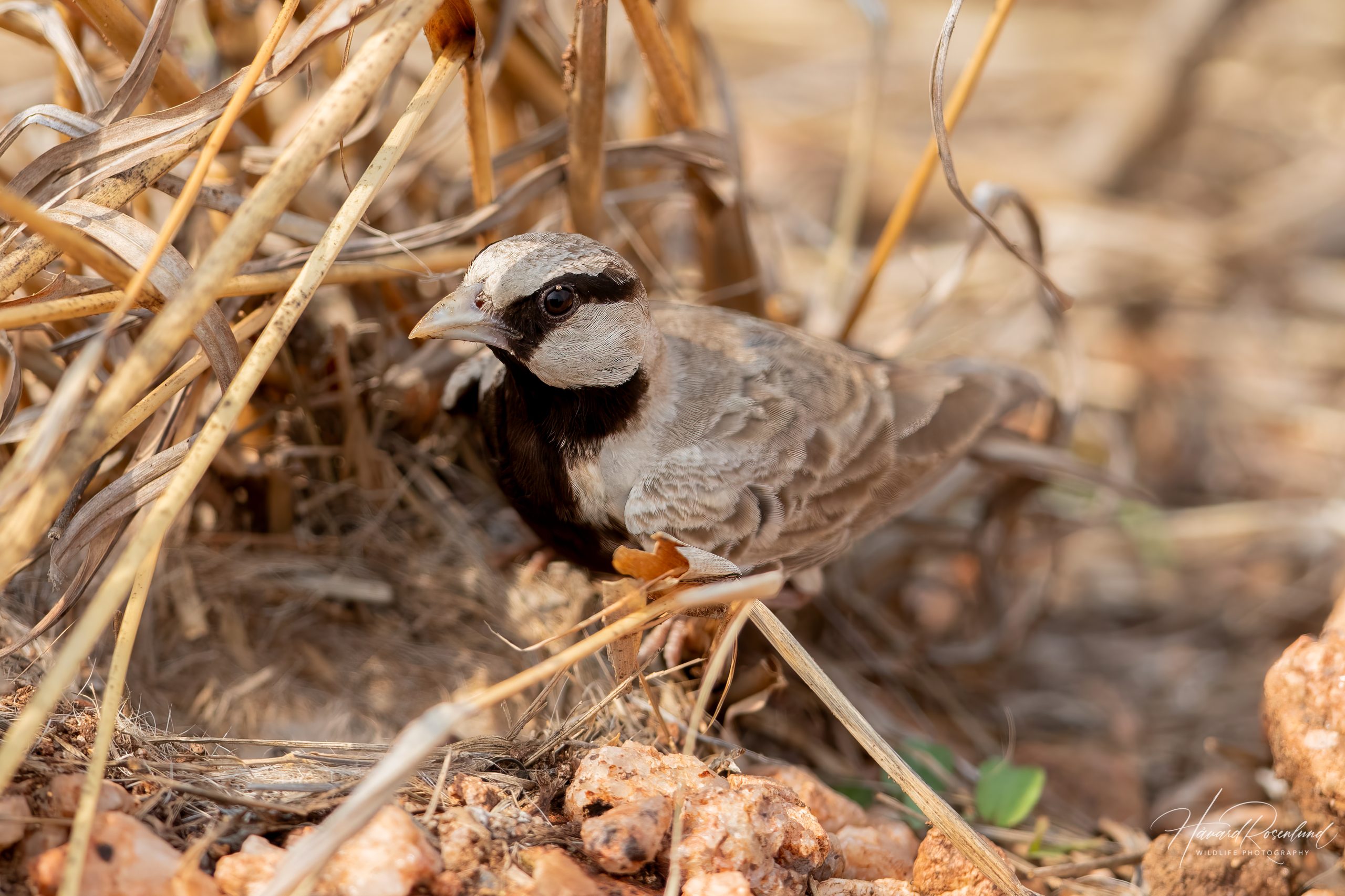
Ashy-crowned Sparrow-Lark
(Eremopterix griseus)
Greenish Warbler
(Phylloscopus trochiloides)
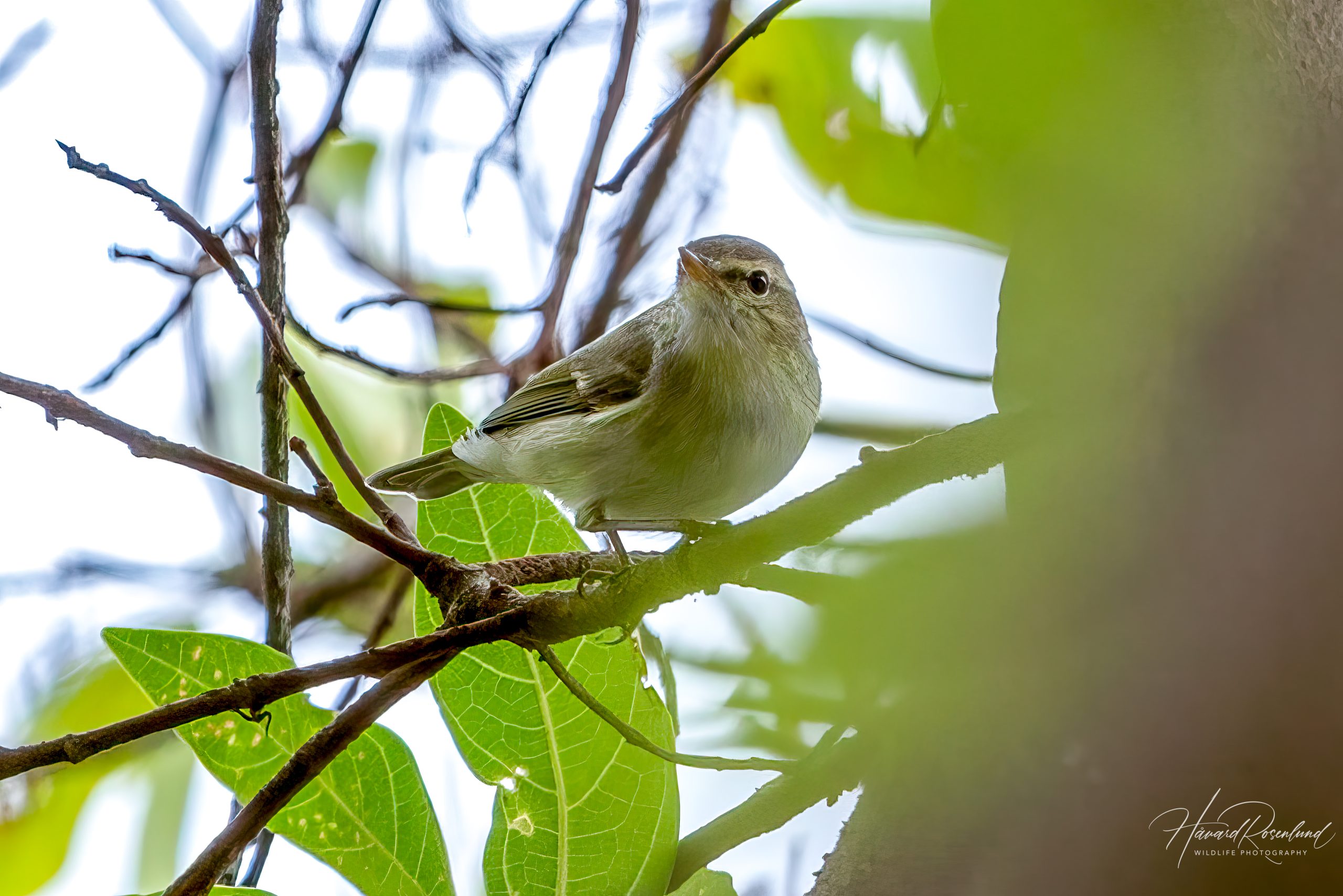
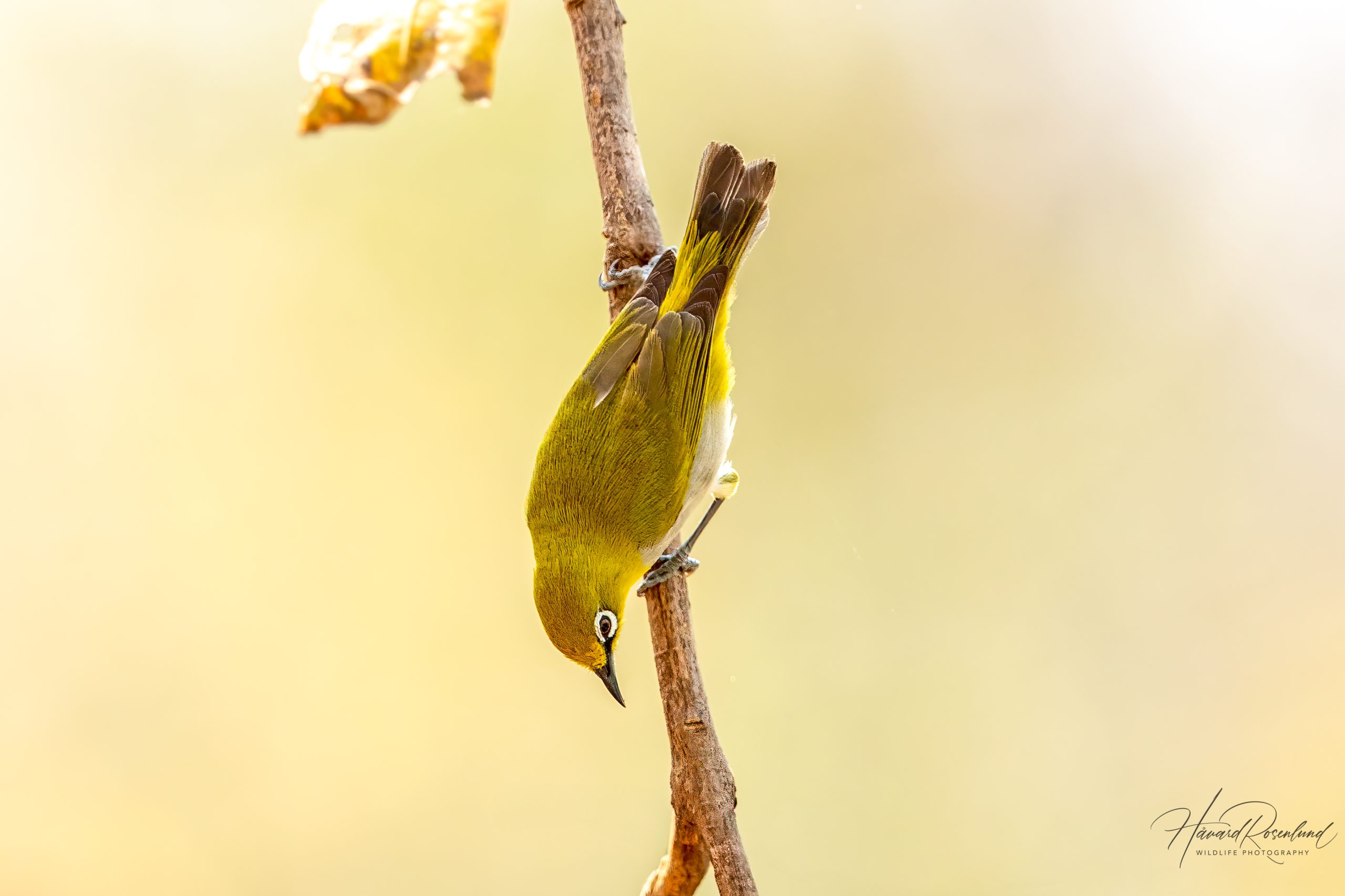
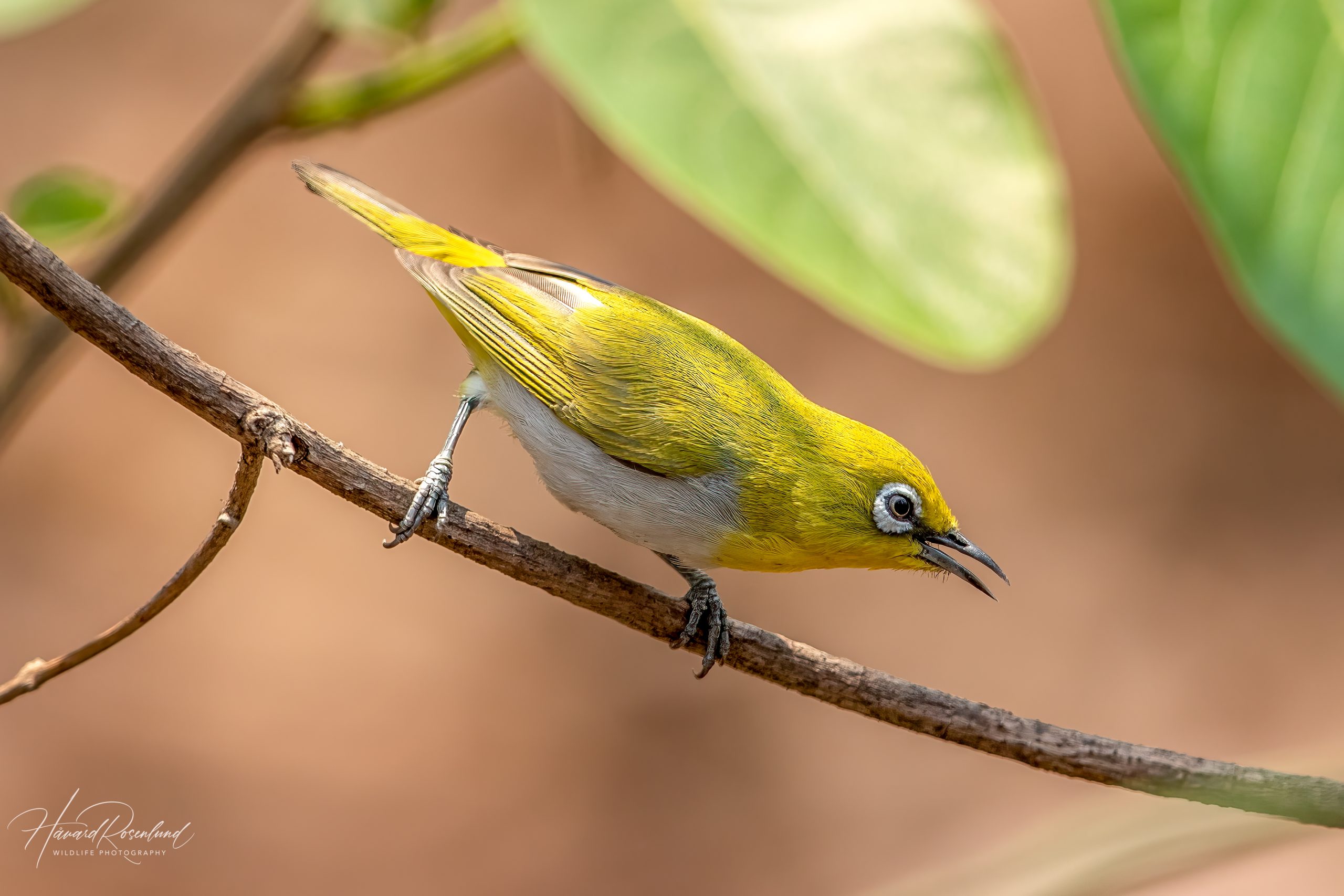
Indian White-eye
(Zosterops palpebrosus)
Jungle Babbler
(Argya striata)
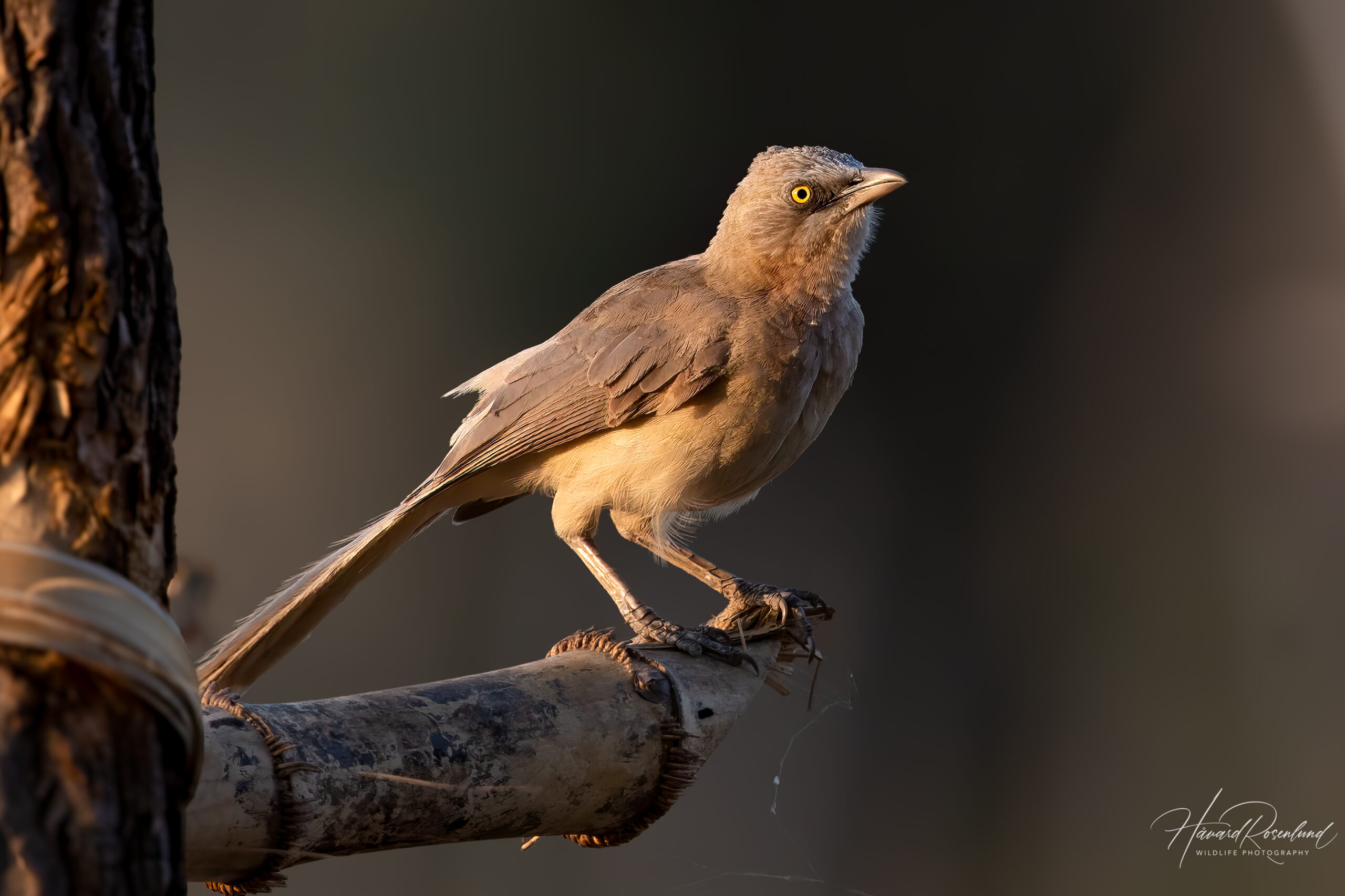
Large Grey Babbler
(Argya malcolmi)
Oriental Skylark
(Alauda gulgula)
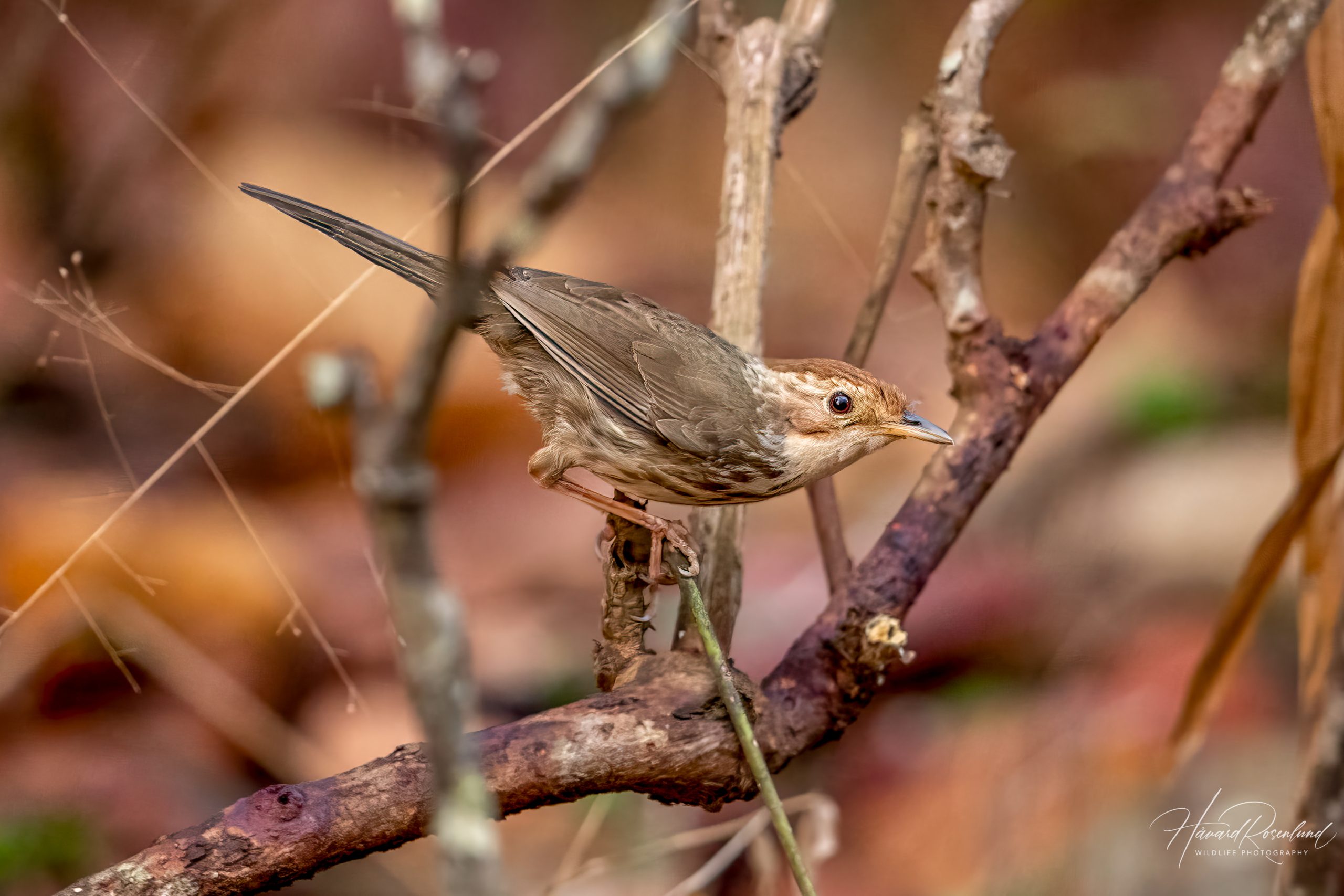
Puff-throated Babbler
(Pellorneum ruficeps)
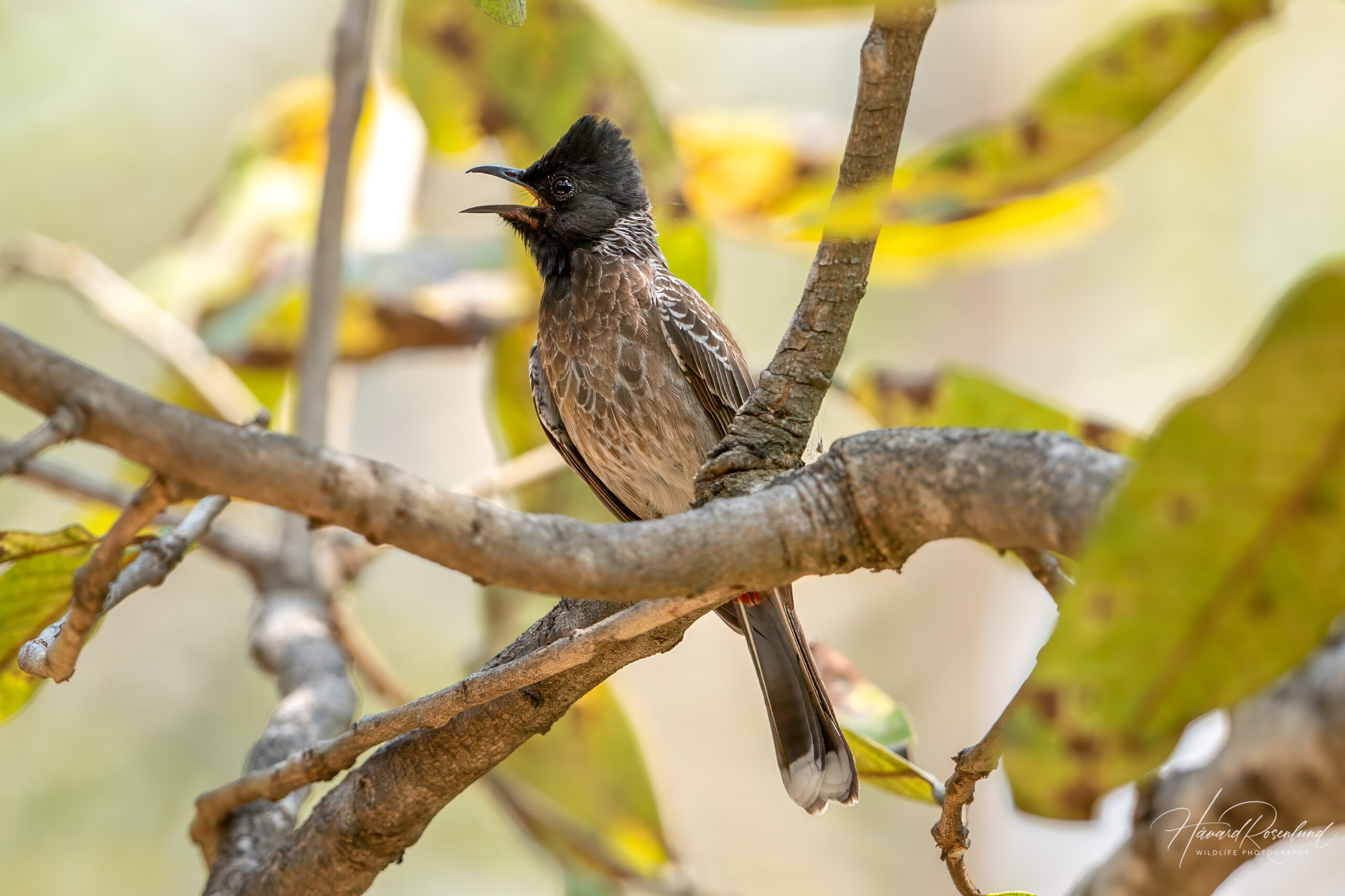
Red-vented Bulbul
(Pycnonotus cafer)
Rufous-tailed Lark
(Ammomanes phoenicura)
Tawny-bellied Babbler
(Dumetia hyperythra)
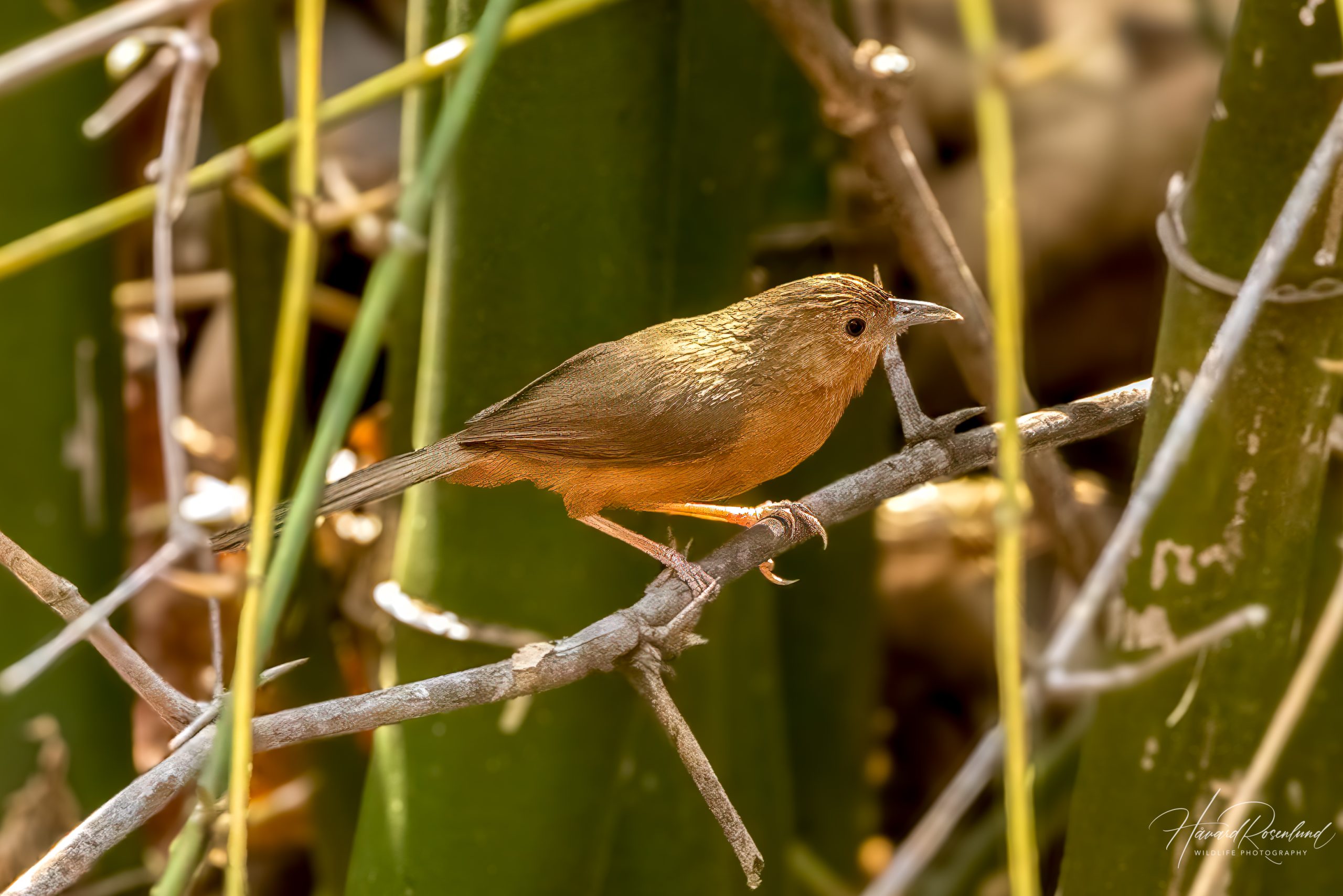
Yellow-eyed Babbler
(Chrysomma sinense)
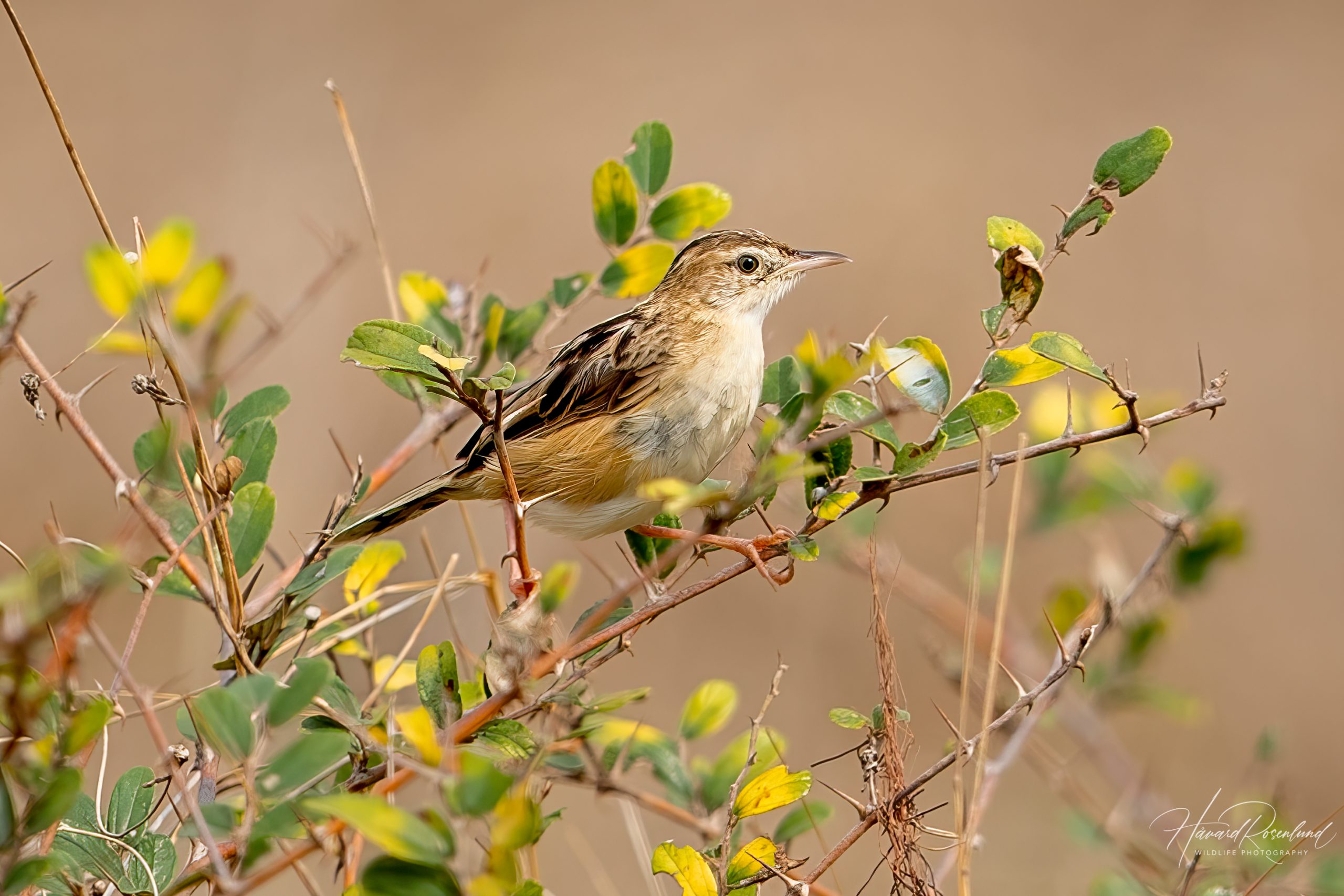
Zitting Cisticola
(Cisticola juncidis)
Shrikes
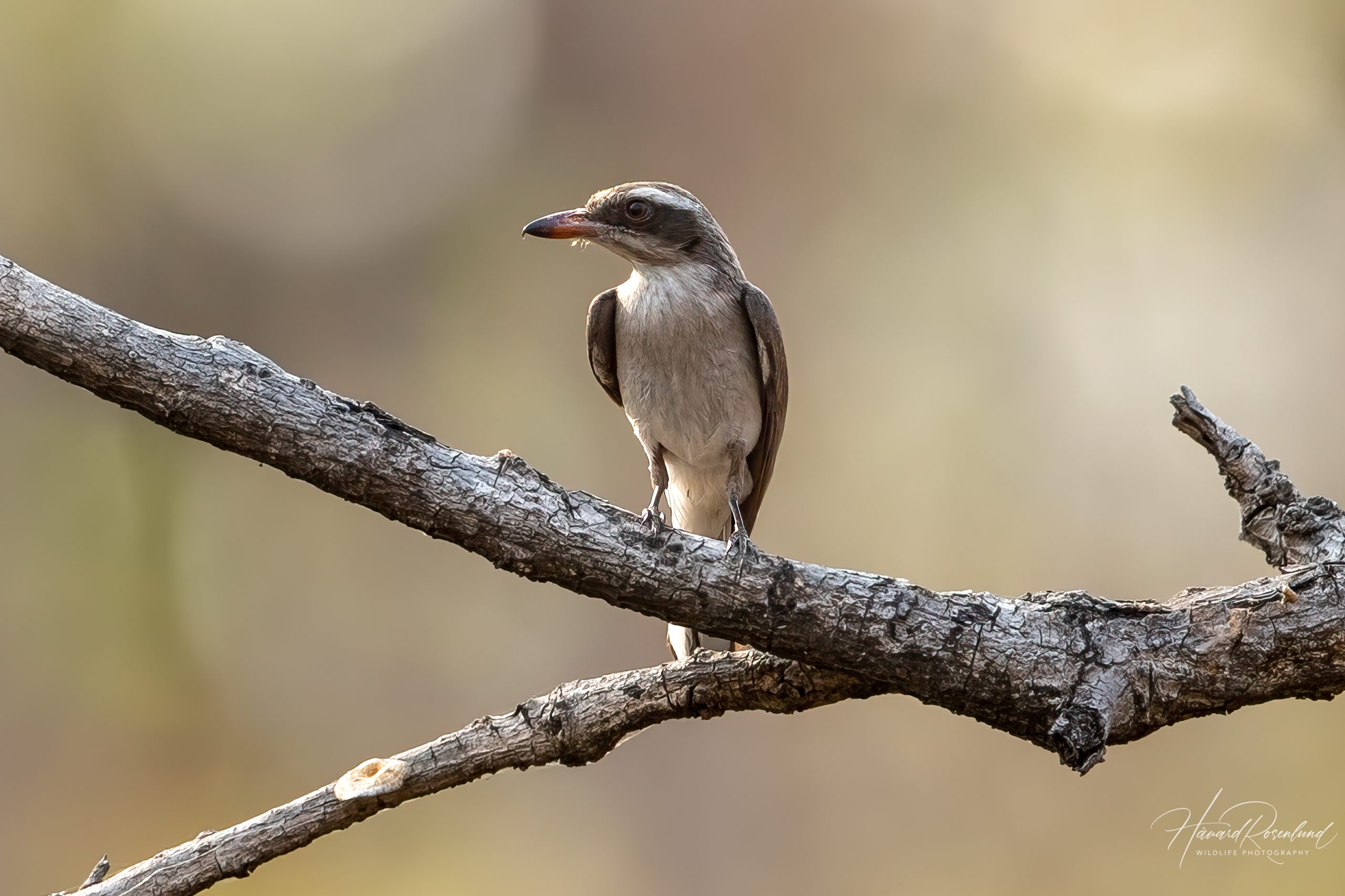
Brown Shrike
(Lanius cristatus)
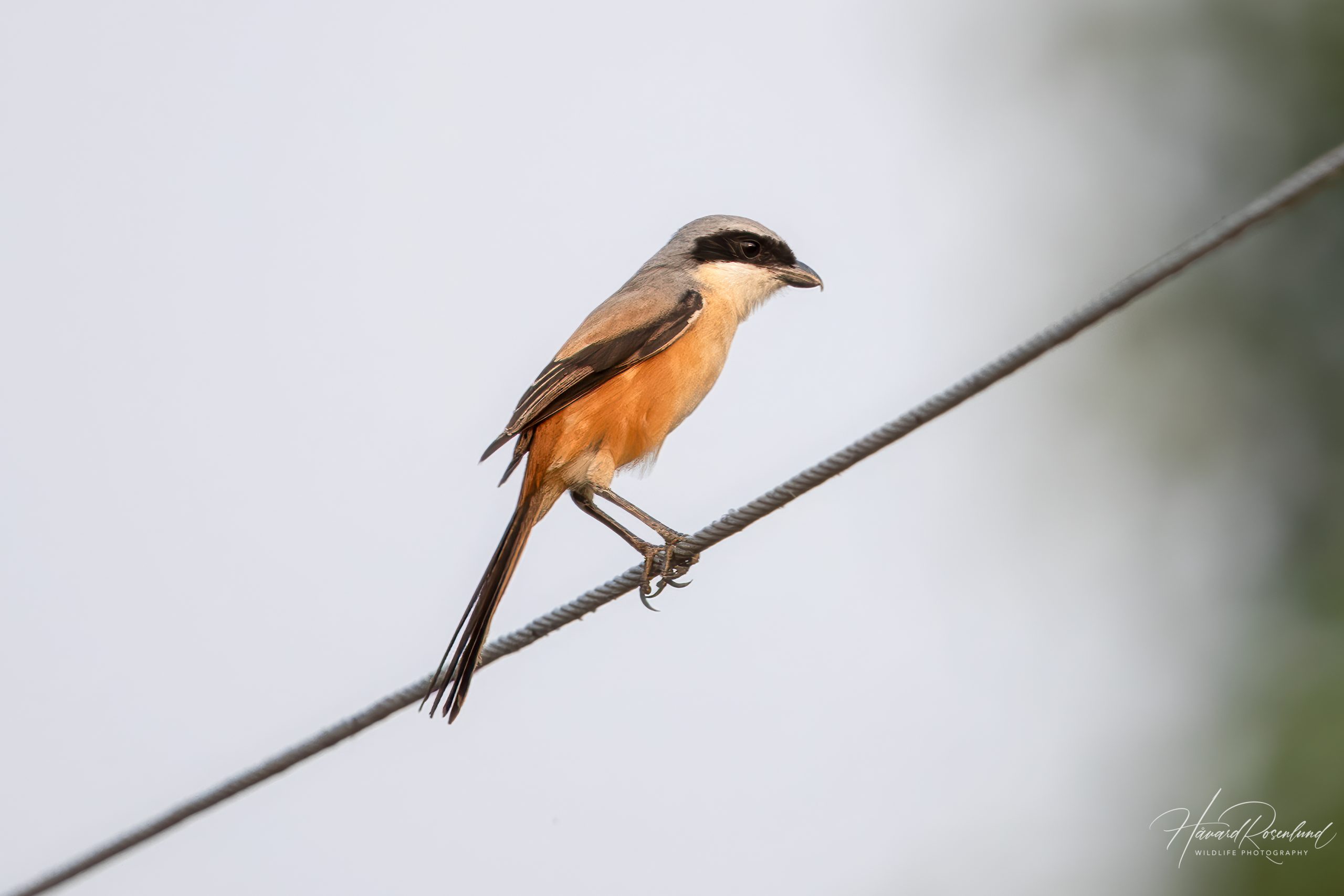
Long-tailed Shrike
(Lanius schach)
Sparrows, Finches & Allies
House Sparrow
(Passer domesticus)
Indian Silverbill
(Euodice malabarica)
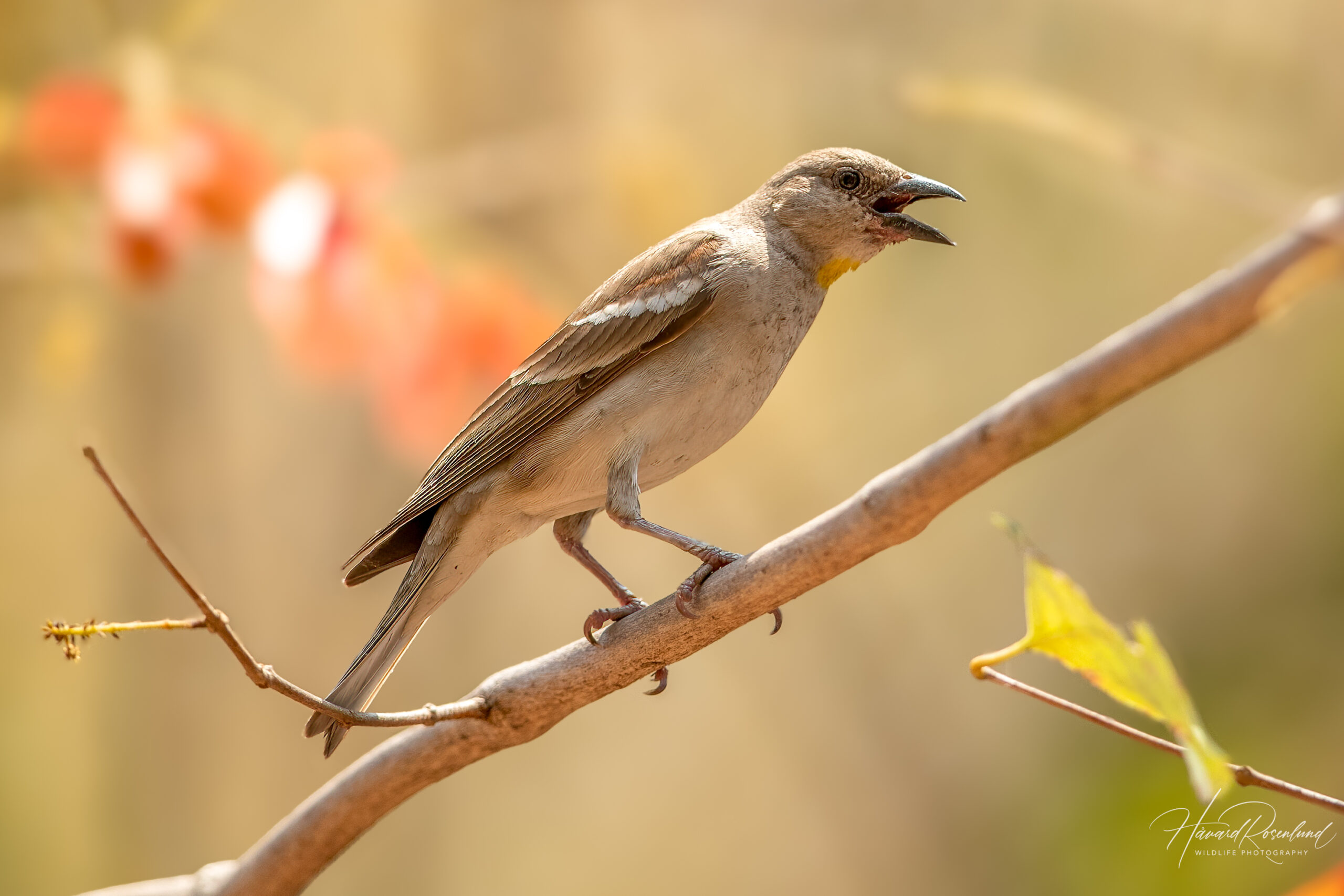
Yellow-throated Sparrow
(Gymnoris xanthocollis)
Sunbirds
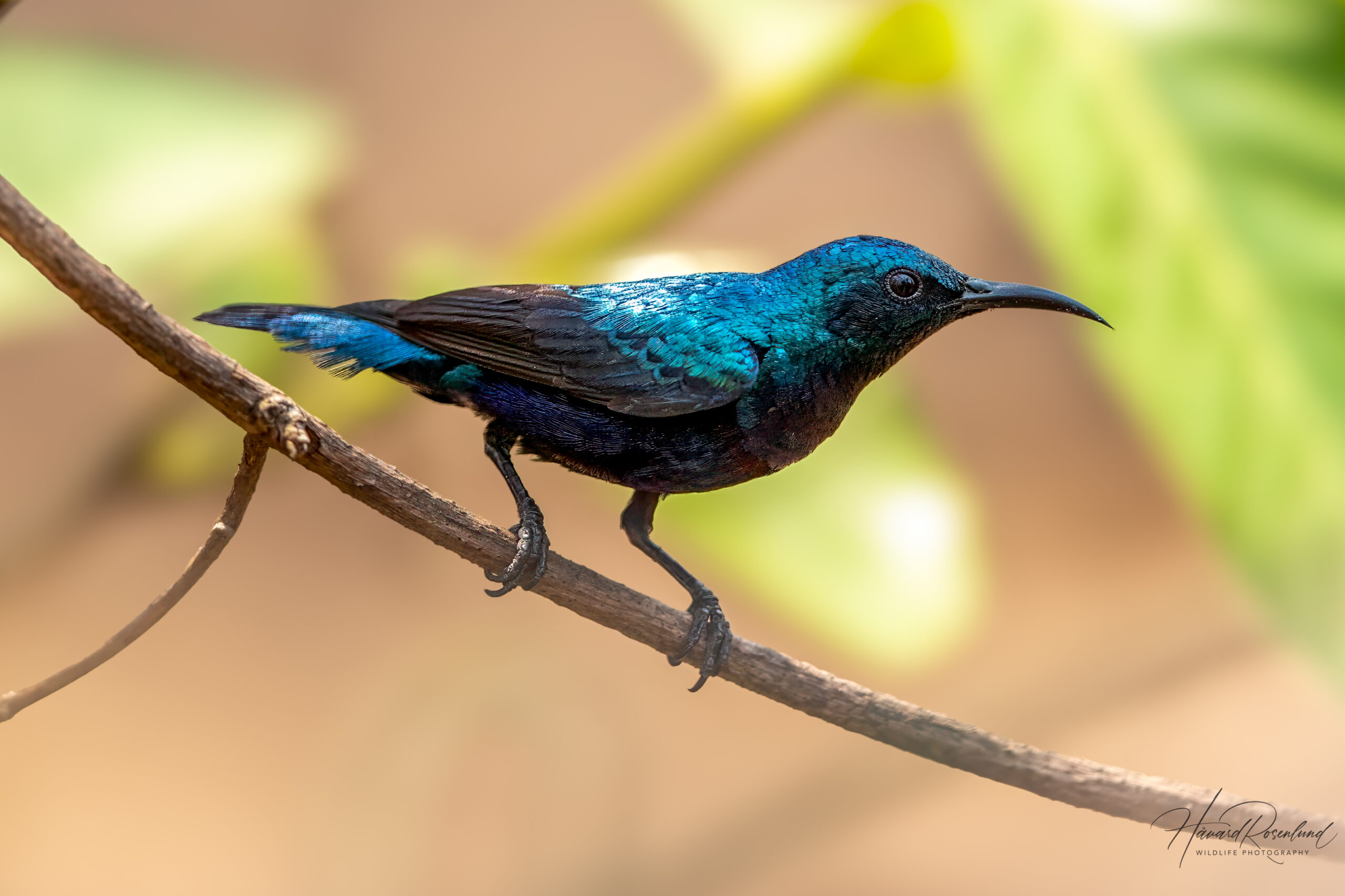
Purple Sunbird
(Cinnyris asiaticus)
Swallows & Martins
Barn Swallow
(Hirundo rustica)
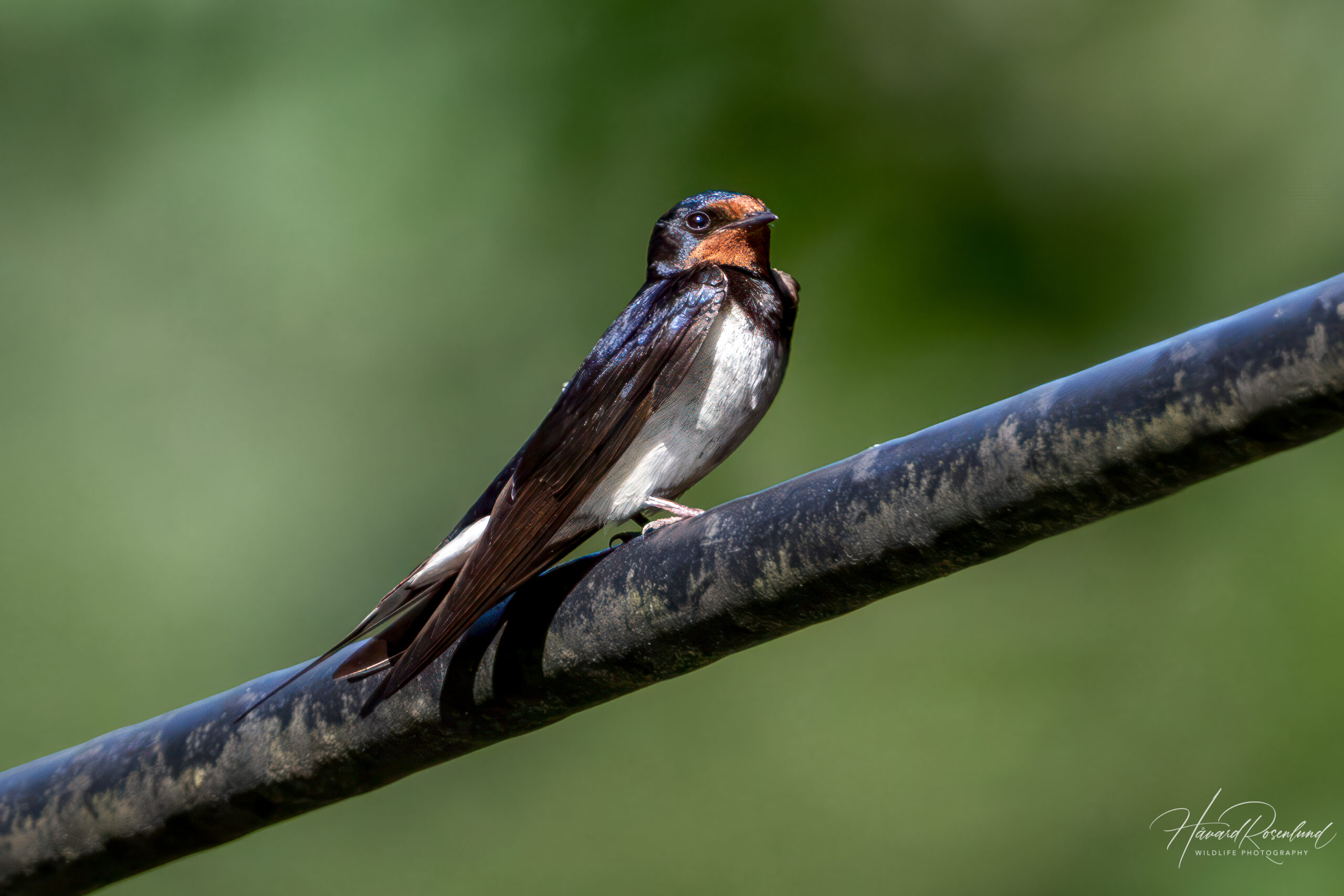
Red-rumped Swallow
(Cecropis daurica)
Wire-tailed Swallow
(Hirundo smithii)
Wagtails & Pipits
Grey Wagtail
(Motacilla cinerea)
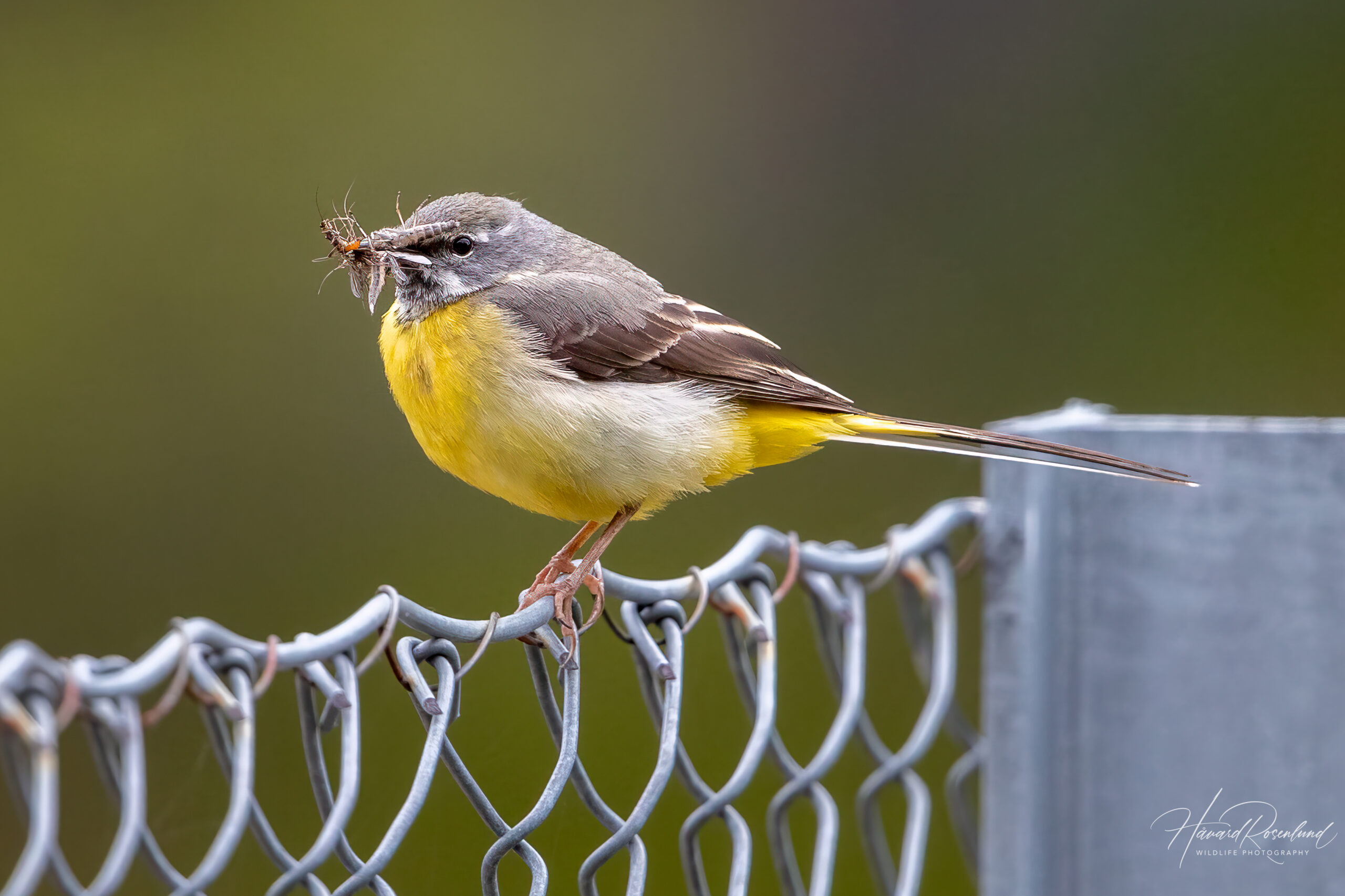
Paddyfield Pipit
(Anthus rufulus)
Western Yellow Wagtail
(Motacilla flava)
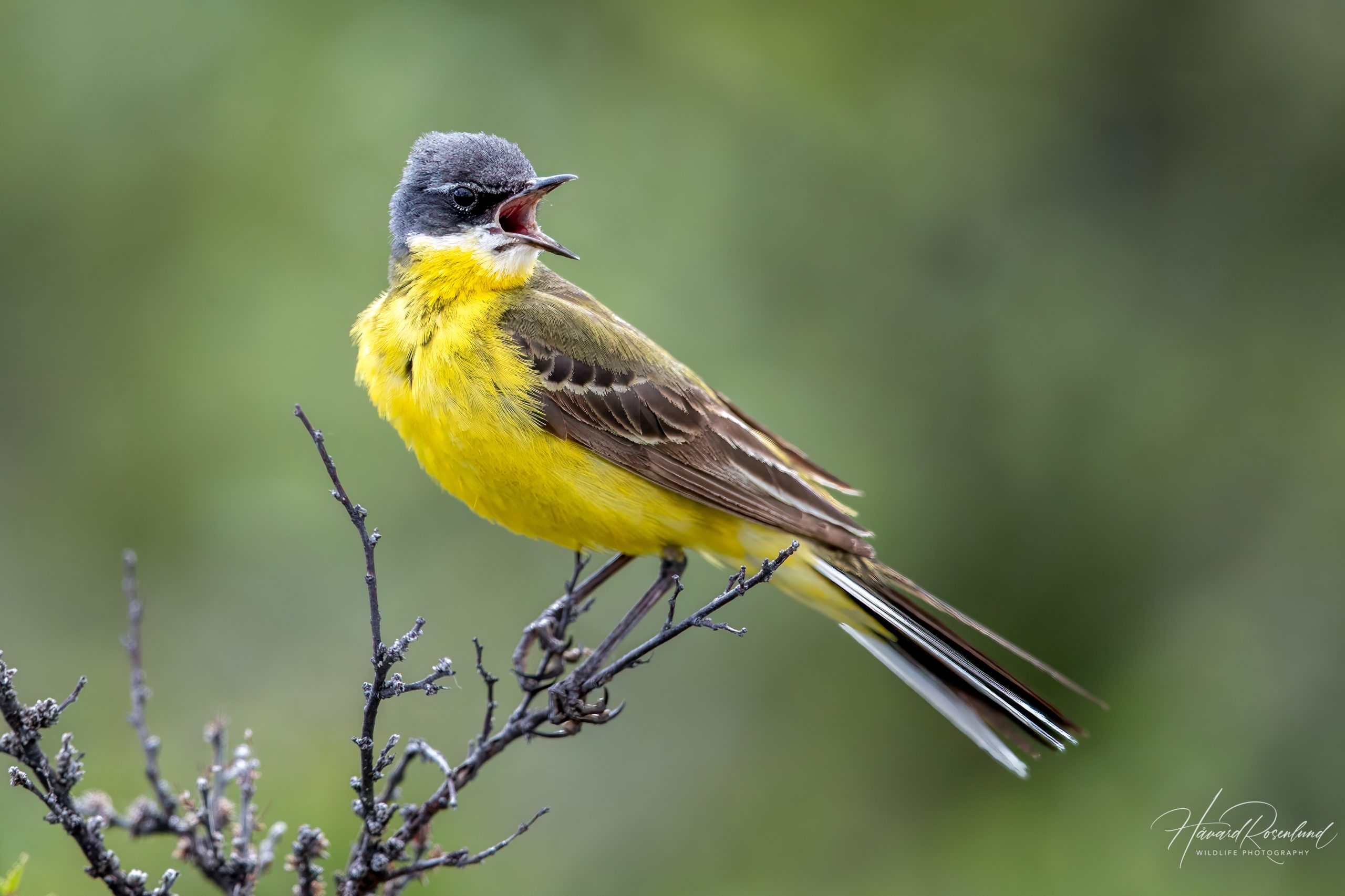
White-browed Wagtail
(Motacilla maderaspatensis)
Woodshrikes
Common Woodshrike
(Tephrodornis pondicerianus)
Mammals
Carnivores
Asian Palm Civet
(Paradoxurus hermaphroditus)
Dhole
(Cuon alpinus)
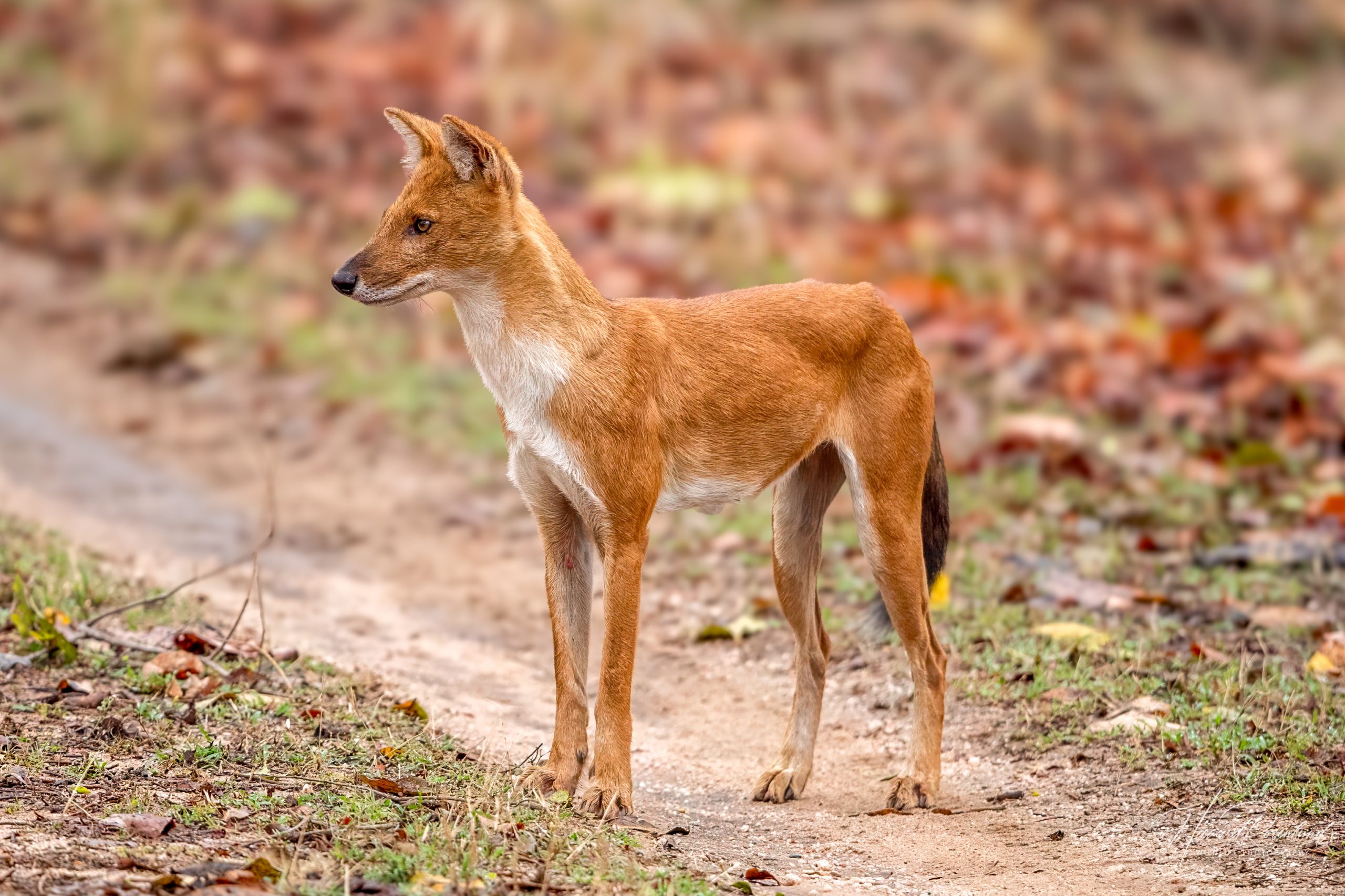
Golden Jackal
(Canis aureus)
Jungle Cat
(Felis chaus)
Leopard
(Panthera pardus)
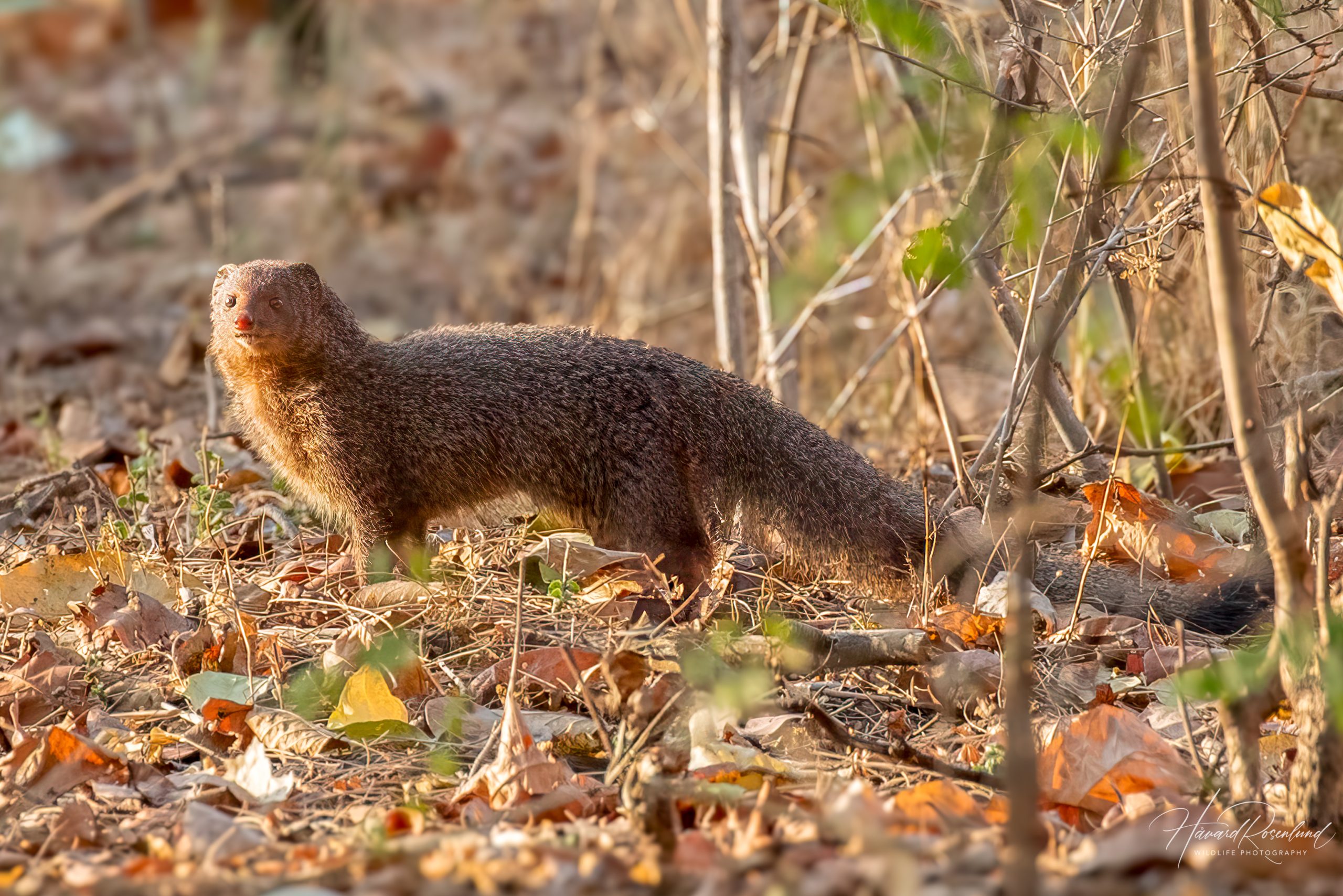
Ruddy Mongoose
(Urva smithii)
Rusty-spotted Cat
(Prionailurus rubiginosus)
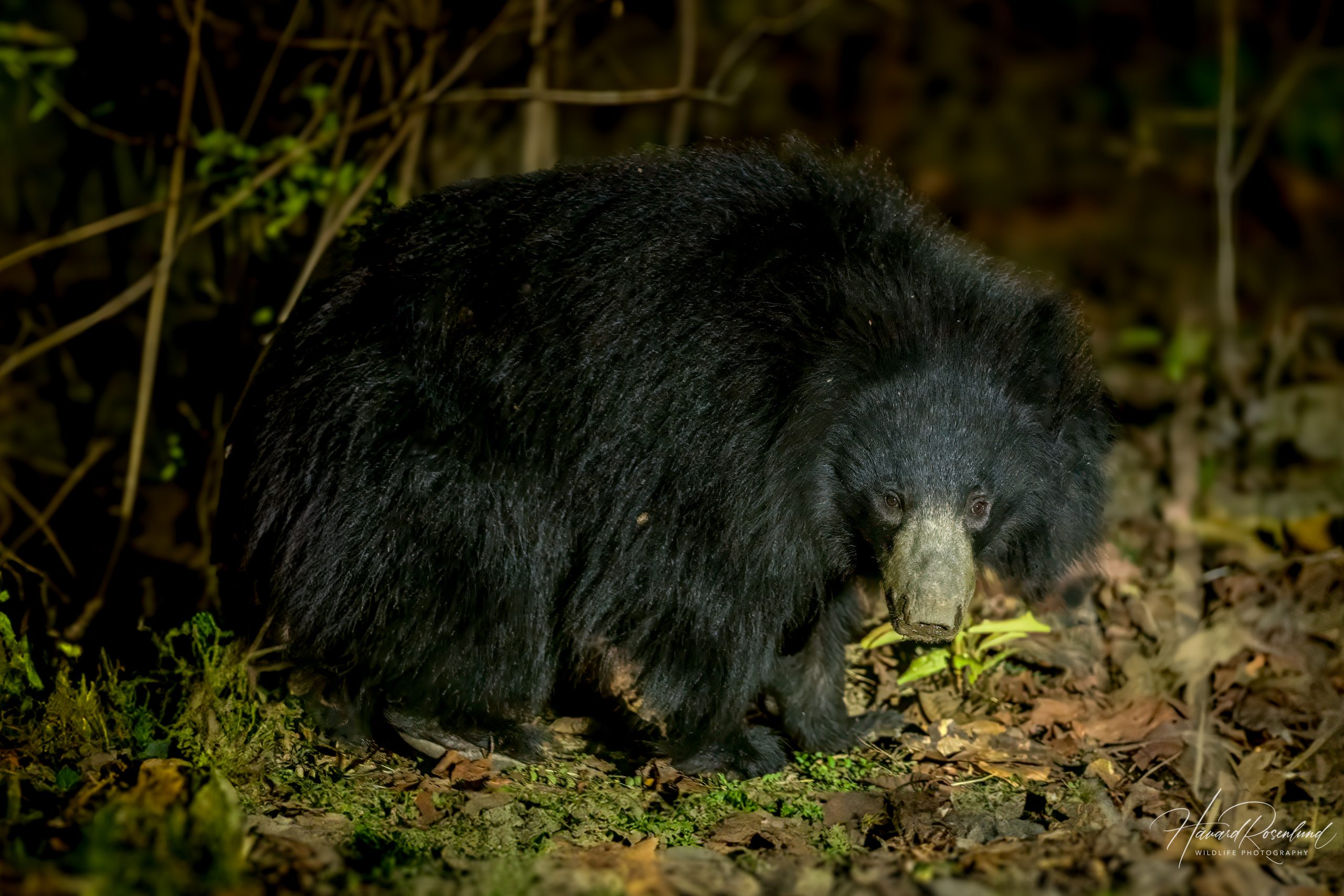
Sloth Bear
(Melursus ursinus)
Tiger
(Panthera tigris)
Even-toed Ungulates
Barasingha
(Rucervus duvaucelii)
Blackbuck
(Antilope cervicapra)
Chital
(Axis axis)
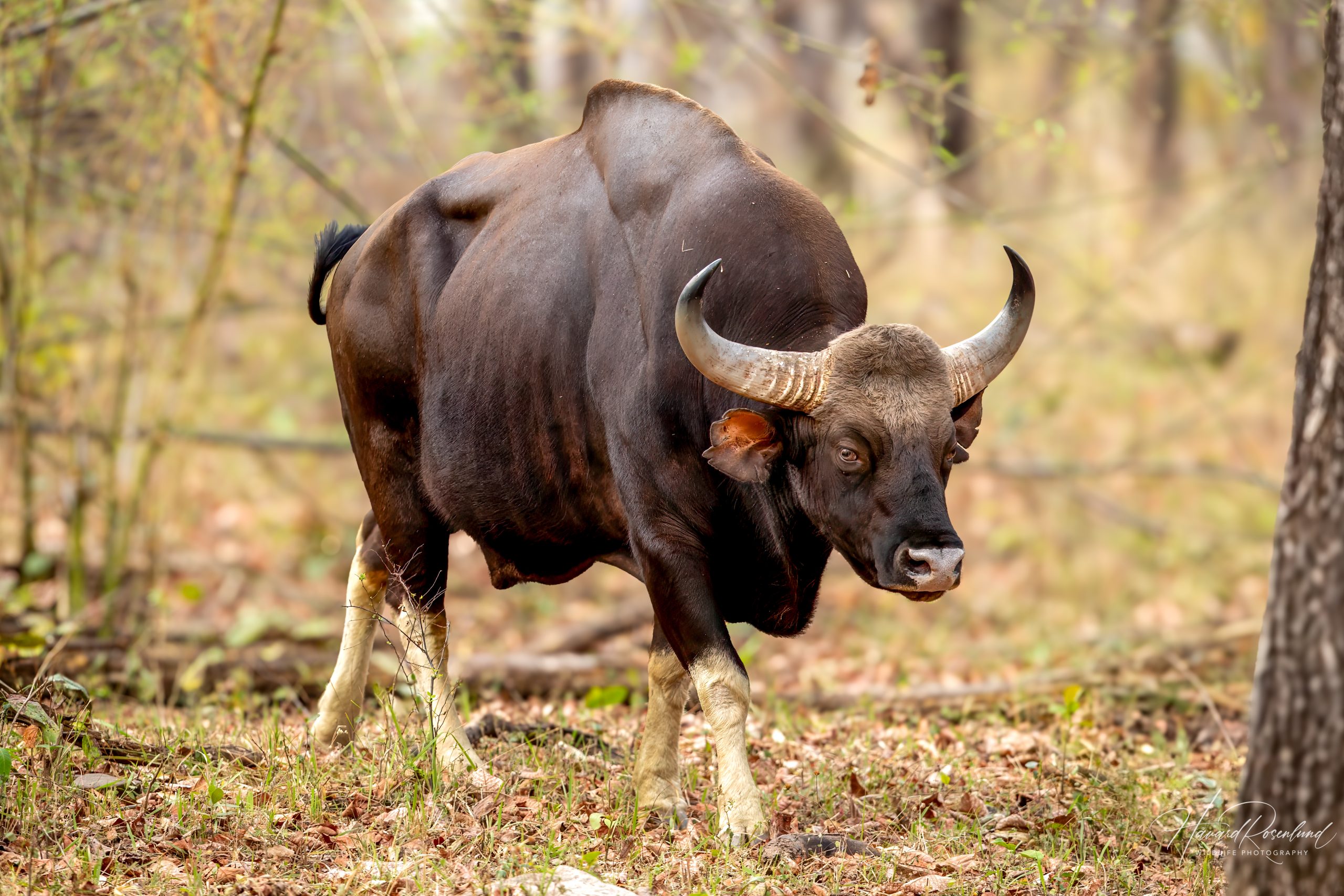
Gaur
(Bos gaurus)
Nilgai
(Boselaphus tragocamelus)
Northern Red Muntjac
(Muntiacus vaginalis)
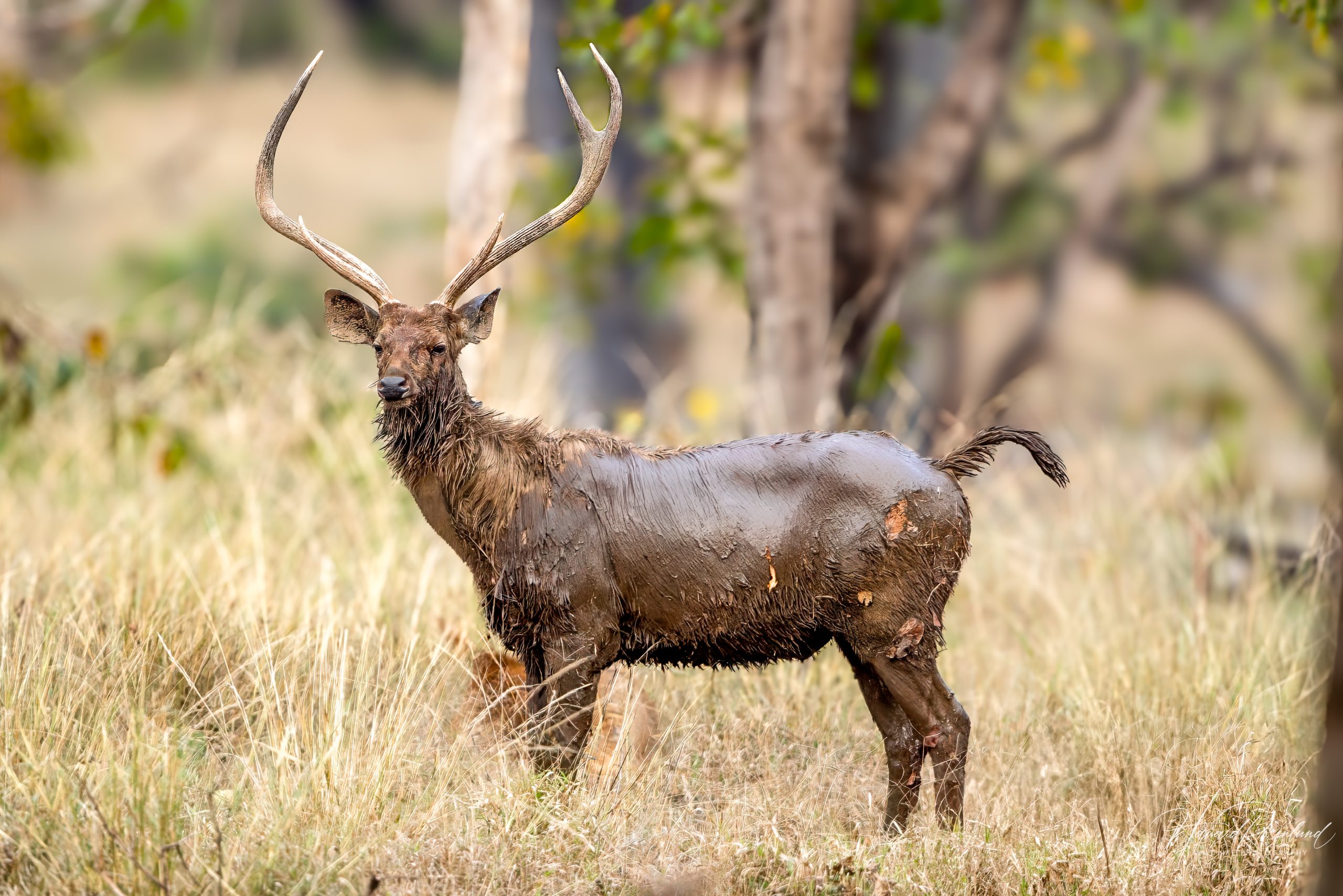
Sambar
(Rusa unicolor)
Wild Boar
(Sus scrofa)
Lagomorphs
Indian Hare
(Lepus nigricollis)
Primates
Northern Plains Grey Langur
(Semnopithecus entellus)
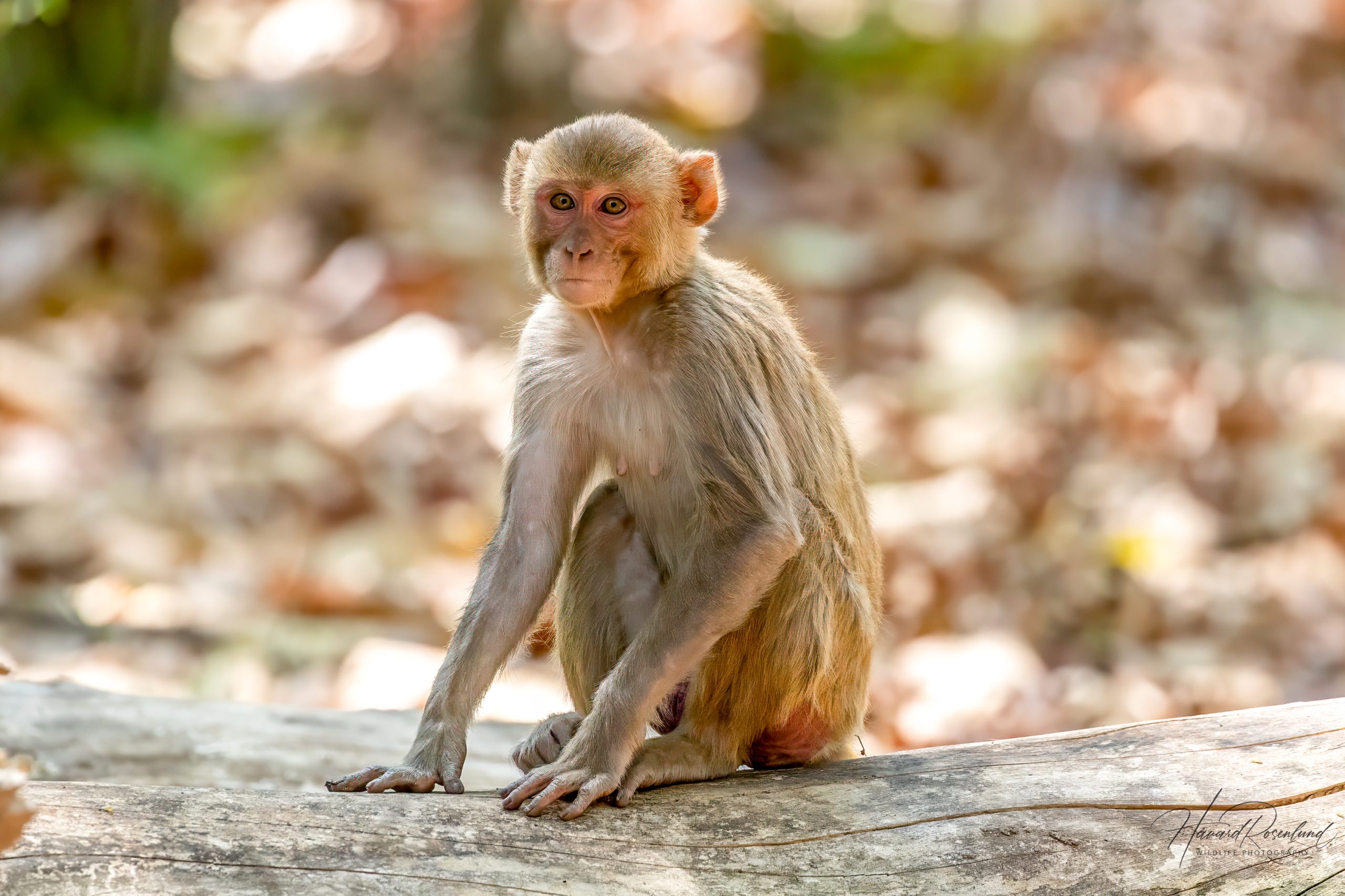
Rhesus Macaque
(Macaca mulatta)
Rodents
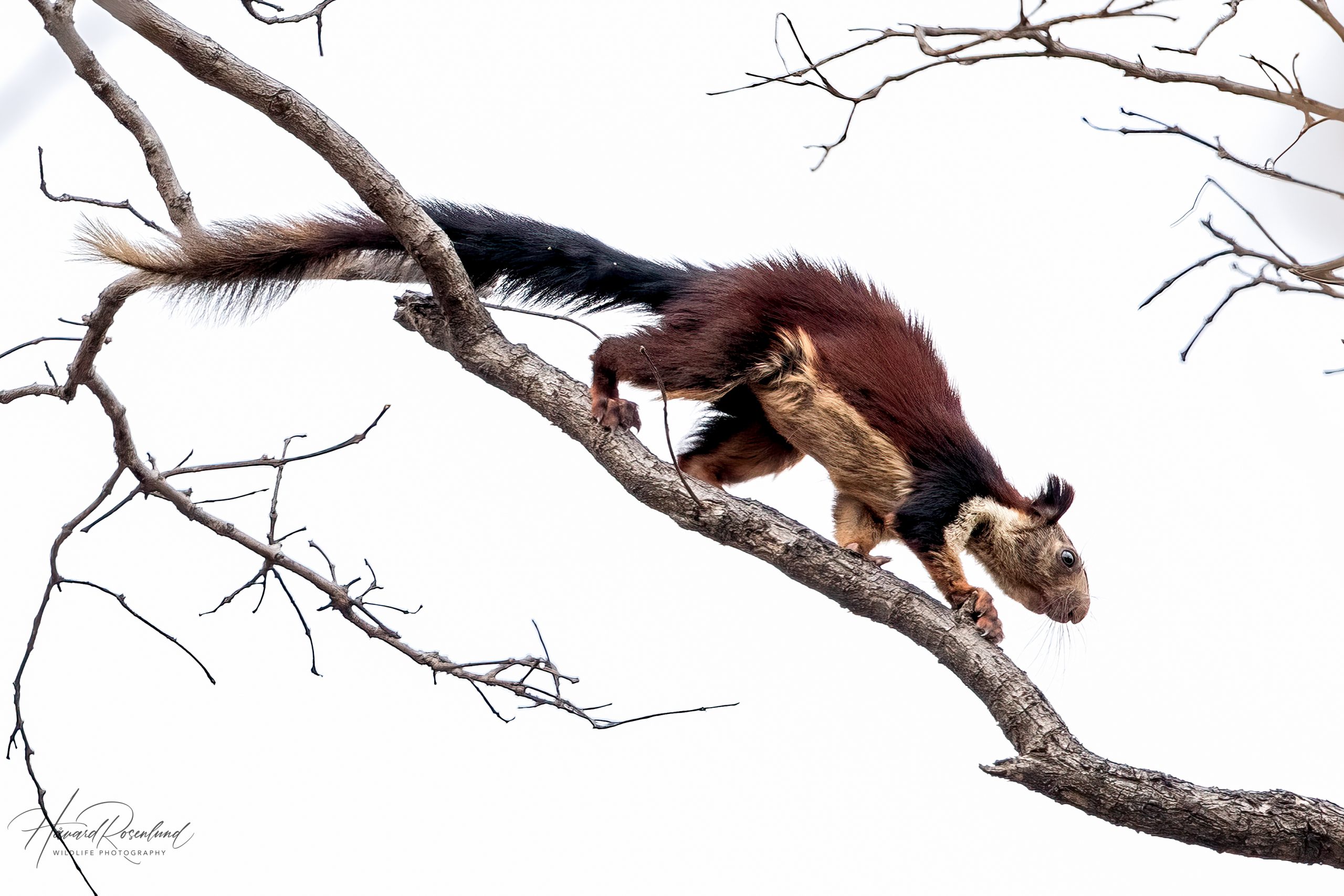
Indian Giant Squirrel
(Ratufa indica)
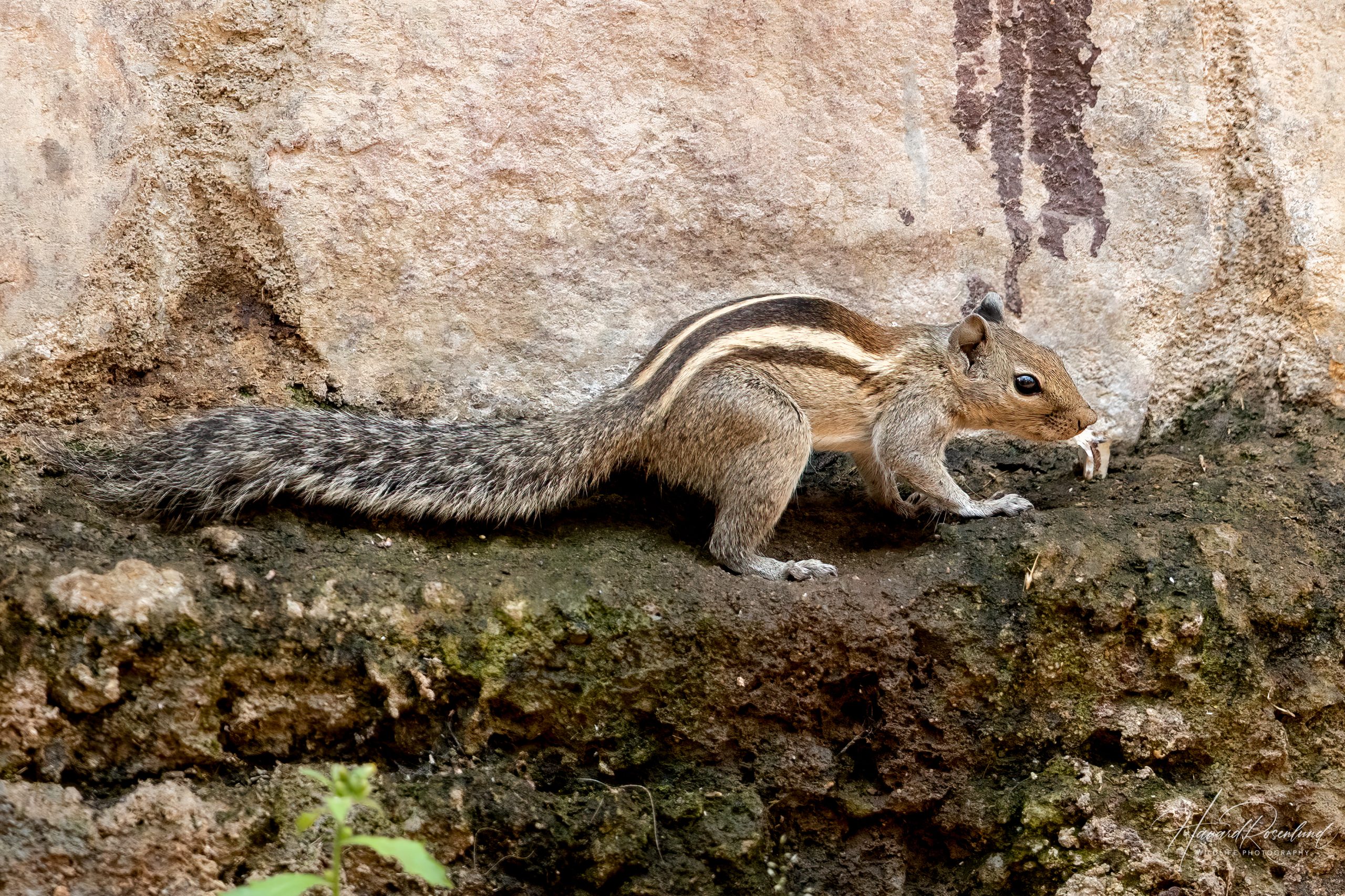
Indian Palm Squirrel
(Funambulus palmarum)
Reptiles
Crocodiles
Mugger Crocodile
(Crocodylus palustris)
Lizards
Bengal Monitor
(Varanus bengalensis)
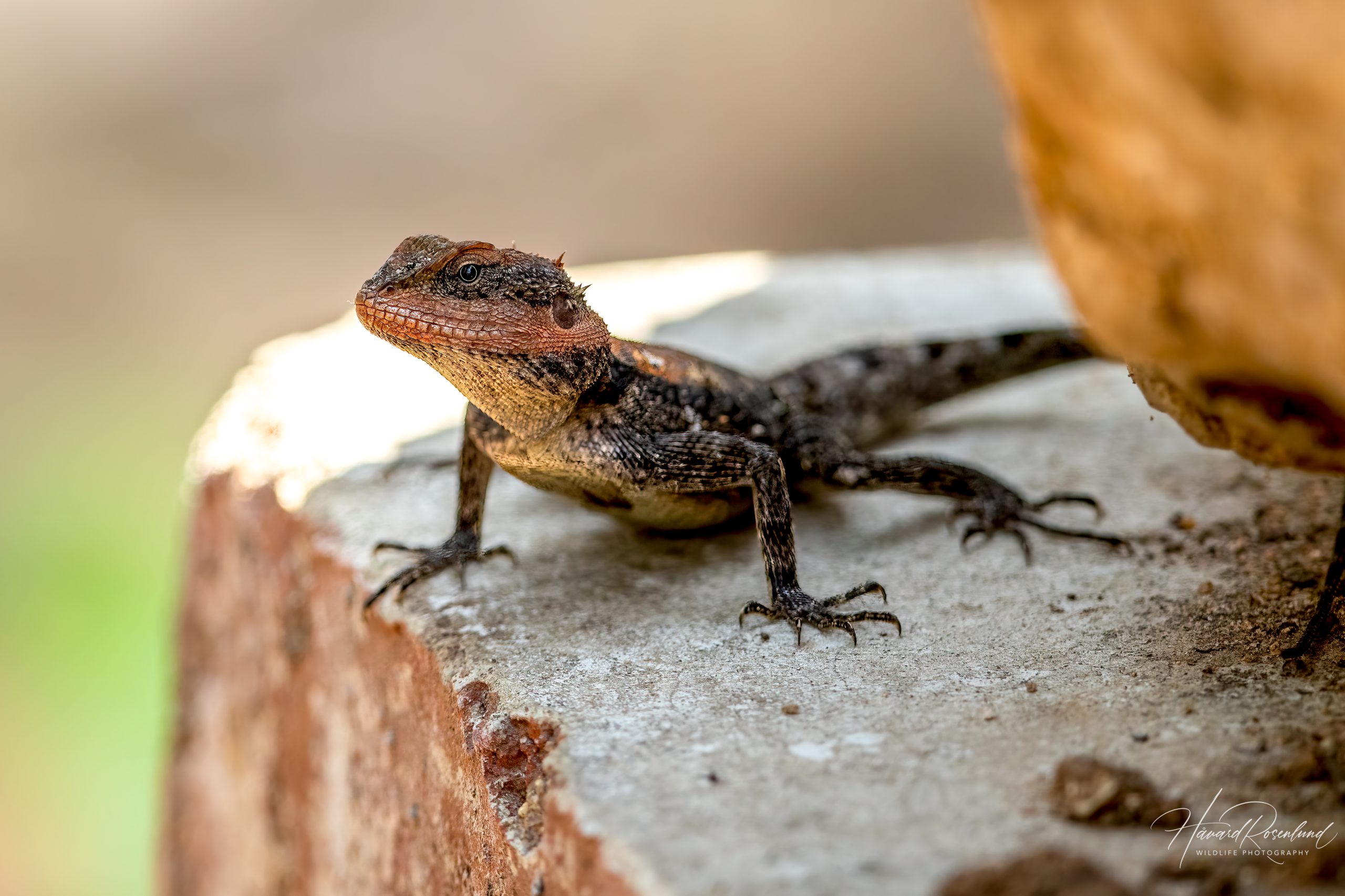
Blanford's Rock Agama
(Psammophilus blanfordanus)
Turtles
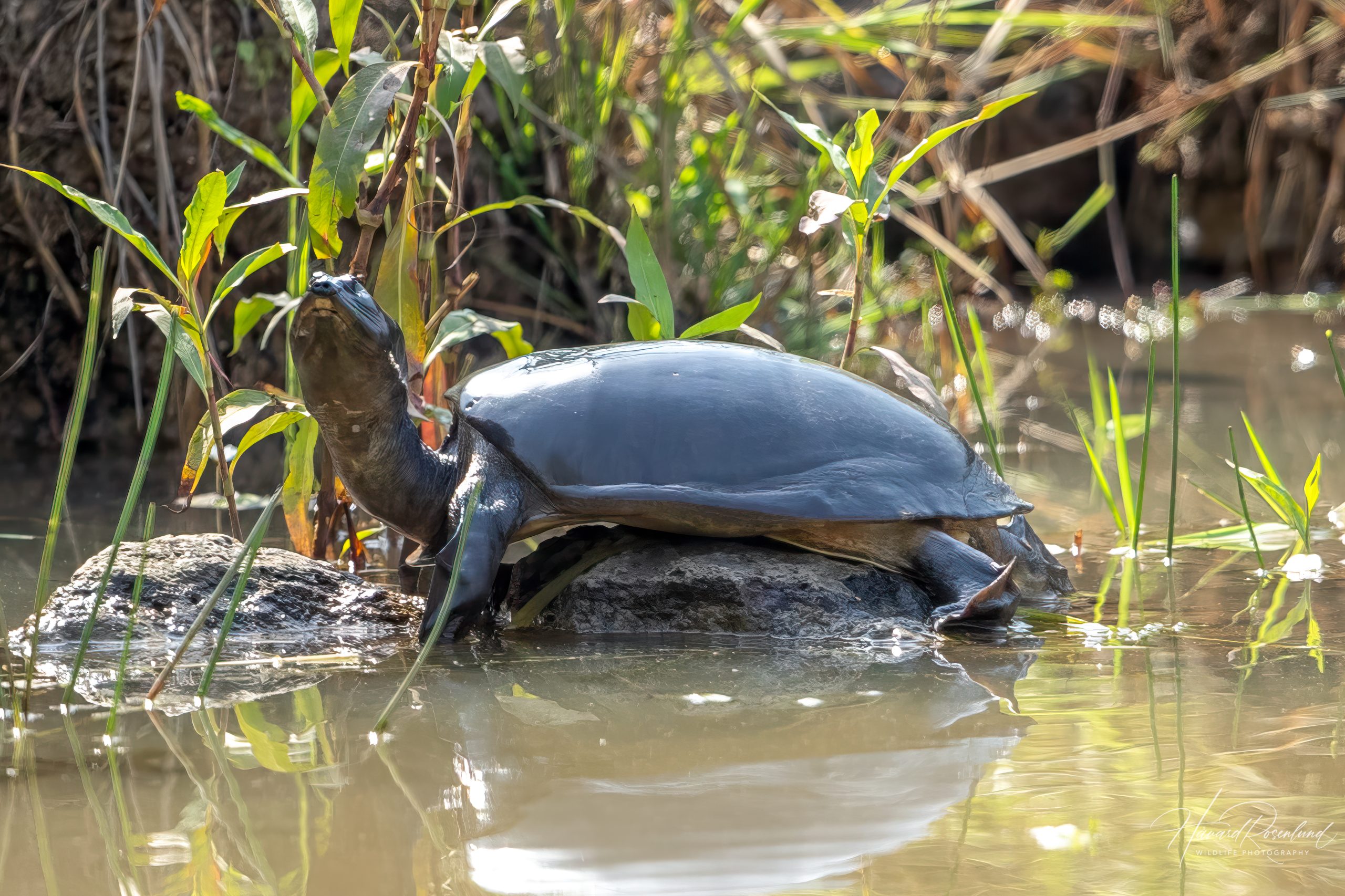
Indian Flapshell Turtle
(Lissemys punctata)
Independent field journal
Did you enjoy this story?
Voluntary support helps cover the website and continued work on the field journal and species archive.
Support Wildlife VagabondThe content will remain freely available.