
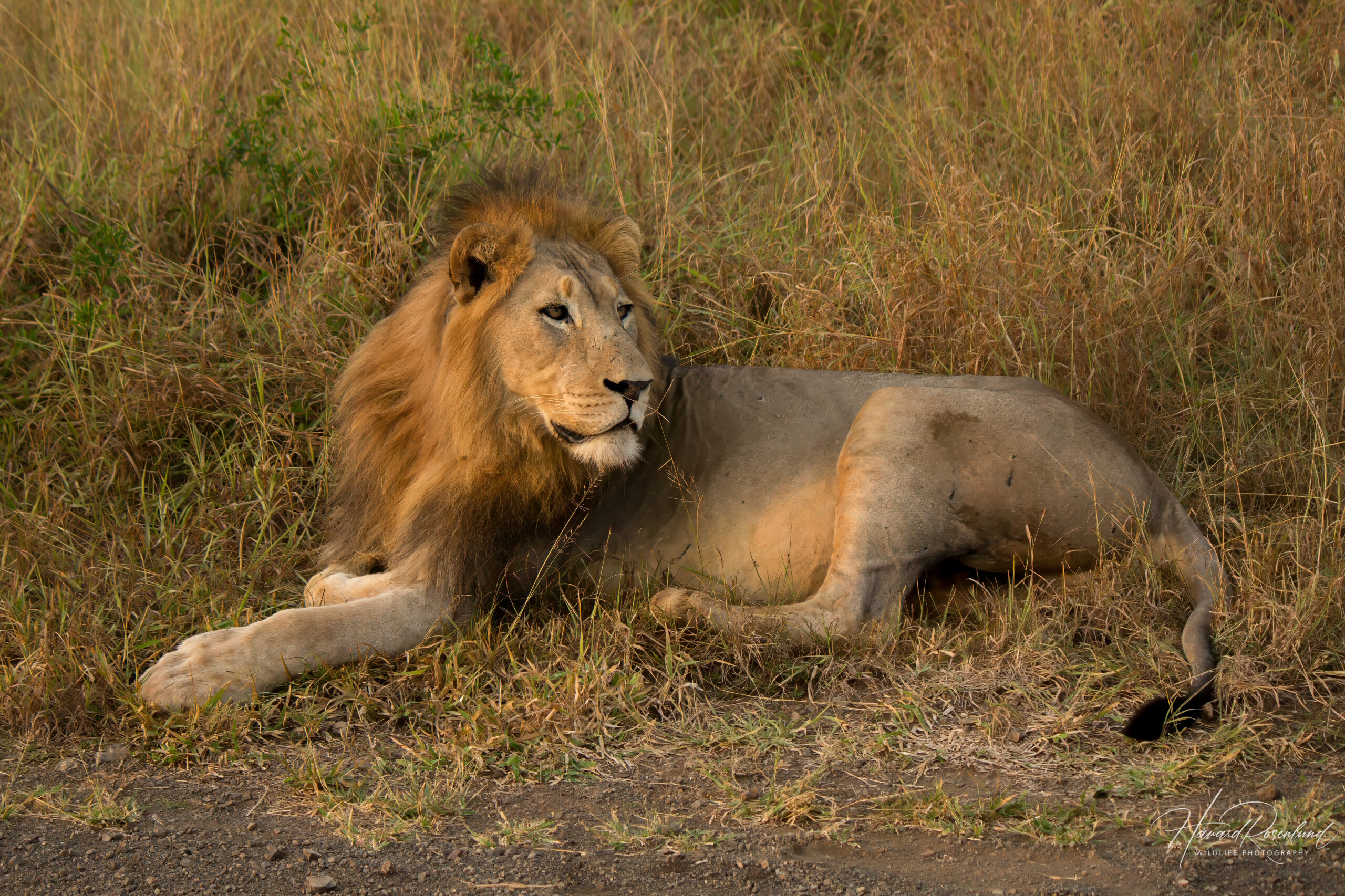
Lion
Panthera leo
At a glance
Habitat
- Savanna, grassland, open woodland, scrub and dry forest
Diet
- Mostly medium-to-large mammals; also smaller prey and carrion
Activity
- Mostly nocturnal and crepuscular, but active by day where conditions allow
Size
- Length: 1.4–2.5 m (head–body) Weight: 110–250 kg
Range
- Fragmented populations across sub-Saharan Africa and one wild Asian population in Gujarat, India
Description
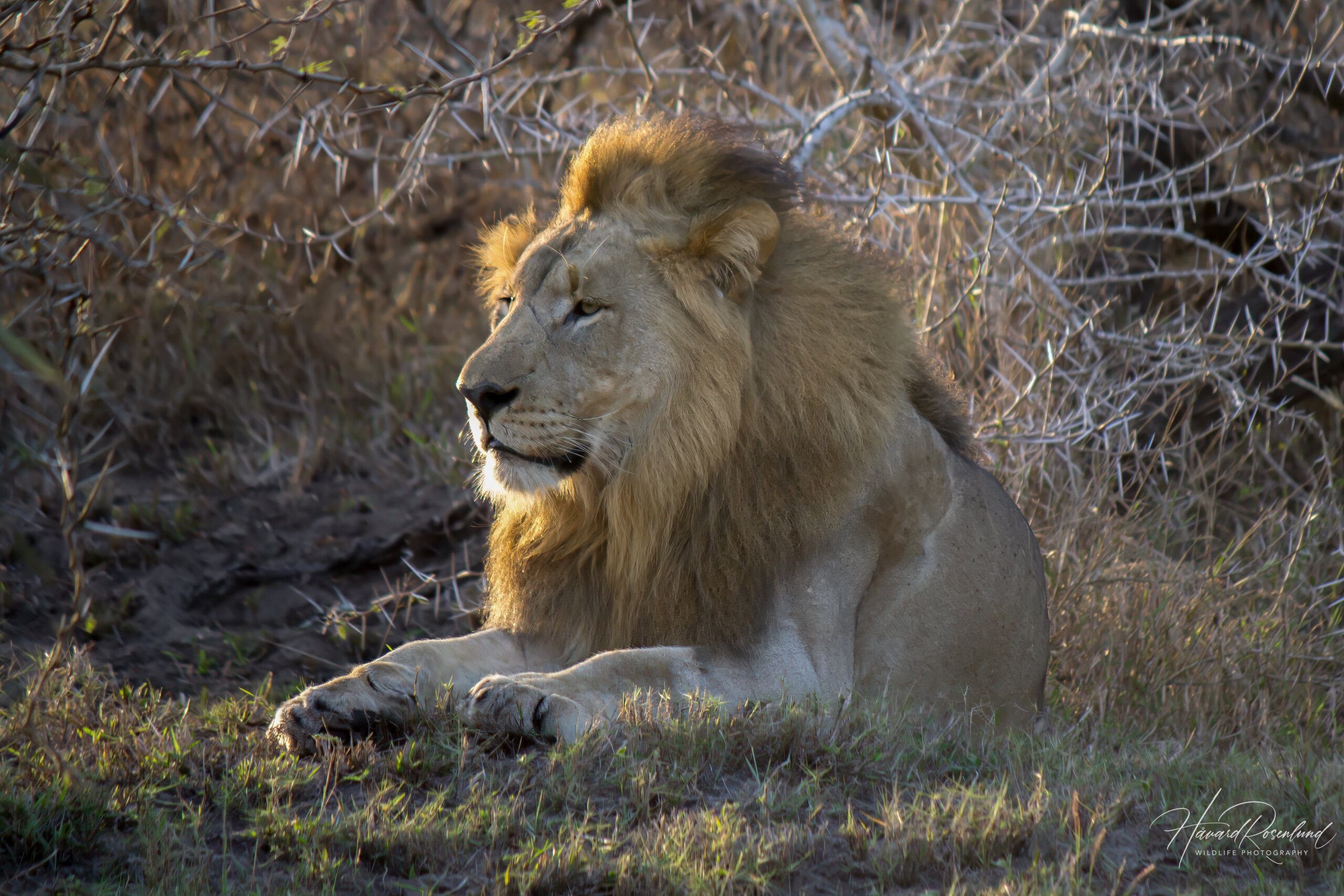
The lion (Panthera leo) is the world’s second-largest cat after the tiger (Panthera tigris) and the largest native cat in Africa. Adult males commonly weigh about 150–190 kg, although exceptional individuals exceed 200 kg; females are usually around 110–130 kg. Head-and-body length is roughly 1.4–2.5 m, and large males can stand close to 1.2 m at the shoulder.
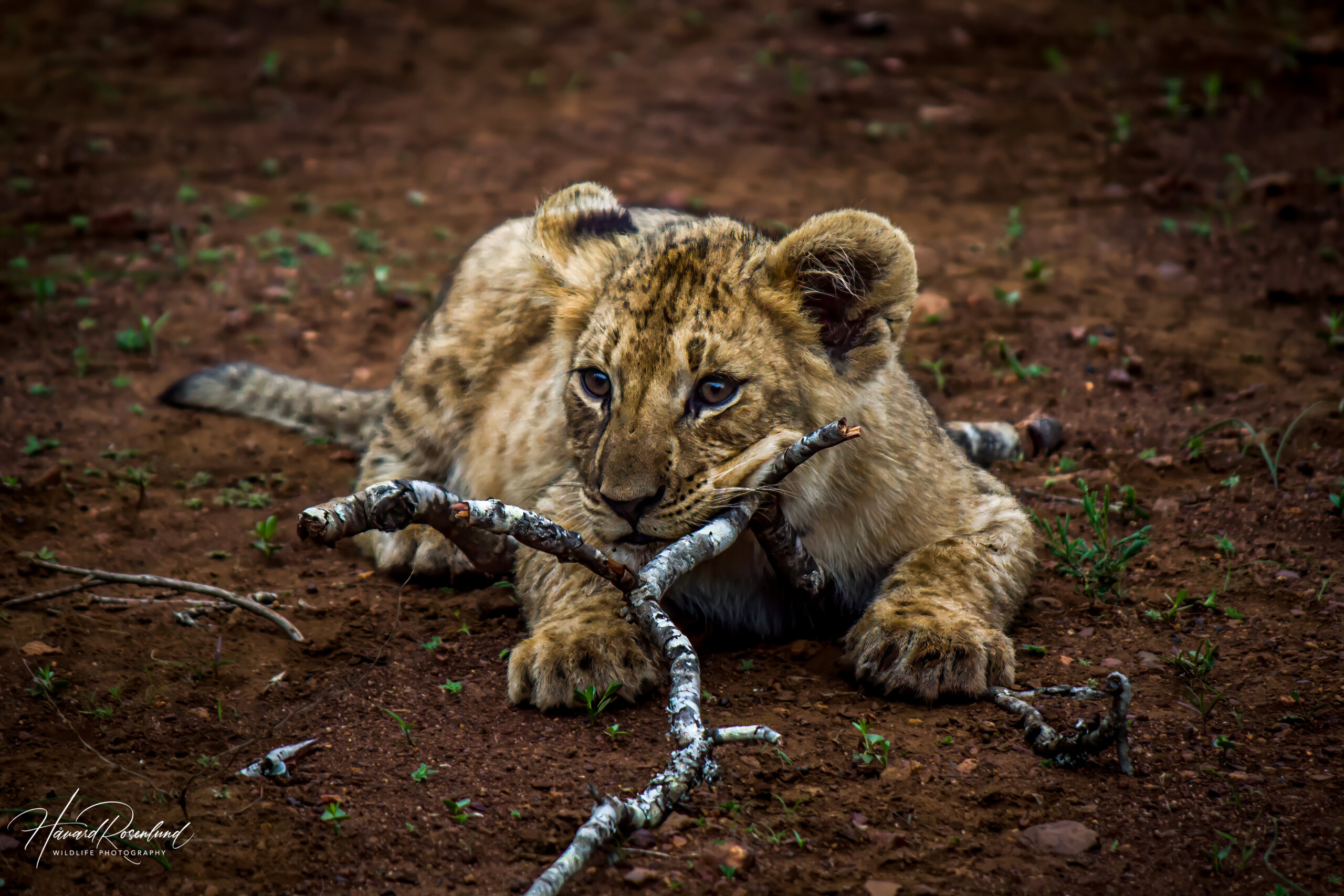
Adults have a largely plain tawny coat, while cubs are born with faint spots that usually fade with age. The male’s mane varies with age, genetics, climate and physical condition. A dark, full mane can influence female choice and how rivals assess a male, while lions in very hot regions such as Tsavo may have little or no obvious mane.
Taxonomy
Two living subspecies are widely recognised. The northern lion (Panthera leo leo) includes lions in West and Central Africa and the surviving Asian population in India, as well as the extinct populations that once occurred across North Africa, the Middle East and parts of southern Europe. The southern lion (P. l. melanochaita) occurs in East and southern Africa.
The division is based on genetic work showing that lions in India are more closely related to those in West and Central Africa than to lions in East and southern Africa. The boundary is not absolute: north-eastern Africa, particularly Ethiopia, forms a contact zone where the two major genetic lineages overlap.
Habitat
Lions can live in a wide range of environments, including savanna, grassland, open woodland, scrub, dry forest and semi-desert. They are most strongly associated with landscapes that provide enough large prey, cover for resting and hunting, either access to water or enough moisture from prey, and relatively little disturbance from people.
Habitat differs markedly between regions. African lions are best known from open savannas but have been recorded in mountains above 4,000 m, while India’s lions use dry deciduous forest, thorn woodland, scrub and increasingly the wider human-used landscape of Saurashtra.
Diet
Lions are generalist carnivores but usually favour medium-to-large mammals, particularly prey in roughly the 100–300 kg range. Common prey includes blue wildebeest (Connochaetes taurinus), plains zebra (Equus quagga), African buffalo (Syncerus caffer) and common warthog (Phacochoerus africanus), while some populations also take giraffes (Giraffa spp.) and much smaller animals.
Diet varies greatly between ecosystems and individual prides can develop strong local preferences. In Savuti in Chobe National Park, Botswana, one large pride has specialised in hunting young African bush elephants (Loxodonta africana) during the late dry season, when more typical ungulate prey becomes scarcer. During one study period the pride at times killed roughly one elephant every three days. Elephant hunting is highly unusual for lions, but Savuti shows how flexible their diet can become under exceptional local conditions.
Lions also scavenge readily and may take over carcasses from other predators. They can go for long periods without feeding and obtain a substantial amount of moisture from prey, although they drink regularly when water is available.
Hunting
Most hunting takes place from dusk through the night, when darkness and cooler temperatures favour a short-range ambush predator. Across many studies, roughly three in ten hunting attempts succeed, but success varies greatly with prey, cover, group size and hunting method.
Lionesses often hunt cooperatively, approaching from different directions or blocking likely escape routes. Males are also capable hunters and can be especially important when tackling large prey. In thick cover a solitary male may be a very effective ambush hunter.
In Thanda Private Game Reserve I watched a pride use a particularly memorable tactic against wildebeest. Several lionesses stalked towards the herd and flattened themselves in the grass when they were about a hundred metres away. At the same time, an older lioness made a wide loop around our vehicle to get behind the wildebeest. The wind carried her scent towards the herd, which reacted by running straight towards the lionesses concealed ahead of them. The pride then closed the trap. The video below captures some rather excited reactions from those of us watching.
I followed this pride closely for three months while volunteering at Thanda and was responsible, among other things, for identifying and sexing four small cubs. When this happened, after almost two months in the field, it was the first time I saw them eat meat. Their mother had kept them hidden during the hunt and brought them to the dead wildebeest afterwards. They were around four to five months old and still nursing. The adult lions had opened the softer parts of the carcass around the anus so the cubs could reach the meat more easily.
Behaviour
Lions are mainly nocturnal and crepuscular and spend much of the day resting, especially in hot weather. In many populations they are active for only about four to six hours in a day, although activity can shift with prey, temperature and human disturbance.
Roaring is one of their most important long-distance signals and can advertise both territory and the presence of pride or coalition members. Lions also mark frequently used routes and boundaries with urine, scent rubbing and scraping. The video below shows a male scent-marking in Tembe Elephant Park.
Social behaviour
Lions are the most social wild cats. The stable core of a pride is formed by related females and their young. African prides average roughly four to six adult lionesses but vary enormously, from a single adult female to more than twenty. Groups may split into smaller parties and reunite later, particularly when prey is scattered.
Adult males usually live alone or in coalitions. Coalitions often contain two males but can be much larger, and partners may be brothers or unrelated lions. They compete for access to one or more prides, with a typical tenure of about two to three years. Young males normally leave their natal pride around three to four years of age, although a takeover can force them out earlier.
Coalitions give males a clear advantage when competing for prides, but mating opportunities are not always shared equally. In small coalitions several males may obtain fairly similar numbers of matings, whereas larger coalitions often show stronger reproductive skew, with some males mating far more often than others. When partners are close relatives, a subordinate male can still gain indirect genetic benefits when a brother or another close relative sires cubs.
Wild male lions often live only about 10 years, and 12 is already an advanced age. Females generally live longer and can reach 15–19 years; the oldest recorded female in the Serengeti reached 19. Part of this difference reflects the more dangerous lives of males: young males must leave their natal pride, spend time as nomads and later compete with other coalitions for prides and territories.
Social life extends beyond territory and mating. Pride females may give birth around the same period, nurse one another’s cubs and cooperate in their defence. Greeting, rubbing, grooming and calling help maintain relationships when members that have been apart meet again.
Interspecific competition
Lions strongly influence Africa’s wider carnivore community. Their most important direct rival is the spotted hyena (Crocuta crocuta): the two species overlap heavily in diet, take carcasses from one another and sometimes fight over food. Numbers matter. Large hyena groups can displace lionesses, while the arrival of an adult male lion can quickly shift the balance towards the lions.
Lions also displace and sometimes kill cheetahs (Acinonyx jubatus), African wild dogs (Lycaon pictus) and leopards (Panthera pardus). These smaller competitors reduce risk by changing where or when they hunt, choosing different prey or avoiding places with intense lion activity. Lions therefore shape not only prey populations but also how other large predators use the landscape.
Reproduction
Lions can breed throughout the year. When a lioness is in oestrus, she mates repeatedly over several days. Pregnancy lasts about 100–119 days, and litters usually contain one to four cubs. A lioness gives birth in a sheltered place away from the pride and keeps the newborn cubs concealed before gradually introducing them to the other lions.
When new males take over a pride, young cubs sired by the previous males are at considerable risk. Infanticide often follows such takeovers because females that lose young can return to oestrus sooner, but it does not occur after every change of males.
Cub survival changes greatly with prey availability, pride size and local conditions. When cubs survive, females commonly wait about two to three years before producing the next litter.
Cultural significance
Lions have held powerful and often complex meanings for people across their former range. Among San and other Khoisan-speaking hunter-gatherers of southern Africa, lions and other large cats appear in rock art, stories and ritual traditions. The lion could represent both danger and protection, death and healing, and traditions of human–lion transformation were linked to ritual power, hunting and identity.
The lion also became one of the most widespread symbols of kingship and strength in European heraldry, even in countries where lions never lived. Norway is a striking example. When King Eirik Magnusson came to the throne in 1280, the Norwegian lion was given a crown and an axe. The axe connected the king with St Olaf, who in medieval royal ideology was regarded as the ‘eternal king of Norway’; the reigning monarch could therefore be presented as his heir and representative. St Olaf’s axe is what makes the Norwegian heraldic lion distinctive, and the motif remained Norway’s national arms through later changes of dynasty and political union.
In ancient Egypt, lion imagery carried a different but equally strong association with power. The lioness-headed goddess Sakhmet embodied war, disaster and disease, but also protection and healing when her destructive power was appeased. Hundreds of Sakhmet statues were commissioned during the reign of Amenhotep III, showing how deeply the lioness image was woven into religion and royal protection.
Relationship with humans
Lions and people have shared landscapes for thousands of years, and that relationship ranges from admiration and tourism to serious conflict. Lions may take livestock and, much more rarely, people. Retaliation after livestock losses is consequently one of the main ways lions are lost outside protected areas. Better livestock enclosures, herding practices, rapid response to problem animals and meaningful local benefits from conservation can make coexistence more realistic.
India shows how close coexistence can also be sustained by cultural tolerance. Asiatic lions now range widely outside the Gir protected area through farmland, villages and coastal landscapes, although this expansion also increases livestock losses and risks to people.
South Africa has a distinctive additional issue: many wild lions live in fenced reserves whose populations are actively managed, while a separate commercial captive-lion industry developed for breeding, tourism, hunting and trade. South Africa’s official policy is to end commercial captive-lion keeping and intensive breeding. A prohibition on establishing new commercial breeding facilities forms part of that phase-out.
Status
The lion is listed as Vulnerable on the IUCN Red List. The IUCN SSC Cat Specialist Group estimated about 22,000–25,000 adult and subadult lions in Africa in 2025. Known extant range was estimated at about 566,675 km², only 6.1% of the historical range, with an estimated 34% reduction in range between 2004 and 2025.
The two subspecies have very different regional situations. The northern lion is considered Endangered, with the remaining African populations particularly fragmented, whereas the southern lion is Vulnerable and includes several large strongholds. Many African populations are still poorly surveyed.
In India, the official 2025 population estimation recorded 891 Asiatic lions in Gujarat, up from 674 in 2020. The population is expanding well beyond Gir into satellite areas and corridors across Saurashtra, an important recovery but one that still represents a single geographically connected population.
Threats
The main threats are habitat loss and fragmentation, depletion of wild prey, retaliation after livestock losses, snares, poorly regulated hunting, illegal killing and trade in lion bones and other body parts. Armed conflict and weak management can accelerate declines, particularly in West and Central Africa.
Small and isolated populations face additional risks from inbreeding, disease and chance events. Poisoned carcasses are especially dangerous because lions scavenge readily, while wire snares set for herbivores can injure or kill lions even inside protected areas.
Conservation
Long-term lion conservation requires more than protecting individual parks. Large prey populations, movement corridors and well-managed landscapes around protected areas are essential, particularly where lions cross community land. Preventing snaring and poisoning, improving livestock protection and ensuring that local communities receive real benefits from living alongside lions are central to many current programmes.
In southern Africa, fenced reserves can maintain important populations but require coordinated movement of lions to avoid demographic and genetic isolation. West and Central African lions need especially urgent support because several remaining populations are small and isolated.
The growth of the Asiatic lion population shows what sustained protection can achieve. Its continuing spread across the Greater Gir Landscape makes satellite habitats and corridors increasingly important, while conflict prevention and disease preparedness remain essential as lions live alongside dense human populations.
Conservation organizations



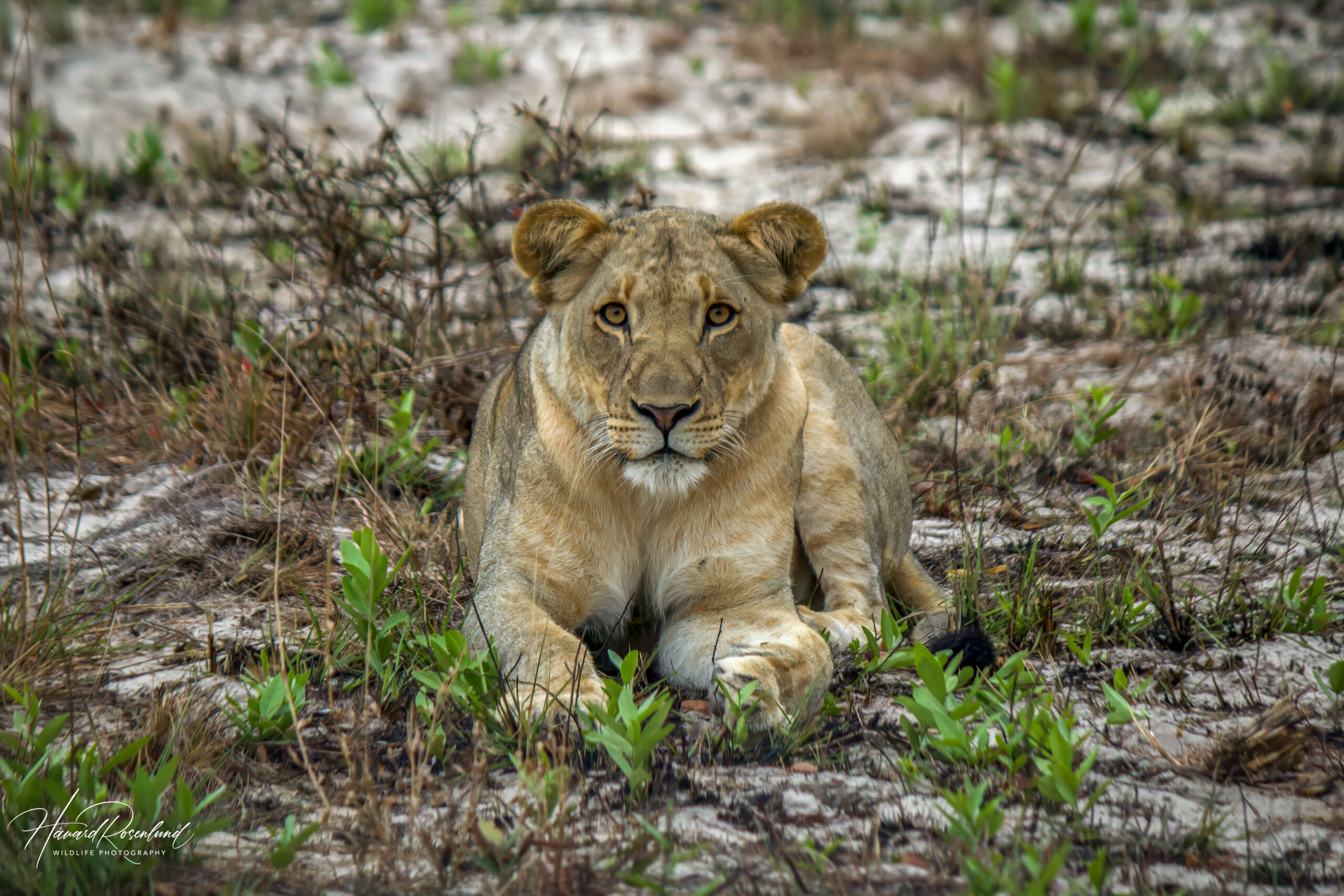
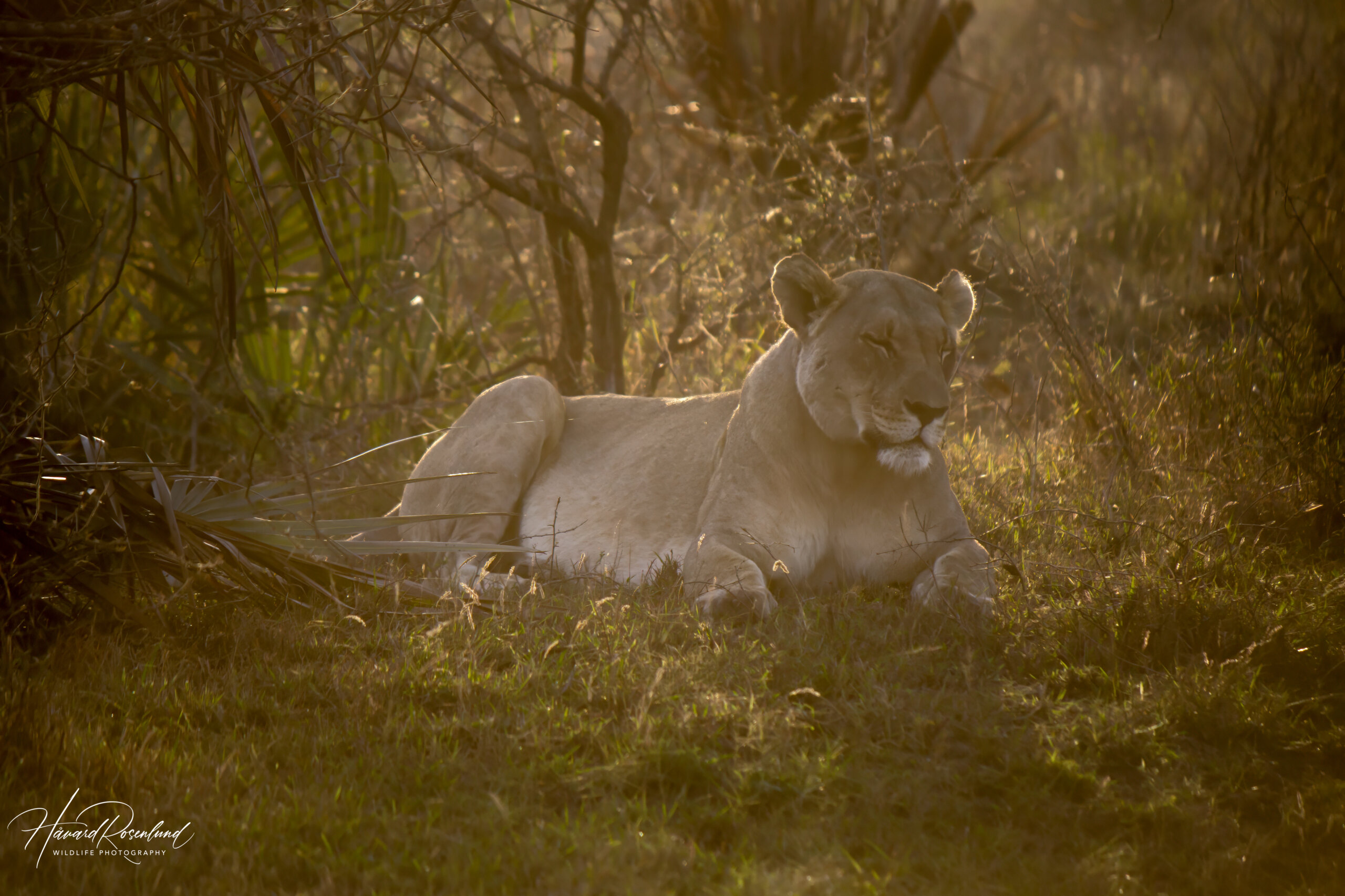
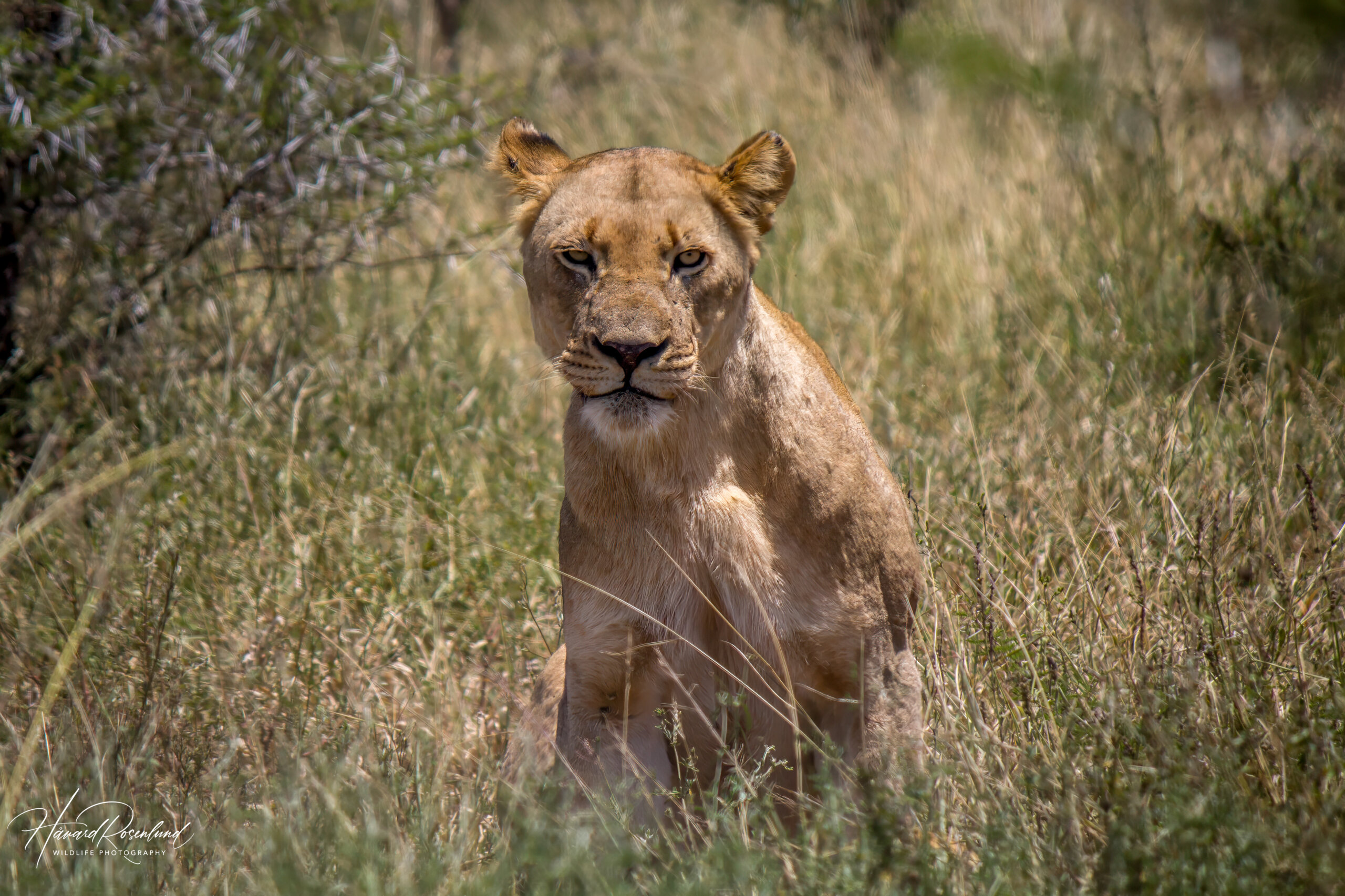
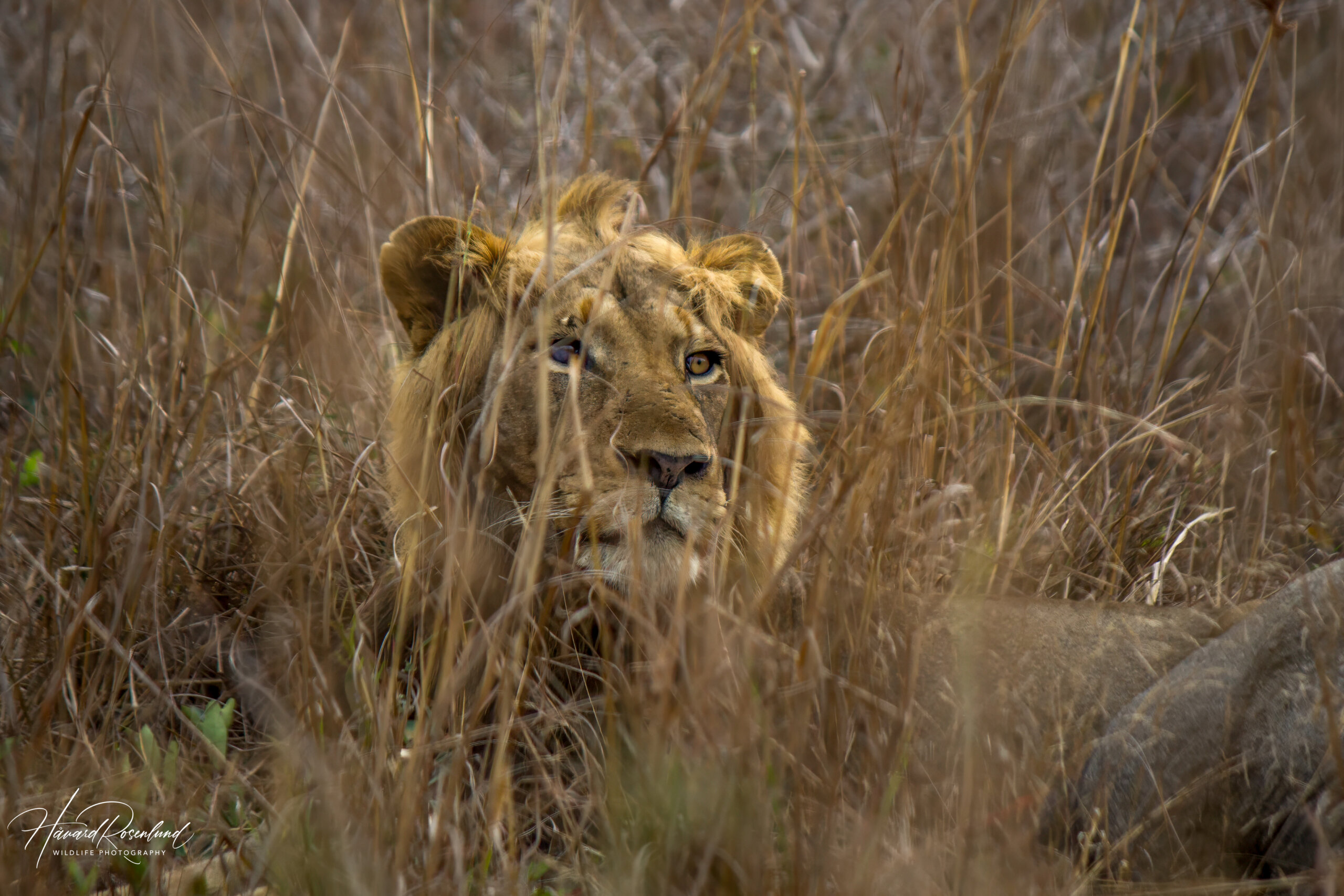
Image gallery
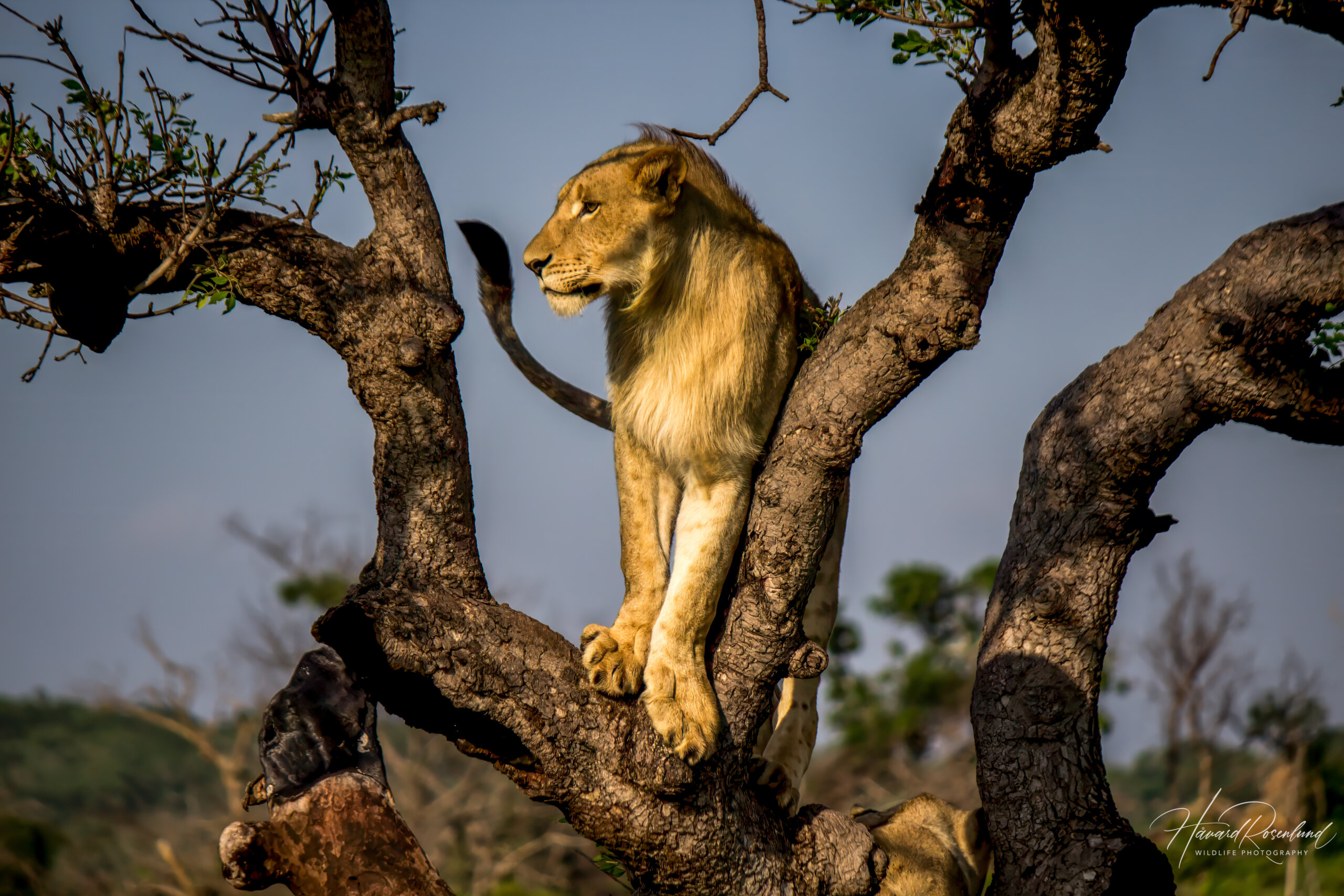
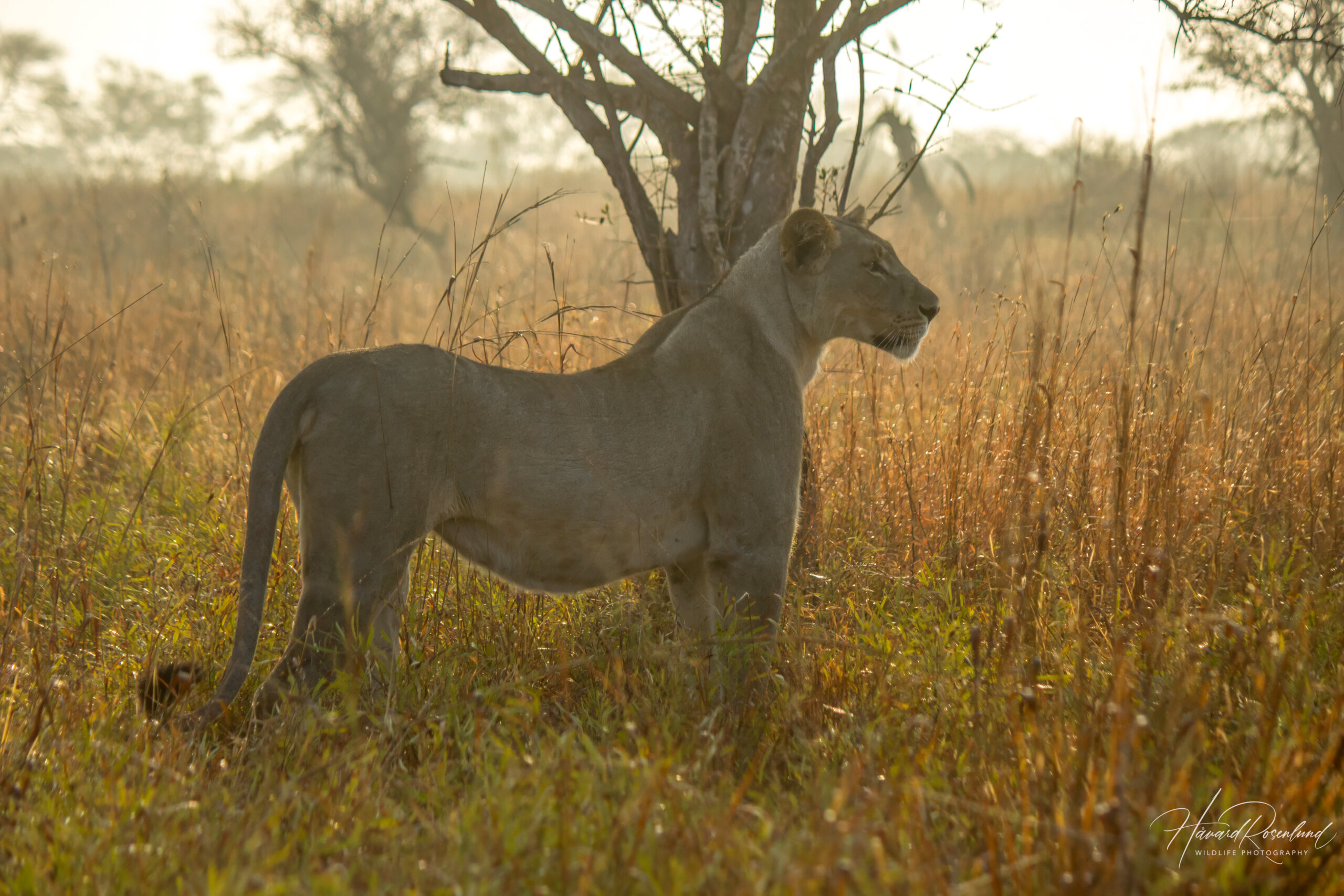
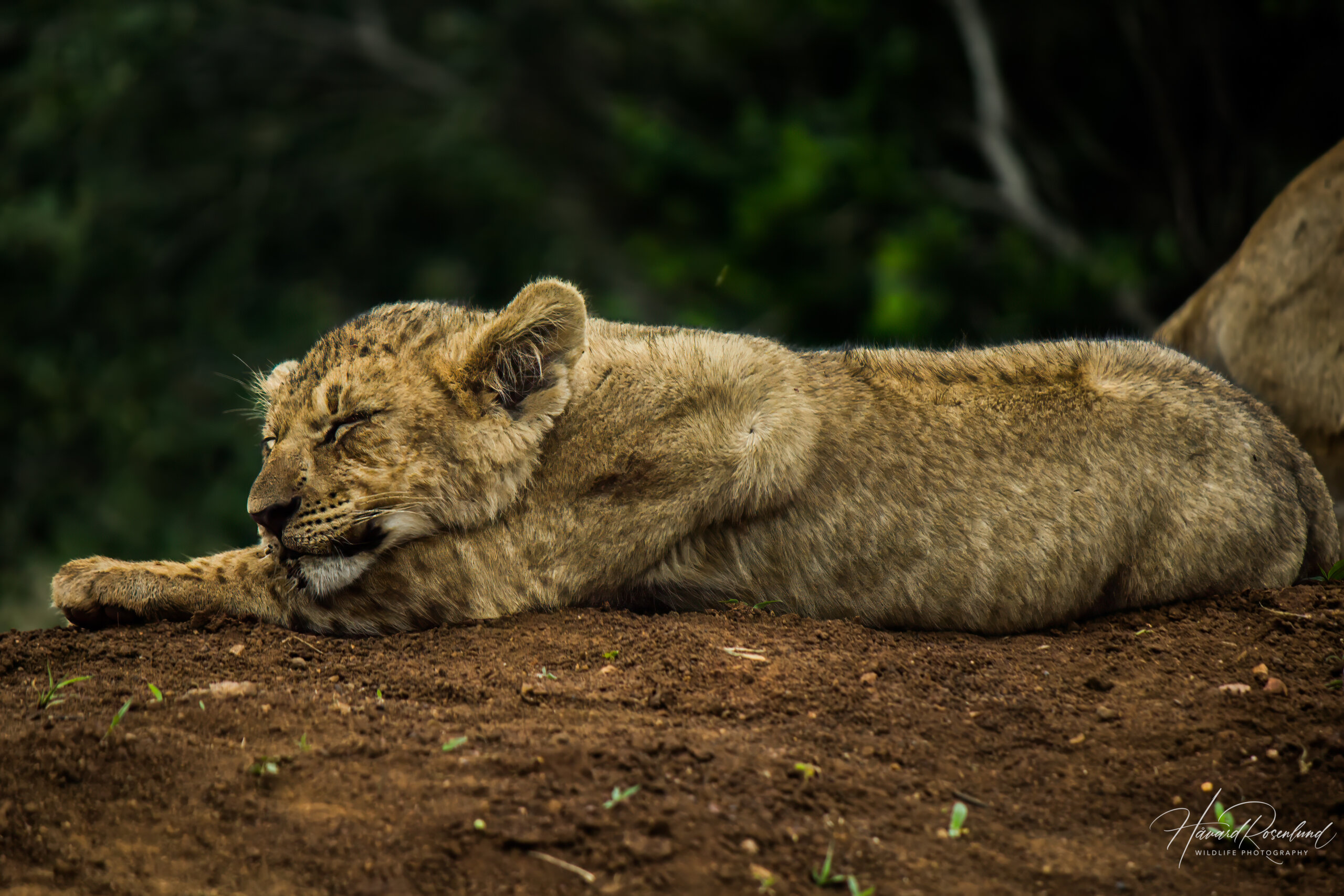
Loading map and observations…
National Red List status
| Country | Status | Assessment | Source |
|---|---|---|---|
| South Africa | LCLeast Concern | Red List of South African Species 2016 | SANBI – Red List of South African Species |
Have you seen this species?
Independent species archive
Did you find this species page useful?
Wildlife Vagabond is independently built and maintained. Voluntary support helps cover hosting, maps, data storage and continued improvements to the species archive.
Support Wildlife VagabondSpecies content will remain freely available.
References
- Chakrabarti, S., & Jhala, Y. V. (2017). Selfish partners: resource partitioning in male coalitions of Asiatic lions. Behavioral Ecology, 28(6), 1532-1539. https://doi.org/10.1093/beheco/arx118
- Chakrabarti, S., Kolipakam, V., Bump, J. K., & Jhala, Y. V. (2020). The role of kinship and demography in shaping cooperation amongst male lions. Scientific Reports, 10(1), 17527. https://doi.org/10.1038/s41598-020-74247-x
- Dröge, E., Creel, S., Becker, M. S., & M'soka, J. (2017). Spatial and temporal avoidance of risk within a large carnivore guild. Ecology and Evolution, 7(1), 189-199. https://doi.org/10.1002/ece3.2616
- Gujarat Forest Department. (2025). Lion Population Estimation 2025. https://girlion.gujarat.gov.in/Documents/Uploads/NewsUpdates/Lion_Population_Estimation_2025_Report_L.pdf
- International Union for Conservation of Nature. (2023). Panthera leo. The IUCN Red List of Threatened Species. https://www.iucnredlist.org/species/15951/231696234
- IUCN SSC Cat Specialist Group. (n.d.). Lion: range, population, ecology and conservation. https://www.catsg.org/living-species-lions
- Lehmann, K. D., Montgomery, T. M., MacLachlan, S. M., Parker, J. M., Spagnuolo, O. S., VandeWetering, K. J., Bills, P. S., & Holekamp, K. E. (2016). Lions, hyenas and mobs (oh my!). Current Zoology, zow073. https://doi.org/10.1093/cz/zow073
- Lion Recovery Fund. (n.d.). Landscape-scale lion conservation. https://lionrecoveryfund.org/
- Mammal Diversity Database. (n.d.). Panthera leo. American Society of Mammalogists. https://www.mammaldiversity.org/taxon/1006020/
- Panthera. (n.d.). Lion ecology, threats and conservation. https://panthera.org/cat/lion
- Power, R. J., & Shem Compion, R. (2009). Lion Predation on Elephants in the Savuti, Chobe National Park, Botswana. African Zoology, 44(1), 36-44. https://doi.org/10.3377/004.044.0104
- Rakitianskaia. (2019). Lions in San beliefs. Southern African Humanities, 32, 193–216. https://www.sahumanities.org/index.php/sah/article/view/448
- Rudd, L. F., Packer, C., Biro, D., Firth, J. A., & Albery, G. F. (2024). Sex-specific social aging in wild African lions. Current Biology, 34(17), 4039-4046.e2. https://doi.org/10.1016/j.cub.2024.07.040
- Smithsonian Institution. (2017). A revised taxonomy of the Felidae. https://repository.si.edu/bitstream/handle/10088/32616/A_revised_Felidae_Taxonomy_CatNews.pdf
- South African Department of Forestry, Fisheries and the Environment. (2025). Captive lion breeding phase-out. https://www.dffe.gov.za/mediarelease/george_banningofcaptivelionbreedingfacilities
- Store norske leksikon. (n.d.). Den norske løve. https://snl.no/Den_norske_l%C3%B8ve
- The Metropolitan Museum of Art. (n.d.). Statue of the Goddess Sakhmet. https://www.metmuseum.org/art/collection/search/544486