
Trail Traffic Was Linked to Coyotes’ Nighttime Activity, but Mammal Detections Did Not Generally Decline
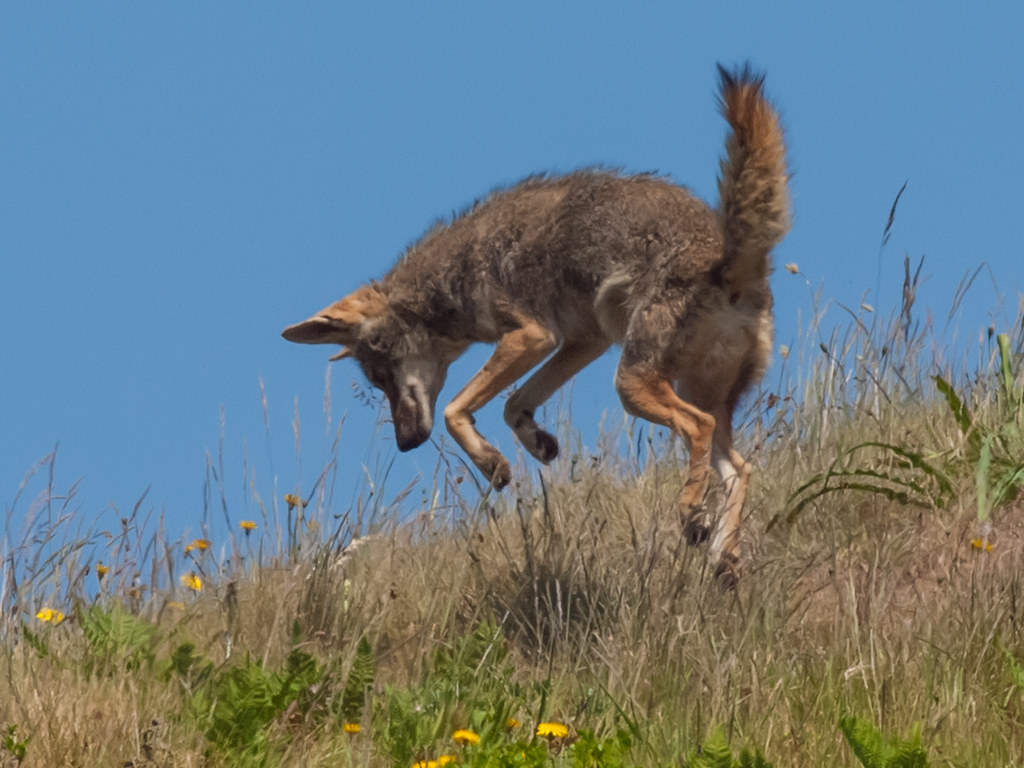
A large camera study across the United States found that recreation traffic was more consistently associated with when mammals appeared on camera than with how often they were detected. Coyotes were among the species whose nighttime pattern was linked to traffic on nearby trails, but that association weakened farther from the trails. The researchers analysed 12,806 camera deployments at 8,603 locations in 326 survey arrays between 2019 and 2024. The same cameras recorded people and wildlife, allowing the team to compare mammal detections across different levels of recreation traffic. The findings come from a preprint, which has not yet been peer reviewed.
More nighttime detections, but no general decline
Across 49 mammal species, detection rates showed no general decline as recreation traffic increased. The pooled estimate was close to no change. Three species were detected less often, while four carnivores were detected more often. So the cameras did not show a uniform pattern of mammals avoiding places with more recreation.
Timing showed a clearer pattern. Across 27 species, the relative likelihood of a detection occurring at night rather than during the day increased with traffic; the pooled estimate was 23% higher odds of a nighttime detection. Six species showed a robust shift toward nighttime detections, and none showed a shift toward daytime. For some species, the shift came from fewer daytime detections; for others, from more nighttime detections. These records describe when animals were detected, not a direct measure of their abundance.
Coyote and deer night patterns weakened farther from trails
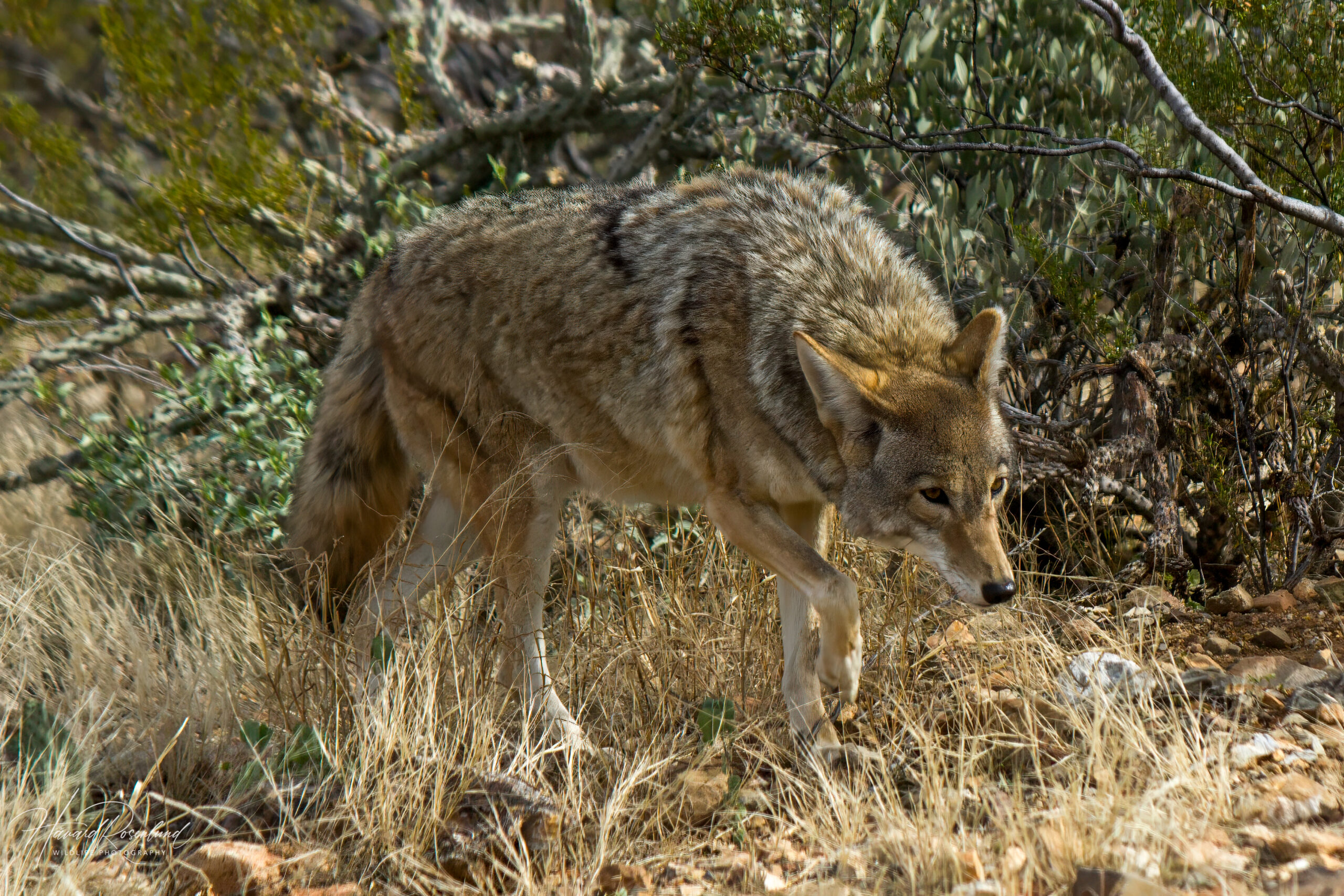
For coyotes (Canis latrans) and deer, the association between traffic on nearby trails and a greater share of nighttime detections weakened as cameras were farther from the trails. Other species were associated with people recorded directly by cameras, including at locations away from mapped trails. The raccoon was the only species with a traffic threshold: its detections declined only near busy trails, within about 35 metres, and fell beyond roughly 30 recreation events per 100 camera-nights. The study also found no reliable general pattern linking body size to how species responded.
Overall, at the traffic levels recorded, recreation was more consistently associated with when mammals were detected than with a broad decline in detections. The authors suggest that managers consider the timing of recreational use as well as trail density.
Ecology
Related news
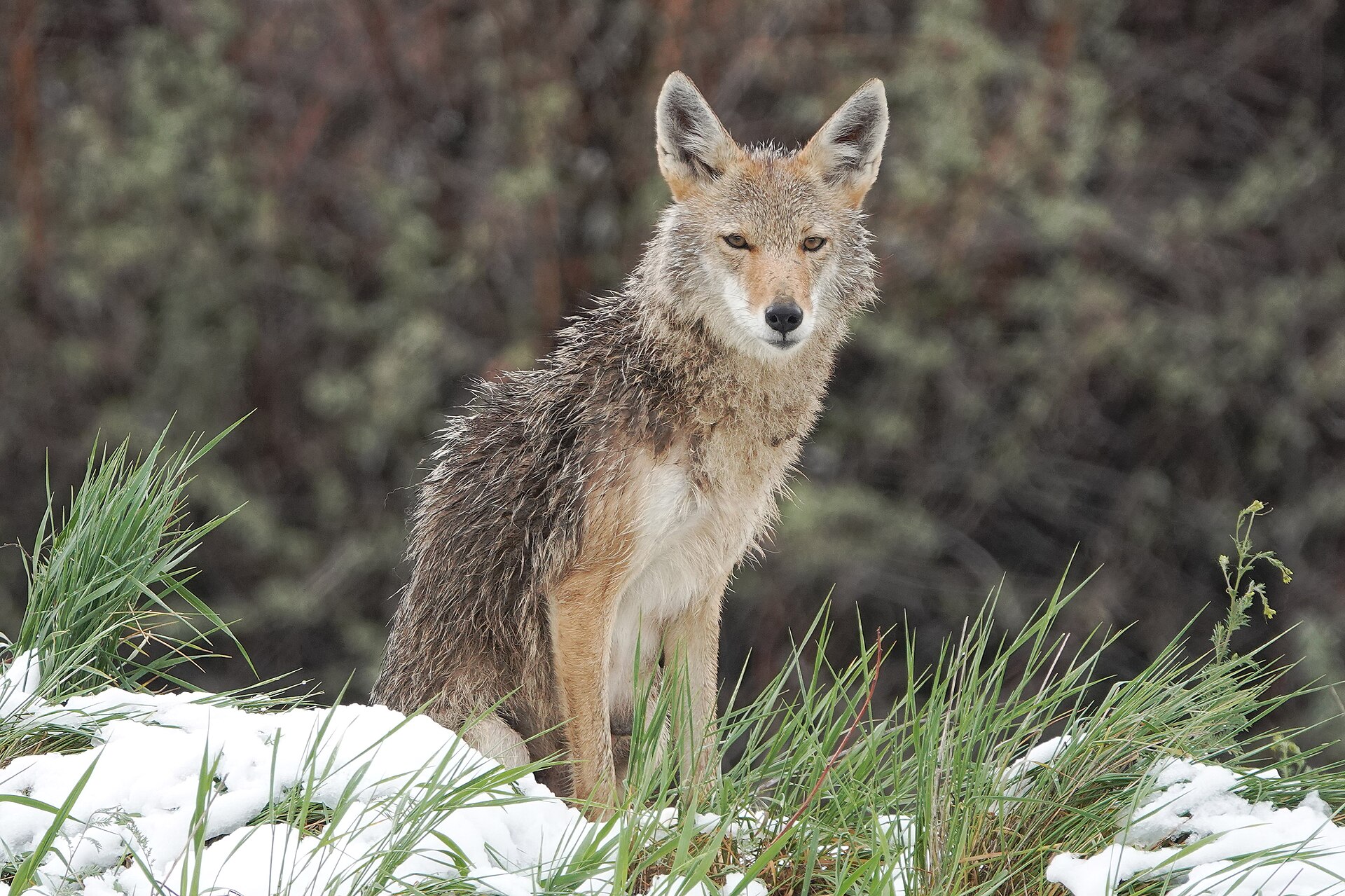
Coyote killed after woman is bitten while protecting a goose
A woman was bitten on the hand when she and her partner intervened as a coyote attacked their…
Read story →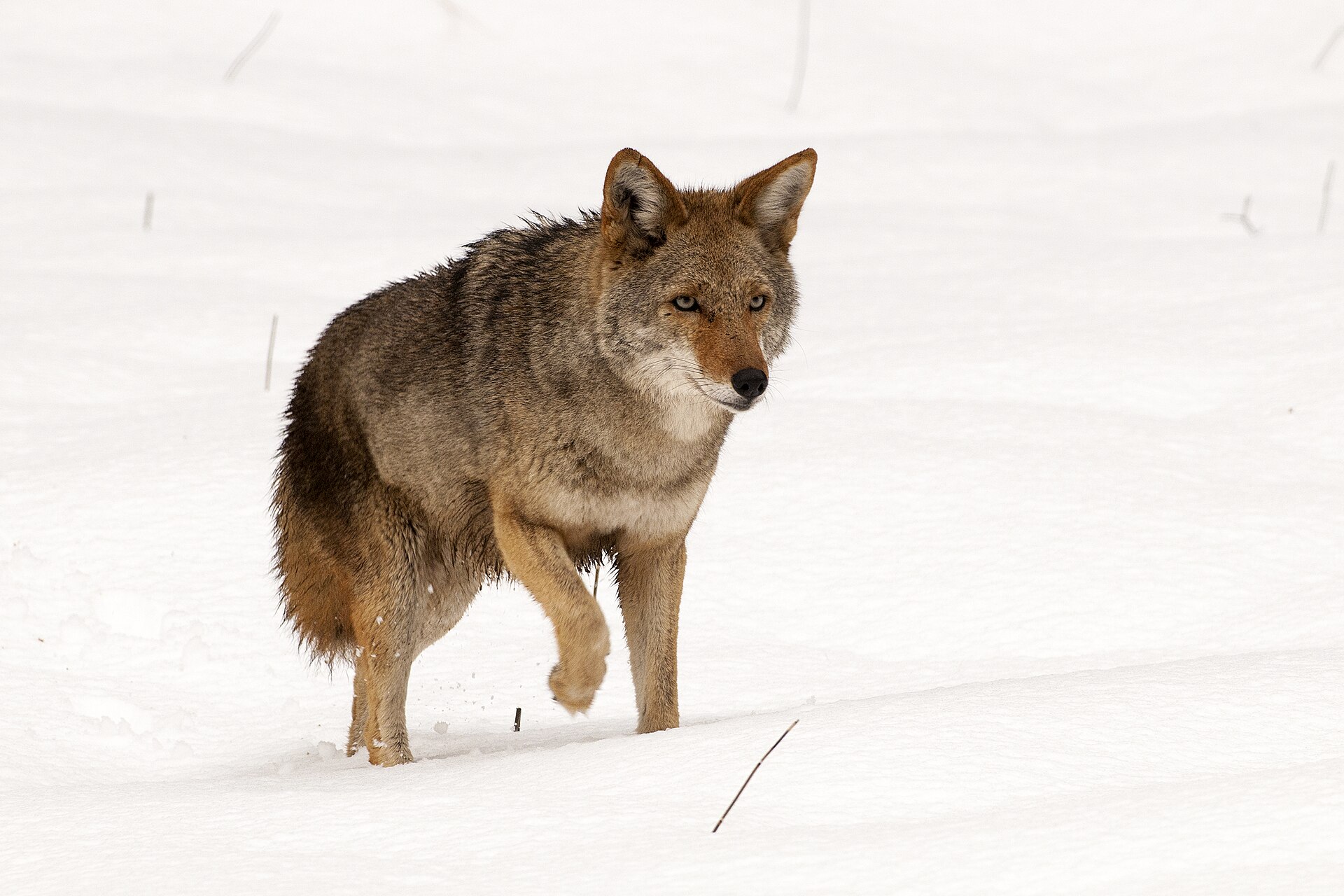
Coyote tapeworm infection is linked to farmland and managed green space near Chicago
In a study of 85 coyotes in the Chicago metropolitan area, 27.1% tested positive for Echinococcus multilocularis. Infection…
Read story →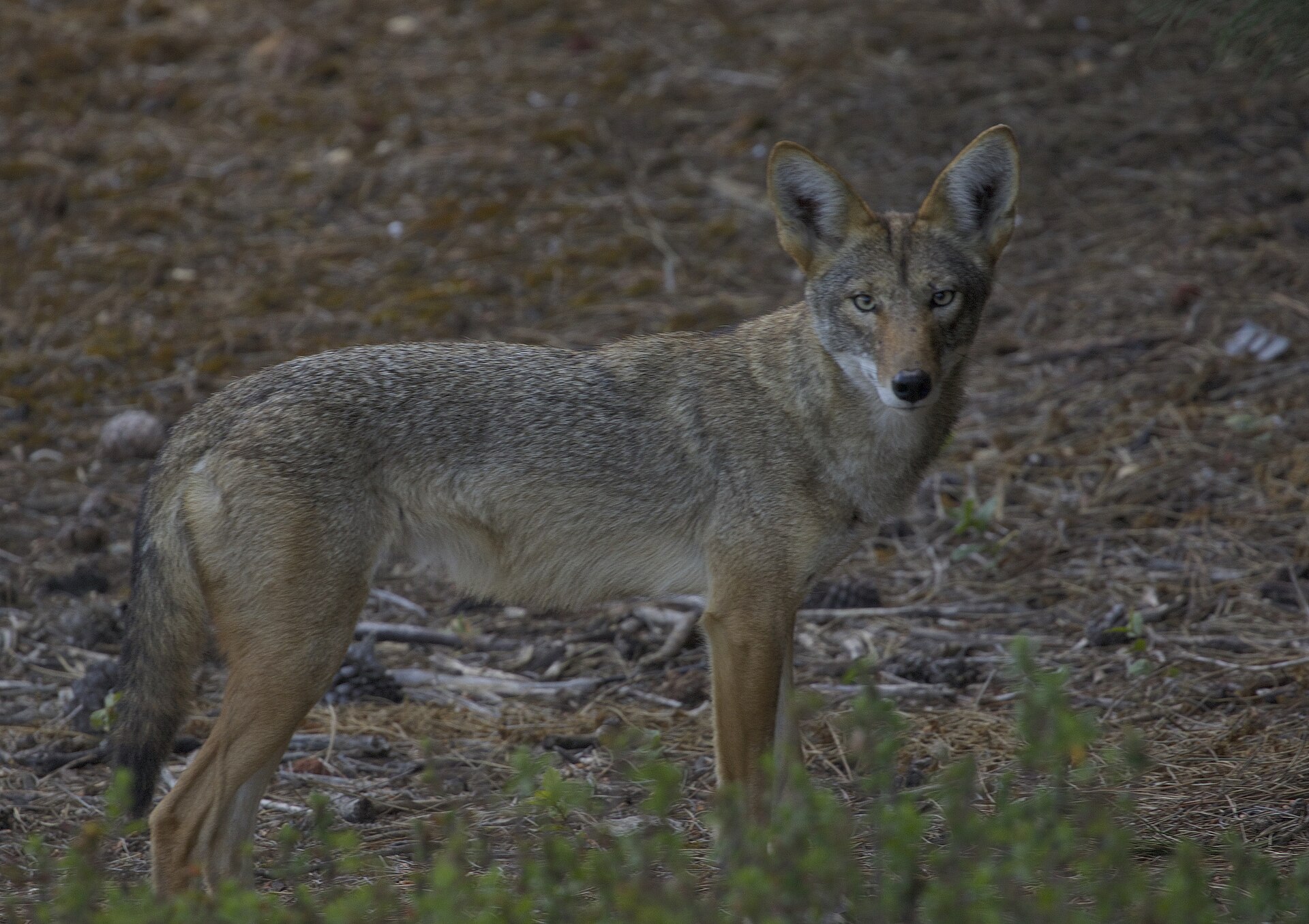
Coyotes and dogs may share a hookworm that can infect people
In Costa Rica, hookworm variants found in coyotes and dogs did not group by host or sampling area.…
Read story →SPECIES IN THIS STORY
Species in this story
Independent research and conservation news archive
Did you find this information useful?
Wildlife Vagabond is independently built and maintained. Voluntary support helps cover source verification, hosting and continued work on research and conservation news.
Support Wildlife VagabondThe news archive will remain freely available.