
Red Deer
Cervus elaphus
At a glance
Habitat
- Forest, woodland, grassland, heath, moorland and mountains
Diet
- Grasses, herbs, dwarf shrubs, leaves, shoots, fruit and bark
Activity
- Active day and night; often most active around dawn and dusk
Size
- Length: 1.07–1.37 m shoulder height in British stags Weight: Stags ~90–190 kg; hinds ~63–120 kg (Britain)
Range
- Europe and the Atlas Mountains east through Anatolia and the Caucasus to north-western Iran
Description
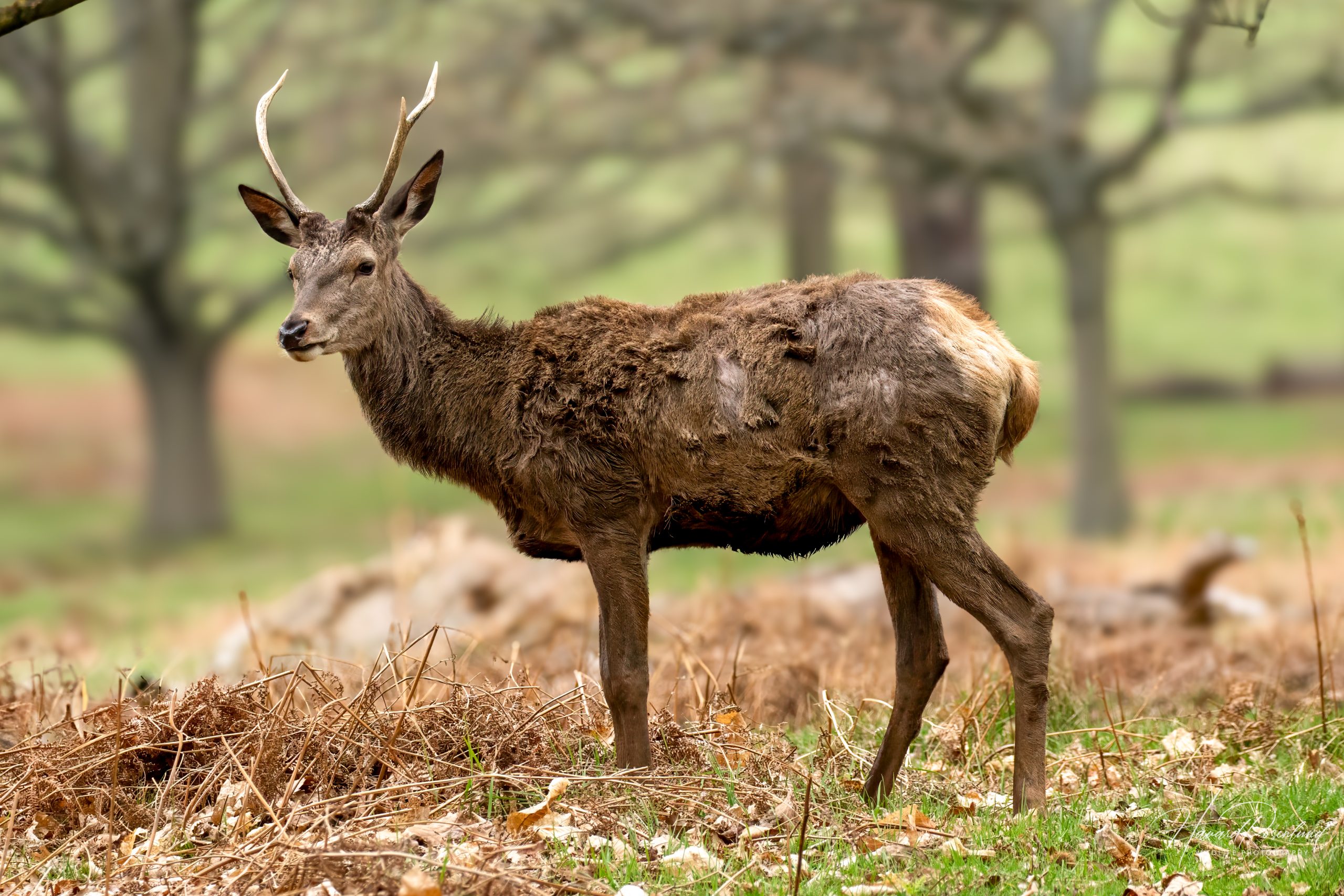
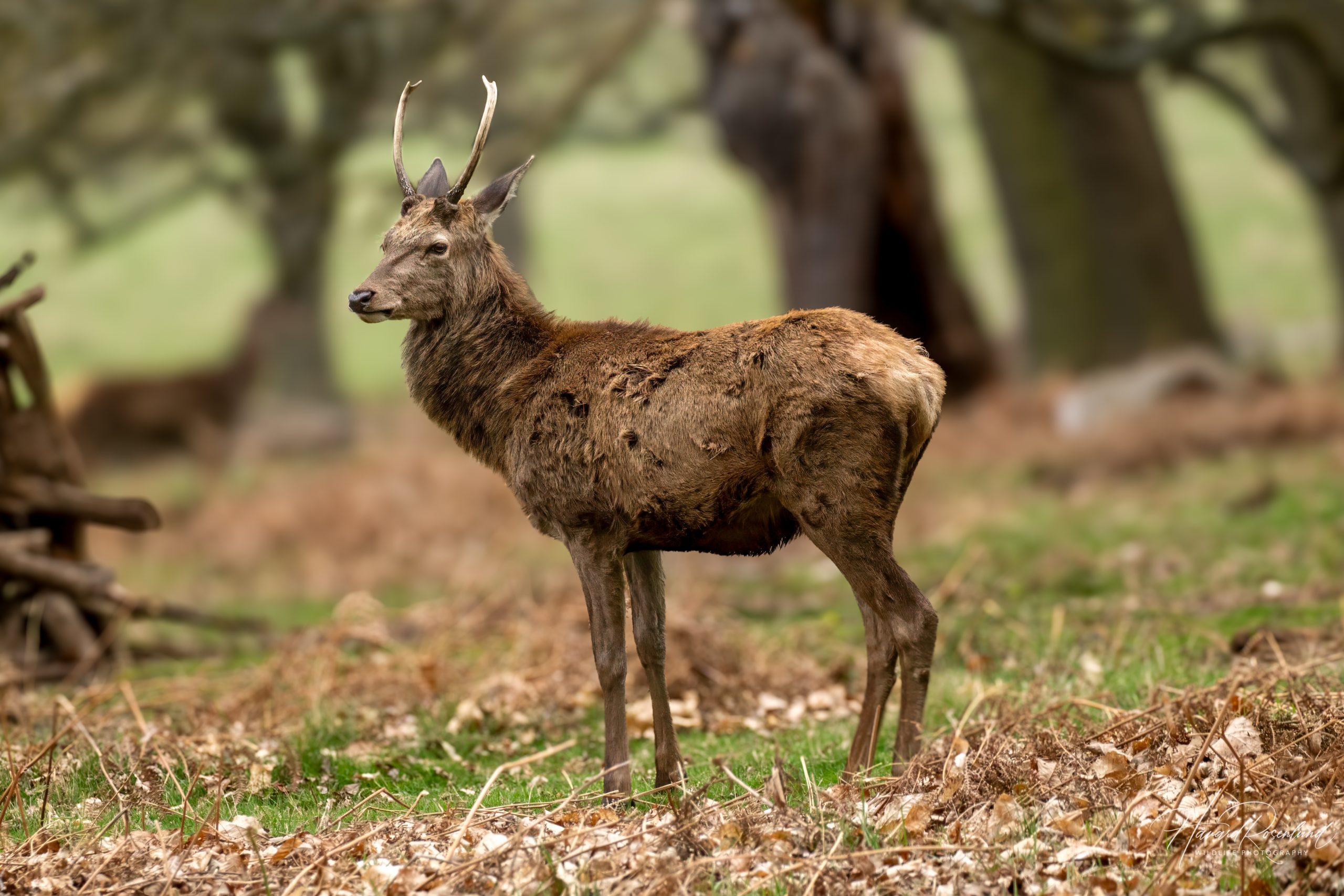
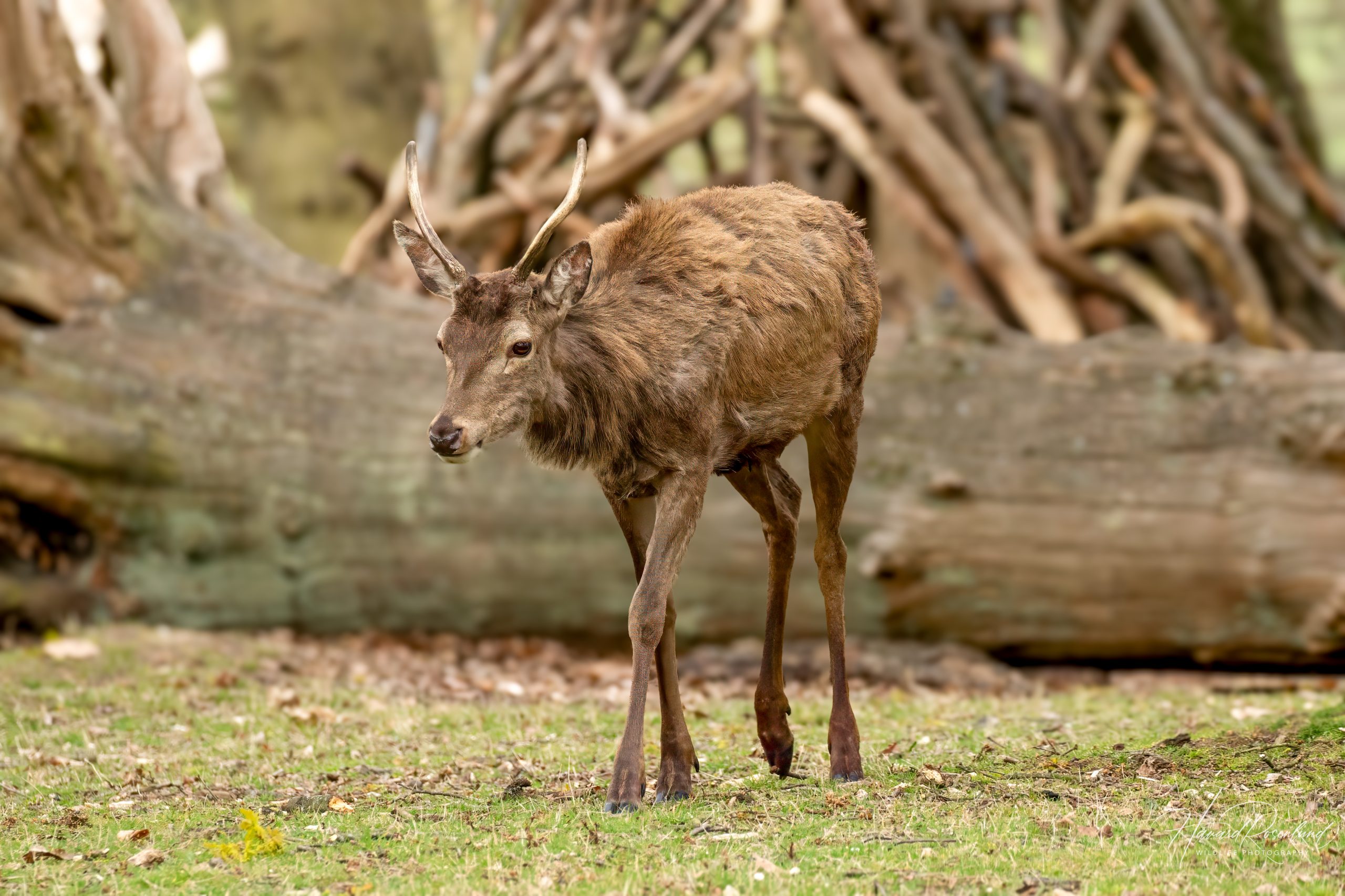
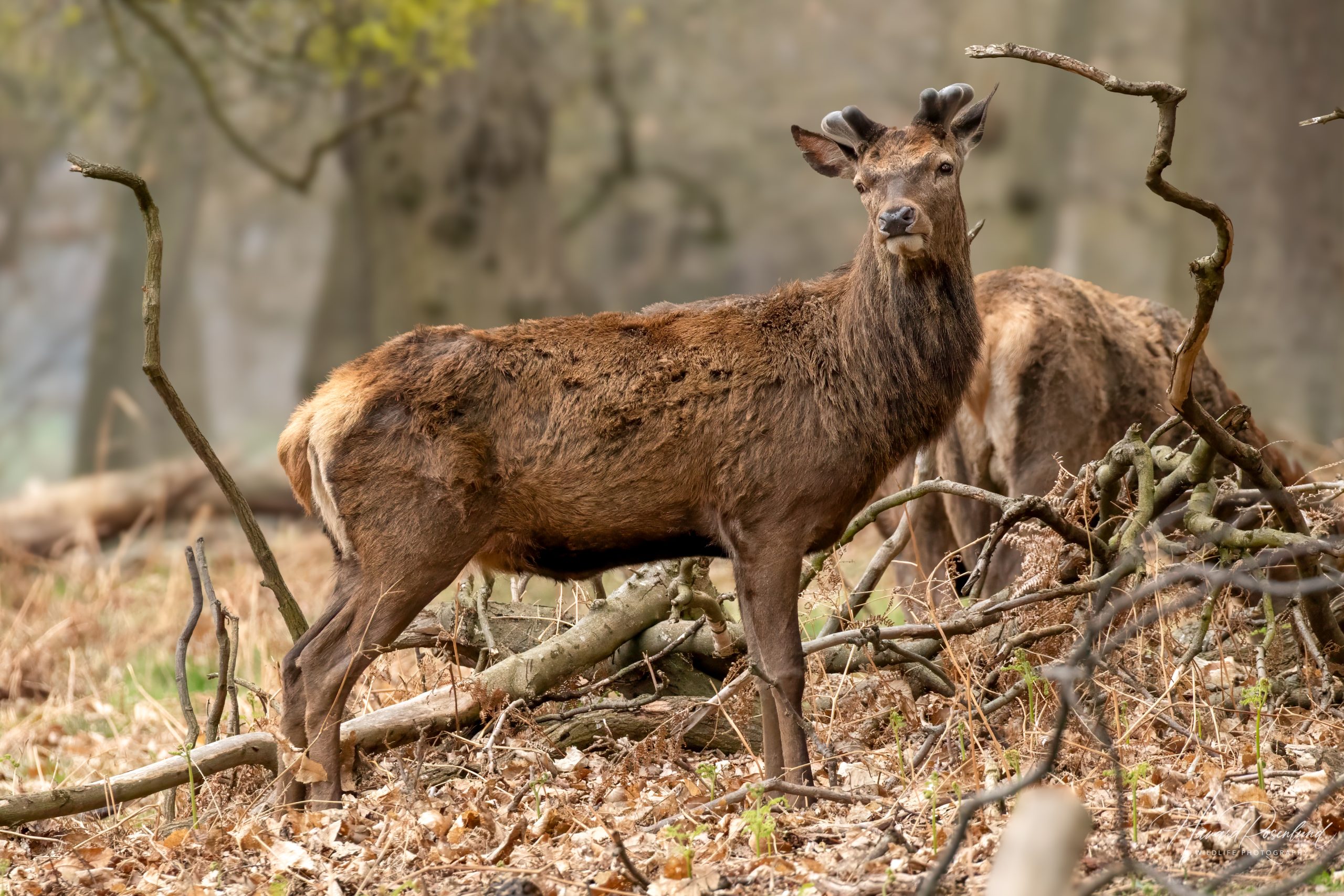
The red deer (Cervus elaphus) is one of Europe's largest native deer. Body size varies considerably with geography, habitat and nutrition. In British populations, adult stags typically weigh about 90–190 kg and stand roughly 1.07–1.37 m at the shoulder, while hinds weigh around 63–120 kg. Animals from some continental populations can be larger.
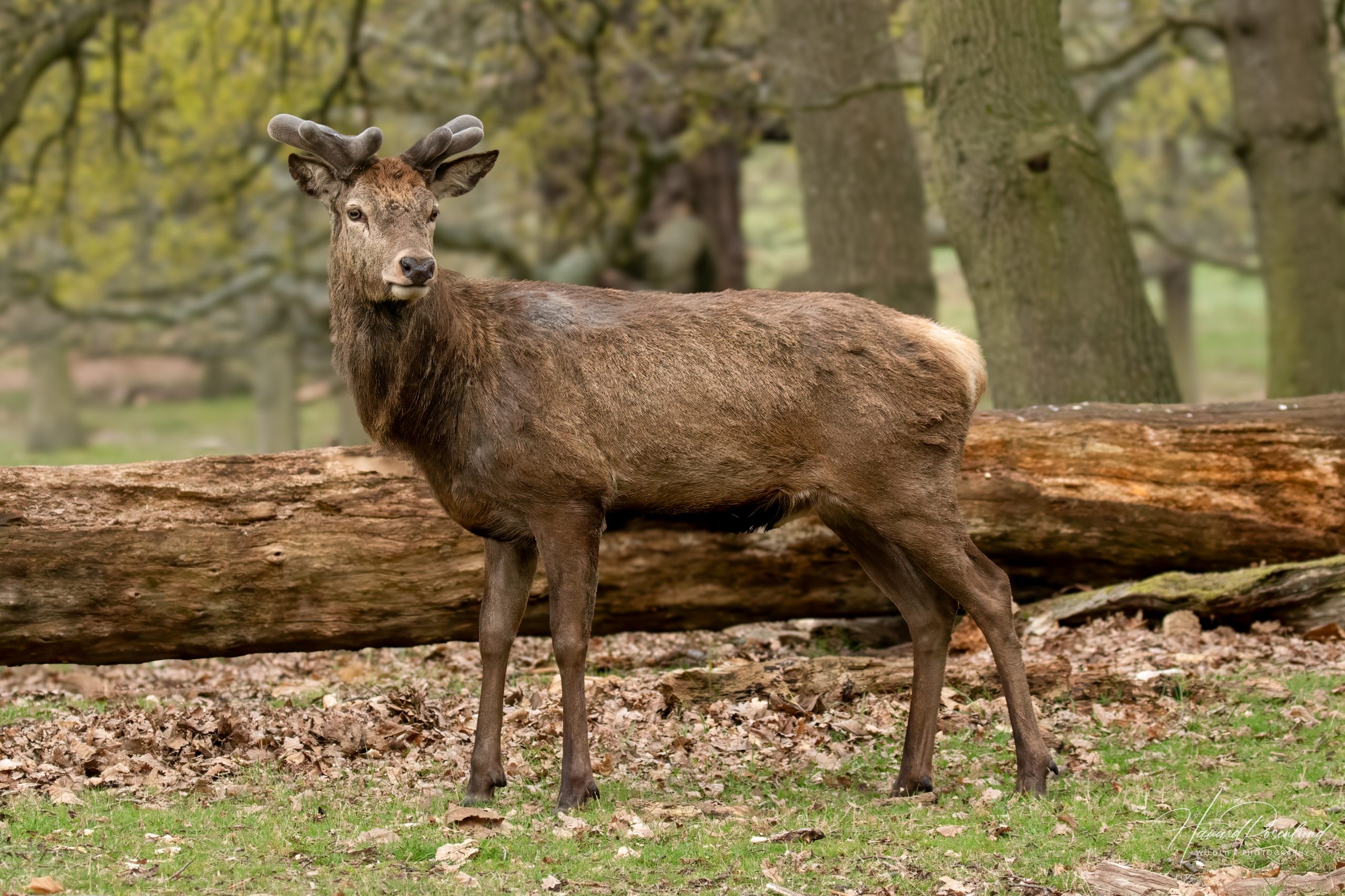
The summer coat is usually reddish brown and becomes greyer or darker in winter. Adult males carry branching antlers that are shed and replaced every year. After casting in spring, the new antlers grow rapidly beneath a living, blood-rich skin known as velvet. Once growth is complete in late summer the velvet dies and is rubbed away, leaving hard bone ready for the autumn rut.
Taxonomy
The limits of the red deer complex have changed considerably as genetic evidence has accumulated. Wapiti (Cervus canadensis) of eastern Asia and North America were formerly included within C. elaphus but are now widely recognised as a separate species. The Mammal Diversity Database also treats Central Asian red deer as Cervus hanglu, leaving C. elaphus as the western red deer of Europe, the Atlas Mountains, Anatolia, the Caucasus and north-western Iran.
Red deer can hybridise with closely related sika deer (Cervus nippon). Where introduced sika overlap with red deer, repeated breeding between hybrids and red deer can spread sika genes widely through local red deer populations and complicate conservation of genetically distinctive herds.
Habitat
Red deer are highly adaptable and occupy deciduous and coniferous forest, woodland edges, grassland, heath, moorland and mountain landscapes. Forest provides shelter and browse, while open ground supplies grasses and herbs. Where human disturbance is frequent, deer often concentrate activity in darker hours and use cover more strongly during the day.
Diet
Red deer are ruminant herbivores with a flexible diet. Grasses, sedges and herbs are important where open grazing is available, while leaves, shoots, dwarf shrubs, fruit and other browse become more important in woodland and at times of year when grass growth is poor. Bark and woody shoots may be eaten during winter or where deer densities are high.
This feeding flexibility helps red deer occupy very different landscapes, but large populations can strongly influence vegetation. Heavy browsing may suppress tree regeneration and alter woodland structure, creating conflicts with forestry and conservation goals. The ecological effect therefore depends greatly on deer density, predators, hunting and local habitat productivity.
Behaviour
Red deer show strong seasonal and sexual differences in social behaviour. Hinds commonly associate with related females and calves, while stags spend much of the year in separate male groups. Herds tend to be larger in open landscapes than in woodland, where animals may occur alone or in small groups.
Activity occurs throughout the day and night but often peaks around dawn and dusk. Human disturbance can shift activity toward night. Deer communicate with scent, posture and a range of calls; the loud roars of adult stags become especially conspicuous during the breeding season.
Red deer are also strong swimmers and can cross several kilometres of open water. Narrow sea channels and coastal stretches therefore do not always form complete barriers to dispersal.
Migration
Red deer are partially migratory in many northern and mountainous populations. Some individuals remain within broadly similar areas year-round, while others make regular seasonal movements between lower-elevation winter ranges and higher or more inland summer ranges. Snow conditions, access to fresh plant growth, topography and population density all influence whether and when deer migrate.
A GPS study published in 2011 of 141 red deer across seven regions in Norway found migrants in every studied population, with the proportion ranging from 38% to 100%. Migration was more common in regions with greater topographic variation and access to higher summer ranges, while high population density was associated with a lower probability of migration and later autumn movements. Spring migration generally takes deer toward more productive summer forage, while autumn migration returns them toward lower areas with less snow. Different individuals within the same population can therefore follow resident or migratory strategies.
Predation
Wolves (Canis lupus) are a major predator of red deer in several European ecosystems. A study published in 2005 from the western Alps found wolf predation accounting for 51.5% of the recorded non-hunting deaths. Of the deer killed by wolves, 58.8% were hinds, 29.4% calves and 11.8% adult stags.
Predation risk can also affect deer that are not killed. A 2021 study from Białowieża found stronger shifts in red deer diet where wolf use was high. A 2008 study, however, found no large-scale avoidance of areas used by wolves; human hunting and forest exploitation were more strongly related to how red deer were distributed across the landscape. Wolf effects can therefore appear as finer-scale behavioural and dietary adjustments without necessarily producing broad spatial avoidance.
Reproduction
The autumn rut is the most dramatic part of the red deer's annual cycle. Stags move into areas used by hinds and compete for mating opportunities through roaring, scent marking, displays and parallel walks. Rivals that cannot settle dominance by assessment may lock antlers and fight. Serious fights are energetically expensive and can cause injury, so physical combat is normally preceded by repeated signalling.
Successful mature stags may guard groups of hinds and mate with several females during the rut. The effort is costly: males spend less time feeding and can lose substantial body condition before winter. Antler size and complexity are influenced by age, nutrition and condition rather than providing a simple measure of age by themselves.
Gestation lasts about eight months. Hinds normally give birth to a single spotted calf in late spring or early summer and hide it in vegetation during the first days of life, returning regularly to nurse. The calf gradually follows its mother and may remain associated with her beyond its first winter.
Relationship with humans
Red deer have been introduced to countries including New Zealand, Australia, Argentina and Chile, where they are managed as non-native game animals and can alter native vegetation and ecosystems.
Across much of the native range, abundance creates management challenges rather than conservation concern. High deer densities may prevent woodland regeneration, damage crops and increase deer–vehicle collisions. Hunting and culling are therefore important management tools in many areas.
Hybridisation with introduced sika deer is a more localised conservation issue, particularly where genetically distinctive red deer populations are a management priority.
Status
The red deer is classified as least concern on the IUCN Red List. It remains widespread and abundant across much of its native western Eurasian range.
Image gallery
Loading map and observations…
Have you seen this species?
Independent species archive
Did you find this species page useful?
Wildlife Vagabond is independently built and maintained. Voluntary support helps cover hosting, maps, data storage and continued improvements to the species archive.
Support Wildlife VagabondSpecies content will remain freely available.
References
Information about the species’ global distribution and status is based primarily on global Red List data. See the references below for details.
- British Dragonfly Society. (n.d.). British Deer Society – Deer antler cycles. https://bds.org.uk/information-advice/about-deer/deer-species/deer-antler-cycles/
- British Dragonfly Society. (n.d.). British Deer Society – Red Deer. https://bds.org.uk/information-advice/about-deer/deer-species/red-deer/
- International Union for Conservation of Nature. (n.d.). Red Deer. The IUCN Red List of Threatened Species. https://www.iucnredlist.org/species/55997072/142404453
- Mammal Diversity Database. (n.d.). Cervus elaphus (Western Red Deer). American Society of Mammalogists. https://www.mammaldiversity.org/taxon/1006313/
- Meiri, M., Kosintsev, P., Conroy, K., Meiri, S., Barnes, I., & Lister, A. (2018). Subspecies dynamics in space and time: A study of the red deer complex using ancient and modern DNA and morphology. Journal of Biogeography, 45(2), 367-380. https://doi.org/10.1111/jbi.13124
- Mysterud, A., Loe, L. E., Zimmermann, B., Bischof, R., Veiberg, V., & Meisingset, E. (2011). Partial migration in expanding red deer populations at northern latitudes – a role for density dependence? Oikos, 120(12), 1817-1825. https://doi.org/10.1111/j.1600-0706.2011.19439.x
- Senn, H. V., & Pemberton, J. M. (2009). Variable extent of hybridization between invasive sika (Cervus nippon) and native red deer (C. elaphus) in a small geographical area. Molecular Ecology, 18(5), 862-876. https://doi.org/10.1111/j.1365-294X.2008.04051.x