
Nilgai Sniffed Dung, Scent Marks and Other Nilgai
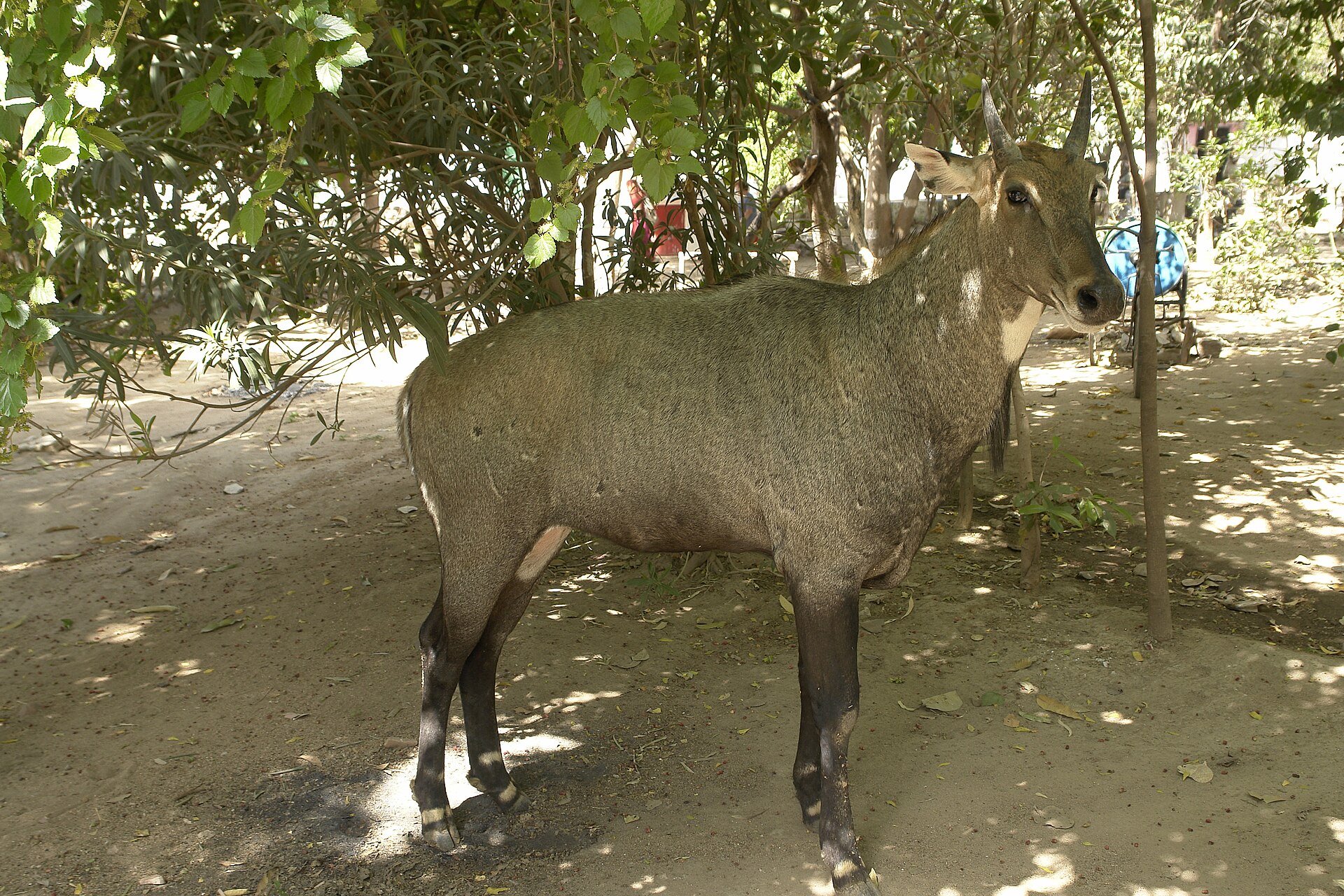
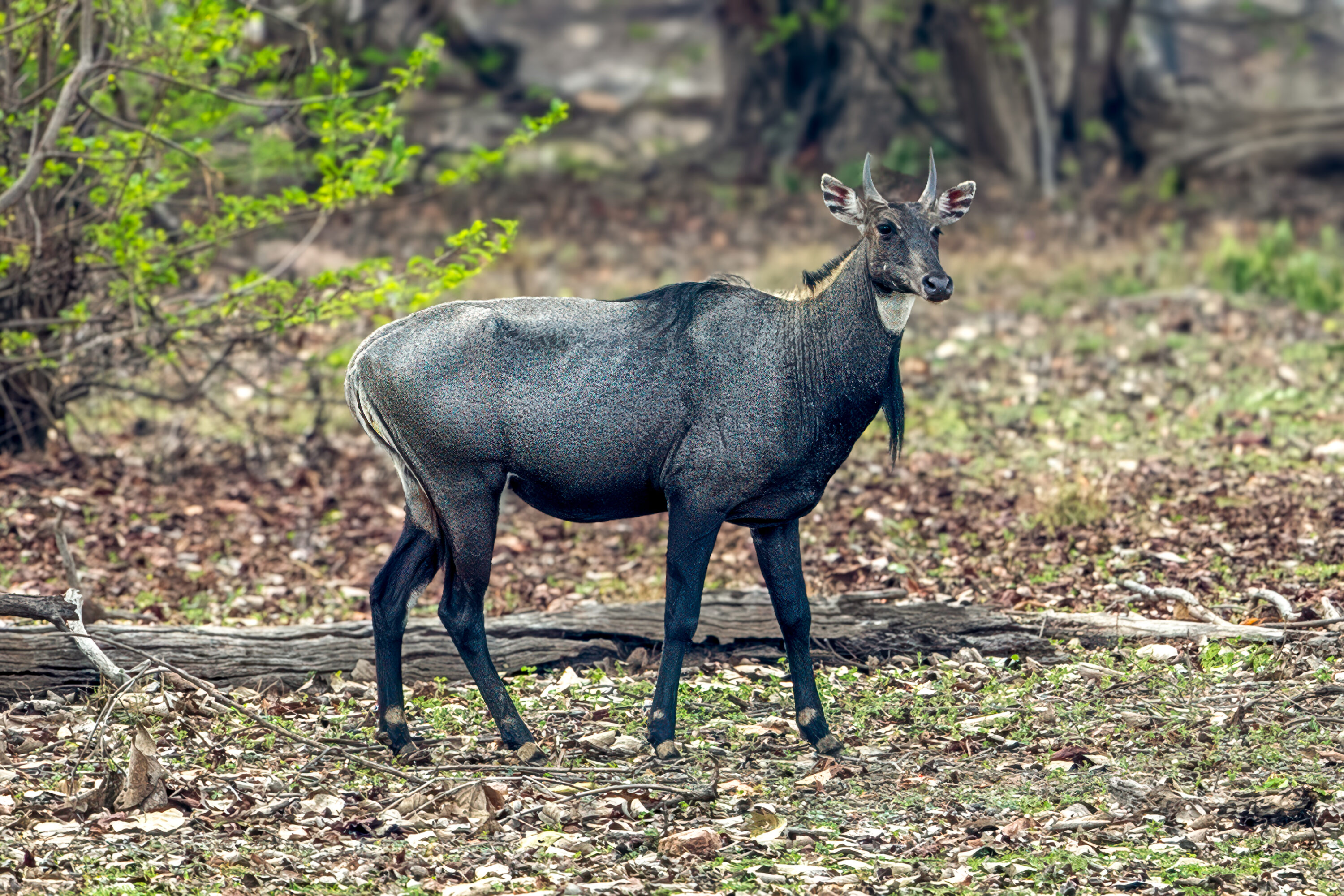
Nilgai (Boselaphus tragocamelus) investigated the smell of dung, urine-contaminated ground and one another in observations at a semi-natural enclosure in Dumraon, Bihar, India. Published on 13 November 2026, the study describes behavioural contexts of scent investigation that have been little documented in the species. The animals were three rescued, hand-reared Nilgai: one male and two females.
From August 2025 to July 2026, researchers observed them on selected days, sometimes for about eight hours. The animals sniffed freshly deposited dung, ground contaminated with urine and the anogenital regions of other Nilgai. The male investigated females’ anogenital regions and dung; the females also investigated scent marks and one another. During active sniffing, the researchers noted rhythmic inhalations accompanied by flared nostrils.
The male showed a flehmen-like posture
After investigating scents, the male sometimes raised his head, moved his upper lip and paused briefly—a posture the researchers described as flehmen-like. In many hoofed mammals, flehmen is associated with directing chemical cues towards the vomeronasal organ, an additional scent-sensing structure involved in chemical communication. The study did not test whether that mechanism was involved in these observations.
Some of the male’s flehmen-like postures coincided with behaviour in females that the researchers considered suggestive of oestrus, or reproductive receptivity. Oestrus was not independently confirmed, so reproductive assessment is a possible context, not a demonstrated explanation for the male’s behaviour.
The records were qualitative: researchers did not count events in a way that allowed comparisons of how often the behaviours occurred. Nor did they identify the scents or test what information the animals obtained from them. The observations document how three captive Nilgai investigated odours, but cannot show what those odours communicated or whether the same behaviour occurs in free-ranging animals.
Behaviour
Related news
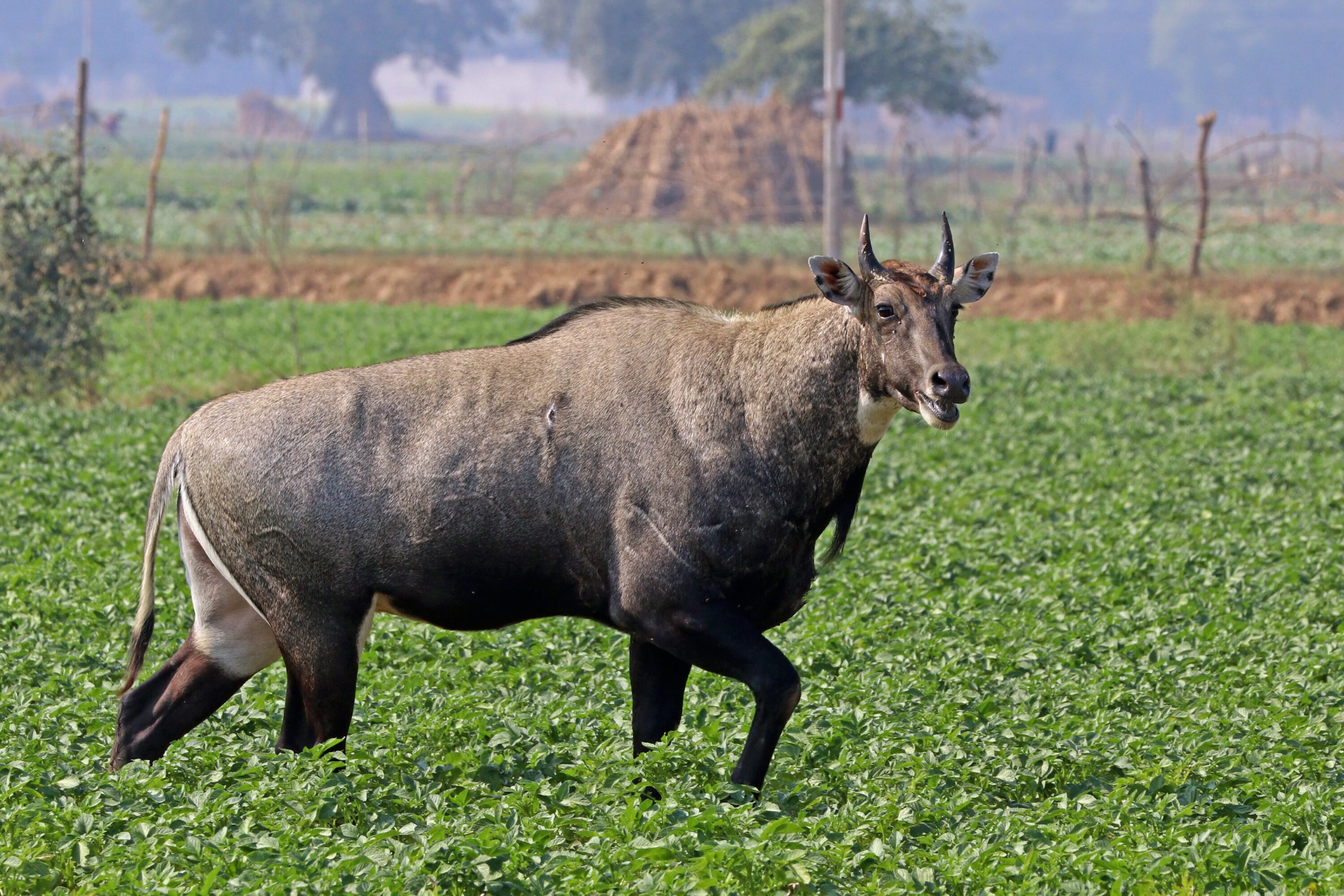
Farmer Survey Estimated Annual Nilgai Crop Destruction Near Junagadh at 63%
A farmer survey across eight villages near Junagadh estimated annual nilgai crop destruction at 63%, with groundnut particularly…
Read story →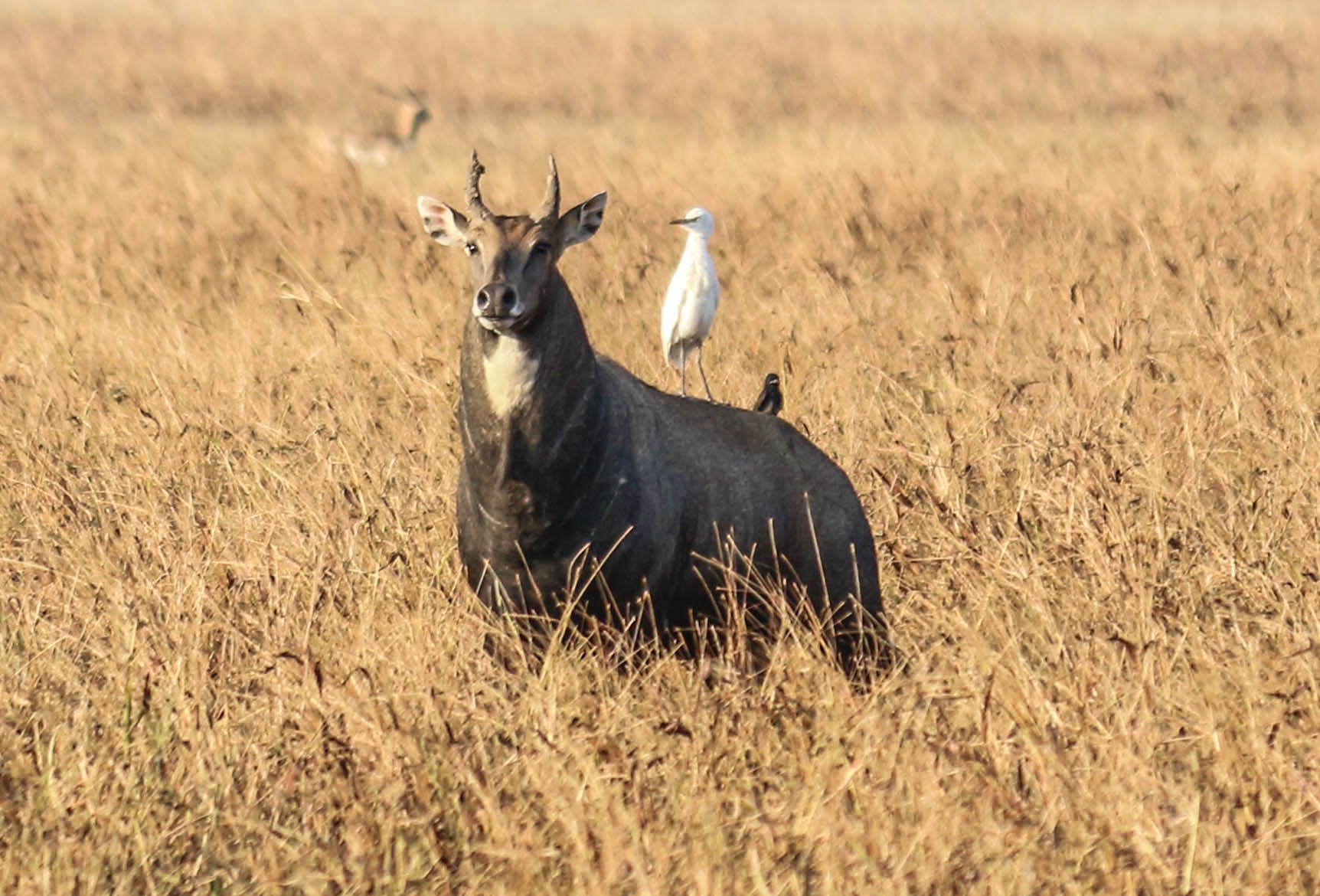
Nilgai in Kuno Selected Savanna Most Strongly at Night
A 2026 Wildlife Institute of India dissertation found that nilgai in Kuno National Park selected savanna especially at…
Read story →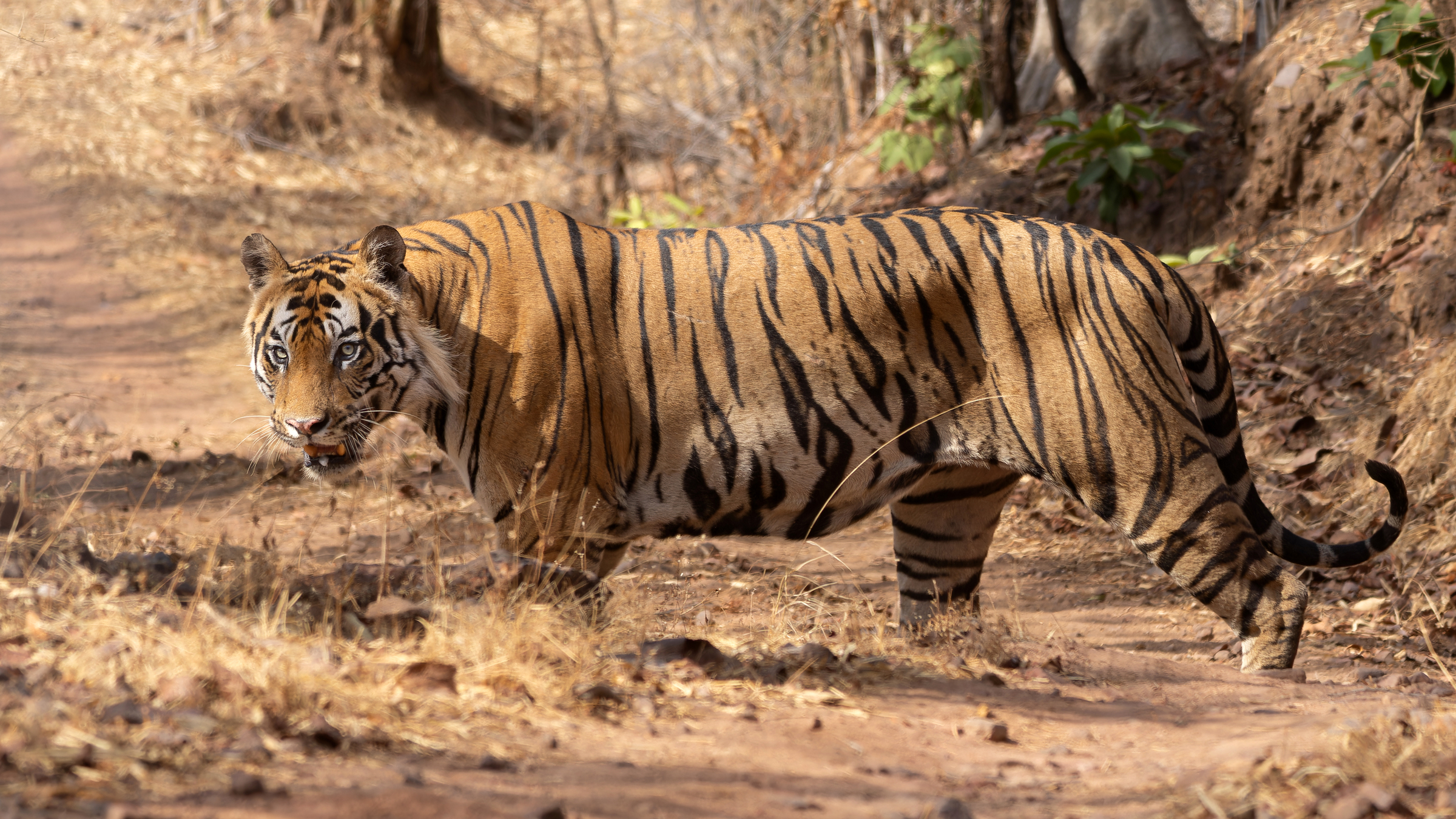
Kawal’s Prey Base Could Support About 36–41 Tigers
Twelve years of prey monitoring in India’s Kawal Tiger Reserve found rising chital density and estimated that the…
Read story →SPECIES IN THIS STORY
Species in this story
Independent research and conservation news archive
Did you find this information useful?
Wildlife Vagabond is independently built and maintained. Voluntary support helps cover source verification, hosting and continued work on research and conservation news.
Support Wildlife VagabondThe news archive will remain freely available.