
Size and Weight Help Wild Carrion Crows Choose Walnuts
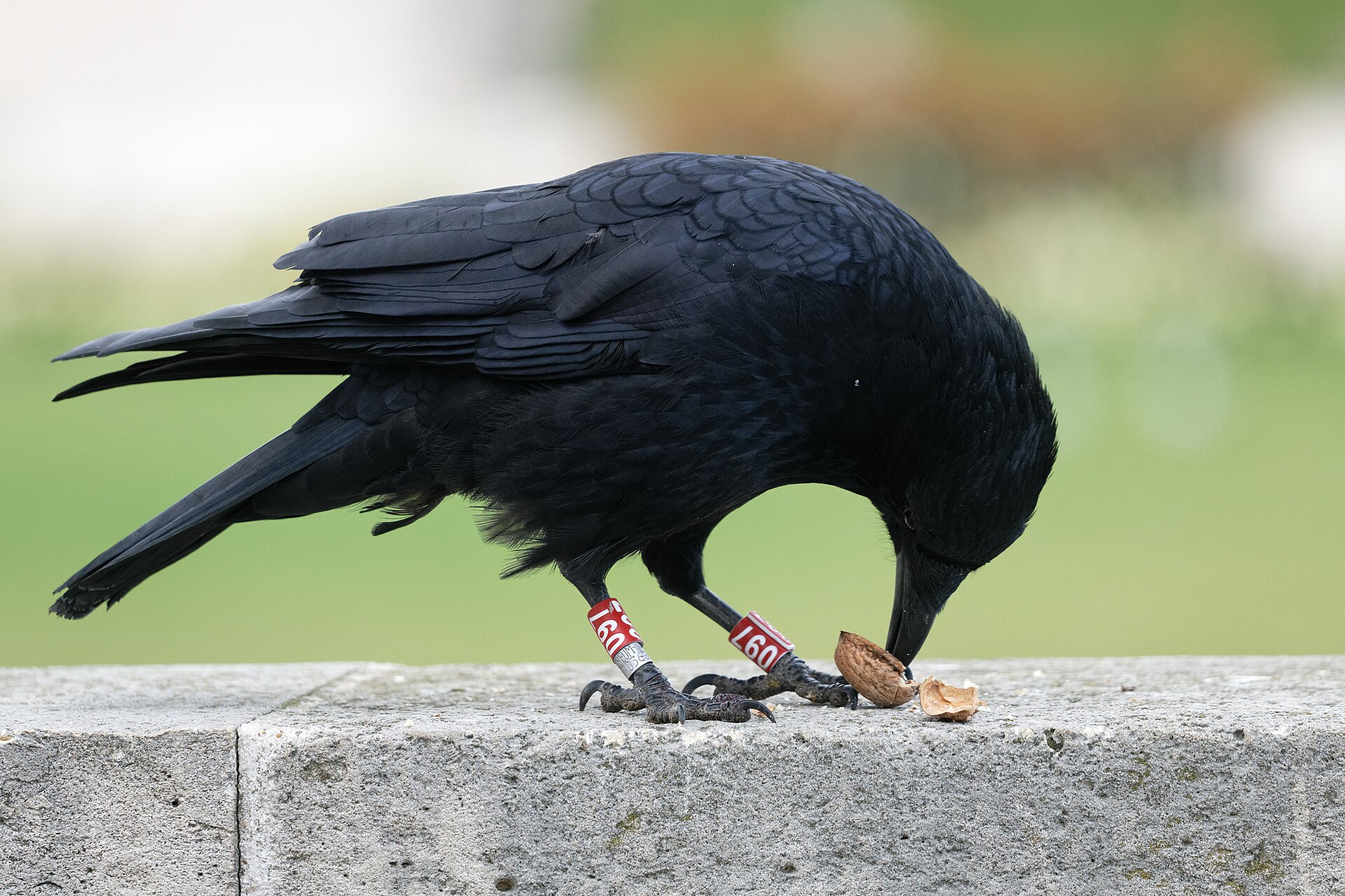
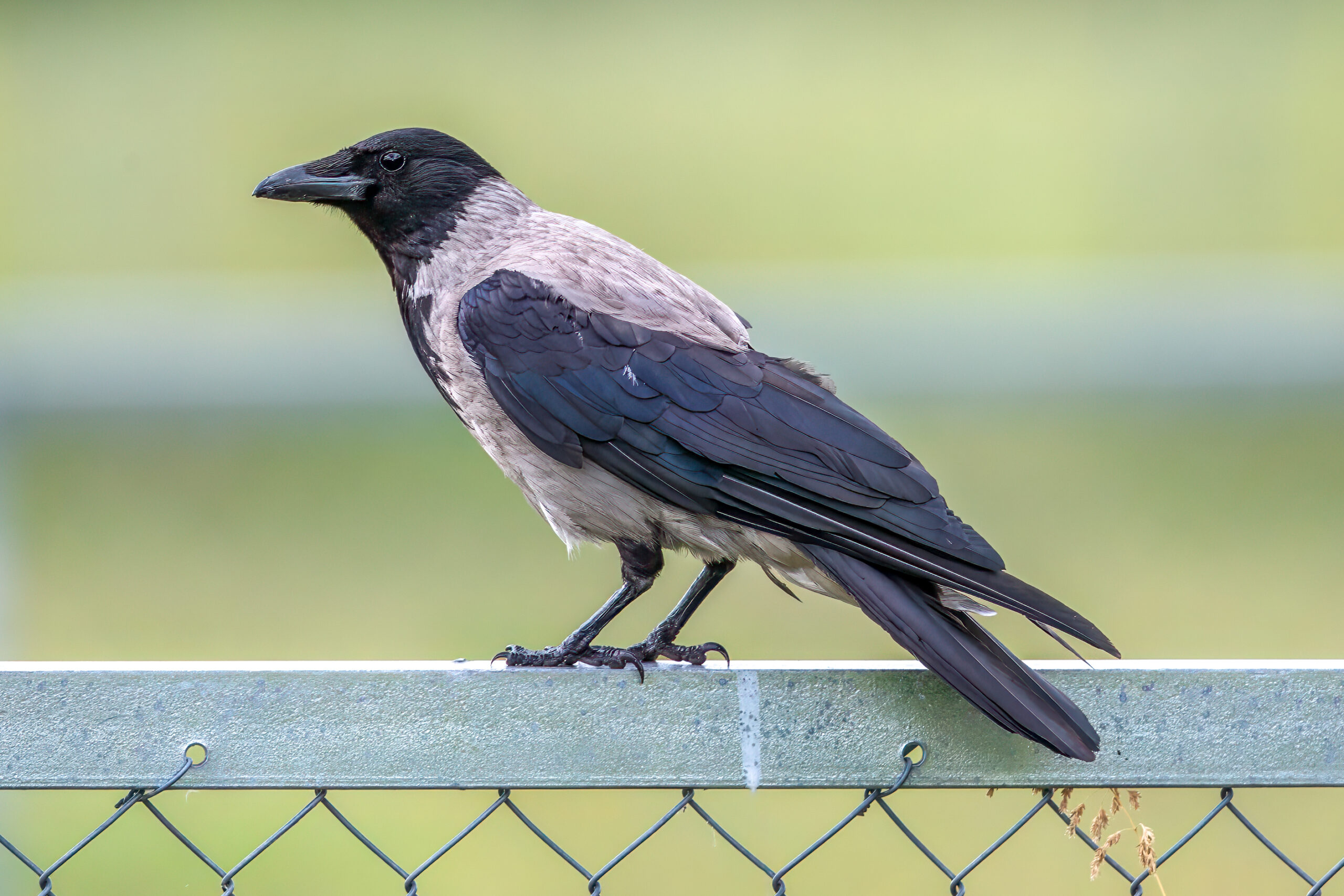
Wild Carrion Crows (Corvus corone) can use a walnut’s visible size and information gained by handling it when choosing food. In field experiments in Japan, researchers offered wild crows pairs of walnuts. The shell hides the edible kernel, and cracking it takes time and effort, so choosing a nut likely to contain more food can matter.
Size influenced the first choice
In 241 trials with differently sized walnuts, crows first touched the larger nut in 66.8% of trials and ultimately retrieved it in 80.9%. The larger walnut was therefore more likely to attract their initial attention and to be the one they took. The greater the weight difference between the pair relative to the lighter nut, the more likely the crows were to retrieve the larger one.
Handling helped reveal what was inside
In a second test, the walnuts were similar in size, but one contained a kernel and the other was empty. Across 80 trials, crows showed no clear preference for which nut they touched first, yet retrieved the filled walnut in 75% of trials. They switched to the other nut more often after first touching an empty one: this happened in 60.6% of those trials, compared with 34.0% after a filled walnut was touched first.
Lifting was also associated with the final choice. In the size test, lifting a walnut tended to reinforce its selection, whether it was the larger or smaller one. In the content test, lifting the filled walnut was associated with choosing it, while lifting the empty one was not. The findings suggest that the crows could refine an initial visual choice by handling the nuts and gaining information related to their mass. The experiments did not identify the exact sensory cues involved.
Across both tests, crows were more likely to choose the higher-quality option—the larger or filled nut—when the weight difference between the two walnuts was greater relative to the lighter one. The results show how wild crows can combine what they see with information gained while inspecting potential food.
Behaviour
Related news
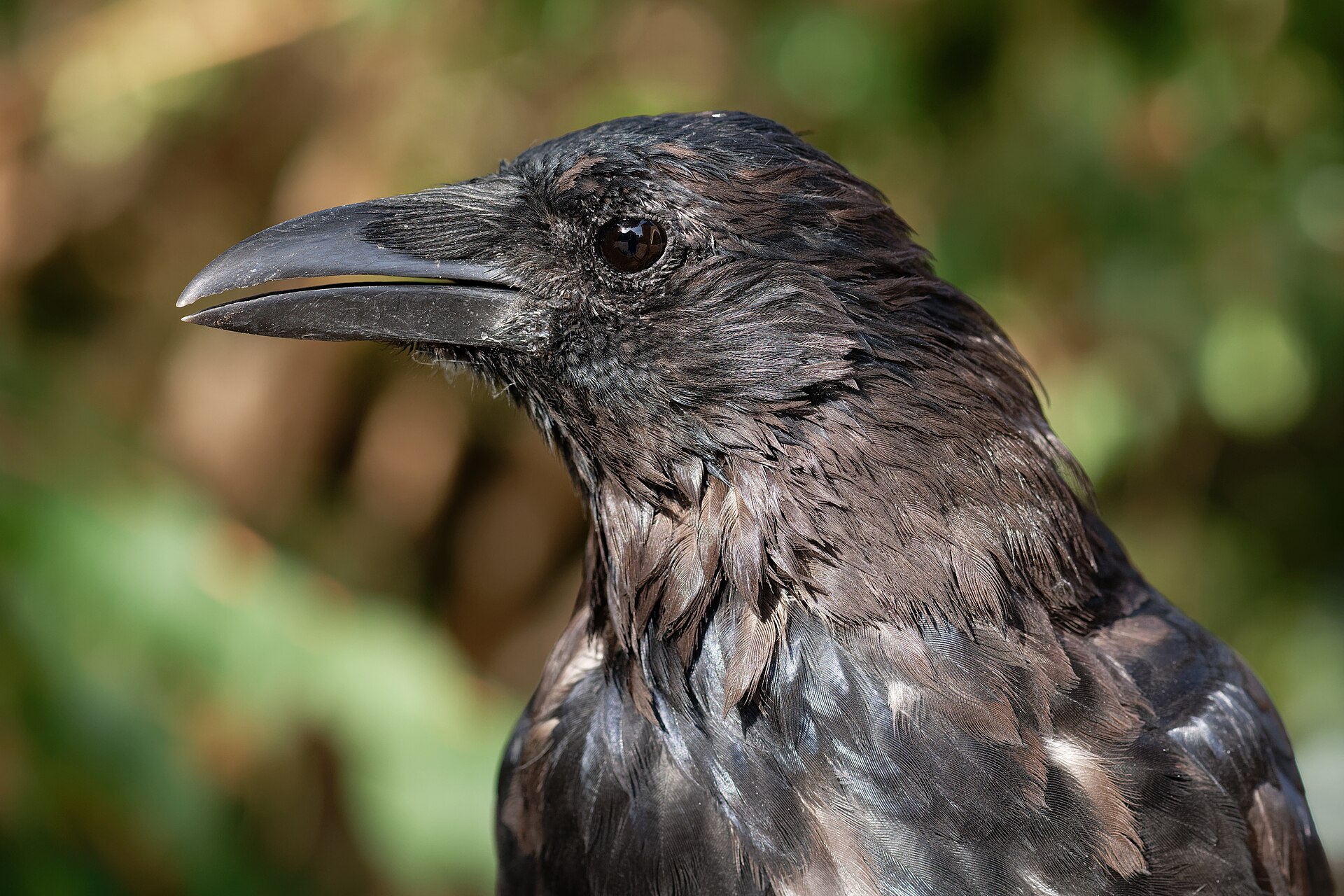
Carrion Crows Decide Which Way Dots Move in About 235 Milliseconds
In a visual task, two carrion crows chose whether moving dots were travelling mostly left or right in…
Read story →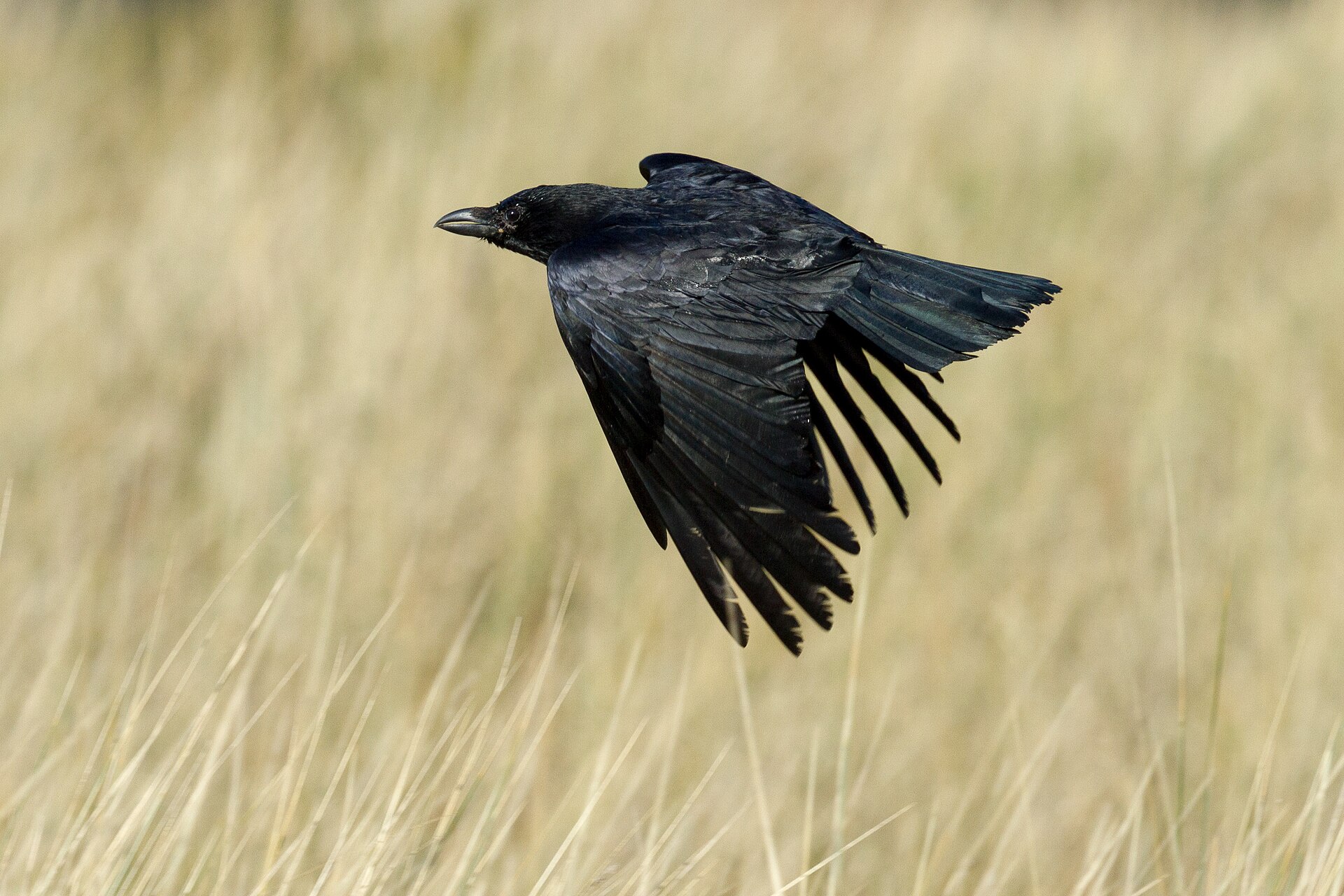
Crows find it harder to switch to vocalizing than to pecking
In a task where carrion crows learned to peck or vocalize in response to visual cues, switching to…
Read story →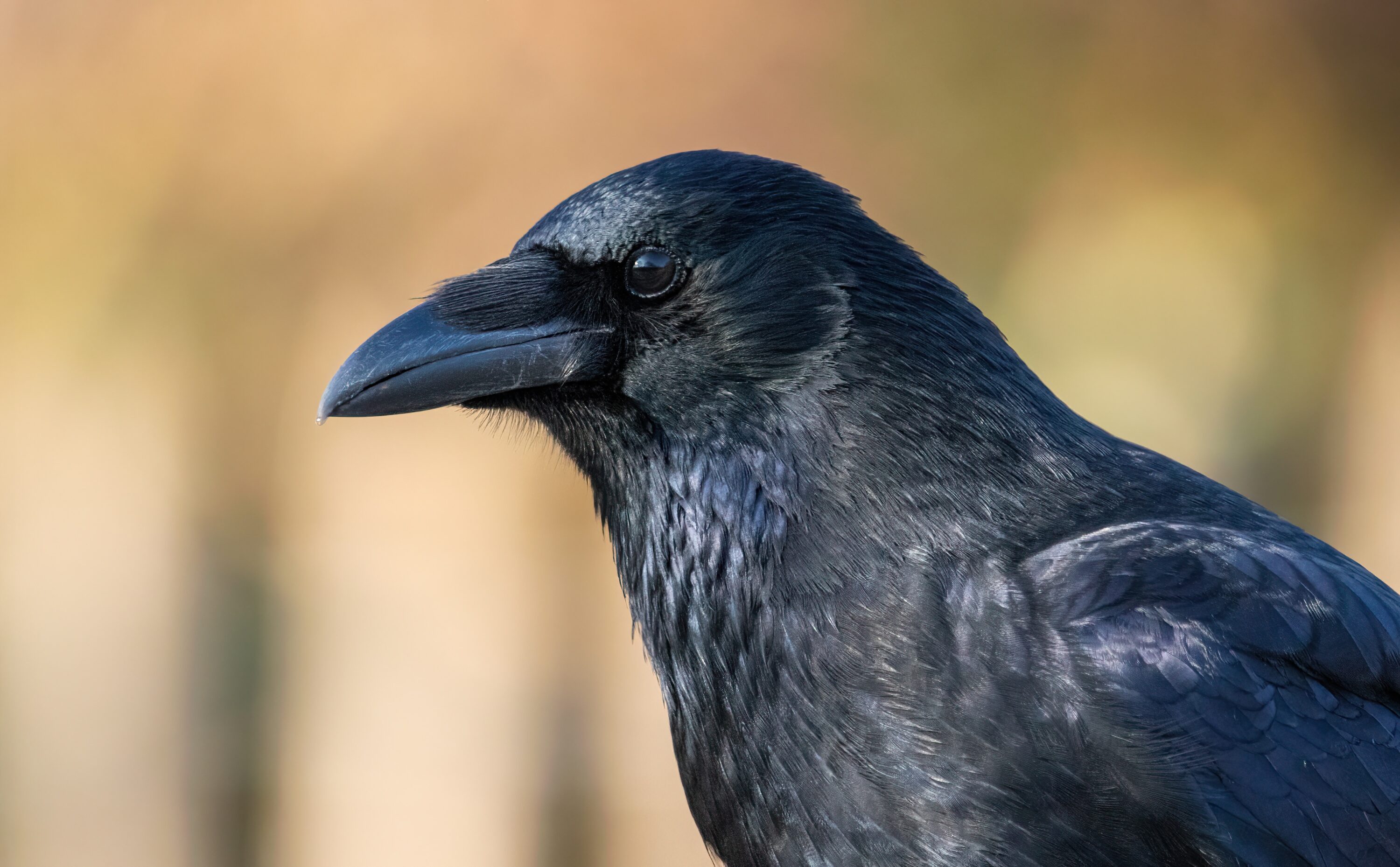
Darwin Tree of Life Added Two Haplotype Genome Assemblies for Carrion Crow
Two Darwin Tree of Life genome projects registered on 26 July 2026 represent haplotype 1 and haplotype 2…
Read story →SPECIES IN THIS STORY
Species in this story
Independent research and conservation news archive
Did you find this information useful?
Wildlife Vagabond is independently built and maintained. Voluntary support helps cover source verification, hosting and continued work on research and conservation news.
Support Wildlife VagabondThe news archive will remain freely available.