
Lead and cadmium levels differed among eggshells of three waterbird species in Iran
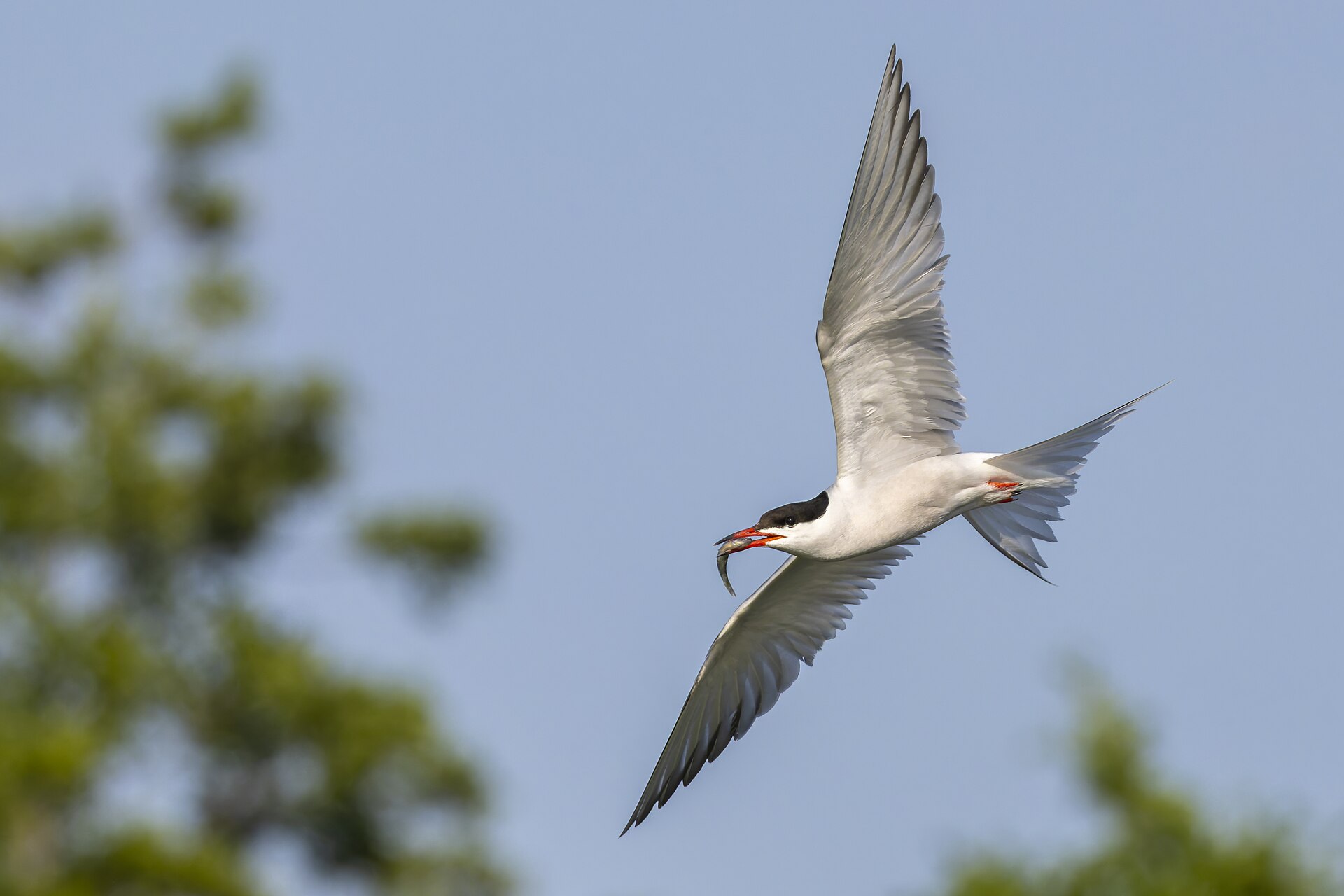
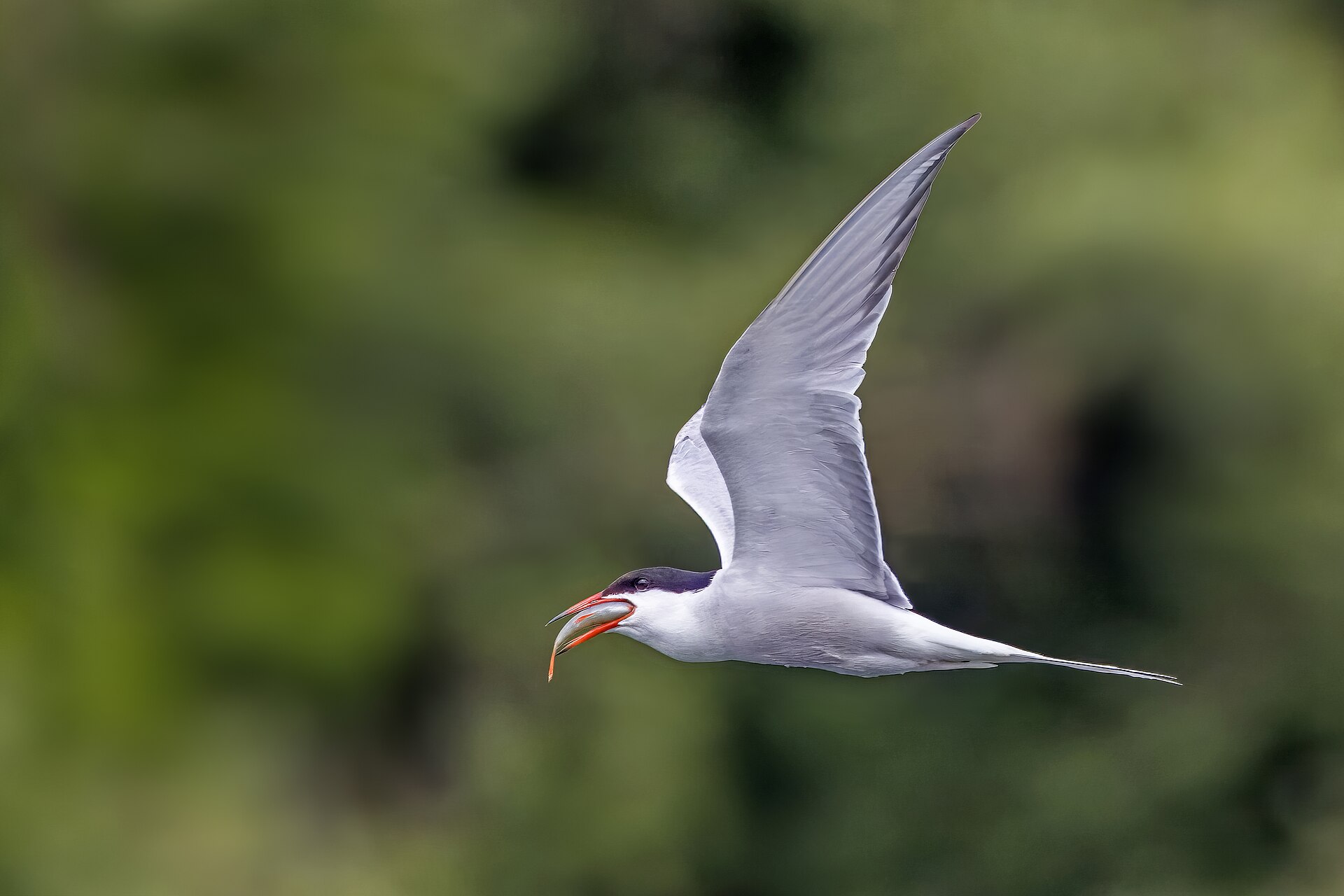
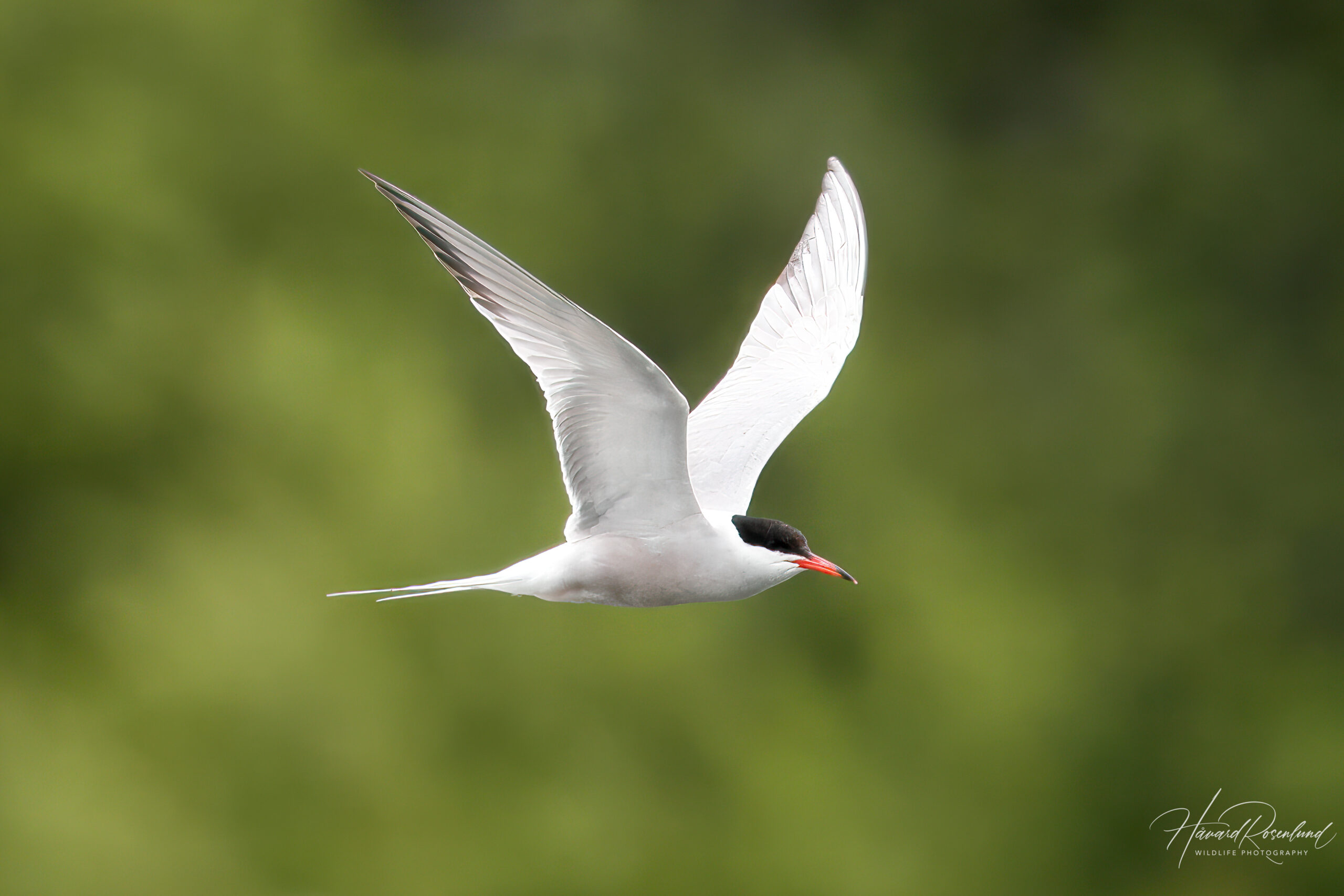
Eggshells from three waterbird species at Gandoman Wetland in Iran contained different amounts of lead and cadmium. Common Terns (Sterna hirundo) had the highest mean concentration of both metals. The absolute concentration differences were greatest for lead, while the relative difference in cadmium was also large.
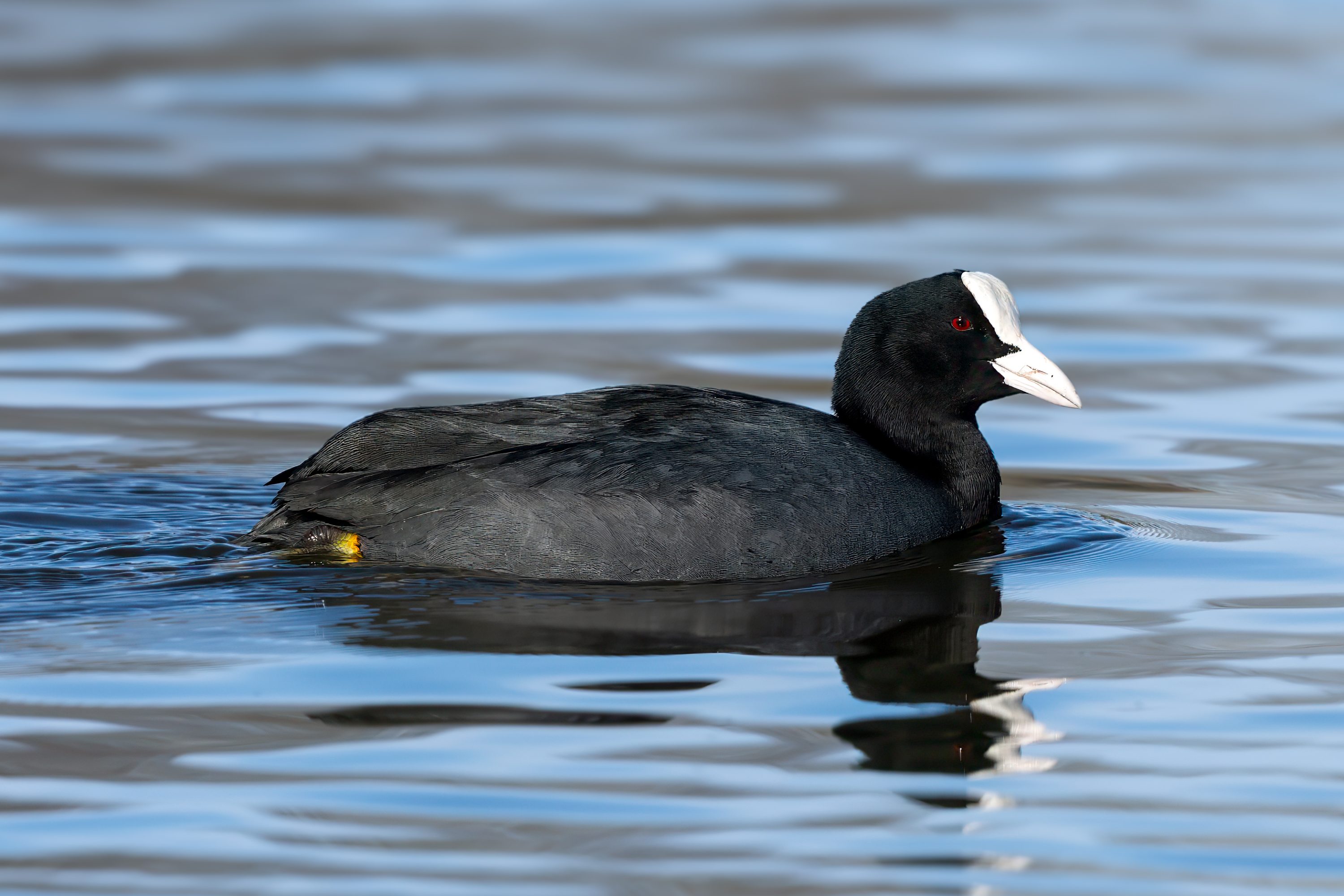
The researchers collected eggshells during the 2023 breeding season from Common Terns, Black-necked Grebes (Podiceps nigricollis) and Eurasian Coots (Fulica atra). They measured the metals in the shells as a non-invasive way to assess contamination at the wetland. The study was first published online on 8 October 2026.
Lead showed the widest absolute range
Mean lead concentrations were 424.29 mg/kg in Common Tern eggshells, 174.60 mg/kg in Black-necked Grebe eggshells and 44.58 mg/kg in Eurasian Coot eggshells. The differences among the three species were statistically significant. The Common Tern mean was more than nine times the Eurasian Coot mean.
Cadmium concentrations were lower in absolute terms, but Common Tern eggshells still had a much higher mean: 23.39 mg/kg, compared with 1.75 mg/kg in Black-necked Grebe eggshells and 2.38 mg/kg in Eurasian Coot eggshells. The differences among species were also statistically significant. The tern mean was over 13 times the grebe mean, while the two lower means were relatively close to each other.
The two metals were not significantly correlated. The authors suggest industrial effluents as a possible source of lead and agricultural runoff as a possible source of cadmium. These are hypotheses rather than sources established by the study.
Food-web position may matter
The authors interpret the high metal concentrations in Common Tern eggshells as consistent with a role for trophic level—the position an animal occupies in a food web—in metal accumulation. Common Terns are fish-eating birds and occupy a relatively high position in the wetland food web. The measurements show differences among species, but do not establish that food-web position caused them.
The authors also suggest that lead may be incorporated into eggshells more readily than cadmium because lead ions can resemble calcium ions, which are used to build the shell. This is a proposed explanation, not a mechanism demonstrated by the species comparison.
Ecology
Related news
Mercury in common terns’ blood rose through the non-breeding season
At Punta Rasa, Argentina, blood mercury in common terns rose from December to April. Feeding-related isotope patterns also…
Read story →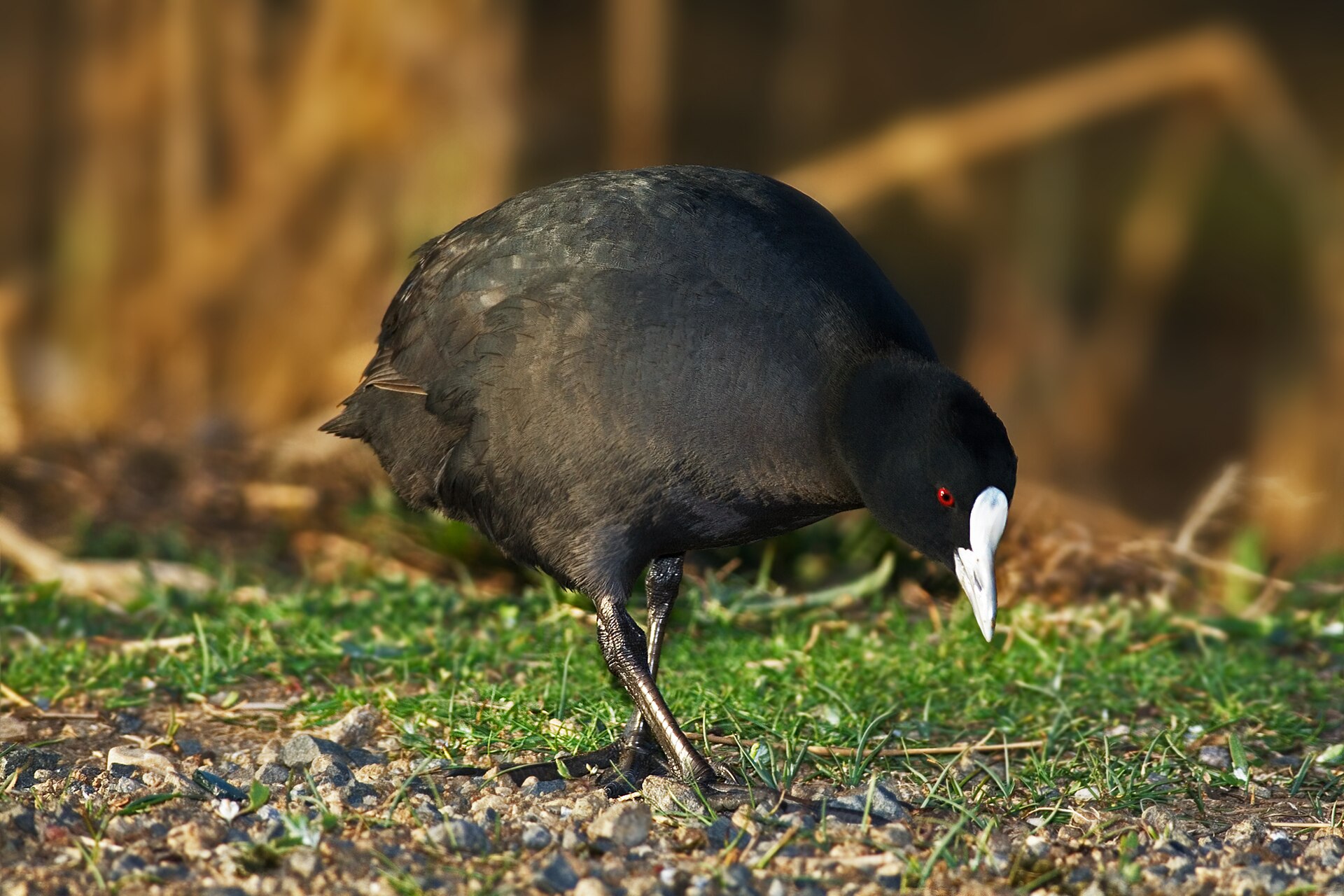
Wintering waterbirds increased in Italy’s Caorle Lagoon, but the community changed
Across 29 winter counts from 1993 to 2022, waterbird numbers more than doubled in the Caorle Lagoon. Ducks,…
Read story →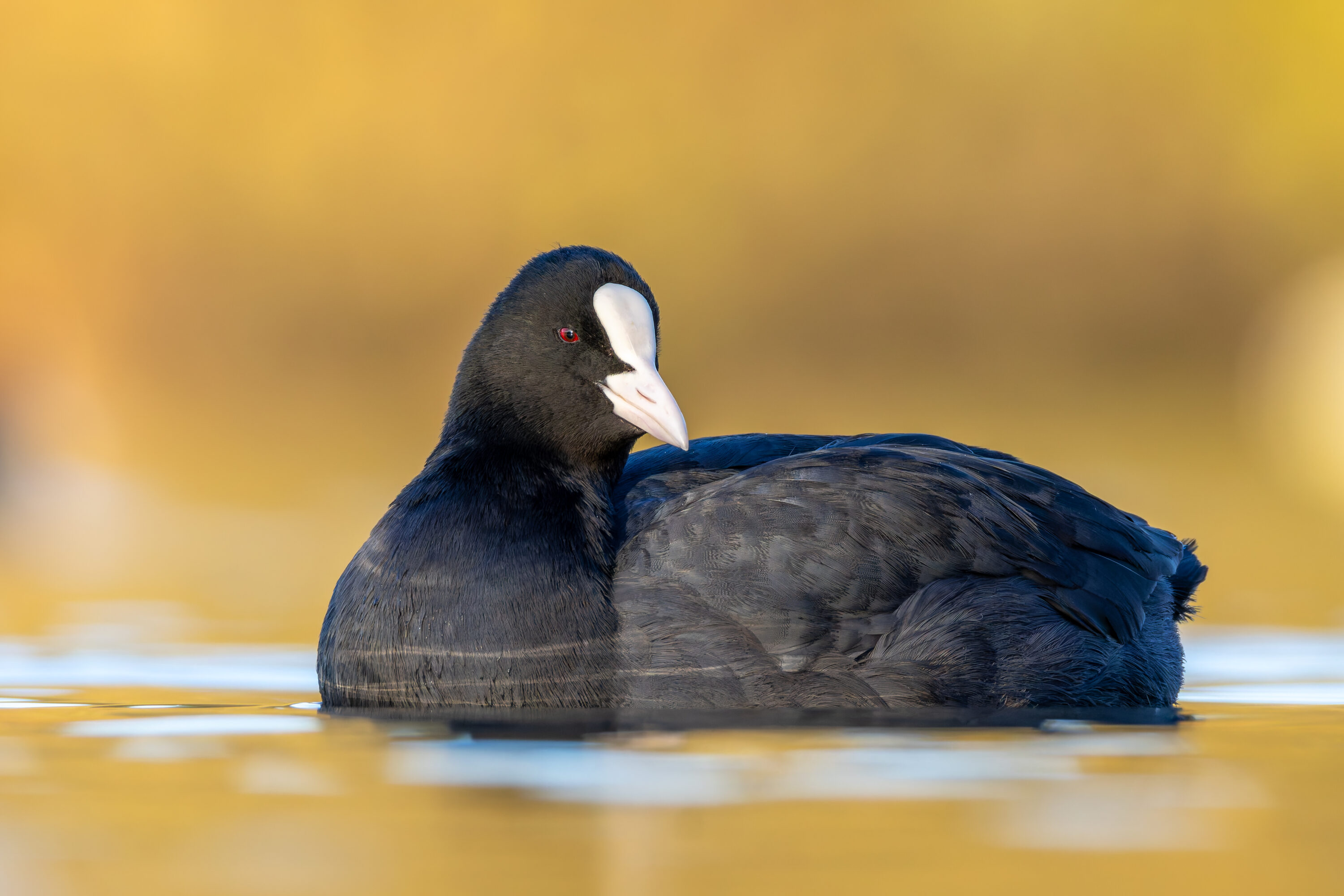
Bird Droppings Contained Both Plant Nutrients and Resistance Genes
Droppings from wintering waterbirds at Caohai in China contained phosphorus that can readily become available to algae. Researchers…
Read story →SPECIES IN THIS STORY
Species in this story
Independent research and conservation news archive
Did you find this information useful?
Wildlife Vagabond is independently built and maintained. Voluntary support helps cover source verification, hosting and continued work on research and conservation news.
Support Wildlife VagabondThe news archive will remain freely available.