
Black-chested Snake-Eagle
Circaetus pectoralis
At a glance
Habitat
- Open savanna, grassland, thornbush, shrubland and semi-desert with scattered perches
Diet
- Mostly snakes; also lizards, amphibians, rodents, bats, birds and large invertebrates
Activity
- Mainly diurnal, but occasional hunting occurs around artificial light at night
Size
- Length: 63–71 cm Weight: About 1.2–2.3 kg
Range
- Widespread across eastern and southern sub-Saharan Africa
Description
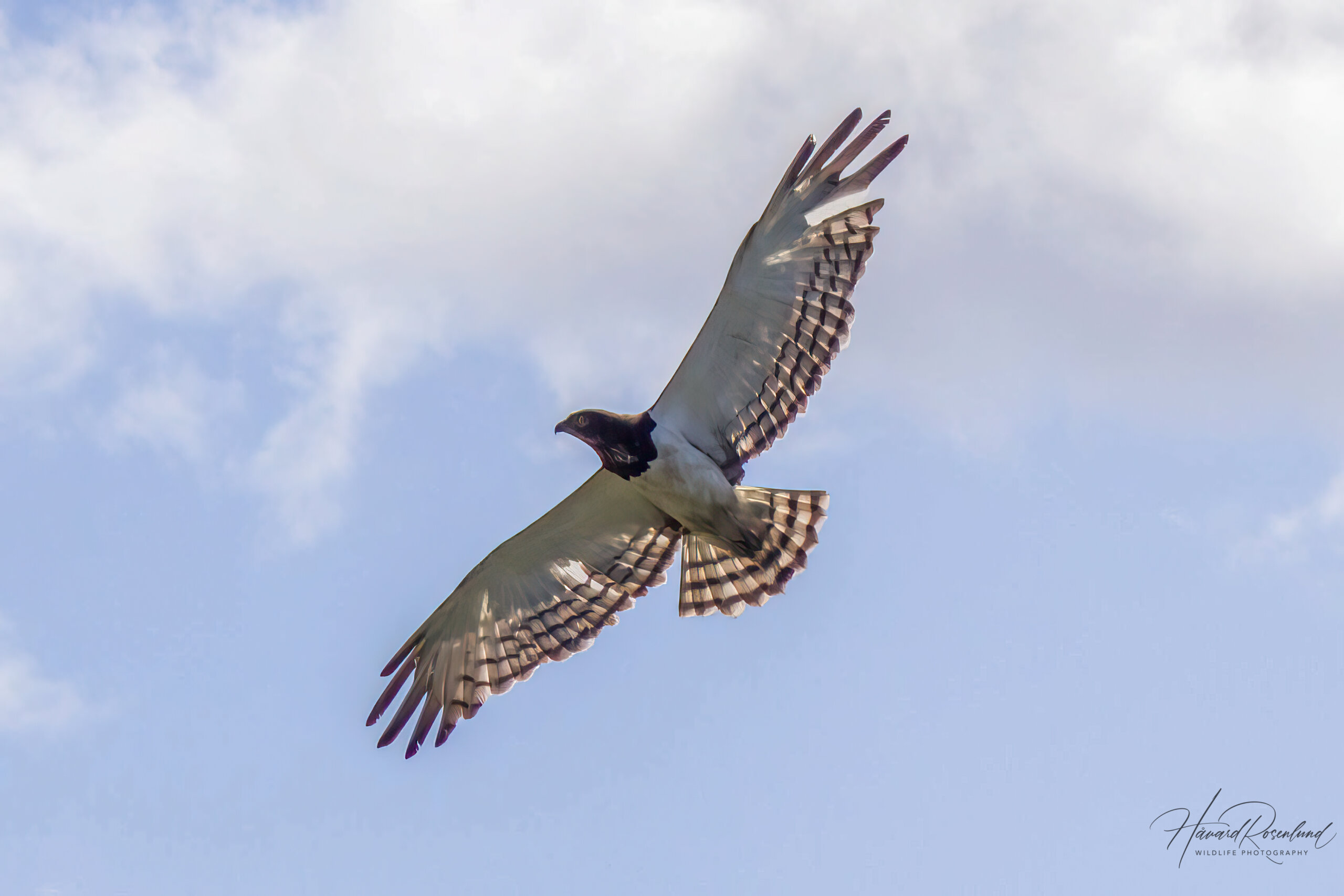
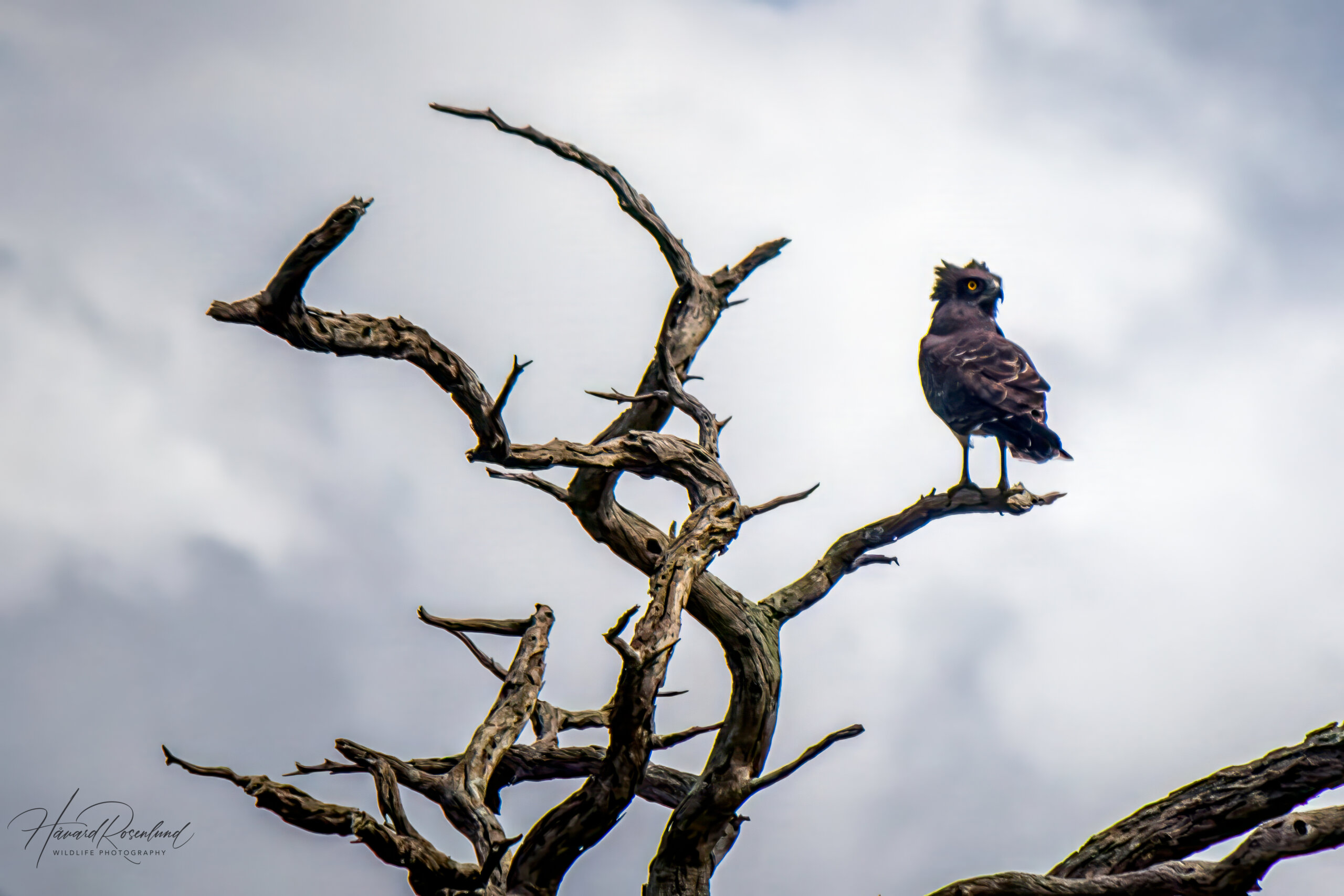
The black-chested snake-eagle (Circaetus pectoralis) is a large, broad-headed raptor of open African landscapes. It measures about 63–71 cm in length, has a wingspan of roughly 160–185 cm and weighs around 1.2–2.3 kg. Adults have a dark brown to black head, upperparts and chest, sharply contrasting with an almost pure white lower breast and belly. The eyes are bright yellow and the lower legs are bare rather than feathered.
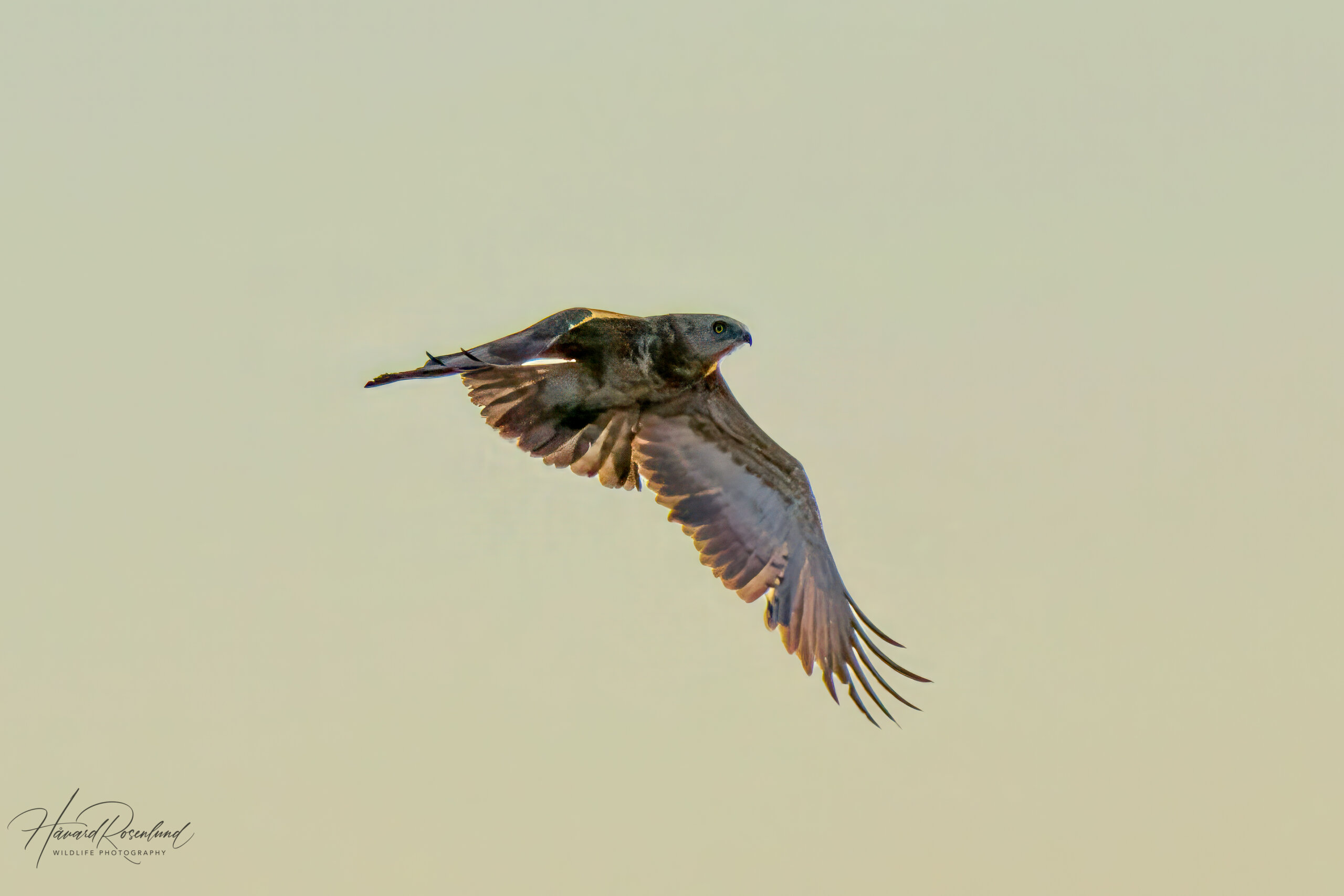
Juveniles are much browner and more heavily streaked or barred below, gradually losing these markings as they mature. Full adult plumage is normally reached at about three years of age. Adults can superficially resemble martial eagles (Polemaetus bellicosus) at a distance, but martial eagles are much larger, have spotted underparts and feathered legs.
Habitat
Black-chested snake-eagles favour open savanna, grassland, thornbush, dwarf shrubland and semi-desert, usually where scattered trees, pylons or other elevated structures provide hunting perches. Dense forest is generally avoided.
The species occurs from lowlands to high elevations, reaching about 3,400 m in some parts of the range. Its mobility allows it to exploit open habitats that change substantially with rainfall and prey abundance.
Diet
Snakes form the core of the diet, including venomous species, but the eagle also takes lizards, amphibians, rodents, bats, small birds and large invertebrates.
The species is therefore a reptile specialist rather than an exclusive snake-eater and can shift towards other available prey when conditions favour them.
Hunting
Black-chested snake-eagles use several distinct hunting methods. Much prey is located from an exposed perch, but birds also search while soaring and may hover low over the ground. Once prey is located, the eagle can descend in stages before finishing with a rapid feet-first strike aimed at crushing the prey's head.
The species also exploits short-lived feeding opportunities. Individuals have been seen catching animals fleeing grass fires and occasionally hunting around artificial lights at night. Such behaviour extends access to prey beyond the conditions normally associated with a mainly diurnal snake-eagle.
Behaviour
During the day black-chested snake-eagles are usually solitary. They can be strongly nomadic, moving in response to rainfall, prey availability and changing local conditions rather than remaining permanently tied to one small area.
At night the social pattern can change dramatically. Communal roosts can contain up to about 200 birds, an unusually large gathering for an eagle that is normally encountered alone during daylight.
Breeding
Pairs are monogamous and territorial. Breeding timing varies regionally; across southern Africa egg-laying occurs mainly from March to October, with pronounced local peaks. Both adults build a small stick platform, usually high in the crown of a tree or concealed in dense epiphytes or mistletoe. Utility poles and pylons may also be used. One egg is the norm.
Incubation lasts about 51–52 days, with the female performing most of it while the male supplies food. Parental care is especially intensive during the first roughly 25 days after hatching, after which the adults gradually spend less time at the nest. The young eagle normally makes its first flight after about 90–113 days.
After fledging it usually remains dependent on its parents for about another six months. Rare individuals have remained with their parents for roughly 18 months after fledging. The long development period and single-egg clutch make each successful breeding attempt a substantial investment for the pair.
Status
The black-chested snake-eagle remains globally classified as Least Concern on the IUCN Red List. It has a large African range and is locally common in some suitable open habitats, although it is uncommon across parts of that range.
Long-term counts from several parts of Africa indicate an overall median increase of about 15% over three generations across the areas surveyed, but the pattern differs sharply by region: numbers declined in Kenya while northern Botswana showed an increase.
Known causes of mortality include shooting, electrocution and collisions with power infrastructure, as well as drowning in steep-sided artificial reservoirs. Trends vary across the range, and there is no reliable overall population estimate.
Image gallery
Loading map and observations…
Have you seen this species?
Independent species archive
Did you find this species page useful?
Wildlife Vagabond is independently built and maintained. Voluntary support helps cover hosting, maps, data storage and continued improvements to the species archive.
Support Wildlife VagabondSpecies content will remain freely available.
References
Information about the species’ global distribution and status is based primarily on global Red List data. See the references below for details.
- Biodiversity Explorer. (n.d.). Circaetus pectoralis life history, based on Roberts – Birds of Southern Africa VII. Iziko Museums of South Africa. https://www.biodiversityexplorer.info/birds/accipitridae/circaetus_pectoralis.htm
- BirdLife International. (n.d.). Black-chested Snake-Eagle species factsheet. https://datazone.birdlife.org/species/factsheet/black-chested-snake-eagle-circaetus-pectoralis
- International Union for Conservation of Nature. (n.d.). Black-chested Snake-Eagle. The IUCN Red List of Threatened Species. https://www.iucnredlist.org/species/22734223/203290883
- Kemp, A. C., Kirwan, G. M., Bonan, A., Marks, J. S., & Garcia, E. (2020). Black-chested Snake-Eagle (Circaetus pectoralis). Birds of the World. https://doi.org/10.2173/bow.bkbsne1.01
- Shaw, P., Ogada, D., Dunn, L., Buij, R., Amar, A., Garbett, R., Herremans, M., Virani, M. Z., Kendall, C. J., Croes, B. M., Odino, M., Kapila, S., Wairasho, P., Rutz, C., Botha, A., Gallo-Orsi, U., Murn, C., Maude, G., & Thomsett, S. (2024). African savanna raptors show evidence of widespread population collapse and a growing dependence on protected areas. Nature Ecology & Evolution, 8(1), 45-56. https://doi.org/10.1038/s41559-023-02236-0
- South African National Biodiversity Institute. (n.d.). Circaetus pectoralis species status. https://speciesstatus.sanbi.org/taxa/detail/2414/
- The Peregrine Fund. (n.d.). Black-chested Snake-eagle species profile. https://peregrinefund.org/explore-raptors-species/eagles/black-chested-snake-eagle