
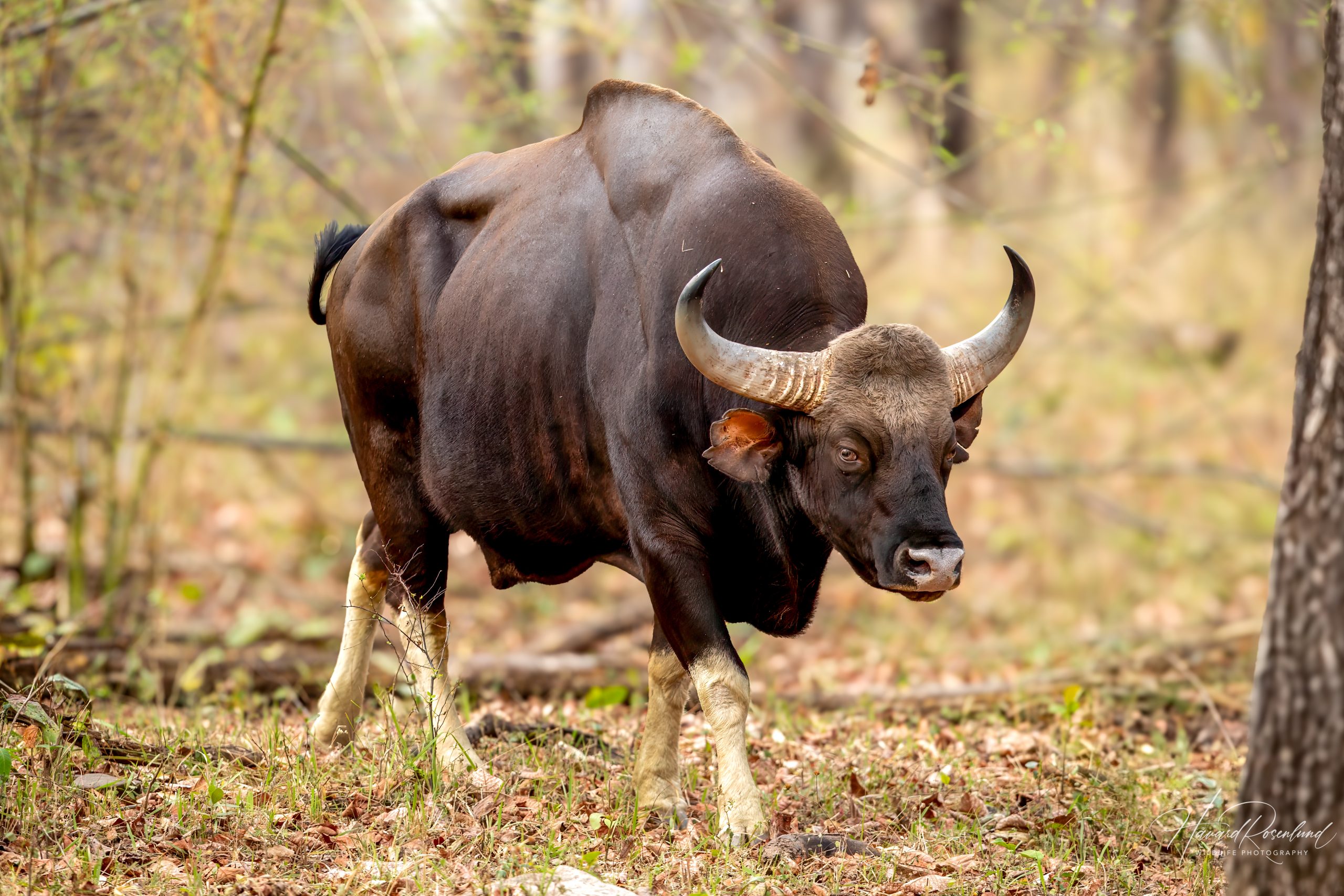
Gaur
Bos gaurus
At a glance
Habitat
- Forested landscapes with a mosaic of woodland, grass and water; from moist evergreen to dry deciduous forest
Diet
- Mainly grasses, but seasonally also browses herbs, shoots, leaves and other vegetation
Activity
- Mostly diurnal and crepuscular; activity can shift in disturbed landscapes
Size
- Length: 2.5–3.3 m Weight: 440–1,000 kg
Range
- Fragmented populations from India and the Himalayan foothills through mainland Southeast Asia to Peninsular Malaysia
Description
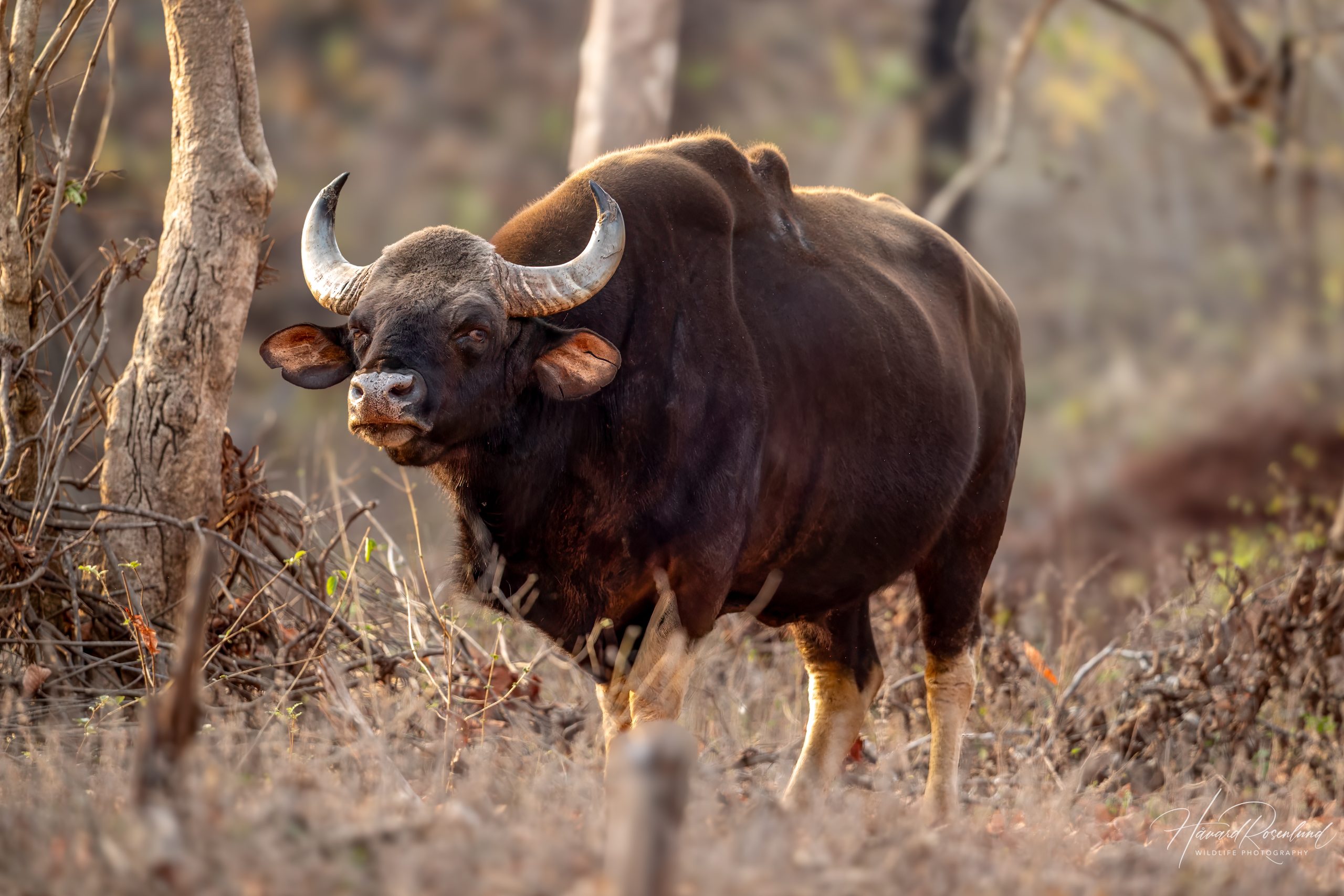
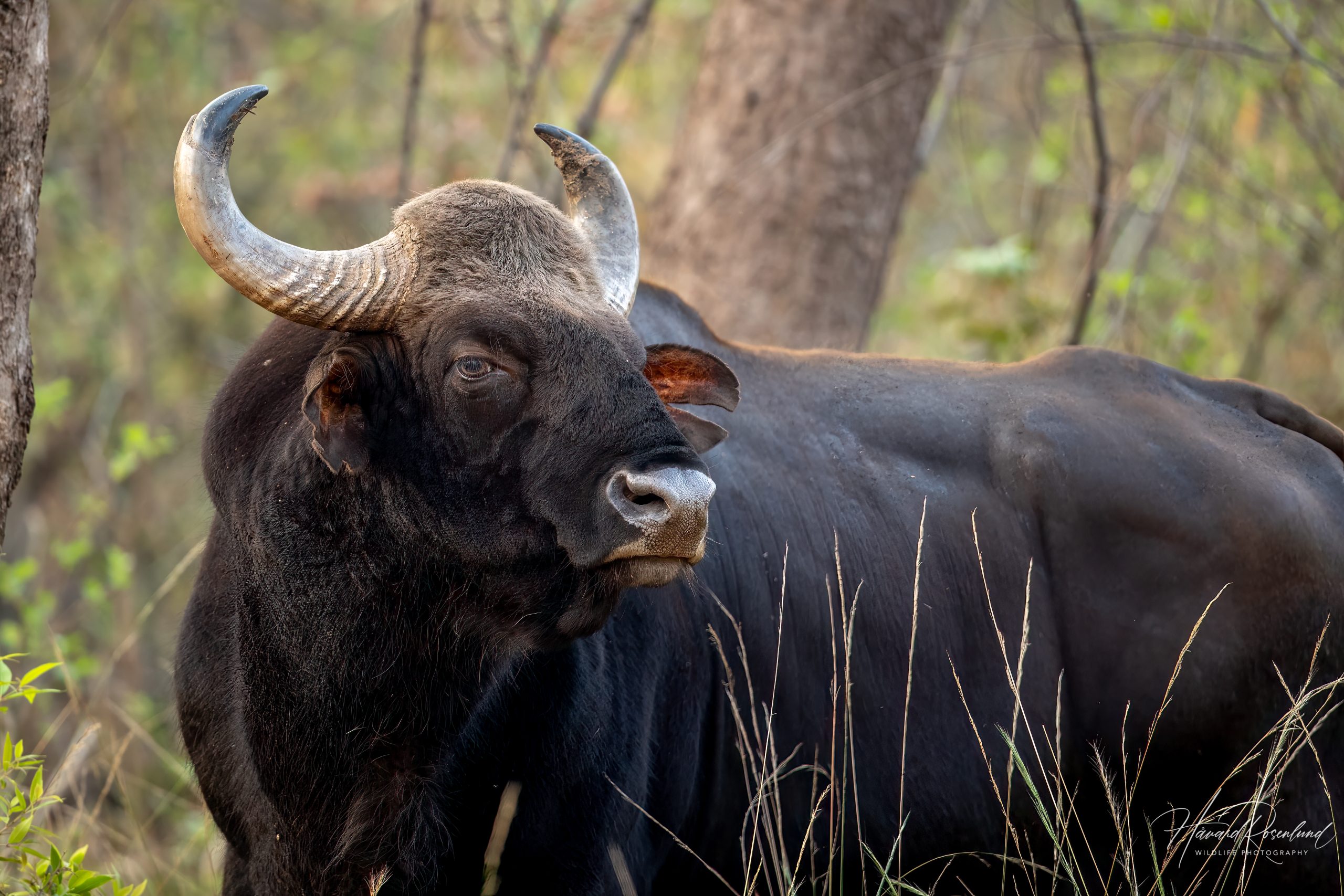
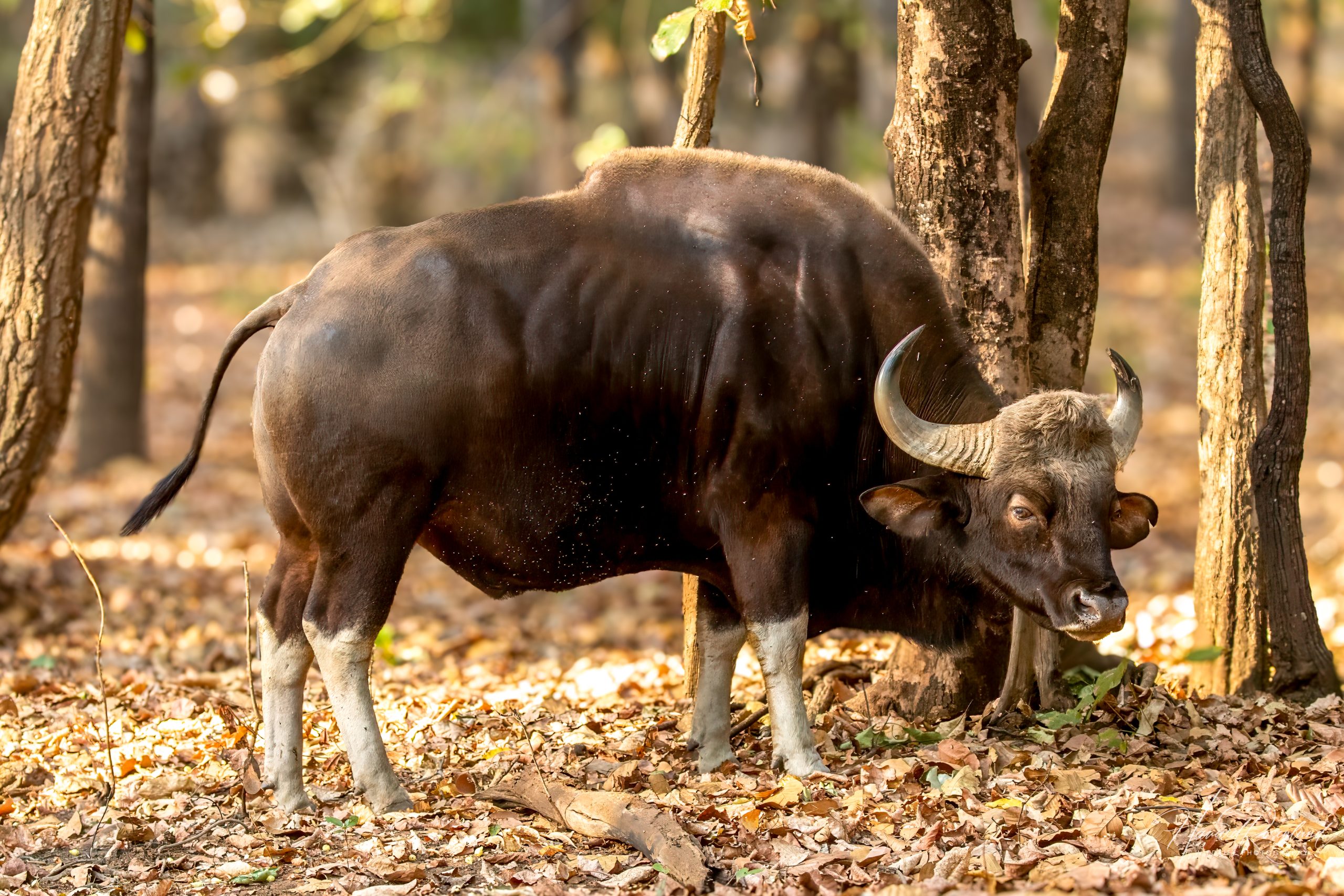
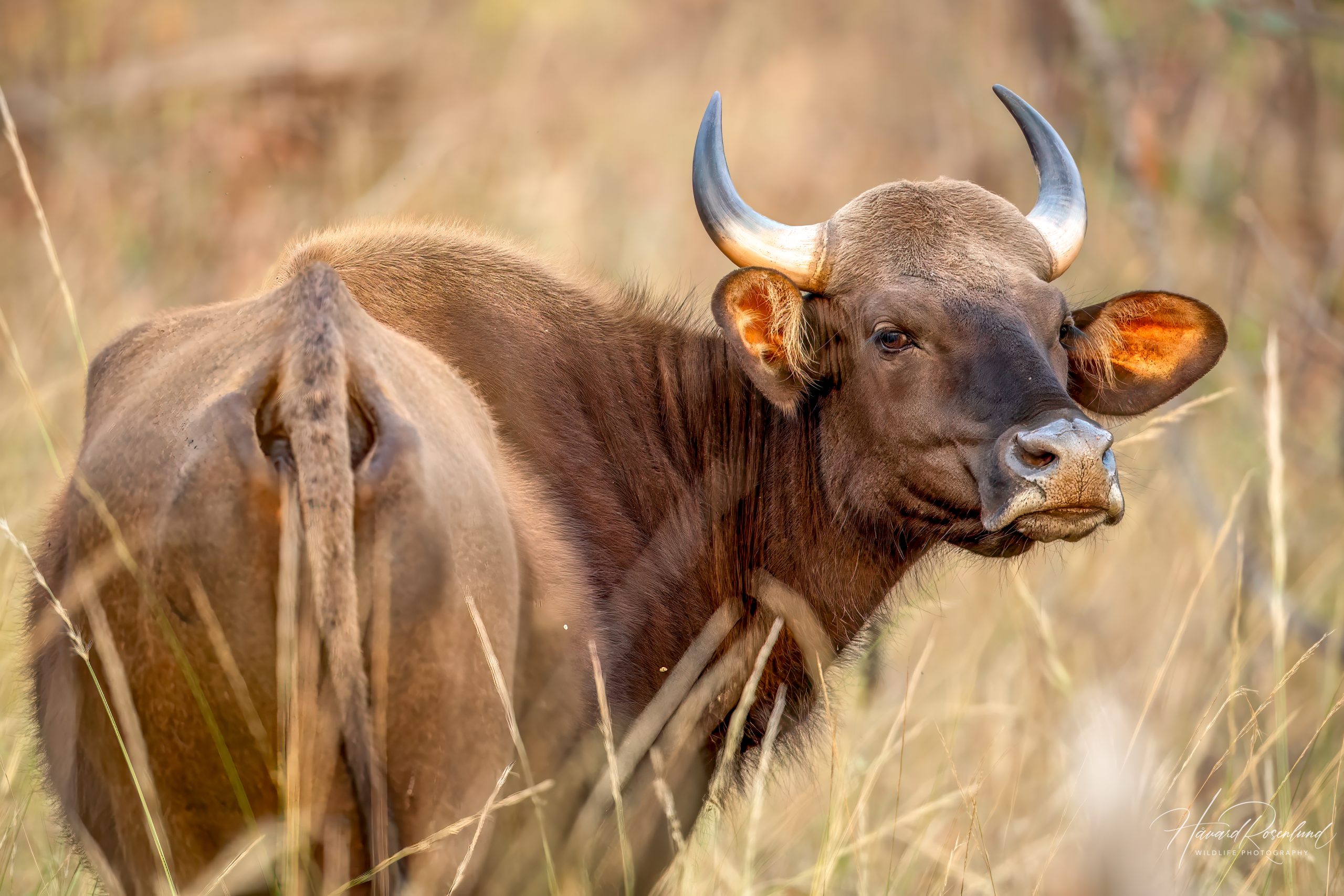
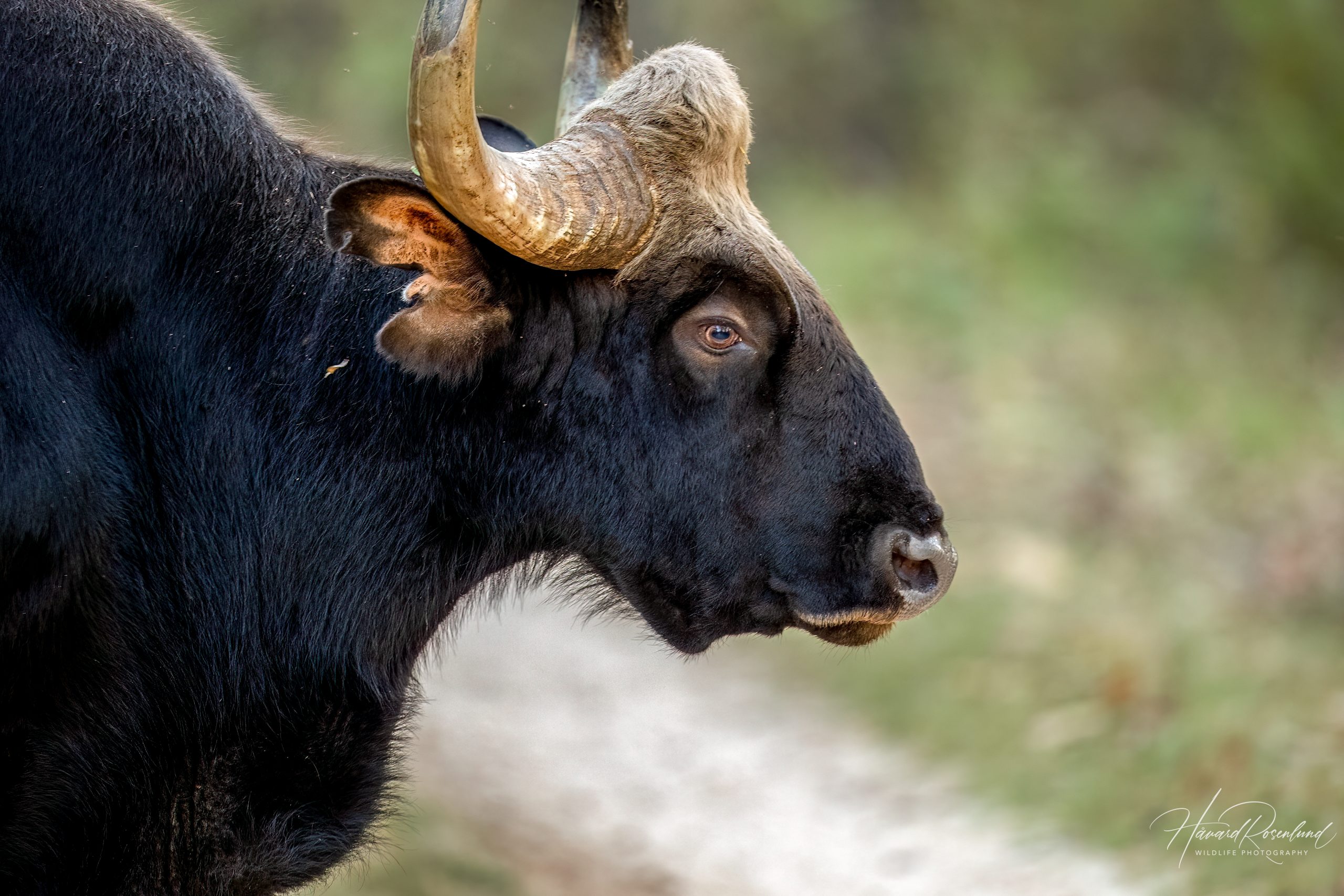
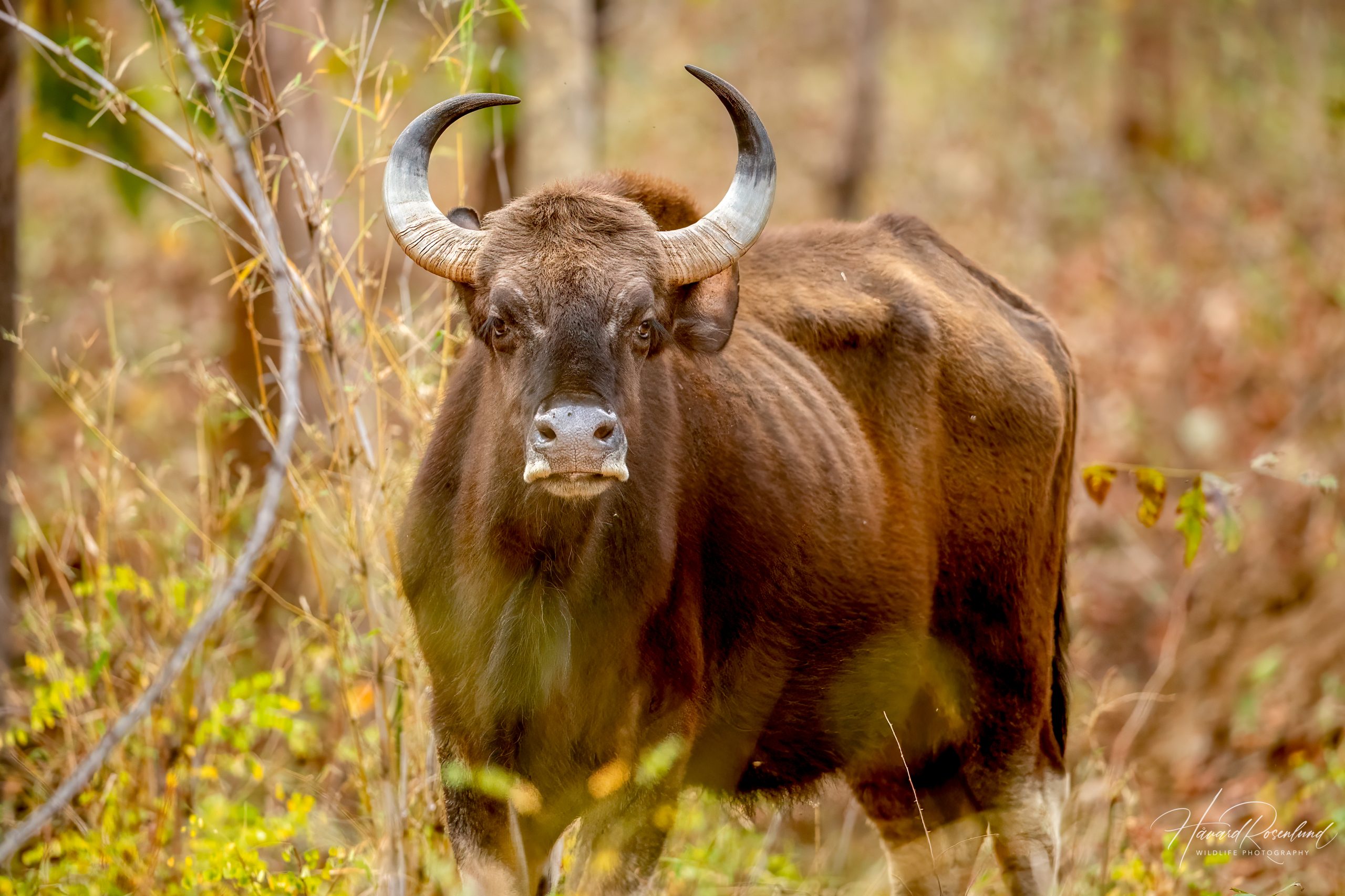
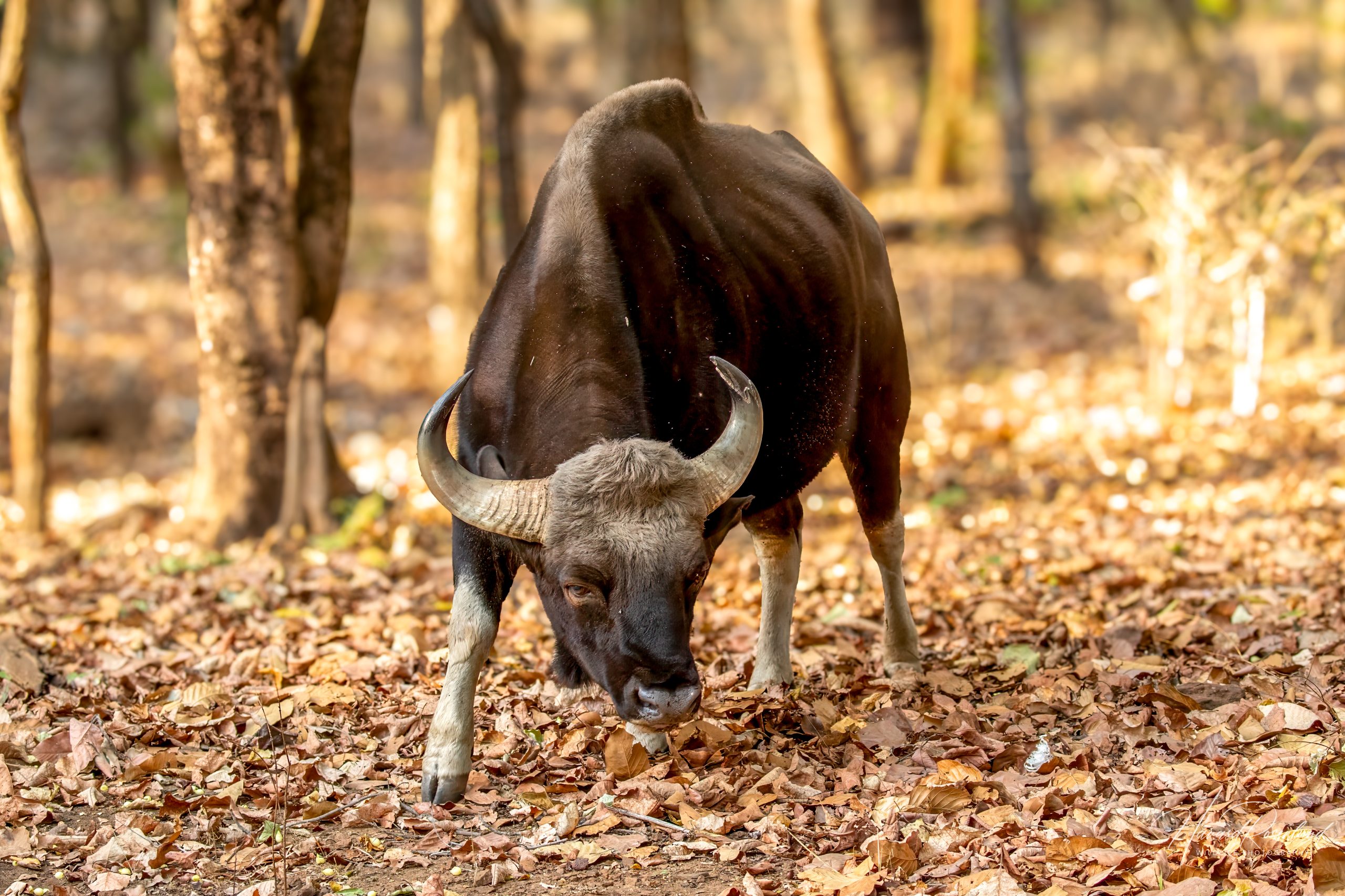
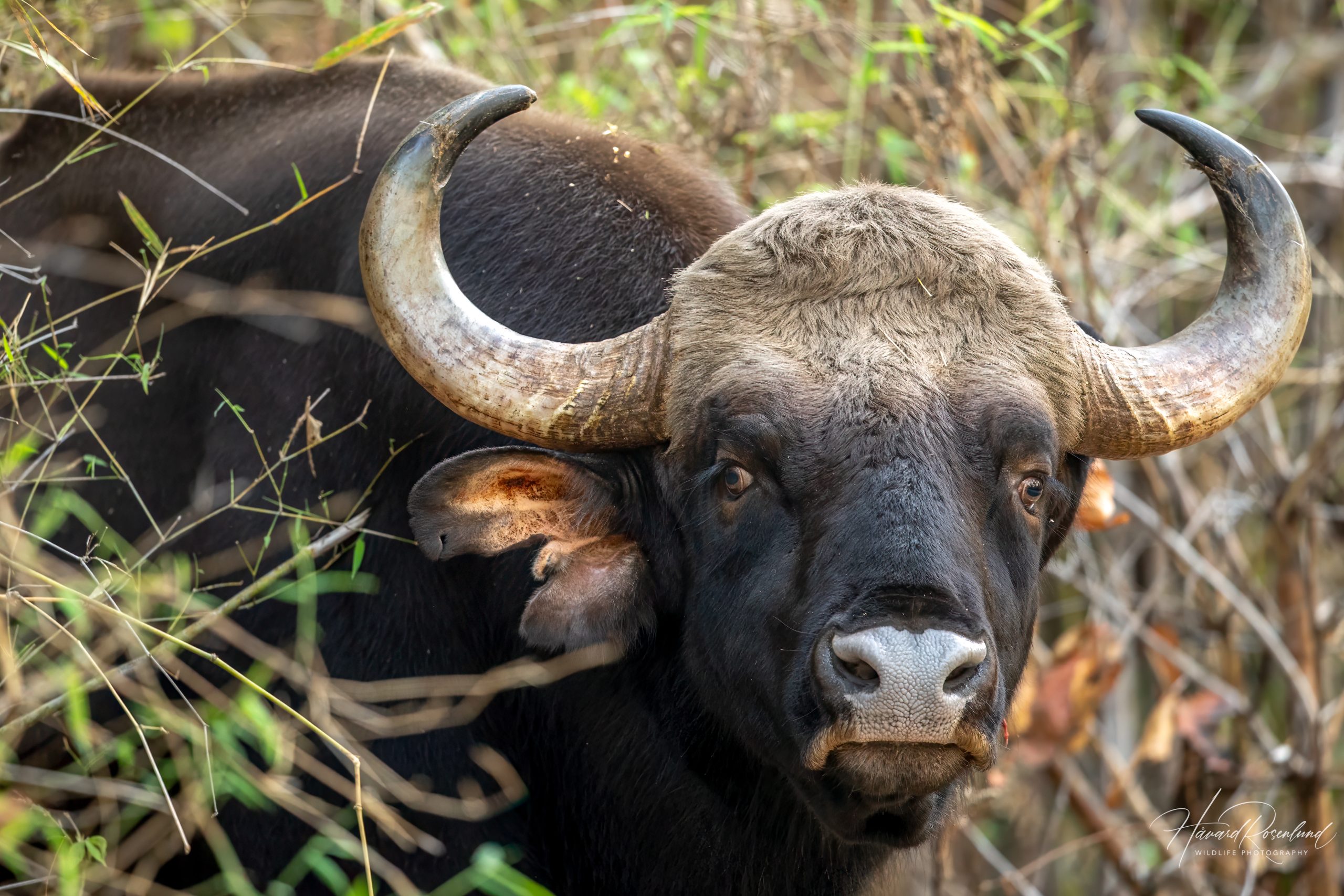
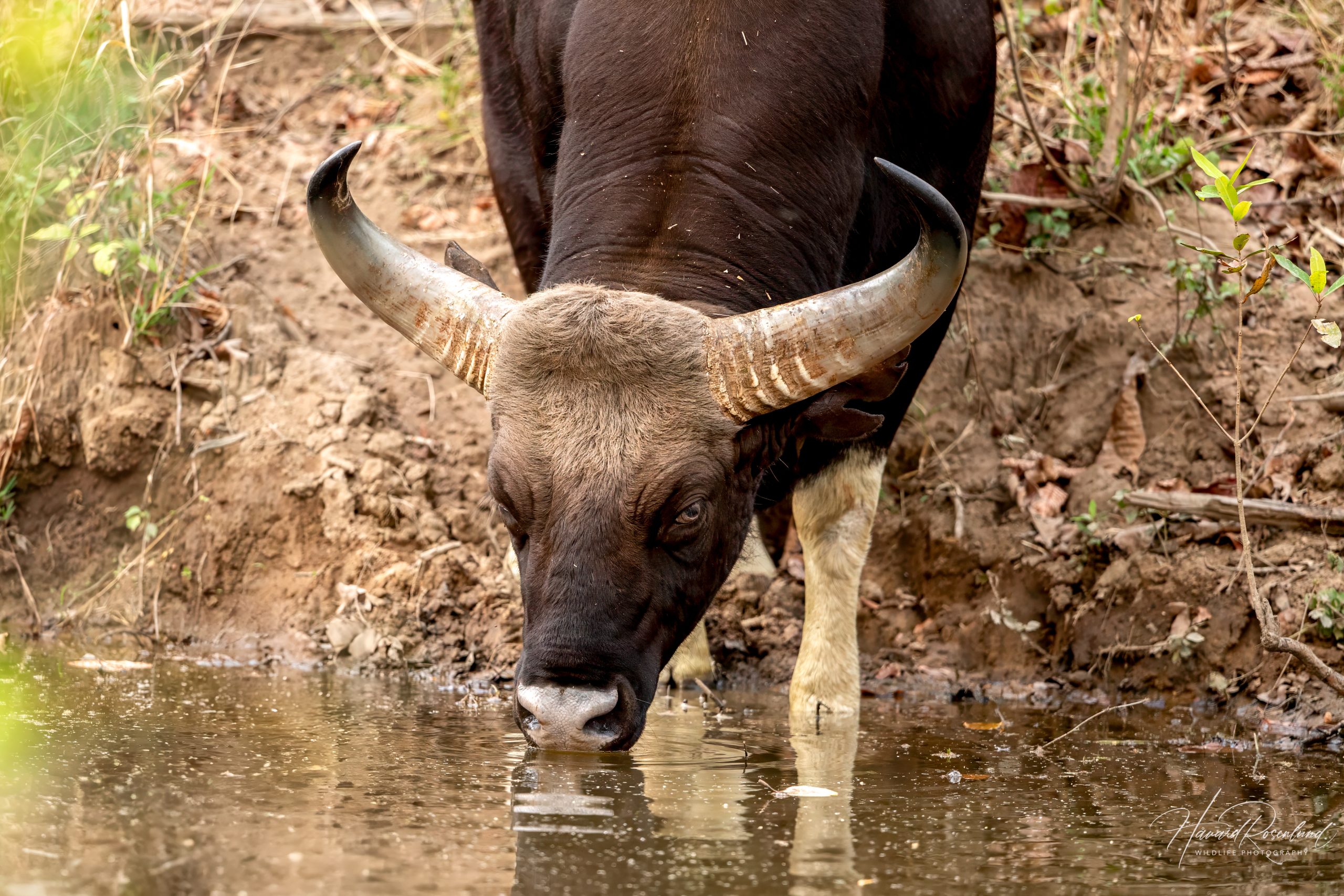
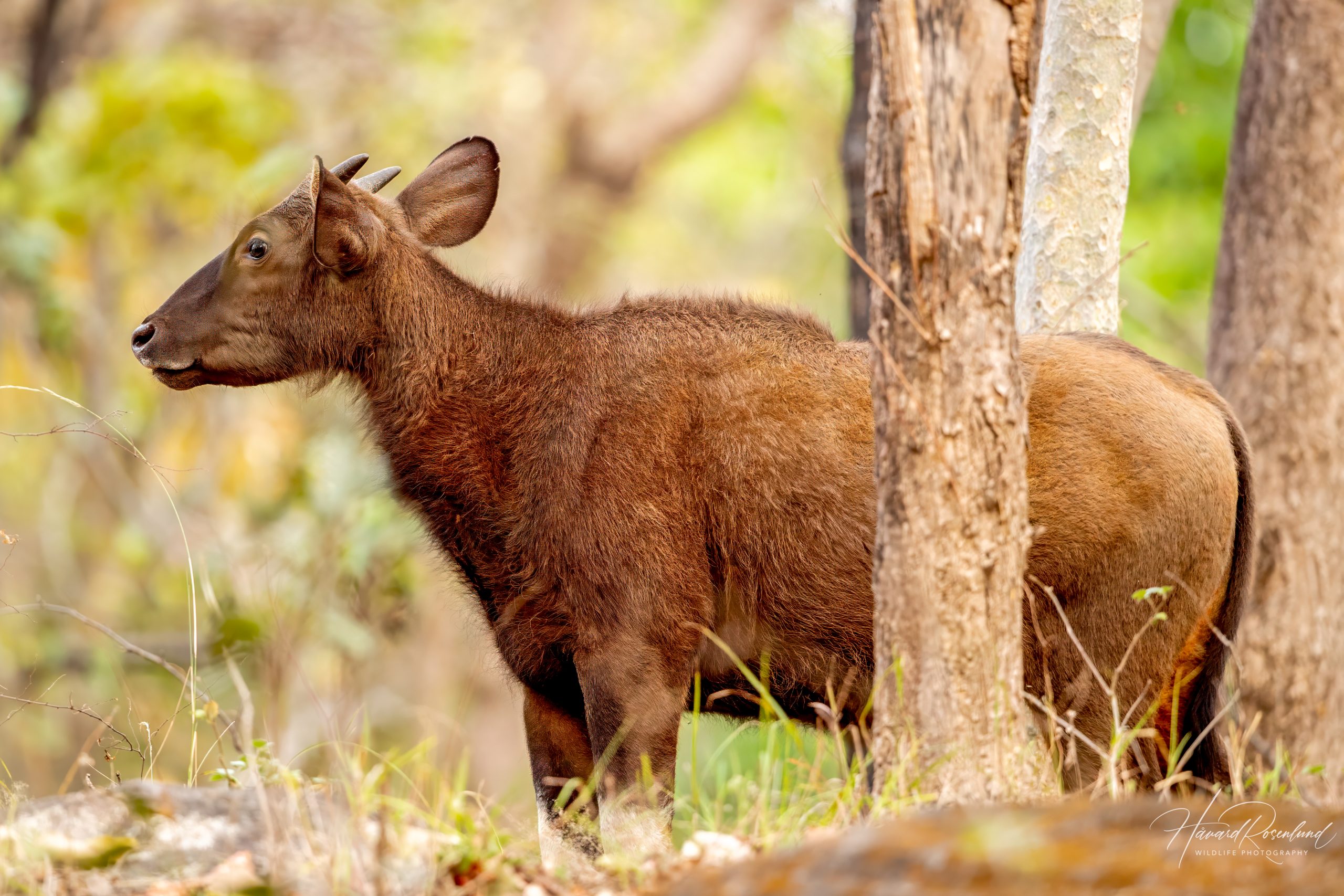
The gaur (Bos gaurus) is the largest living wild cattle species and one of Asia’s most imposing land mammals. Large adult bulls can approach one tonne and around two metres at the shoulder, while females are substantially smaller. The body is massively built, with a high muscular ridge over the shoulders, a deep dewlap, pale lower legs and heavy horns that curve outward and upward. Mature bulls become very dark brown to nearly black, while females and younger animals are generally paler.
The common name “Indian bison” is misleading: gaur are true wild cattle, not bison. The Mammal Diversity Database retains the species as Bos gaurus, with Bibos treated as a subgenus. The domesticated gayal or mithun (Bos frontalis) is closely connected to gaur and is treated by MDD as the domestic derivative of the wild species.
Habitat
Gaur occupy forested landscapes with access to water and productive feeding areas. Across the range they occur in evergreen, semi-evergreen, moist and dry deciduous forest, bamboo and secondary forest, often where woodland is interspersed with grassland, glades or other open patches. Habitat use changes seasonally as water, food quality and vegetation structure change.
A study published in 2012 from Bandipur and Mudumalai in southern India found gaur shifting from moist deciduous habitat in the dry season to dry deciduous habitat in the wet season. A Bandipur study published in 2025 found similarly strong seasonal differences: areas with more waterholes were consistently more suitable for gaur, while shrub-rich areas were particularly important in the dry season.
Diet
Gaur are flexible herbivores, but grasses form a particularly important part of the diet. The Bandipur–Mudumalai study published in 2012 found gaur to be grazers through most of the year, although herbs, shrubs and leaves also form part of the diet. This flexibility allows gaur to follow changes in plant growth and quality between wet and dry seasons.
A study published in 2018 from Pench National Park identified 29 plant species in gaur dung and found grass fragments made up an average of about 44.5% of the diet. A 2011 study from Goa likewise found clear seasonal shifts among grasses, herbs and leaves and described gaur as adaptable mixed feeders. The species can therefore depend heavily on grasses while still switching among plant groups as seasonal food availability changes.
Behaviour
Feeding is concentrated in the cooler parts of the day, with resting and rumination during hotter periods. Human disturbance can alter this pattern and push activity toward quieter hours. Gaur normally avoid people when given space, but surprised, wounded or closely pressed animals can charge, and fatal attacks on people have been documented.
Gaur also visit mineral-rich salt licks and spend time drinking, grooming, vocalising and keeping watch between feeding and resting bouts.
Social behaviour
Gaur are social but not organised into permanently fixed herds. Females, calves and younger animals commonly form groups, while mature bulls may live alone or in loose bull groups and join female herds when receptive cows are present. Herd size and composition change with season, habitat and breeding activity.
A study of the reintroduced Bandhavgarh population conducted in 2012–2014 documented both mutual grooming and several forms of dominance–subordination interaction among herd members. During the movement of additional animals in 2025, researchers also recorded the first documented case of a gaur cow nursing a calf that was not her own: a lactating female repeatedly allowed a calf from a different source herd to suckle inside the release enclosure. The observation demonstrates social flexibility under those conditions, but this nursing behaviour is not yet known to be common in wild gaur populations.
Predation
Tigers (Panthera tigris) are the principal natural predators capable of regularly killing healthy adult gaur. A study published in 2007 from Bandipur Tiger Reserve found that the two largest prey species, gaur and sambar, together supplied 73% of the prey biomass consumed by tigers. The relationship between gaur and tiger is therefore an important link between large herbivores and apex predators in forests where both remain abundant.
Calves and younger animals are more vulnerable than full-grown adults, while adults gain protection from size, horns and association with a herd. Predation therefore changes strongly with age and local predator abundance rather than affecting every gaur in the same way.
Reproduction
Breeding can occur through much of the year, although local peaks vary across the range. Bulls locate receptive females and compete mainly through body size, postures and close-range assessment rather than frequent serious fighting. Females normally give birth to a single calf.
Gestation usually lasts about nine to ten months, roughly 280 days. A reproductive study published in 1991 documented one case in which artificial insemination produced a healthy calf after 299 days. Calves remain closely associated with their mothers and the protective herd while growing. Suckling beyond about six months appears to be uncommon, although calves 6–8 months old have still been observed nursing. Long gestation and only one calf at a time mean that populations recover slowly from high adult mortality.
Status
The gaur is classified as vulnerable on the IUCN Red List. The current global assessment from 2016 estimated a total population of about 15,000–35,000 animals, of which roughly 6,000–21,000 were mature individuals. India contains the largest surviving populations and several important strongholds, but the species remains fragmented across much of its wider Asian range and has disappeared from parts of its former distribution.
Threats
Gaur are threatened by hunting, habitat loss and fragmentation, and disease from domestic cattle. Their geographic range has contracted by more than 80% over the last century. Small, isolated populations are particularly vulnerable when forest corridors disappear or access to seasonal feeding areas is cut off.
Livestock can add several pressures at once: competition for food, disturbance and the spread of disease. Poaching for meat and trophies remains important in parts of Southeast Asia, while roads, agriculture and settlement break up habitat elsewhere.
Conservation
Large connected forest areas, corridors between them and low hunting pressure are important for gaur. Around protected areas, reduced contact with domestic cattle can lower competition and disease risk. For small populations, isolation can restrict both movement and genetic exchange.
Gaur were locally extinct in Bandhavgarh National Park by 1998 after a small population had survived into the mid-1990s. A total of 50 animals were then moved from Kanha in two stages, 19 in January 2011 and 31 in March 2012. A study published in 2013 showed that the reintroduced animals established themselves in the reserve, with strong use of grassland in summer and bamboo-mixed forest during the monsoon and winter.
To increase genetic variation in the re-established population, additional gaur were later moved from Satpura Tiger Reserve. In February 2025, animals from five herds were moved to Bandhavgarh in the first phase. In January 2026, another 27 animals were moved from Satpura. Satpura Tiger Reserve then reported that 50 gaur had been translocated across the two phases.
Conservation organizations

Image gallery
Loading map and observations…
Have you seen this species?
Independent species archive
Did you find this species page useful?
Wildlife Vagabond is independently built and maintained. Voluntary support helps cover hosting, maps, data storage and continued improvements to the species archive.
Support Wildlife VagabondSpecies content will remain freely available.
References
Information about the species’ global distribution and status is based primarily on global Red List data. See the references below for details.
- Ahrestani, F. S., Heitkönig, I. M. A., & Prins, H. H. T. (2012). Diet and habitat-niche relationships within an assemblage of large herbivores in a seasonal tropical forest. Journal of Tropical Ecology, 28(4), 385–394. https://doi.org/10.1017/S0266467412000302
- Ahrestani, F. S. (2018). Bos frontalis and Bos gaurus (Artiodactyla: Bovidae). Mammalian Species, 50(959), 34-50. https://doi.org/10.1093/mspecies/sey004
- Andheria, A. P., Karanth, K. U., & Kumar, N. S. (2007). Diet and prey profiles of three sympatric large carnivores in Bandipur Tiger Reserve, India. Journal of Zoology, 273(2), 169-175. https://doi.org/10.1111/j.1469-7998.2007.00310.x
- Barik, S., Kumar, P. R., Kumar, A., Behera, A. K., Kalle, R., & Ramesh, T. (2025). Spatio-temporal habitat assessment of a tropical megaherbivore, Indian gaur in Bandipur Tiger Reserve, southern India. Forest Ecology and Management, 597, 123177. https://doi.org/10.1016/j.foreco.2025.123177
- Free Press Journal. (2026). 27 Bison Translocated To Bandhavgarh As Second Phase Concludes On Republic Day. https://www.freepressjournal.in/bhopal/mp-news-27-bison-translocated-to-bandhavgarh-as-second-phase-concludes-on-republic-day-video
- Gad, S. D., & Shyama, S. K. (2011). Diet Composition and Quality in Indian Bison (Bos gaurus) Based on Fecal Analysis. Zoological Science, 28(4), 264-267. https://doi.org/10.2108/zsj.28.264
- Godfrey, R. W., Lunstra, D. D., French, J. A., Schwartz, J., Armstrong, D. L., & Simmons, L. G. (1991). Estrous synchronization in the gaur (Bos gaurus): Behavior and fertility to artificial insemination after prostaglandin treatment. Zoo Biology, 10(1), 35-41. https://doi.org/10.1002/zoo.1430100105
- Gorati, A. K., Vishwakarma, R., Bhandari, B., Habib, B., & Nigam, P. (2025). First evidence of allonursing in Gaur (<i>Bos gaurus gaurus</i>): social flexibility in a translocated population. Journal of Wildlife Science, 2(4), 147–150. https://doi.org/10.63033/JWLS.NQFE5213
- Haleem, A., & Ilyas, O. (2018). Food and Feeding Habits of Gaur (Bos gaurus) in Highlands of Central India: A Case Study at Pench Tiger Reserve, Madhya Pradesh (India). Zoological Science, 35(1), 57-67. https://doi.org/10.2108/zs170097
- International Union for Conservation of Nature. (n.d.). Gaur. The IUCN Red List of Threatened Species. https://www.iucnredlist.org/species/2891/46363646
- IUCN SSC Asian Wild Cattle Specialist Group. (n.d.). Gaur. https://www.asianwildcattle.org/gaur.html
- Mammal Diversity Database. (n.d.). Bos gaurus. American Society of Mammalogists. https://www.mammaldiversity.org/taxon/1006260/
- Sankar, K., Pabla, H. S., Patil, C. K., Nigam, P., Qureshi, Q., Navaneethan, B., Manjreakar, M., Virkar, P. S., & Mondal, K. (2013). Home Range, Habitat Use and Food Habits of Re-Introduced Gaur (Bos Gaurus Gaurus) in Bandhavgarh Tiger Reserve, Central India. Tropical Conservation Science, 6(1), 50-69. https://doi.org/10.1177/194008291300600108
- Wildlife Institute of India. (2025). Supplementation of Gaur in Bandhavgarh Tiger Reserve, Madhya Pradesh. https://digitalrepository.wii.gov.in/items/dec577b0-09b9-451c-9978-45286797f910
- Wildlife Institute of India. (n.d.). Behavioural patterns and food habits of re-introduced gaur in Bandhavgarh Tiger Reserve. https://digitalrepository.wii.gov.in/items/8554d489-af95-4b77-b09d-9452bdf7c524