
Leopard
Panthera pardus
At a glance
Habitat
- Rainforest, savanna, woodland, dry scrub, mountains and temperate forest
Diet
- Mostly medium-sized ungulates, but also primates, small mammals, birds, reptiles and arthropods
Activity
- Mostly nocturnal and crepuscular; flexible where disturbance is low
Size
- Length: 91–191 cm (head–body) Weight: about 17–90 kg
Range
- Sub-Saharan Africa and fragmented parts of the Middle East, South and East Asia to the Russian Far East
Description
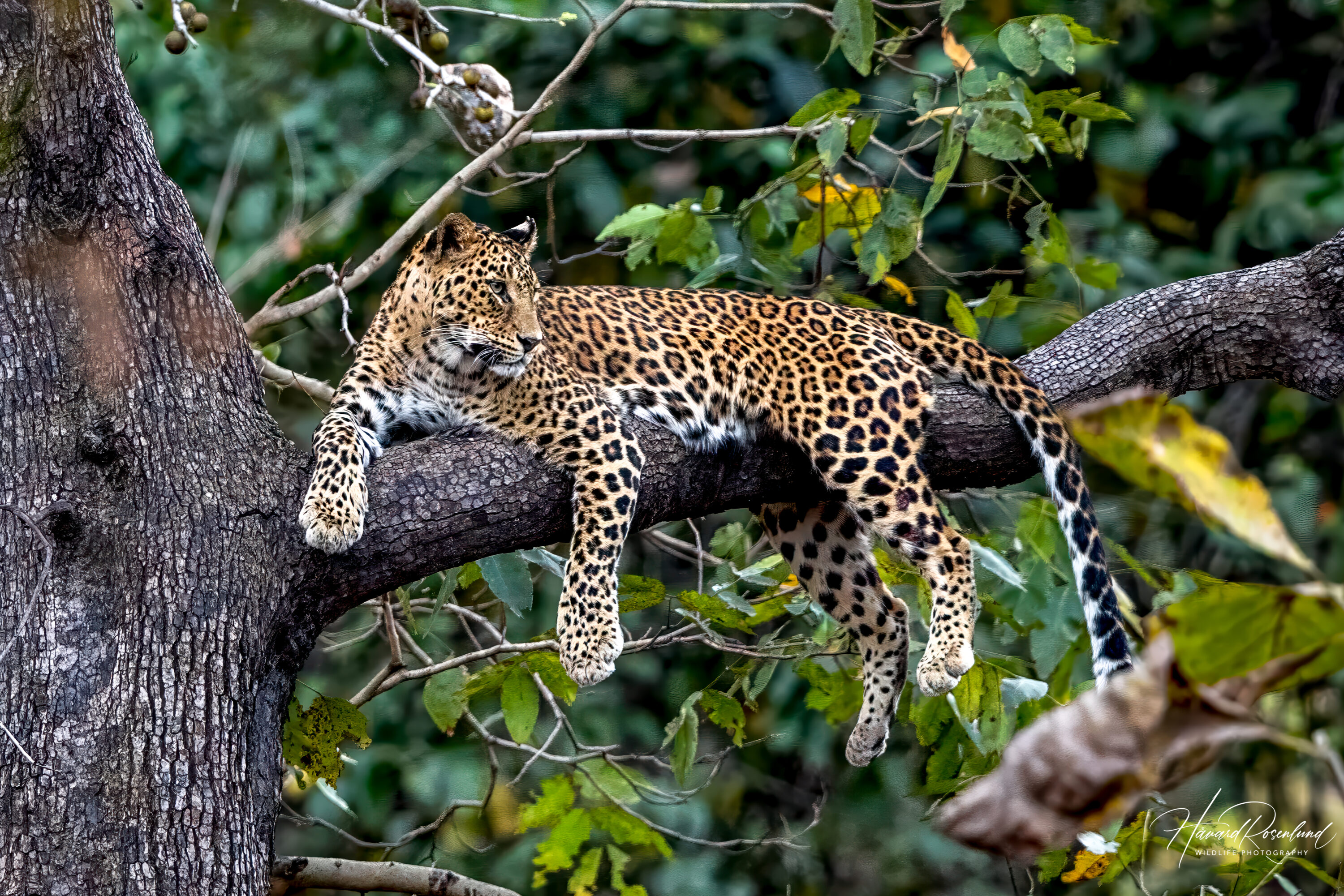
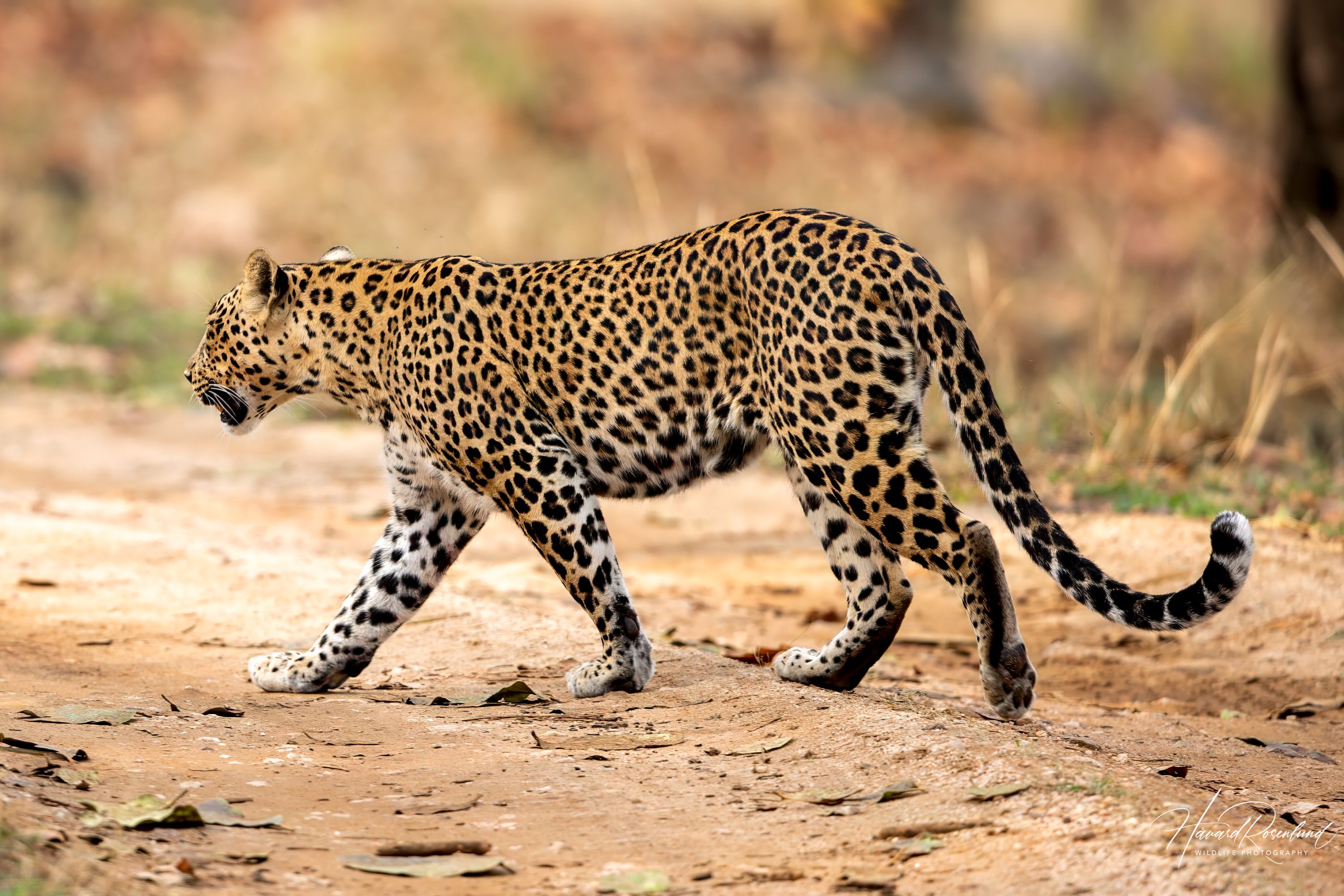
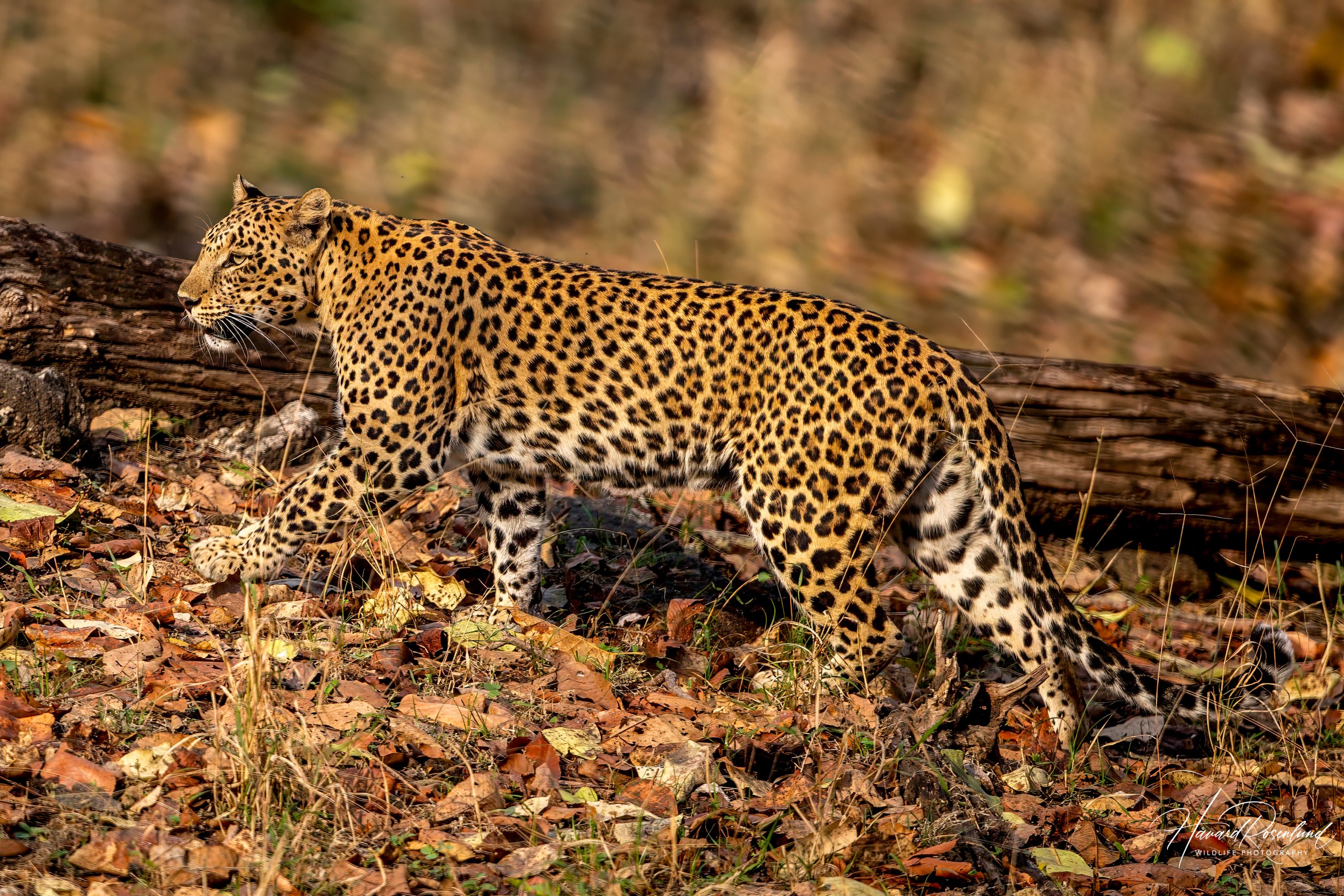
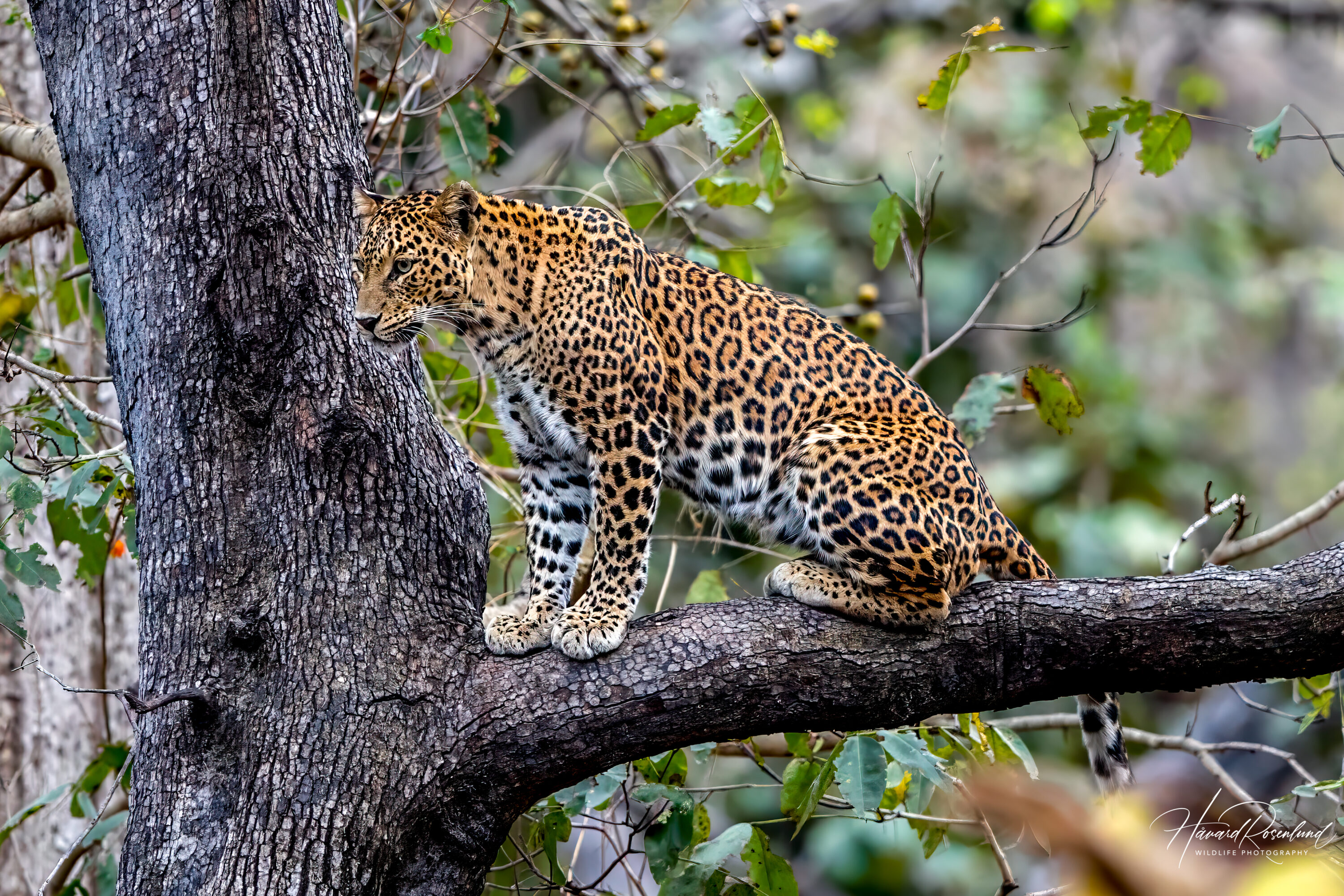
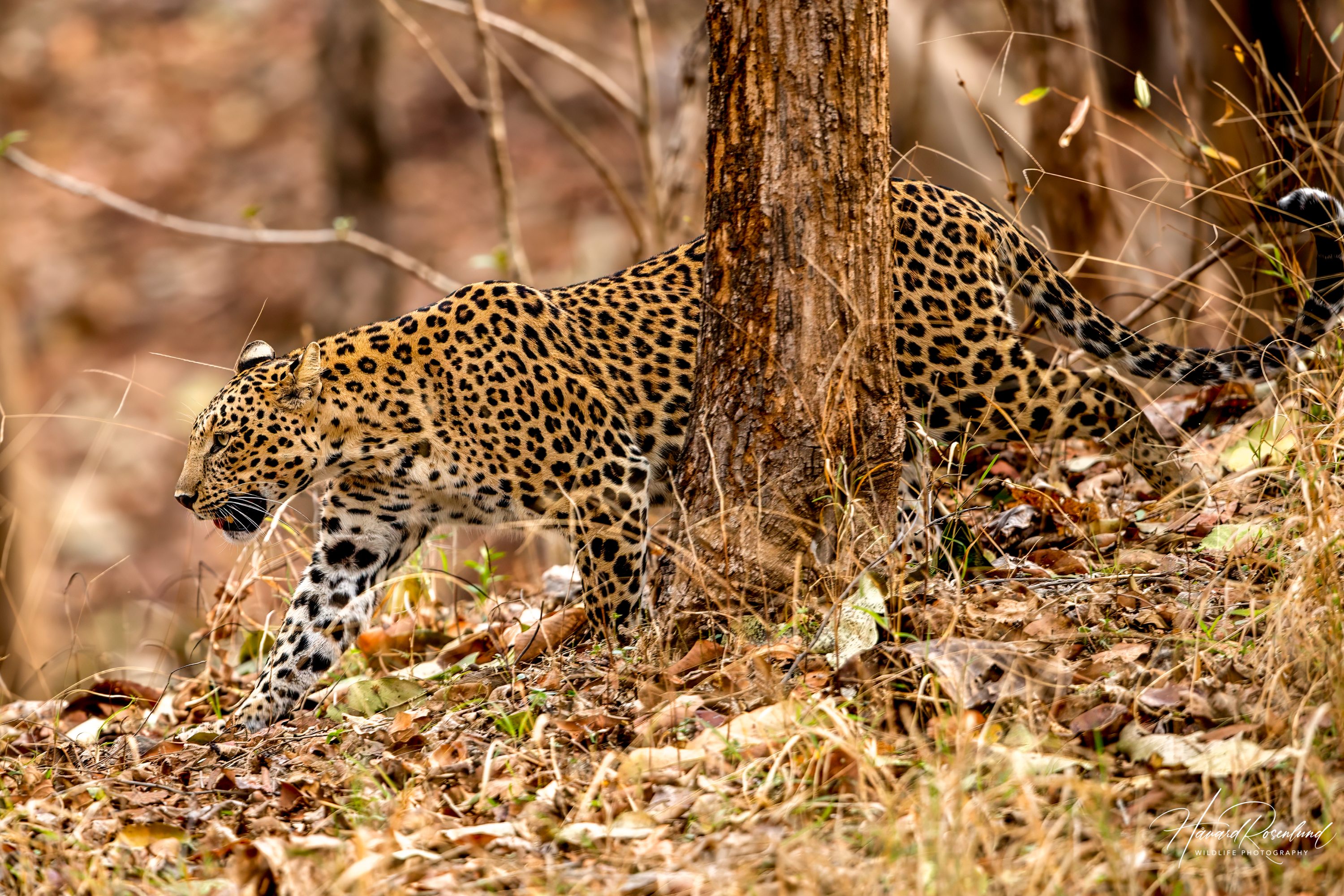
The leopard (Panthera pardus) has the broadest geographic range of any living big cat, although it has disappeared from much of its former distribution. Its coat varies from pale yellow to deep golden and is patterned with dark rosettes and spots. Some leopards are melanistic, a colour variation in which the coat becomes very dark. These animals are commonly known as black panthers. At close range, the characteristic rosette pattern is usually still visible even on black leopards.
Head-and-body length is roughly 91–191 cm, with a tail of about 51–110 cm. Adults weigh approximately 17–90 kg, with males generally much larger than females and substantial variation between regions and subspecies. Leopards are powerfully built, exceptional climbers and remarkably adaptable.
Taxonomy
The Cat Classification Task Force recognises eight living subspecies: African leopard (P. p. pardus), Indian leopard (P. p. fusca), Sri Lankan leopard (P. p. kotiya), Javan leopard (P. p. melas), Arabian leopard (P. p. nimr), Persian or Anatolian leopard (P. p. tulliana), Indochinese leopard (P. p. delacouri) and Amur leopard (P. p. orientalis).
The North Chinese leopard, formerly treated as P. p. japonensis, is now included with the Amur leopard. Genetic sampling remains uneven across the vast Asian range, and further work may change the boundaries between some populations.
There is also marked geographic variation in size and coat. African leopards are generally among the largest, and leopards in Iran and Central Asia can also attain very large sizes. Arabian leopards are much smaller, often around 25 kg, and tend to be paler. Leopards in savanna are often more rufous or ochre, desert animals are paler, and rainforest leopards tend to be darker. Melanism is rare in Africa but much more common in humid forests on Java and in parts of South and Southeast Asia. Leopards in the cold mountains of Central Asia also develop a longer, paler winter coat.
Habitat
Leopards occupy an extraordinary range of environments, from tropical rainforest and savanna to dry scrub, rocky mountains, temperate forest and human-used landscapes. They occur across much of sub-Saharan Africa and in increasingly fragmented populations through the Middle East and South and East Asia to the Russian Far East.
Dense cover is important in many landscapes because it provides resting sites, concealment for hunting and refuge from larger competitors. In some regions rugged mountains serve the same role. Leopards can also live surprisingly close to people where cover and prey remain and persecution is limited.
The subspecies occupy very different environments. Arabian leopards survive in some of the driest parts of the range, mainly in rugged mountains and escarpments on the Arabian Peninsula, while Amur leopards live in temperate forests with cold, snowy winters in the Russian Far East and northeast China. Javan leopards are restricted to the tropical landscapes of Java, while Persian or Anatolian leopards occur mainly in mountain systems across Southwest and Central Asia.
A camera-trap project in Maputaland, South Africa, that I participated in during 2013–2014 also showed how strongly local conditions can affect leopard numbers. Leopard density was higher in native dry forest thickets, while it was much lower in plantation habitat.
Diet
Leopards feed primarily on small- and medium-sized ungulates. In Africa, impala (Aepyceros melampus), southern bushbuck (Tragelaphus sylvaticus) and common duiker (Sylvicapra grimmia) are among the most important prey in many areas, while chital (Axis axis) is a common leopard prey in South Asia. At the same time, the species is highly opportunistic and adjusts its diet to what is locally available. Leopards also take rodents, hares, primates and birds, as well as reptiles, fish and arthropods, and occasionally kill prey far larger than the animals that normally make up most of their diet.
Leopards also scavenge and may retain several carcasses at once. Their strength allows them to drag sizeable prey into dense cover or up trees. For example, there are documented cases of a leopard hauling a giraffe calf into a tree. This can keep the carcass away from scavengers and larger predators.
Hunting
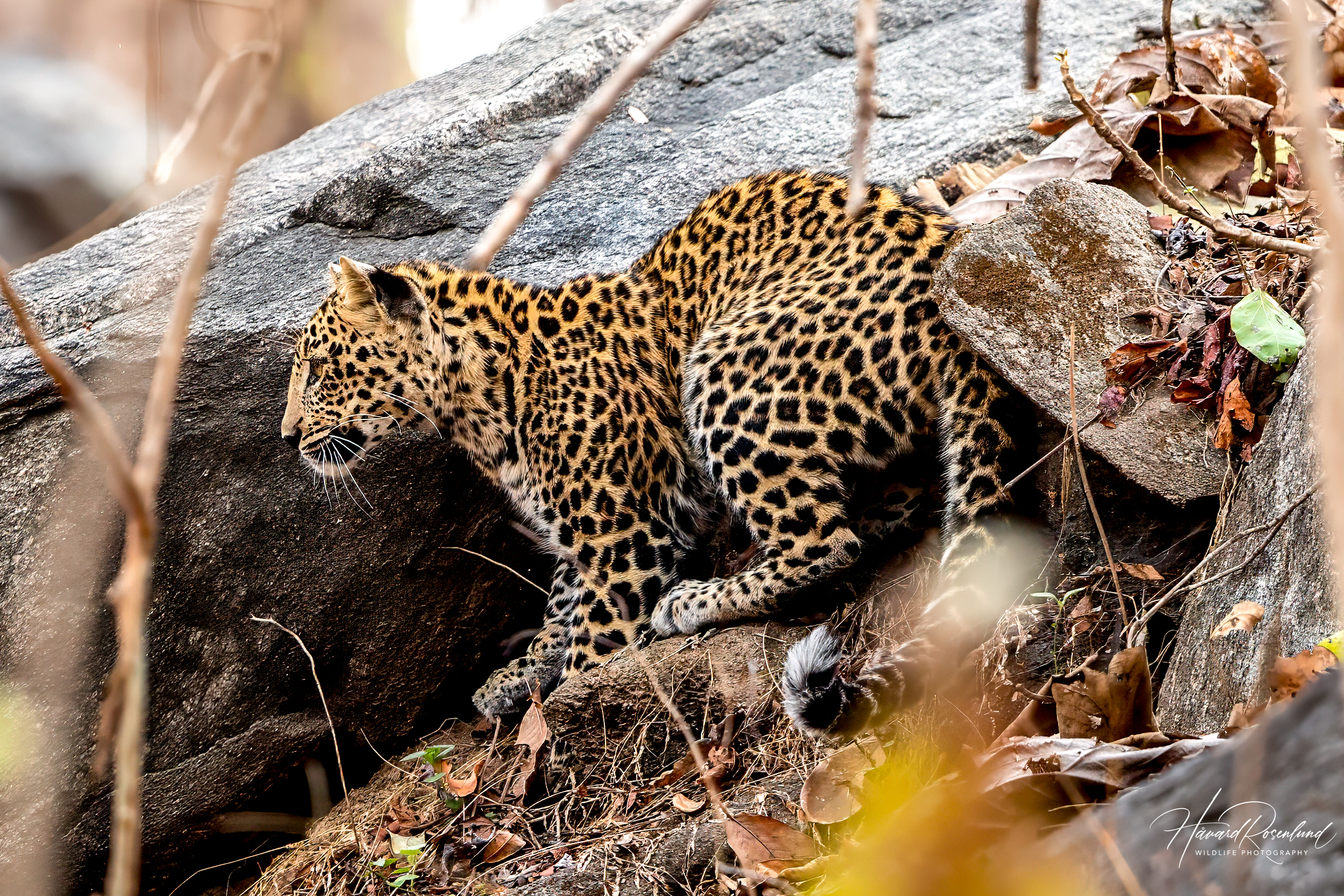
Leopards hunt mainly by stalking prey or waiting in ambush. They use vegetation, rocks, terrain and darkness to get close before attacking at short range rather than relying on a long chase. In dense forest they may wait near well-used game trails or fruiting trees that attract prey.
A study at Phinda Private Game Reserve in South Africa found that hunting leopards selected places where prey was easier to catch rather than simply areas with the highest prey abundance. This helps explain why apparently small differences in vegetation and terrain can strongly influence hunting success.
Filmed observations also show how flexible leopard hunting can be. In the documentary Leopards of the Night, a leopard was recorded deliberately stamping the ground in near-total darkness while hunting impala. The sound created confusion and panic in the impala herd and could give the leopard an opportunity to remain ready in ambush if one animal ran the wrong way. In another filmed observation, a leopard hunted a southern reedbuck (Redunca arundinum), an antelope normally faster than the leopard. The leopard used the terrain to anticipate the direction the reedbuck was most likely to flee. Once the chase began, it let the prey run instead of following, and took a shorter line through the terrain towards a point ahead of the antelope’s escape route. There it was in position to catch the reedbuck as it passed. How widespread such tactics are is unknown.
The night-time video below shows a male leopard in Thanda Private Game Reserve trying to catch a nightjar right at the end—another excellent example of the species’ opportunism.
Behaviour
Leopards are usually solitary and most active from dusk to dawn, but their daily rhythm changes with prey, competitors and people. Where disturbance is low they may be active by day; near settlements or in populations persecuted by people they often become more strictly nocturnal.
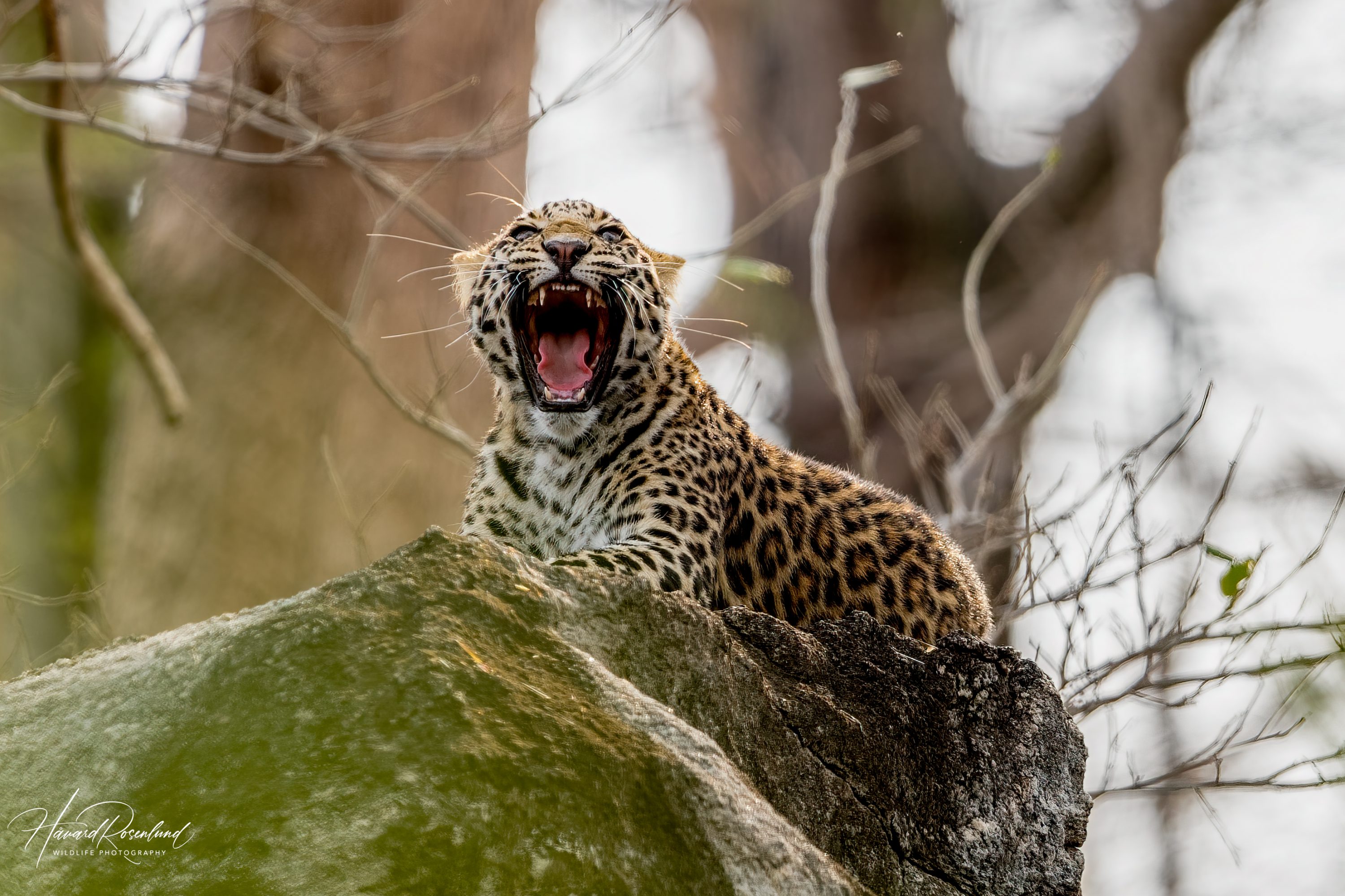
They rest in dense vegetation, rocky shelters or trees. Leopards communicate extensively without meeting directly. They mark with urine, scrapes and other scent signals; urine marking has a distinctive smell often compared to popcorn. They also use powerful long-distance calls to signal their presence to other leopards, including in territorial and mating contexts. Their characteristic rasping call comes as a series of rough, rhythmic strokes and is often likened to the sound of someone sawing wood.
Tree use also varies with local risk. In landscapes with many lions (Panthera leo) and spotted hyenas (Crocuta crocuta), trees can provide a quick refuge, while leopards living close to people may stay concealed in dense ground cover during daylight. This is one reason leopards can be relatively easy to see in some places yet almost invisible in others.
Home ranges
Leopards are solitary, but their home ranges can overlap. Females generally use smaller home ranges where prey is reliably available and there are secure places for cubs, while males range more widely and may overlap several females. In a South African study, male home ranges were more than twice the size of female ranges.
The amount of space needed varies enormously between landscapes. Prey availability, vegetation, leopard density, competitors and human activity can all affect home-range size. Productive areas with many leopards may support relatively compact ranges, while animals in dry, mountainous or prey-poor landscapes can travel across much larger areas. Arabian leopards show how large home ranges can become in arid landscapes. In Oman, one female leopard used 64 km², while one male leopard used 168 km².
Home-range overlap does not mean that leopards live socially together. Scent marking and calls help individuals sharing the same landscape avoid unnecessary encounters, and young animals eventually disperse beyond their mother’s range to establish home ranges of their own.
Interspecific competition
Much of the leopard’s success comes from avoiding direct competition with larger or more social predators. In Africa, lions and spotted hyenas can take leopard kills and sometimes kill leopards. In Asia, leopards face strong competition from tigers (Panthera tigris) and dholes (Cuon alpinus). Tigers are larger and can displace leopards from areas they use heavily, while dholes hunt in packs and compete with leopards for many of the same prey species.
Leopards reduce the risk from other predators by using dense cover and trees, shifting activity in time, taking smaller prey and choosing areas used less intensively by dominant competitors. Studies in tiger landscapes have found leopards adjusting both space use and activity in response to tiger presence and human disturbance. We found a similar pattern in the Maputaland study I participated in, where leopard density in Tembe Elephant Park declined as lion abundance increased.
Reproduction
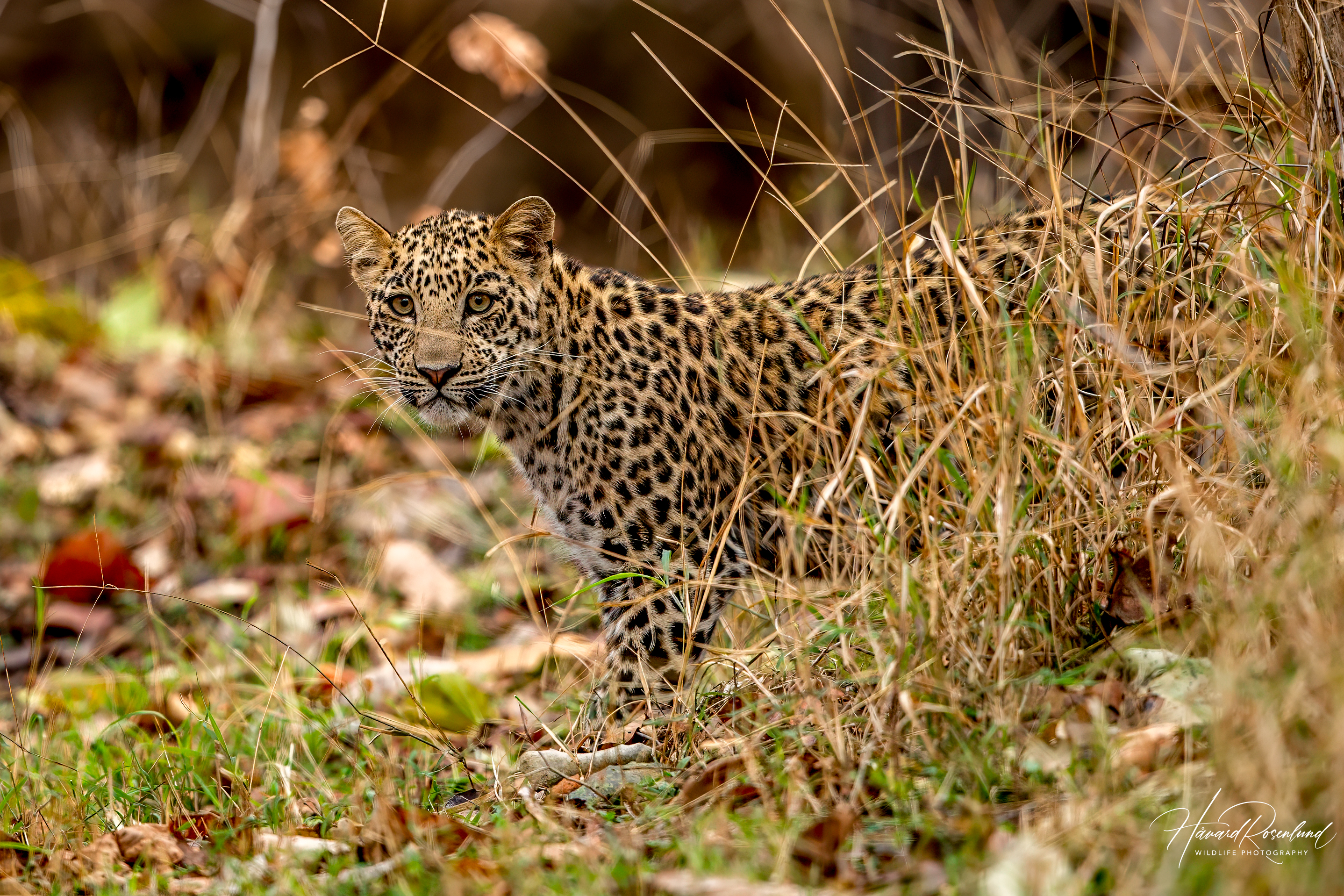
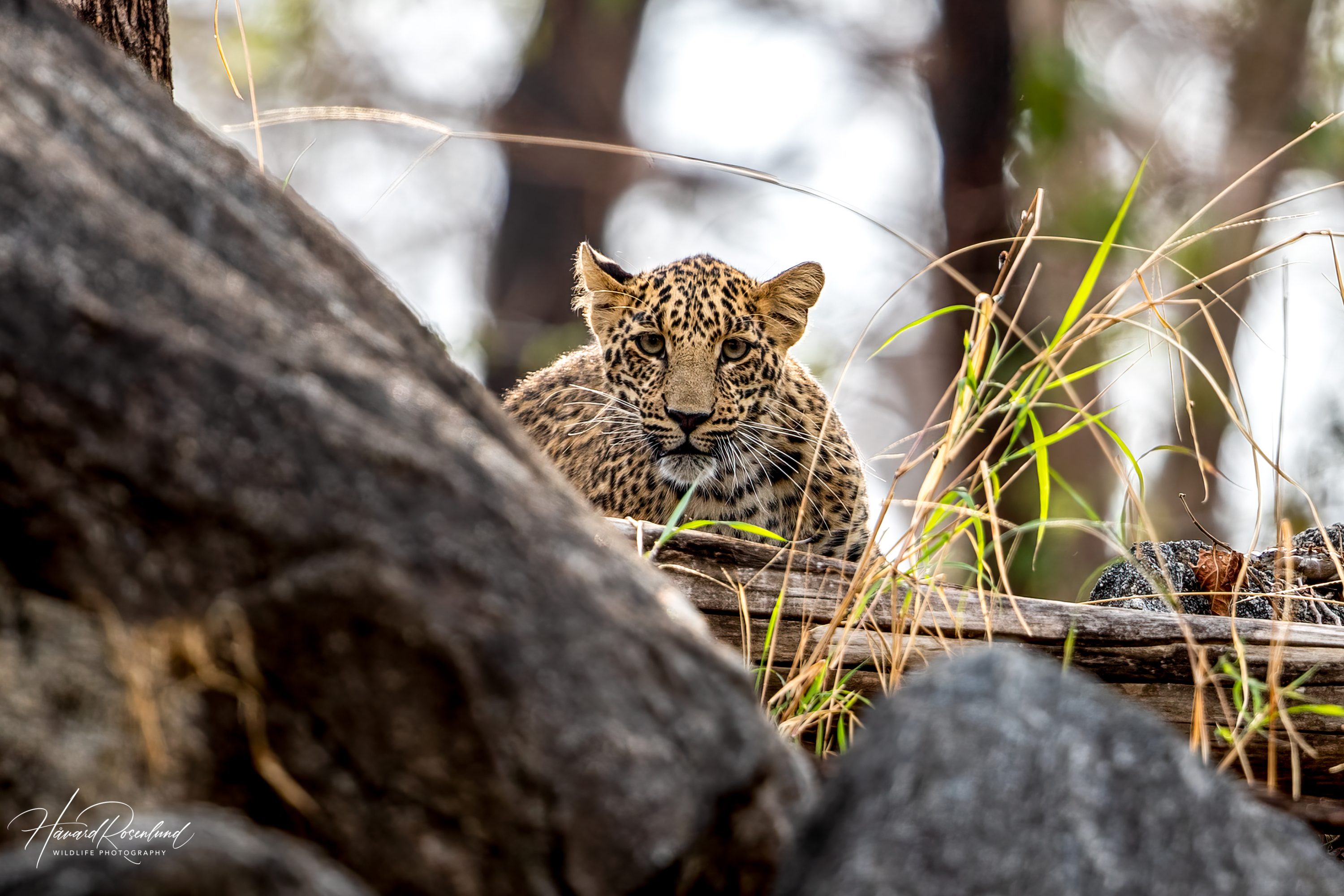
After a gestation of about 90–105 days, a female usually gives birth to two or three cubs, although litters of one to four occur. She hides them in dense vegetation, caves or other secure dens and moves them when necessary. Cubs remain dependent on their mother for more than a year while learning to hunt.
Male and female leopards associate only briefly, but during mating they copulate repeatedly over several days. The act itself is extremely brief and may be over in only a few seconds. When a new male establishes himself in an area, this can also affect the female’s existing litter. He may kill cubs sired by another male. If the female loses her litter, she can return to oestrus sooner, giving the new male an opportunity to mate with her and sire the next litter.
The video below shows a pair I followed while they were mating in Thanda Private Game Reserve. Notice the size difference between the male and female. The male repeatedly shows the flehmen response: he opens his mouth and lifts his upper lip so that scent chemicals, including pheromones, can be detected more effectively by the vomeronasal organ. This helps him assess the female’s reproductive state and whether she is ready to mate. Also notice how brief the actual mating is. In the footage it happened so quickly that I barely managed to switch my camera back on in time.
Cultural significance
The leopard has long been associated with authority, status and ritual power in several parts of Africa. In Asante regalia, leopard skin could symbolise the ruler’s power and courage, while leopard teeth and leopard imagery were also connected with chiefly authority. Similar links between leopards, rulers and elite dress occur elsewhere in Africa, although the meaning varies between cultures.
Leopard skin also had a specialised ritual role in ancient Egypt. Sem-priests and some other high-ranking priests wore leopard-skin garments during funerary rites. Surviving robes and depictions show that the patterned skin became a symbol of priestly office and regeneration; some surviving garments were actually painted linen made to imitate leopard skin.
In KwaZulu-Natal, where Ndumo is located, leopard skins also have strong cultural and religious significance in the Shembe Church (Nazareth Baptist Church eBuhleni). The skins are used in ceremonial dress and are linked to royal status, power and prestige in Zulu tradition. To reduce demand for authentic skins, Panthera and the church leadership launched Furs for Life in 2013. Synthetic “Heritage Furs” were created as substitutes for real leopard skins, and the programme has substantially reduced the use of authentic skins.
Relationship with humans
Leopards can live much closer to people than their secretive reputation suggests. Around Mumbai in India, leopards occur in and around Sanjay Gandhi National Park, which lies within the city itself and is bordered by dense urban development on three sides. Leopards have also been documented in densely built-up parts of the city, particularly at night. Similar coexistence occurs in agricultural and pastoral landscapes across their range.
Living close to people also creates conflict. Leopards take livestock and domestic animals, and encounters with people sometimes lead to injury or death. Fear and retaliation can then remove leopards from otherwise suitable habitat. Secure night enclosures and good herding can reduce livestock losses. Maintaining natural prey and avoiding unnecessary capture or translocation are also important where people and leopards share the landscape.
The species also has economic value through wildlife tourism and, in some countries, regulated trophy hunting. Trophy hunting remains controversial where monitoring is weak or quotas are not securely linked to population data.
Status
The leopard is listed as Vulnerable on the IUCN Red List. The 2025 IUCN assessment is based on a suspected population reduction of more than 30% over the previous three generations, qualifying the species under criterion A2cd. The global trend is decreasing and no robust range-wide estimate of mature individuals exists.
Declines are strongest across North and West Africa, the Middle East and much of Asia. The known extant range was estimated to have contracted by a further 11% between 2016 and 2023. At the same time, intensive conservation has led to renewed range expansion in parts of the Russian Far East and Northeast China.
The eight subspecies face very different situations. Some African and Indian populations remain relatively widespread, while Arabian, Javan and several other Asian populations are small, isolated and much more threatened.
Threats
The main threats are habitat loss and fragmentation, depletion of wild prey and direct killing by people. Leopards are killed in retaliation for livestock losses, caught accidentally in snares, poached for skins and body parts and affected by poorly managed hunting in parts of their range.
Roads, agriculture and expanding settlements isolate populations and increase encounters with people. Because leopards can persist unnoticed at low densities, a local population may decline substantially before the change is recognised.
The Maputaland study I was part of ultimately showed just how a leopard population can disappear without anyone noticing. During my 18 months of camera trapping in Ndumo, I recorded leopards only three times, all in the same general area of the reserve. Two images were taken close together and probably showed the same individual, while the third had been recorded considerably earlier. The camera traps provided no clear evidence of a resident population in the reserve; the records looked more like individual leopards moving through. This was surprising because Ndumo had extensive natural vegetation and abundant prey.
It later became clear that poaching had likely played a decisive role in why so few leopards were recorded in Ndumo. During my fieldwork there, a specialised anti-poaching unit told me they had found around 90 leopard skins in the house of a man living near the reserve. This was not part of the published study, but the conversation made the scale of the problem very tangible and painted a sad but clear picture of why we got the results we did.
Conservation
Effective leopard conservation depends on protecting both habitat and prey while reducing avoidable conflict with people. Camera trapping and genetic sampling are increasingly important because direct counts are difficult for such a secretive species.
In human-used landscapes, practical livestock protection and community-based coexistence can be as important as protected areas. In South Africa, projects such as the Cape Leopard Trust combine research, education and conflict reduction, while across Asia several programmes focus on small and isolated subspecies.
The recovery of the Amur leopard shows that sustained protection can reverse severe decline: stronger law enforcement, prey recovery and transboundary habitat protection have allowed the population to expand from the extremely low numbers recorded around the turn of the century.
Conservation organizations



Image gallery
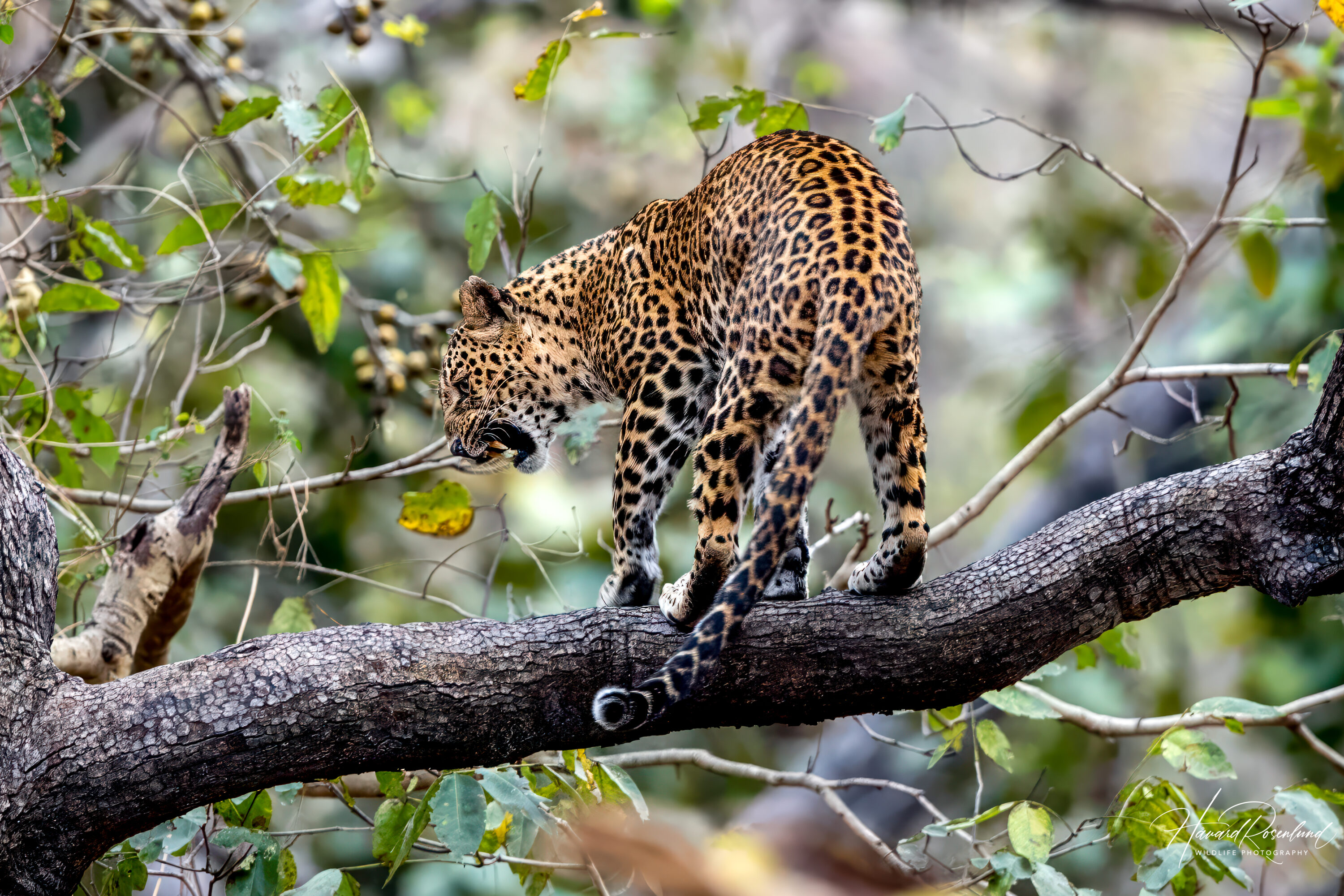
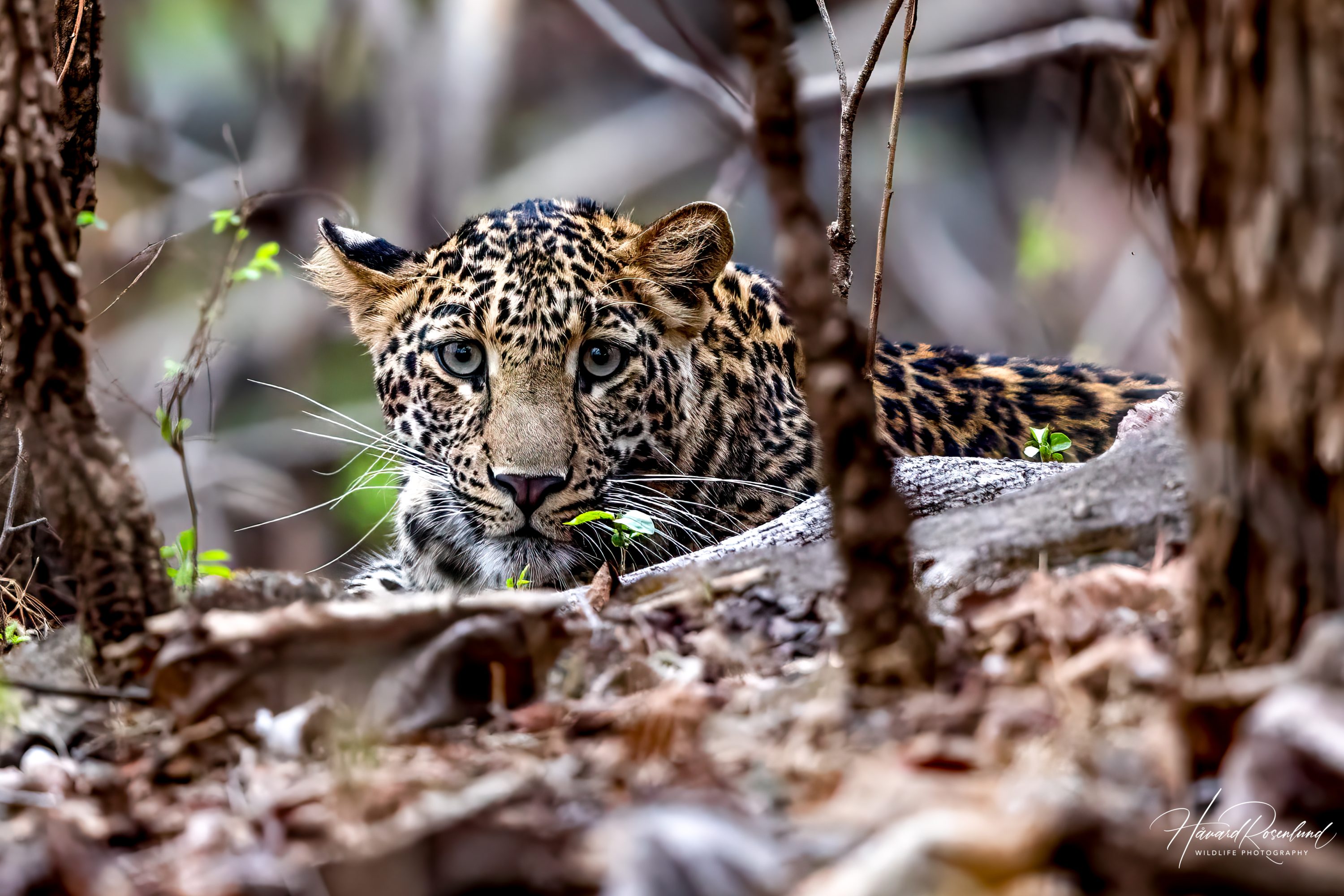
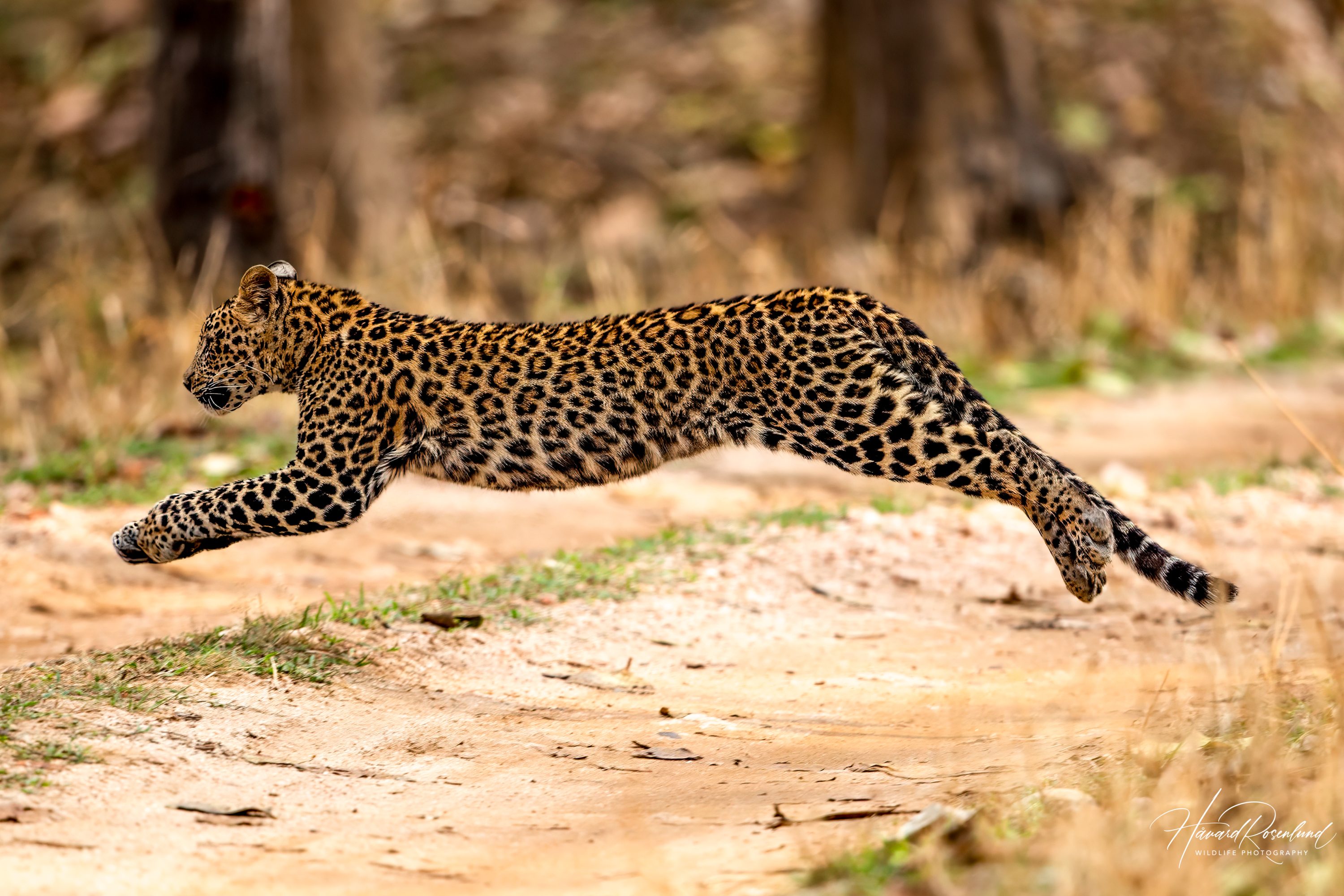
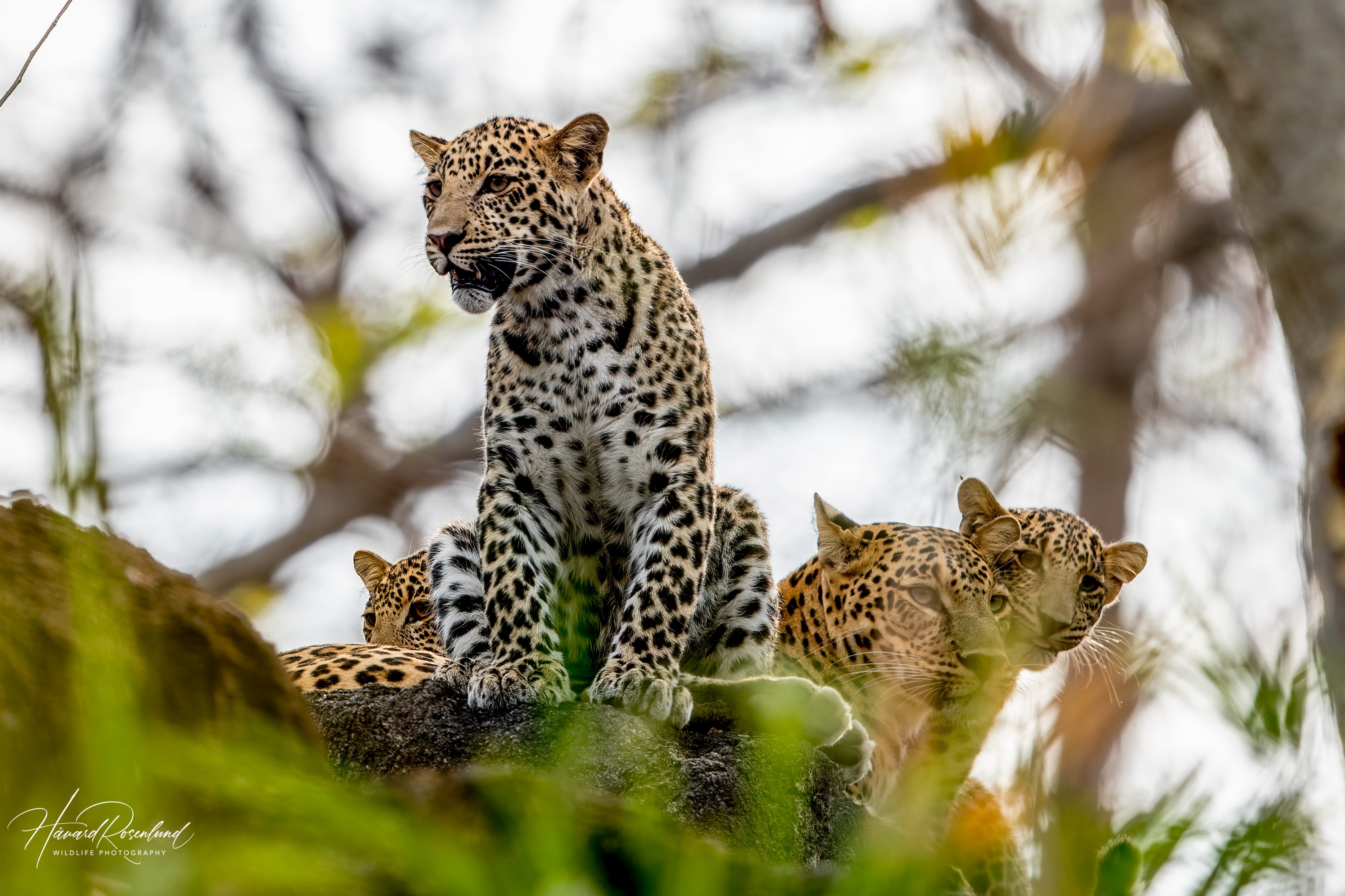
Loading map and observations…
National Red List status
| Country | Status | Assessment | Source |
|---|---|---|---|
| South Africa | VUVulnerable | Red List of South African Species 2016 | SANBI – Red List of South African Species |
Have you seen this species?
Independent species archive
Did you find this species page useful?
Wildlife Vagabond is independently built and maintained. Voluntary support helps cover hosting, maps, data storage and continued improvements to the species archive.
Support Wildlife VagabondSpecies content will remain freely available.
References
- Balme, G., Hunter, L., & Slotow, R. (2007). Feeding habitat selection by hunting leopards Panthera pardus in a woodland savanna: prey catchability versus abundance. Animal Behaviour, 74(3), 589-598. https://doi.org/10.1016/j.anbehav.2006.12.014
- Balme, G. A., le Roex, N., Rogan, M. S., & Hunter, L. T. B. (2020). Ecological opportunity drives individual dietary specialization in leopards. Journal of Animal Ecology, 89(2), 589-600. https://doi.org/10.1111/1365-2656.13109
- Cape Leopard Trust. (n.d.). Cape Leopard Trust. https://capeleopard.org.za/
- International Union for Conservation of Nature. (2025). Panthera pardus. The IUCN Red List of Threatened Species. https://www.iucnredlist.org/species/15954/274970607
- IUCN SSC Cat Specialist Group. (n.d.). Leopard. https://www.catsg.org/living-species-leopard
- Jacobson, A. P., Gerngross, P., Lemeris, J. R., Jr., Schoonover, R. F., Anco, C., Breitenmoser-Würsten, C., Durant, S. M., Farhadinia, M. S., Henschel, P., Kamler, J. F., Laguardia, A., Rostro-García, S., Stein, A. B., & Dollar, L. (2016). Leopard (<i>Panthera pardus</i>) status, distribution, and the research efforts across its range. PeerJ, 4, e1974. https://doi.org/10.7717/peerj.1974
- Kafley, H., Lamichhane, B. R., Maharjan, R., Khadka, M., Bhattarai, N., & Gompper, M. E. (2019). Tiger and leopard co-occurrence: intraguild interactions in response to human and livestock disturbance. Basic and Applied Ecology, 40, 78-89. https://doi.org/10.1016/j.baae.2019.07.007
- le Roex, N., Mann, G. K. H., Hunter, L. T. B., & Balme, G. A. (2022). Big competition for small spots? Conspecific density drives home range size in male and female leopards. Journal of Zoology, 316(3), 178-187. https://doi.org/10.1111/jzo.12942
- Mammal Diversity Database. (n.d.). Panthera pardus. American Society of Mammalogists. https://www.mammaldiversity.org/taxon/1006022/
- Naude, V. N., Balme, G. A., Rogan, M. S., Needham, M. D., Whittington‐Jones, G., Dickerson, T., Mabaso, X., Nattrass, N., Bishop, J. M., Hunter, L., & O'Riain, M. J. (2020). Longitudinal assessment of illegal leopard skin use in ceremonial regalia and acceptance of faux alternatives among followers of the Shembe Church, South Africa. Conservation Science and Practice, 2(11), e289. https://doi.org/10.1111/csp2.289
- NOVA. (n.d.). Leopards of the Night. https://www.pbs.org/wgbh/nova/transcripts/2519leopards.html
- Panthera. (n.d.). Furs for Life. https://panthera.org/furs-for-life
- Ramesh, T., Kalle, R., Rosenlund, H., & Downs, C. T. (2017). Low leopard populations in protected areas of Maputaland: a consequence of poaching, habitat condition, abundance of prey, and a top predator. Ecology and Evolution, 7(6), 1964-1973. https://doi.org/10.1002/ece3.2771
- Rostro-García, S., Kamler, J., Sollmann, R., Balme, G., Sukmasuang, R., Godfrey, A., Saosoong, S., Siripattaranukul, K., Suksavate, S., Thomas, W., Crouthers, R., In, V., Prum, S., Clements, G., Kadir, A., Liang, S., Avriandy, R., Gunaryadi, D., Kholiq, N., … Macdonald, D. (2024). Leopards on the edge: Assessing population status, habitat use, and threats in Southeast Asia. Biological Conservation, 299, 110810. https://doi.org/10.1016/j.biocon.2024.110810
- Smithsonian Institution. (2017). Felidae taxonomy. https://repository.si.edu/handle/10088/32616
- Stein & Hayssen. (2013). Panthera pardus. https://academic.oup.com/mspecies/article/45/900/30/2643006
- Surve, N. S., Sathyakumar, S., Sankar, K., Jathanna, D., Gupta, V., & Athreya, V. (2022). Leopards in the City: The Tale of Sanjay Gandhi National Park and Tungareshwar Wildlife Sanctuary, Two Protected Areas in and Adjacent to Mumbai, India. Frontiers in Conservation Science, 3, 787031. https://doi.org/10.3389/fcosc.2022.787031
- The Metropolitan Museum of Art. (n.d.). Metropolitan Museum. Leopard imagery in Akan art. https://resources.metmuseum.org/resources/metpublications/pdf/The_Heraldic_Lion_in_Akan_Art_The_Metropolitan_Museum_Journal_v_16_1981.pdf
- The Metropolitan Museum of Art. (n.d.). Metropolitan Museum. Priest's leopard-skin robe. https://www.metmuseum.org/art/collection/search/567608
- Wachter, B., Blanc, A.-S., Melzheimer, J., Höner, O. P., Jago, M., & Hofer, H. (2012). An Advanced Method to Assess the Diet of Free-Ranging Large Carnivores Based on Scats. PLoS ONE, 7(6), e38066. https://doi.org/10.1371/journal.pone.0038066