
African Bush Elephant
Loxodonta africana
At a glance
Habitat
- Savanna, woodland, grassland, wetland margins and semi-arid landscapes
Diet
- Grasses, leaves, bark, roots, fruit and other plant material
Activity
- Active by day and night; movements shaped by heat, water and people
Size
- Length: females about 2.5–3 m; large males up to about 4 m at shoulder Weight: females about 2.5–3.5 t; mature males commonly 5–6 t
Range
- Patchily distributed across savanna regions of sub-Saharan Africa
Description
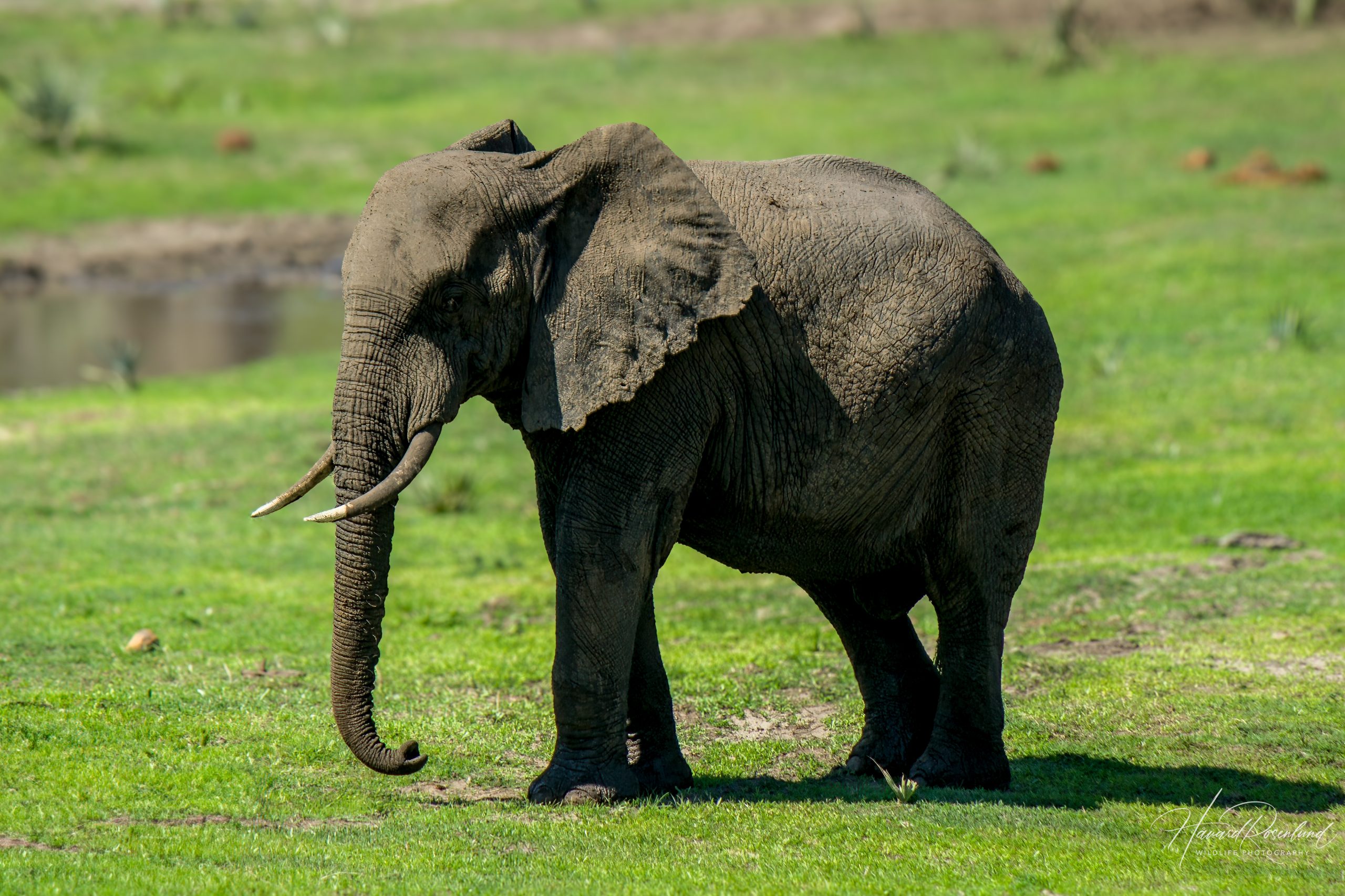
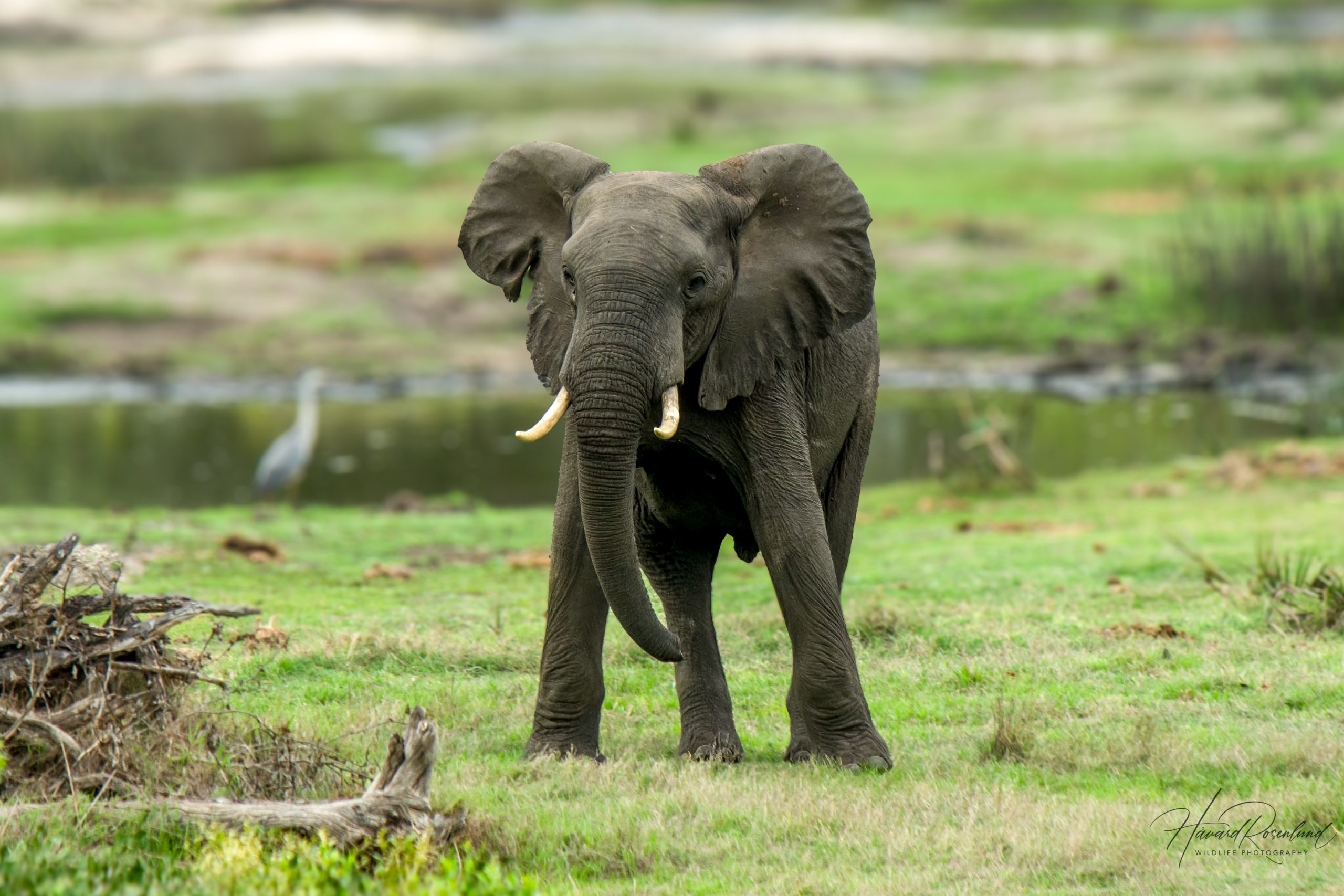
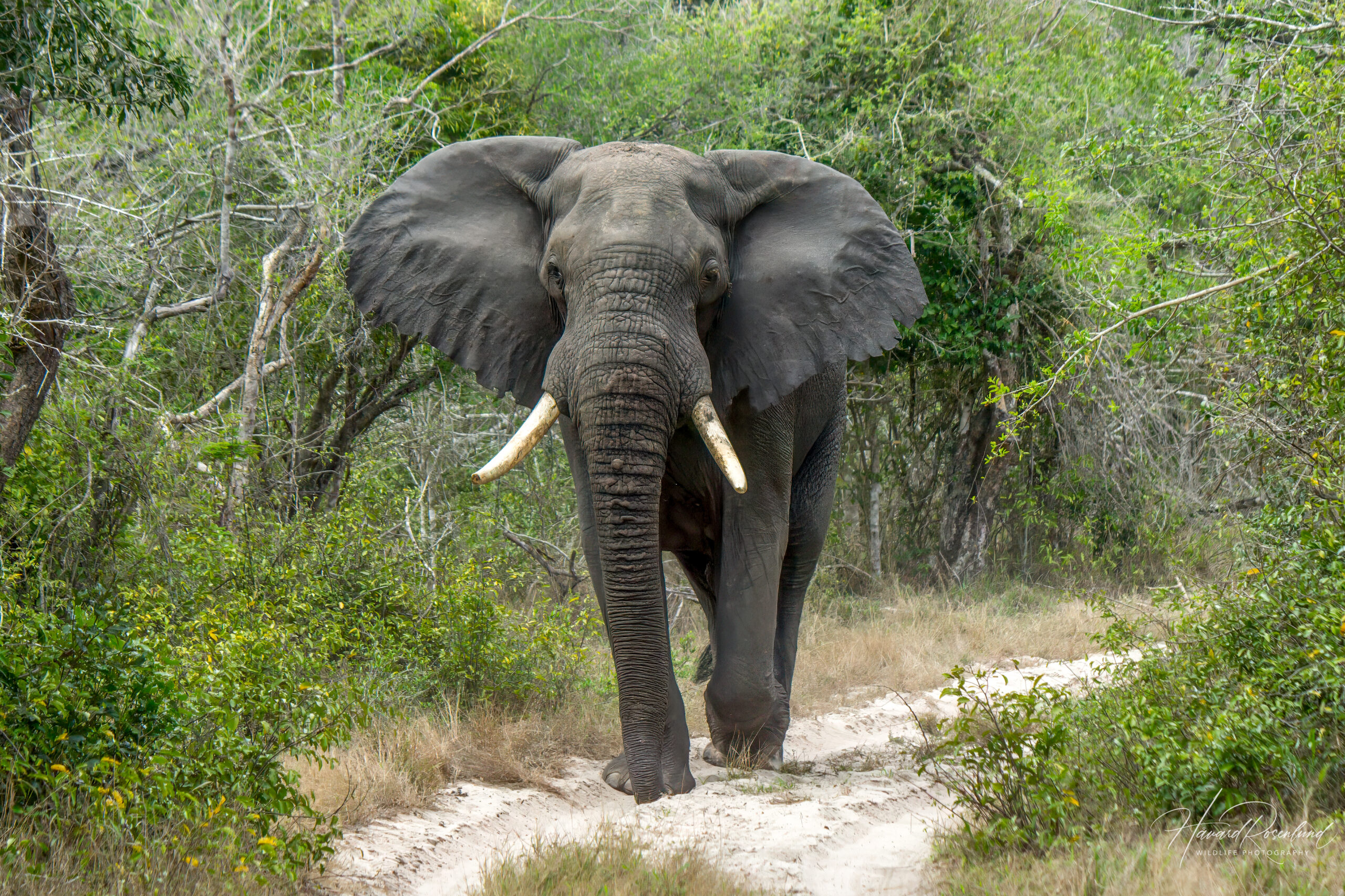
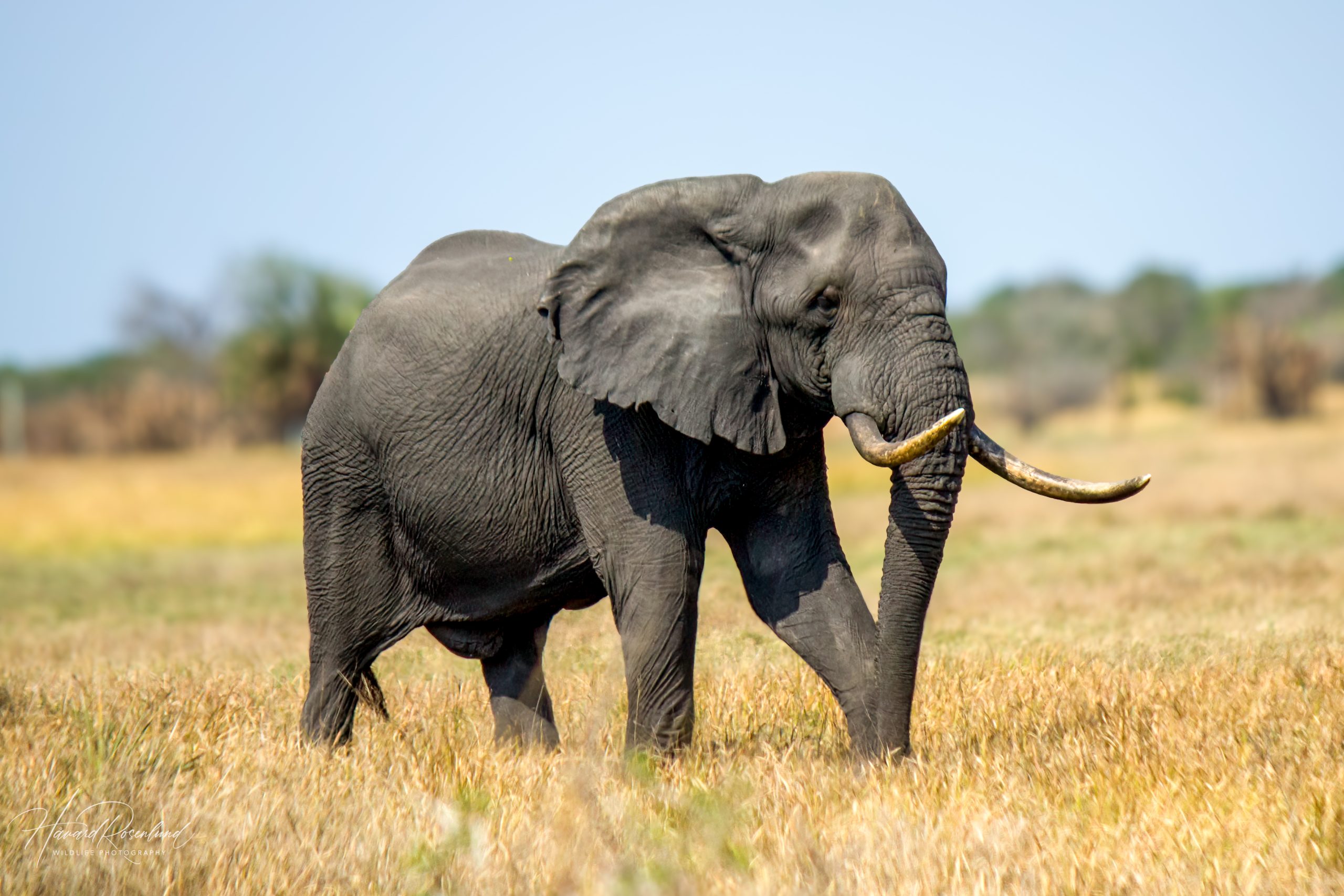
The African bush elephant or African savanna elephant (Loxodonta africana) is the largest living land animal. Large bulls can reach about 4 m at the shoulder; mature males commonly weigh around 5–6 tonnes, while exceptional individuals have approached 10 tonnes. Adult females are smaller, often around 2.5–3 m at the shoulder and roughly 2.5–3.5 tonnes.
Its enormous body, column-like legs, large ears, tusks and highly mobile trunk make it unmistakable. Size varies with age, sex, nutrition and region, and fully grown bulls can be considerably larger than adult cows.
Taxonomy
Genetic and morphological evidence supports two living African elephant species. The savanna elephant (Loxodonta africana) is the larger species and occurs mainly in open and wooded landscapes across sub-Saharan Africa. The African forest elephant (L. cyclotis) is smaller, has rounder ears and generally straighter, more downward-pointing tusks, and is centred on the forests of West and Central Africa.
The two species can meet and hybridise in some contact zones, but they represent deeply divergent evolutionary lineages and are now assessed independently by the IUCN.
Trunk, tusks & ears
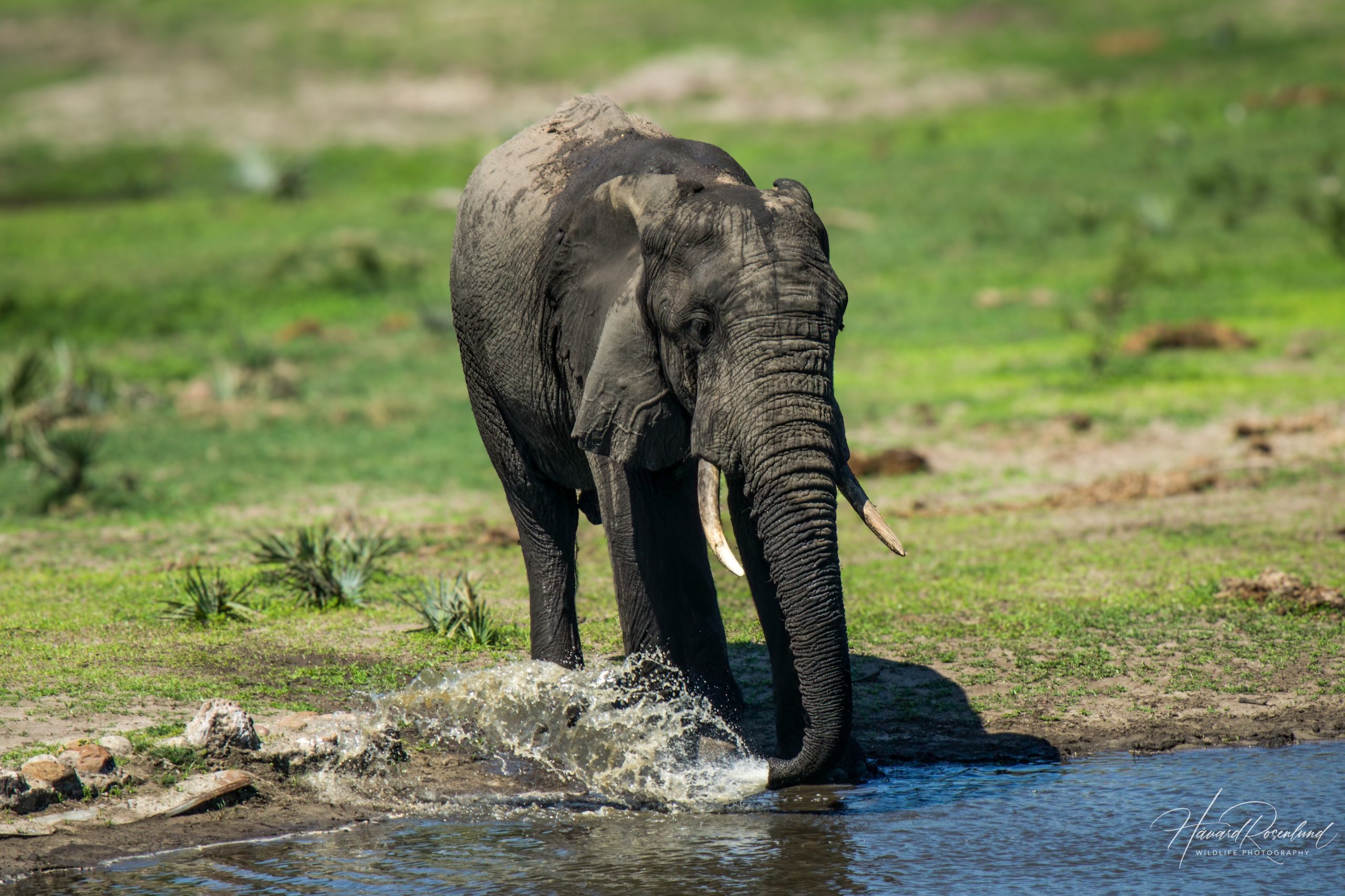
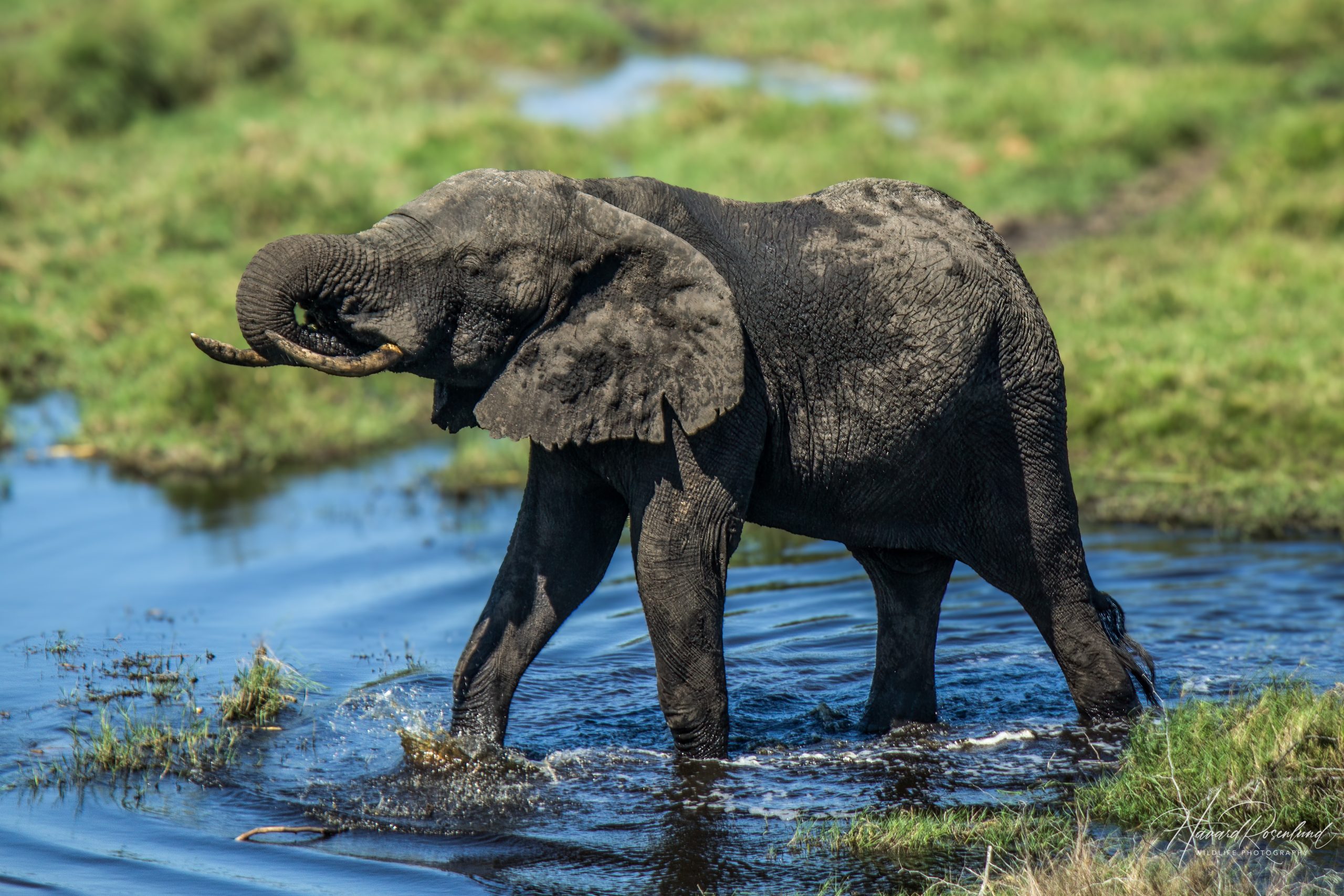
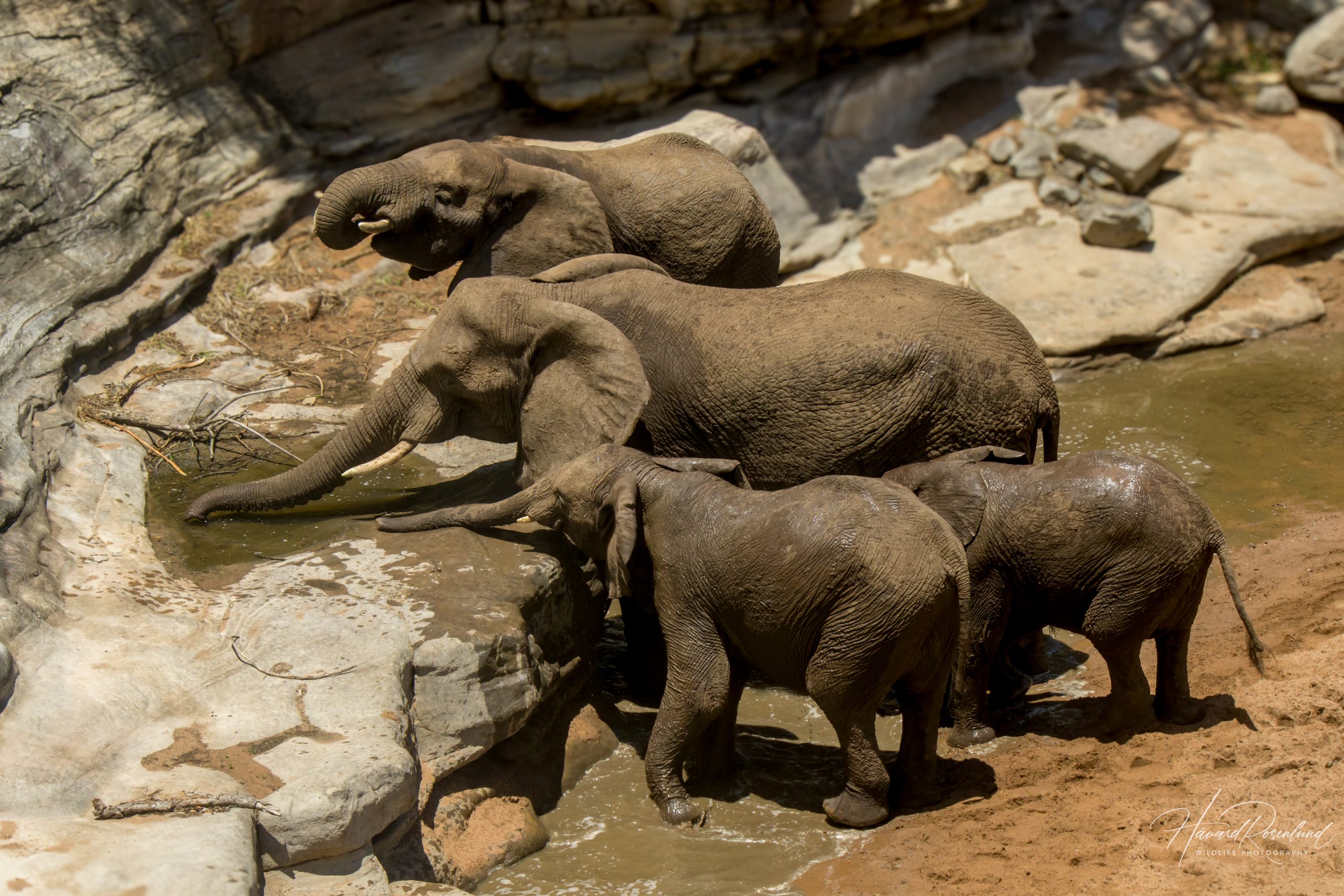
The trunk is a fusion of the nose and upper lip and is an extraordinarily flexible muscular structure. It is used for breathing, smell, touch, feeding, drinking, social contact, communication and manipulating objects ranging from tiny seeds to heavy branches. African elephants have two finger-like projections at the tip, giving the trunk a remarkably precise grip. Water is drawn into the trunk and then poured into the mouth rather than swallowed through the trunk itself.
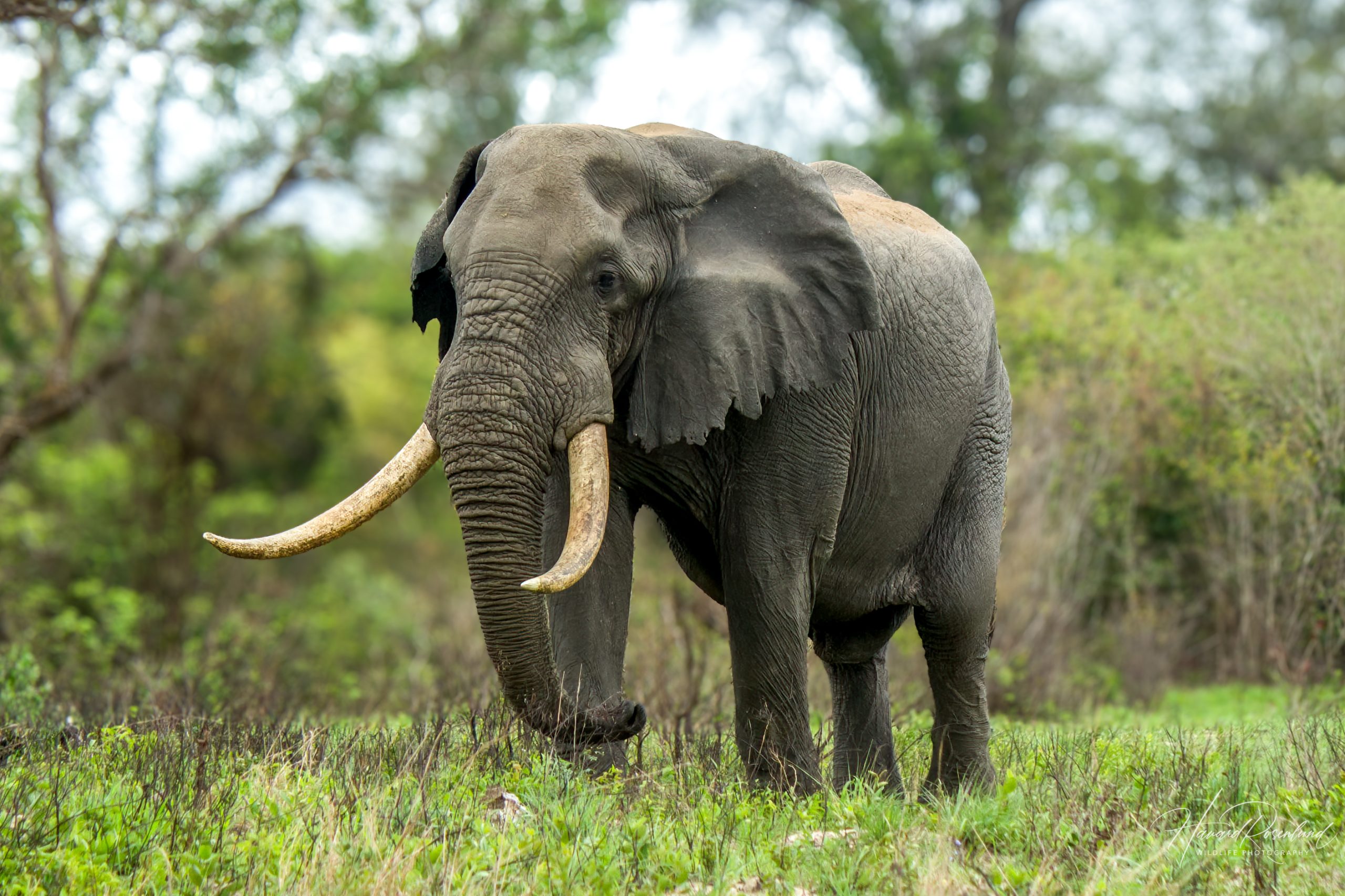
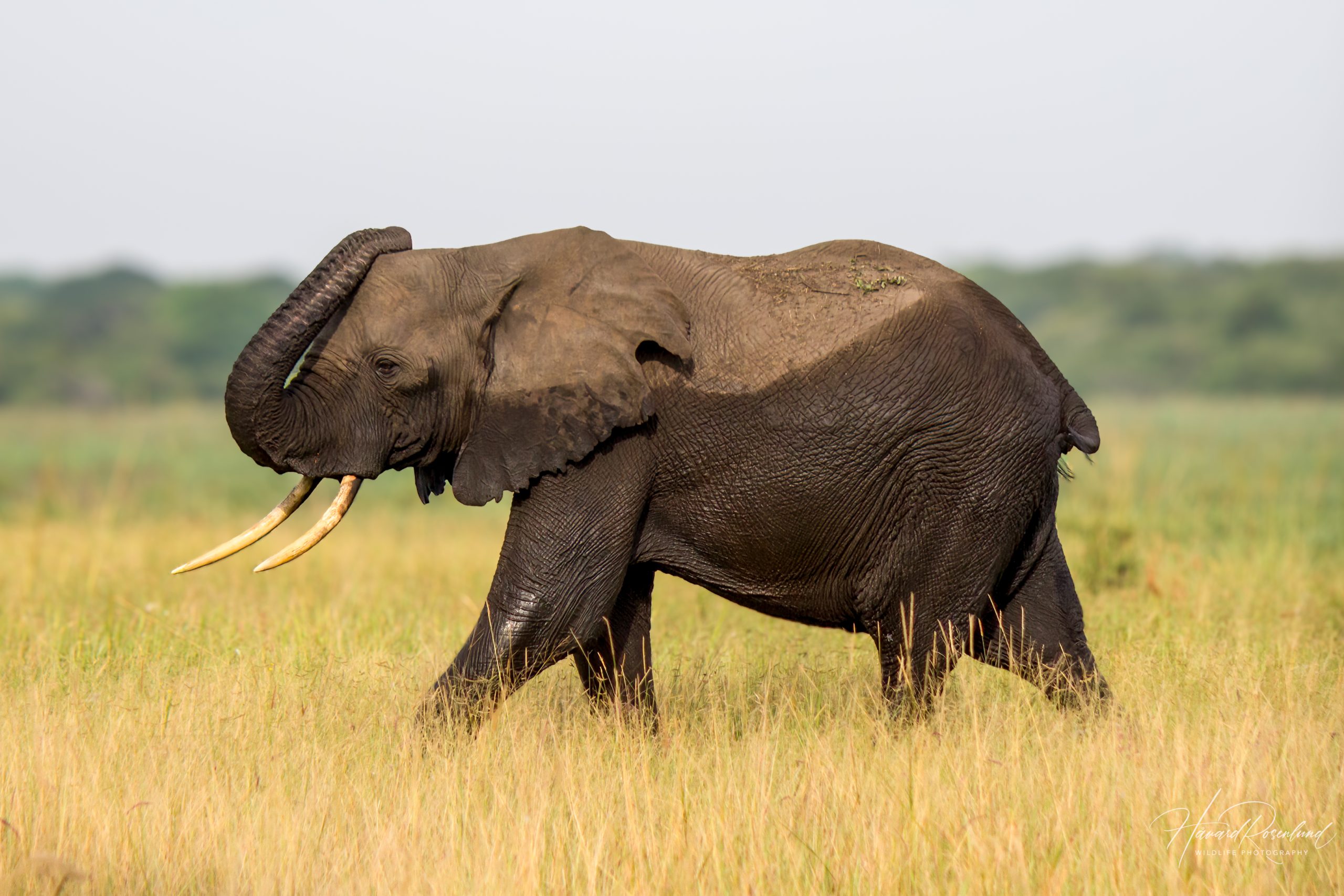
Tusks are enlarged upper incisors that continue growing through life. Elephants use them for digging, stripping bark, moving objects, fighting and defence. Most savanna elephants of both sexes have tusks, although size varies greatly and tuskless individuals occur. Intense ivory poaching can favour tusklessness because animals without valuable ivory are more likely to survive and reproduce.
The huge ears contain an extensive network of blood vessels and help release body heat. Flapping increases air movement across the ear surface, while ear position is also part of visual communication.
Habitat
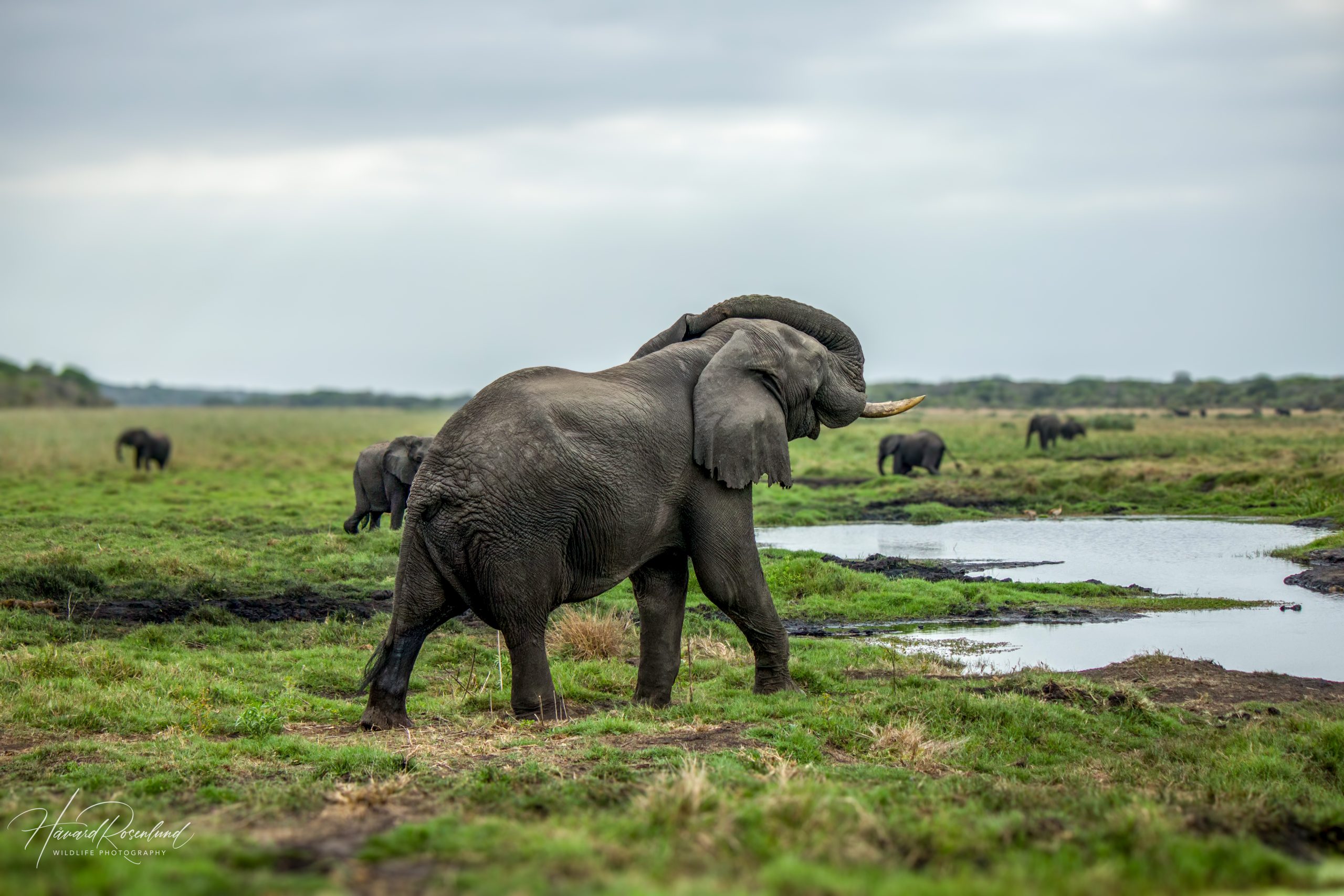
Savanna elephants occupy grassland, savanna, open woodland, bushland, wetland margins and semi-arid landscapes. Their distribution is shaped less by one vegetation type than by access to enough food, water and space to move between seasonal resources.
Some populations travel over very large areas, especially in dry regions where water and fresh vegetation shift with the seasons. Fences, roads and expanding settlements can therefore greatly restrict movement by interrupting traditional routes, even when suitable habitat remains on both sides.
Diet
Savanna elephants are flexible herbivores that switch between grasses, leaves, shoots, bark, roots and fruit as seasons and habitats change. Adult elephants spend much of the day feeding because of their enormous food requirements.
Water strongly influences movement in dry periods. Elephants can travel considerable distances between feeding areas and water and may dig for water or roots when surface resources are scarce. Feeding also reshapes vegetation as elephants break branches, strip bark and push over trees.
Ecosystem engineering
Few animals reshape African landscapes as visibly as elephants. By browsing, breaking branches, stripping bark, digging and pushing over trees they can open up dense woody vegetation, maintain grassier patches and create a shifting mixture of habitat types used by many other species.
Elephants are also important trail builders. Repeated use of the same routes creates broad paths through grassland, bush and woodland. Many other animals use these trails as well, including to move between water, feeding areas and other important parts of the landscape. Elephants therefore shape not only vegetation, but also how other animals move through the landscape.
Whether the effect is positive or negative depends on elephant density, rainfall, fire, other herbivores and whether elephants are free to move. In fenced or highly fragmented systems, their impact can become concentrated in a small area and alter vegetation much more strongly than in open landscapes.
Elephants also move nutrients and seeds through their dung. A 2017 study estimated that half of ingested seeds could be carried more than 2.5 km. Models suggested that some seeds could potentially be dispersed about 65 km. This makes savanna elephants exceptional long-distance seed dispersers on land.
Behaviour
Savanna elephants are active by day and night. Feeding and travel often shift towards cooler hours in hot weather, while midday may be spent resting in shade, bathing, drinking or covering the skin with mud and dust.
They communicate through smell, touch, body posture and a wide range of sounds. Low-frequency rumbles can travel over long distances, and some calls and movements also create vibrations that move through the ground. Elephants can detect these signals through their feet and trunk.
Elephants are often calm when given enough space, but their size and strength make aggressive or defensive encounters potentially very dangerous. Females may react strongly when young calves are present, and a matriarch may lead the family group in defence if she perceives a threat. Sick, injured or heavily pressured elephants can also be dangerous. On self-drive safaris, it is therefore important to give elephants plenty of space, watch their body language and retreat if they show signs of agitation or aggression.
Social behaviour
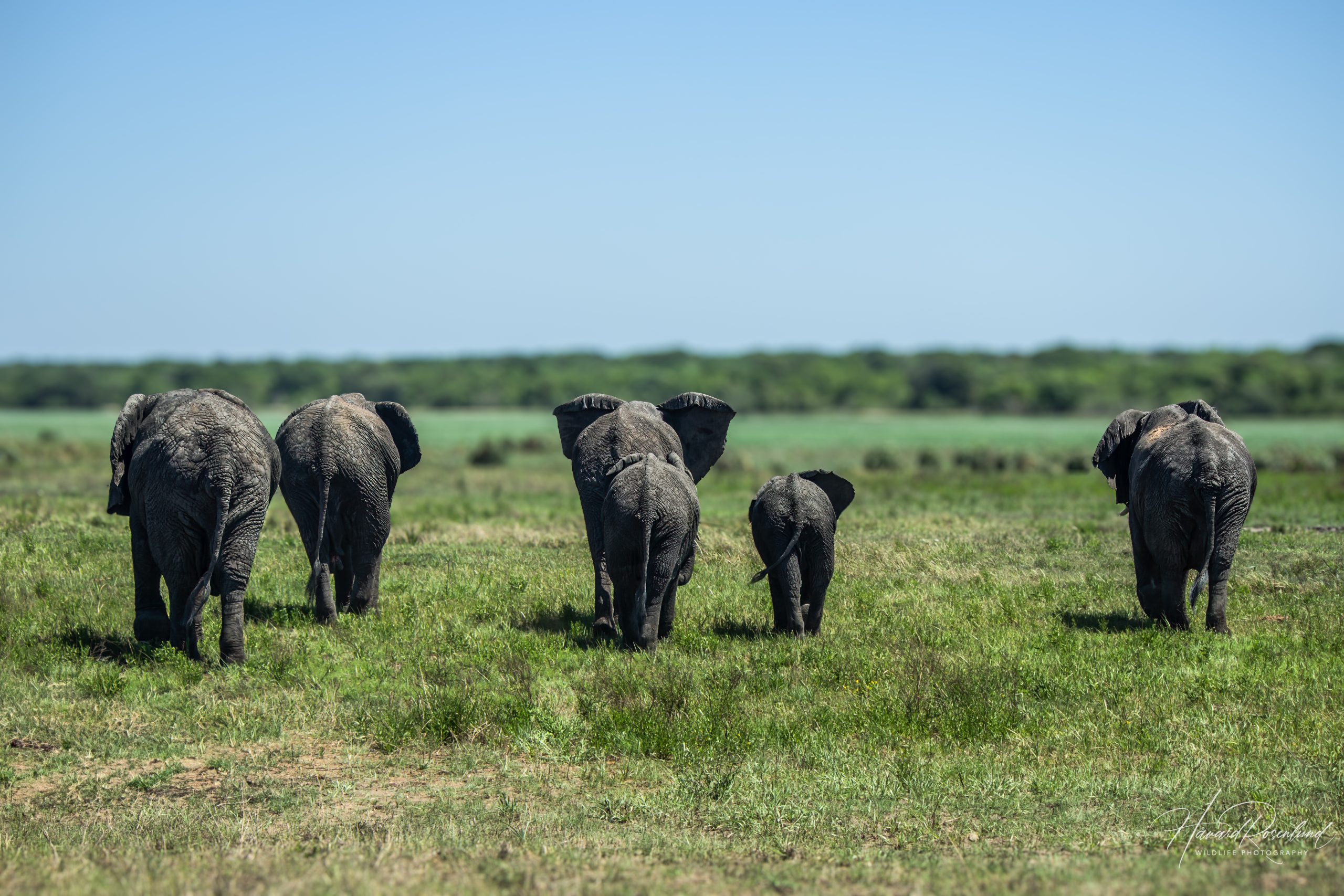
Elephants live in a flexible fission–fusion society. The most stable units are related adult females and their young, usually led by an experienced matriarch. Families may split when food is scattered and join much larger aggregations when resources are concentrated. Females usually remain within their natal social network throughout life.
Young males gradually leave their family as they approach sexual maturity. In the long-studied Amboseli population, the median age of independence from the family group was 14.5 years, although individuals varied widely. Adult bulls often travel alone but also form loose male associations. Older bulls can be important social models: younger males follow them, learn routes and social rules, and their presence can suppress unusually early or disruptive musth behaviour in younger bulls.
Bulls also test one another through sparring and sometimes fight seriously, especially when both are competing for females. Many contests end through assessment and submission rather than severe injury. In the video below, two bulls test their strength while younger animals imitate them; the interaction changes immediately when a more dominant bull arrives.
The next video shows a family protecting a very young calf at Thanda Private Game Reserve. The matriarch is tuskless. As noted earlier, tusklessness can become more frequent in populations exposed to intense ivory poaching, but the cause in one individual cannot be determined from appearance alone.
Musth
Adult bulls periodically enter musth, a reproductive state marked by strongly elevated levels of androgens, the main male sex hormones, secretion from the temporal glands and frequent urine dribbling. Posture and behaviour change as well: a bull may hold his head high, walk with a characteristic swagger and travel long distances in search of receptive females.
Musth becomes more regular and usually lasts longer as bulls mature. In Amboseli, the mean age at first recorded musth was about 29 years, but ranged from roughly 16 to 38 years. Bulls in musth have particularly high mating success, and other males usually avoid challenging a much larger musth bull. As noted earlier, the presence of mature bulls can also influence when younger males enter musth and how they behave.
Musth is also associated with increased aggression. A bull in musth may be less tolerant and more aggressive towards other elephants, people and vehicles. Large musth bulls can therefore be extremely dangerous and should always be given plenty of space. Urine dribbling, temporal-gland secretion, the high head posture and characteristic gait are therefore signs worth recognising when spending time in areas with wild elephants.
Reproduction
Females may begin reproducing in their early teens, although age at first birth varies with nutrition and population conditions. Pregnancy lasts about 22 months, the longest known gestation among living mammals, and a single calf is usual.
A newborn calf depends heavily on its mother but also receives protection and social attention from other females in the family. Calves remain close to adults for years, learning feeding choices, routes, social relationships and responses to danger. The long interval between births means adult female survival is especially important to population recovery.
Old age
African elephants can live for 60 years or more. Their chewing teeth are replaced horizontally: six sets of molars gradually move forward through the jaws during a lifetime. When the final molars become badly worn, processing coarse food becomes increasingly difficult.
Older elephants may therefore seek areas near water where vegetation is softer. When several elephants die in such places, particularly during severe droughts, bones can accumulate in the same areas. This probably helped create the legend of “elephant graveyards”. Elephants do not, however, travel to a special cemetery to die.
Intelligence
Elephants have exceptional memory, social learning and problem-solving abilities. They recognise many other individuals and remember resources and routes across large landscapes.
A 2024 field study found that African savanna elephants use individually specific calls when addressing particular individuals. They responded more strongly to playbacks of calls that had originally been directed at them than to calls from the same caller directed at another elephant. The researchers described these as name-like calls—a rare example of a non-human animal addressing particular individuals without simply copying the receiver’s own sound.
Elephants also respond to distressed companions and show sustained interest in bones and bodies of dead elephants. This does not necessarily mean they experience grief in the same way humans do, but the behaviour shows unusually complex social attention.
Cultural significance
Elephants have been part of human culture in Africa for thousands of years. In the Cederberg Mountains of South Africa, San rock art contains an exceptional concentration of elephant paintings. Recent archaeological work interprets some of these images as evidence that San artists understood elephant social behaviour in detail and represented relationships between elephants and people, rather than merely recording animals seen in the landscape.
Large-tusked elephants have also become modern cultural and conservation icons. Tembe Elephant Park in KwaZulu-Natal is particularly famous for its great tuskers. One of them, Isilo, became a celebrated individual before his death in 2014; I photographed him in Tembe in 2013 (see the observation from 15 October 2013 further down the page). Named tuskers such as Isilo show how individual wild elephants can become part of the identity and story of a place.
Relationship with humans
People and elephants often depend on the same landscapes, but coexistence can become difficult when farms, settlements and elephant movement routes overlap. Elephants may damage crops, water installations and property, while encounters can be dangerous for both people and elephants. Conflict is often most severe during dry periods or where traditional routes have been blocked.
At the same time, elephants are among Africa’s most important wildlife-tourism species and can generate substantial local income. Tembe Elephant Park provides a particularly relevant example: the park lies within the traditional territory of the Tembe people and has long been co-managed with the Tembe community. A 2024 Memorandum of Understanding between the Tembe Traditional Authority, Tembe Community Trust, Ezemvelo KZN Wildlife and Peace Parks Foundation laid the groundwork for exploring a long-term collaborative management model for the park.
The relationship has also been shaped by ivory. Tusks have been valued for centuries, and modern commercial demand drove intense illegal killing across parts of Africa. Ivory therefore connects cultural history, international trade and the species’ modern conservation crisis.
Status
The African savanna elephant is listed as Endangered on the IUCN Red List. The assessment, first published in 2021 and amended in 2022, concluded that the population had declined by at least 60% over about 50 years.
Trends differ greatly across Africa. Several large southern African populations are stable or increasing, while other populations remain small, fragmented or declining. There is no modern count covering the entire continent at the same point in time. The African Elephant Database combines surveys made with different methods in different places and years, so regional and site-level figures are often more meaningful than one continent-wide total.
Threats
Illegal killing for ivory remains a major threat, together with habitat loss, fragmentation and conflict with people. Roads, fences, agriculture and settlements can cut movement routes and isolate populations, while snares and other forms of illegal hunting add local pressure.
Drought and climate change can intensify both mortality and conflict by concentrating elephants, livestock and people around the same water and food resources. Small or isolated populations are especially vulnerable when they lose access to important seasonal areas.
Conservation
Elephant conservation increasingly combines anti-poaching work with landscape connectivity and coexistence. CITES’ MIKE programme continues to monitor illegal killing across Africa, while the African Elephant Database compiles population surveys. Protecting corridors is essential because even well-protected reserves can become ecological islands if elephants cannot move between seasonal ranges.
Southern Africa also faces the opposite management problem in some fenced reserves: local elephant numbers may rise while available space remains fixed. Managers have used translocations, expanded corridors and, in some reserves, immunocontraception—contraceptive treatment that uses the immune system to reduce fertility—to slow population growth without killing animals. The best approach depends on how large the area is and how freely elephants can move, rather than on a single continent-wide rule.
Tembe illustrates the move towards larger, connected landscapes in which local communities participate directly in management. Its long-term conservation is increasingly linked to cross-border connectivity towards Mozambique and to management in which the Tembe community is a direct partner and shares in the benefits.
Conservation organizations


Image gallery
Loading map and observations…
National Red List status
| Country | Status | Assessment | Source |
|---|---|---|---|
| South Africa | LCLeast Concern | Red List of South African Species 2016 | SANBI – Red List of South African Species |
Have you seen this species?
Independent species archive
Did you find this species page useful?
Wildlife Vagabond is independently built and maintained. Voluntary support helps cover hosting, maps, data storage and continued improvements to the species archive.
Support Wildlife VagabondSpecies content will remain freely available.
References
- Allen, C. R. B., Brent, L. J. N., Motsentwa, T., Weiss, M. N., & Croft, D. P. (2020). Importance of old bulls: leaders and followers in collective movements of all-male groups in African savannah elephants (Loxodonta africana). Scientific Reports, 10(1), 13996. https://doi.org/10.1038/s41598-020-70682-y
- Bunney, K., Bond, W. J., & Henley, M. (2017). Seed dispersal kernel of the largest surviving megaherbivore—the African savanna elephant. Biotropica, 49(3), 395-401. https://doi.org/10.1111/btp.12423
- Campbell-Staton, S. C., Arnold, B. J., Gonçalves, D., Granli, P., Poole, J., Long, R. A., & Pringle, R. M. (2021). Ivory poaching and the rapid evolution of tusklessness in African elephants. Science, 374(6566), 483-487. https://doi.org/10.1126/science.abe7389
- Convention on International Trade in Endangered Species of Wild Fauna and Flora. (n.d.). Monitoring the Illegal Killing of Elephants (MIKE). https://cites.org/eng/prog/mike/intro/1_executive.shtml
- Dagenais, P., Hensman, S., Haechler, V., & Milinkovitch, M. C. (2021). Elephants evolved strategies reducing the biomechanical complexity of their trunk. Current Biology, 31(21), 4727-4737.e4. https://doi.org/10.1016/j.cub.2021.08.029
- Guldemond, R. A. R., Purdon, A., & van Aarde, R. J. (2017). A systematic review of elephant impact across Africa. PLOS ONE, 12(6), e0178935. https://doi.org/10.1371/journal.pone.0178935
- International Union for Conservation of Nature. (2022). Loxodonta africana. The IUCN Red List of Threatened Species. https://www.iucnredlist.org/species/181008073/223031019
- IUCN African Elephant Specialist Group. (n.d.). African Elephant Database. https://africanelephantdatabase.org/
- Lee, P. C., Moss, C. J., Njiraini, N., Poole, J. H., Sayialel, K., & Fishlock, V. L. (2022). Cohort consequences of drought and family disruption for male and female African elephants. Behavioral Ecology, 33(2), 408-418. https://doi.org/10.1093/beheco/arab148
- Mammal Diversity Database. (n.d.). Loxodonta africana. American Society of Mammalogists. https://www.mammaldiversity.org/taxon/1000522/
- McComb, K., Moss, C., Sayialel, S., & Baker, L. (2000). Unusually extensive networks of vocal recognition in African elephants. Animal Behaviour, 59(6), 1103-1109. https://doi.org/10.1006/anbe.2000.1406
- Mortimer, B., Rees, W. L., Koelemeijer, P., & Nissen-Meyer, T. (2018). Classifying elephant behaviour through seismic vibrations. Current Biology, 28(9), R547-R548. https://doi.org/10.1016/j.cub.2018.03.062
- Pardo, M. A., Fristrup, K., Lolchuragi, D. S., Poole, J. H., Granli, P., Moss, C., Douglas-Hamilton, I., & Wittemyer, G. (2024). African elephants address one another with individually specific name-like calls. Nature Ecology & Evolution, 8(7), 1353-1364. https://doi.org/10.1038/s41559-024-02420-w
- Paterson, A. W. W. (2025). Depictions of relationships between elephants and San people in the rock art of the Cederberg mountains, Western Cape. Pachyderm, 66, 142–165. https://doi.org/10.69649/pachyderm.v66i.1332
- Peace Parks Foundation. (n.d.). Tembe Elephant Park collaborative management. https://www.peaceparks.org/parks/tembe-elephant-park/
- Save the Elephants. (n.d.). Threats to African elephants. https://savetheelephants.org/about-elephants/threats-to-elephants/
- Slotow, R., van Dyk, G., Poole, J., Page, B., & Klocke, A. (2000). Older bull elephants control young males. Nature, 408(6811), 425-426. https://doi.org/10.1038/35044191
- Weissenböck, N. M., Weiss, C. M., Schwammer, H. M., & Kratochvil, H. (2010). Thermal windows on the body surface of African elephants (Loxodonta africana) studied by infrared thermography. Journal of Thermal Biology, 35(4), 182-188. https://doi.org/10.1016/j.jtherbio.2010.03.002