
Brown-Necked Raven Predation Remained the Main Suspected Cause of Osprey Nest Failure on Boa Vista
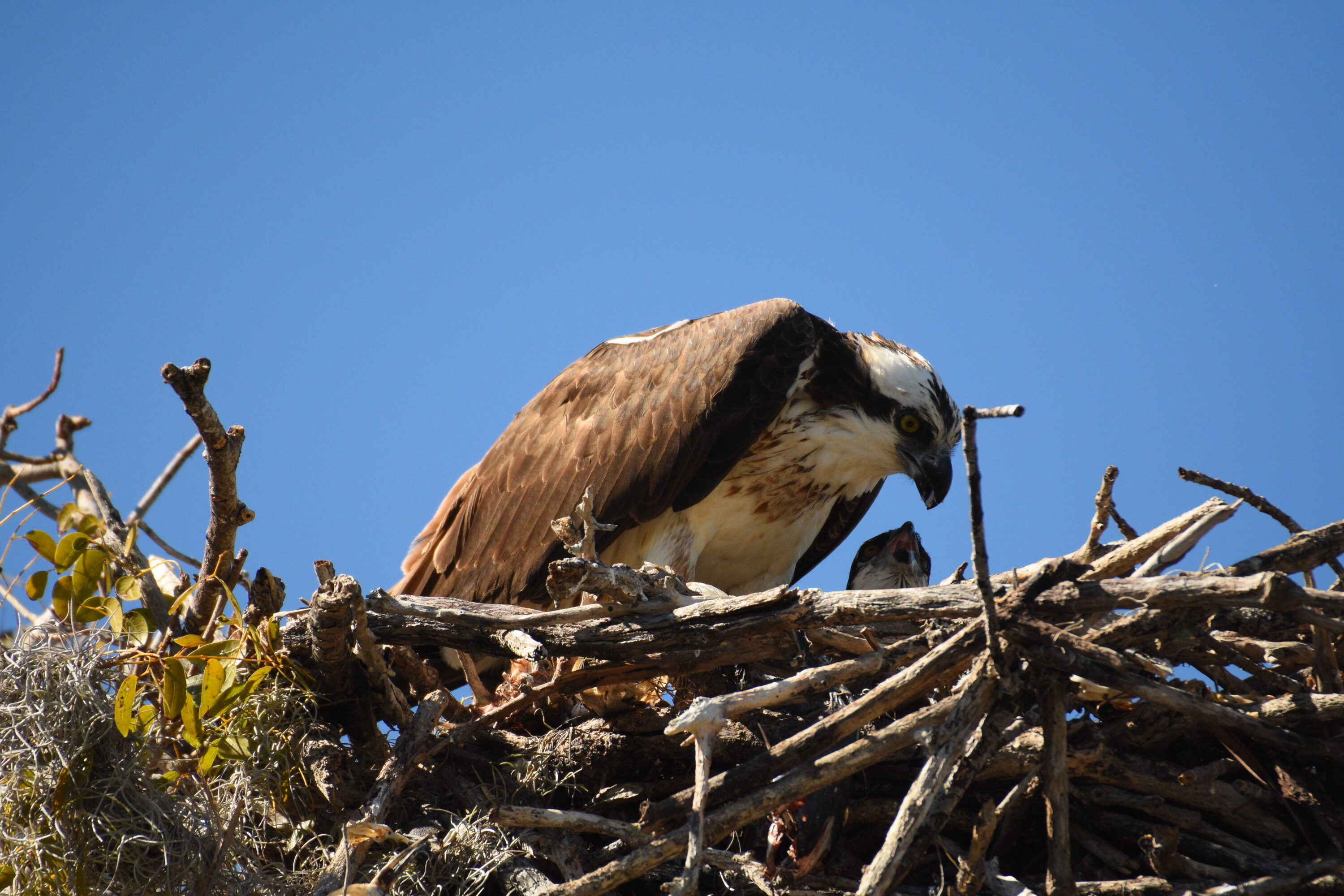
Monitoring on Boa Vista recorded 25 osprey (Pandion haliaetus) pairs and 21 active nests during the 2026 breeding season, but only six nests produced young. Those successful nests produced nine chicks in total, while field evidence continued to point to brown-necked raven (Corvus ruficollis) predation as the leading suspected cause of nest failure, according to preliminary results released by Bios Cabo Verde on 6 June.
Pair numbers remained stable, but few nests succeeded
Surveys ran from December 2025 through May 2026. Cabo Verde holds the most important osprey breeding population in Macaronesia, and Bios Cabo Verde said the Boa Vista population had remained relatively stable for about 14 years, usually at roughly 20–22 breeding pairs per season. Six previously unrecorded nests were found in 2026, three of them with breeding activity, and six newly ringed adults — three males and three females — joined the recorded breeding population.
All nine chicks were ringed, and two were fitted with GPS-GSM transmitters to follow their movements after leaving the nest. The organisation has monitored the Boa Vista population with support from Cabeólica since 2012.
Raven predation remains the leading suspected cause
Breeding success nevertheless remained limited. Bios Cabo Verde said nests attributed to raven predation showed a recurring pattern of apparently normal incubation followed by brood loss around the hatching period. The evidence did not document every predation event directly, and the organisation said the evidence continued to suggest brown-necked ravens were the main cause of nest failure.
Bios Cabo Verde described action on this threat as important for the long-term conservation of Cabo Verde’s osprey population. The 2026 results are preliminary, and continued monitoring of nests and marked birds will provide the next evidence on how the local population develops.
Threats
Related news
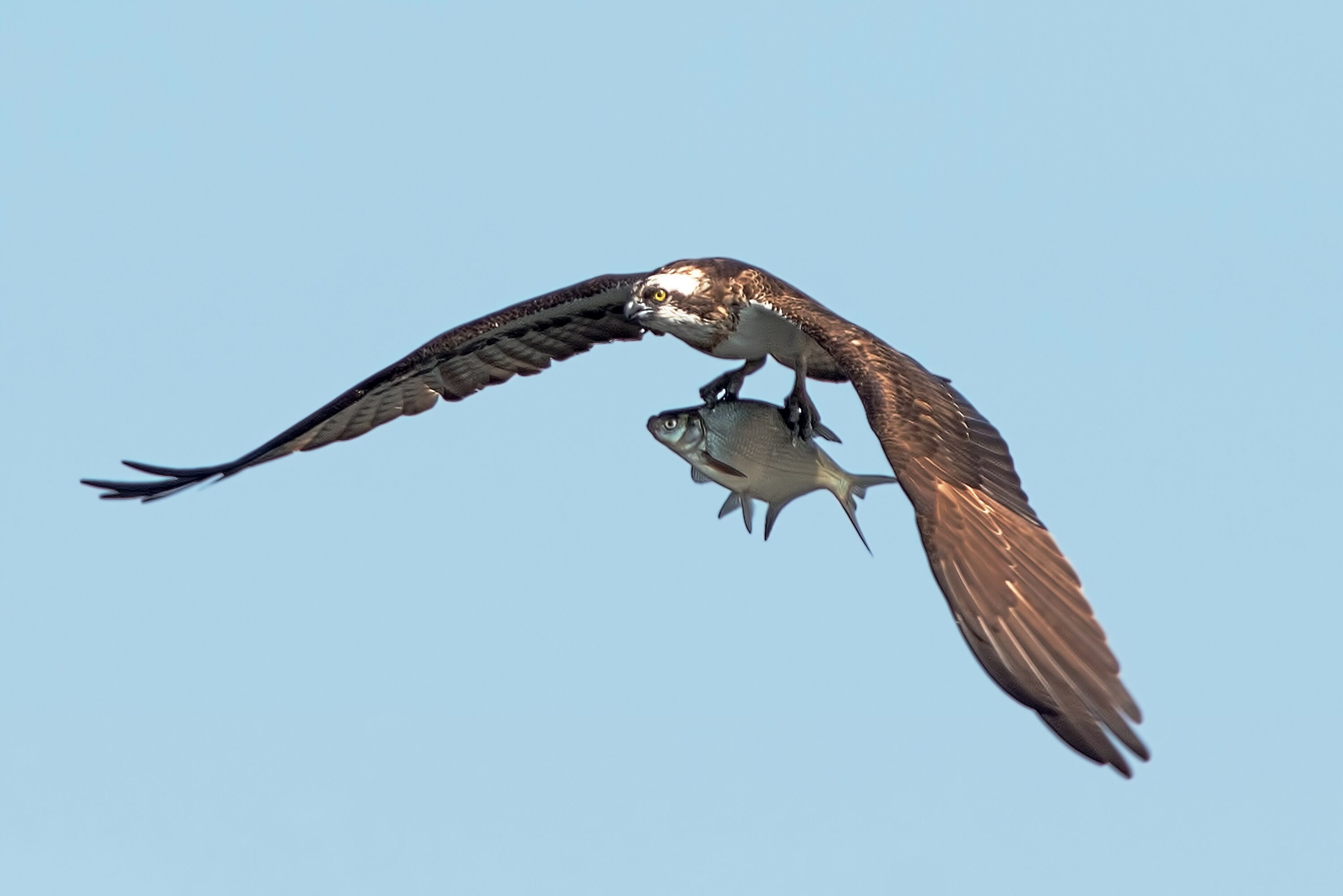
VKM: Exporting Up to 26 Osprey Young to Ireland Would Not Harm Conservation Status in Norway
VKM concluded that exporting up to 26 wild young ospreys from two Norwegian donor areas to Ireland would…
Read story →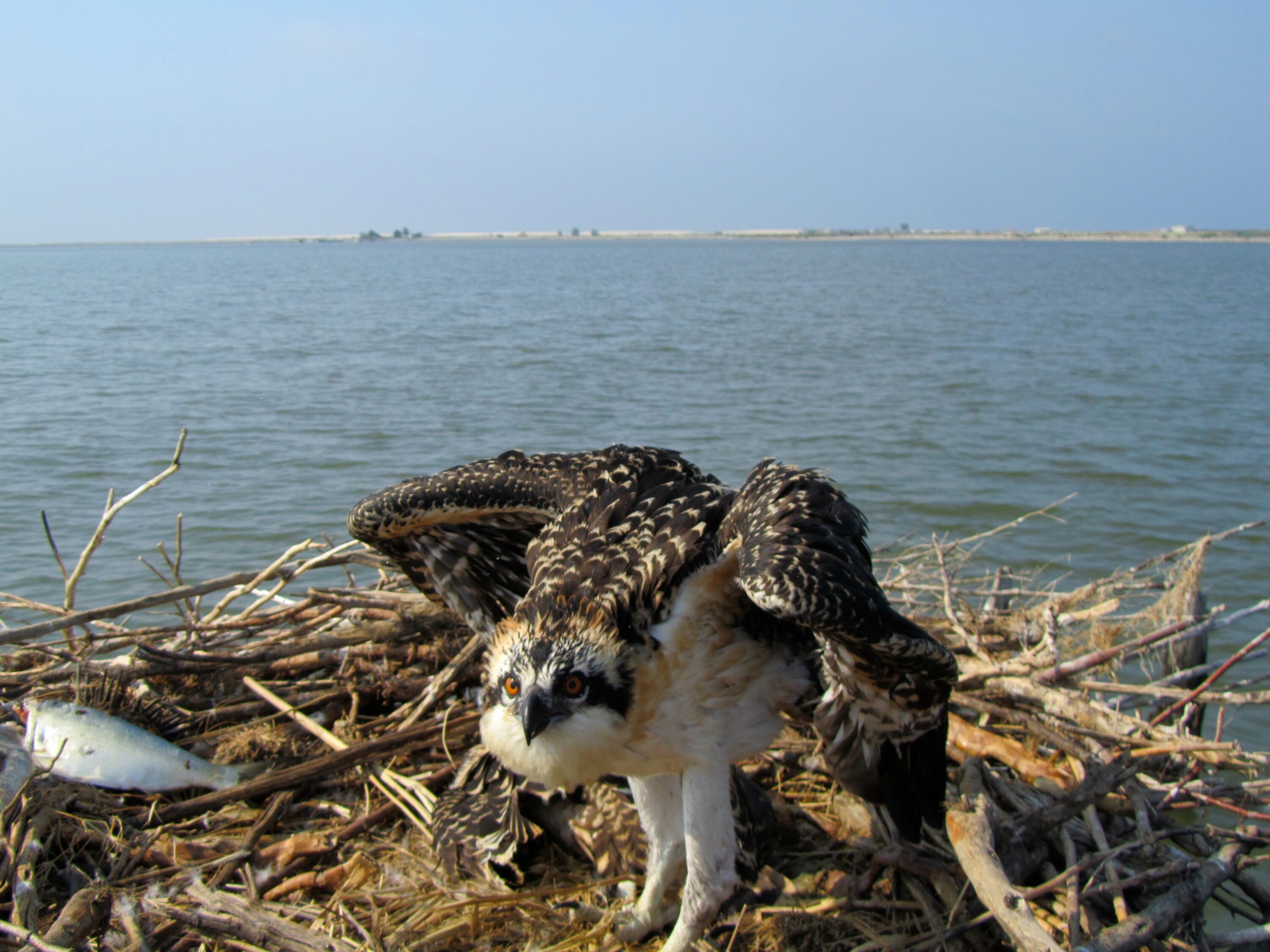
24 Osprey Chicks Fledged From 12 Rutland Nests
Rutland Osprey Project reported 24 chicks fledged from 12 nests in 2026. The season produced 14 chicks assessed…
Read story →
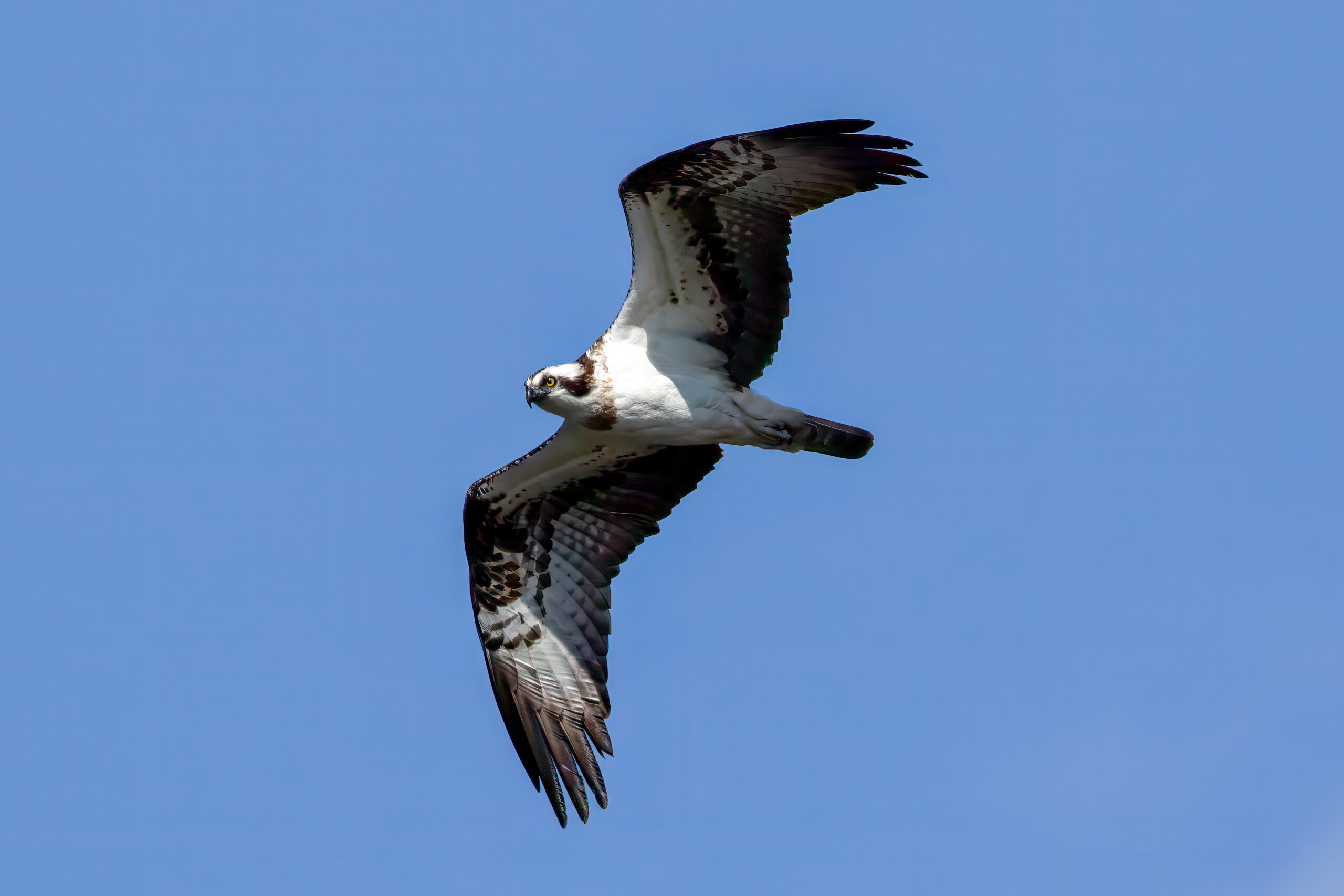
Ospreys Raised Three Chicks in Switzerland’s First Breeding in 112 Years
A male released by the Swiss reintroduction project and an unringed female of unknown origin raised three chicks…
Read story →SPECIES IN THIS STORY
Species in this story
Independent research and conservation news archive
Did you find this information useful?
Wildlife Vagabond is independently built and maintained. Voluntary support helps cover source verification, hosting and continued work on research and conservation news.
Support Wildlife VagabondThe news archive will remain freely available.