
Rare tick Haemaphysalis sambar rediscovered on a Bengal tiger in Kerala

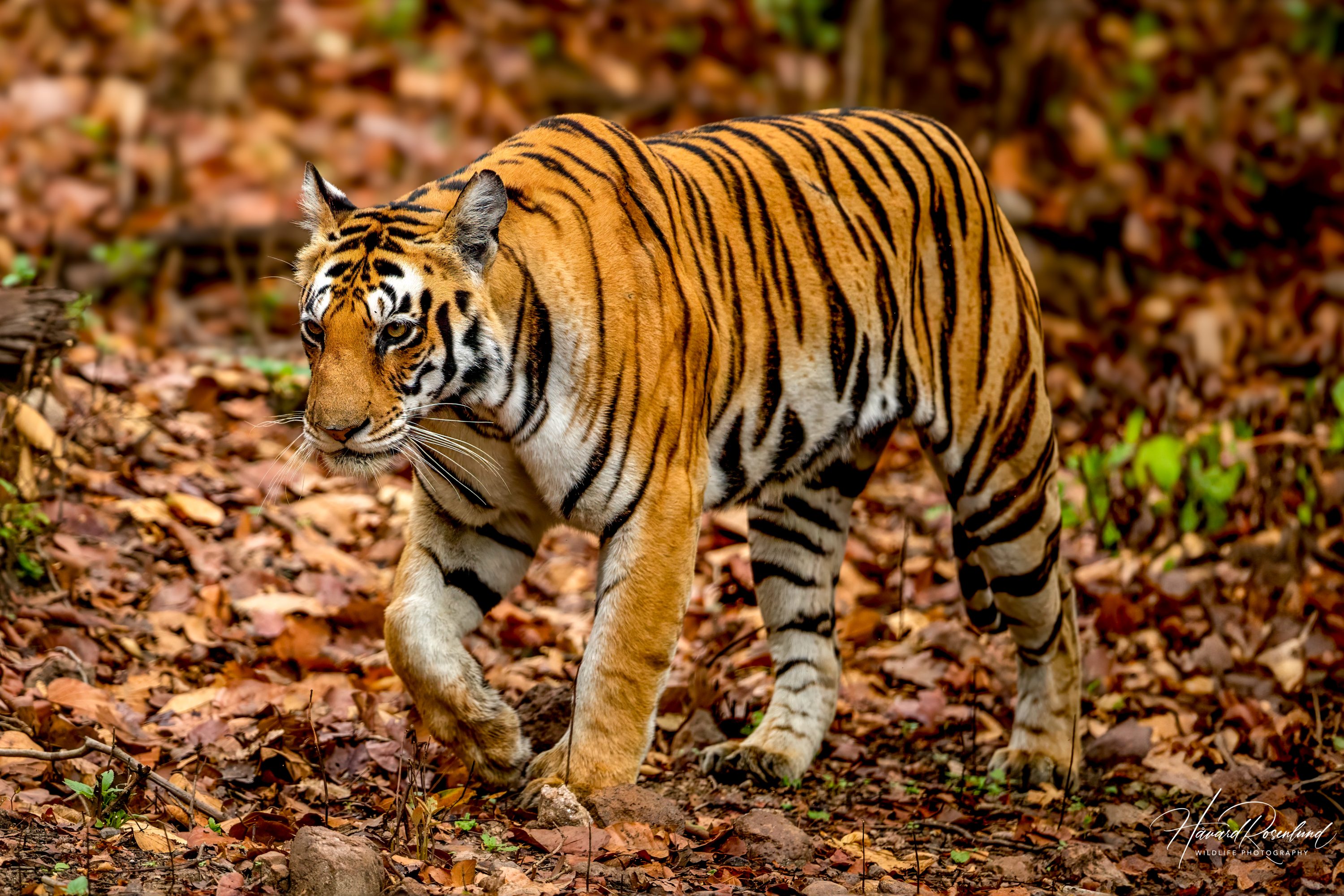
A rare tick previously known from only a single male specimen has been rediscovered on a bengal tiger (Panthera tigris tigris) in Kerala, India. The study, first published on 15 May 2026 in Veterinary Parasitology: Regional Studies and Reports, redescribed Haemaphysalis sambar and recorded the tiger as a new host for the tick.
The work formed part of a broader survey of Haemaphysalis ticks infesting domestic and wild animals in northern Kerala. Researchers collected ticks from cattle and goats in Wayanad district and from several wild animals examined by veterinary staff. The bengal tiger carrying H. sambar came from Kottiyoor in Kannur district and had been brought for postmortem examination.
Five Haemaphysalis species were recovered from the sampled wild animals: H. bispinosa, H. spinigera, H. turturis, H. minuta and H. sambar. The rediscovered H. sambar was examined with light microscopy and scanning electron microscopy so that its diagnostic structures could be described in detail. Scanning electron microscopy uses an electron beam to reveal very fine surface structures, which is useful when closely related tick species differ in small morphological characters.
MT-COI gave the clearest separation between species
The researchers also characterized the ticks genetically using mitochondrial 16S rRNA, nuclear 18S rRNA and mitochondrial cytochrome c oxidase subunit 1, MT-COI. These are DNA markers from different parts of the genome that can be compared among specimens to test whether morphologically similar ticks also form distinct genetic groups. MT-COI provided the clearest separation between the Haemaphysalis species in the dataset: sequences from different species differed by about 9.5–26.7%, giving a much clearer species-level split than the other markers.
Only one male had been known since 1971
H. sambar was originally described in 1971 and had remained known from only one male specimen. Its recovery from a bengal tiger therefore provides both new material for redescribing the species and a new host record. The authors state that the updated morphological and molecular description should make the tick easier to recognize in future surveillance.
The study did not report H. sambar as transmitting a particular pathogen to the tiger. Its significance in this work is taxonomic and parasitological: a poorly known tick species was rediscovered, genetically characterized and documented on a host from which it had not previously been recorded.
Evolution & taxonomy
Related news
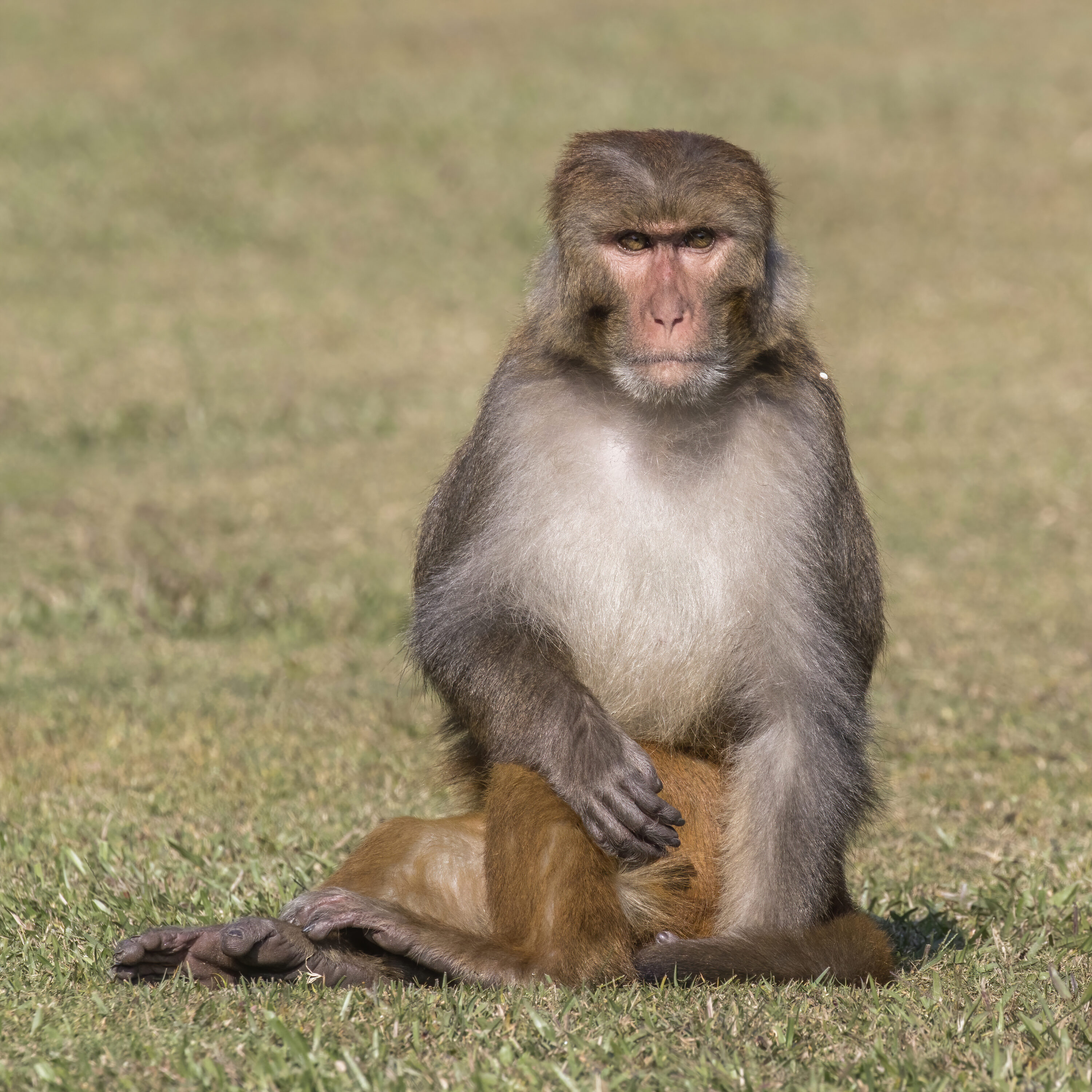
mFISH Mapped 16 of 22 Rhesus Macaque Chromosome Types to a Single Human Chromosome
Human chromosome-painting probes showed one-to-one homology for 16 of 22 rhesus macaque chromosome types, while three macaque chromosomes…
Read story →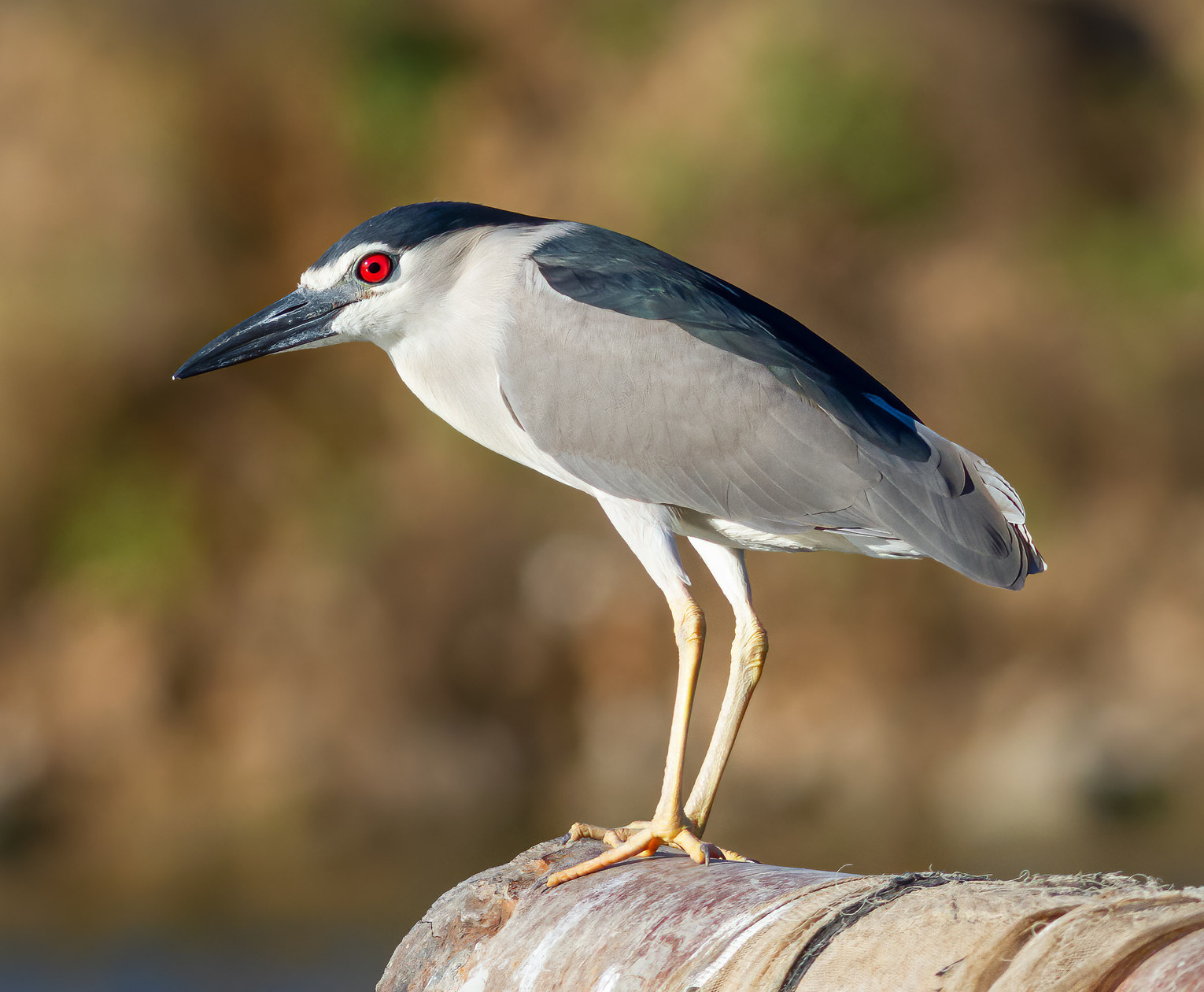
New nematode species described from black-crowned night herons in Israel
Fourteen adult nematodes collected from the stomach lining of three black-crowned night herons in Israel led to the…
Read story →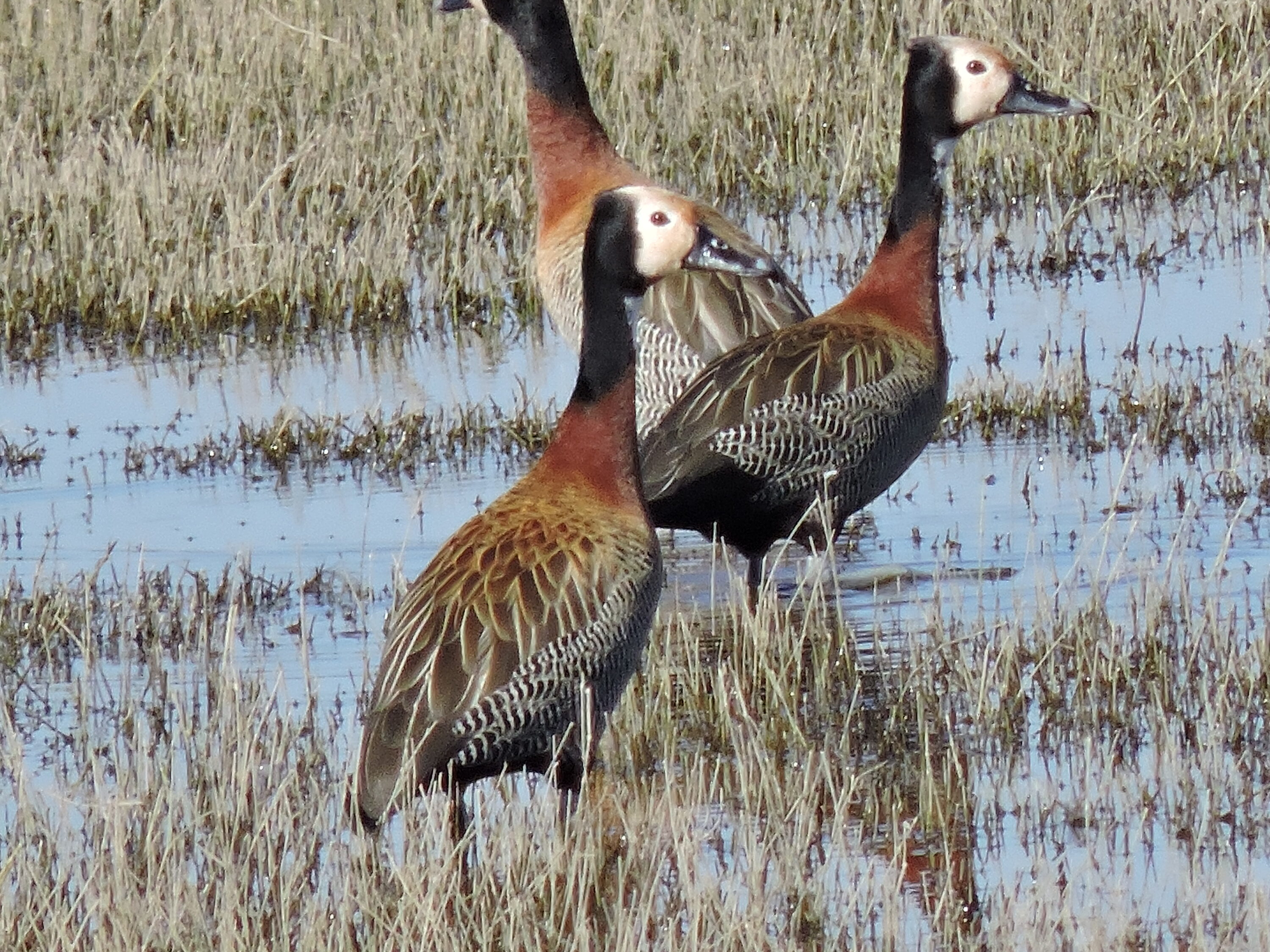
Seven Wild White-faced × Fulvous Whistling-Duck Hybrids Documented in Brazil and Argentina
A 2026 short communication assembled seven wild apparent White-faced × Fulvous Whistling-Duck hybrid records from Brazil and Argentina.…
Read story →SPECIES IN THIS STORY
Species in this story
Independent research and conservation news archive
Did you find this information useful?
Wildlife Vagabond is independently built and maintained. Voluntary support helps cover source verification, hosting and continued work on research and conservation news.
Support Wildlife VagabondThe news archive will remain freely available.