
Seven Wild White-faced × Fulvous Whistling-Duck Hybrids Documented in Brazil and Argentina
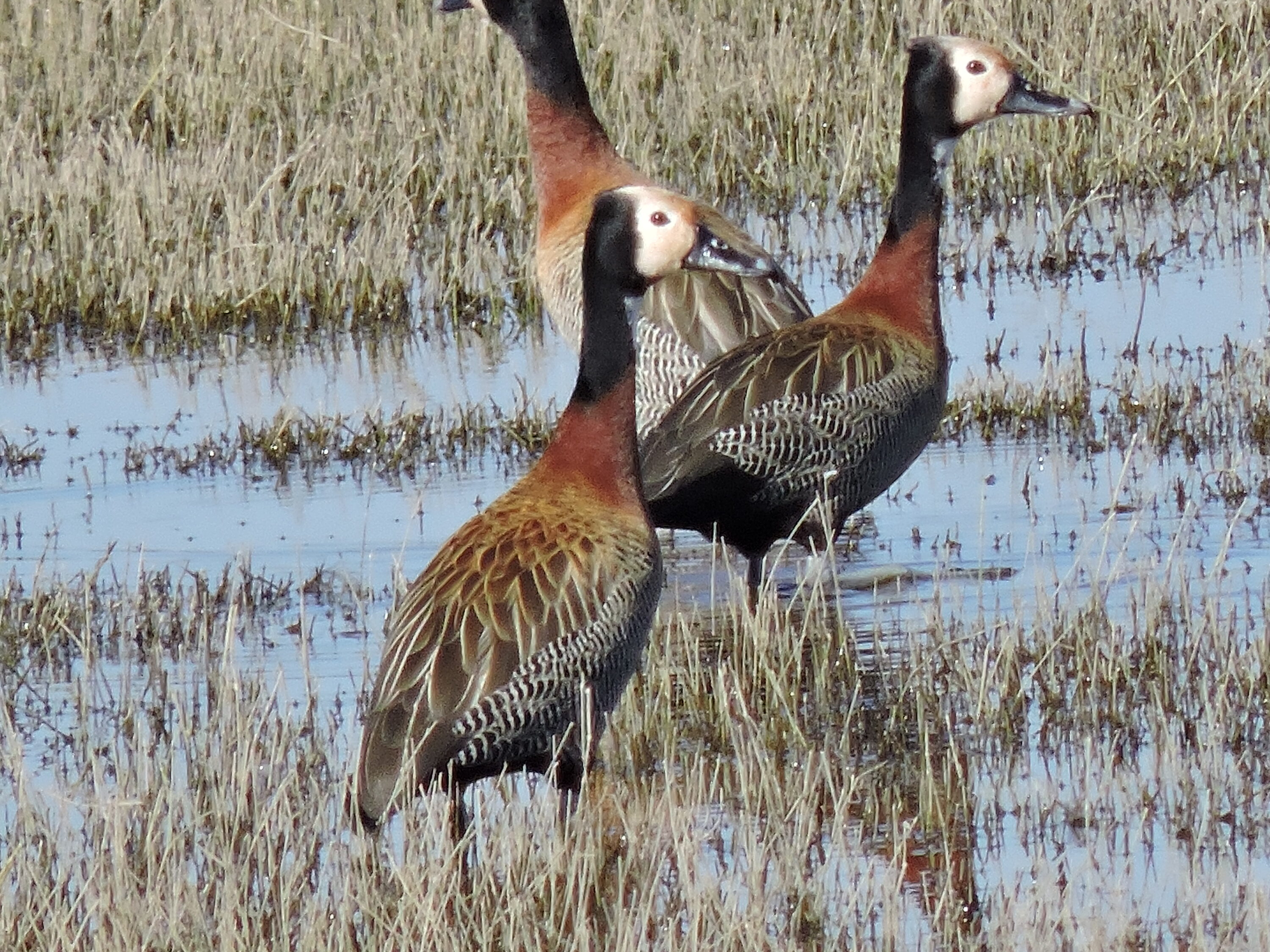
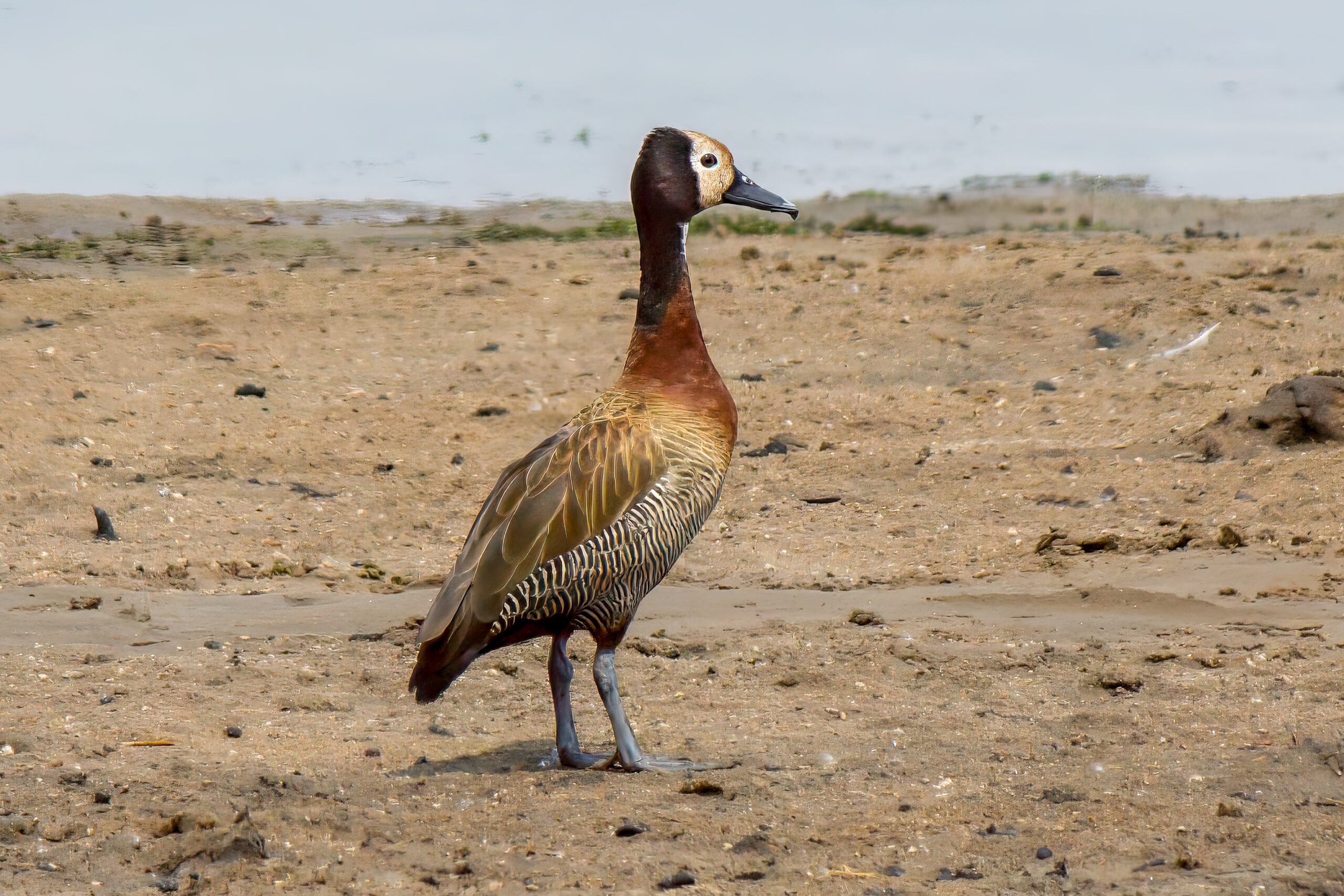
A 2026 short communication brought together seven wild records of apparent hybrids between White-faced Whistling-Duck (Dendrocygna viduata) and Fulvous Whistling-Duck (Dendrocygna bicolor) in South America. Five records were from Brazil and two from Argentina.
The authors combined two directly documented birds from São Paulo with a review of eBird/Macaulay Library and WikiAves records. Hybrid identification was based on intermediate plumage and morphology rather than genetic testing.
Two São Paulo birds were documented in detail
The earliest record came from São Paulo Zoo on 25 August 1969, where an apparent hybrid was photographed among free-living White-faced Whistling-Ducks. The bird was collected 26 days later. Its largely brown body resembled Fulvous Whistling-Duck, while the white cheek, dark bill and neck pattern and several reddish-brown details resembled White-faced Whistling-Duck.
A second bird was observed at Guarapiranga Reservoir in southern São Paulo on 26 November 2022 during long-term monthly waterbird monitoring. It rested close to both parent species and showed the same general combination: a Fulvous-like body and wing pattern with White-faced-like head and neck characters. It was seen on only one of 131 survey visits to the site.
Five additional records extended the documented distribution
A search of online bird archives up to 8 October 2025 produced five further records the authors regarded as wild: three additional Brazilian records from Paraná, Rio Grande do Sul and São Paulo state, and two Argentine records from Buenos Aires and Entre Ríos. Four were supported by photographs and one by descriptive information only.
The birds were not identical in appearance, but most showed a broadly Fulvous-like body combined with paler or whiter head and neck markings and darker or reddish-brown details resembling White-faced Whistling-Duck. This variation is consistent with the mixed appearance expected in hybrids, although the study did not use genetic data to confirm parentage.
The cross is documented but remains rare
Wild hybridisation between the two species was already known from South Africa and from two birds captured in southern Brazil in 1989. The seven records therefore do not represent the first South American evidence of the cross. Their value is in expanding and consolidating its documented geographic occurrence.
White-faced and Fulvous Whistling-Ducks overlap widely in South America and Africa, yet apparent hybrids remain extremely scarce compared with the very large number of records of the parent species. The authors therefore conclude that natural hybridisation can occur where the species coexist but is uncommon.
The records document hybrid phenotype, not the later genetic consequences of hybridisation. They do not show whether the hybrids were fertile, whether they reproduced or whether genes moved between the two parent populations through backcrossing.
Evolution & taxonomy
Related news
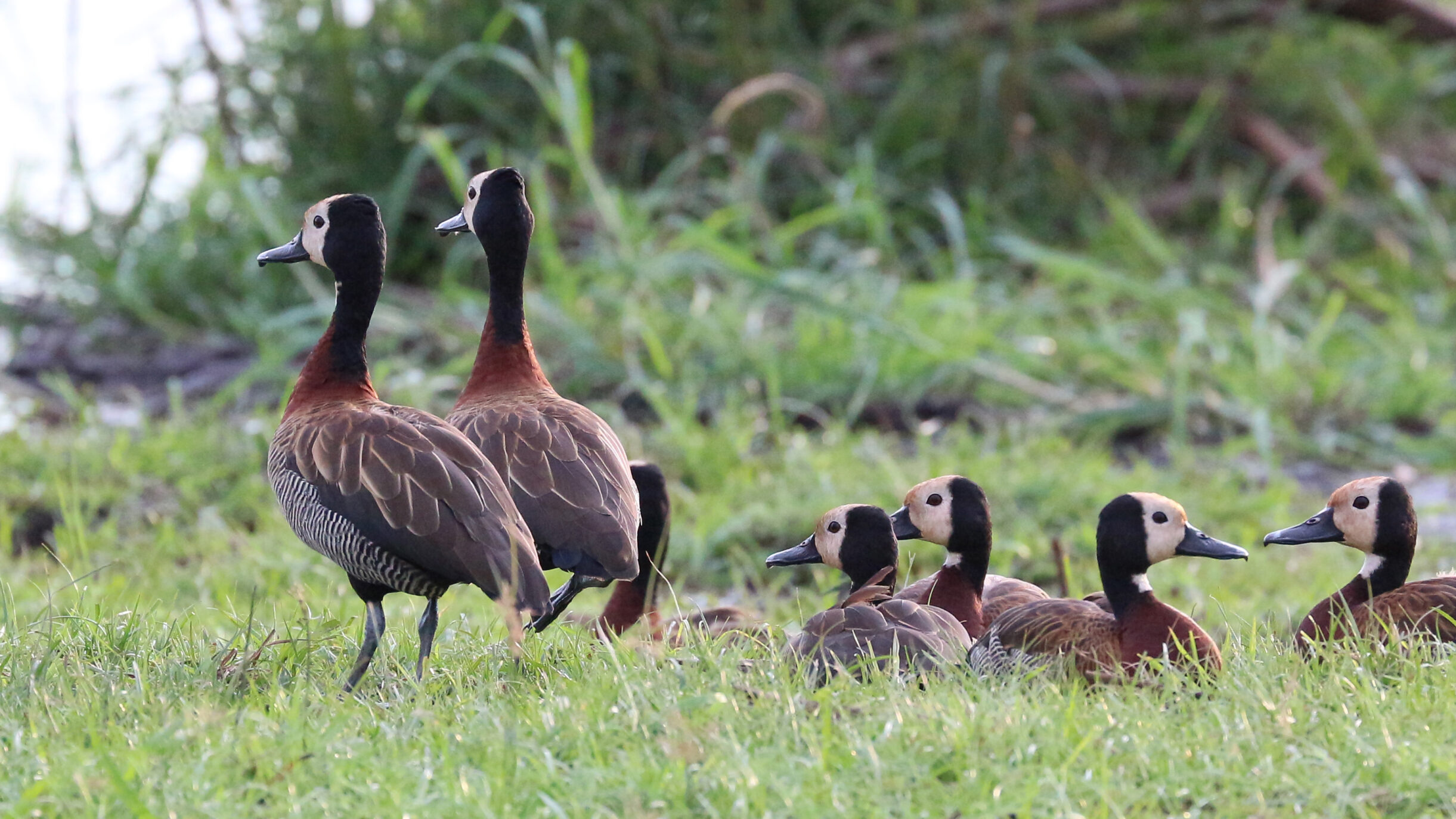
White-faced Whistling-Duck Counts Through 2018 Never Regained Lake Manyame’s 1980s Peaks
Counts from Lake Manyame show thousands of white-faced whistling-ducks in 1987–1988, while no later count through 2018 came…
Read story →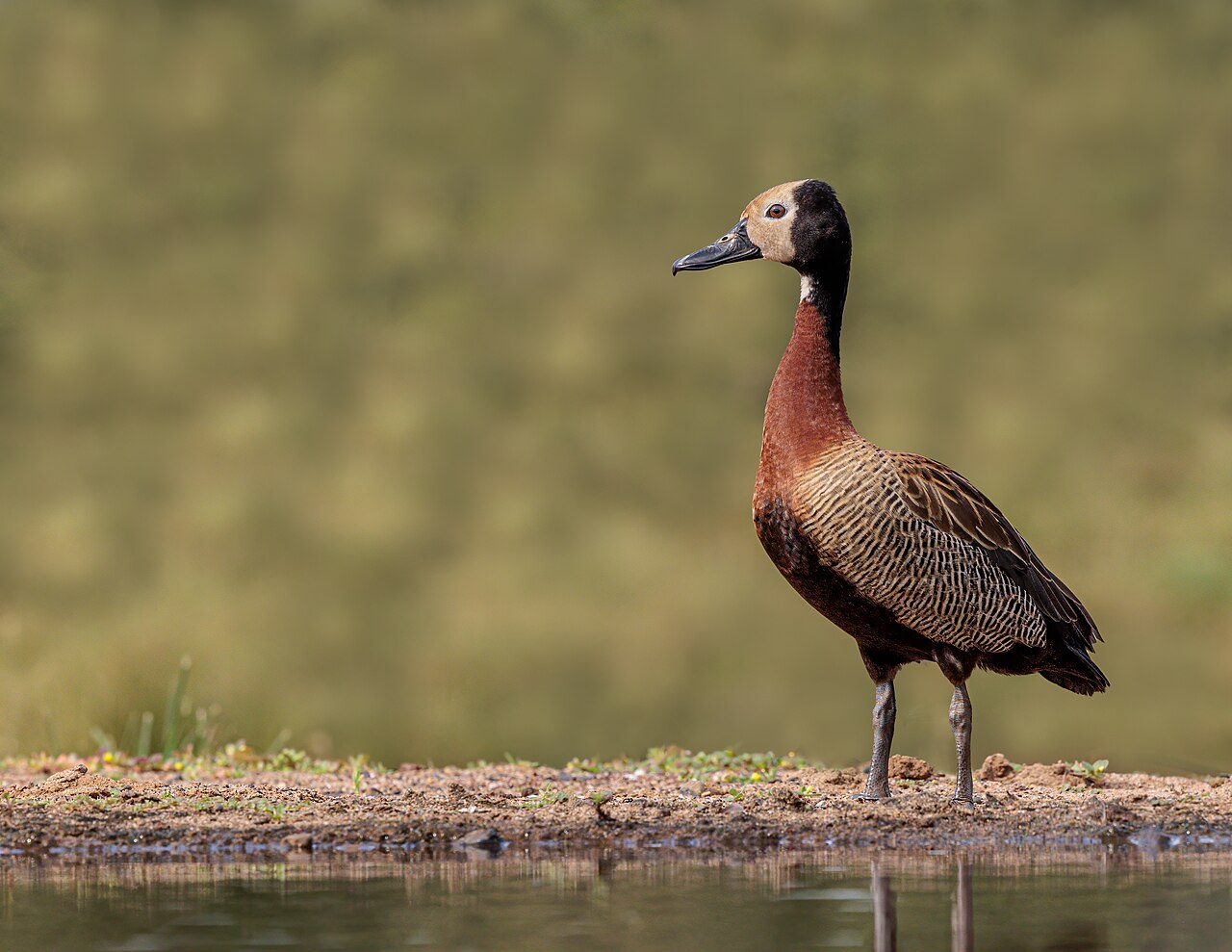
Urban Wetland Damage Threatens White-Faced Whistling-Duck Habitat in Harare
A June 2026 short communication revisited a 2007 nesting record in Vainona, Harare, and described pollution, rubbish and…
Read story →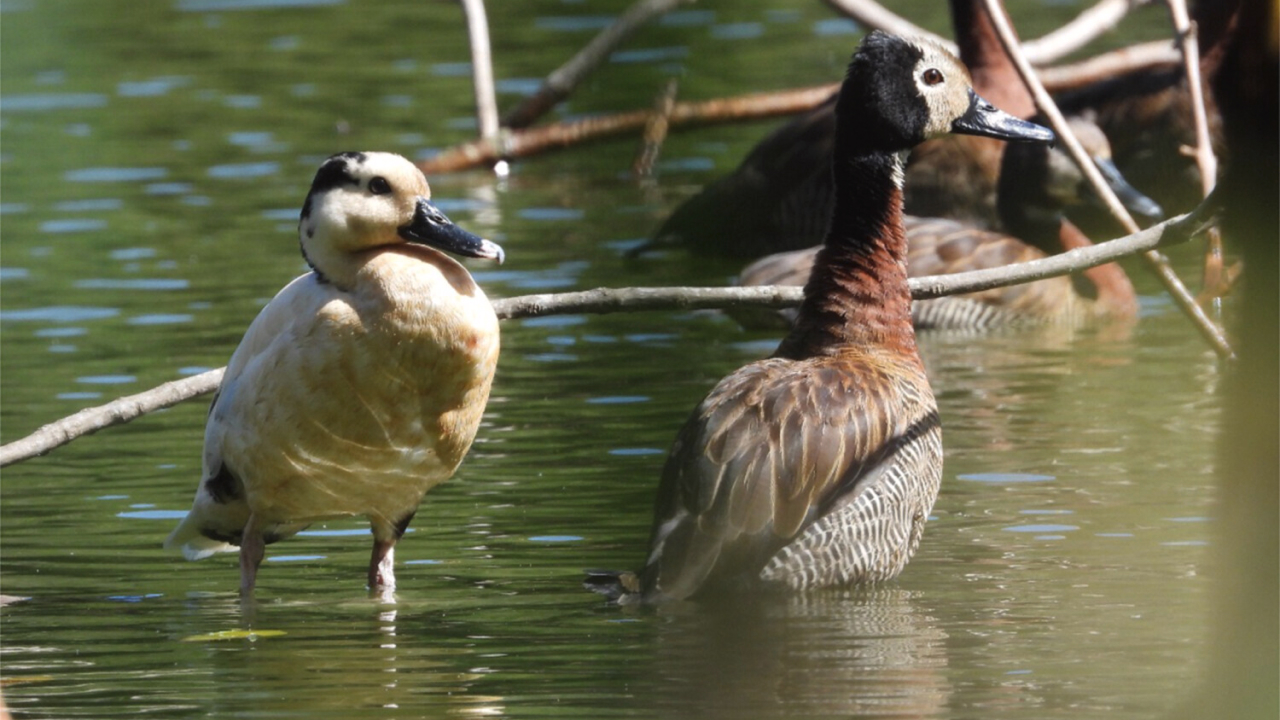
Leucistic White-faced Whistling-Duck Documented in Madagascar
A free-ranging white-faced whistling-duck with extensive white plumage behaved normally and remained integrated with its group during a…
Read story →SPECIES IN THIS STORY
Species in this story
Independent research and conservation news archive
Did you find this information useful?
Wildlife Vagabond is independently built and maintained. Voluntary support helps cover source verification, hosting and continued work on research and conservation news.
Support Wildlife VagabondThe news archive will remain freely available.