
Little Terns at Seaton Carew Fledged Just 17 Young in 2026
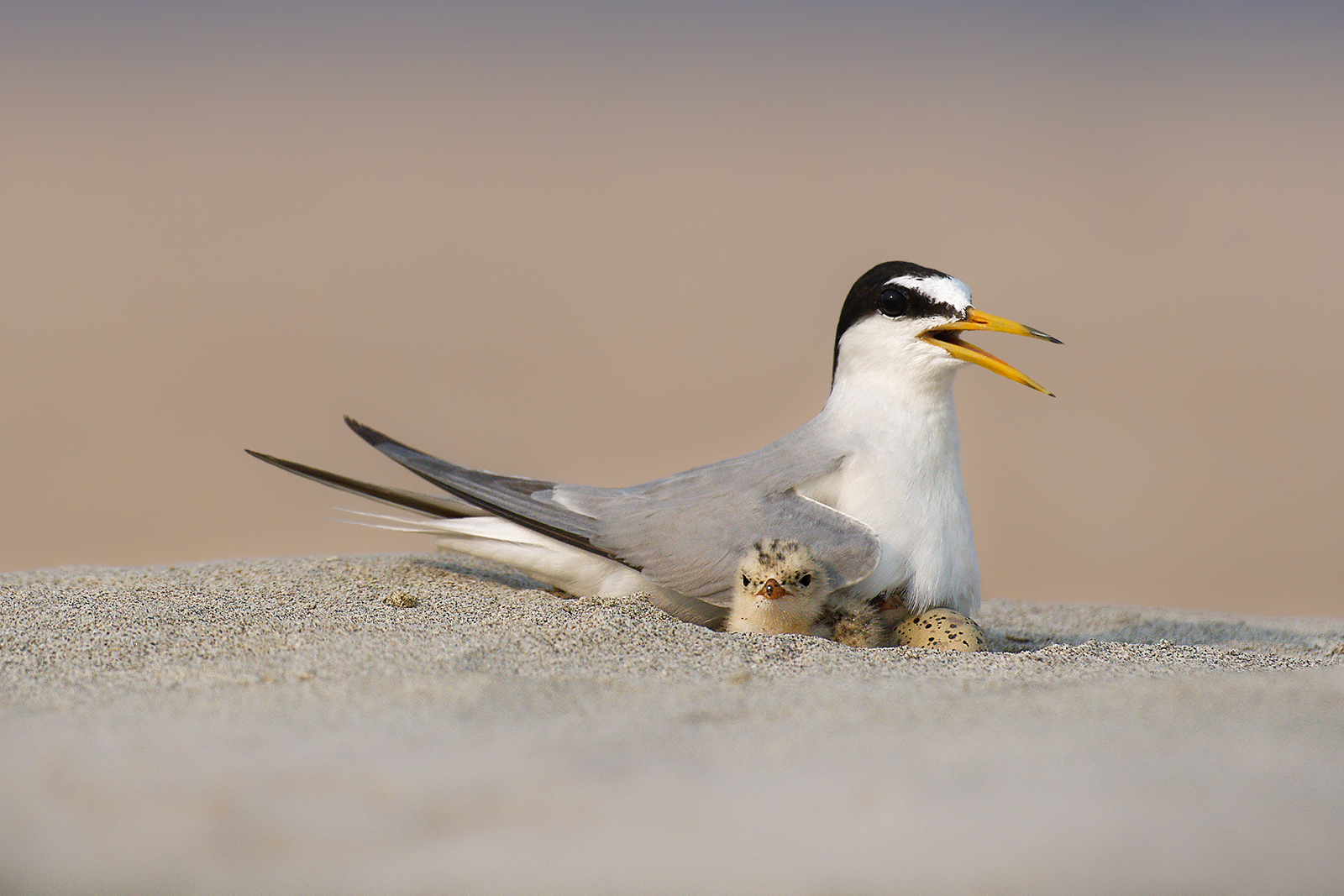
At Seaton Carew on England’s north-east coast, 83 nesting pairs of little terns (Sternula albifrons) produced just 17 fledglings in 2026. That was a sharp fall from around 70 young in 2025. The birds have nested at this beach since 2019, and the poor result came despite measures intended to protect the colony.
Little terns lay their eggs directly on open sand and shingle, making nests and chicks vulnerable to high tides, predators and disturbance. Tees Valley Wildlife Trust reported flooding and damage to protective fencing during the 2026 breeding season; high tides washed away parts of the barrier surrounding the nesting area. Earlier in the season, wardens also reported dogs entering the exclusion zone.
Lead warden Derek Wood pointed to a late arrival of the birds’ food supply close to shore, as well as predation, as further pressures on the colony. Small fish caught in coastal waters are essential to feeding growing chicks. These reports identify several challenges faced by the birds, rather than establishing a single cause for the low number of fledglings.
Fencing and wardens have been central to the colony’s protection since conservation measures were strengthened in 2022. The trust is now considering improvements to the site and additional safeguards before the terns return for the 2027 breeding season. The 2026 outcome illustrates how exposed beach-nesting birds remain to changes in weather, food availability and disturbance, even at actively managed sites.
Threats
Related news

A Record 116 Little Tern Pairs Attempted to Breed at Beacon Lagoons in 2026
At least 116 Little Tern pairs attempted to breed at Beacon Lagoons in 2026, a site record. By…
Read story →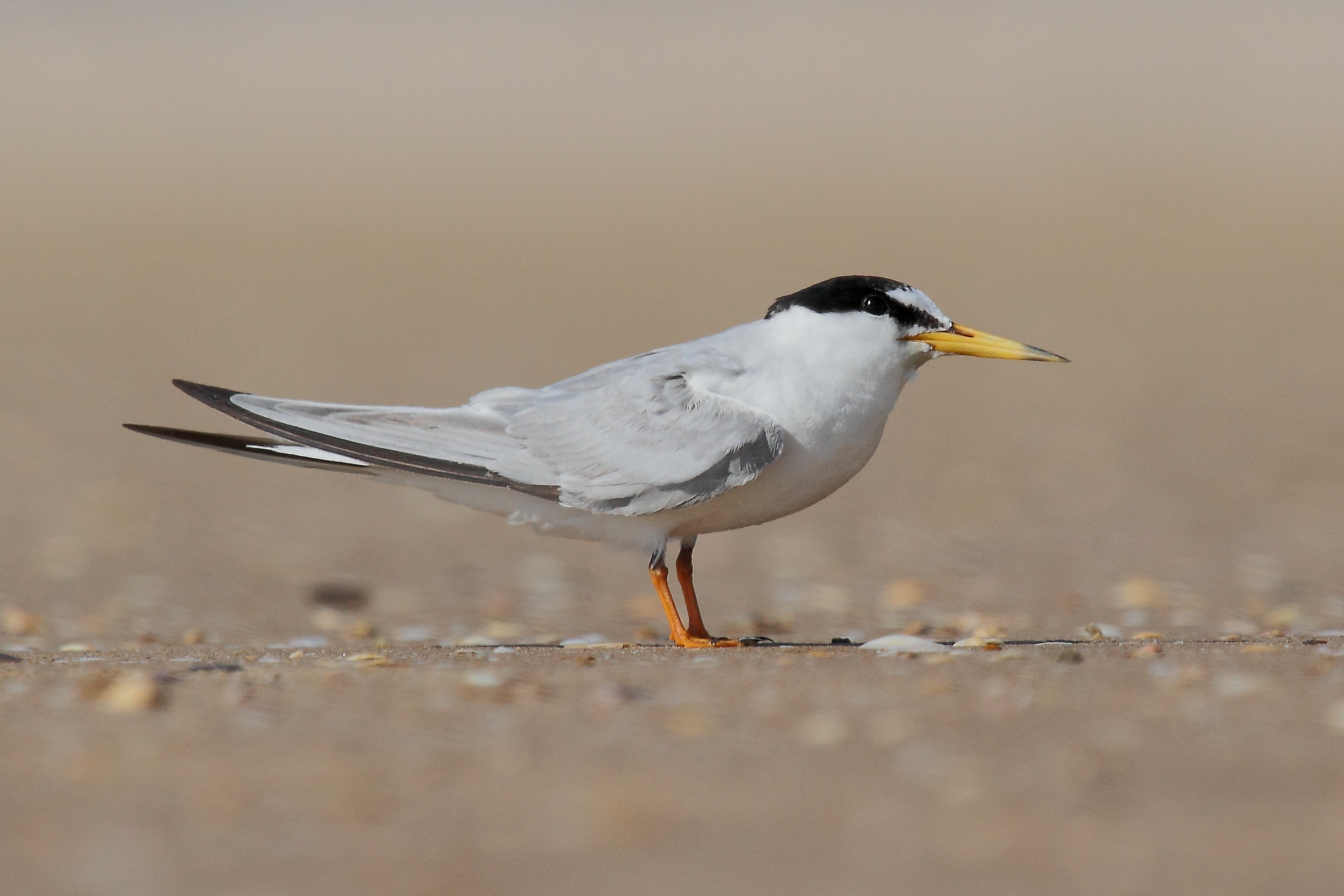
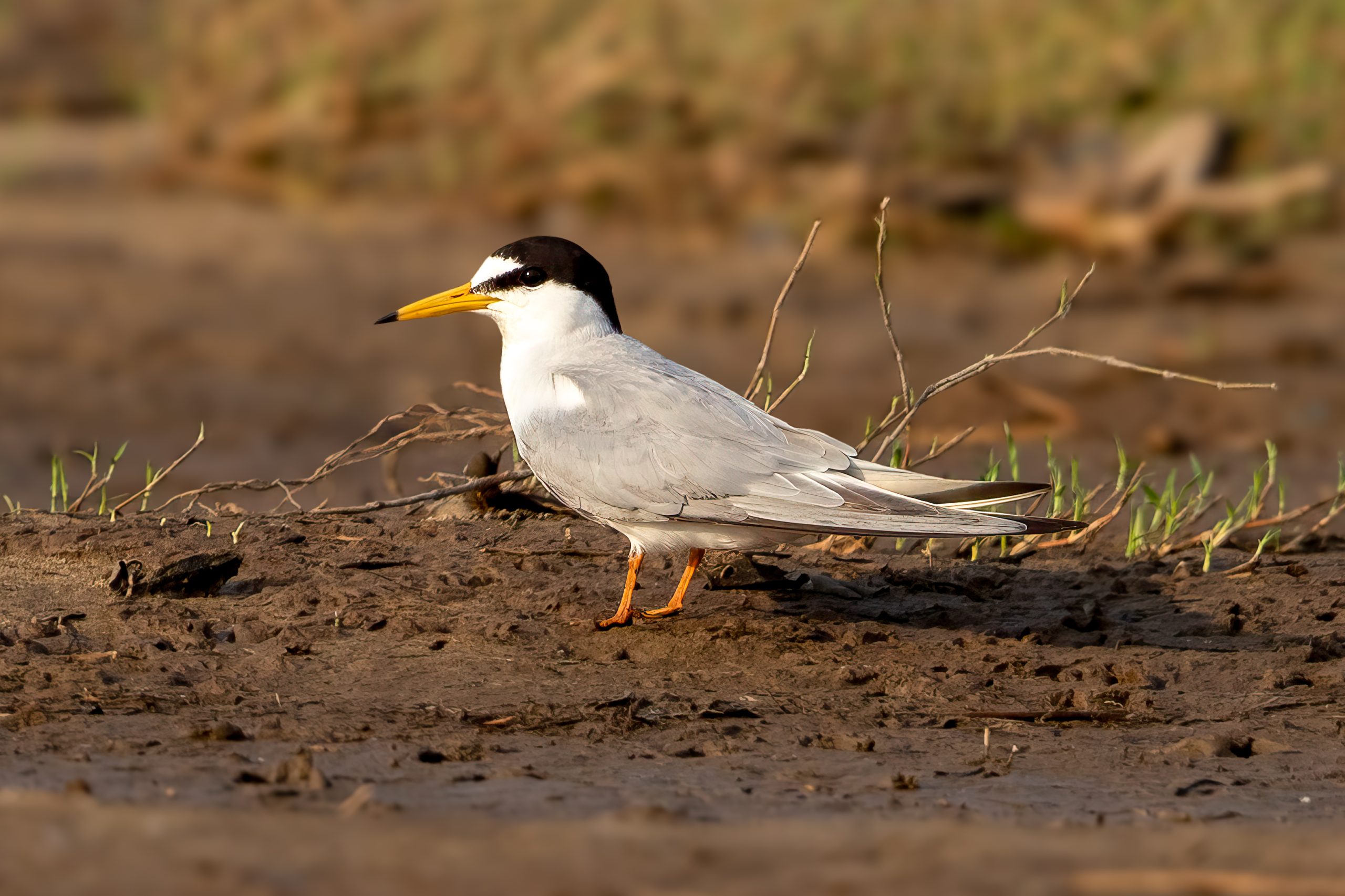
Little Tern-designated Natura 2000 Sites Overlapped Just 0.18% of the Tracked Core Area in Cádiz
GPS tracking of 29 breeding little terns found that Natura 2000 sites overall covered 75.9% of the population…
Read story →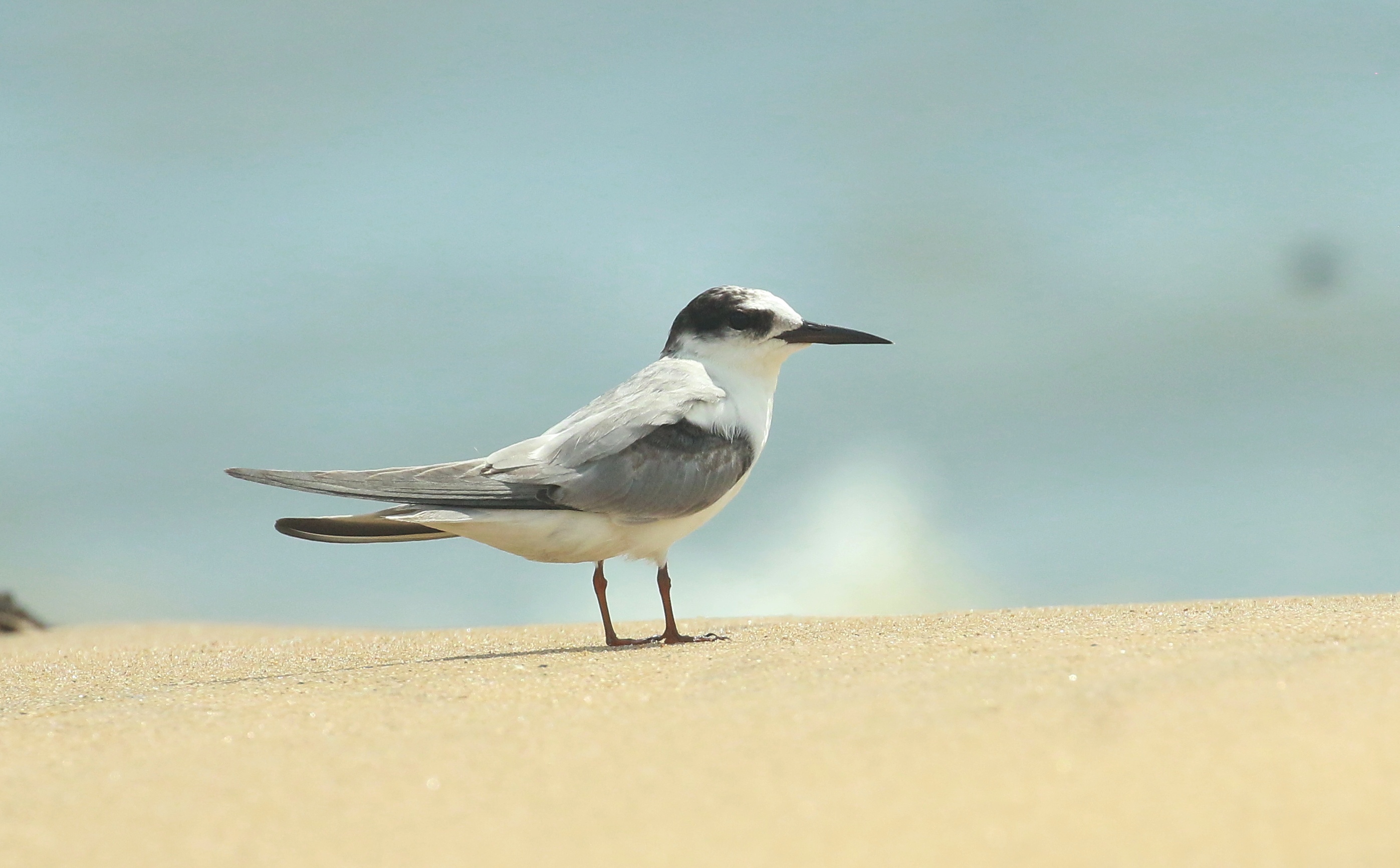
Little Tern Index Showed Clear Long-term Decline in India, While Recent Trend Was Unclear
The 2025 State of India’s Birds update estimated a −69.5% long-term trend for little tern in India, clearly…
Read story →SPECIES IN THIS STORY
Species in this story
Independent research and conservation news archive
Did you find this information useful?
Wildlife Vagabond is independently built and maintained. Voluntary support helps cover source verification, hosting and continued work on research and conservation news.
Support Wildlife VagabondThe news archive will remain freely available.