
Teuri Island Common Murre Breeding Success More Than Doubled After Avian Predator Control
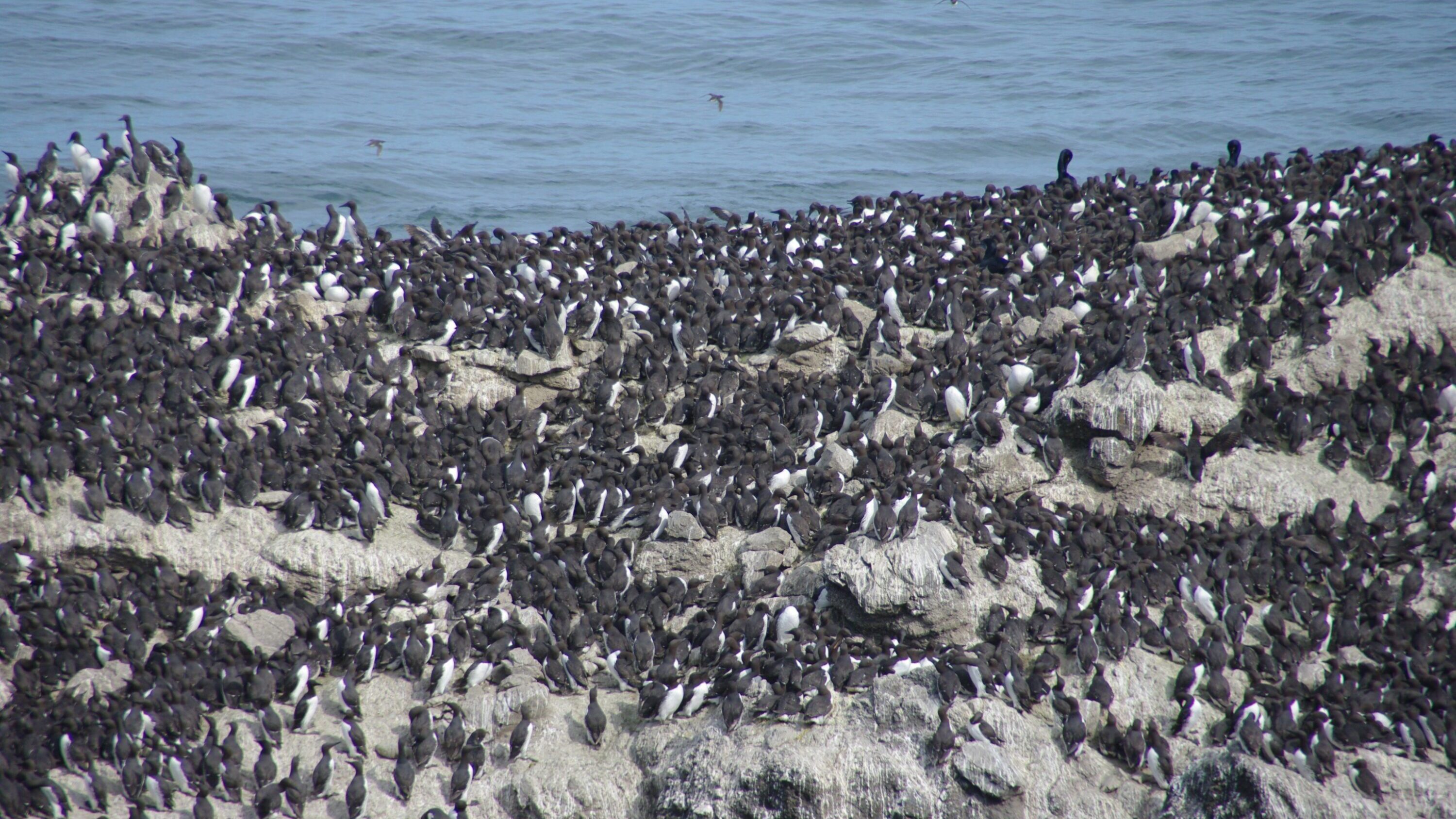
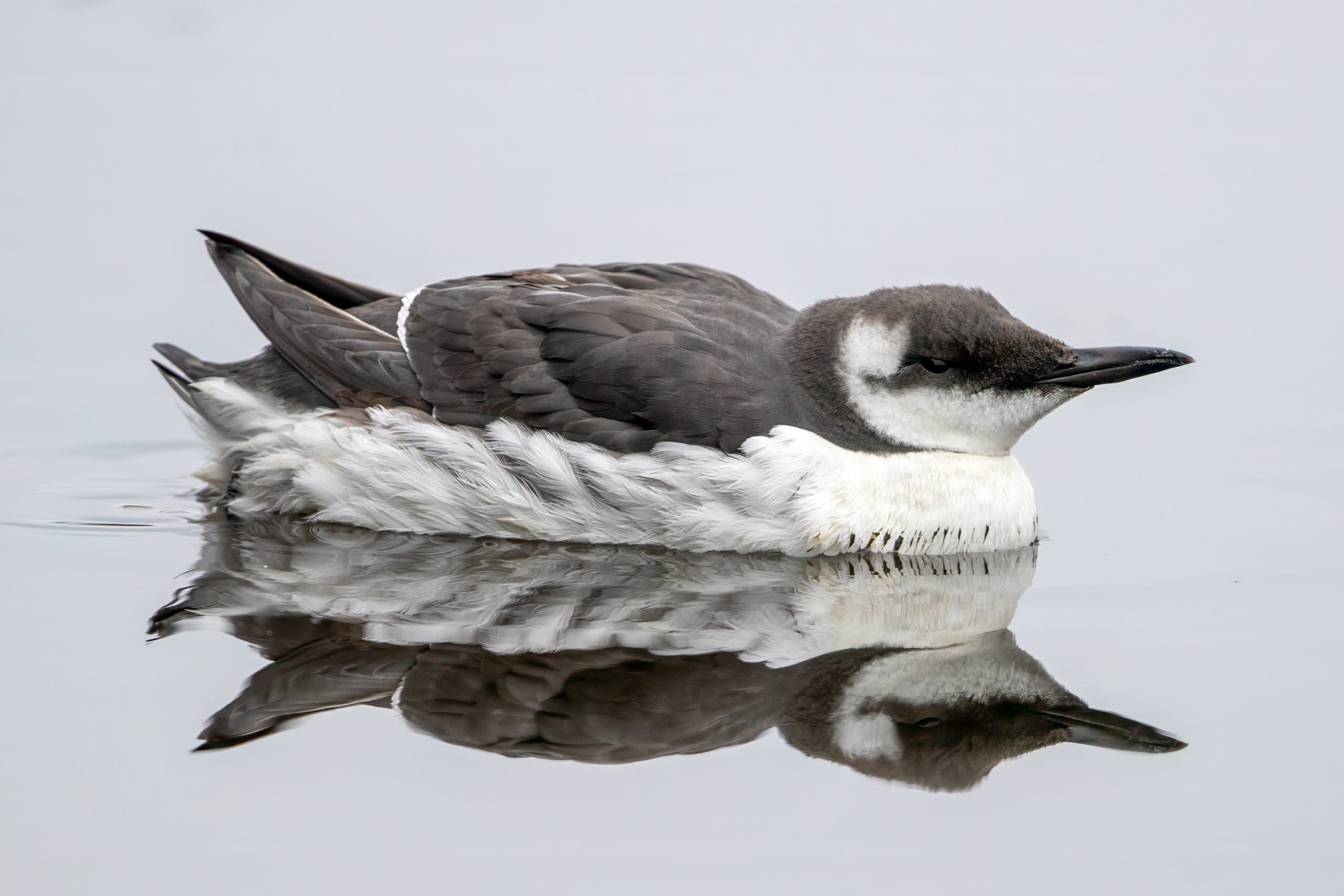
A study published in 2026 examined restoration of the common murre (Uria aalge) population on Teuri Island in Hokkaido, Japan. The colony had collapsed from about 8,000 birds in 1963 to 15 birds with no fledglings in 2005. Social-attraction measures using decoys and recorded calls drew murres toward a sheltered cave, but earlier work found that breeding success remained limited by predation on eggs and chicks.
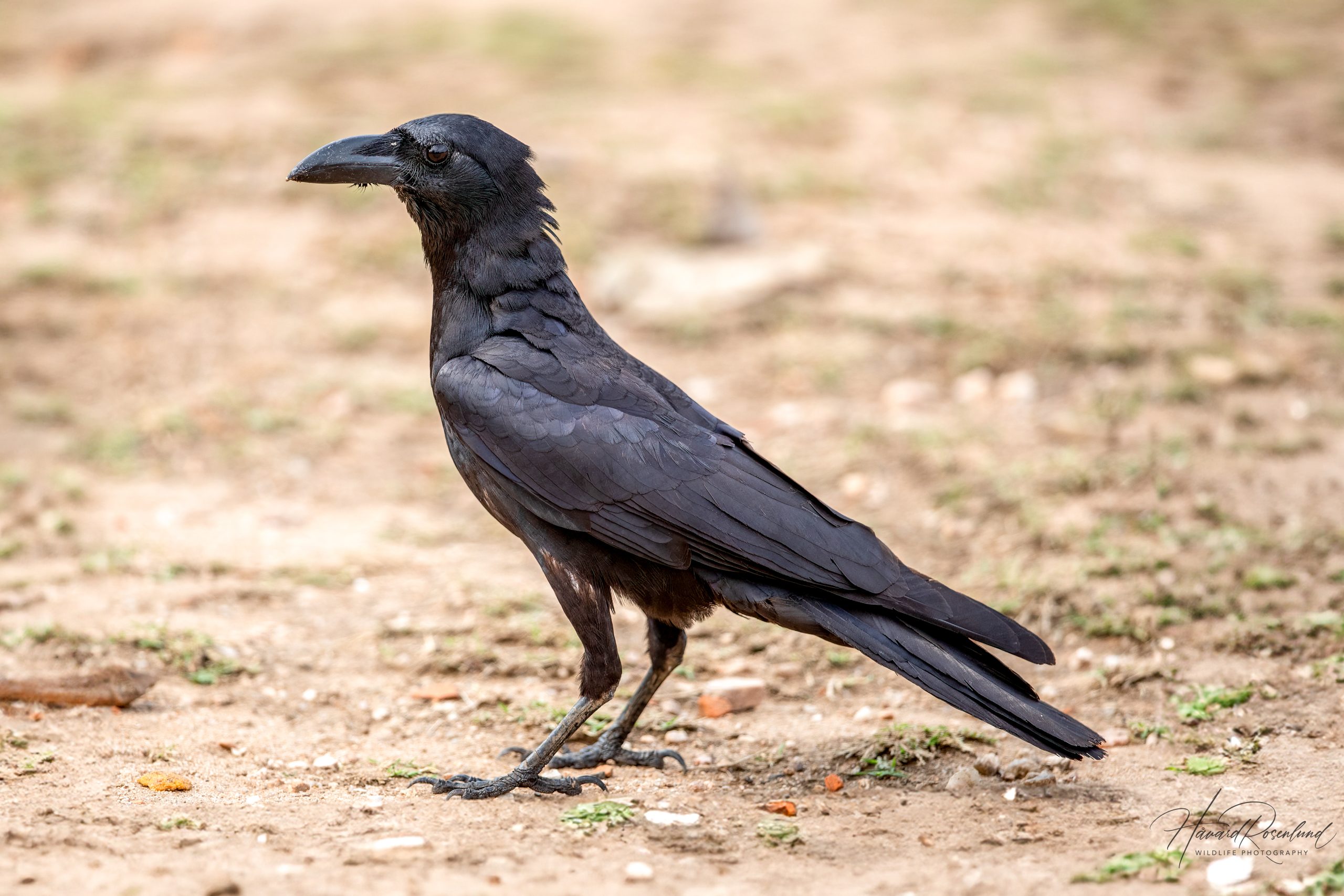
The main avian predators were large-billed crows (Corvus macrorhynchos) and slaty-backed gulls (Larus schistisagus). Predator control began around the cave in 2011. Between 2011 and 2016, 38–61 crows and 16–100 gulls were culled each year, while breeding in the cave was monitored directly and then with video cameras.
Breeding productivity rose after predator control began
From 2012 to 2016, fledglings per egg laid averaged 74%, compared with 33% before 2010. The maximum number of murres recorded in the cave rose from 20 in 2011 to 38 in 2016. During the 2011–2016 study period, only one successful chick predation by a large-billed crow was recorded inside the cave, together with 42 unsuccessful predator incursions; no gull was recorded entering the cave on video.
Breeding position and timing also mattered. Pairs laying earlier produced more fledglings, and pairs nesting at the base of the cave wall had much higher breeding success than the small number nesting away from it. The authors interpret these sheltered wall sites as offering better protection from avian predators. They conclude that predator control, together with the protected cave setting, allowed breeding productivity to increase.
Later population growth also points to immigration
A population model using the improved breeding success predicted only about 68 birds by 2025 if no birds immigrated. Yet 104 murres were already recorded on Teuri in 2022. A model allowing about eight immigrants per year reproduced that observed number, leading the authors to conclude that immigration from other colonies was probably contributing to the recovery.
Longer-term projections depend strongly on continued suitable habitat and management. The cave itself cannot hold the roughly 2,000 birds produced by the study’s 50-year recovery scenario, so further recovery would require murres to establish additional breeding sites on the island. The authors therefore link predator control with the need to maintain nesting habitat and reduce food subsidies such as garbage and fishery waste that can support crow and gull populations.
Management
Related news
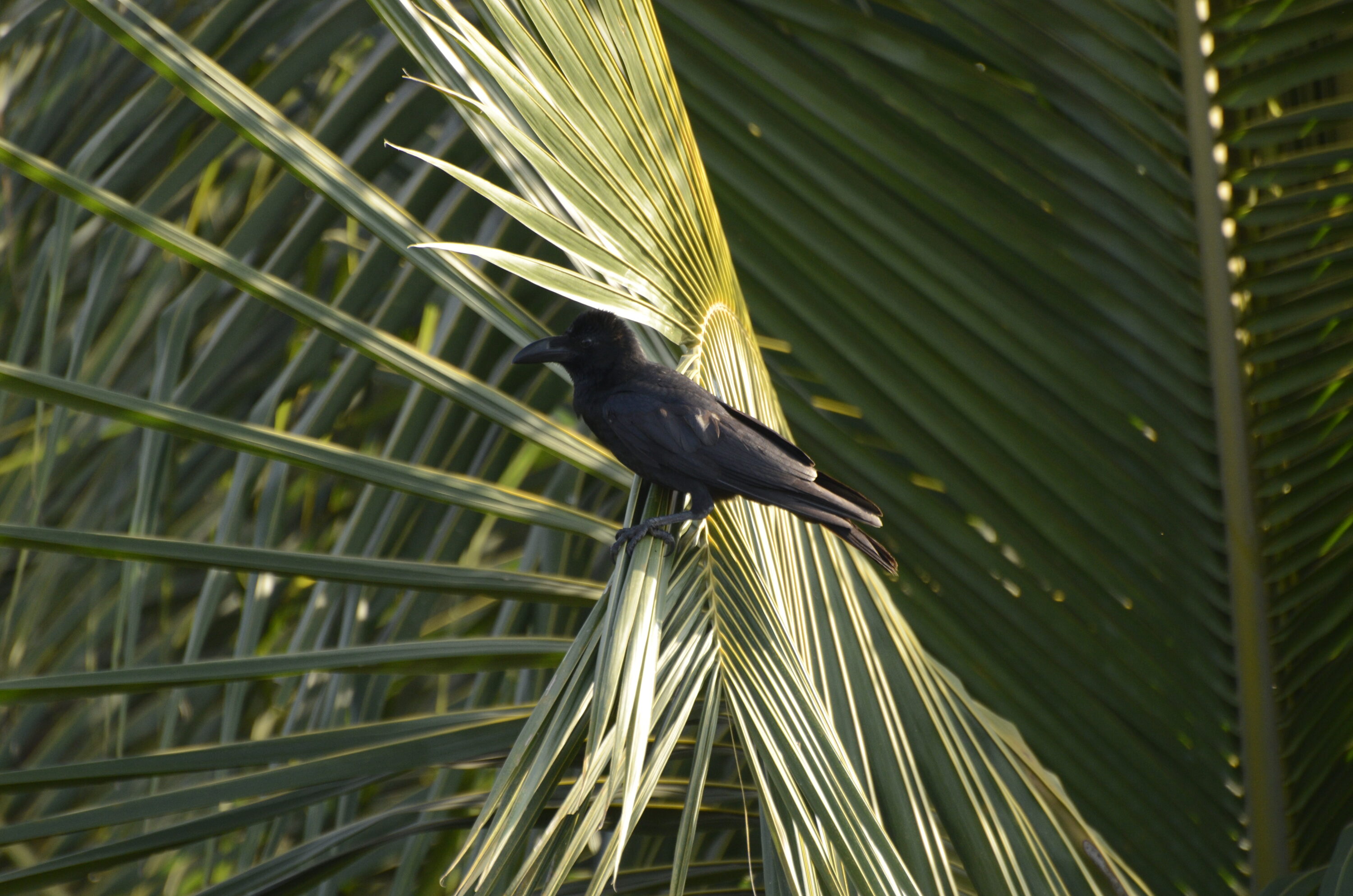
Two House Crows Began Anting After Watching a Large-billed Crow in Coonoor
In Coonoor, India, a Large-billed Crow rubbed yellow crazy ants through its plumage. Three House Crows arrived; one…
Read story →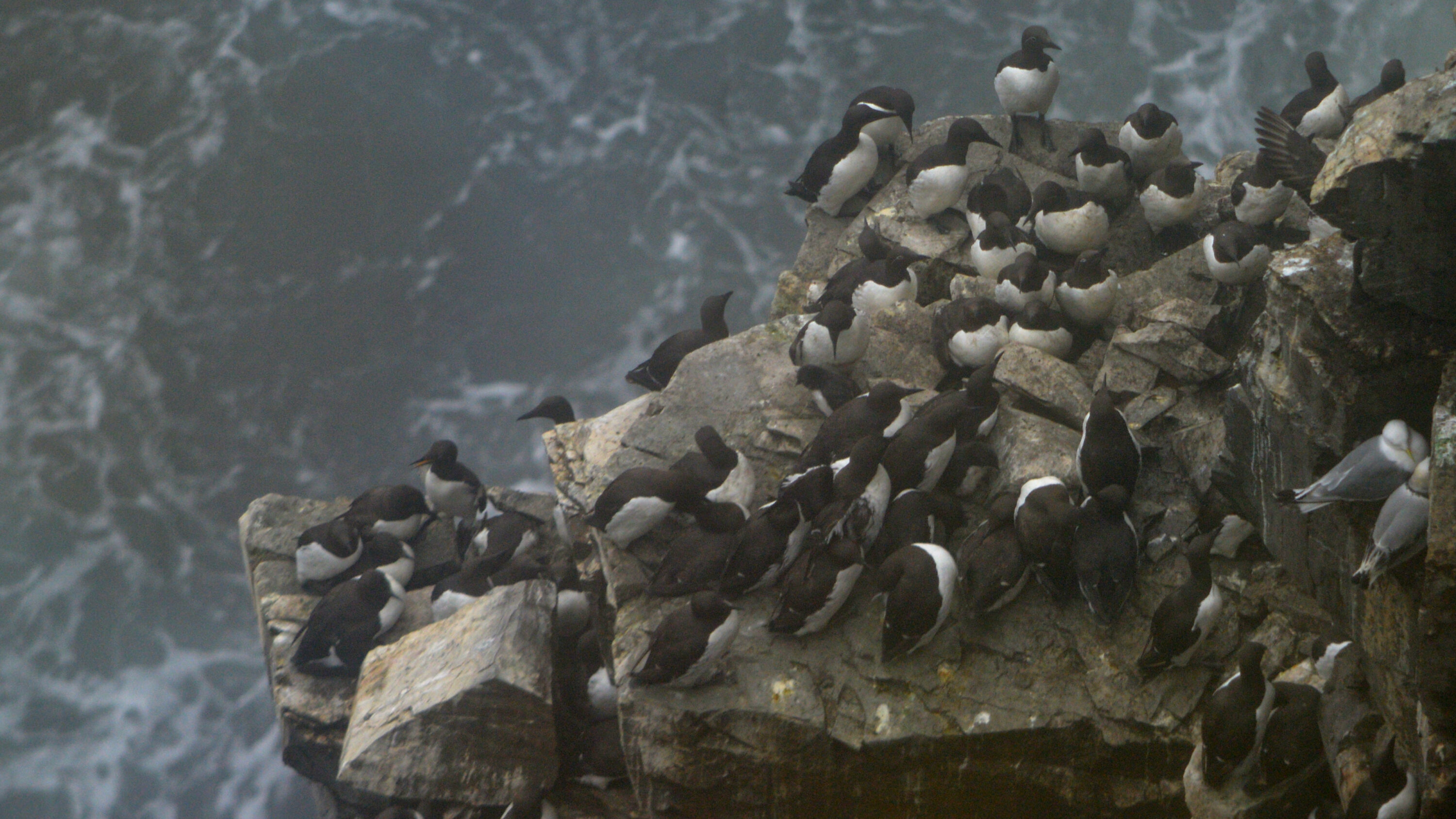
Common Murres Had Higher Blood Mercury in 2022 as Foraging Shifted Closer to Shore and Seafloor
Adult common murres in the Gulf of St. Lawrence had non-overlapping, higher blood-mercury concentrations in 2022 than in…
Read story →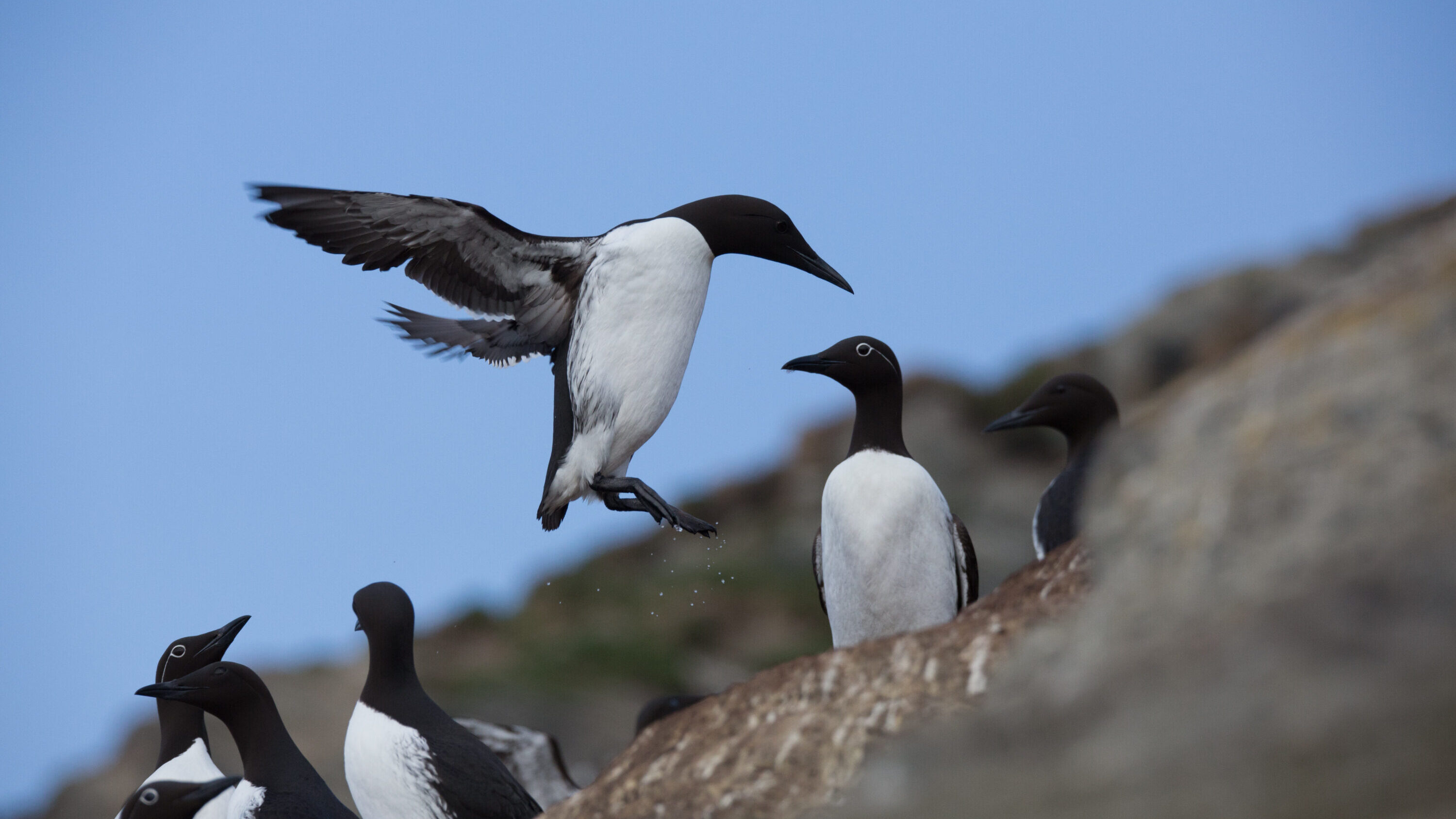
Negative Link Between Spring Capelin Landings and Adult Survival Was Supported Only for Hjelmsøya Common Murres
Across eight Barents Sea seabird populations, a direct negative association between spring capelin landings and overwinter adult survival…
Read story →SPECIES IN THIS STORY
Species in this story
Independent research and conservation news archive
Did you find this information useful?
Wildlife Vagabond is independently built and maintained. Voluntary support helps cover source verification, hosting and continued work on research and conservation news.
Support Wildlife VagabondThe news archive will remain freely available.