
Daily Detection Probability for Rusty-spotted Cats Was Just 1.5% at Wasgamuwa
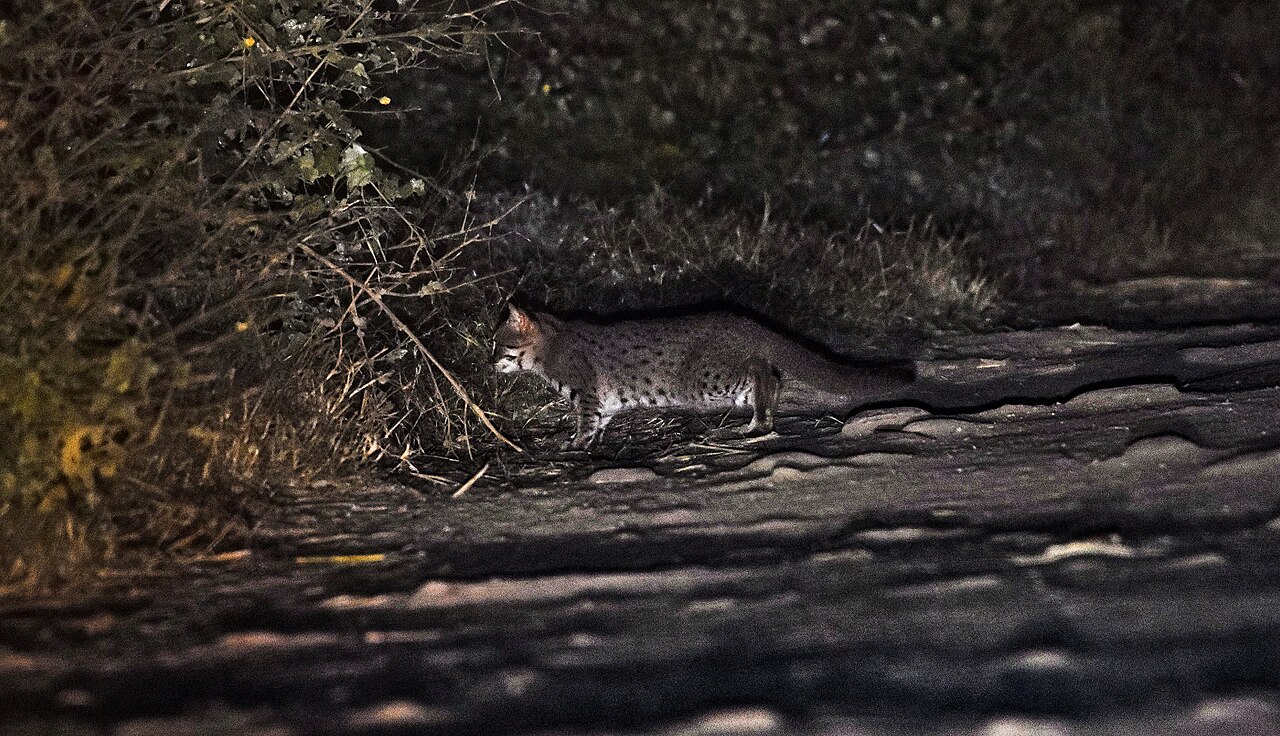
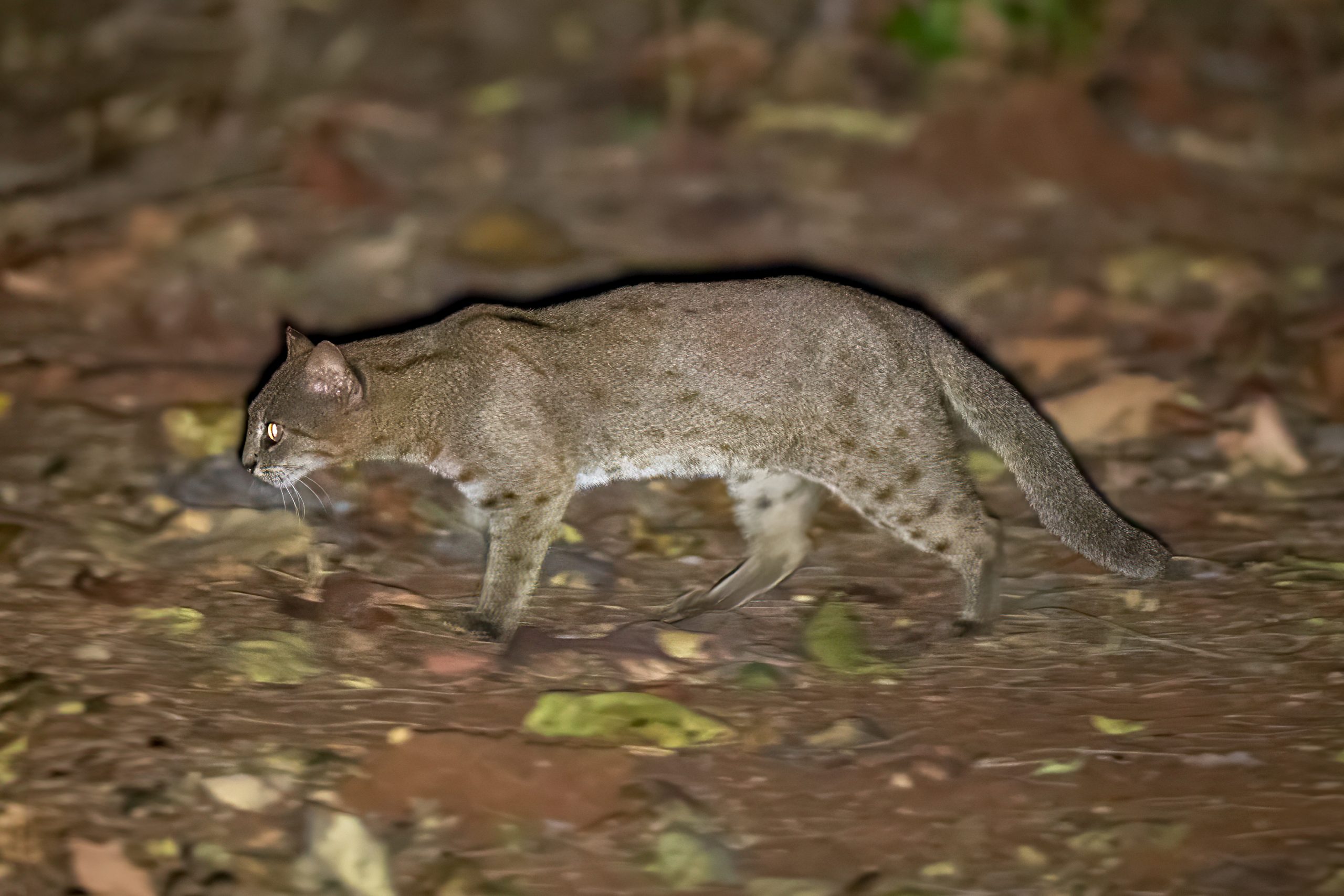
A camera-trap study in and around Wasgamuwa National Park in Sri Lanka found that rusty-spotted cats (Prionailurus rubiginosus) were exceptionally difficult to detect even where they occurred. The authors describe this threatened small cat as elusive, with much of its basic ecology still poorly known. Cameras at 120 sites recorded 21 daily presences across 17 sites, while the model estimated an overall daily detection probability of just 1.5%.
The authors describe this as the first local-scale occupancy analysis for the species. Occupancy models separate the probability that a species uses a site from the probability that a survey actually detects it there. Medium-sized tree density increased the probability of detecting rusty-spotted cats, while greater leaf-litter cover was positively associated with site occupancy.
If camera placement within the local microhabitat was not taken into account, the model estimated that about 202 survey nights would be needed before repeated non-detections provided 95% confidence in a site-specific absence. The uncertainty around this estimate was wide. The result illustrates how a very low detection probability can make apparent absence difficult to interpret.
The authors argue that small datasets can still provide useful conservation information when surveys are designed around the species’ ecology. They recommend more deliberate placement of camera traps in suitable microhabitats and suggest testing arboreal cameras to increase detections and learn more about how rusty-spotted cats use forest structure.
Ecology
Related news
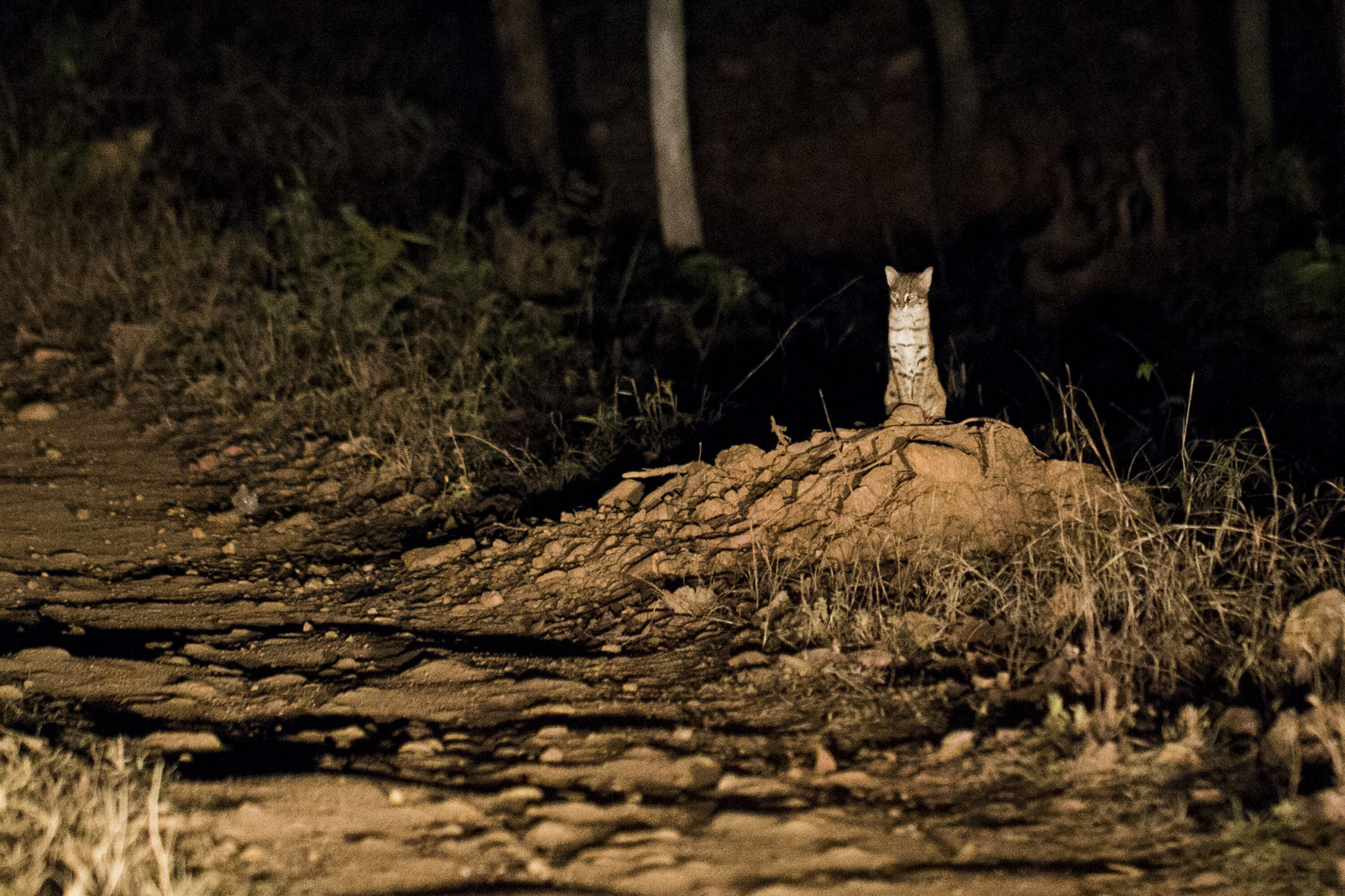
Two Suspected Roadkill Rusty-spotted Cats Provided the First Records From National Chambal Sanctuary
Two rusty-spotted cats found dead along the same road in Etawah in 2025 became the first documented records…
Read story →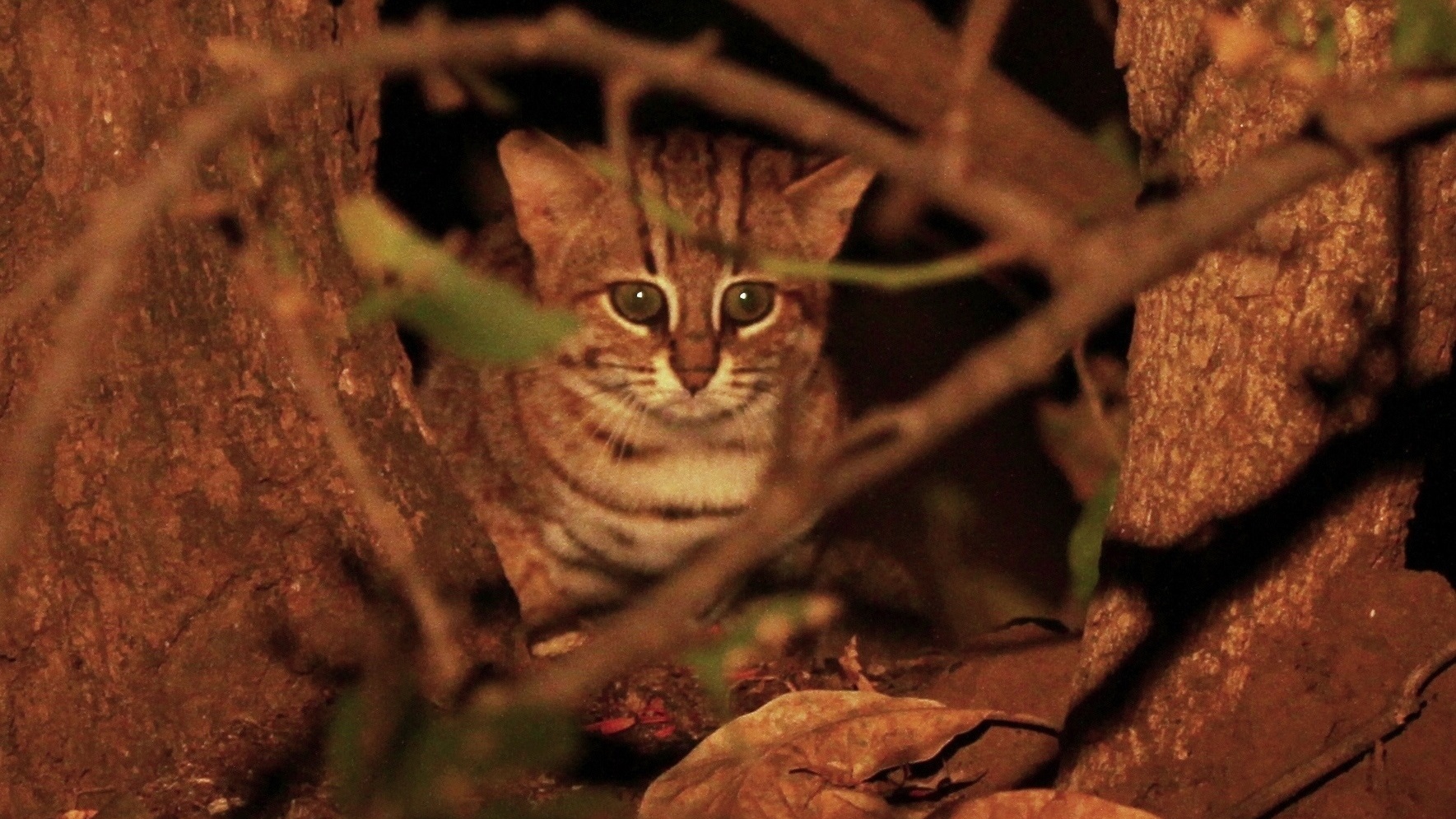
Rusty-spotted Cat With Kitten Confirmed Breeding in Delhi NCR
An adult rusty-spotted cat photographed with a kitten in Faridabad in July 2025 provided the first photographic evidence…
Read story →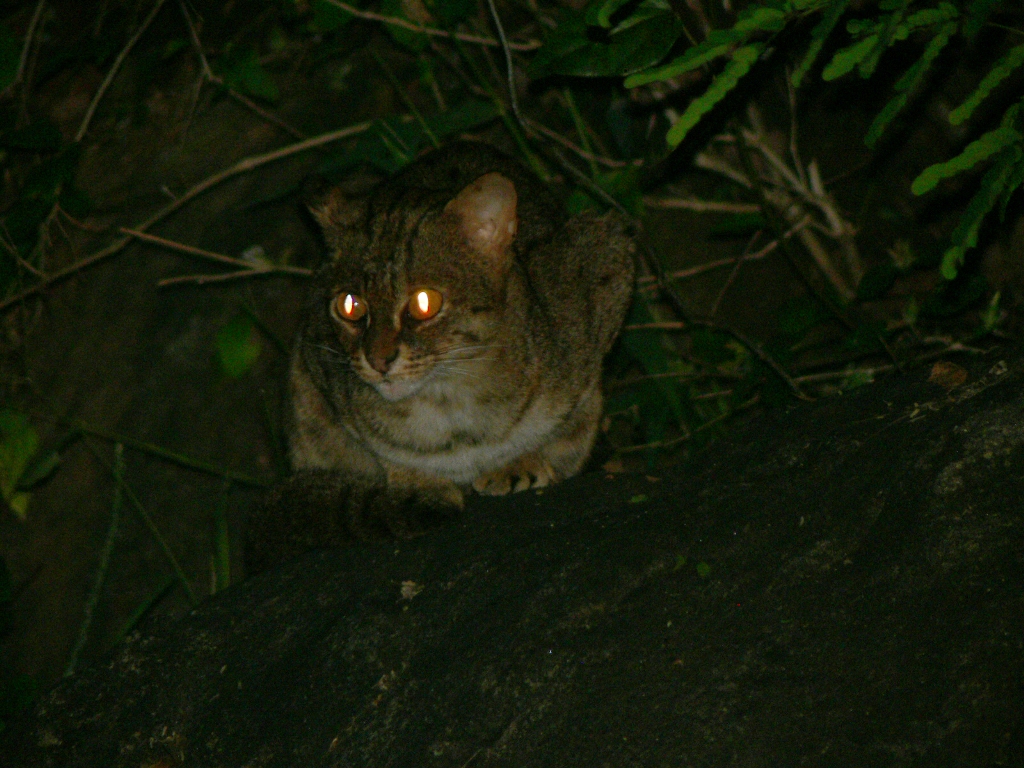
Rusty-spotted Cat Project Trained 50 Bonda Households in Sustainable Agriculture
A community conservation project at the Odisha–Telangana border engaged 80 Bonda participants in wildlife awareness and trained 50…
Read story →SPECIES IN THIS STORY
Species in this story
Independent research and conservation news archive
Did you find this information useful?
Wildlife Vagabond is independently built and maintained. Voluntary support helps cover source verification, hosting and continued work on research and conservation news.
Support Wildlife VagabondThe news archive will remain freely available.