
Traditional water knowledge can help protect Nile crocodiles—and put them at risk
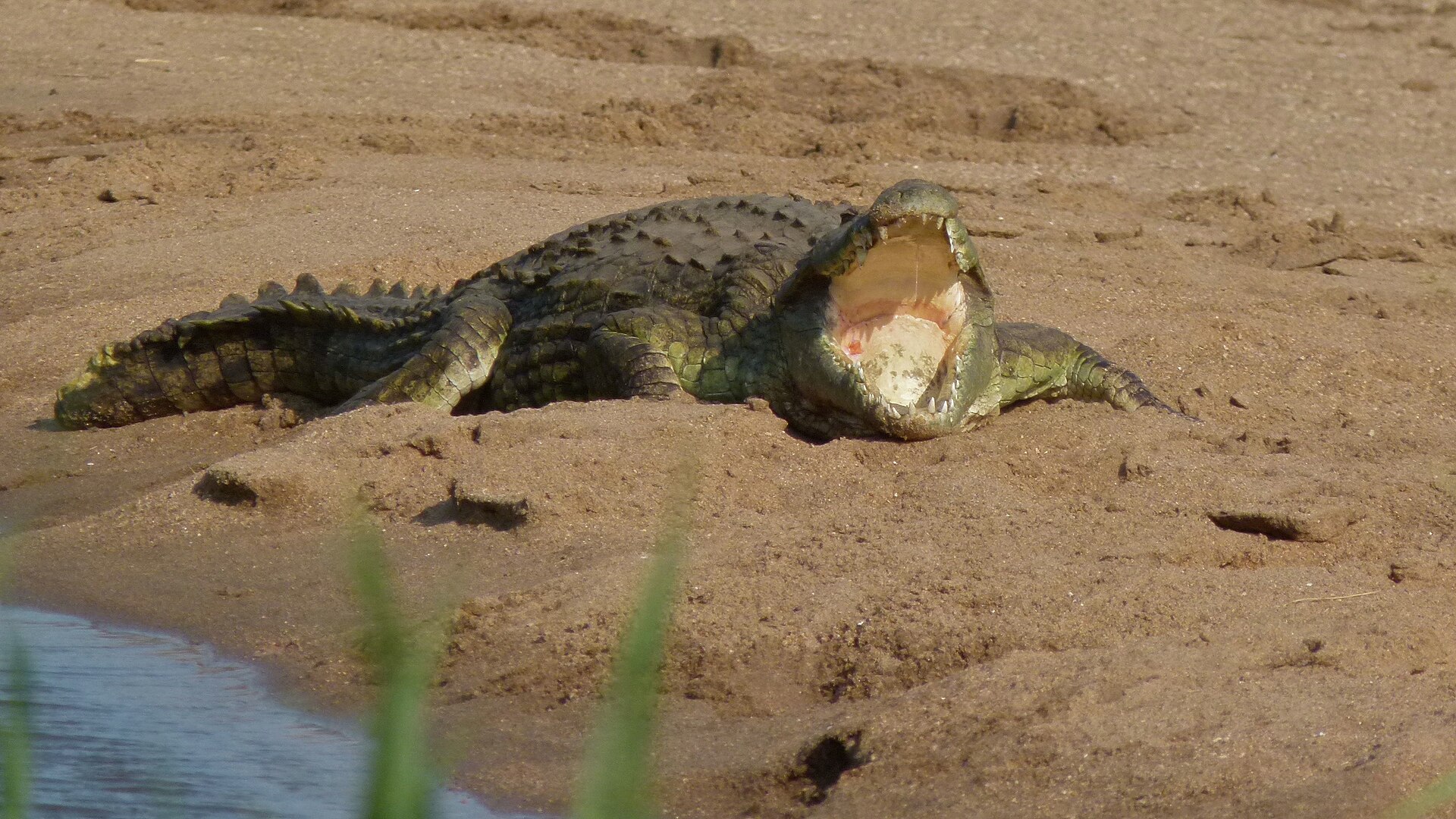
Traditional water knowledge is knowledge, practices and beliefs about local waters passed down through generations. A review of 83 studies examined how this knowledge relates to Nile crocodiles (Crocodylus niloticus) and how it is reflected in wildlife and water policies across Southern African Development Community countries.
Some customs can help protect crocodiles and the wetlands they depend on. Taboos and beliefs that crocodiles are sacred may discourage hunting, while local knowledge can help identify nesting sites, seasonal movements and places where people are more likely to encounter crocodiles. In some communities, people also read the presence of crocodiles as a sign of aquatic ecosystem health.
But traditions and attitudes do not always work in the species’ favour. The reviewed literature describes crocodile teeth, skin, fat and other parts being used for medicine, spiritual protection, food and decoration. Fear and negative experiences can also fuel conflict and retaliatory killing. The review reports nearly 90% similarity in documented traditional uses across the region, while noting that practices vary and some knowledge is kept private or remains undocumented.
The review also identifies a gap between local knowledge and formal management: traditional water knowledge is often poorly represented in wildlife and water policies, with fragmented institutions and limited community influence among the barriers. Crocodile ranching can support populations, but collecting wild eggs to supply farms can undermine that conservation contribution.
Bringing local knowledge together with scientific monitoring could help managers protect nesting areas and reduce risky encounters. The review synthesizes existing studies and policies rather than measuring crocodile populations, so it identifies potential conservation benefits and conflicts, not a demonstrated population increase from policy changes.
Management
Related news
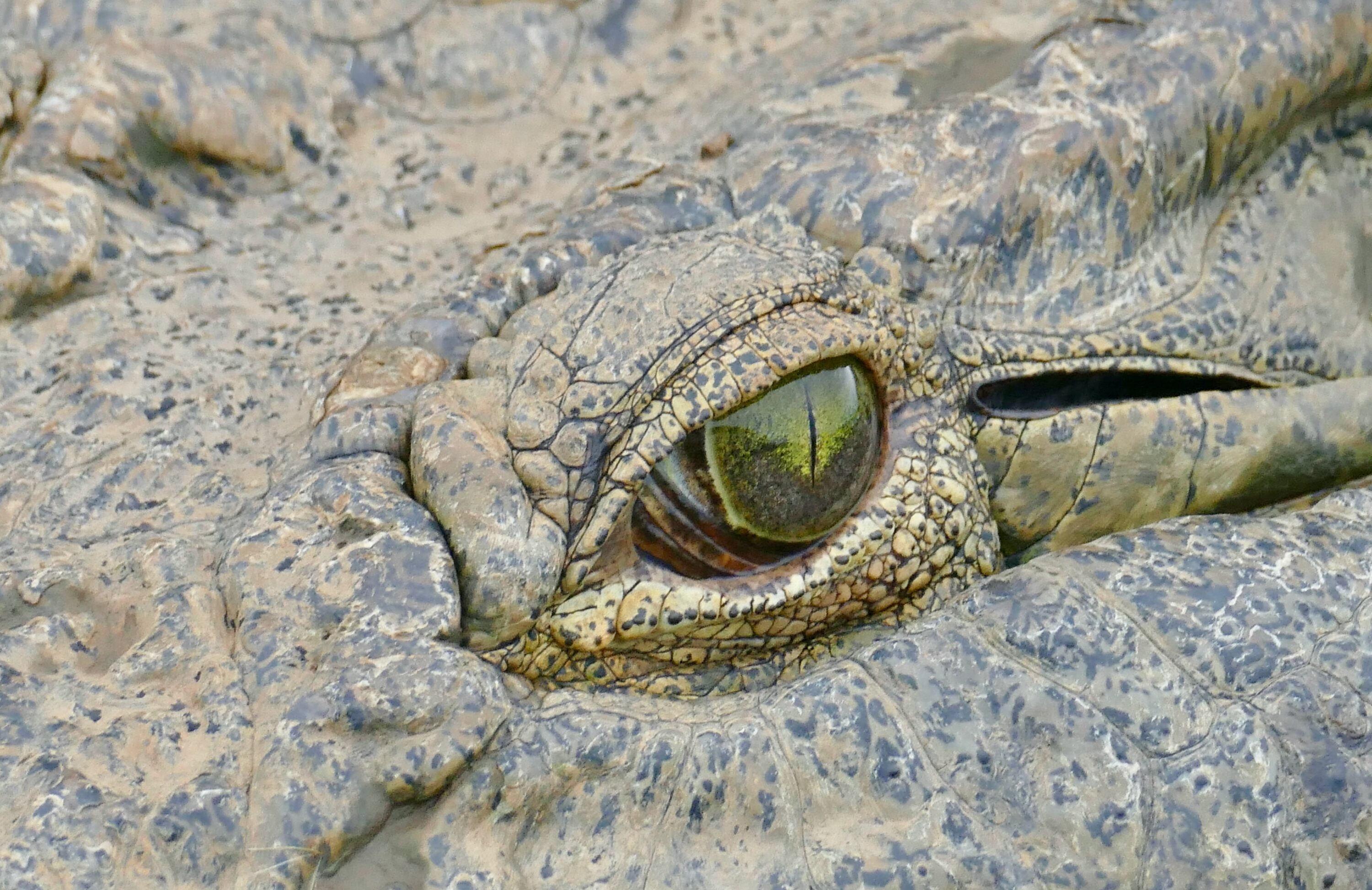
New reference genome reveals deep demographic history of the Nile crocodile
A 2026 study produced a reference-quality Nile crocodile genome and found a substantially larger long-term effective population than…
Read story →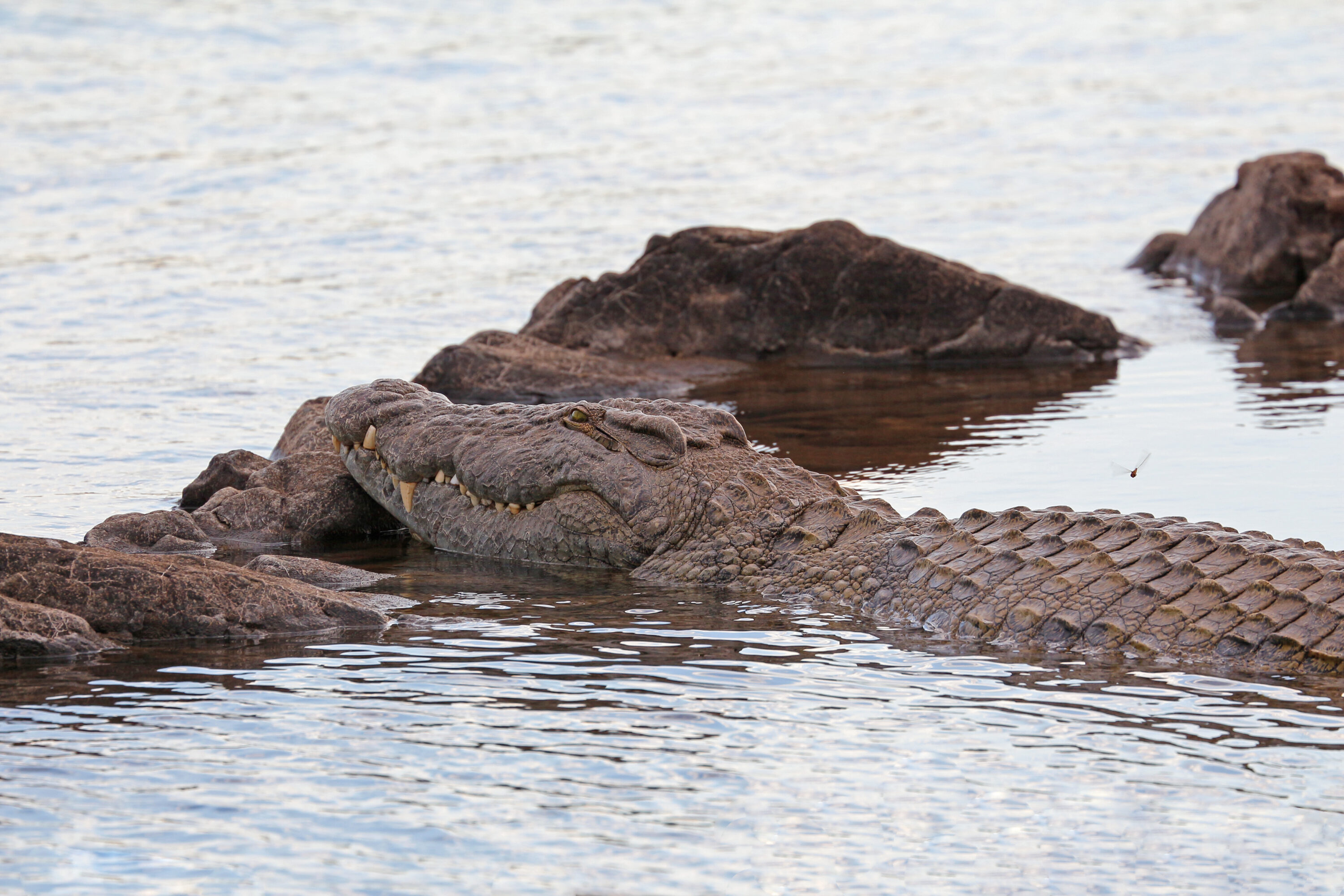
80% of 42 Interviewed Lake Nasser Fishermen Reported Crocodile Damage to Fishing Gear
Among 42 interviewed Lake Nasser fishermen, 80% reported crocodile damage to fishing gear, while 64% supported protecting Nile…
Read story →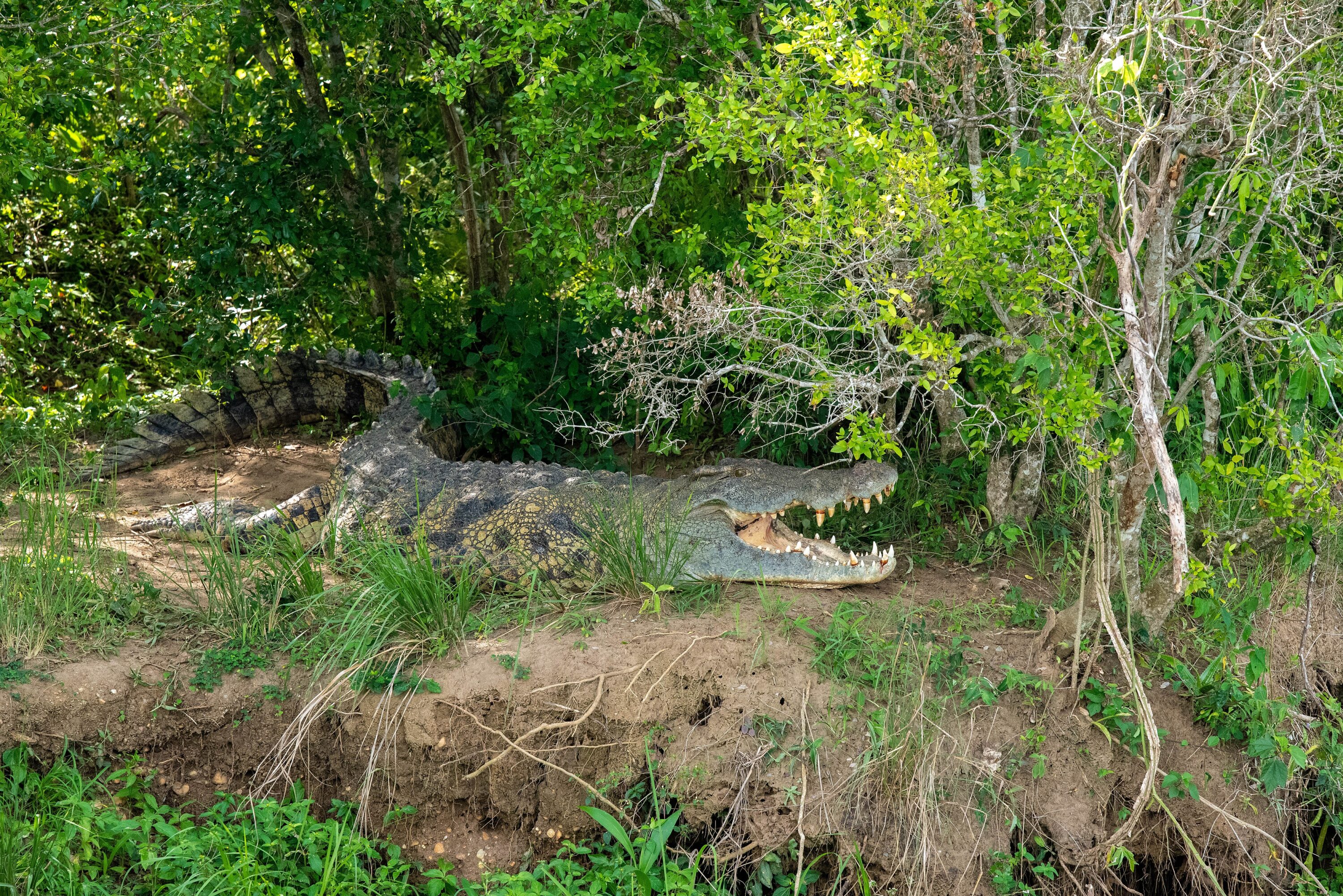
Uganda’s 2026 wildlife assessment highlights long-term Nile crocodile decline and local recovery
Uganda’s 2026 wildlife report says long-term Nile crocodile monitoring shows an overall decline since the 1960s but local…
Read story →SPECIES IN THIS STORY
Species in this story
Independent research and conservation news archive
Did you find this information useful?
Wildlife Vagabond is independently built and maintained. Voluntary support helps cover source verification, hosting and continued work on research and conservation news.
Support Wildlife VagabondThe news archive will remain freely available.