
Turkey vultures were the main scavengers at puma kills in California mountains
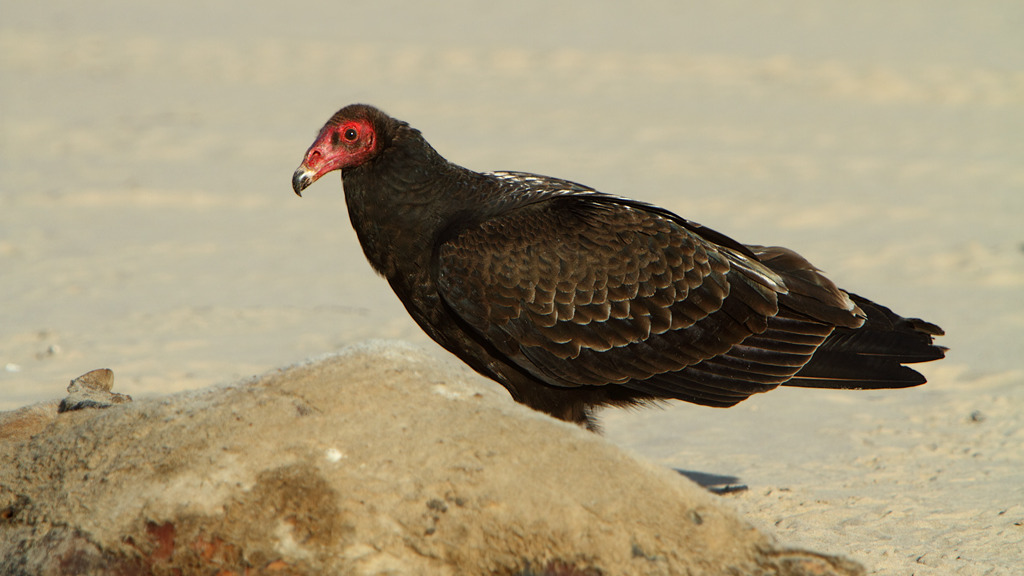
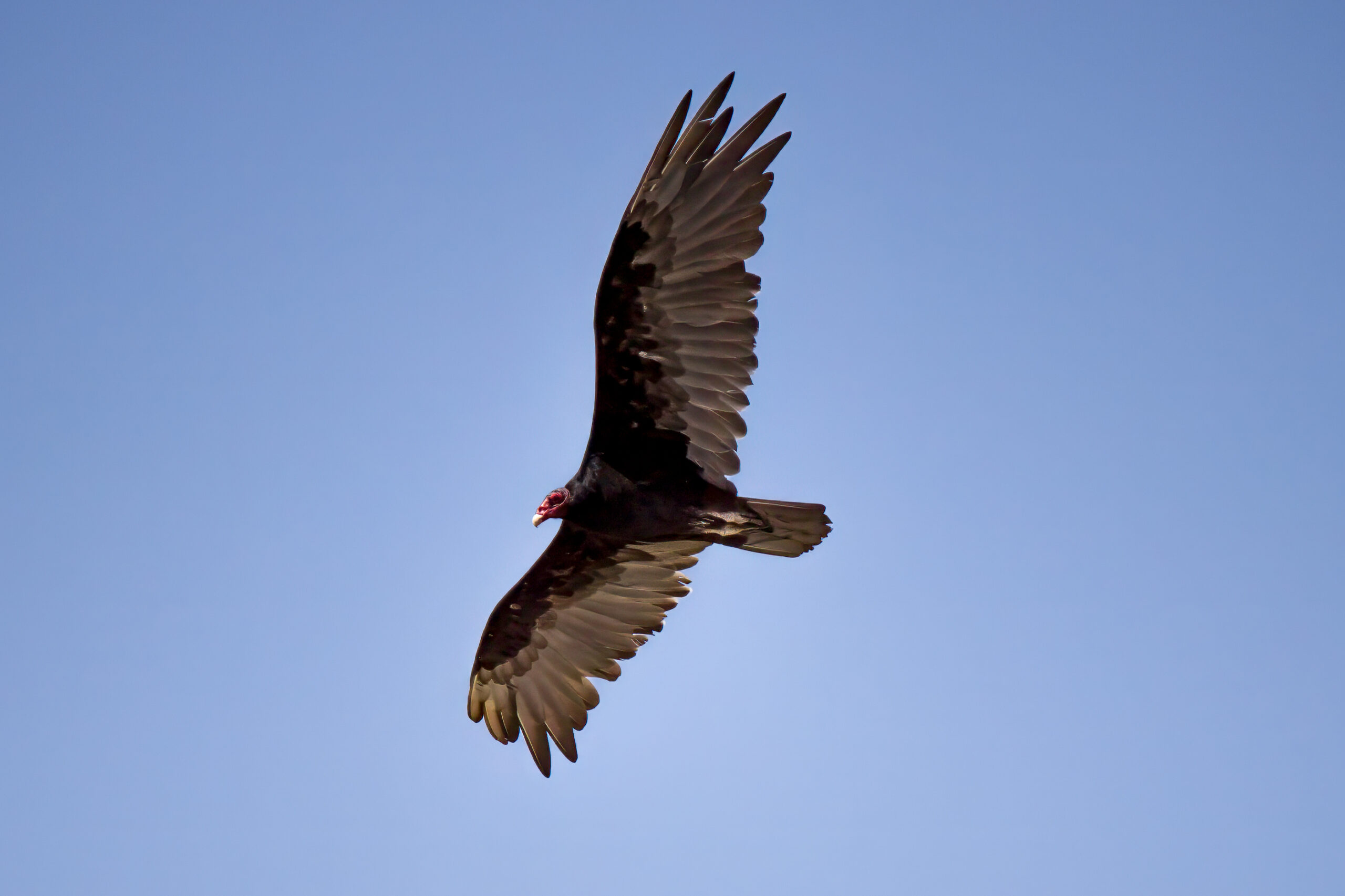
A camera-trap study of carcasses left by pumas (Puma concolor) in California, USA’s Santa Cruz Mountains found that turkey vultures (Cathartes aura) were the most widespread scavengers using the kills. The study monitored 50 ungulate carcasses killed by pumas between 2018 and 2024.
The researchers used several different measures of scavenging behaviour: how many kills each species visited, which scavenger was recorded first, how long an individual visit lasted, and the total time a species accumulated at each carcass. These measures describe different parts of carcass use and should not be treated as interchangeable.
Turkey vultures visited the most kills and were first most often
Turkey vultures visited 22 of the 50 monitored carcasses, more than any other scavenger species. They were also the first scavenger recorded at 14 kills, again the highest number in the community. This combination is what supports the study’s description of the turkey vulture as the main scavenger.
Being first most often across the 50 carcasses does not mean turkey vultures had the shortest average discovery time. Their average first detection was 5.55 days after a puma kill, slower than the average for Steller’s jay, red-tailed hawk and common raven. The difference arises because “first at the most carcasses” counts how many kills a species won the race to, while mean detection time averages the delay across the kills that species eventually visited.
They accumulated the most total time, but larger mammals stayed longer per visit
Turkey vultures spent the greatest average total time at carcasses, about 212.3 minutes per kill they used. An individual turkey-vulture visit lasted about 15.8 minutes on average.
Larger mammalian scavengers tended to have longer individual visits. The study therefore separates competitive residence time during one visit from cumulative use of a carcass across repeated visits. Turkey vultures were prominent because they repeatedly exploited many kills, not because every individual feeding bout was the longest.
Dry-season carcasses were found faster by turkey vultures
Turkey vultures were the only scavenger species whose carcass use showed a clear seasonal difference. They first detected kills after an average of about 3.4 days in the dry season, compared with about 7.4 days in the wet season, and they also accumulated more total time at carcasses during the dry season.
The study documents the seasonal pattern but does not establish a single cause for it. Factors such as carcass visibility, weather, decomposition and seasonal scavenger behaviour could all influence how quickly carrion is detected and exploited.
Pumas supplied a food resource to an entire scavenger community
The cameras recorded 14 scavenger species, including coyotes, bobcats, gray foxes, corvids and pumas scavenging kills made by other pumas. In this way, puma predation transferred food to a broader scavenger assemblage after the predator had made the kill.
The authors suggest that turkey vultures may also act as visible cues of carrion availability to other scavengers because of their frequent early arrival and repeated use of kills. The study did not experimentally test whether other scavengers actually followed vultures, so this remains an ecological interpretation rather than a demonstrated information pathway.
Ecology
Related news
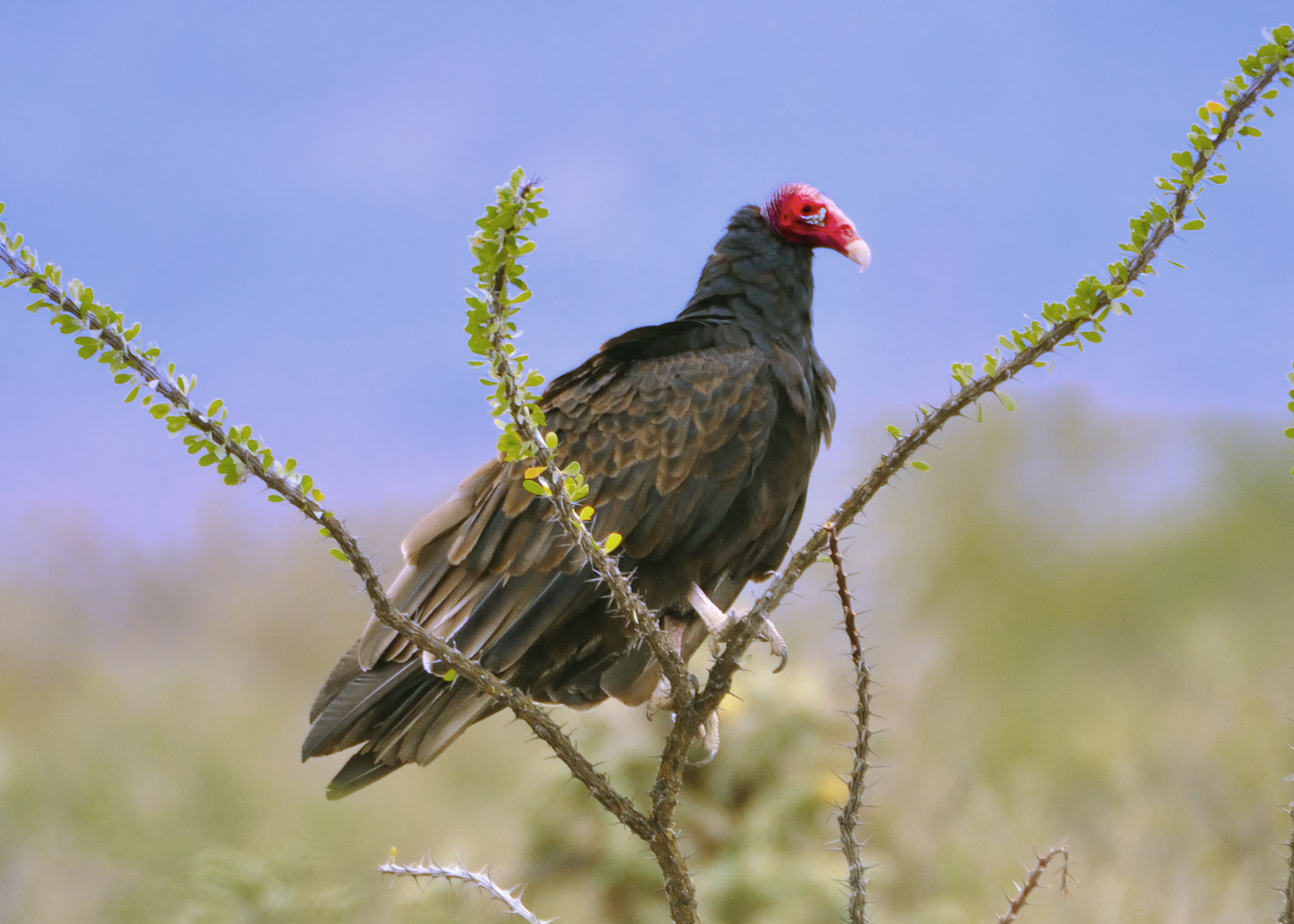
Turkey and Black Vultures Were Found Up to 3,000 Metres in Chiapas but Were Most Common in the Lowlands
A 2026 study from Chiapas found turkey and black vultures across all three surveyed elevation bands up to…
Read story →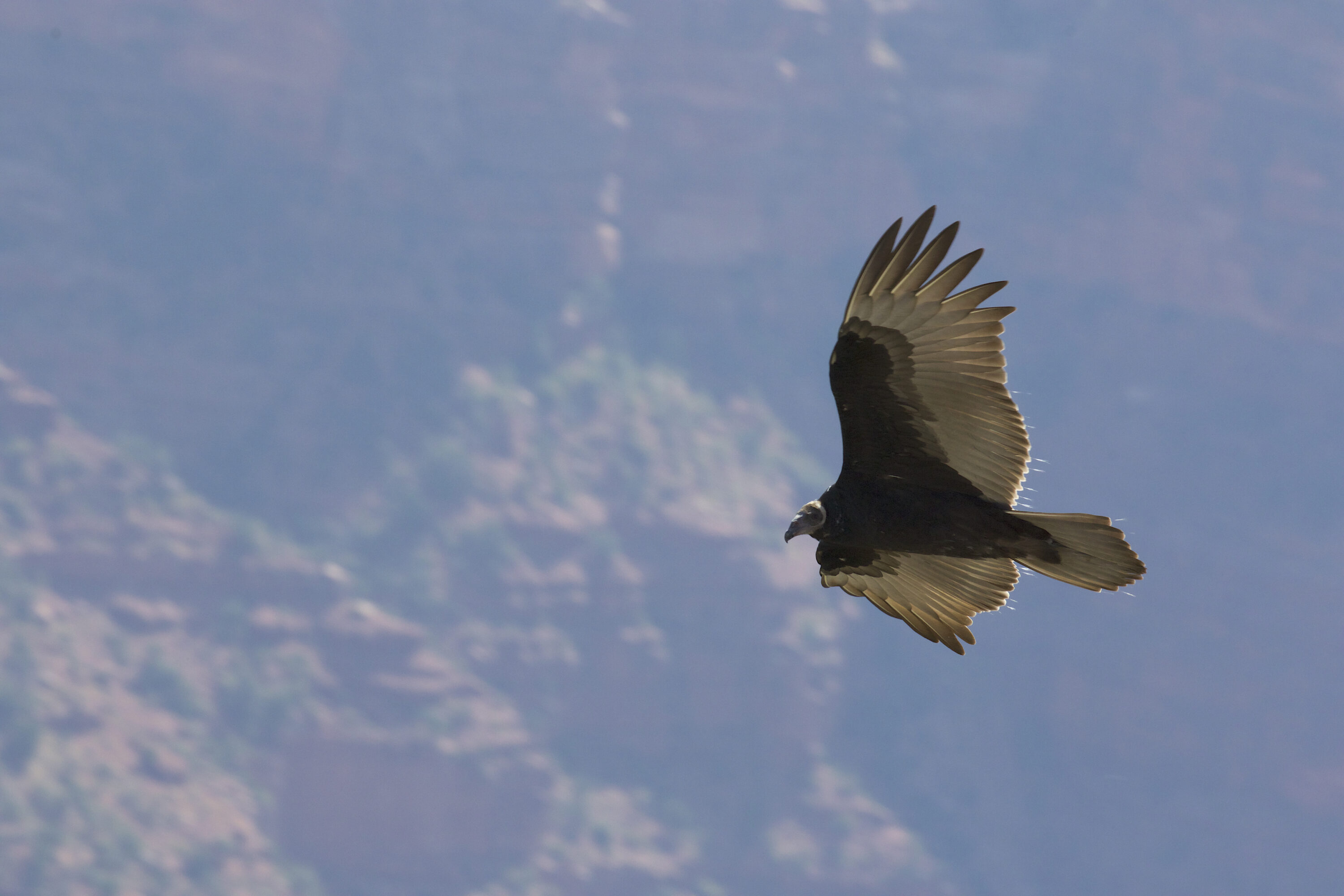
Remote Camera Provided First Direct Video Documentation of a Coyote Taking a Turkey Vulture Nestling
A remote camera in Armstrong County, Texas, recorded a coyote carrying one turkey vulture nestling from a nest…
Read story →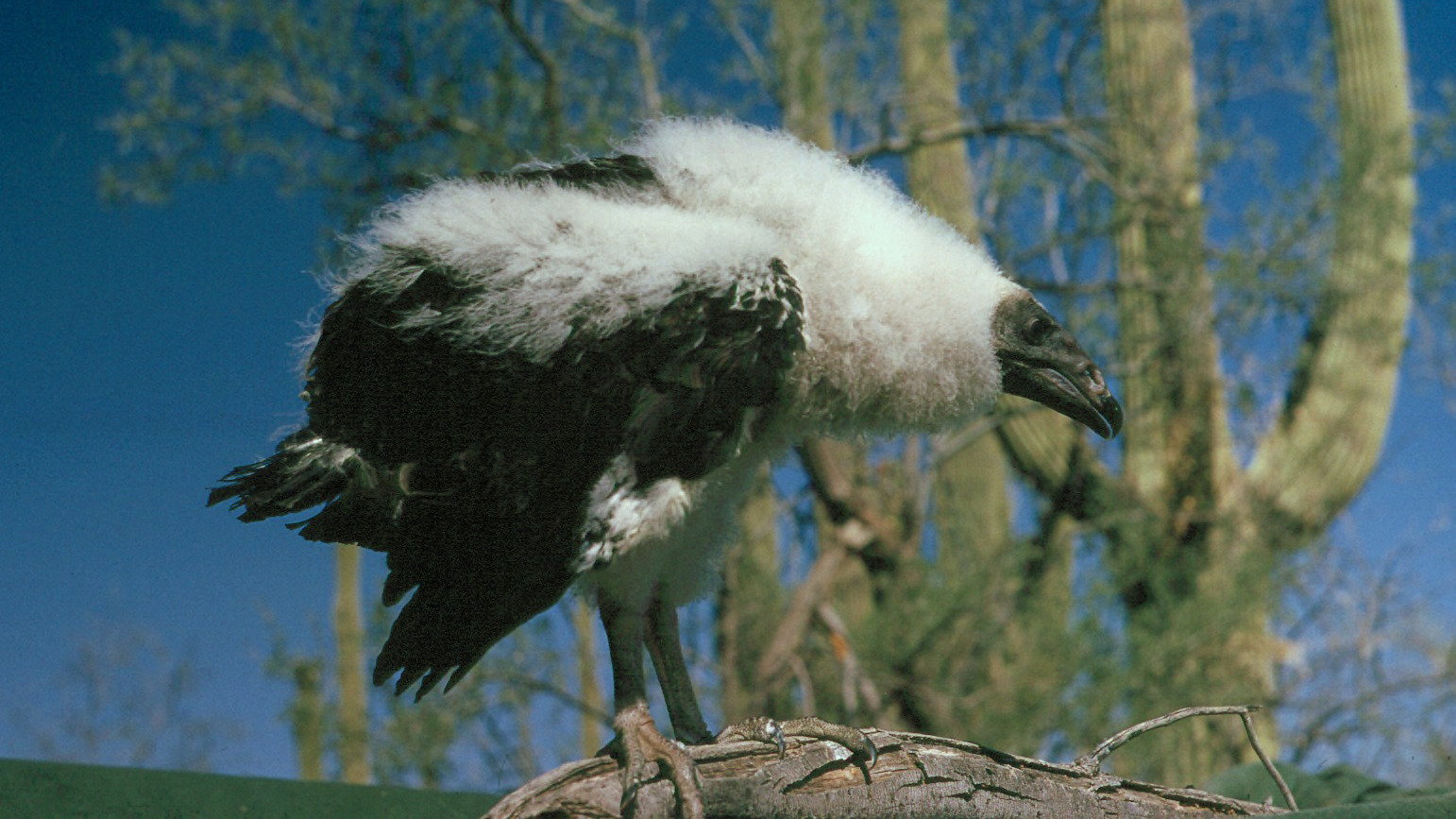
Fourteen years of nesting data show how spring weather shapes turkey vulture breeding in Saskatchewan
A 2026 study of 833 turkey vulture nesting attempts over 14 summers in Saskatchewan found later breeding at…
Read story →SPECIES IN THIS STORY
Species in this story
Independent research and conservation news archive
Did you find this information useful?
Wildlife Vagabond is independently built and maintained. Voluntary support helps cover source verification, hosting and continued work on research and conservation news.
Support Wildlife VagabondThe news archive will remain freely available.