
Acoustic Activity Index Tracked Svalbard Rock Ptarmigan Changes Alongside Manual Surveys
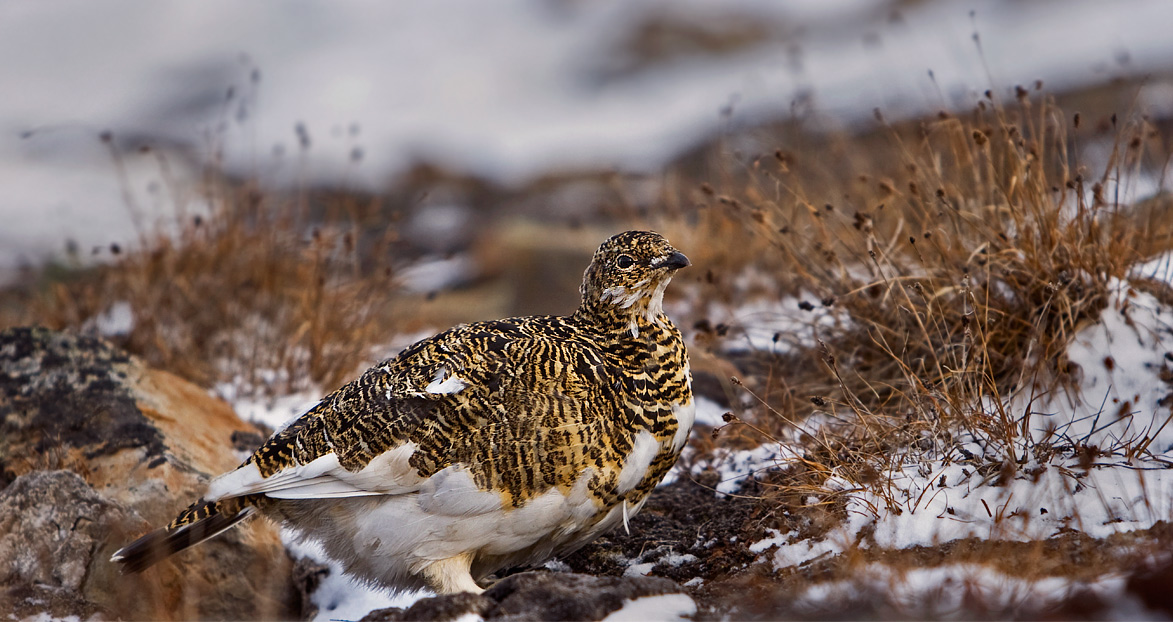
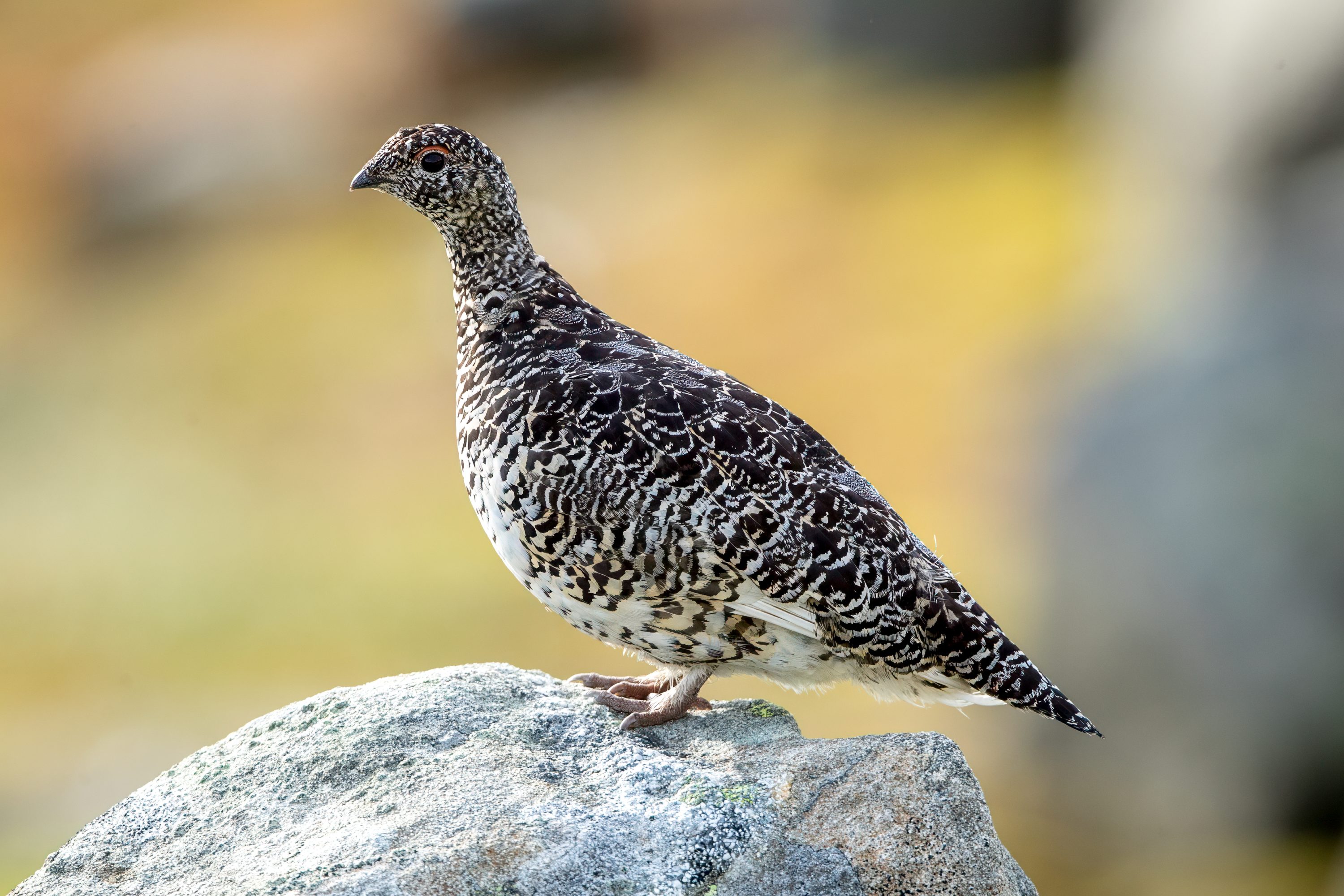
Passive sound recordings can track year-to-year and geographic variation in Svalbard rock ptarmigan (Lagopus muta hyperborea) in a way that closely matches conventional field surveys, according to a NINA report published in May 2026. The method was tested as a less field-intensive supplement to the long-running manual monitoring programme on Svalbard.
The index measured male calling activity, not individual birds
Autonomous recorders have been deployed annually since 2017 in four valleys on Svalbard and at two locations in Finnmark. On Svalbard, the units were placed in areas already covered by conventional monitoring and recorded ten minutes of sound every hour during the early breeding season. An automated algorithm then identified the characteristic calls of territorial males.
The researchers built an activity index from male calling during the ten most active days in April. A higher index means more calling activity was detected in the recordings; it does not directly mean that a known number of individual males was present, because the same bird can call repeatedly.
The index followed manual surveys but is not yet a replacement
When compared with population estimates from traditional field surveys, the acoustic index showed strong agreement and captured both year-to-year changes and differences among valleys. The result supports acoustic monitoring as a promising way to follow relative population variation while reducing the amount of fieldwork required during difficult spring conditions.
The researchers nevertheless stress that the method still needs development before it can fully replace manual monitoring on Svalbard. Priorities include optimizing recorder placement and developing algorithms that can distinguish individual birds, which would help convert calling activity into more direct information about numbers of males.
NINA also sees the Svalbard results as a possible route towards systematic rock ptarmigan monitoring on mainland Norway, where there is currently no equivalent national programme. That application remains a future possibility rather than something validated by this Svalbard analysis.
Other research
Related news
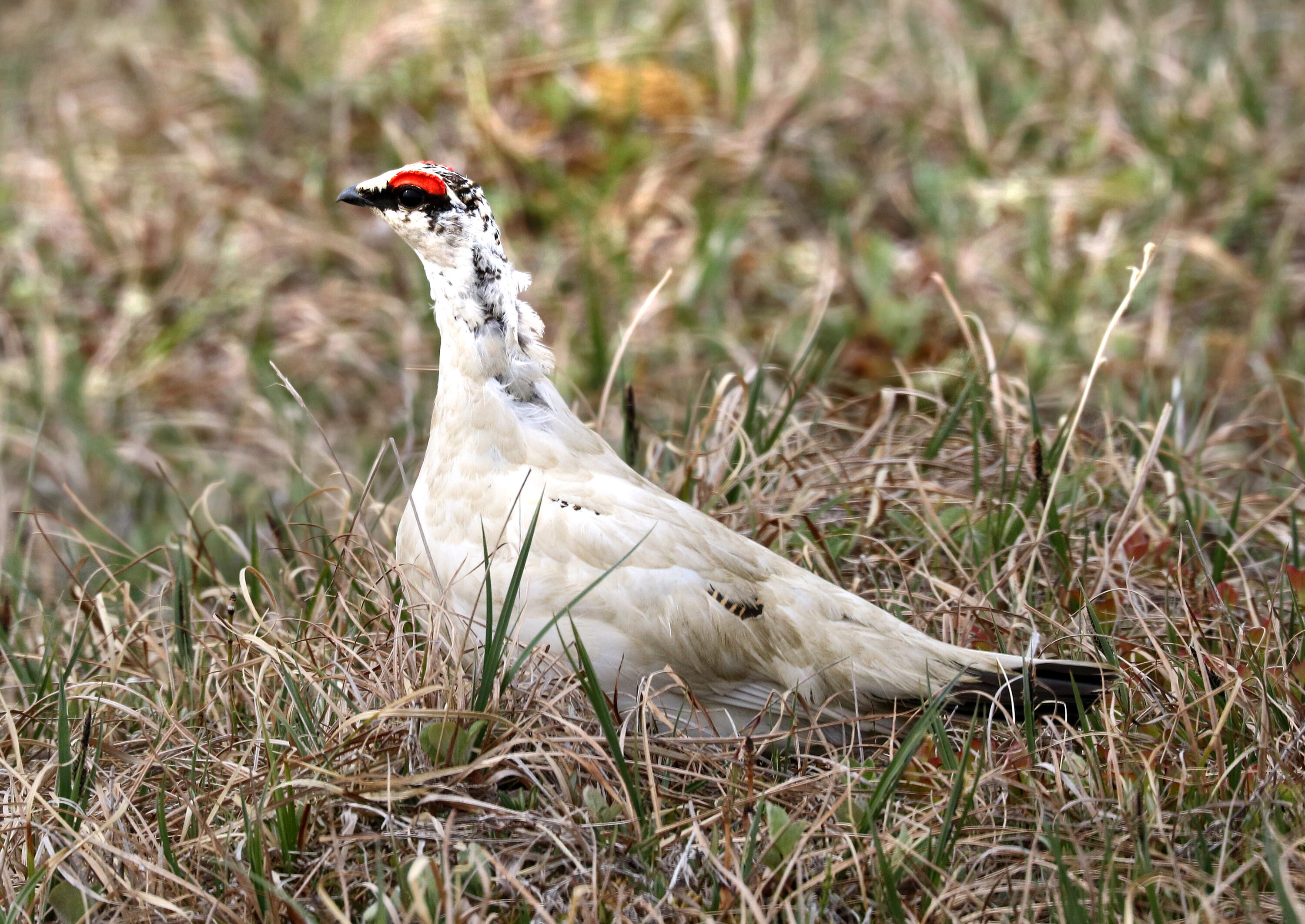
Record Ptarmigan Numbers and a Good Breeding Year for Alaska’s Gyrfalcons
Surveys on Alaska’s Seward Peninsula recorded the highest ptarmigan numbers in eleven years of monitoring. Gyrfalcons also had…
Read story →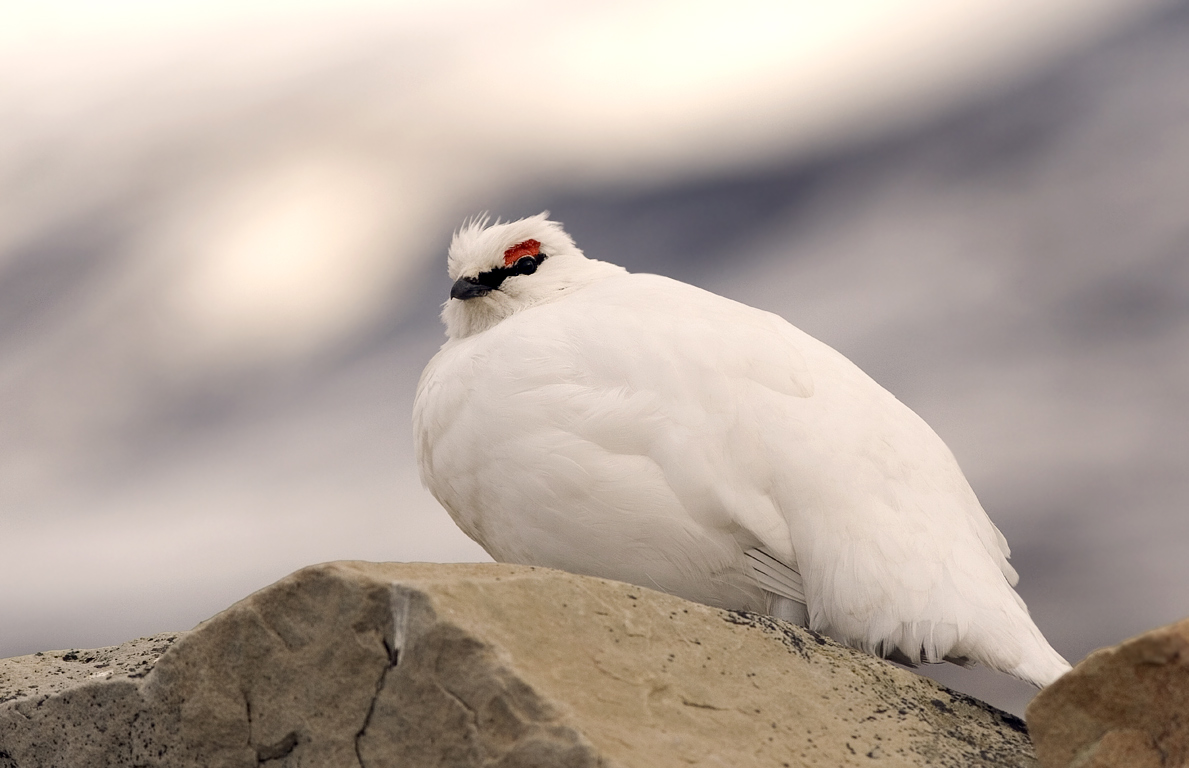
Svalbard Ptarmigan and Golden Hamsters Shared a TSH Pathway for Seasonal Timing
A comparison of neuroendocrine tissue in summer- and winter-like states found the same core TSH seasonal-timing pathway in…
Read story →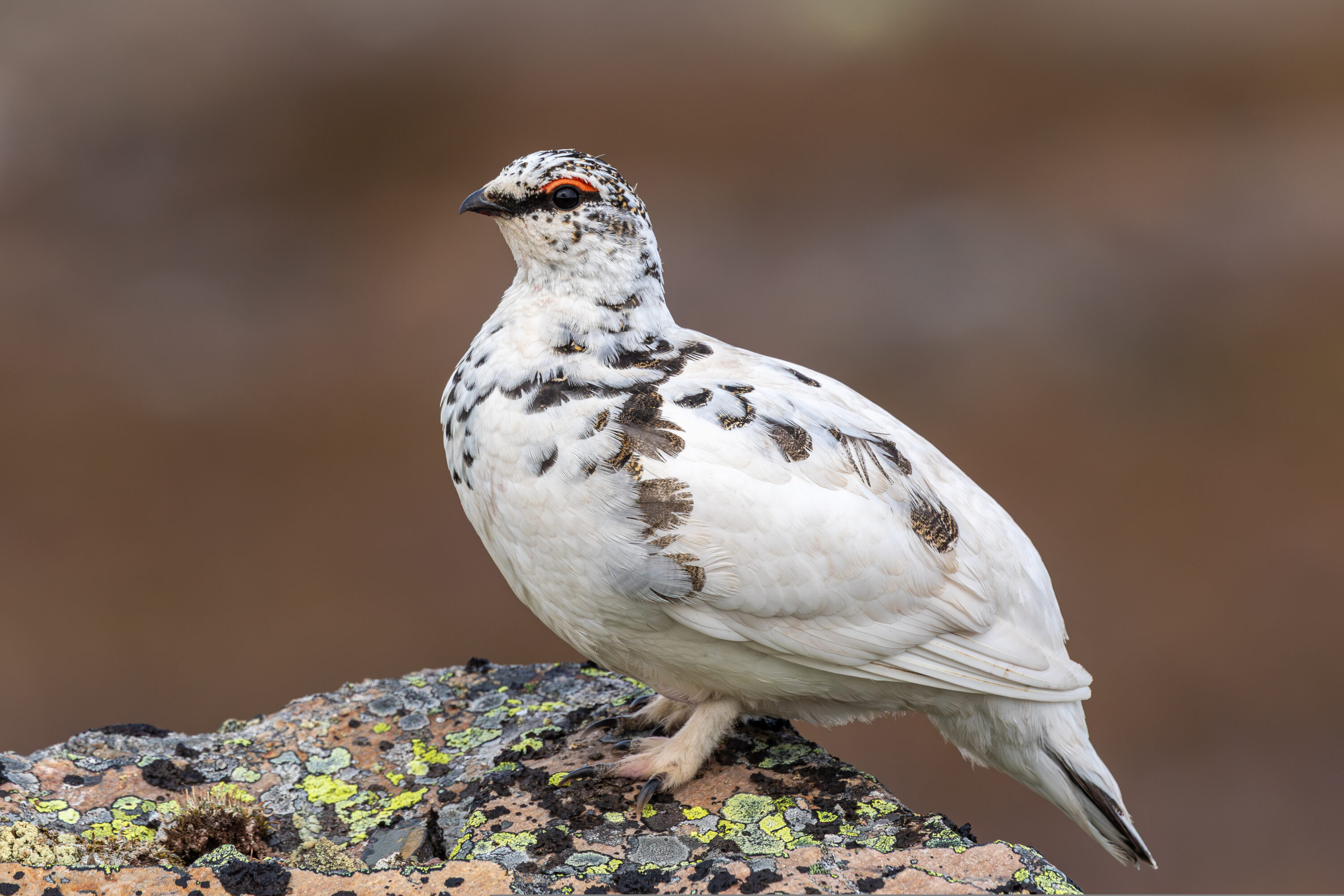
Dry Weather and Snow-Covered Ground Improved Genetic Monitoring From Rock Ptarmigan Droppings
Only 103 of 338 spring fecal samples yielded usable genotypes, but a 2026 study identified field and laboratory…
Read story →SPECIES IN THIS STORY
Species in this story
Independent research and conservation news archive
Did you find this information useful?
Wildlife Vagabond is independently built and maintained. Voluntary support helps cover source verification, hosting and continued work on research and conservation news.
Support Wildlife VagabondThe news archive will remain freely available.