
Freshwater and Rice Fields Linked to Spirometra Infection in Hokkaido Foxes
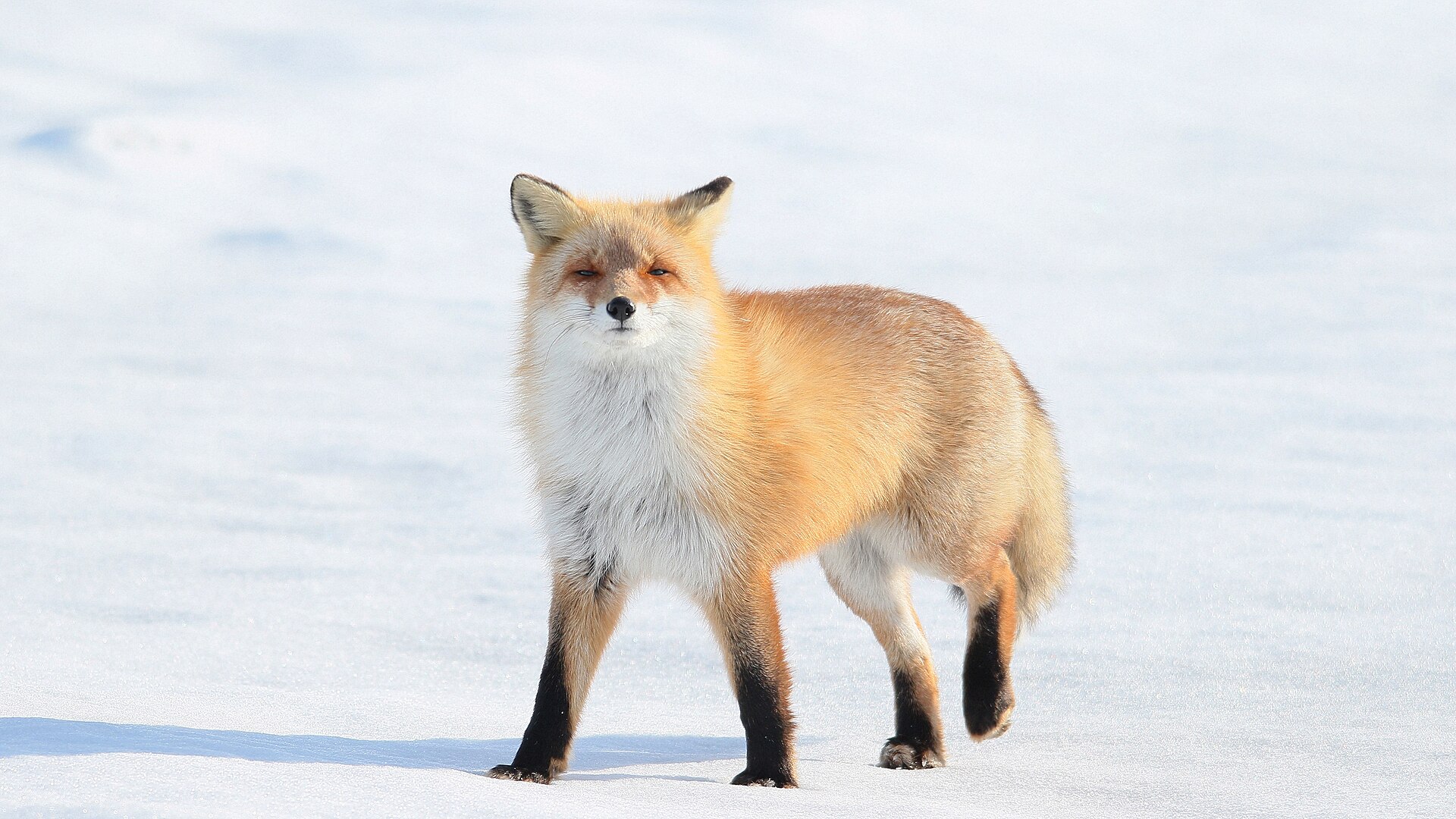
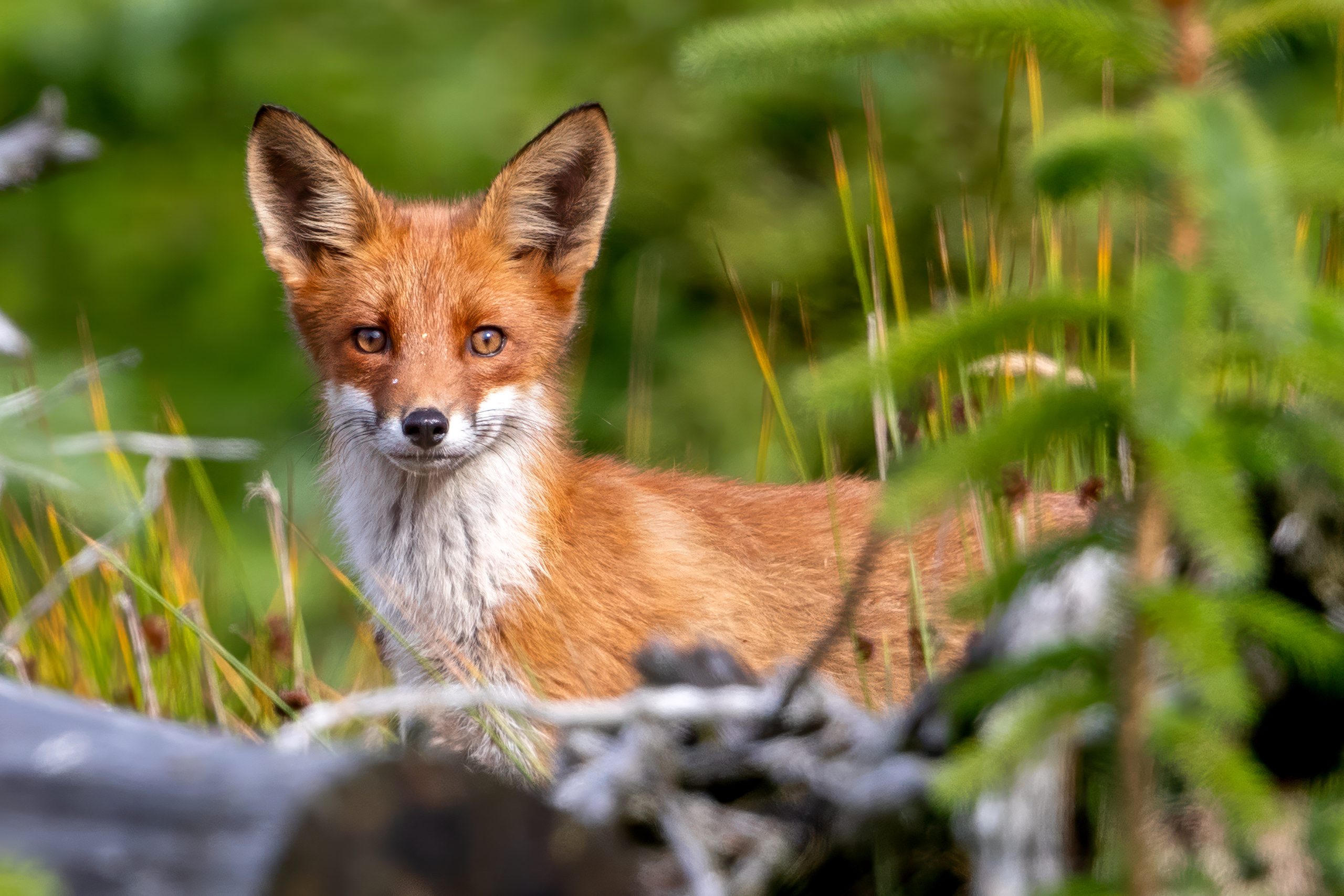
The tapeworm Spirometra mansoni, a parasite that can also infect people, was found in 6.4% of 251 red foxes (Vulpes vulpes) surveyed across Hokkaido. The foxes belonged to the Hokkaido subspecies V. v. schrencki, and infections were unevenly distributed across the island.
Researchers compared the foxes’ infection status with land use and climate around the places where they were collected. Infection was associated with a land-use gradient marked by greater coverage of freshwater and rice paddies and less coverage of other open land. The climate factors examined showed no significant effects.
Red foxes are the parasite’s definitive host, where it reaches its adult stage. Its life cycle may also involve intermediate hosts, including aquatic animals such as frogs and copepods. Copepods are small crustaceans common in freshwater. The researchers suggest that land use could shape transmission by affecting the abundance of these hosts, but the survey did not establish that land use caused infection or confirm this proposed pathway. It identifies a landscape pattern associated with infection in Hokkaido foxes.
Ecology
Related news
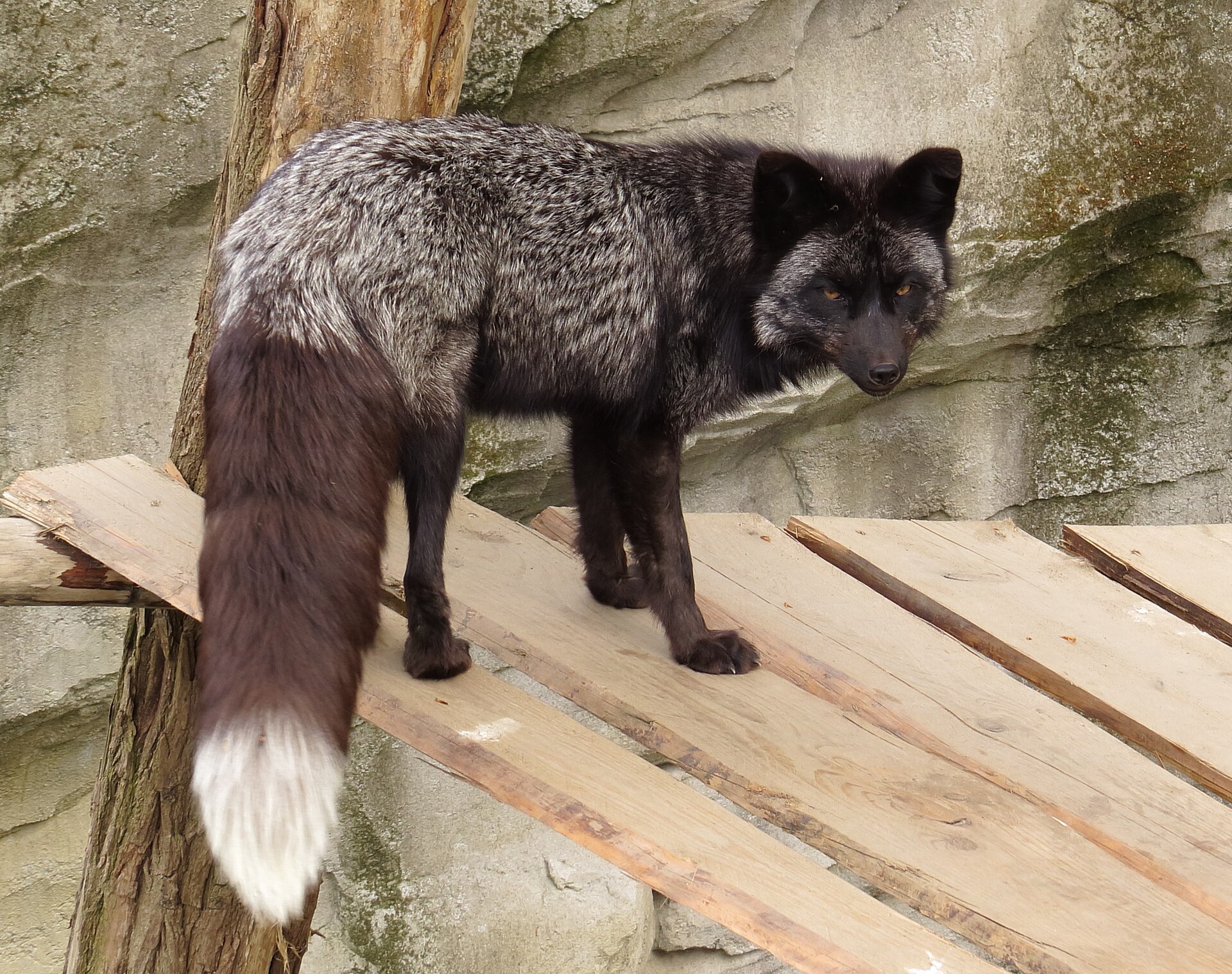
Foxes bred for tameness had fewer estrogen-receptor neurons in a hypothalamic region
A study of silver foxes in Russia found fewer estrogen-receptor-expressing neurons in one hypothalamic subdivision in foxes bred…
Read story →
Rodents Were the Most Frequent Food Remains in Red Fox Scats from Kashmir
An autumn survey of 33 red fox scats from Limber Wildlife Sanctuary found rodent traces more often than…
Read story →
Canine distemper virus found in foxes and badgers in northern Italy
Researchers detected canine distemper virus in six red foxes and six European badgers among 43 wild carnivores examined…
Read story →SPECIES IN THIS STORY
Species in this story
Independent research and conservation news archive
Did you find this information useful?
Wildlife Vagabond is independently built and maintained. Voluntary support helps cover source verification, hosting and continued work on research and conservation news.
Support Wildlife VagabondThe news archive will remain freely available.