
Fecal DNA Methylation Estimated Amur Tiger Age With a Mean Error of About 7.4 Months
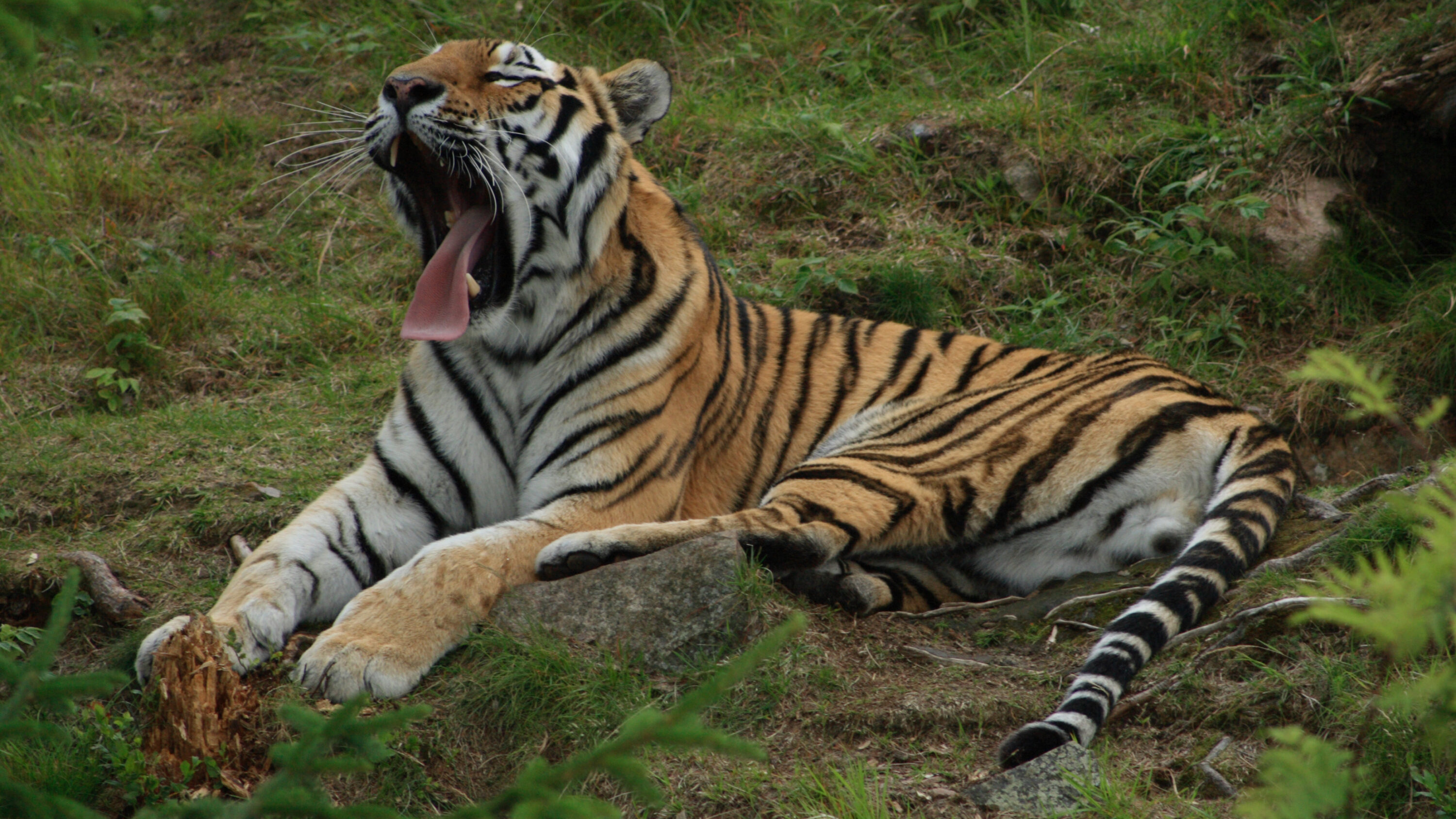
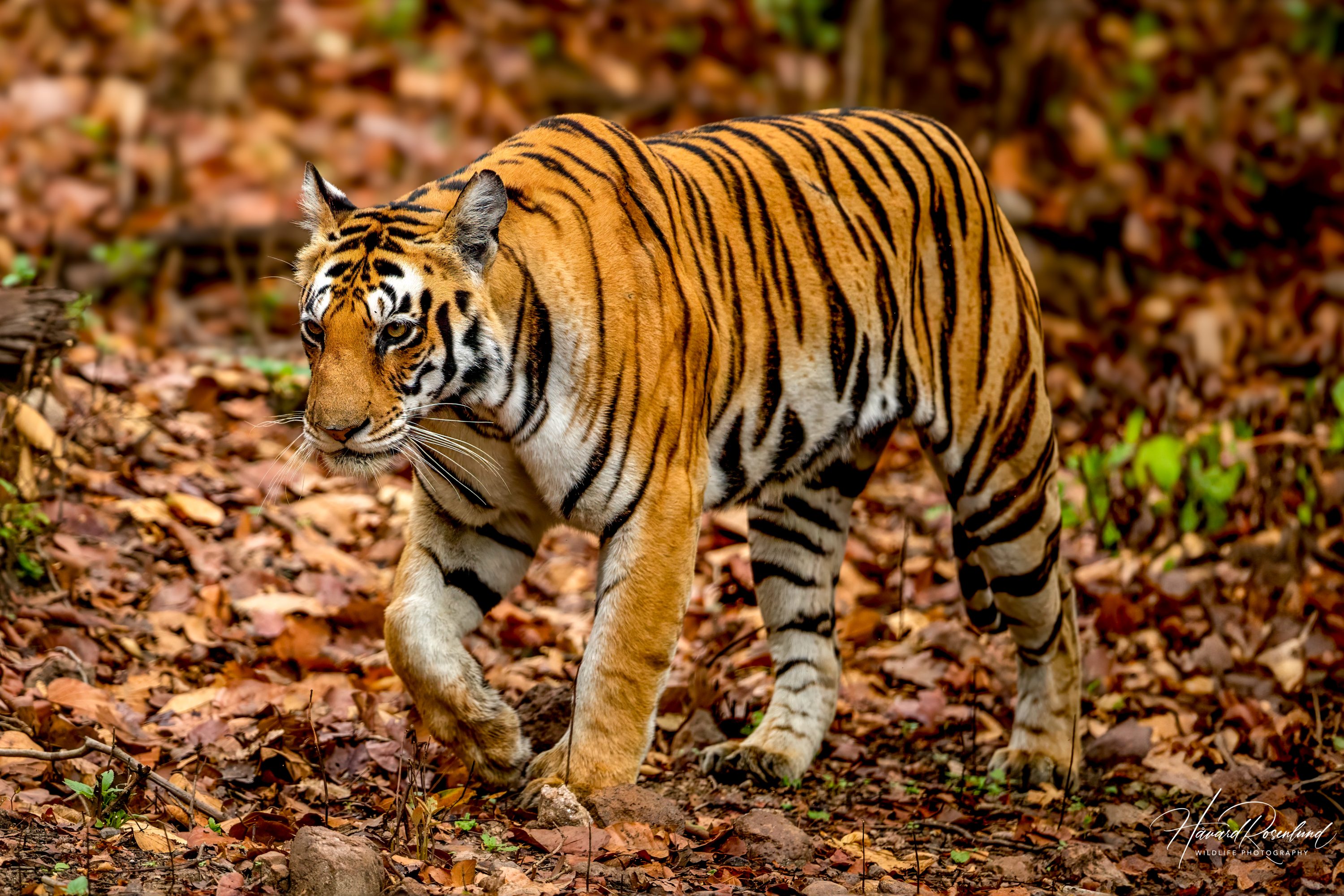
Researchers have developed a non-invasive method for estimating the age of Amur tigers (Panthera tigris altaica) from DNA methylation in feces. The study, first available online on 4 June 2026 in Global Ecology and Conservation, tested whether age-related epigenetic patterns could be recovered from fecal nuclear DNA.
DNA methylation is a chemical modification of DNA that can change in predictable ways with age. Such patterns can be used to build an epigenetic clock: a statistical model that estimates an individual’s chronological age from its methylation profile. Most wildlife applications have relied on blood or tissue, whereas feces can be collected without capturing or handling the animal.
Age signals could be recovered from shed intestinal cells
The researchers analysed 40 fecal samples from captive Amur tigers whose ages were known. Thirty-three samples passed the study’s quality requirements for whole-genome bisulfite sequencing, which maps DNA methylation across the genome. Much of the nuclear DNA in feces comes from intestinal epithelial cells shed into the digestive tract.
The analysis identified 512 methylation sites associated with age. The team compared three machine-learning approaches using both methylation levels and variation in methylation among DNA molecules.
Test estimates were off by about 7.4 months on average
The best-performing model had a mean absolute error of 7.37 months in the test data — in other words, its age estimates were on average about 7.4 months away from the tigers’ known ages. Predicted ages closely tracked known ages, and the authors report that the accuracy was higher than in previously published fecal- or tissue-based epigenetic age models for mammals.
The researchers also proposed a framework for translating ages from captive tigers to approximate equivalent ages in wild animals, with the aim of making the method useful for population studies. Reliable information about age structure can help researchers understand recruitment, survival and population change without relying only on animals that can be captured or observed repeatedly.
The authors describe the work as preliminary and exploratory. They explicitly note the small sample size and limited validation strategy as current constraints, and further validation will be needed before the approach can be applied broadly to free-ranging Amur tigers.
Genetics & genomics
Related news
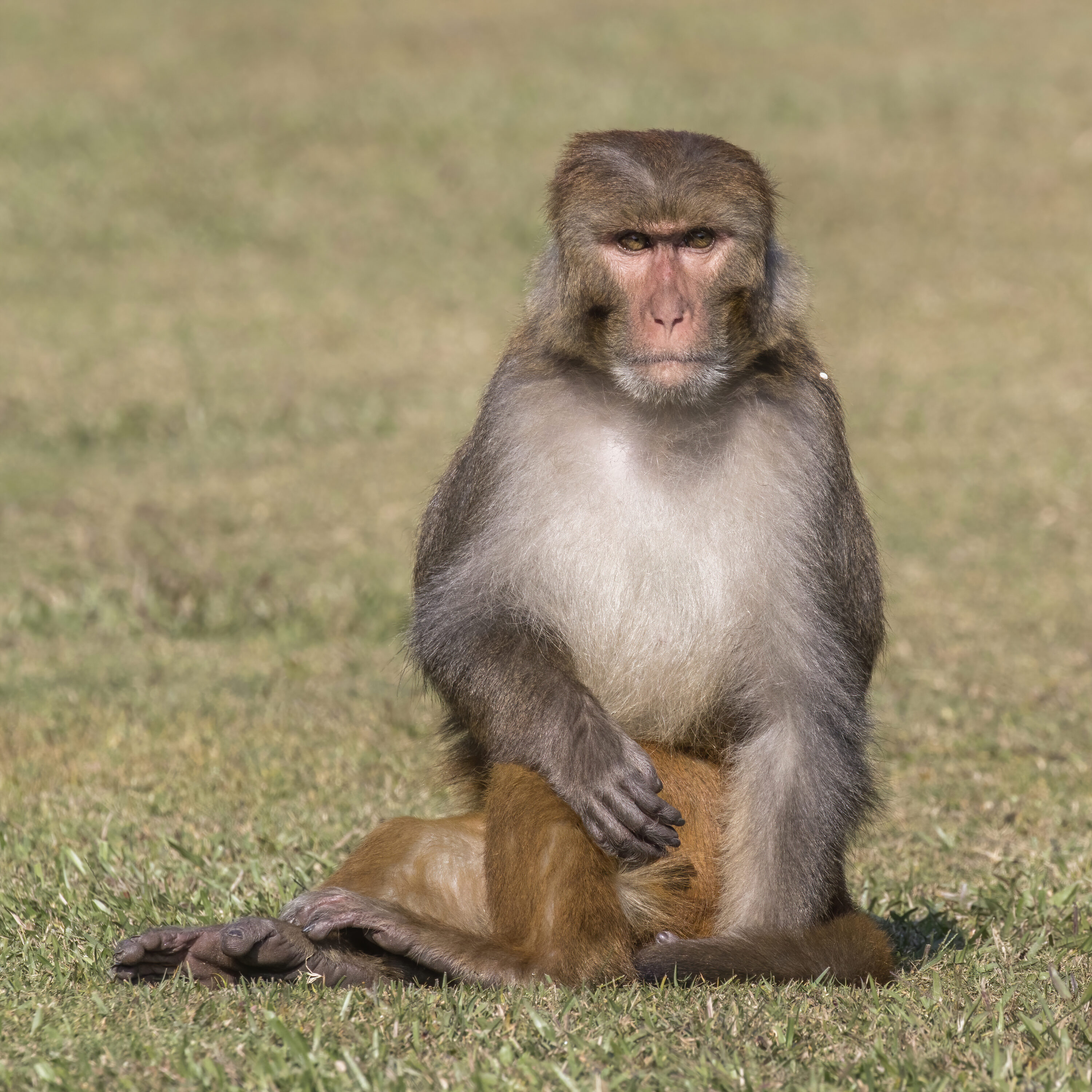
mFISH Mapped 16 of 22 Rhesus Macaque Chromosome Types to a Single Human Chromosome
Human chromosome-painting probes showed one-to-one homology for 16 of 22 rhesus macaque chromosome types, while three macaque chromosomes…
Read story →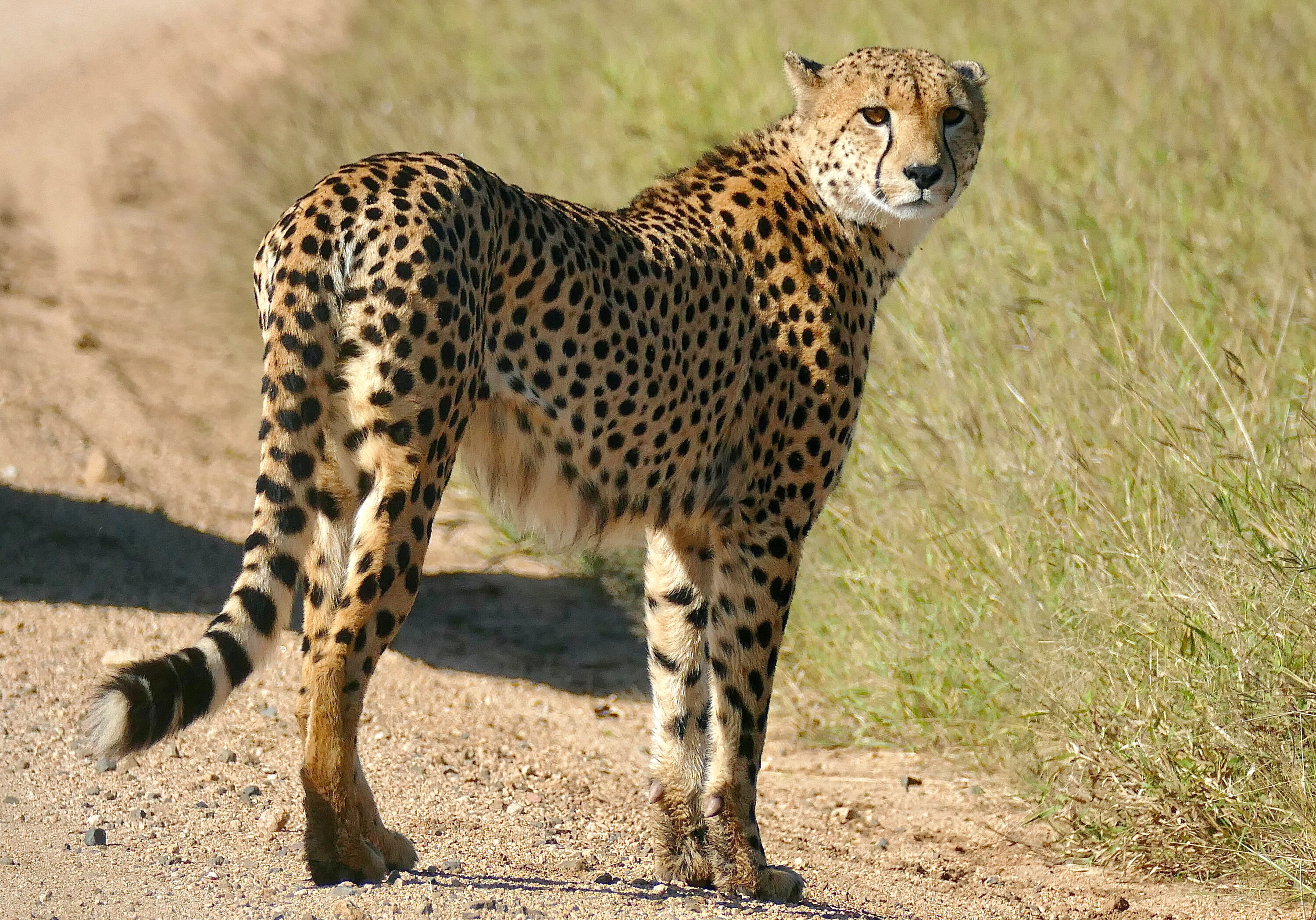
DNA Methylation Shifted as Namibian Male Cheetahs Became Territorial
Paired blood samples from ten free-ranging Namibian males revealed widespread, predominantly increased DNA methylation after the same cheetahs…
Read story →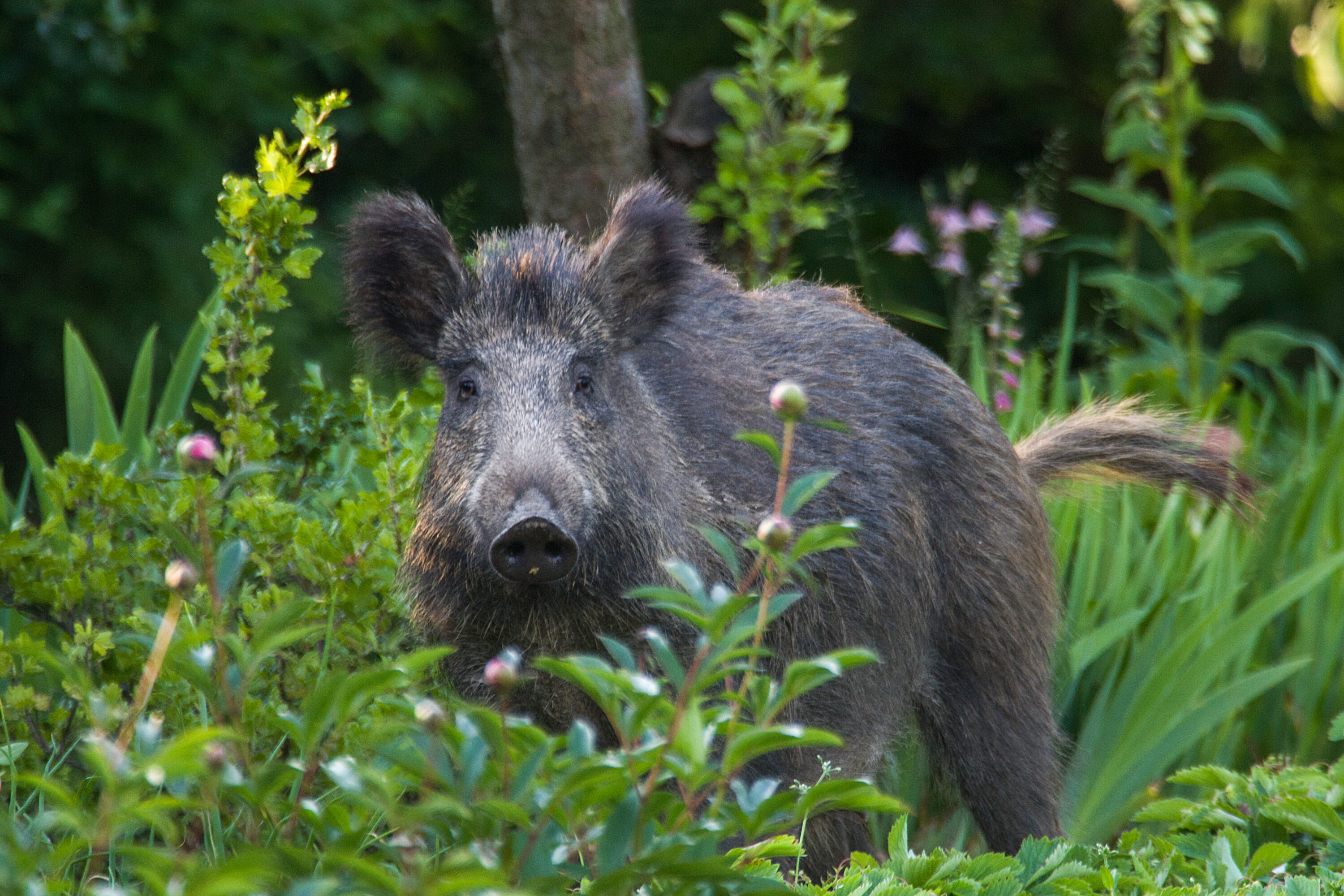
Zoonotic Sarcocystis Found in 3.3% of Polish Wild Boar Hunted for Food
Molecular testing of 241 wild boar from all 16 Polish provinces found Sarcocystis miescheriana DNA in 90% and…
Read story →SPECIES IN THIS STORY
Species in this story
Independent research and conservation news archive
Did you find this information useful?
Wildlife Vagabond is independently built and maintained. Voluntary support helps cover source verification, hosting and continued work on research and conservation news.
Support Wildlife VagabondThe news archive will remain freely available.