
DNA Methylation Shifted as Namibian Male Cheetahs Became Territorial
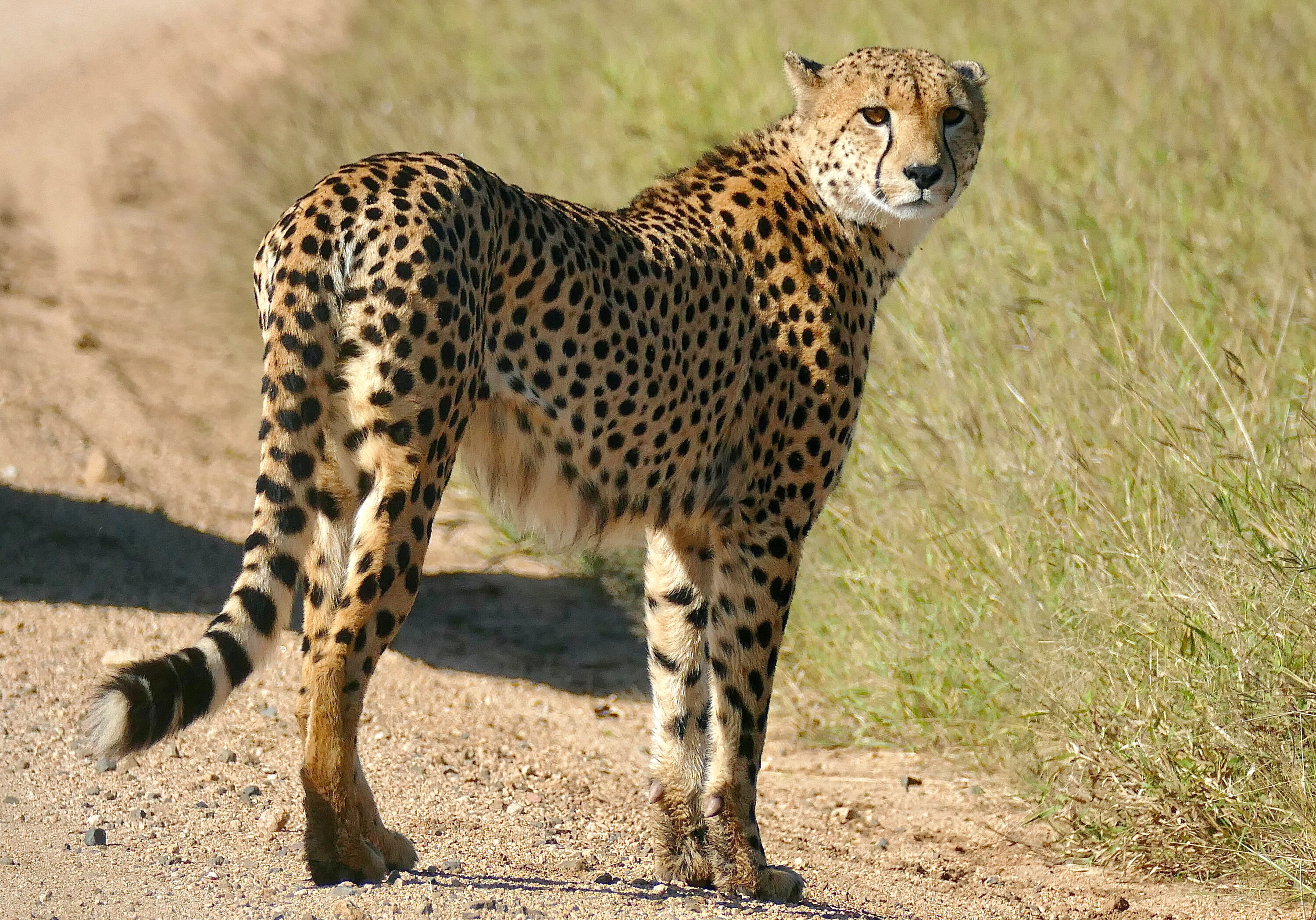
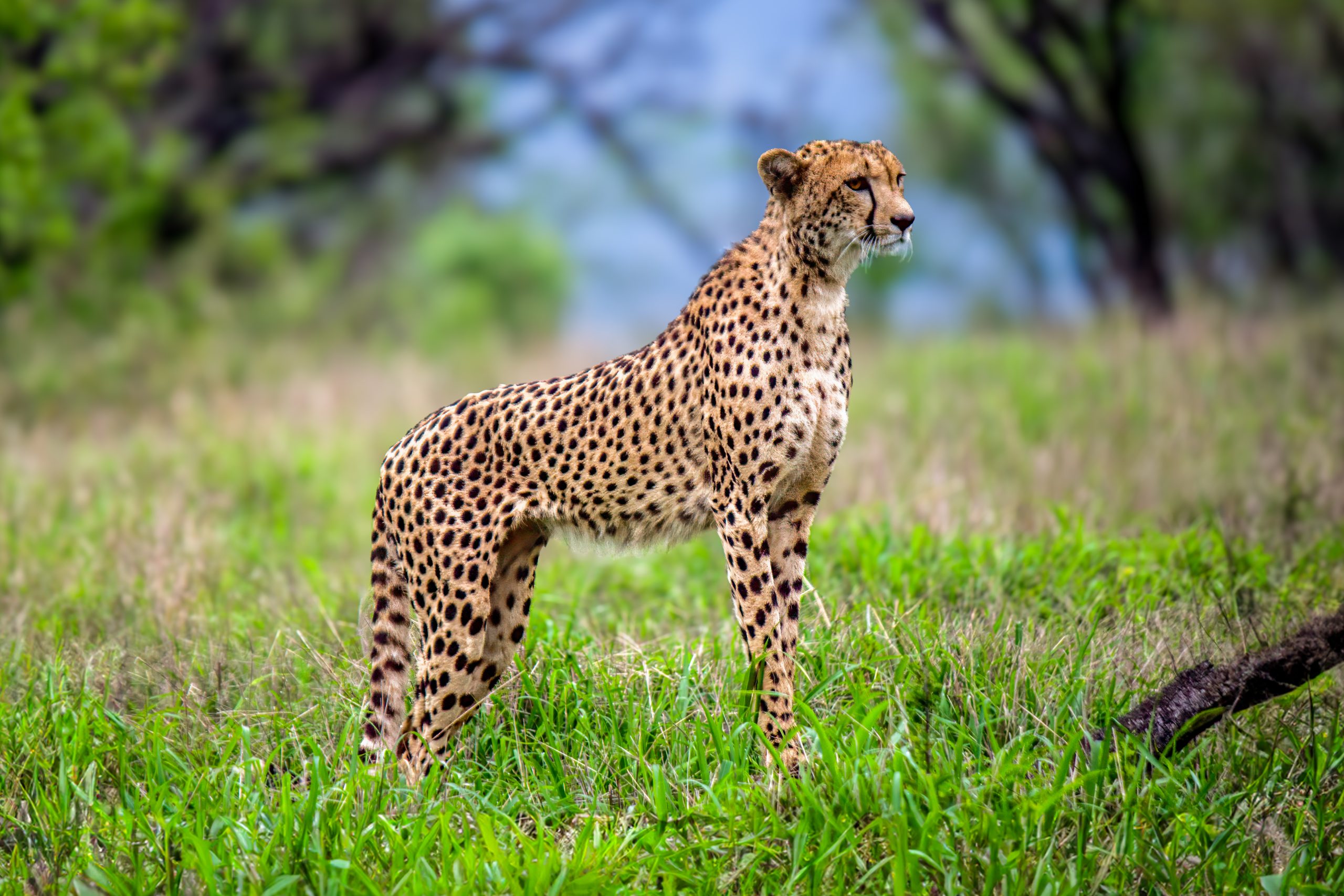
DNA methylation changed extensively when free-ranging male cheetahs (Acinonyx jubatus jubatus) in Namibia shifted from wide-ranging non-territorial “floaters” to territory holders. Researchers sampled the same ten adult males twice — first as floaters and later after they had become territorial. DNA methylation is an epigenetic modification that can influence gene regulation without changing the underlying DNA sequence.
Widespread methylation changes within the same males
The paired design allowed the researchers to compare each male with himself, separating the tactic shift from fixed genetic differences among animals. Using MBD-seq, which enriches methylated DNA fragments before sequencing to compare methylation patterns across the genome, they found widespread changes with a predominance of hypermethylation, or increased methylation, in territorial males.
Differentially methylated regions (DMRs) overlapped genes associated with anatomical and head development, brain and neurodevelopment, cAMP biosynthesis — part of intracellular signalling — and ion-channel transport. Several individual genes illustrate the biological links the authors discuss. MYO18B is involved in muscle-specific gene regulation and actin organisation, PLXNA1 in neuronal guidance and skeletal development, and PTPRS in brain development and regulation of neurotrophic signalling. These overlaps make the genes plausible candidates for processes accompanying territoriality, but do not show that methylation of these genes caused the phenotypic changes.
The molecular pattern matched a major phenotypic transition
The molecular patterns corresponded to the striking phenotypic transition already known in male cheetahs. After acquiring territories, males gain muscle mass and larger heads, become more aggressive and bold, and reduce their movements from large roaming ranges to much smaller territories centred on marking trees.
The methylation was measured in peripheral blood mononuclear cells (PBMCs), however. DMRs linked to brain-, muscle- or head-development genes therefore do not mean that the same methylation changes were demonstrated in brain, muscle or cranial tissue. MBD-seq also measures methylation patterns rather than gene expression itself, so the study identifies an epigenetic signature associated with the transition rather than demonstrating which genes were turned up or down in the relevant tissues.
Association does not establish cause and effect
The study cannot show that DNA methylation caused territoriality. The researchers accounted for age, and age-associated methylation did not reproduce the same coherent functional pattern, but they lacked repeated samples from males that remained floaters and samples taken during the transition. The epigenetic changes could therefore precede the shift, accompany it or arise as a consequence of hormonal, metabolic and behavioural changes after territory acquisition.
Cheetahs have unusually low genetic diversity, making this within-individual regulatory flexibility especially interesting. The results show a coordinated epigenetic signature associated with phenotypic plasticity in a wild mammal, but the authors emphasise that further transcriptomic, hormonal and functional work is needed before the association can be turned into a causal mechanism.
Molecular biology & biochemistry
Related news
India’s Cheetah Project Sparked Debate Over Deaths, Transparency and Whose Expertise Counted
A review of 28 documents about Project Cheetah in India found sharply different accounts of its conservation goals,…
Read story →
33 Descendants of Phased-Release Cheetahs Reached Independence in South Africa
Twelve captive-origin cheetahs were phased into seven fenced reserves in South Africa. Their ranging and habitat use stabilised…
Read story →
Most of the Modelled Suitable Cheetah Habitat in Southern Africa Lies Outside Protected Areas
Modelling across Botswana, Namibia, South Africa and Zimbabwe found that about 69% of currently suitable free-roaming cheetah habitat…
Read story →SPECIES IN THIS STORY
Species in this story
Independent research and conservation news archive
Did you find this information useful?
Wildlife Vagabond is independently built and maintained. Voluntary support helps cover source verification, hosting and continued work on research and conservation news.
Support Wildlife VagabondThe news archive will remain freely available.