
Antibodies to the virus behind brown hare syndrome were more common in European than Italian hares
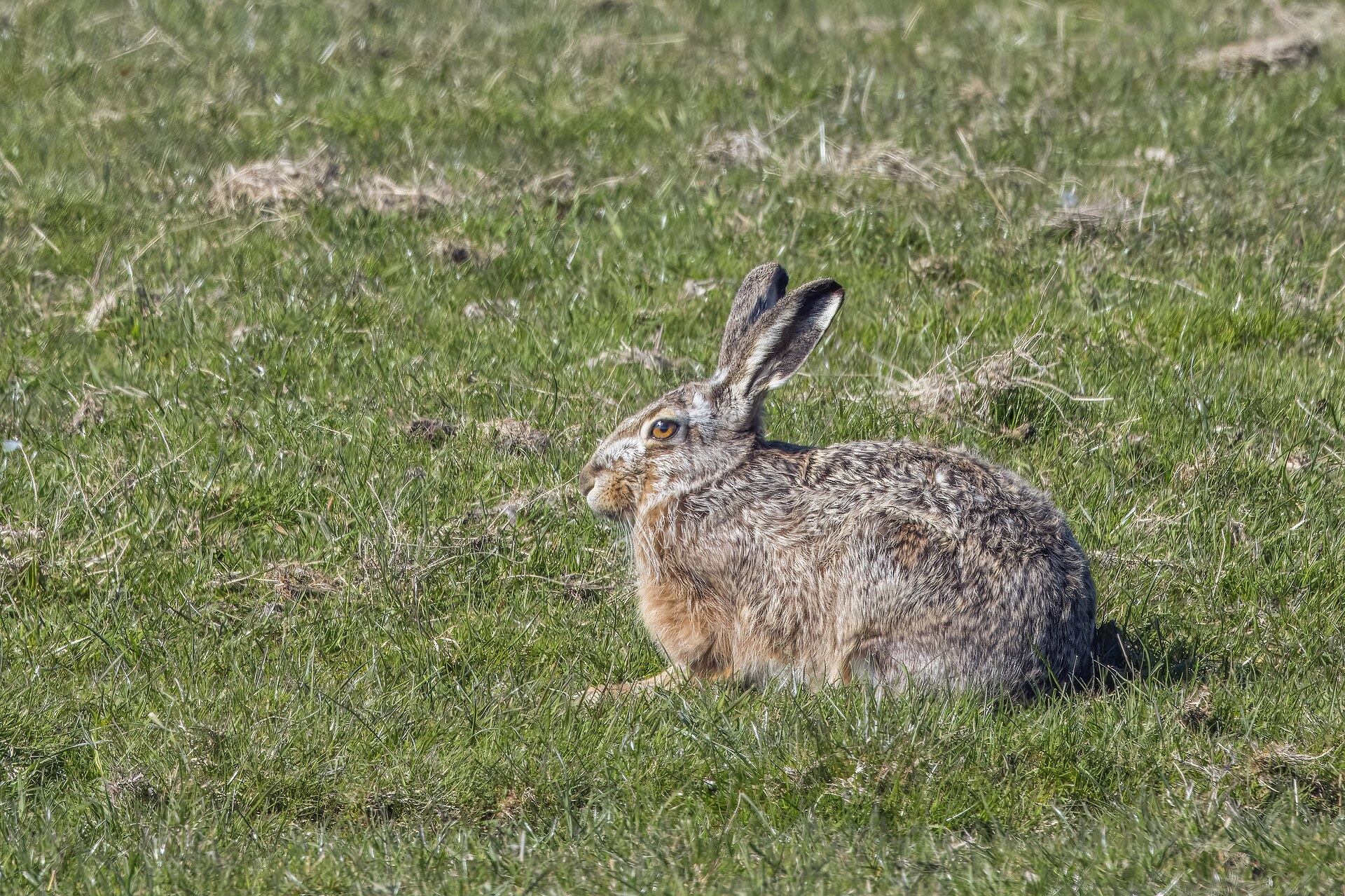
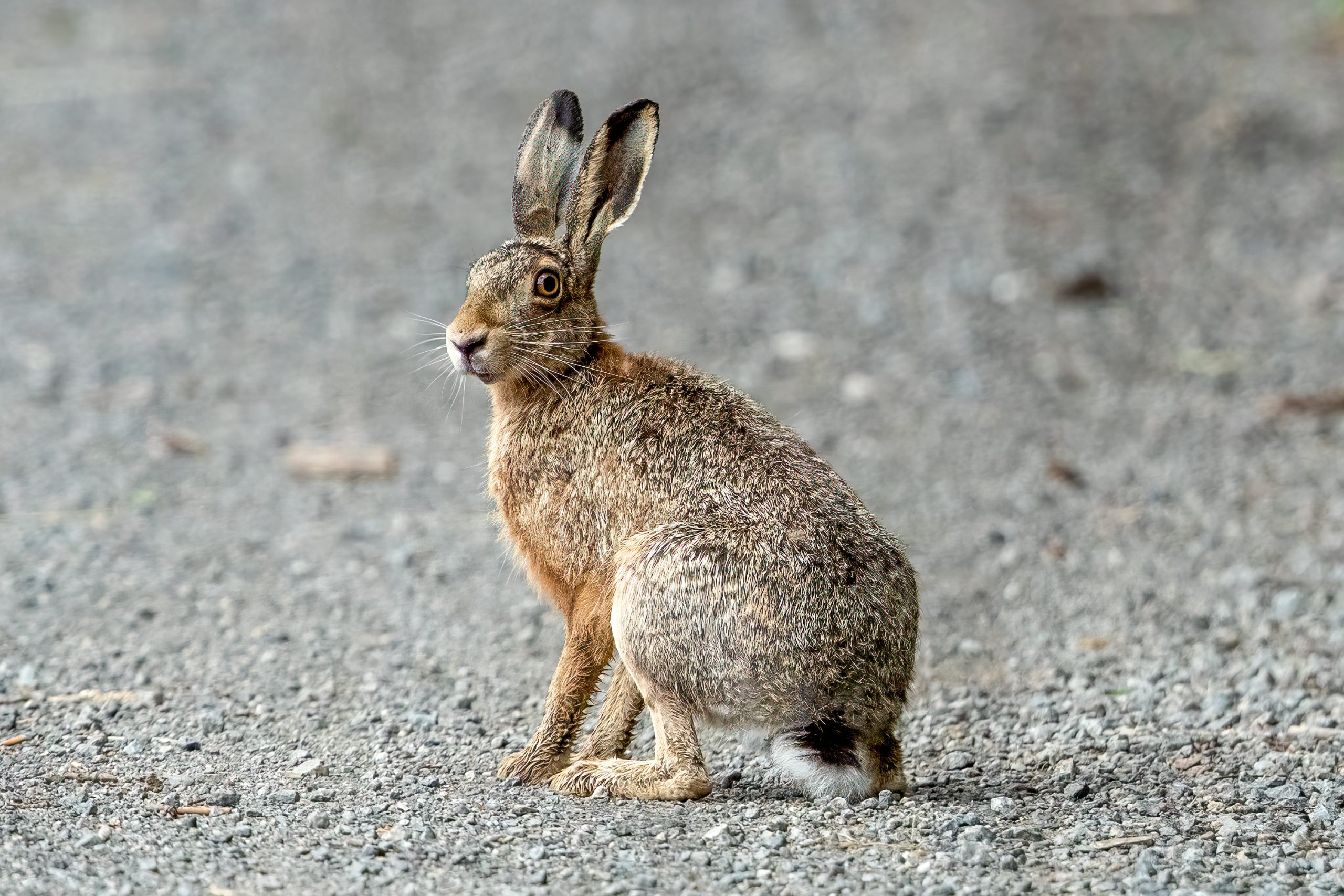
European brown hare syndrome is a contagious viral disease that can cause severe outbreaks in hares. When the virus enters a population for the first time, it can cause substantial mortality. Some survivors develop antibodies, while infection in hares younger than about two to three months can occur without visible symptoms but still lead to antibody production. The virus can infect both European hares (Lepus europaeus) and Italian hares (Lepus corsicanus), a species of conservation concern with small, fragmented populations in Italy.
To track the virus in two hunting areas in Grosseto province, Tuscany, researchers tested blood samples collected between 2003 and 2019. The samples came from hares captured during wildlife-management activities, including capture and release to restock hunting areas. Antibody tests provide evidence of an animal’s immune response to a virus, rather than showing that it is currently infected or ill. The study included 479 European hares and 58 Italian hares.
Antibodies were more common in European hares and adults
Overall, 347 of the 537 sampled hares—64.6%—had antibodies that reacted to European brown hare syndrome virus (EBHSV). The proportion was higher among European hares: 330 of 479, or 68.9%, compared with 17 of 58 Italian hares, or 29.3%. The authors suggest that the Italian hare’s smaller population and more restricted distribution could mean fewer opportunities for contact with the virus.
Antibodies were also more common in adults than juveniles: 69.3% of sampled adults were positive, compared with 47.9% of juveniles. The model estimated higher positivity in January–March than in October–December, although sampling was concentrated in winter, making this seasonal pattern difficult to interpret. Estimated positivity varied considerably among years: the highest estimates, around 98%, were in 2007 and 2019, while several years were estimated at about 30–60%. The authors found no repeating pattern across the years. The analysis found no clear differences by sex or hunting zone.
Most positive samples had low antibody levels
Most positive samples—75.2%—had low antibody titres, a measure of the amount of antibody detected. The authors interpret the widespread antibody evidence and predominance of low titres as consistent with EBHSV circulating endemically in the study areas, with many hares having some level of protection. A notable exception was a public hare-breeding centre, where medium and high titres were more common; the authors suggest that some animals had survived an outbreak and others had received an inactivated vaccine.
Low antibody readings do not conclusively prove past EBHSV infection: antibodies produced against a non-pathogenic hare calicivirus can also react in the test. The study’s antibody results therefore point to widespread exposure in the sampled hares, while low readings alone cannot identify which virus prompted the response.
Disease, parasites & microbiology
Related news
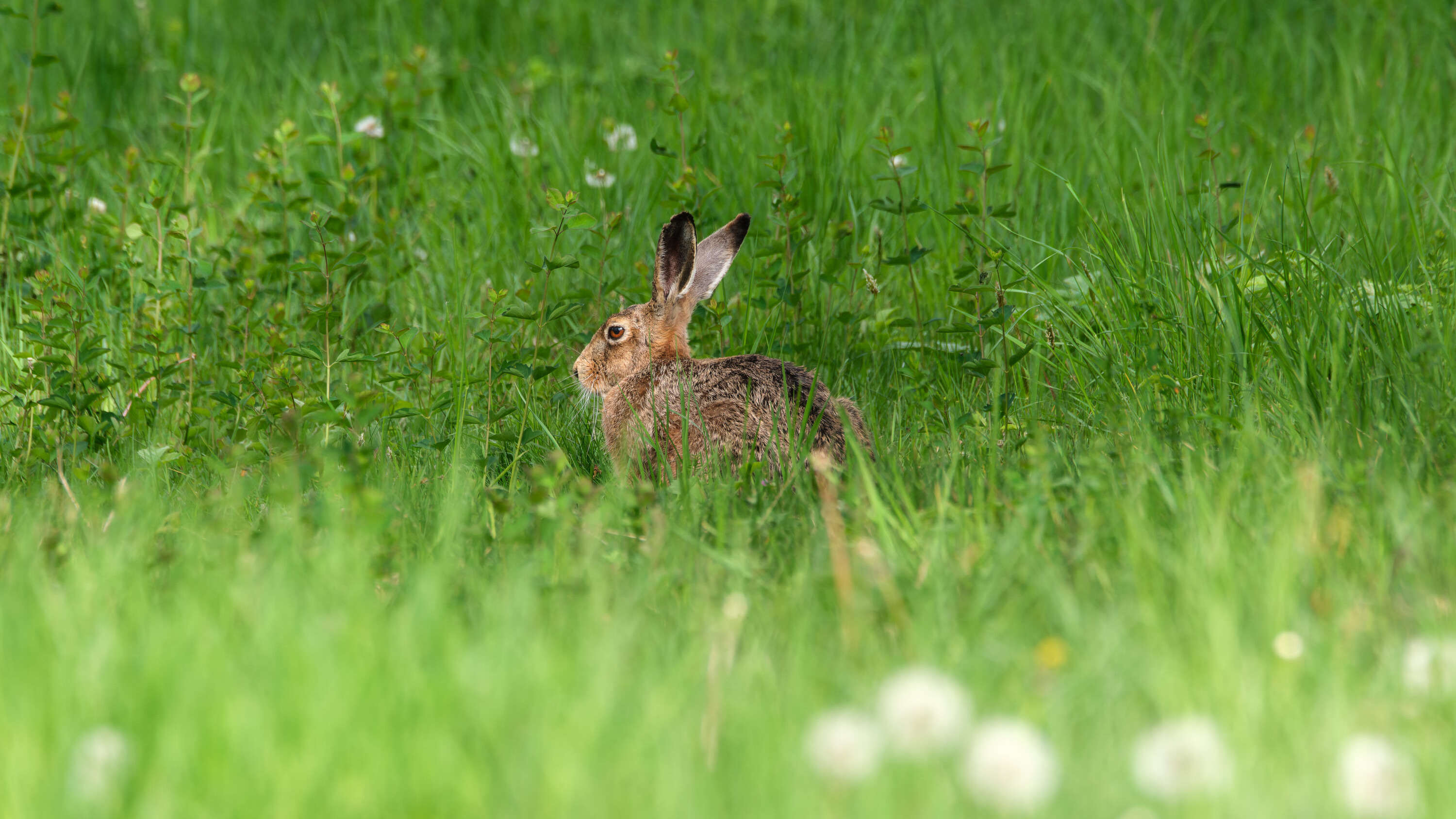
Cryptosporidium Deer Mouse Genotype IV Was Recorded in Europe for the First Time in European Hares
Five of 370 faecal samples from wild European hares in Czechia and Slovakia contained Cryptosporidium deer mouse genotype…
Read story →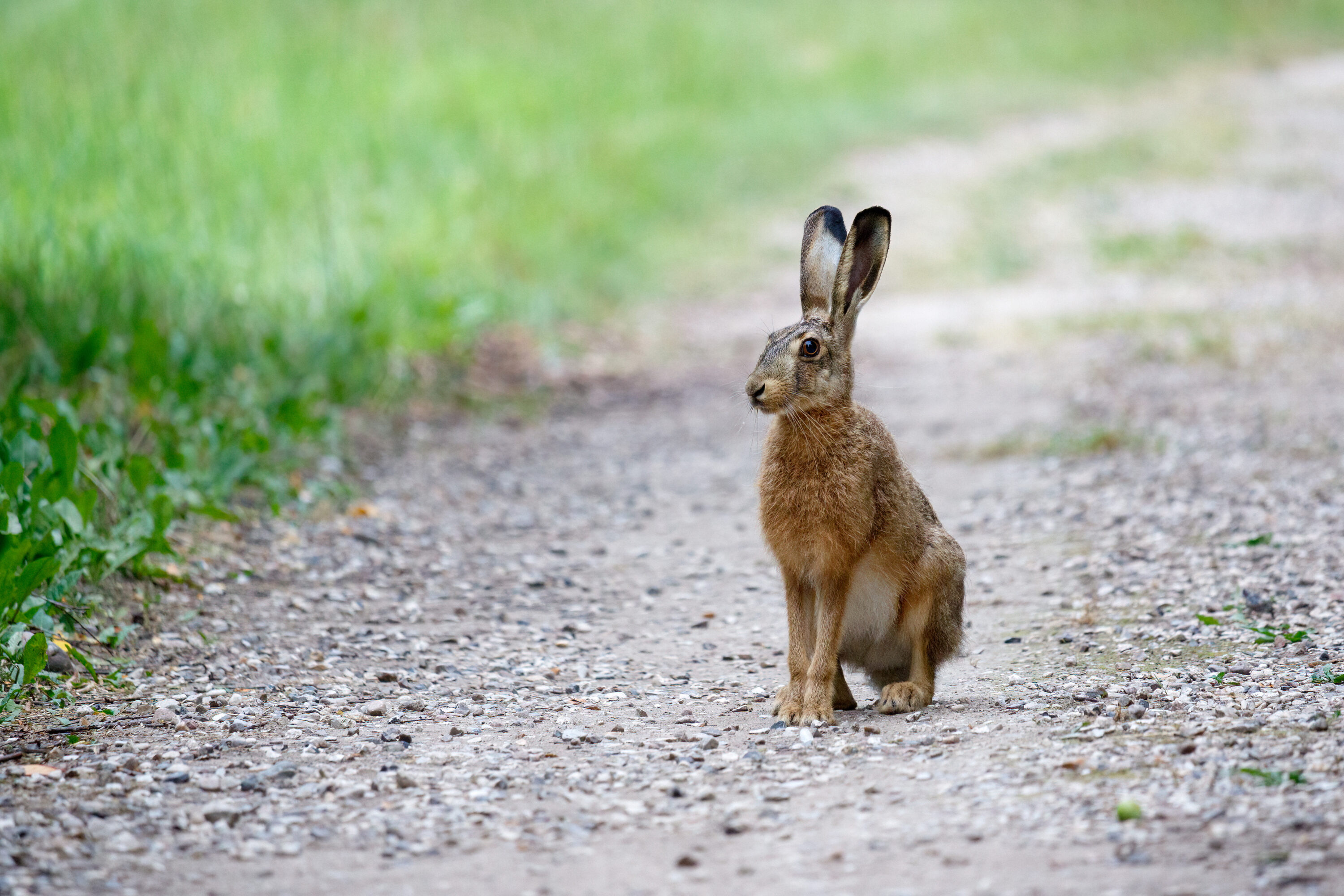
Classic and Recombinant Myxoma Viruses Were Found Together in Pooled Tissue From Two Hares in West Hungary
Whole-genome sequencing of pooled material from two European hares in western Hungary detected both classic MYXV and the…
Read story →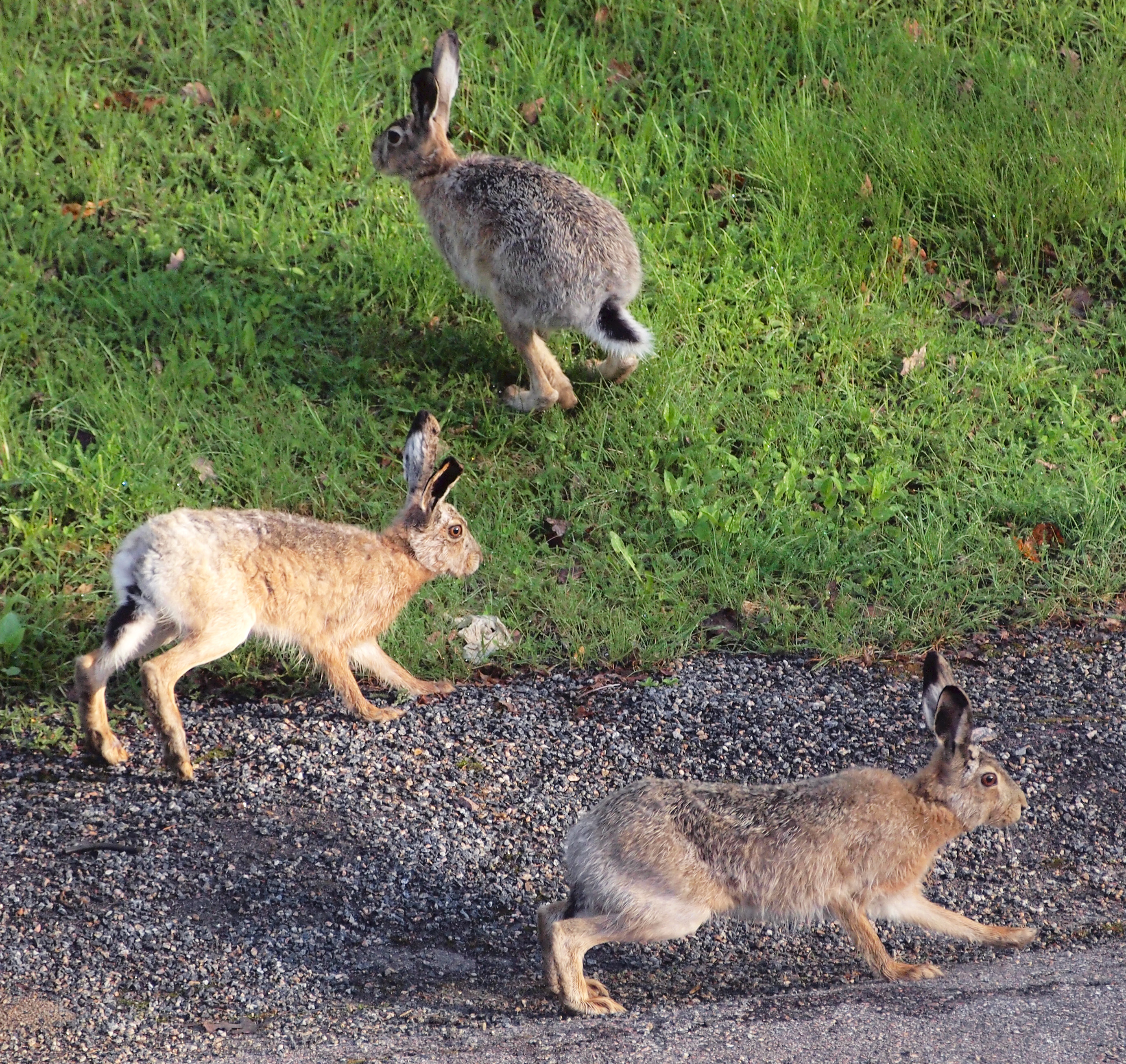
Hungary’s First ha-MYXV Outbreak Was Confirmed in 33 of 37 Targeted Hare Samples
During Hungary’s first confirmed outbreak of hare-adapted recombinant myxoma virus, 33 of 37 targeted European hare samples from…
Read story →SPECIES IN THIS STORY
Species in this story
Independent research and conservation news archive
Did you find this information useful?
Wildlife Vagabond is independently built and maintained. Voluntary support helps cover source verification, hosting and continued work on research and conservation news.
Support Wildlife VagabondThe news archive will remain freely available.