
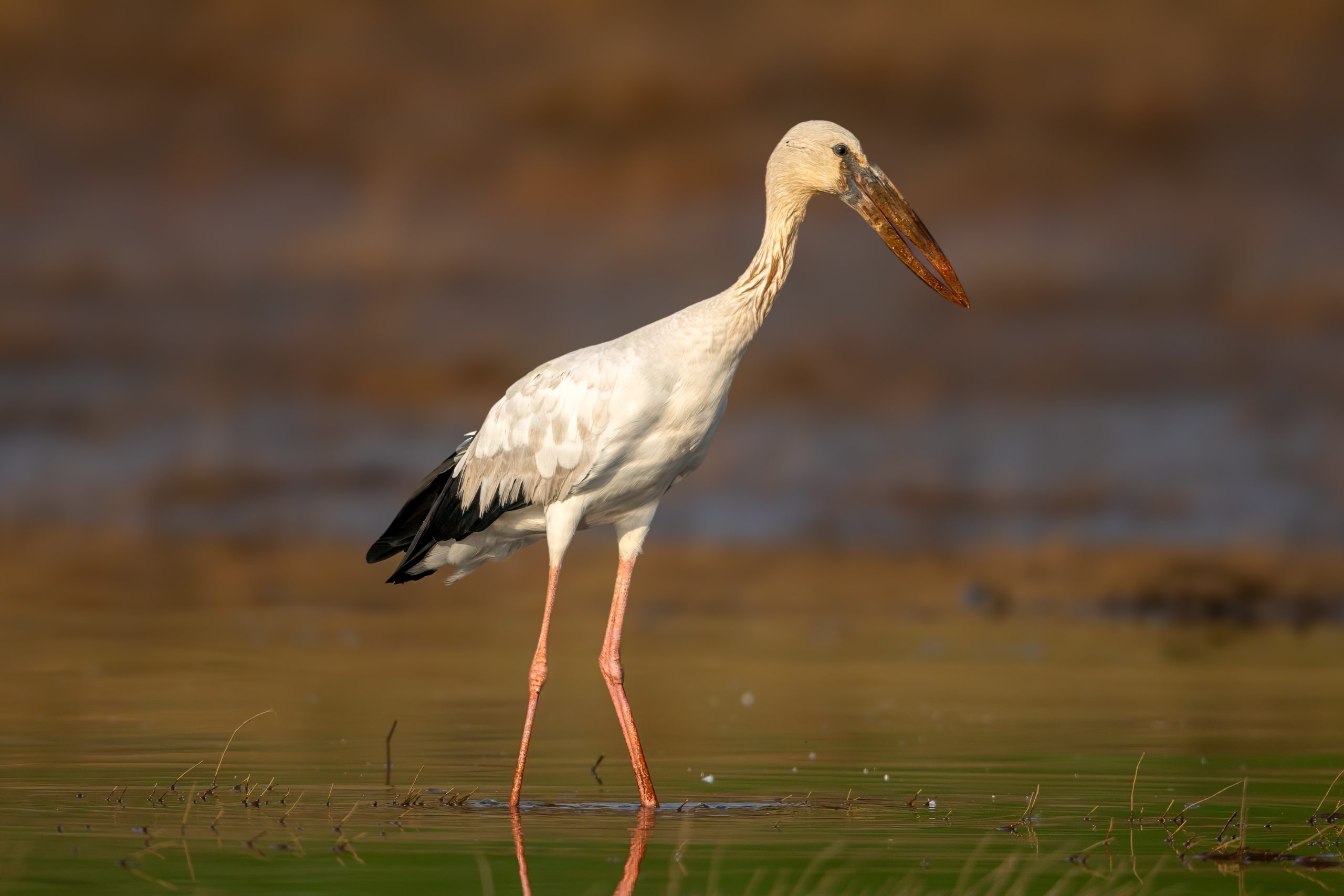
Asian openbills favoured areas near water and away from roads in Nepal
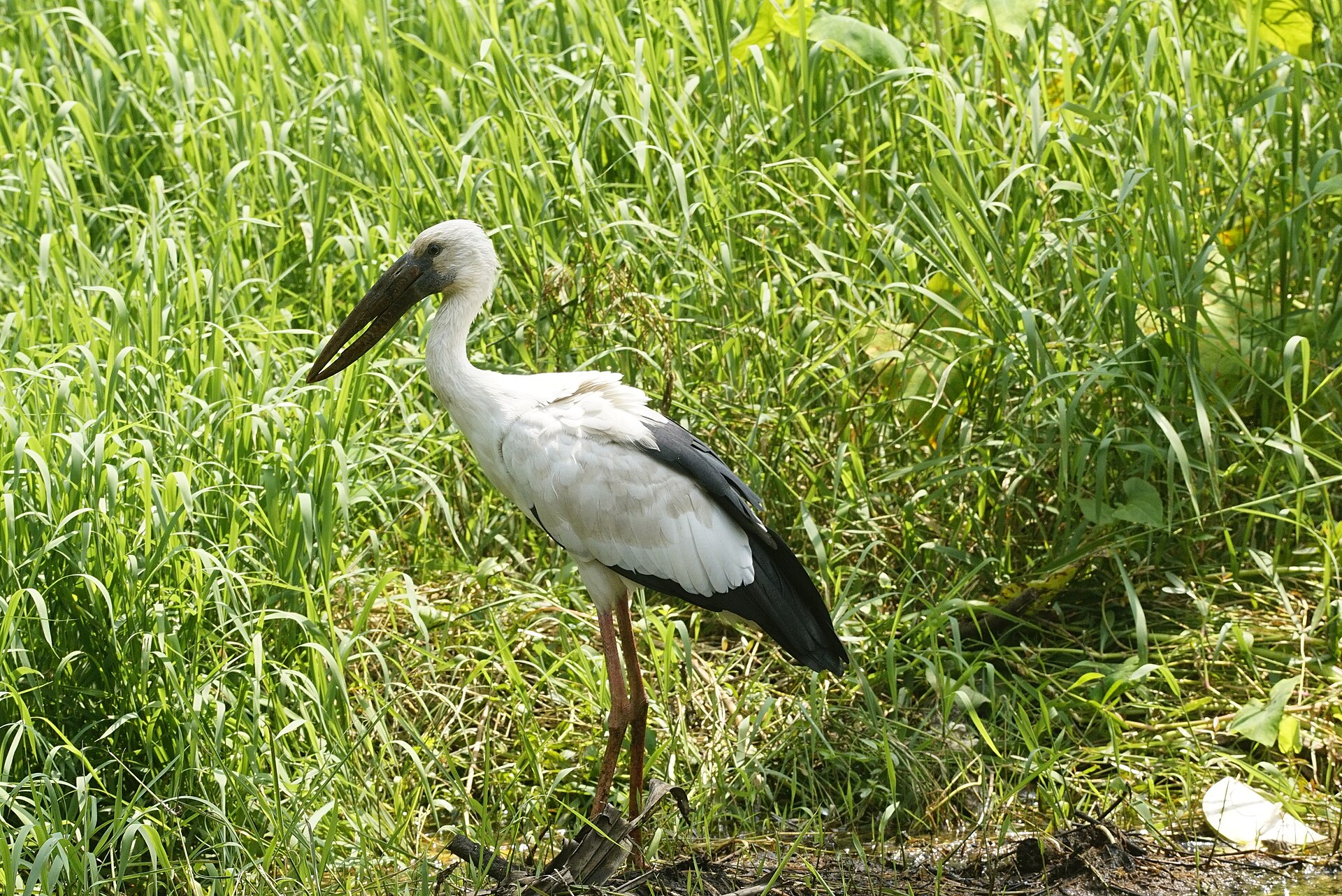
In Nepal’s lowlands, agricultural intensification and urban expansion are changing the landscapes that waterbirds depend on. A study of the Asian openbill (Anastomus oscitans), a species of stork, indicates that the birds still make extensive use of agricultural landscapes, but are particularly associated with areas near water and away from roads.
During September and October 2021, researchers surveyed 62 routes, each 3 km long and divided into three 1 km sections. Direct observations gave an estimated occurrence of 71%, but the birds can use an area without being seen. A model that accounted for this estimated habitat use at 88%, although the estimate was uncertain. The probability of detecting the bird where it used an area was only about one in two.
Where birds are seen is not necessarily where they occur most
The model revealed a distinction between habitat use and detectability. Areas near water and farther from roads were more likely to be used, whereas the storks were easier to detect near settlements and cultivated land. Observations alone may therefore give a different impression of the birds’ relationship with the landscape.
The findings suggest that Asian openbills tolerate human-modified landscapes but remain associated with wetlands and less disturbed areas. The results describe habitat use in September and October, not throughout the year. As expanding settlements and intensive agriculture alter these landscapes, the researchers emphasize the importance of protecting both farmland and wetlands.
Ecology
Related news
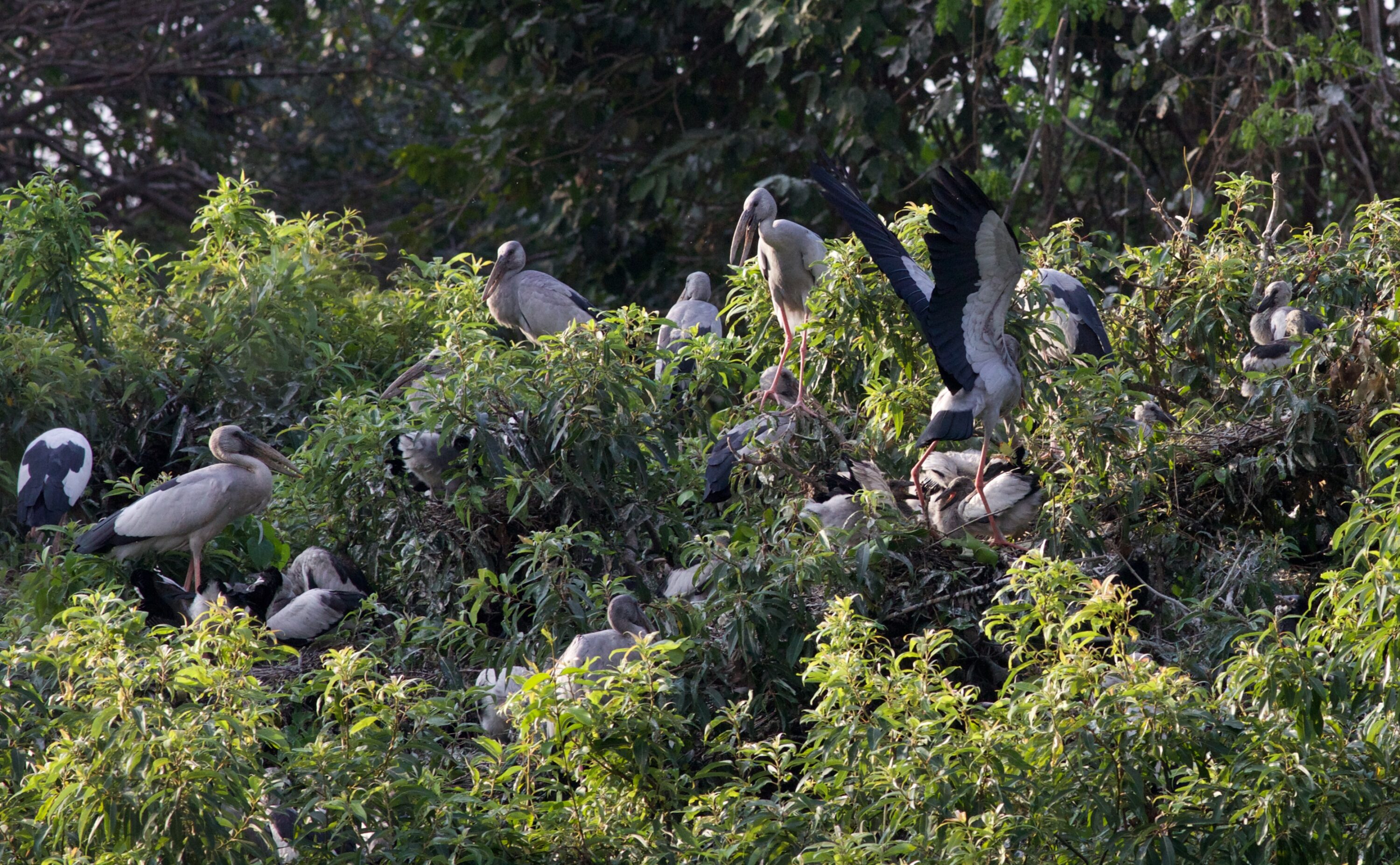
Waterbird Nest Counts Nearly Halved at an Indian Wetland, but Bird Numbers Showed No Clear Decline
At Vettangudi Bird Sanctuary in India, recorded waterbird nests fell from 396 to 190 across eight sampled breeding…
Read story →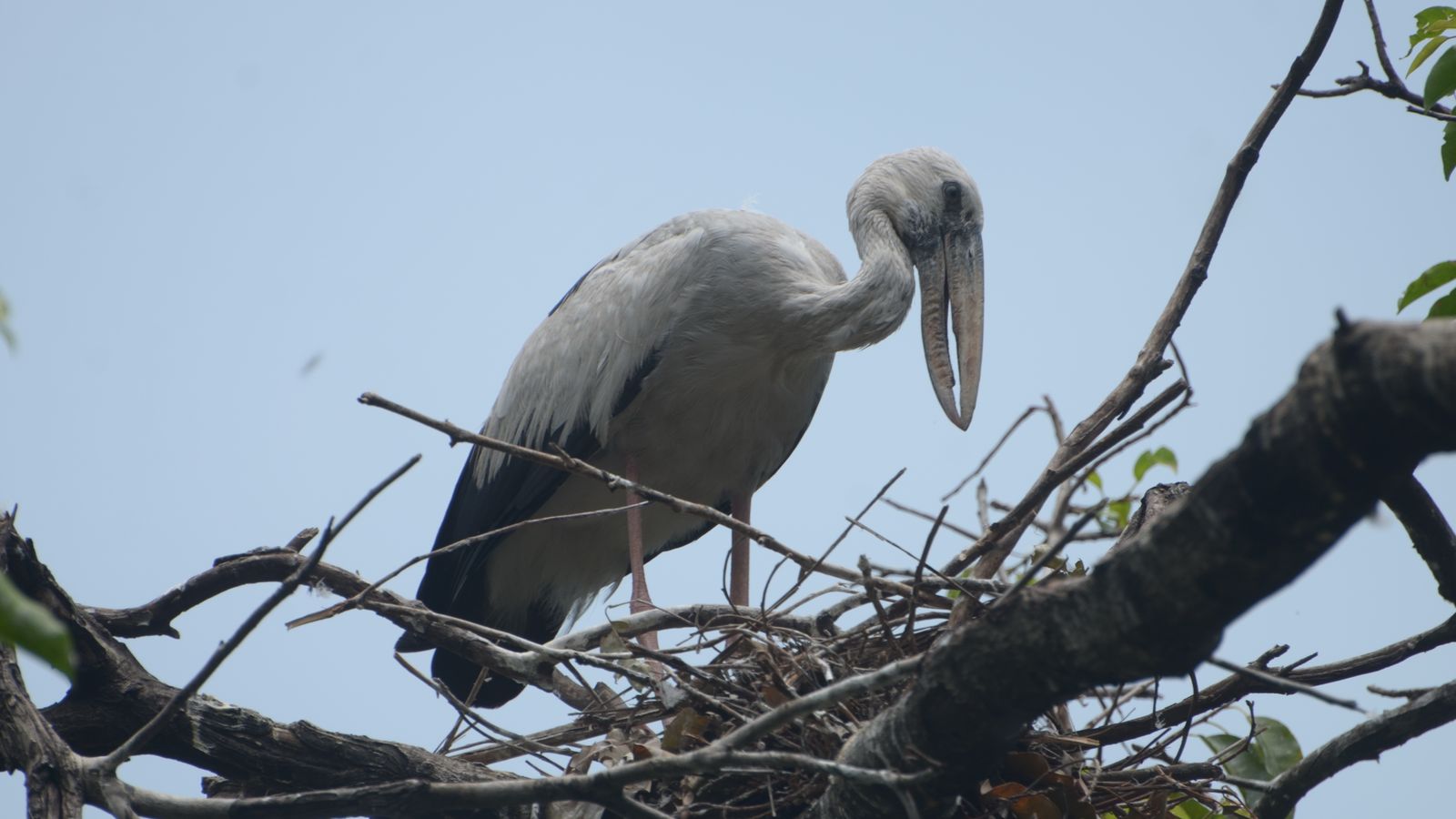
Asian Openbills Favoured Certain Tree Species for Nesting Even When Others Were More Common in Urban Bihar
Among 219 trees of 11 species in Aurangabad, 250 Asian openbill nests were unevenly distributed. Cordia myxa and…
Read story →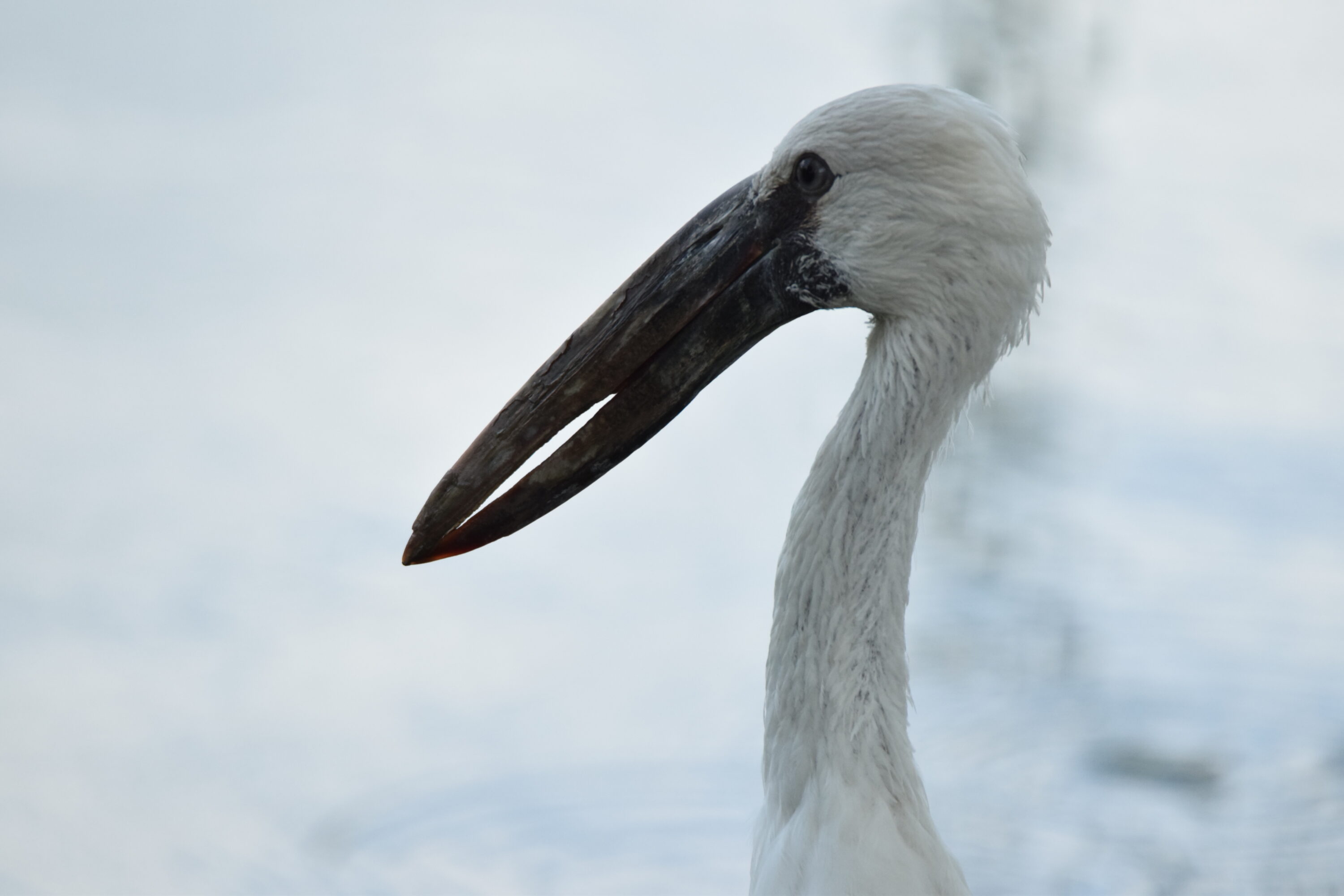
DNA Markers Confirmed Chaunocephalus ferox from a Thai Asian Openbill
Nuclear and mitochondrial DNA from 15 adult Chaunocephalus ferox recovered from a Thai Asian openbill confirmed the parasite's…
Read story →SPECIES IN THIS STORY
Species in this story
Independent research and conservation news archive
Did you find this information useful?
Wildlife Vagabond is independently built and maintained. Voluntary support helps cover source verification, hosting and continued work on research and conservation news.
Support Wildlife VagabondThe news archive will remain freely available.