
Waterbird Nest Counts Nearly Halved at an Indian Wetland, but Bird Numbers Showed No Clear Decline
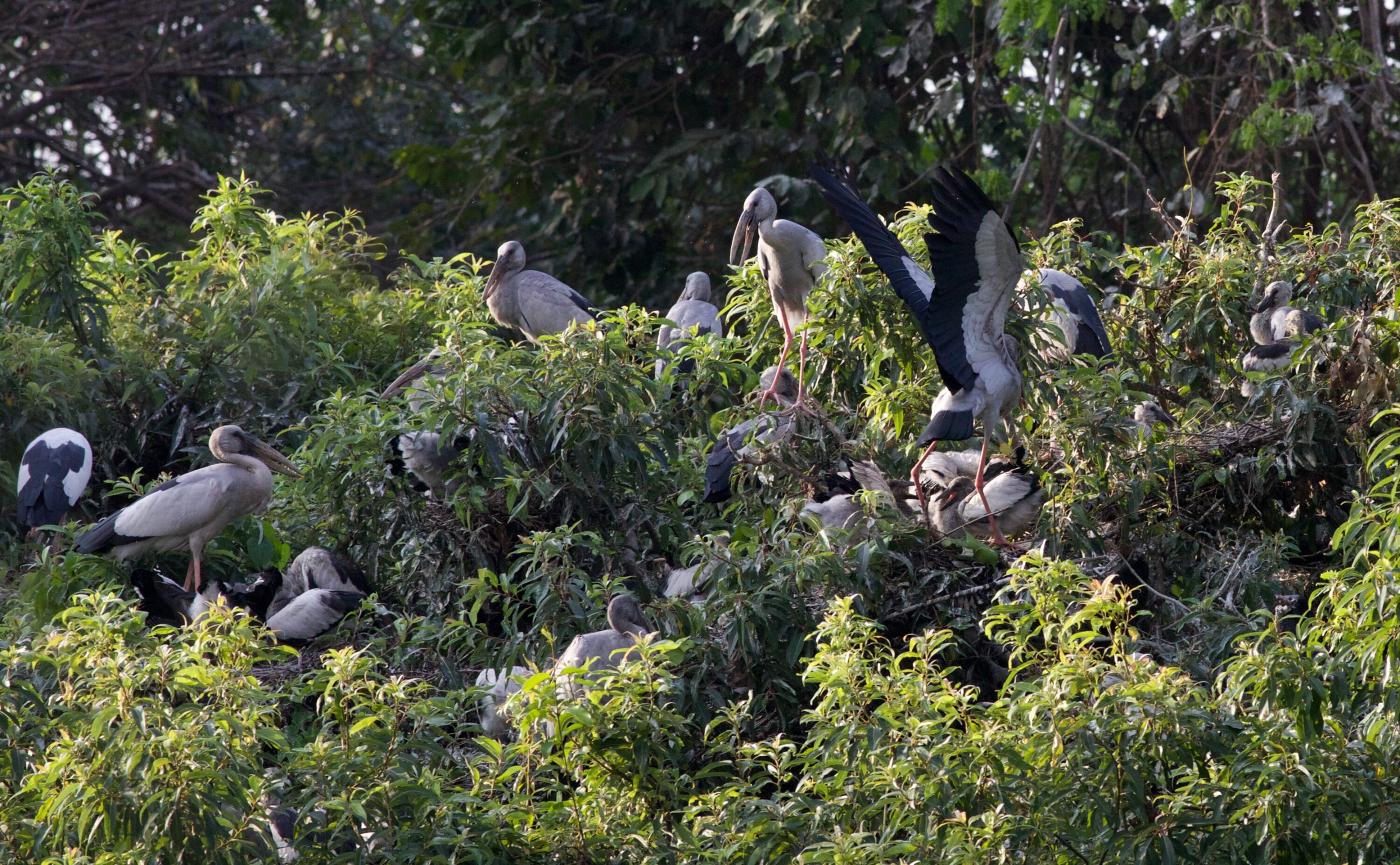
Waterbirds continued to use Vettangudi Bird Sanctuary in Tamil Nadu, India, but fewer nests and fewer nesting species were recorded there over the study period. The contrast suggests that the number of birds visiting a wetland does not, on its own, show whether it still provides suitable places to breed.
Researchers studied breeding waterbirds at Periyakollukudi Tank, the sanctuary’s main breeding tank. Across eight sampled breeding seasons, from 2012–13 to 2025–26, they recorded 25 waterbird species. The seasons were not sampled continuously: researchers visited monthly from July to January in each sampled season, counting visible birds and nests.
Bird counts and nests told different stories
Total waterbird abundance varied between years, but the analysis found no significant overall long-term trend. Nest numbers, in contrast, fell from 396 in 2012–13 to 190 in 2025–26, after reaching a low of 163 in 2018–19. The number of species recorded nesting also declined, from 11 in one of the earlier sampled seasons to three in 2025–26.
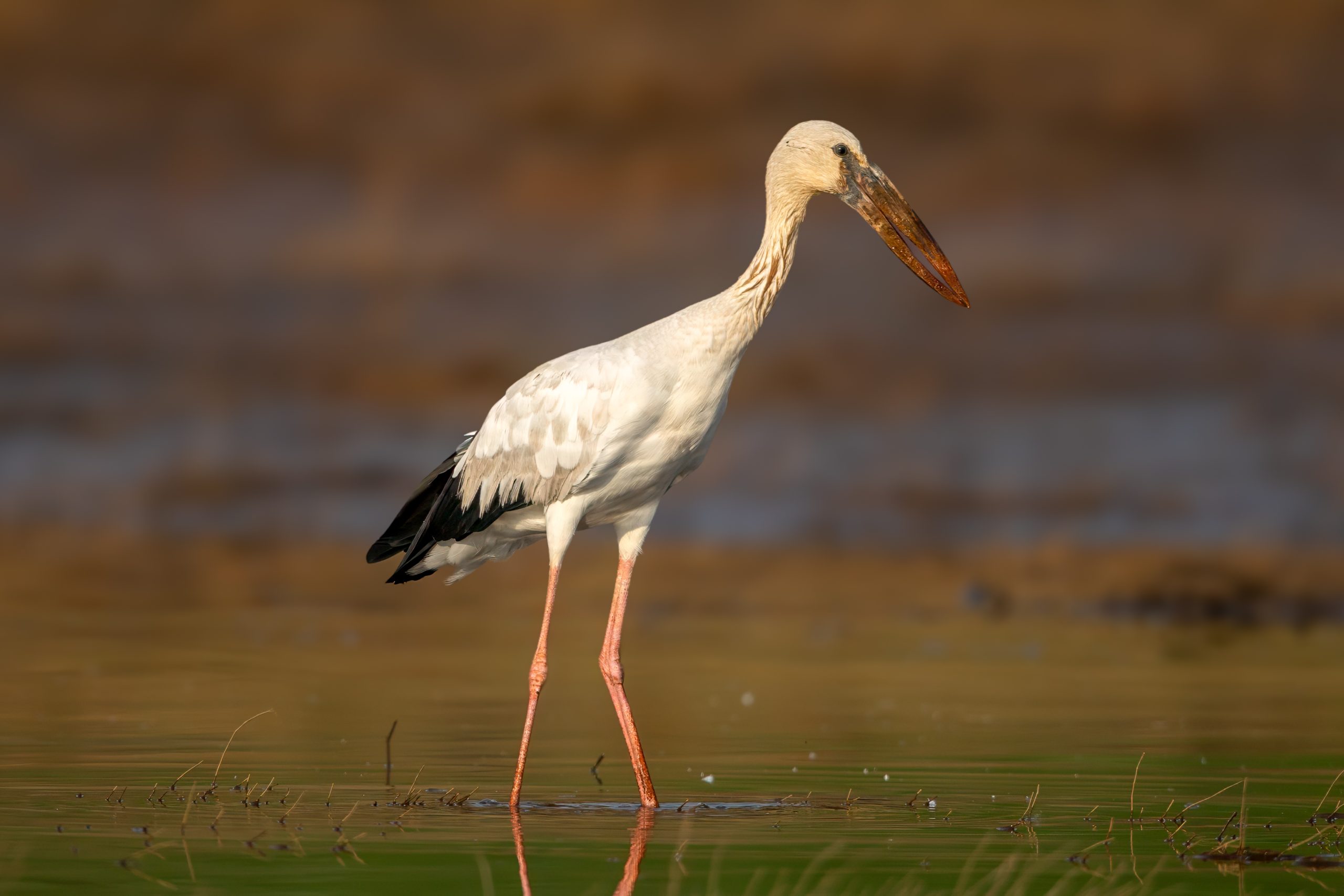
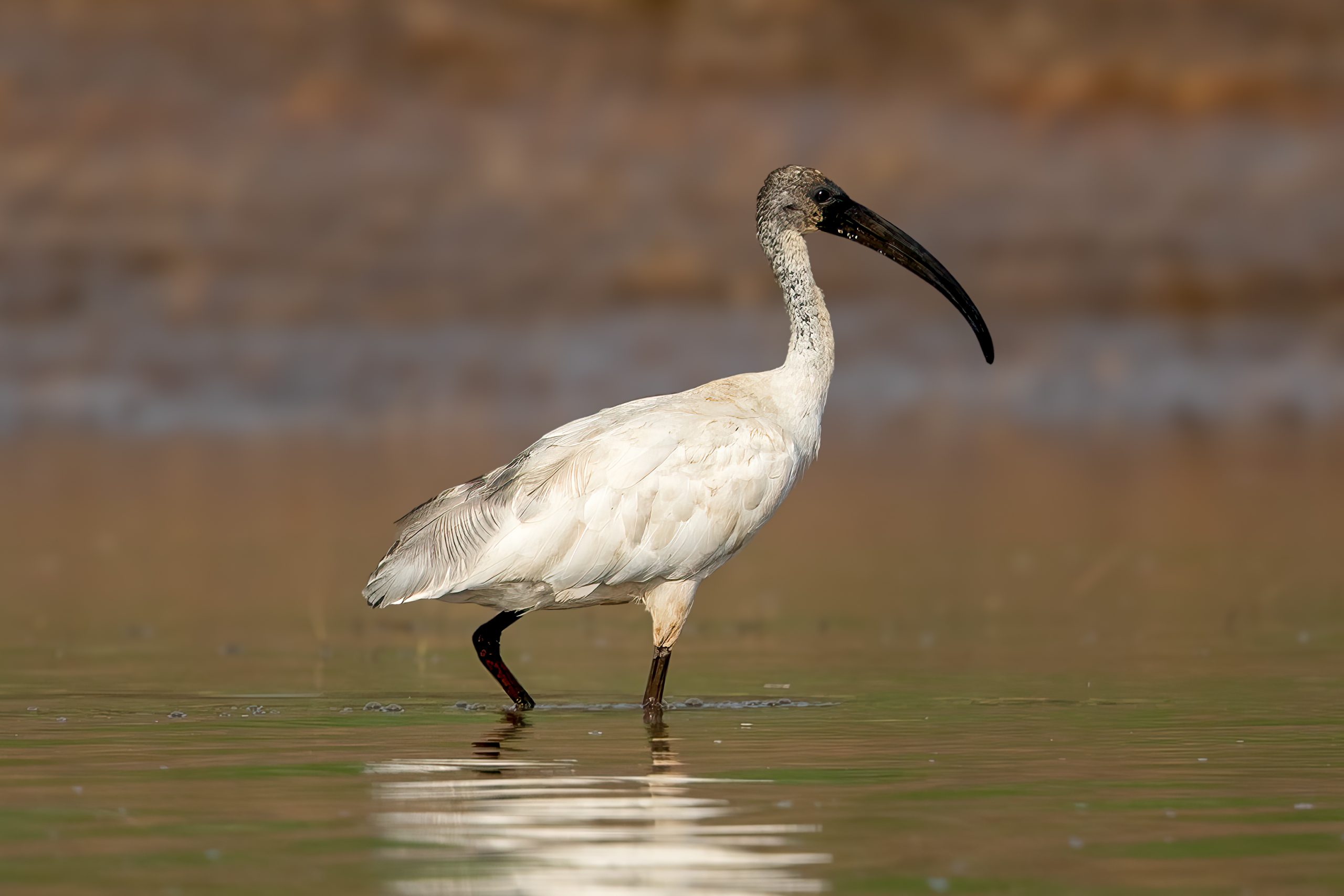
The Asian Openbill (Anastomus oscitans) and Black-headed Ibis (Threskiornis melanocephalus) remained prominent breeders. Both had their highest reported bird counts in 2025–26: 500 Asian Openbills and 300 Black-headed Ibises. Their nesting patterns differed: Asian Openbill nests peaked at 210 in 2015–16, while 120 Black-headed Ibis nests were recorded in 2025–26.
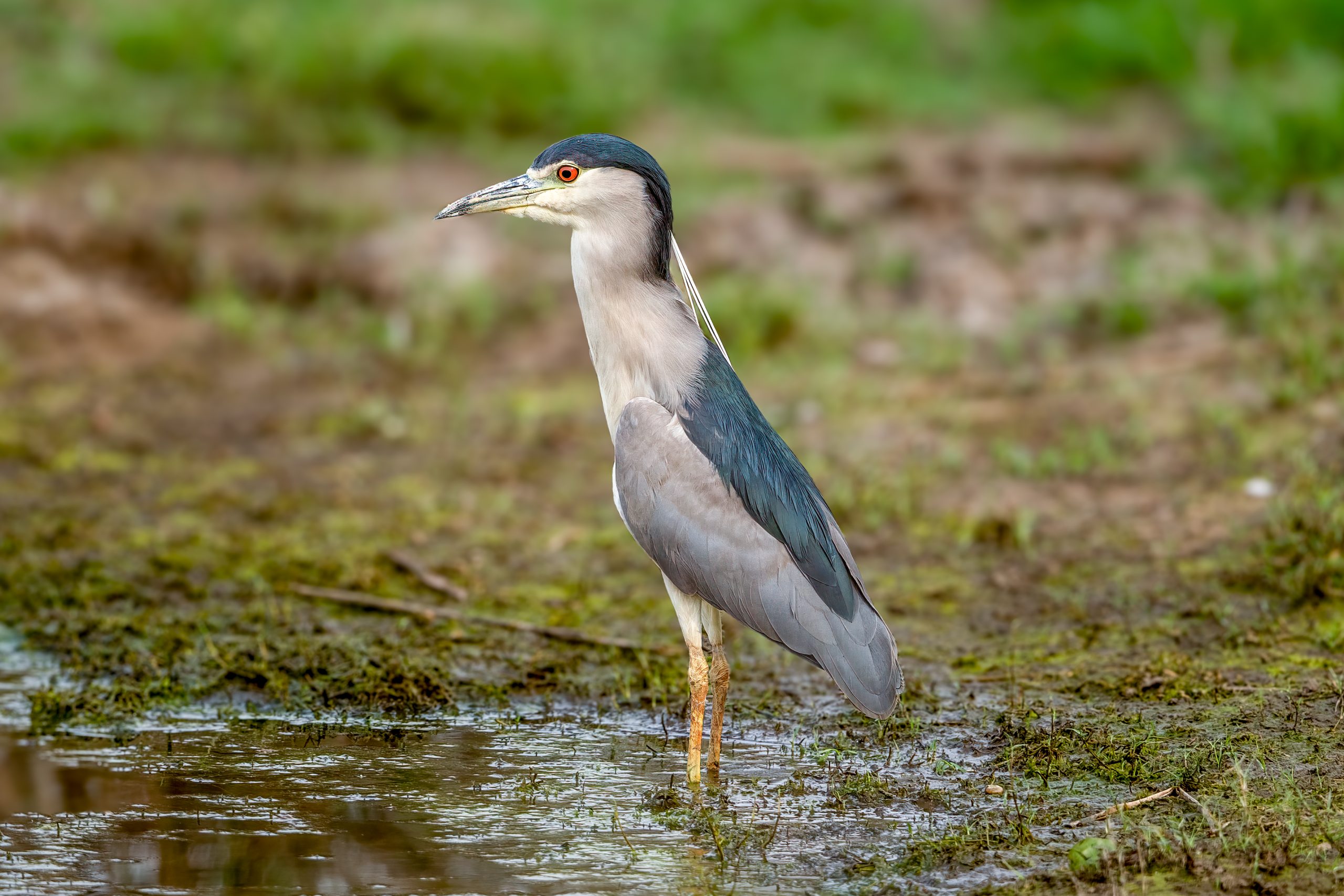
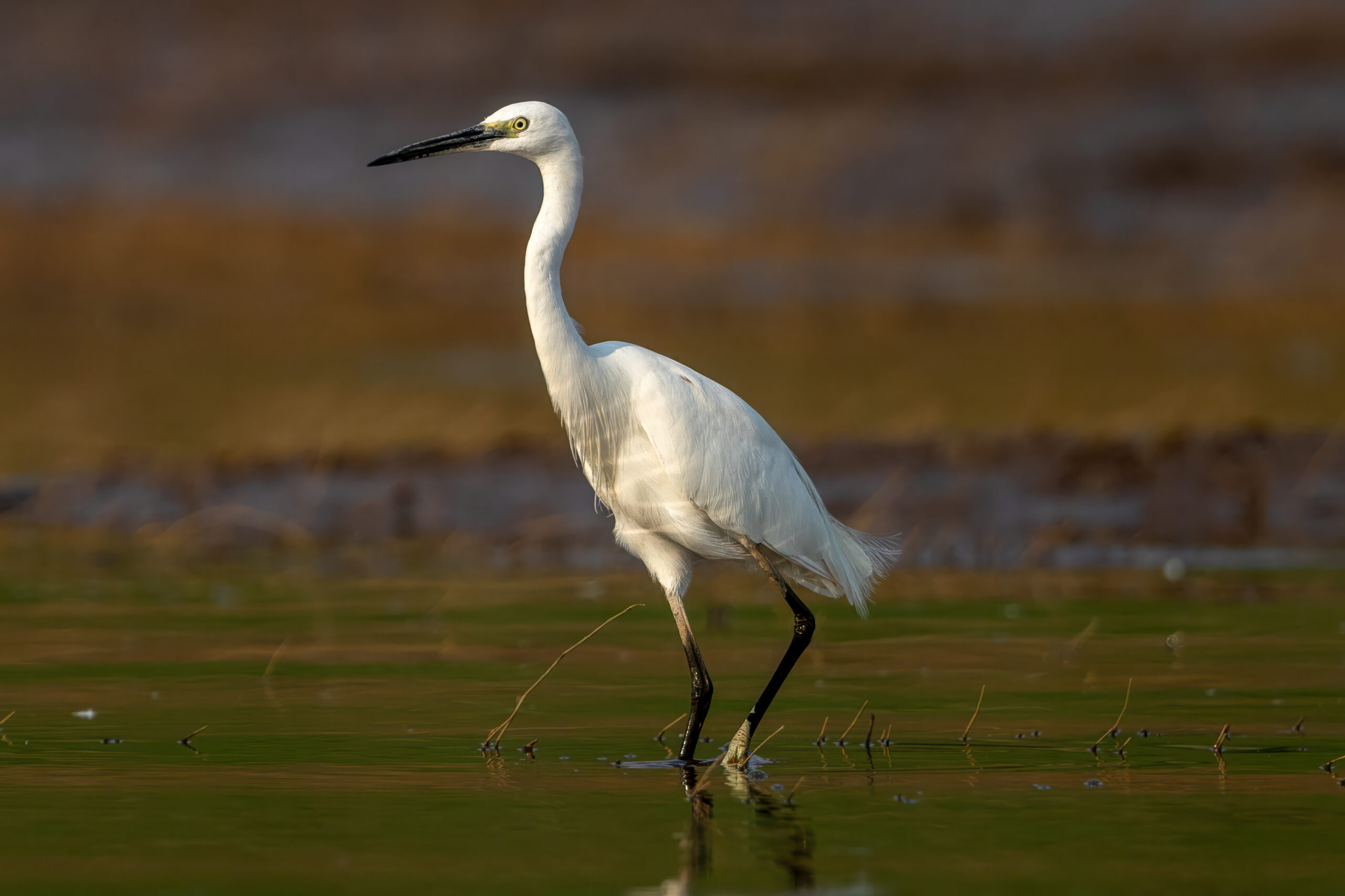
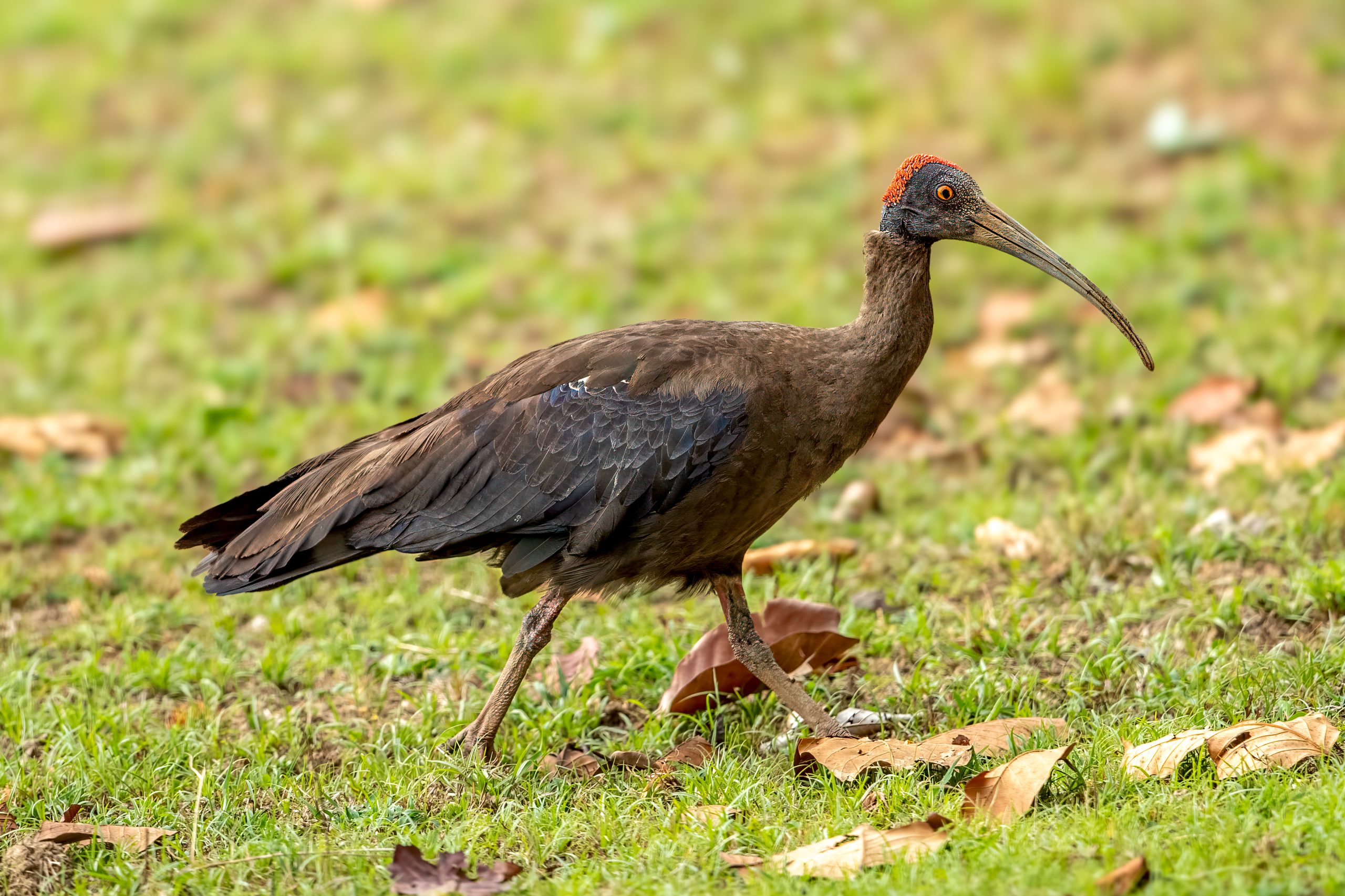
The study also reported declining trends in nesting records for the Black-crowned Night Heron (Nycticorax nycticorax), Little Egret (Egretta garzetta) and Red-naped Ibis (Pseudibis papillosa). Little Egret nesting was not recorded after 2016–17, and Black-crowned Night Heron nesting was not recorded after 2017–18.
Water and vegetation did not explain every change
To examine habitat, the researchers classified satellite images from August, when nesting begins, and December, near the peak of nesting, into water and vegetation-cover categories. In August, a greater mapped water area was significantly associated with lower breeding-waterbird diversity. But none of the measured land-cover features was significantly associated with the number of nests. Dense vegetation had a positive association with nesting abundance, but that result was not statistically significant. In December, no measured land-cover feature was significantly associated with diversity.
The authors also reported that mature Parkinsonia aculeata trees used by egrets and herons for nesting had been removed during work to widen and deepen the water-holding area. They suggest that the loss of these nesting trees, together with increasing dominance by Neltuma juliflora and other habitat changes, may have contributed to shifts in nesting. The observed habitat relationships are correlations; they do not establish that these changes caused the nesting trends.
The difference between bird counts and nest records matters for understanding how well a wetland supports breeding. Many birds may still use a site even as the number of recorded nests and nesting species falls. The study therefore points to the need to consider breeding habitat—not just the number of birds present—when assessing the condition of a wetland.
The authors recommend protecting and restoring suitable nesting trees, maintaining stable water conditions and reducing disturbance during the breeding season. The study covered eight non-continuous seasons, and its seasonal bird and nest totals were based on a single peak count each year. Those counts cannot capture turnover within a season or nesting attempts that failed, so they provide a record of observed patterns rather than a complete account of breeding success.
Ecology
Related news
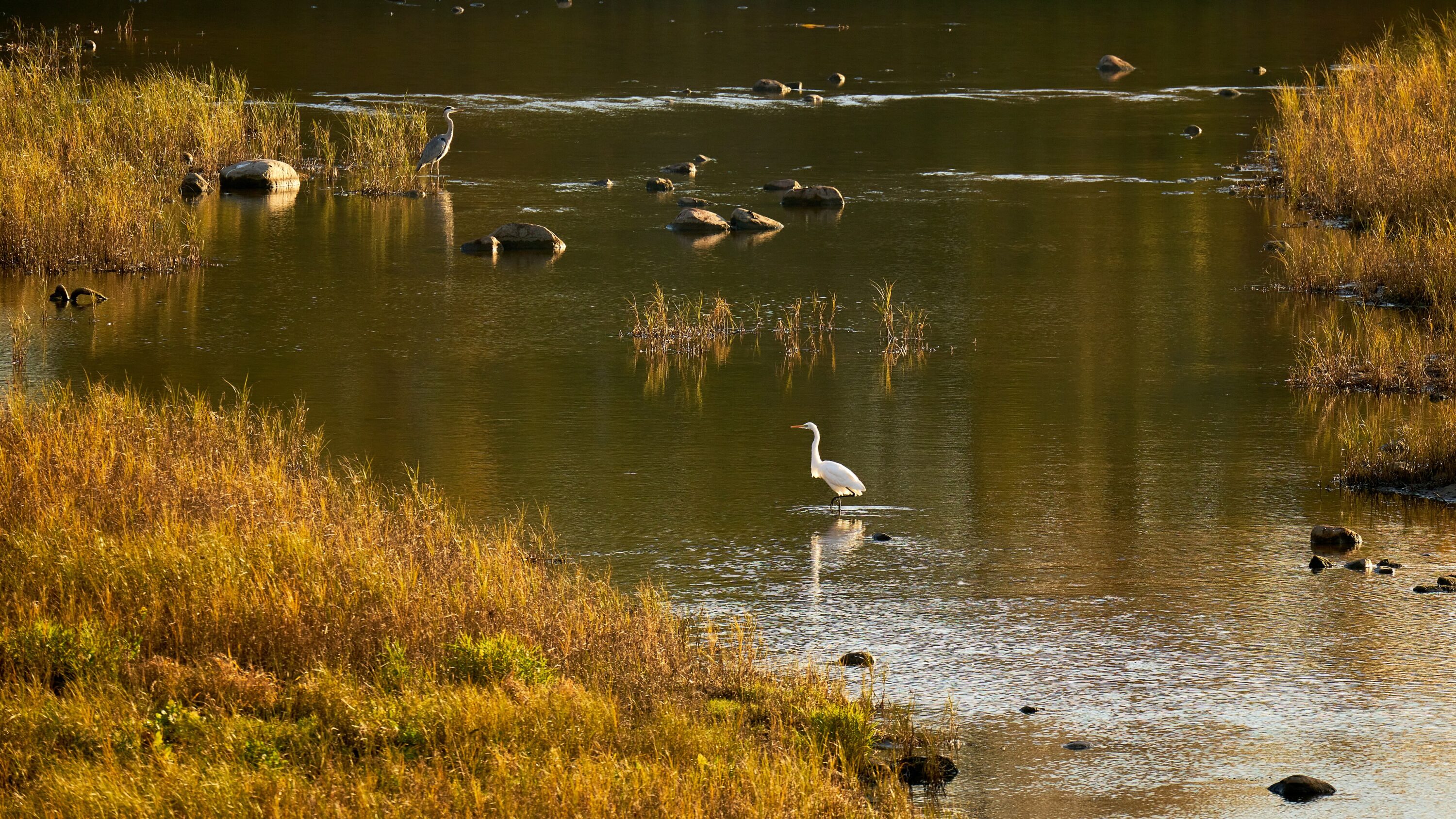
Great Egret and Grey Heron Dominated Many Inland Heron Colonies in South Korea
Across 176 South Korean breeding colonies, two colony groups had more than 90% of nests from large-bodied herons…
Read story →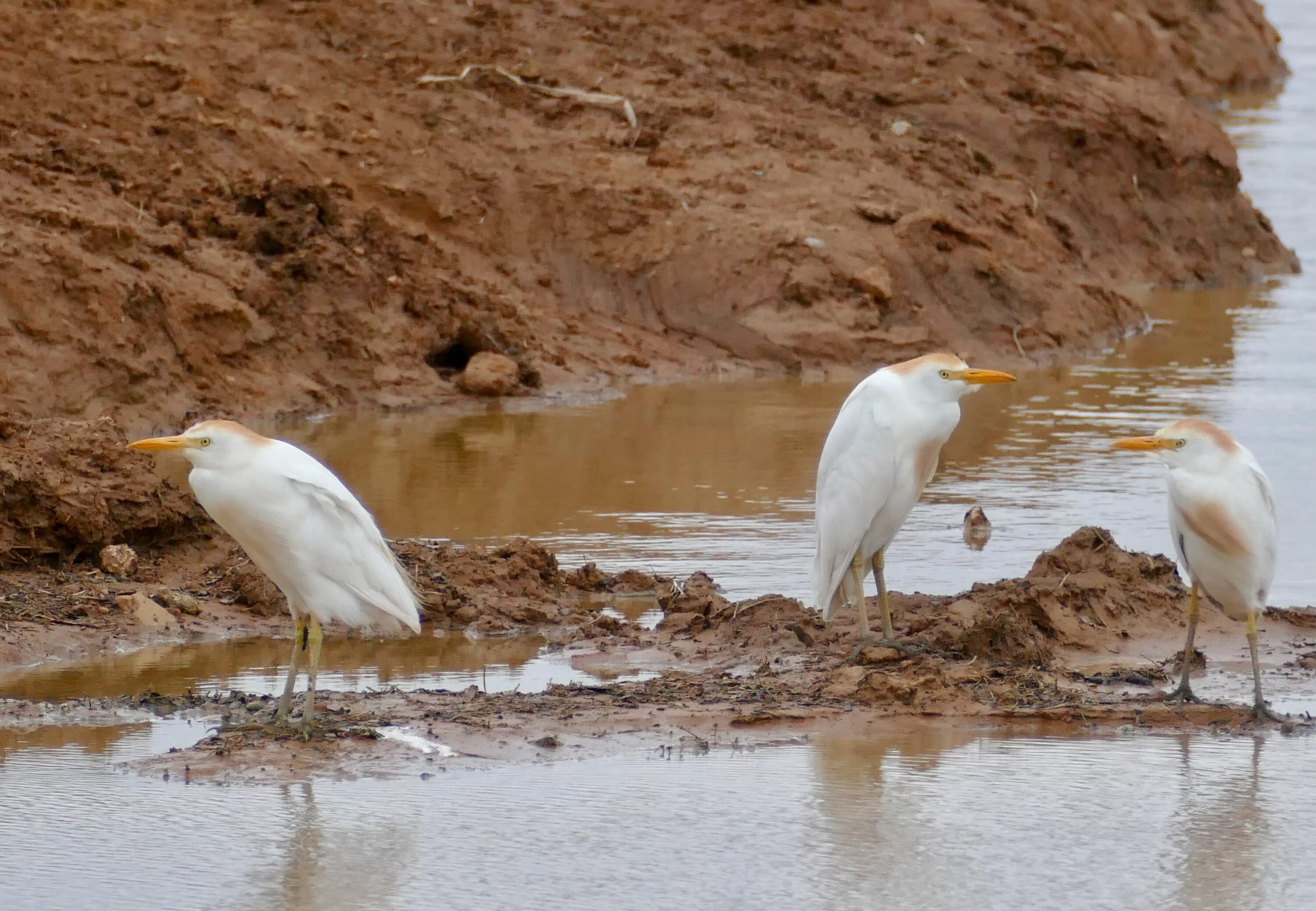
Western Cattle Egrets Accounted for 99% of Occupied Nests in Ondangwa in 2020 as Other Species Declined
At the long-established Ondangwa heronry in north-central Namibia, estimated western cattle egret nests rose from about 2,500 in…
Read story →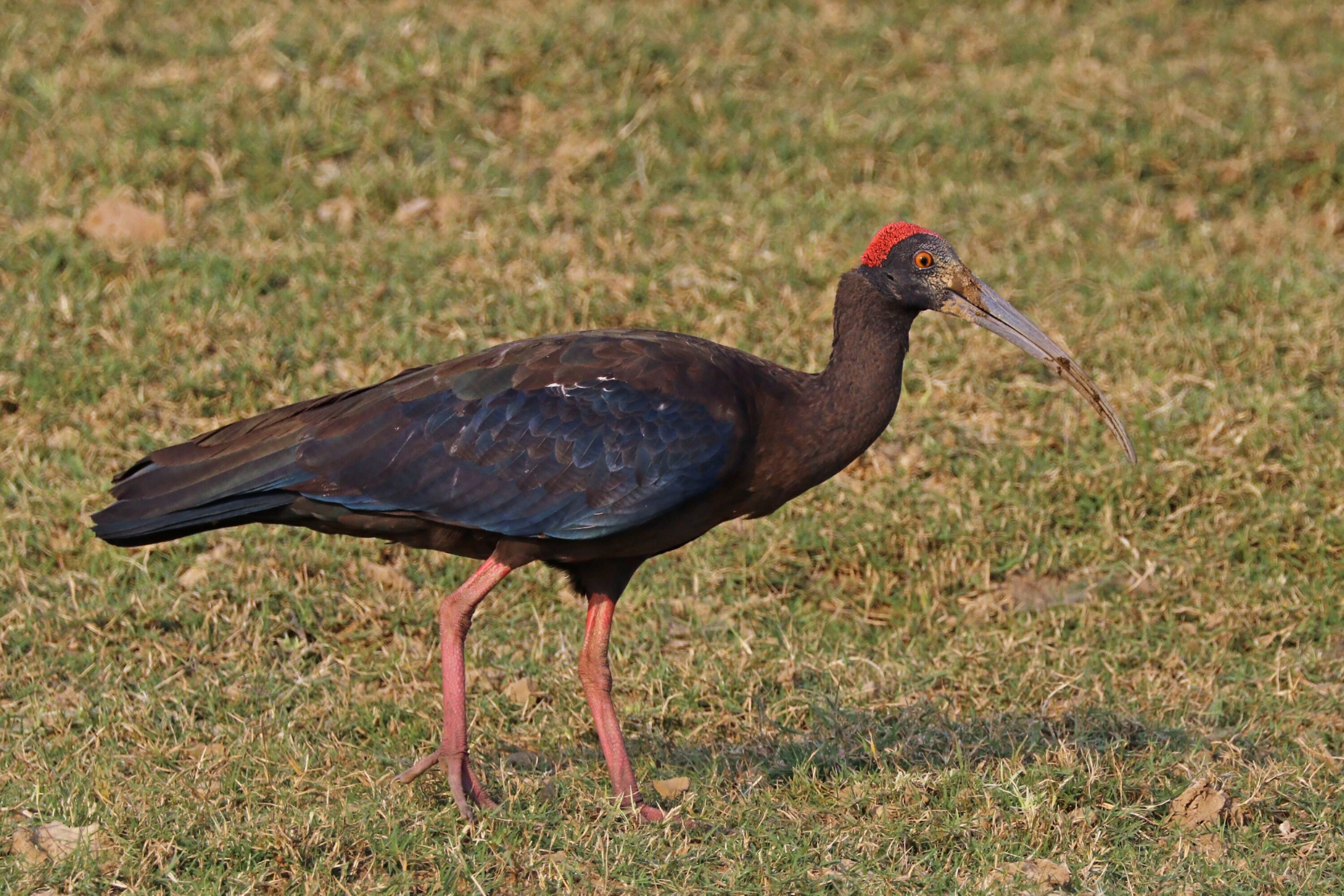
Two Red-naped Ibises Provided Sikkim's First Photographic Record
A male and female red-naped ibis were photographed high in a peepal tree near the Rangeet River at…
Read story →SPECIES IN THIS STORY
Species in this story
Independent research and conservation news archive
Did you find this information useful?
Wildlife Vagabond is independently built and maintained. Voluntary support helps cover source verification, hosting and continued work on research and conservation news.
Support Wildlife VagabondThe news archive will remain freely available.