
Bird visits to Assam’s muga farms peaked when silkworms were in their third larval stage
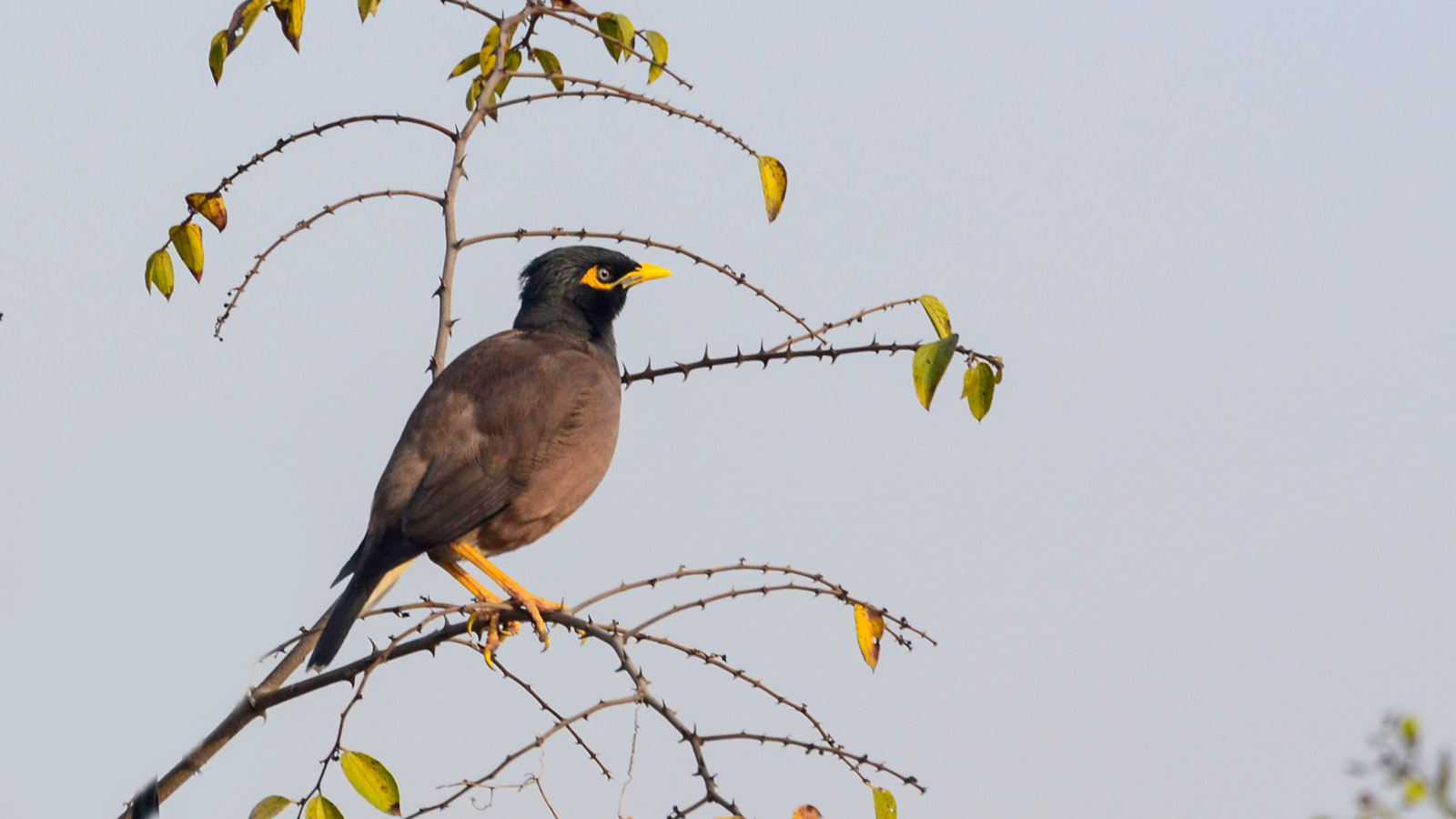
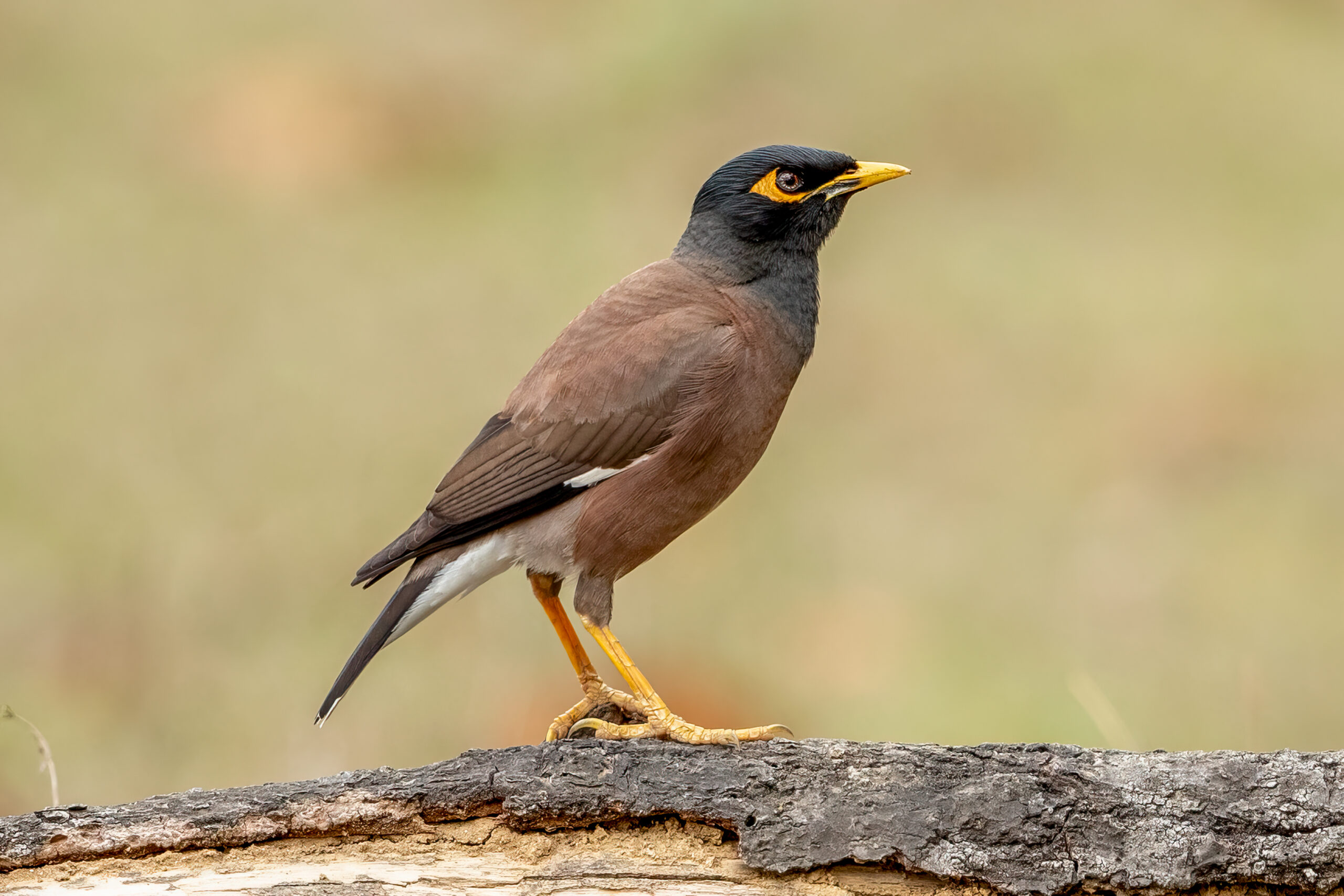
Birds were recorded most often at six muga silkworm-rearing sites in Assam when the caterpillars were in their third larval stage. Surveys during the Chotua and Jethua rearing seasons in 2020–2022 produced 9,724 bird records. The three sites in Lakhimpur district accounted for 5,961 records, compared with 3,763 at the three sites in Sivasagar. The Common Myna (Acridotheres tristis) was the most abundant recorded species in the fourth and fifth stages in both districts.
Muga silkworms (Antheraea assamensis) are reared outdoors on host plants, where birds can visit the same sites. Researchers walked 200-metre transects and recorded birds they saw or heard within 50 metres on either side, repeating surveys across all five larval stages. The larvae pass through five stages, or instars, with a moult between each one. The study also grouped bird species by feeding status: averaged across the six sites, 66.5% of the classified birds were in the predatory category and 33.5% in the depredatory category, or potentially harmful to the silkworm crop. These percentages are mean site-level classifications, not shares calculated from the pooled count of all bird observations. These categories do not mean that attacks on silkworms were observed during the surveys.
Bird counts peaked in the third stage
Researchers recorded 2,949 bird records during the third instar, compared with 1,035 in the first. Counts rose through the first three stages, then fell in the fourth and fifth. Mean Shannon diversity was also highest in the third stage and nearly as high in the fourth. The Shannon index reflects both how many species are present and how evenly records are distributed among them.
Species richness—the number of species recorded—showed a different peak. The greatest number recorded at any one site was 34 species in the fourth stage, compared with 30 in the third. So the stage with the most bird records and highest mean Shannon diversity was not the one with the greatest single-site species count.
Common Mynas were prominent in the later stages
Across the fourth and fifth instars combined, Common Mynas were the most abundant recorded species in both districts: 174 records in Sivasagar and 226 in Lakhimpur. The surveys recorded bird presence, however, rather than feeding or attacks, and did not measure silkworm losses. The authors suggest that the third stage may be a useful time for closer monitoring and consideration of non-harmful protection measures, but the counts do not show whether any measure would reduce losses.
Ecology
Related news
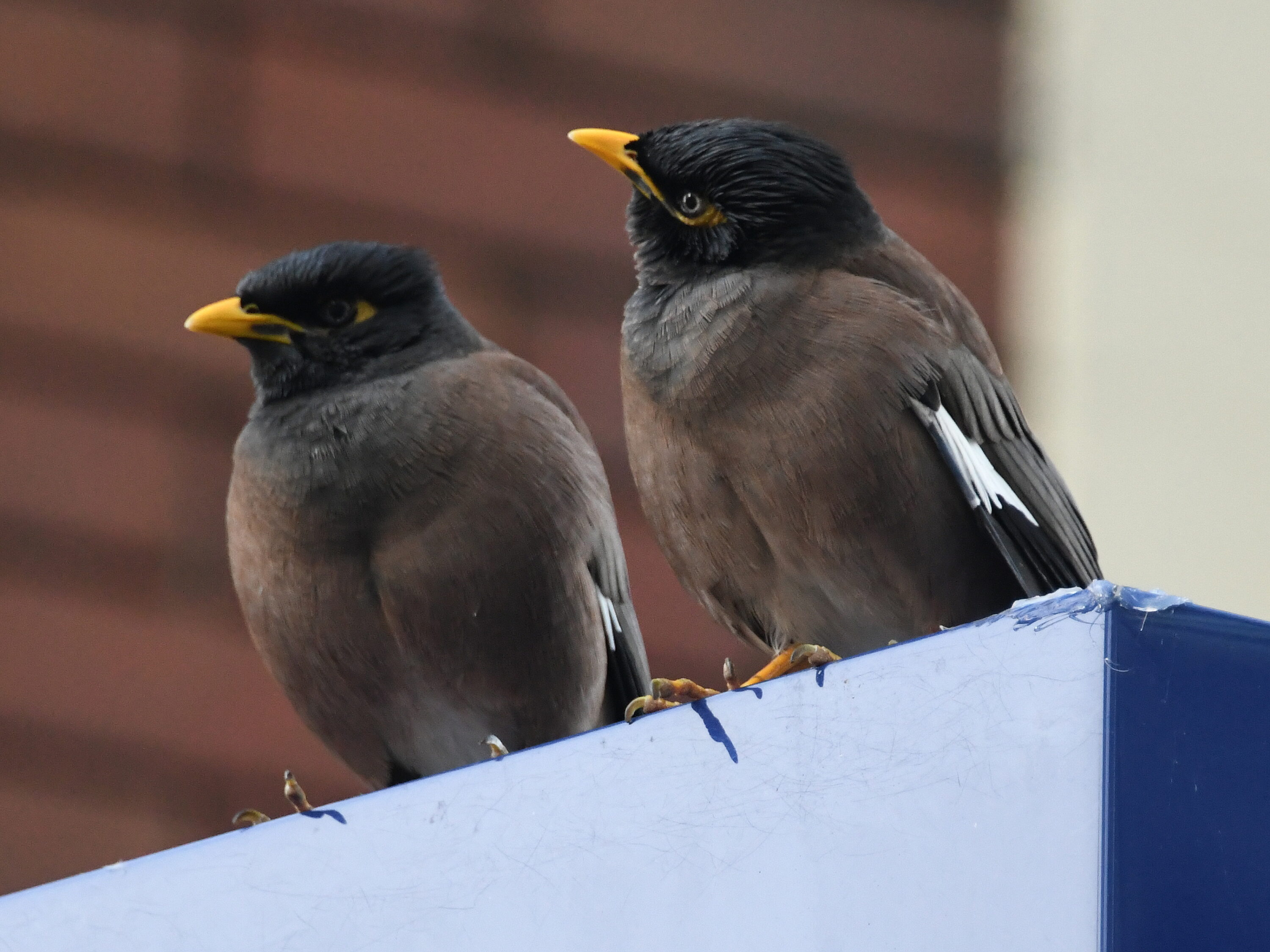
Rail Staff Say Two Common Mynas Regularly Ride Sydney Trains
Two common mynas were filmed sitting calmly inside a Sydney train, while a guard said staff know them…
Read story →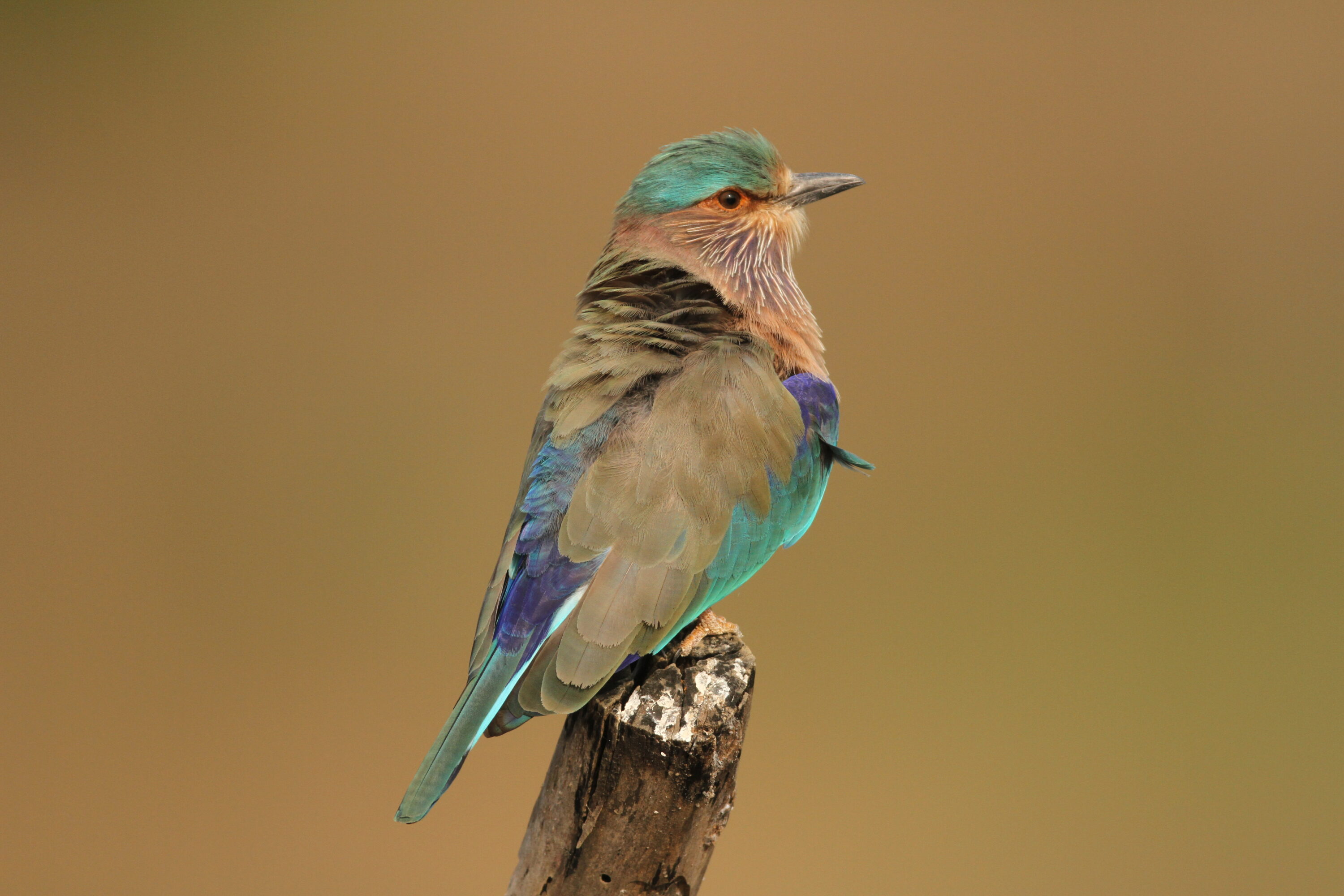
Six Cavity-Nesting Bird Species Bred Successfully in Artificial Nests in Punjab
Punjab Agricultural University reported successful breeding in artificial nests by six cavity-nesting species, including Indian roller, spotted owlet…
Read story →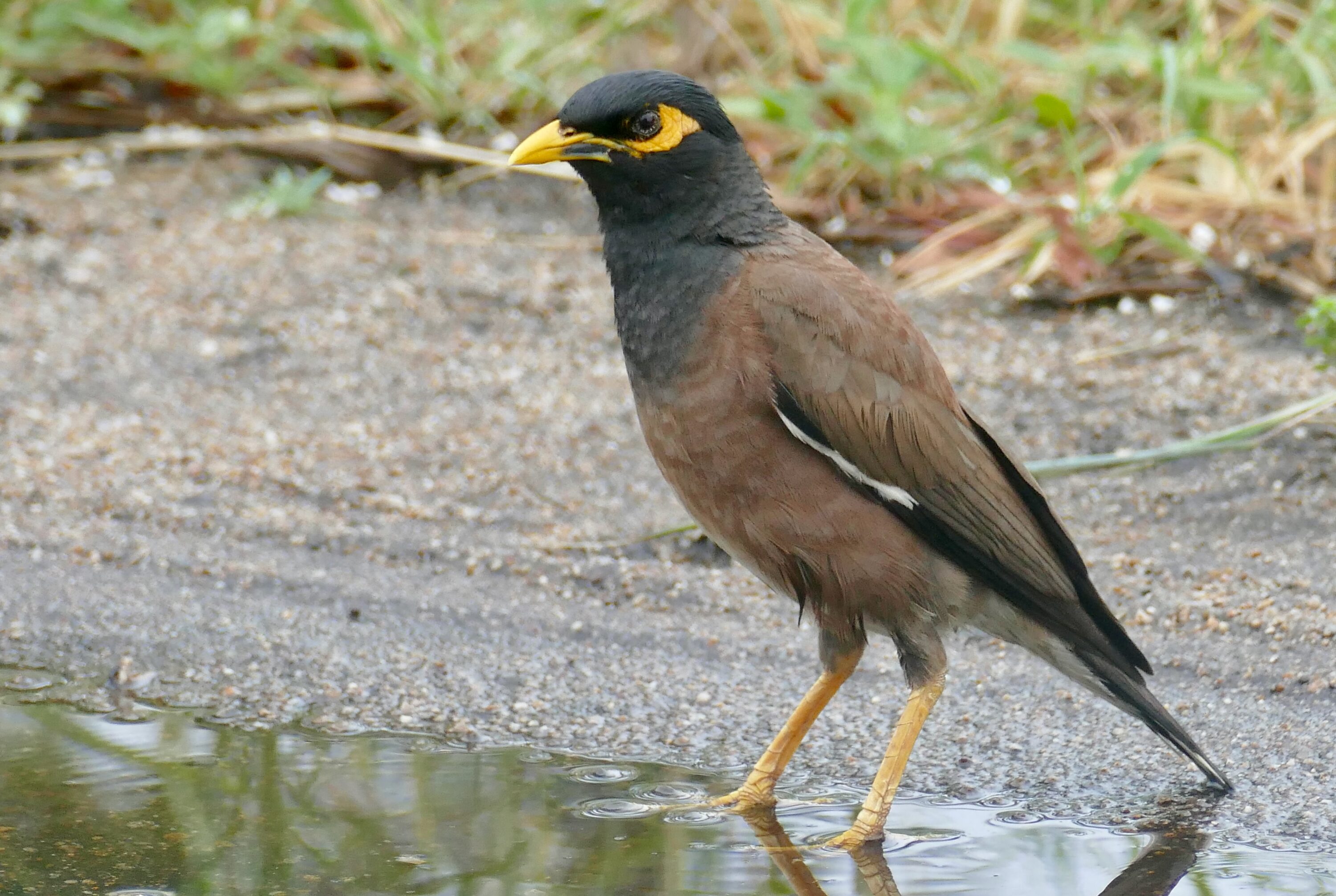
Qatar Captured 12,844 Invasive Common Mynas From January to July
Qatar reported 12,844 common mynas captured from January through July 2026, bringing the project total to 61,999. Control…
Read story →SPECIES IN THIS STORY
Species in this story
Independent research and conservation news archive
Did you find this information useful?
Wildlife Vagabond is independently built and maintained. Voluntary support helps cover source verification, hosting and continued work on research and conservation news.
Support Wildlife VagabondThe news archive will remain freely available.