
Greylag Goose families stayed close to wetlands in Danish farmland
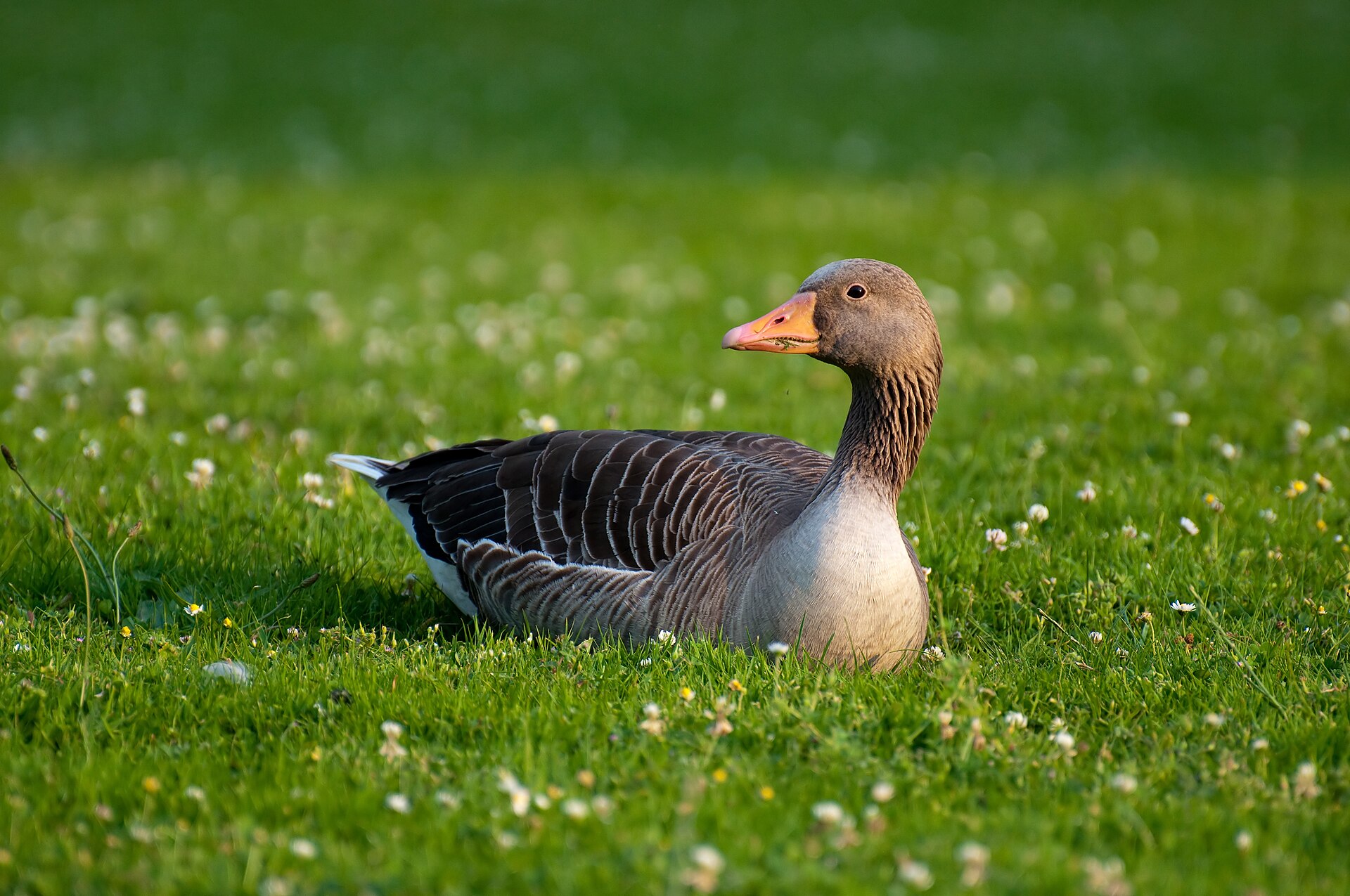
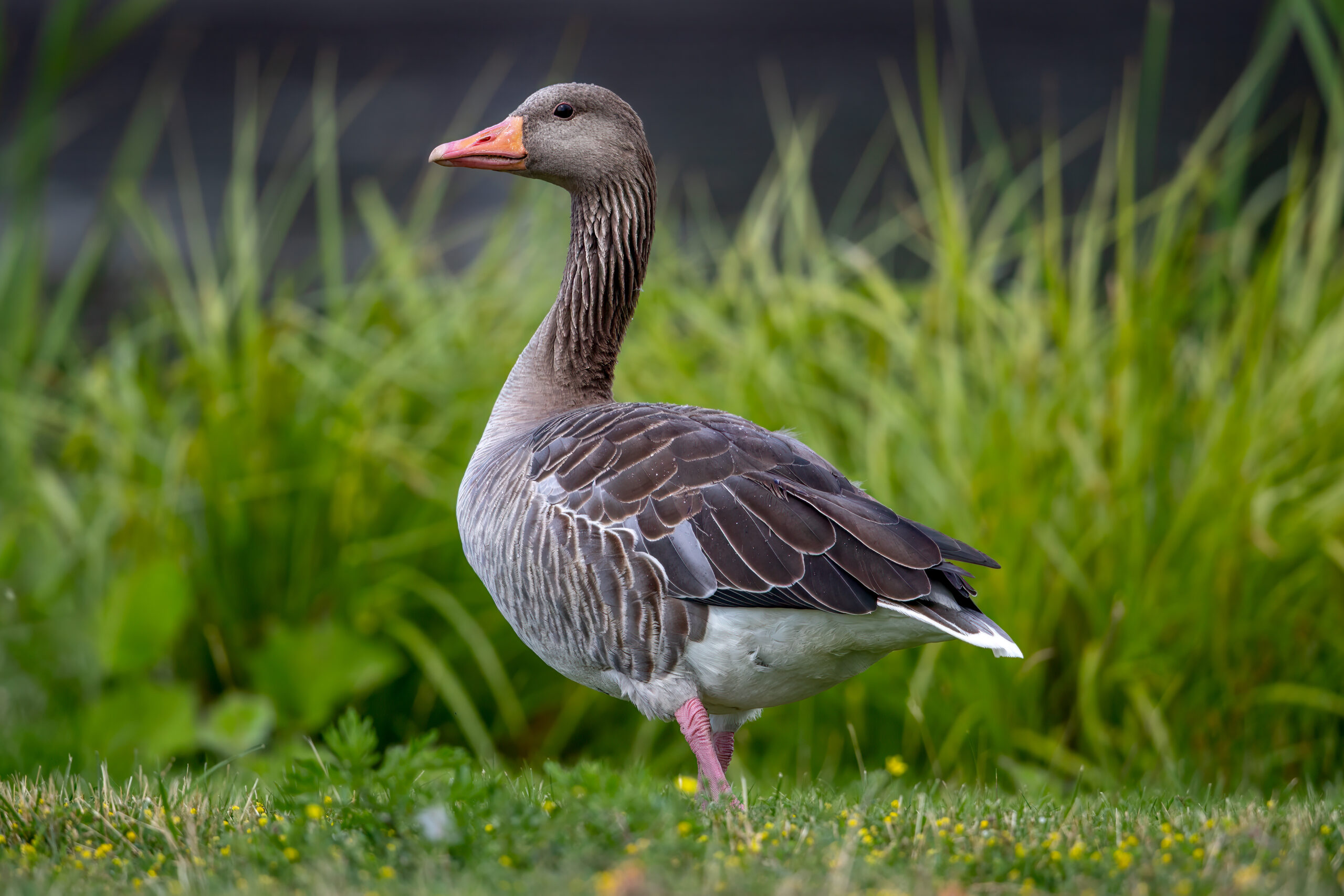
In the middle of intensively farmed landscapes in eastern Jutland, brood-rearing Greylag Geese (Anser anser) spent most of their time on or around small wetlands. At Kastrup Mose, the tracked birds spent less than 5% of their time in spring-sown barley; time in grassland varied among individuals. The families’ behaviour also differed by age: goslings grazed more on grass while adults spent more time watching for danger and preening, often staying on the water.
Researchers caught 31 geese in family groups in June 2021, then fitted GPS/GSM collars to seven adults or first-year birds accompanying goslings. The collars recorded locations every ten minutes at two sites on the Djursland Peninsula. At one site, Vasen, the researchers also recorded flock behaviour during repeated observations over six days.
Water and wetland vegetation dominated the families’ time
Across the two sites, tracked birds spent 61–79% of daylight hours and 74–99% of the night on or around open water. This included reed beds and flooded willow scrub as well as open water. At Kastrup Mose, each tracked bird spent less than 5% of its time in spring-sown barley; time spent in grassland varied among individuals.
At Vasen, behavioural observations showed a clear difference between age groups. Goslings grazed more on nearby grass than adults did. Adults, meanwhile, spent more time vigilant and preening, often remaining on the adjacent water. The pattern suggests that a wetland and its surroundings offered families a combination of feeding areas and places to remain on or near water.
Families can be hard to count in farmland
The authors suggest that small wetlands within agricultural landscapes may provide nursery habitat, with nearby water that families can retreat to from terrestrial predators. They also discuss the possibility that these wetlands contributed to the Greylag Goose’s expansion in the area, but the study does not establish that they caused it. The tracked families used spring-sown barley very little, leading the authors to infer that brood-rearing families were unlikely to be major contributors to crop conflict at these sites. Larger groups that gather after the goslings fledge may present a different situation.
Because families can be difficult to detect in intensively farmed landscapes, the authors consider counts of these larger post-fledging groups more effective for monitoring breeding productivity than traditional breeding surveys. The tracking covered seven birds at two sites in one year, so it describes these families and locations rather than all Greylag Geese or brood-rearing habitats.
Ecology
Related news
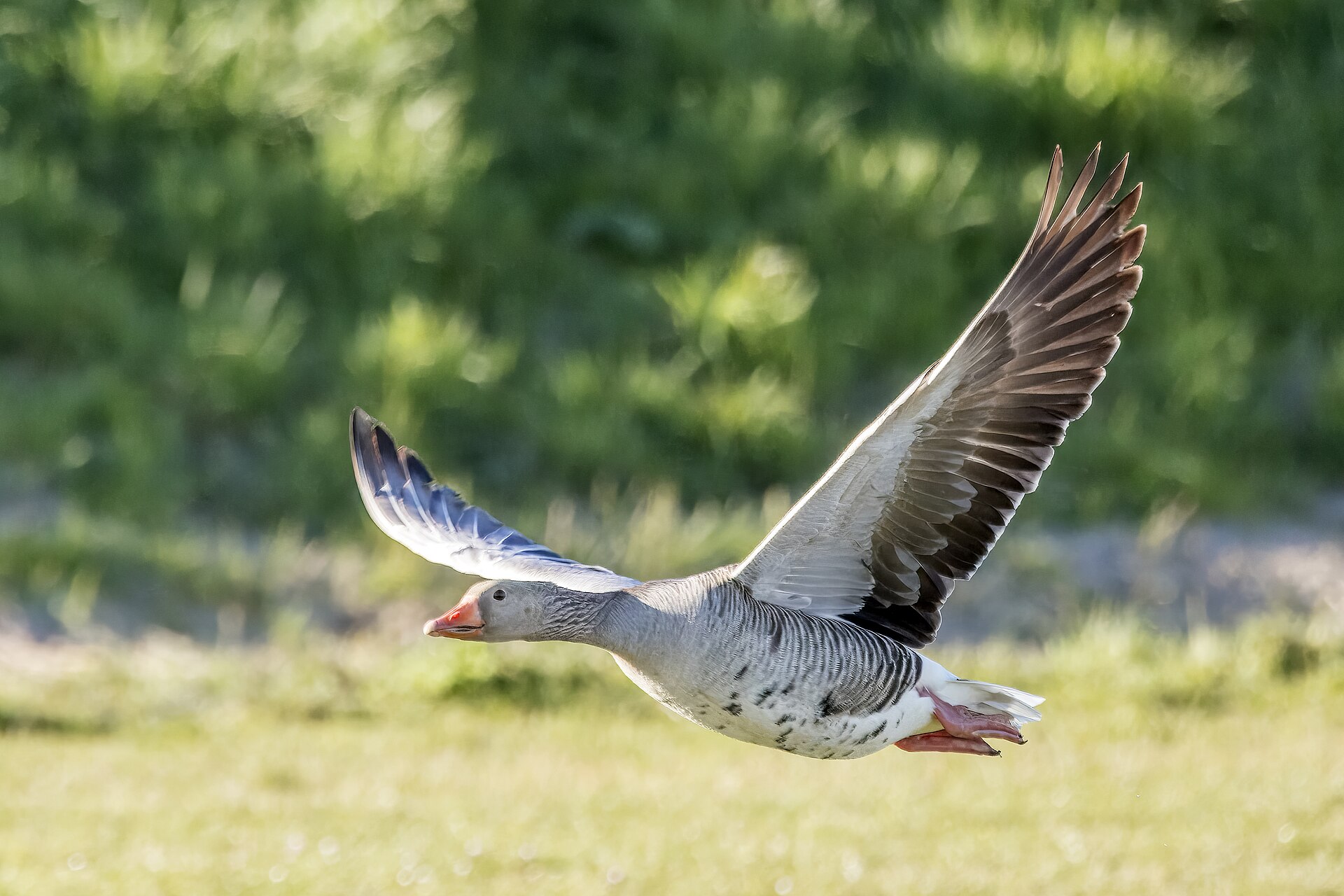
Greylag Goose Calls Offer Clues to Who Will Fly Together
Among 133 free-living greylag geese, the number and identity of birds calling before takeoff were linked to whether…
Read story →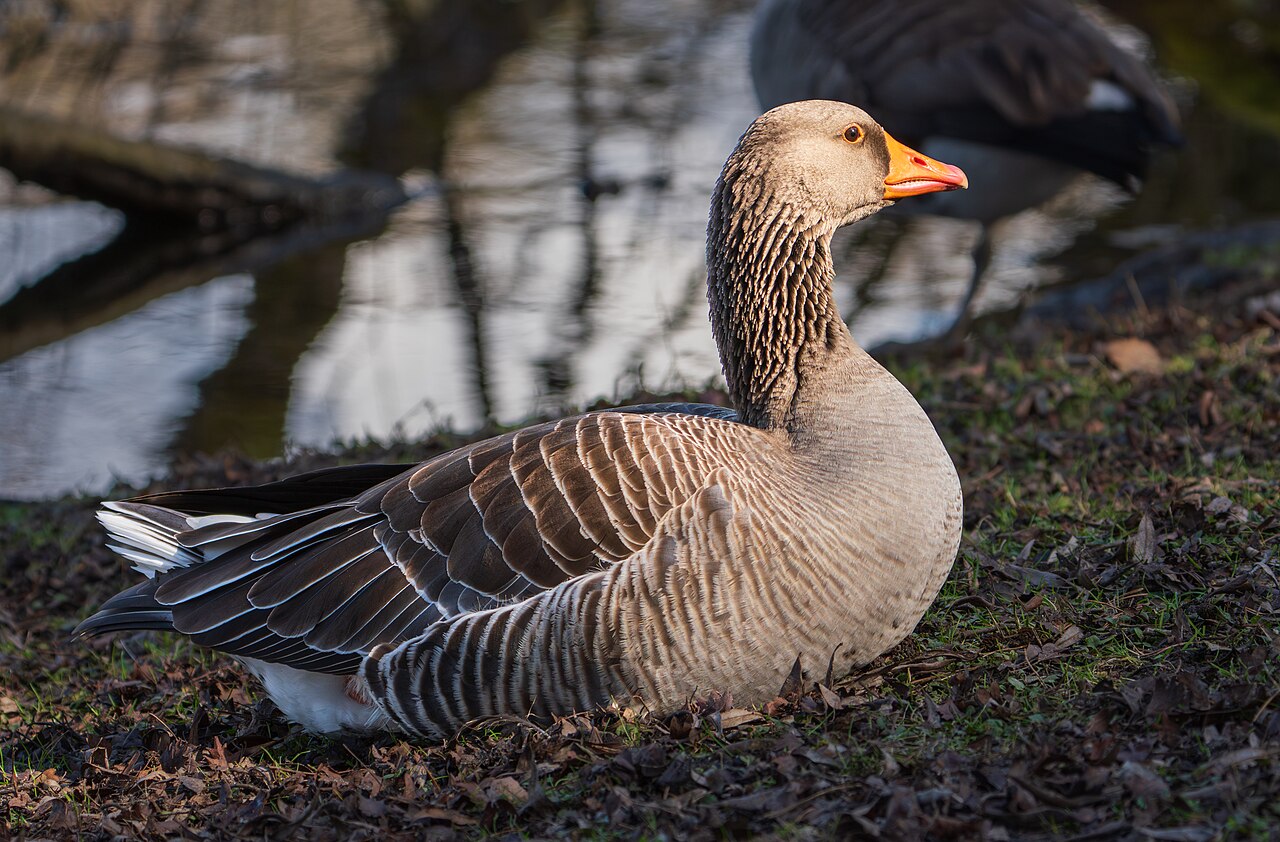
Some Greylag Geese Migrate One Year and Stay the Next
GPS tracking at Lake Neusiedl showed that most of the geese migrated, with winter destinations ranging from Germany…
Read story →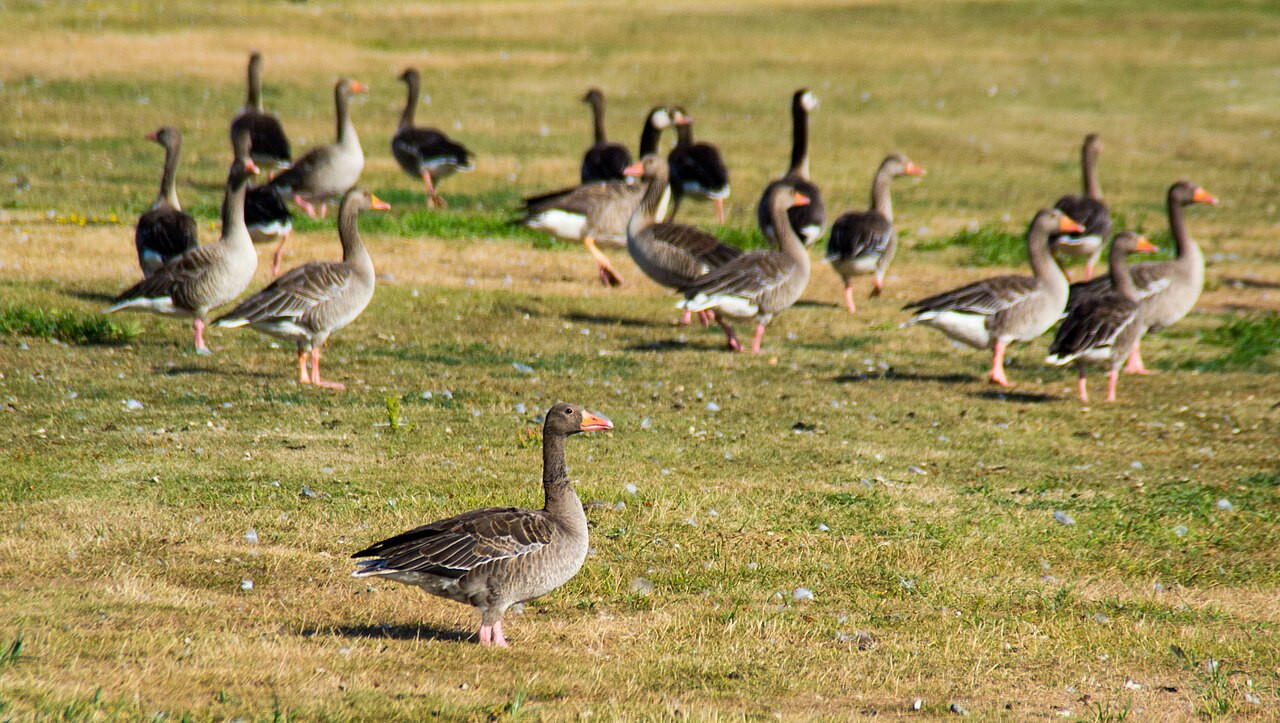
North-west European Greylag Goose Winter Population Estimated at 802,320
The north-west European greylag goose population was estimated at 802,320 wintering birds in January 2025, well above the…
Read story →SPECIES IN THIS STORY
Species in this story
Independent research and conservation news archive
Did you find this information useful?
Wildlife Vagabond is independently built and maintained. Voluntary support helps cover source verification, hosting and continued work on research and conservation news.
Support Wildlife VagabondThe news archive will remain freely available.