
Black-headed Gulls linked protected and unprotected wetlands in Morocco
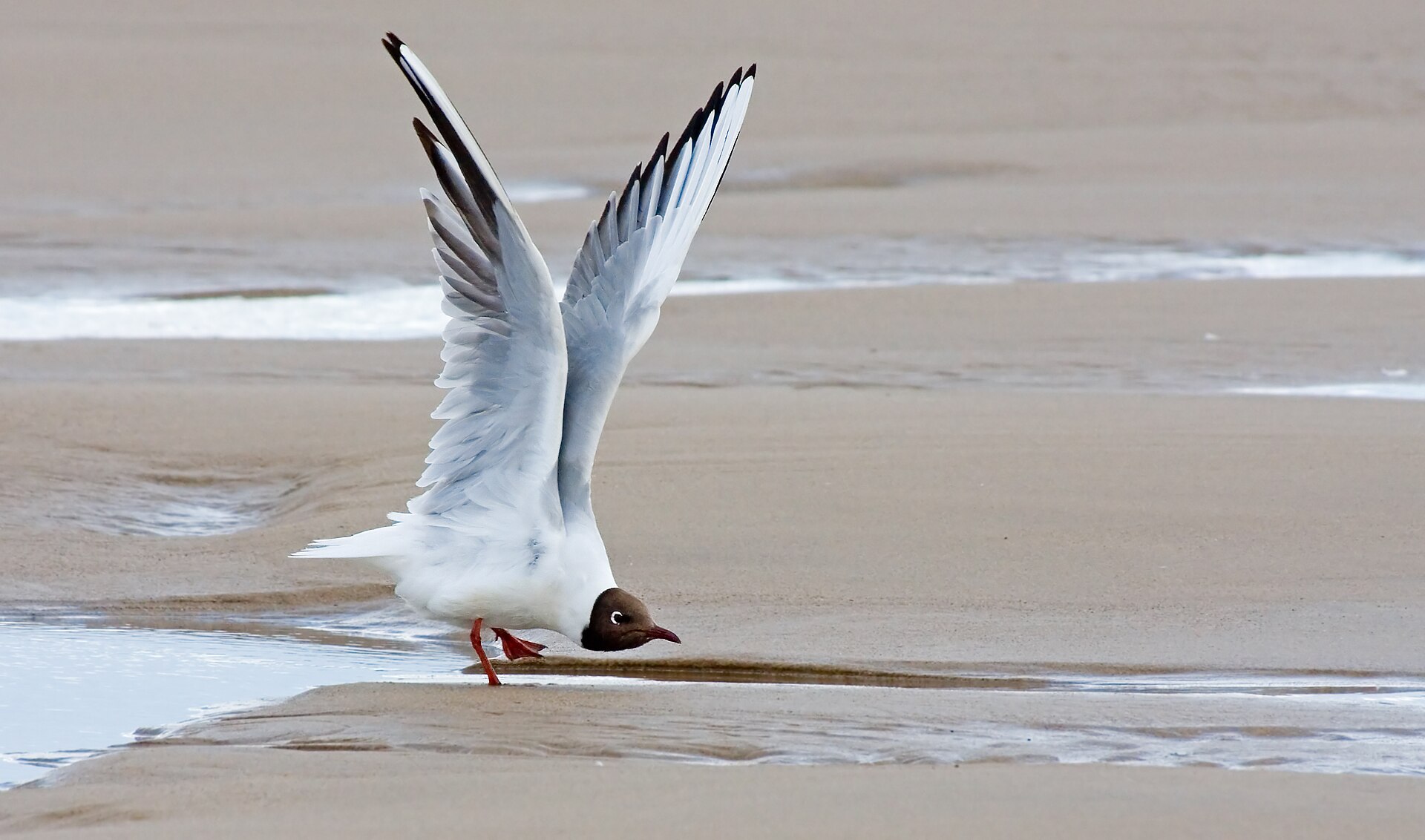
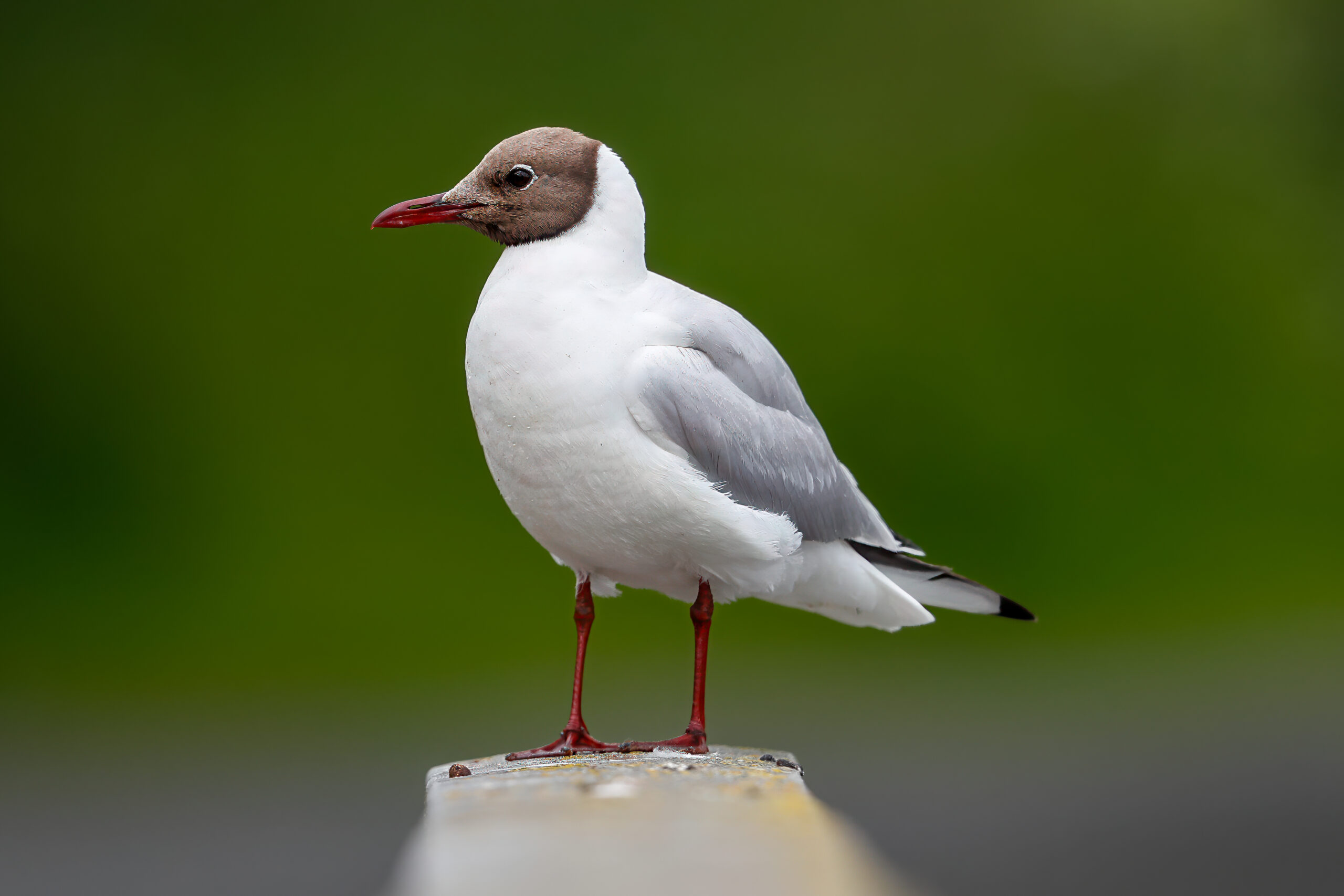
After breeding in southwestern Spain, some Black-headed Gulls (Chroicocephalus ridibundus) travelled to Morocco and used a network of wetlands spread across the country. Researchers fitted GPS tags to 64 gulls at Veta la Palma in Doñana in 2022 and 2023. Nineteen reached Morocco, and their tracking records covered 35 bird-years between 2022 and 2024.
When the gulls were not flying, they spent 58% of their time in aquatic habitats and 42% in terrestrial habitats. Permanent wetlands, farmland and rivers were among the most prominent habitat types. The birds therefore made extensive use of land as well as wetlands.
The tracked gulls used 26 Moroccan wetlands, including rivers, reservoirs, lagoons and temporary wetlands. They also visited human-made sites such as landfills and wastewater-treatment plants. To map wetland connections, the researchers identified movements from one wetland to another in the GPS tracks. They counted 1,430 such movements, linking 54 different pairs of wetlands. The network was sparse and its connections were concentrated in three main geographic regions. Although the birds also used landfills and treatment plants, these sites were not included in the wetland network.
Unprotected wetlands were important links
A site’s betweenness measures how often it lies between other sites along the connections mapped in a network. Several unprotected rivers and reservoirs ranked highly on this measure, alongside protected wetlands. Of the 26 wetlands, nine were Ramsar sites, but none of the five sites with the highest betweenness was protected. The leading sites were Oued Makhazine Dam, Sbou River, Sidi Mohammed Ben Abdallah Dam, Ikem River Delta and Mohammedia Delta.
The researchers also simulated removing wetlands from the network. Removing Sbou River caused the largest reduction in the size of the network’s largest connected group, followed by Oued Makhazine Dam. Removing Ikem River Delta produced the greatest increase in the average shortest route between sites. These simulations show why a wetland’s importance to the network may not be captured by whether it is protected or how many birds are counted there.
The Sbou River lies in the Sebou basin, a major region for Moroccan waterbirds. The study notes that the basin holds about 30% of the country’s wintering Black-headed Gulls and has been extensively altered by dam construction. Several rivers and reservoirs in the basin featured prominently in the tracked gulls’ network, linking wetlands in a heavily modified landscape.
Tracking revealed a different seasonal pattern
GPS positions in Morocco were concentrated mainly from June to November, with a peak in July and August. By contrast, around 47,000 eBird observations peaked from February to June, especially April and May. The authors suggest that seasonal differences in birdwatching activity may help explain the contrast. The records therefore provide different kinds of information: tracking showed when these tagged gulls used Moroccan wetlands, while eBird records showed when observers reported the species.
The results describe gulls from one breeding area, not every Black-headed Gull that visits Morocco: only 19 of the 64 tagged birds travelled there. Even so, the tracks show how a migratory bird can connect wetlands across national landscapes and identify unprotected sites that may be important to keeping those connections intact.
Ecology
Related news
DDT and PCBs remain detectable in Baltic Black-headed Gull eggs
All 60 eggs sampled at two German Baltic colonies contained DDT-related compounds and PCBs. DDE predominated, pointing mainly…
Read story →
GPS-Based Models Highlighted the Lower Sumida as a Key Black-headed Gull Corridor in Tokyo
GPS tracking showed that black-headed gulls followed different river features at different movement scales in Tokyo, while GPS-based…
Read story →
Black-headed Gull Sample Yielded the Longest Known Calicivirus Genome
A Hungarian black-headed gull faecal sample yielded an 8,845-nucleotide avian calicivirus genome with unusual RNA structures and enough…
Read story →SPECIES IN THIS STORY
Species in this story
Independent research and conservation news archive
Did you find this information useful?
Wildlife Vagabond is independently built and maintained. Voluntary support helps cover source verification, hosting and continued work on research and conservation news.
Support Wildlife VagabondThe news archive will remain freely available.