
DDT and PCBs remain detectable in Baltic Black-headed Gull eggs
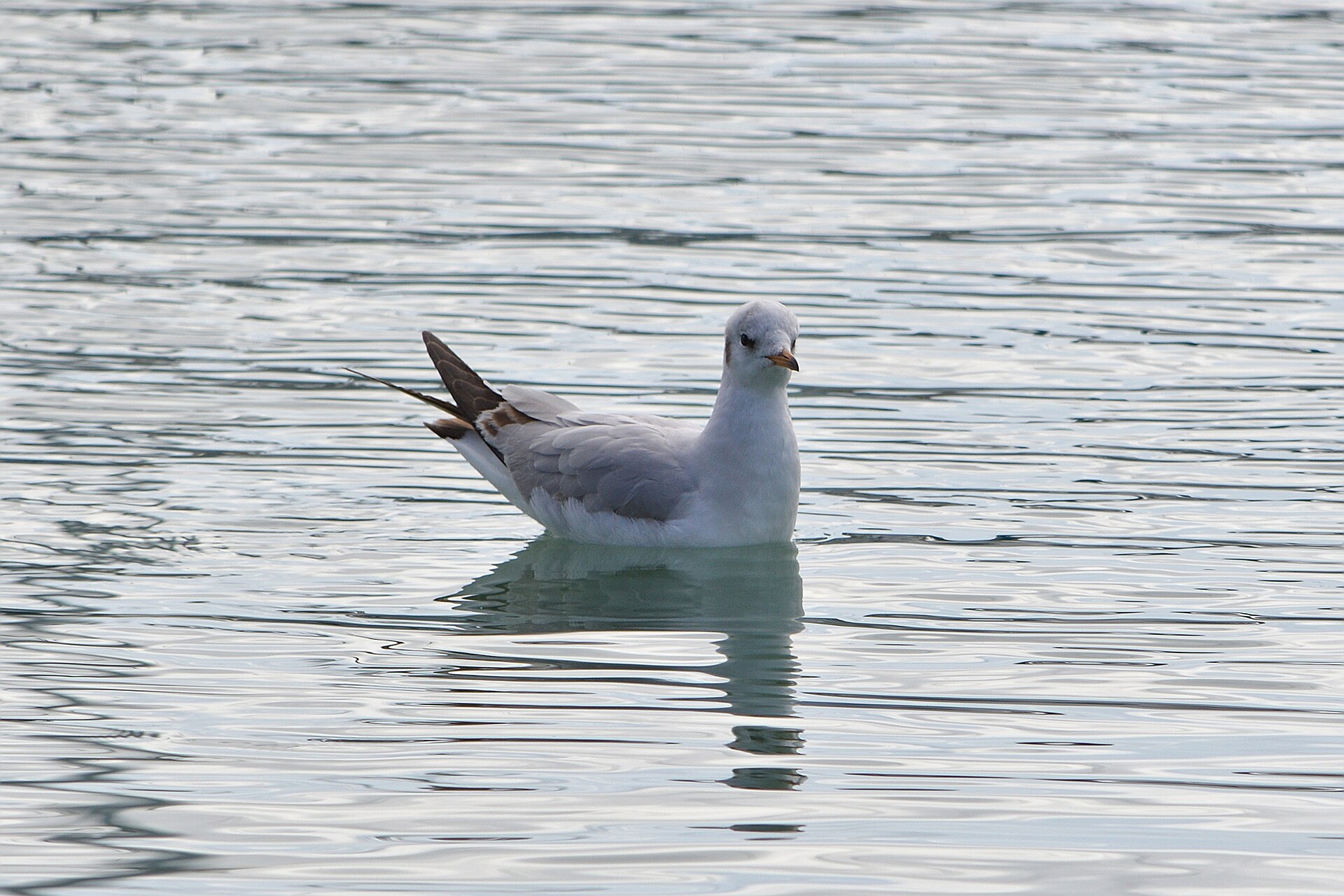
Persistent pollutants such as DDT and PCBs break down slowly and can accumulate in food webs. Researchers tested 60 Black-headed Gull (Chroicocephalus ridibundus) eggs from two colonies on Germany’s southern Baltic coast, collected during the 2023 and 2024 breeding seasons. All contained DDT and its breakdown products, as well as the measured PCB compounds, above the study’s reporting level.
Mean total PCB concentrations across the colony-and-year groups ranged from 0.135 to 0.268 mg/kg; mean total DDT concentrations ranged from 0.42 to 0.63 mg/kg. The study found no statistically supported differences in mean concentrations between colonies or years.
The residue profile points mainly to older pollution
DDE, a breakdown product of DDT, was the predominant DDT-related compound, averaging 0.57 mg/kg. The original compound, p,p′-DDT, was detected in 33 of the 60 eggs. The researchers interpret DDE’s predominance as evidence that the residues mainly reflect older contamination. Detecting p,p′-DDT does not establish a recent release: older residues can persist in the environment and re-enter food webs.
PCB concentrations were lower than the more than 2 mg/kg reported for eggs from one of the same islands in 1986, while DDE levels were similar to an earlier regional report. These historical comparisons are imperfect because sampling and analytical methods differed. HCB was quantified at low levels in five eggs; HCH was not quantified above the study’s reporting level of 0.01 mg/kg.
Eggs can help monitor contaminants transferred from females to their offspring. The study found no general associations between pollutant concentrations and the measured eggshell or female body parameters. It did not determine whether the residues harmed the birds or affected reproduction.
Ecology
Related news

GPS-Based Models Highlighted the Lower Sumida as a Key Black-headed Gull Corridor in Tokyo
GPS tracking showed that black-headed gulls followed different river features at different movement scales in Tokyo, while GPS-based…
Read story →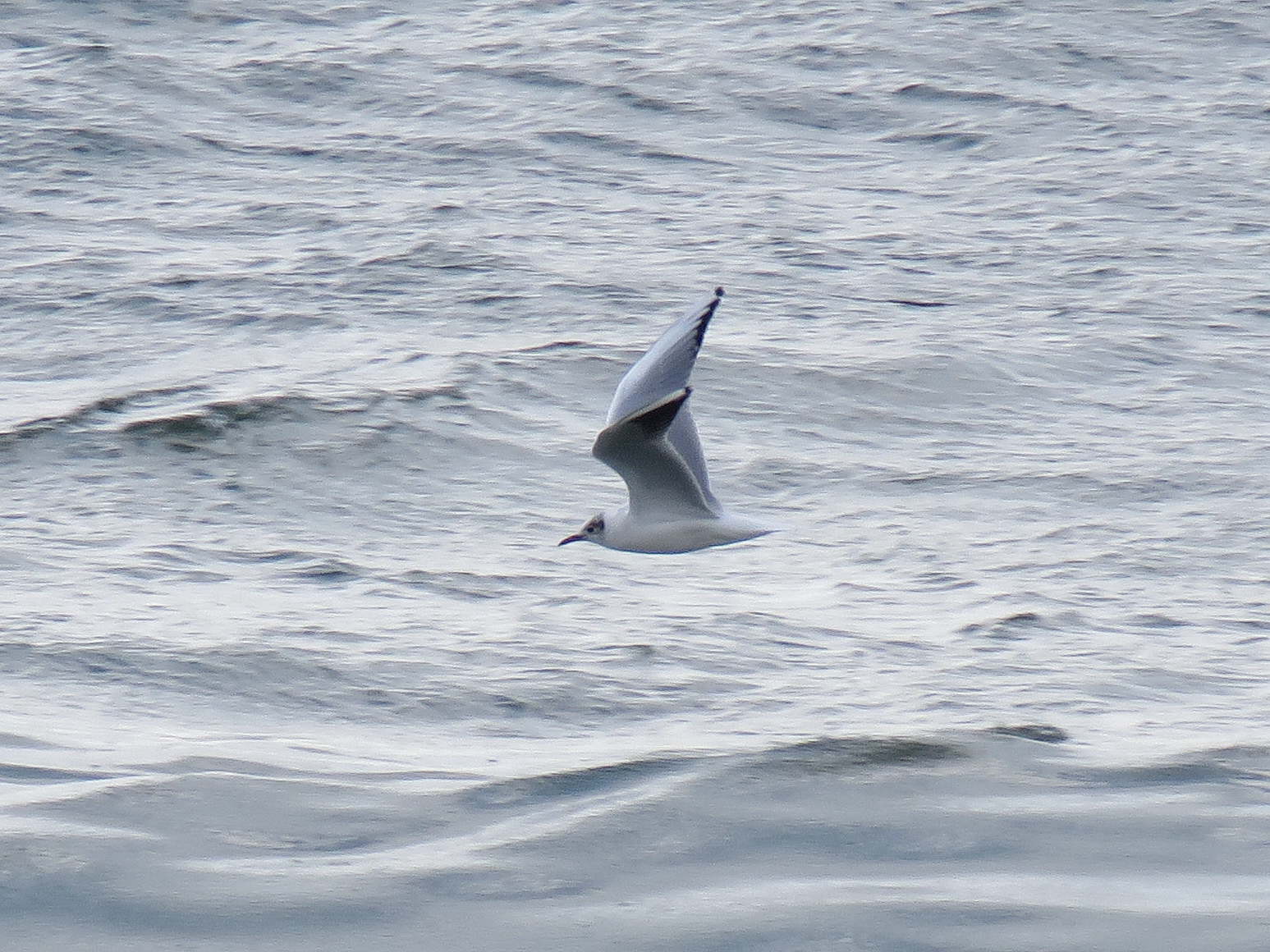
Black-headed Gull Sample Yielded the Longest Known Calicivirus Genome
A Hungarian black-headed gull faecal sample yielded an 8,845-nucleotide avian calicivirus genome with unusual RNA structures and enough…
Read story →
New Papillomavirus Genome Identified in Black-headed Gull Faeces in China
Researchers identified the 7,794-base-pair CrPV1 genome in faecal samples from black-headed gulls in Sichuan and found it genetically…
Read story →SPECIES IN THIS STORY
Species in this story

Independent research and conservation news archive
Did you find this information useful?
Wildlife Vagabond is independently built and maintained. Voluntary support helps cover source verification, hosting and continued work on research and conservation news.
Support Wildlife VagabondThe news archive will remain freely available.