
Brown Rock Chat Young Began Short Flights at 17–19 Days in Sikar
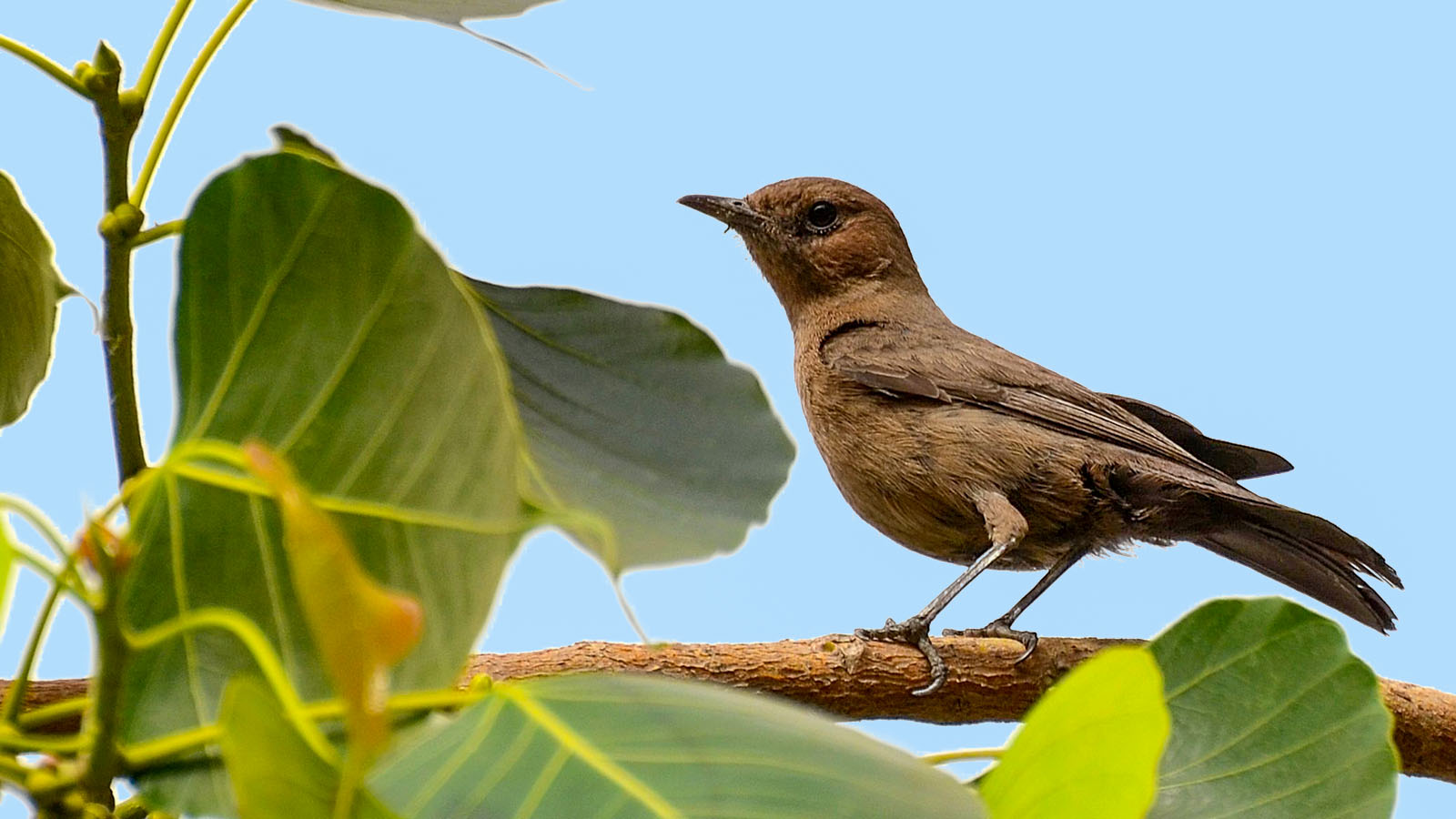
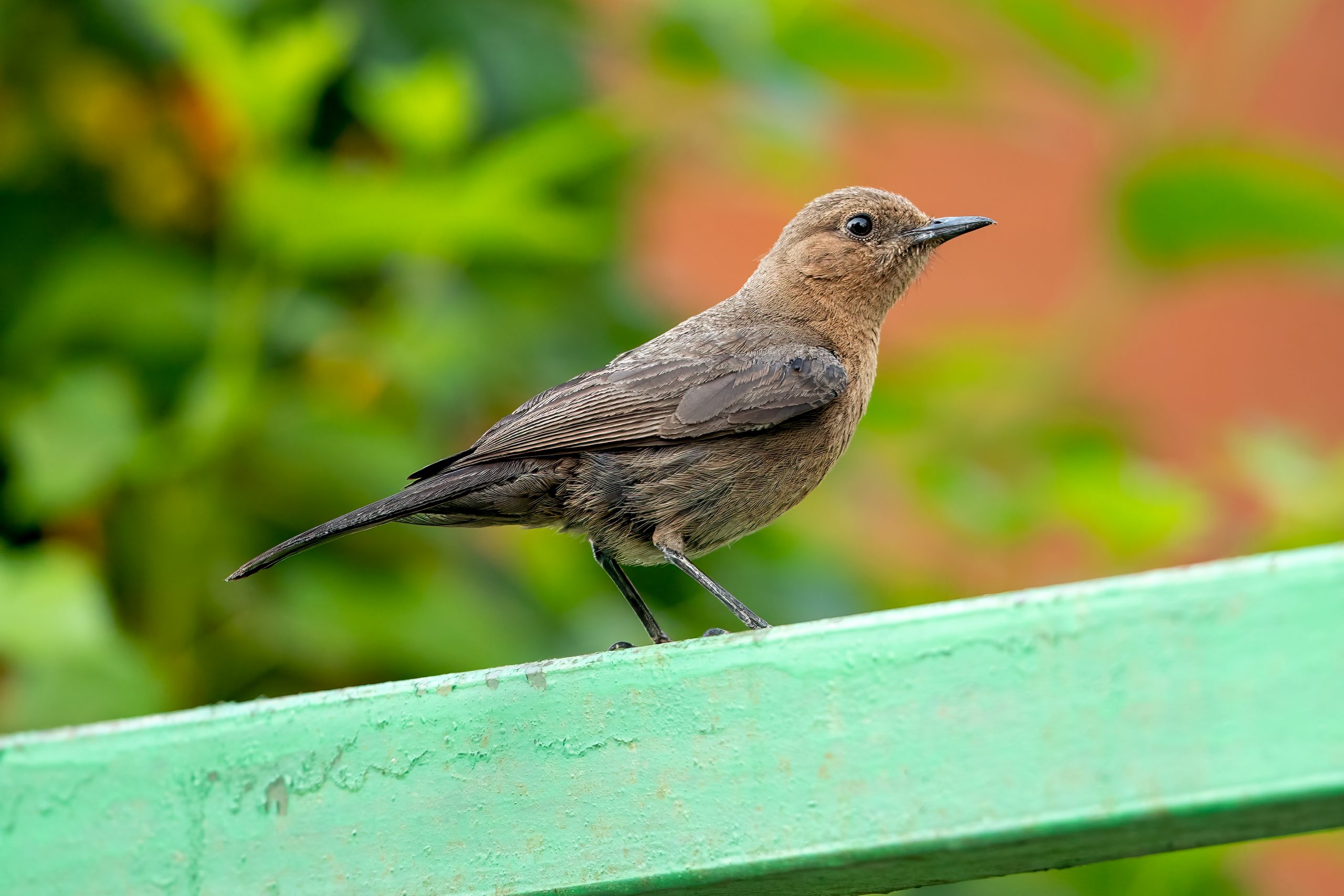
A field study in Sikar, Rajasthan, India, documented nesting and early development in Brown Rock Chats (Oenanthe fusca) between March and July 2026. The birds nested in inhabited buildings and built deep cup-shaped nests from materials including dry grass, hair, wool and threads from cement bags.
The observed clutch contained three pale-blue eggs laid at roughly one-day intervals. Incubation lasted about 13–15 days before the young hatched.
Rapid development during the first two weeks
The authors report especially rapid growth toward the end of the first week. By about two weeks of age, the flight feathers were fully developed and continued to lengthen as fledging approached.
The young began making short flights at around 17–19 days of age. From nest construction until the young left the nest, the full breeding cycle lasted about five to six weeks.
Feeding behaviour also included coprophagy
Brown Rock Chats are primarily insectivorous, but the study also reports coprophagous feeding—that is, consumption of faecal material. The observation adds another food type to the behaviour recorded during the study period, although the paper’s main focus was nestling growth and development.
The study provides a natural-history record from Sikar rather than a broad population analysis. Its most direct contribution is a documented timetable for egg laying, incubation, feather development and the onset of short flights under the observed conditions.
Reproduction & development
Related news
Three Fledglings Confirmed Brown Rock Chat Breeding in Janakpur
Mithila Wildlife Trust photographed three newly fledged brown rock chats with adults in Janakpur in 2026, providing the…
Read story →
Brown Rock Chat Index Increased 3.2% per Year Recently in India
The 2025 State of India’s Birds update estimated a recent annual increase of 3.2% in the national Brown…
Read story →
Toxoplasma Antibodies Found in 14 of 35 Wild Bird Species Sampled Around Lahore
A study published in 2026 detected antibodies against Toxoplasma gondii in 18 of 176 wild birds around Lahore,…
Read story →SPECIES IN THIS STORY
Species in this story
Independent research and conservation news archive
Did you find this information useful?
Wildlife Vagabond is independently built and maintained. Voluntary support helps cover source verification, hosting and continued work on research and conservation news.
Support Wildlife VagabondThe news archive will remain freely available.