
Toxoplasma Antibodies Found in 14 of 35 Wild Bird Species Sampled Around Lahore
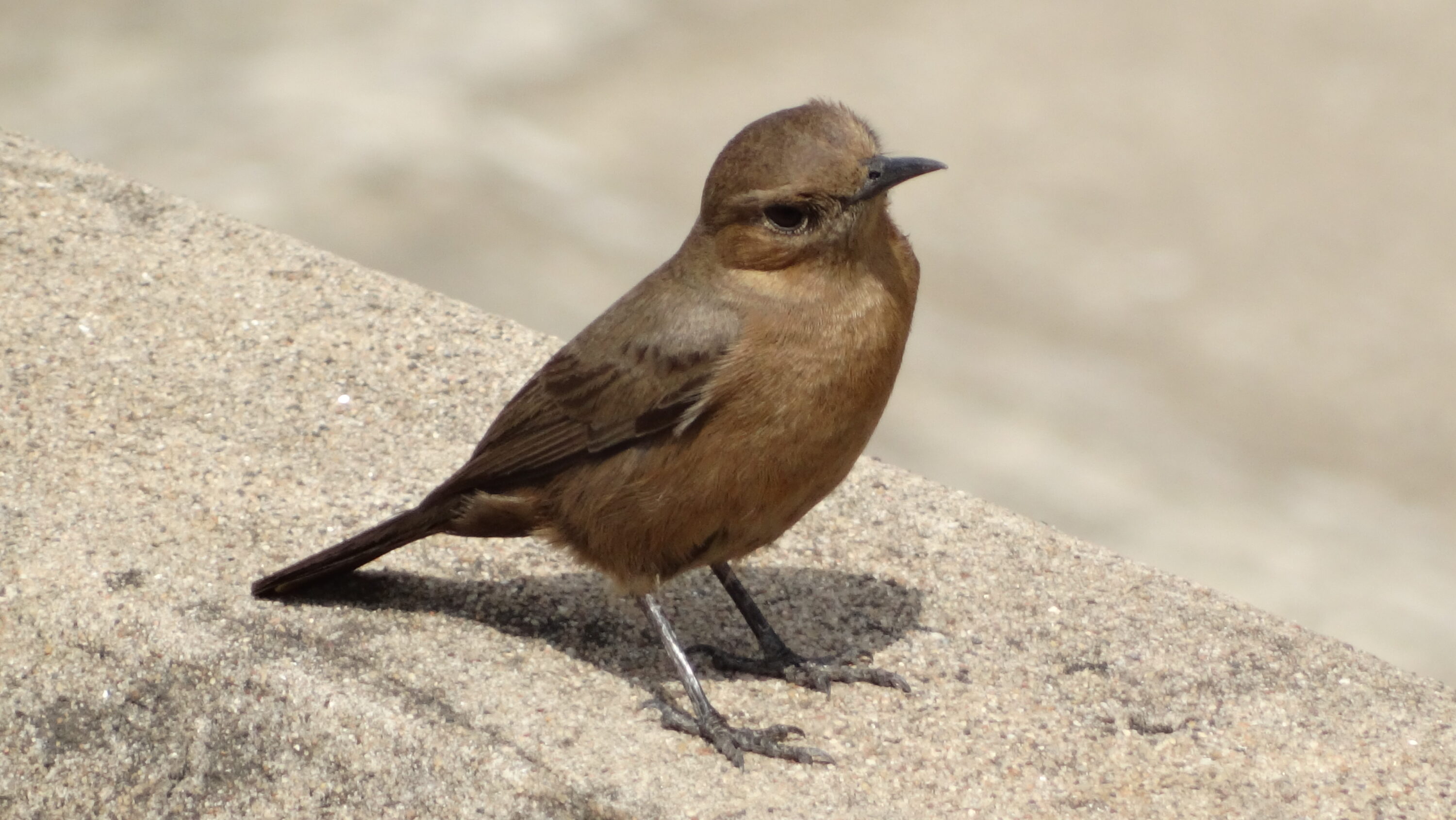
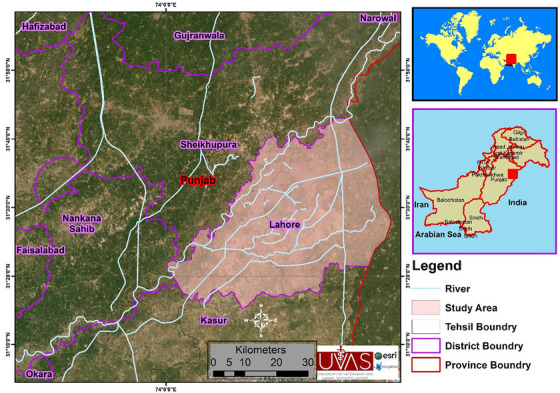
A 2026 study of wild birds in Lahore District, Pakistan, detected antibodies against Toxoplasma gondii in 18 of 176 birds, representing 14 of the 35 species sampled. The researchers captured birds with mist nets, collected blood samples and released the birds after sampling.
Mist nets are fine mesh nets stretched between supports to temporarily capture flying birds so they can be handled, measured or sampled.
Toxoplasma gondii is a zoonotic parasite that causes toxoplasmosis and can infect many warm-blooded animals, including birds and humans. Wild birds can act as intermediate hosts and indicators of environmental circulation, so antibody surveys help show where birds have been exposed even when the detections do not demonstrate clinical disease.
Species with positive antibody tests included:
| Species | Scientific name | Positive / tested birds |
|---|---|---|
| brown rock chat | Oenanthe fusca | 2 / 9 |
| house crow | Corvus splendens | 3 / 15 |
| common myna | Acridotheres tristis | 1 / 3 |
| Indian silverbill | Euodice malabarica | 1 / 2 |
| scaly-breasted munia | Lonchura punctulata | 1 / 5 |
| red-wattled lapwing | Vanellus indicus | 1 / 2 |
| lesser whitethroat | Curruca curruca | 2 / 7 |
| Eurasian collared dove | Streptopelia decaocto | 1 / 4 |
| Indian pied myna | Gracupica contra | 1 / 6 |
| long-tailed shrike | Lanius schach | 1 / 6 |
| western yellow wagtail | Motacilla flava | 1 / 7 |
| baya weaver | Ploceus philippinus | 1 / 20 |
| black drongo | Dicrurus macrocercus | 1 / 7 |
| jungle babbler | Argya striata | 1 / 9 |
Overall seroprevalence was 10.2%
Across all sampled birds, 10.2% tested positive for T. gondii antibodies. Adults had the clearest demographic contrast, with 28.6% testing positive compared with 7.7% of juveniles. Males were positive more often than females (13.5% versus 6.9%), rural birds slightly more often than urban birds (11.3% versus 8.9%), and apparently sick birds more often than apparently healthy birds (16.7% versus 9.2%), but none of those three differences was clearly supported. The regression analysis additionally identified locality, taxonomic order and feeding behaviour as factors associated with seropositivity.
Small species samples limit interpretation
The authors note that the numbers sampled within individual species were small, so the species-level percentages should not be treated as precise prevalence estimates for those species or for wild birds across Pakistan. The antibody detections show previous exposure to T. gondii but do not in themselves establish clinical disease in the birds.
Disease, parasites & microbiology
Related news
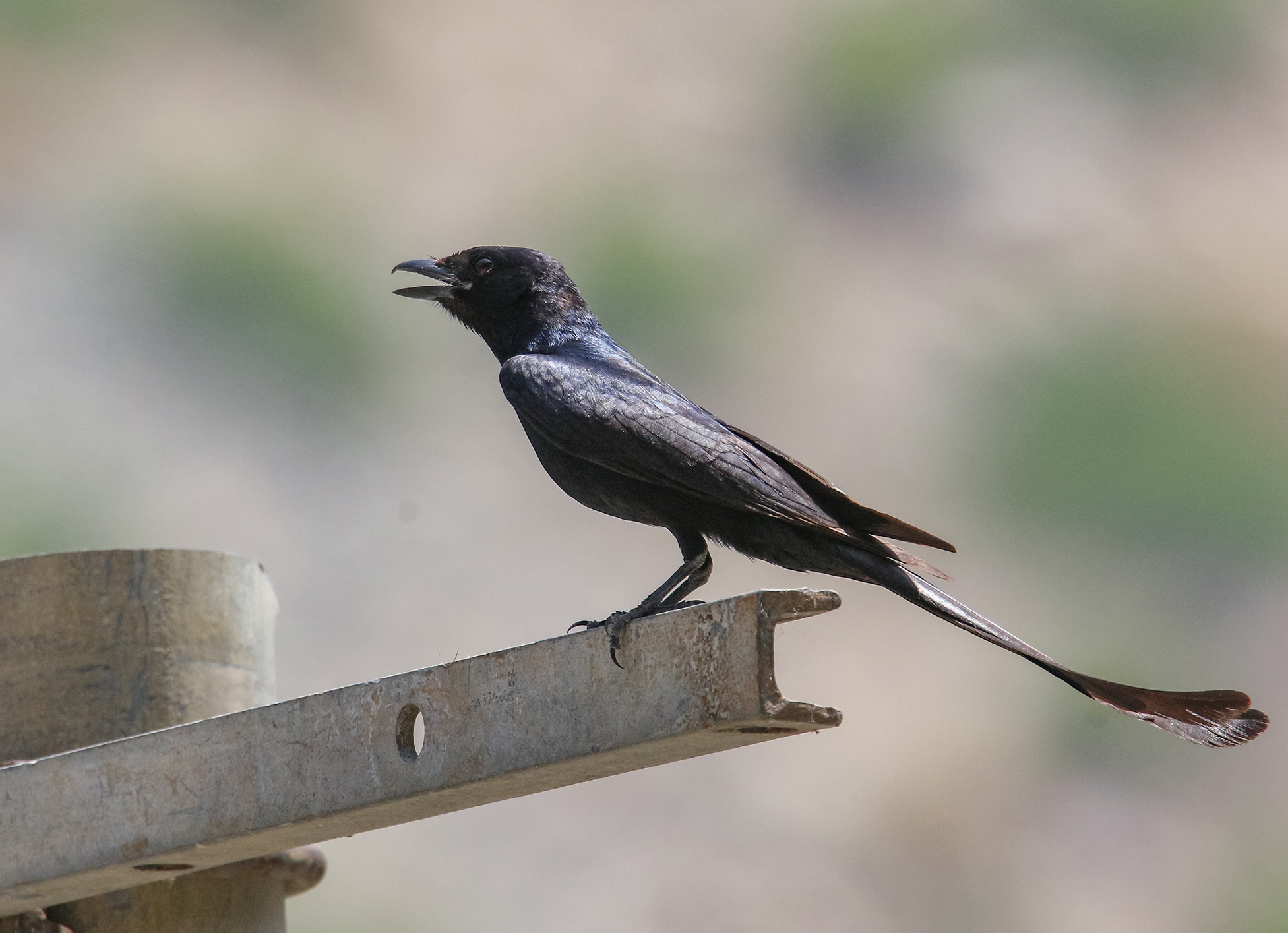
Seven Examined Black Drongo Nests Averaged 4.97 m High, Versus 4.50 m for Seven Long-tailed Shrike Nests
Seven examined Black Drongo nests averaged 4.97 m above ground versus 4.50 m for seven Long-tailed Shrike nests…
Read story →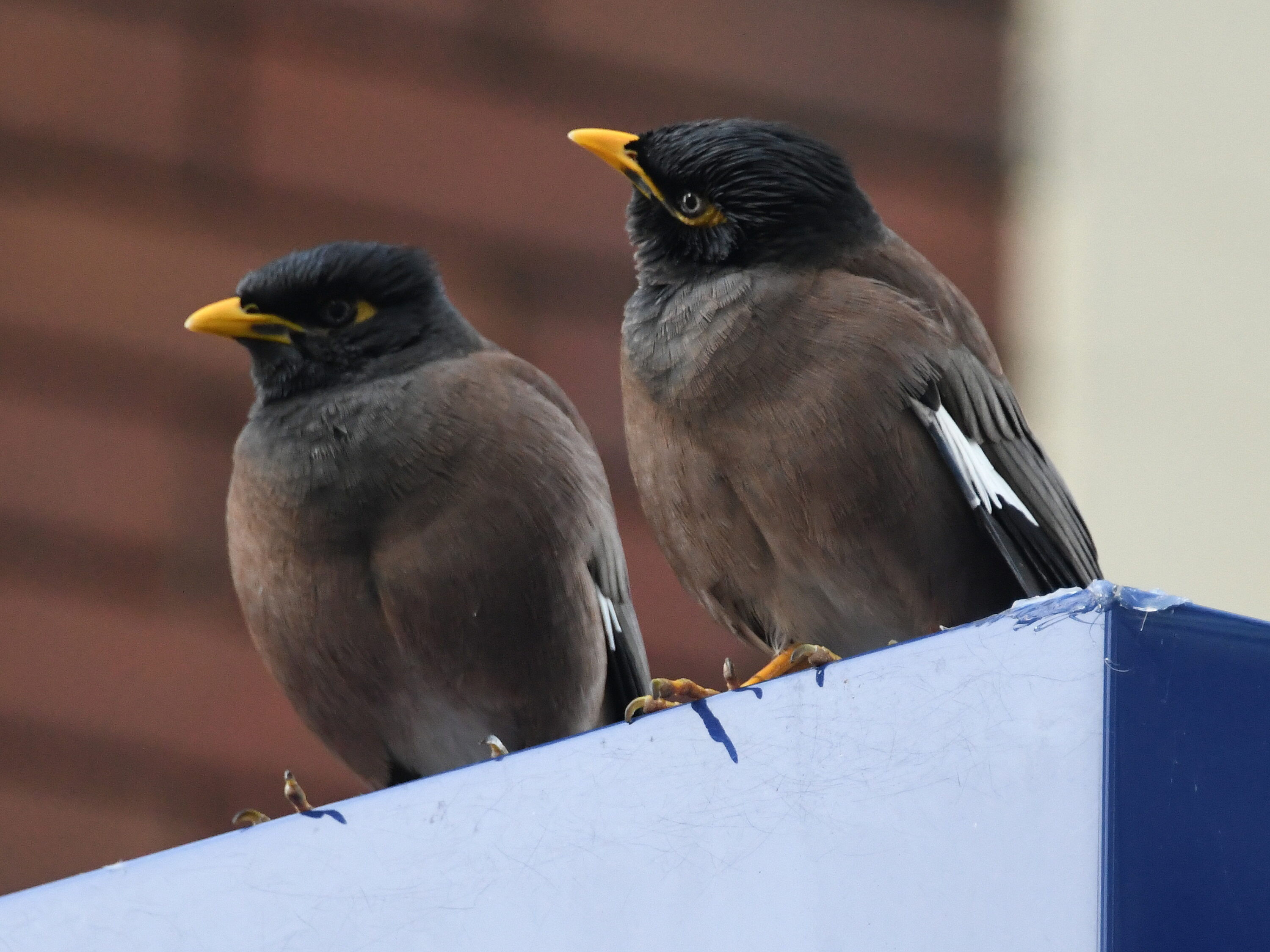
Rail Staff Say Two Common Mynas Regularly Ride Sydney Trains
Two common mynas were filmed sitting calmly inside a Sydney train, while a guard said staff know them…
Read story →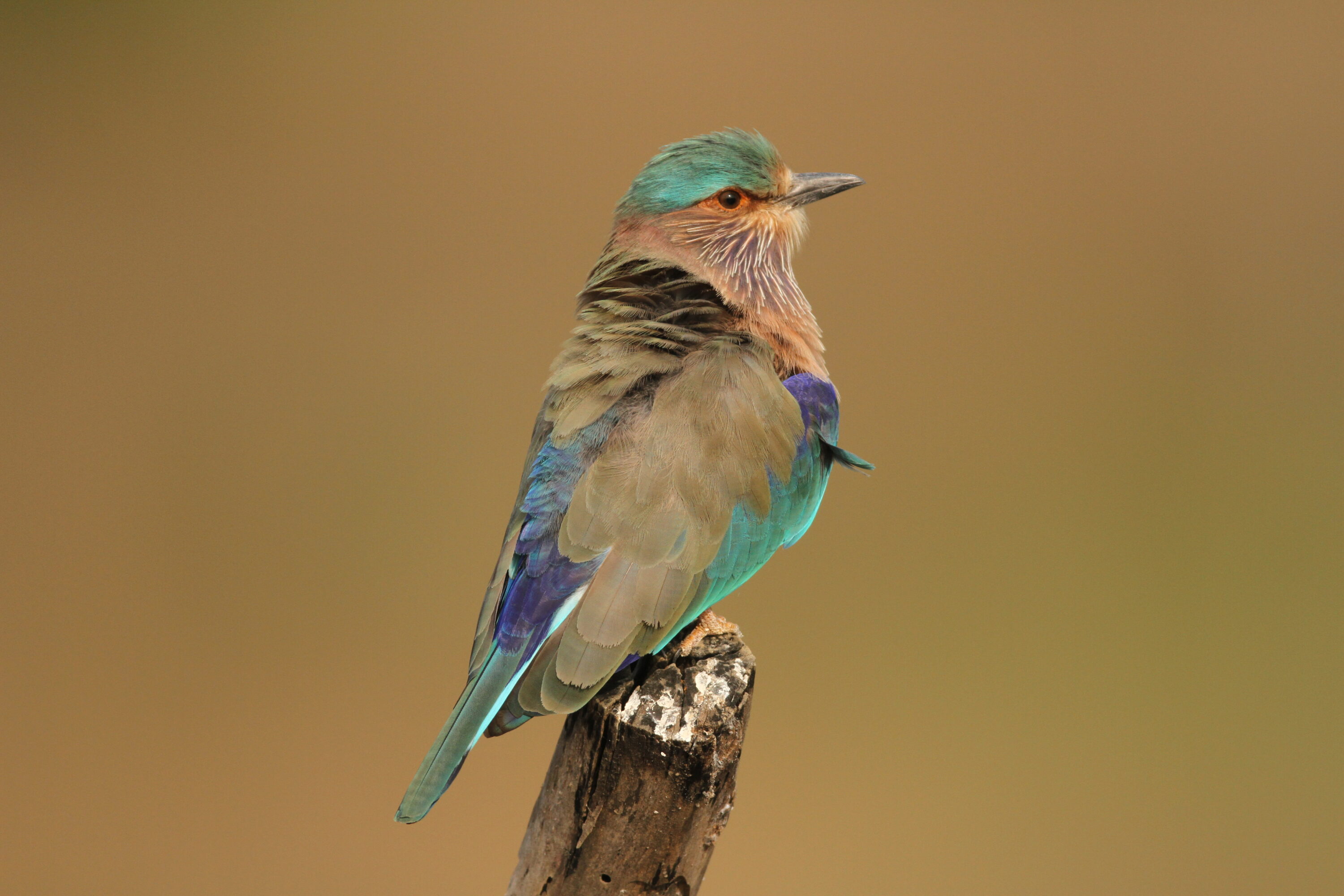
Six Cavity-Nesting Bird Species Bred Successfully in Artificial Nests in Punjab
Punjab Agricultural University reported successful breeding in artificial nests by six cavity-nesting species, including Indian roller, spotted owlet…
Read story →SPECIES IN THIS STORY
Species in this story
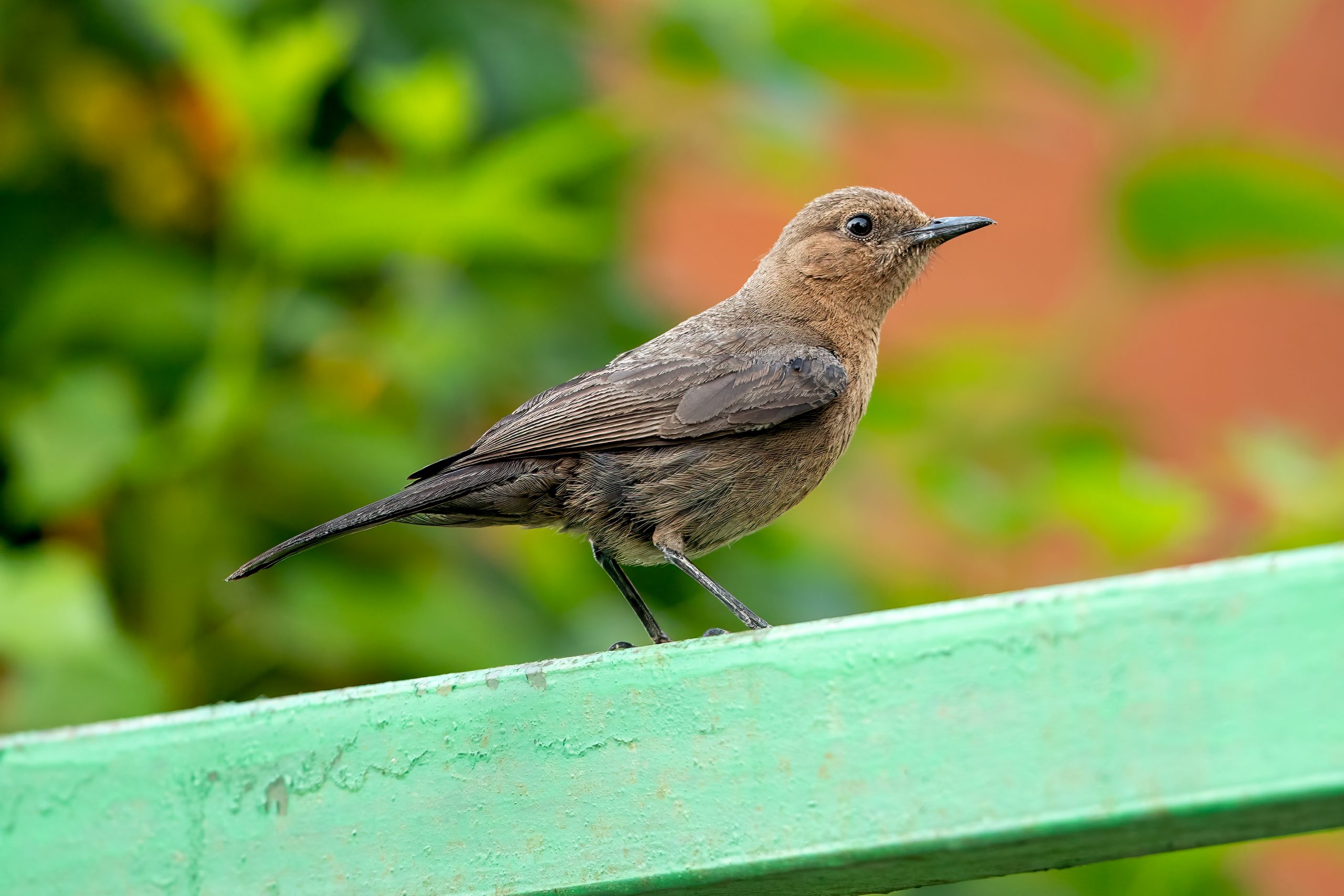 Brown Rock Chat
Oenanthe fusca Explore species →
Brown Rock Chat
Oenanthe fusca Explore species →
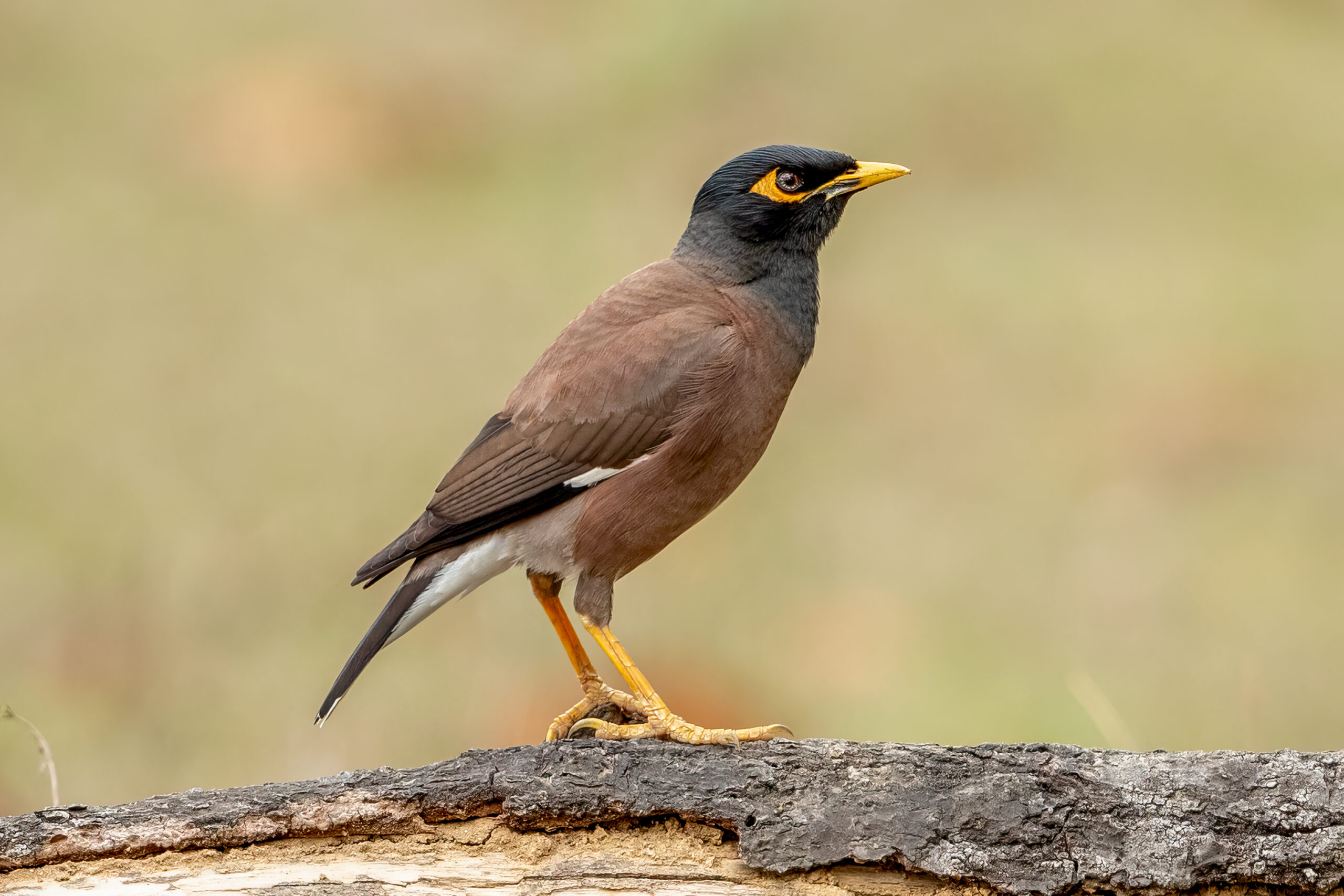 Common Myna
Acridotheres tristis Explore species →
Common Myna
Acridotheres tristis Explore species →
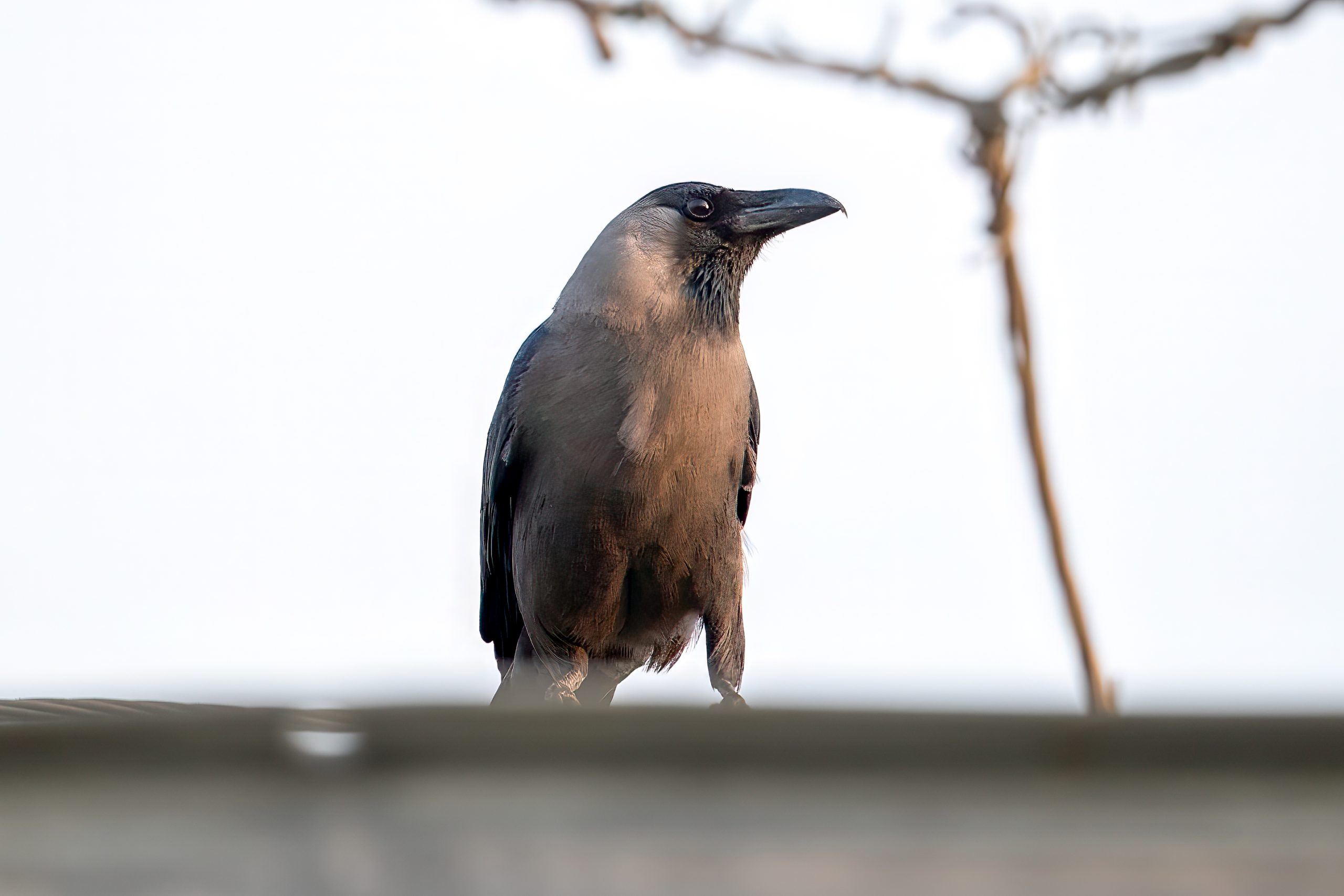 House Crow
Corvus splendens Explore species →
House Crow
Corvus splendens Explore species →
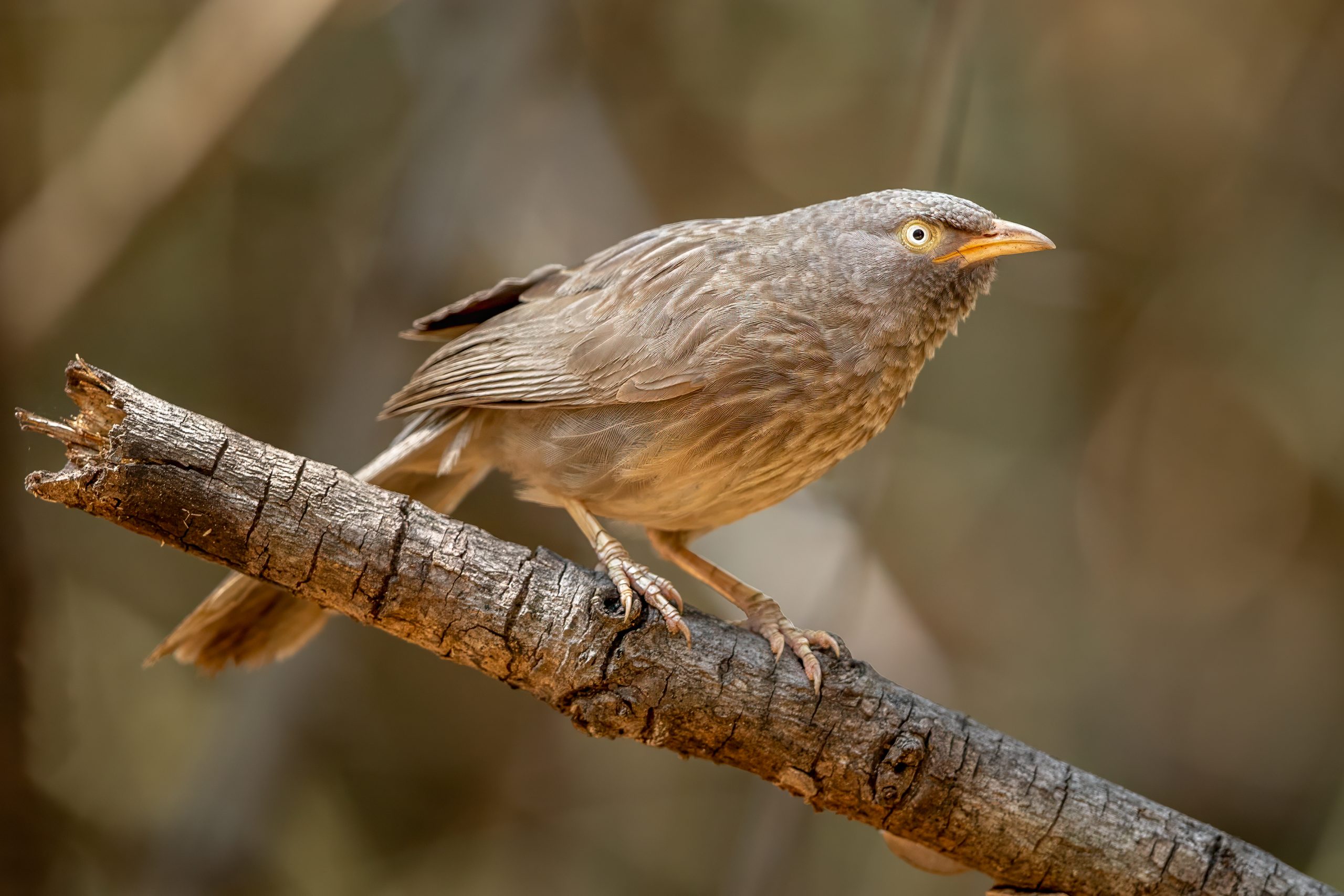 Jungle Babbler
Argya striata Explore species →
Jungle Babbler
Argya striata Explore species →
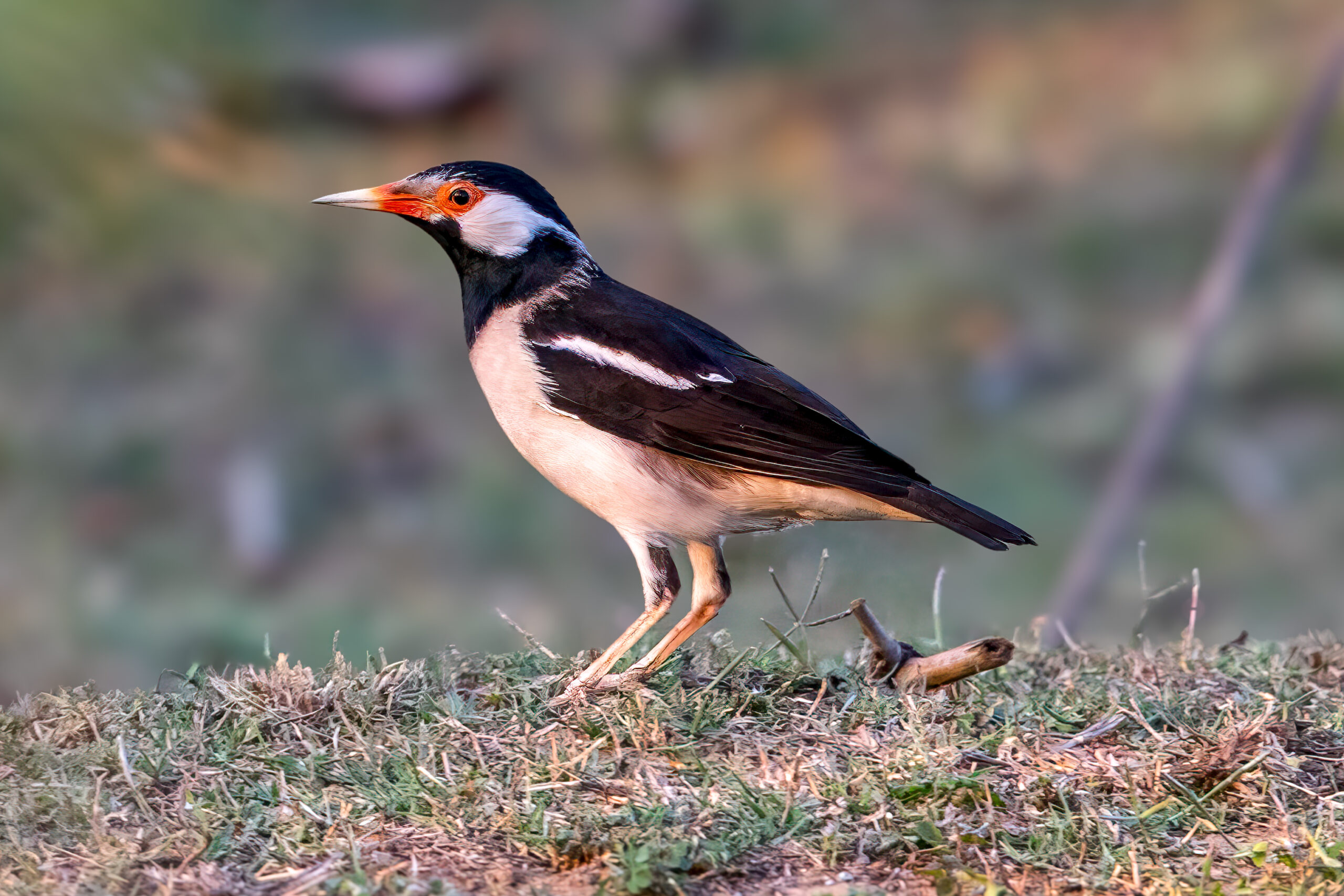 Indian Pied Myna
Gracupica contra Explore species →
Indian Pied Myna
Gracupica contra Explore species →
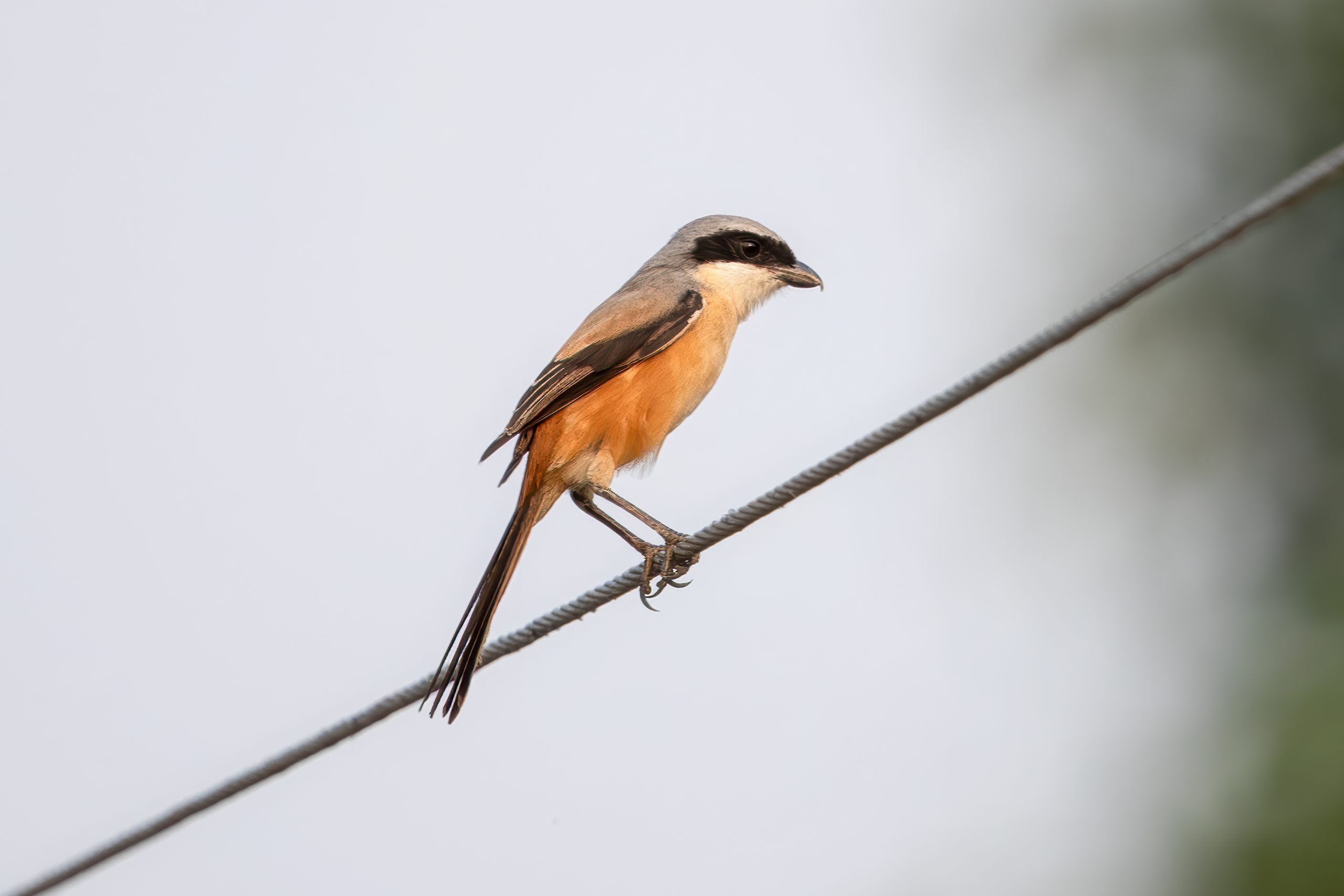 Long-tailed Shrike
Lanius schach Explore species →
Long-tailed Shrike
Lanius schach Explore species →
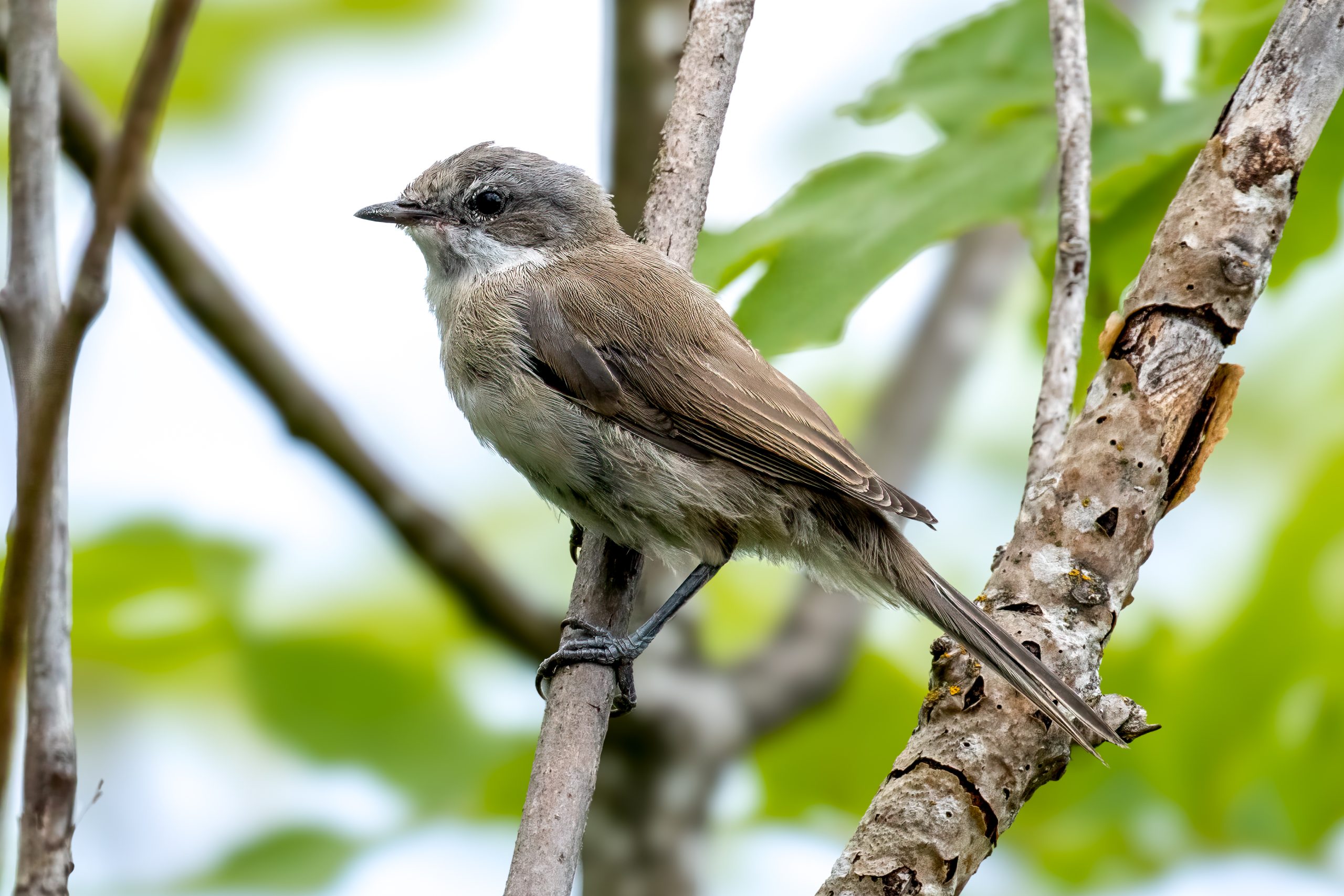 Lesser Whitethroat
Curruca curruca Explore species →
Lesser Whitethroat
Curruca curruca Explore species →
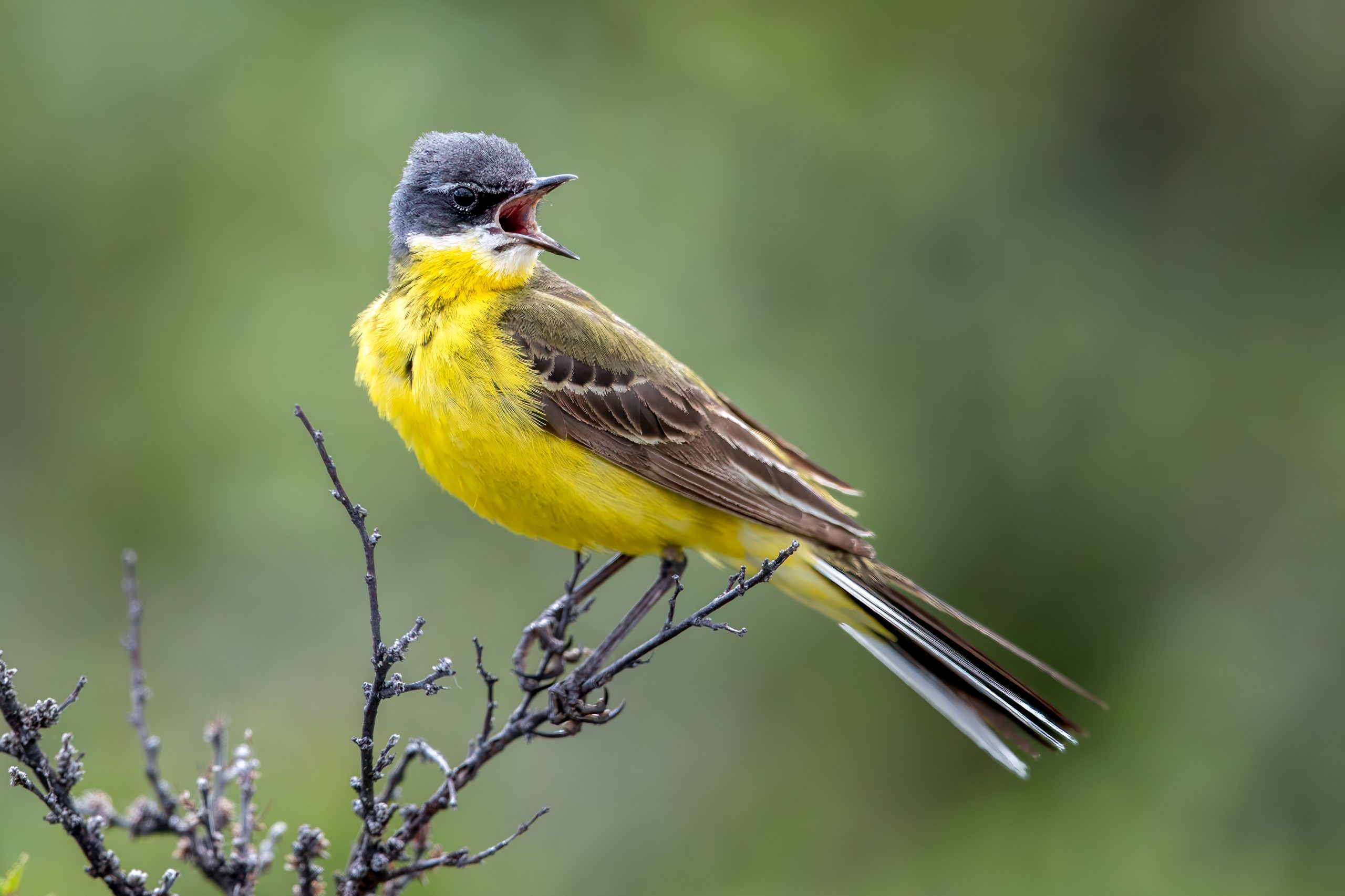 Western Yellow Wagtail
Motacilla flava Explore species →
Western Yellow Wagtail
Motacilla flava Explore species →
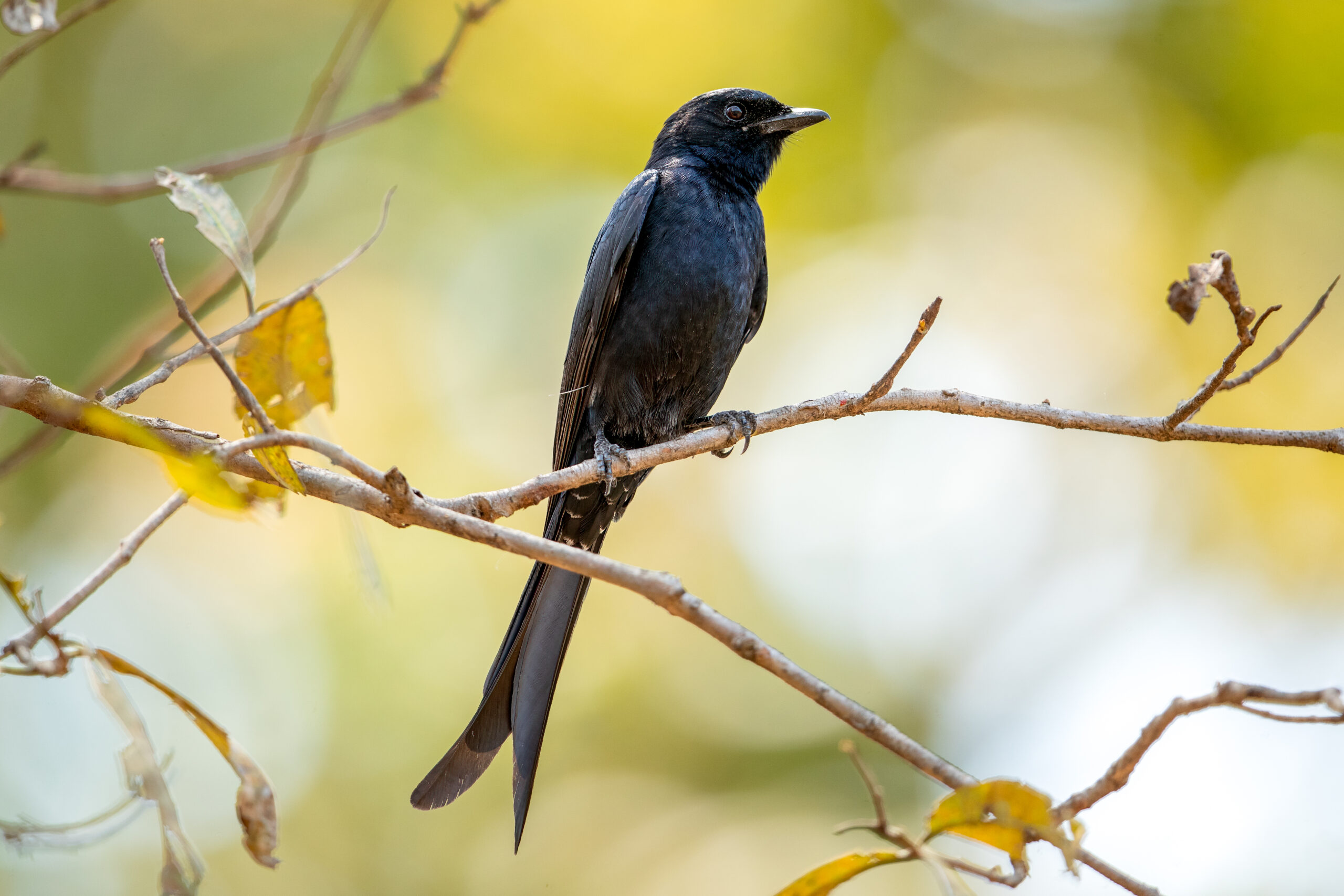 Black Drongo
Dicrurus macrocercus Explore species →
Black Drongo
Dicrurus macrocercus Explore species →
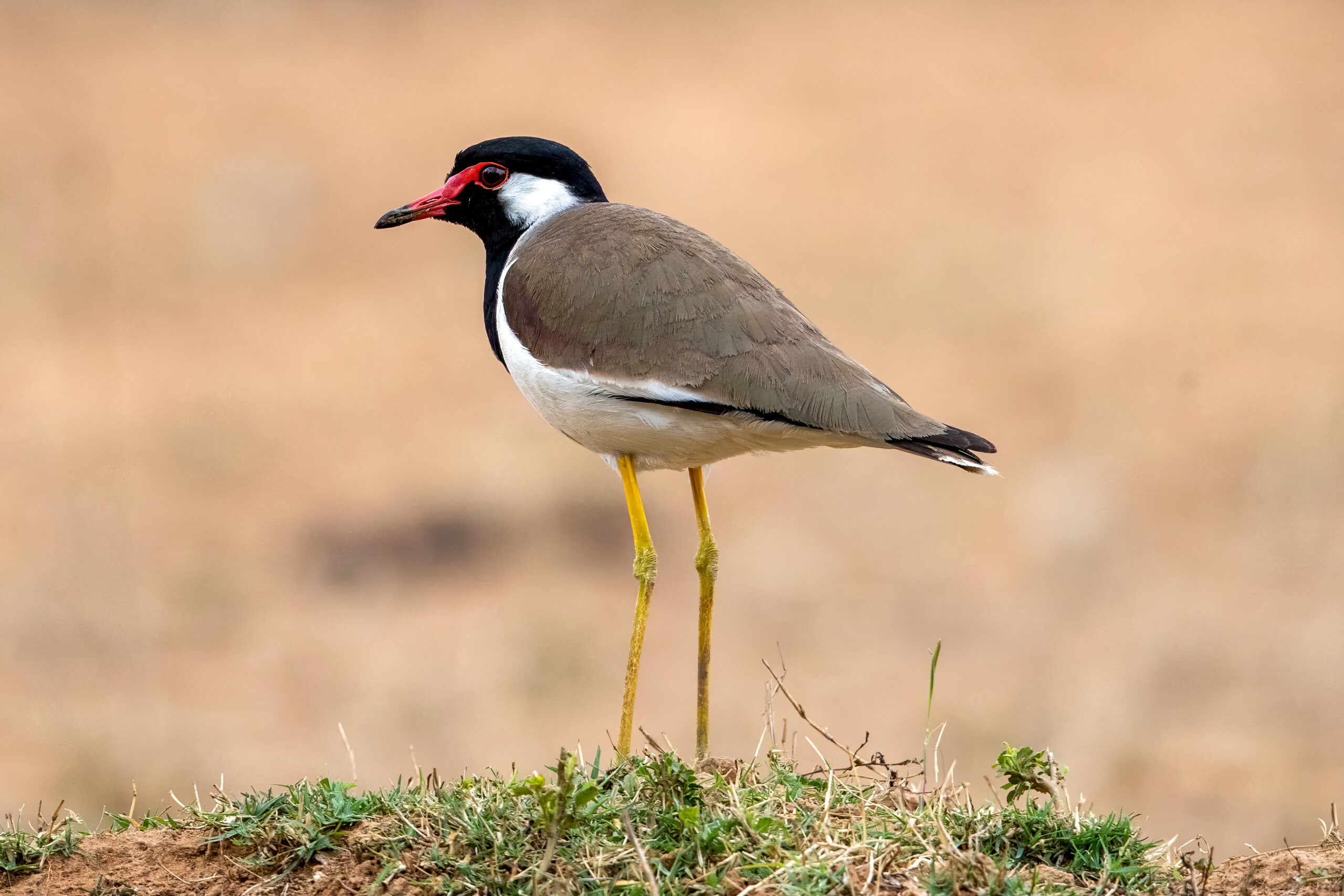 Red-wattled Lapwing
Vanellus indicus Explore species →
Red-wattled Lapwing
Vanellus indicus Explore species →
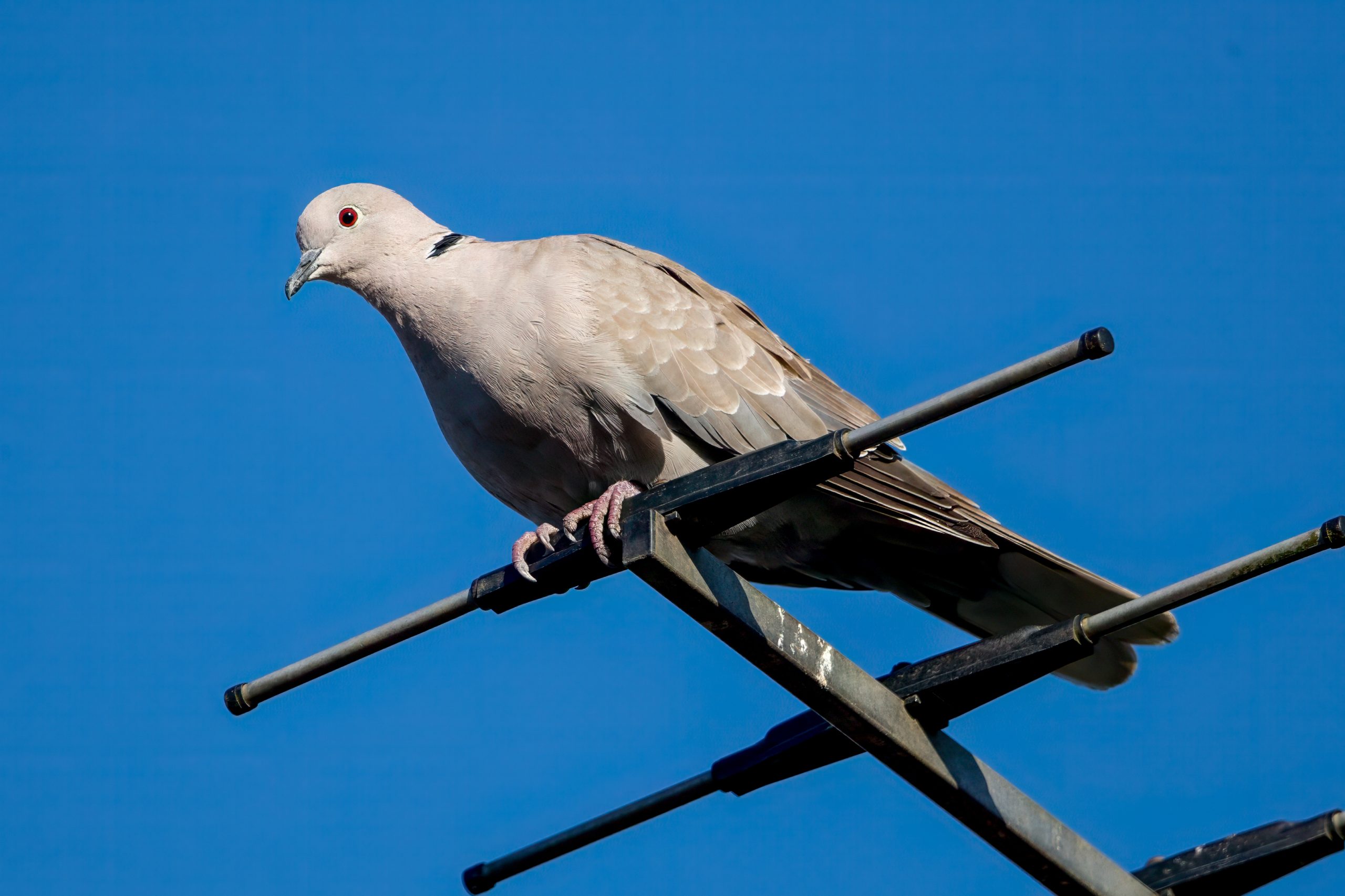 Eurasian Collared Dove
Streptopelia decaocto Explore species →
Eurasian Collared Dove
Streptopelia decaocto Explore species →
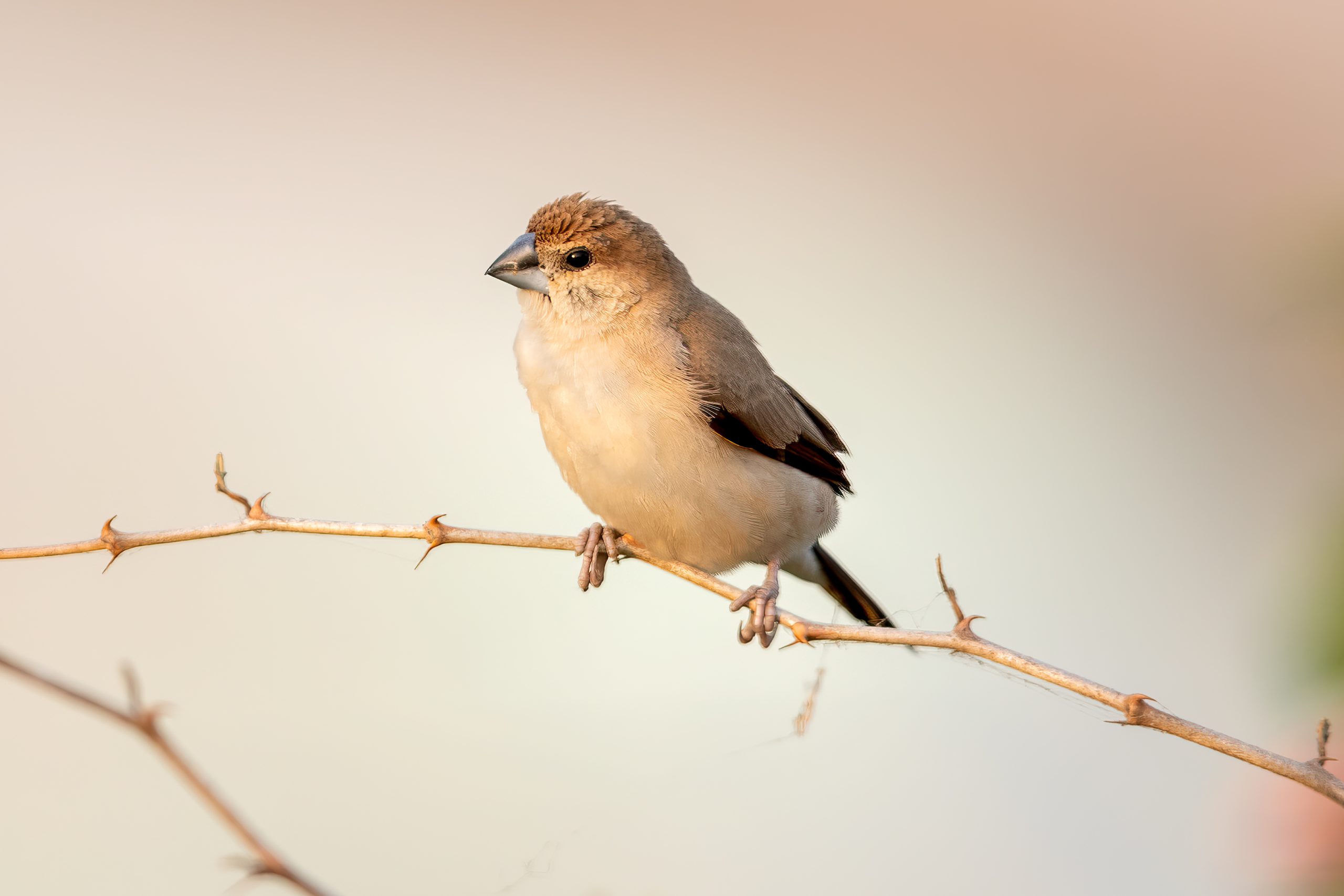 Indian Silverbill
Euodice malabarica Explore species →
Indian Silverbill
Euodice malabarica Explore species →
Independent research and conservation news archive
Did you find this information useful?
Wildlife Vagabond is independently built and maintained. Voluntary support helps cover source verification, hosting and continued work on research and conservation news.
Support Wildlife VagabondThe news archive will remain freely available.