
Carrion and Large-billed Crows Used Different Foods Until Winter Snow Narrowed Their Options
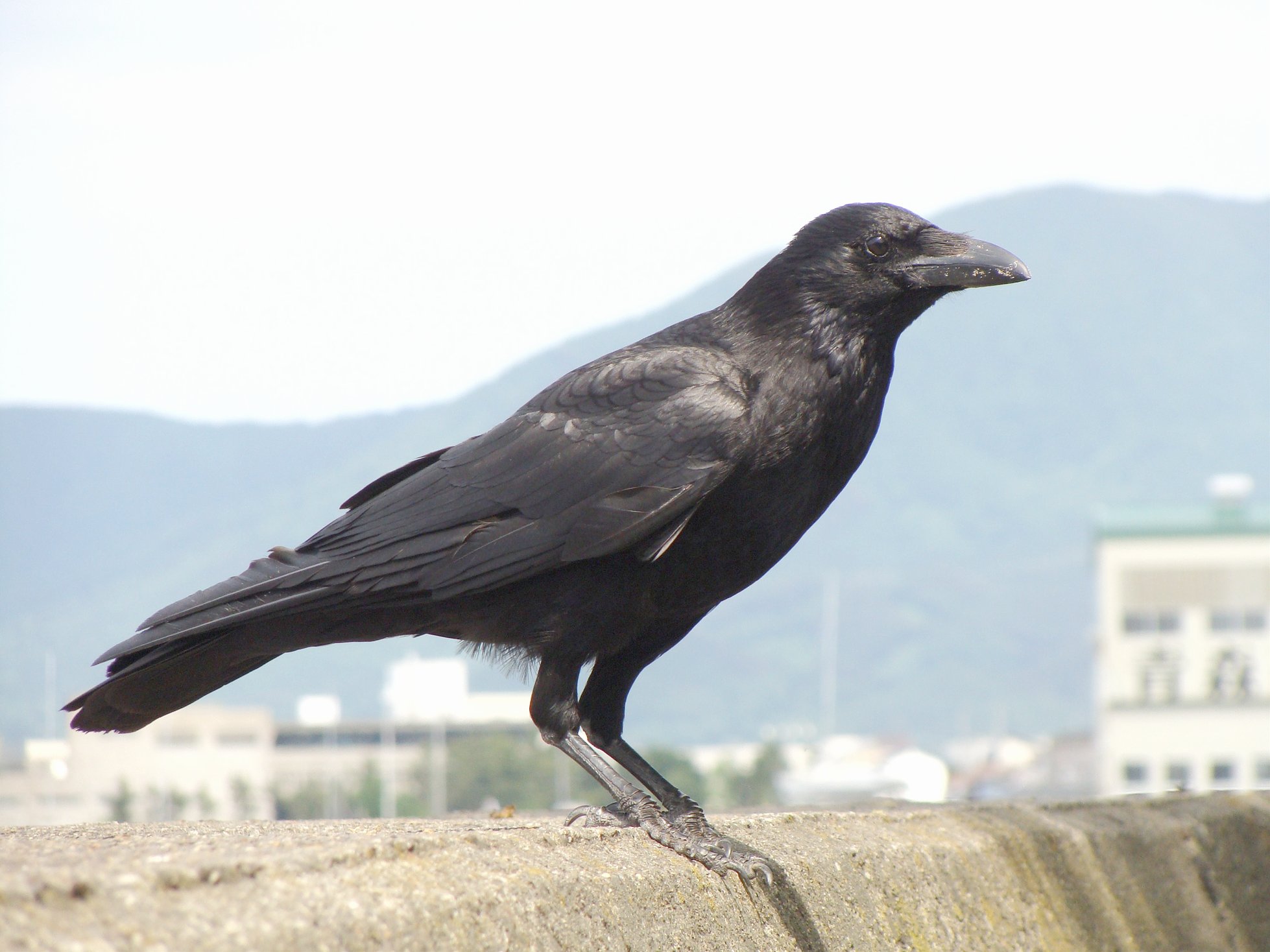
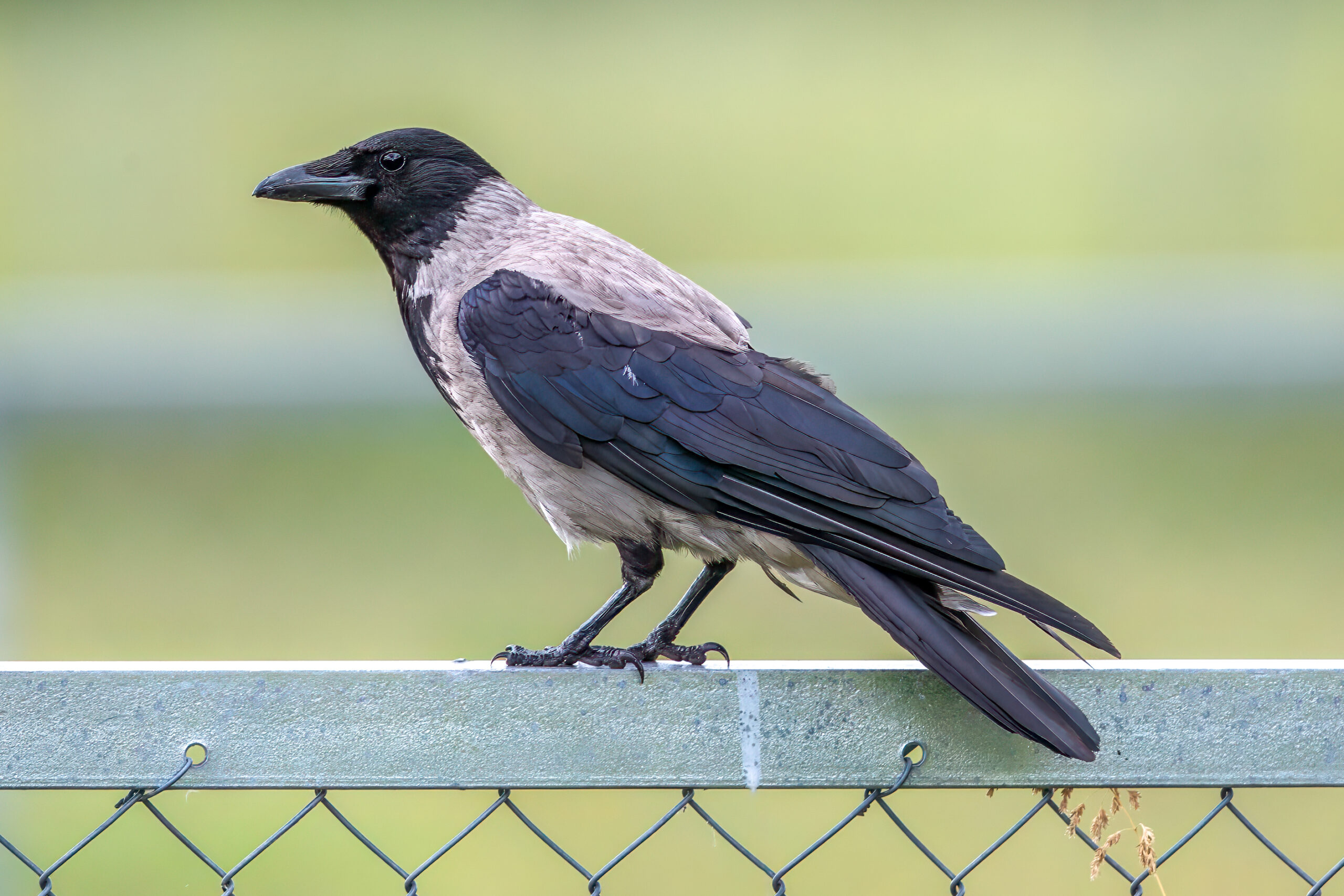
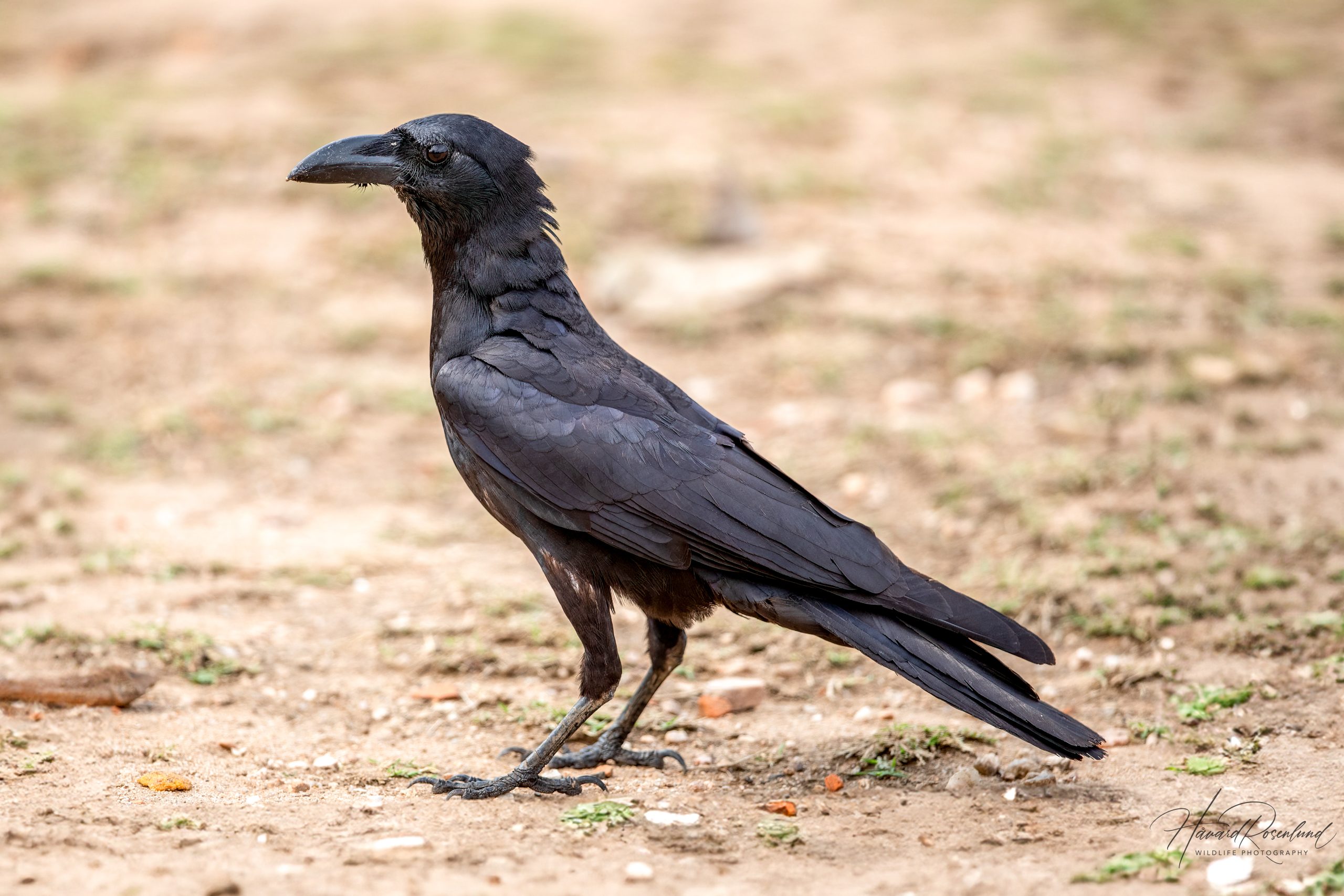
Non-breeding carrion crows (Corvus corone) and large-billed crows (Corvus macrorhynchos) used clearly different feeding environments through most of the year in the Tsugaru region of northern Japan, but winter snow narrowed those differences. The study combined GPS tracking with direct observations of where flocks foraged and what they ate.
Researchers fitted GPS transmitters to 30 non-breeding crows — 20 carrion crows and 10 large-billed crows — and obtained 9,695 positions. GPS data helped the team locate flocks containing tagged birds. Food items and foraging habitats were then recorded directly from the flock, because a position alone cannot show what a crow is eating.
Carrion crows relied more on farmland
From spring through autumn, carrion crows foraged mainly in agricultural environments, especially rice paddies. Cultivated plant foods were frequent in March–April and September–October, while animal prey became more important in May–June. Their resource use shifted with paddy flooding, crop growth and harvest.
Large-billed crows followed a different pattern. They used non-agricultural human-modified environments more often, particularly livestock facilities and residue-disposal sites. Livestock feed was used most heavily in May–June. Forests became more important in July–August, while grasshoppers in rice paddies were a notable food in September–October.
Winter snow made the two species more similar
The contrast weakened sharply in January and February. Snow cover restricted access to food, the diversity of used habitats and food types declined, and both species increasingly relied on orchards and other human-provided resources. Discarded or unharvested apples in agricultural land and persimmons remaining in gardens were among the foods used. Carrion crows, which had often formed single-species flocks earlier in the year, shifted to mixed flocks in winter; all January–February flocks observed in the study contained both species.
No feeding on household garbage was recorded. The authors caution that most behavioural observations were made from early afternoon onward, so early-morning use cannot be excluded. Household waste in the study area is also commonly kept in enclosed collection cages that restrict crow access.
Management may work better when it targets seasonal resources
For non-breeding carrion crows, the authors identify spilled rice remaining after harvest as an important food resource unintentionally created by agriculture. They suggest that reducing access to such resources during periods of greatest reliance may be more effective than uniform year-round control. Autumn ploughing can bury residual grain, although post-harvest rice fields are also important feeding habitat for migratory geese and swans, so the authors argue that any intervention should be selective in space or time.
The broader biological result is that the two crow species did not follow fixed year-round foraging strategies. Species differences were strong when food choices were broad, but environmental constraint from winter snow pushed both towards a narrower and more similar set of resources. The authors therefore argue that species, breeding status and season should all be considered when interpreting crow use of human-dominated landscapes.
Ecology
Related news
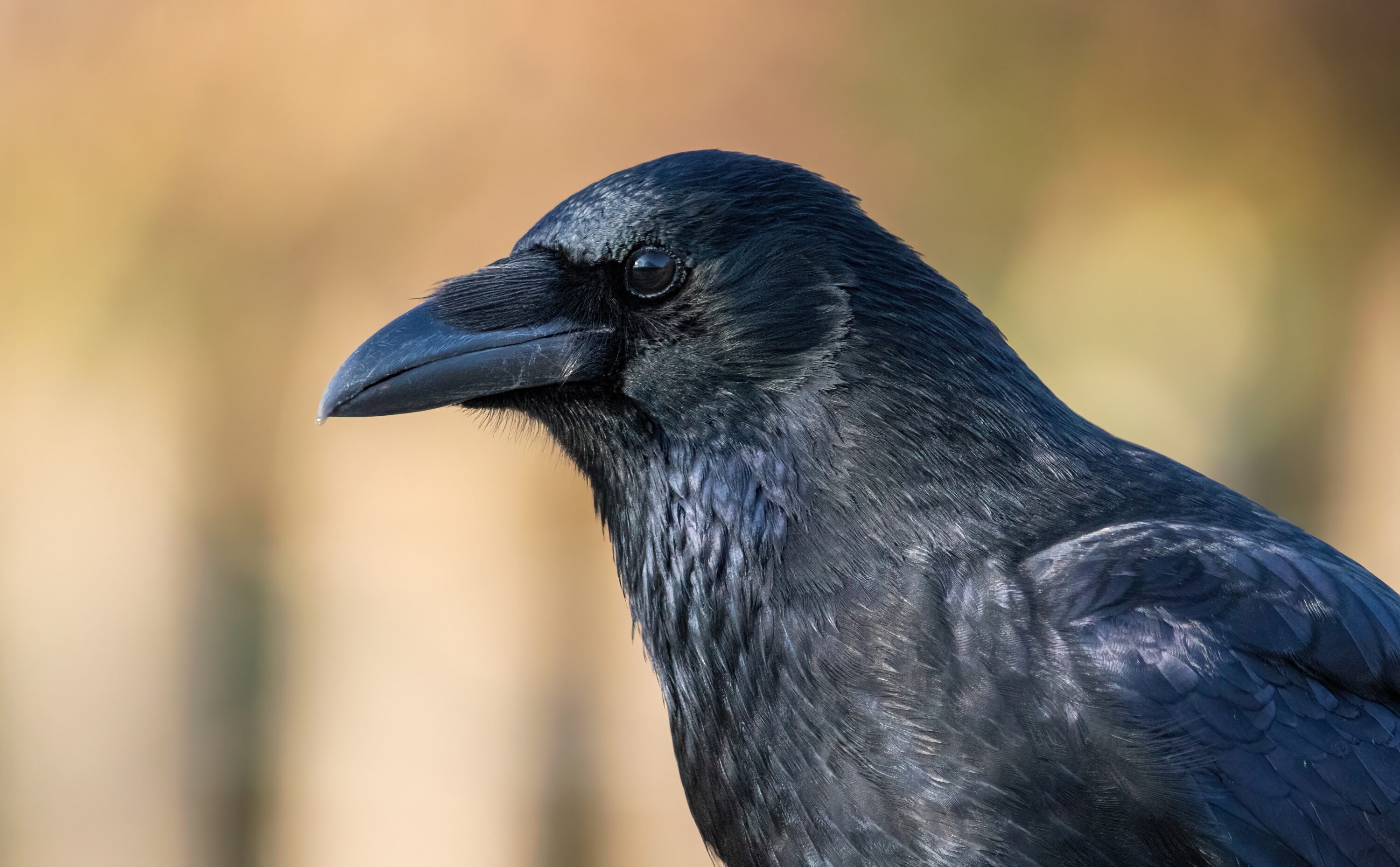
Darwin Tree of Life Added Two Haplotype Genome Assemblies for Carrion Crow
Two Darwin Tree of Life genome projects registered on 26 July 2026 represent haplotype 1 and haplotype 2…
Read story →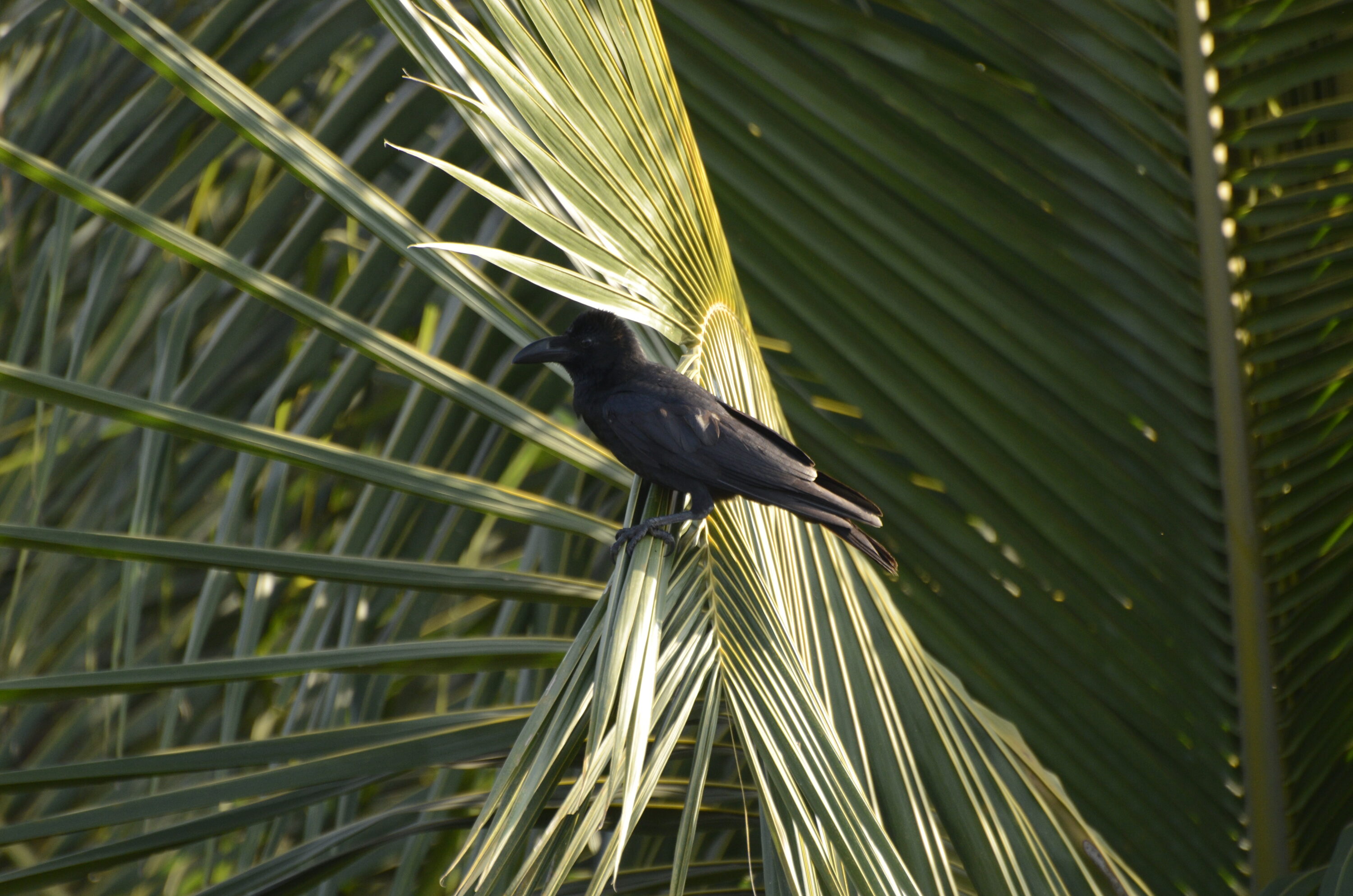
Two House Crows Began Anting After Watching a Large-billed Crow in Coonoor
In Coonoor, India, a Large-billed Crow rubbed yellow crazy ants through its plumage. Three House Crows arrived; one…
Read story →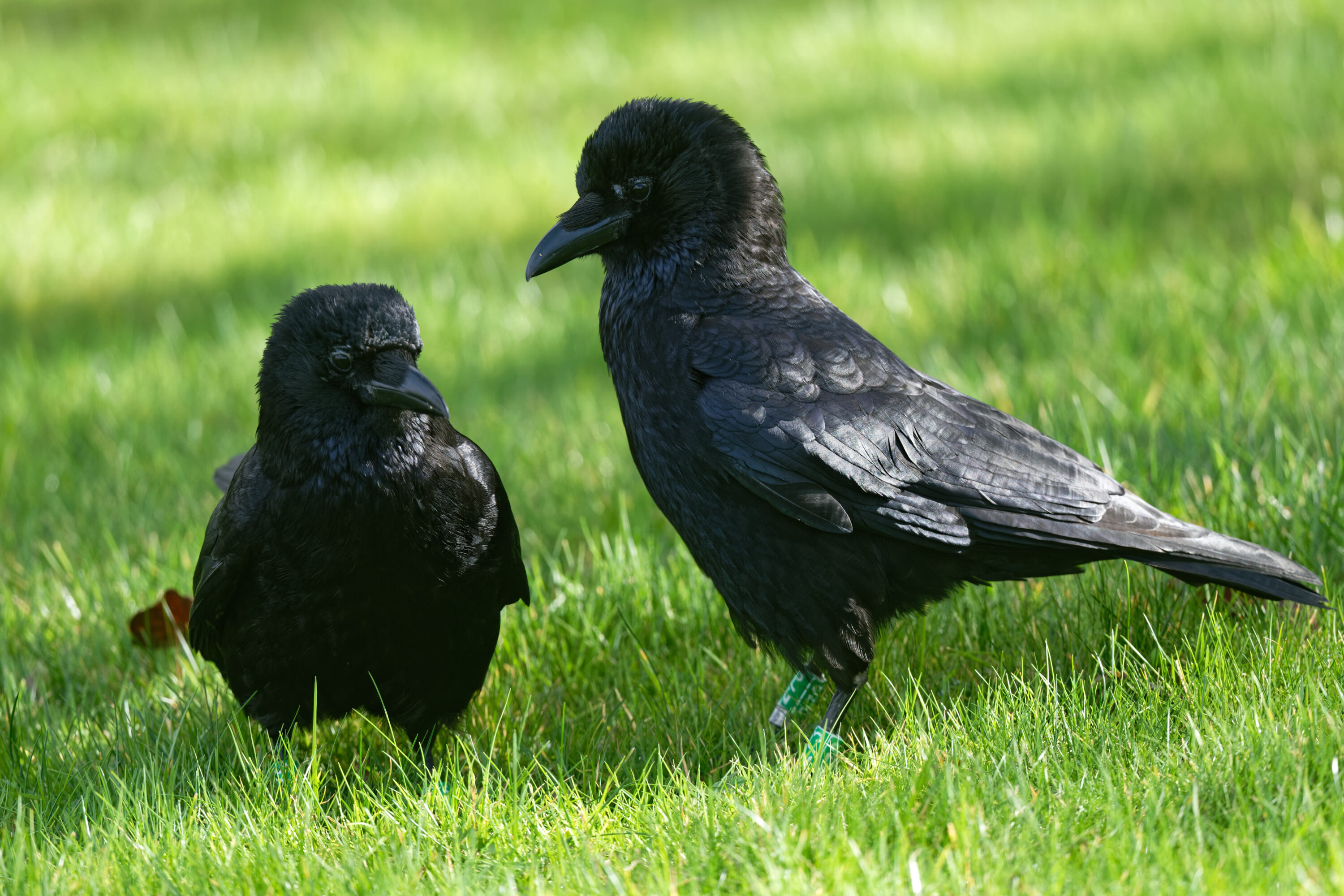
Adult Western Carrion Crows Reduced Vigilance With More Adults, but Not More Yearlings
In northern Spain, yearlings spent only 43.9% as much time vigilant as adults. Each additional adult group member…
Read story →SPECIES IN THIS STORY
Species in this story
Independent research and conservation news archive
Did you find this information useful?
Wildlife Vagabond is independently built and maintained. Voluntary support helps cover source verification, hosting and continued work on research and conservation news.
Support Wildlife VagabondThe news archive will remain freely available.