
Chestnut orchards held the most bird species; eucalyptus stands had more generalists
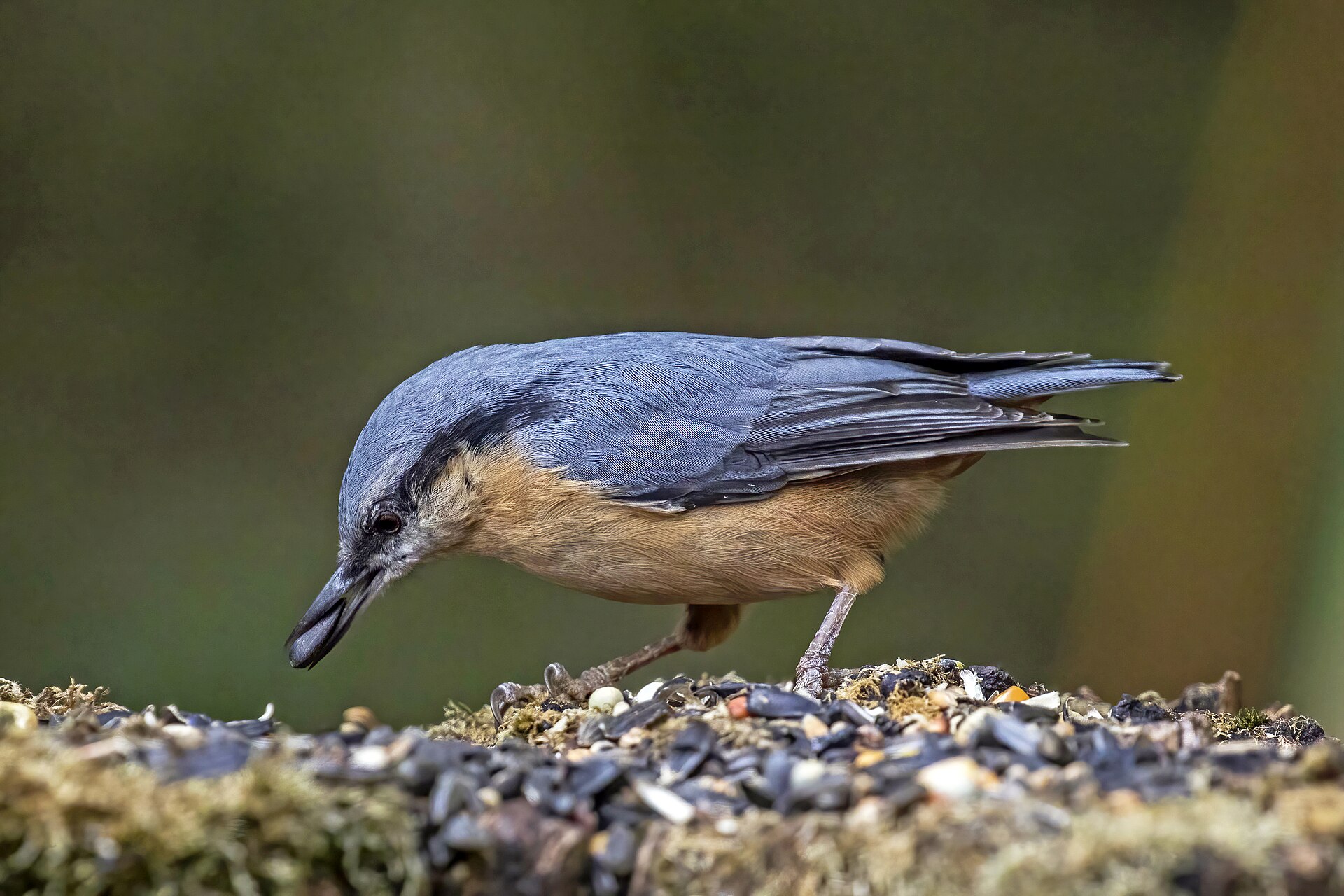
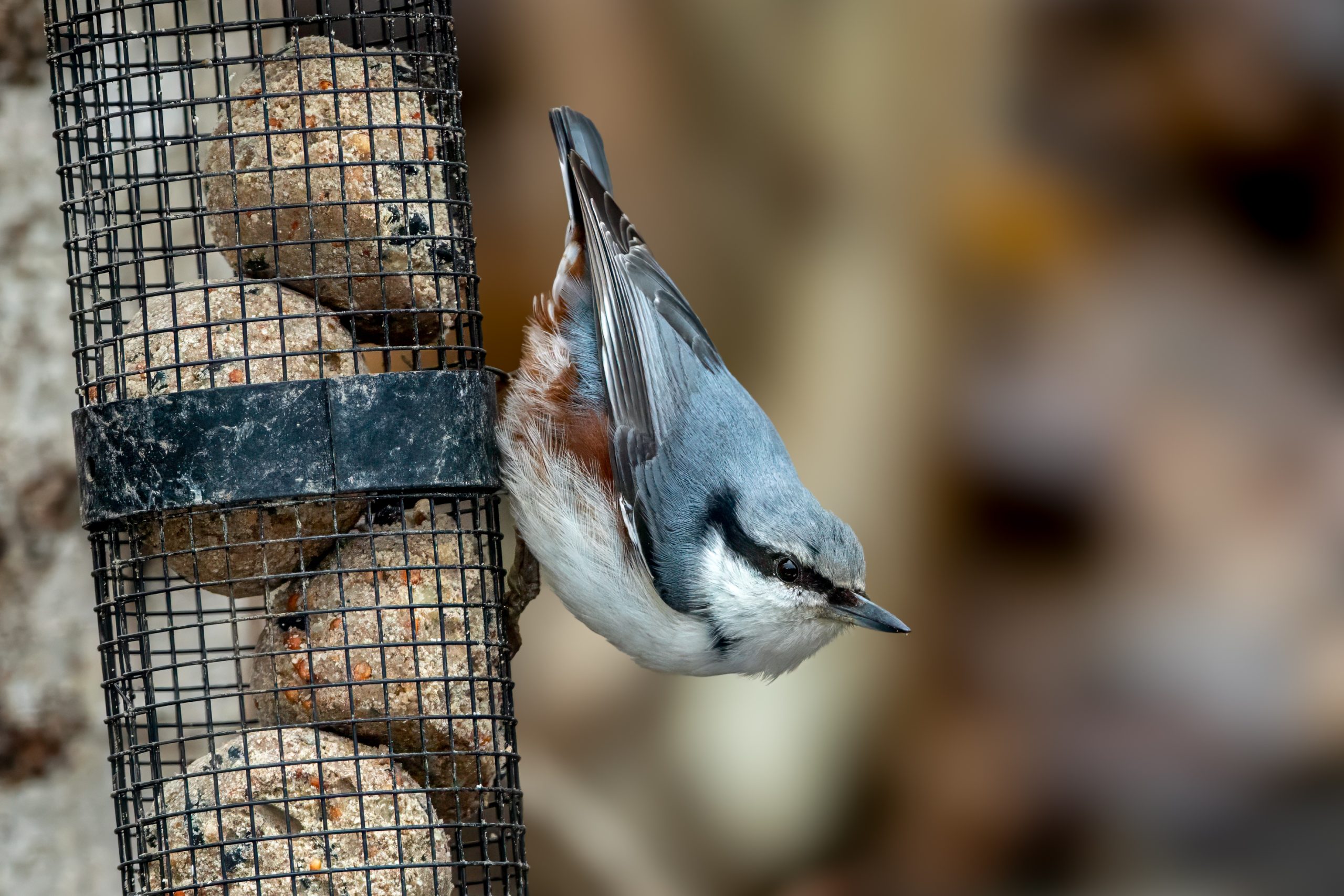
A two-year survey of birds and bats found different communities in traditional chestnut orchards, chestnut coppices and eucalyptus plantations. Across 60 monitoring stations, bird richness peaked in chestnut orchards, while eucalyptus plantation interiors had the lowest values. Forest specialists including the Eurasian Nuthatch (Sitta europaea) and Short-toed Treecreeper (Certhia brachydactyla) were strongly associated with chestnut habitats; eucalyptus stands were characterized by more generalist bird assemblages.
Chestnut orchards had the richest bird communities
The researchers monitored the three stand types in 2024 and 2025, sampling both habitat edges and interiors. They counted birds at fixed points and used passive acoustic recordings to detect wildlife. Passive monitoring recorded up to 21 bird species in chestnut orchards. Across the habitats, the communities differed not just in how many species were recorded, but also in which species were present.
Bird richness was lowest in eucalyptus interiors. The study also found lower richness and diversity in eucalyptus plantations and in stand interiors overall. Exploratory comparisons suggested that managed orchards, particularly their edges, had higher bird richness and bat diversity.
Bats were more diverse in chestnut orchards
The researchers compared bat diversity using the Shannon index, which reflects both the number of species and how evenly individuals are distributed among them. The index was about 1.28 in chestnut orchards and 0.65 in eucalyptus interiors, indicating greater bat diversity in the orchards.
The authors interpret the differences in bird and bat communities as evidence that native chestnut forests—especially traditional orchards—can act as biodiversity refuges in landscapes with eucalyptus plantations. Because the habitats supported different combinations of species, chestnut forests may also help counter biotic homogenization: the tendency for communities in different places to become more alike.
Ecology
Related news
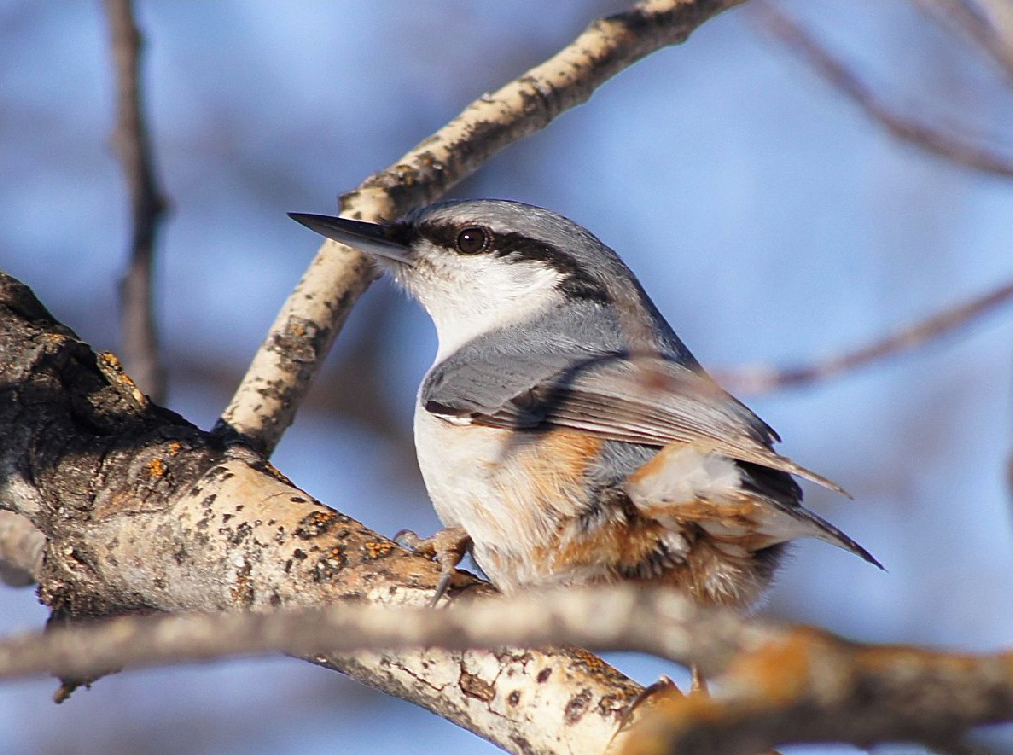
Eurasian Nuthatch Pair Turned a Brick Wall Cavity Into a Nest in Central Tver
A detailed study in central Tver documented a Eurasian nuthatch pair building inside a cavity in a plastered…
Read story →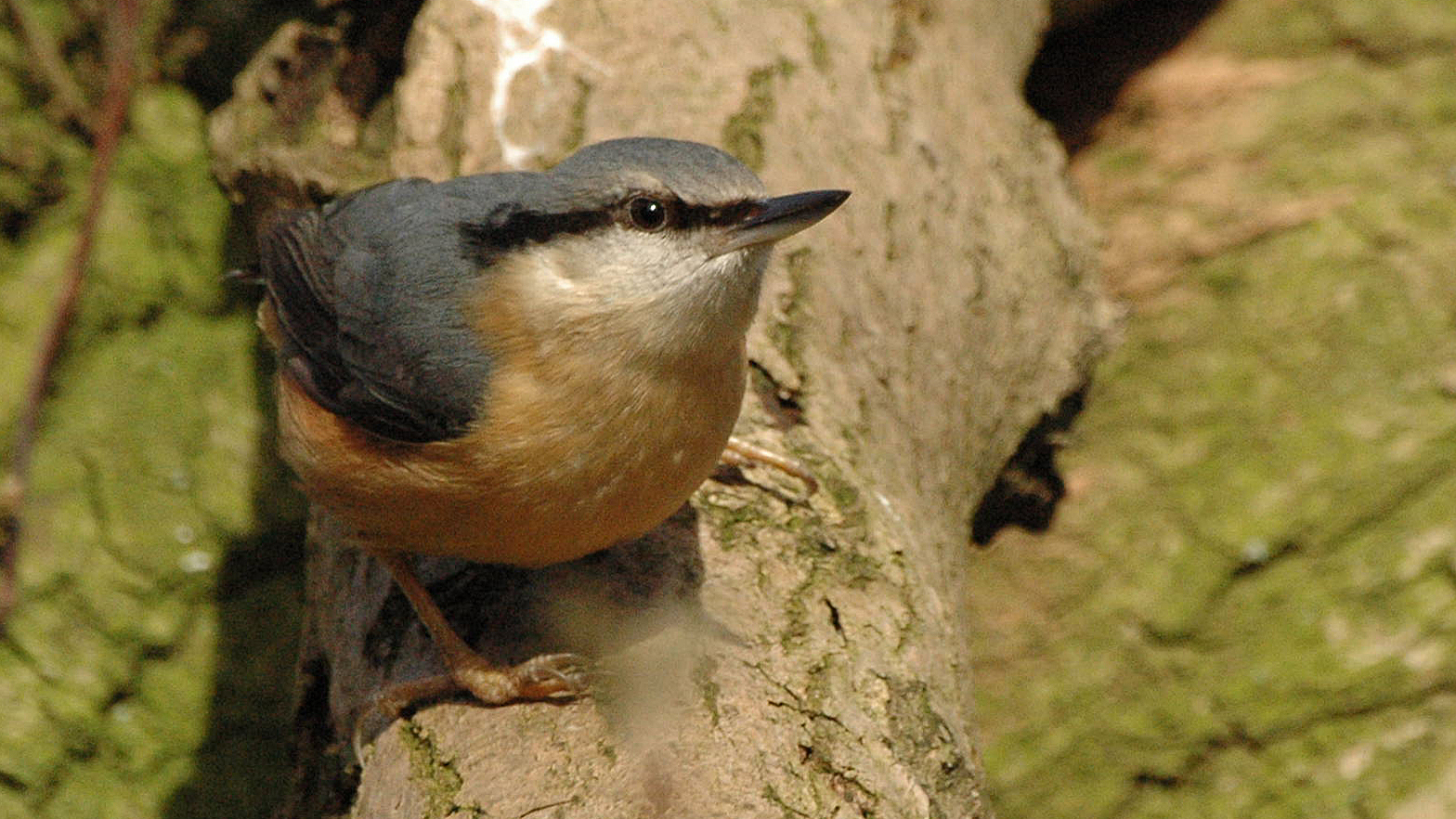
Urban Eurasian Nuthatches Used Fewer Song Phrases
A 2026 comparison in northeastern China found a smaller, more uniform song repertoire in urban parks than in…
Read story →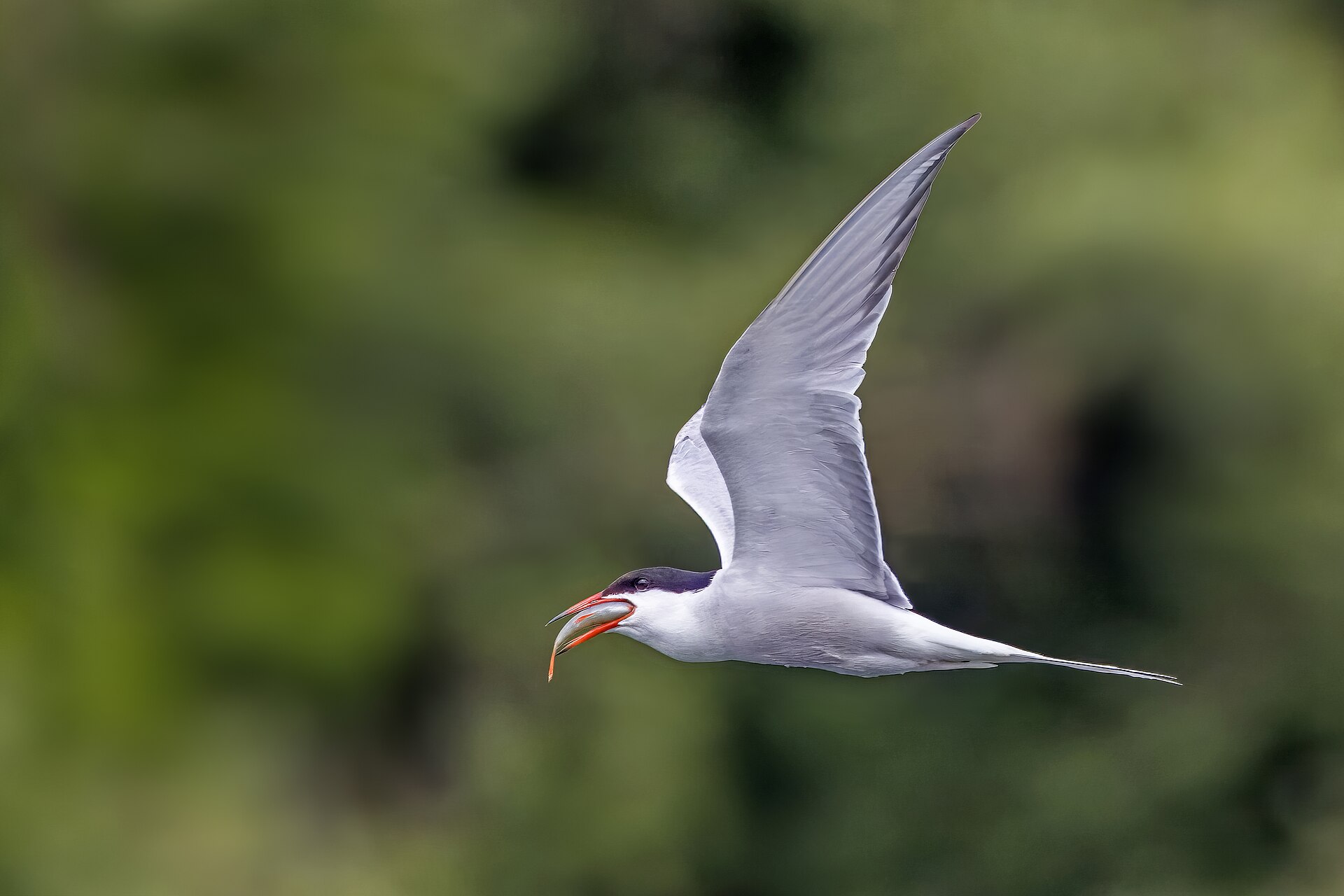
Mercury in common terns’ blood rose through the non-breeding season
At Punta Rasa, Argentina, blood mercury in common terns rose from December to April. Feeding-related isotope patterns also…
Read story →SPECIES IN THIS STORY
Species in this story
Independent research and conservation news archive
Did you find this information useful?
Wildlife Vagabond is independently built and maintained. Voluntary support helps cover source verification, hosting and continued work on research and conservation news.
Support Wildlife VagabondThe news archive will remain freely available.