
Eurasian Nuthatch Pair Turned a Brick Wall Cavity Into a Nest in Central Tver
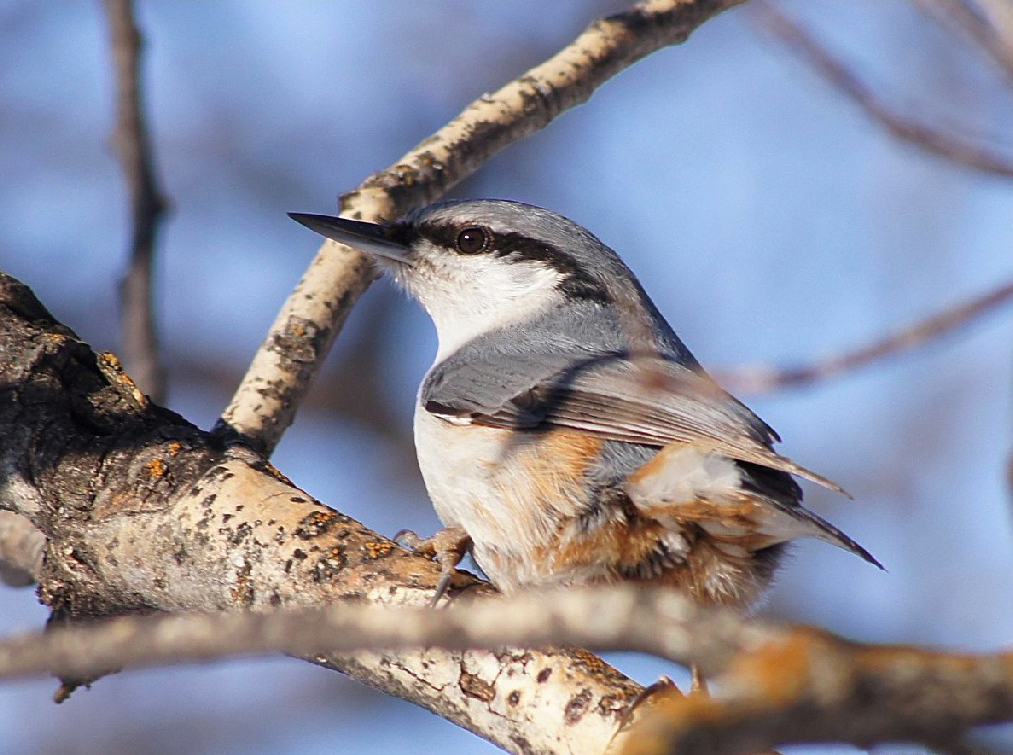
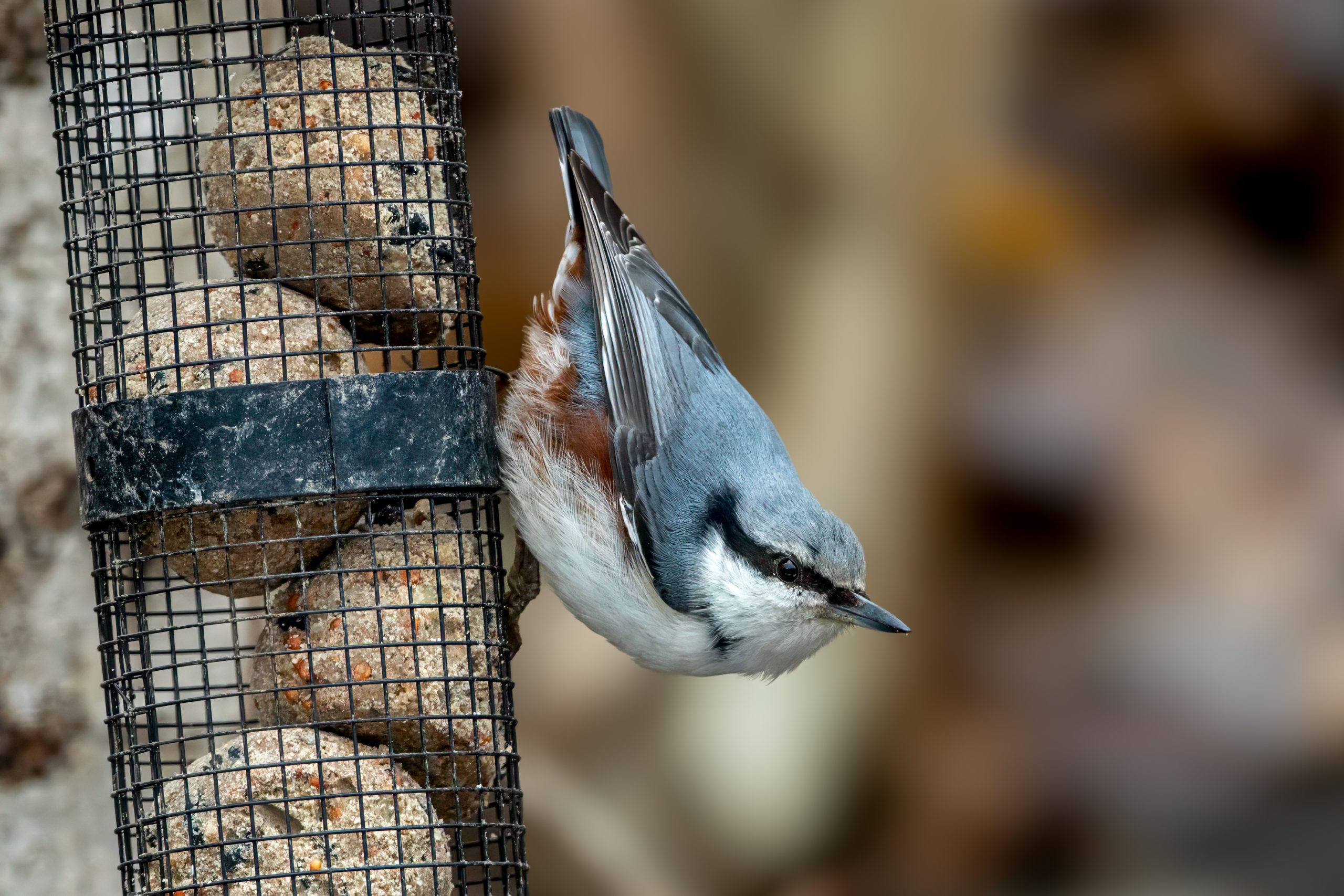
A pair of Eurasian nuthatches (Sitta europaea), belonging to the subspecies S. e. europaea, used a cavity inside the plastered brick wall of a two-storey building in central Tver, Russia. A study published in 2026 describes the unusual nest site and follows the pair’s construction behaviour in detail.
The birds were observed from early March through the first ten days of April 2022. More than 20 hours of visual observations and about six hours of video were used to record visits to the cavity, time spent inside it, collection and delivery of nesting material, plastering activity and the roles of the two partners.
Both birds contributed to the work, but not in exactly the same way. At times the female arranged material that formed the nest base while the male plastered the cavity, including the inner surface around the entrance. The birds usually entered the cavity one at a time, sometimes waiting at the entrance with material until the partner emerged. With no pines nearby, they collected decayed wood from dead boxelder trunks only about 10–12 metres from the building.
The nest-building period for this pair extended for more than a month. The author notes that detailed scientific descriptions of Eurasian nuthatches nesting in building walls are extremely scarce and discusses the Tver case in the context of a broader trend toward increasing synanthropization—that is, greater use of human-built environments—by this subspecies in central Russia.
Behaviour
Related news
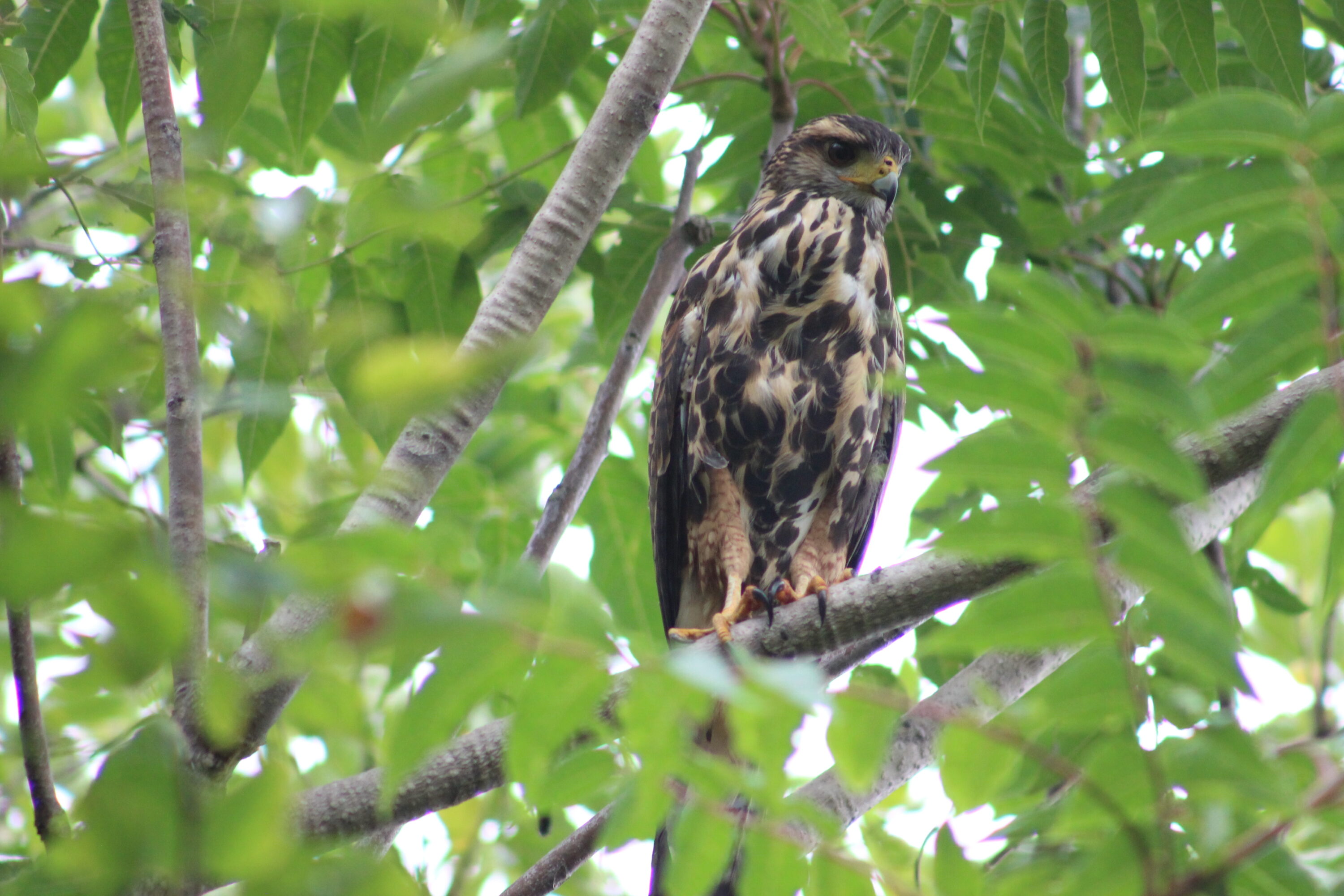
Juvenile Harris's Hawks Manipulated Pine Cones for About Five Minutes
Two juvenile Harris's hawks in Buenos Aires Province tore pine cones from trees, carried them to new perches…
Read story →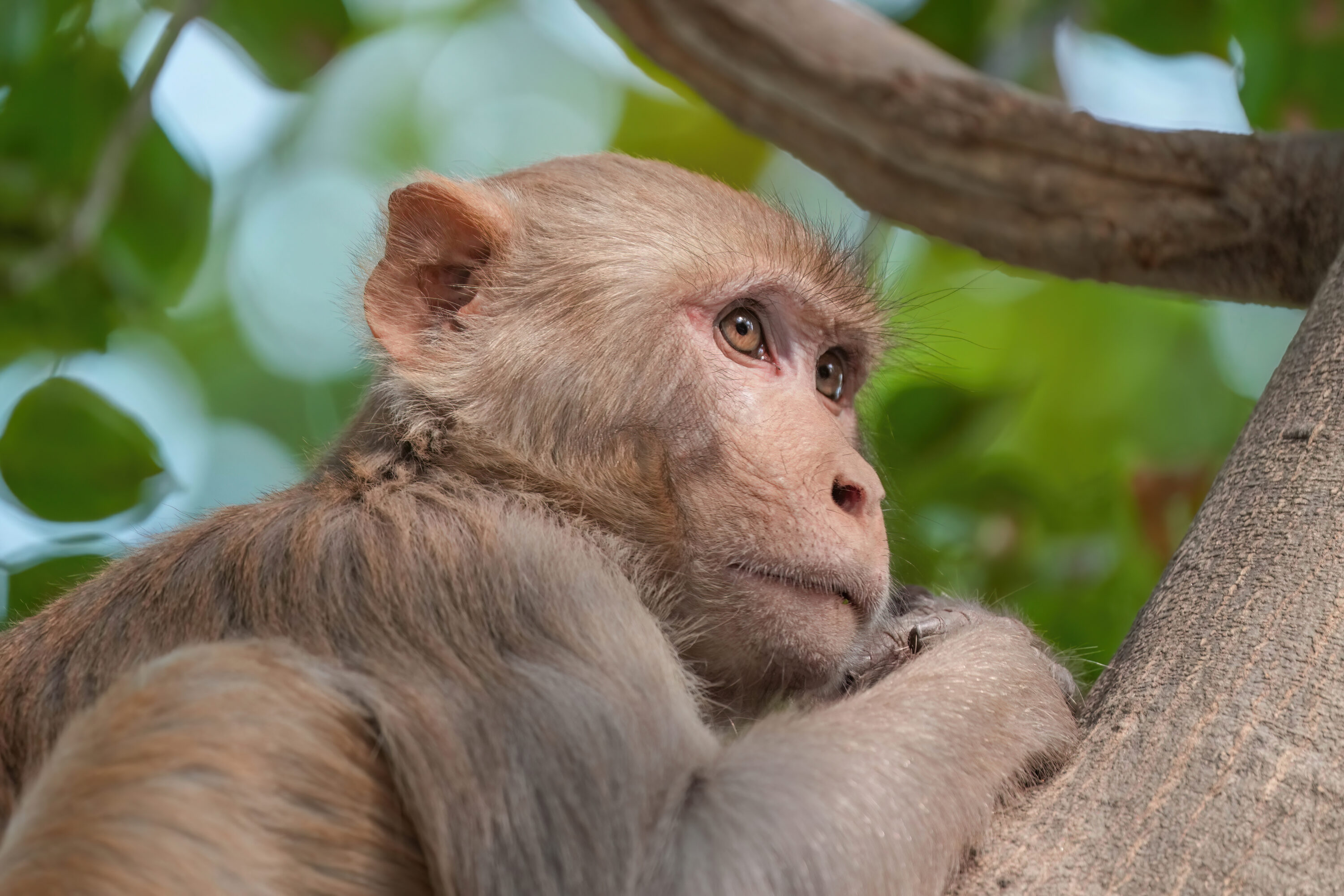
Task Uncertainty Increased Interference From Irrelevant Visual Information in Rhesus Macaque Decisions
Two rhesus macaques made less accurate visual decisions under task uncertainty; recordings and microstimulation in primary visual cortex…
Read story →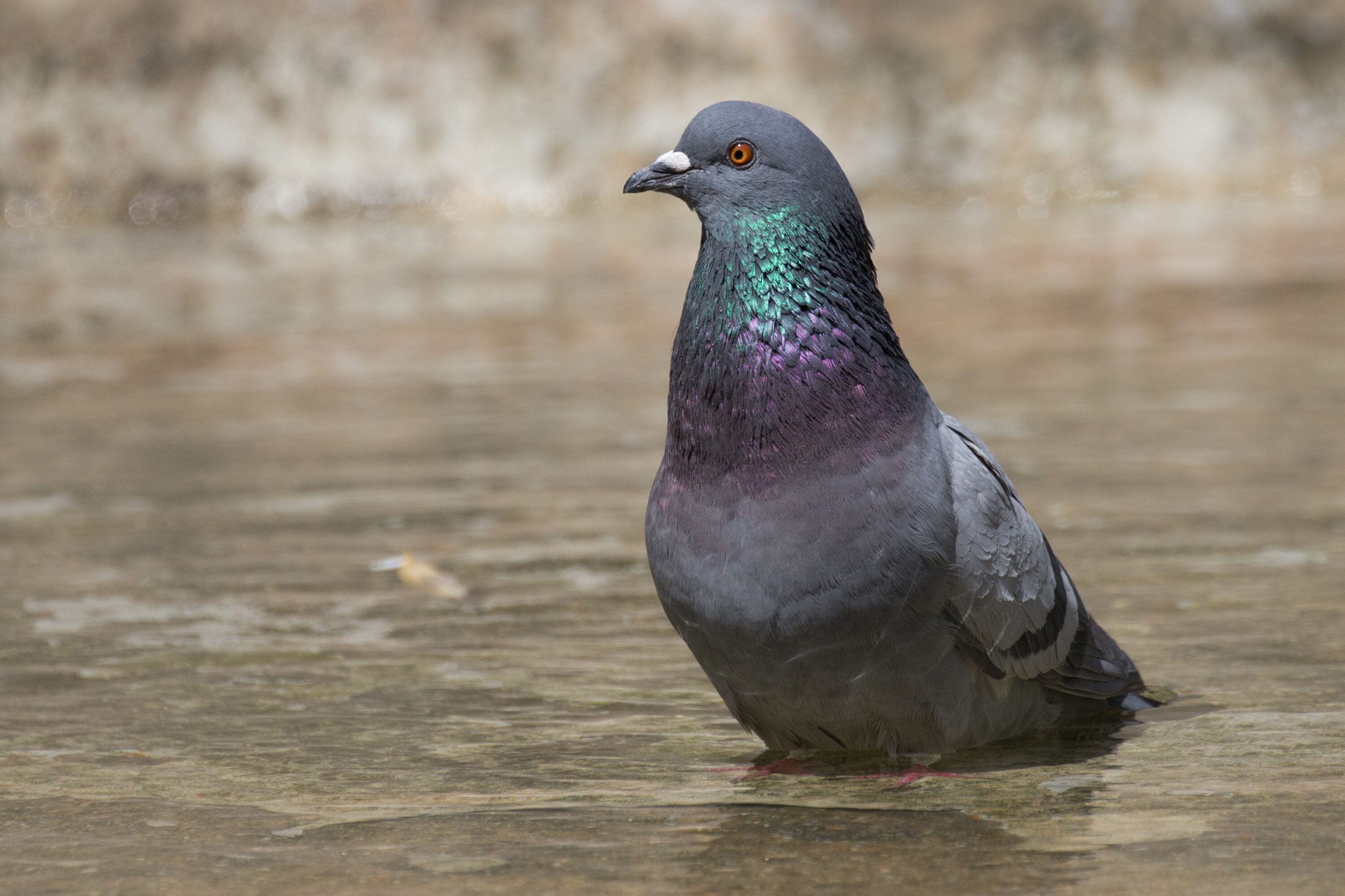
Rock Doves Preferred Predictive Information Despite a Lower Food Payoff
Seven rock doves preferred an informative option that paid on 20% of trials over a non-informative option that…
Read story →SPECIES IN THIS STORY
Species in this story
Independent research and conservation news archive
Did you find this information useful?
Wildlife Vagabond is independently built and maintained. Voluntary support helps cover source verification, hosting and continued work on research and conservation news.
Support Wildlife VagabondThe news archive will remain freely available.