
Connecticut ospreys averaged just 0.87 fledglings per pair in 2026
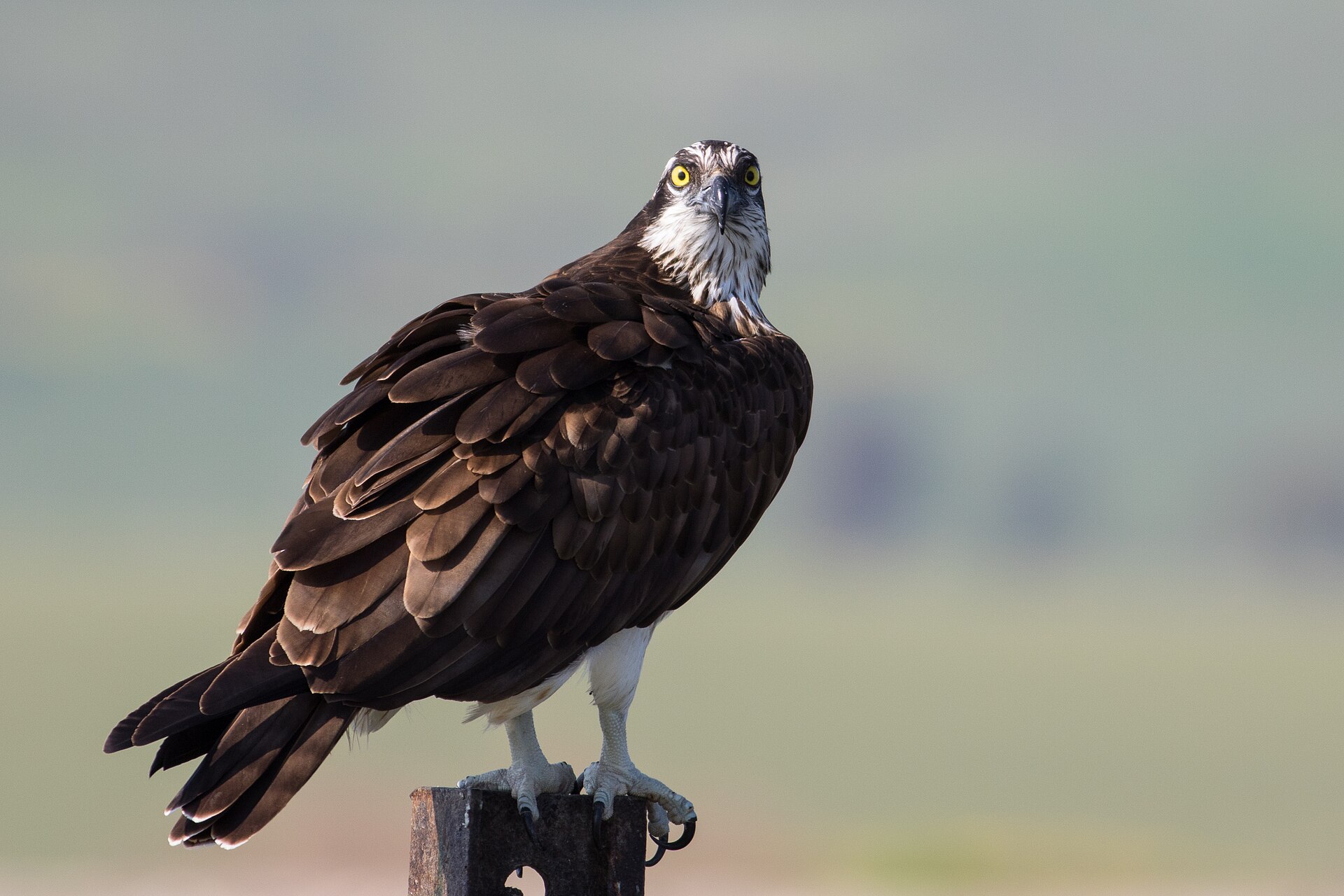
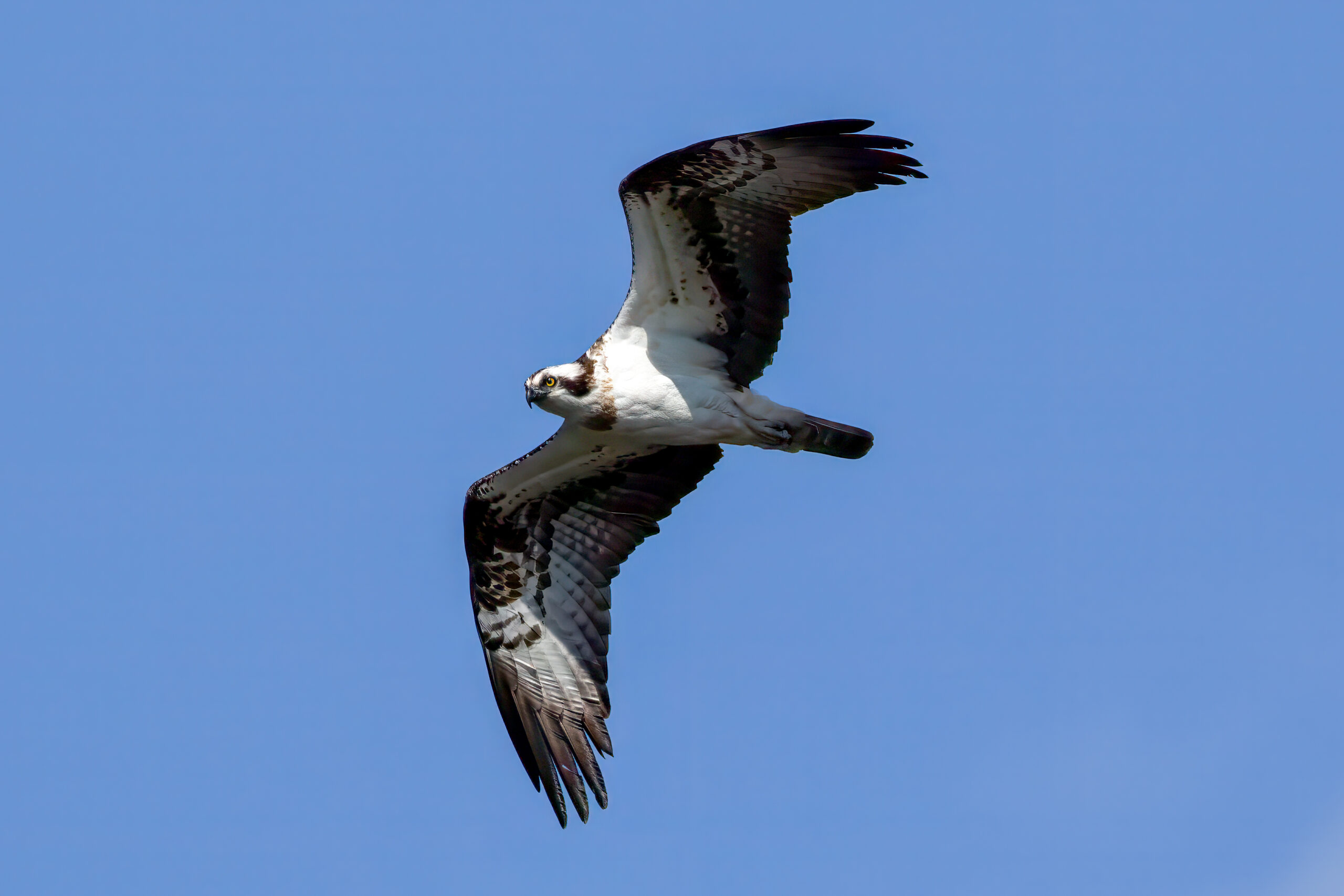
Preliminary results released by the Connecticut Audubon Society on October 6 show that Osprey Nation recorded an average of 0.87 chicks fledged per breeding pair of Ospreys (Pandion haliaetus) in Connecticut in 2026—the lowest figure in the program’s record. That was about 31% below the previous low of 1.26 in 2025. The tally was based on 99% of the season’s data, so minor changes were still possible.
About 450 volunteer stewards monitored roughly 1,000 current and previously used nest sites. The statewide program follows nesting through the season, recording incubation, hatching, fledging and nest failures. Of 679 nesting attempts, about 40% failed: some nests did not hatch chicks, while in others chicks hatched but did not survive to leave the nest. Of the 407 nests that produced fledglings, about 61% produced one chick and 33% produced two. For the first time in Osprey Nation’s 13-year record, most successful nests produced only one fledgling; in previous years, most produced two. Just 23 nests—less than 6% of successful nests—fledged three chicks, compared with as many as 20% in earlier seasons.
Ospreys feed almost exclusively on fish, making food supply a concern when so few young reach fledging. Connecticut Audubon called the pattern its strongest evidence yet of a possible problem with prey provisioning: adult Ospreys may be struggling to bring enough fish to their chicks. The organization points especially to Atlantic menhaden, an important food source for Ospreys and a key part of the food web. It urged a 50% reduction in the Chesapeake Bay menhaden fishery cap and released the preliminary figures ahead of the October 9, 2026 public-comment deadline on proposed changes to that cap. The counts do not establish a cause: Connecticut Audubon says food stress may contribute to nest failures, alongside weather, disturbance, predation and inexperience.
Population & status
Related news
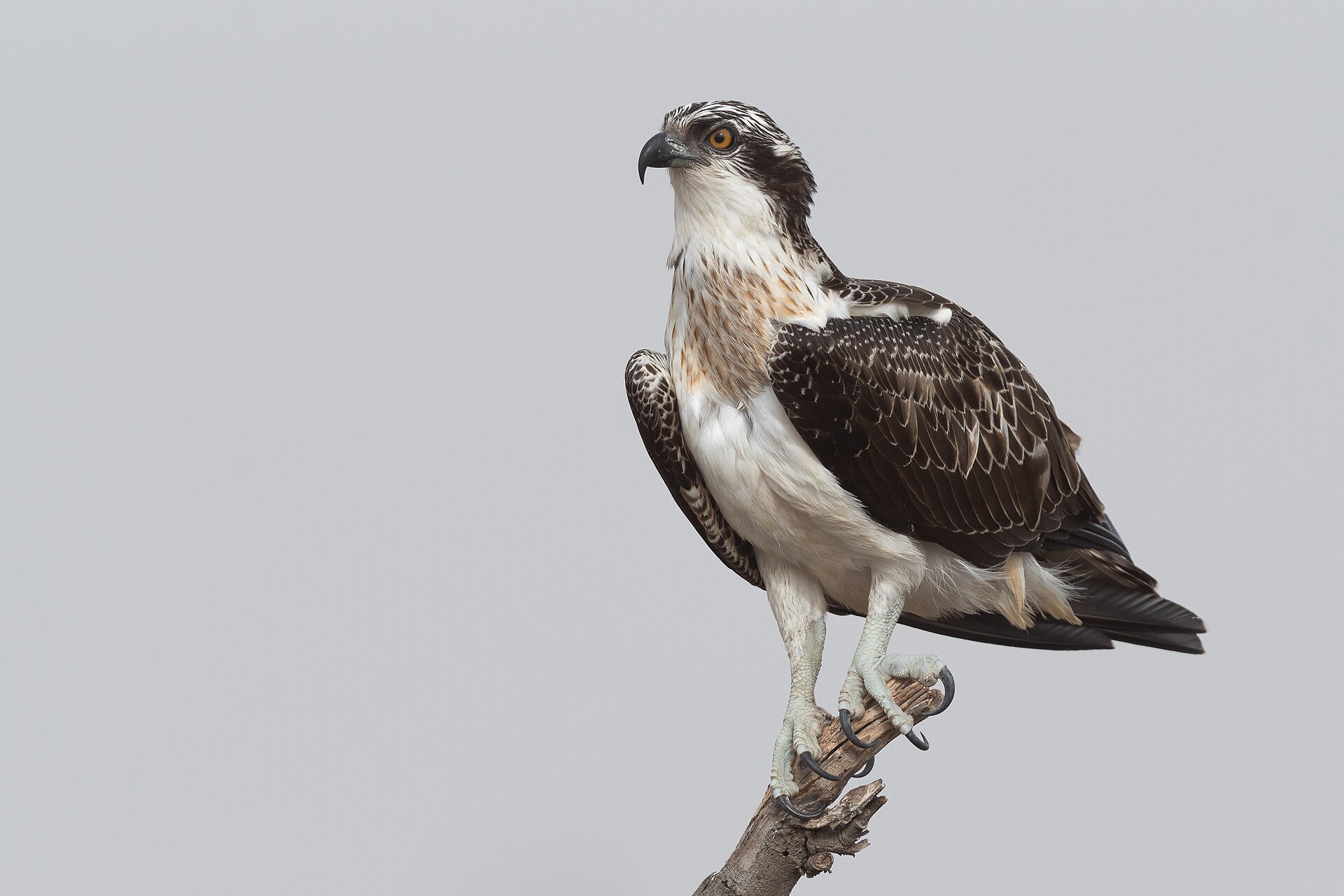
Ospreys raise three chicks in Herefordshire for the first time in at least 200 years
After a failed nesting attempt in 2025, a pair returned to the River Wye area in 2026 and…
Read story →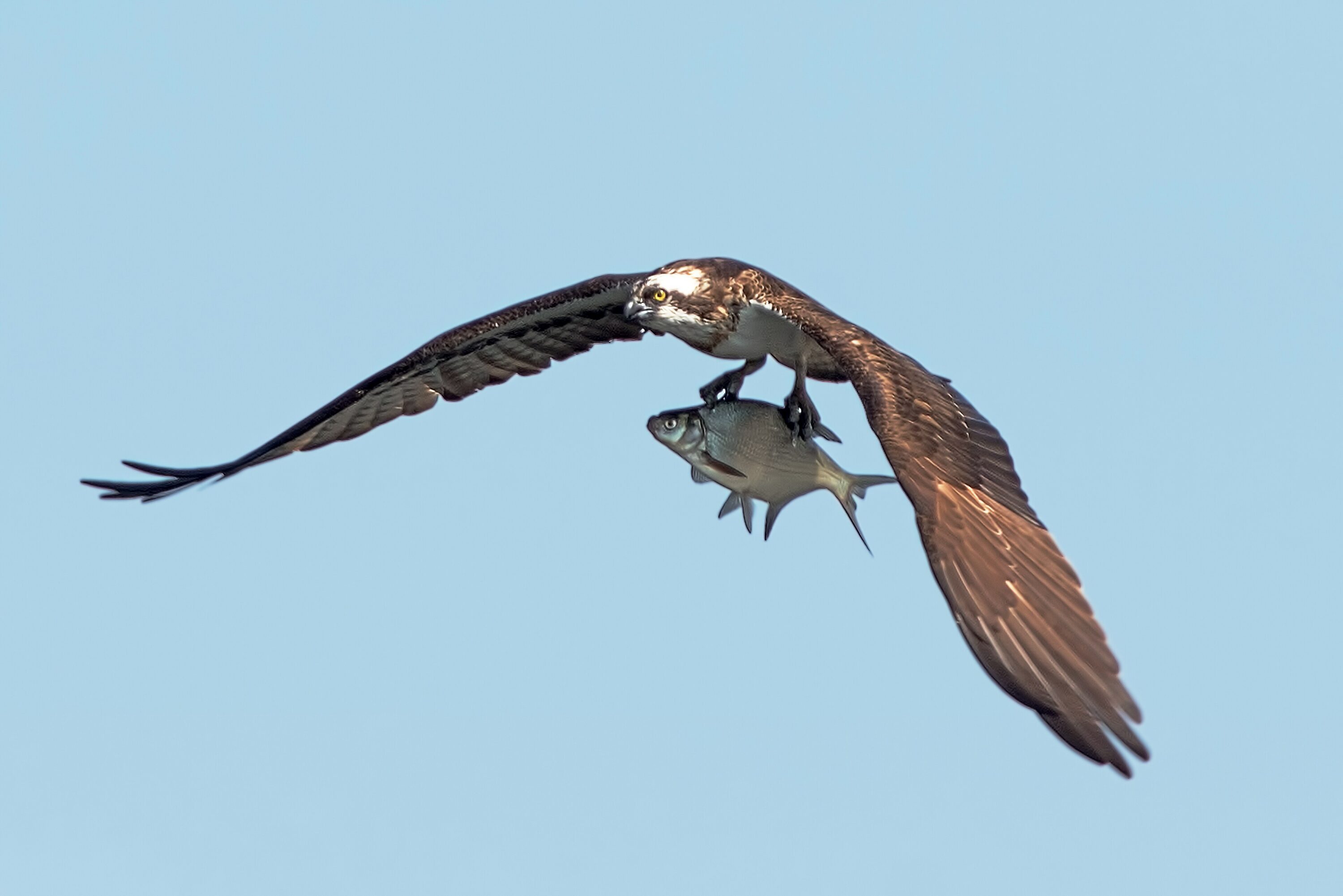
VKM: Exporting Up to 26 Osprey Young to Ireland Would Not Harm Conservation Status in Norway
VKM concluded that exporting up to 26 wild young ospreys from two Norwegian donor areas to Ireland would…
Read story →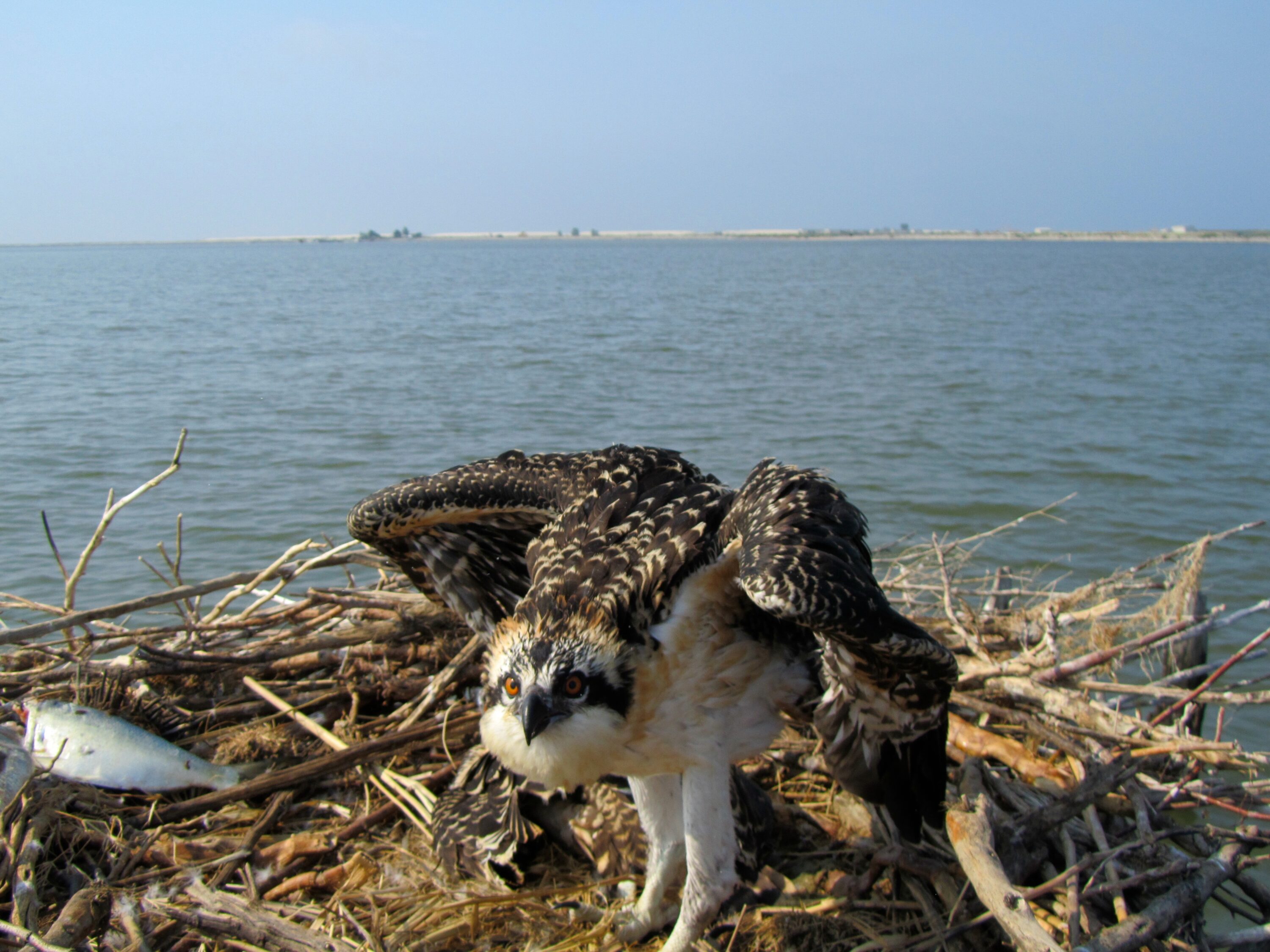
24 Osprey Chicks Fledged From 12 Rutland Nests
Rutland Osprey Project reported 24 chicks fledged from 12 nests in 2026. The season produced 14 chicks assessed…
Read story →SPECIES IN THIS STORY
Species in this story
Independent research and conservation news archive
Did you find this information useful?
Wildlife Vagabond is independently built and maintained. Voluntary support helps cover source verification, hosting and continued work on research and conservation news.
Support Wildlife VagabondThe news archive will remain freely available.