
Rhesus Macaque
Macaca mulatta
At a glance
Habitat
- Forest, scrub, grassland, farmland, villages and cities
Diet
- Fruit, leaves, shoots, seeds and roots plus invertebrates and human foods
Activity
- Diurnal; both terrestrial and arboreal
Size
- Length: ~40–60 cm body length Weight: Females ~4–7 kg; males commonly ~6–12 kg
Range
- Afghanistan and the Indian subcontinent east to southern China and northern mainland Southeast Asia
Description
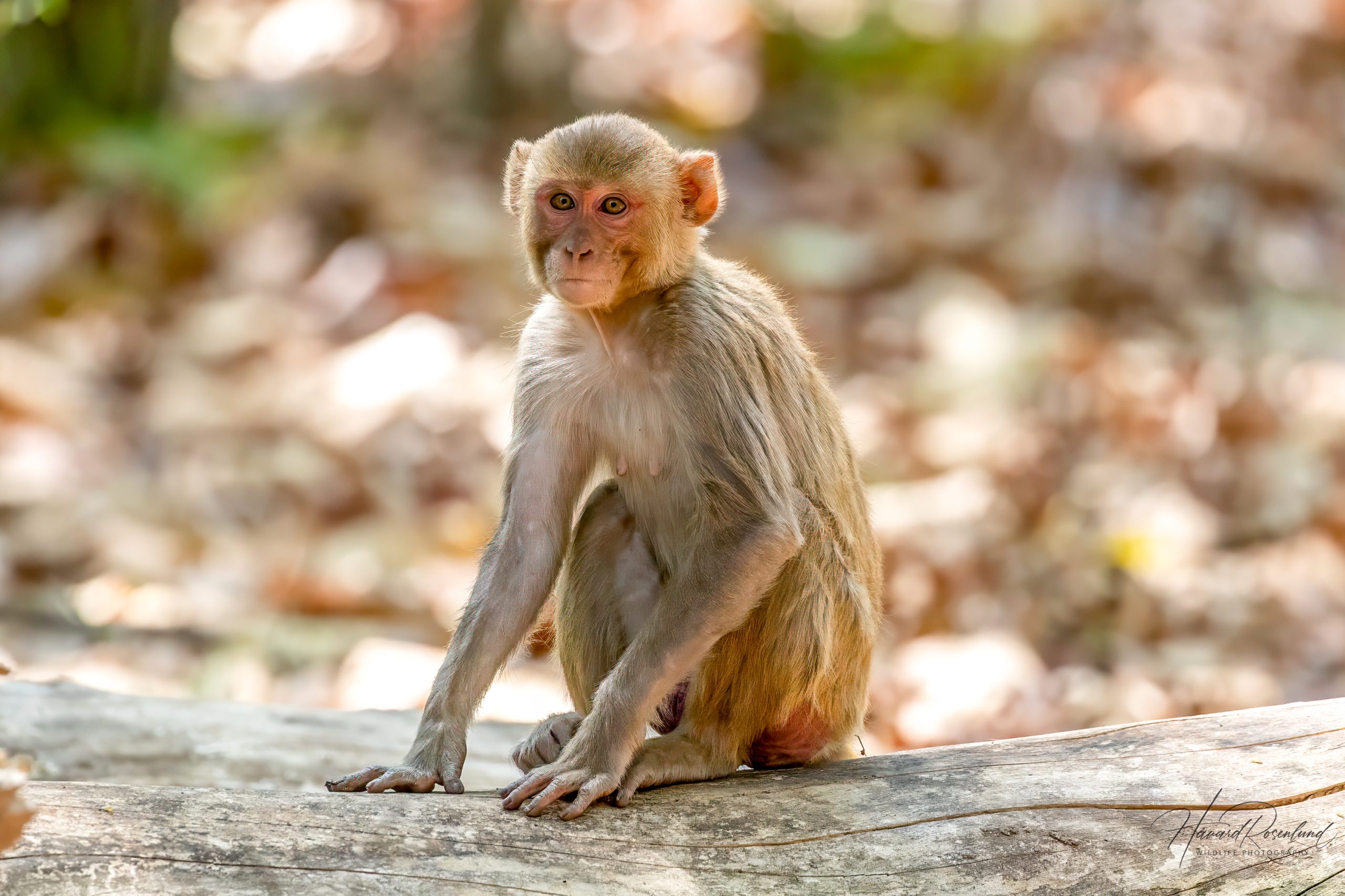
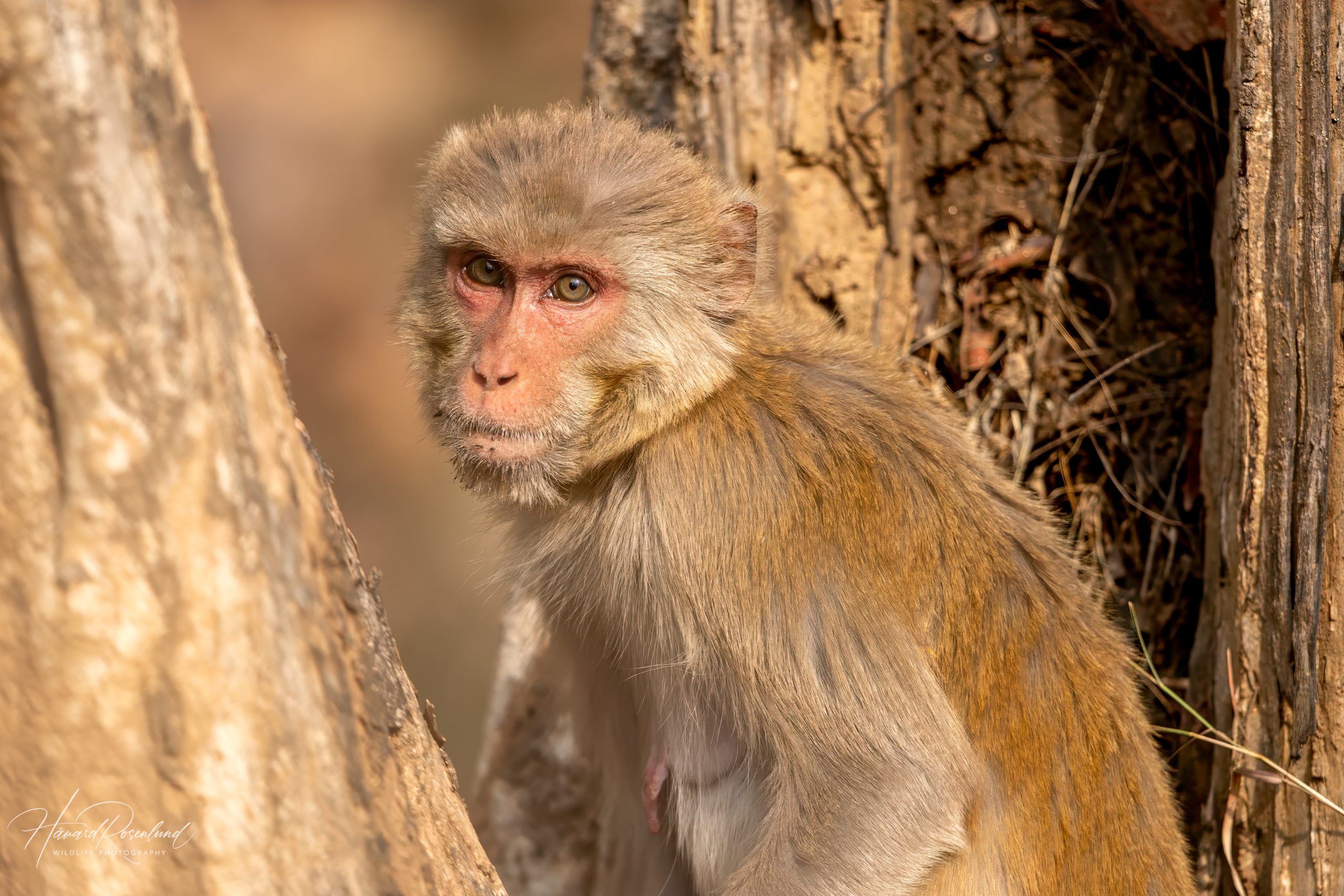
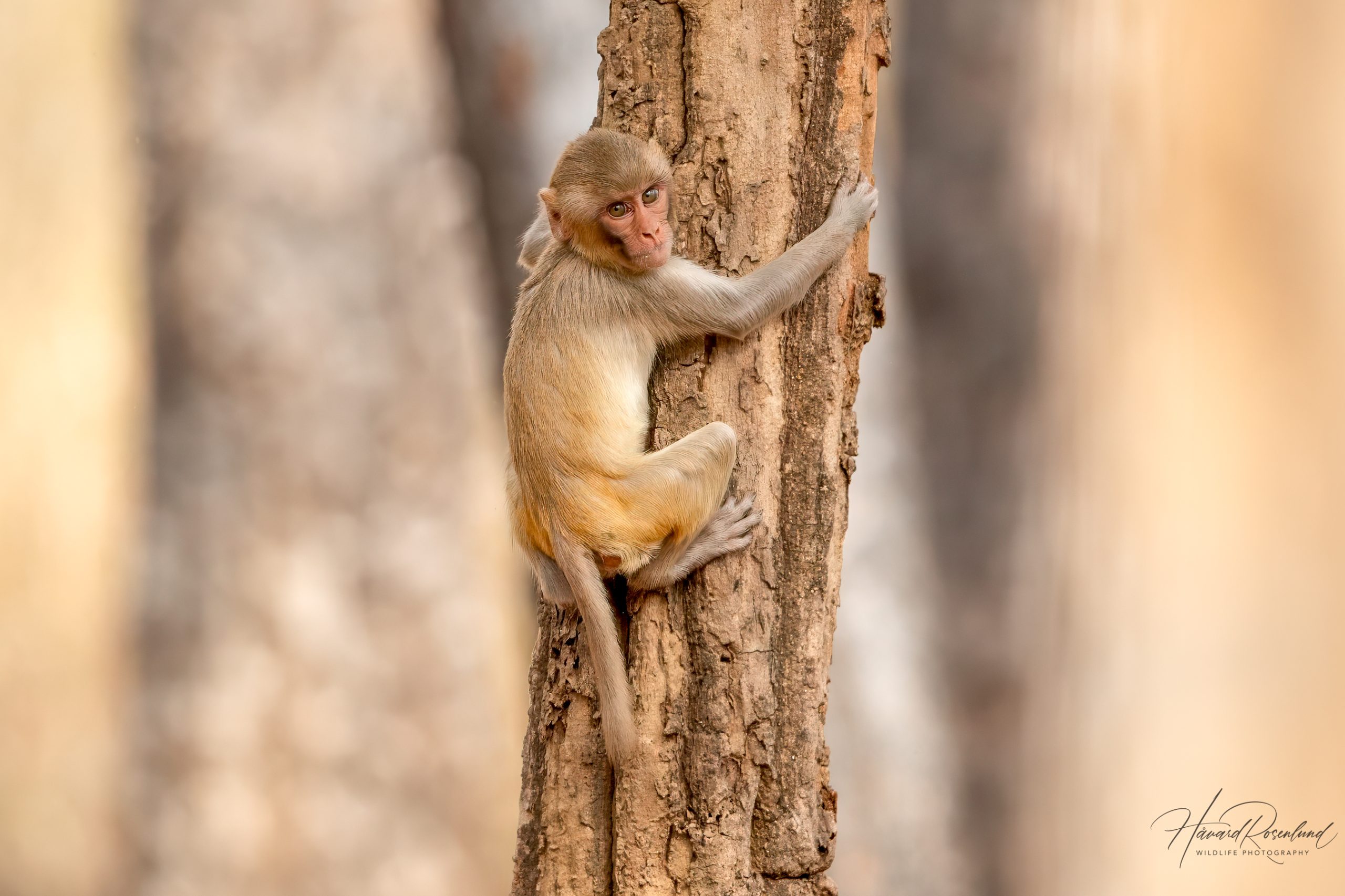
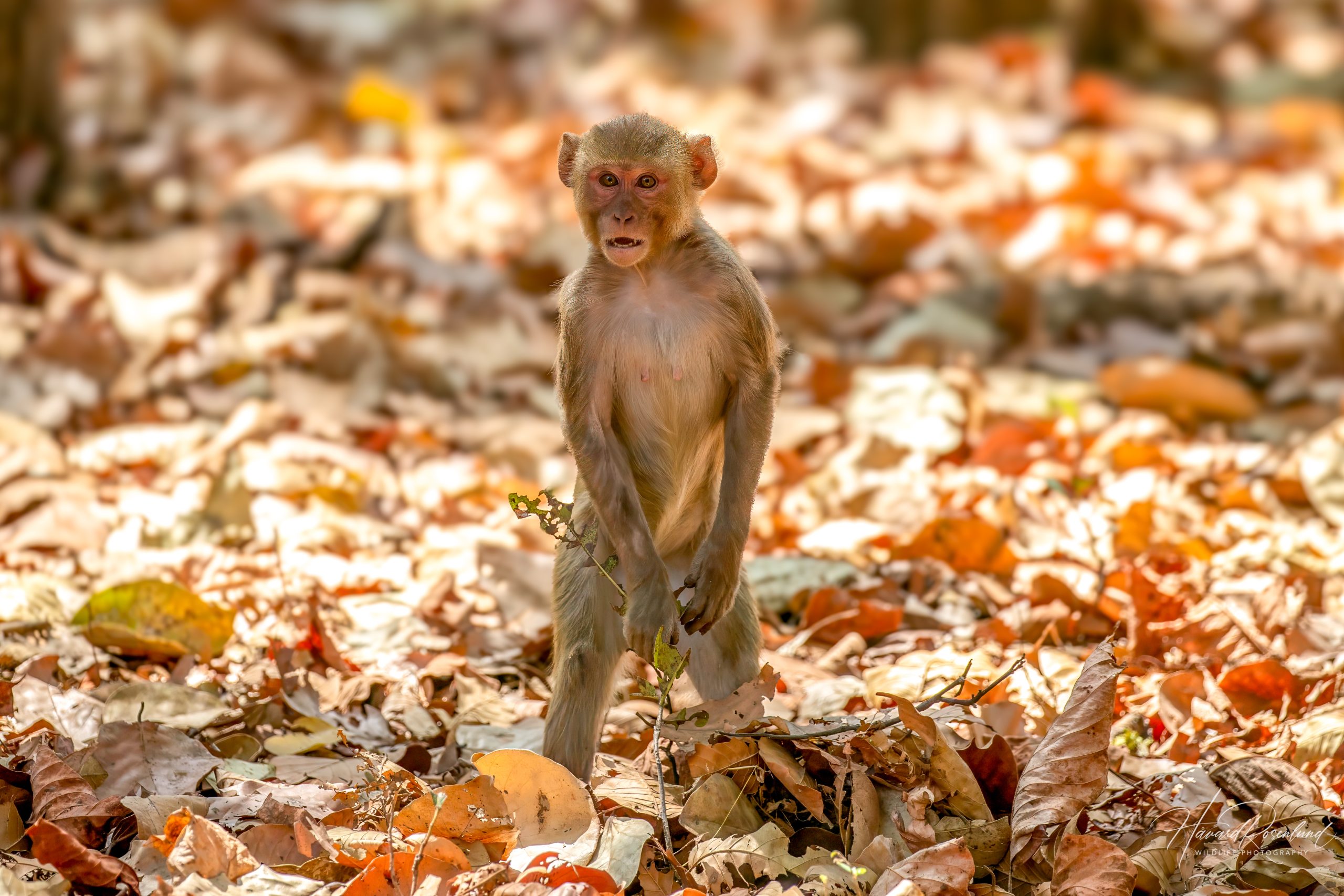
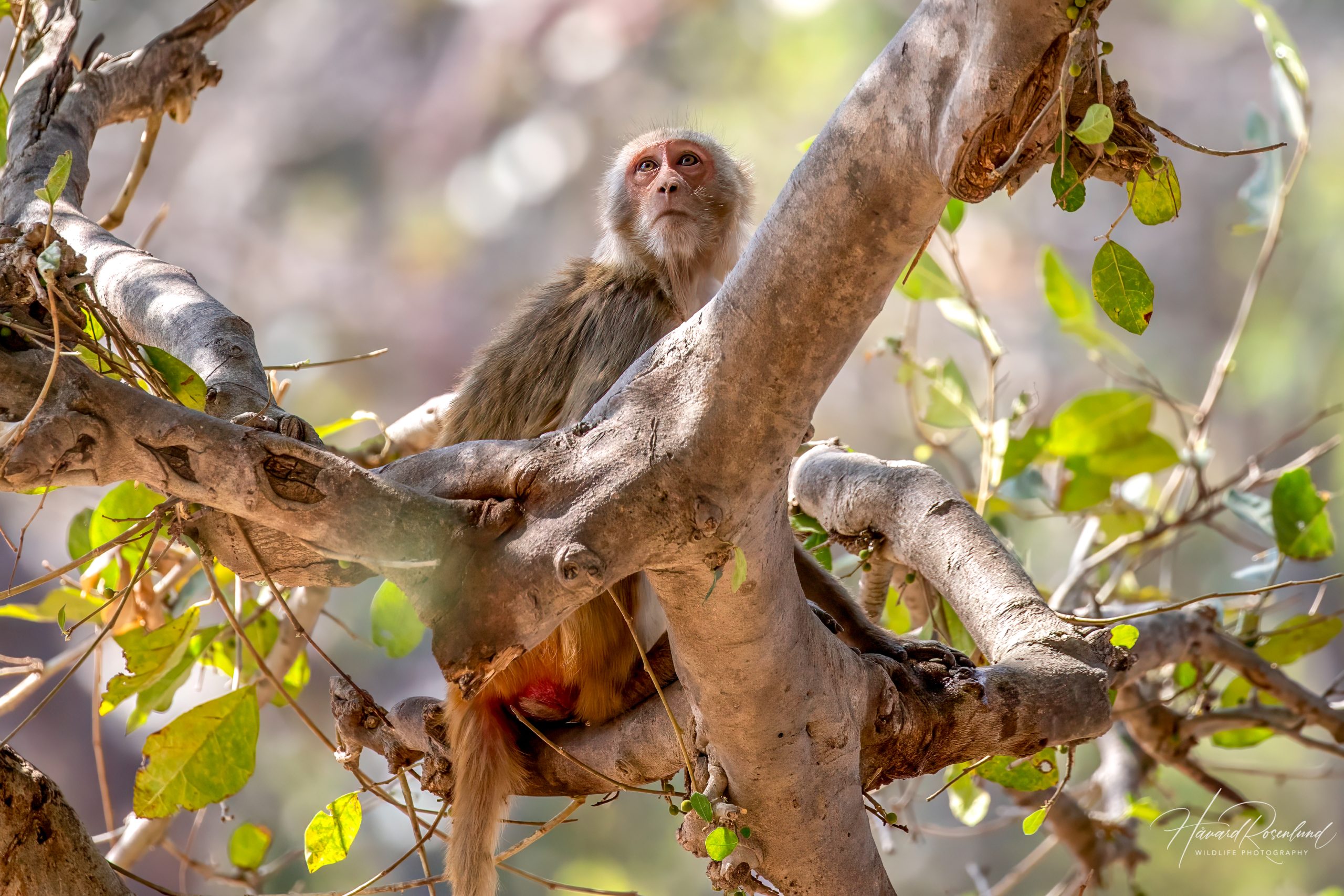
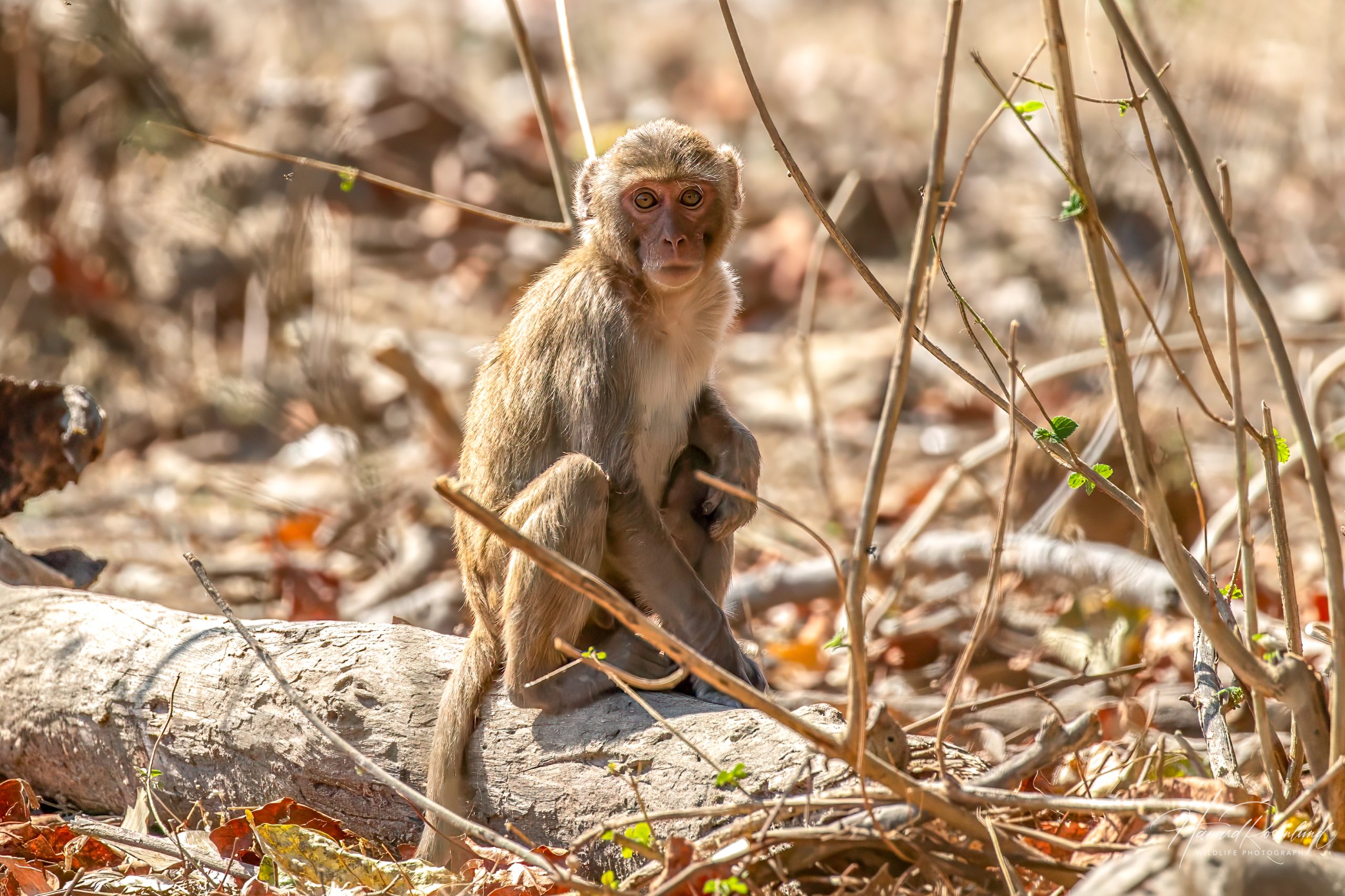
The rhesus macaque (Macaca mulatta) is a medium-sized Old World monkey with one of the broadest natural ranges of any non-human primate. Adults have brown to grey-brown fur, a bare pinkish face and a comparatively short tail. Body size varies geographically; adults are roughly 40–60 cm long, with females often around 4–7 kg and males commonly 6–12 kg or more in larger northern populations.
The species can be confused with other Asian macaques where ranges approach one another, but the combination of a relatively short tail, exposed pink face and sturdy build is characteristic. Genetic research also shows extensive geographical variation within the species, reflecting its enormous range from Afghanistan and the Indian subcontinent east to southern China and northern mainland Southeast Asia.
Habitat
Rhesus macaques are unusually flexible in where they can live. They occur in temperate and tropical forest, scrub, open woodland, grassland, river valleys, agricultural landscapes, villages and large cities, from near sea level to high mountain environments.
This ability to use many different habitats is a major reason for the species' success in human-modified landscapes. Rhesus macaques often reach particularly high densities in open or disturbed environments, and urban groups can move between buildings, roadside trees, parks, markets and temple grounds as readily as forest groups move between natural food patches.
Diet
Rhesus macaques are adaptable omnivores, although plant foods dominate most natural diets. Fruit, leaves, shoots, buds, seeds, roots and flowers are supplemented by insects, spiders, eggs and other small animal foods. The balance changes greatly with climate, season and habitat: fruit can dominate in tropical populations, while leaves may become more important in temperate or limestone forest.
Groups living close to people add crops, discarded food and deliberately provided food to this natural diet. Energy-rich processed foods can be abundant and predictable, making towns and religious sites attractive feeding areas, but dependence on such resources changes activity patterns and can intensify conflict with people.
Behaviour
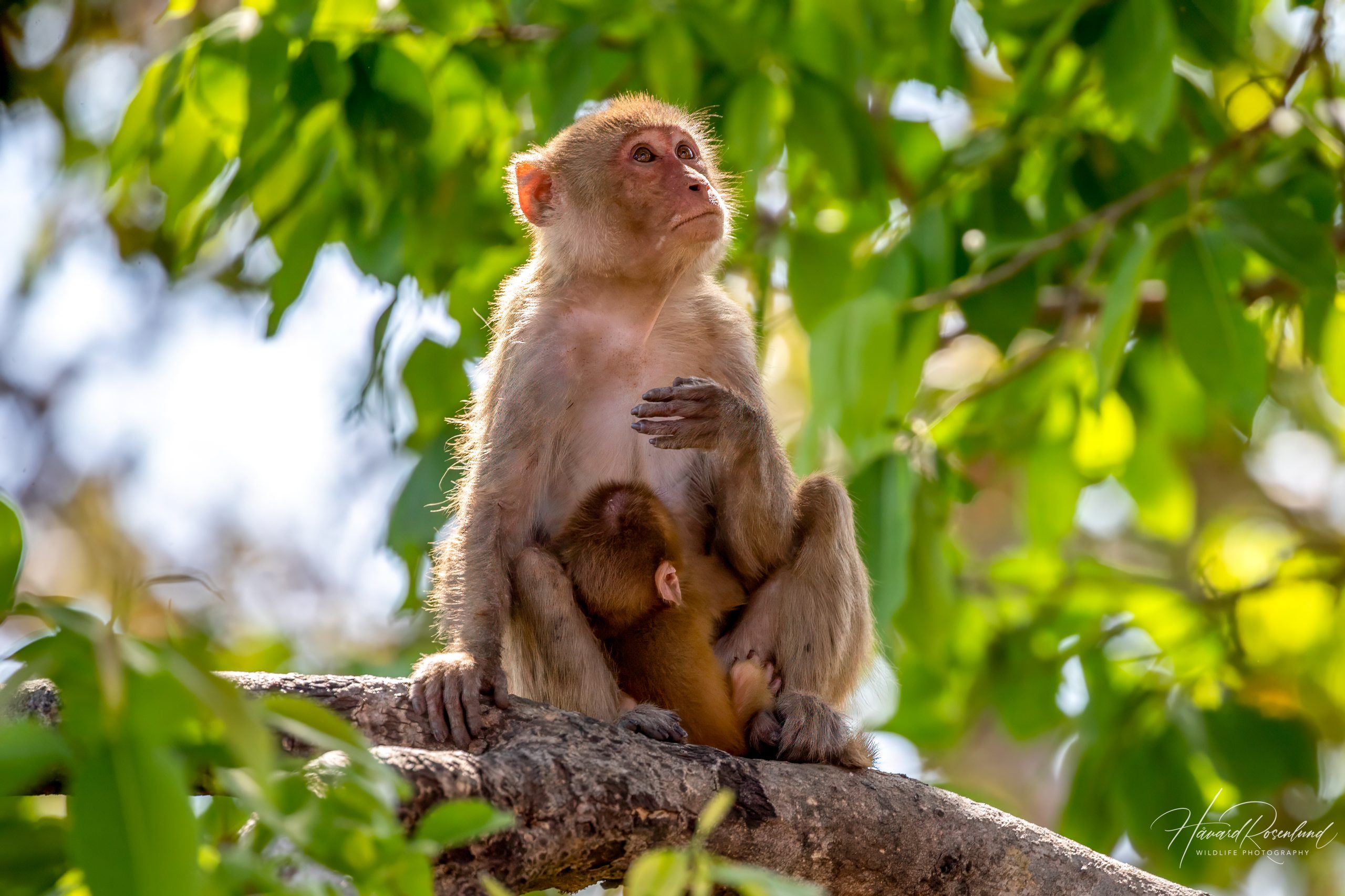
Rhesus macaques are diurnal and can shift between terrestrial and arboreal life according to habitat. Many populations spend much of the day travelling and feeding on the ground but climb readily to forage and rest.
As evening approaches, groups settle at shared sleeping sites, often in elevated trees or other secure places, and remain together through the night before becoming active again around dawn. Sleeping animals commonly cluster close to one another.
Social behaviour
Rhesus macaques live in groups containing several adult males and females, with the social structure built strongly around families on the female side. Females normally remain in the group where they were born and maintain long-term relationships with mothers, sisters, daughters and other maternal relatives. Rank is strongly influenced by family relationships, and high-ranking individuals generally receive more tolerance and better access to preferred social partners.
Males follow a very different pattern. Most leave their birth group around sexual maturity and may change groups repeatedly as adults. Grooming, alliances, threats, submission, facial expressions and a large vocal repertoire all help regulate relationships within these socially complex groups.
A synthesis published in 2000 of 1,188 groups from nine countries found that groups receiving little or no food from people averaged 32 animals and reached a maximum of 250. Groups regularly fed by people averaged 77, and the largest recorded group contained 1,045 animals. Ready access to human-provided food can therefore change not only where macaques gather, but also the scale of their social groups.
Predation
Predator pressure changes greatly across the rhesus macaque's enormous range. Leopards (Panthera pardus) are documented predators in forested and mixed human-use landscapes. A 2018 study from north-eastern India found that rhesus macaques made up a larger share of leopard prey than their local abundance alone would predict, showing that they can be preferred prey locally where the two species coexist.
In heavily human-modified landscapes, free-ranging dogs can add a different source of predation risk. A 2024 study from northern India documented lethal attacks on adult rhesus macaques, and groups respond to dogs by alarm, retreat and rapid movement into elevated refuges. Trees, buildings and other high structures therefore provide not only feeding and sleeping sites but also an important escape route from terrestrial predators.
Reproduction
Both sexes mate with several partners. The degree of reproductive seasonality varies across the enormous range. In strongly seasonal populations, mating is concentrated in autumn and winter and births in spring and summer, whereas populations in warmer climates can show weaker seasonal patterns. Gestation lasts about 166 days and a single infant is usual.
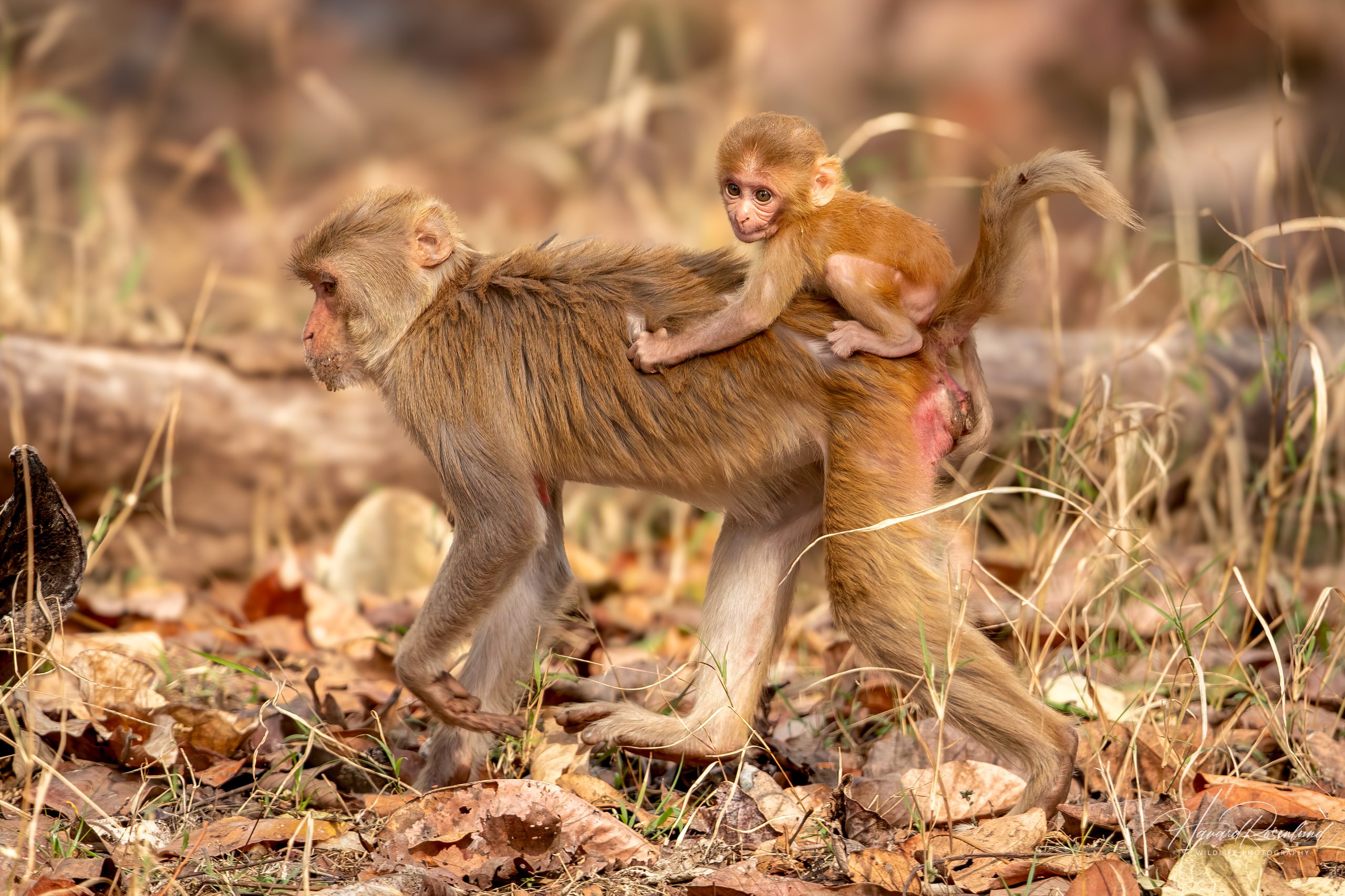
The mother provides the great majority of early care, and the infant remains closely associated with her while gradually becoming more independent. Female offspring usually stay within the same family network for life, whereas young males eventually leave the group. Reproduction is therefore closely tied to the species' social structure.
Cultural significance
In parts of South Asia, rhesus macaques are among the monkeys associated in popular Hindu practice with Hanuman. This religious association contributes to tolerance and deliberate feeding around temples, roadsides and other public places. The connection is not exclusive to rhesus macaques—other monkey species are also associated with Hanuman—but it has had a major practical influence on how rhesus populations live alongside people in much of northern India.
Feeding monkeys may be treated as an act of devotion or merit, and temple populations can become familiar parts of daily religious life. This cultural protection has helped rhesus macaques persist at very high densities in some human-dominated landscapes, while also creating conditions that can intensify conflict and road mortality.
Relationship with humans
Few wild primates live as closely alongside people as the rhesus macaque. In South Asia they are common around temples, towns and agricultural areas. The same tolerance that permits close coexistence can generate serious conflict when macaques raid crops, enter houses or compete for food. A 2020 study in northern India found feeding by people and poorly managed food waste among the factors most often linked to urban conflict.
The species is also one of the most important non-human primates in biomedical and behavioural research. Its close physiological and social similarities to humans have made it a major model in immunology, infectious disease, neuroscience, ageing and many other fields. Rhesus macaques also played a major role in early polio research: tens of thousands were used in work that distinguished poliovirus types, and kidney cell cultures from rhesus macaques became central to research and production surrounding the Salk vaccine. The human Rh blood-group system was named after rhesus-monkey experiments, although the original assumption that the relevant human and monkey antigens were the same was later shown to be incorrect; the abbreviated Rh name remained in use.
Rhesus macaques also entered the history of spaceflight. On 14 June 1949, Albert II reached an altitude of about 134 km (83 miles) aboard a V-2 rocket, becoming the first primate known to reach space. He survived the flight itself but died when the capsule struck the ground.
Status
The rhesus macaque is classified as least concern on the IUCN Red List and remains one of the most widespread and adaptable non-human primates. Its natural range stretches from Afghanistan and the Indian subcontinent through parts of mainland Southeast Asia to China and Hainan.
This overall security masks strong local variation. Habitat degradation, capture and persecution can reduce individual populations, while poorly planned translocations may simply move conflict elsewhere. At the same time, many urban and agricultural populations thrive because food and shelter created by people are abundant. The situation therefore varies greatly from place to place: some populations face local pressure, while elsewhere the main challenge is reducing conflict without simply moving animals and problems to new areas.
Image gallery
Loading map and observations…
Have you seen this species?
Independent species archive
Did you find this species page useful?
Wildlife Vagabond is independently built and maintained. Voluntary support helps cover hosting, maps, data storage and continued improvements to the species archive.
Support Wildlife VagabondSpecies content will remain freely available.
References
Information about the species’ global distribution and status is based primarily on global Red List data. See the references below for details.
- Anand, S., & Radhakrishna, S. (2020). Is human–rhesus macaque (Macaca mulatta) conflict in India a case of human–human conflict? Ambio, 49(10), 1685-1696. https://doi.org/10.1007/s13280-020-01324-w
- Balasubramaniam, K. N., Beisner, B. A., McCowan, B., & Bloomsmith, M. A. (2021). Female social structure influences, and is influenced by, male introduction and integration success among captive rhesus macaques (Macaca mulatta). Behaviour, 158(11), 1007-1042. https://doi.org/10.1163/1568539X-BJA10109
- Chakraborty, B., Pithva, K., Mohanty, S., & McCowan, B. (2024). Lethal dog attacks on adult rhesus macaques (Macaca mulatta) in an anthropogenic landscape. Primates, 65(3), 151-157. https://doi.org/10.1007/s10329-024-01122-y
- Cooper, E. B., Brent, L. J., Snyder-Mackler, N., Singh, M., Sengupta, A., Khatiwada, S., Malaivijitnond, S., Qi Hai, Z., & Higham, J. P. (2022). The rhesus macaque as a success story of the Anthropocene. eLife, 11, e78169. https://doi.org/10.7554/eLife.78169
- Dean, L. (2005). The Rh blood group. In Blood Groups and Red Cell Antigens. National Center for Biotechnology Information (US). https://www.ncbi.nlm.nih.gov/sites/books/NBK2269/
- Fooden, J. (2000). Systematic review of the rhesus macaque, <i>Macaca mulatta</i> (Zimmermann, 1780). Field Museum of Natural History. https://doi.org/10.5962/bhl.title.7192
- Hannibal, D. L., Bliss‐Moreau, E., Vandeleest, J., McCowan, B., & Capitanio, J. (2017). Laboratory rhesus macaque social housing and social changes: Implications for research. American Journal of Primatology, 79(1), e22528. https://doi.org/10.1002/ajp.22528
- International Union for Conservation of Nature. (n.d.). Rhesus Macaque. The IUCN Red List of Threatened Species. https://www.iucnredlist.org/species/12554/256057746
- Kshettry, A., Vaidyanathan, S., & Athreya, V. (2018). Diet Selection of Leopards (Panthera pardus) in a Human-Use Landscape in North-Eastern India. Tropical Conservation Science, 11, 1940082918764635. https://doi.org/10.1177/1940082918764635
- Mammal Diversity Database. (n.d.). Macaca mulatta (Rhesus Macaque). American Society of Mammalogists. https://www.mammaldiversity.org/taxon/1000612/
- NASA. (n.d.). A Brief History of Animals in Space. https://www.nasa.gov/history/a-brief-history-of-animals-in-space/
- Pragatheesh, A. (2011). Effect of human feeding on the road mortality of Rhesus Macaques on National Highway - 7 routed along Pench Tiger Reserve, Madhya Pradesh, India. Journal of Threatened Taxa, 3(4), 1656-1662. https://doi.org/10.11609/JoTT.o2669.1656-62
- Ruiz-Lambides, A. V., Weiß, B. M., Kulik, L., & Widdig, A. (2018). Which male and female characteristics influence the probability of extragroup paternities in rhesus macaques, Macaca mulatta? Animal Behaviour, 140, 119–127. https://doi.org/10.1016/j.anbehav.2018.04.018
- Suri, T. (2022). Between Simians and Cell Lines: Rhesus Monkeys, Polio Research, and the Geopolitics of Tissue Culture (1934–1954). Journal of the History of Biology, 55(1), 115-146. https://doi.org/10.1007/s10739-022-09666-9
- Vessey, S. H. (1973). Night observations of free‐ranging rhesus monkeys. American Journal of Physical Anthropology, 38(2), 613-619. https://doi.org/10.1002/ajpa.1330380276