
Crows, Monkeys and People Showed Flexible Hierarchical Reasoning

Some sequences are organized as nested relationships: one relationship fits inside another, rather than each element simply following the one before it. This kind of hierarchical reasoning supports complex abilities such as language, mathematics and tool use. A comparative study tested how it appeared in people of different ages and cultures, rhesus monkeys and carrion crows (Corvus corone)—and whether performance changed with the task.
The researchers combined previously published data with new data from US adults, Tsimane adults from an Indigenous community in Bolivia, US children aged three to six, rhesus monkeys and carrion crows. Participants completed open-ended tasks in which they generated sequences. The tasks varied in complexity and used both visual-perceptual and semantic-conceptual relationships. By comparing the sequences people and animals produced, the researchers assessed whether their responses were more consistent with nested, hierarchical organization or with simpler ways of ordering elements.
Hierarchical patterns depended on the task
The study found evidence of hierarchical reasoning across ages and species, but not a uniform ability expressed in the same way by everyone. Adults relied on hierarchical mechanisms most consistently. Children and non-human participants showed more graded performance: how strongly their responses reflected hierarchical reasoning varied with task complexity and the kind of stimuli involved.
Across some generalization tasks, multiple participants from different age groups and species produced more center-embedded sequences than serial-crossed or tail-recursive ones. Center-embedded sequences have a nested structure, with one relationship placed inside another. The comparison helps distinguish nested organization from simpler strategies: serial-crossed sequences can be generated by tracking the order of items, whereas tail-recursive sequences preserve learned pairings between neighboring items. The results therefore suggest that a preference for nested structure appeared in some contexts, while performance changed with the pattern being tested.
The study adds evidence that hierarchical reasoning is not necessarily an all-or-none ability unique to humans. Its expression varied across individuals, populations and species, as well as with the task. That makes the comparison important for understanding how complex reasoning develops: what a participant can demonstrate depends partly on how the ability is tested, not just on whether it is present.
Behaviour
Related news
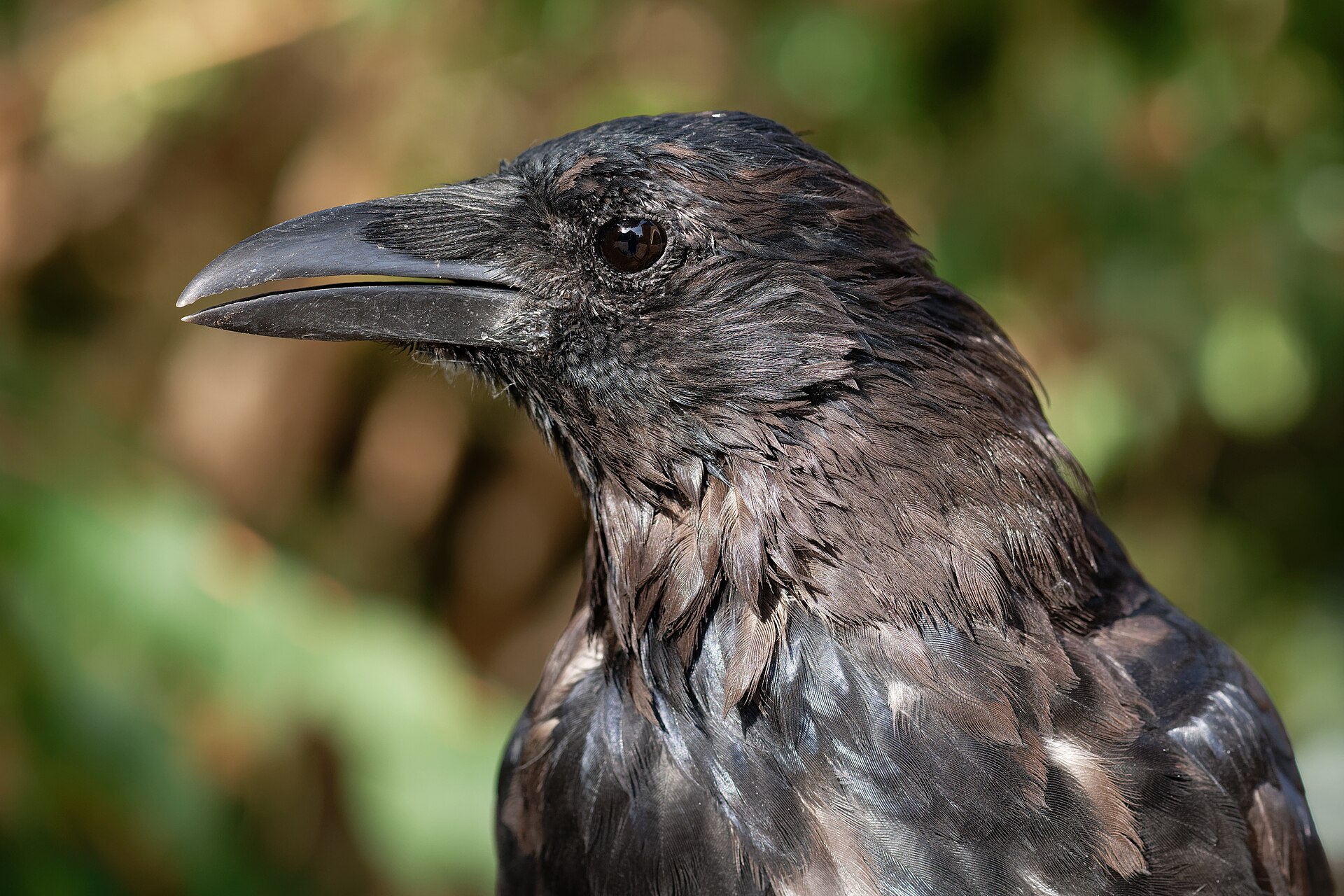
Carrion Crows Decide Which Way Dots Move in About 235 Milliseconds
In a visual task, two carrion crows chose whether moving dots were travelling mostly left or right in…
Read story →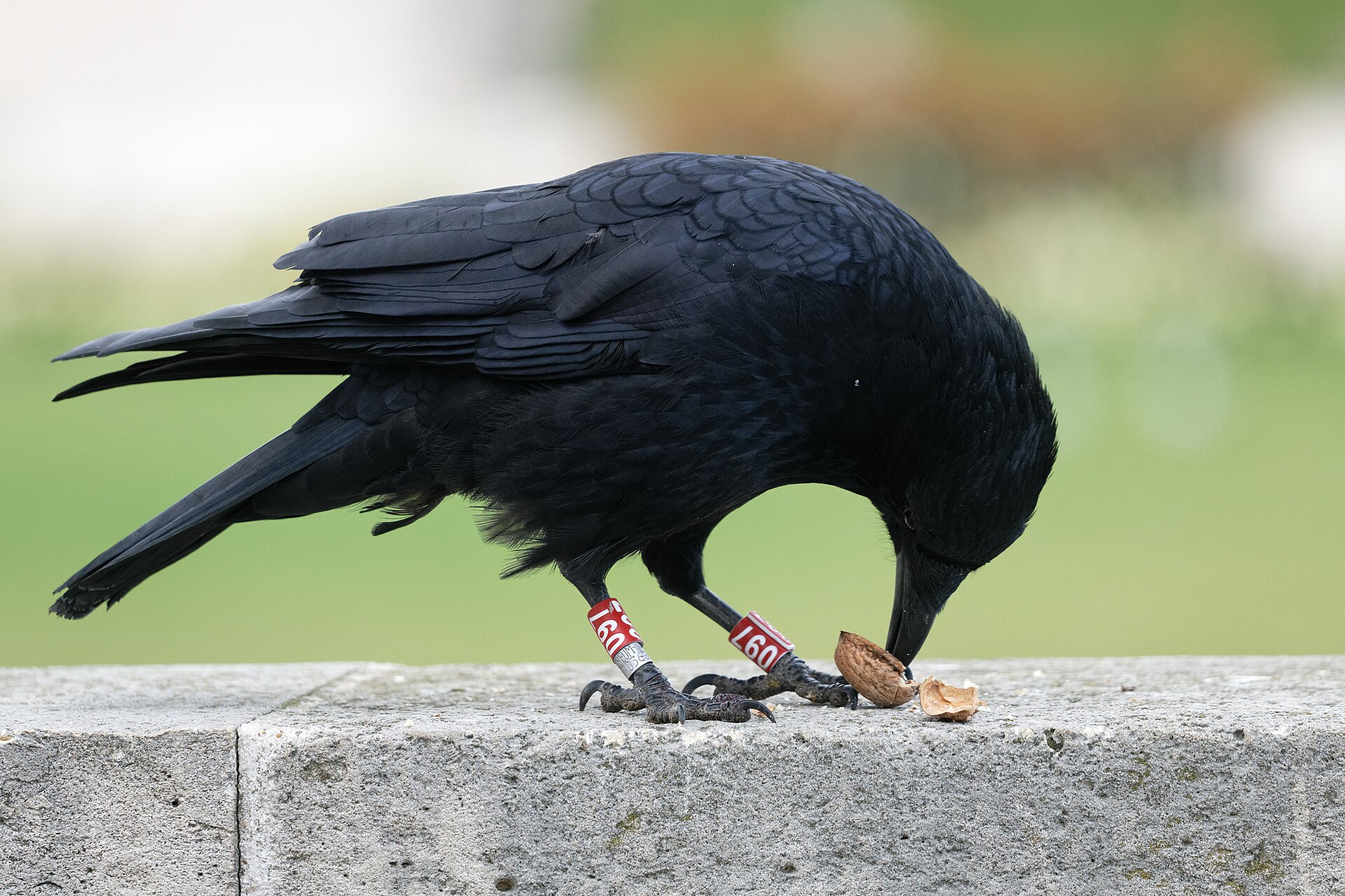
Size and Weight Help Wild Carrion Crows Choose Walnuts
In field tests in Japan, wild Carrion Crows favored larger walnuts. When similar-sized nuts hid different contents, the…
Read story →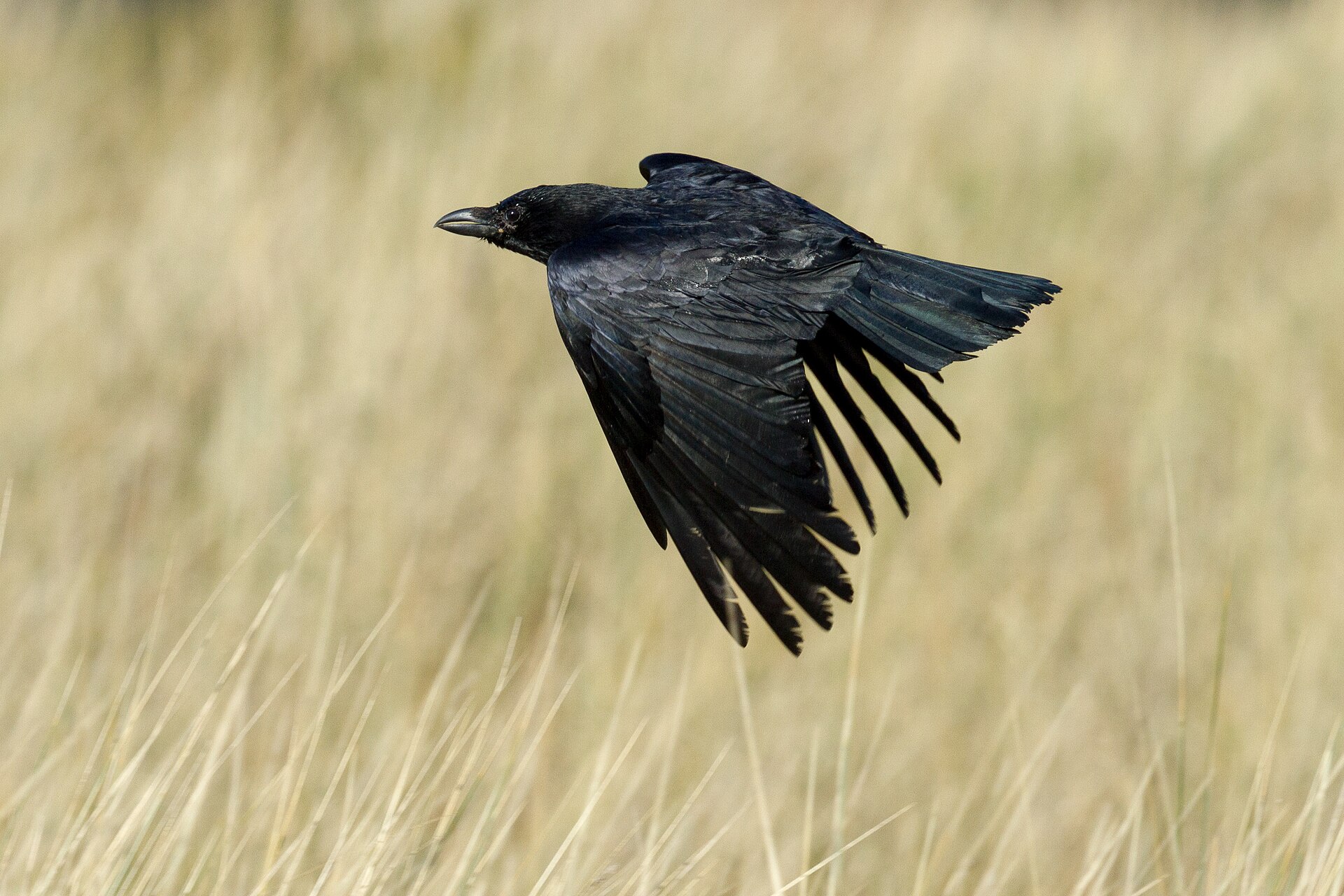
Crows find it harder to switch to vocalizing than to pecking
In a task where carrion crows learned to peck or vocalize in response to visual cues, switching to…
Read story →SPECIES IN THIS STORY
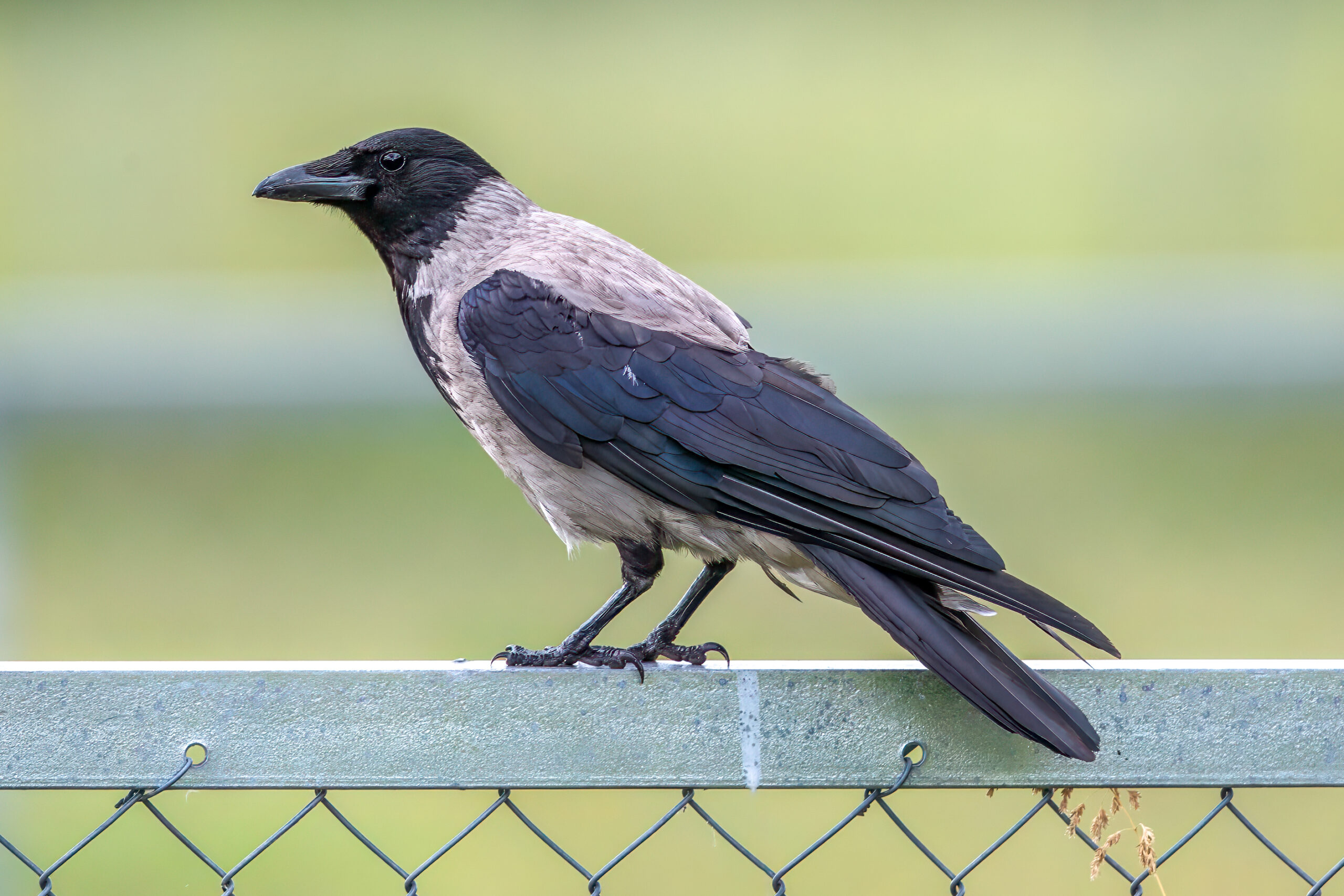
Species in this story
Independent research and conservation news archive
Did you find this information useful?
Wildlife Vagabond is independently built and maintained. Voluntary support helps cover source verification, hosting and continued work on research and conservation news.
Support Wildlife VagabondThe news archive will remain freely available.