
Reindeer
Rangifer tarandus
At a glance
Habitat
- Arctic tundra, alpine plateaus, boreal forest and subarctic wetlands, varying strongly among populations
Diet
- Lichens, grasses, sedges, leaves, shoots, dwarf shrubs, fungi and other plant material
Activity
- Active throughout the day and night in repeated feeding and resting bouts
Size
- Length: about 160–220 cm; shoulder height 85–150 cm Weight: roughly 60–300 kg, depending on sex and population
Range
- Circumpolar tundra and boreal regions of Eurasia and North America, including Arctic islands
Description
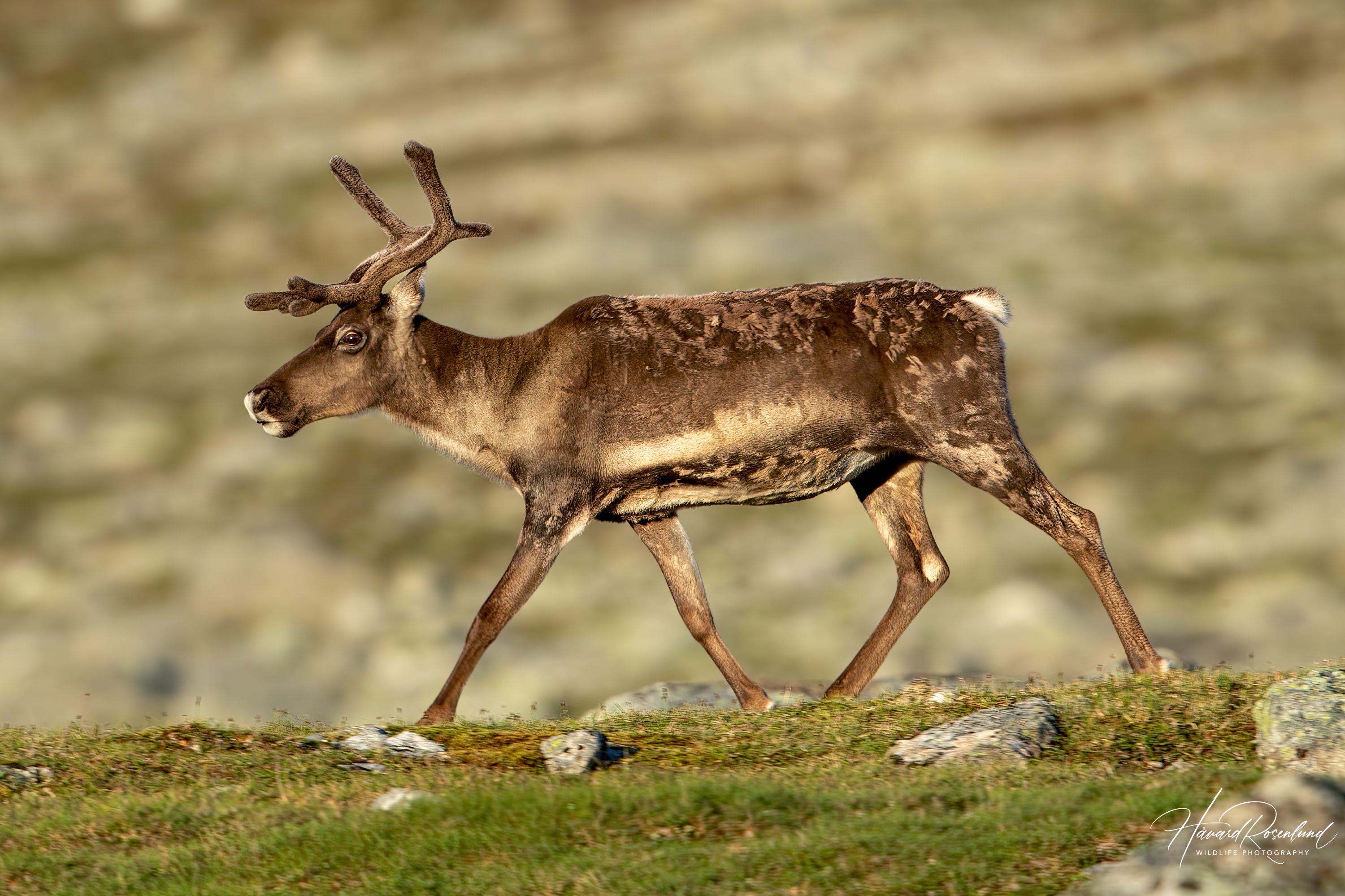
The reindeer (Rangifer tarandus), known as caribou in North America, is a medium- to large-sized deer of Arctic and subarctic landscapes. Body size varies enormously among populations: adults are roughly 160–220 cm long, 85–150 cm at the shoulder and about 60–300 kg, with males generally much larger than females.
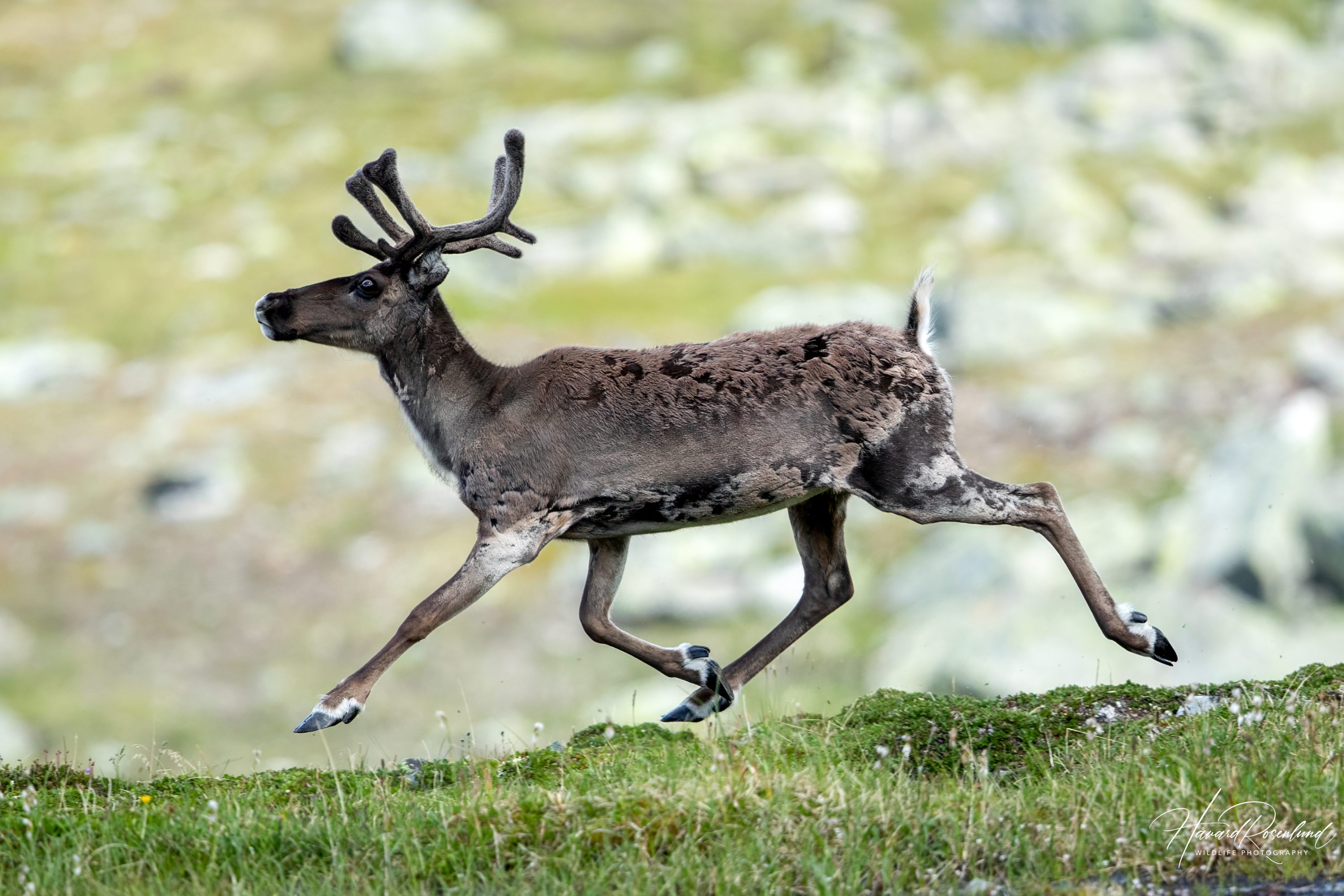
The dense coat has a thick woolly underlayer and hollow guard hairs that provide exceptional insulation and also add buoyancy while swimming. Broad hooves spread the animal’s weight over snow and soft tundra and become harder-edged in winter, improving grip on ice and frozen ground.
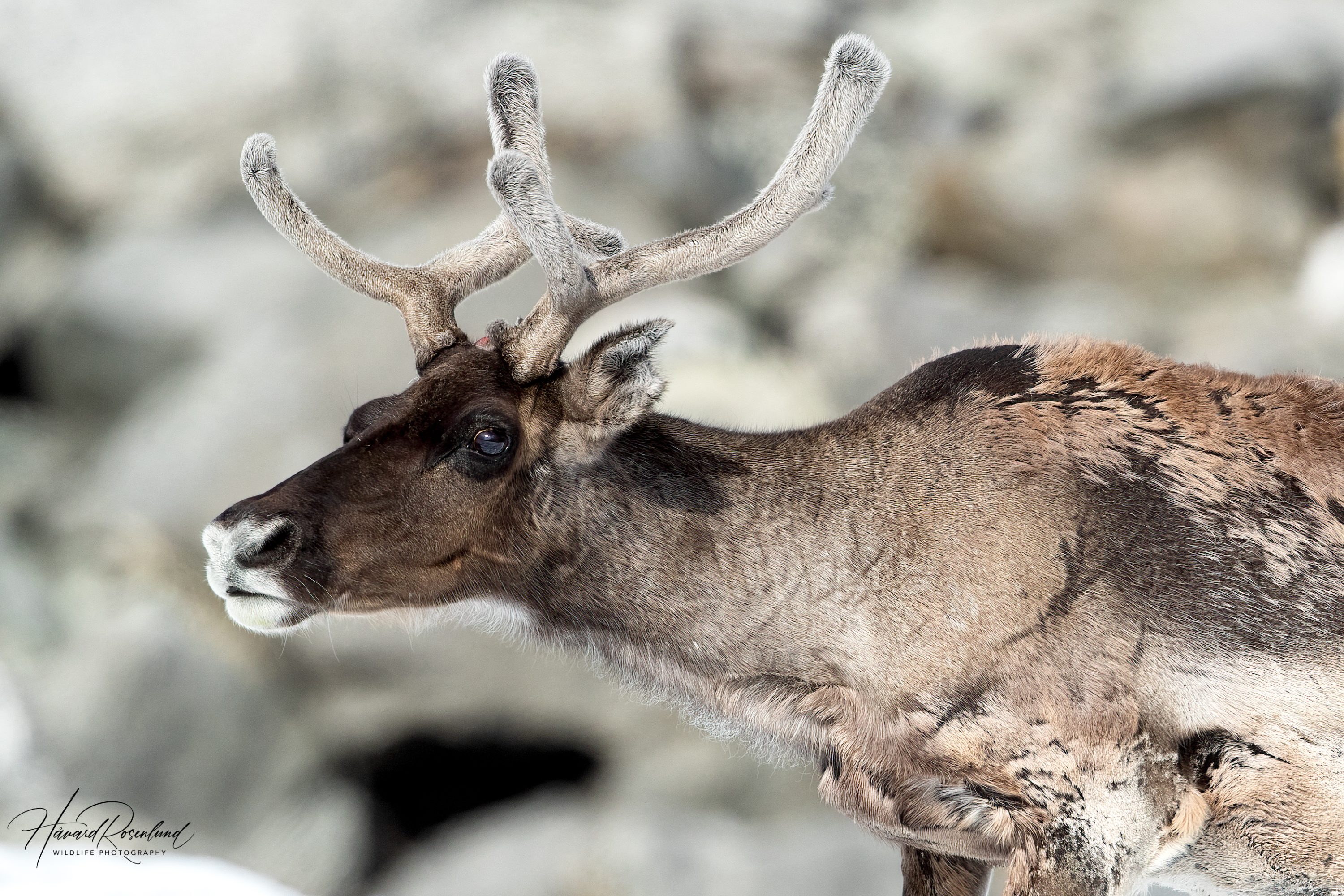
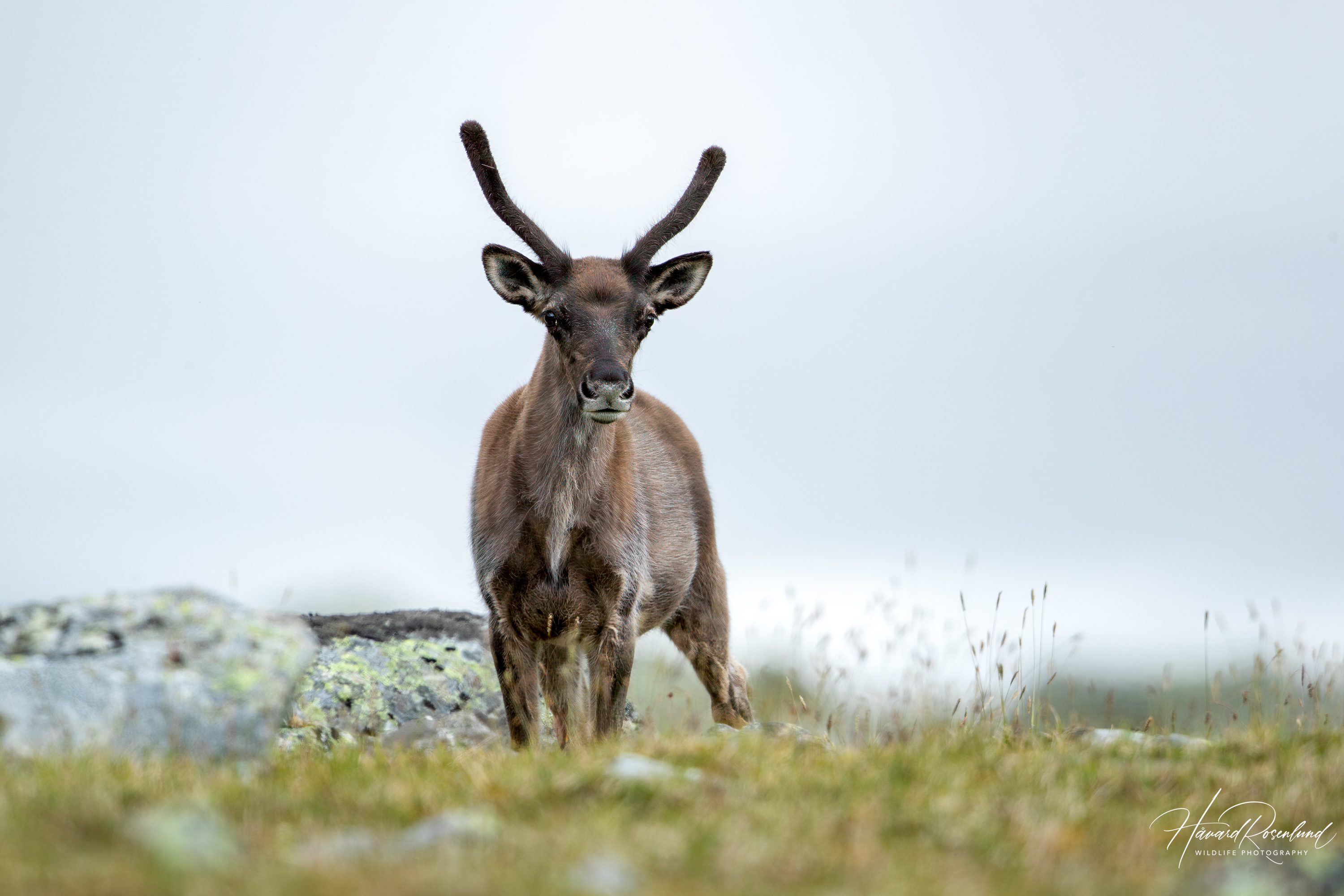
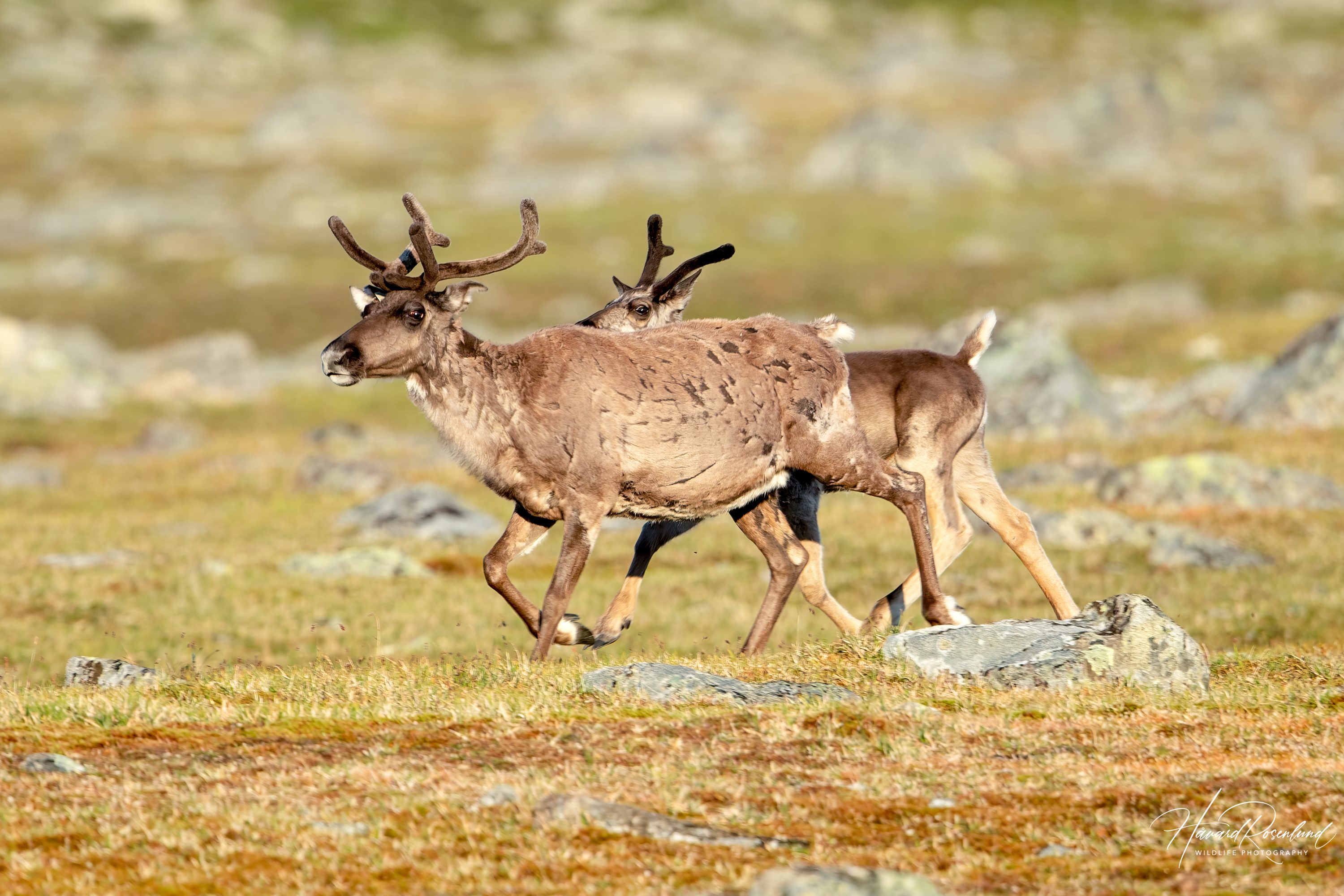
Reindeer are the only living deer in which antlers are routinely grown by both sexes. Adult males carry the largest antlers and usually shed them after the autumn rut, whereas pregnant females commonly retain theirs through winter and until around calving. A 16-year study of 440 Svalbard reindeer, published in 2019, found that females that had reproduced grew smaller antlers and weighed 4.3 kg less in late winter than non-reproductive females. The results support a role for female antlers in competition over winter forage while also showing that antler growth is part of the energetic cost of reproduction.
Taxonomy
Reindeer and North American caribou are treated here as one species, Rangifer tarandus. A major revision published in 2022 proposed splitting the complex into six species, including separate Greenland, Svalbard, boreal Canadian, Arctic North American, Eurasian tundra and forest forms.
The Mammal Diversity Database v2.5, released in July 2026, does not follow that split and retains a single circumpolar species, noting that the proposal requires further re-examination. IUCN also continues to assess the broad R. tarandus concept. Subspecies and ecological forms nevertheless differ greatly in size, movement, genetics and habitat use.
Habitat
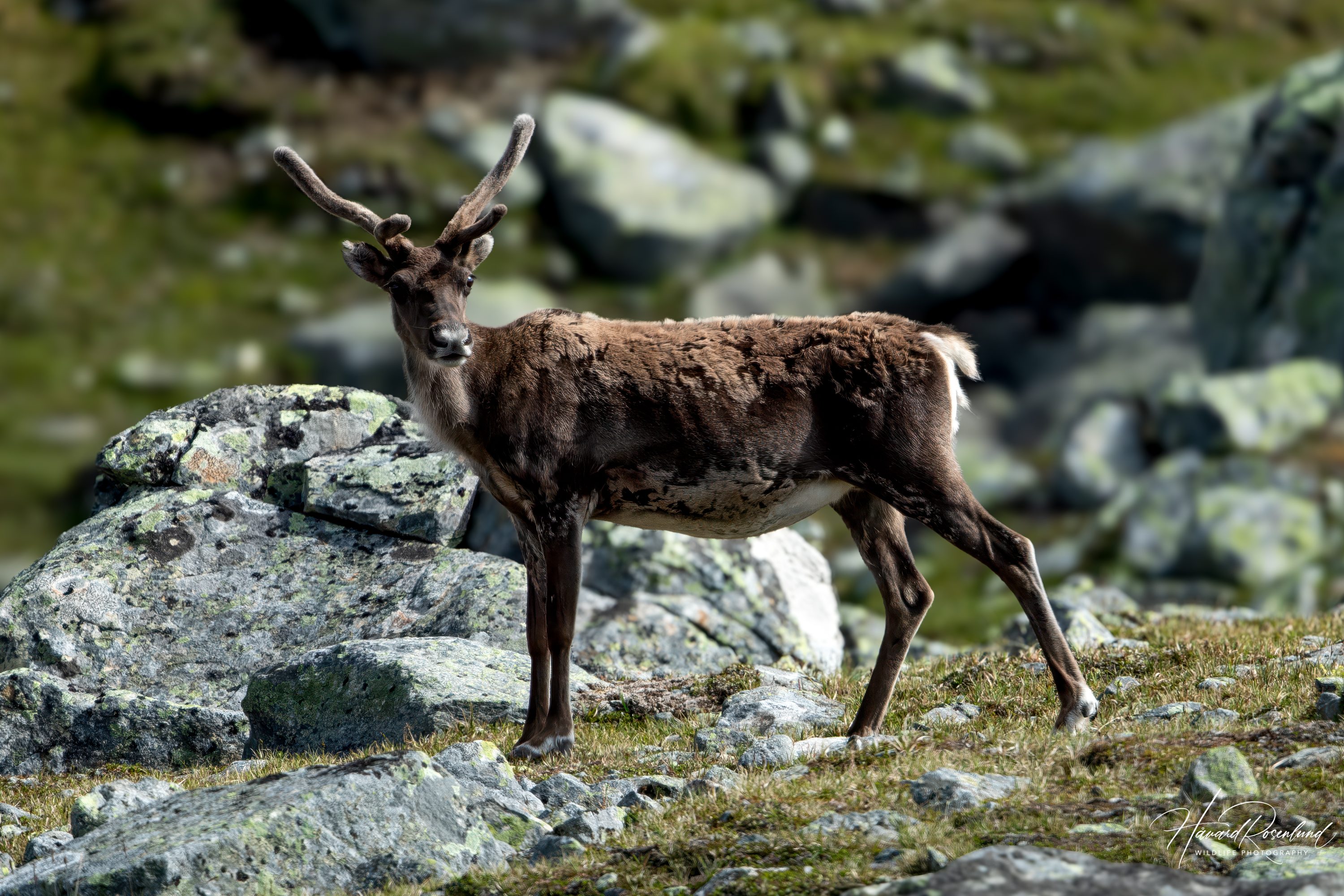
Reindeer occupy an exceptionally broad range of cold-climate environments, from open Arctic tundra and alpine plateaus to boreal forest, mountain valleys, wetlands and windswept coastal plains. Different populations may be adapted to tundra, mountains, forests or Arctic islands and can use very different seasonal ranges.
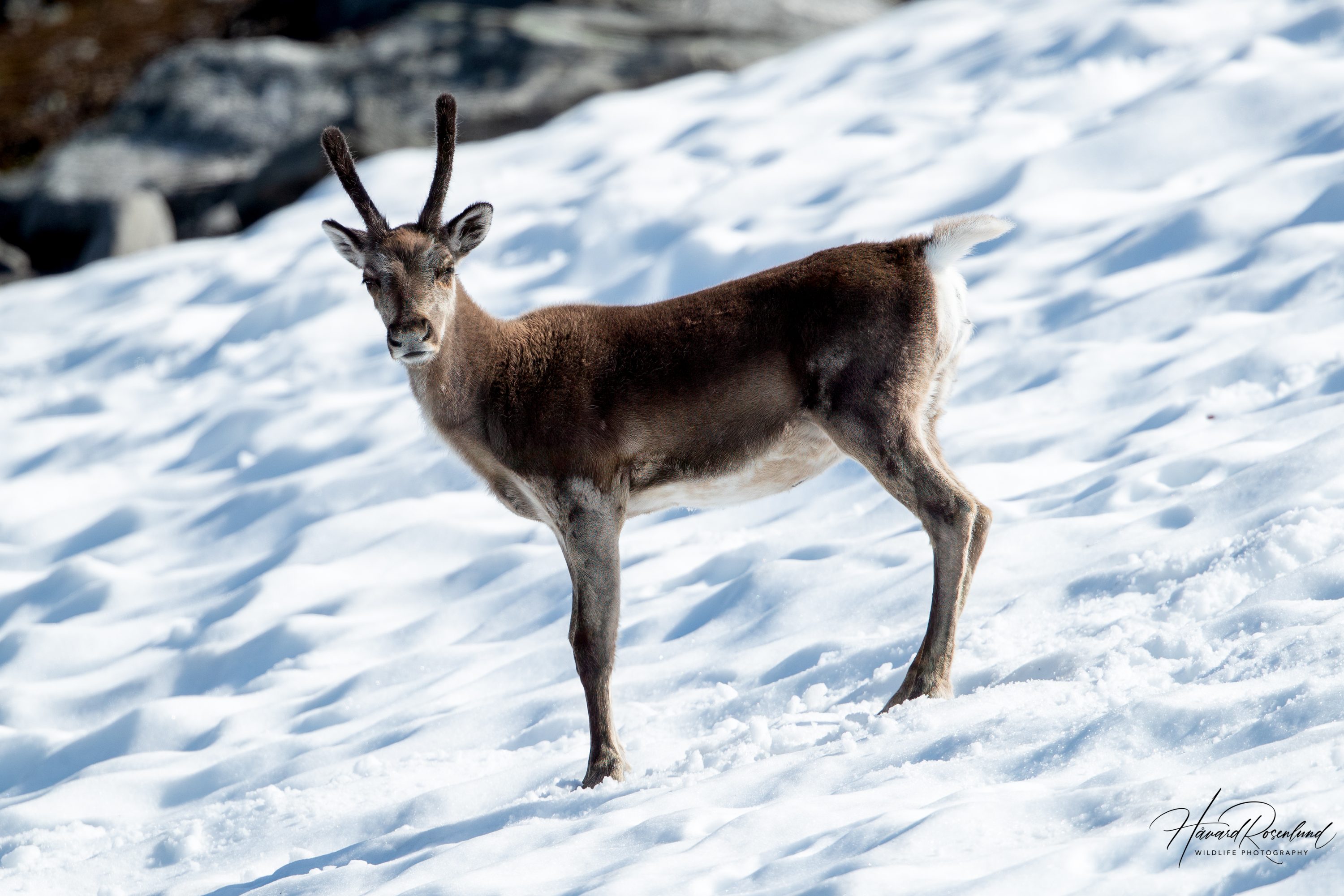
Snow conditions strongly shape habitat use. Winter areas must provide forage that remains accessible beneath or above the snow, while summer ranges offer rapidly growing vegetation that supports females, calves and antler growth. Many populations therefore depend on large connected landscapes linking different seasonal habitats.
Diet
Reindeer are herbivorous ruminants with a strongly seasonal diet. Lichens can be extremely important in winter, especially for large migratory populations, because their carbohydrate-rich tissues provide energy when green plants are scarce. Reindeer dig through snow with their hooves to reach ground lichens and other buried vegetation.
During summer the diet becomes much richer in protein and includes grasses, sedges, leaves, herbs, willow and birch shoots, dwarf shrubs and fungi. The exact balance differs among tundra, forest and island populations, and not all reindeer depend equally heavily on lichens.
Behaviour
Reindeer are active throughout the 24-hour cycle rather than being simply day-active. They alternate repeatedly between feeding, walking, resting and ruminating, and the timing of these bouts changes with season, temperature, insects, snow conditions and daylight.
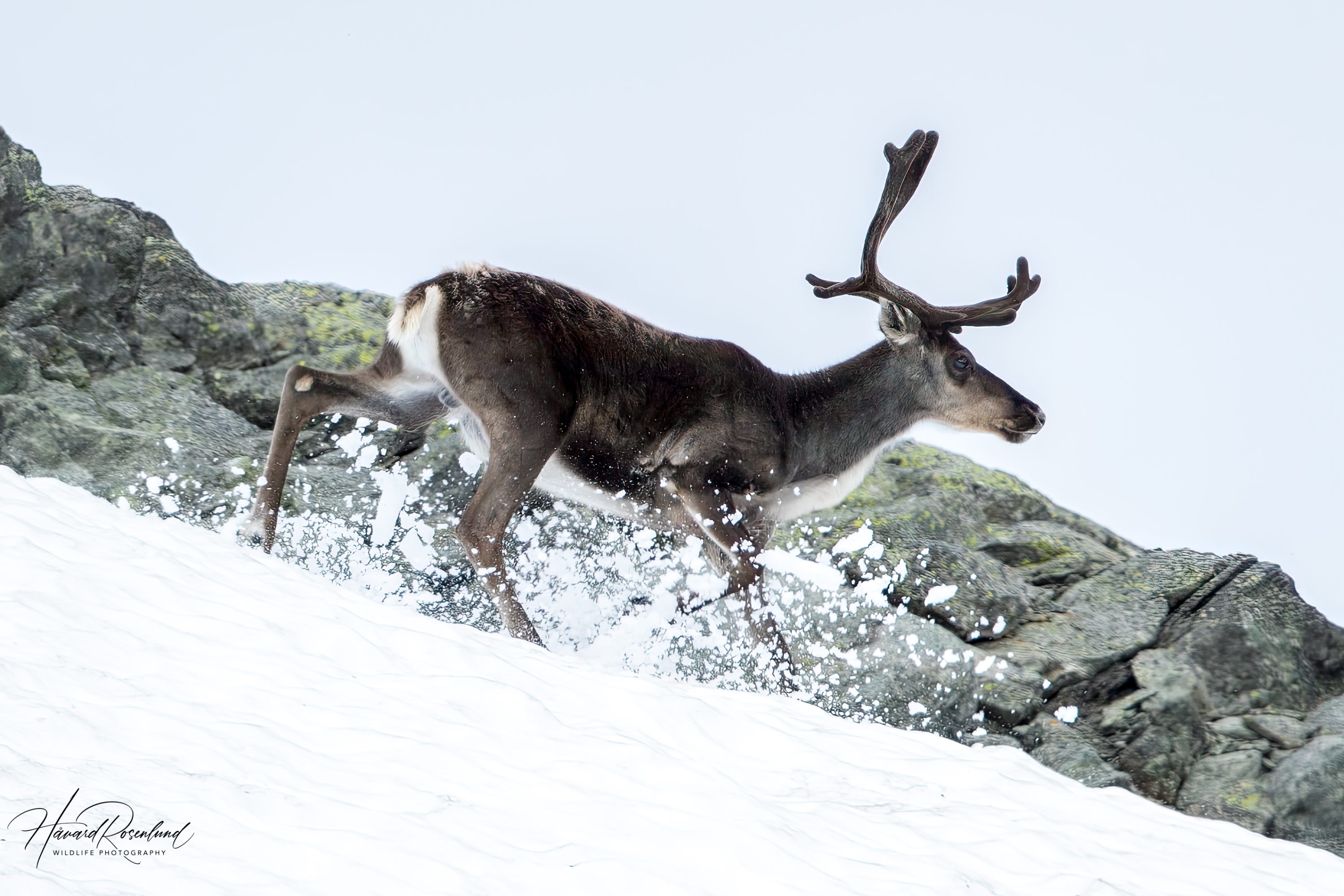
Reindeer are strong swimmers and can cross broad rivers, lakes and coastal channels. Their flexible hooves and powerful shoulders also allow them to dig through snow and move efficiently over tundra, bogs, rock and ice.
Social behaviour
Social organisation varies greatly among reindeer populations. Some forest populations spend much of the year in relatively small groups, whereas migratory tundra populations can gather into immense herds during seasonal movements. Calving females may temporarily spread out or move to traditional areas before groups merge again later in summer.
Migration
Some reindeer and caribou populations undertake some of the longest terrestrial migrations known among mammals. A comparative study published in 2019 found round-trip migrations of about 1,350 km in both the Bathurst and Porcupine caribou herds and about 1,200 km in reindeer on the Taimyr Peninsula. Northern caribou can also accumulate several thousand kilometres of total movement over a year.
Migration is not universal. Forest reindeer, island populations and some mountain herds may be resident or move only moderate distances between seasonal ranges. Even within one population, individuals can use different movement strategies from year to year.
Predation
Predation differs greatly among reindeer and caribou populations. In northern Fennoscandia, semi-domestic reindeer are an important food source for wolverines (Gulo gulo) and lynx (Lynx lynx), while brown bears (Ursus arctos) and, where present, wolves (Canis lupus) also kill reindeer. Wolverines are both predators and scavengers: studies in northern Norway and Sweden found reindeer dominating their diet, but much of the food came from carrion, while calves made up the largest share of animals the wolverines killed themselves.
In North America, wolves are major predators of caribou. Alaskan studies have found wolves killing caribou preferentially in some multi-prey systems, while grizzly bears are especially effective predators of very young calves. The strength of wolf predation depends on snow, migration, caribou density and the abundance of alternative prey such as moose. Predation therefore varies strongly with landscape and herd ecology.
Reproduction
The rut takes place in autumn. Mature males compete through displays, vocalisations and antler contests, and dominant animals may gather and guard groups of females during the peak breeding period. Males lose substantial body reserves during this short but intense season.
Gestation lasts roughly 220–235 days, and most females give birth to a single calf in late spring or early summer. Calving is often highly synchronised within a herd. Calves can stand and walk within hours and quickly begin following their mothers, an essential adaptation in open landscapes where herds must keep moving.
Females usually first breed as yearlings or two-year-olds when body condition is good, while animals in poorer condition may begin later. Under favourable conditions females can continue producing calves into their early teens. Mothers nurse and defend their calves through summer, and young animals learn seasonal routes and habitat use within the social group.
Cultural significance
Reindeer have profound cultural importance across northern Eurasia, and the relationship is especially central in Sámi history and identity. Wild-reindeer hunting and later reindeer husbandry have shaped settlement, seasonal movement, trade and knowledge of northern landscapes over very long periods.
Today, reindeer husbandry remains one of the most distinctively Sámi livelihoods and ways of life. It helps carry Sámi language, traditional ecological knowledge and family-based cultural practices from one generation to the next, so the animal is far more than a source of food or income.
Relationship with humans
Reindeer husbandry ranges from relatively closely managed animals to wide-ranging semi-domestic herds that use extensive seasonal grazing areas. Herds provide meat and other products and support livelihoods across large parts of northern Eurasia, while their grazing areas also overlap with roads, energy development, tourism and other land uses.
Wild and domestic reindeer belong to the same species but are kept as separate populations. Where they meet, shared grazing areas can allow disease transmission and genetic mixing. Wild populations are also hunted in several parts of the range for food and recreation.
Status
The reindeer is listed as vulnerable on the IUCN Red List. The global classification followed an estimated decline of about 40% over three generations. A circumpolar review published in 2022 found that the overall decline had continued after the IUCN assessment, from about 2.8 million wild reindeer and caribou in 2016 to about 2.43 million in 2021, although trends vary greatly among herds and regions.
Threats
Pressures differ across the enormous range but repeatedly include habitat loss and fragmentation, roads and industrial development, disturbance, hunting, disease and changes in predator–prey systems. Migratory herds are particularly sensitive when barriers or disturbance reduce connections between winter ranges, calving grounds and summer ranges.
Climate change can affect reindeer in contrasting ways. Longer growing seasons may increase summer plant production, while warmer winters can create rain-on-snow and thaw–freeze events that lock vegetation beneath hard ice. A Svalbard study published in 2011 found ground ice covering 25–96% of low-altitude habitat during 2000–2010, and more extensive icing had a strong negative effect on reindeer population growth.
Small and isolated populations can additionally lose genetic diversity. A 2019 study of 540 reindeer from 21 Norwegian wild-reindeer populations found lower genetic variation in small and isolated populations and strong genetic differentiation among many of them, consistent with restricted gene flow and long-term fragmentation.
Conservation
Many reindeer populations depend on seasonal landscapes in which migration routes, calving areas, summer ranges and winter grazing grounds remain connected. Roads, industrial development and repeated disturbance can reduce that connectivity even where habitat remains physically present.
Conservation problems differ sharply among populations. Some herds are recovering from low numbers, while others are more strongly affected by harvest, development, disease or disruption of seasonal movements. Measures that matter for one herd may therefore be less relevant to another.
Image gallery
Loading map and observations…
Have you seen this species?
Independent species archive
Did you find this species page useful?
Wildlife Vagabond is independently built and maintained. Voluntary support helps cover hosting, maps, data storage and continued improvements to the species archive.
Support Wildlife VagabondSpecies content will remain freely available.
References
Information about the species’ global distribution and status is based primarily on global Red List data. See the references below for details.
- Hansen, B. B., Aanes, R., Herfindal, I., Kohler, J., & Sæther, B.-E. (2011). Climate, icing, and wild arctic reindeer: past relationships and future prospects. Ecology, 92(10), 1917-1923. https://doi.org/10.1890/11-0095.1
- Harding, L. E. (2022). Available names for Rangifer (Mammalia, Artiodactyla, Cervidae) species and subspecies. ZooKeys, 1119, 117-151. https://doi.org/10.3897/zookeys.1119.80233
- International Union for Conservation of Nature. (n.d.). Rangifer tarandus. The IUCN Red List of Threatened Species. https://www.iucnredlist.org/species/29742/22167140
- IUCN SSC Deer Specialist Group. (2022). Update on the global status of wild reindeer and caribou. https://www.deerspecialistgroup.org/article/1060/
- Joly, K., Gurarie, E., Sorum, M. S., Kaczensky, P., Cameron, M. D., Jakes, A. F., Borg, B. L., Nandintsetseg, D., Hopcraft, J. G. C., Buuveibaatar, B., Jones, P. F., Mueller, T., Walzer, C., Olson, K. A., Payne, J. C., Yadamsuren, A., & Hebblewhite, M. (2019). Longest terrestrial migrations and movements around the world. Scientific Reports, 9(1), 15333. https://doi.org/10.1038/s41598-019-51884-5
- Kvie, K. S., Heggenes, J., Bårdsen, B.-J., & Røed, K. H. (2019). Recent large-scale landscape changes, genetic drift and reintroductions characterize the genetic structure of Norwegian wild reindeer. Conservation Genetics, 20(6), 1405-1419. https://doi.org/10.1007/s10592-019-01225-w
- Loe, L. E., Pigeon, G., Albon, S. D., Giske, P. E., Irvine, R. J., Ropstad, E., Stien, A., Veiberg, V., & Mysterud, A. (2019). Antler growth as a cost of reproduction in female reindeer. Oecologia, 189(3), 601-609. https://doi.org/10.1007/s00442-019-04347-7
- Mammal Diversity Database. (n.d.). ASM Mammal Diversity Database v2.5 – Rangifer tarandus. American Society of Mammalogists. https://www.mammaldiversity.org/taxon/1006306/
- Sametinget. (n.d.). Sámi Parliament – Reindeer-herding and hunting landscapes. https://sametinget.no/
- Sametinget. (n.d.). Sámi Parliament – Reindeer husbandry. https://sametinget.no/reindeer-husbandry/
- Store norske leksikon. (n.d.). rein. https://snl.no/rein