
First Published Uterine Leiomyoma Reported in a Free-Ranging European Fallow Deer
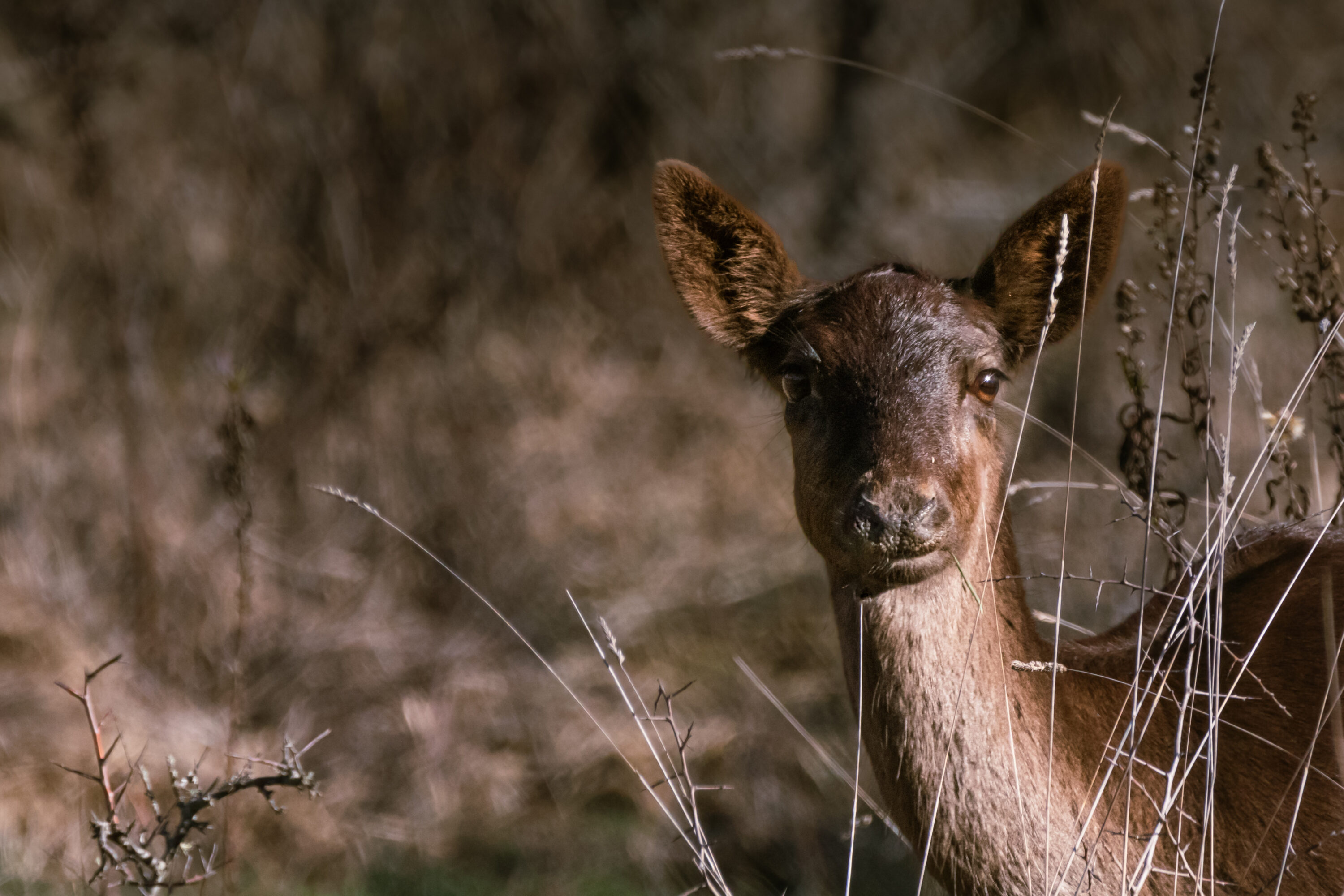
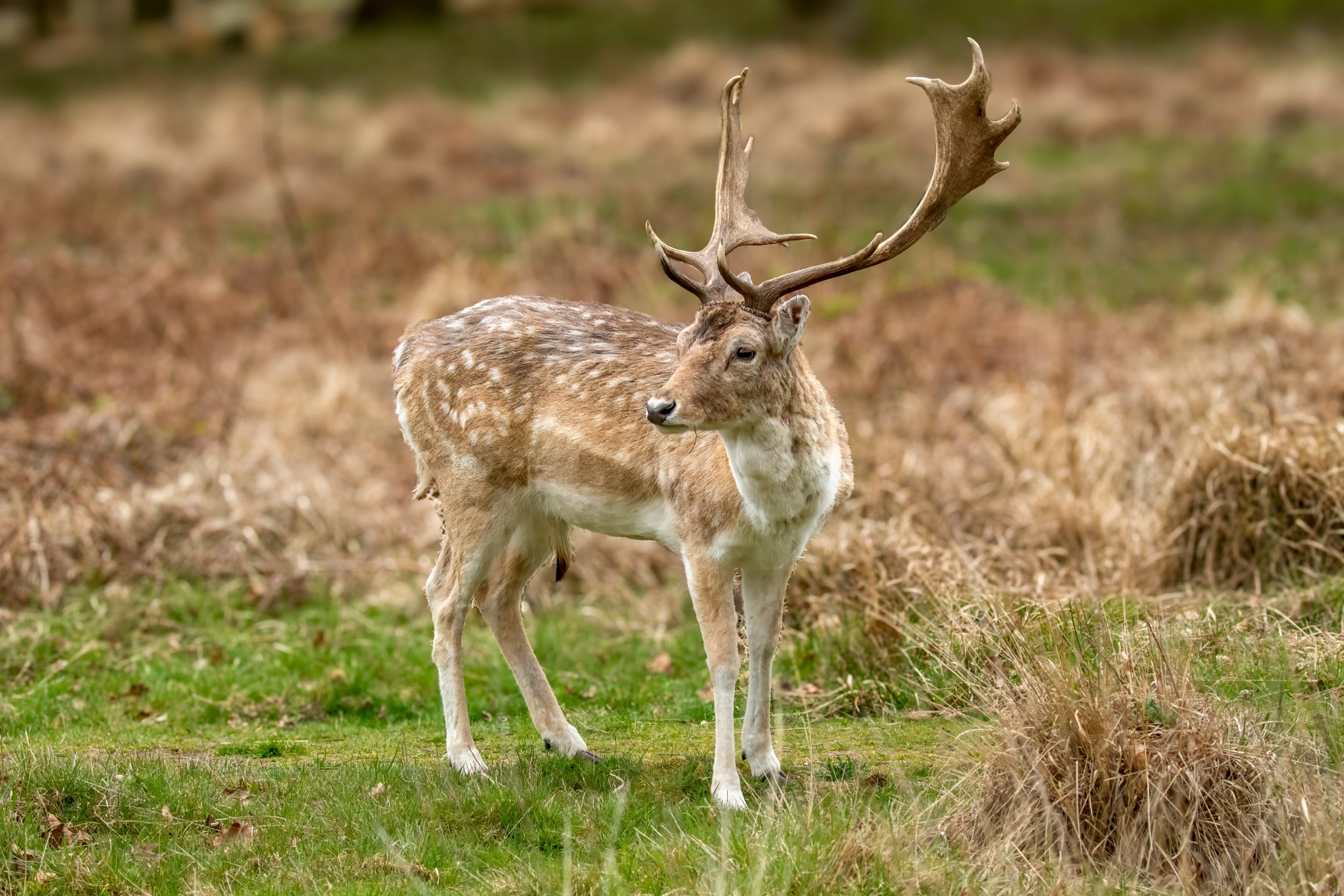
A free-ranging European fallow deer (Dama dama) legally culled in Hungary was found to have a uterine leiomyoma, which the authors describe as the first published record of this tumour in the species. The 6–7-year-old hind was in good body condition and was neither pregnant nor lactating when the reproductive tract was examined after death.
A leiomyoma is a benign, usually slow-growing tumour that develops from smooth-muscle cells in the uterine wall. In other ruminants, sufficiently large leiomyomas can interfere with reproduction by deforming or obstructing the reproductive tract. In this deer, the mass arose from the muscular wall of the left uterine horn and partly deformed the uterine cavity.
Histology confirmed a benign smooth-muscle tumour
Microscopic examination showed bundles of uniform spindle-shaped cells with little cell division, no marked cellular atypia and no tumour-cell necrosis — features consistent with a benign leiomyoma. The tumour cells also stained strongly for desmin, a protein found in muscle cells. This immunohistochemical staining supported the conclusion that the mass originated from smooth muscle.
The researchers also recovered fetal cranial bone fragments from the cranial part of the vagina, remnants of an earlier pregnancy. They could not determine exactly when the fetus died or how long the bones had remained there. The authors interpret the findings as evidence that a complicated pregnancy ended in fetal death and retention of cranial material, alongside mechanical obstruction from the uterine mass, but the exact sequence of events cannot be reconstructed from the post-mortem case.
The affected uterine tissue had a strongly altered bacterial profile
To examine the local microbiome, the team used 16S rRNA amplicon sequencing. This method reads characteristic bacterial DNA sequences to compare the relative composition of bacterial communities. Samples came from visibly unaffected uterine tissue, inflamed tissue from the affected uterine horn and faeces.
The affected uterine sample was much more similar to the faecal bacterial community than the unaffected uterine sample. It contained higher relative abundances of several gut-associated bacterial groups, including Bacteroides, Escherichia–Shigella and Turicibacter. The authors note that retained fetal bones can act as foreign material and provide a route for ascending bacterial colonisation from the lower reproductive tract.
One case cannot establish what caused what
The coexistence of the leiomyoma, retained fetal material, local inflammation and altered microbiome suggests that these processes may have interacted. However, the study involved a single animal examined only after death. It therefore cannot determine whether the tumour contributed to fetal retention, whether retained material drove the microbial changes, or how the different lesions developed over time.
The case expands the known reproductive pathology of fallow deer and shows how gross pathology, histology and carefully interpreted microbiome data can reveal clinically silent reproductive lesions in free-ranging wildlife.
Disease, parasites & microbiology
Related news
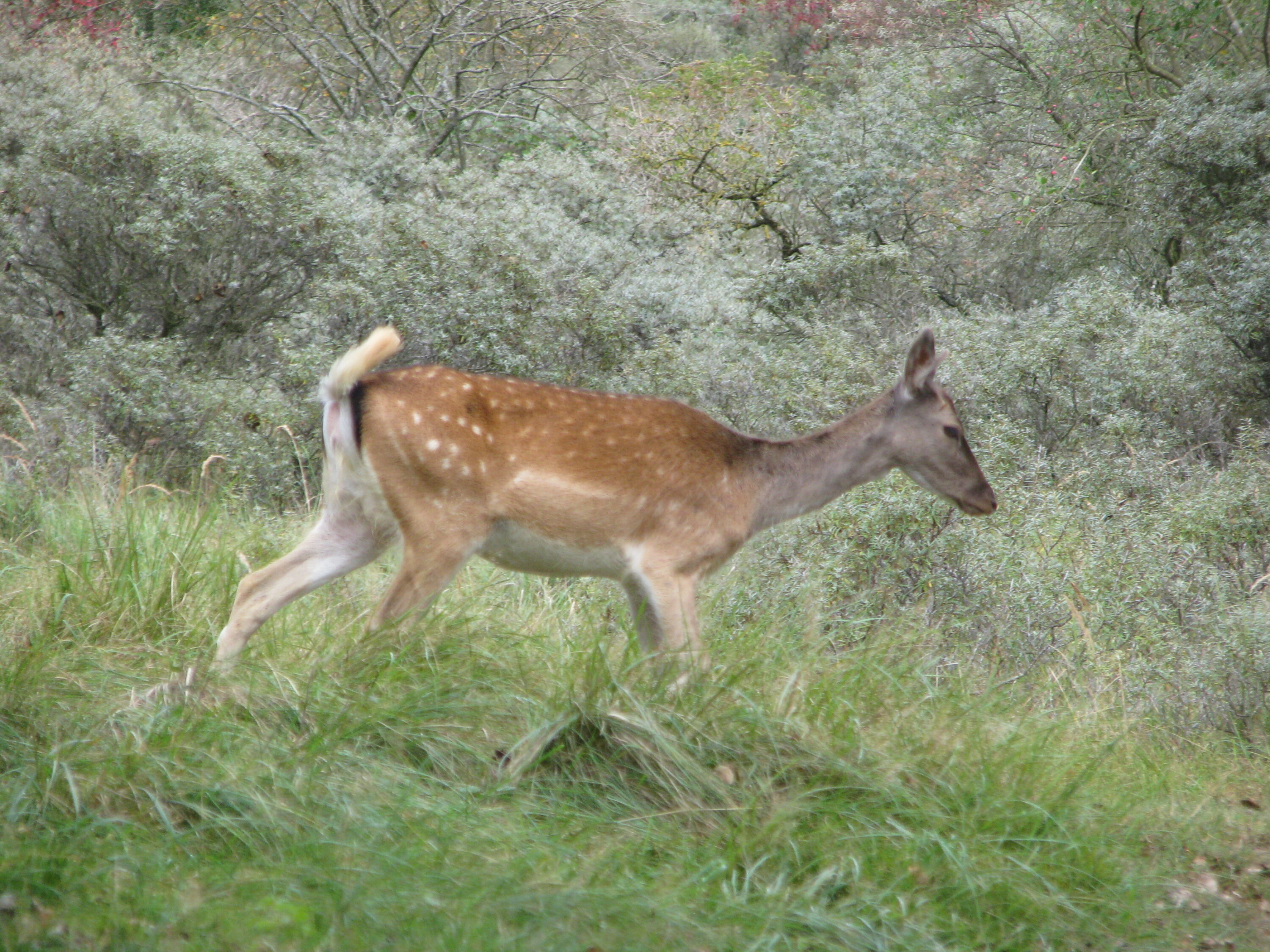
Male and Female Fallow Deer Followed Different Daily Schedules Outside the Rut
In 4,114 sexed camera-trap detections from a Dutch dune reserve, fallow deer favoured twilight and night. Outside the…
Read story →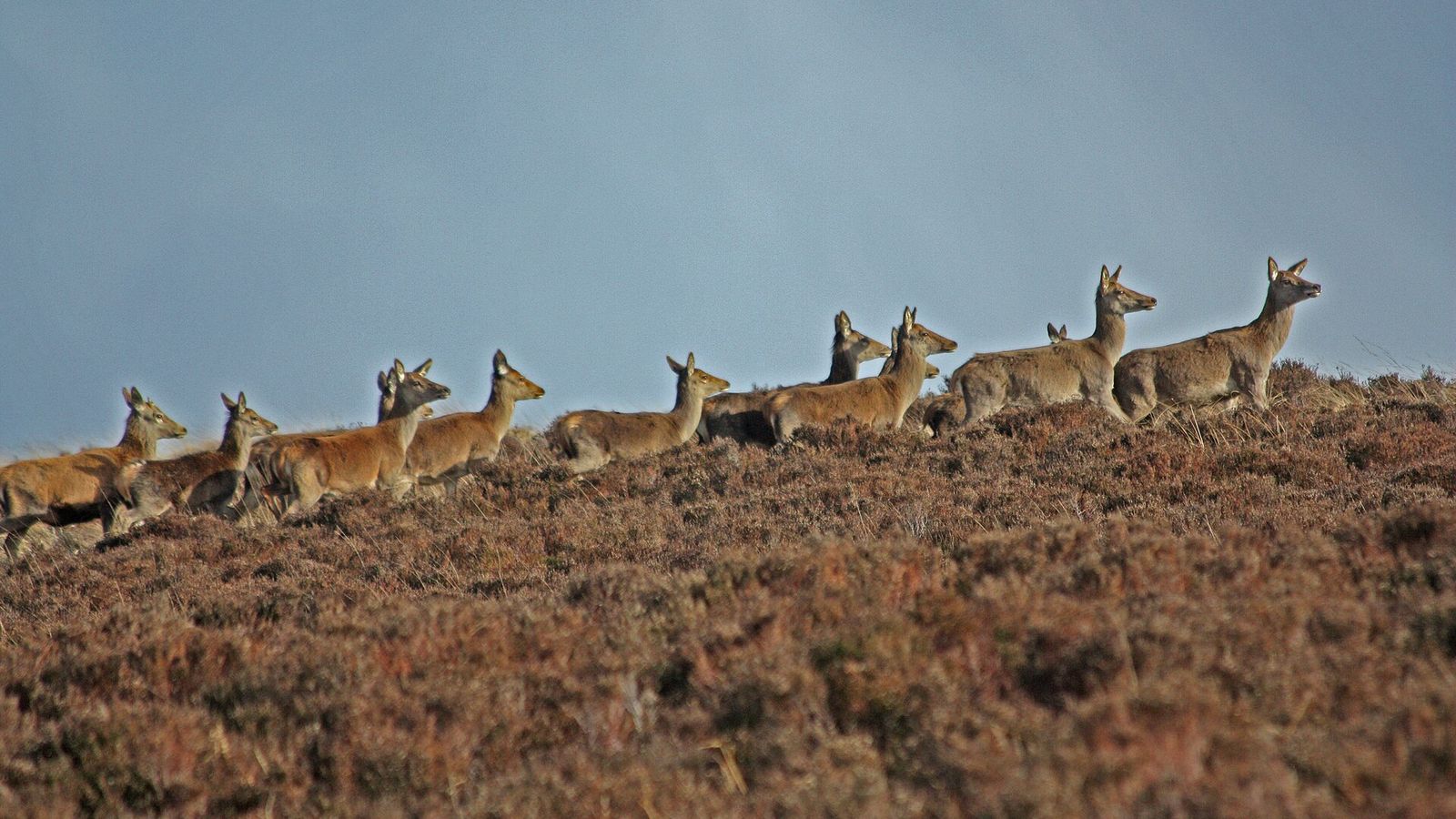
Estimated M. bovis Seroprevalence Was 26.6% in Exmoor Red Deer
A survey of 432 wild deer in the Exmoor area estimated Mycobacterium bovis seroprevalence at 26.6% in red…
Read story →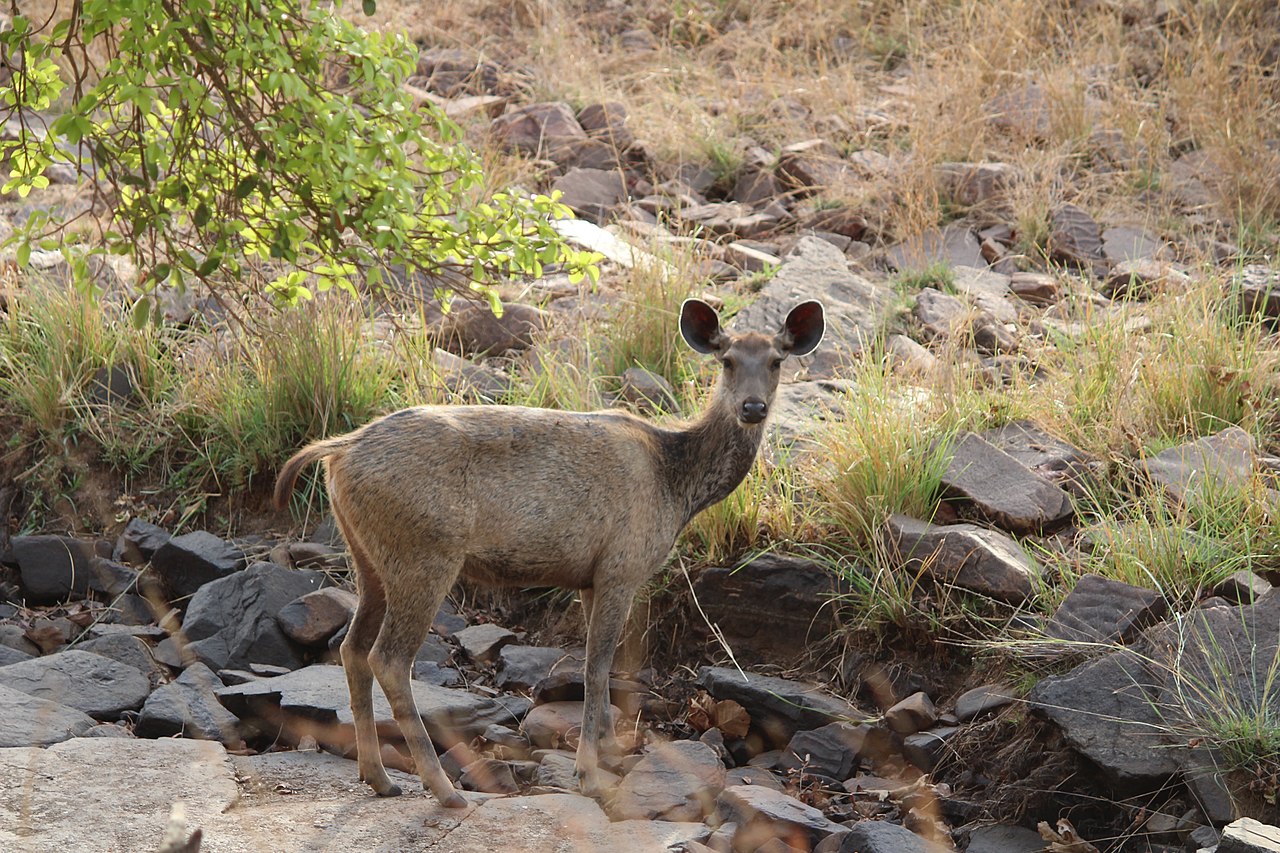
Wild Deer Near Farmland Had Greater Strongyle Diversity in Victoria
Metabarcoding of 194 faecal samples from sambar, fallow and hog deer in Victoria detected 11 strongyle taxa. Deer…
Read story →SPECIES IN THIS STORY
Species in this story
Independent research and conservation news archive
Did you find this information useful?
Wildlife Vagabond is independently built and maintained. Voluntary support helps cover source verification, hosting and continued work on research and conservation news.
Support Wildlife VagabondThe news archive will remain freely available.