
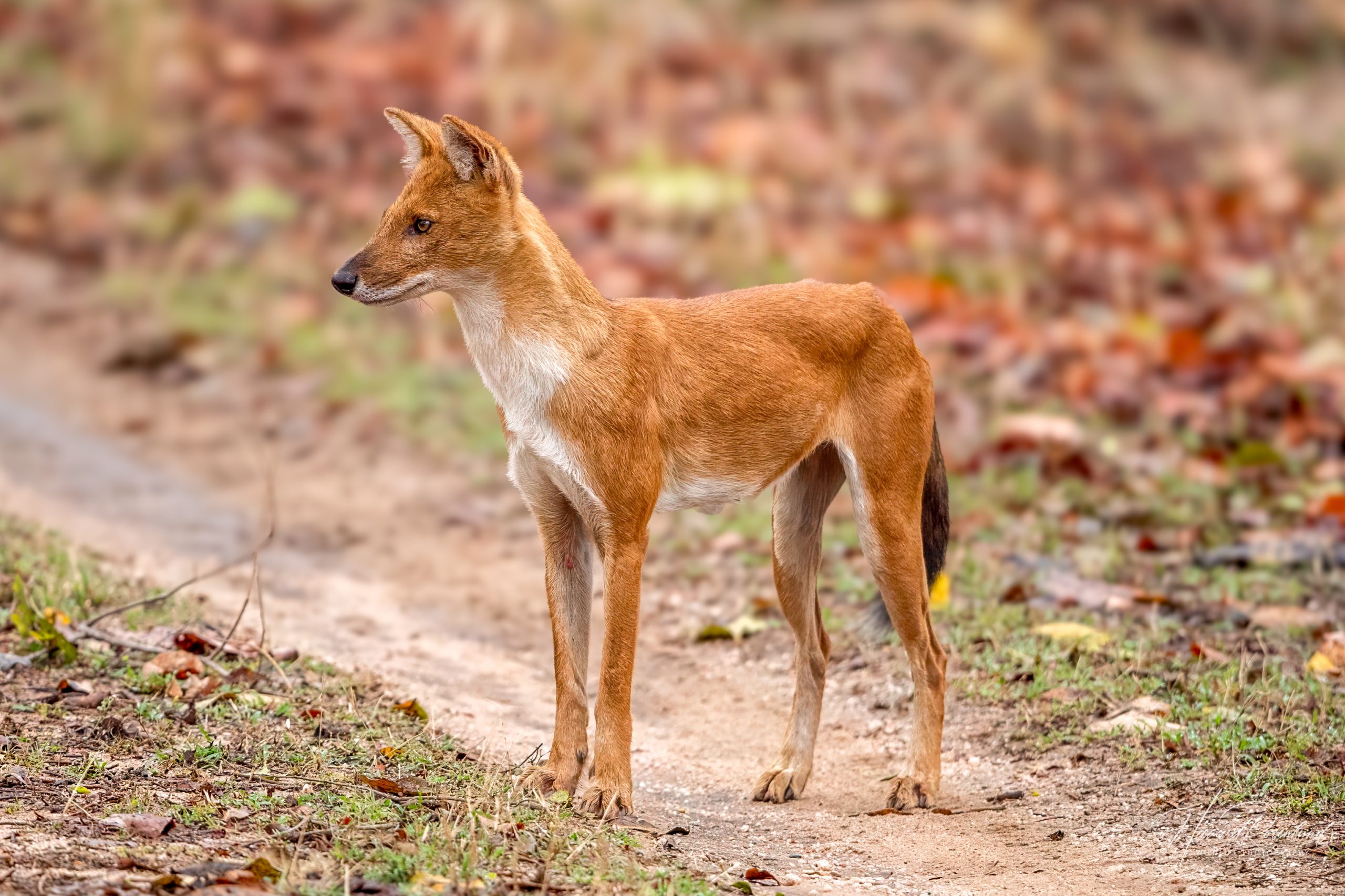
Dhole
Cuon alpinus
At a glance
Habitat
- Tropical and dry forest, montane forest, grassland and scrub
Diet
- Carnivorous; mainly medium-sized and large ungulates
Activity
- Mainly diurnal, especially morning and late afternoon
Size
- Length: About 90 cm body length Weight: 12–20 kg
Range
- Fragmented populations across South and Southeast Asia
Description
The dhole (Cuon alpinus), also known as the Asiatic wild dog, is a distinctive canid of South and Southeast Asia and the only living species in the genus Cuon. Its present distribution is highly fragmented, with surviving populations in parts of India, Nepal, Bhutan, Bangladesh, China, Myanmar, Thailand, Laos, Cambodia, Malaysia and Indonesia. Historically it ranged much farther north and west across Asia.
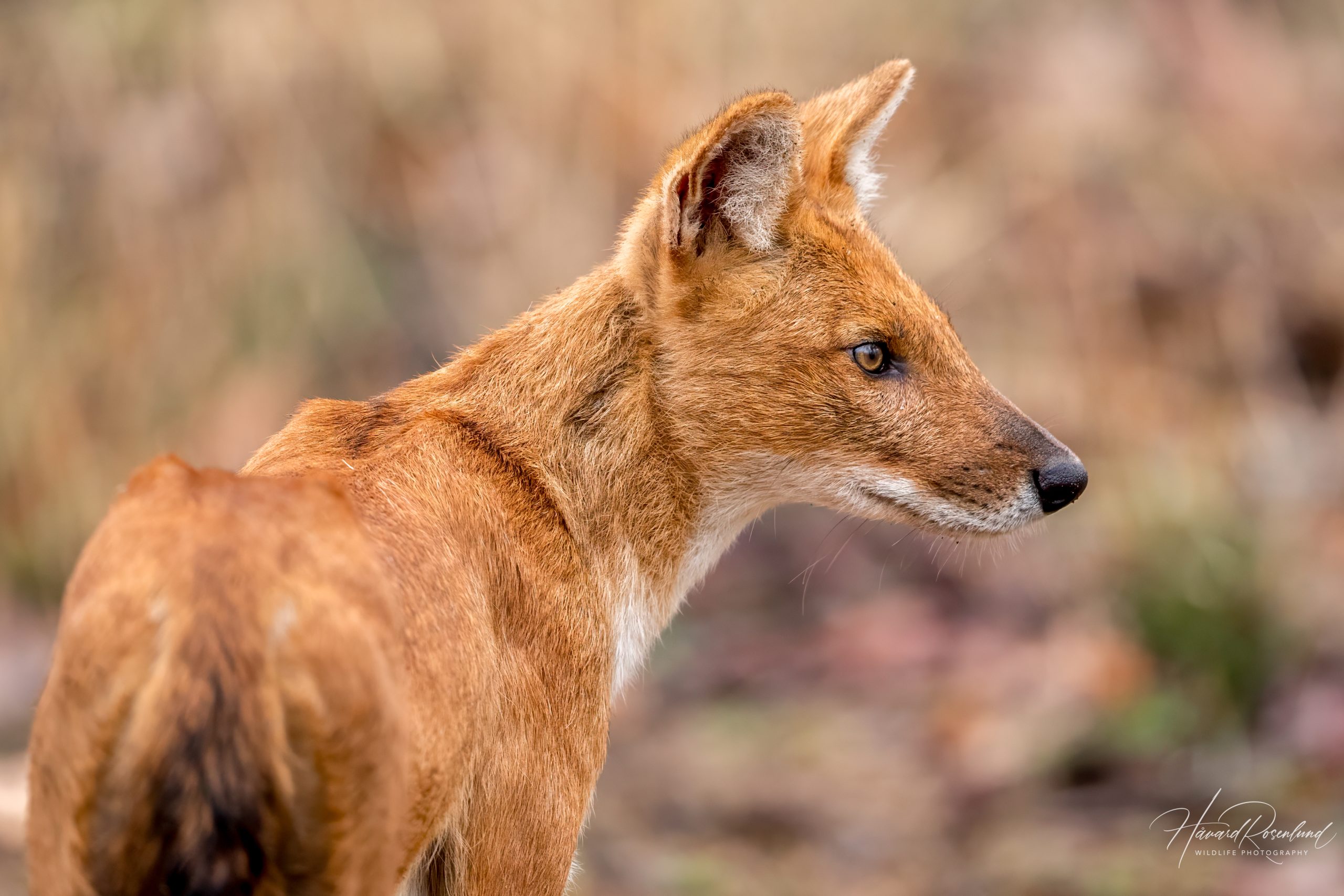
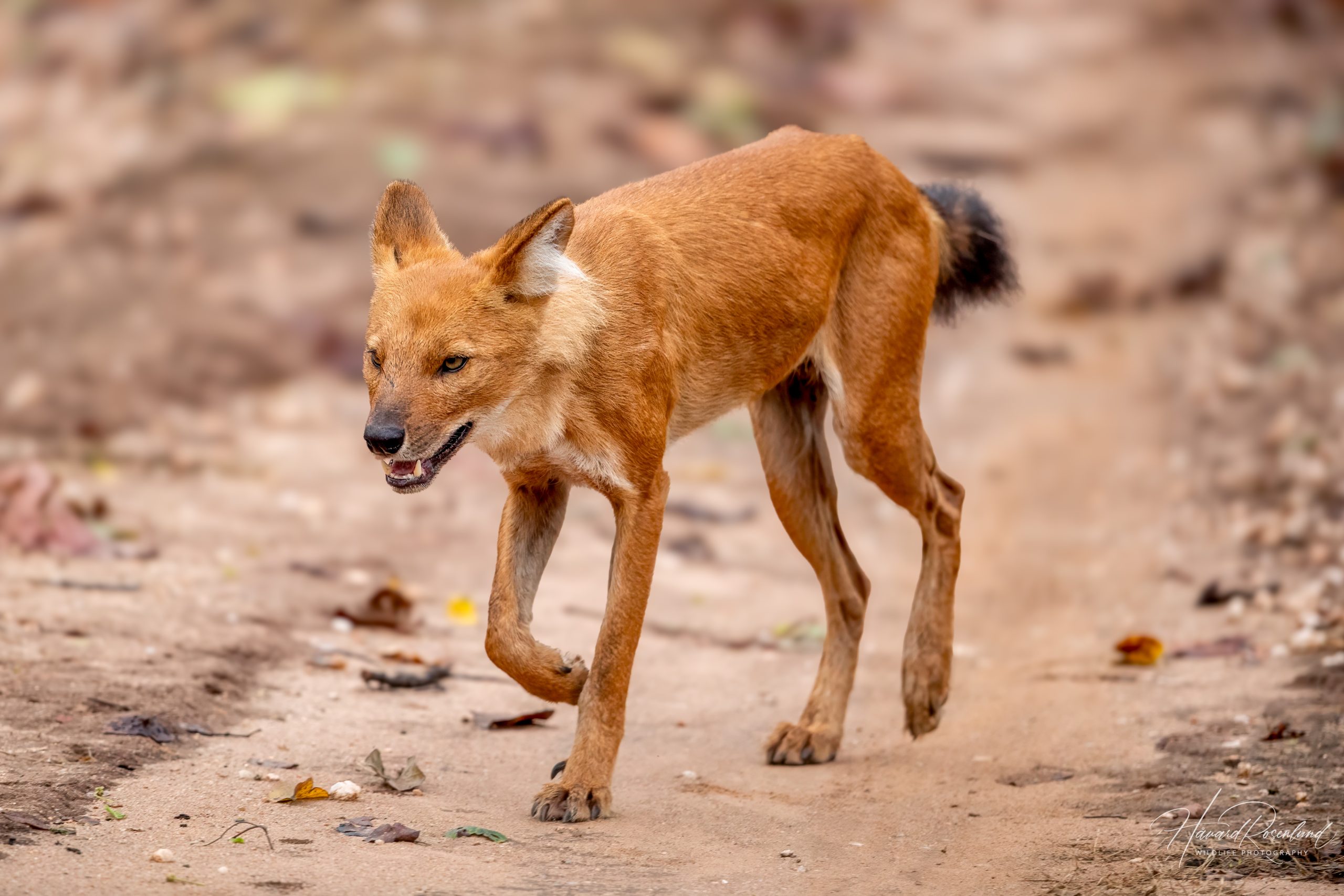
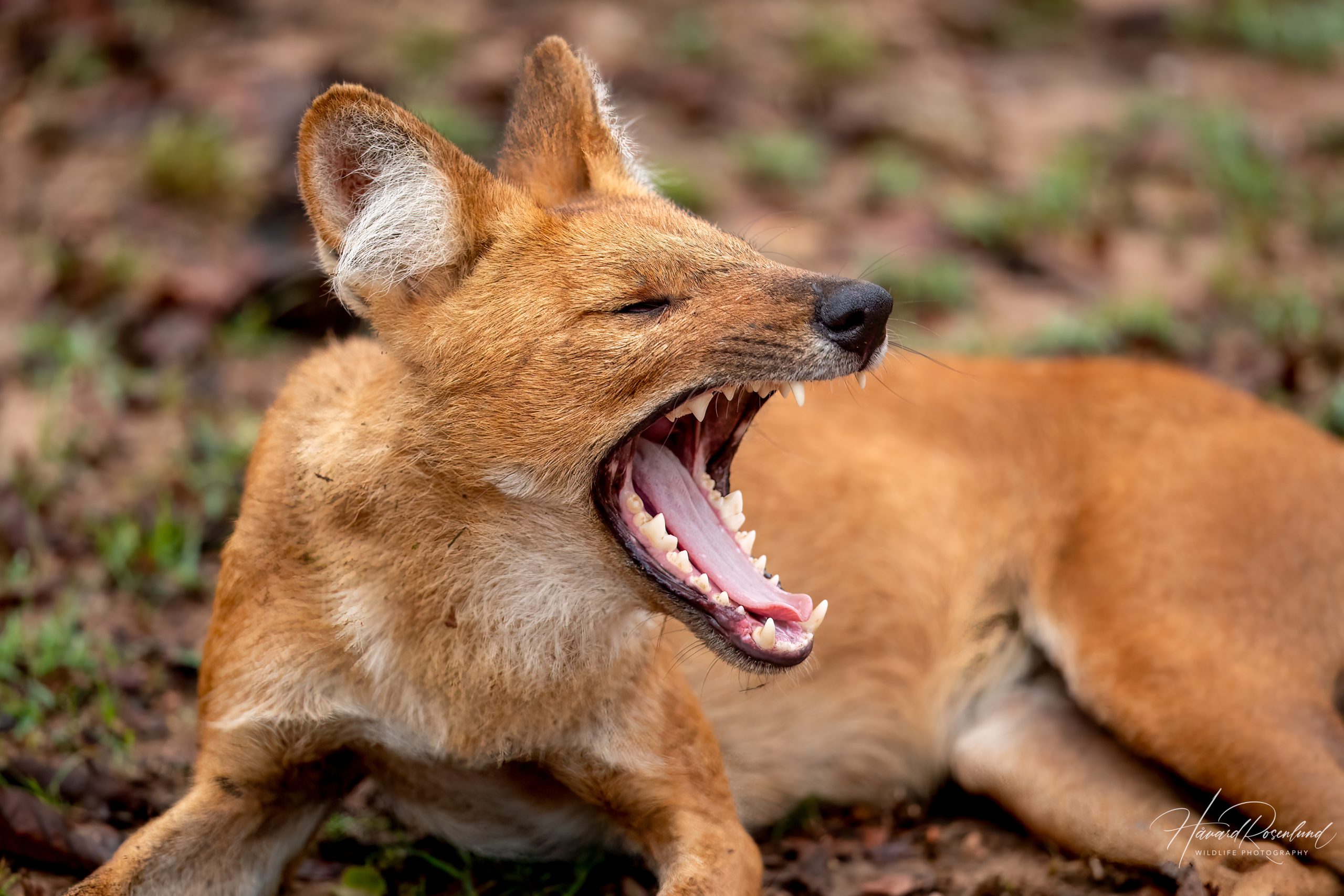
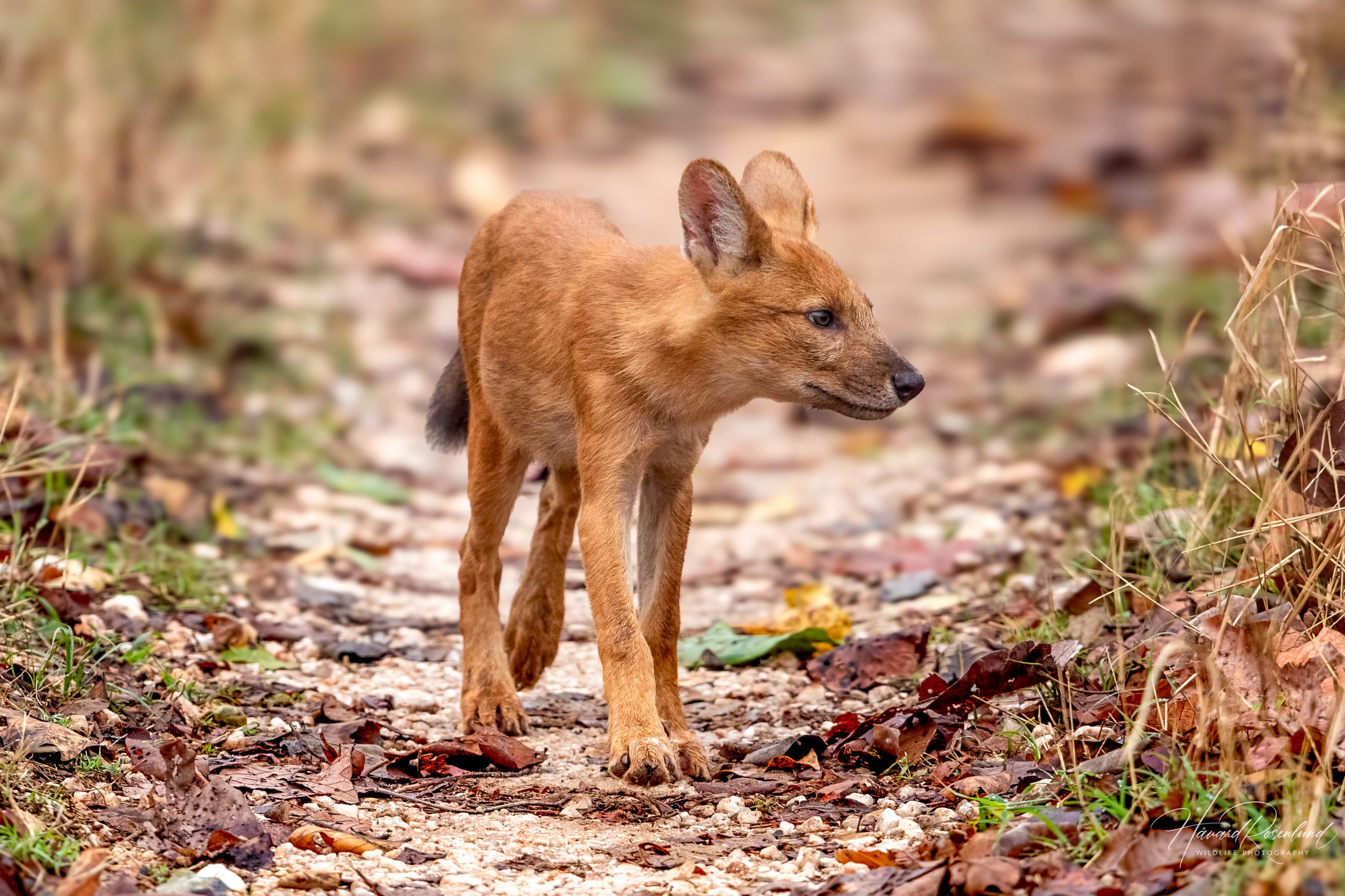
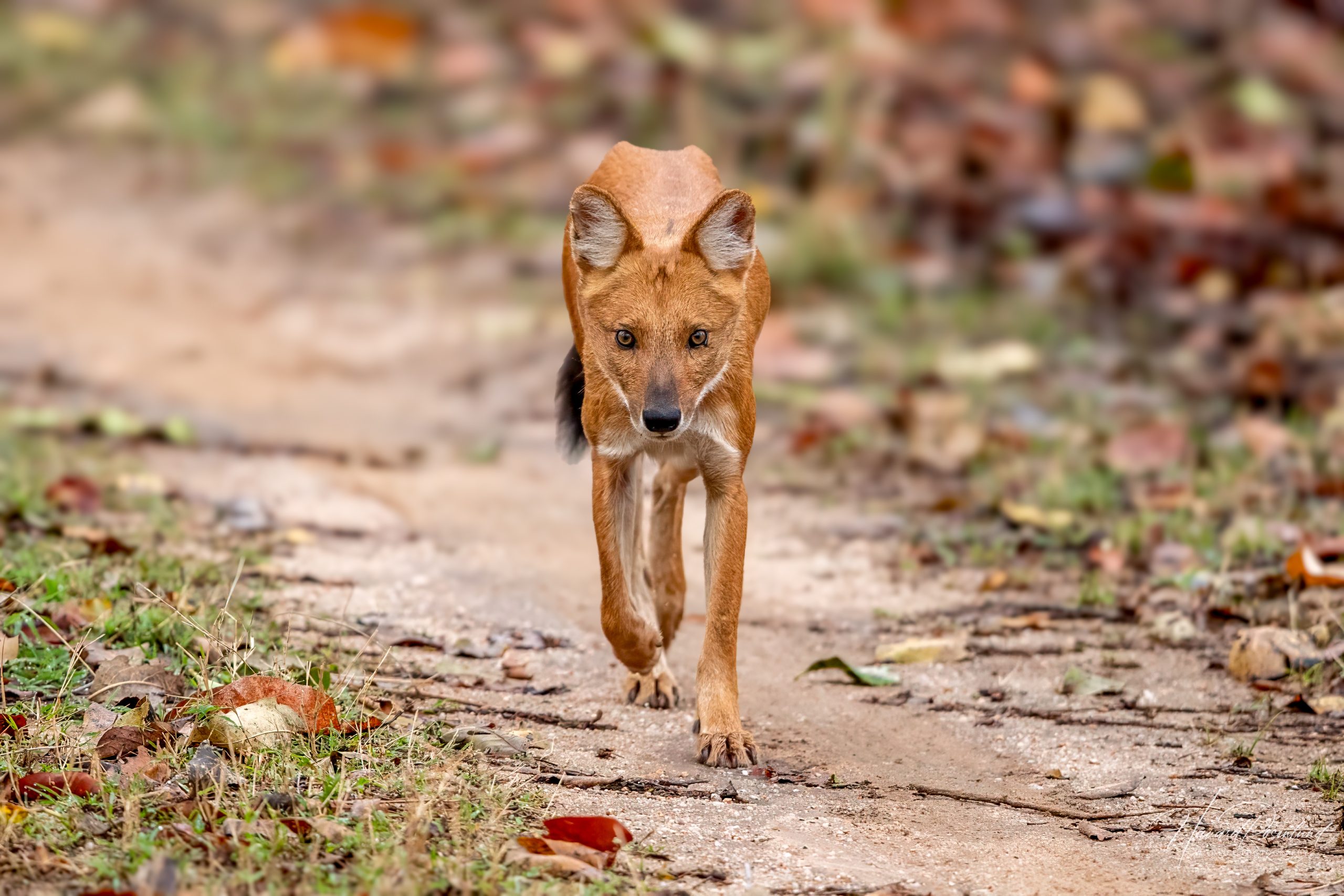
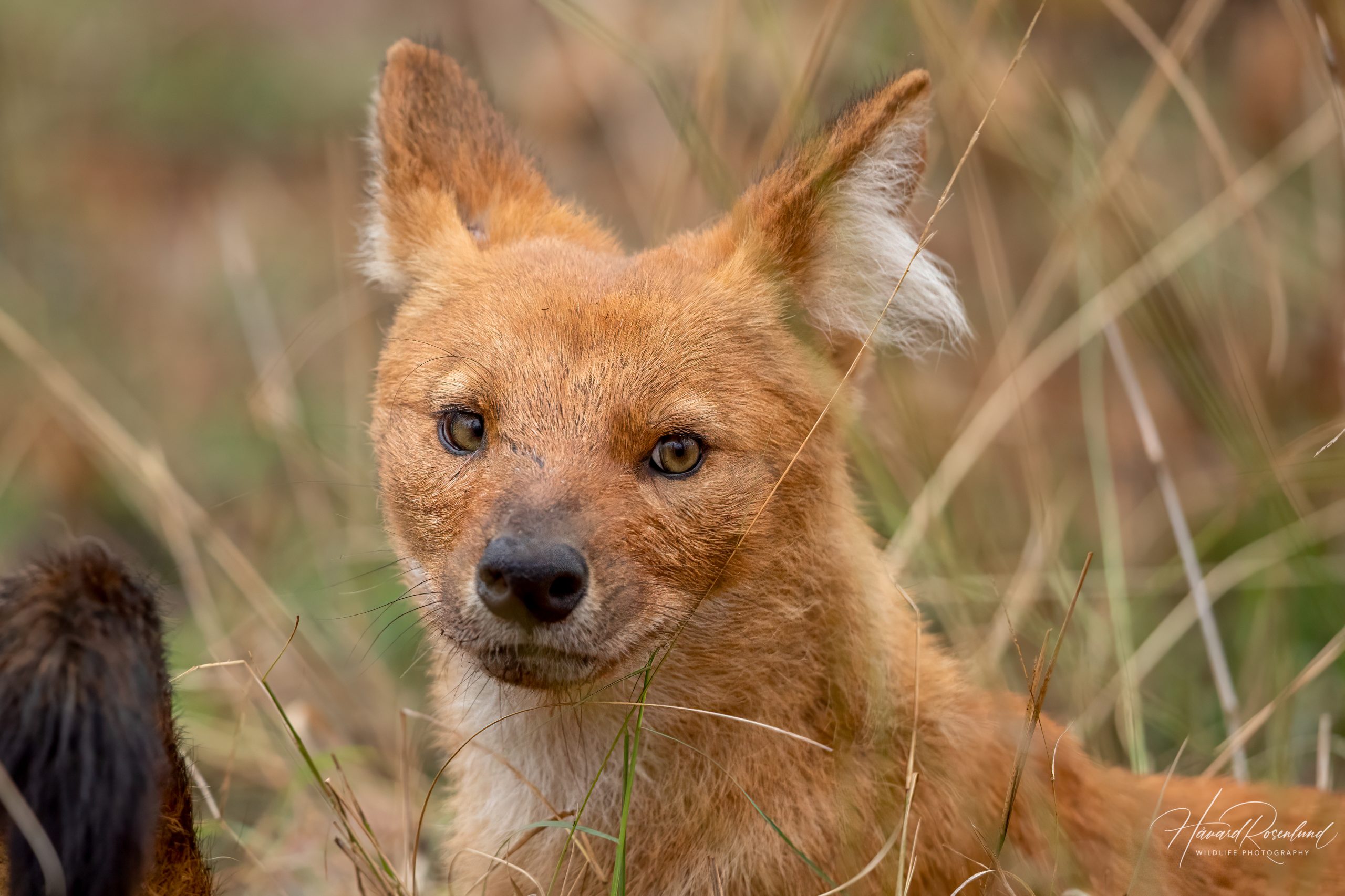
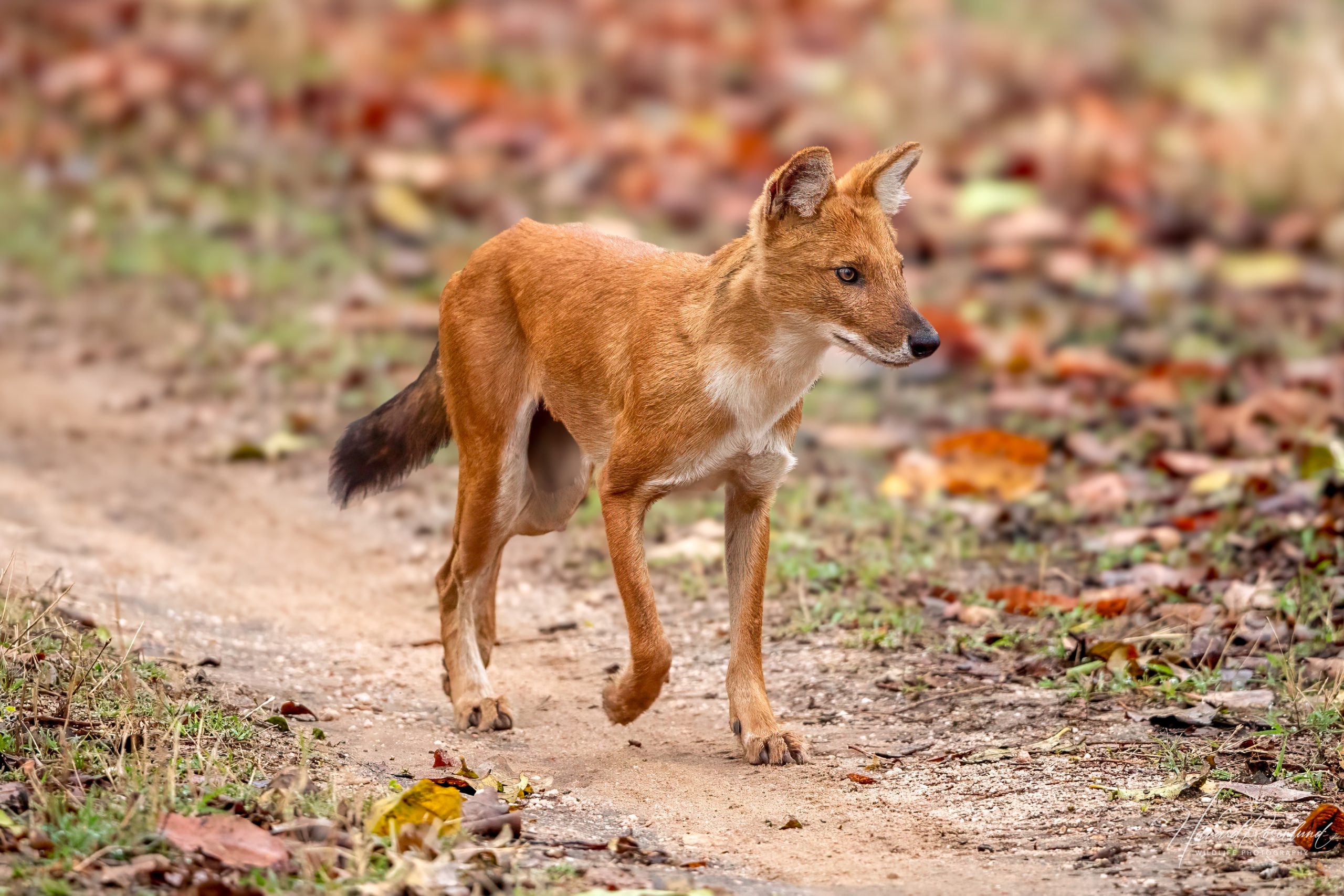
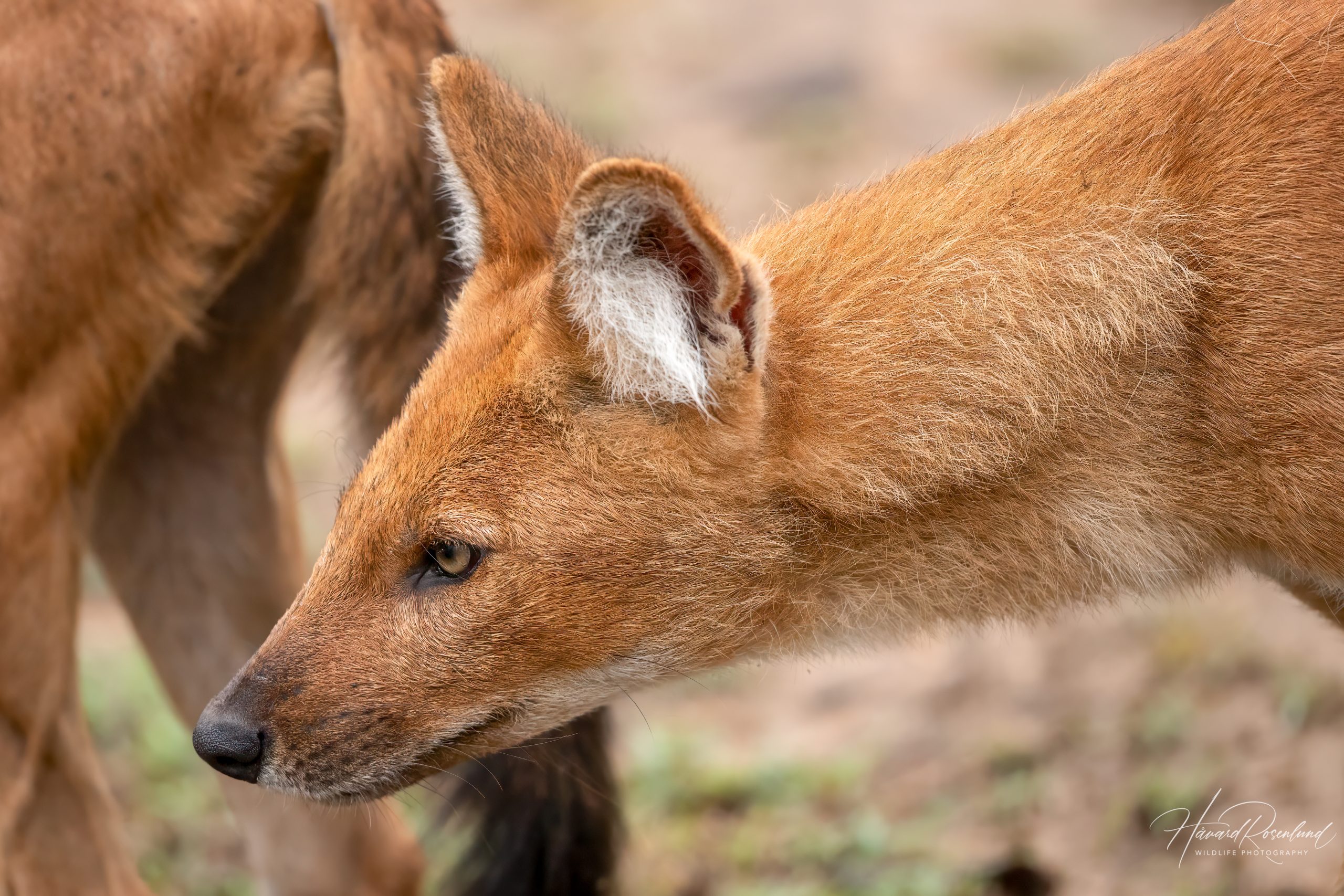
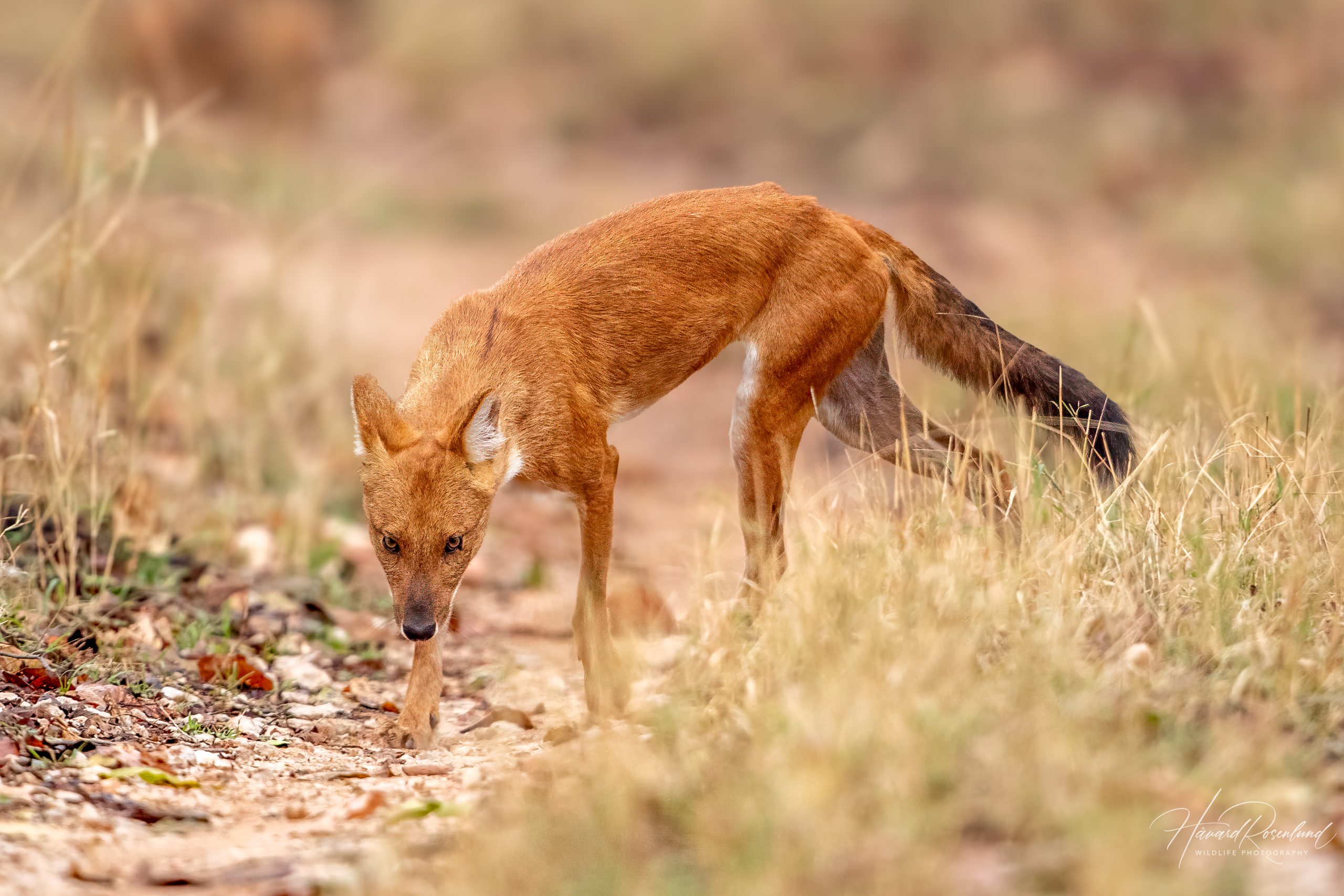
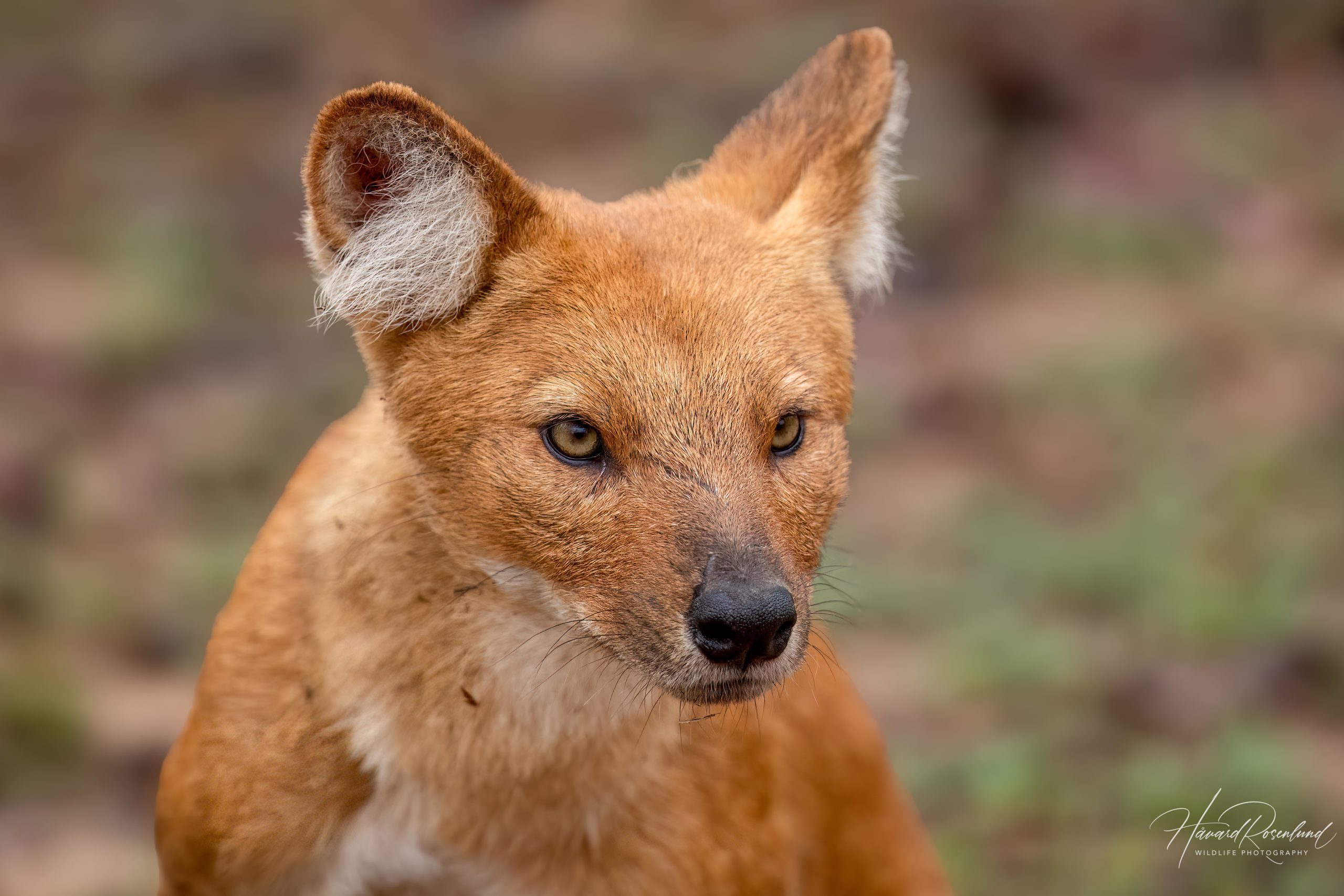
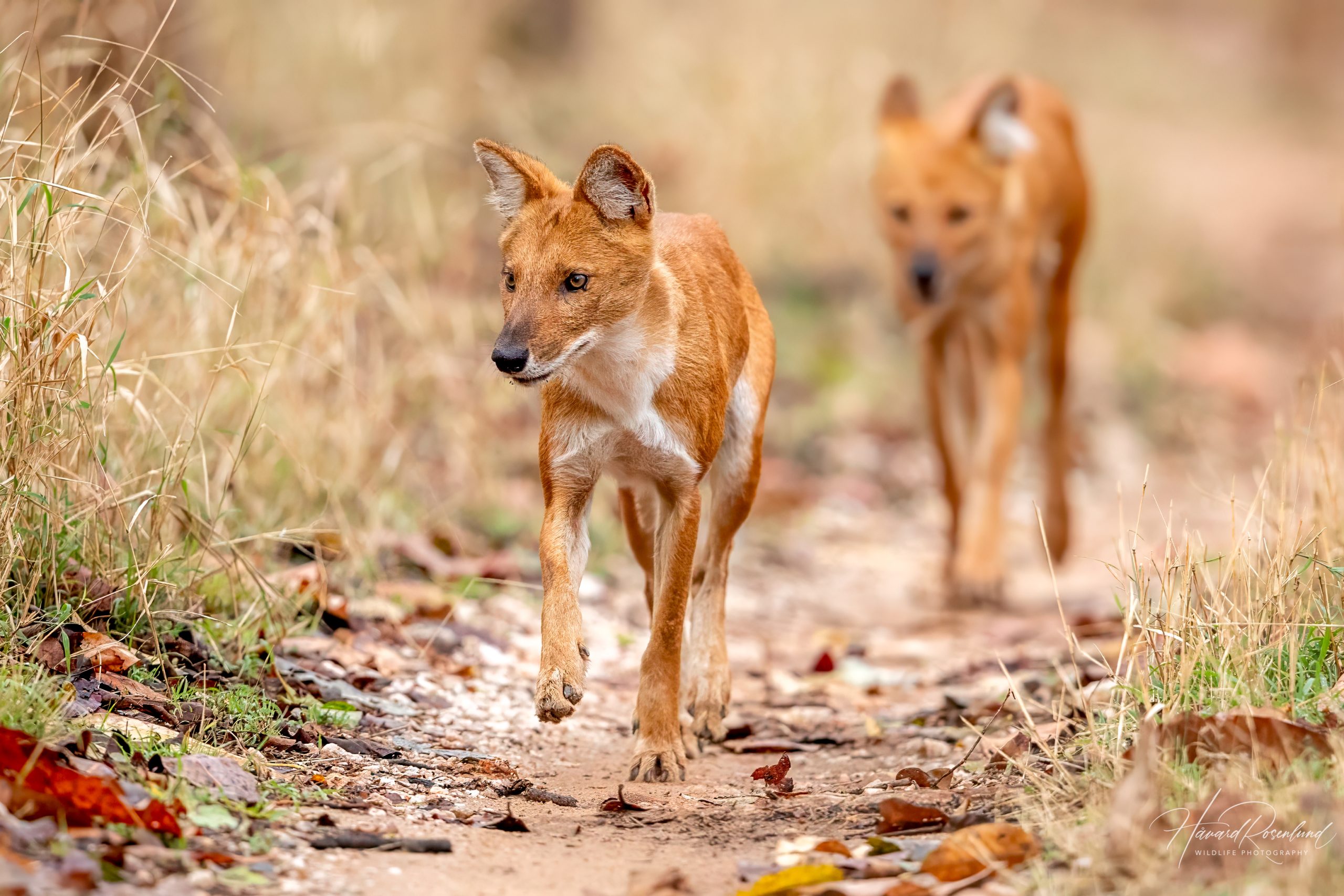
Dholes have a reddish-brown coat, paler underparts, rounded ears, a relatively short muzzle and a bushy, dark-tipped tail. Adults usually weigh about 12–20 kg, have a body length around 90 cm and a tail of roughly 40–45 cm. The dentition differs from most other canids, including one fewer lower molar on each side. Their varied vocal repertoire includes the clear whistle that gives rise to the name “whistling dog”.
Habitat
Dholes occupy a broad range of habitats, from tropical evergreen and dry deciduous forest to montane forest, grassland and scrub. More important than a single vegetation type are sufficient wild prey, access to water and large connected landscapes in which packs can hunt, den and disperse. In mountain regions they can occur at very high elevations; a nationwide study in Bhutan published in 2021 documented dholes at 4,980 m in alpine habitat.
A camera-trap study published in 2024 from Cauvery and Malai Mahadeshwara Hills wildlife sanctuaries in southern India found prey availability to be the strongest influence on dhole occurrence. Dholes used areas close to roads less often, avoided livestock both in where and when they were active, and reduced activity when people were most active. Their activity overlapped strongly with chital, barking deer and wild pig. The species can therefore persist in some moderately modified landscapes, but prey depletion, roads and livestock can strongly reduce its use of otherwise suitable habitat.
Diet
Dholes are carnivores that feed mainly on medium-sized and large ungulates, including deer and wild pigs. Smaller prey such as hares and rodents are also taken, and livestock may be killed where domestic animals overlap with packs.
The exact prey mix varies with local availability. Abundant wild prey is therefore one of the most important requirements for viable dhole populations and can also reduce the likelihood that packs turn to livestock.
Hunting
Dholes are cooperative pursuit hunters. Pack members search and chase together, allowing several animals to keep pressure on a fleeing ungulate and making it possible to subdue prey much larger than a single dhole could handle.
Long-term work in Mudumalai published in 1995 followed two packs whose sizes fluctuated markedly. Larger packs did not simply take larger prey: prey body mass was not correlated with pack size, while meat intake per dhole declined as pack size increased. Cooperative hunting therefore allows dholes to tackle large ungulates, but the benefits of more hunters are balanced by greater competition over each kill.
Behaviour
Dholes are mainly active by day, often especially in the morning and late afternoon.
Social behaviour
Dholes are highly social canids that live in cooperative packs. In India, packs commonly contain about five to ten adults, although substantially larger groups occur; long-term work in Mudumalai recorded two packs fluctuating between 4–18 and 4–25 animals as dispersal and reproduction changed their composition.
Pack members communicate with whistles, clucks, growls, body postures and scent marks. Play, mock-fighting and social grooming also form part of pack life and help maintain cohesion in a group that hunts, travels and raises young cooperatively.
Home ranges
Dhole packs use large areas, and home-range size varies greatly with prey density, habitat and pack structure. In Mudumalai, southern India, two well-studied packs used about 54 and 83 km², while a later camera-trap study in the adjoining Nagarahole–Wayanad landscape estimated roughly 85 km² for one pack during a 45-day post-monsoon period. Published estimates from elsewhere in India range from a few tens to more than 200 km².
Packs concentrate activity around dens while pups are small, whereas young animals can disperse away from their natal pack. A genetic study published in 2022 analysed 174 genetically identified dholes from two tiger reserves in Maharashtra. It found clear female-biased dispersal in Tadoba-Andhari, where packs were smaller and tiger density higher, but not the same pattern in Nawegaon-Nagzira. Dispersal is therefore not governed by one fixed sex bias and can change with pack structure, competition and landscape conditions.
Interspecific competition
Dholes share much of their remaining range with tigers (Panthera tigris) and leopards (Panthera pardus), and the three predators overlap strongly in their use of medium-sized and large ungulates. Coexistence depends on differences in prey choice, space use and activity rather than complete separation.
A study published in 2021 compared Tadoba-Andhari and Nawegaon-Nagzira in Central India. Mean dhole pack size was 16.8 ± 3.1 where tiger density was low, but only 6.4 ± 1.3 where tiger density was high. A wider analysis across the species' range showed the same general pattern: pack size declined with increasing tiger density and increased with prey abundance. Direct competition also occurs around carcasses; tigers have been recorded taking dhole kills, while dholes have in turn taken kills from leopards.
These interactions vary between landscapes. Where prey is abundant, all three predators can overlap extensively; where food is scarce, competition becomes stronger and subordinate predators may shift prey, activity or space use to reduce encounters.
Reproduction
Breeding timing varies geographically, but births are generally seasonal. Gestation lasts about 60–63 days. Usually one dominant female produces the litter, although more than one breeding female has been recorded in some packs. Four to six pups are common, but substantially larger litters can occur.
Dholes are cooperative breeders. The whole pack may help guard the den and bring or regurgitate food for the pups, so animals other than the parents contribute directly to raising the young. In a Bandipur pack followed from 1976 to 1978, pups left the den at about 70–80 days and were actively taking part in killing prey by around seven months. Their hunting and communication skills develop through close participation with older pack members.
Status
The dhole is classified as endangered on the IUCN Red List. The IUCN SSC Canid Specialist Group continues to cite an estimated global population of roughly 4,500–10,500 animals, of which only about 949–2,215 are mature individuals. These figures remain highly uncertain because reliable population estimates are lacking across much of the range.
India supports the largest remaining populations, and several important strongholds occur in protected landscapes. Nevertheless, the species survives in fragmented subpopulations across a much smaller area than its historical distribution, making connections between strongholds increasingly important.
Threats
The major pressures are habitat loss and fragmentation, depletion of wild prey, persecution after livestock losses, roads and other infrastructure, and disease transmission from domestic dogs (Canis familiaris). Rabies and canine distemper are particular concerns for small packs because a local outbreak can remove a large proportion of a subpopulation.
Research in southern India also shows that roads and livestock can reduce dhole occurrence even where some human activity is tolerated. In fragmented populations, dispersing animals must cross increasingly human-dominated landscapes to maintain genetic exchange.
Conservation
Dholes depend on large connected landscapes rather than isolated reserves alone. Healthy populations of wild prey, habitat corridors between core areas, better protection of livestock and lower disease transmission from free-ranging domestic dogs (Canis familiaris) all improve the chances that packs can persist and move between subpopulations.
Population size and connectivity are still poorly known across much of the range because dholes move over large areas, occur at low densities and are difficult to count. Camera traps, genetic samples and landscape analyses are therefore widely used to identify strongholds and connections between them.
Conservation organizations


Image gallery
Loading map and observations…
Have you seen this species?
Independent species archive
Did you find this species page useful?
Wildlife Vagabond is independently built and maintained. Voluntary support helps cover hosting, maps, data storage and continued improvements to the species archive.
Support Wildlife VagabondSpecies content will remain freely available.
References
Information about the species’ global distribution and status is based primarily on global Red List data. See the references below for details.
- Animal Diversity Web. (n.d.). Cuon alpinus. https://animaldiversity.org/accounts/Cuon_alpinus/
- Bhandari, A., Ghaskadbi, P., Nigam, P., & Habib, B. (2021). Dhole pack size variation: Assessing the effect of Prey availability and Apex predator. Ecology and Evolution, 11(9), 4774-4785. https://doi.org/10.1002/ece3.7380
- Ghaskadbi, P., Bathla, N., Bhandari, A., Modi, S., Nigam, P., & Habib, B. (2022). Feeding ecology of the endangered Asiatic wild dogs (Cuon alpinus) across tropical forests of the Central Indian Landscape. Scientific Reports, 12(1), 14029. https://doi.org/10.1038/s41598-022-17906-5
- International Union for Conservation of Nature. (n.d.). Cuon alpinus. The IUCN Red List of Threatened Species. https://www.iucnredlist.org/species/5953/72477893
- IUCN SSC Canid Specialist Group. (n.d.). Dhole species account. https://www.canids.org/species/view/PREKQW171301
- IUCN SSC Canid Specialist Group. (n.d.). Dhole Working Group. https://www.canids.org/dhole-working-group
- IUCN SSC Canid Specialist Group. (n.d.). Srivathsa, Kumar & Karanth 2017 – Home range size of the dhole from camera-trap surveys. https://www.canids.org/CBC/20/Dhole_home_range.pdf
- Johnsingh, A. (1982). Reproductive and social behaviour of the Dhole, Cuon alpinus (Canidae). Journal of Zoology, 198(4), 443-463. https://doi.org/10.1111/jzo.1982.198.4.443
- Karanth, K. U., Srivathsa, A., Vasudev, D., Puri, M., Parameshwaran, R., & Kumar, N. S. (2017). Spatio-temporal interactions facilitate large carnivore sympatry across a resource gradient. Proceedings of the Royal Society B: Biological Sciences, 284(1848), 20161860. https://doi.org/10.1098/rspb.2016.1860
- Mammal Diversity Database. (n.d.). Cuon alpinus. American Society of Mammalogists. https://www.mammaldiversity.org/taxon/1005949/
- Modi, S., Mondol, S., Ghaskadbi, P., Nigam, P., & Habib, B. (2022). Genetic evidence of differential dispersal pattern in the Asiatic wild dog: Comparing two populations with different pack sizes. Frontiers in Ecology and Evolution, 10, 993851. https://doi.org/10.3389/fevo.2022.993851
- Pattekar, S. S., Gubbi, S., Struebig, M. J., & Benson, J. F. (2024). Response of dholes to prey availability and human disturbance in space and time in Southern India. Biological Conservation, 297, 110750. https://doi.org/10.1016/j.biocon.2024.110750
- Thinley, P., Rajaratnam, R., Kamler, J. F., & Wangmo, C. (2021). Conserving an Endangered Canid: Assessing Distribution, Habitat Protection, and Connectivity for the Dhole (Cuon alpinus) in Bhutan. Frontiers in Conservation Science, 2, 654976. https://doi.org/10.3389/fcosc.2021.654976
- Venkataraman, A. B., Arumugam, R., & Sukumar, R. (1995). The foraging ecology of dhole (Cuon alpinus) in Mudumalai Sanctuary, southern India. Journal of Zoology, 237(4), 543-561. https://doi.org/10.1111/j.1469-7998.1995.tb05014.x
- Wildlife Conservation Society. (n.d.). WCS-India – The Dhole Project. https://india.wcs.org/About-Us/Support-Us/The-Dhole-Project