
Shooting accounted for nearly all fallow deer deaths with a known cause in New South Wales
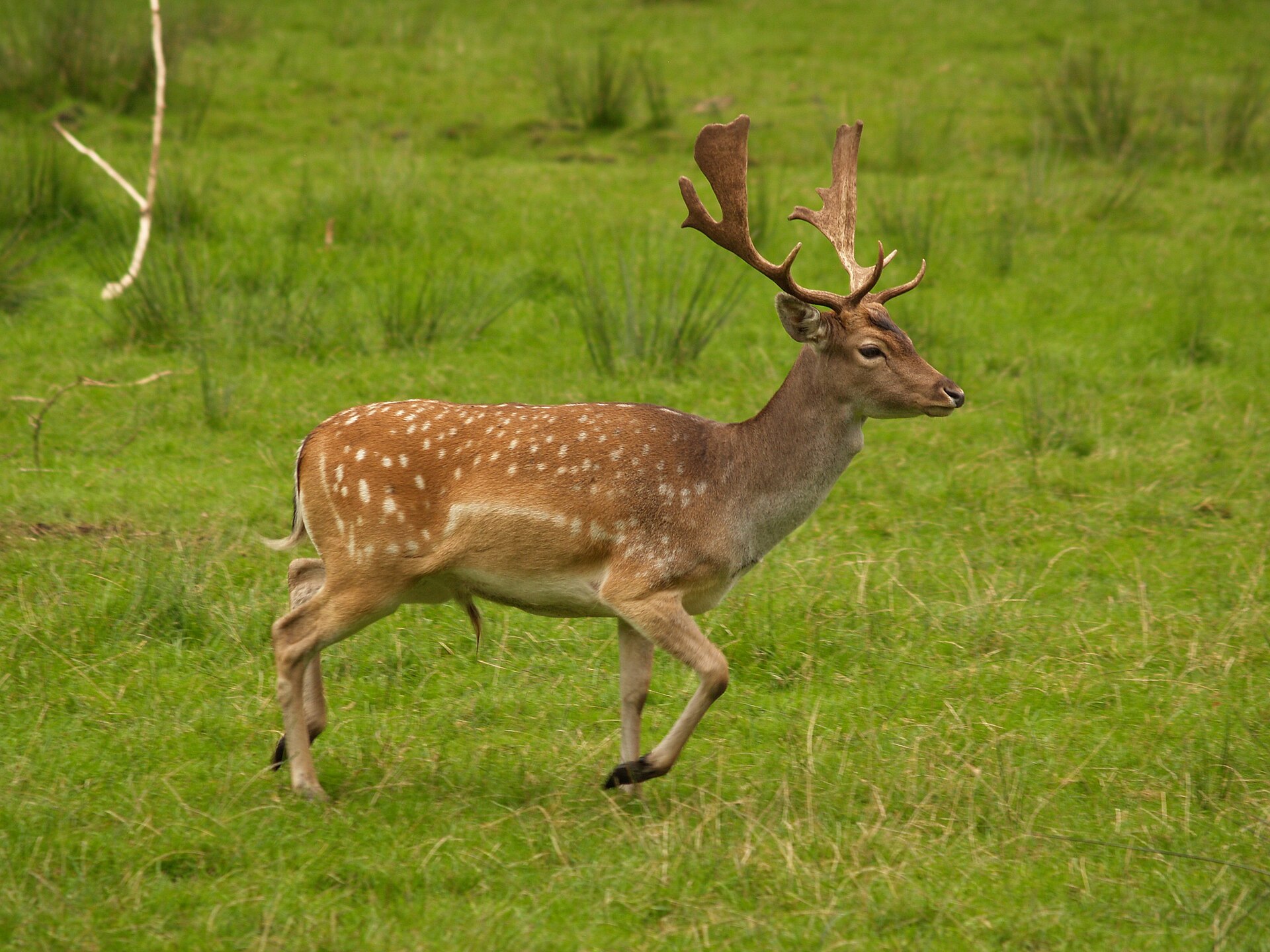
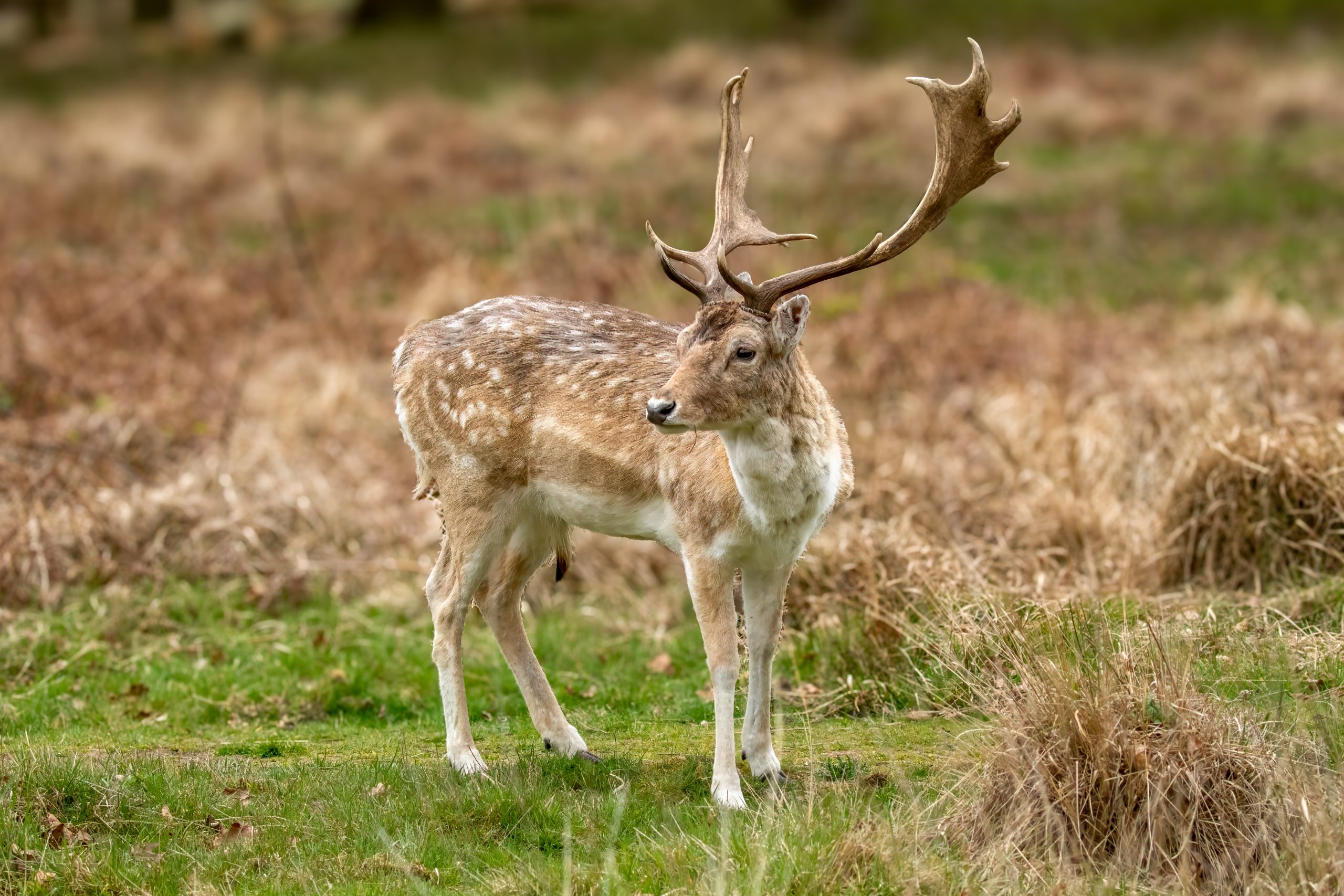
In a study of adult European fallow deer (Dama dama) in New South Wales, estimated annual survival was lower for males than for females: 53.9% compared with 78.1%. Among the deaths whose cause researchers could assign, 22 were due to shooting and one to a natural, non-human cause. The study found no evidence of predation.
The researchers fitted GPS collars to 70 deer—44 females and 26 males—and used tracking data to estimate survival and causes of death. A lost collar signal does not by itself show whether a deer has died or its collar has failed. The analysis therefore accounted for the chance of detecting an animal separately from whether it was alive or dead. Some deer were later confirmed alive in trail-camera photographs; in other cases, reports that a deer had been shot, along with its failed collar, helped establish its fate.
Estimated annual survival from natural causes alone was also higher for females than males: 98.4% compared with 93.1%, a smaller difference than in overall survival. These figures describe survival attributed to natural causes, while the overall estimates also reflect human-caused deaths. The 22 shootings and one natural death represent only deaths for which a cause could be assigned, not every death among the collared deer.
These estimates can inform models used to evaluate management options for overabundant fallow deer populations.
Ecology
Related news
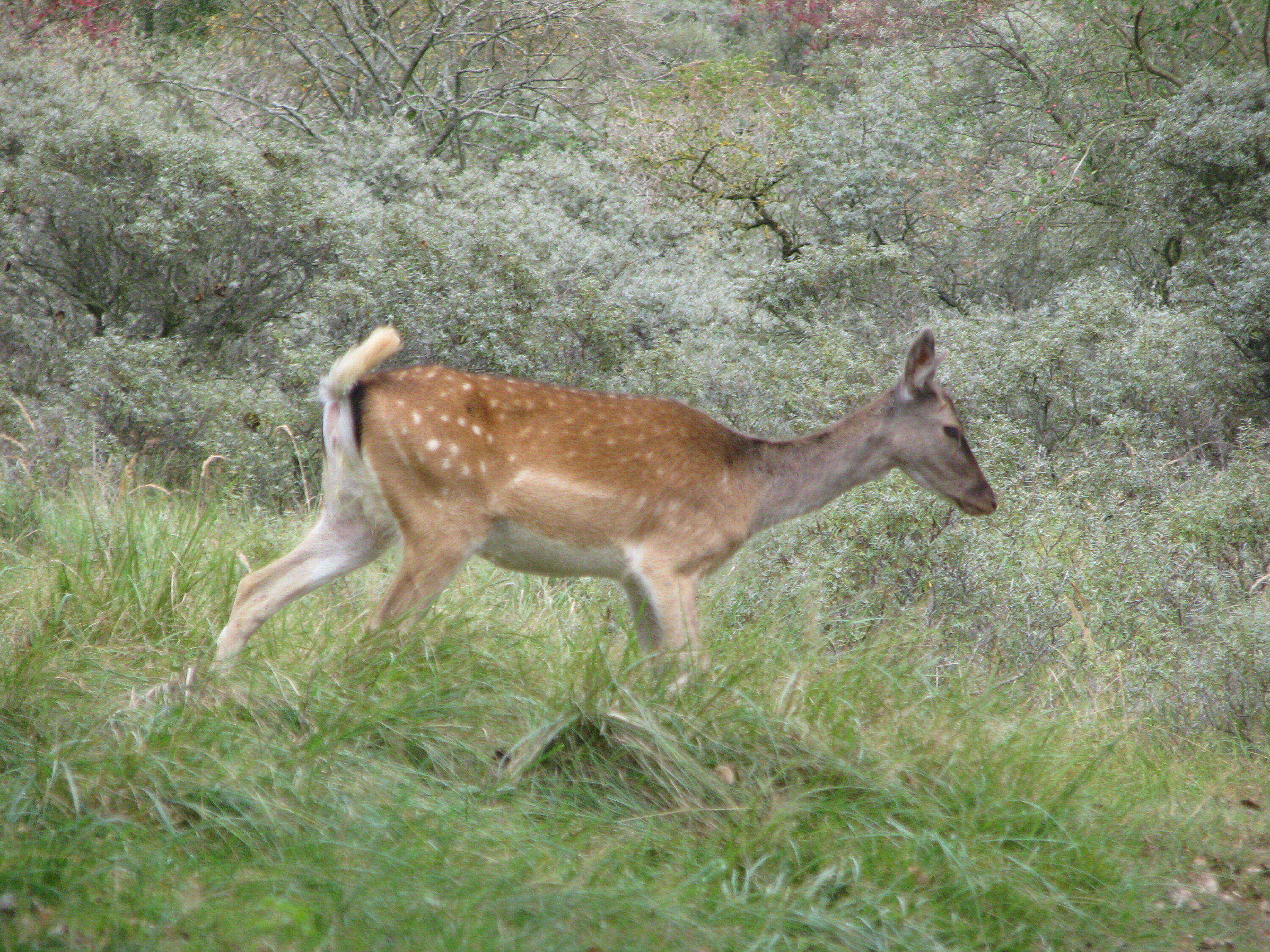
Male and Female Fallow Deer Followed Different Daily Schedules Outside the Rut
In 4,114 sexed camera-trap detections from a Dutch dune reserve, fallow deer favoured twilight and night. Outside the…
Read story →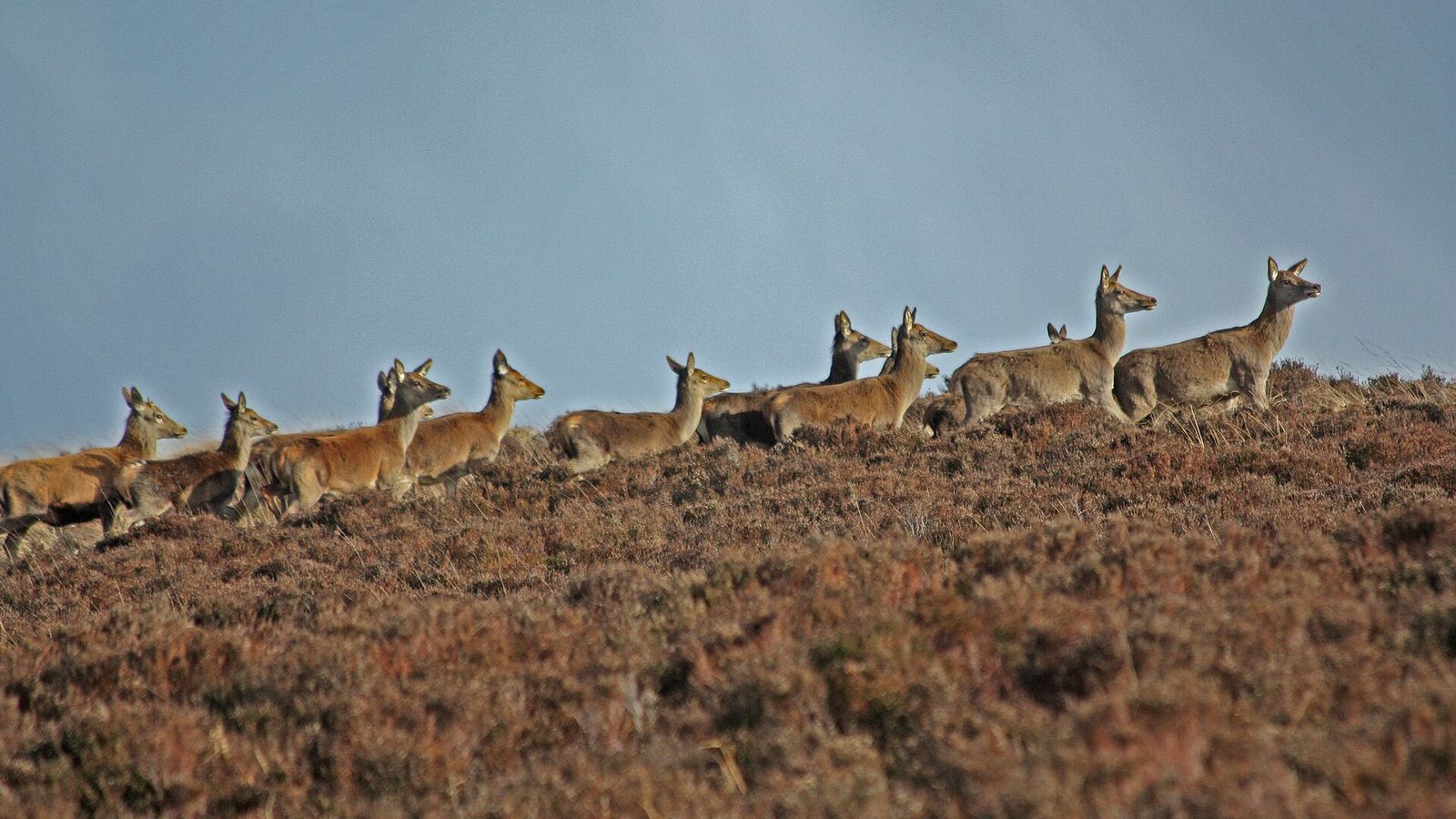
Estimated M. bovis Seroprevalence Was 26.6% in Exmoor Red Deer
A survey of 432 wild deer in the Exmoor area estimated Mycobacterium bovis seroprevalence at 26.6% in red…
Read story →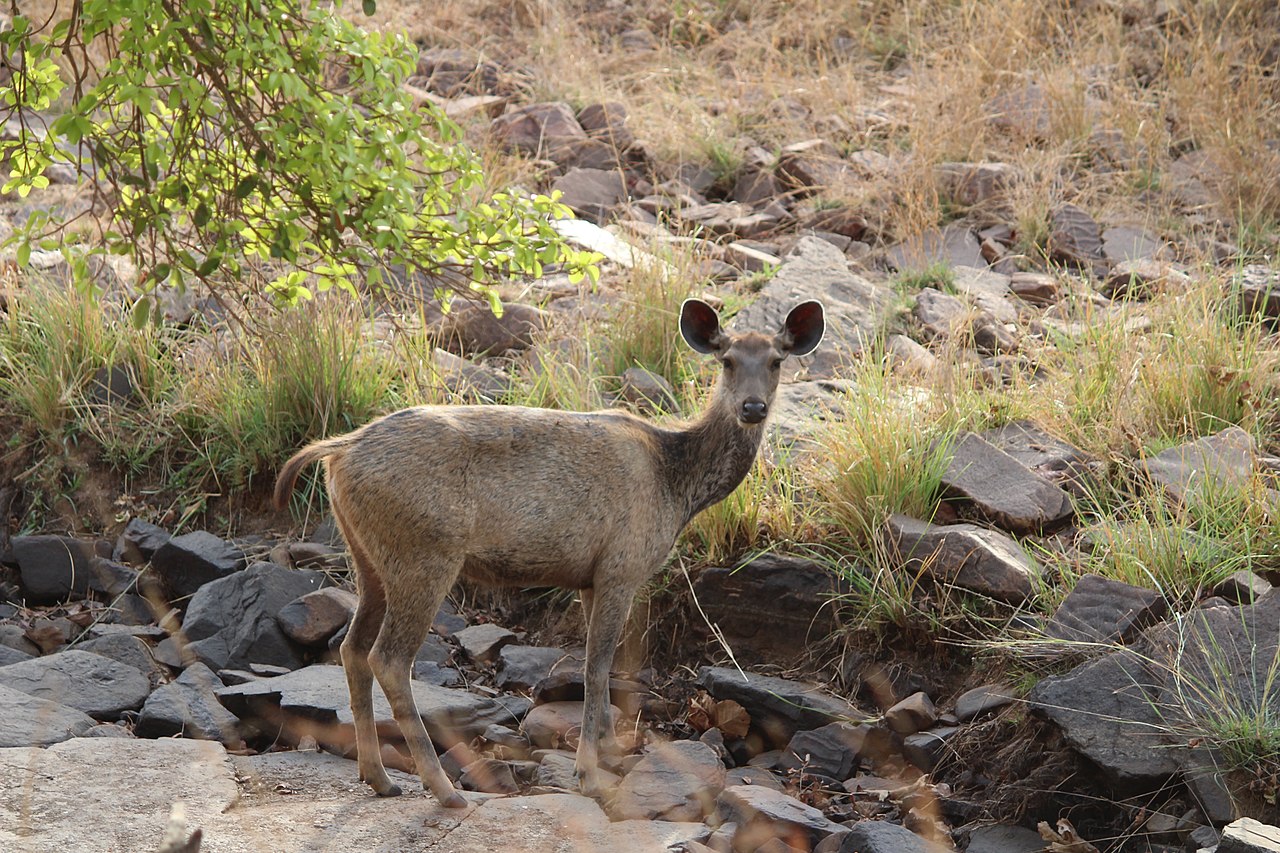
Wild Deer Near Farmland Had Greater Strongyle Diversity in Victoria
Metabarcoding of 194 faecal samples from sambar, fallow and hog deer in Victoria detected 11 strongyle taxa. Deer…
Read story →SPECIES IN THIS STORY
Species in this story
Independent research and conservation news archive
Did you find this information useful?
Wildlife Vagabond is independently built and maintained. Voluntary support helps cover source verification, hosting and continued work on research and conservation news.
Support Wildlife VagabondThe news archive will remain freely available.