
Kielder Forest Reached 150 Fledged Osprey Chicks Since Breeding Returned in 2009
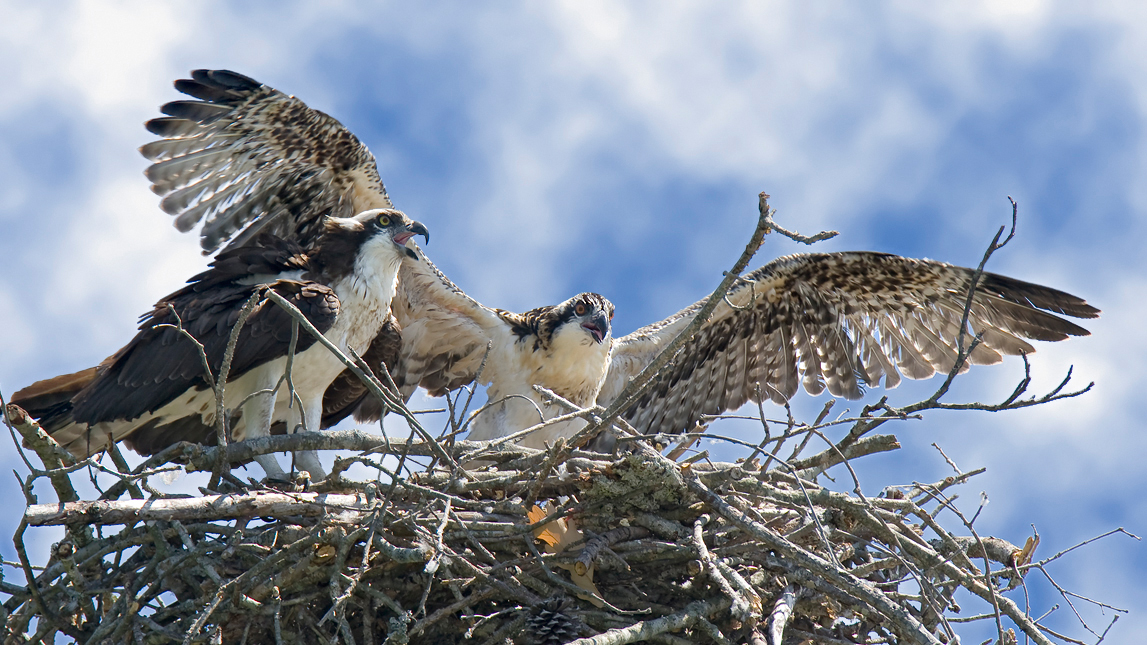
A young male named Kielder became the 150th osprey (Pandion haliaetus) chick to fledge from Kielder Forest since the species returned to breed in Northumberland in 2009. He made his first flight from the Lord Robinson nest, also known as Nest 12, Northumberland Wildlife Trust announced on 12 August 2026.
Ospreys had been absent as breeding birds from Northumberland for more than two centuries before a pair raised three chicks at Kielder in 2009. Seventeen years later, the cumulative total from the forest reached 150 fledged young. The milestone is therefore not the number produced in 2026 alone, but the combined result from Kielder nests since breeding resumed.
Ospreys now breed at multiple nests across the forest rather than only at the original breeding site. The Kielder Osprey Project brings together Forestry England, Northumbrian Water, Northumberland Wildlife Trust, Kielder Trust, Wild Intrigue and Calvert Kielder.
Fledging is only the beginning of the young birds’ transition to independence. Juvenile ospreys remain near the nest while their parents continue to feed them, and they develop their flying and fishing skills around Kielder Water. Within a few weeks they are expected to begin a migration of about 5,000 miles to sub-Saharan Africa.
The partnership is continuing its work after the 150th fledgling and is raising funds for improved cameras, livestreaming equipment and additional nesting platforms. The new milestone therefore marks 17 years since ospreys returned to breed in Northumberland.
Population & status
Related news
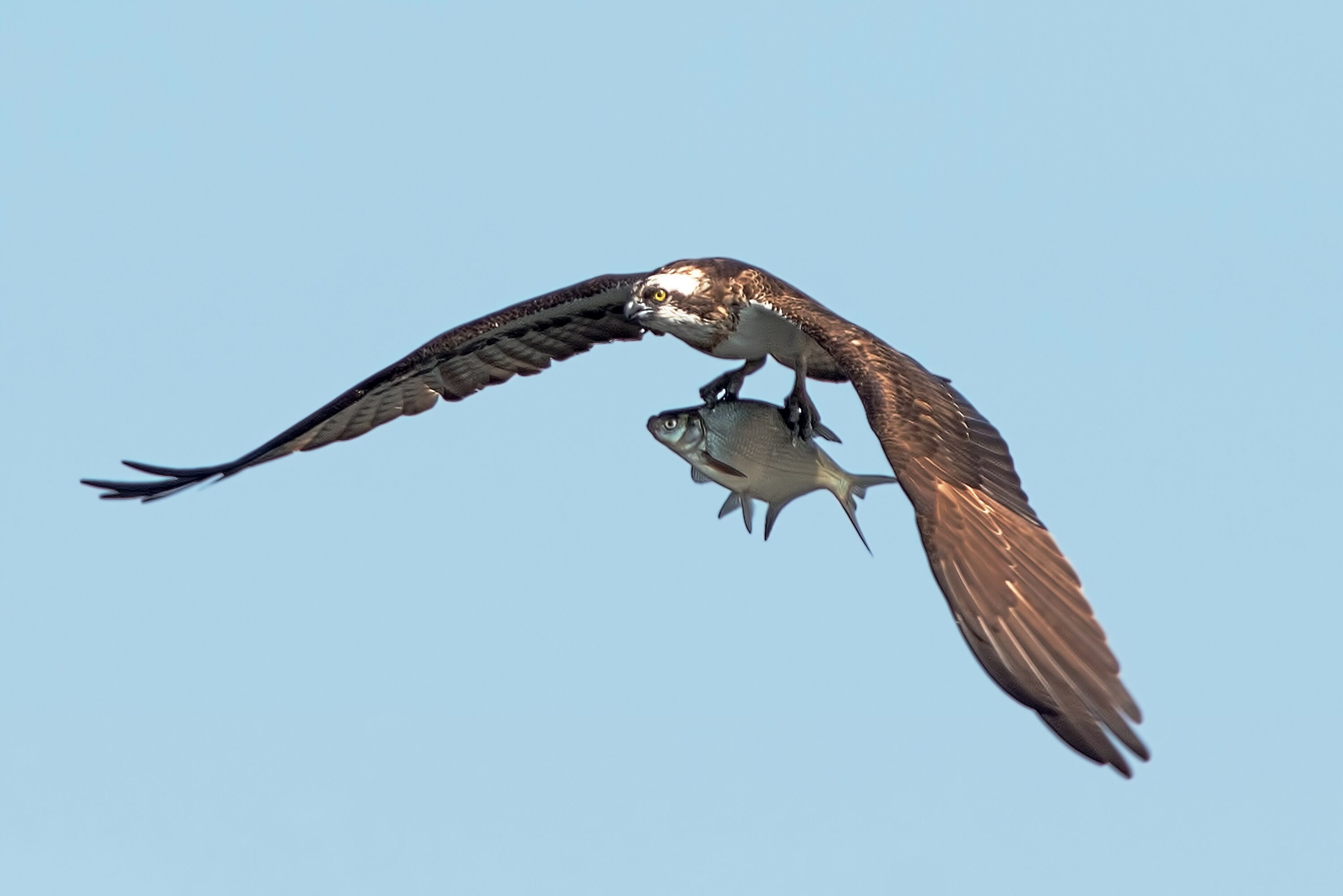
VKM: Exporting Up to 26 Osprey Young to Ireland Would Not Harm Conservation Status in Norway
VKM concluded that exporting up to 26 wild young ospreys from two Norwegian donor areas to Ireland would…
Read story →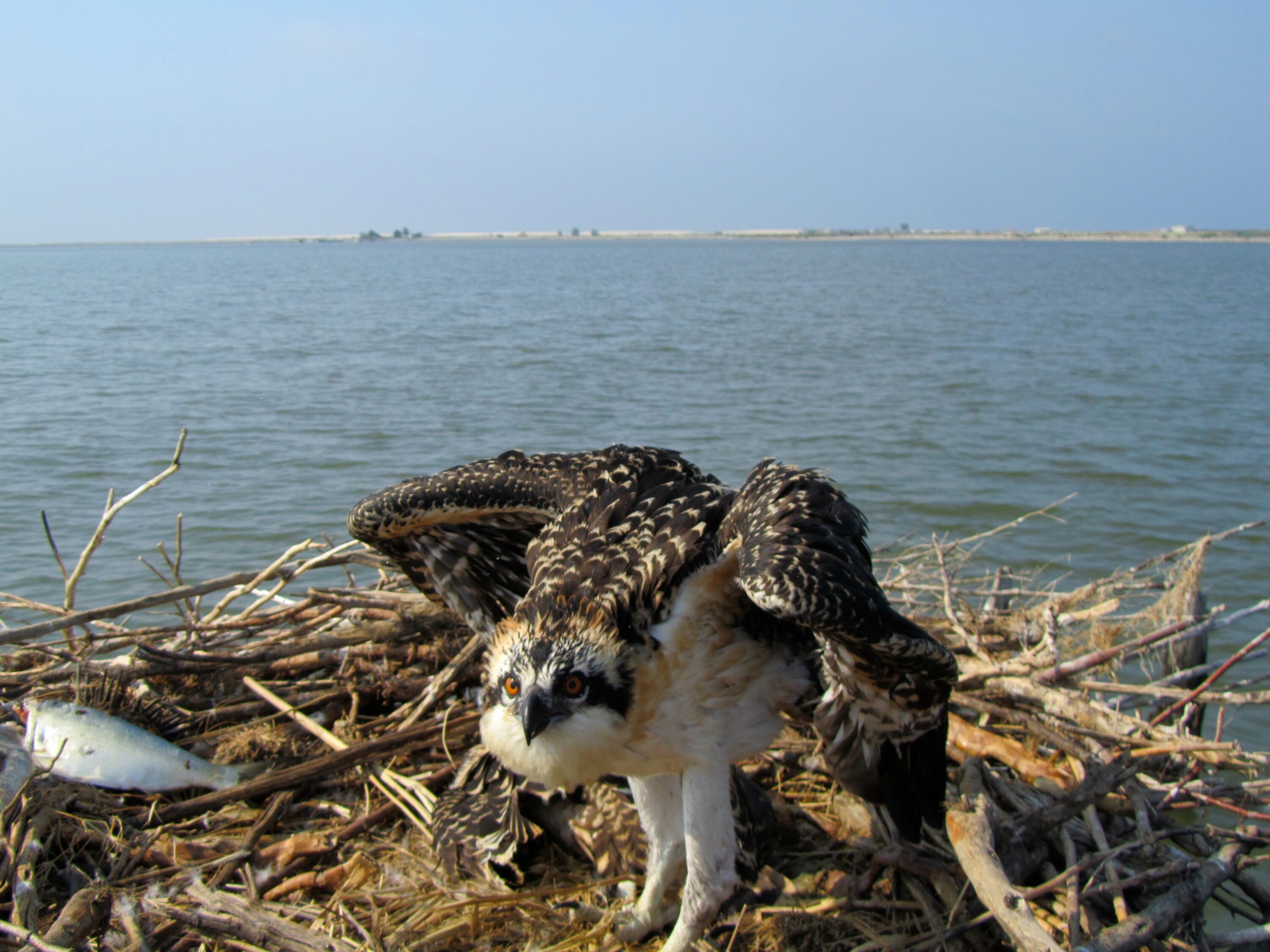
24 Osprey Chicks Fledged From 12 Rutland Nests
Rutland Osprey Project reported 24 chicks fledged from 12 nests in 2026. The season produced 14 chicks assessed…
Read story →
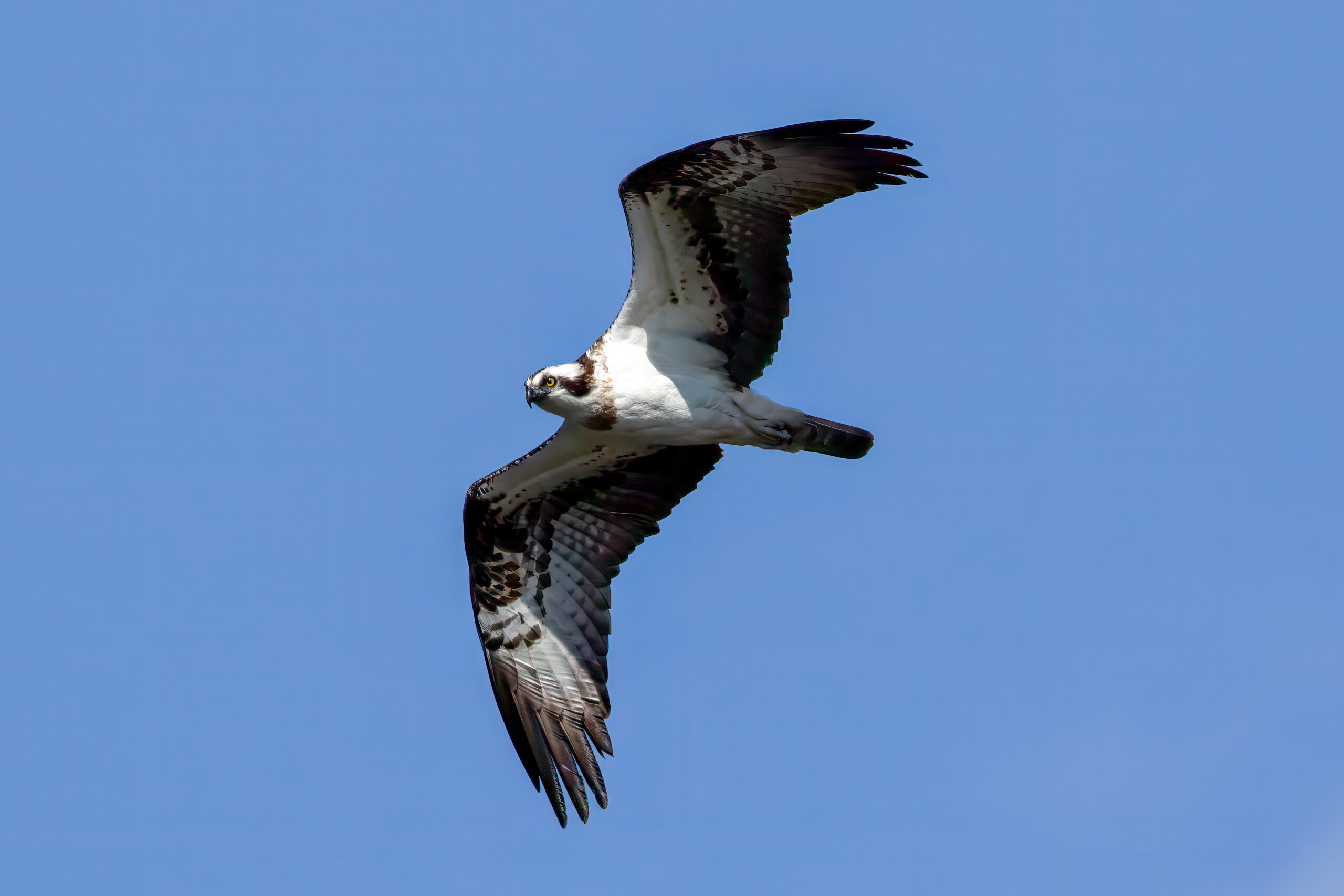
Ospreys Raised Three Chicks in Switzerland’s First Breeding in 112 Years
A male released by the Swiss reintroduction project and an unringed female of unknown origin raised three chicks…
Read story →SPECIES IN THIS STORY
Species in this story
Independent research and conservation news archive
Did you find this information useful?
Wildlife Vagabond is independently built and maintained. Voluntary support helps cover source verification, hosting and continued work on research and conservation news.
Support Wildlife VagabondThe news archive will remain freely available.