
Macaques Reacted Slowest Where Either Hand Was Equally Likely to Be Chosen
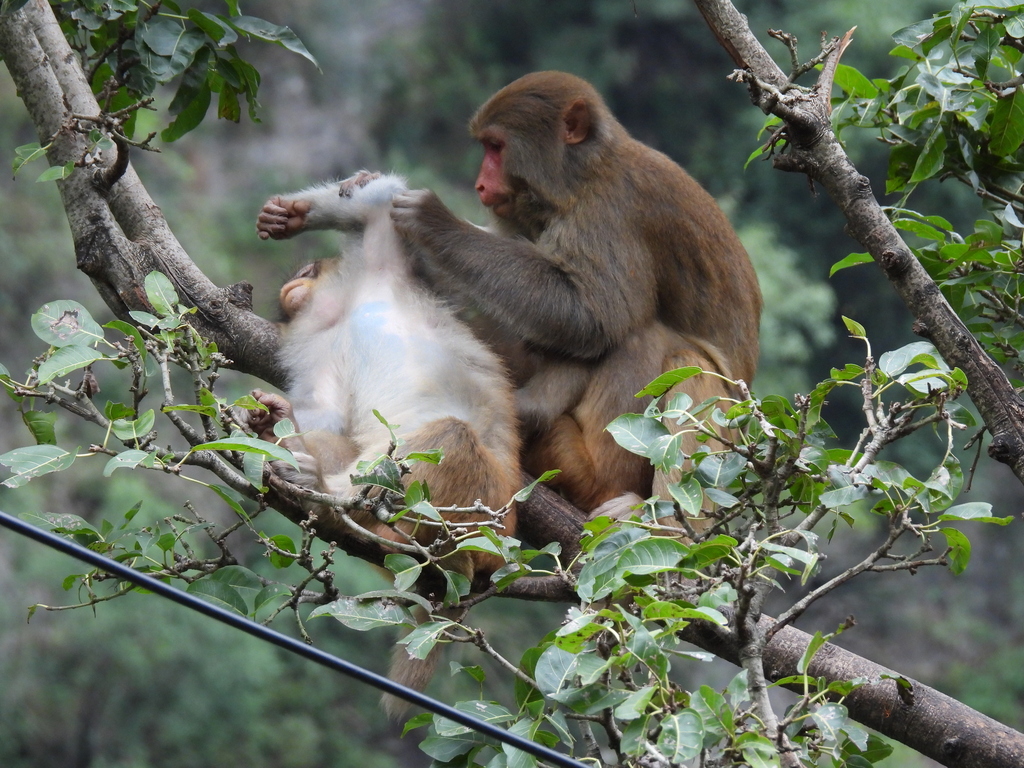
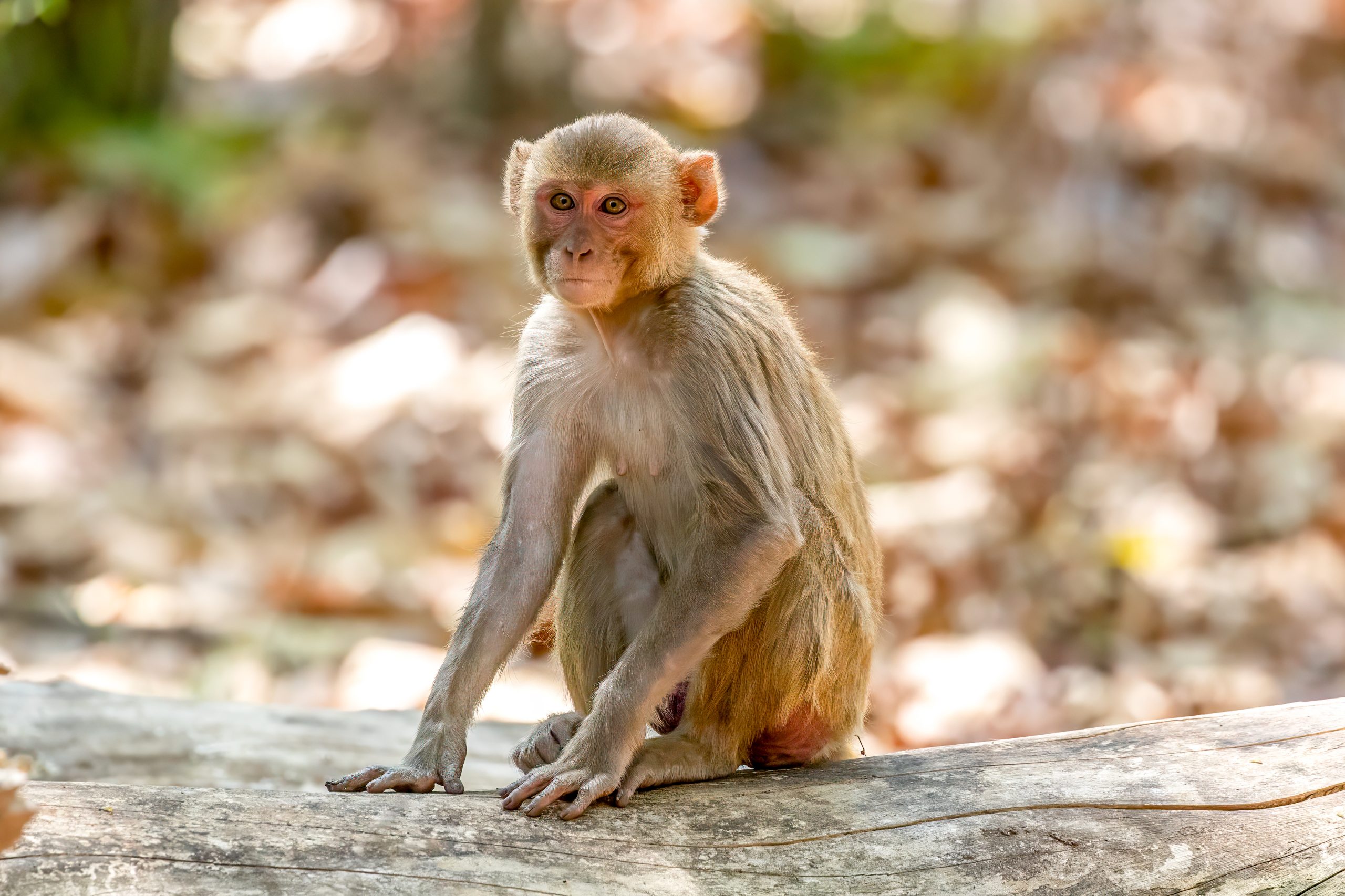
People generally reach for a target with the hand on the same side of the body, but that preference can shift with the effort required to reach and with head or gaze direction. To test whether macaques show a similar pattern, and whether reaction time tracks hand choice, researchers studied two male rhesus macaques (Macaca mulatta) in a 2026 bioRxiv preprint.
The macaques freely chose a hand as targets appeared at ten positions across the horizontal field. For targets well to either side of the body’s midline, both animals usually used the hand on the target’s side. Between those positions, their choices shifted from one hand to the other. The transition point—where either hand was equally likely to be chosen—is called the point of subjective equality, or PSE.
Reaction times were longest near the PSE. Displacing a hand, rotating the head or shifting gaze to one side each moved the PSE toward that side. The effects on reaction time depended on the manipulation: displacing a hand slowed the macaques’ responses when they used that hand, while shifting gaze to one side slowed responses by the opposite hand. Across all conditions, the farther the PSE shifted toward one side, the slower that side’s hand was relative to the other.
This resemblance between macaque and human hand choice suggests that macaques could help researchers investigate how the brain selects a hand for reaching. The study measured choices and reaction times, not neural activity, and its findings are based on two animals.
Behaviour
Related news
A macaque antibody neutralised diverse H5 flu viruses by blocking membrane fusion
An antibody isolated from immunised rhesus macaques neutralised H5 influenza viruses collected from 1997 to 2024, including recent…
Read story →
How one rhesus macaque’s brain represented coordinated finger movements
Recordings from three connected brain areas showed that coordinated finger movements were not represented as a simple sum…
Read story →
Female Rhesus Macaques That Watched Unfamiliar Female Faces Longer Were More Likely to Have Offspring the Following Year
At a semi-free-ranging population in Puerto Rico, females that spent longer looking at an unfamiliar female’s neutral face…
Read story →SPECIES IN THIS STORY
Species in this story
Independent research and conservation news archive
Did you find this information useful?
Wildlife Vagabond is independently built and maintained. Voluntary support helps cover source verification, hosting and continued work on research and conservation news.
Support Wildlife VagabondThe news archive will remain freely available.